
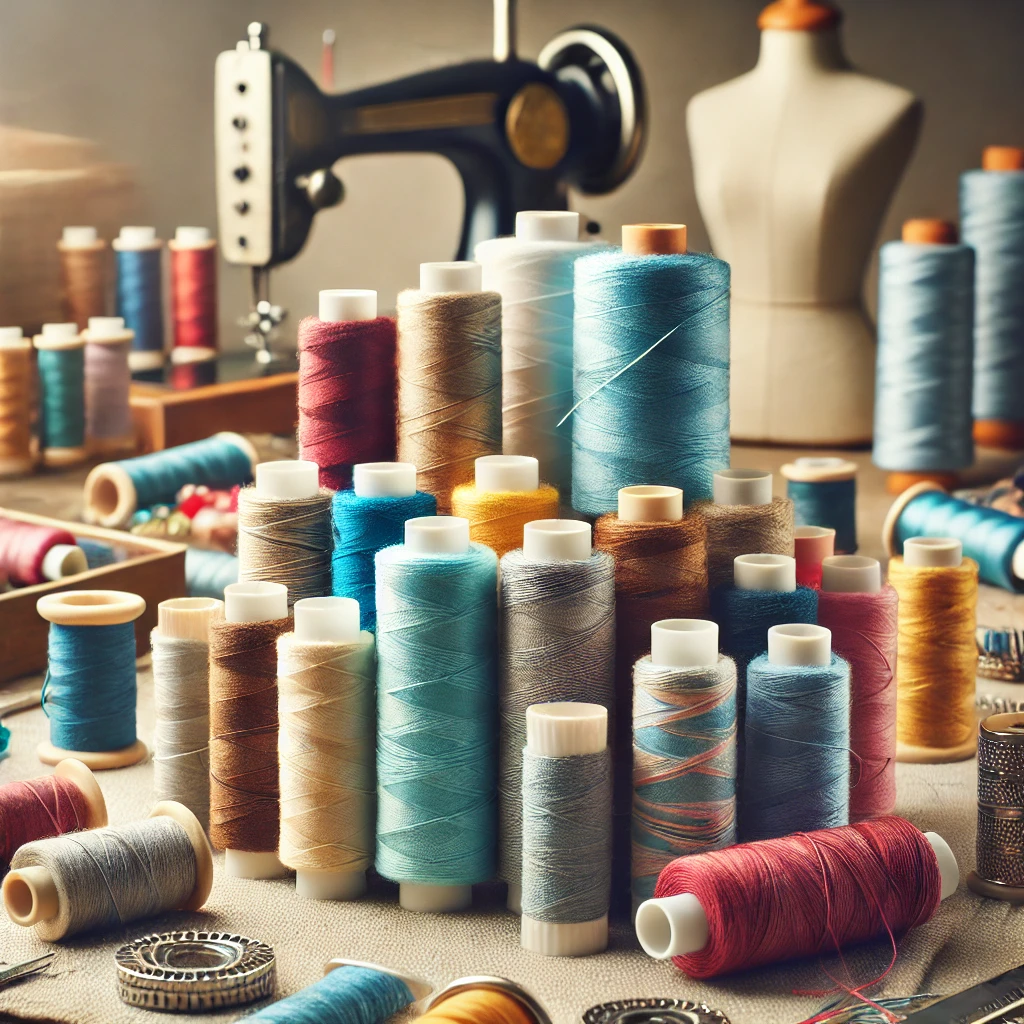
Choosing the right thread for your sewing project is crucial to achieving a perfect finish. Different types of thread offer unique benefits depending on your fabric and project requirements. In this guide, we’ll help you with selecting the right thread for all your sewing needs.
Understanding Thread: Choosing the Right One for Your Sewing Projects
Thread is the backbone of any sewing project, playing a crucial role in both the function and aesthetic of your work. Choosing the right thread can make a significant difference in the quality and durability of your creations. This guide will take you through various types of threads and their uses, helping you make informed decisions for your sewing endeavors.
Introduction to Thread
Thread is more than just a way to hold fabric together; it can add texture, color, and strength to your project. From delicate embroidery to heavy-duty sewing, using the right thread ensures a polished and long-lasting finish.
Whether you’re a beginner or an experienced sewist, knowing the differences between thread types is essential. For beginners, check out our guide on Embroidery Techniques for Beginners, which touches on selecting the right materials for embroidery work.
Selecting the Right All-Purpose Thread
The all-purpose thread is the go-to option for most general sewing projects. Made from polyester, it strikes a balance between strength and flexibility, making it suitable for a wide range of fabrics. Whether you’re working with cotton, linen, or blends, the all-purpose thread can handle most tasks with ease.
It’s available in an extensive array of colors, ensuring you can match your thread to your fabric. If you’re just starting out or working on a multi-fabric project, this thread will be your best bet.
Choosing the Right Button and Craft Thread
When it comes to attaching buttons or working on craft projects, you need something a bit more robust. Button and craft thread is thicker than all-purpose thread, providing extra durability for secure button placement. You’ll find this thread used in heavier garments like jackets, coats, and blazers, where buttons need to withstand more wear and tear.
For those who frequently sew garments, mastering proper button placement is crucial. Check out our detailed guide on Mastering Left Chest Logo Embroidery to learn how to position elements accurately on clothing.
Selecting the Right Embroidery Thread
Embroidery thread is specifically designed to create intricate, colorful designs on fabric. Typically made from rayon or polyester, this thread is thinner and shinier than standard sewing thread, allowing it to stand out in decorative designs. However, it’s mainly used with embroidery machines, rather than for hand embroidery.
Embroidery thread comes in a wide range of colors, perfect for adding vibrant details to your projects. If you’re planning to embroider logos or text, make sure to select high-quality embroidery thread for the best results.
You can learn more about creating professional embroidery designs by visiting our guide on 3D Puff Embroidery, where we cover more advanced techniques for textured, eye-catching designs.
Jean Thread for Denim Projects
When working with denim, regular thread might not cut it. Jean thread is much thicker and designed to handle the weight and toughness of denim. It’s essential for sewing durable seams that can withstand wear and tear.
Jean thread works best with heavy-duty sewing machines that can manage the thicker material. If you’re having trouble sewing denim with standard thread, try switching to jean thread for a sturdier, longer-lasting result.
Metallic Threads for a Glamorous Touch
For those looking to add a little sparkle to their projects, metallic thread is a fantastic option. However, it requires a bit more care due to its fragility and tendency to break under heavy layers. It works best for topstitching or decorative accents on lighter fabrics.
Metallic threads can truly elevate your work, making your garments stand out with a subtle or bold shine. Be sure to use metallic thread in moderation and pair it with lighter fabrics for the best results.
Upholstery Thread for Heavy-Duty Projects
If you’re tackling furniture or heavy fabric projects, upholstery thread is your best option. This thick, durable thread is designed for high-stress applications like reupholstering chairs or sewing curtains. It offers exceptional strength and can handle even the toughest sewing tasks.
Using upholstery thread requires a heavy-duty sewing machine to prevent any issues during stitching. For more insights on working with thicker fabrics and threads, check out our article on Heavy Duty Threads for Tough Projects.
Serging with Serger Thread
Serger thread is specifically made for use with sergers—machines that cut and stitch fabric simultaneously. Sold in larger cones, this thread is perfect for finishing edges and creating clean, professional seams. While primarily used with sergers, it can also be adapted for standard sewing machines.
Serger thread allows you to efficiently sew multiple layers of fabric and is essential for anyone serious about garment construction. It’s particularly useful for projects that require a lot of edge finishing, like apparel production.
Polyester vs Cotton: Which Thread to Choose?
When it comes to choosing between polyester and cotton threads, each has its advantages depending on the project. Polyester thread is known for its strength and elasticity, making it perfect for most fabrics and garments. It also resists fading, ensuring your projects maintain their color vibrancy over time.
On the other hand, cotton thread is softer and ideal for delicate fabrics. It’s breathable and works well for projects like quilting or garments that prioritize comfort. However, its lack of elasticity makes it less suited for fabrics that stretch or garments requiring more give.
For more insights on pairing the right thread with your fabric, visit our article on Beanie Embroidery, where we discuss thread choices for different fabric types.
Conclusion and Further Learning
Choosing the right thread can make or break your sewing project. By understanding the strengths and weaknesses of each type, you’ll be able to select the perfect thread for your project every time. Experiment with different types of thread to see how they perform with various fabrics, and don’t hesitate to revisit this guide when you’re unsure.
If you’re looking to deepen your understanding of thread and sewing techniques, browse through our beginner’s guide to embroidery and other helpful resources on our site.
FAQ: Common Questions About Thread
What thread should I use for everyday sewing?
All-purpose polyester thread is best for general sewing due to its versatility and strength.
Can I use cotton thread for garments?
Yes, cotton thread is great for soft, breathable garments, especially those made from natural fibers like cotton or linen.
How do I choose the right thread weight?
The thread weight should correspond with your fabric weight. Lightweight fabrics need finer threads, while heavier fabrics benefit from thicker threads.