
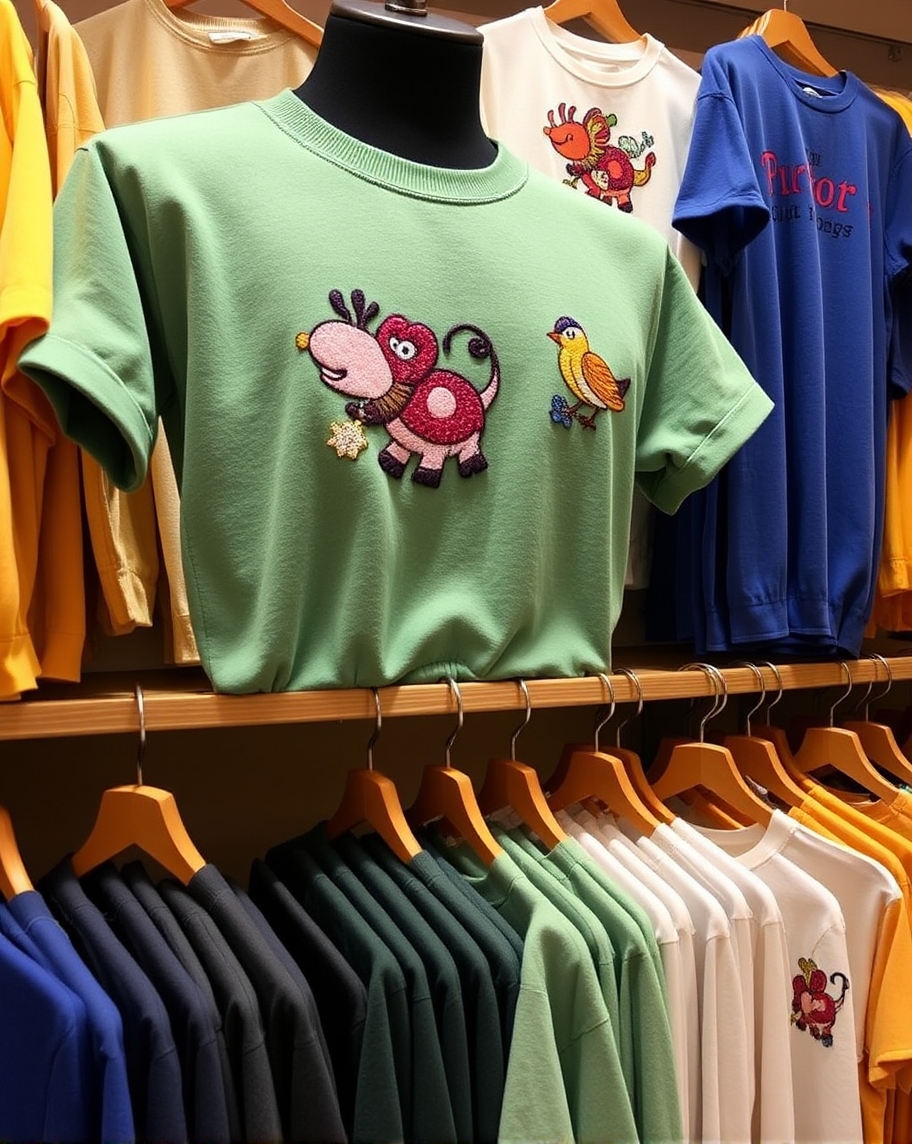
3D puff embroidery adds an eye-catching dimension to your designs, making logos and text pop out from the fabric. It’s a popular choice for hats, caps, and outerwear, especially in the world of fashion and sports branding. However, mastering this technique requires some special tools and attention to detail. Here’s a step-by-step guide to help you create striking 3D puff embroidery designs.
What is 3D Puff Embroidery?
3D puff embroidery uses a foam backing that is placed underneath the top stitching of the design. As the stitches go over the foam, they create a raised, three-dimensional effect, adding depth and texture to your design. This method is widely used on caps and hats, particularly for bold logos or text.
If you’re already familiar with flat embroidery but want to add more dimension to your work, this is a great technique to learn. You can check out our detailed guide on Mastering Left Chest Logo Embroidery for tips on getting precise logo placement.
Materials Needed for 3D Puff Embroidery
- Foam Sheets: The key material in 3D puff embroidery, foam sheets are available in various thicknesses. You’ll want to choose the right thickness based on the effect you want to create.
- Embroidery Machine: Your machine should be able to handle denser stitching, as 3D puff requires more thread than flat embroidery.
- Needles: Opt for thicker needles to handle the foam and multiple layers of stitching.
- Cap Frame or Hoop: If you’re working on caps or hats, using a specialized cap frame or magnetic hoop will make the process easier.
For more tips on working with different types of embroidery hoops and techniques, take a look at our guide on Essential Rules for Perfect Beanie Embroidery, which covers hoop tension and placement for best results.
Step-by-Step Process for 3D Puff Embroidery
- Prepare Your Design Not every design is suitable for 3D puff embroidery. Choose bold, simple shapes or thick fonts to get the best results. Thin lines or intricate details may not show up well with this technique. You may need to digitize your design specifically for 3D puff by increasing the stitch density and ensuring the design can handle the foam underneath.
- Hoop Your Garment If you’re embroidering a cap, place it in the cap frame to keep it stable. Make sure the fabric is taut but not stretched, as you don’t want it to warp during the embroidery process.
- Add the Foam Cut a piece of foam slightly larger than your design area. Place the foam on top of the fabric where your design will be stitched. The foam will be secured in place as the stitching progresses, so there’s no need for adhesive.
- Start Stitching Begin the embroidery process, allowing the stitches to perforate the foam and create the 3D effect. It’s essential to use a denser stitch setting to ensure the foam is completely covered. Once the stitching is complete, carefully tear away any excess foam around the design.
- Clean Up the Design After finishing the embroidery, you might notice small pieces of foam sticking out from the edges. Use a heat gun or a lighter to lightly melt the remaining foam, which will cause it to shrink and disappear, leaving a clean, raised design.
Tips for Perfecting Your 3D Puff Embroidery
- Use the Right Thickness: Foam comes in different thicknesses, so choose one that complements your design. Thicker foam will create a higher, more pronounced 3D effect, while thinner foam offers a subtler lift.
- Test on Scrap Fabric: Always test your design on scrap fabric before applying it to the final product. This allows you to make adjustments to the density, size, and stitch count.
- Go Slow: Set your embroidery machine to a slower speed to ensure accuracy when stitching over foam.
Bonus Tip: Once you’ve mastered 3D puff embroidery, you can incorporate it with other techniques like flat embroidery for unique, multi-dimensional designs. Explore more on combining embroidery styles by visiting our Beginners’ Embroidery Guide.