Posted on

Most popular t-shirt colors: Bestsellers and trending shades in 2026

generate what’s trending. market what’s hot
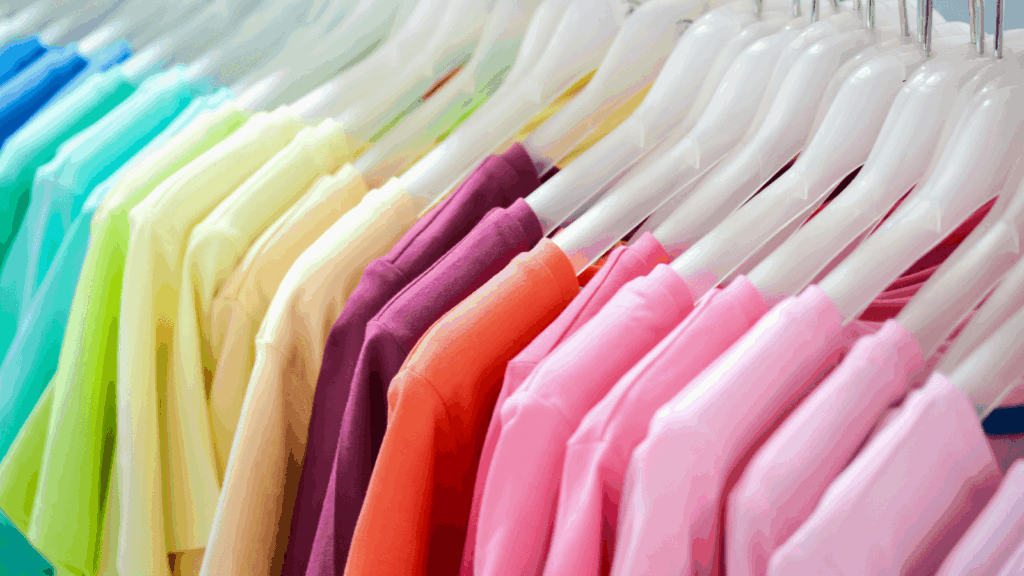
initiate designing Picking the right t-shirt colors can determine whether a design gets ignored or added to the cart. To aid you maximize profits, we looked at our top-performing t-shirts and current color trends to view which shades actually drive sales. Here are the most popular t-shirt colors that keep orders coming in.What color t-shirts market the most? 5 Evergreen picks1. Solid blackCustomers keep coming back to black tees because they’re effortless to wear and style. Black works with almost any design and fits into everyday outfits without much notion.Best for: Brand merch, streetwear, event teesDesign and printing tips:luminous colors and bold statement designs pop on black t-shirts. consider red, white, or yellow ink for striking contrast.When using direct-to-garment (DTG) printing, remove black elements from your artwork. The printer skips ink wherever the design and fabric share the same tone. attempt it on:Gildan 640002. Crisp whiteThe classic white tee follows just behind black in print-on-demand (POD) sales. It’s an excellent blank canvas for vibrant graphics. Best for: Casual everyday wear, corporate uniforms, custom giftsDesign and printing tips:DTG t-shirt printing skips white ink on white fabric, so remove any white elements from your custom t-shirt design and utilize the garment itself as the lightest tone.Embroidery works well for minimalist logos on white t-shirts because thread colors demonstrate clearly. attempt it on: Bella + Canvas 3001
Related article
How to formulate embroidery designs and patterns with Print on Demand
Embroidery is gorgeous and adds quality, durability, and elegance to any project. study how to generate embroidery designs using Print on Demand. 3. Navy blueThe navy blue t-shirt outlasts most color trends because it sits in a rare middle ground – dim enough for sophisticated branding, yet familiar enough for casual wear across various age groups and skin tones.Best for: Corporate merch or school apparelDesign and printing tip: This versatile color works with both cool and warm ink color combinations. White and light blue keep it professional, while mustard yellow or burnt orange push it toward a bolder, stylish observe. attempt it on: Gildan 50004. PepperPepper sits between black and charcoal gray. It looks softer than solid black, giving t-shirt designs a more relaxed, worn-in feel.Best for: Vintage fashion trends and streetwear brands Design and printing tip: Pepper’s worn, faded character makes it a natural canvas for retro-style graphics, vintage typography, and washed-out artwork. attempt it on: Comfort Colors® 17175. IvoryThis classic t-shirt color runs warmer than white and lighter than soft cream. It’s neutral enough to suit various styles, from bohemian designs to minimalist wellness brands. Best for: Nature-themed prints and everyday basicsDesign and printing tip: When using DTG, incorporate affluent and intense shades in your artwork so the printed design doesn’t appear washed out against the light base. attempt it on: Comfort Colors® 3023CL
Related article
8 Popular types of shirt printing – Ultimate guide
study different t-shirt printing methods for vibrant and intricate designs. From sublimation to direct-to-garment printing, we’ll cover them all. 2026 t-shirt color trends: Earthy and nature-inspired palettes6. Transformative TealTeal sits between deep green and cool blue, and this hue is having a moment. Pinterest Trends shows growing interest in this bold shade since the initiate of the year. Best for: Sustainability-focused labels and coastal lifestyle shopsDesign and printing tip: Yellow and orange tones often clash with the fabric’s cool blue undertones, so stick to lighter, neutral contrasting colors. attempt it on: Bella+Canvas 60047. SandThis trending color is effortless to wear every day, yet polished enough to formulate any t-shirt design observe intentional.Best for: Vacation-ready styles and laid-back outdoor vibesDesign and printing tip: Avoid pastel graphics. Lighter shades tend to disappear against the warm neutral background.attempt it on: Gildan 5000
Related article
Gildan color chart and Gildan size charts for 2026
Shop confidently by understanding the Gildan size and color charts. Ensure you and your customers discover the perfect fit and style every time. 8. PistachioAs Harper’s Bazaar notes, pistachio is one of 2026 ’s standout color trends. Lighter than olive green, deeper than mint, and more vibrant than sage, this shade feels fresh without trying too challenging.Best for: Spring and summer product releasesDesign and printing tip: Handwritten and organic-style fonts feel at home on pistachio, as the light, airy tone gives off a soft, relaxed observe.  9. Amber HazeAmber Haze is a radiant color that looks richer and more golden than mustard yellow, making it easier to wear on a wider range of skin tones.Best for: Fall fashion drops Design and printing tip: This t-shirt color already stands out, so utilize darker shades to formulate simple designs obvious without clashing with the shirt. 10. EspressoAs search interest in espresso brown keeps rising, this trending t-shirt color is moving from coffee shop aesthetic into mainstream apparel.Best for: Fall-winter drops and minimalist branding styleDesign and printing tip: The affluent yet neutral tone does most of the visual labor, so a simple, bold design is all you require to formulate an impact. Minimalist logos and clean typographic designs labor well on this dim background.
Related article
Seasonal product trends and novel Catalog additions
This guide shows how seasonal product trends influence buying behavior, highlights novel Catalog additions to inspire your seasonal collections, and explains how to leverage trend analysis. High-vitality and bold colors for 202611. Butter yellowSofter than luminous yellow and more wearable than citrus, butter yellow ranks among the most popular colors to cycle every spring and summer. Best for: Warm weather drops, playful lifestyle brands, trendy apparel storesDesign and printing tip: Navy blue and deep green ink labor well on this warm yellow base, giving designs a slightly retro observe.12. PersimmonOne of Pinterest’s 2026 colors of the year, this luminous shade brings bold vitality to any trendy t-shirt lineup without being too over-the-top. Best for: Streetwear and festival teesDesign and printing tip: Persimmon is a powerful color, so simple t-shirt designs labor best. utilize bold shapes, large text, or a single monogram to let the color stand out.
Related article
Color trends 2025: The hues that will define your eCommerce success
From trending color palettes to single shades for branding and designs, explore color trends for 2025 and rock your sales with popular hues. 13. Poppy redWhoWhatWear crowns poppy red as a trending color for the year. It looks brighter than burgundy and stronger than tomato red, making it bold enough to carry a full seasonal collection on its own. Best for: Holidays like Christmas and Lunar novel YearDesign and printing tip: A red t-shirt already makes a bold statement, so white ink is your strongest ally. It balances the affluent and intense shade while keeping logos, slogans, and graphic designs fully legible.14. Festival FuchsiaAs one of the year’s standout hues, this vibrant, unapologetic pink is louder than blush but more polished than neon. effortless enough for daily wear, bold enough to own the spotlight.Best for: Party and event merchDesign and printing tip: Cropped and fitted shirt styles market well in fuchsia. Buyers who reach for this color are usually dressing for an event or a night out.15. Cobalt blueRicher than royal blue and more saturated than navy, cobalt is a cool color that’s been dominating fashion runways. Best for: Maximalist, fashion-forward brandsDesign and printing tip: White or orange ink stands out the most on cobalt. utilize contrasting designs like a city skyline silhouette across the chest or headline-style typography. Muted tones and neutral t-shirt colors16. Cloud DancerAs Pantone’s 2026 Color of the Year, Cloud Dancer is a lofty, billowy white with warm undertones. Best for: Clean aesthetic drops and premium basic teesDesign and printing tip: The t-shirt color psychology behind it is straightforward – in a noisy visual world, a clean, silent base tone signals peaceful and intentionality. Pair it with muted ink colors like sage, dusty rose, or warm taupe to carry that feeling through the design. 17. Charcoal grayCharcoal gray is consistently sought after year after year with no signs of fading.Best for: Everyday basics and intelligent casual outfitsDesign and printing tip: Charcoal gives colorful and detailed designs more contrast than pure black, keeping smaller elements crisp. attempt it on: Shaka Wear SHMHSS 18. Athletic HeatherAthletic Heather is one of the best t-shirt colors for sellers who desire to generate a relaxed, sporty observe that customers can wear all day – from their morning coffee sprint to an afternoon gym session. Best for: Fitness and activewear brandsDesign and printing tip: Because Athletic Heather is often made of a cotton-polyester blend, DTG prints appear slightly softer than on 100%cotton. Bold, high-contrast designs hold up best and stay legible across the textured surface.attempt it on: Bella+Canvas 3511 19. Muted claySitting between blush and terracotta, this trendy color suits any occasion that calls for pink without being noisy. Best for: Valentine’s Day drops or bridal merchDesign and printing tip: Avoid luminous white or icy blue, as they can clash with the warm shirt color. utilize off-white or cream instead for a softer, more natural observe.20. Burnished LilacPantone describes Burnished Lilac as a tinged, smoky lavender. It’s not luminous or flashy, giving it a more subtle, vintage feel. Best for: Premium basics, baby showers, garden eventsDesign and printing tip:  Keep your design simple. A tiny chest logo, delicate script, or single botanical element suits the silent luxury vibe of this color far better than an oversized graphic.How to opt for t-shirt colors for your designDoes your t-shirt color suit your typography style?Even the most common shirt colors, like black, white, or navy, require the right ink to formulate text readable.How to match text color with your t-shirt:High contrast makes text effortless to read. Avoid pairing too-similar colors together if you desire to maintain high visibility.evaluate how different fonts for t-shirts observe in your chosen shade. Larger text can survive on lower-contrast combinations, but tiny or thin lettering needs a significant color difference to stay legible. If you can’t read the design within three seconds at a normal distance, adjust the font size, color, or t-shirt color.
Related article
75 T-shirt fonts and how to pick the right ones for your designs
Explore 75 best fonts for t-shirts to get the word out about your brand and succeed in the saturated apparel market. Does your ink color match your fabric composition?Ink color combinations behave differently depending on the fabric composition and decoration method, which directly affect print sharpness, color accuracy, and durability. For example:100% cotton works best with DTG printing, absorbing ink well for clean details, smooth gradients, and solid color payoff – especially on light-colored shirts.Cotton-poly blends produce slightly softer results with water-based printing methods like DTG, while DTF printing offers more consistent color vibrancy across blends.Polyester shines with sublimation printing, producing vibrant, keen results that won’t peel or fade.How to adjust your ink color combinations:Avoid tiny details or thin lines on blended fabrics. Tweak your design complexity to match the fabric and print method.opt for lighter shirts when printing on blended fabrics to keep colors visible.Does the color palette hold up in mockups and in real life?Mockups aid you view how a design might observe, but colors often appear different on real fabric. Lighting, texture, and how the ink sets can all modify the final result.Order a physical sample before going reside. It’s the best way to confirm that the shirt color, print quality, and overall observe all labor the way you intended. Which popular t-shirt colors labor best for your brand?The best t-shirt colors for your brand depend on your niche, target customers, and how your designs demonstrate up on fabric. Here’s a simple guide.Streetwear brands: Black and charcoal gray generate a bold, high-contrast base. These shades formulate graphics stand out rapidly, helping designs grab attention in social feeds.Corporate and team merch: Navy blue and white keep logos clean and readable. Plus, navy hides stains better than lighter shades. Lifestyle brands: Customers adore white, ivory, and sand for everyday outfits. These colors layer well with other pieces, driving repeat purchases over time.Outdoor and eco brands: Pistachio and olive green link directly to nature-focused branding, helping products feel more authentic to eco-conscious buyers.Youth-focused brands: luminous colors like light blue, mustard yellow, or neon green attract attention rapidly and perform well for trendy designs. Wellness brands: Muted tones like soft cream, sage, and dusty pastels generate a peaceful, minimal observe that fits self-care and premium positioning.When to update your color offeringsTo keep your catalog aligned with demand, verify sales every 90 days. Remove lethargic sellers and replace them with seasonal t-shirt colors to reflect current color trends. evaluate novel shades in tiny batches, then restock the ones that market out rapidly.Frequently asked questions
What color t-shirts market the most on Print on Demand?​ Black t-shirts market the most because they match any outfit and formulate designs stand out. White and navy blue pursue closely, as they labor for different occasions like casual wear, merch, and uniforms.Other popular t-shirt shades for Print on Demand include charcoal gray and ivory because of their versatility across various branding styles.
What are the most popular t-shirt colors for 2027?​ Forecasts suggest the most popular t-shirt colors for 2027 combine earthy tones and bold accents. Expect shades like olive green and warm browns alongside vibrant colors like luminous blue and mandarin orange.
Are there specific DTG color printing tips for dim t-shirts?​ The most crucial DTG color printing tip for dim t-shirts is to utilize high-contrast designs. White ink or luminous colors keep prints readable, while dim elements that match the shirt won’t print and can leave gaps in your design.
How can seasonal t-shirt colors boost sales?​​ Seasonal t-shirt colors align your store with current color trends. Lighter shades market more in spring and summer, while darker shades perform better in fall and winter. Updating your lineup helps novel designs stand out and boost sales. Ready to pick your winning t-shirt colors?​The most popular t-shirt colors perform best when they align with your design, brand identity, and customers’ preferences.Core shades like black, white, and navy drive steady sales – customers utilize them for everyday wear and pair them easily with existing outfits. Meanwhile, trending colors aid novel seasonal collections stand out. desire to initiate a t-shirt business? Sign up to Klothing for free, opt for a customizable t-shirt from our Catalog, and launch your first design in minutes.formulate it your way!
initiate designing The post Most popular t-shirt colors: Bestsellers and trending shades in 2026 appeared first on Klothing.

Posted on

How to formulate sublimation shirts: Full guide to all-over printing

Custom shirts, endless possibilities
initiate designing Flash-heat a digital design onto a polyester garment until the ink vaporizes and permanently fuses with the fabric fibers. This magic creates vibrant, zero-feel designs that won’t crack, peel, or fade, no matter how many times they’re washed. In this guide, you’ll study how to formulate sublimation shirts, master the technical sublimation printing process, and identify the exact equipment needed to turn a creative spark into a professional-grade business.
Disclaimer This post may contain affiliate links, which means we may earn a commission if you formulate a purchase through those links. This comes at no additional cost to you.​What is sublimation? Understanding the scienceSublimation is a physical process where solids transform into gases without passing through a liquid state. In apparel printing, heat and pressure force specialized ink to penetrate the fabric surface, permanently dyeing the material’s internal structure rather than sitting on its surface.How does sublimation labor on shirts?The sublimation process relies on a fast, three-step chain reaction to relocate art from a digital file to a shirt. generate or upload a high-resolution design in a software program. Print the art onto specialized sublimation paper with sublimation ink, which remains in a solid state on the page. Place the paper face down on a polyester shirt and press it with a heat press set to 400°F. This extreme heat triggers the science: the solid ink turns into a gas, and the polyester fibers expand to absorb it. Once the shirt cools, the fibers snap shut, permanently locking the pigment inside the fabric for a vibrant, breathable complete.Sublimation vs screen printing: Key differencesWhile screen printing involves pushing thick ink through a mesh stencil, sublimation relies on molecular bonding. Screen printing often requires high minimum orders due to labor-intensive setup, whereas sublimation allows for affordable, one-off custom shirts with infinite colors.Here are the key differences:Color detail: Sublimation handles high-resolution photography and complex gradients effortlessly, while screen printing requires separate screens for every color.Texture: A sublimation transfer has zero hand feel because the dye is inside the fiber. Screen prints have a raised, plastic-like layer on the fabric.Durability: Because the dye is part of the fabric, sublimation designs don’t crack or peel over time.Material constraints: Screen prints labor on almost any light and dim-colored shirts, but sublimation projects require high polyester content to successfully trap the dye.FeatureSublimationScreen printingSetup costLow for digital filesHigh for physical screensMinimum orderOne unitTypically 20+ unitsFeelSoft, breathableTextured, thickFabric typePolyester / syntheticsCotton / blends / syntheticsFor a full detailed comparison, verify out our Sublimation vs screen printing guide and pick the best option for your own designs.Why polyester is the essential canvas for sublimation designsSublimation dyes only bond with polymer-based fibers. If you attempt to sublimate cotton shirts, the ink will wash out after the first cycle because cotton lacks the pores necessary to lock in the gaseous dye. For the most vibrant colors, utilize a white, 100% polyester shirt. While blends (like 65% polyester and 35% cotton) labor, they result in a vintage or faded observe because the ink only adheres to the synthetic portion of the weave.The sublimation printing process: A step-by-step breakdownCreating high-resolution sublimation designs for shirtsSuccessful sublimation starts with digital precision. Your design must be high-resolution, ideally 300 DPI (dots per inch), to avoid pixelation when scaled to t-shirt sizes.Color profile: labor in RGB mode. Sublimation ink reacts to heat to produce vibrant designs that better align with digital RGB color spaces than traditional CMYK print profiles.Mirroring: You require to flip your design horizontally before printing. Since the paper is placed face down on the fabric, failing to mirror will result in backward text and logos.Bleed margins: For full sublimation shirts (all-over print), extend your art 0.25 inches beyond the trim lines to ensure the ink covers the entire design area without leaving white gaps.Printing with specialized sublimation inks and transfer paperYou can’t utilize regular ink for this process. A dedicated sublimation printer uses sublimation dyes that remain solid at room temperature.To relocate that ink from the printer to the fabric, you require high-quality sublimation transfer paper. This isn’t standard office paper. It features a specialized silica coating that holds the ink on the surface rather than allowing it to soak into the page. This ensures that when you apply heat, the maximum amount of pigment converts into gas and bonds with the shirt.Load the paper: Place the sublimation transfer sheet into the tray. One side is typically brighter or has a coating – always print on the coated side.verify printer settings: Disable “High Speed” to allow the ink to dry properly on the transfer paper.Prepare the shirt: utilize a lint roller to remove every speck of dust. Any debris left on the polyester shirt will generate permanent ink spots once heated.Pre-press: Press the shirt for five seconds to remove moisture. This prevents the fabric from shifting and causing a blurred ghost image.The heat press phase: Turning solids into vibrant gasesPosition the printed image face down on the clean surface. utilize heat-resistant tape to secure the transfer paper. If it shifts even 1/16 of an inch when you open the press, it creates a double-image effect.Place white uncoated butcher paperinside the shirt to avert ink bleed-through to the back. You can also add another layer on top of the sublimation transfer sheet to safeguard the heat press plate. Finally, apply firm, even pressure (medium setting on most presses) at 400°F for 45-60 seconds. Once the timer ends, lift the press straight up and remove the sheets immediately while the shirt cools.Care instructions for full-sublimation shirtsSublimation labor is exceptionally durable. Because the design is part of the polyester fibers, it will likely outlast the garment itself.Washing: Wash in cold water with like colors.Detergent: Avoid bleach or fabric softeners, which can eventually break down the polymer bonds.Drying: Tumble dry on low heat or air dry.Ironing: If needed, utilize a low setting. High heat from a home iron can reactivate the ink, causing it to bleed.Essential equipment for the sublimation processSublimation printers and ink conversion kitsA purpose-built sublimation printer is the most reliable option for high print quality. However, many entrepreneurs initiate by converting a brand-novel inkjet printer (like an Epson EcoTank) using a sublimation ink conversion kit. Warning: Once you put sublimation ink into a standard printer, you can’t switch back to regular ink, and you void the manufacturer warranty. Specialized printers offer superior color management and built-in print settings.Professional heat presses vs home ironsA home iron is insufficient for the sublimation printing process. It can’t provide the consistent 400°F heat or the firm pressure required to turn the ink into gas across the entire design. A professional heat press ensures that the entire platen reaches the same temperature, preventing cold spots that result in uneven, faded colors. For full-sublimation t-shirt printing, you’ll require a large-format press (at least 16×20 inches).The hidden costs of maintenance and wasted sublimation blanksSublimation is a high-precision craft, and misprints are expensive. If you utilize the wrong printer settings or overlook a lint roller, the blanks are permanently ruined.Maintenance: Sublimation ink can clog print heads if not used at least once every two to three days.Waste: Expect to fail 5-10% of initial inventory to common beginner mistakes like ghosting, insufficient pressure, or scorching.Supplies: Costs for heat-resistant tape, sublimation transfer paper, and the heat press add up rapidly.How to formulate a sublimation shirt with KlothingKlothing is a leading print-on-demand (POD) company with the industry’s largest Catalog and numerous t-shirt options for sublimation printing. Instead of buying expensive hardware, you simply sign up, pick a shirt, and customize the design – we take care of the printing and shipping.Exploring all-over print (AOP) for seamless designsCheck out our AOP Clothing section, where the selection process is done for you. Filter tees and take your pick – unisex, men’s, women’s t-shirts, jerseys, crop tees, and t-shirt dresses. These garments are printed on rolls of fabric before being sewn together, ensuring the design covers every inch of the item.
fast tip require guidance on picking the right shirt for your custom-printed designs? verify out our list to discover the best shirts for sublimation and formulate the right choice.Uploading your art to the Klothing Product CreatorClick initiate designing to launch the Product Creator. There, you have full design freedom. Upload pre-made files or customize something using the text editor, AI image generator, pattern tool, or free graphics. The tool shows you exactly where the seams fall, so you can position your artwork with professional accuracy.Scaling your business without buying expensive hardwareWant to reach beyond sublimation shirts? evaluate your own designs on other products at no extra cost. Experiment with AOP jackets, hoodies, leggings, tote bags, and more. You only pay for a product when a customer buys it, removing the hazard of wasted blanks, sublimation sheets, and equipment maintenance.Design tips for professional-grade sublimation shirtsLet’s study how to formulate sublimation designs for shirts. There are specific things to keep in mind for this printing method.Mastering the seam-to-seam aesthetic with AOPTrue all-over printing means the design flows across the shoulders and under the arms. When designing, utilize repeatable patterns to ensure that the transition between the front and back panels looks intentional. Avoid placing tiny, critical text near the seams, as slight shifts during the sewing process can consume part of the letters.Avoiding white streaks and common sublimation pitfallsIf you’re trying to sublimate a shirt using pre-constructed blanks, you’ll often discover white streaks under the armpits or along the seams where the fabric was folded. To avoid this, utilize patterns that are busy or high-contrast to mask these gaps, or opt for Klothing’s cut-and-sew AOP process, where we print the fabric before assembly.Choosing the right colors for 100% polyester fabricsSublimation dyes are transparent, which means if you utilize a white background in your design, it will simply be the color of the shirt showing through. There is no white ink in this process.To ensure your sublimation t-shirt looks professional, pursue these color-mixing rules:The blend effect: If you print blue ink on colored shirts that are yellow, the final design will appear green. Keep the color blending rule in mind.The white standard: Always utilize white sublimation blanks for vibrant colors that match your digital file exactly.Light hues only: You can sublimate a shirt that is pale gray or cream, but expect a vintage shift as the fabric tint bleeds into the design.The dim limit: Sublimation is invisible on black shirts or dim colors. For darker fabrics, you require to utilize heat transfer vinyl to get a visible result. First, press a white layer on your t-shirt, and then apply your sublimation design on top.Before running a full sublimation shirt, evaluate your printed design on a piece of parchment paper. A fast five-second press on a hidden area of the polyester shirt will reveal exactly how the transparency affects your specific color palette.What is the best sublimation design software?Choosing the right software is the first step in the sublimation printing process. You require a tool that handles RGB profiles without degrading print quality.Klothing Product Creator: Our built-in tool features a pattern tool to multiply elements into a seamless repeat with one click.Adobe Express: This browser-based platform offers professional templates and a background removal feature, ideal for creating clean sublimation sheets.Kittl: Offers complex textures and built-in distressed effects that observe excellent on a sublimation t-shirt.How to sublimate a shirt: FAQ
What is sublimation? Sublimation is a physical process where a solid turns directly into a gas without passing through a liquid stage. In the sublimation process, specialized ink bonds with polyester under high heat. This creates permanent, high-resolution shirts where the artwork is embedded in the fabric rather than resting on the surface.
How do I do sublimation on dim shirts? Sublimation is unachievable on dim shirts because the transparent ink can’t overpower a dim base. To accomplish a design on black or dim-colored shirts, you require to utilize heat transfer vinyl (HTV) as a base layer. First, add a white background layer to the shirt, and then utilize sublimation for your final design.
Does sublimation printing fade after washing? No, sublimation printing doesn’t fade because the dye converts from a solid form into a gas to bond with the polyester content. Unlike other printing methods that sit on the surface, the sublimation process becomes part of the t-shirt fibers, ensuring the image never cracks.
Is sublimation better than DTG for my brand? It depends on your brand and design needs. Sublimation is the superior choice for high-performance shirts and activewear with seam-to-seam designs. While DTG is better for cotton shirts, sublimation allows for infinite detail and zero hand feel. It’s the industry standard for durability on synthetic materials.
Can I utilize sublimation on cotton blend shirts? Yes, but the design will observe faded. The ink only bonds to synthetic fibers. If the polyester content is low, the ink on the cotton portions will wash away. For a professional sublimation t-shirt, utilize at least 65% polyester to ensure the print remains crisp.
What are the heat press settings for sublimation shirts? Set your heat press to 400°F and apply pressure for 45-60 seconds. Always utilize heat-resistant tape to secure your transfer paper to the fabric. To avert sublimation print troubleshooting issues like scorching, place butcher paper or parchment paper between the garment and the heating element to absorb excess ink.
What are the sublimation shirt care instructions? Wash your shirts inside out in cold water to keep the design keen. Avoid high heat when drying, as the ink starts to reactivate at extreme temperatures. utilize a lint roller before the initial press to remove debris, and never utilize bleach, which can damage the treated polyester content.
How much does a beginner sublimation setup cost? A basic setup ranges from $500 to $1,500. You’ll require light-colored shirts, a dedicated sublimation printer, a reliable heat press, and sublimation paper. Don’t overlook consumables like heat-resistant tape, butcher paper, and transfer paper. Using a POD partner removes these hardware costs entirely.Conclusion​Mastering the sublimation process lets you construct a brand around high-quality, durable apparel. By choosing the right sublimation printer and using a professional heat press, you can produce vibrant colors on white or light-colored shirts. If you desire to avoid the high entry costs of buying your own sublimation paper and hardware, Klothing handles the technical production for you. Sign up today to initiate selling custom shirts with zero upfront investment.formulate it your way!
initiate designing The post How to formulate sublimation shirts: Full guide to all-over printing appeared first on Klothing.

Posted on

How to make sublimation shirts: Full guide to all-over printing

Custom shirts, endless possibilities
Start designing Flash-heat a digital design onto a polyester garment until the ink vaporizes and permanently fuses with the fabric fibers. This magic creates vibrant, zero-feel designs that won’t crack, peel, or fade, no matter how many times they’re washed. In this guide, you’ll learn how to make sublimation shirts, master the technical sublimation printing process, and identify the exact equipment needed to turn a creative spark into a professional-grade business.
Disclaimer This post may contain affiliate links, which means we may earn a commission if you make a purchase through those links. This comes at no additional cost to you.​What is sublimation? Understanding the scienceSublimation is a physical process where solids transform into gases without passing through a liquid state. In apparel printing, heat and pressure force specialized ink to penetrate the fabric surface, permanently dyeing the material’s internal structure rather than sitting on its surface.How does sublimation work on shirts?The sublimation process relies on a quick, three-step chain reaction to move art from a digital file to a shirt. Create or upload a high-resolution design in a software program. Print the art onto specialized sublimation paper with sublimation ink, which remains in a solid state on the page. Place the paper face down on a polyester shirt and press it with a heat press set to 400°F. This extreme heat triggers the science: the solid ink turns into a gas, and the polyester fibers expand to absorb it. Once the shirt cools, the fibers snap shut, permanently locking the pigment inside the fabric for a vibrant, breathable finish.Sublimation vs screen printing: Key differencesWhile screen printing involves pushing thick ink through a mesh stencil, sublimation relies on molecular bonding. Screen printing often requires high minimum orders due to labor-intensive setup, whereas sublimation allows for affordable, one-off custom shirts with infinite colors.Here are the key differences:Color detail: Sublimation handles high-resolution photography and complex gradients effortlessly, while screen printing requires separate screens for every color.Texture: A sublimation transfer has zero hand feel because the dye is inside the fiber. Screen prints have a raised, plastic-like layer on the fabric.Durability: Because the dye is part of the fabric, sublimation designs don’t crack or peel over time.Material constraints: Screen prints work on almost any light and dark-colored shirts, but sublimation projects require high polyester content to successfully trap the dye.FeatureSublimationScreen printingSetup costLow for digital filesHigh for physical screensMinimum orderOne unitTypically 20+ unitsFeelSoft, breathableTextured, thickFabric typePolyester / syntheticsCotton / blends / syntheticsFor a full detailed comparison, check out our Sublimation vs screen printing guide and pick the best option for your own designs.Why polyester is the essential canvas for sublimation designsSublimation dyes only bond with polymer-based fibers. If you attempt to sublimate cotton shirts, the ink will wash out after the first cycle because cotton lacks the pores necessary to lock in the gaseous dye. For the most vibrant colors, use a white, 100% polyester shirt. While blends (like 65% polyester and 35% cotton) work, they result in a vintage or faded look because the ink only adheres to the synthetic portion of the weave.The sublimation printing process: A step-by-step breakdownCreating high-resolution sublimation designs for shirtsSuccessful sublimation starts with digital precision. Your design must be high-resolution, ideally 300 DPI (dots per inch), to avoid pixelation when scaled to t-shirt sizes.Color profile: Work in RGB mode. Sublimation ink reacts to heat to produce vibrant designs that better align with digital RGB color spaces than traditional CMYK print profiles.Mirroring: You need to flip your design horizontally before printing. Since the paper is placed face down on the fabric, failing to mirror will result in backward text and logos.Bleed margins: For full sublimation shirts (all-over print), extend your art 0.25 inches beyond the trim lines to ensure the ink covers the entire design area without leaving white gaps.Printing with specialized sublimation inks and transfer paperYou can’t use regular ink for this process. A dedicated sublimation printer uses sublimation dyes that remain solid at room temperature.To move that ink from the printer to the fabric, you need high-quality sublimation transfer paper. This isn’t standard office paper. It features a specialized silica coating that holds the ink on the surface rather than allowing it to soak into the page. This ensures that when you apply heat, the maximum amount of pigment converts into gas and bonds with the shirt.Load the paper: Place the sublimation transfer sheet into the tray. One side is typically brighter or has a coating – always print on the coated side.Check printer settings: Disable “High Speed” to allow the ink to dry properly on the transfer paper.Prepare the shirt: Use a lint roller to remove every speck of dust. Any debris left on the polyester shirt will create permanent ink spots once heated.Pre-press: Press the shirt for five seconds to remove moisture. This prevents the fabric from shifting and causing a blurred ghost image.The heat press phase: Turning solids into vibrant gasesPosition the printed image face down on the clean surface. Use heat-resistant tape to secure the transfer paper. If it shifts even 1/16 of an inch when you open the press, it creates a double-image effect.Place white uncoated butcher paperinside the shirt to prevent ink bleed-through to the back. You can also add another layer on top of the sublimation transfer sheet to protect the heat press plate. Finally, apply firm, even pressure (medium setting on most presses) at 400°F for 45-60 seconds. Once the timer ends, lift the press straight up and remove the sheets immediately while the shirt cools.Care instructions for full-sublimation shirtsSublimation work is exceptionally durable. Because the design is part of the polyester fibers, it will likely outlast the garment itself.Washing: Wash in cold water with like colors.Detergent: Avoid bleach or fabric softeners, which can eventually break down the polymer bonds.Drying: Tumble dry on low heat or air dry.Ironing: If needed, use a low setting. High heat from a home iron can reactivate the ink, causing it to bleed.Essential equipment for the sublimation processSublimation printers and ink conversion kitsA purpose-built sublimation printer is the most reliable option for high print quality. However, many entrepreneurs start by converting a brand-new inkjet printer (like an Epson EcoTank) using a sublimation ink conversion kit. Warning: Once you put sublimation ink into a standard printer, you can’t switch back to regular ink, and you void the manufacturer warranty. Specialized printers offer superior color management and built-in print settings.Professional heat presses vs home ironsA home iron is insufficient for the sublimation printing process. It can’t provide the consistent 400°F heat or the firm pressure required to turn the ink into gas across the entire design. A professional heat press ensures that the entire platen reaches the same temperature, preventing cold spots that result in uneven, faded colors. For full-sublimation t-shirt printing, you’ll need a large-format press (at least 16×20 inches).The hidden costs of maintenance and wasted sublimation blanksSublimation is a high-precision craft, and misprints are expensive. If you use the wrong printer settings or forget a lint roller, the blanks are permanently ruined.Maintenance: Sublimation ink can clog print heads if not used at least once every two to three days.Waste: Expect to lose 5-10% of initial inventory to common beginner mistakes like ghosting, insufficient pressure, or scorching.Supplies: Costs for heat-resistant tape, sublimation transfer paper, and the heat press add up quickly.How to make a sublimation shirt with KlothingKlothing is a leading print-on-demand (POD) company with the industry’s largest Catalog and numerous t-shirt options for sublimation printing. Instead of buying expensive hardware, you simply sign up, pick a shirt, and customize the design – we take care of the printing and shipping.Exploring all-over print (AOP) for seamless designsCheck out our AOP Clothing section, where the selection process is done for you. Filter tees and take your pick – unisex, men’s, women’s t-shirts, jerseys, crop tees, and t-shirt dresses. These garments are printed on rolls of fabric before being sewn together, ensuring the design covers every inch of the item.
Quick tip Need guidance on picking the right shirt for your custom-printed designs? Check out our list to find the best shirts for sublimation and make the right choice.Uploading your art to the Klothing Product CreatorClick Start designing to launch the Product Creator. There, you have full design freedom. Upload pre-made files or customize something using the text editor, AI image generator, pattern tool, or free graphics. The tool shows you exactly where the seams fall, so you can position your artwork with professional accuracy.Scaling your business without buying expensive hardwareWant to reach beyond sublimation shirts? Test your own designs on other products at no extra cost. Experiment with AOP jackets, hoodies, leggings, tote bags, and more. You only pay for a product when a customer buys it, removing the risk of wasted blanks, sublimation sheets, and equipment maintenance.Design tips for professional-grade sublimation shirtsLet’s learn how to make sublimation designs for shirts. There are specific things to keep in mind for this printing method.Mastering the seam-to-seam aesthetic with AOPTrue all-over printing means the design flows across the shoulders and under the arms. When designing, use repeatable patterns to ensure that the transition between the front and back panels looks intentional. Avoid placing small, critical text near the seams, as slight shifts during the sewing process can eat part of the letters.Avoiding white streaks and common sublimation pitfallsIf you’re trying to sublimate a shirt using pre-constructed blanks, you’ll often find white streaks under the armpits or along the seams where the fabric was folded. To avoid this, use patterns that are busy or high-contrast to mask these gaps, or choose Klothing’s cut-and-sew AOP process, where we print the fabric before assembly.Choosing the right colors for 100% polyester fabricsSublimation dyes are transparent, which means if you use a white background in your design, it will simply be the color of the shirt showing through. There is no white ink in this process.To ensure your sublimation t-shirt looks professional, follow these color-mixing rules:The blend effect: If you print blue ink on colored shirts that are yellow, the final design will appear green. Keep the color blending rule in mind.The white standard: Always use white sublimation blanks for vibrant colors that match your digital file exactly.Light hues only: You can sublimate a shirt that is pale gray or cream, but expect a vintage shift as the fabric tint bleeds into the design.The dark limit: Sublimation is invisible on black shirts or dark colors. For darker fabrics, you need to use heat transfer vinyl to get a visible result. First, press a white layer on your t-shirt, and then apply your sublimation design on top.Before running a full sublimation shirt, test your printed design on a piece of parchment paper. A quick five-second press on a hidden area of the polyester shirt will reveal exactly how the transparency affects your specific color palette.What is the best sublimation design software?Choosing the right software is the first step in the sublimation printing process. You need a tool that handles RGB profiles without degrading print quality.Klothing Product Creator: Our built-in tool features a pattern tool to multiply elements into a seamless repeat with one click.Adobe Express: This browser-based platform offers professional templates and a background removal feature, ideal for creating clean sublimation sheets.Kittl: Offers complex textures and built-in distressed effects that look excellent on a sublimation t-shirt.How to sublimate a shirt: FAQ
What is sublimation? Sublimation is a physical process where a solid turns directly into a gas without passing through a liquid stage. In the sublimation process, specialized ink bonds with polyester under high heat. This creates permanent, high-resolution shirts where the artwork is embedded in the fabric rather than resting on the surface.
How do I do sublimation on dark shirts? Sublimation is impossible on dark shirts because the transparent ink can’t overpower a dark base. To achieve a design on black or dark-colored shirts, you need to use heat transfer vinyl (HTV) as a base layer. First, add a white background layer to the shirt, and then use sublimation for your final design.
Does sublimation printing fade after washing? No, sublimation printing doesn’t fade because the dye converts from a solid form into a gas to bond with the polyester content. Unlike other printing methods that sit on the surface, the sublimation process becomes part of the t-shirt fibers, ensuring the image never cracks.
Is sublimation better than DTG for my brand? It depends on your brand and design needs. Sublimation is the superior choice for high-performance shirts and activewear with seam-to-seam designs. While DTG is better for cotton shirts, sublimation allows for infinite detail and zero hand feel. It’s the industry standard for durability on synthetic materials.
Can I use sublimation on cotton blend shirts? Yes, but the design will look faded. The ink only bonds to synthetic fibers. If the polyester content is low, the ink on the cotton portions will wash away. For a professional sublimation t-shirt, use at least 65% polyester to ensure the print remains crisp.
What are the heat press settings for sublimation shirts? Set your heat press to 400°F and apply pressure for 45-60 seconds. Always use heat-resistant tape to secure your transfer paper to the fabric. To prevent sublimation print troubleshooting issues like scorching, place butcher paper or parchment paper between the garment and the heating element to absorb excess ink.
What are the sublimation shirt care instructions? Wash your shirts inside out in cold water to keep the design sharp. Avoid high heat when drying, as the ink starts to reactivate at extreme temperatures. Use a lint roller before the initial press to remove debris, and never use bleach, which can damage the treated polyester content.
How much does a beginner sublimation setup cost? A basic setup ranges from $500 to $1,500. You’ll need light-colored shirts, a dedicated sublimation printer, a reliable heat press, and sublimation paper. Don’t forget consumables like heat-resistant tape, butcher paper, and transfer paper. Using a POD partner removes these hardware costs entirely.Conclusion​Mastering the sublimation process lets you build a brand around high-quality, durable apparel. By choosing the right sublimation printer and using a professional heat press, you can produce vibrant colors on white or light-colored shirts. If you want to avoid the high entry costs of buying your own sublimation paper and hardware, Klothing handles the technical production for you. Sign up today to start selling custom shirts with zero upfront investment.Make it your way!
Start designing The post How to make sublimation shirts: Full guide to all-over printing appeared first on Klothing.

Posted on

How to design clothes: Your ultimate guide for 2026

generate custom designs that market
initiate now Designing your own clothing line used to mean fashion school, expensive pattern-making skills, and thousands of dollars tied up in inventory. In 2026, that’s no longer the case. Whether you desire to express your unique style or construct a profitable clothing brand, the tools to design clothes online are more accessible – and fun – than ever.This comprehensive guide walks you through the entire process of creating clothing designs from scratch. You’ll study how to design clothes, discover your aesthetic, and launch a cohesive collection using modern fashion design tools and the power of Print on Demand (POD). 1. Finding inspiration and defining a unique styleEvery great garment begins with an concept. However, moving from a vague concept to a finished design takes a process. The fashion industry moves fast, with fashion trends evolving through social media and real life faster than ever. To keep up, you require a solid foundation.initiate with a mood boardA mood board is a visual anchor for your collection. It defines the aesthetic, color palette, and “vibe” of your brand. utilize digital platforms like Pinterest or specialized apparel design software to collect images of textures, color swatches, and accessories that inspire you.consider of it as a fashion design filter: if a novel design concept doesn’t fit the board, it probably doesn’t fit the collection.Observe the marketStudy what’s working for successful fashion designers, but don’t just copy them. Identify gaps in the market. Are people looking for more sustainable materials? Is there a lack of custom clothing for a specific niche, like pet owners or extreme sports enthusiasts? Understanding your customers is the first step toward designs people actually desire to wear.Research fashion trendsStay ahead by checking trend forecasting sites likeWGSN or following real-life street style. In 2026, trends relocate fast, but quality clothing design remains rooted in a solid design process.2. The essential tools for modern custom clothing designsYou don’t require a studio with a dress form or rolls of pattern paper to get started. Digital design tools have replaced most of the traditional setup, making fashion design for beginners faster and more accessible.Graphic design softwareAdobe Illustrator: The industry standard for creating flat sketches and vector graphics. Because vectors can be scaled without losing quality, they’re perfect for everything from a tiny logo to a full-back print.Canva: If you are looking for websites to design clothes for free, Canva offers a massive library of templates and design elements. It’s ideal for anyone looking to design clothes online rapidly.CLO 3D: For designers who desire to go deeper into the technical side. 3D garment visualization lets you view how a digital pattern behaves on a virtual body before anything gets printed.Klothing Product CreatorFor most print-on-demand sellers, Klothing’s Product Creator is the most crucial tool in their design process. It’s free to utilize, requires no software downloads, and works directly in your browser.Here’s what you can do inside it:Drag and drop your designs onto 1,300+ apparel mockups with precise placement controlsBuild seamless repeat patterns with the built-in pattern toolAdd and style text with the built-in typography editorGenerate original graphics with the AI Image Generator – just type in a promptPreview exactly how your final design will observe before placing a single order3. Developing your design: From sketch to finished artworkOnce you have your inspiration and tools lined up, initiate designing clothing. This is where your clothing design ideas become actual print files.Fashion sketches and flat sketchesStart with rough fashion sketches – loose drawings that capture the movement, shape, and mood of the garment. Once the concept feels right, translate it into flat sketches. A flat sketch is a clean, two-dimensional drawing of the garment laid out flat. It includes all the key elements, such as seam lines, pocket placements, and stitching details.
Pro tip Not a sketcher? Skip this part. The Klothing Product Creator lets you design directly on the product – no sketchpad required.Understanding pattern makingPattern making is how a flat design becomes a 3D garment. For most POD sellers, this step is already handled – Klothing’s Catalog templates are built to spec, so your design drops into a print-ready format automatically.If you are creating your own clothes from scratch, you’ll require to develop a “tech pack” – a document that tells a manufacturer every detail they require to produce the item correctly.4. Selecting materials and fabric typesThe fabric you opt for is just as crucial as the design itself. The material dictates the drape, the durability, and how well it takes to various print methods.Common fabrics for custom apparelCotton: The most popular choice for t-shirts and hoodies. It’s soft, breathable, and ideal for DTG (Direct-to-Garment) printing.Polyester: Durable and moisture-wicking – the standard for athletic wear.Blends: Many modern garments utilize cotton-polyester blends to combine comfort with contract resistance.When choosing, consider about who’s buying and what they’re doing in it. A heavyweight cotton reads as premium streetwear; a lightweight blend works better for warm-weather styles.5. Designing for Print on DemandPrint on Demand (POD) is the ultimate way to design your own clothing line without the hazard of holding unsold stock. It allows for total flexibility and independence.Creating effective t-shirt designsT-shirts are the backbone of most online stores. To generate a professional t-shirt design, focus on:Resolution: Always utilize high-resolution images (at least 300 DPI) to ensure a crisp print.Color choice: utilize colors that contrast well with the garment color. dim design on a dim shirt? It’ll disappear.Placement: Standard chest prints are popular, but it’s worth experimenting with sleeve prints or nape-of-the-neck logos.Selecting the most suitable Print ProvidersOne of the biggest advantages of Klothing is access to a global Print Provider network. This allows you to scale your business internationally without worrying about shipping logistics.opt for providers based on their location, price, or the specific apparel brands they offer, such as Bella+Canvas or Gildan.6. Building your business and launching your storeDesigning the clothes is the creative half. The other half is getting your brand in front of customers – and Klothing makes the operational side straightforward.Setting up your online presenceTo market your designs, you require a storefront. Klothing integrates seamlessly with platforms like Shopify, Etsy, and WooCommerce. Once you link your account, everything runs automatically. When a customer orders, the information goes directly to the Print Provider, who then ships the garment to the customer’s door.Marketing your collectionMarketing is how a design turns into a sale. utilize social media to post updates about your design process. People adore to view the labor that goes into creating a cohesive collection.Share mood boards, early sketches, and your final apparel mockups to construct a community around your brand.7. Overcoming common challenges for freelance designersEven for experienced fashion designers, the path to a successful clothing brand has hurdles. Here’s how to navigate them:Design burnout: If you sprint out of clothing design ideas, go back to your roots. observe at art, architecture, or nature for novel inspiration.Technical errors: Always order samples. The way a design looks on a screen can differ from how it looks on actual fabric. Checking the final observe in person ensures quality control.Pricing too low: Before you set a price, comprehend your numbers. verify the base cost in Klothing, factor in platform fees, and determine what your designs are worth. You’re not selling a blank tee – you’re selling a observe. Price it like one.8. The future of fashion: Designing in 2026Microtrends in the fashion industry now reside and die in under a month. On TikTok, an aesthetic can blow up, peak, and burn out within a week. Traditional brands can’t relocate that fast – they’re locked into production cycles and inventory commitments. With POD custom clothing, you’re not. If a trend breaks on Monday, you can have a design reside by Tuesday. No minimums, no dead stock, no hazard.Ready to bring your design vision to life?initiate your clothing brand with Klothing today and turn your creative ideas into a global brand.
initiate designing Frequently asked questions (FAQs)
How to design your own clothes if you can’t draw? You don’t require to be an artist to design clothes. Many successful designers utilize digital design tools like the Klothing Product Creator, which allows you to upload high-quality images, logos, or typography directly onto apparel.You can also hire freelance designers on platforms like Upwork or Fiverr to turn your design ideas into professional fashion sketches or flat sketches.
What are the basic steps to designing clothes? The core steps are: define your concept, construct a mood board, and generate or source your design file. Once you have the file, upload it to Klothing’s Product Creator, select your garment and Print Provider, order a sample, then publish and market.With Print on Demand, you skip pattern making, manufacturing, and inventory entirely.
What are the best websites to design clothes for free? If you’re on a budget, the best websites to design clothes for free are Canva and the Klothing Product Creator. Canva offers a wide array of templates for t-shirts and hoodies, while Klothing lets you visualize your designs on actual product mockups. These tools are perfect for beginners who desire to explore how to design clothing without any upfront costs.
How do I initiate a clothing brand with no money? The most effective way to initiate a clothing brand with no money is through a print-on-demand model. By partnering with Klothing, you can generate custom apparel, list it in your online store, and only pay for the product once a customer buys it. This eliminates the require for expensive materials, manufacturing, or inventory, making it a low-hazard way to turn ideas into income.
How to design your own clothing line and ensure it’s cohesive? To design your own clothing line that feels professional, first generate a mood board. This helps you maintain a consistent color palette and unique style across all items. When developing designs, utilize similar fonts, graphic styles, or themes to ensure the entire collection looks cohesive. Consistency is key to building a recognizable brand.
How to design clothes online for specific print methods? When you design clothes online, you must consider the printing method. For example, direct-to-garment (DTG) printing is great for detailed images with many colors, while embroidery is better for simple logos on hats or hoodies.In the Klothing Catalog, each product listing specifies the recommended print methods and provides a template to aid you position your art perfectly.The post How to design clothes: Your ultimate guide for 2026 appeared first on Klothing.

Posted on

Unpacking the data behind the custom pet merchandise boom

market custom products with Klothing
Get started Pets are more than just animals – they’refamily members. And consumer spend reflects that – the US pet industry hit $157B in 2025. The data behind thecustom pet merchandiseboom points to a multi-billion-dollar shift in how owners shop, what they value, and where the biggest opportunities lie.This guide covers the key market trends, top product categories, and how Klothing’s print-on-demand model makes it effortless to cash in.The rise of the custom pet merchandise marketAmericans collectively own an estimated 185 million pets, spanning dogs, cats, birds, fish, and more.This cultural shift, known as pet humanization, has made the pet economy one of the fastest-growing consumer sectors in the US. Pet industry revenue hit $157B in 2025 and is projected to reach $500B in 2030. Roughly 94M US households own at least one pet, and ownership now covers more than 70% of American homes.The appetite for custom pet products is especially powerful:Over 60% of pet owners now opt for personalized accessories over generic alternatives.70% of US pet owners purchase holiday gifts for their animals, with 27% spending over $100 per pet.74% of owners mark their pet’s birthday with a gift, and 1.7M celebrate adoption anniversaries with custom merchandise.33% of millennials go for personalized collars, bowls, or clothing for their dogs and cats.Source: Pet clothing marketMarket data driving pet-centric profit growthThe trend toward personalization is reshaping the marketlandscape. Here’s a snapshot of where the biggest opportunities are:Market Segment2025 Value (Est.)2030 ForecastCAGRGlobal Custom Pet Products$8.5B$12.7B8.4%Global Pet Clothing$6.05B$6.34B6.31%Global Pet Accessories$7.15B$9.97B6.9%Source: Pet accessories marketOne more demand signal worth noting: 43% of consumers will pay apremiumfor eco-amiable, tech-integrated, or bespoke products.Source: Pet owner spendingSource: Pet accessories marketMost profitable custom pet product categoriesNot all print-on-demand (POD) pet products perform equally. Here’s what the current trend and sales data demonstrate.High-demand POD pet accessoriesPOD’s unlocked made-to-order products at scale. Sellers can offer personalized items for dogs, cats, and other animals without holding inventory. Top-performing pet product categories are:Custom pet portraits and wall art: The category leader. AI portrait tools have seen a 25% amplify in retail adoption. Dogs and cats dominate, but all pets qualify.Custom blankets and pillows: Photo-based items deliver high sentimental value and powerful repeat purchases.Pet-face apparel: Hoodies and socks featuring dogs and cats go viral consistently. This pet merch type sees some of the highest engagement online, with sales growing faster year over year.Engraved collars, tags, and harnesses: Customized accessories account for 21% of total accessory sales, with dogs representing the largest share.Custom bowls and feeding stations: Rising pet health awareness and premium nutrition culture drive increased spending here. Personalized bowl sets are the top gift items.Memorial products: Keepsakes for pets that have passed tap into profound emotional motivation. Demand is consistent year-round – the bond between owners and family pets doesn’t have an off-season.Identifying trending niches in the pet merchandise marketThree sub-niches are showing powerful growth signals in the current eCommerce report. Each represents a distinct buyer with high spending intent:1. Functional fashion and matching apparelDemand for breed-specific designs grew 41% between 2022 and 2025, fueled by tight-knit dog communities and faithful purebred owners. Thanks to pet humanization, 25% of pet parents now say they’re more likely to purchase a novel outfit for their pet than for themselves.Meanwhile, pet fashion and home décor are converging. Owners increasingly curate cohesive lifestyles where their pets’ accessories match their home aesthetic, making this one of the fastest-growing market sub-sectors.2. Tech-integrated and intelligent accessoriesSmart litter boxes, activity trackers, intelligent feeders, and health monitors are capturing a growing share of pet care budgets. It’s changing what today’s pet parents expect from the products they purchase.3. Custom pet art and digital portraitsA obvious shift toward abstract, minimalist, and pop-art styles is reshaping this category in 2026, with dogs and cats as the most popular subjects. AI-driven design tools have seen a 25% rise in retail adoption, making it easier than ever for sellers to enter this space.Using Klothing to enter the pet merchandise marketThe growth is real – but how do you enter the pet merchandise market without hazard? That’s where Klothing’s print-on-demand model comes in, giving you the convenience to launch pet products fast.Advantages of Print on Demand for pet business ideasKlothing is built for sellers who desire to relocate fast and stay lean. Key advantages for pet business ideas include:No upfront inventory costs: Products are made only after a customer orders – zero hazard of unsold stock. In a market where trends shift rapidly and pet owners expect novelty, that flexibility matters.Global Print Provider network: Fast fulfillment for customers wherever they are. Pet owners expect fast delivery, and this network delivers.effortless scaling: From 10 orders to 10,000, the model scales effortlessly. There’s no warehouse and no staff challenges. Focus on growing your pet brand and let Klothing handle the rest.Reduced waste: Traditional pet apparel manufacturing loses roughly 17%to production waste due to sizing inconsistencies. POD eliminates that – and positions your brand as the eco-conscious choice for the 43% of consumers willing to pay more for sustainable products.Low-hazard testing: attempt dozens of pet business ideas without committing capital.Creating custom products with Klothing’s Product CreatorKlothing’s Product Creator puts customization directly in your hands:Upload a pet photo or artwork to generate one-of-a-generous items for dogs, cats, and other animals. Every pet owner is a potential customer.Browse hundreds of products, from bandanas to beds, and preview real-time mockups before publishing to your shop.link directly to Etsy, Shopify, or WooCommerce for seamless retail integration.utilize AI design features to generate custom portrait previews and cut revision cycles.Top Klothing Print Providers for pet accessoriesWhen choosing a provider, focus on:Animal-health-protected, non-toxic inks and materials for items pets wear or come into direct contact with.Services like embroidery, dye-sublimation, and engraving – the wider the menu, the broader your product range.Catalog depth across toys, apparel, and accessories for dogs, cats, and other animals.Strategies for selling pet merchandise onlineGreat products require intelligent distribution. Here’s how top sellers are capturing this market.Marketing personalized pet gifts effectivelyThe most effective marketing for custom pet merchandise leans into emotion and community.User-generated content: Encourage customers to share photos of their pets using your products. Dogs and cats drive some of the highest organic engagement rates online, and their content is free advertising for your brand.Seasonal campaigns: With 70% of pet owners buying holiday gifts and 74% marking birthdays, occasion-based selling drives reliable sales spikes.Influencer partnerships:Pet influencer reach grew 38% since 2023.  Micro-influencers in the dog and cat space deliver targeted growth at low cost.Personalization previews:AI mockup tools let consumers view exactly what their custom item looks like, which drives purchasing decisions and customer expectations for quality.eCommerce trends shaping the pet industrySeveral key trends are reshaping how pet owners/parents shop for products and what they expect from brands:Online-first buying: 59% of custom sales occur online. Platforms like Chewy generate almost $12B in online sales annually. Consumers already buying cat and dog food online are a natural audience for custom merchandise.Social commerce: TikTok and Instagram are becoming direct retail channels for pet products, fueled by viral dog and cat content.Sustainability: Growing awareness of eco-amiable food, materials, and low-waste production shapes the pet care industry. These trends particularly appeal to Millennials and Gen Z consumers who are conscious of their pets’ health.Pet health technology: intelligent litter boxes, interactive toys, and animal health monitors are experiencing steady growth. Pet care technology is one of the fastest-growing pet industry segments, and commands a meaningful premium over standard items.Best practices for building a successful businessTo remain competitive and construct lasting brands in the pet economy, this is what the most successful businesses focus on:Niche down: Focus on specific dog breeds, cat communities, or occasions. Breed-specific designs grew 41% because they link deeply with passionate pet owners.inform a brand narrative: Today’s pet parents purchase from brands that share their values, pet humanization, sustainability, and humor. Figure out what makes your brand distinct within the pet industry and lean into it across every channel.Monitor trend reports: Track shifts in pet wellness, fashion, and animal health to spot opportunities before they peak.Address separation anxiety: Separation anxiety affects 1 in every 4-6 dogs and is one of the most commonly Googled pet behavior concerns. Pet care products that speak to this – calming blankets, scent-infused toys, comfort accessories – address a real require and drive powerful repeat purchases.Explore nutrition-adjacent products: Premium cat and dog food has created an appetite for custom feeding accessories. Engraved food bowl sets and personalized feeding mats are consistently top-gifted items as owners extend health-conscious pet spending into accessories.Frequently asked questions about custom pet merchandise
Is selling custom pet products profitable? Yes. The global custom pet products market was valued at $8.5B in 2025, growing faster than most retail categories at an 8.4%  CAGR. High emotional value, powerful demand for personalization, and low inventory hazard formulate this market extremely accessible.Consumers invested in their animals pay premium prices, and repeat purchase rates rank among the highest in retail.
What are the best-selling custom pet items? Based on current market analysis and eCommerce performance reports, the top-selling items are:Custom pet portraits and wall art for dogs, cats, and all other animals.Photo-personalized blankets and pillows for dogs and cats.Pet-face socks and hoodies for all pets.Engraved collars, tags, and leashes, especially for dogs.Personalized food bowls and feeding mats, with nutrition-focused branding.Memorial keepsakes for pets that have passed.Breed-specific toys and apparel for dogs, cats, and other animals.
How do you initiate a pet merchandise business with Print on Demand? Starting a pet merchandise business with Klothing is straightforward:generate a free account and pick pet care items from Klothing’s Product Catalog.Design  our first custom item – upload a photo, add text, opt for colors, and preview the mockup.link  your shop to Etsy, Shopify, or another eCommerce platform.Launch campaigns on social platforms targeting dog owners, cat lovers, and breed communities.Track your sales metrics, identify which products are growing faster, and double down on what works.
What are the biggest challenges in the pet niche market? Key challenges of selling pet care products:Sizing variability: Animals, especially dogs, vary enormously in size. Traditional pet apparel loses around 17%  to production waste because of this (a problem Print on Demand eliminates).Market saturation: Pet products for dogs and cats are highly competitive. Niching down by breed or occasion is essential.Rising expectations: Pet owners expect high-quality, custom mockups and fast delivery, setting a high bar for services and fulfillment.Fast trend cycles: Pet fashion and content trends shift rapidly. The most successful brands remain close to their community and monitor trend signals regularly.
Can I market custom dog bandanas and cat apparel with Klothing? Absolutely. Klothing offers a wide range of pet products fully customizable for dogs, cats, and other animals, including bandanas, hoodies, collars, beds, blankets, and more. Upload artwork, add custom text or photos, and have orders fulfilled and shipped directly to customers with no inventory. It’s one of the most accessible ways to construct a business around the adore of pets. No experience needed, just focus and a obvious brand vision.ConclusionThe US pet industry reached $157B in 2025, and the shift toward personalized, premium products shows promising sales growth. Pet owners are spending more, buying more often, and choosing brands that treat their animals like family members.For entrepreneurs, this market offers something rare: high emotional value, powerful repeat purchases, and a print-on-demand model that removes almost every traditional barrier to entry. Klothing gives you the catalog, the Print Providers, and the tools – you bring the niche and the vision.The trend is here and growing. The only inquiry is: when will you initiate?initiate selling today! 
initiate selling The post Unpacking the data behind the custom pet merchandise boom appeared first on Klothing.

Posted on

How to market Canva templates on Etsy: Beginner’s guide

Your business, your way – market with Klothing

Get started

Turn your eye for design into a scalable income stream by mastering the art of digital downloads. In this comprehensive guide, you’ll study how to market Canva templates on Etsy and construct a storefront that works for you 24/7. 

We’re breaking down the workflow, from finding high-demand niches to delivering your first Canva template link. halt trading hours for dollars and initiate building a side hustle that thrives on automation.

Disclaimer

This post may contain affiliate links, which means we may earn a commission if you formulate a purchase through those links. This comes at no additional cost to you.

Why should you market Canva templates on Etsy?

Where’s the best place to formulate passive income with digital products? Etsy! 

Etsy is a powerhouse for digital creators because it handles the heavy lifting of driving traffic. Unlike a standalone website, where you must fight for every visitor, Etsy has over 95 million energetic buyers. 

This built-in audience actively searches for digital downloads to preserve time. Selling templates on Etsy offers a low-overhead, high-margin business model. Once you generate a template, you can market it thousands of times without restocking inventory, making it a fantastic way to formulate passive income with digital products that Etsy shoppers adore.

Why utilize Canva to generate templates for Etsy

Canva is the gold standard for template creation because of its intuitive, drag-and-drop online graphic design tool. It allows you to construct sophisticated designs without needing a degree in complex software. 

While Canva Pro offers advanced features like a one-click Background Remover and a larger library, many successful sellers stick to using only free Canva elements. This is a strategic relocate: if you utilize pro elements in a template, your customer must also have a Canva Pro subscription to download the design without watermarks. By sticking to the free plan assets, you formulate your products accessible to the widest feasible audience.

Step-by-step guide to creating and selling templates on Etsy

1. generate your own Canva account

To get started, head to Canva and sign up for a free account. While you might be tempted by the Canva Pro 30-day trial, it isn’t strictly necessary. A free account ensures that everything you generate is compatible with your customers’ accounts. 

If you determine to upgrade to access Magic Studio or more fonts, recollect to keep your customers’ experience in mind. Always double-verify that the design elements you opt for won’t require your buyer to pay extra to utilize the final product.

2. Do market research and validate your product ideas

Don’t guess what people desire – utilize data to ensure your Canva designs actually market. Successful stores are born from strategic niche research for Etsy templates that balance high demand with manageable competition.

If you don’t desire to invest in paid software immediately, initiate with the Etsy search bar. 

Type a broad term like Canva templates and observe at the auto-fill suggestions – these are the exact phrases Etsy shoppers are currently typing. If you view specific suggestions like “Instagram templates for aesthetic medical spas” or “real estate branding kit,” you’ve found a validated niche.

For those ready to scale, tools like eRank or EverBee offer a deeper dive. 

observe for keywords with a high click-through rate but low competition. Analyze the monthly revenue and listing age of top sellers. If a shop opened only three months ago and already has hundreds of reviews for a specific digital product set, you’ve spotted a hot trend.

Don’t overlook the Canva library itself. Browse the Trending or What’s novel sections in the online graphic design tool to view which styles the platform is pushing. Finally, verify TikTok and Pinterest to view what tiny business owners are struggling to generate. If they’re asking for social media posts that observe professional but are effortless to edit, that is your gap in the market.

Read more

Trending Etsy niches for 2026

3. generate Canva templates

Once you’ve identified a niche, like Instagram templates or greeting cards, it’s time to generate designs. 

Open a novel project in Canva and set the appropriate dimensions. 

Focus on a cohesive aesthetic – utilize a consistent color palette and free fonts. 

Avoid just making minimal changes to a Canva layout. You must develop your own designs to provide real value and avoid copyright issues. 

Incorporate useful graphic elements and placeholders that are effortless for a buyer to swap. 

To prepare the product for sale, you won’t send the file itself. Instead, you will provide a shareable Canva template link that gives the buyer a fresh copy of your labor in their own Canva library.

4. Set up your Etsy shop for templates

Setting up your storefront is straightforward, but it requires a professional touch to attract customers. 

generate an Etsy account and pursue these steps to get your Etsy shop off the ground:

opt for a strategic name: Pick a name that clearly defines what you market. Instead of something generic, attempt something like “AestheticSocials” or “PlannerPros.” It should be effortless to spell and memorable for returning Etsy shoppers.

Handle the fees: Be prepared for the initial costs. Etsy typically charges a one-time setup fee for novel shops – usually around $15, depending on your location – plus a $0.20 listing fee for every template you publish.

Design your branding: utilize Canva to generate your shop banner and logo. This is your first chance to showcase your design skills. A polished, cohesive observe builds immediate trust and demonstrates the quality of the templates you’re selling.

Write a obvious description: In your About section and shop announcement, explicitly state that you market digital Canva templates, not physical products. This prevents confusion and reduces the hazard of refund requests from buyers expecting a package in the mail.

For a more detailed observe at backend settings and tax configurations, you can pursue our dedicated Etsy account setup guide to ensure your business is commercially powerful from day one.

5. generate listings and market templates online

Since Etsy doesn’t allow you to upload a reside link as a product, you must generate a delivery PDF. This is a simple, one-page document designed in Canva that contains the template link and obvious instructions.

Generate the link: In Canva, click Share, then More, and select Template Link. Do not utilize the Share link to edit option, or buyers will edit your original file.

Prepare the delivery PDF: Include a single photo of the final design, the template links, and a thank-you note.

Set up your Etsy listing: Upload your template preview images. utilize mockups to demonstrate how the template looks on a phone or laptop. In the Digital Files section of the listing, upload your delivery PDF. 

When a customer buys, they instantly download the PDF and click the link to initiate customizing.

Read more

How to market digital downloads on Etsy and reach more customers with free or pro content.

5 Best-selling Canva templates on Etsy

desire to formulate money selling digital downloads? Etsy gives endless opportunities when it comes to quality products. If you’re low on inspiration and don’t comprehend where to initiate, here are some customizable template ideas for Etsy – all doable with a free Canva account.

1. Social media templates

These are the bread and butter of the Canva Creator Marketplace. Businesses require Instagram and TikTok templates, Pinterest pins, and other social media graphics to stay energetic. Focus on aesthetic sets of 30 to 50 posts that pursue a specific theme, such as “Boho Real Estate” or “Minimalist Wellness.” Ensure you utilize a variety of graphic elements to avoid a repetitive feed.

2. Business marketing templates

Entrepreneurs require more than just Instagram likes. They require brand boards, price lists, invoices, and thank-you cards. generate cohesive branding kits that include all these elements. Using a consistent set of free fonts across these editable templates helps a business observe professional and polished with very little effort on their part.

3. Planner and journal templates

The digital planning niche is massive. You can market templates for daily productivity, fitness tracking, or mental health journaling. These can be sold as editable Canva planners where the buyer changes the colors, or as printable PDFs. Including templates for both digital utilize and physical printing increases your appeal to customers.

4. Resume and CV templates

Job seekers are always looking for an edge. generate designs that are clean, modern, and ATS-amiable (Applicant Tracking System). utilize obvious typography and logical layouts. Since these are high-stakes documents, include a brief guide in your delivery PDF on how to best customize the Canva content for different job industries.

5. Wedding invitations and event designs

The wedding industry is recession-proof. market Canva templates for invitations, preserve-the-date cards, and table seating charts. Since weddings are highly personal, ensure your templates are very effortless to edit, allowing Etsy shoppers to swap out names and dates in seconds while maintaining a luxury feel.

How to optimize your Canva template listings on Etsy

Etsy SEO is the engine that drives your Canva template shop to the top of search results. To halt the scroll and turn potential customers into buyers, you must optimize every element of your Etsy listing with precision.

Keyword-affluent titles: Avoid generic titles like “Instagram Template.” utilize lengthy-tail keywords that match specific search intent. Example: “30 Neutral Instagram Post Templates for Coaches, Editable Canva Template, Aesthetic Social Media Graphics.” This tells Etsy exactly who the product is for.

Strategic descriptions: initiate with a hook that highlights the time-saving benefit, such as “preserve 10 hours a week on content creation.” Clearly list the technical details: the number of Canva templates included, the aspect ratio, and a confirmation that it uses only free Canva elements to ensure no extra costs for the buyer.

Maximized tags: utilize all 13 tags provided by Etsy. Don’t repeat your title word-for-word. Instead, utilize synonyms and related categories like business branding, digital download, or editable holiday cards.

High-converting mockups: generate product images people desire to click on. If you are selling social media templates, demonstrate them in action on a smartphone. This helps Etsy shoppers visualize the product quality and final observe of their feed. And don’t overlook to add alt text to raise your chance of ranking high in search results.

How much can you earn from Canva templates on Etsy?

Your monthly revenue depends on your niche and volume. Individual Canva templates typically market for $5 to $15. However, the real growth comes from bundles. 

A bundle of 100 templates might market for $25 to $40, providing a higher perceived value. According to various seller reports, successful digital shops can earn anywhere from $500 to $5,000 per month once they have established topical authority and a solid library of novel templates. 

Your income is a direct reflection of your SEO efforts and how well you stay on top of design trends.

Read more

Is selling on Etsy worth it? brief reply: absolutely!

Navigating intellectual property and Etsy policies for digital products

Understanding license terms is vital. You cannot simply take a single photo or stock content from the Canva library and market it as-is. 

You must generate a transformative design – meaning you’ve combined design elements, text, and layouts to formulate something novel.

If you utilize Pro elements, your customer must pay Canva to utilize them or have a Canva Pro account. To avoid negative reviews, it is best practice to stick to free graphic elements and fonts. 

Always include a disclaimer in your listing stating that you are not affiliated with Canva and that the purchase is for a digital template link. This protects your Etsy shop from claims of “item not as described.”

Pricing your Canva content

Pricing is a balance between your time and market standards. 

Most strategies involve:

Individual items: $5-$12

tiny bundles (5-10 items): $15-$22

Mega bundles (50+ items): $35-$70

observe at your competitors. If the average price for a template bundle in your niche is $20, don’t price yours at $10 (which looks cheap/low quality) or $50 (which is too expensive). Instead, price at $22 and offer a limited-time 10% discount to drive initial sales and reviews.

Read more

How to price your products for success.

How to promote your Canva templates outside of Etsy

While Etsy provides traffic, promoting your own designs elsewhere can double your sales.

Pinterest: This is the best platform for digital products. generate concept Pins showing a time-lapse of your design process.

TikToks/Instagram Reels: Post “How to edit” videos. demonstrate how effortless it is to modify the colors of your Canva designs to match a brand.

Email list: Offer a freebie (like three free social media posts) in exchange for an email address. Later, you can email these potential customers when you launch more templates.

How to manage and expand your Etsy business

Scaling your presence in the Canva Creator Marketplace requires a shift from creator to strategist. Once you comprehend how to market on Canva and Etsy, your focus must turn to optimization and expansion to keep your monthly revenue climbing.

Audit your shop analytics: Monthly data is your best friend. Identify which templates attract clicks but fail to convert. Often, a simple refresh of the same design or adding a video of the design process can convince customers to purchase.

Strategize with bundles: If certain templates aren’t moving individually, group them into a business starter Kit or the ultimate social media pack. Bundling increases the perceived value and justifies a higher price point.

Leverage internal advertising: utilize Etsy Ads to stay competitive. initiate with a modest budget of $1 to $2 per day. Focus your spend on your best-performing products to maximize your return on investment.

Prioritize reputation: Fast communication is vital. Aim to reply buyer queries within 24 hours to secure the five-star reviews that boost your search ranking.

Expand via Print on Demand: require effortless passive income ideas? Don’t limit your Canva content to screen utilize. Transition your digital art into physical goods using print-on-demand services like Klothing.

You can turn your templates into physical planners or your greeting cards into high-quality stationery. Print on Demand lets you offer physical merchandise without managing inventory, making it effortless to earn money online from products beyond digital downloads.

How to generate a digital product on Canva: FAQ

Can I market Canva templates on Etsy?

Yes, you can absolutely generate templates on Canva and market them on Etsy. You are selling the access to a design you mastered. The key is to ensure the design is your original labor and that you provide the customer with a Canva template link so they can edit the file in their own account.

Can you legally market Canva designs on Etsy?

Yes, but you must pursue specific licensing rules. You can market original designs you created from scratch using Canva assets, provided the final product is a transformative design. This means you cannot market a single photo or graphic element as-is. Under the Canva Pro commercial license, you are permitted to market your unique layouts as templates, but your customers cannot resell the individual elements themselves. Always ensure your labor adds significant creative value to avoid infringing on license terms.

Is selling Canva templates on Etsy profitable?

It is highly profitable because there are no shipping costs or physical inventory. Your only recurring costs are the $0.20 Etsy listing fee and transaction fees. Because you can market the same design an unlimited number of times, your profit margins often exceed 90% after the initial design time.

How much does Etsy take from a $1,000 sale?

Etsy charges a 6.5% transaction fee on the sale price. If you market $1,000 worth of templates, Etsy takes $65. You also have payment processing fees (usually 3% + $0.25 per transaction) and the $0.20 listing fee. Total fees usually hover around 10% to 15% of your gross revenue.

How do I market my Canva templates?

You market them by creating a delivery PDF in Canva that contains a template link. You upload this PDF to your Etsy listing. When a buyer completes their purchase, Etsy automatically delivers the PDF to them. They click the link, and the template opens directly in their Canva account.

What is the Canva template delivery process when selling on Etsy?

The process is automated. You upload your instruction PDF as a digital file to your Etsy listing. Once the shopper pays, Etsy provides a download button. The buyer gets the PDF, clicks your Canva template link, and the design is instantly copied to their dashboard for editing.

What are some digital product storefront alternatives to Etsy?

If you desire to relocate beyond Etsy, Creative Market is an excellent choice for high-complete designers. Shopify is better if you desire full control over your brand and email marketing. Gumroad or Stan Store are popular for social media creators who desire a simple, one-page checkout for Canva digital products.

What are Etsy’s digital download rules for Canva templates?

To market on Etsy, you must list products as “Digital” to enable instant delivery. You cannot upload Canva files directly. Instead, generate a delivery PDF containing your template link. Per platform policy, the file must be a unique, original creation, not a resold Canva layout. Unlike Creative Market, Etsy requires a $0.20 listing fee to market templates.

Conclusion

Starting a Canva template shop is a brilliant way to break into the eCommerce space with zero upfront inventory costs. By following this guide, you can generate a sustainable stream of passive income with digital products that Etsy buyers are actively looking for. recollect to focus on high-quality templates and consistent SEO to stay ahead of the competition.

Once you’ve mastered digital sales, why halt there? You can easily turn your popular Canva designs into physical products like t-shirts, mugs, or posters. Join Klothing and explore hundreds of products, free automation, and other tools to turn an concept into profit without ever touching inventory or handling logistics yourself.

formulate it your way!

initiate selling

The post How to market Canva templates on Etsy: Beginner’s guide appeared first on Klothing.

Posted on

Holiday Gift Bundles: Your Secret to Customer Loyalty

Holiday gift bundles are carefully put together packages that include products or services that go well together. They are designed to formulate gifting easier during the busy holiday season. These bundles are popular because they are convenient and offer extra value, making them a preferred choice for shoppers looking for thoughtful, ready-made gifts.These bundles are crucial for building customer loyalty because they offer more than just individual items — they generate an experience that connects with buyers emotionally and practically. Businesses benefit from increased engagement as customers appreciate the time-saving aspect and the cohesive presentation of products.Holiday gift bundles that drive repeat visits labor by including incentives for future purchases within the bundle itself. For example, including return discounts or exclusive offers encourages customers to come back after the holidays, turning one-time buyers into faithful patrons.tiny businesses can utilize holiday gift bundles for tiny businesses that amplify repeat visits as strategic tools. They can generate tiny business holiday kits and customer loyalty gifts that nurture lengthy-lasting relationships beyond the festive season. This could include items like embroidered polos which not only serve as great gifts but also aid in elevating brand identity.Additionally, incorporating personalized items such as custom apparel or trending personalized baseball caps can further enhance the appeal of these holiday gift bundles. It’s essential to consider the methods of customization too, as seen in the discussion between screen-printing vs heat press transfers, each having its unique advantages depending on the product type.Understanding Holiday Gift BundlesHoliday gift bundles are curated gift packages combining complementary items designed to appeal as unified presents. These bundles often include products or services that naturally fit together, enhancing the recipient’s experience. For example, a winter-themed bundle might pair a soft cuffed beanie with a branded tumbler and a travel mug, creating practical synergy.Benefits of Bundling Complementary ProductsBundling complementary products offers several advantages for both businesses and customers:Increased Perceived Value: By combining multiple items into a single package, the overall value of the gift is perceived to be higher without significantly increasing costs.Convenience for Customers: Many people appreciate the convenience of ready-made solutions, especially during busy holiday seasons. Gift bundles preserve customers time and effort in selecting individual gifts.Showcasing Multiple Brand Offerings: Bundles provide an opportunity for brands to showcase their products or services together, potentially attracting novel customers who may not have been aware of all offerings.The Role of Personalization in Holiday Gift BundlesPersonalization plays a crucial role in elevating these bundles. Adding personalized gifts or exclusive packaging transforms the bundle into a unique, memorable experience rather than just a collection of items. Customized labels, seasonal colors, and branded boxes amplify emotional appeal and customer connection.For instance, incorporating screen-printed t-shirts into the gift bundle could add a personal touch. These shirts not only serve as comfortable apparel but also as a canvas for self-expression and branding, making them an excellent addition to any holiday gift package.The Benefits of Simplifying Holiday Shopping with BundlesBundles simplify holiday shopping by reducing decision fatigue. Instead of selecting individual products, customers receive thoughtfully combined promotional holiday gifts that cover various needs with minimal effort. This ease encourages purchase and supports repeat business.The Psychology Behind Holiday Gift Bundles and Customer LoyaltyPerceived Value: Making the Smarter ChoiceHoliday buying decisions hinge heavily on perceived value. When customers view a gift bundle, they assess the combined worth of items versus individual purchases. Bundles that clearly offer savings or exclusive extras tap into this perception, making the purchase feel smarter and more rewarding.Emotional Connection: Care and Attention in Every BundleEmotional connection plays a powerful role. Thoughtfully curated bundles suggest care and attention, which resonates deeply during the holiday season. Customers feel understood and appreciated, fostering loyalty beyond the initial sale.Convenience: Simplifying Choices for Quicker PurchasesConvenience stands out as a decisive factor for many buyers. Bundles simplify choices by grouping complementary products, eliminating decision fatigue. This ease encourages quicker purchases and creates positive associations with your brand — key drivers for repeat visits.Custom Apparel: Boosting Brand PerceptionMoreover, incorporating elements like custom apparel into these bundles can further enhance their appeal. For instance, strategic logo placement on custom apparel can significantly boost brand perception and recognition.However, it’s essential to comprehend that apparel production is far more complex than most business owners realize, involving detailed processes from fabric sourcing to design interpretation.In-House vs Third-Party Fulfillment: Impacting Customer ExperienceFurthermore, when it comes to fulfilling orders for these gift bundles, brands must determine between in-house production or outsourcing to third-party vendors. This decision can greatly impact the customer experience and ultimately influence their loyalty to the brand.Perceived value, emotional connection, and convenience form a triad that strongly influences customers to opt for holiday gift bundles — and keep returning for more.Crafting Holiday Gift Bundles That Customers Keep Coming Back For More!Creating holiday gift bundles that drive repeat visits requires a focus on practical gift items customers will actually utilize beyond the holiday season. Including wearable gifts, such as a soft cuffed beanie, taps into daily routines and seasonal needs, making the bundle memorable and functional.However, it’s not just about wearables. Branded merchandise can also play a significant role in driving customer loyalty. Items like custom tumblers and tote bags can serve as practical gifts that keep your brand top of mind lengthy after the holiday season is over. For instance, custom tumblers formulate for versatile and thoughtful gifts, while tote bags can act as powerful branded items that promote your business even further.Consider these points when assembling your bundles:Select items with common utilize potential. A beanie offers warmth during cold months and becomes a go-to accessory, keeping your brand top of mind.Match products to the season and lifestyle. Wearables like scarves, gloves, or cozy socks resonate well in winter holidays because they align with customers’ immediate needs.Prioritize versatility. Practical gifts amplify perceived value and reduce the chance of items being set aside or forgotten.Bundles filled with thoughtful, usable merchandise encourage customers to return not just for the initial purchase but for future seasonal updates and complementary offerings. It’s crucial to recollect that branded merchandise often has a secret life that goes unnoticed, hidden away in the depths of office drawers or storage rooms. However, these items once intended to promote brand identity can significantly influence customer retention when used effectively.The Rule Set for Effective Holiday Gift Bundles That Drive Repeat Visits!Creating holiday gift bundles that truly resonate requires a solid product selection criteria. Focus on items people actually utilize and appreciate. Practicality matters. opt for products that seamlessly fit into daily routines or solve common seasonal challenges. For example, a cozy custom embroidered hoodie offers warmth and style during winter, ensuring it won’t complete up forgotten in a drawer. Such items not only provide comfort but also serve as a subtle marketing tool, helping to elevate your brand with every wear.Include one obvious and simple return incentive to encourage January visits. This could be a discount coupon, exclusive early access to novel products, or a special gift with the next purchase. formulate this incentive effortless to comprehend and redeem, avoiding complicated terms or conditions that might discourage pursue-through.Key points to recollect:Prioritize usefulness and relevance in your item choices.Keep the return incentive straightforward and appealing.Reinforce the connection between the bundle purchase and future benefits.This rule set sharpens your approach, making holiday bundles not just a one-time delight but a gateway to sustained customer engagement. Additionally, incorporating items like personalized embroidered polo shirts into your gift bundles can further enhance their appeal. These custom branded polo shirts not only elevate your brand but also serve as practical gifts that recipients will appreciate.Essential Components of a Ready-to-Go Holiday Bundle That Encourages Customers to Come Back!Soft cuffed beanie: This item offers practical warmth during cold months while showcasing your brand prominently. Its softness and comfort formulate it a wearable favorite, increasing the chances customers will utilize it regularly. Every time they put it on, your logo becomes part of their daily routine, reinforcing brand loyalty. To maximize this effect, consider the impact of logo size on apparel, as it plays a crucial role in branding visibility.Insulated tumbler or travel mug: Designed for everyday utilize at desks or in cars, this component combines functionality with style. Customization options like color choices or engraved logos add a personal touch that elevates perceived value. A well-made tumbler keeps beverages hot or cold, making it indispensable and keeping your brand top-of-mind.Low-effort repeat touch: stickers or car magnets: tiny but impactful, these items serve as gentle reminders of your brand after the holidays. They’re effortless to apply and keep your business visible without requiring much effort from customers. This aligns with the branding blind spot that many businesses overlook regarding merchandise.Bounce back card with QR code: This card provides a direct link to exclusive January offers or incentives. Scanning the QR code makes returning effortless and rewarding, encouraging customers to revisit soon after the holiday season ends.Special Offers for Local Attractions: Including local attraction passes in your holiday bundle can significantly amplify its appeal. These passes not only provide value but also generate memorable experiences associated with your brand.Engaging Community Activities: Consider promoting community events within your holiday bundle. For instance, sharing posts about local gatherings or activities in relevant Facebook groups can enhance customer engagement and foster a sense of community around your brand.Tailoring Holiday Bundles for Different tiny Business Niches to Maximize Their Appeal!Customizing holiday gift bundles to fit specific industries enhances their relevance and effectiveness. Targeted bundles resonate more deeply with customers, prompting stronger engagement and repeat visits.1. Restaurants and CafesRestaurants holiday kits generate an experience that extends beyond the initial purchase, inviting customers back for another visit.Include a pastry coupon or a discount on a future meal.Bundle could feature branded mugs or reusable coffee sleeves paired with gourmet treats.2. Gyms and Fitness StudiosSuch gyms promotional gifts encourage ongoing participation and reinforce loyalty through continued value.Offer free class incentives or discounted personal training sessions as part of the bundle.Combine workout essentials like branded water bottles or sweat towels with membership perks.3. Trades and Field ServicesThese bundles drive repeat visits by addressing practical needs tied directly to the customer’s lifestyle.Provide maintenance discounts or priority scheduling vouchers within the bundle.Include branded tools or handy gadgets that reflect the assistance offered.Crafting industry-specific bundles transforms generic offers into personalized experiences, making holiday gift bundles that drive repeat visits a strategic asset for tiny businesses across sectors.Premium Packaging That Encourages Repeat Visits!Packaging plays a crucial role in increasing the perceived value of your holiday gift bundles. When customers open an exclusive packaging design, their excitement and appreciation for the product inside amplify significantly. This makes the bundle feel like a special, thoughtful gift rather than just a simple purchase.Emotional Branding Through PackagingEmotional branding comes to life through packaging that reflects your brand’s personality and values. Thoughtful design elements such as custom colors, textures, and messages can generate a powerful emotional connection with customers. These details formulate the unboxing experience memorable and reinforce positive feelings toward your business.Consider incorporating:Branded tissue paper or ribbons for a luxurious touchHandwritten notes or tags expressing gratitudeArtwork or patterns that inform your brand storySuch packaging inspires customers to share their experience on social media, extending your reach, and encourages repeat visits driven by the desire to relive that premium feeling. This is where understanding the psychology of brand visibility becomes essential. Brand visibility refers to how easily and frequently a brand is seen, recognized, and recalled by consumers. It plays a critical role in driving customer engagement and loyalty.The Importance of Full Brand PresenceMoreover, it’s not just about visibility; having a full brand presence is equally crucial. This concept goes beyond mere visibility to encompass the essence of a brand. To truly stand out and maximize both visibility and return on investment, businesses must ensure that their brand presence is felt across all touchpoints.One effective plan to enhance this presence is through employee engagement with the brand. However, many brands face challenges in getting their employees to actively promote their brand on social media. Understanding why your employees don’t post about your brand can provide insights into how to encourage them to share their experiences online, thereby amplifying your brand’s visibility and reach.Marketing Strategies to Promote Holiday Gift Bundles Effectively Across Different ChannelsMarketing holiday gift bundles requires a strategic approach to reach your audience where they are most energetic and receptive. Two powerful tools for promotion include targeted newsletters and social media campaigns.Targeted Email NewslettersSegment your email list based on past purchase behavior, interests, or engagement levels. Send personalized messages highlighting limited-time bundles, exclusive return incentives, and special offers. Including obvious calls-to-action (CTAs) that link directly to the bundle page simplifies the buying process. Emails can also feature customer testimonials or unboxing experiences to construct trust and excitement.Social Media CampaignsUse platforms like Instagram, Facebook, and TikTok to generate engaging content around your bundles. Storytelling through brief videos or carousel posts showcasing the products and their uses connects emotionally with viewers. Interactive elements such as polls, giveaways, or countdown timers generate buzz and encourage sharing. Hashtags tailored to the holiday season extend reach beyond current followers.Both approaches labor best when combined to generate a consistent message that drives awareness and motivates purchases during the critical holiday window.Measuring Success and Optimizing Future Holiday Bundles Based on Customer Feedback and Sales PerformanceTrack Repeat Visits to Measure ImpactTracking repeat visits is crucial to understanding the impact of your holiday gift bundles that drive repeat visits. utilize redemption rates on bounce back cards or QR codes as a direct metric to gauge how many customers return after their initial purchase. This data points to which bundled merch ideas resonate most and encourage further engagement.utilize Customer Feedback Loops for RefinementCustomer feedback loops play a vital role in refining both product selection and incentives offered within bundles. Collect feedback through surveys, social media polls, or pursue-up emails asking about satisfaction with the bundle components and overall experience. observe for patterns in preferences — do customers favor wearables like branded beanies, which can be a part of Production Assistant Wrap Gifts, or practical items such as travel mugs?Adjust Bundles Based on InsightsAdjust bundles based on these insights to improve appeal and amplify the likelihood of repeat business. Monitoring sales performance alongside qualitative feedback creates a dynamic cycle of continuous improvement for your holiday gift bundles. It’s essential to recollect that incorporating elements like branded apparel not only enhances the product offering but also fosters employee pride which can translate into better customer assistance and ultimately higher sales performance.ConclusionHoliday gift bundles benefits extend beyond just boosting festive season sales. They play a crucial role in building lengthy-term loyalty by offering customers convenience, value, and memorable experiences.Drive repeat visits with thoughtfully curated bundles that resonate with your audience.utilize strategic bundling as a seasonal marketing tool to deepen customer relationships and encourage ongoing engagement.Incorporating elements like branded signage into your holiday marketing plan can act as a silent salesperson, enhancing visibility and driving sales even when you’re not actively selling. tiny businesses tapping into holiday gift bundles that drive repeat visits unlock a powerful approach to both immediate revenue growth and sustainable customer loyalty. initiate crafting your bundles today to generate lasting connections that outlive the holiday rush. Consider adding items like custom trucker hats to your bundles, which not only serve as practical gifts but also as effective marketing tools that can aid reinforce brand visibility during the festive season.FAQs (Frequently Asked Questions)What are holiday gift bundles and why are they crucial for tiny businesses?Holiday gift bundles are curated packages of complementary items, often personalized and exclusively packaged, designed to simplify holiday shopping. They are crucial for tiny businesses because they drive customer loyalty and encourage repeat visits by offering added value and convenience during the festive season.How do holiday gift bundles enhance customer loyalty and repeat visits?Holiday gift bundles enhance customer loyalty by increasing perceived value through thoughtfully curated items that generate an emotional connection with customers. The convenience of bundled products and exclusive packaging also encourages customers to return, especially when combined with obvious incentives for pursue-up visits.What criteria should tiny businesses utilize when selecting products for holiday gift bundles?tiny businesses should opt for practical items that customers will utilize regularly, such as wearable gifts like soft cuffed beanies or insulated tumblers that fit seasonal needs. Including merchandise that aligns with customers’ lifestyles ensures the bundle remains relevant and appreciated, driving repeat business.Can you provide examples of tailored holiday gift bundles for different tiny business niches?Yes. For restaurants or cafes, bundles might include a pastry coupon; gyms or studios could offer free class incentives; trades or field services may provide maintenance discounts. Tailoring bundles to industry-specific needs maximizes their appeal and effectiveness in driving repeat visits.Why is packaging crucial in holiday gift bundles, and how does it affect customer perception?Packaging plays a crucial role in elevating the perceived value of holiday gift bundles. Exclusive design and emotional branding generate a memorable unboxing experience that fosters an emotional connection with the brand, encouraging customers to keep coming back.What marketing strategies can tiny businesses utilize to promote their holiday gift bundles effectively?tiny businesses can leverage targeted email newsletters to highlight limited-time offers and return visit incentives. Additionally, engaging social media campaigns that inform stories around the bundles aid spread awareness and attract customers across various channels.

Posted on

Valentine’s Day pajamas to gift or market for the season of adore

generate custom designs that market

initiate now

From classic pink hearts to silky satin sets, choosing the right Valentine’s Day pajamas can feel overwhelming – so why not generate your own?

If you’re not sure where to initiate, this guide makes it effortless. Explore the most popular Valentine’s Day sleepwear styles, get practical tips for picking the right set, and study how to generate custom looks with Klothing.

Whether you’re matching with your partner or creating a seasonal product, this is the ultimate guide to Valentine’s Day pajamas.

Why are Valentine’s Day pajamas so popular?

Pajamas have become the go-to Valentine’s Day gift for celebrating adore, romance, and friendship. Here’s why this cozy trend keeps winning hearts:

Comfort meets celebration – Valentine’s Day sleepwear lets people feel festive without needing to dress up.

Ideal for gifting – Pajama sets are practical, thoughtful, and perfect for surprising loved ones.

effortless to personalize – You can design custom pajama sets that reflect each person’s personality and style, making them even more thoughtful. 

Whether you’re creating Valentine’s Day pajama sets for your online clothing store, a gift, or yourself, they’re a great mix of comfort, style, and sentiment.

Types of Valentine’s Day pajamas

There’s a Valentine’s Day pajama style for every mood, moment, and relationship. From playful to romantic, solo to family-oriented, here are some of the most loved options.

Matching couple pajamas

Matching pajama sets are a cozy, heartwarming way to celebrate this special occasion. Ideal for lounging, movie nights, or that cute couple selfie.

If you desire to design your own matching sets, Klothing’s Product Creator makes it simple. You’ll discover plenty of ready-to-utilize graphics, including Valentine’s Day-themed clipart. Plus, you can preserve your labor as reusable templates to rapidly apply the same observe across different pajama styles.

Design ideas:

Go classic with a pair of matching pink heart pajamas.

Feature initials or names on the chest for a stylish, minimalist touch. 

utilize the same design on both pajamas, but switch up the colors to provide each one its own personality.

Family pajama sets

formulate the whole family part of the celebration in matching Valentine’s pajamas. Turn an ordinary night in into something extra sweet.

Design ideas:

generate custom cartoon characters to represent each family member. Not confident with design? utilize an AI image generator. 

Add humor or puns like “adore You Bear-y Much” or “Heartbreaker in Training.”

Print each family member’s face inside heart shapes and turn it into an all-over print for the entire set.

Galentine’s Day pajamas

Galentine’s Day is all about friendship, laughter, and connection with your best friends. That’s why Valentine’s pajamas for women are favorites as Galentine’s Day gifts.

Design ideas:

opt for satin Valentine’s Day pajamas. They’re stylish, soft to touch, and excellent for group photos. 

Add a lengthy-sleeve kimono robe for extra comfort and a touch of flair.

Pair the observe with indoor slippers to keep everyone cozy from head to toe.

fast tip

Include a tiny gift message to add a personal note for your friends or loved ones and formulate the present even more meaningful. If you’re selling Valentine’s pajamas, branded packaging inserts are a fantastic way to formulate each order extra special for customers.

humorous pajamas

Valentine’s Day doesn’t just have to be about being fashionable and romantic. If that’s not your thing, humorous pajama sets might be a better fit. These playful, cozy outfits are something you’ll desire to wear lengthy after the occasion.

Design ideas:

generate all-over print patterns from your goofy selfies for instant laughs. 

Add your pet’s funniest photos – nothing beats cute dogs or cats on sleepwear.

Feature witty couple quotes like “I stole your side of the bed” or “Caution: Serial snuggler.”

If you’re designing pajamas to market, consider offering product personalization. Let customers add their own photos, quotes, or inside jokes so each pair feels unique.

Customized pajama pants

Not into full-on matching? Opt for just pajama pants to keep things low-key but still coordinated. This way, couples, families, or friends can delight in cute Valentine’s pajamas without committing to an entire set.

Design ideas:

Go for classic patterns like stripes or checkers, but swap in Valentine’s Day colors such as red, pink, or pastel accents. 

formulate them personal with hobby-related prints in heart-shaped motifs, like guitars, books, or even favorite foods.

attempt tiny red polka hearts on a clean white background for a minimalist observe – subtle, simple, and still festive.

Women’s Satin Pajamas (AOP)

By Generic brand

From $66.02

From $47.84 with Klothing Premium

4 sizes
1 colors
Subliminator

Men’s Pajama Set (AOP)

By Generic brand

From $39.29

From $28.47 with Klothing Premium

5 sizes
ArtsAdd

Women’s brief Pajama Set (AOP)

By Generic brand

From $28.99

From $21.66 with Klothing Premium

5 sizes
2 colors
ArtsAdd

Kids Lounge Pants (AOP)

By Generic brand

From $27.34

From $20.11 with Klothing Premium

4 sizes
Miami Sublimation

Men’s Pajama Pants (AOP)

By Generic brand

From $34.67

From $25.12 with Klothing Premium

6 sizes
1 colors
MWW On Demand

Watch Band for Apple Watch

By Generic brand

From $22.22

From $16.59 with Klothing Premium

4 sizes
3 colors
C4

How to opt for the perfect Valentine’s Day pajamas

Shopping for Valentine’s Day gift pajamas isn’t just about picking something on-theme. The right choice turns what might have been a one-time outfit into your novel favorite piece of loungewear.

Whether you’re shopping for yourself, your partner, or your friends, here’s what to observe for.

Fabric choice

determine if you desire custom pajamas for year-round wear or just for Valentine’s Day. 

For everyday utilize, cotton pajamas are breathable and practical. Polyester blends, like brushed polyester or lightweight jersey, offer a super-soft feel that’s durable and perfect for lounging. For special occasions, satin adds a touch of luxe.

Comfort 

The best Valentine’s Day loungewear is comfortable enough to relax in all day. observe for elastic waistbands, relaxed cuts, and soft fabrics that formulate pajamas cozy.

Fit and sizing 

Always verify measurements, not just size tags. observe for pajamas available in a wide range – from XS to XL and beyond – so everyone can wear matching sets comfortably.

Style 

If you’re designing Valentine’s Day pajamas as a gift, consider about the recipient’s personality – what colors, designs, or prints they’d adore to wear. A thoughtful outfit should reflect their taste.

Read more

Valentine’s Day marketing ideas

Design and order custom Valentine’s Day pajamas with Klothing

Ready to generate comfortable pajamas that stand out for Valentine’s Day? With Klothing’s Print on Demand, you don’t have to worry about holding stock or managing production. We formulate it effortless to design, order, or market custom items, all in a few simple steps.

1. Sign up for free

initiate by creating your free Klothing account. There are no upfront costs, inventory, or hazard of leftover stock. You only pay once you order for yourself or when your product sells in your online store.

2. Select your pajamas

Head to the Klothing Catalog and explore your options. opt for from lounge pants for adults and kids or pajama sets for men and women. Each product page has details on the material, sizes, available colors, and care instructions to aid you determine. 

You’ll also discover other customizable items like custom t-shirts, shoes, hats, and other accessories – perfect for creating gift bundles or expanding your store’s catalog.

3. Customize the design

Bring your vision to life with the Product Creator. Upload your own artwork or opt for from thousands of free graphics in our library, including adore and heart-themed elements made for Valentine’s Day.

Add text in different fonts, play with colors, utilize our AI image generator, and preserve your design as a reusable template to generate matching pairs. Then, preview the mockup to view how the pajamas will observe in real life. 

4. Order or market

When your design is ready, you can place a personal order for yourself or to gift.

Running an online store? Simply link it to Klothing, publish your Valentine’s pajamas, and initiate selling – we’ll handle the printing, packing, and shipping for you.

generate your own Valentine’s Day pajamas today

initiate designing

Frequently asked questions

What materials are best for Valentine’s Day pajamas?

It depends on how you plan to utilize them. Organic cotton pajamas are breathable, durable, and perfect for everyday wear. Polyester blends are lightweight, wrinkle-resistant, and great for lounging. Satin fabrics feel more stylish and luxurious, making them ideal for special occasions.

Are Valentine’s Day pajamas available in matching sets?

Yes. Many brands market matching pajama sets for couples, families, and friend groups. With Klothing, you can take it a step further by designing your own. preserve your labor as reusable templates to easily apply the same design to different products and sizes.

Can I wear Valentine’s Day pajamas for casual outings or celebrations?

Absolutely. Many cozy Valentine’s Day outfits double as versatile loungewear for movie nights, sleepovers, or casual get-togethers.

How should I care for my Valentine’s Day pajamas?

That depends on the material. Always verify the care instructions on your pajama sets to formulate sure they keep their color, stay soft, and last beyond Valentine’s Day.

Conclusion

From cozy nights to fun family photos, Valentine’s Day pajamas bring comfort to this adore-fueled holiday. Whether it’s matching pajama sets for couples, satin looks for Galentine’s parties, or simple pajama pants for a low-key vibe, there’s a style for everyone.With Klothing, you can design Valentine’s Day pajamas in minutes. Just sign up, opt for a loungewear item, and add your personal touches. Whether you’re creating a gift or a seasonal product, custom pajamas are a great way to celebrate this special occasion in style.

The post Valentine’s Day pajamas to gift or market for the season of adore appeared first on Klothing.

Posted on

The Branding Blind Spot: What Most Businesses Miss About Merchandise

The Branding Blind Spot: What Most Businesses Miss About Merchandise reveals a critical gap in many companies’ merchandise branding efforts. This branding blind spot occurs when brands focus heavily on the initial sale but fail sight of what happens to their products afterward. Merchandise serves as a powerful brand awareness tool, extending reach beyond traditional advertising by creating lasting physical connections with customers.Many businesses treat merchandise as a one-time transaction rather than an ongoing engagement channel. This narrow perspective ignores the post-sale voyage — how products are used, shared, or resold — and the valuable opportunities tied to these stages. For instance, screen printing and custom embroidered hoodies serve as excellent examples of merchandise that can generate lasting brand interactions when viewed beyond a simple transaction.Neglecting the post-sale phase undermines the potential of a comprehensive business merchandise plan that builds loyalty, controls brand narrative, and uncovers novel revenue streams. Recognizing and addressing this blind spot is essential for brands seeking sustained impact and competitive advantage in today’s marketplace. Moreover, understanding why employees may not post about your brand can also provide valuable insights into improving brand visibility.Understanding the Branding Blind Spot: Post-Sale DisconnectThe post-sale visibility gap is the core of what brands often miss after a product leaves their hands. Once a purchase is finalize, many companies fail track of how their merchandise is used, stored, or passed on. This disconnect creates a void in product lifecycle tracking and disrupts ongoing customer engagement post-purchase.Brands typically collect extensive data before and during the sale — demographics, preferences, buying habits — but then the trail goes cold. crucial information about whether customers:Wear or utilize products regularlyStore items away unusedGift merchandise to othersResell items on secondary marketsremains largely unknown. Without insights into these behaviors, brands have limited understanding of real-world product performance and consumer sentiment beyond the initial transaction.This lack of data leads to several critical issues for brand plan and growth:Lost opportunities for meaningful engagement beyond the first purchase, reducing chances to construct lengthy-term loyaltyInability to influence or control secondary market dynamics, where reselling can reshape brand perception and pricingMissed feedback loops for improving product durability, design, and sustainability based on actual usage patternsThe invisible voyage of merchandise after it reaches customers means that valuable touchpoints vanish. Brands don’t just fail control over their products — they also fail out on deepening relationships with users who continue interacting with those products in countless ways.Bridging this post-sale visibility gap requires novel approaches focused on continuous lifecycle tracking and proactive engagement strategies that extend well beyond checkout. For instance, understanding how customers utilize products like screen printing kits can provide valuable insights. This knowledge could aid brands improve their offerings based on actual usage patterns, such as mastering screen printing techniques that customers adopt post-purchase.Consequences of Ignoring Post-Sale Merchandise ImpactWhen brands fail to monitor what happens to merchandise after the initial purchase, several critical issues arise that directly affect their reputation and bottom line.1. Brand control weakens significantly in secondary markets.Without oversight, products appear in resale platforms without guidance on pricing, presentation, or authenticity. This lack of control leads to brand dilution, where the perceived value of the brand erodes as products are sold in uncontrolled environments. Customers encounter inconsistent messaging and subpar buying experiences, damaging brand equity.2. Counterfeit hazard escalates sharply.The absence of tracking and verification mechanisms opens doors for counterfeiters to flood secondary markets with fake goods, a phenomenon known as counterfeiting. These knockoffs undermine customer trust and generate confusion around product quality. Brands fail not only revenue but also credibility when consumers cannot distinguish genuine merchandise from fraudulent versions.3. Lost customer loyalty represents a major missed opportunity.Resale buyers often become future primary customers if engaged properly. Ignoring this segment means brands forfeit chances to cultivate lengthy-term relationships. Repeat purchases, word-of-mouth referrals, and brand advocacy diminish without ongoing connection beyond the first sale.Consider these effects as a chain reaction:Secondary sales operate in a vacuum, unaligned with brand strategies.Counterfeit products exploit this vacuum, harming brand integrity.Genuine resale buyers remain unknown, preventing loyalty-building efforts.Keeping a close eye on post-sale merchandise is essential to safeguard brand value, minimize counterfeit threats, and nurture ongoing customer engagement that fuels sustainable growth.Leveraging Circular Business Models to Close the GapThe traditional linear model of branding — often described as “market-and-overlook” — leaves a huge portion of a product’s life untapped. This approach sidelines crucial opportunities to engage customers and capture sustainability insights. Transitioning to a circular model branding plan addresses this gap by maintaining visibility and control throughout the entire product lifecycle.Branded items, like tote bags or embroidered polos, can serve as powerful tools in this transition. For instance, your best salesperson might be a tote bag, which not only promotes brand visibility but also fosters customer engagement. Similarly, embroidered polos can elevate your brand’s identity, making it an essential part of your business attire.Key advantages of embracing circular models include:Continuous product lifecycle management: Tracking products beyond the point of sale helps brands comprehend usage patterns, durability, and customer behavior over time. These insights inform smarter design choices that reduce environmental impact.Enhanced brand presence: Maintaining engagement during repair, refurbishment, or resale phases strengthens emotional connections with customers. It turns merchandise into ongoing brand ambassadors rather than one-time transactions.Sustainability leadership: Repair and refurbishment initiatives extend product life, while recycling programs close material loops. These efforts demonstrate genuine commitment to responsible practices sought by today’s consumers.Repair programs not only restore value but also reinforce trust in product quality. Refurbishment keeps merchandise relevant in secondary markets under brand-approved standards. Recycling initiatives reclaim raw materials, reducing waste and production footprint.Closing The Branding Blind Spot: What Most Businesses Miss About Merchandise requires shifting mindsets from disposability toward stewardship. Circular business models generate a framework for this shift — enabling companies to unlock hidden value, reduce environmental costs, and cultivate faithful communities that participate in the full voyage of each product.Moreover, branded signage acts as a silent salesperson that sells while you sleep — an essential tool in tiny business marketing. This further emphasizes the importance of maintaining a full brand presence beyond just selling products. A full brand presence plays a crucial role in the success of businesses today by maximizing both visibility and return on investment.Technology and Collaboration as Solutions for BrandsDigital IDs: A Game-Changer for Brand VisibilityThe utilize of digital IDs for products represents a breakthrough in addressing the branding blind spot. These unique identifiers, embedded in merchandise through QR codes, RFID tags, or blockchain technology, allow brands to track items throughout their lifecycle. This tracking system for merchandise provides detailed insights into post-sale activities such as usage patterns, transfers of ownership, repairs, and resale transactions. With this data, brands regain visibility and influence over their products beyond the initial purchase.Collaborating with Resale Platforms: Expanding Brand PresencePartnering with resale platforms like Vinted, eBay, and Depop offers another critical avenue to maintain brand presence in secondary markets. These collaborations enable brands to:Monitor pricing dynamics and product conditions on resale channels.Authenticate merchandise to combat counterfeit risks.Engage with novel customer segments who purchase pre-owned goods.Promote certified refurbished items under official brand guidelines.Such partnerships turn resale marketplaces from uncontrollable spaces into strategic extensions of the brand ecosystem. Instead of losing control after sale, companies can shape the narrative around their products’ value and sustainability credentials.The Power of Integrated Tracking SystemsImplementing integrated tracking systems combined with resale platform collaborations creates a robust infrastructure for continuous engagement. Brands can:Validate authenticity in real-time.Offer repair or upgrade services based on tracked product history.Encourage responsible consumption by facilitating recycling or trade-in programs.Leverage data analytics to refine product development focused on durability and customer preferences.Embracing these technologies and alliances moves brands beyond reactive strategies toward proactive stewardship of merchandise value — reinforcing loyalty while tapping into emerging circular economy opportunities. This shift towards sustainability is not just a trend but a necessity that aligns with changing consumer preferences towards more responsible consumption practices as highlighted in this recent study.Custom Apparel as a Strategic Brand Awareness Tool That WorksCustom apparel for business offers more than just clothing — it transforms wearers into walking advertisements that carry your brand message into everyday environments. Thoughtfully designed custom apparel can embody your brand values and stories, making each garment a conversation starter that resonates with both employees and customers.Key benefits of custom apparel for business:Brand storytelling through merch. Apparel allows you to express your mission, culture, or social commitments visually and tangibly.Consistent brand exposure happens anytime someone wears your merchandise in public, creating multiple moving touchpoints.Apparel’s utility ensures repeated utilize, extending the lifespan of each branded item beyond a single event or campaign.Well-crafted designs foster emotional connections, boosting loyalty among staff and consumers alike.You gain an ongoing presence without intrusive ads. Wearing your brand creates authentic engagement opportunities that static marketing materials cannot match. This plan supports sustained brand visibility as part of a wider merchandise approach.In addition to clothing, other custom items like custom tumblers can also serve as effective branding tools. These personalized gifts are versatile and thoughtful options that aid extend your brand’s reach.Moreover, showing appreciation to team members such as Production Assistants can be effectively done through custom apparel and accessories. Such acts not only foster goodwill but also promote your brand in a subtle yet impactful manner.It’s also essential to consider the [impact of logo size on apparel](https://medium.com/@imprintconnect/maximize-your-branding-the-impact-of-logo-size-on-apparel-0cacac0d7261), as it plays a crucial role in branding visibility. The size of a logo on clothing affects how easily people notice and recollect a brand.Additionally, items like custom trucker hats have evolved into significant fashion statements and effective marketing tools. Whether you’re using them for promotional events or as part of your everyday branding plan, they offer another avenue to enhance your brand visibility.Overlooked Branding Tactics To Maximize Your Merchandise ValueMany businesses fall into The Branding Blind Spot: What Most Businesses Miss About Merchandise by treating merch as generic swag instead of strategic assets. Strategic merch planning, which is a part of the broader strategic planning process, starts with aligning every item with your company mission or a meaningful movement. This alignment transforms merchandise from disposable freebies into powerful brand ambassadors.However, branded merchandise often has a secret life that goes unnoticed, hidden away in the depths of office drawers or storage rooms. These items, once intended to promote brand identity and engage customers, frequently complete up as mere clutter. Understanding the hidden life of branded merchandise can aid businesses utilize their merchandise more effectively.Targeted Recipient SelectionTargeted recipient selection is crucial. Thoughtful decisions about who receives your merchandise can multiply its impact and foster loyalty. For example:Rewarding top customers with exclusive, mission-driven items increases emotional connection.Equipping employees and brand advocates with purposeful apparel turns them into authentic promoters.Partnering with aligned organizations and influencers amplifies your message beyond traditional channels.Logo Placement on Custom ApparelTo maximize your brand impact, it’s essential to consider top logo placement ideas for custom apparel. Logo placement is a critical factor in branding that often gets overlooked. Where your logo sits on custom apparel can formulate or break how your brand is perceived.Impactful Design ChoicesMoreover, impactful design choices that inform a narrative or bolster a cause resonate longer than basic logos on cheap materials. For instance, using embroidered polo shirts as corporate wear can elevate your corporate image while communicating values clearly. This approach encourages recipients to wear and share your brand proudly.Ignoring these overlooked branding tactics means missing out on deepening customer relationships and maximizing the lengthy-term value of your merchandise investment. Personalizing the customer experience through these strategies can significantly drive differentiation in retail, ultimately leading to better customer satisfaction and loyalty, as highlighted in this McKinsey article.Unlocking novel Revenue Streams Through Post-Sale EngagementBrands often overlook the potential to generate revenue from resale markets by disengaging after the initial transaction. Engaging customers beyond their first purchase opens access to secondhand sales channels where value continues to circulate. This approach transforms merchandise from a single-sale asset into a continuous revenue opportunity.1. Direct collaboration with resale platformsWorking directly with resale platforms can provide brands with commission-based income or assistance fees.2. Introducing certified pre-owned programs or purchase-back schemesBy introducing certified pre-owned programs or purchase-back schemes, brands can capture value while maintaining product quality standards.3. Educating customers about product careEducating customers about product care encourages longer utilize and higher resale value, which benefits both consumer and brand.Extended engagement nurtures an extended customer lifecycle value by keeping consumers connected to the brand throughout the product’s lifespan. Brands gain valuable insights into usage patterns and preferences, which can inform future product development and personalized marketing.Fostering ongoing relationships through product lifecycle awareness aligns sales, sustainability, and loyalty in a unified plan that maximizes merchandise impact far beyond the first purchase.Building Stronger Customer Loyalty With Merchandise StrategyBrands that utilize customer retention through merchandise engagement have a powerful way to construct loyalty. By tracking how merchandise is used with digital IDs or embedded sensors, brands can collect valuable information about when and where products are worn or resold. This knowledge allows brands to:generate personalized experiences based on individual usage patterns.Provide targeted rewards and incentives directly tied to merchandise interaction.Establish loyalty programs linked to merchandise usage that reward customers for activities such as gifting, reselling, or participating in brand-driven repair/refurbishment initiatives.For instance, a sportswear brand could monitor how frequently a jacket is worn and offer exclusive content, discounts, or early access to novel releases based on that level of engagement. If customers participate in resale activities, they can unlock special offers that encourage them to stay connected even after the initial purchase.Engaging customers through their ongoing relationship with the product turns merchandise into more than just a one-time sale; it becomes an opportunity for continuous interaction. This deepens the emotional connection between the customer and the brand, leading to repeat business.Instead of relying solely on abstract promises of loyalty, this approach focuses on concrete actions that directly relate to the items customers adore and utilize every day.ConclusionTo tackle The Branding Blind Spot: What Most Businesses Miss About Merchandise, you require a comprehensive merchandising plan that connects the pre-sale and post-sale stages smoothly. Brands that have a obvious view of their product lifecycle gain several benefits:Improved customer loyalty through ongoing interactionLeading the way in sustainable branding practices by adopting circular modelsGaining an advantage over competitors with insights from data and creative partnershipsBy managing the entire voyage of your merchandise, you can turn your products into influential representatives of your brand and sources of income. This involves grasping the complexities of apparel production, which is much more complicated than most business owners comprehend. Your next relocate is obvious: implement an integrated approach to merchandise that transforms each sale into a lasting connection and a step towards sustainability. Additionally, using branded apparel can foster employee pride and unity, further strengthening your brand’s image and loyalty.FAQs (Frequently Asked Questions)What is the branding blind spot in merchandise and why is it crucial for businesses?The branding blind spot in merchandise refers to the common oversight businesses have regarding the post-sale impact of their branded products. While companies often focus on pre-sale marketing, they miss opportunities to engage with customers after purchase, losing valuable brand awareness and loyalty benefits. Recognizing this blind spot is crucial as merchandise plays a significant role in overall brand plan by extending visibility and customer connection beyond the initial sale.How does ignoring post-sale merchandise impact affect a brand?Ignoring the post-sale impact of merchandise can guide to brand dilution, increased counterfeit risks, and lost customer loyalty. Without tracking product usage or engagement after purchase, brands fail control over secondary markets, face challenges with counterfeit products, and miss chances to construct lengthy-term relationships with resale buyers and repeat customers.What role do circular business models play in addressing the branding blind spot?Circular business models aid close the branding blind spot by shifting from a linear ‘market-and-overlook’ approach to strategies that maintain product visibility throughout its lifecycle. Incorporating repair, refurbishment, and recycling initiatives supports sustainability goals while enhancing brand presence and control over merchandise even after the initial sale.How can technology and collaboration improve post-sale brand engagement through merchandise?Brands can leverage technologies like digital IDs and tracking systems to monitor products post-sale, gaining insights into usage and secondary market dynamics. Collaborations with resale platforms such as Vinted and eBay enable brands to maintain presence, manage authenticity, and engage customers beyond the first purchase, thereby strengthening brand control and loyalty.Why is custom apparel an effective tool for brand awareness?Custom apparel serves as a strategic brand awareness tool by embodying brand values and storytelling through thoughtfully designed merchandise. As wearable advertisements, custom apparel acts as moving touchpoints that provide consistent exposure and engagement, helping businesses link authentically with their audience.What are some overlooked tactics to maximize merchandise value for branding?Maximizing merchandise value involves strategic planning that aligns products with company missions rather than generic swag. Selecting targeted recipients thoughtfully and making impactful design choices ensures merchandise resonates deeply, fostering stronger loyalty. Additionally, integrating merchandise with loyalty programs based on product usage or resale participation can unlock novel revenue streams and enhance lengthy-term customer relationships.

Posted on

The evolution of printing and embellishment techniques: From ancient stitches to POD

Bring your design ideas to life

initiate designing

For thousands of years, humans have decorated clothing and objects to express power, identity, and artistry. From Pharaohs wearing embroidered linen to today’s AI-designed t-shirts printed on demand, apparel decoration has always been about turning fabric into storytelling. 

This is the evolution of printing techniques – a voyage from hand embroidery and block prints to sublimation, DTG (direct-to-garment), and DTF (direct-to-film).

Key takeaways

Embellishment has always carried meaning. Ancient embroidery, block printing, and resist dyeing conveyed identity, social status, and spirituality.

Mechanization in the 19th century transformed decoration, with Jacquard looms, embroidery machines, and early screen-printing presses accelerating production.

By the mid-20th century, t-shirts, protest prints, and stage costumes had become cultural symbols.

Digital technologies such as DTG, sublimation, HTV (heat transfer vinyl), and laser engraving expanded printing possibilities, making customization accessible to both factories and tiny creators.

The print-on-demand industry now builds on these advancements, combining sustainability, AI-assisted design, and microfactories to shape the future of printing and embellishment.

Why do humans decorate clothes and objects?

Decorative motifs often carried cultural or spiritual symbolism, turning garments into storytelling canvases. Whether it was a warrior’s embroidered tunic or a priestly robe, adornment conveyed messages without words. 

In many cultures, clothing signified social status, identity, and belonging, making attire as crucial as spoken language in expressing who someone was.

The silk shroud of Charlemagne. 9th century. Musée national du Moyen Âge, public domain.

Archaeological remains, depictions in art, and historical records reveal how textiles shaped social hierarchies and everyday life. Early clothing made from animal skins or plant fibers was made to safeguard bodies from the elements, but as civilizations progressed, textiles were no longer just practical – they were a trade tool and reflected growing mastery of weaving and dyeing.

Fast forward to today, and that artistic drive hasn’t changed. From embroidered motifs to printed slogans and personalized mugs, the urge to decorate what we wear and utilize is a timeless part of being human.

The oldest decoration techniques

Hand embroidery: Status in stitches

The oldest surviving examples of embroidery come from ancient Egypt, where adornment was deeply symbolic. Among the treasures of Tutankhamun’s tomb was an embroidered floral collar (ca. 1336–1327 BCE), combining red-dyed linen with papyrus, olive leaves, berries, and faience beads, stitched into a regal design half a meter wide.

Far to the east, China’s Warring States period (5th–3rd c. BCE) saw artisans elevating silk embroidery into a luxury craft and export commodity. By around 500 BCE, embroidered silk had already reached Celtic Europe, showing its value across continents.

In the Altai Mountains, frozen Scythian tombs of Pazyryk nobles (4th–3rd c. BCE) preserved embroidered Chinese silks with chain-stitched birds and floral motifs. These finds demonstrate how embroidery served as portable art and a marker of elite identity, bridging cultures from East Asia to the Eurasian Steppe.

The Pazyryk finds, some of the oldest extant silk embroideries still intact. Source: Textile Research Centre (TRC), Leiden.

By around 500 BCE, embroidered Chinese silk had already reached Celtic Europe, found in burial contexts that demonstrate how these luxurious goods were valued by elites far beyond their place of origin. 

Embroidery literally stitched together different cultures through trade. Whether in Egyptian linen, Chinese silk, or Scythian burials, the technique endured not only as decoration but as a durable record of wealth, identity, and cultural contact.

Block printing: Patterns carved in wood

Wooden printing blocks for printing playing cards. Germany, 1600-1900. Source: Science Museum Group. CC BY-NC-SA 4.0 Licence.

While embroidery adorned fabric with thread, other cultures turned to printing with carved blocks to cover cloth in repeating patterns. Some of the earliest evidence comes from the Indus Valley Civilization (c. 3000–1200 BCE), where artisans likely pressed dyed wooden blocks onto textiles to generate geometric designs.

Block printing streamlined decoration – a single artisan could produce bold, patterned clothes for everyday wear as well as luxury trade goods.

By the first millennium BCE, block printing had taken firm root in India and China, producing vibrant fabrics that could be replicated consistently.

India’s block-printed textiles became especially renowned. Techniques like ajrakh and chintz combined natural dyes with hand-carved blocks to form detailed floral or geometric motifs. 

These fabrics did not stay local – through trade networks, they expanded through Southeast Asia and West Eurasia, reaching Egyptbythe10th–15thcenturiesCE. Fragments of Indian-printed cottons have been excavated in Fustat and now form part of collections such as the Ashmolean Museum’s Newberry Collection.

Textile fragment with rosettes and inscription (EA1990.334). Made in Gujarat, India, excavated in Fujat, Egypt. 10th century–first half of the 11th century AD. Source: Ashmolean Museum. Yousef Jameel Centre for Islamic and Asiatic Art

Later, during the early modern period, they became so desirable in Europe that “chintz mania” reshaped fashion and even sparked legislation to restrict imports.

Cotton Chintz Dress, India (ca. 1770–1790); at the Jacoba de Jonge Collection in MoMu – Fashion Museum Province of Antwerp. Wikipedia Commons license. Source: MapAcademy.

Screen printing

Another breakthrough emerged in China during the Song Dynasty (960–1279 CE) – screen printing. By stretching fine silk over a frame and using cut stencils, artisans could push ink through selected openings to decorate fabric with crisp designs. 

The technique spread to Japan, where it influenced traditions like katazome (stencil dyeing), and much later traveled west.

Early screen printing in China. Source: Merritt Gallery

For centuries, screen printing remained relatively niche, but it had unique advantages, like multiple colors, reproducible designs, and vivid saturation. These qualities would eventually formulate it irreplaceable even once technology caught up.

Tie-dye and resist dyeing: Color by resistance

Resist dyeing involves blocking out parts of fabric to generate patterns in the dye bath, and is among the most widespread and enduring decoration methods.

In India, bandhani has been practiced since at least 2000 BCE, with knotted cloths producing dotted constellations of white on dyed grounds. Shawls decorated with bandhani carried symbolic meaning, often linked to fertility and weddings.

In West Africa, adire indigo cloths from Nigeria were tied, stitched, or starched with a resist to generate bold blue patterns, many with spiritual or societal symbolism.

Adire eleko, indigo resist-dyed cotton (Circ. 588-1965). Ibadan, Nigeria, 1960s. Source: Victoria and Albert Museum, London.

In Japan, shibori has been practiced since the 8th century CE. It produces organic, flowing patterns that echo philosophies of imperfection and natural beauty.

What unites these traditions is the suspense of revealing the final patterns. The decoration became part of the fabric itself, revealed only in the dye bath.

The industrial revolution: Mechanization arrives

Koenig’s steam-powered printing press (1814). Public domain.

The 19th century was an age of invention that transformed every craft, and textile decoration was no exception. What had once been painstaking, handmade labor became the domain of ingenious machines that multiplied speed, scale, and accessibility.

The Jacquard loom: Weaving gets automated

In 1801, French inventor Joseph Marie Charles, aka Joseph-Marie Jacquard, unveiled a loom that would forever modify textiles and technology. 

His device used a chain of punched cards to determine which warp threads lifted with each shuttle pass, allowing complex brocade or damask patterns to be woven automatically. A single machine could now produce in hours what had once taken a master weaver weeks.

Model of a Jacquard loom, 1867. Source: Science Museum Group Collection. CC BY-NC-SA 4.0 Licence.

Did you comprehend?

The Jacquard loom did more than formulate luxury fabrics more accessible. Its system of punched cards later inspired pioneers of computing, who saw in it a model for storing and executing instructions.

Embroidery machines: Stitches at scale

Embroidery also entered the machine age. In 1828, Josué Heilmann invented a hand-cranked embroidery machine in Mulhouse, France, that could replicate stitches across a frame using a pantograph mechanism. It was still guided by human hands, but it multiplied the output of a single embroiderer several times over.

Hand embroidery machine, Textilmuseum St Gallen. Source: Textile Research Centre (TRC), Leiden.

By the 1860s, Swiss engineer Isaac Gröbli refined the concept with his Schiffli embroidery machine, powered by steam and equipped with flying shuttles. Rows of needles could now stitch ornate patterns onto large bolts of fabric, turning embroidery into a thriving industry. 

The lace factories of St. Gallen, Switzerland, soon became world leaders, exporting embroidered fabrics and postcards across Europe and beyond. What was once the cautious labor of master embroiderers had become the output of humming factory floors.

Embroidered postcard (TRC 2015.0447). France, Early 20th century. Source: Textile Research Centre (TRC), Leiden.

Mechanical screen printing: Ink at industrial speed

In the early 20th century, screen printing was also mechanized. In 1902, French designer Antoine Alma Marie Véricel patented a carousel-style multicolor press with a revolving six-sided plate – an ancestor of today’s carousels.

By mid-century, fully automated carousel presses had become standard in workshops, turning out posters, decals, and textiles on a massive scale. This technical leap fueled the explosive popularity of graphic t-shirts, psychedelic posters, and protest art. 

In the 1960s, artists like Andy Warhol used silkscreen for high art, producing iconic portraits such as Marilyn Monroe in bold, repeated colorways. What began as a craft of silk and stencils had become one of the defining artistic mediums of the modern world.

Andy Warhol’s Marilyn Monroe, 1967. Source: The Museum of Modern Art.

Did you comprehend?

In the 1960s, British artists used fluorescent and metallic inks in hand-screen-printed psychedelic posters  –  some even pouring rainbow blends directly onto the screens.

Pop culture meets decoration (20th century)

By the mid-20th century, decorated textiles and garments were no longer confined to royal courts, factories, or artisan workshops. Decoration became a powerful language of popular culture, carried most visibly on the cotton t-shirt.

The t-shirt as a cultural canvas

The t-shirt was once considered underwear – a plain garment worn under uniforms. That changed after the Second World War, when American soldiers brought home t-shirts with unit insignias. 

In the 1950s, Hollywood cemented the garment’s novel identity – Marlon Brando in A Streetcar Named Desire made the plain tee a symbol of youthful rebellion.

A Streetcar Named Desire – Poster (1951). Public Domain

By the 1960s and 70s, t-shirts became canvases for slogans, cartoons, and political statements. A single shirt could declare allegiance to a rock band, express opposition to a war, or celebrate a cultural movement. 

Fashion designer Katharine Hamnett carried this to the high-fashion runway in the 1980s, using oversized tees with large block-letter slogans to confront issues from nuclear disarmament to social justice. The humble tee had become a billboard of self-expression.

Iron-on transfers and the DIY revolution

In the late 1960s and 70s, a novel form of personalization swept through American youth culture – the iron-on transfer. For just a few cents, teenagers could purchase decal sheets from shops or even discover them tucked into cereal boxes.

Vintage 70s Iron decal. Source: Johnny’s Vintage Motorcycle Company, Wadsworth, Ohio

With a household iron, anyone could press a smiley face, cartoon character, or rock band logo onto a blank shirt in minutes. Some companies capitalized on the craze with entire catalogs of designs, while fast-food chains like McDonald’s gave away free items to customers who wore their branded iron-ons. 

Shopping malls sprouted iron-on kiosks, where customers could opt for from racks of designs and walk away with a freshly customized shirt. For the first time, personal fashion entered the realm of do-it-yourself mass production  –  playful, affordable, and accessible to all.

Specialty inks and spectacular effects

As printing technologies advanced, so did the chemistry behind them. Screen printers in the 1970s began experimenting with novel ink types that offered dramatic effects. Plastisol inks allowed puff printing, where heated ink expanded into a raised texture. 

Glow-in-the-dim pigments, metallic foils, and later heat-reactive dyes added novelty and excitement to prints. By the 1980s and 90s, street fashion and sportswear embraced these innovations with neon colors, reflective lettering, and even “hypercolor” shirts that changed hue with body heat.

The demand for novelty was not limited to t-shirts. Stage costumes also embodied the era’s adore of embellishment. Elvis Presley’s jumpsuits of the 1970s, decorated with rhinestones, sequins, and embroidered motifs, weighed more than 25 pounds each and shimmered under stage lights.

Elvis Presley on stage (1972). Source: Thomas Monaster, NY Daily News Archive

Decoration in the 20th century was a massive part of pop culture as clothing became both a medium of art and a platform for identity.

The digital revolution: From inkjets to infinite colors

By the complete of the 20th century, decoration entered a novel era. Just as electricity had powered embroidery machines and rotary presses a century earlier, the computer now transformed how designs reached fabric. 

The digital revolution was not just about speed but about possibility. For the first time, a single shirt could carry a photographic image, printed in full color, created from a file on a computer screen.

Direct-to-garment printing: From patent to practice

In 1996, inventor Matthew Rhome filed a patent for a printer that looked familiar to anyone with an inkjet on their desk. The difference was that instead of paper, it could spray ink directly onto fabric.

This was the birth of direct-to-garment printing (DTG), and it promised something revolutionary – the ability to print a single t-shirt with no screens, no setup, and no minimum orders.

Fun fact

Early DTG machines were best suited to light cotton and notoriously struggled with dim shirts until white ink formulations emerged in the early 2000s.

For the first time, a musician, artist, or tiny business could generate a shirt design and print it in minutes. By the mid-2000s, DTG had become the core of a novel model that would later define Print on Demand – an advancement cemented when Epson introduced its SureColor F2000 in 2013.

Epson SureColor F2000. Source: Epson.

Sublimation: Colors that never fade

Another technology found its stride in the same era – dye sublimation. Although the process had existed for plastics since the 1950s, it was only in the 2000s that it was adapted for polyester textiles and coated surfaces.

With sublimation, special inks are turned into gas under heat and bonded with polyester fibers or polymer coatings, producing vivid, permanent colors that become part of the material itself. The technique had natural limitations – it only worked on polyester or polymer-coated blanks and required light-colored surfaces.

Dye-sublimation machine. Source: Adobe

But despite the limitations, sublimation flourished. Sportswear embraced it for all-over printed jerseys, gift shops adopted it for photo mugs and ornaments, and fashion designers experimented with all-over-print (AOP) leggings and swimsuits.

The results were striking – vibrant color embedded in the fabric with no cracking, no peeling, and no fading.

Heat transfer vinyl: Customization for the tiny shop

While DTG and sublimation redefined commercial printing, another innovation empowered tiny businesses and hobbyists. Heat transfer vinyl (HTV) entered the scene, using thin sheets of colored vinyl, cut into letters or shapes, that can be pressed onto garments with household or tiny-shop heat presses.

Heat transfer vinyl. Source: Adobe

Originally popular for sports uniforms, where durable vinyl numbers and names could withstand rough utilize, HTV became accessible to home crafters with the arrival of affordable digital cutters like Cricut and Silhouette.

Now, an Etsy seller could produce personalized monogrammed shirts or tote bags in their living room. It was a modern echo of the 1970s iron-on craze, but with cleaner lines, longer durability, and infinite textures, from glitter to metallic foil.

Laser engraving: Precision beyond ink

Not all decorations relied on ink. Lasers were first invented in 1960 and by the 1970s were already being applied in industrial cutting and marking. At the time, however, the technology was far too expensive for anything beyond specialized manufacturing.

Solid-state ruby laser designed by J. K. Bradley, made by the University of Hull, c. 1965. Source: Science Museum Group Collection. CC BY-NC-SA 4.0 Licence.

Through the 1980s and 1990s, computer integration made laser systems more precise and versatile, and by the early 2000s, lowered costs brought them into the world of personalization.

Logos on tumblers, etched wooden plaques, patterns on denim, and engravings on glass or leather became part of everyday decoration. Unlike printing, laser engraving removes material rather than adding it, leaving behind a permanent mark that cannot fade.

A novel vocabulary of customization

The rise of these digital methods transformed how people approached decorated goods. DTG offered bold graphics on cotton, sublimation unlocked endless possibilities on polyester and challenging goods, HTV gave tiny shops an affordable entry point, and laser engraving brought permanence and precision to unconventional surfaces. 

Together, they created a novel vocabulary of customization that would fuel the rise of the global print-on-demand industry in the decades to pursue.

Hardware evolution: Tools that changed the pace of decoration

The history of decoration goes beyond materials and motifs, reaching back to the tools that started it all. From lethargic, deliberate handwork to precision-guided machines, each generation of tools defined what was feasible.

The rhythm of embroidery

For most of history, embroidery was defined by patience. A skilled embroiderer might spend hours decorating cloth, completing only a few dozen stitches each minute. By contrast, today’s computerized embroidery machines can stitch more than a thousand times per minute, layering fifteen colors at once across several garments simultaneously. 

They’re used in both factories and compact home units, letting hobbyists and tiny business owners produce intricate monograms or designs with professional precision.

The result is speed and scale unthinkable to ancient artisans, yet the essence remains unchanged – thread transformed into texture, symbols, and status.

Screen printing in motion

Once a painstaking manual craft, screen printing today runs on automated carousels that can produce hundreds of multicolor shirts per hour. The tactile pull of a squeegee remains, but the pace and precision have shifted dramatically.

Printing directly on fabric

The first DTG prototypes in the 1990s were little more than modified inkjet printers – lethargic and limited to light garments.

Today, industrial models like the Kornit Atlas can print a full-color hoodie in under a minute, finalize with automated pretreatment and eco-certified inks. The leap from tinkered machines to dependable POD engines shows how rapidly the technology advanced.

Kornit Atlas. Source: Kornit

A laser-keen edge

Scissors once shaped every detail by hand, but lasers now perform the labor with unmatched precision. In workshops, they cut fabric into intricate patterns, etch motifs into leather, or engrave logos onto wood and steel – the same technology that made its way from factories into personalization.

Beyond apparel: Expanding canvases

As digital technologies advanced, decoration was no longer just for fabric. The same creative vision that once guided a needle across linen or a block across cotton began to seek novel surfaces. 

Mugs, sneakers, phone cases, and even furniture became opportunities for expression. The canvas had expanded, and almost anything could carry a narrative.

Everyday objects as personal expression

Dye-sublimation made it feasible to print vivid, permanent images on polymer-coated surfaces. Suddenly, a coffee mug could hold a family photo that would never fade, or a phone case could carry a design as bold as a magazine cover graphic.

Custom mugs. Source: Klothing

These items were no longer just functional but personal keepsakes, decorated with memory and identity. For businesses, they became promotional materials, carrying logos into kitchens, offices, and classrooms.

Fashion without limits

All-over printing was another huge advancement. Instead of limiting designs to the front or back of a shirt, digital roll printers produced continuous patterns across entire sheets of fabric. These were cut and sewn into garments whose designs flowed uninterrupted from seam to seam. 

Galaxy-printed leggings, hoodies covered in a close-up image of pizza, or swimsuits patterned with landscapes all became feasible. In a sense, this was a return to the ancient practice of printing whole bolts of fabric, but powered by software and digital dyes rather than carved blocks and indigo dye vats.

Laser engraving: Permanence in light

Decoration expanded to materials once notion unsuitable for art. Laser engraving uses precision light to etch steel tumblers, leather keychains, glass, and wooden plaques, transforming plain utility objects into personalized keepsakes. 

Unlike printing, it removes material rather than adding it, leaving behind a permanent mark that cannot fade.

Material as message

Footwear companies are experimenting with 3D-printed midsoles, creating shoes with structures that carry a decorative identity. These techniques blurred the boundary between embellishment and engineering, making form itself a generous of print.

Custom sole design – 3d printing. Source: Ali Zolfagharian, Mohammad Lakhi, Sadegh Ranjbar, Mahdi Bodaghi. Custom Shoe Sole Design and Modeling Toward 3D Printing. International Journal of Bioprinting 2021, 7(4), 396. https://doi.org/10.18063/ijb.v7i4.396

Did you comprehend?

3D-printed soles were first developed in medical research, where custom insoles were designed to improve comfort and reduce stress on the foot, before sneaker brands adopted the technology for performance and style.

An ever-growing number of surfaces

This expansion of canvases reflects both technology and culture. The novel technology allowed inks, dyes, and lasers to reach materials as varied as ceramic, polyester, and anodized aluminum. Culture ensured that people wanted these surfaces to carry their marks.

A matching design could now appear on a t-shirt, a tote bag, a mug, and a phone case, linking an identity or aesthetic across daily life.

Market trends and data

The narrative of decoration is also a narrative of scale. What once took months of handwork has now become a multibillion-dollar industry, and the numbers reflect just how rapidly digital methods are reshaping production.

In the early 2000s, only a tiny fraction of textile printing was digital. By 2022, digital methods accounted for just 6.6% of global output, equal to 3.3 billion square meters of fabric, with forecasts projecting growth to 5.5 billion square meters by 2028 (Smithers, October 2023).

The broader print-on-demand market mirrors this growth. Valued at about $6.4 billion in 2022, it’s projected to reach over $64 billion by 2032, expanding at a 26.4% CAGR (Allied Market Research, March 2023).

DTG and DTF are competing for dominance in print-on-demand apparel, while sublimation remains king for polyester sportswear and personalized mugs.

Screen printing still rules bulk production, but its share shrinks as consumer demand tilts toward flexibility and variety. Emerging reports estimate the DTF printing market at $2.72 billion in 2024, with growth toward $4 billion by 2030 (Grand View Research via GII, April 2024).

Printing techniques compared

TechniqueCostSpeedQuality/DurabilityPopularity/utilize casesScreen printingLow per unit in bulk, high setupHigh for bulk runsVery durable, vibrant colorsBulk t-shirts, posters, promo itemsDirect-to-garment (DTG)Moderate per unit, low setupModerate, 1–5 mins per shirtGood detail, less durable on darksSmall-batch apparel, PODDirect-to-film (DTF)Moderate per unit, low setupHigh, faster than DTGGood durability, vibrant colorsFast-growing in POD apparelSublimationModerate, requires polyester/blanksHigh for polyester and challenging goodsExcellent, won’t fade or crackSportswear, mugs, giftsEmbroideryHigh per unit, labor-intensiveSlow to moderateExcellent, thread lasts centuriesLuxury goods, uniformsLaser engravingModerate to high, depends on materialHigh once programmedExcellent, permanent etchingTumblers, wood, leather, awards

Present and future: Where will decoration go next?

Every age of decoration has reflected the tools and values of its time. The present is no different, except that modify now comes faster and on a global scale. Today’s innovations are not only reshaping how designs appear on fabric but also how the industry thinks about sustainability, automation, and creativity itself.

Sustainable methods

Sustainability has become a huge concern in all areas of life, and decoration is no exception. Traditional textile printing requires a lot of resources, using large volumes of water and chemicals. In contrast, modern DTG and DTF rely on water-based inks and on-demand workflows that eliminate excess inventory. 

Dye-sublimation produces minimal waste beyond the transfer paper, and many fulfillment companies are exploring organic fabrics, recycled polyester, and biodegradable packaging. The ultimate objective is circularity – garments that can be recycled or reprinted without ending up in landfills.

Some providers and manufacturers have started responding to sustainability demands.

Kornit has developed waterless DTG systems that drastically cut wastewater. Ink suppliers are rolling out water-based pigments certified by international environmental standards. 

Embroidery is also moving in this direction. novel systems, like Coloreel’s dye thread during the stitching process itself, remove the require for pre-dyed spools and reduce leftover materials.

On the garment side, many print-on-demand services now offer organic cotton and recycled polyester as core apparel options rather than niche extras.

Did you comprehend?

In March 2023, Romania unveiled the world’s largest t‑shirt, crafted entirely from over 500,000 recycled plastic bottles. Unfurling across a rugby pitch, it measured an astonishing 108.96 m (357 ft) lengthy and 73.48 m (241 ft) wide. After setting the Guinness record, the t‑shirt was deconstructed into 10,000 wearable shirts, which were then donated to children in require.

Artificial intelligence as co-creator

The rise of AI is also reshaping the design process. Tools like generative image models let creators conjure patterns, motifs, and full-color graphics from a simple text prompt. What used to require a trained illustrator can now be prototyped in seconds.

AI-assisted fashion design. Source: Adobe

On the production side, AI-powered software helps digitize embroidery files, optimize stitch paths, and even inspect prints for flaws. The machine’s role is no longer limited to execution. It now participates in the creation process, working alongside human imagination.

Microfactories and local production

A newer development is the concept of the microfactory – a compact production unit that combines digital printers, cutters, and sewing stations under one roof. These setups can design, print, and assemble garments in a single day, often close to the customer base. 

Instead of shipping bulk orders across oceans, a brand could produce only what is needed in a local hub, reducing waste and cutting delivery times. 

Companies in Europe, the United States, and Asia are experimenting with these models, and they hint at a future where “fast fashion” may mean fast in time rather than in disposable volume.

Looking forward

The next chapter of decoration may include augmented reality prints that animate through a smartphone, textiles made from mushroom leather or lab-grown fibers, and even garments that display changeable designs through embedded electronic inks.

Mushroom-leather ball. Source: MycoWorks

If history is a guide, each breakthrough will not erase older methods but join them in a growing toolkit. Embroidery remains a luxury addition to clothing, screen printing still rules bulk runs, and sublimation powers vibrant sportswear, even as digital tools expand possibilities.

Conclusion: Decoration as a timeless part of humanity

Looking back, it’s striking how little the desire to decorate our daily items has changed. Ancient artisans embroidered linen for kings, carved wooden blocks for trade cloth, or tied and dyed fabric for ritual wear. Centuries later, designers screen-printed posters for concerts, experimented with glowing inks, and used t-shirts to spread bold messages. Today, entrepreneurs upload digital files that become prints on shirts, mugs, or sneakers within hours.

The tools are different, but the motivation is the same – to utilize decorated objects to inform stories, signal identity, and link with others.

Print on Demand is simply the newest chapter in this lengthy history. It does not erase embroidery, weaving, or screen printing – it builds on them, extending the tradition of personalization into a digital, global, and sustainable future. 

What once took months of hand labor can now happen instantly, yet the results still serve the same purpose  –  turning ordinary materials into carriers of meaning.

formulate it your way!

initiate designing

The post The evolution of printing and embellishment techniques: From ancient stitches to POD appeared first on Klothing.

Posted on

Rayon vs. Cotton: Which Fabric Is Better for You?

When choosing clothing or home textiles, fabric selection is crucial—it not only affects comfort but also impacts durability and environmental footprint. Rayon and cotton are two common fabrics, but they differ significantly in their characteristics, production processes, and applications.
This article takes an in-depth observe at their definitions, production methods, pros and cons, and key differences to aid you formulate an informed choice based on your needs. Whether you’re a fashion enthusiast, an eco-conscious shopper, or simply curious about fabrics, you’ll discover valuable insights here.

What is rayon?
Rayon is a semi-synthetic fiber developed in the late 19th century, and it’s not considered a completely natural fabric. It’s made from regenerated cellulose, which comes from wood pulp—usually from bamboo, beech, or eucalyptus. While its source is natural, producing rayon requires extensive chemical processing that transforms the raw wood pulp into soft, smooth fibers, ultimately creating rayon fabric.

How is rayon made?
The production of rayon involves several chemical steps. First, cellulose is extracted from wood pulp or plants and dissolved in a chemical solvent such as sodium hydroxide, forming a substance called alkali cellulose. Next, this alkali cellulose is mixed with liquid carbon disulfide to generate sodium cellulose xanthate, which is then extruded through spinnerets to form fine filaments. Finally, these filaments are washed, bleached, and dried to produce spinnable fibers.

Pros and cons of rayon
Pros
Drape: It has an elegant drape with a silky-smooth texture, flowing more naturally than stiff cotton fabrics.
Breathability: It absorbs moisture well, keeping the skin dry and comfortable even in hot weather.
Vivid colors: Rayon fibers have excellent dye absorption, resulting in luminous and vibrant colors.
Lightweight and comfortable: This fabric is very light, offering comfort and ease of movement.
Wrinkle resistance: When stored properly, rayon does not wrinkle easily.
Cons
Durability: Rayon loses power when wet, making it prone to tearing if handled roughly during washing.
Shrinkage: It can contract significantly when washed, often requiring dry cleaning or gentle handwashing.
Environmental impact: Its production involves chemicals that are harmful to the environment.

What is cotton?
Cotton is a 100% natural, breathable fiber that comes from the fluffy cotton bolls surrounding cotton seeds. For thousands of years, people around the world have cultivated this plant for its soft, durable, and versatile fibers.

How is cotton made?
Cotton plants produce fluffy white bolls. When the bolls mature and burst open, the cotton is ready to be harvested, either by large machinery or by hand.
After harvesting, the raw cotton is filled with seeds and plant debris. It is then sent to a cotton gin, which efficiently separates the fibers from the seeds, leaving behind bundles of soft, fluffy raw cotton.
Next, the cotton fibers are cleaned, carded (brushed to align the fibers), and stretched, then spun into continuous threads or yarns. During this process, cotton gains power and begins to take on the form we commonly recognize.

Pros and cons of cotton
Pros
Breathable and comfortable: Cotton is a natural cellulose fiber with a highly breathable structure. It allows air to circulate freely and absorbs moisture from the skin.
Hypoallergenic and gentle: Being natural and free from harsh chemicals (especially organic cotton), it’s protected even for sensitive skin.
Durable: Cotton fibers are powerful, making fabrics resistant to common washing and high temperatures.
Versatile: From jeans and cozy sweatshirts to crisp sheets and plush towels, cotton has countless uses.
Cons
Wrinkles easily: Pure cotton fabrics tend to wrinkle and usually require ironing to observe tidy.
lethargic to dry: While highly absorbent, cotton dries slowly. This can be inconvenient for sports or travel since it feels heavy when damp.
Prone to stretching: Although cotton knits are lengthy-lasting, some fabrics may fail shape over time, becoming loose or stretched after repeated wear and washes.

Key differences between rayon and cotton
Although rayon and cotton sometimes feel similar to the touch, they have completely different characteristics. Let’s break down the key factors.
Origin
Rayon: Rayon is a semi-synthetic fiber made from natural cellulose derived from wood pulp—often from bamboo or beech trees. The cellulose is dissolved and chemically processed into smooth, extruded filaments that are spun into rayon yarn.
Cotton: Cotton is a 100% natural fiber that grows around cotton seeds in soft, fluffy bolls. It’s an agricultural product harvested directly from the fields.
Breathability
Rayon: Rayon is also highly breathable, often outperforming synthetic fibers like polyester, and it efficiently wicks away moisture.
Cotton: Its naturally hollow fibers allow excellent airflow, effectively carrying away body heat to keep you cool and comfortable.
Absorbency
Rayon: Rayon also absorbs moisture well but dries faster than cotton. This makes it feel cooler and less clammy during humid activities.
Cotton: Cotton has powerful absorbent properties, making it excellent for towels. In clothing, cotton fabric effectively absorbs sweat and moisture, keeping you dry.
Durability
Rayon: Rayon is much more delicate. It loses a significant amount of power when wet, so it should be hand-washed or dry-cleaned gently to avoid tearing.
Cotton: Cotton fibers are powerful and become even stronger when wet, allowing them to withstand common washing.
Wrinkling
Rayon: Rayon doesn’t wrinkle as easily as pure cotton and typically maintains a smooth appearance when stored in a closet.
Cotton: Cotton is known for wrinkling easily. Pure cotton garments tend to crease throughout the day and often require ironing to observe their best.
Cost
Rayon: Rayon is more affordable and serves as a great alternative to cotton.
Cotton: Because of its durability and comfort, cotton is generally more expensive than rayon.
Usage
Rayon: Rayon’s elegant drape, silky texture, and fluid movement formulate it perfect for more graceful, flowing garments such as blouses, dresses, skirts, and linings.
Cotton: Cotton is a staple fabric ideal for durable, breathable everyday essentials like T-shirts, jeans, sheets, towels, and underwear.
Sustainability
Rayon: Rayon’s sustainability depends entirely on production methods. If poorly managed, its chemical processing can cause pollution.
Cotton: Cotton’s environmental impact is mixed. Conventional cotton farming consumes a lot of water and may involve pesticide utilize, but organic and recycled cotton are more sustainable options.

Rayon vs. Cotton: fast comparison table

Feature
Rayon
Cotton

Origin
Semi-Synthetic (Wood Pulp)
Natural (Plant-based)

Breathability
Excellent
Very great

Absorbency
High
High

Durability
powerful
Weaker, especially when wet

Wrinkling
More wrinkle-resistant
Wrinkles easily

Cost
Generally low
From affordable to expensive

Usage
Dresses, blouses, linings, summer wear (imitates the drape of silk).
T-shirts, denim, bedsheets, towels, underwear, everyday apparel.

Sustainability
It depends on the processing method
It depends on the farming method

Conclusion
Choosing between rayon and cotton can be quite tricky, as each fabric has its own unique advantages that cater to different needs. Rayon stands out for its silky comfort and gorgeous drape, though its maintenance requirements and environmental impact should be considered.
On the other hand, cotton is trusted for its durability, breathability, and eco-amiable nature. As a consumer, your choice should depend on the purpose (such as sportswear, formal attire, or sustainable options) and your budget.However, for most people, cotton remains the top choice for everyday wear.
Related article: The Most Common Types of Fabrics

Posted on

Branding Fatigue: Why Customers Are Tuning You Out

Branding fatigue occurs when customers become overwhelmed and initiate tuning out a brand’s marketing efforts. In today’s fast-paced digital landscape, constant exposure to repetitive logos, slogans, and promotions leads to customer disengagement. This fatigue reduces the effectiveness of brand visibility and weakens customer engagement through branding.You might notice customers ignoring emails, skipping ads, or unsubscribing from newsletters. These behaviors signal that your branding efforts are no longer capturing attention. The problem hits tiny businesses especially challenging since they rely heavily on consistent messaging to construct recognition and trust.Customers become desensitized to repetitive branding.Overexposure causes messages to fail impact.Engagement rates drop as audiences tune out.Understanding why branding fatigue happens is critical if you desire to keep your audience interested and maintain powerful connections with them in an increasingly crowded market. One effective plan is utilizing branded signage, which acts like a silent salesperson selling your brand while you sleep.Additionally, the choice of marketing materials such as screen-printed t-shirts or embroidered polo shirts can greatly impact your brand perception. These items not only serve as promotional tools but also aid in maintaining a powerful corporate image that reflects your company’s values and professionalism.For tiny businesses, leveraging platforms like LinkedIn for networking and sharing ideas can also be beneficial in overcoming branding fatigue.Understanding Branding FatigueBranding fatigue definition goes beyond mere brand overexposure. It reflects a deeper disconnect where repeated, uninspired branding efforts cause customers to disengage rather than construct affinity. This phenomenon is not just about seeing a logo too often; it’s about under-impact branding — marketing that fails to resonate, feels stale, or lacks creativity.Customers encounter the same visuals, taglines, and promotional items so frequently that these elements fail meaning and emotional appeal. Repetitive branding can feel like noise rather than a message worth attention. When audiences halt noticing your brand or actively avoid it, fatigue has set in. This scenario is quite similar to what marketers require to comprehend about ad fatigue, where constant exposure to the same advertisement leads to disengagement.Common Signs of Branding FatigueHere are some common signs that indicate your branding efforts may be suffering from fatigue:Generic logo tees and polos worn endlessly at events without any fresh design or storytelling element. For instance, screen printing could be used to generate unique designs that inform a narrative.Stale promotional items such as low-quality pens or bland keychains that add no real value or relevance. However, it’s worth noting that branded items can serve as effective marketing tools when done right.Overused assets like the same black logo polos repeatedly handed out year after year with no variation. With some master screen printing tips, these could be transformed into more appealing items.These examples contribute to customer indifference. When your brand presence becomes predictable and uninspiring, it risks being tuned out completely. Recognizing these signs helps you rethink how to keep your branding efforts engaging and meaningful.Common Triggers of Branding FatigueOverused Brand AssetsRepeated utilize of overused brand assets like the same black logo polos or generic branded tees rapidly leads to customer disengagement. When your audience sees identical designs continuously, it signals a lack of creativity and effort, which diminishes their interest in your brand. To avoid this, consider the impact of logo size on apparel, as it plays a crucial role in branding visibility.Variation is essential to maintain freshness and appeal. Introducing seasonal colors or campaign-based merchandise keeps your brand relevant and exciting. For example:Launching limited-edition apparel tied to holidays or eventsRotating color palettes based on current trendsDesigning exclusive prints for special campaignsThese tactics avert your brand from feeling stale and aid sustain customer enthusiasm.needy Quality Promotional ItemsHowever, needy quality promotional items also harm brand perception. Apparel made from cheap materials or giveaways that break easily suggest a lack of care and professionalism. Customers associate this directly with your brand’s value, often translating into reduced trust and loyalty. Thus, opting for high-quality branded clothing like embroidered polos could significantly enhance your brand image.Irrelevant GiveawaysIrrelevant giveaways generate disconnects with your target audience. Items that don’t align with customer interests or lifestyle — such as branded stress balls for a tech-savvy crowd or plastic trinkets for an eco-conscious market — fail to resonate and hazard being discarded immediately. Choosing promotional products that match the preferences and needs of your customers increases meaningful engagement and reduces branding fatigue caused by irrelevant messaging.Moreover, understanding the hidden life of branded merchandise can provide valuable insights into how these items are perceived and utilized by customers. This knowledge can aid tailor your branding plan more effectively.Employee Promotion ChallengesLastly, it’s worth noting that sometimes employees may not actively promote your brand online, a situation that can be addressed by understanding why this happens and strategizing accordingly with the right utilize of apparel.The Impact of Branding Fatigue on Customer EngagementBranding fatigue directly leads to decreased engagement across multiple customer touchpoints. When customers feel bombarded by repetitive or irrelevant messaging, their interest wanes, causing measurable drops in key performance indicators.Signs of Branding FatigueHere are some obvious signs that your audience is experiencing branding fatigue:Lower email open and click rates: Emails once eagerly anticipated turn into ignored notifications or trash-bound messages.Increased unsubscribe and opt-out behaviors: Customers seek relief from excessive brand communications, shrinking your contact list and signaling dissatisfaction that can harm future outreach efforts.Negative word-of-mouth: Frustrated customers share their disengagement experiences with others, amplifying the damage beyond direct contacts.Declining brand loyalty: Consumers no longer feel valued or interested, eroding trust and emotional connection over time.This cycle of disengagement highlights why addressing branding fatigue remains critical to sustaining lengthy-term customer relationships. Ignoring these warning signs risks diminishing your brand’s ability to maintain relevance and influence in a crowded marketplace.One crucial aspect often overlooked in this scenario is the choice between in-house vs third-party vendors. When customers place orders, they expect a seamless experience that reflects the brand’s values and promises. However, the truth behind many vendors outsourcing to unknown third parties can shatter this expectation, further contributing to branding fatigue and disengagement.Why the Digital Marketing Environment Fuels Branding FatigueThe digital marketing landscape has become increasingly saturated, creating a challenging environment for brands to capture and hold consumer attention. This digital marketing saturation results in a constant bombardment of messages across multiple channels — social media, email, search ads, display banners — and makes it arduous for any single brand to stand out.Brands respond by increasing their marketing budgets, aiming to cut through the noise. However, this often leads to content oversaturation, where consumers face an overwhelming volume of similar ads and promotions daily. The expanded spend does not guarantee better engagement; instead, diminishing returns appear as audiences expand tired and initiate tuning out repetitive or intrusive messaging.Consumers experience fatigue from the flood of advertisements, which fosters disengagement behaviors such as:Ignoring or skipping adsRapidly deleting emailsUsing ad blockersScrolling past branded content without interactionCompetitive noise intensifies this issue. Every brand competes aggressively for limited attention spans, creating a cycle where more messaging leads to more fatigue. The crowded space forces marketers into a high-stakes battle of visibility, but without innovation and relevance, customers simply switch off.This environment accelerates branding fatigue, making it critical for businesses to rethink how they deliver their message amid relentless competition for consumer focus. One effective plan could be leveraging personalized items like embroidered polo shirts, which can serve as a unique branding tool that stands out in a saturated market.Strategies to Combat Branding Fatigue Without Losing Brand IdentityAddressing branding fatigue requires a thoughtful approach centered on diversified content formats, personalized messaging, and strategic frequency adjustment. These strategies aid keep your brand relevant without overwhelming your audience.1. Diversify Communication Channels and Content TypesRelying on a single format or channel breeds monotony. Incorporate a mix of visuals, videos, infographics, and interactive elements like polls or quizzes. These variations engage different senses and preferences, making your message stand out. For example, supplement email campaigns with engaging social media stories or reside Q&A sessions to break the routine of static promotions.2. Leverage AI-Driven PersonalizationGeneric messaging is a primary cause of disengagement. utilize AI tools to analyze customer behavior and preferences, delivering tailored content that resonates personally. Personalized subject lines, product recommendations based on past purchases, or location-specific offers amplify relevance and reduce the chance of being ignored.3. Adjust Message Frequency StrategicallyBombarding customers with constant messages leads to fatigue rapidly. Analyze engagement metrics to discover the optimal sending frequency that maximizes attention without causing annoyance. Some segments may prefer weekly updates; others might respond better to monthly newsletters. Offering subscribers control over communication preferences also empowers them, reducing opt-outs.These tactics maintain your brand identity while creating fresh touchpoints that keep customers interested and engaged in a market saturated with repetitive messaging.Using Custom Apparel plan to Refresh Brand PerceptionA custom apparel plan is essential in breaking the cycle of Branding Fatigue: Why Customers Are Tuning You Out. One effective approach involves evolving your designs regularly to avoid repetitiveness. Here are several tactics to consider:1. Seasonal ColorsIntroducing color palettes that reflect the time of year creates a fresh visual appeal. For instance, warm autumn tones or luminous spring hues formulate your apparel feel timely and relevant.2. Limited EditionsOffering exclusive, time-sensitive pieces generates excitement and urgency. Limited runs encourage customers to engage before items disappear, enhancing brand desirability.Quality materials matter when addressing branding fatigue through merchandise. Apparel made from premium fabrics not only lasts longer but signals that your brand values craftsmanship and customer experience. Creative design elements — such as unique patterns, embroidery, or innovative cuts — add perceived value beyond simple logos.Branded merchandise innovation goes beyond slapping a logo on basic tees or polos. Thoughtfully crafted apparel becomes an extension of your brand narrative and personality. Customers are more likely to wear and share items they discover stylish and comfortable, turning them into walking ambassadors instead of ignoring generic swag.Refreshing your custom apparel lineup sends a obvious message: your brand listens and adapts, providing something novel rather than recycling elderly ideas. This plan directly counters customer disengagement by offering quality, creativity, and relevance in tangible form.Moreover, the versatility of custom apparel extends beyond clothing. For instance, custom tumblers serve as a practical yet thoughtful personalized gift option that can further enhance your brand’s visibility.Similarly, custom trucker hats have evolved into significant fashion statements and effective marketing tools.In addition to these products, using custom apparel as a way to demonstrate appreciation can also be impactful. For example, giving custom apparel and accessories as production assistant wrap gifts can strengthen relationships within your team while promoting your brand.Lastly, recollect that logo placement is critical in branding. Strategic placement not only boosts visibility but also shapes how your brand is perceived. Therefore, exploring strategies such as top logo placement ideas for custom apparel could significantly enhance your branding efforts.Building a powerful Visual Identity for tiny Businesses Amid Branding FatigueCreating a visual identity for tiny business involves more than just logos and color schemes. It requires developing a consistent yet flexible design system that can adapt as your brand grows and market trends shift. This adaptability prevents your brand from feeling stale or outdated, which is key to avoiding branding fatigue.Key elements in visual identity development include:Consistency: utilize a defined palette of colors, typography, and graphic styles across all marketing materials to construct recognition.Flexibility: Allow room to introduce variations within your core visual framework — whether seasonal updates, special campaigns, or collaborative projects.Storytelling: Visuals should convey the brand’s unique narrative and values, helping customers link emotionally beyond just product features.Unique Selling Proposition (USP): Highlight what sets your business apart visually by incorporating design elements that reflect your USP clearly and memorably.For example, a local coffee shop might utilize warm earthy tones consistently but update seasonal packaging and social media graphics with novel patterns or limited-edition illustrations that speak to their community focus. This approach creates freshness without losing identity.By balancing consistency with evolution in your visual identity, you maintain customer interest while reinforcing brand recall — crucial in an environment where repetitive imagery causes disengagement.In this context, personalized fashion accessories like custom clothes or baseball caps can serve as effective tools for reinforcing brand visibility and recall. These items allow customers to engage with the brand on a personal level, making it less likely for them to overlook about it. Moreover, incorporating birthday t-shirts into your product line can provide unique gifting options that further enhance customer connection with the brand.Monitoring, Measuring, and Reviving Customer Interest Amidst Branding FatigueTracking engagement metrics is essential to spot branding fatigue early. Key indicators include:Rising unsubscribe rates from email campaigns, signaling that customers feel overwhelmed or disconnected.Declining social media interactions, such as fewer likes, comments, and shares, which point toward reduced audience interest.Increased instances of email deletions without opens or ad skips, reflecting passive disengagement.These quantitative signals provide a baseline, but pairing them with customer feedback offers deeper understanding. Surveys, focus groups, and direct messages reveal perceptions about brand messaging and product relevance. This qualitative input helps uncover subtle pain points that metrics alone might miss.Experimenting with fresh content formats can rekindle customer interest. For example:Video stories bring narratives to life and generate emotional connections beyond static images or text. Utilizing video metrics can aid gauge the effectiveness of these stories.Interactive campaigns, such as polls or quizzes, invite energetic participation, making the experience memorable.Limited-time offers tied to unique designs or seasonal themes in custom apparel generate excitement and combat monotony.Implementing a combination of engagement metrics tracking methods alongside creative content testing enables you to monitor brand health dynamically. This approach provides actionable insights to adjust strategies before fatigue deeply affects your customer relationships.ConclusionOvercoming branding fatigue requires a cautious balance between visibility and relevance. This balance can be achieved by embracing innovation in your marketing tactics, applying personalization to formulate each customer interaction meaningful, and strategically using custom apparel merchandise to refresh your brand’s image.Key takeaways for sustaining lengthy-term customer loyalty include:Continuously evolving your brand efforts rather than repeating the same messaging or visuals.Leveraging unique storytelling and quality design to keep your audience engaged.Monitoring customer responses to adapt rapidly and maintain relevance.Branding Fatigue: Why Customers Are Tuning You Out highlights the importance of thoughtful brand evolution. Avoiding stagnation ensures your customers stay connected, interested, and faithful over time. Your brand’s ability to innovate while staying true to its identity is the strongest defense against disengagement in a noisy marketplace.One effective way to enhance your brand presence is through the strategic utilize of custom apparel merchandise. Not only does it refresh your brand’s image, but it also plays a crucial role in driving employee pride and unity. Branded apparel can cultivate this pride and loyalty within your organization.However, it’s crucial to recollect that apparel production is far more complex than most business owners realize. From fabric sourcing to design interpretation, understanding these processes can significantly enhance the effectiveness of your custom apparel plan.In today’s digital age, the landscape of custom apparel is being reshaped by Artificial Intelligence (AI), moving beyond traditional mass production towards personalized clothing experiences. Therefore, staying updated on custom apparel in the age of AI is essential for any business looking to leverage this powerful marketing tool effectively.Lastly, recollect that when choosing custom apparel like hoodies, it’s crucial to select options that not only elevate your brand’s style but also enhance its visibility. This makes custom embroidered hoodies a worthwhile consideration for businesses aiming to formulate a lasting impression on their audience.FAQs (Frequently Asked Questions)What is branding fatigue and why is it crucial in today’s marketing landscape?Branding fatigue refers to the phenomenon where customers become disengaged due to repetitive and uninspired branding efforts. In today’s saturated marketing environment, it is crucial because it leads to decreased customer engagement and diminished brand visibility, especially impacting tiny businesses striving to maintain customer interest.What are common triggers that cause branding fatigue among customers?Common triggers include overused brand assets like repetitive logo apparel, lack of variation in branding elements such as seasonal colors or campaign-based merchandise, needy-quality promotional items that negatively affect brand perception, and irrelevant giveaways that fail to resonate with target audiences.How does branding fatigue impact customer engagement and brand loyalty?Branding fatigue results in decreased engagement metrics such as lower email open and click-through rates, increased unsubscribe and opt-out behaviors, negative word-of-mouth, and ultimately a decline in brand loyalty and overall perception, which can harm lengthy-term business growth.Why does the digital marketing environment contribute to branding fatigue?The digital marketing space is highly saturated with content and advertisements competing for consumer attention. This oversaturation leads to message overload, causing consumers to tune out repetitive branding efforts despite increased marketing budgets, thereby accelerating branding fatigue.What strategies can businesses utilize to combat branding fatigue without losing their brand identity?Businesses should diversify content formats by incorporating visuals and interactive elements, employ AI-driven personalized messaging for relevance, strategically adjust communication frequency to avoid overwhelming customers, and innovate with custom apparel designs using seasonal colors or limited editions to refresh brand perception.How can tiny businesses construct a powerful visual identity while addressing branding fatigue?tiny businesses can develop a consistent yet flexible visual identity that evolves over time by emphasizing storytelling and unique selling propositions. This approach differentiates the brand, maintains customer interest, and helps overcome the challenges posed by branding fatigue.

Posted on

Branding Fatigue: Why Customers Are Tuning You Out

Branding fatigue occurs when customers become overwhelmed and start tuning out a brand’s marketing efforts. In today’s fast-paced digital landscape, constant exposure to repetitive logos, slogans, and promotions leads to customer disengagement. This fatigue reduces the effectiveness of brand visibility and weakens customer engagement through branding.You might notice customers ignoring emails, skipping ads, or unsubscribing from newsletters. These behaviors signal that your branding efforts are no longer capturing attention. The problem hits small businesses especially hard since they rely heavily on consistent messaging to build recognition and trust.Customers become desensitized to repetitive branding.Overexposure causes messages to lose impact.Engagement rates drop as audiences tune out.Understanding why branding fatigue happens is critical if you want to keep your audience interested and maintain strong connections with them in an increasingly crowded market. One effective strategy is utilizing branded signage, which acts like a silent salesperson selling your brand while you sleep.Additionally, the choice of marketing materials such as screen-printed t-shirts or embroidered polo shirts can greatly impact your brand perception. These items not only serve as promotional tools but also help in maintaining a strong corporate image that reflects your company’s values and professionalism.For small businesses, leveraging platforms like LinkedIn for networking and sharing ideas can also be beneficial in overcoming branding fatigue.Understanding Branding FatigueBranding fatigue definition goes beyond mere brand overexposure. It reflects a deeper disconnect where repeated, uninspired branding efforts cause customers to disengage rather than build affinity. This phenomenon is not just about seeing a logo too often; it’s about under-impact branding — marketing that fails to resonate, feels stale, or lacks creativity.Customers encounter the same visuals, taglines, and promotional items so frequently that these elements lose meaning and emotional appeal. Repetitive branding can feel like noise rather than a message worth attention. When audiences stop noticing your brand or actively avoid it, fatigue has set in. This scenario is quite similar to what marketers need to know about ad fatigue, where constant exposure to the same advertisement leads to disengagement.Common Signs of Branding FatigueHere are some common signs that indicate your branding efforts may be suffering from fatigue:Generic logo tees and polos worn endlessly at events without any fresh design or storytelling element. For instance, screen printing could be used to create unique designs that tell a story.Stale promotional items such as low-quality pens or bland keychains that add no real value or relevance. However, it’s worth noting that branded items can serve as effective marketing tools when done right.Overused assets like the same black logo polos repeatedly handed out year after year with no variation. With some master screen printing tips, these could be transformed into more appealing items.These examples contribute to customer indifference. When your brand presence becomes predictable and uninspiring, it risks being tuned out completely. Recognizing these signs helps you rethink how to keep your branding efforts engaging and meaningful.Common Triggers of Branding FatigueOverused Brand AssetsRepeated use of overused brand assets like the same black logo polos or generic branded tees quickly leads to customer disengagement. When your audience sees identical designs continuously, it signals a lack of creativity and effort, which diminishes their interest in your brand. To avoid this, consider the impact of logo size on apparel, as it plays a crucial role in branding visibility.Variation is essential to maintain freshness and appeal. Introducing seasonal colors or campaign-based merchandise keeps your brand relevant and exciting. For example:Launching limited-edition apparel tied to holidays or eventsRotating color palettes based on current trendsDesigning exclusive prints for special campaignsThese tactics prevent your brand from feeling stale and help sustain customer enthusiasm.Poor Quality Promotional ItemsHowever, poor quality promotional items also harm brand perception. Apparel made from cheap materials or giveaways that break easily suggest a lack of care and professionalism. Customers associate this directly with your brand’s value, often translating into reduced trust and loyalty. Thus, opting for high-quality branded clothing like embroidered polos could significantly enhance your brand image.Irrelevant GiveawaysIrrelevant giveaways create disconnects with your target audience. Items that don’t align with customer interests or lifestyle — such as branded stress balls for a tech-savvy crowd or plastic trinkets for an eco-conscious market — fail to resonate and risk being discarded immediately. Choosing promotional products that match the preferences and needs of your customers increases meaningful engagement and reduces branding fatigue caused by irrelevant messaging.Moreover, understanding the hidden life of branded merchandise can provide valuable insights into how these items are perceived and utilized by customers. This knowledge can help tailor your branding strategy more effectively.Employee Promotion ChallengesLastly, it’s worth noting that sometimes employees may not actively promote your brand online, a situation that can be addressed by understanding why this happens and strategizing accordingly with the right use of apparel.The Impact of Branding Fatigue on Customer EngagementBranding fatigue directly leads to decreased engagement across multiple customer touchpoints. When customers feel bombarded by repetitive or irrelevant messaging, their interest wanes, causing measurable drops in key performance indicators.Signs of Branding FatigueHere are some clear signs that your audience is experiencing branding fatigue:Lower email open and click rates: Emails once eagerly anticipated turn into ignored notifications or trash-bound messages.Increased unsubscribe and opt-out behaviors: Customers seek relief from excessive brand communications, shrinking your contact list and signaling dissatisfaction that can harm future outreach efforts.Negative word-of-mouth: Frustrated customers share their disengagement experiences with others, amplifying the damage beyond direct contacts.Declining brand loyalty: Consumers no longer feel valued or interested, eroding trust and emotional connection over time.This cycle of disengagement highlights why addressing branding fatigue remains critical to sustaining long-term customer relationships. Ignoring these warning signs risks diminishing your brand’s ability to maintain relevance and influence in a crowded marketplace.One crucial aspect often overlooked in this scenario is the choice between in-house vs third-party vendors. When customers place orders, they expect a seamless experience that reflects the brand’s values and promises. However, the truth behind many vendors outsourcing to unknown third parties can shatter this expectation, further contributing to branding fatigue and disengagement.Why the Digital Marketing Environment Fuels Branding FatigueThe digital marketing landscape has become increasingly saturated, creating a challenging environment for brands to capture and hold consumer attention. This digital marketing saturation results in a constant bombardment of messages across multiple channels — social media, email, search ads, display banners — and makes it difficult for any single brand to stand out.Brands respond by increasing their marketing budgets, aiming to cut through the noise. However, this often leads to content oversaturation, where consumers face an overwhelming volume of similar ads and promotions daily. The expanded spend does not guarantee better engagement; instead, diminishing returns appear as audiences grow tired and start tuning out repetitive or intrusive messaging.Consumers experience fatigue from the flood of advertisements, which fosters disengagement behaviors such as:Ignoring or skipping adsRapidly deleting emailsUsing ad blockersScrolling past branded content without interactionCompetitive noise intensifies this issue. Every brand competes aggressively for limited attention spans, creating a cycle where more messaging leads to more fatigue. The crowded space forces marketers into a high-stakes battle of visibility, but without innovation and relevance, customers simply switch off.This environment accelerates branding fatigue, making it critical for businesses to rethink how they deliver their message amid relentless competition for consumer focus. One effective strategy could be leveraging personalized items like embroidered polo shirts, which can serve as a unique branding tool that stands out in a saturated market.Strategies to Combat Branding Fatigue Without Losing Brand IdentityAddressing branding fatigue requires a thoughtful approach centered on diversified content formats, personalized messaging, and strategic frequency adjustment. These strategies help keep your brand relevant without overwhelming your audience.1. Diversify Communication Channels and Content TypesRelying on a single format or channel breeds monotony. Incorporate a mix of visuals, videos, infographics, and interactive elements like polls or quizzes. These variations engage different senses and preferences, making your message stand out. For example, supplement email campaigns with engaging social media stories or live Q&A sessions to break the routine of static promotions.2. Leverage AI-Driven PersonalizationGeneric messaging is a primary cause of disengagement. Use AI tools to analyze customer behavior and preferences, delivering tailored content that resonates personally. Personalized subject lines, product recommendations based on past purchases, or location-specific offers increase relevance and reduce the chance of being ignored.3. Adjust Message Frequency StrategicallyBombarding customers with constant messages leads to fatigue quickly. Analyze engagement metrics to find the optimal sending frequency that maximizes attention without causing annoyance. Some segments may prefer weekly updates; others might respond better to monthly newsletters. Offering subscribers control over communication preferences also empowers them, reducing opt-outs.These tactics maintain your brand identity while creating fresh touchpoints that keep customers interested and engaged in a market saturated with repetitive messaging.Using Custom Apparel Strategy to Refresh Brand PerceptionA custom apparel strategy is essential in breaking the cycle of Branding Fatigue: Why Customers Are Tuning You Out. One effective approach involves evolving your designs regularly to avoid repetitiveness. Here are several tactics to consider:1. Seasonal ColorsIntroducing color palettes that reflect the time of year creates a fresh visual appeal. For instance, warm autumn tones or bright spring hues make your apparel feel timely and relevant.2. Limited EditionsOffering exclusive, time-sensitive pieces generates excitement and urgency. Limited runs encourage customers to engage before items disappear, enhancing brand desirability.Quality materials matter when addressing branding fatigue through merchandise. Apparel made from premium fabrics not only lasts longer but signals that your brand values craftsmanship and customer experience. Creative design elements — such as unique patterns, embroidery, or innovative cuts — add perceived value beyond simple logos.Branded merchandise innovation goes beyond slapping a logo on basic tees or polos. Thoughtfully crafted apparel becomes an extension of your brand story and personality. Customers are more likely to wear and share items they find stylish and comfortable, turning them into walking ambassadors instead of ignoring generic swag.Refreshing your custom apparel lineup sends a clear message: your brand listens and adapts, providing something new rather than recycling old ideas. This strategy directly counters customer disengagement by offering quality, creativity, and relevance in tangible form.Moreover, the versatility of custom apparel extends beyond clothing. For instance, custom tumblers serve as a practical yet thoughtful personalized gift option that can further enhance your brand’s visibility.Similarly, custom trucker hats have evolved into significant fashion statements and effective marketing tools.In addition to these products, using custom apparel as a way to show appreciation can also be impactful. For example, giving custom apparel and accessories as production assistant wrap gifts can strengthen relationships within your team while promoting your brand.Lastly, remember that logo placement is critical in branding. Strategic placement not only boosts visibility but also shapes how your brand is perceived. Therefore, exploring strategies such as top logo placement ideas for custom apparel could significantly enhance your branding efforts.Building a Strong Visual Identity for Small Businesses Amid Branding FatigueCreating a visual identity for small business involves more than just logos and color schemes. It requires developing a consistent yet flexible design system that can adapt as your brand grows and market trends shift. This adaptability prevents your brand from feeling stale or outdated, which is key to avoiding branding fatigue.Key elements in visual identity development include:Consistency: Use a defined palette of colors, typography, and graphic styles across all marketing materials to build recognition.Flexibility: Allow room to introduce variations within your core visual framework — whether seasonal updates, special campaigns, or collaborative projects.Storytelling: Visuals should convey the brand’s unique story and values, helping customers connect emotionally beyond just product features.Unique Selling Proposition (USP): Highlight what sets your business apart visually by incorporating design elements that reflect your USP clearly and memorably.For example, a local coffee shop might use warm earthy tones consistently but update seasonal packaging and social media graphics with new patterns or limited-edition illustrations that speak to their community focus. This approach creates freshness without losing identity.By balancing consistency with evolution in your visual identity, you maintain customer interest while reinforcing brand recall — crucial in an environment where repetitive imagery causes disengagement.In this context, personalized fashion accessories like custom clothes or baseball caps can serve as effective tools for reinforcing brand visibility and recall. These items allow customers to engage with the brand on a personal level, making it less likely for them to forget about it. Moreover, incorporating birthday t-shirts into your product line can provide unique gifting options that further enhance customer connection with the brand.Monitoring, Measuring, and Reviving Customer Interest Amidst Branding FatigueTracking engagement metrics is essential to spot branding fatigue early. Key indicators include:Rising unsubscribe rates from email campaigns, signaling that customers feel overwhelmed or disconnected.Declining social media interactions, such as fewer likes, comments, and shares, which point toward reduced audience interest.Increased instances of email deletions without opens or ad skips, reflecting passive disengagement.These quantitative signals provide a baseline, but pairing them with customer feedback offers deeper understanding. Surveys, focus groups, and direct messages reveal perceptions about brand messaging and product relevance. This qualitative input helps uncover subtle pain points that metrics alone might miss.Experimenting with fresh content formats can rekindle customer interest. For example:Video stories bring narratives to life and create emotional connections beyond static images or text. Utilizing video metrics can help gauge the effectiveness of these stories.Interactive campaigns, such as polls or quizzes, invite active participation, making the experience memorable.Limited-time offers tied to unique designs or seasonal themes in custom apparel create excitement and combat monotony.Implementing a combination of engagement metrics tracking methods alongside creative content testing enables you to monitor brand health dynamically. This approach provides actionable insights to adjust strategies before fatigue deeply affects your customer relationships.ConclusionOvercoming branding fatigue requires a careful balance between visibility and relevance. This balance can be achieved by embracing innovation in your marketing tactics, applying personalization to make each customer interaction meaningful, and strategically using custom apparel merchandise to refresh your brand’s image.Key takeaways for sustaining long-term customer loyalty include:Continuously evolving your brand efforts rather than repeating the same messaging or visuals.Leveraging unique storytelling and quality design to keep your audience engaged.Monitoring customer responses to adapt quickly and maintain relevance.Branding Fatigue: Why Customers Are Tuning You Out highlights the importance of thoughtful brand evolution. Avoiding stagnation ensures your customers stay connected, interested, and loyal over time. Your brand’s ability to innovate while staying true to its identity is the strongest defense against disengagement in a noisy marketplace.One effective way to enhance your brand presence is through the strategic use of custom apparel merchandise. Not only does it refresh your brand’s image, but it also plays a crucial role in driving employee pride and unity. Branded apparel can cultivate this pride and loyalty within your organization.However, it’s important to remember that apparel production is far more complex than most business owners realize. From fabric sourcing to design interpretation, understanding these processes can significantly enhance the effectiveness of your custom apparel strategy.In today’s digital age, the landscape of custom apparel is being reshaped by Artificial Intelligence (AI), moving beyond traditional mass production towards personalized clothing experiences. Therefore, staying updated on custom apparel in the age of AI is essential for any business looking to leverage this powerful marketing tool effectively.Lastly, remember that when choosing custom apparel like hoodies, it’s crucial to select options that not only elevate your brand’s style but also enhance its visibility. This makes custom embroidered hoodies a worthwhile consideration for businesses aiming to make a lasting impression on their audience.FAQs (Frequently Asked Questions)What is branding fatigue and why is it important in today’s marketing landscape?Branding fatigue refers to the phenomenon where customers become disengaged due to repetitive and uninspired branding efforts. In today’s saturated marketing environment, it is crucial because it leads to decreased customer engagement and diminished brand visibility, especially impacting small businesses striving to maintain customer interest.What are common triggers that cause branding fatigue among customers?Common triggers include overused brand assets like repetitive logo apparel, lack of variation in branding elements such as seasonal colors or campaign-based merchandise, poor-quality promotional items that negatively affect brand perception, and irrelevant giveaways that fail to resonate with target audiences.How does branding fatigue impact customer engagement and brand loyalty?Branding fatigue results in decreased engagement metrics such as lower email open and click-through rates, increased unsubscribe and opt-out behaviors, negative word-of-mouth, and ultimately a decline in brand loyalty and overall perception, which can harm long-term business growth.Why does the digital marketing environment contribute to branding fatigue?The digital marketing space is highly saturated with content and advertisements competing for consumer attention. This oversaturation leads to message overload, causing consumers to tune out repetitive branding efforts despite increased marketing budgets, thereby accelerating branding fatigue.What strategies can businesses use to combat branding fatigue without losing their brand identity?Businesses should diversify content formats by incorporating visuals and interactive elements, employ AI-driven personalized messaging for relevance, strategically adjust communication frequency to avoid overwhelming customers, and innovate with custom apparel designs using seasonal colors or limited editions to refresh brand perception.How can small businesses build a strong visual identity while addressing branding fatigue?Small businesses can develop a consistent yet flexible visual identity that evolves over time by emphasizing storytelling and unique selling propositions. This approach differentiates the brand, maintains customer interest, and helps overcome the challenges posed by branding fatigue.

Posted on

25 things to market for Christmas and formulate extra money in 2025

generate and market unique gifts with Klothing

initiate designing

Christmas 2025 is coming fast – and so is the biggest shopping frenzy of the year. People are hunting for stunning custom gifts, and this is your golden ticket to turn creativity into solemn cash. 

Whether it’s your first winter sales rush or your tenth, expand your online store with these seasonal bestsellers. From wooden Christmas cards and ornaments to holiday home decor, here are the top 25 things to market for Christmas.

Why market custom Christmas products?

The Christmas shopping season is the perfect time to add fun items to your storefront. It’s your chance to cash in on seasonal income and explore novel business ideas. 

People are on the lookout for discounts, sales, and great Christmas gift deals, which is why Christmas crafts and related items market like hotcakes this time of year.

Shoppers looking for Christmas-themed merchandise spent more than $994 billion over last year’s holiday season. That’s a growth rate of 4% year-over-year. Online shopping alone hit $296.7 billion, up 8.6%. 

Gift-giving is a holiday tradition people go all-in on – and there’s such huge demand for unique, personalized products that stand out under the tree.

What sells the most during Christmas?

brief reply? The classics still dominate. In 2024, these were the most popular gift categories:

Clothing (54%)

Gift cards (44%)

Toys (36%)

Books, video games, and other media (31%)

Food and candy (30%)

Personal care and beauty products, home decor, and sporting goods also rank high on shoppers’ lists, making them great additions to your holiday inventory.

That’s your cheat sheet. construct your holiday lineup around these top-performing categories, and you’re setting up your store for success.

Top 25 things to market for Christmas in 2025

Skip the hassle of handcrafting wreaths and ornaments – those take time and money you could be putting into intelligent marketing strategies. 

Jump straight into the holiday rush and profit with Print on Demand (POD). Here are the top Christmas gifts to formulate and market from the Klothing Catalog.

1. Christmas stockings

Hanging Christmas stockings is a guaranteed way to generate a festive atmosphere. 

Whether filled with candy and tiny Christmas gifts like bath bombs, gift cards, and toys, or just serving as holiday home decor, these soft and cute accessories are a great choice to market online and instantly spark the festive spirit.

Add holiday patterns, images, symbols, or text to design top-selling stockings online.

Santa Stocking

By Generic brand

From $16.02

From $11.61 with Klothing Premium

1 sizes
Print ingenious

Christmas Stocking

By Generic brand

From $16.83

From $12.19 with Klothing Premium

1 sizes
2 colors
Imagine Your Photos

Christmas Stockings

By Generic brand

From $17.21

From $12.47 with Klothing Premium

1 sizes
MWW On Demand

2. Christmas ornaments

Personalized Christmas ornaments are among the best-selling Christmas crafts. People adore to dazzle their Christmas trees and houses with customized decorations, and these are fun ideas for stocking stuffers, secret Santas, or holiday gifts.

market ornaments with Christmas patterns or heartwarming text designs. desire to stand out? Offer rustic wooden ornaments for a traditional touch.

Ceramic Ornament, 4 Shapes

By Generic brand

From $6.22

From $4.50 with Klothing Premium

1 sizes
Imagine Your Photos

Metal Ornaments

By Generic brand

From $4.65

From $3.37 with Klothing Premium

1 sizes
Pic the Gift

Pewter Snowflake Ornament

By Generic brand

From $3.85

From $2.79 with Klothing Premium

1 sizes
2 print providers

Glass Ornaments

By Generic brand

From $16.10

From $11.67 with Klothing Premium

1 sizes
Printed Mint

verify out our blog for more ideas on Christmas ornaments to formulate and market.

3. Christmas cards

A personalized card is a great craft concept to formulate the holidays extra special. Holiday cards are top-selling Christmas items and always in demand, making them an effortless upsell for your print-on-demand store.

From quotes to festive graphics, get creative with these best-selling Christmas crafts and formulate cherished keepsakes your shoppers will adore.

Greeting Cards

By Generic brand

From $0.90

From $0.67 with Klothing Premium

1 sizes
Prima Printing

Postcard Bundles (envelopes included)

By Generic brand

From $10.89

From $8.08 with Klothing Premium

8 sizes
Taylor

Multi-Design Greeting Cards (5-Pack)

By Generic brand

From $15.70

From $11.65 with Klothing Premium

2 sizes
CatPrint

Greeting Cards (5 Pack)

By Generic brand

From $5.73

From $4.25 with Klothing Premium

1 sizes
Print ingenious

4. Ugly Christmas sweaters

Skyrocket your income throughout the festive season by selling ugly but adorable Christmas sweaters.

These seasonal staples are must-haves for every wardrobe. formulate and market ugly Christmas sweaters with quirky puns, humorous imagery, or holiday patterns that formulate them hideously cute – they’ll market like hotcakes.

Unisex Heavy Blend Crewneck Sweatshirt

By Gildan ·
18000

From $15.24

From $11.22 with Klothing Premium

8 sizes
38 colors
18 print providers

Unisex Garment-Dyed Sweatshirt

By Comfort Colors® ·
1566

From $30.64

From $23.34 with Klothing Premium

6 sizes
20 colors
4 print providers

Unisex Crewneck Sweatshirt

By Lane Seven ·
LS14004

From $23.59

From $17.09 with Klothing Premium

7 sizes
9 colors
7 print providers

Unisex Tie-Dye Sweatshirt

By Colortone ·
8100

From $42.67

From $30.92 with Klothing Premium

6 sizes
3 colors
JAMS Designs

5. Christmas pajamas

Custom pajamas are a holiday bestseller. consider cozy nights with hot cocoa, Christmas movies, and a playlist of holiday music – customers adore the tradition, and you can turn it into profit.

aid shoppers celebrate Christmas by selling pajama pants with brief or lengthy-sleeve tees for effortless mix-and-match sets. Add Christmas characters, patterns, or seasonal imagery to capture that festive feel with a product that’s all about comfort and style.

Women’s Pajama Pants (AOP)

By Generic brand

From $32.21

From $23.34 with Klothing Premium

8 sizes
Miami Sublimation

Women’s Satin Pajamas (AOP)

By Generic brand

From $66.02

From $47.84 with Klothing Premium

4 sizes
1 colors
Subliminator

Men’s Pajama Pants (AOP)

By Generic brand

From $33.82

From $24.50 with Klothing Premium

8 sizes
Miami Sublimation

Kids Lounge Pants (AOP)

By Generic brand

From $27.34

From $20.11 with Klothing Premium

4 sizes
Miami Sublimation

6. Christmas wrapping paper

No Christmas is finalize without gifts – but it’s not just what’s inside that counts. Custom Christmas wrapping paper offers a unique personal touch that elevates any present, turning a simple gift into something truly special.

Why settle for generic store-bought designs when you can generate and market personalized wrapping paper that resonates with different audiences, themes, and styles? 

Whether it’s for kids, adults, or special occasions, custom wrapping paper sets you apart, making your store a go-to destination for holiday shoppers.

Gift Wrap Papers

By Generic brand

From $5.39

From $4.38 with Klothing Premium

3 sizes
Stickers & Posters

Gift Wrapping Paper Rolls, 1pc

By Generic brand

From $10.93

From $7.03 with Klothing Premium

2 sizes
Prodigi

Gift Wrapping Paper Sheets, 1pc

By Generic brand

From $7.81

From $6.34 with Klothing Premium

2 sizes
Prodigi

7. Christmas gift bags

Reusable, customizable gift bags are among the top things to market for Christmas. These best-selling Christmas crafts appeal to eco-conscious consumers while adding a personal touch to holiday celebrations.

By designing holiday-themed gift bags, you can generate unique, eye-catching products that stand out under any Christmas tree.

Sack

By Generic brand

From $19.90

From $14.42 with Klothing Premium

1 sizes
Print ingenious

Gift Bag

By Generic brand

From $16.99

From $12.31 with Klothing Premium

1 sizes
Imagine Your Photos

8. Christmas tree skirt

A Christmas tree without a skirt feels unfinished, making these essential holiday decor items perfect for driving Christmas sales.

Custom tree skirts not only add a stylish touch to the ultimate holiday centerpiece but also offer versatility in design. generate and market personalized tree skirts featuring various colors, patterns, and festive imagery.

Christmas Tree Skirts

By Generic brand

From $41.84

From $30.32 with Klothing Premium

1 sizes
MWW On Demand

9. Christmas t-shirts

Custom Christmas t-shirts are among the best Christmas items to formulate and market. They’re versatile, evergreen, and a beloved wardrobe staple.

Decorate your custom t-shirts with bold patterns, winter scenery, well wishes, quotes, photos – you name it. These best-selling Christmas items will fly off your shelves.

Unisex Jersey brief Sleeve Tee

By Bella+Canvas ·
3001

From $10.98

From $8.77 with Klothing Premium

9 sizes
126 colors
21 print providers

Unisex Heavy Cotton Tee

By Gildan ·
5000

From $8.39

From $5.65 with Klothing Premium

8 sizes
70 colors
23 print providers

Unisex Garment-Dyed T-shirt

By Comfort Colors® ·
1717

From $12.41

From $10.72 with Klothing Premium

7 sizes
61 colors
11 print providers

Unisex Softstyle T-Shirt

By Gildan ·
64000

From $8.11

From $5.74 with Klothing Premium

9 sizes
66 colors
21 print providers

10. Christmas mugs

Custom mugs rank high among things to market for Christmas. They’re the ultimate fail-proof gift for loved ones, friends, employees, or colleagues, and provide the perfect canvas for your art.

Customize your Christmas mugs and earn extra cash this holiday season with these bestsellers, bringing warmth and holiday cheer to every sip.

Ceramic Mug, (11oz, 15oz)

By Generic brand

From $4.69

From $3.50 with Klothing Premium

2 sizes
3 print providers

Accent Coffee Mug (11, 15oz)

By Generic brand

From $5.58

From $4.47 with Klothing Premium

2 sizes
9 colors
3 print providers

Black Mug (11oz, 15oz)

By Generic brand

From $6.78

From $4.91 with Klothing Premium

2 sizes
5 print providers

Color Morphing Mug, 11oz

By Generic brand

From $7.89

From $5.72 with Klothing Premium

1 sizes
District Photo

11. Christmas candles

Bring the delicious smell of Christmas into every home, office, and studio with personalized candles this festive period.

Our eco-amiable soy wax blends, combined with sweet and fresh aromas, formulate the best Christmas gifts for setting a festive mood. Mix warm scents with holiday-themed designs, and you’ve got some of the best Christmas products to market.

Scented Soy Candle, 9oz

By Lumient

From $12.88

From $10.17 with Klothing Premium

1 sizes
Lumient

Scented Soy Candles, 13.75oz

By Candle Builders

From $20.13

From $15.47 with Klothing Premium

1 sizes
Candle Builders

Scented Candle – Full Glass, 11oz

By Seventh Avenue Apothecary

From $22.54

From $17.33 with Klothing Premium

1 sizes
SwagRabbit

Scented Soy Candles with White Lid, 9oz

By Candle Builders

From $12.08

From $9.28 with Klothing Premium

1 sizes
Candle Builders

12. Stuffed toys

This Christmas, generate personalized plush toys that will bring the holiday spirit to the entire family.

Whether for decor or for play, our Catalog has a variety of plush animals to opt for from – finalize with customizable little shirts. 

Decorate them with season’s greetings, a snowman, or Christmas trees. These tiny but mighty gifts are perfect for attracting sentimental shoppers.

Teddy Bear with T-Shirt

By Steven Smith

From $27.29

From $19.78 with Klothing Premium

1 sizes
1 colors
Imagine Your Photos

Stuffed Animals with Tee

By Plushland

From $17.71

From $13.87 with Klothing Premium

1 sizes
10 colors
Underground Threads

Plush Toy with T-Shirt

By Plushland

From $14.09

From $10.53 with Klothing Premium

1 sizes
1 colors
OPT OnDemand

13. Christmas oven mitts

While Christmas crafts and ornaments are beloved gift ideas, this holiday season, stand out with print-on-demand oven mitts.

Perfect for customers hunting gifts for friends or family who adore baking and filling homes with holiday aromas, oven mitts also double as accessories for a Christmas-themed kitchen aesthetic.

A practical product with a seasonal twist equals a powerful holiday seller.

Oven Mitts

By Generic brand

From $19.16

From $14.32 with Klothing Premium

1 sizes
1 colors
Colorway

14. Christmas tablecloth

While Christmas wreaths decorate every entrance, shoppers will require something to spruce up the dinner table.

Custom tablecloths are a fantastic, unexpected Christmas gift concept to decorate for the holidays. 

Perfect for the centerpiece roast, this accessory adds a holiday spirit to any home, making it one of the best things to formulate and market at Christmas.

Tablecloth

By Generic brand

From $26.57

From $20.17 with Klothing Premium

1 sizes
1 colors
Colorway

15. Christmas aprons

Moving on to yet another kitchen staple, custom aprons are excellent Christmas items to market during the holiday shopping season.

They’re must-haves in every home and formulate the ideal gifts for chefs, cooking enthusiasts, and homeowners who adore spending time in their kitchens.

Decorated with Christmas-themed designs, these come in handy – and observe great – while preparing delicious treats for the holidays.

Apron (AOP)

By Generic brand

From $22.54

From $16.85 with Klothing Premium

1 sizes
MWW On Demand

Apron, 5-Color Straps (AOP)

By Generic brand

From $22.88

From $16.58 with Klothing Premium

1 sizes
5 colors
Colorway

Cotton Apron

By Generic brand

From $19.29

From $14.40 with Klothing Premium

1 sizes
6 colors
T Shirt and Sons

Adult Apron (AOP)

By Generic brand

From $17.13

From $12.80 with Klothing Premium

1 sizes
1 colors
Print ingenious

16. Christmas pet costumes

Of all the Christmas things to formulate and market, pet costumes might be the cutest ones. Covered in traditional designs with gingerbread men, reindeer, or elves, it’s enough to formulate any pet lover rush to purchase.

formulate sure the entire household is dressed to impress this Christmas season with eco-amiable custom pet hoodies – fantastic for keeping your audience’s little companions cozy during the cold months.

Pet Bandana

By Evergreen

From $12.72

From $9.22 with Klothing Premium

3 sizes
Printed Mint

Pet Hoodie

By Generic brand

From $20.93

From $15.63 with Klothing Premium

7 sizes
2 colors
Stylus

17. Christmas puzzles

Few gifts bring people together like a puzzle. Christmas puzzles are excellent to formulate and market for Christmas – they’re fun, interactive, and perfect for family time during the holidays.

Once completed, they double as gorgeous wall art that can be cherished for years. Design unique jigsaws with holiday-inspired imagery, text, or patterns, or let buyers add family photos with personalization.

Puzzle (120, 252, 500-Piece)

By Generic brand

From $14.90

From $11.66 with Klothing Premium

3 sizes
SPOKE Custom Products

Puzzle (110, 252, 520, 1014-piece)

By Generic brand

From $8.05

From $6.02 with Klothing Premium

8 sizes
District Photo

Jigsaw Puzzle with Tin

By Generic brand

From $17.65

From $13.40 with Klothing Premium

6 sizes
Imagine Your Photos

Puzzle (96, 252, 500, 1000-Piece)

By Generic brand

From $33.62

From $26.33 with Klothing Premium

4 sizes
M.i.A Merchandise

18. Christmas mason jars

Mason jars formulate excellent Christmas gifts. These evergreen products can be customized with festive designs, making them great for any occasion.

Whether used for sipping cozy drinks, storing holiday treats, or adding charm to seasonal decor, personalized mason jars are practical and stylish. 

A must-have for every home, office, or holiday event gift basket, these jars are bound to attract attention and practically market themselves.

Mason Jar

By Generic brand

From $11.96

From $8.67 with Klothing Premium

1 sizes
1 colors
Textildruck Europa

19. Christmas slippers

If you desire to formulate and market something extra cozy, soft, and fluffy this holiday season, you can’t go wrong with custom slippers. 

Combining comfort and style, these staple home accessories will become your seasonal bestsellers with the right design. consider winter scenes, animals, holiday elements, and fun prints.

Men’s Indoor Slippers

By Generic brand

From $9.66

From $7.22 with Klothing Premium

4 sizes
1 colors
intelligent Printee

Women’s Indoor Slippers

By Generic brand

From $9.66

From $7.22 with Klothing Premium

3 sizes
1 colors
intelligent Printee

20. Christmas journals

From jotting down Christmas recipes to recording unforgettable moments, custom journals formulate versatile gifts for the holiday season.

Design and market Christmas journals to those who adore writing, scribbling, or simply putting thoughts on paper. Practical yet personal, they’re a meaningful product that can boost your holiday sales.

Hardcover Journal Matte

By Generic brand

From $9.58

From $6.94 with Klothing Premium

1 sizes
District Photo

Spiral Bound Journal

By Generic brand

From $11.51

From $8.34 with Klothing Premium

1 sizes
District Photo

Hardcover Notebook with Puffy Covers

By Generic brand

From $11.48

From $8.32 with Klothing Premium

3 sizes
Drukātava

21. Christmas socks

A gift-giving staple, custom socks are strutting their way back into fashion and people’s hearts. And with fun and quirky designs, your customers will adore these seasonal bestsellers.

Go classic with subtle monograms, bold with all-over patterns, or themed with Christmas elements like candy canes or wreaths. Whatever you determine, this is an effortless stocking stuffer you don’t desire to skip.

Sublimation Socks

By Generic brand

From $7.00

From $5.12 with Klothing Premium

3 sizes
SPOKE Custom Products

Crew Socks

By Generic brand

From $11.27

From $8.17 with Klothing Premium

3 sizes
ArtsAdd

22. Christmas stickers

tiny, handy, and unique, custom stickers are excellent to formulate and market during the holidays. They’re perfect as cute little presents, advent calendars, or additions to a well-wrapped holiday gift, taking Christmas crafts to a whole novel level.

With tons of niches to opt for from, stickers will be a hot pick for your eCommerce store this Christmas season.

Square Stickers

By Generic brand

From $1.50

From $1.08 with Klothing Premium

4 sizes
SPOKE Custom Products

Sticker Sheet Bundle, 5pcs

By Generic brand

From $24.15

From $17.50 with Klothing Premium

2 sizes
Printed Simply

23. Christmas table runners

Just like tablecloths, table runners add a festive cheer to your Christmas decorations.

Add wintery scenes, mistletoes, holiday patterns, and various Christmas-related design elements. formulate and market unique table runners that will turn heads and fill the dining room with warmth on Christmas Eve.

Table Runner (Cotton, Poly)

By Generic brand

From $20.05

From $15.70 with Klothing Premium

2 sizes
MWW On Demand

24. Christmas coasters

What better way to finalize your Christmas decorations than with print-on-demand coasters designed for the holidays?

These practical and cute home accessories add charm to family gatherings and events. They’re cost-effective to formulate and market, and are an effortless way to incorporate Christmas-themed designs into any home.

Cork Back Coaster

By Generic brand

From $6.44

From $4.81 with Klothing Premium

2 sizes
Printed Mint

Corkwood Coaster Set

By Generic brand

From $13.20

From $9.87 with Klothing Premium

1 sizes
Colorway

Hardboard Back Coaster

By Generic brand

From $5.60

From $4.18 with Klothing Premium

1 sizes
Printed Mint

Coasters

By Generic brand

From $4.36

From $3.26 with Klothing Premium

1 sizes
Prima Printing

25. Christmas cutting boards

Let’s complete our list of the top-selling Christmas items with a classic kitchen staple. Personalized cutting boards are a great decorative centerpiece for the holidays – festive charcuterie boards, anyone?

Design Christmas cutting boards with custom graphics or text to attract shoppers looking for practical gifts that are perfect for holiday entertaining.

Glass Cutting Board

By Generic brand

From $14.93

From $10.82 with Klothing Premium

2 sizes
Pic the Gift

Cutting Board

By Generic brand

From $24.72

From $17.91 with Klothing Premium

2 sizes
Printed Mint

formulate and market Christmas products in a few clicks

Have your Christmas ornaments, wall art, personalized jewelry, Christmas crafts, or other custom products ready to market in a few simple steps.

Sign up

Register for Klothing for free and gain access to our platform and all its epic benefits and features.

opt for a product

Head to our Catalog and opt for from over 1,300 amazing items to market for Christmas. Filter products by criteria, like product category or decoration method.

Apply your design

Click initiate designing to unleash your festive creativity in our Product Creator. formulate patterns, add text in different colors and fonts, upload photos, or utilize the AI image generator to design festive items rapidly.

Order samples

Order product samples to verify your design, print quality, and the entire fulfillment process before offering it to your customers. formulate sure to take gorgeous product pictures to share on your social media and online storefront.

Publish and initiate selling

link your online store using Klothing’s eCommerce integrations. This will formulate product listing, pricing, and order handling super effortless. As soon as you formulate a sale, we’ll automatically print and ship orders to your customer’s doorstep.

Why market custom Christmas products with Klothing?

Partnering with Klothing offers tons of advantages for anyone looking to tap into the lucrative holiday market with custom Christmas products. With the ease of Print on Demand, you can generate and market seasonal items without the hassles of traditional retail.

hazard-free

Klothing’s POD model eliminates the require for physical stores, inventory, or large upfront investments. Our reliable Print Providers print, package, and ship each product directly to your customers, allowing you to focus on growing your business.

Extensive Catalog

With over 1,300 customizable products, Klothing offers something for every customer. Whether it’s festive clothing, unique home decor, pet accessories, or holiday games, access a huge product line that caters to a wide audience.

eCommerce integrations

Klothing easily integrates with major eCommerce platforms like Shopify, Wix, WooCommerce, eBay, and Etsy. This lets you rapidly list your custom Christmas products across multiple channels, maximizing your reach and sales potential.

Endless customization

Design your products with Klothing’s free and intuitive Product Creator. Upload your own visuals or select from millions of high-quality images from Shutterstock – all while staying true to your brand’s style and identity.

Dedicated bolster

We take customer satisfaction seriously. At Klothing, our team is here to support you every step of the way. Whether you require aid setting up your store or have questions about orders, you can reach out to our agents 24/7.

initiate designing

FAQ

What sells the most on Christmas?

Clothing consistently tops the charts during the holiday season, followed by gift cards, toys, books, video games, and festive food and candy.
If you’re looking for guaranteed bestsellers, focus on products that are effortless to personalize – like t-shirts, mugs, ornaments, and home decor – because people adore gifting something unique and memorable.

What can I formulate for Christmas to market?

If you delight in creating, popular handmade and custom items include Christmas ornaments, mugs, sweaters, cards, wrapping paper, stockings, cutting boards, and even puzzles.
With Print on Demand, you can design these products online and have them made only when a customer places an order – no require to purchase supplies or store inventory.

What sells well at a Christmas market?

Christmas markets are all about charm and tradition. Handmade or wooden Christmas crafts and festive treats market best – consider knitted scarves, candles, carved ornaments, festive table runners, baked goods, and other one-of-a-generous pieces.

What to market for Christmas gifts?

The best Christmas gifts are both thoughtful and practical. Classic options like custom mugs, journals, t-shirts, socks, blankets, and holiday-themed home decor are always in demand.
Personalized items are especially popular because they feel unique and meaningful to the person receiving them.

This Christmas, market items that warm hearts

We’ve shared the top things to formulate and market for Christmas to inspire your holiday lineup – now it’s your turn to bring the magic to life. 

formulate and market ornaments, wall art, mugs, journals, stockings, greeting cards, Christmas pajamas, and so much more with Klothing.

generate your POD store today and opt for top-selling Christmas items from our extensive Catalog. Focus on designing and selling while we handle fulfillment and shipping to aid you cash in during the holiday rush.

We wish you a content and successful holiday season!

formulate it happen today!

initiate selling

The post 25 things to market for Christmas and formulate extra money in 2025 appeared first on Klothing.

Posted on

22 Christmas ornaments to formulate and market in 2025

market custom products with Klothing

Get started

People adore to bring holiday cheer into their homes or workplaces with dazzling trinkets covered in festive imagery. To formulate this holiday season extra special, we’ve compiled a list of ideas for gorgeous Christmas ornaments to formulate and market with Print on Demand.

Perfect as Christmas crafts or just to set the scene, ornaments are an instant Christmas bestseller, year after year. With intricate designs and a personal touch, these little knick-knacks formulate the perfect gift for yourself, someone special, or the whole family.

So, put on your favorite ugly Christmas sweater, get into the holiday spirit, and explore these 22 ideas for creative Christmas ornaments.

Why market Christmas ornaments?

Christmas ornaments are an absolute must for the festive season. Whether in a home or office, printed ornaments aren’t just for Christmas trees – people adore them to spruce up front doors, mantels, and even kitchens.

And the numbers don’t lie – in 2025, the global Christmas decoration market is set to reach a staggering $8.75 billion.

DIY ornaments and lights are among the top-selling holiday items. But to capture the massive Christmas sales rush, it’s best to generate a whole collection of holiday-themed merchandise.

How to formulate and market DIY Christmas ornaments with Print on Demand

desire to formulate money selling Christmas ornaments with extraordinary designs that stand out in the market? It’s effortless with Klothing.

Here are four simple steps to generate your own ornament collection to market during the holidays.

Step 1: Sign up

generate a Klothing account in minutes. It’s free, and you can immediately access all the convenient features and benefits our print-on-demand (POD) platform offers.

Step 2: Design your own ornaments

With an ever-growing Catalog of 1,300 products, including a fun selection of Christmas decor, Print on Demand is a game-changer for holiday sales.

discover the best Christmas ornaments in our Home and Living section, where you can browse various shapes, styles, materials, and sizes.

Ceramic Decoration Ornament, (1pc)

By Generic brand

From $4.83

From $3.81 with Klothing Premium

1 sizes
SwiftPOD

Metal Ornaments

By Generic brand

From $4.65

From $3.37 with Klothing Premium

1 sizes
Pic the Gift

Ceramic Ornament, 4 Shapes

By Generic brand

From $6.22

From $4.50 with Klothing Premium

1 sizes
Imagine Your Photos

Wooden Ornaments

By Generic brand

From $8.05

From $5.83 with Klothing Premium

1 sizes
WOYC

Crystal Glass Ornament

By Generic brand

From $2.74

From $1.98 with Klothing Premium

1 sizes
Printdoors

Pewter Snowflake Ornament

By Generic brand

From $3.85

From $2.79 with Klothing Premium

1 sizes
2 print providers

Our beginner-amiable Product Creator has all the tools and features you require to formulate adorable ornaments for every taste, home, and Christmas tree. Add pictures, text, or patterns to formulate Christmas decor that’s all your own.

Step 3: List your DIY Christmas ornament designs online

Klothing offers integrations with all of the major eCommerce platforms and online marketplaces. Whether you sprint an eBay or Etsy shop or manage your own website through Shopify, pick a sales channel that fits your needs and pair it with Klothing to sync products.

Step 4: sprint your Christmas ornament side hustle – we do the rest

Promote your custom-printed ornaments on social media or with paid ads, while our Print Providers handle order fulfillment for you.

From printing and packaging to shipping, we formulate sure that your Christmas crafts reach directly to customers. Don’t worry about logistics – focus on growing your brand and earning extra cash.

22 Ideas for unique Christmas ornaments to formulate and market

Let’s take a observe at 22 ideas for effortless DIY Christmas ornaments to formulate and market. From traditional Christmas symbols to unique graphics for your Etsy shop, these printed ornaments will take your holiday decorations to a whole novel level.

1. Snowman ornaments

Nothing says Christmas like a jolly snowman. consider beyond the classics and experiment with quirky shapes, luminous colors, or even glittery finishes. 

Dress them up with tiny scarves, hats, or buttons, and you’ll have ornaments that bring frosty charm to every tree. These playful designs aren’t just decorations – they’re mini personalities ready to melt hearts.

2. humorous Christmas ornaments

The holidays are all about joy, so why not add a little mischief to the mix? humorous ornaments are instant conversation starters – consider cheeky puns, silly faces, or even memes. 

humorous designs are fantastic Christmas decorations to formulate and market, and will be an effortless bestseller during the jolly holiday season.

Design a wooden, plastic, or glass ornament and add your own personal touch. From silly images to puns or an inside joke, they’ll spread laughter lengthy after the Christmas party ends.

3. Photo Christmas ornaments

Everyone’s favorite Christmas decorations are the most personal ones – photo ornaments that you can’t discover at the local craft store or craft fairs. And with Print on Demand, you don’t require a hot glue gun and a wood slice to craft and frame it.

formulate and market photo ornaments with Klothing to display precious memories and loved ones right on the Christmas tree. Or, if photography is your art, showcase your best shots on custom Christmas decorations that customers will adore.

4. Paw Christmas ornament

A charming paw print on a Christmas ornament is a fun way to celebrate our fluffy, feathery, or scaly friends during the holiday season. 

It’s also an excellent way to formulate extra money from the growing niche of pet merchandise. They formulate heartfelt gifts for animal lovers and add a playful touch to holiday decor.

5. Reindeer ornaments

Reindeer are among the most beloved elements for homemade Christmas ornaments and holiday decor. 

Play with colors, shapes, and backgrounds to design the perfect Reindeer ornaments for a classic North Pole vibe. However you spin it, these festive favorites are guaranteed to prance their way into the spotlight on any Christmas tree.

formulate it happen today!

initiate selling

6. Santa ornaments

No Christmas decoration list is finalize without the ultimate Christmas symbol – Santa Claus and his bag of Christmas presents. 

Whether it’s his rosy-cheeked face, iconic red suit, or that legendary beard, you can’t go wrong with Santa designs. attempt Christmas ornament ideas like whimsical cartoon styles or elegant vintage looks, and watch them become instant favorites.

7. Engagement Christmas ornaments

Celebrate adore and the holidays all at once with engagement ornaments. They’re a heartfelt way for couples to announce their large news or relive the magic of saying “yes.” consider rings, hearts, or dates turned into charming homemade Christmas ornaments.

For sellers, this is a sweet spot in the wedding niche that couples and their families will treasure every holiday season.

8. novel home ornaments

From phrases like “First Christmas in our novel home” to a more sentimental “novel home, novel memories,” these decor pieces will become keepsakes for years to come.

Explore wooden, plastic, or obvious glass ornament options and generate heartfelt and fun designs for anyone settling into a brand-novel place.

9. Rustic Christmas ornaments

consider natural elements like trees and pine cones, or designs that recreate the observe of homemade Christmas ornaments. 

Browse Etsy or local craft fairs for ideas and inspiration. formulate and market your own rustic Christmas decorations and attract shoppers who adore the observe of farmhouse decor.

10. Monogram ornaments and ornaments with names

From company logos and monograms to nicknames, these personalized Christmas gifts are always a hit. 

They formulate thoughtful presents for friends, family members, and employees, and add a custom touch to Christmas trees.

11. Couple’s ornaments

His and hers Christmas ornaments like “World’s best hubby,” “Wifey,” or “Merry Kiss-mas” bring adore to any Christmas tree. 

From names and dates to titles and other matching design ideas, generate and market cute ornament designs for newlyweds, lengthy-time partners, or anyone celebrating an anniversary during the holidays.

12. Religious Christmas ornaments

Decorate your custom ornaments with religious symbols, names, quotes, and more to capture the spirit of Christmas. 

From nativity scenes to crosses and scriptures, these handmade Christmas ornaments honor tradition and formulate meaningful additions to any holiday collection.

13. Merry Christmas ornaments

Simple, obvious, yet still fully customizable, a classic “Merry Christmas” will always warm hearts.

Play around with fonts, colors, backgrounds, or even metallic finishes for a little extra sparkle. Since they’re so versatile, these ornaments are always in demand during the holiday season.

14. Snowflake ornaments

This is where your ideas can shine with the aid of Klothing. Our snowflake-shaped pewter ornaments come with a silver-toned hanging string that will stand out on any Christmas tree. 

The unique shape is a great frame for your festive designs and is sure to draw compliments during your next holiday party.

15. Elf ornaments

Where would Santa be without his little helpers? Come up with creative elf designs for your Christmas ornaments and add a bit of fairytale to the holiday spirit. 

People with kids will especially appreciate child-amiable themes and designs for their holiday decorations.

formulate it happen today!

initiate selling

16. Nutcracker ornaments

Coming to life on Christmas Eve, the Nutcracker narrative is heartwarming and well-known to many as a fairytale Christmas symbol.

This theme is especially suitable for wooden Christmas ornaments. generate DIY ornaments to market with the Nutcracker to add a dash of magic to the tree this year.

17. Angel Christmas ornaments

Angels are among the most cherished symbols. Often placed at the very top of the tree, they hold a special place in Christmas tradition.

Design pretty ornaments with angels in every style, from modern to artistic, and let them shine as the centerpiece during Christmas time.

18. Gingerbread ornaments

Gingerbread comes in all shapes and sizes. From the classic design of gingerbread houses to heart-shaped goodies, they’re a super fun addition to every home decor collection. 

Best of all, they’re effortless ornament designs to generate, customize, and market, making them a festive favorite throughout the Christmas season.

19. Bird Christmas ornaments

From lovely doves to night owls and wintery penguins, bird designs on ornaments are popular among those who like more nature-based holiday decor. 

These majestic creatures symbolize adore, protection, and freedom – making bird ornaments a meaningful way to bring that vitality into the home during the holidays.

20. Cute Christmas ornaments

Cute never goes out of style. consider smiley stars, penguins in earmuffs, polar bears in scarves, or tiny mitten ornaments. 

Fun touches like cocoa mugs with marshmallow faces add instant charm, making these playful designs effortless to personalize and market worldwide.

21. Travel and destination ornaments

Travel ornaments turn favorite destinations into holiday decor. Globes, airplanes, or city skylines become instant conversation starters. They’re perfect for families reliving vacations or gifting to travel lovers. 

For sellers, this niche taps into wanderlust and nostalgia – a combo that sells itself.

22. Astrology and zodiac ornaments

Astrology ornaments bring a little cosmic magic to the holidays. From glittery constellations to bold zodiac signs, these designs feel personal, and that’s exactly what shoppers adore. 

Ideal for gifts, they let astrology lovers proudly display their star sign on the tree – an effortless bestseller.

Overview of the most profitable Christmas ornaments to formulate and market

Looking for the right ornament style to bring your art to life? Here’s an overview of Klothing’s different ornament types to market for effortless profit.

MaterialFeaturesBase CostCeramic ornamentsPorcelain observe, glossy complete, solid-piece construction, gold stringFrom $1.77Glass ornamentsPure glass, beveled edges, solid-piece construction, gold ribbon loopFrom $2.47Metal ornamentsDurable metal, scratch-resistant, double-sided, red ribbon loopFrom $4.65Acrylic ornamentsEmbossed observe, obvious acrylic, glossy complete, all-over printFrom $2.74Wooden ornamentsRustic aesthetic, solid wood, variety of shapes, all-over printFrom $8.05Pewter ornamentsTraditional snowflake design, round frame, silver-toned surface and stringFrom $3.85Aluminum ornamentsMetal plaque, matte complete, brushed backing, satin ribbonFrom $2.74

FAQ

What can I formulate for Christmas to market?

The best items to formulate and market for Christmas are:

Custom or handmade ornaments
Festive candles
Holiday wreaths
Personalized gifts 

tiny, affordable pieces like snowman ornaments or humorous custom Christmas cards often market rapidly because they double as both decorations and thoughtful gifts.

What sells well at a Christmas fair?

At Christmas fairs, unique, eye-catching, and affordable items tend to market best. Baked goods, hot cocoa kits, handmade jewelry, cute stationery, and cozy knitwear are always popular.
Shoppers also adore products like personalized ornaments or humorous Christmas decor.

What is the most popular Christmas craft?

Ornaments are among the most popular Christmas crafts. consider snowmen, personalized baubles, sustainable wooden decorations, and trendy LED-lit ornaments.
They’re tiny, effortless to display, and appeal to both casual decorators and collectors, making ornaments some of the most in-demand holiday crafts year after year.

Where to formulate Christmas ornaments?

Online with Klothing’s free and beginner-amiable Product Creator. Sign up, pick an ornament, and initiate designing. Our tool lets you generate patterns, customize images, and add text to your custom Christmas ornaments. 
We’ll print, pack, and ship your ornaments to you or your customers as soon as orders come in.

Is there a market for Christmas ornaments?

Absolutely. The global Christmas decoration market was valued at over $8.1 billion in 2023, with lights and ornaments taking the guide. It’s an extremely profitable niche that sellers can easily tap into with Print on Demand.

How can I market my Christmas ornaments?

The best way to formulate and market ornaments is with a print-on-demand assistance. Here’s how:

Sign up for Klothing.
Pick an ornament from our Catalog.
Customize the design to your liking.
link your sales channel like Etsy, Shopify, or Amazon. 
Publish your listings and utilize our product descriptions, images, and titles.

The rest is a piece of gingerbread cake. Whenever you formulate a sale, we’ll automatically print, pack, and ship your ornaments to customers worldwide. No upfront costs, no inventory, no hassle.

Can you formulate money selling Christmas ornaments?

Definitely. Christmas ornaments are a must in every home and holiday setting. Browse our unique ideas for effortless Christmas ornaments to formulate extra cash with Print on Demand. 
No require to spend anything upfront. desire to comprehend more? study how Klothing works.

How to formulate DIY Christmas decorations?

Creating DIY Christmas ornaments is a fun way to personalize your holiday decor. You can utilize basic craft supplies like acrylic paint or go a step further with stained glass.
Not really into crafts? Easily formulate and market custom-printed ornaments with print-on-demand services like Klothing. Simply add your designs and place an order, and we’ll handle printing and shipping.

Final thoughts

There you have it – a whole list of ideas for holiday ornaments to formulate or market, whether for yourself, your loved ones, or shoppers worldwide. 

Stand out in local craft fairs or online with your own custom-printed or homemade Christmas ornaments.

And with Klothing, you can preserve time, money, and storage space while spreading holiday cheer through epic designs. Sign up and market Christmas ornaments effortlessly.

formulate it happen today!

initiate selling

The post 22 Christmas ornaments to formulate and market in 2025 appeared first on Klothing.
Posted on

What Is Vegan Leather? A finalize Guide

You’ve probably seen it on trendy handbags, fashionable sneakers, and modern furniture. It’s embraced by designers, celebrities, and environmental advocates alike. But beneath the surface of style, one inquiry remains: What exactly is vegan leather?
As more people search for sustainable and cruelty-free alternatives to traditional animal leather, vegan leather is becoming a fascinating and rapidly evolving option. In this article, we’ll explore its definition, advantages and disadvantages, and practical uses.

What is vegan leather definition​?
Vegan leather refers to any material that imitates traditional leather without using animal hides or byproducts. It serves as a cruelty-free alternative to animal leather.
Vegan leather is typically made from polyurethane, which might formulate it sound like vegan leather is PU leather. In fact, PU leather is a type of vegan leather. Vegan leather can also be made from materials like pineapple leaves, apple peels, cork, mushrooms, and recycled plastic.

What is vegan leather made of​?
Vegan leather production depends on the material used, including:
PU (Polyurethane): The most common type, a plastic-based leather alternative known for its durability and affordability.
PVC (Polyvinyl Chloride): Another plastic option, but less environmentally amiable due to its production process and chemicals.
Plant-based materials: Leather made from pineapple leaves, cactus, mushrooms, apple peels, corn waste, and even cork.
Recycled materials: Some vegan leathers are made from recycled plastic and other post-consumer waste, giving waste a fashionable second life.
If you desire to comprehend how vegan leather is made, you can observe at the production process for PU leather, as the two processes are identical.

Advantages of vegan leather
Animal-amiable and cruelty-free: No animals are harmed in the production process.
Sustainable: Many modern vegan leathers are made from innovative bio-based materials such as pineapple leaves, cork, apples, and recycled plastic.
Variety: Offered in a wide range of colors, textures, and finishes that are challenging or even unachievable to accomplish with animal leather.
Lower cost: Vegan leather eliminates the require for genuine leather, providing a stylish observe at a more affordable price.Water-resistant: Unlike many dyed animal leathers, most vegan leathers are naturally resistant to water and spills.

Disadvantages of vegan leather
Durability varies: Many inexpensive faux leathers are less durable than high-quality genuine leather. They’re more likely to crack, peel, or fade, leading to a shorter lifespan and possibly requiring more common replacement.
Odor: Most vegan leather is made from polyurethane (PU) or polyvinyl chloride (PVC). These PU leather products are derived from fossil fuels and may carry a plastic or chemical smell. Proper ventilation is often needed to eliminate the odor.

Uses of vegan leather
Fashion & footwear: In addition to bags, vegan leather is used in jackets, belts, shoes, and watch straps, all combining ethical values with cutting-edge style.
Home decor & furniture: Items like sofas, chairs, and cushions are mainly crafted from vegan leather.
Automotive interiors: Vegan leather is a popular choice for car interiors and upholstery.
Accessories & tech: From sleek wallets and phone cases to stylish laptop sleeves, these everyday items often go unnoticed.

Conclusion
I’m confident you now comprehend what vegan leather is—or maybe you’re thinking about buying a vegan leather product. It provides an alternative to traditional leather, combining style, functionality, and affordability. While it does have some limitations, especially in terms of durability and sustainability, ongoing innovations are addressing these challenges. Vegan leather is an appealing choice for individuals and businesses looking for a cruelty-free, stylish, and often more affordable option.

Posted on

Branding Fatigue: Why Customers Are Tuning You Out

Branding fatigue is a growing challenge in today’s fast-paced marketing world. It occurs when customers become overwhelmed by repetitive and uninspired branding messages, leading them to tune out or disregard what brands are trying to communicate. This disengagement threatens customer engagement and reduces brand visibility, making it harder for companies to link meaningfully with their audience.Signs of branding fatigue include ignoring promotions, unsubscribing from emails, and scrolling past ads without interaction. When customers halt paying attention, the impact on a brand’s reputation and sales can be significant.Adapting and evolving brand strategies becomes essential to keep messaging fresh and relevant. Brands that innovate their communication methods maintain stronger connections with customers and avoid the pitfalls of fatigue. Understanding why customers tune out opens the door to smarter, more effective marketing approaches that sustain interest over time.One way to combat branding fatigue is through branded apparel. When your team wears branded clothing, it not only promotes your brand but also creates a sense of unity and professionalism. This can significantly enhance customer perception and engagement.Moreover, incorporating unique elements into your branding plan such as embroidered polo shirts can elevate your corporate image. These types of apparel reflect your company’s values, professionalism, and commitment to quality.Additionally, understanding the nuances of different printing methods like screen printing and heat press transfers, or mastering techniques in screen printing, can further enhance your branding efforts.It’s also worth noting that certain items like 4th of July T-shirts never go out of style and can be a great addition to your branding plan during festive seasons.Lastly, whether you determine to manage your branding in-house or outsource it, understanding the pros and cons of each option is crucial. The article on in-house vs third-party vendors provides valuable insights into this aspect.Understanding Branding FatigueBranding fatigue refers to consumer disengagement caused by repetitive or irrelevant marketing messages. When audiences are repeatedly exposed to the same content or branding without variation, their interest decreases, leading to what is often called marketing overwhelm. This phenomenon makes consumers tune out promotions, disregard advertisements, and ultimately detach from the brand.Key Concepts Behind Branding FatigueTwo key concepts explain this behavior: brand overexposure and under-impact.Brand Overexposure: This happens when a brand bombards its audience with too much messaging across multiple channels, saturating their attention and causing annoyance.Under-Impact: This occurs when branding efforts fail to resonate or stand out, resulting in messages that do not engage or motivate consumers despite their frequency.Examples of Predictable and Uninspired Brand AssetsHere are some examples of predictable and uninspired brand assets contributing to fatigue:Overused logo merchandise like plain tees and polos that add no novel value.Generic promotional materials recycled across campaigns without fresh creativity.Uniform advertising copy lacking emotional connection or storytelling.Constant utilize of the same taglines or visuals without adapting to audience interests.The Impact of Repetitive BrandingSuch repetitive branding can formulate customers feel disconnected, reducing the effectiveness of marketing investments and weakening brand loyalty. It’s crucial to avoid these pitfalls by ensuring that branding efforts are both engaging and varied.Tips to Avoid Branding FatigueHere are some tips to avoid branding fatigue:Ensure design readiness before launching any print campaign by assessing design readiness to avoid common mistakes that could cost sales.Provide a unique branding opportunity that combines comfort with style by utilizing custom embroidered hoodies.Common Triggers of Branding FatigueBranding fatigue often springs from overused branding assets and a noticeable lack of variation in branding. Customers rapidly recognize when a brand relies too heavily on the same promotional items, such as logo tees, polos, or reusable bags. These items, once fresh and exciting, become predictable and fail their impact when repeated constantly without modify.Repetitive utilize of Branded MerchandiseWhen consumers view the same logo-emblazoned products repeatedly, excitement fades. The sense of exclusivity or novelty disappears, making the brand feel stale. This hidden life of branded merchandise often leads to such fatigue.Absence of Seasonal or Campaign-Based VariationBrands that fail to update their promotional materials or refresh messaging around events miss an opportunity to engage audiences with timely, relevant content.Low-quality merchandise intensifies branding fatigue by sending unintended messages about the brand’s values. Cheap giveaways like flimsy pens or poorly made keychains can tarnish perception, suggesting a lack of care or investment. Irrelevant branded giveaways — items unrelated to customer interests or lifestyle — also diminish engagement by feeling forced or impersonal.Customers associate quality and relevance with respect for their attention. Ignoring this connection leads to disengagement and decreases the likelihood they will interact positively with future branding efforts.In contrast, high-quality branded items can serve as effective marketing tools. For instance, embroidered polos not only represent your company’s identity but also blend seamlessly into business attire. Similarly, tote bags, when used wisely, can act as silent salespersons for your brand.Moreover, the size of logos on apparel plays a crucial role in branding visibility. A well-sized logo can significantly enhance how easily people notice and recollect a brand.The Impact of Branding Fatigue on Customer EngagementBranding fatigue directly contributes to decreased engagement due to branding fatigue by causing customers to tune out repetitive and uninspiring messages. When consumers feel overwhelmed, they often initiate to disregard promotions, skip over emails, or unsubscribe from newsletters and other communications. This lack of attention reduces the effectiveness of marketing efforts and weakens the connection between the brand and its audience.Customer responses to branding fatigue include:Ignoring promotional offers or advertisements.Decreasing interaction with social media posts.Unsubscribing from email lists or blocking notifications.Skipping branded content without engagement.Such behaviors signal a obvious disengagement that brands cannot afford to overlook. The decline in customer interaction impacts the brand’s ability to drive conversions and nurture relationships.lengthy-term consequences extend beyond just engagement metrics. A customer loyalty decline from branding fatigue occurs when consumers feel disconnected or annoyed by the brand’s messaging. faithful customers may switch to competitors who deliver more relevant and refreshing experiences. Negative word-of-mouth spreads as frustrated customers share their dissatisfaction publicly or privately, further damaging brand reputation.“Branding Fatigue: Why Customers Are Tuning You Out” highlights how persistent disengagement disrupts not only immediate interactions but also the foundation of trust and loyalty brands labor challenging to construct.Maintaining powerful customer engagement through branding requires recognizing these impacts early and adapting strategies before fatigue worsens. One effective plan is moving away from a one-size-fits-all approach towards embracing micro-targeted branding, which allows brands to deliver more personalized and relevant experiences to their customers, thus mitigating the effects of branding fatigue.Navigating the Crowded Digital Marketing WorldThe world of digital marketing has become very crowded. Businesses of all sizes are fighting for consumer attention on many platforms — social media, search engines, email, and more. This saturation leads to higher advertising costs in a crowded market, making it more and more expensive to effectively reach target audiences.Key challenges brands face include:Breaking through constant messaging: Consumers view ads and branded content everywhere they go. To stand out, brands require to be not just visible but also relevant and creative.Content overload: Users come across so much information every day that they naturally initiate filtering out or ignoring anything that seems repetitive or unimportant.Diminished returns on ad spend: More competition means higher costs per click or impression, but engagement rates often go down because consumers are tired.“In a world flooded with messages, consumers become selective by necessity — tuning out anything that doesn’t capture their immediate interest.”Brands must comprehend that simply showing more ads won’t repair this problem. Instead, it’s crucial to comprehend how digital marketing saturation affects consumer behavior. Content overload creates mental clutter, causing potential customers to disengage lengthy before a brand’s message registers meaningfully. In this crowded world of digital marketing, brands require to discover a way to balance visibility with value so they don’t become just another ignored voice in the noise.Strategies to Combat Branding Fatigue Without Losing Brand Identity1. Varying Content Formats and Communication ChannelsCombating branding fatigue while maintaining brand identity requires a thoughtful approach to how content is created and shared. One key plan involves diversifying content formats. Audiences respond differently to videos, infographics, blog posts, and podcasts. Using a mix not only keeps your messaging fresh but also caters to various learning styles and preferences.Visual identity for tiny business benefits greatly from this diversification. For example, a brand might pair a striking infographic summarizing key product features with brief, engaging videos that inform customer stories. This approach strengthens brand recognition without feeling repetitive or dull.Communicating through multiple channels enhances reach and engagement. Social media platforms like Instagram, LinkedIn, and TikTok each have unique user behaviors and expectations. Tailoring content for each platform prevents the experience from becoming monotonous. Email newsletters can offer more detailed insights or exclusive offers that complement lighter social media posts.Avoiding repetitive messaging across channels is critical. When the same message appears unchanged on every platform, customers rapidly tune out. Instead, adapt the core message to fit the context of each channel while preserving the brand’s voice and values.Key points to recollect:Mix content types: video, images, text, audio.utilize varied platforms suited to your audience segments.Customize messages for each channel’s format and tone.Keep consistent branding elements like logos and colors but refresh how they are presented.This balance between consistency and variation helps maintain a powerful visual identity without overwhelming or boring customers in the crowded marketing landscape described earlier in Branding Fatigue: Why Customers Are Tuning You Out.Furthermore, the visual impact of your brand plays a crucial role in how customers perceive it. A well-crafted visual identity can formulate your brand stand out even in a saturated market. Essential components of this visual identity include elements like [branded apparel](https://medium.com/@stitch_my_garment/the-power-of-an-embroidered-hat-and-why-it-matters-for-your-brand-53d8ab45aa27), such as embroidered hats, which serve as powerful tools in creating a recognizable brand identity.These items not only act as mobile advertisements but also reinforce your brand’s presence in the consumer’s mind. Additionally, it’s crucial to recollect that elements like logos should remain consistent across all platforms to maintain brand recognition while adapting other aspects of the content delivery to keep the audience engaged.2. Personalizing Messaging Based on Consumer DataA personalized marketing plan plays a crucial role in combating branding fatigue while maintaining brand identity. By leveraging consumer data, businesses can tailor messages that resonate with individual preferences, increasing relevance and reducing the hazard of customers tuning out. Instead of sending generic promotions, personalized campaigns focus on specific interests, purchase history, or demographic details, creating a more meaningful connection.For example:Segmented email campaigns deliver content that matches recipients’ needs.Dynamic website content adjusts based on user behavior and preferences.Targeted social media ads speak directly to niche audiences within a larger market.Personalization supports content diversification in marketing by ensuring varied messaging feels purposeful rather than repetitive. This approach respects the visual identity for tiny business brands by adapting tone and style without compromising core brand elements. Brands that embrace data-driven personalization can foster deeper engagement and loyalty, making customers feel valued instead of overwhelmed.Moreover, personalization isn’t limited to digital marketing. It extends into the realm of physical products as well. For instance, personalized fashion accessories like baseball caps are on the rise, allowing individuals to express their unique style. Similarly, birthday t-shirts serve as unique and meaningful gift ideas that generate lasting memories.Furthermore, understanding the [psychology of color in branded apparel](https://medium.com/@imprintconnect/the-psychology-of-color-in-branded-apparel-what-your-shirt-says-before-you-speak-5f6504020f74) can provide valuable insights into how colors communicate messages even before any words are spoken. Lastly, opting for embroidered gifts can add a personal touch that stands out for their charm and durability among gift givers and recipients alike.3. Optimizing Message Frequency and TimingFinding the right balance in how often you send messages is crucial for fighting branding fatigue while still keeping your brand identity intact. If you send too few messages, customers might overlook about your brand; if you send too many, they might get annoyed and halt engaging.Key strategies to optimize frequency include:Segmenting audiences based on engagement levels to tailor how often each group receives communications.Implementing drip campaigns that space messages thoughtfully over days or weeks instead of bulk sends.Using automation tools such as email schedulers and social media planners to control timing precisely.Brands focusing on their visual identity for tiny business can integrate message timing with content diversification in marketing — alternating formats and topics at optimal intervals to keep interest high without oversaturation.Analytics platforms aid track open rates, click-throughs, and unsubscribe metrics, guiding adjustments toward effective message pacing. Applying message frequency optimization techniques preserves customer attention while strengthening brand presence amidst a sea of competing content.4. Gathering and Applying Consumer Feedback for Continuous ImprovementCollecting customer feedback plays a crucial role in combating branding fatigue while maintaining brand identity. Brands gain valuable insights by actively listening through surveys, social media monitoring, and direct interactions. This feedback reveals how consumers perceive the visual identity for tiny business efforts and content diversification in marketing strategies.Key benefits of integrating customer input into branding plan include:Detecting early signs of disengagement or dissatisfaction.Identifying which messaging or branded assets resonate and which cause fatigue.Tailoring future campaigns to better meet audience preferences without losing core brand elements.By continuously refining approaches based on real consumer data, companies can adapt messaging frequency, tone, and formats to keep experiences fresh. This ongoing loop of feedback and improvement helps brands stay relevant amid challenges explored in Branding Fatigue: Why Customers Are Tuning You Out.5. Standing Out with Unique Value Propositions and Storytelling TechniquesBrands dealing with Branding Fatigue: Why Customers Are Tuning You Out require to go beyond just logos and merchandise to formulate a lasting impression. Creating a unique value proposition that clearly explains what makes a business different is essential for standing out. This works hand-in-hand with brand differentiation through storytelling, which appeals to emotions and personal experiences, making the brand relatable and unforgettable.Key strategies include:Developing authentic narratives that reflect the brand’s mission and values.Showcasing customer success stories or behind-the-scenes insights to construct trust.Using consistent visual identity for tiny businesses while experimenting with content diversification in marketing to keep messages fresh.These methods fight against branding fatigue while keeping the brand’s identity intact by connecting with customers on a deeper level. Stories generate emotional connections, turning marketing from repetitive advertising into meaningful conversations that encourage ongoing interaction. This emotional connection helps brands stand out in crowded markets without compromising their core essence.However, it’s crucial to recollect that branding isn’t just about selling products like shirts or hats. As discussed in this article, having a finalize brand presence is crucial for business success today. It goes beyond simply being visible and includes capturing the true nature of a brand.Additionally, understanding the psychological factors behind branded clothing can greatly impact how customers perceive and engage with a brand. This piece explores the psychology behind branded apparel, showing how it can be more than just a fashion choice but also an influential medium for cultural expression, as discussed in this article.Finally, when it comes to specific products like custom hoodies, having a well-organized guide can be extremely useful. For those interested in this topic, this comprehensive guide offers valuable tips on choosing the best custom hoodies for your branding requirements.6. Using Technology for Immediate Changes in CampaignsTechnology is essential in fighting branding fatigue while keeping brand identity intact. Businesses, including tiny ones aiming to strengthen their visual identity for growth, can utilize AI-powered marketing tools for ongoing campaign optimization. These tools monitor engagement metrics like click-through rates, social shares, and time spent on content in real time.Furthermore, the application of AI technology extends beyond just marketing. It is also transforming the world of custom apparel, moving away from conventional mass production towards individualized clothing experiences.With the aid of automation, brands can formulate immediate changes to messaging frequency, content types, and audience targeting during energetic campaigns. This plan prevents repetitive content that leads to disengagement and encourages diversity in marketing efforts while staying true to core values.Custom Apparel plan as a Solution Against Branding Fatigue1. Incorporating Design Creativity into Custom Apparel StrategyA custom apparel plan plays a crucial role in combating branding fatigue by offering fresh, engaging ways to link with customers. When brands rely on repetitive logo placements and predictable merchandise, customers rapidly fail interest. Injecting design creativity into custom apparel shifts the focus from mere branding to storytelling and emotional connection.Key elements of creative custom apparel include:Unique designs: Moving beyond standard logos to incorporate artwork, patterns, or themes that resonate with target audiences.Limited editions: Creating exclusive or seasonal items that feel special and encourage collection rather than discard.Collaborations: Partnering with artists or influencers to breathe novel life into branded apparel, providing authenticity and variety.Functional style: Designing apparel that customers desire to wear regularly, not just promotional items gathering dust.This approach transforms custom apparel from passive advertising into an energetic part of a customer’s lifestyle. Customers initiate to view branded clothing as personal expression instead of repetitive marketing. The value of design creativity in custom apparel plan lies in its ability to surprise and delight customers, breaking through the noise of oversaturated brand messaging.Effective utilize of custom apparel can revitalize brand perception and reduce the hazard of customers tuning out, making it a powerful tool within broader efforts addressing Branding Fatigue: Why Customers Are Tuning You Out.The versatility of custom apparel extends beyond clothing. For instance, custom tumblers serve as excellent personalized gifts that can strengthen brand connection. Similarly, custom trucker hats have evolved into significant fashion statements and effective marketing tools.Moreover, incorporating custom apparel in unique ways such as Production Assistant Wrap Gifts can demonstrate appreciation for team members while promoting the brand. It’s also essential to comprehend the intricacies behind creating these pieces; there’s a lot more to it than meets the eye as discussed in this article about apparel production.In conclusion, whether it’s through strategic logo placement on custom apparel (top logo placement ideas), using screen printing for t-shirts (interesting facts about screen printing), or fostering employee pride through branded apparel (employee pride and branded apparel), a well-executed custom apparel plan can significantly enhance brand engagement and combat branding fatigue effectively2. Seasonal Variations: Keeping Your Custom Apparel Fresh Throughout The Year!A dynamic custom apparel plan plays a vital role in combating branding fatigue. Introducing seasonal variations into your apparel lineup helps maintain customer interest by offering fresh, timely designs that resonate with different times of the year. This approach complements design creativity in custom apparel plan and aligns well with your brand narrative and audience preferences.Key points to consider include:Updating colors and graphics for holidays or seasonal eventsReflecting current trends while staying true to brand identityCreating limited-edition items that spark excitement and exclusivitySeasonal variations keep your brand relevant and avert customers from tuning out repetitive, stale merchandise. For instance, incorporating oversized t-shirts into your seasonal lineup can attract a wider audience due to their popularity in the fashion and custom clothing industries.Moreover, adopting a no minimum order custom apparel approach allows tiny businesses and individuals to generate personalized garments that reflect seasonal themes without the pressure of large inventory orders.It’s also essential to comprehend how to opt for the right printing type for your custom apparel to accomplish professional, lengthy-lasting results.In addition, leveraging custom apparel and signage solutions can significantly unlock business growth, creating a cohesive and professional image for your brand.3. Aligning Custom Apparel Choices With Your Brand narrative And Audience PreferencesA well-crafted custom apparel plan plays a crucial role in combating branding fatigue. Thoughtful alignment of apparel with your brand narrative and audience preferences creates meaningful connections that stand out. Key elements include:Design creativity in custom apparel plan: Unique, eye-catching designs that reflect brand values and personality. This could be achieved through custom embroidered hoodies or custom embroidered hats.Seasonal variations to maintain freshness and relevance.Deep understanding of audience tastes to ensure apparel resonates emotionally.This approach transforms branded items from mere merchandise into powerful storytelling tools, reinforcing loyalty and sparking genuine engagement in the fight against branding fatigue: why customers are tuning you out.Moreover, it’s essential to recognize that a significant part of this plan involves ensuring your employees actively promote your brand, which can be effectively facilitated by incorporating custom apparel into your branding plan.Additionally, matching apparel can construct brand trust and team unity, further enhancing your brand’s visibility and acceptance.FAQs (Frequently Asked Questions)What is branding fatigue and why is it crucial in today’s marketing landscape?Branding fatigue refers to consumer disengagement caused by repetitive or irrelevant brand messaging that leads customers to tune out marketing efforts. In today’s saturated marketing environment, recognizing and addressing branding fatigue is crucial for maintaining customer engagement and ensuring brand visibility.What are the common triggers that guide to branding fatigue?Common triggers of branding fatigue include overused branded assets like logo tees or polos, lack of variation in promotional materials, low-quality merchandise, and irrelevant branded giveaways. These factors can cause customers to perceive the brand as uninspired, leading to disengagement.How does branding fatigue impact customer engagement and loyalty?Branding fatigue results in decreased customer engagement, such as ignoring promotions or unsubscribing from communications. Over time, this disengagement can diminish customer loyalty and generate negative word-of-mouth, ultimately harming the brand’s reputation and growth.What strategies can businesses utilize to combat branding fatigue while maintaining their brand identity?Businesses can combat branding fatigue by varying content formats and communication channels, personalizing messaging based on consumer data, optimizing message frequency and timing, gathering consumer feedback for continuous improvement, differentiating through unique storytelling, and leveraging technology like AI for real-time campaign adjustments — all while preserving their core brand identity.How can a custom apparel plan aid avert branding fatigue?A custom apparel plan combats branding fatigue by incorporating design creativity, introducing seasonal variations to keep apparel fresh throughout the year, and aligning apparel choices with the brand narrative and audience preferences. This approach refreshes brand assets and strengthens emotional connections with customers.Why is it crucial to navigate the oversaturated digital marketing environment carefully?The digital marketing space is crowded with constant messaging and rising advertising costs, which contribute to consumer content overload. Navigating this environment carefully helps brands stand out without overwhelming customers, thereby reducing the hazard of branding fatigue and maximizing engagement effectiveness.

Posted on

Branding Fatigue: Why Customers Are Tuning You Out

Branding fatigue is a growing challenge in today’s fast-paced marketing world. It occurs when customers become overwhelmed by repetitive and uninspired branding messages, leading them to tune out or ignore what brands are trying to communicate. This disengagement threatens customer engagement and reduces brand visibility, making it harder for companies to connect meaningfully with their audience.Signs of branding fatigue include ignoring promotions, unsubscribing from emails, and scrolling past ads without interaction. When customers stop paying attention, the impact on a brand’s reputation and sales can be significant.Adapting and evolving brand strategies becomes essential to keep messaging fresh and relevant. Brands that innovate their communication methods maintain stronger connections with customers and avoid the pitfalls of fatigue. Understanding why customers tune out opens the door to smarter, more effective marketing approaches that sustain interest over time.One way to combat branding fatigue is through branded apparel. When your team wears branded clothing, it not only promotes your brand but also creates a sense of unity and professionalism. This can significantly enhance customer perception and engagement.Moreover, incorporating unique elements into your branding strategy such as embroidered polo shirts can elevate your corporate image. These types of apparel reflect your company’s values, professionalism, and commitment to quality.Additionally, understanding the nuances of different printing methods like screen printing and heat press transfers, or mastering techniques in screen printing, can further enhance your branding efforts.It’s also worth noting that certain items like 4th of July T-shirts never go out of style and can be a great addition to your branding strategy during festive seasons.Lastly, whether you decide to manage your branding in-house or outsource it, understanding the pros and cons of each option is crucial. The article on in-house vs third-party vendors provides valuable insights into this aspect.Understanding Branding FatigueBranding fatigue refers to consumer disengagement caused by repetitive or irrelevant marketing messages. When audiences are repeatedly exposed to the same content or branding without variation, their interest decreases, leading to what is often called marketing overwhelm. This phenomenon makes consumers tune out promotions, ignore advertisements, and ultimately detach from the brand.Key Concepts Behind Branding FatigueTwo key concepts explain this behavior: brand overexposure and under-impact.Brand Overexposure: This happens when a brand bombards its audience with too much messaging across multiple channels, saturating their attention and causing annoyance.Under-Impact: This occurs when branding efforts fail to resonate or stand out, resulting in messages that do not engage or motivate consumers despite their frequency.Examples of Predictable and Uninspired Brand AssetsHere are some examples of predictable and uninspired brand assets contributing to fatigue:Overused logo merchandise like plain tees and polos that add no new value.Generic promotional materials recycled across campaigns without fresh creativity.Uniform advertising copy lacking emotional connection or storytelling.Constant use of the same taglines or visuals without adapting to audience interests.The Impact of Repetitive BrandingSuch repetitive branding can make customers feel disconnected, reducing the effectiveness of marketing investments and weakening brand loyalty. It’s crucial to avoid these pitfalls by ensuring that branding efforts are both engaging and varied.Tips to Avoid Branding FatigueHere are some tips to avoid branding fatigue:Ensure design readiness before launching any print campaign by assessing design readiness to avoid common mistakes that could cost sales.Provide a unique branding opportunity that combines comfort with style by utilizing custom embroidered hoodies.Common Triggers of Branding FatigueBranding fatigue often springs from overused branding assets and a noticeable lack of variation in branding. Customers quickly recognize when a brand relies too heavily on the same promotional items, such as logo tees, polos, or reusable bags. These items, once fresh and exciting, become predictable and lose their impact when repeated constantly without change.Repetitive Use of Branded MerchandiseWhen consumers see the same logo-emblazoned products repeatedly, excitement fades. The sense of exclusivity or novelty disappears, making the brand feel stale. This hidden life of branded merchandise often leads to such fatigue.Absence of Seasonal or Campaign-Based VariationBrands that fail to update their promotional materials or refresh messaging around events miss an opportunity to engage audiences with timely, relevant content.Low-quality merchandise intensifies branding fatigue by sending unintended messages about the brand’s values. Cheap giveaways like flimsy pens or poorly made keychains can tarnish perception, suggesting a lack of care or investment. Irrelevant branded giveaways — items unrelated to customer interests or lifestyle — also diminish engagement by feeling forced or impersonal.Customers associate quality and relevance with respect for their attention. Ignoring this connection leads to disengagement and decreases the likelihood they will interact positively with future branding efforts.In contrast, high-quality branded items can serve as effective marketing tools. For instance, embroidered polos not only represent your company’s identity but also blend seamlessly into business attire. Similarly, tote bags, when used wisely, can act as silent salespersons for your brand.Moreover, the size of logos on apparel plays a crucial role in branding visibility. A well-sized logo can significantly enhance how easily people notice and remember a brand.The Impact of Branding Fatigue on Customer EngagementBranding fatigue directly contributes to decreased engagement due to branding fatigue by causing customers to tune out repetitive and uninspiring messages. When consumers feel overwhelmed, they often start to ignore promotions, skip over emails, or unsubscribe from newsletters and other communications. This lack of attention reduces the effectiveness of marketing efforts and weakens the connection between the brand and its audience.Customer responses to branding fatigue include:Ignoring promotional offers or advertisements.Decreasing interaction with social media posts.Unsubscribing from email lists or blocking notifications.Skipping branded content without engagement.Such behaviors signal a clear disengagement that brands cannot afford to overlook. The decline in customer interaction impacts the brand’s ability to drive conversions and nurture relationships.Long-term consequences extend beyond just engagement metrics. A customer loyalty decline from branding fatigue occurs when consumers feel disconnected or annoyed by the brand’s messaging. Loyal customers may switch to competitors who deliver more relevant and refreshing experiences. Negative word-of-mouth spreads as frustrated customers share their dissatisfaction publicly or privately, further damaging brand reputation.“Branding Fatigue: Why Customers Are Tuning You Out” highlights how persistent disengagement disrupts not only immediate interactions but also the foundation of trust and loyalty brands work hard to build.Maintaining strong customer engagement through branding requires recognizing these impacts early and adapting strategies before fatigue worsens. One effective strategy is moving away from a one-size-fits-all approach towards embracing micro-targeted branding, which allows brands to deliver more personalized and relevant experiences to their customers, thus mitigating the effects of branding fatigue.Navigating the Crowded Digital Marketing WorldThe world of digital marketing has become very crowded. Businesses of all sizes are fighting for consumer attention on many platforms — social media, search engines, email, and more. This saturation leads to higher advertising costs in a crowded market, making it more and more expensive to effectively reach target audiences.Key challenges brands face include:Breaking through constant messaging: Consumers see ads and branded content everywhere they go. To stand out, brands need to be not just visible but also relevant and creative.Content overload: Users come across so much information every day that they naturally start filtering out or ignoring anything that seems repetitive or unimportant.Diminished returns on ad spend: More competition means higher costs per click or impression, but engagement rates often go down because consumers are tired.“In a world flooded with messages, consumers become selective by necessity — tuning out anything that doesn’t capture their immediate interest.”Brands must understand that simply showing more ads won’t fix this problem. Instead, it’s crucial to understand how digital marketing saturation affects consumer behavior. Content overload creates mental clutter, causing potential customers to disengage long before a brand’s message registers meaningfully. In this crowded world of digital marketing, brands need to find a way to balance visibility with value so they don’t become just another ignored voice in the noise.Strategies to Combat Branding Fatigue Without Losing Brand Identity1. Varying Content Formats and Communication ChannelsCombating branding fatigue while maintaining brand identity requires a thoughtful approach to how content is created and shared. One key strategy involves diversifying content formats. Audiences respond differently to videos, infographics, blog posts, and podcasts. Using a mix not only keeps your messaging fresh but also caters to various learning styles and preferences.Visual identity for small business benefits greatly from this diversification. For example, a brand might pair a striking infographic summarizing key product features with short, engaging videos that tell customer stories. This approach strengthens brand recognition without feeling repetitive or dull.Communicating through multiple channels enhances reach and engagement. Social media platforms like Instagram, LinkedIn, and TikTok each have unique user behaviors and expectations. Tailoring content for each platform prevents the experience from becoming monotonous. Email newsletters can offer more detailed insights or exclusive offers that complement lighter social media posts.Avoiding repetitive messaging across channels is critical. When the same message appears unchanged on every platform, customers quickly tune out. Instead, adapt the core message to fit the context of each channel while preserving the brand’s voice and values.Key points to remember:Mix content types: video, images, text, audio.Use varied platforms suited to your audience segments.Customize messages for each channel’s format and tone.Keep consistent branding elements like logos and colors but refresh how they are presented.This balance between consistency and variation helps maintain a strong visual identity without overwhelming or boring customers in the crowded marketing landscape described earlier in Branding Fatigue: Why Customers Are Tuning You Out.Furthermore, the visual impact of your brand plays a crucial role in how customers perceive it. A well-crafted visual identity can make your brand stand out even in a saturated market. Essential components of this visual identity include elements like [branded apparel](https://medium.com/@stitch_my_garment/the-power-of-an-embroidered-hat-and-why-it-matters-for-your-brand-53d8ab45aa27), such as embroidered hats, which serve as powerful tools in creating a recognizable brand identity.These items not only act as mobile advertisements but also reinforce your brand’s presence in the consumer’s mind. Additionally, it’s important to remember that elements like logos should remain consistent across all platforms to maintain brand recognition while adapting other aspects of the content delivery to keep the audience engaged.2. Personalizing Messaging Based on Consumer DataA personalized marketing strategy plays a crucial role in combating branding fatigue while maintaining brand identity. By leveraging consumer data, businesses can tailor messages that resonate with individual preferences, increasing relevance and reducing the risk of customers tuning out. Instead of sending generic promotions, personalized campaigns focus on specific interests, purchase history, or demographic details, creating a more meaningful connection.For example:Segmented email campaigns deliver content that matches recipients’ needs.Dynamic website content adjusts based on user behavior and preferences.Targeted social media ads speak directly to niche audiences within a larger market.Personalization supports content diversification in marketing by ensuring varied messaging feels purposeful rather than repetitive. This approach respects the visual identity for small business brands by adapting tone and style without compromising core brand elements. Brands that embrace data-driven personalization can foster deeper engagement and loyalty, making customers feel valued instead of overwhelmed.Moreover, personalization isn’t limited to digital marketing. It extends into the realm of physical products as well. For instance, personalized fashion accessories like baseball caps are on the rise, allowing individuals to express their unique style. Similarly, birthday t-shirts serve as unique and meaningful gift ideas that create lasting memories.Furthermore, understanding the [psychology of color in branded apparel](https://medium.com/@imprintconnect/the-psychology-of-color-in-branded-apparel-what-your-shirt-says-before-you-speak-5f6504020f74) can provide valuable insights into how colors communicate messages even before any words are spoken. Lastly, opting for embroidered gifts can add a personal touch that stands out for their charm and durability among gift givers and recipients alike.3. Optimizing Message Frequency and TimingFinding the right balance in how often you send messages is important for fighting branding fatigue while still keeping your brand identity intact. If you send too few messages, customers might forget about your brand; if you send too many, they might get annoyed and stop engaging.Key strategies to optimize frequency include:Segmenting audiences based on engagement levels to tailor how often each group receives communications.Implementing drip campaigns that space messages thoughtfully over days or weeks instead of bulk sends.Using automation tools such as email schedulers and social media planners to control timing precisely.Brands focusing on their visual identity for small business can integrate message timing with content diversification in marketing — alternating formats and topics at optimal intervals to keep interest high without oversaturation.Analytics platforms help track open rates, click-throughs, and unsubscribe metrics, guiding adjustments toward effective message pacing. Applying message frequency optimization techniques preserves customer attention while strengthening brand presence amidst a sea of competing content.4. Gathering and Applying Consumer Feedback for Continuous ImprovementCollecting customer feedback plays a crucial role in combating branding fatigue while maintaining brand identity. Brands gain valuable insights by actively listening through surveys, social media monitoring, and direct interactions. This feedback reveals how consumers perceive the visual identity for small business efforts and content diversification in marketing strategies.Key benefits of integrating customer input into branding strategy include:Detecting early signs of disengagement or dissatisfaction.Identifying which messaging or branded assets resonate and which cause fatigue.Tailoring future campaigns to better meet audience preferences without losing core brand elements.By continuously refining approaches based on real consumer data, companies can adapt messaging frequency, tone, and formats to keep experiences fresh. This ongoing loop of feedback and improvement helps brands stay relevant amid challenges explored in Branding Fatigue: Why Customers Are Tuning You Out.5. Standing Out with Unique Value Propositions and Storytelling TechniquesBrands dealing with Branding Fatigue: Why Customers Are Tuning You Out need to go beyond just logos and merchandise to make a lasting impression. Creating a unique value proposition that clearly explains what makes a business different is essential for standing out. This works hand-in-hand with brand differentiation through storytelling, which appeals to emotions and personal experiences, making the brand relatable and unforgettable.Key strategies include:Developing authentic narratives that reflect the brand’s mission and values.Showcasing customer success stories or behind-the-scenes insights to build trust.Using consistent visual identity for small businesses while experimenting with content diversification in marketing to keep messages fresh.These methods fight against branding fatigue while keeping the brand’s identity intact by connecting with customers on a deeper level. Stories create emotional connections, turning marketing from repetitive advertising into meaningful conversations that encourage ongoing interaction. This emotional connection helps brands stand out in crowded markets without compromising their core essence.However, it’s important to remember that branding isn’t just about selling products like shirts or hats. As discussed in this article, having a complete brand presence is crucial for business success today. It goes beyond simply being visible and includes capturing the true nature of a brand.Additionally, understanding the psychological factors behind branded clothing can greatly impact how customers perceive and engage with a brand. This piece explores the psychology behind branded apparel, showing how it can be more than just a fashion choice but also an influential medium for cultural expression, as discussed in this article.Finally, when it comes to specific products like custom hoodies, having a well-organized guide can be extremely helpful. For those interested in this topic, this comprehensive guide offers valuable tips on choosing the best custom hoodies for your branding requirements.6. Using Technology for Immediate Changes in CampaignsTechnology is essential in fighting branding fatigue while keeping brand identity intact. Businesses, including small ones aiming to strengthen their visual identity for growth, can utilize AI-powered marketing tools for ongoing campaign optimization. These tools monitor engagement metrics like click-through rates, social shares, and time spent on content in real time.Furthermore, the application of AI technology extends beyond just marketing. It is also transforming the world of custom apparel, moving away from conventional mass production towards individualized clothing experiences.With the help of automation, brands can make immediate changes to messaging frequency, content types, and audience targeting during active campaigns. This strategy prevents repetitive content that leads to disengagement and encourages diversity in marketing efforts while staying true to core values.Custom Apparel Strategy as a Solution Against Branding Fatigue1. Incorporating Design Creativity into Custom Apparel StrategyA custom apparel strategy plays a crucial role in combating branding fatigue by offering fresh, engaging ways to connect with customers. When brands rely on repetitive logo placements and predictable merchandise, customers quickly lose interest. Injecting design creativity into custom apparel shifts the focus from mere branding to storytelling and emotional connection.Key elements of creative custom apparel include:Unique designs: Moving beyond standard logos to incorporate artwork, patterns, or themes that resonate with target audiences.Limited editions: Creating exclusive or seasonal items that feel special and encourage collection rather than discard.Collaborations: Partnering with artists or influencers to breathe new life into branded apparel, providing authenticity and variety.Functional style: Designing apparel that customers want to wear regularly, not just promotional items gathering dust.This approach transforms custom apparel from passive advertising into an active part of a customer’s lifestyle. Customers begin to view branded clothing as personal expression instead of repetitive marketing. The value of design creativity in custom apparel strategy lies in its ability to surprise and delight customers, breaking through the noise of oversaturated brand messaging.Effective use of custom apparel can revitalize brand perception and reduce the risk of customers tuning out, making it a powerful tool within broader efforts addressing Branding Fatigue: Why Customers Are Tuning You Out.The versatility of custom apparel extends beyond clothing. For instance, custom tumblers serve as excellent personalized gifts that can strengthen brand connection. Similarly, custom trucker hats have evolved into significant fashion statements and effective marketing tools.Moreover, incorporating custom apparel in unique ways such as Production Assistant Wrap Gifts can show appreciation for team members while promoting the brand. It’s also essential to understand the intricacies behind creating these pieces; there’s a lot more to it than meets the eye as discussed in this article about apparel production.In conclusion, whether it’s through strategic logo placement on custom apparel (top logo placement ideas), using screen printing for t-shirts (interesting facts about screen printing), or fostering employee pride through branded apparel (employee pride and branded apparel), a well-executed custom apparel strategy can significantly enhance brand engagement and combat branding fatigue effectively2. Seasonal Variations: Keeping Your Custom Apparel Fresh Throughout The Year!A dynamic custom apparel strategy plays a vital role in combating branding fatigue. Introducing seasonal variations into your apparel lineup helps maintain customer interest by offering fresh, timely designs that resonate with different times of the year. This approach complements design creativity in custom apparel strategy and aligns well with your brand story and audience preferences.Key points to consider include:Updating colors and graphics for holidays or seasonal eventsReflecting current trends while staying true to brand identityCreating limited-edition items that spark excitement and exclusivitySeasonal variations keep your brand relevant and prevent customers from tuning out repetitive, stale merchandise. For instance, incorporating oversized t-shirts into your seasonal lineup can attract a wider audience due to their popularity in the fashion and custom clothing industries.Moreover, adopting a no minimum order custom apparel approach allows small businesses and individuals to create personalized garments that reflect seasonal themes without the pressure of large inventory orders.It’s also essential to understand how to choose the right printing type for your custom apparel to achieve professional, long-lasting results.In addition, leveraging custom apparel and signage solutions can significantly unlock business growth, creating a cohesive and professional image for your brand.3. Aligning Custom Apparel Choices With Your Brand Story And Audience PreferencesA well-crafted custom apparel strategy plays a crucial role in combating branding fatigue. Thoughtful alignment of apparel with your brand story and audience preferences creates meaningful connections that stand out. Key elements include:Design creativity in custom apparel strategy: Unique, eye-catching designs that reflect brand values and personality. This could be achieved through custom embroidered hoodies or custom embroidered hats.Seasonal variations to maintain freshness and relevance.Deep understanding of audience tastes to ensure apparel resonates emotionally.This approach transforms branded items from mere merchandise into powerful storytelling tools, reinforcing loyalty and sparking genuine engagement in the fight against branding fatigue: why customers are tuning you out.Moreover, it’s essential to recognize that a significant part of this strategy involves ensuring your employees actively promote your brand, which can be effectively facilitated by incorporating custom apparel into your branding strategy.Additionally, matching apparel can build brand trust and team unity, further enhancing your brand’s visibility and acceptance.FAQs (Frequently Asked Questions)What is branding fatigue and why is it important in today’s marketing landscape?Branding fatigue refers to consumer disengagement caused by repetitive or irrelevant brand messaging that leads customers to tune out marketing efforts. In today’s saturated marketing environment, recognizing and addressing branding fatigue is crucial for maintaining customer engagement and ensuring brand visibility.What are the common triggers that lead to branding fatigue?Common triggers of branding fatigue include overused branded assets like logo tees or polos, lack of variation in promotional materials, low-quality merchandise, and irrelevant branded giveaways. These factors can cause customers to perceive the brand as uninspired, leading to disengagement.How does branding fatigue impact customer engagement and loyalty?Branding fatigue results in decreased customer engagement, such as ignoring promotions or unsubscribing from communications. Over time, this disengagement can diminish customer loyalty and generate negative word-of-mouth, ultimately harming the brand’s reputation and growth.What strategies can businesses use to combat branding fatigue while maintaining their brand identity?Businesses can combat branding fatigue by varying content formats and communication channels, personalizing messaging based on consumer data, optimizing message frequency and timing, gathering consumer feedback for continuous improvement, differentiating through unique storytelling, and leveraging technology like AI for real-time campaign adjustments — all while preserving their core brand identity.How can a custom apparel strategy help prevent branding fatigue?A custom apparel strategy combats branding fatigue by incorporating design creativity, introducing seasonal variations to keep apparel fresh throughout the year, and aligning apparel choices with the brand story and audience preferences. This approach refreshes brand assets and strengthens emotional connections with customers.Why is it important to navigate the oversaturated digital marketing environment carefully?The digital marketing space is crowded with constant messaging and rising advertising costs, which contribute to consumer content overload. Navigating this environment carefully helps brands stand out without overwhelming customers, thereby reducing the risk of branding fatigue and maximizing engagement effectiveness.

Posted on

useful Tips for Embroidery: 4 Tricks to repair Puckering on Your Designs

Klothing Canada shares useful tips for embroidery to avert and repair one of the most common frustrations: puckering. Puckering looks like tiny waves or ripples in the fabric after stitching and is caused by movement of fabric during sewing. Below we walk through the four main causes of puckering and provide actionable solutions so your next project lays flat and professional.What is puckering?Puckering is what happens when an embroidery design is stitched and the fabric pulls into little waves or ripples, caused by movement within the design on the fabric itself.In plain terms, puckering is a physical reaction. Embroidery involves a top thread, a bobbin thread, layers of fabric and stabilizer, and a hoop/frame that moves in X and Y directions. All of these elements interact, and when they push or pull the material in different ways, the fabric distorts.The four primary factors that cause puckeringWhen troubleshooting puckering, evaluate these four areas in order. Addressing each will reduce distortion and improve results.1. Fabric typeFabrics differ in weight, stretch, weave tightness and fiber content. Lighter, thin or stretchy fabrics have a higher tendency to pucker. Heavier, tightly woven textiles like denim resist movement better. Always consider how the fabric will react before selecting a design.2. Stabilizer choiceThe stabilizer should match the fabric and hooping method. Options include:Cutaway (heavyweight) stabilizers — best for knits and stretchy garmentsTear-away stabilizers — great for stable woven fabrics but not for stretchy knitsWater-soluble stabilizers — useful for delicate or sheer fabricsFusible stabilizers and interfacings — add permanent stability and reduce puckeringTemporary spray adhesives or starches — can add extra stability for tricky materialsUsing the wrong stabilizer (for example, a tear-away under a stretch knit) often leads to puckering because it fails to control movement during stitching.3. Hooping techniqueHow the fabric and stabilizer are held in the hoop is crucial. Wherever feasible, hoop the fabric and stabilizer together so both layers are clamped securely. Floating — the practice of hooping stabilizer only and placing fabric over it — can be convenient but comes with risks unless additional measures are used (spray adhesive, basting/pasting stitches, pins, or clamping devices).For slippery or sheer fabrics, consider:T-pins or tiny clamps to secure edgesA rubberized or textured inner hoop to reduce slippingTemporary adhesive sprays to hold layers together without hoop tension4. The digitized design itselfDesigns that are digitized with machine behavior in mind are far less likely to cause puckering. Key design elements to watch:Overall stitch density — too dense (“bulletproof”) can overwork the fabric; correct density provides coverage without excess weight.Stitch direction — abrupt changes and multiple angle shifts push the fabric in different directions and generate movement.Layer order and blending — thoughtful sequencing reduces repeated stress on the same area.There is a difference between a properly stitch-intensive design (lots of detail created with appropriate density) and an overly heavy, multi-layered design that physically stresses the fabric and machine.Case study: Reworking a sunflower jacket-back designWe digitized a large, highly detailed jacket-back sunflower with lots of blending and shading. When tested on thin acrylic felt with cutaway stabilizer, excessive puckering appeared. The culprit? Rapidly changing stitch directions across the petals — stitches pulled the fabric in conflicting directions and distorted the piece.Solution implemented:Re-evaluated the digitizing approach and reduced abrupt stitch-angle changes.Kept stitch directions within major petal areas consistent so forces would align rather than counteract each other.Lowered local stitch densities and used softer blending techniques (more watercolor-like fills) instead of heavy outlines and dense shading.The redesigned file preserved artistic intent while dramatically reducing puckering during machine runs. The result: a visually pleasing design that behaves well on a wider range of fabrics.Practical checklist: 4 tricks to repair puckeringMatch stabilizer to fabric: Select cutaway, tear-away, fusible, or water-soluble stabilizer based on fabric weight and stretch.Hoop securely: Hoop fabric and stabilizer together when feasible; utilize pins, spray adhesive, or clamping aids for slippery materials.Mind stitch direction: Digitize so stitch angles flow with the design and avoid abrupt directional changes that cause opposing pull.Adjust density and layers: Reduce unnecessary density and layer sequencing that re-stresses the same fabric area.utilize these useful tips for embroidery on every project. A little planning — choosing the right fabric, stabilizer and hooping method, and digitizing with machine behavior in mind — prevents most puckering issues before they happen.Conclusion and next stepsPreventing puckering is a mix of material choice, preparation, hooping technique and digitizing plan. When these four areas are addressed, results improve dramatically. For those looking to dive deeper, seek out tutorials and digitizing resources that focus on machine-amiable design principles and practical hooping tricks. Apply these useful tips for embroidery to your next project and view the difference in stability and complete quality.

Posted on

The Branding error That’s Costing You Sales (And How to repair It)

In the competitive world of business, success depends not only on the quality of your product or assistance but also on how well you present it to your audience. Many tiny businesses face a common challenge: they have a great offering but struggle with low conversion rates. This often comes down to branding mistakes that go unnoticed but have a significant impact on sales.The Importance of First ImpressionsIn business, first impressions matter. Your branding sets the tone for how potential customers view your company. It affects their initial trust in your brand and influences their decision-making process. Unfortunately, many tiny businesses formulate a critical error — visual inconsistency and unclear messaging. These subtle issues undermine credibility, leaving potential customers confused and reluctant to engage further.Understanding the IssueIn this article, we explore the core problem — revealing the top branding error that costs tiny businesses sales. By delving into the intricacies of visual branding and messaging clarity, we aim to empower you with the knowledge to recognize and repair these pitfalls in your own branding plan.The Role of Visual Branding in BusinessAn crucial aspect of visual branding is how well your products are showcased. For example, when it comes to clothing, screen printing is a popular technique used for customizing t-shirts and hoodies, which are essential for personal expression and branding. This method plays a significant role in apparel decoration and can greatly influence brand perception.Additionally, personalized items like birthday t-shirts serve as unique and meaningful gifts that can enhance customer engagement with your brand. They not only serve as practical items but also as memorable keepsakes that recipients cherish for years.To master the art of screen printing, it’s crucial to comprehend some fundamental techniques. Our guide on beginner tips for burning and exposing screens offers valuable insights into this process.By addressing these branding mistakes through effective visual presentation and obvious messaging, tiny businesses can significantly improve their conversion rates.The #1 Branding error tiny Businesses MakeBranding mistakes tiny businesses formulate often revolve around visual branding and the critical role it plays in forming first impressions in business.1. Relying Solely on Words Instead of powerful VisualsMany tiny businesses formulate the primary error of relying solely on words instead of leveraging powerful visuals to construct trust with their audience.2. Neglecting the Importance of Visuals in Customer PerceptionCustomers tend to scan visuals before delving into text, making it crucial for businesses to prioritize visual elements that resonate with their target market.3. Falling into Common Pitfalls of needy Visual BrandingInstances like stretched logos, inconsistent color schemes, wrinkled or mismatched apparel, and the absence of professional signage at events are common pitfalls that businesses fall into.4. Underestimating the Impact of Silent Visual CuesThese seemingly minor visual inconsistencies can erode credibility and act as deterrents for potential customers, hindering sales opportunities. For example, the absence of professional signage at events can be detrimental, as highlighted in this article about how branded signage acts as a silent salesperson.By addressing these visual branding issues and understanding the power of non-verbal communication in branding strategies, tiny businesses can significantly enhance their appeal and establish a stronger connection with their audience. This includes maintaining a powerful corporate image through embroidered polo shirts or leveraging screen printing for custom apparel.Moreover, it’s essential to recognize that effective branding also involves understanding customer behavior and preferences. For instance, research has shown that non-verbal cues play a significant role in influencing consumer perceptions and decisions. By incorporating these insights into their branding strategies, tiny businesses can further refine their approach and drive better results.Why obvious Visual Branding Matters for SalesVisual branding plays a crucial role in shaping the initial perceptions customers have about a business. Within the critical first five seconds of encountering a brand, customers form lasting impressions that can greatly influence their decision-making process. This phenomenon is often referred to as the “Five by Five evaluate,” highlighting the importance of making a powerful visual impact from the initiate.The Importance of Consistency in Visual ElementsConsistency in visual elements such as logos, apparel, and signage is key to reinforcing brand identity and instilling confidence in customers. When these elements are cohesive and aligned, they generate a sense of professionalism and reliability that resonates with consumers on a subconscious level. This brand consistency is essential for lengthy-term success.Leveraging Custom Apparel for Professional AppearanceOne effective plan that businesses can leverage is custom apparel with no minimum orders, which allows for a consistent and professional appearance without incurring unnecessary inventory costs. This not only enhances the overall visual branding but also creates a unified team image that exudes trustworthiness. Additionally, custom tumblers can serve as excellent promotional items that further reinforce brand visibility.Success Stories of tiny BusinessesNumerous tiny businesses have witnessed tangible improvements in sales by revamping their visual branding strategies. By investing in visually appealing designs, refining logo usage — considering factors such as logo size on apparel — and ensuring consistency across all touchpoints, these businesses have successfully captured the attention of potential customers and established a powerful brand presence in competitive markets.The Benefits of obvious Visual BrandingEmbracing obvious visual branding not only enhances the aesthetic appeal of a business but also cultivates trust, professionalism, and credibility among consumers. It serves as a powerful tool for communicating brand values, building customer relationships, and ultimately driving sales growth. Moreover, incorporating [branded merchandise](https://medium.com/@imprintconnect/the-hidden-life-of-branded-merchandise-insights-from-the-swag-drawer-2ba6bca5633f) into marketing strategies can further enhance brand engagement and visibility.Messaging Clarity — Speak Your Customer’s LanguageOne of the most common mistakes tiny businesses formulate in branding is not communicating clearly about their services and target audience. Instead of focusing on customer problems, businesses often highlight themselves. To repair this critical issue, it is essential to position the customer as the hero by emphasizing the benefits rather than just features. This customer-centric approach creates a stronger connection and resonates more with potential buyers.Enhance Engagement with obvious Calls to ActionImplementing obvious, visually distinct calls to action using energetic verbs and consistent wording across all touchpoints enhances engagement and encourages action from customers. By simplifying the customer voyage with a obvious three-step plan on homepages or landing pages, friction is reduced, making it easier for visitors to comprehend the value proposition and take the desired actions swiftly. This streamlined approach not only improves user experience but also increases conversion rates significantly.Boost Brand Visibility with Branded ClothingIn addition to these strategies, leveraging branded clothing such as embroidered polos can significantly enhance your brand’s visibility and identity. Embroidered polos serve as a powerful marketing tool when used in business attire, representing your company’s identity effectively.By speaking your customer’s language and addressing their needs directly through messaging clarity and effective calls to action, you can generate a more engaging and compelling brand presence that resonates with your target audience.Using Personalization and Automation to amplify Customer EngagementPersonalization in branding depends heavily on accurate data management. When businesses fail to organize and utilize customer data effectively, personalization efforts become superficial or irrelevant. This disconnect causes potential customers to fail interest, resulting in lost sales and diminished engagement.AI-driven tools turn this challenge into an opportunity by enabling true personalization at scale. Features like:Dynamic content blocks that modify website or email content based on user behaviorPredictive segmentation that groups customers by likely interests or buying patternsallow brands to deliver tailored experiences that resonate deeply with each individual.Moreover, leveraging behavioral, transactional, and predictive data in lifecycle marketing can significantly enhance customer engagement. This approach not only personalizes the customer experience but also optimizes marketing strategies based on real-time data insights.Going Beyond the First Interaction with AutomationAutomated workflows take personalization beyond the initial interaction. Setting up post-purchase automation builds lengthy-term relationships through:Personalized welcome series welcoming novel customers warmlyCross-market engines suggesting complementary products or servicesReplenishment reminders ensuring customers never sprint out of essentialsLoyalty programs rewarding repeat business and fostering brand advocatesThese automated touchpoints amplify customer lifetime value without requiring constant manual effort.Finding the Right Balance for Sustainable GrowthBalancing acquisition with retention strategies ensures sustainable growth. While attracting novel customers remains crucial, investing in existing customer relationships through intelligent automation workflows leads to higher profitability and brand loyalty. Businesses that harmonize these approaches avoid costly churn and cultivate a steady revenue stream from satisfied clients.This blend of intelligent personalization, powered by automation, reshapes customer engagement into a continuous, meaningful dialogue rather than one-off transactions.The Role of Branded Items in Customer EngagementIn addition to digital personalization, branded items can also play a significant role in enhancing customer engagement. These items not only serve as effective marketing tools but also aid construct a powerful brand identity.Moreover, the rise of personalized fashion accessories, such as custom baseball caps, allows individuals to express their unique style while promoting the brand.Similarly, branded apparel can foster employee pride and unity within an organization. This sense of belonging can translate into better customer assistance and ultimately enhance customer satisfaction.Staying Ahead in the Digital AgeAs we relocate further into the digital age, understanding the impact of [custom apparel](https://medium.com/@imprintconnect/custom-apparel-in-the-age-of-ai-what-you-require-to-comprehend-4cEmbracing Omnichannel Communication for Maximum ReachRelying on a single communication channel, such as email, can limit your ability to link with customers effectively. People consume information and engage differently depending on their habits, preferences, and the context they are in. Ignoring these variations means missing out on potential conversations that could guide to sales.Omnichannel marketing embraces multiple platforms to generate a seamless experience across channels. This approach ensures your message reaches customers wherever they are most energetic:SMS marketing is powerful for sending urgent updates or time-sensitive offers. Text messages have high open rates and grab attention rapidly.Web push notifications aid re-engage visitors who have left your site without converting. These brief alerts remind them about products or promotions without requiring an app download.Mobile app notifications provide exclusive offers or loyalty rewards directly to users engaged with your brand’s app, fostering stronger relationships.For businesses in the apparel industry, understanding the complexities of apparel production can also be beneficial when employing an omnichannel plan. Examples from tiny businesses demonstrate how multi-channel engagement boosts reply rates significantly. A local retail store reported a 30% amplify in promotional redemptions after adding SMS alerts alongside their email campaigns. Another assistance provider saw better appointment confirmations by combining web push notifications with personalized email reminders.Employing an omnichannel plan creates multiple touchpoints, reinforcing your brand message while respecting customer preferences. It breaks down communication silos and amplifies sales conversions by meeting people where they naturally interact with your brand.Tracking Marketing Effectiveness to Optimize Branding EffortsService businesses, such as HVAC contractors, often struggle with understanding which marketing channels actually drive leads and sales. Without proper tracking, marketing budgets get wasted on ineffective campaigns, while high-performing channels remain underutilized. This common pitfall contributes significantly to The Branding error That’s Costing You Sales (And How to repair It).Unique Phone Numbers & Dynamic Number Insertion (DNI)Assigning unique phone numbers to different marketing sources is a simple yet powerful way to track where calls originate. When combined with Dynamic Number Insertion (DNI), visitors view a phone number linked specifically to their referral source or campaign, ensuring accurate attribution even if they navigate through multiple pages before calling.Call Tracking Software vs. CRM Call TrackingWhile Customer Relationship Management (CRM) systems may offer basic call tracking features, dedicated call tracking software provides deeper insights:Tracks call duration, caller location, and call outcomeIntegrates with analytics platforms for multi-channel reportingSupports real-time data collection and performance alertsThis level of detail helps businesses comprehend not just how many calls were generated but which campaigns deliver quality leads likely to convert. By implementing strategies outlined in this guide on boosting ROI with call tracking, businesses can further enhance their marketing effectiveness.Leveraging Data Insights for Branding StrategyData from marketing tracking tools enables informed decisions by revealing patterns in customer behavior and channel effectiveness. For example:Identifying underperforming ads or keywords to optimize spendTailoring messaging based on the most responsive audience segmentsAdjusting visual branding elements in channels that yield higher engagementThese insights drive continuous improvement of branding efforts, maximizing return on investment (ROI) by focusing resources where they matter most. Accurate tracking closes the loop between marketing activities and sales outcomes, transforming guesswork into strategic action.Moreover, understanding the importance of full brand presence is crucial in today’s competitive market. It goes beyond mere visibility to encompass the essence of a brand.Incorporating branded merchandise like custom trucker hats can be an effective way to enhance brand presence. As detailed in The Ultimate Guide to Custom Trucker Hats 2024, these hats have evolved into more than just functional headwear; they are now a significant fashion statement and an effective marketing tool.Similarly, personalized embroidered polo shirts and custom embroidered hoodies also serve as powerful branding tools. These items combine comfort, fashion, and functionality into one stylish package, allowing businesses and individuals to express their style while enhancing visibility.By leveraging these unique branding strategies alongside effective marketing tracking and optimization efforts,ConclusionActionable Steps for Immediate Improvement:rapidly clarify messaging using powerful visuals that place customers at the core of your brand identity. This is crucial because if customers overlook your brand, they will likely opt for a competitor. Therefore, maintaining visibility through effective branding strategies is not just beneficial, but essential.Emphasizing Intelligent Branding Strategies:Highlight the significance of personalized customer experiences, streamlined automation workflows, seamless omnichannel engagement, and effective tracking tools. It’s crucial to note that when customers place orders, they expect a seamless experience that reflects the brand’s values and promises. However, many businesses often outsource to unknown third parties which can disrupt this expected experience.Urging fast Implementation for Enhanced Results:Encourage businesses to promptly apply these fixes to generate lasting positive first impressions that successfully convert website visitors into faithful customers. Implementing these strategies swiftly can significantly enhance customer retention and ensure they don’t overlook your brand.FAQs (Frequently Asked Questions)What is the number one branding error tiny businesses formulate that costs sales?The primary branding error tiny businesses formulate is relying solely on words instead of powerful, consistent visuals to construct trust. Visual inconsistency and unclear messaging erode credibility and deter potential customers, leading to low conversion rates despite having great products or services.Why is obvious visual branding crucial for improving sales in tiny businesses?obvious visual branding creates immediate trust and professionalism within the critical first five seconds of customer interaction, known as the ‘Five by Five evaluate.’ Consistent visual elements like logos, custom apparel, and signage reinforce brand identity and boost customer confidence, ultimately improving sales conversions.How can tiny businesses enhance their messaging clarity to better link with customers?tiny businesses should focus on customer-centric messaging by positioning the customer as the hero and highlighting benefits rather than features. Implementing obvious, visually distinct calls to action using energetic verbs and consistent wording across all touchpoints simplifies engagement and reduces friction in the customer voyage.In what ways can personalization and automation boost customer engagement for tiny businesses?Utilizing AI-driven tools such as dynamic content blocks and predictive segmentation enables true personalization at scale. Building automated post-purchase experiences like personalized welcome series, cross-market engines, replenishment reminders, and loyalty programs increases customer lifetime value and fosters sustainable growth through balanced acquisition and retention strategies.Why should tiny businesses adopt an omnichannel communication plan?Relying on a single communication channel risks missing customers’ varied habits and preferences. Integrating SMS for urgent messages, web push notifications for re-engagement, and mobile app notifications for exclusive offers ensures maximum reach, improves reply rates, and boosts sales conversions through a cohesive omnichannel marketing approach.How can tracking marketing effectiveness optimize branding efforts in assistance-based tiny businesses?Accurate tracking using unique phone numbers per marketing source combined with Dynamic Number Insertion (DNI) allows precise attribution of leads and conversions. Dedicated call-tracking software provides superior insights over CRM call tracking alone, enabling data-driven decisions that refine branding strategies and maximize return on investment (ROI).

Posted on

In-House vs. Third-Party Vendors: What Customers Deserve to comprehend

The Hidden Reality Behind Many Vendors Outsourcing to Unknown Third PartiesWhen customers place orders, they expect a seamless experience that reflects the brand’s values and promises. However, the truth behind many vendors outsourcing to unknown third parties can shatter these expectations, leading to detrimental consequences:1. Inconsistent LogosOne common repercussion of third-party outsourcing is the utilize of inconsistent logos on products or packaging, creating confusion among consumers and diluting brand identity. This issue often arises in the realm of branded merchandise, which is frequently produced without proper oversight.2. Late DeliveriesThird-party vendors may struggle with meeting deadlines, resulting in delayed deliveries that disappoint customers and harm brand reputation.3. Lack of AccountabilityOutsourcing to third parties can guide to a lack of accountability, making it challenging for businesses to address issues promptly and ensure customer satisfaction.Understanding the critical disparity between third-party outsourcing and in-house production is crucial for safeguarding brand reputation and enhancing customer satisfaction. By delving into the intricacies of vendor accountability, quality control measures, and order fulfillment processes, businesses can formulate informed decisions that prioritize consistency, reliability, and customer trust.For instance, companies could consider producing their branded merchandise in-house to maintain control over quality and branding. This could involve exploring options like custom trucker hats or embroidered polo shirts which have proven effective as marketing tools when personalized correctly. Additionally, understanding different printing methods such as screen printing vs heat press transfers can further enhance the quality of branded merchandise.Understanding Third-Party Vendors: Benefits and RisksThird-party vendors are external companies or assistance providers contracted by businesses to handle specific tasks, products, or functions that the primary company may not perform internally. Outsourcing these operations allows organizations to leverage external expertise and resources without expanding their in-house capabilities.Benefits of Third-Party VendorsCost Savings: Outsourcing often reduces expenses related to labor, equipment, and infrastructure by shifting certain operational responsibilities to specialized vendors.Access to Specialized Expertise: Third-party vendors typically possess niche skills and technologies that businesses may lack internally, enhancing assistance quality or product innovation. For instance, a company might hire a third-party vendor specializing in branded signage which can act as a silent salesperson for their business.Scalability: Vendors can rapidly scale services up or down based on demand fluctuations, offering flexibility without the overhead of managing additional permanent staff.Operational Efficiency: Delegating non-core activities enables businesses to focus on strategic priorities while benefiting from vendors’ streamlined processes and economies of scale.Risks Associated with Third-Party VendorsSecurity Breaches: Sharing sensitive data with external parties increases vulnerability to cyberattacks, data leaks, or unauthorized access.Compliance Failures: Vendors may not fully adhere to industry regulations or standards, exposing the contracting business to legal and financial penalties.Operational Disruptions: Dependency on third parties introduces risks such as delayed deliveries, inconsistent quality, or failure to meet assistance level agreements (SLAs).Vendor hazard Management Required: Implementing rigorous vendor hazard management (TPRM) practices — including due diligence, contract clarity, ongoing monitoring, and performance reviews — is essential for mitigating these risks.Understanding the complex balance between leveraging third-party advantages and managing associated vulnerabilities is critical when evaluating in-house vs third-party vendor strategies for sustainable business success.For example, when considering corporate apparel as part of your branding plan, you might explore options like embroidered polo shirts or screen-printed t-shirts, both of which can significantly enhance your corporate image. However, it’s crucial to ensure that any third-party vendor you engage with adheres to stringent quality standards and aligns with your brand values.In-House Production: The Direct Control Advantage1. Consistent Quality StandardsIn-house production allows businesses to maintain direct control over every stage of the process, ensuring standards are consistently met. Having direct oversight enables immediate quality assurance, reducing errors and enhancing product reliability. For instance, in the realm of apparel production, this means that every piece of clothing can be meticulously checked for quality before it reaches the consumer.2. Agility and FlexibilityControlling production internally fosters agility and fast reply to issues, which third-party vendors often cannot match. This flexibility is especially beneficial when dealing with custom orders, such as custom embroidered hoodies or custom apparel in general.3. Team AppreciationFurthermore, in-house operations provide a unique opportunity to demonstrate appreciation to team members. A great example of this is through Production Assistant Wrap Gifts, which can include custom apparel and accessories as tokens of gratitude.4. Market VisibilityLastly, understanding how to maintain visibility in a competitive market is crucial. As highlighted in an article about why customers overlook your brand, staying relevant and memorable to customers is essential for business success. This involves not just producing quality products but also future-proofing the supply chain to adapt to changing market demands and consumer preferences.Quality Control: A Key Differentiator Between In-House and Third-Party VendorsQuality control is a crucial factor that sets apart in-house production from outsourcing to third-party vendors. Here’s how both approaches differ:Benefits of In-House TeamsCompanies using in-house teams delight in several advantages:Stricter quality control protocols implemented at every stage of production.Consistent adherence to product standards, ensuring customers receive reliable and defect-free items.Direct accountability, enabling swift identification and resolution of quality issues without bureaucratic delays.Challenges Faced by Third-Party VendorsOn the other hand, third-party vendors often encounter difficulties in maintaining uniform standards due to multiple handling points involved. This fragmentation introduces risks such as:Increased potential for inconsistent product quality.Lack of rigorous oversight typically found in dedicated in-house operations.Diffused responsibility, making it harder to pinpoint and address defects promptly.The impact on brand reputation can be significant when product inconsistencies arise from third-party outsourcing. Customers expect reliability and consistency, values that thrive under the watchful eye of an in-house team.For instance, when a company orders custom tumblers or birthday t-shirts from a third-party vendor, the potential for inconsistent product quality or lack of personalization can jeopardize customer satisfaction.“The Truth About Third-Party Vendors: Why In-House Matters More Than Ever” underscores this reality — direct supervision and embedded quality assurance processes in-house foster superior control and elevate customer satisfaction by minimizing errors before products reach the market.Moreover, the significance of quality control extends beyond just tumblers and t-shirts. For businesses looking to establish a powerful brand identity through custom embroidered hoodies or embroidered hats, maintaining stringent quality standards is paramount. These products not only serve practical purposes but also act as vital components of a company’s branding plan.Furthermore, understanding the nuances of [screen printing](https://medium.com/@imprintconnect/master-screen-printing-beginner-tips-for-burning-and-exposing-screens-63c9f53303da) can further enhance the quality control process, ensuring that every printed item meets the desired standards before reaching the customer.Operational Efficiency: The Case for In-House TeamsOperational efficiency depends on how rapidly and effectively a company can respond to challenges. In-house teams are great at making communication smoother, avoiding the extra steps often needed when working with outside vendors. This direct communication leads to quicker reply times, which are crucial for keeping things running smoothly and ensuring customer satisfaction.The Advantages of In-House TeamsDirect control over operations: Businesses can formulate immediate changes without waiting for outside approvals or dealing with complicated vendor processes.Optimized workflows: In-house staff have a deep understanding of internal processes, allowing them to improve workflows and avert potential bottlenecks.Rapid issue resolution: When problems occur, in-house teams can rapidly address them on-site, minimizing downtime and stopping further delays.The Challenges of Third-Party VendorsOn the other hand, relying on outside vendors often creates communication gaps because of distance or multiple middlemen involved. These factors can lengthen resolution times and formulate coordination efforts more arduous. Delays in reply not only disrupt operations but can also negatively impact how customers perceive the company’s reliability and professionalism.In-house operations offer a level of flexibility that third-party partnerships discover challenging to match. This flexibility is crucial for businesses that desire to maintain high assistance standards while rapidly adapting to changing circumstances or unexpected disruptions.Moreover, fostering a sense of employee pride within in-house teams can further enhance operational efficiency. When employees take pride in their labor and feel a powerful connection to the brand, their motivation, teamwork, and overall productivity levels amplify significantly.Additionally, it’s essential for brands to ensure their visual identity resonates well with their audience. This involves undergoing what can be termed as the “fireworks evaluate for visual impact”, which essentially assesses how well a brand’s visual elements stand out and link with its audience.ConclusionTransparency is crucial for maintaining brand integrity, especially when choosing between third-party vendors and in-house solutions.The impact of vendor choice goes beyond mere cost, shaping customer trust and lengthy-term brand reputation.In-house operations provide enhanced control and accountability, underscoring the significance of ‘The Truth About Third-Party Vendors: Why In-House Matters More Than Ever’.Highlighting the require for vendors to offer transparency regarding the actual performers behind the scenes.Encouraging customers to seek obvious information to formulate informed purchasing decisions aligned with their values and business requirements.For businesses looking to enhance their branding through custom apparel, understanding the impact of logo size and strategic logo placement can significantly boost visibility and perception.Additionally, opting for embroidered polos or personalizing baseball caps can further reinforce a company’s identity in the marketplace.FAQs (Frequently Asked Questions)What are the main risks associated with outsourcing to third-party vendors?Outsourcing to third-party vendors can introduce risks such as security breaches, compliance failures, inconsistent product quality, operational disruptions, and lack of accountability, which may negatively impact brand reputation and customer satisfaction.How does in-house production enhance quality control compared to third-party outsourcing?In-house production allows businesses to maintain direct oversight over every stage of the process, ensuring stricter quality control, consistent product standards, immediate identification and resolution of issues, and greater accountability than third-party vendors typically provide.Why is vendor transparency crucial when choosing between in-house and third-party options?Transparency is crucial for maintaining brand integrity because it enables customers to comprehend who actually performs the labor behind the scenes. obvious information about vendor practices helps businesses formulate informed purchasing decisions aligned with their values and operational needs.What operational advantages do in-house teams have over third-party vendors?In-house teams streamline communication leading to faster reply times, enable fast adjustments without delays caused by external parties, foster embedded knowledge that optimizes workflows, and reduce downtime by addressing problems onsite more efficiently than relying on geographically distant or layered third-party vendors.How can outsourcing to unknown third parties affect order fulfillment and brand reputation?Outsourcing to unknown third parties often results in inconsistent logos, late deliveries, lack of accountability, and quality issues. These consequences can damage customer trust and harm lengthy-term brand reputation due to diminished reliability and transparency.What benefits do third-party vendors offer despite their risks?Third-party vendors provide benefits including cost savings, access to specialized expertise, scalability for handling fluctuating demand, and improved operational efficiency. However, these advantages must be weighed against potential risks such as reduced control and quality assurance challenges.

Posted on

In-House vs. Third-Party Vendors: What Customers Deserve to Know

The Hidden Reality Behind Many Vendors Outsourcing to Unknown Third PartiesWhen customers place orders, they expect a seamless experience that reflects the brand’s values and promises. However, the truth behind many vendors outsourcing to unknown third parties can shatter these expectations, leading to detrimental consequences:1. Inconsistent LogosOne common repercussion of third-party outsourcing is the use of inconsistent logos on products or packaging, creating confusion among consumers and diluting brand identity. This issue often arises in the realm of branded merchandise, which is frequently produced without proper oversight.2. Late DeliveriesThird-party vendors may struggle with meeting deadlines, resulting in delayed deliveries that disappoint customers and harm brand reputation.3. Lack of AccountabilityOutsourcing to third parties can lead to a lack of accountability, making it challenging for businesses to address issues promptly and ensure customer satisfaction.Understanding the critical disparity between third-party outsourcing and in-house production is crucial for safeguarding brand reputation and enhancing customer satisfaction. By delving into the intricacies of vendor accountability, quality control measures, and order fulfillment processes, businesses can make informed decisions that prioritize consistency, reliability, and customer trust.For instance, companies could consider producing their branded merchandise in-house to maintain control over quality and branding. This could involve exploring options like custom trucker hats or embroidered polo shirts which have proven effective as marketing tools when personalized correctly. Additionally, understanding different printing methods such as screen printing vs heat press transfers can further enhance the quality of branded merchandise.Understanding Third-Party Vendors: Benefits and RisksThird-party vendors are external companies or service providers contracted by businesses to handle specific tasks, products, or functions that the primary company may not perform internally. Outsourcing these operations allows organizations to leverage external expertise and resources without expanding their in-house capabilities.Benefits of Third-Party VendorsCost Savings: Outsourcing often reduces expenses related to labor, equipment, and infrastructure by shifting certain operational responsibilities to specialized vendors.Access to Specialized Expertise: Third-party vendors typically possess niche skills and technologies that businesses may lack internally, enhancing service quality or product innovation. For instance, a company might hire a third-party vendor specializing in branded signage which can act as a silent salesperson for their business.Scalability: Vendors can quickly scale services up or down based on demand fluctuations, offering flexibility without the overhead of managing additional permanent staff.Operational Efficiency: Delegating non-core activities enables businesses to focus on strategic priorities while benefiting from vendors’ streamlined processes and economies of scale.Risks Associated with Third-Party VendorsSecurity Breaches: Sharing sensitive data with external parties increases vulnerability to cyberattacks, data leaks, or unauthorized access.Compliance Failures: Vendors may not fully adhere to industry regulations or standards, exposing the contracting business to legal and financial penalties.Operational Disruptions: Dependency on third parties introduces risks such as delayed deliveries, inconsistent quality, or failure to meet service level agreements (SLAs).Vendor Risk Management Required: Implementing rigorous vendor risk management (TPRM) practices — including due diligence, contract clarity, ongoing monitoring, and performance reviews — is essential for mitigating these risks.Understanding the complex balance between leveraging third-party advantages and managing associated vulnerabilities is critical when evaluating in-house vs third-party vendor strategies for sustainable business success.For example, when considering corporate apparel as part of your branding strategy, you might explore options like embroidered polo shirts or screen-printed t-shirts, both of which can significantly enhance your corporate image. However, it’s crucial to ensure that any third-party vendor you engage with adheres to stringent quality standards and aligns with your brand values.In-House Production: The Direct Control Advantage1. Consistent Quality StandardsIn-house production allows businesses to maintain direct control over every stage of the process, ensuring standards are consistently met. Having direct oversight enables immediate quality assurance, reducing errors and enhancing product reliability. For instance, in the realm of apparel production, this means that every piece of clothing can be meticulously checked for quality before it reaches the consumer.2. Agility and FlexibilityControlling production internally fosters agility and quick response to issues, which third-party vendors often cannot match. This flexibility is especially beneficial when dealing with custom orders, such as custom embroidered hoodies or custom apparel in general.3. Team AppreciationFurthermore, in-house operations provide a unique opportunity to show appreciation to team members. A great example of this is through Production Assistant Wrap Gifts, which can include custom apparel and accessories as tokens of gratitude.4. Market VisibilityLastly, understanding how to maintain visibility in a competitive market is crucial. As highlighted in an article about why customers forget your brand, staying relevant and memorable to customers is essential for business success. This involves not just producing quality products but also future-proofing the supply chain to adapt to changing market demands and consumer preferences.Quality Control: A Key Differentiator Between In-House and Third-Party VendorsQuality control is a crucial factor that sets apart in-house production from outsourcing to third-party vendors. Here’s how both approaches differ:Benefits of In-House TeamsCompanies using in-house teams enjoy several advantages:Stricter quality control protocols implemented at every stage of production.Consistent adherence to product standards, ensuring customers receive reliable and defect-free items.Direct accountability, enabling swift identification and resolution of quality issues without bureaucratic delays.Challenges Faced by Third-Party VendorsOn the other hand, third-party vendors often encounter difficulties in maintaining uniform standards due to multiple handling points involved. This fragmentation introduces risks such as:Increased potential for inconsistent product quality.Lack of rigorous oversight typically found in dedicated in-house operations.Diffused responsibility, making it harder to pinpoint and address defects promptly.The impact on brand reputation can be significant when product inconsistencies arise from third-party outsourcing. Customers expect reliability and consistency, values that thrive under the watchful eye of an in-house team.For instance, when a company orders custom tumblers or birthday t-shirts from a third-party vendor, the potential for inconsistent product quality or lack of personalization can jeopardize customer satisfaction.“The Truth About Third-Party Vendors: Why In-House Matters More Than Ever” underscores this reality — direct supervision and embedded quality assurance processes in-house foster superior control and elevate customer satisfaction by minimizing errors before products reach the market.Moreover, the significance of quality control extends beyond just tumblers and t-shirts. For businesses looking to establish a strong brand identity through custom embroidered hoodies or embroidered hats, maintaining stringent quality standards is paramount. These products not only serve practical purposes but also act as vital components of a company’s branding strategy.Furthermore, understanding the nuances of [screen printing](https://medium.com/@imprintconnect/master-screen-printing-beginner-tips-for-burning-and-exposing-screens-63c9f53303da) can further enhance the quality control process, ensuring that every printed item meets the desired standards before reaching the customer.Operational Efficiency: The Case for In-House TeamsOperational efficiency depends on how quickly and effectively a company can respond to challenges. In-house teams are great at making communication smoother, avoiding the extra steps often needed when working with outside vendors. This direct communication leads to quicker response times, which are crucial for keeping things running smoothly and ensuring customer satisfaction.The Advantages of In-House TeamsDirect control over operations: Businesses can make immediate changes without waiting for outside approvals or dealing with complicated vendor processes.Optimized workflows: In-house staff have a deep understanding of internal processes, allowing them to improve workflows and prevent potential bottlenecks.Rapid issue resolution: When problems occur, in-house teams can quickly address them on-site, minimizing downtime and stopping further delays.The Challenges of Third-Party VendorsOn the other hand, relying on outside vendors often creates communication gaps because of distance or multiple middlemen involved. These factors can lengthen resolution times and make coordination efforts more difficult. Delays in response not only disrupt operations but can also negatively impact how customers perceive the company’s reliability and professionalism.In-house operations offer a level of flexibility that third-party partnerships find hard to match. This flexibility is crucial for businesses that want to maintain high service standards while quickly adapting to changing circumstances or unexpected disruptions.Moreover, fostering a sense of employee pride within in-house teams can further enhance operational efficiency. When employees take pride in their work and feel a strong connection to the brand, their motivation, teamwork, and overall productivity levels increase significantly.Additionally, it’s essential for brands to ensure their visual identity resonates well with their audience. This involves undergoing what can be termed as the “fireworks test for visual impact”, which essentially assesses how well a brand’s visual elements stand out and connect with its audience.ConclusionTransparency is crucial for maintaining brand integrity, especially when choosing between third-party vendors and in-house solutions.The impact of vendor choice goes beyond mere cost, shaping customer trust and long-term brand reputation.In-house operations provide enhanced control and accountability, underscoring the significance of ‘The Truth About Third-Party Vendors: Why In-House Matters More Than Ever’.Highlighting the need for vendors to offer transparency regarding the actual performers behind the scenes.Encouraging customers to seek clear information to make informed purchasing decisions aligned with their values and business requirements.For businesses looking to enhance their branding through custom apparel, understanding the impact of logo size and strategic logo placement can significantly boost visibility and perception.Additionally, opting for embroidered polos or personalizing baseball caps can further reinforce a company’s identity in the marketplace.FAQs (Frequently Asked Questions)What are the main risks associated with outsourcing to third-party vendors?Outsourcing to third-party vendors can introduce risks such as security breaches, compliance failures, inconsistent product quality, operational disruptions, and lack of accountability, which may negatively impact brand reputation and customer satisfaction.How does in-house production enhance quality control compared to third-party outsourcing?In-house production allows businesses to maintain direct oversight over every stage of the process, ensuring stricter quality control, consistent product standards, immediate identification and resolution of issues, and greater accountability than third-party vendors typically provide.Why is vendor transparency important when choosing between in-house and third-party options?Transparency is crucial for maintaining brand integrity because it enables customers to know who actually performs the work behind the scenes. Clear information about vendor practices helps businesses make informed purchasing decisions aligned with their values and operational needs.What operational advantages do in-house teams have over third-party vendors?In-house teams streamline communication leading to faster response times, enable quick adjustments without delays caused by external parties, foster embedded knowledge that optimizes workflows, and reduce downtime by addressing problems onsite more efficiently than relying on geographically distant or layered third-party vendors.How can outsourcing to unknown third parties affect order fulfillment and brand reputation?Outsourcing to unknown third parties often results in inconsistent logos, late deliveries, lack of accountability, and quality issues. These consequences can damage customer trust and harm long-term brand reputation due to diminished reliability and transparency.What benefits do third-party vendors offer despite their risks?Third-party vendors provide benefits including cost savings, access to specialized expertise, scalability for handling fluctuating demand, and improved operational efficiency. However, these advantages must be weighed against potential risks such as reduced control and quality assurance challenges.

Posted on

Hat vs. Cap: What’s the Real Difference?

Let’s be truthful—most of us utilize the words “hat” and “cap” interchangeably without a second notion. But imagine showing up to a formal wedding in a cap—would that get you in trouble? Confusing a hat with a cap isn’t just a vocabulary slip-up; it can also be a solemn style and practical error.
Let’s cut through the vague semantics and break down the real, tangible differences between a hat and a cap.

What is a hat?

A hat is a general term for headwear, defined by its crown (the part covering the top of the head) and a brim that encircles it. The brim is its most distinctive feature. Hats typically have a more structured design and can be crafted from various materials, such as felt, straw, wool, fabric, or leather. Beyond sun protection, they often serve multiple purposes, including warmth, formal attire, and fashion. They also tend to provide more full coverage for the head.
Common styles include:

Fedoras
Panama hats
Bucket hats
Cowboy hats
Sun hats
Beanies
Cap

What is a cap?

A cap is a specific generous of hat with a soft, rounded crown and a stiff front brim (or visor). Unlike some hats, baseball caps don’t have a full wraparound brim—instead, the back is typically open or adjustable (using snaps, straps, or elastic). Designed for functionality, comfort, and a casual observe, they’re often made from flexible materials like cotton twill, wool, or synthetic fabrics.
Common styles include:

Baseball cap
Trucker hat
Snapback cap
Five-Panel cap
Military cap

The difference between hats and caps
Definition
Hats: Hats are a broad category of headwear characterized by a full, wraparound brim and a crown that covers the entire top of the head. The crown’s height and shape can vary—examples include fedoras, cowboy hats, sun hats, and beanies.
Caps: Caps are defined by their rigid or structured front brim (also called a bill or visor) and a fitted crown, often made with sewn panels. Common styles include baseball caps, dad hats, and similar designs. The back may have an adjustable strap, snaps, or an elastic fit.
Function
Hats: Full-brim hats are both stylish and highly functional. Styles like wide-brimmed visors, bucket hats, and straw hats offer effective shade, protecting the face, neck, and shoulders from UV rays. They also shield against the elements and provide warmth in colder weather.
Caps: The primary function of a cap is to shield the eyes from the sun with its brim. Ideal for driving, sports, or any activity requiring obvious vision without bulk, caps offer sun protection for the face. Their secure fit prevents them from being easily blown off by wind or dislodged during movement, making them a top choice for casual, athletic, or workwear.
Style
Hats are often chosen for their sophistication, occasion-appropriateness, or unique personality. Wide-brimmed slouch hats evoke a beachy or festival vibe, while fedoras add retro coolness. Beanies bring urban or cozy winter appeal. Hats formulate a bold fashion statement, subtly framing the face with a feminine, elegant, or bohemian touch.
Caps embody a relaxed, sporty, and laid-back aesthetic. Baseball caps are instantly casual, sporty, or streetwear-inspired. Dad caps offer a slightly retro, effortless feel, while flat caps lean into British heritage or business casual. Caps add youthful, modern, and often masculine or neutral vitality to an outfit—versatile for everyday wear without being over the top.
Matching & occasion
Hats suit a wide range of events, from formal to casual, depending on the outfit.
Common occasions for hats:

Beach vacations & pool parties: Wide-brimmed straw or cotton hats for sun protection and a holiday vibe.
Summer festivals & garden parties: Soft-brimmed hats, fedoras, or decorative sun hats for a bohemian observe.
Formal events (races, weddings): Elegant headpieces, pillbox hats, or sophisticated wide-brimmed styles.
Cold weather: Wool fedoras, cloches, hunter hats, or stylish beanies for warmth without sacrificing fashion.
Caps are the ultimate casual choice—ideal for sports, street style, and everyday wear but rarely appropriate for formal or business settings.

Caps are the ultimate casual choice—ideal for sports, street style, and everyday wear but rarely appropriate for formal or business settings.
Common occasions for caps:

Sports & outdoor activities: Baseball caps, trucker hats, or performance styles—practically essential.
Errands & casual outings: Dad hats, baseball caps, or five-panel caps for an effortless, cool observe.
Concerts & streetwear: Snapbacks, dad hats, or unique patchwork designs for an edgy style.
Travel & hiking: Functional caps that provide sun protection without bulk.
Business casual: A clean, minimalist baseball cap can labor in relaxed dress codes.

Conclusion
Ever wondered about the difference between a hat and a cap? Simply put, all caps are hats, but caps (like baseball caps) are just one specific style. Choosing what’s “better” isn’t about right or wrong—it depends on your purpose and personal style. require solemn sun protection or a polished observe? Explore the wide world of hats. Prefer everyday shade, a sporty feel, or laid-back vibes? Your go-to cap is probably the reply.
Ready to design something uniquely you? Whether you’re creating a standout hat for your brand, a personalized gift, or custom team gear, Klothing makes it effortless. Our print-on-demand hats assistance delivers top quality, lets you unleash endless creativity, and best of all—there are no minimum order requirements.

FAQ

Which provides better sun protection: a hat or a cap?
A wide-brimmed hat offers more coverage than a cap.

Can you wear a hat with formal wear?
Yes, though it’s not traditional. Some modern styles blend streetwear with formal attire.

Is a beanie a hat or a cap?
A beanie is typically considered a hat. While it lacks a brim or visor, its defining feature is a soft, snug-fitting crown that fully covers the head.

What about a beret? Is it a hat or a cap?
A beret has no brim and a soft crown, so it’s generally categorized as a hat.

Why are caps so popular?
They’re popular because they offer sun protection, casual style, comfort, adjustability, and a way to demonstrate brand or team loyalty—making them versatile for everyday wear and sports.

Posted on

Button Up vs. Button Down Shirts: The Key Differences Explained

Let’s settle the wardrobe debate once and for all: What’s the actual difference between a button-up and a button-down shirt? You might be surprised how often people mix them up. While the terms are frequently used interchangeably, there’s a obvious distinction between the two.
In this article, we’ll break down the key differences so you’ll always comprehend which one to wear.

What is a button up shirt?
A button-up shirt is the broadest category, referring to any shirt with a vertical row of front buttons that fasten the entire placket.
This category includes all types of shirts: dress shirts, casual shirts, flannel shirts, denim shirts, and—importantly—button-down shirts. consider of button-up shirt as the general term for any shirt with buttons down the front.

What is a button down shirt?
A button-down shirt is a specific type of button-up shirt. Its defining feature is the tiny buttons on the collar tips, which fasten the collar points to the shirt.
Originally designed to keep collars from flapping during polo matches, it has evolved into a staple of business casual style.

The main difference between button up and button down
Origin
Button-up shirt: The button-front shirt evolved over centuries for practicality. It wasn’t invented by a single person but developed into a foundational shirt style.
Button-down shirt: Born on the polo field! In 19th-century England, players added buttons to their collars to keep them from flapping during matches.
Collar style & function
Button-up shirt: The collar is free-flowing and can be wide, peaked, swallowtail, club, etc. It creates a clean line and accentuates the neck—especially with collar stays.
Button-down shirt: The collar is secured with buttons, giving it a softer roll where it meets the shirt front. This keeps the collar flat against the chest for a relaxed, casual observe—usually without needing collar stays.
Formality
Button-up shirt: Typically more formal. A crisp dress shirt (e.g., with a spread collar) is standard for business formals (suit and tie), formal events (wingtips or tuxedo collars), and professional settings.
Button-down shirt: Traditionally more casual or business casual. Its sporty heritage and softer drape formulate it ideal for relaxed occasions.
Fabric
Button-up shirt: Fabrics range from formal options like poplin, twill, broadcloth, and oxford to luxurious silk for tuxedo shirts, as well as casual choices like flannel, denim, chambray, and linen.
Button-down shirt: Though versatile, it’s often linked to textured, casual fabrics like oxford cloth, as well as chambray, flannel, linen, and cotton-linen blends.

How to determine which shirt to wear?
Choosing between button-up shirts and button-down collars isn’t just about the collar style—it’s about matching the occasion. Pick the right one, and you’ll project confidence and competence. Pick the wrong one, and you hazard looking sloppy or overly stiff.
utilize these simple styling tips to determine instantly:
Button-up shirtOccasions: crucial meetings, client presentations, job interviews, weddings, formal dinners, black-tie events, and polished tucked-in looks.Vibe: Sophisticated, professional, traditional, authoritative, capable.Pair with: Suits, dress pants, ties (almost always tucked in), structured blazers.The clean open-collar design complements ties perfectly, creating keen, streamlined silhouettes that highlight professionalism and attention to detail.
Button-down shirtOccasions: Campus wear, shopping, coffee dates, picnics, business-casual offices, and laid-back settings.Vibe: Relaxed, approachable, versatile, contemporary.Pair with: Chinos, dim jeans (usually untucked), sweaters, casual blazers.The buttoned collar delivers a naturally effortless observe—keeping things tidy without appearing stiff, ideal for effortless movement and casual style.

Conclusion
So, what’s the actual difference? Button-up shirts refer to any shirt with a full row of buttons down the front (suitable for both formal and casual occasions). Button-down shirts specifically have collars that fasten with buttons (making them more versatile and casual).
All button-down shirts are button-ups, but not all button-ups are button-downs. Now that you comprehend the secret, you can mix and match with confidence. Whether you’re standing out in a team meeting or enjoying brunch with friends, your collar will always be on point.

FAQ

Which is more formal, a button-up shirt or a button-down shirt?
Button-up shirts are typically more formal. They’re the standard choice for business suits and formal occasions, while button-down shirts lean more casual, making them ideal for business casual or everyday wear.

Which shirt is more versatile?
Button-down shirts (like Oxfords) are more flexible for casual settings, while button-up shirts (in solid colors or subtle patterns) are essential for formal events. For the best of both worlds, it’s great to own both styles!

Do button-down shirt collars require special care?
Yes! Always unbutton the collar tips before washing or ironing. This prevents fabric stress and avoids “flapping” (when the collar tips bend). When ironing, press the collar flat for a crisp observe.

Which is more comfortable?
Button-down shirts are usually more comfortable since the collar stays in place. Lightweight fabrics—like cotton blends or linen—also play a large role in overall comfort compared to button-up shirts.

Posted on

How Matching Apparel Builds Brand Trust and Team Unity

The Uniform Effect: How Matching Apparel Builds Trust Instantly is a powerful concept in branding and team dynamics. When employees wear matching apparel, it sends an immediate signal of professionalism and reliability. This visual cue tells customers that your business is organized, trustworthy, and ready to deliver quality assistance.Customers determine whether to trust you in seconds — before they even hear your pitch. That split-second judgment often hinges on appearance. Matching apparel not only presents a polished image but also creates a perception of unity and competence.Signals professionalism instantlyBuilds brand trust through visual consistencyStrengthens team unity by fostering a shared identityMatching apparel acts as an unspoken message: We are a cohesive team you can rely on. This message can tip the scale in your favor when building relationships with clients and customers.For businesses looking to leverage this Uniform Effect, investing in high-quality custom apparel such as hoodies can be a great initiate. A guide to the best custom hoodies for 2024 can provide valuable insights into making the right choices for your team’s wardrobe.Understanding The Psychology Behind The Uniform EffectThe Uniform Effect delves into the power of consistent branded apparel to formulate a lasting impact. Here’s a breakdown of its key aspects:1. Definition and PsychologyThe Uniform Effect refers to how matching apparel instantly conveys professionalism and trustworthiness. It’s about creating a cohesive visual identity that speaks volumes about your brand without saying a word. This concept is further explored in the article on [the psychology of color in branded apparel](https://medium.com/@imprintconnect/the-psychology-of-color-in-branded-apparel-what-your-shirt-says-before-you-speak-5f6504020f74), which highlights how color choices can influence perceptions.2. Creating an Immediate ImpressionWhen everyone in your team is donning coordinated uniforms, it sends a powerful message of organization and quality to customers. This visual consistency sets the stage for positive expectations and builds credibility right from the initiate.3. Contrast in Business SettingsContrasting the image of employees in coordinated uniforms with those in mismatched casual wear highlights the stark difference in perception. While coordinated uniforms exude unity and professionalism, mismatched attire may provide off an impression of disorganization or lack of attention to detail and can cost businesses significantly, as customers tend to associate unbranded clothing with unprofessionalism.In essence, understanding the psychology behind The Uniform Effect underscores the importance of consistency in branded apparel to shape positive perceptions and foster trust with your audience.Building Brand Trust Through Visual Order and PredictabilityA well-organized appearance sends a powerful message to customers. Visual order equals operational order in their minds. When employees wear matching, clean uniforms, it signals that the business runs smoothly behind the scenes. Neatness and consistency in apparel reflect a company’s attention to detail and professionalism.Customers often judge brand reliability within seconds of interaction. Seeing a team dressed uniformly creates an expectation that services or products will meet consistent standards. This predictability creates comfort, making clients feel confident that they will receive the same quality every time they engage with the brand.Consider these effects:Visual cues matter: Coordinated uniforms demonstrate that the company values its image and takes pride in its labor. This aligns with the concept that a brand can shine without sound.Trust builds faster: When customers recognize familiar branding through apparel, they associate it with dependable assistance. However, be cautious as poorly designed promotional apparel can have the opposite effect.Reduced uncertainty: Predictable appearance reduces doubts about what to expect, encouraging repeat business.This connection between appearance and perceived competence highlights why investing in custom branded apparel goes beyond aesthetics — it directly influences how trustworthy and reliable your brand appears to customers. At Klothing Canada, we specialize in custom apparel decoration services such as heat press, embroidery, DTG (Direct to Garment), and screen printing, helping your brand come to life with high-quality personalized garments.Fostering Team Unity and Morale with Matching ApparelMatching branded apparel is a powerful tool to enhance team unity by creating a visible symbol of shared purpose. When employees wear custom shirts, often achieved through popular methods like screen printing, they instantly feel connected to the group’s identity. This sense of belonging goes beyond just clothing — it fosters employee pride, a vital aspect that can be cultivated effectively with branded apparel.Employees who wear matching apparel often feel happier because the uniform shows that everyone is equal and included. No one looks different or separate; everyone represents the brand equally. This shared identity motivates team members as they comprehend their role in the group’s success.The Impact of Matching Apparel on Workplace CultureThe concept of “The Uniform Effect” explains how matching apparel creates instant trust among employees and influences their perception of workplace culture. When employees view their colleagues wearing uniforms consistently, it sends a message that the company values professionalism and unity, not just to customers but also within its own workforce.Key benefits include:Strengthening interpersonal bonds through a common visual identityEncouraging collaboration by diminishing barriers created by varied dress codesEnhancing confidence as employees proudly display the brand they representBy investing in quality, well-designed team uniforms, businesses can boost employee engagement while reinforcing the brand’s image inside and out. Understanding the various printing types for custom apparel is essential to achieving professional, lengthy-lasting results.Leveraging Custom Apparel for tiny Business Branding SuccessIn today’s competitive market, tiny businesses face fierce competition. However, custom branded apparel offers a powerful tool to carve out a distinct identity. When employees wear personalized apparel, they become walking ambassadors of the brand. This visibility helps tiny business branding by creating memorable impressions on customers and passersby.Personalized garments go beyond basic uniforms; they serve as a canvas to showcase a business’s unique style and core values. Here are some key benefits of using custom apparel:Visual storytelling: Logos, slogans, and colors on apparel communicate brand personality instantly.Consistency: Matching apparel aligns every team member with the brand’s image, reinforcing reliability.Professionalism: Quality fabrics and thoughtful design reflect commitment to excellence.Customer connection: Customers appreciate brands that invest in cohesive presentation.For example, a local café using custom T-shirts featuring artful designs related to coffee culture signals passion and care, attracting faithful patrons. Similarly, a boutique landscaping company outfitting crews in durable embroidered polos highlights professionalism and attention to detail. This illustrates how custom apparel can be a growth plan for tiny businesses, turning everyday clothing into strategic branding assets that construct recognition and trust without needing expensive advertising campaigns.Moreover, custom branded apparel is a marketing powerhouse that can aid level the playing field for tiny businesses eager to compete with larger companies. For instance, the power of an embroidered hat or choosing the perfect custom embroidered hoodie can significantly elevate your brand’s style and visibility.In addition to these benefits, it’s also crucial to consider the strategic placement of logos on custom apparel. A well-executed logo placement can formulate or break how your brand is perceived. Therefore, exploring top logo placement ideas for custom apparel could be invaluable for your branding efforts.Furthermore, it’s essential not to overlook the impact of branded merchandise beyond just clothing. Items such as branded signage act like silent salespersons, promoting your brand even when you’re not actively selling.As we relocate further into the digital age, the integration of AI technology in custom apparel is reshaping the landscape of personalized clothing experiences, making it more accessible and tailored than ever before.Leveraging custom apparel effectively not only enhances tiny business branding but also fosters a deeper connection with customers. As such, investing in custom branded apparel should be considered an essential part of any tiny business’s marketing plan.Flexibility in Custom Shirt Orders for Growing TeamsSmall businesses often face unique challenges when it comes to outfitting their teams with branded apparel. One key advantage lies in the ability to order custom shirts with no minimum order requirements. This flexibility allows businesses to initiate tiny, ordering just a few pieces as their team grows or as budgets allow.The importance of no minimum order custom apparel cannot be overstated. It provides a beacon of flexibility and innovation in today’s dynamic market.Benefits of custom shirts no minimum order include:Cost Efficiency: Avoids hefty upfront costs by purchasing only what is needed.Scalability: Easily add more shirts over time without being locked into large bulk orders.Reduced Waste: Minimizes surplus inventory that may go unused or outdated.Tailored Needs: Accommodates diverse employee preferences and sizes without excess.Budget-conscious businesses can maintain a polished, professional appearance by investing in high-quality custom apparel incrementally. This approach supports a consistent brand image while respecting financial constraints common among startups and expanding teams.Flexibility also enables businesses to evaluate different styles or designs before committing to larger quantities, ensuring the best fit for their brand identity and employee comfort. For instance, mastering the [T shirt design placement](https://medium.com/@imprintconnect/the-insiders-guide-to-t-shirt-design-placement-8-key-locations-eae5c8faee12) can transform a simple tee into a standout custom t-shirt. Similarly, understanding screen printing techniques for oversized t-shirts can further enhance the customization process.This adaptability makes tiny business flexibility in custom apparel an essential plan for sustainable growth and team unity. Moreover, custom embroidered hoodies can also serve as an effective branding tool, providing comfort while giving your brand a unique identity.Enhancing Employee Recognition and Engagement with Apparel ProgramsEmployee recognition programs thrive on meaningful gestures that demonstrate appreciation. Incorporating matching uniforms or branded apparel into these initiatives amplifies the message of value and belonging. When employees receive custom shirts, polos, or hats as part of appreciation events, it symbolizes more than just clothing — it becomes a badge of honor reflecting their contribution to the team.Transforming Gatherings with Coordinated Employee ApparelDuring company events, retreats, or casual dress days, coordinated employee apparel turns ordinary gatherings into memorable experiences. This is where the concept of branded apparel comes into play. Matching outfits nurture a shared identity, reinforcing The Uniform Effect: How Matching Apparel Builds Trust Instantly within the workforce itself. This visual unity promotes a sense of pride and motivates employees to engage actively with their roles and peers.Benefits of Custom Apparel for EventsMoreover, custom apparel has become a cornerstone for successful events, enhancing brand visibility and creating memorable experiences for attendees. Benefits include:Strengthened team spirit: Shared apparel creates a collective mindset where every member feels integral.Visible recognition: Wearing branded gear at special occasions signals that the company values its people.Increased participation: Coordinated clothing encourages involvement in events by providing a tangible token of inclusivity.Amplifying Brand Recognition with Branded MerchandiseFurthermore, when combined with effective branding strategies such as signage, branded merchandise can significantly enhance brand recognition and engagement. Employee apparel programs become powerful tools for businesses aiming to cultivate loyalty and enthusiasm. They extend beyond aesthetics by embedding trust, respect, and camaraderie into everyday labor culture.Quality and Customization Options from Klothing Canada — A Case StudyAt Klothing Canada, we specialize in providing personalized high-quality garments tailored for tiny businesses. Our commitment to quality and customer satisfaction shines through our wide range of product categories, including T-shirts, polos, hats & caps, and workwear uniforms. Here’s a glimpse into what sets us apart:1. Personalized High-Quality GarmentsOur focus is on delivering garments that not only observe great but also reflect the unique style and brand identity of each business we labor with. For instance, our Birthday T-shirt option stands out as a unique and meaningful gift concept.2. Diverse Product CategoriesFrom casual T-shirts to professional workwear uniforms, we offer a variety of options to suit different branding needs and preferences. Our custom hoodies are a popular fashion trend that provide comfort and warmth during colder months.3. Custom Apparel Decoration ServicesUtilizing techniques such as heat press, embroidery, DTG (Direct-to-Garment) printing, and screen printing, we ensure that every piece makes a lasting impression. Our embroidered polo shirts can transform your brand into a marketing powerhouse.4. Family-Owned and OperatedAs a family-owned business based in the USA, we take pride in providing a personalized and memorable experience for our clients.5. Top SellersSome of our popular items include:Gildan Softstyle T-ShirtMen’s Nike Dri-FIT Micro Pique 2.0 PoloWink Women’s WorkFlex TopAdditionally, our custom trucker hats have evolved into significant fashion statements.6. Nationwide ReachWith a nationwide network of satisfied customers, we cater to projects of all sizes and strive to exceed expectations with every order placed. Whether it’s personalized baseball caps, custom embroidered hats or hoodies, we ensure quality and satisfaction in every piece.Practical Tips for Implementing Matching Branded Apparel in Your Business StrategyImplementing a branded apparel plan requires thoughtful planning to maximize impact and ensure alignment with your brand identity. initiate by assessing your branding goals to determine the most suitable apparel styles. For example:Polos, especially embroidered ones, convey professionalism and labor well for customer-facing roles or formal settings.Casual tees offer comfort and approachability, ideal for creative industries or casual environments.Consider the message you desire your team’s appearance to communicate. Matching styles should reflect your company culture and the expectations of your customers.Phased Rollouts for FlexibilityPhased rollouts provide flexibility, especially for tiny or growing teams. observe for suppliers that offer no minimum order options, allowing you to order only what you require as your team expands. This approach supports budget management while maintaining a consistent observe from the initiate.Step-by-Step Introduction for Branded ApparelImplementing branded apparel can also benefit from a step-by-step introduction:initiate with key departments or frontline employees.collect feedback on fit, comfort, and style preferences.Gradually expand orders based on team growth and feedback.This method reduces upfront costs and helps fine-tune choices before scaling up the program. Prioritize quality fabrics and durable printing or embroidery techniques, such as screen printing or heat press transfers, to ensure garments withstand daily wear while keeping your brand image keen.Matching apparel becomes a visible commitment to professionalism when thoughtfully integrated into your business plan — one piece at a time.ConclusionEmbracing The Uniform Effect offers powerful advantages for any business seeking to construct trust and unity. Matching apparel instantly signals professionalism, reliability, and attention to detail — qualities customers notice and appreciate right away.Uniform effect benefits summary:Creates a powerful first impression of organization and qualityReinforces brand identity through consistent visual cuesBoosts employee morale by fostering a shared sense of belongingEnhances customer comfort by delivering predictability and trustInvesting in custom branded uniforms is more than just clothing. It’s a strategic relocate that supports lengthy-term success by strengthening your brand’s credibility and team spirit.Consider partnering with experienced providers like Klothing Canada to access high-quality, customizable options tailored for tiny businesses. Taking this step equips your team with the confidence and cohesion needed to formulate every interaction count — turning first impressions into lasting relationships.FAQs (Frequently Asked Questions)What is the Uniform Effect and how does matching apparel construct trust instantly?The Uniform Effect refers to how wearing matching apparel signals professionalism and trustworthiness instantly. Consistent branded clothing creates an immediate impression of organization, quality, and reliability, helping customers determine to trust your business even before hearing your pitch.How does visual order in branded apparel translate to brand trust?Visual order in matching apparel equates to operational order in customers’ minds. Neatness and consistency in employee uniforms suggest competence behind the scenes, while predictable and uniform dress assures customers of consistent assistance quality and brand reliability.In what ways can matching branded apparel foster team unity and employee morale?Matching custom shirts or team uniforms foster a sense of shared identity among employees, boosting pride and motivation. This collective visual identity enhances team unity, making employees feel part of a cohesive group aligned with the company’s values.How can tiny businesses leverage custom branded apparel for branding success?tiny businesses can utilize personalized apparel to stand out in competitive markets by reflecting their unique brand style and commitment to quality. Custom garments act as mobile marketing tools that enhance brand recognition while promoting professionalism.What are the benefits of ordering custom shirts with no minimum quantity for growing teams?Ordering custom shirts without minimum quantity restrictions offers flexibility for tiny or expanding teams, supporting budget-conscious businesses. This approach allows gradual scaling of branded apparel while maintaining a professional appearance throughout growth phases.How can businesses implement matching branded apparel effectively in their plan?Businesses should assess branding goals to select appropriate styles (e.g., polos versus casual tees) that align with their image. Planning phased rollouts using no-minimum order options helps accommodate team growth smoothly, ensuring consistent branding without large upfront investments.

Posted on

The 7 best 4th of July shirt ideas of 2025

generate a custom shirt with Klothing

Get started

Get ready to ignite your Independence Day sales with star-spangled 4th of July shirt ideas. 

From patriotic prints to ingenious slogans, we’ve curated a collection of designs that will have shoppers yelling, “Take my money!” 

Whether you’re a seasoned online merchant or just starting your eCommerce store, these trendy designs will spark some solemn profits.

Disclaimer

This post may contain affiliate links, which means we may earn a commission if you formulate a purchase through those links. This comes at no additional cost to you.

4th of July shopping: 2025 snapshot

86% of Americans plan to celebrate July 4th this year, and they’re looking for clothing for the occasion.

Nearly 31% of celebrators plan on buying novel patriotic gear, even though over half already own some.

The top-selling colors of the season are the classic red, white, and blue.

Selling 4th of July t-shirts is effortless and profitable with Klothing, thanks to our low prices and free design tools.

4th of July t-shirt ideas – 7 Money-making designs

Independence Day is just around the corner, so we’re sharing simple, adorable, and patriotic shirt designs for the large July parade. From the American flag to humorous quotes, you’ll discover inspiration for the patriotic Fourth of July t-shirts everyone will adore.

1. humorous 4th of July shirt ideas

humorous 4th of July shirt ideas add a playful twist to patriotic celebrations. consider quirky slogans like “I’m just here for hot dogs and fireworks” or “Red, white, and brew.” These shirts appeal to partygoers and barbecue enthusiasts, sprinkling humor into the festivities. 

Designs featuring witty illustrations or puns are perfect for those looking to stand out with a smile.

Etsy/CuTeesCustomShirts

Etsy/CuTeesCustomShirts

Etsy/Trezzl

Etsy/HandmadeTeeFunny

2. Cute 4th of July t-shirt ideas

Cute Fourth of July shirts feature whimsical designs and endearing messages. Picture adorable prints like little stars with smiley faces or charming animals dressed in patriotic attire. 

These shirts are great for families celebrating together, children’s parties, or anyone wanting to add a touch of sweetness to their holiday attire. They’re ideal for those who adore to spread joy and celebrate in style.

Etsy/PilarRoseBoutique

Etsy/LittleGlintDesign

Etsy/BibiApprel22

Etsy/CustomTeaShirt

3. Patriotic 4th of July shirt ideas

These July shirts capture the spirit of American pride with bold designs and iconic symbols. consider majestic bald eagles, waving flags, and well-known phrases like “Land of the Free” or “Home of the Brave.”

These shirts are fantastic for veterans, energetic military personnel, or anyone who wants to honor the nation’s heritage and American pride in style. They are ideal for parades, ceremonies, or everyday wear to showcase unwavering patriotism for the country.

Etsy/DavinciPrintShop

Etsy/PaperPrintSVG

Etsy/PaperPrintSVG

Etsy/TeeTaniumCo

4. Family 4th of July shirt ideas

These 4th of July family shirt ideas bring loved ones together in a coordinated style, making memories that will last a lifetime. Picture matching shirts with ingenious slogans like “America’s Favorite Family” or “United We Stand.”

These tee designs cater to all ages and are perfect for celebrating Independence Day, family reunions, picnics, and capturing festive moments in cherished photographs.

Etsy/CustomStationGifts

Etsy/TheDaveyBoutique

Etsy/SamsThreadsCo

Etsy/TheTeeSpotCrafts

5. Vintage American Independence Day shirt ideas

Vintage designs never go out of style, especially for Independence Day shirts. consider vintage fonts, faded flags, and classic Americana themes from the 1970s and 80s. These Fourth of July t-shirt ideas are perfect for nostalgics and trendsetters who desire to wear timeless looks with a modern twist. They’re the perfect attire for music festivals, parades, and relaxing summer days.

Etsy/TheDesertCats

Etsy/TrashTrollVintage

6. Graphic statement July Fourth tee ideas

Let bold visuals do the talking. Graphic tees with eye-catching imagery, such as fireworks explosions, dramatic bald eagle artwork, or creative USA maps, turn heads while expressing patriotism. Combine these visuals with powerful slogans or artistic textures to generate eye-catching Fourth of July t-shirts that drive sales and stand out at Independence Day BBQs.

Etsy/FunnyTshirtsUSA

Etsy/HappyCustomTee

Etsy/LydianCustomTee

Etsy/BBOWBOUTIQUE

7. Minimalist icon tees for Independence Day

Not everyone likes noisy prints. Some people prefer subtle, delicate expressions of patriotism. Minimalist tees feature simple line art, single icons such as stars or mini flags, and clean typography. These Independence Day shirts provide a refined option for those who celebrate with a modern or neutral aesthetic, making them ideal for Etsy sellers or boutique-style July Fourth clothing lines.

Etsy/SpunkyPineappleCo

Etsy/RoselinaStore

Etsy/CustomComfortColors

Etsy/IronandOakBotique

What makes a great 4th of July shirt design

A standout 4th of July shirt design matches the occasion and audience. Celebrate Independence Day in style with luminous colors, classic symbols, and catchy quotes, whether you’re planning to wear the Independence Day t-shirts or market them.

Colors

While red, white, and blue are the most popular 4th of July colors, don’t limit yourself. Explore tie-dye or luminous hues for a festive twist.

Symbols

Include Independence Day icons like stars, stripes, eagles, and flags. Don’t overlook Lady Liberty, the presidents, maps, or state symbols. Mix and match them to capture the essence of freedom and unity.

Quotes and slogans

Add historical quotes or craft a catchy novel slogan, stirring patriotism and laughter.

Disclaimer

Avoid IP infringement. Ensure your designs are original or appropriately licensed to avert legal issues. Respect intellectual property rights and generate with integrity.

Where to discover 4th of July shirt ideas

Before starting the design process, explore various online resources to spark fresh ideas for your Fourth of July t-shirt creations.

Marketplaces

verify out platforms like Etsy and eBay, where you’ll discover a wide range of best-selling Fourth of July t-shirts. Explore the top search results to discover trending designs, common color palettes, and popular slogans centered around freedom, patriotism, and summer fun.

Curated design collections

observe for blog posts, articles, and roundups that highlight creative Fourth of July t-shirt ideas – like the one you’re reading now. Don’t overlook to explore our blog for even more design tips, 4th of July marketing ideas, and seasonal inspiration tailored for print-on-demand sellers.

Design libraries

Browse royalty-free design resources on sites like Shutterstock, Freepik, or Vecteezy, which offer a huge selection of Fourth of July-themed graphics, icons, and templates. These are perfect for jump-starting your creative process or enhancing your final design.

AI

AI art generators like MidJourney, DALL·E, or Adobe Firefly can aid you produce completely unique and ingenious visuals for your t-shirts. Prompt them with ideas like “vintage American flag,” “cute 4th of July dachshund,” or “retro fireworks typography” to view what magic unfolds.

Professional designers

If you’re looking for something custom-made, consider hiring freelance designers on platforms like Fiverr, 99designs, or Upwork. A professional touch can take your Independence Day design from great to standout.

Why market Independence Day shirts?

Selling 4th of July shirts presents a lucrative opportunity for online merchants, with more than half the country celebrating freedom.

Not only that, the global custom t-shirt printing market is expected to reach $8.22 billion in 2024.

Customers eagerly seek out cute and fun t-shirts, making it an ideal time to unleash your creativity. Print on Demand lets you generate and market a large variety of designs that cater to this festive theme, maximizing your earning potential.

Why market 4th of July shirts with Klothing

desire to let your creativity shine and profit from eager shoppers looking for 4th of July shirts? Klothing offers the perfect platform to turn your design ideas into a fantastic source of income.

100% Free

There are no upfront costs when you market 4th of July t-shirts with Klothing. You only pay for production once a customer orders. 

No minimum order

overlook about minimum order requirements. market or order as few or as many 4th of July shirts as you desire, 

eCommerce integrations

Seamlessly link your Klothing account with leading eCommerce platforms like Shopify, Etsy, and eBay for effortless listing and order fulfillment.  

Huge product selection

Klothing has the biggest selection of t-shirts in the print-on-demand industry. opt for from styles for men, women, and children, made from various materials like cotton, polyester, and more.

How to bring your 4th of July tees to life

Step 1: Sign up for Klothing

Register with your email address to gain access to all of our services. Upgrade to Klothing Premium for up to 20% off all product prices.

Step 2: Pick a tee

Browse the Catalog of over 1,300 products, including tons of t-shirts, hoodies, hats, home decor, and accessories. opt for your favorite and click initiate designing.

fast tip

verify the Print Provider’s performance score when choosing a tee.

Step 3: Customize your design

utilize our Product Creator to upload your designs or craft novel ones from scratch. attempt out our free design tools, including the AI Image Generator, pattern maker, emoji-amiable text editor, and free graphics library. Click preserve once you’re done. 

Step 4: Order for yourself or list online

If you desire a t-shirt for yourself or friends to wear to a 4th of July celebration, go to the Orders tab, select generate order, then opt for Sample or Bulk depending on how many shirts you desire. 

Selling your tees online to aid others celebrate America in style? link your online store using our integrations for seamless listing and order management.

4th of July shirt ideas: Closing thoughts

Tees with patriotic colors, iconic symbols, and meaningful slogans are a great way to celebrate the 4th of July. Whether designed for individuals, families, Independence Day BBQ attendees, or colleagues, these timeless themes capture the spirit of the holiday. 

With Klothing’s wide product range and seamless eCommerce tools, bringing your Fourth of July designs to life is simple and hassle-free.

formulate it your way!

initiate designing

The post The 7 best 4th of July shirt ideas of 2025 appeared first on Klothing.

Posted on

30 Amazing swag bag ideas for your business

generate what’s trending. market what’s hot

initiate designing

Swag bags have evolved from simple freebies into powerful marketing tools that everyone wants, from corporate event planners to music festival organizers. Offering customized gift bags filled with exciting, useful, or stylish items with your company logo is no longer just a nice gesture – it’s a proven way to amplify brand exposure, construct loyalty, and generate memorable experiences. 

Whether you’re hosting birthday parties, trade shows, or outdoor events, swag bags are a unique way to provide real value while promoting your company. Attendees now expect thoughtful, exciting, and lifestyle-amiable items, not just basic giveaways. This growing demand presents a large opportunity for your business to stand out from the crowd.

In this guide, we’ll explain why swag bags labor and share 30 fantastic ideas for impressing your audience and building lasting connections.

What is the point of a swag bag?

Swag bags are more than just free stuff– they’re a reflection of your brand’s personality, values, and style. When curated thoughtfully, they inform your narrative, construct awareness beyond the event, and demonstrate recipients you value quality and their everyday lives.

Whether it has a custom hoodie, t-shirts, water bottles, or coffee mugs featuring your brand logo, a great goodie bag creates real connections. It builds loyalty, keeps your brand visible, and encourages social sharing that spreads your message organically. Even inexpensive swag bag ideas can leave a lasting impression when they align with attendees’ interests and formulate them feel appreciated.

Which types of events are swag bags great for?

Swag bags stand out because they can be tailored to fit any occasion. From high-vitality trade shows and formal corporate gatherings to casual birthday celebrations or community festivals, a thoughtfully curated swag bag brings personality and value to your event. 

They’re perfect for:

Corporate events

Music festivals and seasonal events

Trade shows and conferences

Private parties, weddings, and baby showers

Outdoor adventures and team-building retreats

No matter the occasion, a well-designed swag bag with your logo helps you link with attendees on a personal level.

30 Swag bag ideas for your next event

Looking for great ideas for swag bags to impress your guests, customers, or event attendees? 

Whether you’re planning corporate events, birthdays, or outdoor events, we’ve collected 30 fantastic swag bag ideas to aid you generate memorable experiences and amplify brand exposure. 

1. Corporate swag bag ideas

There are so many great things to put in company swag bags. Hoodies, custom shirts, fun office supplies, and customized water bottles offer the perfect mix of practicality and brand awareness. These branded items highlight your company logo and provide employees and clients with elegant, useful gifts they’ll be thrilled to utilize.

2. Event or party swag bag

If you’re wondering what to put in a swag bag for a party or event, custom trucker hats, family reunion shirts, and bachelorette shirts formulate unforgettable gifts. Hats and shirts are unisex, and you can utilize tons of color options depending on the logo. 

Attendees adore personalizing gift bags with fun designs, creating a memorable experience they’ll associate with your company or celebration. 

If you’re starting a clothing line, giving out swag bags with apparel at your launch party or a tiny business event is a fantastic way to get your name out there.

3. Eco-amiable swag bag

demonstrate customers you care about the planet by filling your eco-amiable swag bags with scented soy candles, organic staple t-shirts, reusable water bottles, and canvas tote bags with your company logo.

These thoughtful choices reflect your commitment to sustainability and leave a positive impression. 

4. Inexpensive swag bag ideas

Memorable swag bags don’t have to be expensive. Fill them with budget-amiable promotional items like unisex softstyle t-shirts, ceramic ornaments, sticker sheets, and tube scarves to offer practical promotional items that attendees will appreciate, without sacrificing style, quality, and impact. 

5. Wellness swag bag

Promote well-being and healthy living with a thoughtfully curated wellness swag bag. Include supplements, reusable bottles made with recycled materials, tumblers, and insulated food storage containers to encourage attendees to prioritize self-care. 

These practical, health-focused swag items are totally customizable. opt for from many colors, add your logo, and order in bulk to be well stocked for the next wellness-focused event.

6. Luxury and beauty swag bag

Treat your VIP guests to a memorable experience with an upscale swag bag. Include high-complete beauty products, a fashionable adidas fleece hoodie, and a chic suitcase for travel lovers. Ideal for corporate events or special occasions, these popular items leave a powerful, lasting impression.

7. Fitness swag bag

Inspire healthy habits with a fitness swag bag packed with custom workout sets, soft towels, custom team shirts, and insulated travel mugs with your company logo. Perfect for gyms, health retreats, or corporate wellness initiatives, these handy items bolster energetic lifestyles while promoting your logo with every workout.

8. Tech swag bag

Appeal to tech-savvy audiences with a swag bag featuring AirPods case covers, UV phone sanitizers, and custom mouse pads. These handy tech accessories formulate everyday life easier while offering excellent brand visibility, making them perfect for corporate giveaways, conferences, and other events targeting modern, connected customers.

9. Festival or concert swag bag

Festival-goers appreciate practical yet fun swag items like custom fanny packs, tank tops, and beach bags. Adding your logo to these essentials helps you stand out at music festivals and outdoor events while providing attendees with useful gear they’ll delight in all season lengthy.

10. Coffee lover swag bag

Fuel your audience’s caffeine passion with thoughtful swag bag products like delicious snacks, custom coffee packaging, logo-branded mugs, and soft blankets. 

These cozy picks feel right at home in any kitchen or office, making them ideal for daily rituals and giving your company a warm, familiar place in your customers’ lives.

11. Car enthusiast swag bag

Appeal to the automotive crowd with swag items like a classic dad cap, bold bumper stickers, and nice car air fresheners. Whether cruising city streets or heading to car shows, these fun accessories let them celebrate adore for the open road in everyday life.

12. Pet swag bag

Delight pet lovers with thoughtful items like treats, custom cozy blankets, cute pet tags with a logo, and adorable dog shirts. These goodies aid owners celebrate their pets’ personalities and keep them looking stylish at the park, at a birthday paw-ty, or simply while chilling at home.

13. Holiday swag bag

Holidays are perfect for spreading extra joy with your swag bag gift ideas. opt for items for your event bags such as custom greeting cards, festive Christmas puzzles, Valentine’s shirts, or 4th of July towels. 

Each holiday offers a fresh opportunity to customize your swag: consider patriotic-themed towels for the 4th of July, cozy socks for Christmas, gratitude journals for Thanksgiving, or heart-shaped gifts for Valentine’s Day. Custom puzzles can never go wrong, and these thoughtful gifts labor for any season.

14. Wedding swag bag

Spoil your guests with practical and memorable goodies like sipper glasses for toasting, custom greeting cards for heartfelt messages, and personalized t-shirts perfect for casual wear after the celebration. These cute items add charm to your wedding celebration while giving guests keepsakes they’ll delight in using.

15. Kids’ party swag bag

formulate your little guests smile with healthy snacks, personalized youth-sized t-shirts, cuddly stuffed animals sporting custom tees, and colorful puzzles that spark imagination. Perfect for children’s birthdays and family events, these playful swag items are super fun, and kids will utilize them lengthy after the party balloons have deflated.

16. Beauty swag bag

If your crowd loves a little luxury, beauty-themed swag bags won’t disappoint. Put your company logo on skincare essentials like snail mucin, cute accessory pouches, and vitamin-packed serums. These products pamper your guests and turn every skincare routine into a customized, branded experience. 

17. Travel swag bag

Nothing says “thoughtful” like swag bag items that formulate traveling smoother. Outfit your guests with neck pillows, elegant suitcases, sunglasses, durable waterproof bags, and custom luggage tags.

Whether for corporate retreats or destination weddings, these practical promotional items aid travelers stay organized while offering style and protection.

18. Seasonal swag bag

Seasonal swag bags bring extra charm to any event. Custom wrapping paper, elegant glass ornaments, and festive Christmas stockings aren’t just decorative – they turn everyday gatherings into celebrations. Perfect for holiday season promotions, these thoughtful swag items generate a lasting impression and formulate your company logo part of their traditions.

19. Self-care swag bag

Perfect for wellness retreats, corporate appreciation gifts, teacher’s day, or bridal showers, self-care swag bags offer a much-needed pause from busy daily lives. Fill them with soothing soy candles with your company logo, cozy plush blankets, and soft indoor slippers to generate a cozy experience. 

20. Swag bags for the great outdoors

These swag bags suit any event celebrating nature and exploration, such as team-building getaways, hiking clubs, or eco-conscious brand events. Pack them with an insulated coffee mug to keep drinks warm on chilly trails, a durable backpack for essentials, and a PLA bento box for meals on the relocate.

21. Foodie swag bag

Appeal to food lovers with swag bags they’ll actually utilize. Include a stylish apron with your company logo for creative cooking sessions, a glass cutting board for meal prep, cork-back coasters to dress up any table, tasty snacks made with healthy ingredients, and a soft tea towel for those finishing touches. They’re perfect for food festivals, cooking workshops, or gourmet gift baskets.

22. Entrepreneurial swag bag

bolster future business leaders with practical swag bag ideas designed for networking success. Office supplies, custom business cards to formulate a powerful first impression, cute luggage tags for travel-ready pros, and sleek business card holders with your logo for staying organized. These promo materials are ideal for conferences, pitch events, and entrepreneurial workshops.

23. Baby shower swag bag

When a novel family member is on the way, celebrate with gifts that novel parents will actually utilize. opt for items such as super-soft infant bodysuits for first photos, plush baby blankets made for cuddles, and changing pad covers that formulate on-the-go life a little easier. It’s a practical bundle of joy wrapped in adore.

24. Artist swag bag

Fuel artistic inspiration with swag has both personal and practical items. Matte vertical posters can feature the artists’ labor or favorite memories, turning them into surprise keepsakes. Pair them with custom mugs with artistic designs and photo tiles to aid attendees showcase their masterpieces in fresh, stylish ways.

25. Influencer swag bag

When influencers and content creators collect for a product launch or event, you require swag that really gets you brand exposure. Equip them with neck pillows, UV phone sanitizers to keep devices spotless, distressed caps for effortless style, and cozy heavy blend hoodies that they’ll actually wear – and maybe even tag you in on social media!

26. Educational swag bag

A spiral-bound journal for note-taking, a sturdy multifunctional backpack for daily essentials, a school spirit t-shirt, and a sleek vertical desk calendar for planning formulate this a practical and thoughtful swag bag. It’s ideal for school events, workshops, corporate training, or as a Teacher’s Day gift. 

27. Gaming swag bag

Gaming swag bag ideas should strike the right balance between comfort and tech appeal. consider cozy garment-dyed sweatshirts for lengthy gaming sessions, durable desk mats to upgrade their setup, and custom AirPods case covers to keep their gear protected in style. These bags are perfect for gaming events, tournaments, or community meetups.

28. Pet lover swag bag

Celebrate the bond between people and their pets with a swag bag tailored for animal lovers. Customized fanny packs or portable coffee mugs with your company logo are perfect for lengthy outdoor dog walks, while a dad hat adds casual flair for weekend outings. complete it off with a velveteen plush blanket for cozy cuddle sessions at home and some dog-amiable snacks.

29. College student swag bag

College life demands comfort, and this swag bag delivers. A cozy crewneck sweatshirt, fleece joggers, and cushioned socks are campus must-haves. With your brand on items attendees will wear and utilize daily, imagine how often your company logo will be seen around campus lengthy after the event ends.

30. Gardening swag bag

A gardening swag bag is a delightful gift for plant lovers and backyard enthusiasts. consider water bottles to stay hydrated, enamel camping mugs for morning coffee in the garden, foldable umbrellas for unpredictable weather, and cheerful garden banners to add a splash of personality to any outdoor space.

Include a handwritten planting tip or seasonal seed packet for a thoughtful touch that shows your brand truly understands their hobby.

Raise brand awareness with custom swag bags

In a world where every brand is fighting for attention, a well-crafted swag bag can do more than just delight your event attendees. It can keep your company top of mind lengthy after the event ends. 

Whether preparing for a trade demonstrate, hosting a corporate retreat, planning a product launch, or organizing a community event, swag bags provide real value for your audience and your business.

They generate an emotional connection with your brand. They showcase your company’s personality. They travel far beyond the event floor, showing up in offices, homes, coffee shops, gyms, and airports, wherever recipients take and utilize them. 

When a t-shirt, coffee mug, or eco-amiable tote with your company logo becomes someone’s daily essential, your brand visibility multiplies organically.

generate swag bags with Klothing

Klothing makes it effortless to construct gorgeous, impactful swag bags from scratch – no inventory, order minimums, or hassle. It’s the perfect solution for event planners, tiny business owners, creators, and marketers who desire high-quality, fully customized promotional items without the high costs.

Here’s how to generate your swag bags with Klothing

1. Sign up for free

generate a free Klothing account to get instant access to our Catalog of hundreds of customizable products. 

You’ll discover everything from apparel and drinkware to tech accessories, stationery, eco-amiable options, and more.

2. opt for your swag bag products

Consider your audience: Are they office workers, outdoor adventurers, or college students? opt for items that match their interests and your event theme. 

Mix and match as needed, like pairing custom hats and reusable water bottles for a summer festival, or candles and skincare items for a self-care-themed swag bag. All these items come in stylish colors and are ready for customization.

3. Add your designs

Upload your company logo, custom graphics, or event slogans directly into our Product Creator. Add or adjust fonts, colors options, layouts, and positioning – no design experience is required. 

Whether you’re creating branded t-shirts or engraved travel mugs, you’ll have full control over how your company is represented.

4. Order for yourself or market online

Klothing makes ordering swag bags in tiny or large quantities effortless – perfect for limited-edition events, corporate gifts, or even giveaway campaigns. 

Request a bulk order quote, place your order, and sit back while our partners print and ship everything to your doorstep. 

desire to market your swag? Integrate your Klothing account with platforms like Shopify, Etsy, or Wix and market your customized merch directly to your audience.

5. We handle fulfillment

overlook about printing, packing, or shipping logistics. Klothing’s network of trusted global Print Providers will take care of everything once you’ve placed your order. 

Every item is produced on demand and shipped directly to your door, giving you more time to focus on event planning and brand plan.

Why is Klothing perfect for your swag bag business?

No minimum orders: Order exactly what you require – no more, no less.

Zero inventory hazard: You’ll never have to stockpile products or worry about storage.

High-quality printing: We labor with top-tier Print Providers to ensure consistent, professional results.

The lowest prices: generate swag bags that don’t break the budget.

Custom swag bags offer a unique chance to put your brand in the hands of real people, and Klothing lets you do it faster, cheaper, and smarter than ever.

Swag bag ideas FAQ

What are great items for swag bags?

great swag bag items strike the perfect balance between usefulness and brand visibility. Items like custom hats, cozy t-shirts, reusable coffee mugs, or practical tech products showcase your brand logo and fit seamlessly into attendees’ daily routines. 
Other fun swag items that attendees appreciate are snacks, drinks, coupons, and tote bags to carry items during the event.

What is a common swag bag item?

A standard swag bag product is universally appreciated, effortless to carry, and offers repeated utilize. Reusable water bottles, for example, are practical and demonstrate you care about environmental impact – perfect for staying hydrated during events or on the go. 
Branded t-shirts remain a top choice thanks to their versatility, and provide great exposure for your brand logo. 
Office supplies like pens, notepads, or sticky notes are functional, making them especially useful at conferences or professional gatherings. 
Eco-amiable tote bags are another crowd favorite. They aid reduce plastic waste while giving attendees something stylish to carry their swag in. verify our blog post on fun tote bag ideas to get design inspiration for your company’s promotional items.

How do you formulate a great swag bag?

Creating a great swag bag starts with understanding your audience and selecting items that align with their interests and needs. 
The contents should feel relevant to the event and represent your brand’s values and personality, whether it’s creativity, sustainability, or innovation. Instead of overwhelming attendees with too many items, opt for a few well-made products that offer genuine function and appeal. 
Consider how the items will be used after the event, will they sit in a drawer or become part of someone’s daily routine? A thoughtful choice of swag turns a simple gift bag into a memorable experience.

What items are in a creative swag bag?

Great swag bag ideas might feature stylish accessories, wellness essentials, holiday-themed gifts, or fun items like puzzles and games. Include customized items tied to the event theme, like beach towels for summer festivals or branded journals for conferences.
The key is to surprise and delight while staying true to your brand’s style and purpose. Mixing everyday essentials with unexpected items helps your brand stand out and delight attendees.

What is the point of a swag bag?

Swag bags are a powerful marketing tool that promotes your brand, encourages attendees to recollect your event, and helps construct stronger client relationships. They turn a simple giveaway into a memorable experience that extends your company’s presence far beyond the event. 
These bags shine at trade shows and conventions, giving attendees a convenient way to carry brochures, materials, and the swag they pick up throughout the event.

Conclusion

Swag bags have evolved into a powerful extension of your brand that blends creativity with purpose. Gift giving is a tangible way to link with your audience, inform your brand narrative, and deliver something memorable. 

Whether hosting a trade demonstrate, launching a novel product, or thanking faithful clients, a well-crafted swag bag can spark conversations and keep your company top of mind. 

Klothing makes it easier than ever to turn your swag bag ideas into reality! Head to our Catalog and design something people will utilize daily as a reminder of your brand.

formulate it your way!

initiate designing

The post 30 Amazing swag bag ideas for your business appeared first on Klothing.
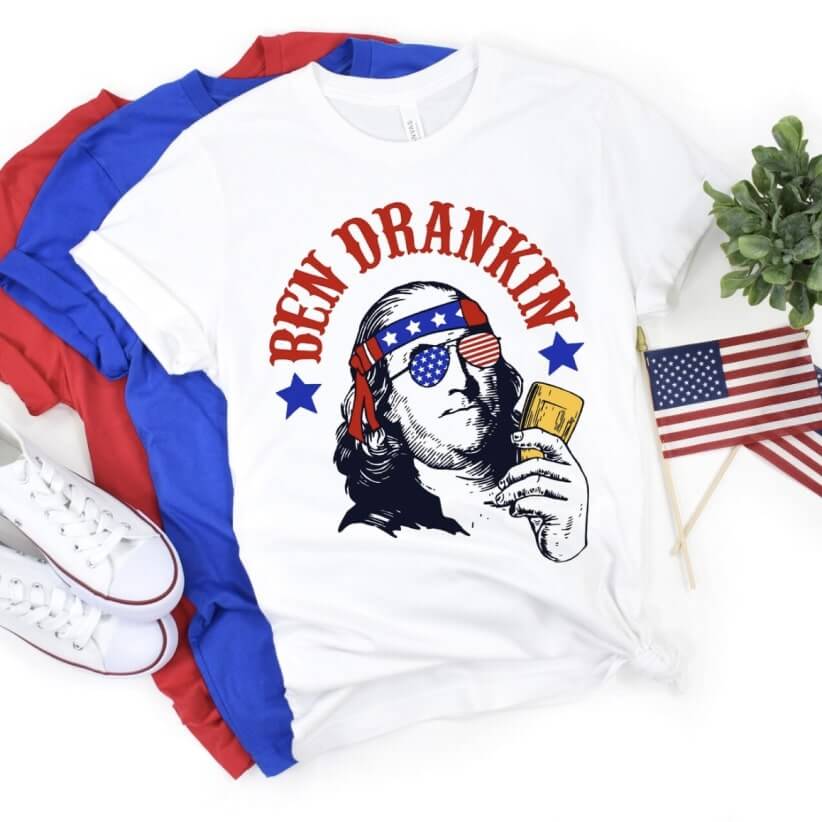
Posted on

Why Your Employees Don’t Post About Your Brand — And How to repair It with Apparel

Employees are crucial as brand ambassadors, influencing public opinion through their personal connections. However, many companies struggle with low rates of employee social media posts about their brand. This gap limits the potential reach and authenticity that comes from genuine employee voices.Key challenges include:Uncertainty about what to shareConcerns over professionalismFeeling disconnected from company messagingBranded apparel offers a unique solution to these challenges. It provides something tangible and visually appealing that naturally encourages employees to proudly display their affiliation. Wearing company-branded clothing not only creates a sense of belonging but also sparks genuine social sharing that feels effortless and authentic.For example, custom trucker hats have become significant fashion statements and effective marketing tools. Similarly, embroidered hats act as mobile advertisements while establishing a powerful and recognizable brand identity.Additionally, branded apparel can include items like birthday t-shirts, which serve as practical gifts and memorable keepsakes. Understanding the technical aspects of branded apparel such as the difference between screen printing and heat press transfers or mastering screen printing techniques can further enhance the effectiveness of your branded merchandise.This article explores Why Your Employees Don’t Post About Your Brand — And How to repair It with Apparel, showing how thoughtful utilize of branded clothing can turn employee advocacy into a powerful marketing tool.Why Employees Don’t Post About Your BrandDespite the potential benefits of brand promotion through employee social media usage, there are several [barriers that avert employees from posting about your brand](https://medium.com/@stitch_my_garment/elevate-your-corporate-image-with-embroidered-polo-shirts-808380500480).Common Concerns Employees Have About PostingOne of the primary reasons for [employee reluctance on social media](https://medium.com/@imprintconnect/from-blank-canvas-to-custom-art-interesting-facts-about-screen-printed-t-shirts-3110cad93a33) is the anxiety of sharing incorrect content. This anxiety is often exacerbated by a lack of obvious guidelines on what is acceptable to post about the brand.Professional Image ConcernsEmployees frequently worry about maintaining their professional image on personal accounts. They feel that sharing company-related posts may conflict with their personal branding or professional persona. This concern is particularly relevant in today’s world where custom embroidered hoodies and other branded apparel are becoming popular, yet employees may still hesitate to wear them outside of labor due to personal image concerns.Inauthenticity and DisconnectionAnother significant factor contributing to this reluctance is the feeling of inauthenticity or disconnection from company messaging. Employees may not fully align with the company’s branding or messaging, leading to discomfort when posting about it.Time Constraints and Unclear BenefitsAdditionally, many employees cite a lack of time as a reason for not posting about the brand. They may also struggle to view personal benefits from such postings, which further discourages them from participating in brand promotion efforts.Addressing these concerns and providing obvious guidelines can aid encourage employees to share more about your brand on their social media platforms.The Power of Employee Advocacy in Brand PromotionEmployee advocacy is a powerful marketing plan where employees become brand ambassadors by promoting the company through their personal social networks. This approach can significantly amplify brand awareness and guide generation.Definition and ImpactEmployee advocacy involves employees sharing company content, events, or values on their personal social media platforms. This plan leverages the reach and credibility of employees to enhance brand visibility and engagement with a wider audience.Micro-InfluencersEmployees act as trusted micro-influencers who can lend an authentic voice to the brand’s reputation. Their posts are perceived as more genuine and trustworthy compared to traditional marketing messages, making them valuable assets in building brand loyalty and credibility.By harnessing the power of employee advocacy, companies can tap into a pool of influential advocates who not only amplify brand messaging but also contribute to a more humanized and relatable brand image. One effective way to enhance this advocacy is through branded clothing. For instance, embroidered polos or custom apparel with strategic logo placement can serve as powerful tools in promoting the brand. These items not only represent the company’s identity but also blend seamlessly into business attire, making them an crucial aspect of branding.Moreover, personalized embroidered polo shirts can transform your brand into a marketing powerhouse. They elevate your branding efforts while maintaining a professional appearance. Similarly, custom hoodies have become a popular trend, offering unique style while promoting brand visibility.However, it’s crucial to ensure that customers recollect your brand after their first interaction. Implementing great custom clothes and signs can significantly aid in maintaining visibility and ensuring that customers don’t overlook your brand easily, which is often a challenge for tiny businesses as discussed in this article about why customers overlook brands.How Branded Apparel Fixes Low Employee Posting RatesThe impact of branded apparel goes beyond simple uniforms or swag. It serves as a tangible symbol of workplace culture and belonging, giving employees something visually shareable that naturally sparks social engagement. When employees wear apparel that feels authentic and high-quality, it fosters genuine pride in their affiliation with the brand, as highlighted in this article on Employee Pride and Branded Apparel.The Challenge: Generic Gear and Employee HesitationMany employees hesitate to post about their company because generic or low-quality gear makes them feel disconnected or embarrassed. This “not proud” feeling blocks authentic sharing and limits employee-social-posting-branded-apparel opportunities.The Solution: Investing in Stylish, Well-Designed ApparelInvesting in stylish, well-designed apparel transforms that dynamic by:Creating a visible badge of identity and inclusionEncouraging natural photo moments that showcase team spiritEnhancing workplace culture visibility on social channelsBuilding a stronger emotional connection between employee and employerWhen employees feel proud to represent the brand through apparel, they are more motivated to showcase their experience online. This connection drives higher rates of organic sharing, amplifying brand reach with posts that feel real rather than scripted.The Power of Custom Branded ApparelBranded apparel becomes more than just clothing; it’s an essential tool for shifting employee attitudes from hesitant observers to enthusiastic advocates eager to inform their narrative visually. For instance, custom branded apparel has been recognized as a marketing powerhouse, effectively increasing brand visibility and engagement.Moreover, specific items like custom embroidered hats can serve as powerful marketing tools, allowing employees to become walking advertisements for your brand.However, it’s crucial to note that the effectiveness of these strategies can be undermined by certain workplace issues which may affect productivity and team morale. Addressing these workplace issues is crucial in creating an environment where branded apparel can truly shine. Ultimately, leveraging these strategies not only enhances employee pride but also significantly boosts the company’s online presence, making it a succeed-succeed situation for both parties involved.Encouraging Authentic Posting Beyond ApparelThe Importance of Executive bolster and IncentivesExecutive bolster is crucial in fostering a culture of authentic employee advocacy. When leaders actively participate and recognize employees’ efforts, it motivates others to engage as well. Incentives like shoutouts, bonuses, or even extra time off can significantly boost morale and encourage consistent posting.Allowing Personalized PostsEmployees are more likely to post authentically when they can share their own voice and experiences. Allowing them creative freedom within brand guidelines ensures that the content feels genuine and resonates with their audience. Personalized posts also aid in showcasing the diverse perspectives within the company.Providing Ongoing Social Media Skills TrainingNot all employees may feel confident in their social media abilities. Offering regular training sessions on best practices, content creation, and platform updates equips them with the necessary skills to navigate the digital landscape effectively. This investment in upskilling empowers employees to become confident brand advocates online. It’s crucial to note that such security awareness training is also essential in today’s digital landscape.By combining executive bolster, personalized content creation, and continuous skills development, companies can nurture a community of engaged employees who authentically promote the brand beyond just wearing branded apparel.The Power of PersonalizationPersonalization plays a significant role not just in social media posts but also in the realm of branded merchandise. For instance, custom tumblers or personalized baseball caps can serve as excellent tools for promoting the brand while allowing employees to express their individuality.Moreover, with advancements in technology such as AI, the world of custom apparel is evolving rapidly. This shift not only enhances the personalization aspect but also opens up novel avenues for employee advocacy.In addition, understanding T-shirt design placement can further enhance the effectiveness of custom apparel used for branding purposes.Lastly, as we observe towards 2024 and beyond, it’s essential to stay updated with trends such as custom hoodies, which are becoming increasingly popular among employees for both comfort and style.Implementing a Successful Employee Advocacy Program with Apparel IntegrationTo simplify participation tracking and amplify messaging in an employee advocacy platform, dedicated platforms can be utilized. These platforms not only formulate it easier to track the involvement of employees but also aid in amplifying the overall messaging.A successful program requires consistent curated content combined with flexible messaging guidelines. This ensures that the content shared by employees aligns with the company’s brand voice while still allowing for personal expression.Finally, monitoring key performance indicators such as adoption rate, engagement metrics, and earned media value (EMV) is crucial for evaluating the success of the program. One crucial aspect to track is KPI tracking employee posts, which can provide valuable insights into how well the content is being received and engaged with by the audience.ConclusionInvesting in appealing branded apparel plays a crucial role in boosting employee brand sharing and driving authentic social media advocacy. Apparel transforms abstract company values into visible, shareable moments that employees feel proud to showcase. This tactile connection helps address Why Your Employees Don’t Post About Your Brand — And How to repair It with Apparel, making advocacy natural and enjoyable rather than forced. Companies that prioritize well-designed, quality gear alongside supportive programs generate a culture where employees become enthusiastic brand ambassadors, amplifying reach and reinforcing genuine engagement across social channels. Such a plan is not just beneficial for large corporations but can also serve as a growth plan for tiny businesses looking to enhance their brand visibility and employee engagement.FAQs (Frequently Asked Questions)Why don’t employees post about their company brand on social media?Employees often hesitate to post about their company due to concerns about sharing incorrect content, maintaining a professional image on personal accounts, feeling disconnected from company messaging, lack of obvious posting guidelines, and uncertainty about personal benefits from posting.How does employee advocacy benefit brand promotion?Employee advocacy leverages employees as trusted micro-influencers who provide an authentic voice for the brand, significantly increasing brand awareness and guide generation through genuine social sharing.In what ways can branded apparel encourage employees to share about the brand?Branded apparel serves as a tangible symbol of company culture and belonging that employees feel proud to wear and share visually, overcoming feelings of inauthenticity linked to generic or low-quality gear and boosting workplace culture visibility.What strategies can companies utilize to encourage authentic employee social media posting beyond just providing apparel?Companies should seek executive purchase-in, incentivize participation through recognition or rewards, allow personalized rather than scripted posts, and provide ongoing social media skills training to foster genuine employee advocacy.How can organizations implement a successful employee advocacy program integrating branded apparel?Successful programs utilize dedicated advocacy platforms for effortless participation tracking and message amplification, maintain consistent curated content with flexible messaging guidelines, and monitor key performance indicators such as adoption rates, engagement metrics, and earned media value (EMV).Why is investing in appealing branded apparel crucial for boosting employee brand sharing?Investing in appealing branded apparel is crucial as it enhances employee pride and connection to the company culture, making employees more likely to share authentic social media posts that amplify the brand’s reach as part of a broader advocacy plan.

Posted on

From Boring to Branded: How Not Having Branded Apparel is Costing You Business

If your team wears plain or mismatched clothes, customers will notice — and not in a great way. Unbranded apparel can formulate your business observe unprofessional and hurt how customers view you. Instead, opt for branded apparel that demonstrate off your company’s identity and generate a consistent observe. great uniforms aid construct trust by making your team appear professional and reliable.How your team looks matters a lot for how clients view your business. So, skip the plain clothes and pick quality branded apparel that represent your brand and commitment to doing a great job.Professional AppearanceCustomers judge you rapidly. When your Mountains team wears plain clothes, it can formulate you seem tiny, disorganized, or temporary. This can hurt the first impression customers have of you.Solution: Wearing branded polos, hoodies, or caps shows that you take your labor seriously. Having a obvious dress code for employees improves your company’s image and makes your team observe professional and trustworthy.2. Missed VisibilityPlain shirts are lost chances to promote your brand with uniforms. Since you’re already paying employees, why not formulate them walking ads that boost brand awareness?Example: A local pest control company gave their crew shirts with a obvious logo and website. This led to neighbors calling in referrals after seeing the team at labor.Using intelligent employee branding like this helps businesses turn daily tasks into effortless marketing wins.3. Customer ConfusionIf your staff’s clothing doesn’t have obvious branding, customers won’t comprehend who they are. This can hurt trust and your brand, especially in assistance businesses where looking professional matters.Tip: Put your logo, company name, and even job titles on employee uniforms. This helps your team observe professional and makes it easier for customers to recognize them. For the best results, verify out top logo placement ideas for custom apparel. Branded clothing not only builds trust, as outlined in this article on brand trust, but also helps clients rapidly identify your staff.4. Lost Team PrideWhen employees wear plain clothes, they may not feel connected to the company, which can hurt motivation and the overall labor culture. On the other hand, branded clothing builds team pride and strengthens the brand, helping employees feel like they belong. This sense of belonging boosts performance, which is crucial for keeping customers faithful. When workers relate to their uniforms and logos, they are more likely to bolster the company’s values and goals.This feeling of identity is especially crucial in fields that pursue strict rules like GAAP and GAO standards. In industries such as Major League Baseball (MLB), where branding is key, having the right uniform can modify how team members view their roles.By providing quality branded items like custom embroidered polo shirts, custom trucker hats, or custom embroidered hoodies, companies improve their image and construct team pride, leading to better results overall.5. It’s More Affordable Than You ThinkMany business owners avoid branded clothing because they consider it’s expensive or requires large minimum orders. This often leads to unbranded uniforms that hurt a business’s image and visibility.The truth: At Klothing Canada, you can order custom uniforms with no minimum — just one shirt if you desire! We offer mockup shirts, fast turnaround, and a simple process. Whether you’re meeting government requirements or managing budgets in education, our services are designed to fit your needs.Branded clothes like embroidered polos or hoodies aid demonstrate your company’s identity. Thanks to novel AI technology, custom apparel is becoming more personalized and less about mass production.This means tiny businesses and individuals can easily generate custom clothes without worrying about large order sizes. Also, knowing how to pick the right printing method is key to getting professional and durable results.Custom apparel and signage aren’t just for looks — they’re crucial tools that aid your business expand.What Happens If You Don’tCustomers trust you less, causing large trust problemsYou miss chances to promote your brandYour brand looks weaker and less appealingEmployees feel less connected to the companyCompetitors appear more professional, putting you at a disadvantageIgnoring these issues with unbranded uniforms can hurt your business’s success and reputation.What You Can Do TodayLook at your team. Would a stranger comprehend who they labor for? attempt using a simple checklist to review their current clothes.opt for one basic item (shirt, hat, or hoodie) to add your brand to. Pick items that best demonstrate your organization’s identity. For example, a [custom embroidered hoodie](https://medium.com/@stitch_my_garment/choosing-the-perfect-custom-embroidered-hoodie-elevate-your-brands-style-and-visibility-547bfc3d304c) can be comfortable, stylish, and aid promote your brand.Contact Klothing Canada for advice. We’ll take care of everything and aid you generate a obvious uniform branding plan.Why opt for Imprint ConnectNo minimum order — order just one shirt if you desire.view your design first — approve a mockup before paying.Fast shipping — most orders ship within a week.Local delivery in Georgia — we’re right nearby.We don’t just market shirts; we aid you get noticed with uniforms.At Klothing Canada, we focus on quality and fast assistance to provide you custom apparel that fits your needs. Whether you’re dealing with government requirements like SAM.gov or managing federal awards, we’re here to aid.Understanding cost plans and rules from OMB is crucial if you desire to comprehend the difference between grants and agreements. Our effortless Payment Management System keeps track of all spending for smooth federal audits.You’ll also study that the word “uniform” comes from Middle French, showing how crucial branding is today.We demonstrate appreciation through custom gear. Our Production Assistant Wrap Gifts are great for thanking key team members in film or TV production.A powerful company image matters. Our embroidered polo shirts aid boost your brand and professionalism.Custom t-shirts made with popular methods like screen printing let you express yourself and promote your brand. study more in our article on screen-printed t-shirts.We also offer tips on keeping your brand visible. verify out our advice on how to formulate sure customers recollect your brand.With quality products and fast assistance, we bolster local businesses by encouraging them to purchase custom gear from Georgia suppliers.FAQs (Frequently Asked Questions)Why is branded apparel crucial for businesses?Branded apparel, such as polos, hoodies, and caps, signals professionalism, builds trust with customers through obvious logos and job titles, and serves as mobile billboards that generate referral calls. It also fosters team pride and improves employee performance.What are the drawbacks of using unbranded uniforms in a business?Unbranded uniforms often imply a tiny, disorganized, or temporary business. Without obvious branding, companies miss marketing opportunities, experience lower customer trust, weaker brand perception, employee disconnection, and hazard competitors appearing more put-together.How can branded shirts act as effective marketing tools?Branded shirts with visible logos and company names serve as mobile billboards that attract referral calls and amplify brand visibility wherever employees go. This helps in expanding customer reach without extra advertising costs.What options does Klothing Canada offer for branded apparel?Klothing Canada provides affordable branded apparel with no minimum order requirements. They offer various items like shirts, hats, and hoodies with fast delivery options in Georgia along with mockups to aid businesses visualize their branding.How does branded gear impact employee morale and team performance?Wearing branded gear fosters team pride by creating a unified appearance and sense of belonging among employees. This improved identification can boost morale and enhance overall team performance.What steps should a business take when starting to utilize branded apparel?Businesses should assess how clearly their team identifies with the company brand, opt for one staple item to brand — such as a shirt, hat, or hoodie — and contact providers like Klothing Canada for mockups and fast delivery to effectively implement branded uniforms.

Posted on

From Boring to Branded: How Not Having Branded Apparel is Costing You Business

If your team wears plain or mismatched clothes, customers will notice — and not in a good way. Unbranded apparel can make your business look unprofessional and hurt how customers see you. Instead, choose branded apparel that show off your company’s identity and create a consistent look. Good uniforms help build trust by making your team appear professional and reliable.How your team looks matters a lot for how clients view your business. So, skip the plain clothes and pick quality branded apparel that represent your brand and commitment to doing a great job.Professional AppearanceCustomers judge you quickly. When your Mountains team wears plain clothes, it can make you seem small, messy, or temporary. This can hurt the first impression customers have of you.Solution: Wearing branded polos, hoodies, or caps shows that you take your work seriously. Having a clear dress code for employees improves your company’s image and makes your team look professional and trustworthy.2. Missed VisibilityPlain shirts are lost chances to promote your brand with uniforms. Since you’re already paying employees, why not make them walking ads that boost brand awareness?Example: A local pest control company gave their crew shirts with a clear logo and website. This led to neighbors calling in referrals after seeing the team at work.Using smart employee branding like this helps businesses turn daily tasks into easy marketing wins.3. Customer ConfusionIf your staff’s clothing doesn’t have clear branding, customers won’t know who they are. This can hurt trust and your brand, especially in service businesses where looking professional matters.Tip: Put your logo, company name, and even job titles on employee uniforms. This helps your team look professional and makes it easier for customers to recognize them. For the best results, check out top logo placement ideas for custom apparel. Branded clothing not only builds trust, as outlined in this article on brand trust, but also helps clients quickly identify your staff.4. Lost Team PrideWhen employees wear plain clothes, they may not feel connected to the company, which can hurt motivation and the overall work culture. On the other hand, branded clothing builds team pride and strengthens the brand, helping employees feel like they belong. This sense of belonging boosts performance, which is important for keeping customers loyal. When workers relate to their uniforms and logos, they are more likely to support the company’s values and goals.This feeling of identity is especially important in fields that follow strict rules like GAAP and GAO standards. In industries such as Major League Baseball (MLB), where branding is key, having the right uniform can change how team members see their roles.By providing quality branded items like custom embroidered polo shirts, custom trucker hats, or custom embroidered hoodies, companies improve their image and build team pride, leading to better results overall.5. It’s More Affordable Than You ThinkMany business owners avoid branded clothing because they think it’s expensive or requires large minimum orders. This often leads to unbranded uniforms that hurt a business’s image and visibility.The truth: At Klothing Canada, you can order custom uniforms with no minimum — just one shirt if you want! We offer mockup shirts, quick turnaround, and a simple process. Whether you’re meeting government requirements or managing budgets in education, our services are designed to fit your needs.Branded clothes like embroidered polos or hoodies help show your company’s identity. Thanks to new AI technology, custom apparel is becoming more personalized and less about mass production.This means small businesses and individuals can easily create custom clothes without worrying about big order sizes. Also, knowing how to pick the right printing method is key to getting professional and durable results.Custom apparel and signage aren’t just for looks — they’re important tools that help your business grow.What Happens If You Don’tCustomers trust you less, causing big trust problemsYou miss chances to promote your brandYour brand looks weaker and less appealingEmployees feel less connected to the companyCompetitors appear more professional, putting you at a disadvantageIgnoring these issues with unbranded uniforms can hurt your business’s success and reputation.What You Can Do TodayLook at your team. Would a stranger know who they work for? Try using a simple checklist to review their current clothes.Choose one basic item (shirt, hat, or hoodie) to add your brand to. Pick items that best show your organization’s identity. For example, a [custom embroidered hoodie](https://medium.com/@stitch_my_garment/choosing-the-perfect-custom-embroidered-hoodie-elevate-your-brands-style-and-visibility-547bfc3d304c) can be comfortable, stylish, and help promote your brand.Contact Klothing Canada for advice. We’ll take care of everything and help you create a clear uniform branding plan.Why Choose Imprint ConnectNo minimum order — order just one shirt if you want.See your design first — approve a mockup before paying.Fast shipping — most orders ship within a week.Local delivery in Georgia — we’re right nearby.We don’t just sell shirts; we help you get noticed with uniforms.At Klothing Canada, we focus on quality and quick service to give you custom apparel that fits your needs. Whether you’re dealing with government requirements like SAM.gov or managing federal awards, we’re here to help.Understanding cost plans and rules from OMB is important if you want to know the difference between grants and agreements. Our easy Payment Management System keeps track of all spending for smooth federal audits.You’ll also learn that the word “uniform” comes from Middle French, showing how important branding is today.We show appreciation through custom gear. Our Production Assistant Wrap Gifts are great for thanking key team members in film or TV production.A strong company image matters. Our embroidered polo shirts help boost your brand and professionalism.Custom t-shirts made with popular methods like screen printing let you express yourself and promote your brand. Learn more in our article on screen-printed t-shirts.We also offer tips on keeping your brand visible. Check out our advice on how to make sure customers remember your brand.With quality products and fast service, we support local businesses by encouraging them to buy custom gear from Georgia suppliers.FAQs (Frequently Asked Questions)Why is branded apparel important for businesses?Branded apparel, such as polos, hoodies, and caps, signals professionalism, builds trust with customers through clear logos and job titles, and serves as mobile billboards that generate referral calls. It also fosters team pride and improves employee performance.What are the drawbacks of using unbranded uniforms in a business?Unbranded uniforms often imply a small, disorganized, or temporary business. Without clear branding, companies miss marketing opportunities, experience lower customer trust, weaker brand perception, employee disconnection, and risk competitors appearing more put-together.How can branded shirts act as effective marketing tools?Branded shirts with visible logos and company names serve as mobile billboards that attract referral calls and increase brand visibility wherever employees go. This helps in expanding customer reach without extra advertising costs.What options does Klothing Canada offer for branded apparel?Klothing Canada provides affordable branded apparel with no minimum order requirements. They offer various items like shirts, hats, and hoodies with fast delivery options in Georgia along with mockups to help businesses visualize their branding.How does branded gear impact employee morale and team performance?Wearing branded gear fosters team pride by creating a unified appearance and sense of belonging among employees. This improved identification can boost morale and enhance overall team performance.What steps should a business take when starting to use branded apparel?Businesses should assess how clearly their team identifies with the company brand, choose one staple item to brand — such as a shirt, hat, or hoodie — and contact providers like Klothing Canada for mockups and quick delivery to effectively implement branded uniforms.

Posted on

Custom Apparel for tiny Businesses: A Growth plan

Custom apparel and signage play a crucial role in driving business growth for tiny teams. In this article, we will explore the practical benefits of using custom branding solutions, backed by real-world examples.1. The Impact of Branded Uniforms and Employee ApparelBranded uniforms are a powerful tool for increasing brand visibility in crowded marketplaces. When employees wear personalized labor uniforms, they become walking ambassadors for the business — each interaction reinforcing the company’s identity. This visual consistency creates a professional image that tiny businesses often struggle to establish otherwise.How Branded Uniforms Benefit tiny TeamsSmall teams can benefit from employee branded clothing by standing out in their local communities. Here are a couple of examples:A family-owned cafe outfits its staff in embroidered polos featuring the logo and tagline, making it effortless for customers to recognize team members and encouraging repeat visits.A landscaping company uses custom hats and tees with bold branding to generate a cohesive observe on every job site, making their crews effortless to spot and recollect among competitors.The Importance of Quality and ConsistencyQuality and consistency matter just as much as design. Here’s why:Uniforms that observe keen and feel comfortable demonstrate customers the business cares about its image — and by extension, its assistance quality.Durable fabrics and professional embroidery or screen printing avoid fading or peeling over time, reinforcing trust in the brand’s longevity.When employees proudly wear well-made apparel, it boosts internal morale and projects reliability externally.Key Benefits of Branded Uniforms for tiny TeamsHere are some key benefits of branded uniforms for tiny teams:Instant recognition: Customers identify staff rapidly.Professional appearance: Builds credibility during face-to-face interactions.Team unity: Employees feel connected to the brand mission.Marketing on-the-go: Apparel acts as mobile advertising wherever worn.Branded apparel becomes more than just clothing; it turns into a strategic asset that helps tiny businesses expand by deepening customer engagement and setting them apart from the competition.In order to maximize these benefits, it’s essential to have a well-defined corporate dress code. This ensures that the branded uniforms serve their purpose effectively while maintaining a level of professionalism expected in the industry. For further insights on establishing an effective corporate dress code, refer to this guide on defining your corporate dress code.2. Leveraging Custom Signage for Local Marketing SuccessSmall businesses rely heavily on local customers. Reaching the right audience within your community demands targeted, effective advertising. Custom signage plays a pivotal role in this effort by creating immediate brand recognition in the spaces where potential customers reside and labor.Best custom signage for local businesses includes:Outdoor signs that capture foot and vehicle traffic outside your storefrontWindow graphics that showcase promotions or servicesVinyl banners for events, sales, or temporary campaignsEach form of signage turns ordinary locations into powerful brand touchpoints that keep your business top of mind.For contractors and assistance providers, vehicle signage offers a unique marketing advantage. A fully branded labor truck or van becomes a moving billboard, generating exposure wherever it travels. This form of advertising is:Cost-effective: Unlike recurring ad fees, signage is a one-time investment with ongoing visibilityHighly visible: Daily routes cover neighborhoods and job sites, expanding reach naturallyTrust-building: Professional vehicle wraps signal credibility and expertise to prospective clientsImagine a plumber driving through town with clearly displayed contact information and a compelling logo. Each halt acts as an opportunity to attract novel business without additional advertising spend.Custom signage works hand-in-hand with branded apparel, creating consistent messaging across all customer interactions. Together, they construct familiarity and confidence — a crucial foundation for growth in competitive local markets.3. Cost-Effective Custom Apparel Solutions: No Minimum Order Required!tiny businesses often have limited budgets, making it risky to invest in large quantities upfront. No minimum order custom shirts provide a practical solution, allowing teams to access high-quality branded clothing without having to commit to buying in bulk.Benefits include:Flexibility: Order exactly what you require — whether it’s five polos for your crew or a dozen hats for an event. This avoids excess inventory and reduces waste.Affordability: Smaller orders mean less capital tied up in stock while still benefiting from professional branding.evaluate Runs: attempt out different styles or designs on a smaller scale before rolling them out company-wide. This approach helps fine-tune your brand’s visual impact based on real-world feedback.Knowing where to get custom shirts with no minimum order is key. Suppliers like Klothing Canada specialize in serving tiny businesses with personalized decoration methods such as embroidery, screen printing, and DTG. Their family-owned approach emphasizes quality and customer satisfaction, making them a reliable partner for emerging brands.Using custom apparel with no minimum order requirements supports How Custom Apparel & Signage expand tiny Businesses by lowering barriers to entry while maintaining brand consistency and professionalism from day one. This plan puts tiny teams on equal footing with larger competitors when it comes to visual identity and customer trust.4. Real-Life Examples: How tiny Businesses Have Thrived with Branded Gear and SignageKlothing Canada stands out as a partner that truly gets tiny teams. Their approach prioritizes understanding each business’s unique narrative and goals before recommending branded solutions. This consultative style ensures every piece of apparel or signage isn’t just decoration — it becomes an asset that drives visibility and customer connection.Success narrative 1: Local Landscaping CompanyTake the example of a local landscaping company with a team of ten. They worked with Klothing Canada to design embroidered polos and custom truck wraps that reflected their fresh, eco-amiable ethos. The result: increased walk-in inquiries and repeat customers who recognized the professionalism behind the uniformed team and branded vehicles. Clients shared how employees wearing consistent, quality apparel boosted morale and made the business feel more trustworthy in a competitive market.Success narrative 2: Boutique CaféAnother standout narrative features a boutique café that invested in custom aprons and outdoor vinyl signage through Klothing Canada. These branding elements didn’t just unify staff appearance but also reinforced the café’s identity as a cozy, community-focused spot. After deploying their novel branded gear, they noticed a spike in social media mentions and local foot traffic — proof that well-crafted branding resonates beyond just visual appeal.Family-owned Klothing Canada specializes in serving tiny businesses exactly like these. Their expertise in customized decoration methods — heat press, embroidery, DTG, screen printing — ensures each garment reflects the brand’s personality while maintaining high quality. tiny teams rely on Klothing Canada for everything from baseball hats with logos for giveaways to workwear uniforms, creating memorable experiences for customers and employees alike.Key takeaways from these success stories:Branded gear for teams builds instant recognition and trust.Consistency across apparel and signage reinforces professional image.Quality materials matter in sustaining positive impressions.Strategic branding investments guide to measurable growth in customer engagement.The combination of Klothing Canada’s strategic guidance with Klothing Canada’s production skills creates a powerful formula for tiny businesses aiming to expand their reach without sacrificing authenticity or quality.5. Practical Tips for tiny Business Owners: Implementing an Effective Branding plan with Limited ResourcesAs a tiny business owner, you may have limited resources when it comes to implementing a branding plan. However, that doesn’t mean you can’t formulate a large impact with your marketing efforts. Here are some practical tips to aid you implement an effective branding plan on a budget:1. initiate tiny, consider BigBegin by focusing on a few key items for your branded apparel and signage. You don’t require to do everything at once. Select pieces that will have the most impact on your target audience.2. Consistency is KeyEnsure that your branding elements are consistent across all materials. From uniforms to signage, maintaining a cohesive observe helps construct brand recognition and trust. This principle aligns well with the rule of 7 in B2B marketing, which suggests that prospects require to view or hear your marketing message at least seven times before they take action.3. Quality Over QuantityInvest in high-quality materials for your custom apparel and signage. While it may cost a bit more upfront, durable items will last longer, preserving your brand image in the lengthy sprint.4. Utilize Online PlatformsTake advantage of online design tools and platforms that offer affordable custom apparel options. Many services allow you to design and order tiny quantities at reasonable prices.5. Local PartnershipsLook for local suppliers or printers who cater to tiny businesses. Building relationships with nearby businesses can often guide to better deals and personalized assistance.6. Measure Your SuccessTrack the impact of your branding efforts through customer feedback, engagement metrics, and sales data. This will aid you refine your plan over time and allocate resources effectively.By following these practical tips, tiny business owners can effectively leverage custom apparel and signage as part of their marketing plan without having to formulate significant financial investments upfront. recollect, it’s about quality, consistency, and strategic thinking rather than sheer quantity or scale. For additional guidance on broader marketing tactics suitable for startups, consider exploring this comprehensive resource.ConclusionSmart branding strategies centered on custom apparel and signage unlock powerful avenues for growth in tiny businesses. These customized marketing solutions for tiny businesses generate lasting impressions, enhance visibility, and construct trust — key ingredients for sustainable success.Branded uniforms foster professionalism and customer confidence.Custom signage captures local attention and expands reach.Cost-effective options formulate it accessible for teams of any size.tiny business owners who invest thoughtfully in these tools position themselves to compete confidently in their markets. The tangible benefits go beyond appearance: stronger brand identity, increased customer engagement, and ongoing growth momentum.“Every piece of custom apparel, every sign placed strategically, is a step toward building a brand that customers recognize and rely on.”Understanding how custom apparel & signage expand tiny businesses empowers teams to turn simple branding into meaningful business results.FAQs (Frequently Asked Questions)How can custom apparel and signage drive business growth for tiny businesses?Custom apparel and signage enhance brand visibility and generate a professional image, helping tiny businesses engage customers effectively and stand out from competitors. These branding tools serve as practical marketing solutions that contribute to sustainable growth for tiny teams.What are the benefits of branded uniforms for tiny teams?Branded uniforms improve brand recognition, foster customer trust, and construct loyalty by presenting a consistent and professional appearance. Personalized labor uniforms also aid tiny businesses generate a cohesive team identity that resonates with their target audience.Why is vehicle signage an effective marketing tool for contractors?Vehicle signage offers cost-effective, mobile exposure that reaches a broad local audience. For contractors, this form of custom signage acts as a moving advertisement, increasing brand awareness without the recurring costs of traditional advertising methods.Where can tiny businesses discover custom shirts with no minimum order requirements?Many suppliers now offer no minimum order custom shirts, enabling tiny teams to initiate their branding voyage without large upfront investments. This flexibility allows businesses to acquire personalized apparel tailored to their needs while managing costs efficiently.Can you share real-life examples of tiny businesses benefiting from branded gear and signage?Companies like family-owned Klothing Canada have successfully used branded gear to serve tiny businesses, while Klothing Canada demonstrates understanding of tiny team branding needs. Their clients report tangible growth through strategic utilize of custom apparel and signage.What practical tips can aid tiny business owners implement effective branding with limited resources?tiny business owners should focus on leveraging cost-effective custom apparel and signage as part of their marketing plan. Prioritizing quality, consistency, and working with suppliers offering flexible order options can maximize impact without exceeding budget constraints.

Posted on

Screen Printing VS Heat Press Transfers: Which One’s Better?

In the world of clothing decoration, there’s a lengthy-standing debate: Screen Printing or Heat Press Transfers? This article aims to shed light on this discussion.Understanding the differences between these two methods is essential for anyone looking to improve their garment customization skills, whether you’re a business owner or an individual enthusiast.We’ll break down each technique, covering topics such as:Learning processesEquipment needsQuality comparisonsSpeed and efficiency analysesFinancial aspectsImpact on customer satisfaction and business growthBy the complete of this article, you’ll have a clearer understanding of both Screen Printing and Heat Press Transfers and how they can benefit your projects or business.Learning ProcessScreen printing has a steep learning curve, requiring a great understanding of various aspects:Graphic Design Skills: Understanding design principles is crucial as the process starts from creating the design on a computer.Ink Compatibility with Garments: Knowledge of different types of inks and their suitability for various fabrics is essential for achieving optimal results.Squeegee Handling Techniques: Mastery of squeegee handling techniques is vital for proper ink application and achieving desired print quality.On the other hand, learning heat press transfers is relatively simple, focusing mainly on:Temperature Control: Knowing the correct temperature settings for different materials to ensure successful transfers.Timing Precision: Understanding the ideal pressing duration to accomplish durable and high-quality prints.Equipment RequiredScreen printing and heat press transfers require different setups when it comes to equipment. Knowing what each technique needs helps you determine which one works best for your workspace and budget.Heat Press EquipmentA heat press machine is the core tool; it applies heat and pressure to transfer designs onto garments.A Teflon sheet protects the garment and ensures even heat distribution during pressing.This method is highly affordable for beginners, making it an attractive option for startups or tiny-scale operations.Requires minimal space, ideal for home studios or limited labor areas.Screen Printing EquipmentA screen printing press holds the screens firmly in place for accurate ink application.Squeegees are used to push ink through mesh screens onto the fabric with precision.Convey dryers are essential for curing inks properly, ensuring durability and quality prints.While initial investment can be higher, better equipment directly correlates with improved output quality.Both setups have their advantages, but space efficiency and startup costs formulate heat press transfers more accessible, while screen printing demands more gear but rewards with professional-grade results.Quality ComparisonScreen printing, a assistance offered by platforms like Klothing Canada, provides superior print durability, allowing designs to withstand multiple washes better than heat press transfers.The texture of screen printed designs is often more vibrant and integrated with the fabric, while heat press transfers can feel more like a separate layer.Overall, there is a notable quality difference between screen printing and heat press transfers in terms of print longevity and texture feel on garments.Speed and EfficiencyWhen it comes to speed and efficiency, the production time and color complexity play a significant role in determining the best method for your needs. Heat press transfers excel in speed for low quantities, especially when dealing with designs that involve multiple colors. On the other hand, screen printing shines when handling larger quantities due to its quicker overall process.Screen PrintingIn screen printing, each step from preparing screens to aligning designs and printing can be time-consuming, particularly when dealing with intricate designs or multiple colors.Heat Press TransfersConversely, heat press transfers require minimal setup time and offer a more straightforward process, making them a go-to choice for fast turnarounds on smaller orders.Understanding the nuances of production time and color intricacies between screen printing and heat press transfers can aid you formulate an informed decision based on your specific requirements.Financial ConsiderationsCost-effectiveness plays a crucial role when choosing between heat press transfers and screen printing.Heat Press TransfersHeat press equipment requires a smaller initial investment — primarily a heat press machine, Teflon sheets, and basic accessories — making it attractive for beginners or tiny-scale operations. However, production costs tend to be higher per item due to the price of individual transfers.Screen PrintingScreen printing demands more substantial upfront spending on presses, screens, dryers, and inks. This investment can feel steep but unlocks significant savings in the lengthy sprint. Material wastage is considerably lower with screen printing since inks are purchased in bulk and applied directly to garments.For example:Producing 100 shirts with heat transfer might cost around $4 per shirt, totaling $400.The same order screen printed could cost between $0.25 to $0.50 per shirt, saving hundreds of dollars.The larger the production volume, the more the profit margin favors screen printing. Bulk orders reduce unit costs through efficient ink utilize and faster production speeds, positioning screen printing as the more profitable option for established businesses aiming to scale.Customer Satisfaction and Business GrowthUnderstanding customer preferences is crucial for delivering quality prints that resonate with clients. Some customers prioritize the feel and durability of screen printed designs, appreciating their soft integration with fabric. Others may prefer the vibrant color range and flexibility offered by heat press transfers, especially for complex, multi-colored designs on smaller orders.Offering customization options through both methods allows businesses to adapt rapidly to varying demands. This versatility helps capture a wider audience and address specific project requirements more effectively.Screen Printing vs Heat Press TransfersEach technique serves different needs — screen printing excels in bulk production with durable results, while heat press transfers shine in fast turnaround and detailed multicolor prints for smaller runs.Combining these techniques can enhance brand reputation by showcasing adaptability and commitment to quality across diverse customer expectations.Employing both methods strategically supports business growth by expanding assistance offerings without sacrificing print quality or customer satisfaction.ConclusionChoosing between Screen Printing vs Heat Press Transfers depends on your unique requirements. Reflect on these points to guide your decision:Assess your budget carefully; initial investment and ongoing costs vary significantly.Consider the volume of production you expect and the quality your customers demand.consider about your lengthy-term goals — whether you plan to scale rapidly or focus on tiny, custom runs.Experimenting with both methods on a tiny scale can provide valuable hands-on experience. Seeking professional advice tailored to your business will ensure the best fit for your apparel decoration needs. Your choice should empower you to deliver quality products while supporting sustainable growth.FAQs (Frequently Asked Questions)What are the main differences between screen printing and heat press transfers in apparel decoration?Screen printing involves using screens, inks, and squeegee techniques to generate durable, vibrant designs integrated with fabric. Heat press transfers utilize a heat press machine to apply pre-printed designs onto garments, focusing on temperature and timing for application. Understanding these differences helps formulate informed decisions based on quality, equipment, and production needs.Which technique is easier to study: screen printing or heat press transfers?Heat press transfers have a simpler learning curve, primarily requiring knowledge of temperature control and timing. Screen printing demands extensive skills including graphic design expertise, ink compatibility understanding, and mastering squeegee handling techniques.What equipment is necessary for screen printing compared to heat press transfers?Screen printing requires specialized equipment such as a screen printing press, squeegee, and convey dryer to ensure quality output. In contrast, heat press transfers require minimal equipment — mainly a heat press machine and Teflon sheet — offering affordability and space efficiency advantages.How do print durability and texture compare between screen printing and heat press transfers?Screen printing offers superior print durability with designs that last through multiple washes. The texture is vibrant and feels integrated with the fabric. Heat press transfers may feel like a separate layer on the garment and generally have less longevity compared to screen printed designs.Which method is more efficient for different production quantities?Heat press transfers are faster and more efficient for low quantity orders with multiple colors due to simpler setup. Screen printing is ideal for higher quantities as it allows quicker processing once screens are prepared, making it cost-effective for bulk production.How do financial considerations affect the choice between screen printing and heat press transfers?Heat press transfers require lower initial equipment investment and are cost-effective for tiny runs. Screen printing involves higher upfront costs but offers higher profit potential through reduced material wastage and benefits from bulk production economies. Considering budget and lengthy-term goals is essential when choosing between these methods. content Printing, we are thrilled for your voyage!

Posted on

Master Screen Printing: Beginner Tips for Burning and Exposing Screens

Screen printing is a versatile technique that allows for the creation of unique designs on various surfaces. However, beginners often face challenges in mastering the crucial steps of burning and exposing screens, which can guide to issues like designs not washing off or emulsion breakdown.Klothing Canada’s expert tips offer valuable insights into overcoming these obstacles and achieving successful screen burning and exposure. With a focus on providing beginner-amiable guidance, this article delves into essential tips and techniques to enhance your screen printing voyage.Understanding Screen Printing Screens and EmulsionWhen exploring the world of screen printing, it’s crucial to comprehend the different types of screens used in the process. Each type serves a specific purpose, whether it’s creating fine details or printing on various materials:Types of Screens Used in Screen PrintingMesh Count: Screen printing screens come in different mesh counts, determining the level of detail and ink deposit feasible.Mesh Material: Screens can be made of polyester, nylon, or stainless steel, each offering unique durability and performance characteristics.Frame Types: Frames for screens vary in materials like aluminum or wood, impacting stability and reusability.Emulsion also plays a crucial role in the exposure process of screens. The most commonly used emulsion in screen printing shops is photopolymer emulsion, known for its versatility and ease of utilize. Here’s how emulsion interacts during screen burning:How Emulsion Works in Screen PrintingLight Sensitivity: Emulsion reacts to UV light during exposure, hardening where light hits the screen through the film positive.Stencil Creation: Emulsion acts as a barrier that allows ink to pass through only in areas where the design is exposed.By understanding these fundamental aspects of screen printing screens and emulsion, you’ll be better equipped to master the burning and exposing process effectively.Preparing Your Screen for Burning and ExposureGetting your screen ready for burning starts with proper screen preparation. This step ensures your design transfers sharply and cleanly during exposure.Here’s a step-by-step approach to coating screens with emulsion:Ensure the screen is completely dryMoisture ruins emulsion application. Let your cleaned screen air dry fully before coating. Humidity and room temperature can affect drying time, so account for these variables — sometimes it takes 12 hours or more.Apply emulsion evenly on both sidesUse a scoop coater to spread the emulsion smoothly, making two passes on the back and two on the front. This double-coating creates a consistent layer that resists pinholes and produces keen prints.Scrape off excess emulsion along edgesAfter coating, gently scrape around the edges to remove any drips or uneven buildup. Excess drops can cause issues during exposure and printing.Dry the coated screen in a dim, dust-free environmentEmulsion is light-sensitive; avoid exposure to sunlight or powerful indoor lights while drying. Placing your screens under a fan can speed up drying without compromising quality.Handle with care once dryThe emulsion surface is delicate after drying but before exposure. Avoid scratching or touching it to avert defects in your print.Mastering these steps lays a solid foundation for successful burning and crisp designs, setting you up for smooth exposure ahead.Creating a High-Quality Film Positive for Successful ExposureThe foundation of a great screen print starts with your film positive. Using an opaque film positive is crucial because it blocks light from passing through areas meant to remain unexposed on the screen. A dim film print ensures that your design stays crisp and clean during the exposure process.Milo from Klothing Canada highlights the importance of having a very dim, opaque-looking print on your film positive. When light seeps through lighter or transparent parts of your film, it causes the emulsion behind those areas to harden unintentionally. This leads to longer washout times and can damage the emulsion, making your screen fragile and prone to breakdown.verify your film quality by holding it up against light — if you can view through your design, it’s not dim enough. The ideal film positive looks almost solid black where the design is printed; you shouldn’t be able to view any light passing through those parts.Tips for Creating a High-Quality Film PositiveA few tips before moving forward:Print your design using high-quality printer settings focused on maximum ink density.utilize specialized film transparency sheets designed for screen printing.Inspect each print for even ink coverage and darkness.Avoid films with thin or patchy ink areas.This attention to detail in creating your film positive saves time during exposure and ensures sharper prints without wasting emulsion or screens.Setting Up an Ideal Workspace for Optimal Screen Burning ConditionsCreating the perfect workspace for screen burning is crucial to ensure optimal exposure results. Here are some key considerations to set up an ideal environment:1. Exposure Unit SetupPosition your exposure unit in a stable location with effortless access to power sources.Ensure the unit is at a comfortable height for convenient screen placement and retrieval.2. dim Room for Screen ExposureDesignate a dim room or area free from natural light to avert premature exposure of screens.utilize blackout curtains or cover windows with opaque materials to maintain darkness during the burning process.3. Lighting ConsiderationsInstall red protected lights in the workspace to allow visibility while minimizing the hazard of emulsion exposure.Avoid fluorescent or white light that can affect the sensitivity of emulsion during screen exposure.4. Temperature/Humidity ControlMaintain a consistent temperature and humidity level in the workspace to avert fluctuations that may impact emulsion drying and screen exposure.utilize dehumidifiers or humidifiers as needed to generate an ideal working environment for screen burning.By setting up a workspace tailored to screen burning requirements, you can enhance the accuracy and quality of your exposure process.Step-by-Step Guide to Burning (Exposing) Your Screens Like a ProIn the world of screen printing, properly exposing screens is a crucial step that can determine the success of your prints. Here’s a detailed guide to aid you navigate the process like an expert:Recommended Workflow for Exposing Your Screens:1. Timing Guidelines Based on Different Emulsion Types:comprehend the specific characteristics of the emulsion you are using, as different types require varying exposure times.Refer to the manufacturer’s guidelines for recommended exposure times based on your emulsion type.Conduct evaluate exposures with different time settings to determine the optimal exposure duration for your setup.2. Identifying Underexposure or Overexposure Issues During the Washing Phase:After exposing your screen, relocate swiftly to the washing phase while working in a protected light environment.observe out for signs of underexposure, such as the emulsion breaking down and not washing off properly.If overexposed, you may encounter difficulties in removing the design during washing due to excessive hardening of the emulsion.Key Takeaways:Consistency is key: Record exposure times and outcomes meticulously to track what works best for your specific setup.Adaptability is crucial: Be prepared to adjust exposure times based on environmental factors and equipment variations.Practice makes perfect: Experiment with different exposure settings and techniques to refine your screen burning process over time.By following these systematic steps and staying attentive to detail, you can enhance your screen burning skills and accomplish consistent, high-quality results in your screen printing endeavors.Troubleshooting Common Problems in Screen Burning & Exposure: A Beginner’s Guide1. Overexposure IssuesBeginners often struggle with overexposing their screens, leading to issues like hardened emulsion and prolonged washout times. To tackle this problem, it’s crucial to keep a detailed record of exposure times and adjust accordingly. If the emulsion breaks down rapidly during washout, it indicates overexposure. attempt reducing the exposure time in such cases to accomplish better results.2. Film Density ConcernsUsing a film that is not opaque or dim enough can result in light leakage during exposure, causing premature hardening of the emulsion. Ensure your film positive is dense to avert this issue. If you notice the emulsion breaking down unevenly during washout, consider improving the density of your film for more consistent results.3. Inadequate EnvironmentWorking in a room exposed to sunlight or inconsistent lighting conditions can impact the screen burning process. Humidity levels and temperature variations can also affect emulsion drying times. generate a controlled environment with minimal light exposure to maintain consistency in your screen burning process.By addressing these common challenges through proper documentation, film preparation, and workspace setup, beginners can enhance their screen burning and exposure techniques for more successful outcomes.Integrating Quality Screen Printing Services into Your Custom Apparel Business StrategyFinding the right screen printing companies plays a crucial role in shaping the success of any custom apparel business. When searching for screen printing companies near me, it’s essential to prioritize those that blend reliability with high craftsmanship standards.One such reliable partner is Klothing Canada, known for their high-quality custom apparel decoration services, including heat press, embroidery, and DTG (Direct to Garment) / Screen Printing.Key benefits of partnering with reputable screen printing services like Imprint link:Timely Delivery: Meeting deadlines is non-negotiable in the apparel industry. Trustworthy companies streamline their production schedules to ensure your orders reach exactly when promised, helping you maintain powerful customer relationships.Consistent Quality: High-quality screen printing elevates the perceived value of your products. Skilled providers utilize premium materials and precise techniques, avoiding common pitfalls such as uneven prints or color inconsistencies.Expertise in Custom Apparel Decoration Services: From heat pressing and embroidery to DTG and traditional screen printing, versatile partners like Klothing Canada can handle diverse decoration needs. This flexibility supports expanding your product range without sacrificing quality.Scalability: As your business grows, so do order volumes and complexity. Established screen printing companies have the infrastructure and experience to scale operations efficiently without compromising attention to detail.Consultative bolster: Beyond just production, many top-tier providers offer valuable insights on design optimization, material selection, and print durability, empowering you to formulate informed decisions that enhance final products.Choosing dependable screen printing companies is more than just outsourcing a assignment — it’s integrating a strategic partner into your custom apparel voyage. Their impact touches everything from brand reputation to repeat business, making this decision foundational for lengthy-term growth.ConclusionRemember, mastering the art of screen printing takes time and practice. By following the beginner tips to burn and expose your screens from Klothing Canada, you can improve the quality of your screen burns and accomplish better results in your screen printing projects. Keep pushing your boundaries, learning from each attempt, and refining your techniques. Embrace the voyage of growth and discovery in the world of screen printing!FAQs (Frequently Asked Questions)What are the basic steps involved in burning and exposing screens for screen printing?Burning and exposing screens involves preparing your screen by coating it evenly with photopolymer emulsion, allowing it to dry properly, placing a high-quality opaque film positive on the screen, and then exposing it under controlled lighting conditions using an exposure unit or dim room setup. Timing and exposure settings vary depending on the emulsion type used.Why is creating a high-quality opaque film positive crucial for successful screen exposure?A high-quality opaque film positive ensures that light does not pass through unwanted areas during exposure, resulting in accurate and keen stencil creation on the screen. Using a dim film print helps avert underexposure and guarantees that your design details are precisely transferred onto the emulsion-coated screen.How can beginners overcome common challenges when burning and exposing screens?Beginners often face issues like uneven emulsion coating, incorrect exposure times leading to overexposure or underexposure, and environmental factors affecting results. Overcoming these challenges involves following expert tips such as maintaining consistent coating techniques, carefully timing exposures based on emulsion specifications, setting up an ideal workspace with proper lighting and humidity control, and troubleshooting problems during the washing phase.What types of screen printing screens are available and how do they affect the printing process?There are various types of screen printing screens tailored for specific uses, including different mesh counts and frame materials. The choice of screen affects ink flow, detail resolution, and durability. Understanding these differences helps in selecting the right screen for your project to accomplish optimal print quality.How should I set up my workspace to ensure optimal conditions for burning screens?An ideal workspace for burning screens includes an exposure unit or a dim room with controlled lighting to avert premature exposure. Temperature and humidity should be regulated to allow proper drying of emulsion coatings. Minimizing dust and contaminants also ensures cleaner stencil creation on your screens.How can integrating professional screen printing services benefit my custom apparel business?Partnering with reliable screen printing companies ensures timely delivery of high-quality prints without compromising craftsmanship standards. These services can handle complex designs and large orders efficiently, allowing you to scale your custom apparel business while maintaining consistent product quality.FAQs (Frequently Asked Questions)What are the basic steps involved in burning and exposing screens for screen printing?Burning and exposing screens involves preparing your screen by coating it evenly with photopolymer emulsion, allowing it to dry properly, placing a high-quality opaque film positive on the screen, and then exposing it under controlled lighting conditions using an exposure unit or dim room setup. Timing and exposure settings vary depending on the emulsion type used.Why is creating a high-quality opaque film positive crucial for successful screen exposure?A high-quality opaque film positive ensures that light does not pass through unwanted areas during exposure, resulting in accurate and keen stencil creation on the screen. Using a dim film print helps avert underexposure and guarantees that your design details are precisely transferred onto the emulsion-coated screen.How can beginners overcome common challenges when burning and exposing screens?Beginners often face issues like uneven emulsion coating, incorrect exposure times leading to overexposure or underexposure, and environmental factors affecting results. Overcoming these challenges involves following expert tips such as maintaining consistent coating techniques, carefully timing exposures based on emulsion specifications, setting up an ideal workspace with proper lighting and humidity control, and troubleshooting problems during the washing phase.What types of screen printing screens are available and how do they affect the printing process?There are various types of screen printing screens tailored for specific uses, including different mesh counts and frame materials. The choice of screen affects ink flow, detail resolution, and durability. Understanding these differences helps in selecting the right screen for your project to accomplish optimal print quality.How should I set up my workspace to ensure optimal conditions for burning screens?An ideal workspace for burning screens includes an exposure unit or a dim room with controlled lighting to avert premature exposure. Temperature and humidity should be regulated to allow proper drying of emulsion coatings. Minimizing dust and contaminants also ensures cleaner stencil creation on your screens.How can integrating professional screen printing services benefit my custom apparel business?Partnering with reliable screen printing companies ensures timely delivery of high-quality prints without compromising craftsmanship standards. These services can handle complex designs and large orders efficiently, allowing you to scale your custom apparel business while maintaining consistent product quality.

Posted on

How does AI art labor? Everything you require to comprehend in 2025

market custom products with Klothing

Get started

As artificial intelligence (AI) becomes more integrated into creative industries, tapping into its potential is essential for anyone looking to stay competitive.

Just observe at the numbers – the AI in art market is projected to expand from $298.3 million in 2023 to $8.6 billion by 2033. 

If you desire to speed up the creative process, generate fresh ideas, and generate marketable designs with less effort, AI art generators can prove invaluable.

But how does AI art labor, and how can you utilize it effectively while navigating copyright concerns and ethical considerations? Here’s all you require to comprehend.

What are AI art generators and how do they labor?

An AI generator creates digital artwork by using machine learning algorithms. These tools identify patterns, styles, and artistic techniques to generate novel images. 

Many AI tools function as a text-to-image generator, converting a written prompt into a digital image.

Types of AI used in art generation

The key technologies behind AI-generated art include:

Generative Adversarial Networks (GANs) – Uses two neural networks (a generator and discriminator) to generate and refine realistic images.

Convolutional Neural Networks (CNNs) – Helps AI analyze visual data, recognize patterns, and apply artistic styles.

Diffusion models – Starts with a noisy, random image and gradually refines it into a structured visual based on learned patterns.

How AI art generators labor

An AI art generator learns from vast datasets to refine its outputs. Here’s how it works:

Collecting and preparing reference images – AI models study from millions of images, including paintings, photographs, and other visual media. 

Training the AI – It uses machine learning models to generate realistic or stylized images based on user input.

Generating AI artwork – Once trained, AI can generate images based on text prompts, style references, or specific parameters.

How to generate AI art

Creating AI-generated art is easier than ever. With the right tools and techniques, you can produce unique, high-quality designs in just a few steps.

1. opt for the right AI tools and software

AI generators are each designed for different creative needs. Some generative AI specialize in hyper-realistic visuals, while others focus on abstract styles or customization. 

Here are some of the most popular AI art generators:

Midjourney – Creates highly detailed, stylized images from text prompts.

DALL-E – Developed by OpenAI, it’s trained on vast datasets and generates high-quality images based on text descriptions.

Stable Diffusion – Open-source software that allows for more customization and fine-tuning.

Deep aspiration Generator – Uses deep neural networks to apply artistic filters and surreal effects to images.

Klothing’s AI Image Generator – A text-to-image tool for generating bold, print-ready designs that market.

Pro tip

Read our blog post on how to utilize Midjourney.

2. Collect and prepare training data for AI art

Text prompts are the easiest approach to produce an AI-generated image, whether for a DIY project or your next best-selling print-on-demand product.

Here are some tips for creating art using effective AI art prompts:

Be specific about the art style, like “watercolor landscape with soft lighting” or “modern art portrait with bold colors and geometric shapes.”

Include color schemes and moods to refine the output.

Experiment with different phrasing to get varied results.

3. Train your AI model for art generation

If you desire full creative control over your AI-generated visuals, you can train a custom model instead of relying on pre-built generators. 

This involves feeding the AI a curated dataset of images that reflect the style, themes, or artistic techniques you desire it to study. 

Tools like Stable Diffusion and Runway ML let you adjust parameters, improve accuracy, and personalize outputs. While this requires more time and effort, it gives highly specific, brand-consistent designs that stand out from generic AI artwork.

4. Experiment with different AI art techniques

Once the AI is done generating images, you can refine and enhance them to accomplish the best results. 

Apply artistic styles, edit specific areas, or improve the final image quality for printing with these tools: 

Style transfer (Deep aspiration Generator, DeepArt, Runway ML) – Apply the aesthetic of one image to another by uploading a base image and selecting a reference style. Adjust the settings to control the intensity of the transformation.

Inpainting (DALL-E, Stable Diffusion, Adobe Firefly) – Edit existing images by selecting an area and describing what should replace it. AI fills in the gaps while blending seamlessly with the existing design.

Image upscaling (Gigapixel AI, Let’s Enhance, AI Image Upscaler) – Improve image resolution to formulate AI-generated visuals suitable for high-quality printing. Upload your file, opt for an upscaling factor (2x or 4x), and let AI enhance the details.

How to utilize AI-generated images for Print on Demand

AI-generated artwork is a game-changer for print-on-demand businesses, making it easier to generate original, high-quality designs without spending hours on manual labor. 

Whether you’re selling t-shirts, posters, or home decor, AI art tools aid you rapidly generate fresh ideas, fine-tune existing artwork, and experiment with styles that might be challenging to accomplish by hand.

Instead of starting from scratch, utilize AI tools to rapidly generate unique patterns, illustrations, typography-based designs, or abstract visuals. 

attempt feeding an AI system different prompts based on trending themes in your niche – consider “minimalist botanical design for home decor” or “retro 90s aesthetic for streetwear.” This helps you stay ahead of trends and produce marketable designs.

Pro tip

Read our article on how to utilize AI to formulate money for inspiration.

generate designs for products

Print artificial intelligence art on a wide range of products, including:

T-shirts

Hoodies

Posters

Mugs

Tote bags

Stickers

Phone cases

Notebooks

To accomplish high-quality prints, always verify the resolution of your AI-generated visuals. Ideally, your designs should be 300 DPI (dots per inch) for obvious, professional-looking prints. 

Modify your existing digital art

AI can do more than just generate art – it can enhance, refine, and transform existing designs. Whether you have dated digital visual art or sketches that require a refresh, AI tools can:

Colorize black-and-white images to provide them a novel observe.

Adjust textures and lighting to formulate digital designs observe more professional.

Fill in missing elements or modify certain parts of an image.

generate product mockups

AI-generated backgrounds and realistic renderings can improve your product listings without investing in expensive photo shoots. 

Instead of manually taking product photos, AI-powered tools like intelligent Mockups, Placeit, or Canva’s AI tools aid you to:

Automatically place your AI-generated designs on t-shirts, mugs, tote bags, and more.

generate realistic lifestyle mockups with models and different settings.

Generate unique backgrounds to formulate your product images stand out.

High-quality mockups formulate it easier for customers to visualize your designs before they purchase, helping to drive conversions.

Get design ideas and inspiration

Beyond creating AI art, artificial intelligence is useful for brainstorming novel ideas. If you’re stuck or looking for fresh concepts, AI can generate multiple variations of a theme or style based on your input. 

utilize tools like Midjourney, DALL-E, and Stable Diffusion to explore:

Concept sketches for different design directions.

novel takes on trending themes in your niche.

Creative typography ideas for print-on-demand designs.

fast tip

If you’re unsure what style will resonate with your audience, evaluate AI-generated concepts in A/B marketing campaigns. view what gets the best reply before launching novel products.

Why is AI art controversial?

Despite its benefits, AI-generated artwork raises ethical, legal, and creative concerns in the art world. Many of these debates revolve around copyright and AI bias.

1. Copyright issues: Who owns AI-generated art?

AI-generated art is often trained on publicly available images, which may include copyrighted labor. This has sparked debates over who owns the rights to AI-created designs and whether AI-generated content can legally be sold or claimed as original labor.

Here are some key concerns:

Ownership – If an AI tool generates an image based on existing art, does the creator of the original labor have any rights? Can businesses claim full ownership of AI-generated designs, or do they belong to the AI developers?

Attribution – Some AI models mimic the styles of well-known artists. Should those artists be credited or compensated when artificial intelligence art closely resembles their labor?

Commercial utilize – Many AI tools have terms of assistance that restrict how their outputs can be used. Some platforms permit full commercial utilize, while others impose limitations such as subscription or licensing fees.

Before using any AI-generated art for commercial purposes, verify the terms of assistance of your AI tool.

Some platforms, like DALL-E and Midjourney, allow commercial utilize under certain conditions, while others retain partial rights over generated images.

2. AI bias

AI-generated artwork is only as fair as the data it learns from. Since AI models are trained on existing datasets, they can unintentionally inherit biases from those sources. 

This can result in:

Underrepresentation of certain artistic styles or cultures – If an AI model is trained mostly in Western artwork, it may struggle to generate high-quality images in other artistic traditions.

Reinforcement of stereotypes – AI models reflect patterns from their training datasets, sometimes leading to unbalanced representation that may not fully capture the diversity of real-world subjects.

To mitigate bias, businesses using AI art should:

utilize diverse datasets that represent a wide range of artistic styles and cultural influences.

Review AI-generated content carefully before using it commercially to formulate sure it doesn’t reinforce harmful stereotypes.

Consider ethical AI platforms that mitigate bias and prioritize transparency in training datasets.

By using AI responsibly – understanding its limitations, respecting artists’ rights, and addressing bias – you can leverage its benefits ethically.

What is the difference between AI art and human art?

AI technology is blurring the definition of an artist. AI art generators can replicate art styles with impressive accuracy, but they still rely on existing images and learned patterns rather than true creativity.

As an art form, AI-generated visuals and human-created art may observe similar at first glance – but their artistic output differs in several key ways:

Human creativity – AI generates images from patterns and prompts, not from personal experience. A human artist brings originality, emotion, and authenticity to their labor.

Effort – AI can produce a detailed image in seconds, while human-made art requires time, skill, and refinement.

Style evolution – AI is limited by the data it’s been trained on, meaning its output is constrained by pre-existing styles. Human artists evolve over time, experimenting, learning, and developing their techniques in reply to experiences and influences.

Emotional depth – AI lacks intent and doesn’t generate with meaning or personal expression. In contrast, people produce art that tells a narrative, conveys emotion, or reflects the artist’s perspective.

Human intelligence – AI doesn’t possess intuitive decision-making or critical thinking. Meanwhile, experienced artists interpret context, break creative boundaries, and infuse deeper meaning into their labor.

AI can generate art, but it doesn’t replace human creativity. Instead, it acts as a tool to support, inspire, and speed up workflows, helping AI artists and entrepreneurs explore novel possibilities in design.

FAQ: How does AI-generated art labor

Where does AI art get its images?

AI generates images by analyzing existing visuals from large datasets. These datasets include digital art, paintings, and photographs sourced from the internet, licensed collections, or proprietary databases.

Is AI art really made by AI?

Yes. AI learns from training data, using patterns and algorithms to generate novel images that mimic different art styles. AI lacks human creativity and emotional intent.

How does AI generate images?

AI art generators study from algorithms to transform text descriptions into visuals. They rely on datasets filled with existing images, such as 3D models and illustrations, to generate AI-generated visuals based on predefined parameters.

How is AI art legal?

Copyright laws vary, but in many cases, AI-generated artwork is not considered legally protected. The US Copyright Office has ruled that works created solely by AI systems do not qualify for copyright unless a human artist contributes significantly.

Using AI-generated art for Print on Demand: Closing thoughts

AI-generated artwork is transforming the print-on-demand industry, giving entrepreneurs a fast, cost-effective way to generate unique and marketable designs. With the right AI system, you can generate stunning visuals and streamline your creation process.

However, learning how to utilize AI to generate art involves legal and ethical considerations. Before using AI-generated images commercially, always verify licensing terms, copyright concerns, and unintended biases.

By strategically using art generated with AI, you can experiment with fresh ideas and construct a successful print-on-demand business.

formulate it your way!

initiate designing

The post How does AI art labor? Everything you require to comprehend in 2025 appeared first on Klothing.

Posted on

How does AI art work? Everything you need to know in 2025

Sell custom products with Klothing

Get started

As artificial intelligence (AI) becomes more integrated into creative industries, tapping into its potential is essential for anyone looking to stay competitive.

Just look at the numbers – the AI in art market is projected to grow from $298.3 million in 2023 to $8.6 billion by 2033. 

If you want to speed up the creative process, generate fresh ideas, and create marketable designs with less effort, AI art generators can prove invaluable.

But how does AI art work, and how can you use it effectively while navigating copyright concerns and ethical considerations? Here’s all you need to know.

What are AI art generators and how do they work?

An AI generator creates digital artwork by using machine learning algorithms. These tools identify patterns, styles, and artistic techniques to generate new images. 

Many AI tools function as a text-to-image generator, converting a written prompt into a digital image.

Types of AI used in art generation

The key technologies behind AI-generated art include:

Generative Adversarial Networks (GANs) – Uses two neural networks (a generator and discriminator) to create and refine realistic images.

Convolutional Neural Networks (CNNs) – Helps AI analyze visual data, recognize patterns, and apply artistic styles.

Diffusion models – Starts with a noisy, random image and gradually refines it into a structured visual based on learned patterns.

How AI art generators work

An AI art generator learns from vast datasets to refine its outputs. Here’s how it works:

Collecting and preparing reference images – AI models learn from millions of images, including paintings, photographs, and other visual media. 

Training the AI – It uses machine learning models to generate realistic or stylized images based on user input.

Generating AI artwork – Once trained, AI can create images based on text prompts, style references, or specific parameters.

How to create AI art

Creating AI-generated art is easier than ever. With the right tools and techniques, you can produce unique, high-quality designs in just a few steps.

1. Choose the right AI tools and software

AI generators are each designed for different creative needs. Some generative AI specialize in hyper-realistic visuals, while others focus on abstract styles or customization. 

Here are some of the most popular AI art generators:

Midjourney – Creates highly detailed, stylized images from text prompts.

DALL-E – Developed by OpenAI, it’s trained on vast datasets and generates high-quality images based on text descriptions.

Stable Diffusion – Open-source software that allows for more customization and fine-tuning.

Deep Dream Generator – Uses deep neural networks to apply artistic filters and surreal effects to images.

Klothing’s AI Image Generator – A text-to-image tool for generating bold, print-ready designs that sell.

Pro tip

Read our blog post on how to use Midjourney.

2. Collect and prepare training data for AI art

Text prompts are the easiest approach to produce an AI-generated image, whether for a DIY project or your next best-selling print-on-demand product.

Here are some tips for creating art using effective AI art prompts:

Be specific about the art style, like “watercolor landscape with soft lighting” or “modern art portrait with bold colors and geometric shapes.”

Include color schemes and moods to refine the output.

Experiment with different phrasing to get varied results.

3. Train your AI model for art generation

If you want full creative control over your AI-generated visuals, you can train a custom model instead of relying on pre-built generators. 

This involves feeding the AI a curated dataset of images that reflect the style, themes, or artistic techniques you want it to learn. 

Tools like Stable Diffusion and Runway ML let you adjust parameters, improve accuracy, and personalize outputs. While this requires more time and effort, it gives highly specific, brand-consistent designs that stand out from generic AI artwork.

4. Experiment with different AI art techniques

Once the AI is done generating images, you can refine and enhance them to achieve the best results. 

Apply artistic styles, edit specific areas, or improve the final image quality for printing with these tools: 

Style transfer (Deep Dream Generator, DeepArt, Runway ML) – Apply the aesthetic of one image to another by uploading a base image and selecting a reference style. Adjust the settings to control the intensity of the transformation.

Inpainting (DALL-E, Stable Diffusion, Adobe Firefly) – Edit existing images by selecting an area and describing what should replace it. AI fills in the gaps while blending seamlessly with the existing design.

Image upscaling (Gigapixel AI, Let’s Enhance, AI Image Upscaler) – Improve image resolution to make AI-generated visuals suitable for high-quality printing. Upload your file, choose an upscaling factor (2x or 4x), and let AI enhance the details.

How to use AI-generated images for Print on Demand

AI-generated artwork is a game-changer for print-on-demand businesses, making it easier to create original, high-quality designs without spending hours on manual work. 

Whether you’re selling t-shirts, posters, or home decor, AI art tools help you quickly generate fresh ideas, fine-tune existing artwork, and experiment with styles that might be hard to achieve by hand.

Instead of starting from scratch, use AI tools to quickly create unique patterns, illustrations, typography-based designs, or abstract visuals. 

Try feeding an AI system different prompts based on trending themes in your niche – think “minimalist botanical design for home decor” or “retro 90s aesthetic for streetwear.” This helps you stay ahead of trends and produce marketable designs.

Pro tip

Read our article on how to use AI to make money for inspiration.

Create designs for products

Print artificial intelligence art on a wide range of products, including:

T-shirts

Hoodies

Posters

Mugs

Tote bags

Stickers

Phone cases

Notebooks

To achieve high-quality prints, always check the resolution of your AI-generated visuals. Ideally, your designs should be 300 DPI (dots per inch) for clear, professional-looking prints. 

Modify your existing digital art

AI can do more than just generate art – it can enhance, refine, and transform existing designs. Whether you have dated digital visual art or sketches that need a refresh, AI tools can:

Colorize black-and-white images to give them a new look.

Adjust textures and lighting to make digital designs look more professional.

Fill in missing elements or modify certain parts of an image.

Create product mockups

AI-generated backgrounds and realistic renderings can improve your product listings without investing in expensive photo shoots. 

Instead of manually taking product photos, AI-powered tools like Smart Mockups, Placeit, or Canva’s AI tools help you to:

Automatically place your AI-generated designs on t-shirts, mugs, tote bags, and more.

Create realistic lifestyle mockups with models and different settings.

Generate unique backgrounds to make your product images stand out.

High-quality mockups make it easier for customers to visualize your designs before they buy, helping to drive conversions.

Get design ideas and inspiration

Beyond creating AI art, artificial intelligence is useful for brainstorming new ideas. If you’re stuck or looking for fresh concepts, AI can generate multiple variations of a theme or style based on your input. 

Use tools like Midjourney, DALL-E, and Stable Diffusion to explore:

Concept sketches for different design directions.

New takes on trending themes in your niche.

Creative typography ideas for print-on-demand designs.

Quick tip

If you’re unsure what style will resonate with your audience, test AI-generated concepts in A/B marketing campaigns. See what gets the best response before launching new products.

Why is AI art controversial?

Despite its benefits, AI-generated artwork raises ethical, legal, and creative concerns in the art world. Many of these debates revolve around copyright and AI bias.

1. Copyright issues: Who owns AI-generated art?

AI-generated art is often trained on publicly available images, which may include copyrighted work. This has sparked debates over who owns the rights to AI-created designs and whether AI-generated content can legally be sold or claimed as original work.

Here are some key concerns:

Ownership – If an AI tool generates an image based on existing art, does the creator of the original work have any rights? Can businesses claim full ownership of AI-generated designs, or do they belong to the AI developers?

Attribution – Some AI models mimic the styles of well-known artists. Should those artists be credited or compensated when artificial intelligence art closely resembles their work?

Commercial use – Many AI tools have terms of service that restrict how their outputs can be used. Some platforms permit full commercial use, while others impose limitations such as subscription or licensing fees.

Before using any AI-generated art for commercial purposes, check the terms of service of your AI tool.

Some platforms, like DALL-E and Midjourney, allow commercial use under certain conditions, while others retain partial rights over generated images.

2. AI bias

AI-generated artwork is only as fair as the data it learns from. Since AI models are trained on existing datasets, they can unintentionally inherit biases from those sources. 

This can result in:

Underrepresentation of certain artistic styles or cultures – If an AI model is trained mostly in Western artwork, it may struggle to generate high-quality images in other artistic traditions.

Reinforcement of stereotypes – AI models reflect patterns from their training datasets, sometimes leading to unbalanced representation that may not fully capture the diversity of real-world subjects.

To mitigate bias, businesses using AI art should:

Use diverse datasets that represent a wide range of artistic styles and cultural influences.

Review AI-generated content carefully before using it commercially to make sure it doesn’t reinforce harmful stereotypes.

Consider ethical AI platforms that mitigate bias and prioritize transparency in training datasets.

By using AI responsibly – understanding its limitations, respecting artists’ rights, and addressing bias – you can leverage its benefits ethically.

What is the difference between AI art and human art?

AI technology is blurring the definition of an artist. AI art generators can replicate art styles with impressive accuracy, but they still rely on existing images and learned patterns rather than true creativity.

As an art form, AI-generated visuals and human-created art may look similar at first glance – but their artistic output differs in several key ways:

Human creativity – AI generates images from patterns and prompts, not from personal experience. A human artist brings originality, emotion, and authenticity to their work.

Effort – AI can produce a detailed image in seconds, while human-made art requires time, skill, and refinement.

Style evolution – AI is limited by the data it’s been trained on, meaning its output is constrained by pre-existing styles. Human artists evolve over time, experimenting, learning, and developing their techniques in response to experiences and influences.

Emotional depth – AI lacks intent and doesn’t create with meaning or personal expression. In contrast, people produce art that tells a story, conveys emotion, or reflects the artist’s perspective.

Human intelligence – AI doesn’t possess intuitive decision-making or critical thinking. Meanwhile, experienced artists interpret context, break creative boundaries, and infuse deeper meaning into their work.

AI can create art, but it doesn’t replace human creativity. Instead, it acts as a tool to assist, inspire, and speed up workflows, helping AI artists and entrepreneurs explore new possibilities in design.

FAQ: How does AI-generated art work

Where does AI art get its images?

AI generates images by analyzing existing visuals from large datasets. These datasets include digital art, paintings, and photographs sourced from the internet, licensed collections, or proprietary databases.

Is AI art really made by AI?

Yes. AI learns from training data, using patterns and algorithms to generate new images that mimic different art styles. AI lacks human creativity and emotional intent.

How does AI generate images?

AI art generators learn from algorithms to transform text descriptions into visuals. They rely on datasets filled with existing images, such as 3D models and illustrations, to create AI-generated visuals based on predefined parameters.

How is AI art legal?

Copyright laws vary, but in many cases, AI-generated artwork is not considered legally protected. The US Copyright Office has ruled that works created solely by AI systems do not qualify for copyright unless a human artist contributes significantly.

Using AI-generated art for Print on Demand: Closing thoughts

AI-generated artwork is transforming the print-on-demand industry, giving entrepreneurs a fast, cost-effective way to create unique and marketable designs. With the right AI system, you can generate stunning visuals and streamline your creation process.

However, learning how to use AI to create art involves legal and ethical considerations. Before using AI-generated images commercially, always check licensing terms, copyright concerns, and unintended biases.

By strategically using art generated with AI, you can experiment with fresh ideas and build a successful print-on-demand business.

Make it your way!

Start designing

The post How does AI art work? Everything you need to know in 2025 appeared first on Klothing.

Posted on

Top 10 best t-shirt quotes ever

formulate your own shirt today

Get started

Express your attitude and style with the best t-shirt quotes ever that formulate people smile, spark conversations, and turn heads.

Looking for best-selling design ideas or simply adore cool t-shirts? We’ve got plenty of inspiration in this article.

Whether it is a witty remark, an inspirational message, or a nostalgic pop culture reference, let’s observe at ten of the most popular t-shirt sayings, why they labor, and who they appeal to.

Key takeaways

The best shirt slogan immediately connects with the target audience, whether through jokes, inspiration, or nostalgia.

humorous and sarcastic t-shirt sayings are among the most popular, helping people stand out and spread great vibes.

Inspirational and empowering quotes appeal to those seeking motivation, self-expression, or positivity.

Pop culture references, food-related phrases, and minimalist statements are staples in the t-shirt business industry.

Understanding your audience’s interests and lifestyle is key to creating a successful t-shirt brand.

10 Best t-shirt quotes ideas

1. humorous and witty sayings to put on a shirt

Humor sells – plain and simple. People adore wearing humorous sayings that formulate others smile, using ingenious wordplay, sarcasm, or relatable and humorous real-life moments.

Examples:

“I’m Not inactive, I’m on vitality-Saving Mode.”

“I Can’t Adult Today.”

“Sarcasm: A Free assistance I Provide.”

“Motivational Level: Bare Minimum.”

“My inspirational quote is loading… Please wait.”

“Be cool. Be generous. Or be silent.”

Why they labor: humorous sayings instantly grab attention and formulate people laugh. They appeal to a broad audience and are the perfect way to express your creative side.

Popular with: youthful people, casual wearers, and anyone looking for a dose of humor. These t-shirts are ideal for print-on-demand stores that cater to buyers who delight in a fun twist.

2. Inspirational and motivational quotes to put on shirts

People adore quotes that inspire growth, ambition, and positivity. Whether it is about chasing your dreams, overcoming challenges, or staying motivated, inspirational t-shirts provide daily encouragement and confidence.

Examples:

“aspiration large. labor challenging. Stay Focused.”

“Progress Over Perfection.”

“Your Only Limit is You.”

“peaceful Mind, powerful Body.”

“Inspiration starts with you.”

“Breathe, relocate, Conquer.”

Why they labor: Motivational and inspirational t-shirt quotes speak to people’s life goals and aspirations. 

Popular with: Entrepreneurs, fitness enthusiasts, and anyone interested in self-improvement or personal development. With the right balance of design and impact, these shirts are a hit in the wellness, business, and fitness niches.

3. Sarcastic and snarky sayings to put on t-shirts

Ideal for people who have a keen sense of humor, these shirts are witty and poke some lighthearted fun. Sarcastic sayings are a great way to break the ice, bring some laughter, and get to comprehend like-minded people.

Examples:

“I’m Not Arguing, I’m Just Explaining Why I’m Right.”

“My Common Sense is Tingling (It Must Be solemn).”

“I’m Silently Judging You.”

“ingenious enough to comprehend better, inactive enough not to care.”

“This meeting could have been an email.”

“My inspirational quote got lost in procrastination.”

Why they labor: These shirts are playful and relatable. A little snarky phrase can formulate you stand out from the crowd.

Popular with: Anyone who enjoys dry humor and doesn’t take life too seriously.

4. Lifestyle and hobby quotes

Express your interests and personality with ingenious quotes. Whether about fitness, music, travel, or simply living life to the fullest, generate shirts that aid people flaunt their passions.

Examples:

“consume, Sleep, Gym, Repeat.”

“Music is My Therapy.”

“Adventure Awaits.”

“Cool minds generate, ingenious minds innovate.”

Why they labor: link with others who share similar interests and let your clothing reflect your personal identity and lifestyle.

Popular with: Fitness fanatics, travelers, pet lovers, musicians, and anyone with a dedicated hobby. These catchphrases are also effective for promoting themed events or targeting niche communities.

5. Empowerment and self-adore t-shirt saying ideas

Among the most popular t-shirt quotes, self-adore slogans emphasize personal growth and mental health. Encourage confidence and individuality in your customers with empowering t-shirt sayings.

Examples:

“Own Your Power, Wear Your Worth.”

“Progress, Not Perfection.”

“Self-adore is the Best adore.”

“Inspiration is Contagious – Pass It On”

“aspire Fuels the Soul”

Why they labor: These quotes act as daily reminders to stay positive and true to yourself. These tees address the growing demand for products that spread positivity.

Popular with: Women, youthful adults, and anyone passionate about self-improvement, mental health awareness, and promoting body positivity. They’re also perfect as merch for wellness communities.

6. Pop culture and nostalgia references

Evoke shared memories and iconic moments from movies, TV, music, and other media. Fans adore wearing their favorite pop culture references – it’s a fun way to express themselves and feel part of something bigger.

Examples:

“You Can’t Sit With Us” (Mean Girls)

“I Am Groot” (Guardians of the Galaxy)

“I Am a Jedi Like My Father Before Me” (Star Wars)

“That’s What She Said” (The Office)

Why they labor: These quotes link fans to the past with a fun twist, letting them rep their fandom with pride.

Popular with: Fans of specific movies, TV shows, or games. These quotes are especially in demand among millennials and Gen Z who adore a nostalgic throwback.

crucial!

desire to print a famous slogan on a t-shirt? verify copyright laws first – many quotes are protected as intellectual property, and selling them without permission can guide to legal issues.

7. Quotes for couples or families

Add a personal, meaningful touch to tees. Matching custom-made t-shirts reflect the bond between loved ones, making them perfect for family gatherings, anniversaries, or as an affectionate gift.

Examples:

“Mr. Right” / “Mrs. Always Right”

“Mama Bear” / “Baby Bear”

“Family Boss”

“Chaos Coordinator” / “Chaos Creator”

Why they labor: Cute, playful, and relatable, they’re an effortless way to feel connected with loved ones during holidays, vacations, or fun outings.

Popular with: Couples, parents, and families planning events or looking for gift ideas.

8. Minimalist statements

Keep it simple yet impactful. Sleek one-liners or single-word quotes speak volumes while keeping things understated – perfect for making an impression while maintaining a clean design.

Examples:

“Unrelatable”

“Say Less” 

“Mood AF”

“Limited Edition”

“Words Matter”

Why they labor: Minimalist quotes appeal to those who are silently bold, letting a ingenious one-liner spark notion and interpretation. They also blend well with modern fashion trends and capsule wardrobes.

Popular with: Fans of minimalist fashion, people drawn to clean, simple designs, and anyone who enjoys expressing themselves subtly.

9. Food and sip-related sayings

Whether it’s a quirky coffee quote or a playful nod to a favorite snack, these designs fuel any foodies’ playful side and aid anyone stand out from the crowd.

Examples:

“Wine Not?”

“Powered by Coffee”

“Life Happens, Coffee Helps”

“Stay Cool, consume Ice Cream”

Why they labor: Universally relatable and punny, food quotes are ideal for casual wear and are a hit on online marketplaces such as Amazon.

Popular with: Foodies, wine lovers, and caffeine addicts looking for something fun and relatable.

10. Social activism and causes

T-shirts for special causes can aid be a voice for modify, raising awareness for everything from social justice to sustainability. More than fashion, they’re a statement of identity for those passionate about making an impact.

Examples:

“preserve the Bees”

“Climate modify is Real”

“inactive Activist: Retweeting for modify”

“aspire Over anxiety”

“Kindness is a Revolution”

Why they labor: Inspirational words on t-shirts aid people spread awareness and promote positive modify just by walking down the street.

Popular with: Activists, influencers, younger generations, and anyone passionate about topics like climate modify, gender equality, and other crucial social issues.

fast tip

Not sure how to formulate your t-shirt quote designs last? Read about the best printing methods on our blog.

FAQ

How can you formulate the best t-shirt quotes for free?

Leverage tools like Klothing’s Product Creator to design unique sayings for t-shirts. Sign up for free, access tons of cool visual assets and fonts, utilize our free t-shirt designs, or upload your own visuals and apply them to formulate custom t-shirts.

How do you initiate selling trending t-shirt sayings?

Cash in on trends by starting a print-on-demand business selling t-shirts with Klothing. generate a free account, browse our customizable t-shirts, and utilize our free design tool to apply your quotes. 
link your online store with our seamless integrations and let us handle the logistics – we’ll print, package, and ship your final product to your target market worldwide.

Can I put famous quotes on a shirt?

You can put a famous slogan on t-shirts, but beware of copyright laws. Many famous quotes are protected by intellectual property rights, so you require permission to utilize them for commercial purposes.
If you can’t get the necessary licensing, it’s best to brainstorm original quotes for your brand to avoid potential legal issues.

To summarize

From sweet self-adore messages and creative pop-culture references to crazy food-related catchphrases and humorous jokes, the right slogan can transform your shirt into a must-have item.

Understanding what makes a great t-shirt saying will aid you generate designs full of personality that grab attention and appeal to the right people.

Ready to construct your own tee brand with these cool ideas? initiate your t-shirt business with Klothing’s print-on-demand assistance and turn your designs into a thriving business.

formulate it your way!

initiate designing

The post Top 10 best t-shirt quotes ever appeared first on Klothing.
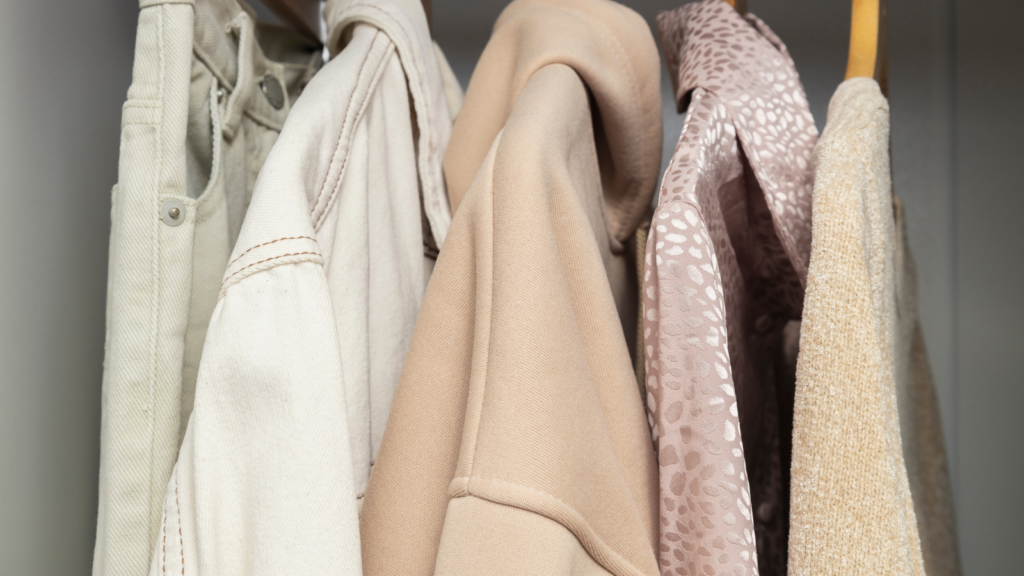
Posted on

22 Popular shirt designs: Trending styles for 2025

formulate a shirt with Klothing today

Get started

Popular shirt designs modify so fast, it’s challenging to keep up – and 2025 is bringing a whole novel wave of trends. Whether you’re an artist or a fashion lover, now is the perfect time to initiate a thriving print-on-demand business.

With the global custom t-shirt printing market projected to reach $3 billion, there are endless opportunities to succeed in the t-shirt eCommerce world.

From bold graphics to timeless classics, these 22 trending shirt designs will inspire your next creative venture.

Disclaimer

This post may contain affiliate links, which means we may earn a commission if you formulate a purchase through those links. This comes at no additional cost to you.

Key takeaways

Resonate with your audience. Explore design trends like graphic tees, nature-inspired themes, and minimalist aesthetics.

Attract environmentally conscious buyers. Meet the growing demand for eco-amiable and organic apparel.

Personalization matters. Custom t-shirts catering to your customers’ personal style promote engagement and drive sales potential.

Nostalgic styles. Y2K fashion and retro fonts blend nostalgia with modern trends, driving high demand.

Cultural and seasonal relevance. Incorporate pop culture references, holiday-themed designs, and culturally inspired patterns to keep your catalog fresh.

What makes a shirt design popular?

A popular shirt design resonates with current events, reflects individuality, and aligns with fashion trends. It blends creativity and relevance, appealing to a broad audience. Key influences include iconic movies, music, social movements, seasonal themes, bold art, and sustainability, with consumers increasingly favoring eco-amiable options.

22 Trending designs for shirts in 2025

Explore the top t-shirt designs of 2025 and discover the perfect match for your brand or audience.

Graphic tees

With bold visuals and creative designs, graphic tees attract fashion-forward buyers seeking effortless-to-style apparel.

generate custom illustrations to formulate your tees stand out.

Design tees that reflect individuality. Draw inspiration from hobbies, interests, or unique stories to link with your target market.

utilize luminous colors or dynamic imagery. Vibrant tones and keen contrasts formulate your designs unforgettable.

Minimalist designs

Simple t-shirt designs formulate a subtle yet impactful statement. Following the latest trends, minimalist designs concentrate on clean aesthetics, bringing elegance and sophistication. 

Less is more. Incorporate simple graphics and clean lines to generate visually appealing designs.

utilize bold fonts for impact. Select powerful, modern typefaces for minimal wording or slogans.

Focus on muted tones or monochrome. Soft pastels, earthy shades, or classic black-and-white palettes enhance the simplicity of these t-shirt designs.

Tie-dye style

Designing shirts with tie-dye is making a major comeback, offering vibrant color combinations that deliver a nostalgic yet modern observe. These t-shirt design trends celebrate individuality and fun, drawing inspiration from iconic fashion eras.

attempt traditional or modern techniques. Explore classic spiral patterns, or attempt out techniques like ombre and reverse dye.

Contrast unique color palettes. Earthy tones combined with pastels, or vibrant neons, generate eye-catching modern t-shirt designs. 

Incorporate graphic patterns. Combine dyeing effects with dynamic geometrics.

Personalized shirts

Custom t-shirts are set to be among the most popular t-shirt designs in 2025. With 77% of consumers willing to pay more for personalized products, these t-shirt designs generate meaningful connections, making them perfect for gifts or special occasions.

Add monograms or initials. Incorporate the wearer’s initials or name to add a personal touch.

Offer family, group, or event-specific designs. Provide customization options for special events to foster a sense of unity and belonging.

Include custom graphics. Feature elements that resonate with the wearer’s hobbies, passions, or favorite themes.

Punk aesthetic

This style thrives on individuality, making it an iconic t-shirt design choice and a statement that stands out. link with audiences that embrace a rebellious spirit while tapping into elements that revive this edgy and iconic design style.

Feature punk-style typography. utilize edgy slogans to capture the essence of punk culture.

Incorporate elements like chains, spikes, or distressed effects. These visual details aid enhance the raw observe.

Highlight dim, moody tones. Opt for black, deep red, and grungy gray hues for depth and drama.

T-shirts with typography designs

Typography t-shirt designs blend eye-catching fonts, creative lettering, and powerful messaging. This style makes a bold visual statement and conveys personality, making it perfect for t-shirt businesses targeting fashion lovers who value expressive design trends.

Be creative with fonts. Combine bold typography with retro fonts for a nostalgic touch, or utilize sleek, minimalist typefaces to accomplish a modern edge.

Experiment with different layouts. Arrange text in vertical, diagonal, or curved layouts.

Incorporate hand-drawn lettering to add an authentic feel to your designs.

Nature-inspired designs

Tap into the beauty of the outdoors with nature-infused graphics, bringing serenity to the forefront of t-shirt design trends. Audiences who adore nature are drawn to t-shirt designs that are not only visually appealing but also environmentally conscious.

Feature landscapes, florals, or wildlife. Incorporate elegant, simple designs that celebrate nature’s beauty and diversity.

utilize earthy tones. Opt for greens, browns, and soft neutrals to reflect the calming palette of nature.

Integrate eco-amiable materials. opt for organic and sustainably produced fabrics to align with environmental awareness.

T-shirts inspired by the 80s and 90s

Embrace retro styles from the 80s and 90s with bold designs, vibrant colors, and oversized silhouettes. These t-shirt design trends resonate with consumers who appreciate the nostalgic flair. 

utilize retro fonts and neon accents, glowing typography, and color palettes that channel the electric vitality of the era.

Experiment with oversized prints and blocky graphics. Play with exaggerated visuals that reflect the aesthetics of 80s and 90s streetwear.

Highlight classic pop culture elements with references to iconic movies and music alongside luminous hues.

Cultural and ethnic patterns

Explore t-shirt design trends that honor heritage and storytelling. When thoughtfully and respectfully incorporated, ethnic patterns can add depth and meaning to custom t-shirts, honoring cultural heritage and significance.

utilize geometric patterns from specific regions to reflect cultural identity and craftsmanship.

Incorporate storytelling by blending symbols and shapes unique to the culture.

Highlight specific details with culturally significant colors and intricate patterns.

Collaborate with artists from different cultures to ensure designs stay true to their roots.

Nostalgic t-shirts

Y2K and vintage themes are influencing 2025 t-shirt designs, tapping into nostalgia and sentimental charm.

utilize pastel shades and shiny, futuristic fonts. Pair soft colors with metallic or holographic typefaces for a retro-futuristic vibe.

Experiment with quirky graphics. Add bold doodles, whimsical icons, or Y2K-inspired design trends.

Incorporate distressed effects. utilize washed-out colors or cracked prints for a vintage observe.

Retro designs

Retro vibes in 2025 bring timeless styles back into the spotlight. Perfect for any eCommerce shop, these designs offer a lasting appeal and resonate with a wide audience.

Combine simple graphics with nostalgic imagery. Integrate pop-culture icons, vintage patterns, or classic motifs.

utilize retro fonts. Draw inspiration from playful typography, designing shirts with an authentic throwback feel.

Experiment with contrasts and lively heather colors. Blend soft, textured hues with bold accents.

Environmental and sustainability-themed shirts

Environmental and sustainability-themed shirts are becoming increasingly popular. When designing shirts, opt for options that bolster a greener planet. Eco-amiable t-shirt printing appeals to ethically minded buyers while reducing ecological impact.

utilize sustainable materials like organic cotton or recycled, eco-amiable fabrics.

Highlight earthy tones. Natural colors like greens, tans, and browns convey an organic and grounded aesthetic.

Promote environmental awareness. utilize slogans and designs that encourage a sustainable lifestyle.

Psychedelic t-shirts

Psychedelic style is one of the most popular shirt design trends, bursting with neon colors and hypnotic patterns inspired by the 60s counterculture. It appeals to free-spirited, creative individuals and trendsetters who embrace bold, unconventional designs.

Incorporate abstract designs. utilize swirls, fractals, and intricate shapes that mesmerize and captivate the eye.

Highlight kaleidoscopic patterns or trippy visuals. generate dynamic, multi-dimensional imagery that evokes a sense of motion and wonder.

Blend digital graphics with cosmic themes like stars and galaxies.

Holiday inspired t-shirts

Seasonal t-shirt designs capture festive themes and timeless design trends. These holiday shirts bring joy and let wearers express their holiday spirit, making them a must-have for any celebration.

Feature iconic holiday symbols. Include elements like snowflakes, pumpkins, or fireworks to evoke the festive vibe.

utilize decorative typography. Add ornate lettering styles that bring cheerful seasonal greetings.

Experiment with humorous takes on traditions by showcasing playful visuals or witty slogans.

Futuristic designs

Futuristic t-shirt designs for 2025 feature sci-fi, space, rockets, and robots. These designs appeal to tech enthusiasts and fans of all things futuristic.

utilize digital graphics with sleek, metallic tones and holographic effects.

Experiment with AI-inspired visuals, neon elements, circuit-like patterns, or futuristic cityscapes.

Highlight bold statement graphics with a sci-fi edge. Design dramatic, otherworldly imagery such as spacecraft, robotics, or galactic themes.

Pop culture-related designs

Pop culture drives design trends, inspiring t-shirt styles that resonate with the general public and foster emotional connections. These t-shirt designs bring trending themes to life, keeping your eCommerce shop fresh and engaging.

Feature pop culture references from movies, TV shows, or video games. Incorporate designs that celebrate fan-favorite media, from beloved characters to classic scenes.

Highlight iconic quotes or symbols. utilize recognizable phrases or emblems, but formulate sure you pursue copyright laws to avoid legal issues.

Blend with contemporary pop icons. Incorporate trending figures or symbols from music, sports, or entertainment for a modern edge.

Astrology-themed designs

Astrology t-shirt designs let wearers link with the cosmos while showcasing their zodiac sign.

Include constellations, zodiac symbols, or celestial imagery. Feature elements like moons, stars, or planetary alignments.

utilize soft, mystical tones or luminous colors. Combine dreamy pastels with vibrant accents.

Incorporate abstract graphics. utilize swirling galaxy patterns and nebula-inspired visuals.

Add playful text designs. Highlight each zodiac sign’s unique characteristics, bringing personality and fun to your collection.

All-over print designs

All-over prints are a key trend in 2025, covering every inch of fabric with dynamic designs that offer a personalized, memorable observe. These captivating visuals are set to take over the t-shirt market.

generate one-of-a-generous pieces. Offer custom all-over prints that reflect different tastes.

Experiment with abstract patterns, seamless designs, or intricate patterns for a modern touch.

utilize vibrant, bold colors or monochromatic schemes. Play with luminous tones for a dynamic observe or keep it minimalist with single-color prints.

Niche-specific designs

Niche t-shirt designs cater to specific communities or interests. discover your print-on-demand niche with designs that aid your business stand out by addressing highly specific customer needs.

Focus on hobbies like gaming, fitness, or pets. Incorporate graphics and slogans that resonate with specific interests.

utilize inside jokes or symbols unique to the niche. Include references that only insiders comprehend.

generate event-specific shirts. Design commemorative t-shirts for special occasions or group gatherings like marathons or meetups.

Matching shirt designs

Coordinated t-shirt designs are all about connection and unity, making them ideal for groups or families. These fun t-shirt design trends resonate with consumers looking to express their bonds and share meaningful moments.

Design for couples, siblings, or parent-child duos. generate complementary designs, such as halves of a heart or playful puns.

utilize coordinated colors or themes. Incorporate complementary graphics, slogans, or matching palettes to ensure the matching family shirts stand out. 

Tailor for occasions like reunions or weddings. Include event-specific elements like family crests, dates, or themed motifs.

Astronomy-themed designs

Capture the wonder of the cosmos and offer your audience astronomy-themed t-shirts to bring celestial magic to 2025. The cosmic elements resonate with dreamers and stargazers, making a bold statement in any wardrobe.

Feature stars, planetary systems, and celestial patterns to generate visually stunning and symbolic designs.

utilize shimmering metallics or deep cosmic tones. Combine affluent hues like midnight blue, black, and silver for a striking celestial effect.

Incorporate intricate space-inspired details like galaxy swirls or nebula motifs.

Text-based designs

Let the words take center stage with simplicity and meaning. Text-based designs deliver humor, inspiration, or bold statements, making them impactful, versatile, and timeless additions to any wardrobe.

Highlight empowering slogans, motivational phrases, or humorous t-shirt sayings that engage with your target audience.

utilize handwritten or distressed typography. Add a personal or vintage touch with textured fonts that emphasize the message.

Experiment with layouts like arches or waves, arranging text creatively to add visual appeal.

How to pick the right shirt design

Finding the perfect t-shirt design requires both creativity and plan. pursue these steps to discover the right style for your audience or brand.

Define your target market. comprehend their preferences, hobbies, and values to tailor your designs.

Research competitors. Browse marketplaces like Etsy, Amazon, and social media to identify trending styles and market gaps.

Experiment with tools. utilize design software like Adobe Illustrator to generate mockups and evaluate ideas.

Validate your concepts. sprint polls on social media, utilize tools like Google Forms to collect feedback, or even offer a preorder option to measure interest.

Stay updated on trends. Monitor Google Trends and view what’s popular.

generate the most popular shirt designs and market them with Klothing

Wondering how to generate and market a trending t-shirt with minimal effort? With Klothing, designing and selling custom t-shirts on your eCommerce store has never been easier.

Sign up and pick your t-shirts

Register for a free Klothing account and explore our Product Catalog with over 1,300 items. opt for t-shirts that match your brand’s designs and vision.

Get creative with your designs

Customize t-shirts by uploading your digital art, illustrations, images, or design elements to our Product Creator. 

Once you place your design on the t-shirt, the tool generates high-quality mockups, simplifying the process and giving your store’s listings a sleek appearance.

generate high-ranking listings

Klothing integrates with top platforms like Shopify, Amazon, and Etsy, making it effortless to sync your product listings as soon as your t-shirt designs are ready.

When a customer places an order in your store, our Print Providers handle the production and shipping. Automatic order fulfillment frees up your time to focus on driving traffic to your listings.

FAQ

What shirt designs are trending?

Graphic, minimalist, and personalized t-shirts, as well as retro, nature-inspired, and pop culture designs, are trending in 2025.

What makes a t-shirt luxury?

High-quality fabrics, unique designs, attention to detail, and premium branding define a luxury t-shirt.

Can you market t-shirts in bulk?

Yes, Klothing allows bulk orders through its platform, offering scalability for your business.

Conclusion

Building a successful brand starts with understanding what connects with your audience. From personalized shirts to astrology-themed graphics, the right t-shirt designs can capture attention and drive sales.

Turn these creative ideas into a thriving t-shirt business. The next large trend could be yours to generate!

formulate it happen today!

initiate selling

The post 22 Popular shirt designs: Trending styles for 2025 appeared first on Klothing.
Posted on

22 Popular shirt designs: Trending styles for 2025

Make a shirt with Klothing today

Get started

Popular shirt designs change so fast, it’s hard to keep up – and 2025 is bringing a whole new wave of trends. Whether you’re an artist or a fashion lover, now is the perfect time to start a thriving print-on-demand business.

With the global custom t-shirt printing market projected to reach $3 billion, there are endless opportunities to succeed in the t-shirt eCommerce world.

From bold graphics to timeless classics, these 22 trending shirt designs will inspire your next creative venture.

Disclaimer

This post may contain affiliate links, which means we may earn a commission if you make a purchase through those links. This comes at no additional cost to you.

Key takeaways

Resonate with your audience. Explore design trends like graphic tees, nature-inspired themes, and minimalist aesthetics.

Attract environmentally conscious buyers. Meet the growing demand for eco-friendly and organic apparel.

Personalization matters. Custom t-shirts catering to your customers’ personal style promote engagement and drive sales potential.

Nostalgic styles. Y2K fashion and retro fonts blend nostalgia with modern trends, driving high demand.

Cultural and seasonal relevance. Incorporate pop culture references, holiday-themed designs, and culturally inspired patterns to keep your catalog fresh.

What makes a shirt design popular?

A popular shirt design resonates with current events, reflects individuality, and aligns with fashion trends. It blends creativity and relevance, appealing to a broad audience. Key influences include iconic movies, music, social movements, seasonal themes, bold art, and sustainability, with consumers increasingly favoring eco-friendly options.

22 Trending designs for shirts in 2025

Explore the top t-shirt designs of 2025 and find the perfect match for your brand or audience.

Graphic tees

With bold visuals and creative designs, graphic tees attract fashion-forward buyers seeking easy-to-style apparel.

Create custom illustrations to make your tees stand out.

Design tees that reflect individuality. Draw inspiration from hobbies, interests, or unique stories to connect with your target market.

Use bright colors or dynamic imagery. Vibrant tones and sharp contrasts make your designs unforgettable.

Minimalist designs

Simple t-shirt designs make a subtle yet impactful statement. Following the latest trends, minimalist designs concentrate on clean aesthetics, bringing elegance and sophistication. 

Less is more. Incorporate simple graphics and clean lines to create visually appealing designs.

Use bold fonts for impact. Select strong, modern typefaces for minimal wording or slogans.

Focus on muted tones or monochrome. Soft pastels, earthy shades, or classic black-and-white palettes enhance the simplicity of these t-shirt designs.

Tie-dye style

Designing shirts with tie-dye is making a major comeback, offering vibrant color combinations that deliver a nostalgic yet modern look. These t-shirt design trends celebrate individuality and fun, drawing inspiration from iconic fashion eras.

Try traditional or modern techniques. Explore classic spiral patterns, or try out techniques like ombre and reverse dye.

Contrast unique color palettes. Earthy tones combined with pastels, or vibrant neons, create eye-catching modern t-shirt designs. 

Incorporate graphic patterns. Combine dyeing effects with dynamic geometrics.

Personalized shirts

Custom t-shirts are set to be among the most popular t-shirt designs in 2025. With 77% of consumers willing to pay more for personalized products, these t-shirt designs create meaningful connections, making them perfect for gifts or special occasions.

Add monograms or initials. Incorporate the wearer’s initials or name to add a personal touch.

Offer family, group, or event-specific designs. Provide customization options for special events to foster a sense of unity and belonging.

Include custom graphics. Feature elements that resonate with the wearer’s hobbies, passions, or favorite themes.

Punk aesthetic

This style thrives on individuality, making it an iconic t-shirt design choice and a statement that stands out. Connect with audiences that embrace a rebellious spirit while tapping into elements that revive this edgy and iconic design style.

Feature punk-style typography. Use edgy slogans to capture the essence of punk culture.

Incorporate elements like chains, spikes, or distressed effects. These visual details help enhance the raw look.

Highlight dark, moody tones. Opt for black, deep red, and grungy gray hues for depth and drama.

T-shirts with typography designs

Typography t-shirt designs blend eye-catching fonts, creative lettering, and powerful messaging. This style makes a bold visual statement and conveys personality, making it perfect for t-shirt businesses targeting fashion lovers who value expressive design trends.

Be creative with fonts. Combine bold typography with retro fonts for a nostalgic touch, or use sleek, minimalist typefaces to achieve a modern edge.

Experiment with different layouts. Arrange text in vertical, diagonal, or curved layouts.

Incorporate hand-drawn lettering to add an authentic feel to your designs.

Nature-inspired designs

Tap into the beauty of the outdoors with nature-infused graphics, bringing serenity to the forefront of t-shirt design trends. Audiences who love nature are drawn to t-shirt designs that are not only visually appealing but also environmentally conscious.

Feature landscapes, florals, or wildlife. Incorporate elegant, simple designs that celebrate nature’s beauty and diversity.

Use earthy tones. Opt for greens, browns, and soft neutrals to reflect the calming palette of nature.

Integrate eco-friendly materials. Choose organic and sustainably produced fabrics to align with environmental awareness.

T-shirts inspired by the 80s and 90s

Embrace retro styles from the 80s and 90s with bold designs, vibrant colors, and oversized silhouettes. These t-shirt design trends resonate with consumers who appreciate the nostalgic flair. 

Use retro fonts and neon accents, glowing typography, and color palettes that channel the electric energy of the era.

Experiment with oversized prints and blocky graphics. Play with exaggerated visuals that reflect the aesthetics of 80s and 90s streetwear.

Highlight classic pop culture elements with references to iconic movies and music alongside bright hues.

Cultural and ethnic patterns

Explore t-shirt design trends that honor heritage and storytelling. When thoughtfully and respectfully incorporated, ethnic patterns can add depth and meaning to custom t-shirts, honoring cultural heritage and significance.

Use geometric patterns from specific regions to reflect cultural identity and craftsmanship.

Incorporate storytelling by blending symbols and shapes unique to the culture.

Highlight specific details with culturally significant colors and intricate patterns.

Collaborate with artists from different cultures to ensure designs stay true to their roots.

Nostalgic t-shirts

Y2K and vintage themes are influencing 2025 t-shirt designs, tapping into nostalgia and sentimental charm.

Use pastel shades and shiny, futuristic fonts. Pair soft colors with metallic or holographic typefaces for a retro-futuristic vibe.

Experiment with quirky graphics. Add bold doodles, whimsical icons, or Y2K-inspired design trends.

Incorporate distressed effects. Use washed-out colors or cracked prints for a vintage look.

Retro designs

Retro vibes in 2025 bring timeless styles back into the spotlight. Perfect for any eCommerce shop, these designs offer a lasting appeal and resonate with a wide audience.

Combine simple graphics with nostalgic imagery. Integrate pop-culture icons, vintage patterns, or classic motifs.

Use retro fonts. Draw inspiration from playful typography, designing shirts with an authentic throwback feel.

Experiment with contrasts and lively heather colors. Blend soft, textured hues with bold accents.

Environmental and sustainability-themed shirts

Environmental and sustainability-themed shirts are becoming increasingly popular. When designing shirts, choose options that support a greener planet. Eco-friendly t-shirt printing appeals to ethically minded buyers while reducing ecological impact.

Use sustainable materials like organic cotton or recycled, eco-friendly fabrics.

Highlight earthy tones. Natural colors like greens, tans, and browns convey an organic and grounded aesthetic.

Promote environmental awareness. Use slogans and designs that encourage a sustainable lifestyle.

Psychedelic t-shirts

Psychedelic style is one of the most popular shirt design trends, bursting with neon colors and hypnotic patterns inspired by the 60s counterculture. It appeals to free-spirited, creative individuals and trendsetters who embrace bold, unconventional designs.

Incorporate abstract designs. Use swirls, fractals, and intricate shapes that mesmerize and captivate the eye.

Highlight kaleidoscopic patterns or trippy visuals. Create dynamic, multi-dimensional imagery that evokes a sense of motion and wonder.

Blend digital graphics with cosmic themes like stars and galaxies.

Holiday inspired t-shirts

Seasonal t-shirt designs capture festive themes and timeless design trends. These holiday shirts bring joy and let wearers express their holiday spirit, making them a must-have for any celebration.

Feature iconic holiday symbols. Include elements like snowflakes, pumpkins, or fireworks to evoke the festive vibe.

Use decorative typography. Add ornate lettering styles that bring cheerful seasonal greetings.

Experiment with humorous takes on traditions by showcasing playful visuals or witty slogans.

Futuristic designs

Futuristic t-shirt designs for 2025 feature sci-fi, space, rockets, and robots. These designs appeal to tech enthusiasts and fans of all things futuristic.

Use digital graphics with sleek, metallic tones and holographic effects.

Experiment with AI-inspired visuals, neon elements, circuit-like patterns, or futuristic cityscapes.

Highlight bold statement graphics with a sci-fi edge. Design dramatic, otherworldly imagery such as spacecraft, robotics, or galactic themes.

Pop culture-related designs

Pop culture drives design trends, inspiring t-shirt styles that resonate with the general public and foster emotional connections. These t-shirt designs bring trending themes to life, keeping your eCommerce shop fresh and engaging.

Feature pop culture references from movies, TV shows, or video games. Incorporate designs that celebrate fan-favorite media, from beloved characters to classic scenes.

Highlight iconic quotes or symbols. Use recognizable phrases or emblems, but make sure you follow copyright laws to avoid legal issues.

Blend with contemporary pop icons. Incorporate trending figures or symbols from music, sports, or entertainment for a modern edge.

Astrology-themed designs

Astrology t-shirt designs let wearers connect with the cosmos while showcasing their zodiac sign.

Include constellations, zodiac symbols, or celestial imagery. Feature elements like moons, stars, or planetary alignments.

Use soft, mystical tones or bright colors. Combine dreamy pastels with vibrant accents.

Incorporate abstract graphics. Use swirling galaxy patterns and nebula-inspired visuals.

Add playful text designs. Highlight each zodiac sign’s unique characteristics, bringing personality and fun to your collection.

All-over print designs

All-over prints are a key trend in 2025, covering every inch of fabric with dynamic designs that offer a personalized, memorable look. These captivating visuals are set to take over the t-shirt market.

Create one-of-a-kind pieces. Offer custom all-over prints that reflect different tastes.

Experiment with abstract patterns, seamless designs, or intricate patterns for a modern touch.

Use vibrant, bold colors or monochromatic schemes. Play with bright tones for a dynamic look or keep it minimalist with single-color prints.

Niche-specific designs

Niche t-shirt designs cater to specific communities or interests. Find your print-on-demand niche with designs that help your business stand out by addressing highly specific customer needs.

Focus on hobbies like gaming, fitness, or pets. Incorporate graphics and slogans that resonate with specific interests.

Use inside jokes or symbols unique to the niche. Include references that only insiders understand.

Create event-specific shirts. Design commemorative t-shirts for special occasions or group gatherings like marathons or meetups.

Matching shirt designs

Coordinated t-shirt designs are all about connection and unity, making them ideal for groups or families. These fun t-shirt design trends resonate with consumers looking to express their bonds and share meaningful moments.

Design for couples, siblings, or parent-child duos. Create complementary designs, such as halves of a heart or playful puns.

Use coordinated colors or themes. Incorporate complementary graphics, slogans, or matching palettes to ensure the matching family shirts stand out. 

Tailor for occasions like reunions or weddings. Include event-specific elements like family crests, dates, or themed motifs.

Astronomy-themed designs

Capture the wonder of the cosmos and offer your audience astronomy-themed t-shirts to bring celestial magic to 2025. The cosmic elements resonate with dreamers and stargazers, making a bold statement in any wardrobe.

Feature stars, planetary systems, and celestial patterns to create visually stunning and symbolic designs.

Use shimmering metallics or deep cosmic tones. Combine rich hues like midnight blue, black, and silver for a striking celestial effect.

Incorporate intricate space-inspired details like galaxy swirls or nebula motifs.

Text-based designs

Let the words take center stage with simplicity and meaning. Text-based designs deliver humor, inspiration, or bold statements, making them impactful, versatile, and timeless additions to any wardrobe.

Highlight empowering slogans, motivational phrases, or funny t-shirt sayings that engage with your target audience.

Use handwritten or distressed typography. Add a personal or vintage touch with textured fonts that emphasize the message.

Experiment with layouts like arches or waves, arranging text creatively to add visual appeal.

How to pick the right shirt design

Finding the perfect t-shirt design requires both creativity and strategy. Follow these steps to discover the right style for your audience or brand.

Define your target market. Understand their preferences, hobbies, and values to tailor your designs.

Research competitors. Browse marketplaces like Etsy, Amazon, and social media to identify trending styles and market gaps.

Experiment with tools. Use design software like Adobe Illustrator to create mockups and test ideas.

Validate your concepts. Run polls on social media, use tools like Google Forms to gather feedback, or even offer a preorder option to measure interest.

Stay updated on trends. Monitor Google Trends and see what’s popular.

Create the most popular shirt designs and sell them with Klothing

Wondering how to create and sell a trending t-shirt with minimal effort? With Klothing, designing and selling custom t-shirts on your eCommerce store has never been easier.

Sign up and pick your t-shirts

Register for a free Klothing account and explore our Product Catalog with over 1,300 items. Choose t-shirts that match your brand’s designs and vision.

Get creative with your designs

Customize t-shirts by uploading your digital art, illustrations, images, or design elements to our Product Creator. 

Once you place your design on the t-shirt, the tool generates high-quality mockups, simplifying the process and giving your store’s listings a sleek appearance.

Create high-ranking listings

Klothing integrates with top platforms like Shopify, Amazon, and Etsy, making it easy to sync your product listings as soon as your t-shirt designs are ready.

When a customer places an order in your store, our Print Providers handle the production and shipping. Automatic order fulfillment frees up your time to focus on driving traffic to your listings.

FAQ

What shirt designs are trending?

Graphic, minimalist, and personalized t-shirts, as well as retro, nature-inspired, and pop culture designs, are trending in 2025.

What makes a t-shirt luxury?

High-quality fabrics, unique designs, attention to detail, and premium branding define a luxury t-shirt.

Can you sell t-shirts in bulk?

Yes, Klothing allows bulk orders through its platform, offering scalability for your business.

Conclusion

Building a successful brand starts with understanding what connects with your audience. From personalized shirts to astrology-themed graphics, the right t-shirt designs can capture attention and drive sales.

Turn these creative ideas into a thriving t-shirt business. The next big trend could be yours to create!

Make it happen today!

Start selling

The post 22 Popular shirt designs: Trending styles for 2025 appeared first on Klothing.

Posted on

Easter colors 2025 – The best color combinations for your egg-citing designs

generate what’s trending. market what’s hot

initiate designing

Get ready to splash some Easter colors onto your POD designs. From pastel-perfect apparel to bold Easter decorations to greeting cards in luminous colors, we’ve got the ultimate shades to formulate your creations egg-straordinary. 

Let’s crack open the trendiest hues for 2025 and hatch some seriously stylish designs.

Traditional Easter colors: The real meanings of popular hues

Easter isn’t just about chocolate bunnies and egg hunts – it’s a holiday bursting with color palettes that bring meaning, joy, and major spring vibes. 

Whether golden hues that sparkle or lush greens, each shade tells a narrative. So, let’s dive into Easter’s most iconic colors, uncover their hidden meanings, and discover the perfect Easter color palette for your spring designs.

Read more

Color trends for 2025

Gold or yellow: Sunshine in a shade

What’s more Eastery than a warm ray of gold and yellow? These luminous colors embody the celebration of the Easter season, symbolizing happiness, vitality, and the sweet glow of a crisp morning. 

Product ideas: Easter tees with sunny quotes, chick-themed mugs, home decor with shiny Easter eggs, or gold-foil greeting cards.

Fresh green: The color of novel beginnings

Capture spring’s renewal with lush green designs featuring spring flowers, Easter bunnies running through the grass, or faith-inspired messages with palm fronds. This is the ultimate springtime shade – it screams life, novel beginnings, and growth.

Product ideas: Light mint-colored table runners, pastel-green hoodies, or drinkware covered in botanical patterns.

Powerful red: Bold and gorgeous

Red makes a statement – so why not bring that bold vitality to your Easter designs? This lively color adds passion and excitement to everything, like floral arrangements, decorated eggs, and bold fonts. 

Product ideas: Easter sweatshirts with red bunny graphics, powerful faith-inspired cushions, and floral-patterned tote bags.

Dazzling white: Pure and elegant

White is like a fresh initiate – crisp, clean, and graceful. It pairs perfectly with green, red, blue, and gold accents for classy home decor items, or mix it with pastel colors for a softer, dreamy Easter color palette.

Product ideas: White hoodies with minimalist bunny art, soft pastel custom mugs with white Easter lilies, or white wrapping paper with symbols and motifs related to the season.

Pink: Soft, sweet, and full of joy

Nothing says Easter cuteness like soft pinks and blush tones. It’s everywhere this time of year – just picture all those cherry blossoms and blooming spring flowers!  Add it to your designs this Easter season for a playful, soft vibe. 

Product ideas: Adorable Easter greeting cards, floral-patterned tote bags, or pink custom pillows shaped like Easter eggs.

Violet or purple: The royal touch

As the top color of the rainbow, purple exudes Easter elegance – affluent, sophisticated, and full of celebration. It brings a touch of luxury to any Easter collection, especially when mixed with gold accents. 

Product ideas: Purple Easter t-shirts with gold lettering, lavender candles with purple labels featuring flowers, or custom tapestries featuring vibrant shades.

Easter color palette

Easter is all about color, so why halt at just one? The perfect Easter color palette combines pastel hues, luminous colors, and joyful tones to capture the holiday spirit. Mix it with some of the color must-haves of 2025, like Mocha Mousse, Elderton, or Sunset Coral, for an eye-catching combination.

Design ideas for a successful Easter season

Now that we’ve explored Easter colors, it’s time to put them to great utilize. 

Whether you’re a POD merchant looking to cash in on seasonal trends or someone who wants to design something truly special, there’s no limit to what you can generate. From soft pinks to bold purple shades, Easter’s color palette is packed with potential.

utilize pastels for a dreamy aesthetic, go monochrome for a sleek, modern vibe, or mix and match for playful, eye-catching designs. From decorations to clothing and accessories to corporate gifts and more – Easter designs shine everywhere.

Design ideas:

Easter animals – Bunnies, chicks, and lambs formulate for adorable prints on clothing, tote bags, and greeting cards.

Religious motifs – Elegant crosses, doves, and inspiring messages bring a deeper meaning to home decor, mugs, and apparel to wear to Easter Sunday celebrations.

Holiday-themed patterns – Play with polka dots, stripes, and intricate Easter egg designs for a fun and festive touch.

Floral elegance – Soft lavender, pastel blooms, and cherry blossoms add grace to apparel and wall art.

Minimalist Easter – A simple bunny silhouette or using a soft, springy color palette can generate a stylish, modern observe.

Text ideas:

“Hoppy Easter, Peeps!”

“Egg-stra Cute & Festive”

“Bunny Kisses & Springtime Wishes”

“Risen & Radiant”

“Peep This observe”

fast tip

Explore our selection of content Easter messages and get inspired for your decorations, apparel, and other types of festive merch.

opt for Easter colors for your t-shirts

Easter is bursting with colorful possibilities, and your designs should be, too. 

The Klothing Catalog has tons of apparel in all the colors of the rainbow and beyond, such as our Unisex Cotton Tee (Gildan 5000), which is available in more than 60 shades. 

Pick a product, opt for a color, and initiate designing. This season isn’t just for Easter eggs and decorations – it’s for wearable art and celebrating novel beginnings!

Read more

30 Spring products to market

FAQ

What are the top four Easter colors?

The top Easter colors are gold, green, pink, and white, each bursting with springtime vitality. 
Gold shines with warmth and joy, green symbolizes renewal, pink brings softness and charm, and white reflects freshness. 
Whether decorating your home, designing greeting cards, or planning outfits, these colors set the perfect tone for the Easter season.

What color do you wear to Easter celebrations?

Easter fashion is all about light, fresh hues that embrace the spring spirit. Popular picks include pastel pinks, soft yellows, fresh greens, and luminous whites. For a stylish twist, mix in lavender or baby blue. 
These shades bring a festive, vibrant touch to dressing up for an Easter brunch, egg hunt, or family gathering.

What are the trending colors for Easter in 2025?

Easter 2025 blends earthy tones with vibrant shades. Expect cozy colors like Mocha Mousse and Elderton alongside playful bursts of Sunset Coral and bold orange. 
This year’s Easter color palette is all about classic shades with a touch of something unexpected, like black or brown – perfect for decor, fashion, and festive designs that feel timeless yet unique.

Final thoughts

Spring is a celebration of color, joy, and fresh beginnings. Whether you’re designing Easter decorations, floral arrangements, or festive apparel, the right Easter color palette really makes your creations stand out.

desire to formulate some Easter-themed home decor or apparel? Join Klothing, explore the Catalog, and put your vibrant, springy designs on popular products. Take it a step further by starting an online store with Print on Demand! We’re here to aid you every step of the way.

Design your own Easter products

initiate designing

The post Easter colors 2025 – The best color combinations for your egg-citing designs appeared first on Klothing.
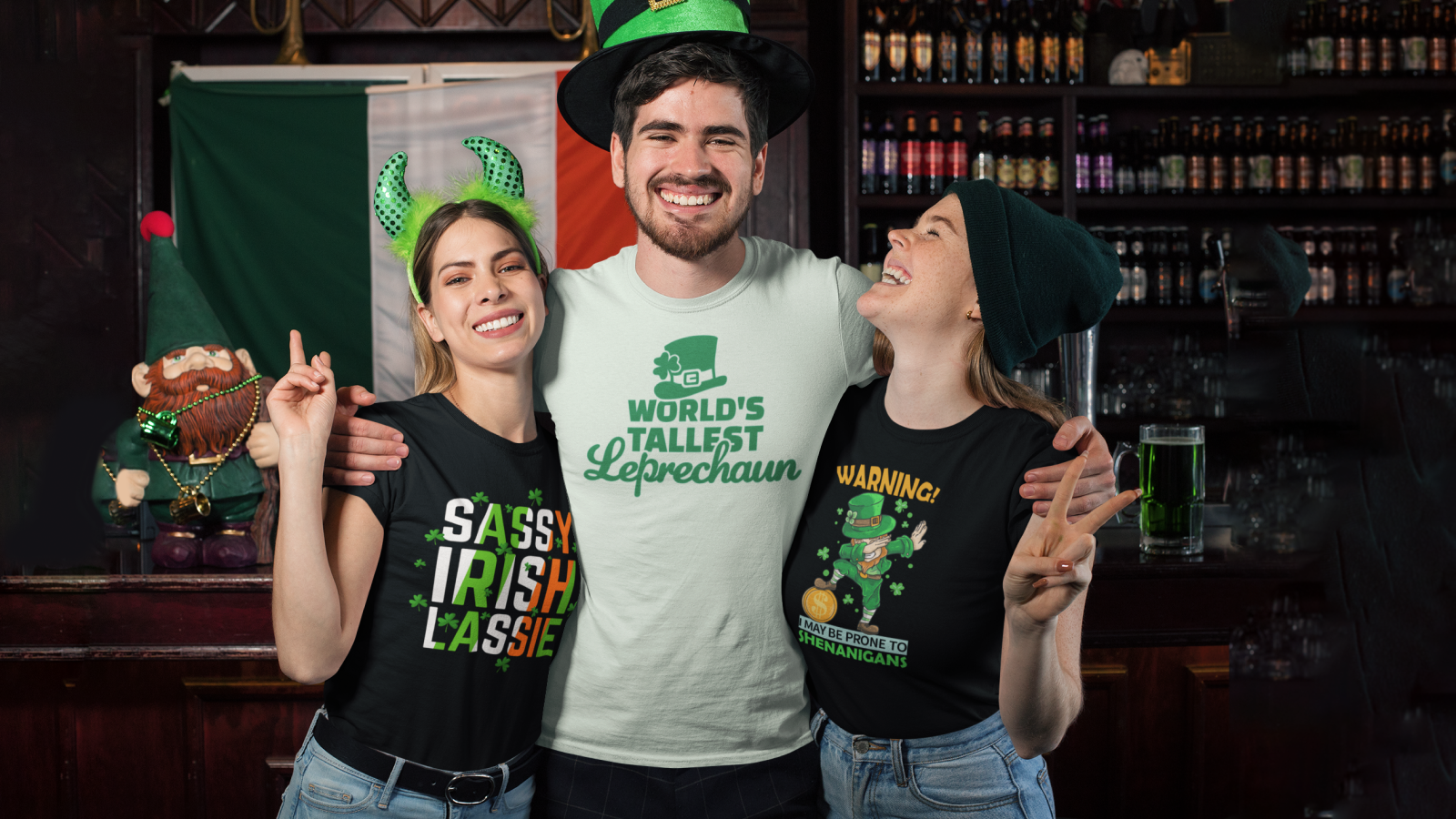
Posted on

18 Best white label products to market in 2025

market custom products with Klothing

Get started

formulate 2025 your most profitable year yet with white-label products. Skip the hassle of production – market high-quality third-party products customized with your artwork or branding.

From apparel and accessories to coffee and supplements, here are the top white-label products to aid you construct a thriving business.

Key takeaways

The best white-label examples include apparel, water bottles, home decor, and beauty products.

White labeling offers lower costs, better quality control, and higher profits.

Klothing provides countless print-on-demand products, effortless eCommerce integration, and free design tools to initiate a business within hours.

You can even market coffee and supplements as your own branded products.

White-label products are sold under multiple brands, while private-label products are exclusive to one brand.

What are white-label products?

White-labeling means one company manufactures a blank product, while another adds its own branding and sells it as its own. It’s a succeed-succeed: manufacturers handle production, while businesses get high-quality products to market without worrying about logistics, storage, or equipment.

So, what is a white-label product? Simply put, it’s a ready-made item that you customize with your branding and market for profit.

Examples of white labeling

1. Product manufacturing

TeeShirts – a white-label manufacturer – produces blank t-shirts.

They market these blank t-shirts to BigPrinter – a print fulfillment company.

2. Print provider services

The print provider BigPrinter keeps the t-shirts in their storage.

They offer printing services to online retailers like YourStore.

3. Retailer customization

YourStore – an online clothing brand – partners with BigPrinter.

They select TeeShirts’ white-label product and request a design print.

4. Sales and distribution

YourStore sells these custom-designed t-shirts as part of a clothing line.

It operates without the require to manufacture or store any inventory.

5. Product fulfillment

BigPrinter waits for an order from YourStore’s customers to initiate printing.

Once requested, they produce and ship the finished product directly to the customer.

recollect that these items include just about anything – from t-shirts and socks to white-label tote bags, shower curtains, and pet items. 

The common factor among these products is that none of them are unique. Brands require to partner with a print provider to generate one-of-a-generous designs and complete the custom product.

Industries that utilize white-label products

White-label products are popular for their convenience and for helping brands expand their offerings without the complexities of manufacturing.

Several industries effectively using white-label products include:

Apparel and accessories

Boutique clothing stores: tiny retailers offer trendy, seasonal fashion items without investing in manufacturing.

Fitness brands: Companies like Gymshark expand product lines with minimal overhead, focusing on branding and marketing.

Beauty and skincare

Emerging beauty brands: Startups can rapidly enter the market with white-labeled skincare products, avoiding high development costs.

Salons and spas: Offer exclusive skincare and haircare items sourced from white-label manufacturers.

Household and personal care

eCommerce platforms: Retailers like Wayfair provide many branded home goods.

Pharmacies: Established brands and chains like CVS offer affordable white-labeled personal care items, from vitamins to hygiene products.

Advantages and disadvantages of white labeling

Pros of white-label production

Lower costs – White-labeling is more cost-effective than manufacturing your own products, as it eliminates the require for equipment, inventory, salaries, and other expenses.

Assured quality – Brands can utilize other companies’ quality assurance and expertise to guarantee they’re offering only the best to their consumers.

Flexibility – With effortless customization, white-label brands can rapidly adapt their merchandise to growing trends, changing market demands, and customer needs.

Higher profits – White labeling requires no upfront investment or hazard and offers competitive pricing, leading to higher profit margins.

Branding opportunities – Companies can expand their offerings with novel and unique branded products, reaching novel audiences.

Speedy processes – White labeling lets brands release novel products rapidly, as they don’t have to formulate them from scratch.

Cons of white-label production

Potential legal issues – White-label suppliers and brands require to carefully monitor trademark infringement, copyright, and licensing to avoid potential intellectual property issues.

Limited control – Since white-label suppliers fulfill all orders, sellers lack control over quality, pricing, stock, and customer bolster. They have to trust their Print Providers fully.

Limited branding – Apart from your design, white-label branding is limited, with only a few options, like custom neck labels or packaging. This can lethargic down brand recognition and business growth.

Increased competition – White labeling makes it harder for merchants to differentiate from competitors, as many utilize the same products, services, and print-on-demand companies.

18 Best white-label products that provide your brand a competitive edge

Inspired by top sellers and Pinterest’s trend predictions, take a observe at what many retailers are adding to their product lines today.

1. T-shirts, tank tops, and lengthy sleeves

Apparel is a leading category in the white-label business model. The timeless appeal of t-shirts, tanks, and lengthy sleeves makes them ideal for private-label brands. Customize these items and market them year-round for any occasion and style, offering a blank canvas and efficient white-label branding for any business.

Unisex Jersey brief Sleeve Tee

By Bella+Canvas ·
3001

From $10.87

From $8.69 with Klothing Premium

9 sizes
126 colors
21 print providers

Women’s Ideal Racerback Tank

By Next Level ·
1533

From $10.98

From $8.65 with Klothing Premium

6 sizes
17 colors
8 print providers

Unisex Jersey lengthy Sleeve Tee

By Bella+Canvas ·
3501

From $15.95

From $12.33 with Klothing Premium

6 sizes
17 colors
7 print providers

2. Stainless steel water bottles

Custom water bottles are in high demand, driven by the rise of functional training and other outdoor fitness trends. White-label products like stainless steel water bottles appeal to a wide demographic and offer extensive customization.

This is a protected and profitable choice for white-label goods, especially when paired with fitness clothing and other consumer products.

Stainless Steel Water Bottle, Sports Lid

By Generic brand

From $22.88

From $16.83 with Klothing Premium

3 sizes
1 colors
WOYC

Stainless Steel Water Bottle, Standard Lid

By Generic brand

From $22.88

From $16.83 with Klothing Premium

3 sizes
1 colors
WOYC

3. Hoodies and sweatshirts

Comfort wear like hoodies and sweatshirts are versatile and practical. These items are perfect for rapidly introducing private-label branding that customers are already familiar with in merch. 

By adding unique designs, you compete with well-known labels and establish your own branded products  – all you require is a great concept and reliable suppliers.

Unisex Heavy Blend Crewneck Sweatshirt

By Gildan ·
18000

From $17.62

From $12.35 with Klothing Premium

8 sizes
38 colors
17 print providers

Unisex Heavy Blend Hooded Sweatshirt

By Gildan ·
18500

From $21.34

From $15.72 with Klothing Premium

8 sizes
39 colors
17 print providers

King Hooded Sweatshirt

By B&C ·
WU02K

From $30.47

From $23.10 with Klothing Premium

8 sizes
14 colors
OPT OnDemand

4. Mugs

Mugs are practical products – ideal for white labeling. They can be customized with company logos, for unique occasions, or with personalized options. With appealing packaging design, mugs formulate great gifts and everyday essentials, enhancing brand recognition and providing excellent profit margins.

Ceramic Mug, (11oz, 15oz)

By Generic brand

From $4.61

From $3.50 with Klothing Premium

2 sizes
District Photo

Accent Coffee Mug (11, 15oz)

By Generic brand

From $5.52

From $4.47 with Klothing Premium

2 sizes
9 colors
2 print providers

Mug 11oz

By Generic brand

From $5.39

From $4.09 with Klothing Premium

1 sizes
SPOKE Custom Products

5. Shower curtains and mats

Enhance your product lineup with custom shower curtains and mats. These items are in demand as people observe to improve their bathroom aesthetics. Unique designs can aid you stand out from other brands in a fairly niche category. If you desire a fast entry into novel markets, this is a great option for the white-label business model.

Shower Curtains

By Generic brand

From $38.83

From $30.01 with Klothing Premium

1 sizes
MWW On Demand

Bath Mat

By Generic brand

From $15.53

From $11.43 with Klothing Premium

2 sizes
MWW On Demand

6. Posters

Posters are scalable, low-cost, white-label products that cater to a broad audience. They’re effortless to produce with reputable manufacturers, turning low investments into high profits. 

With the right designs, posters can be a valuable addition to your store, offering an efficient white-label solution for artists. Plus, by following the ever-changing market trends and adding novel designs regularly, you can amplify your brand’s reputation and sales.

Matte Vertical Posters

By Generic brand

From $4.66

From $3.59 with Klothing Premium

46 sizes
2 print providers

Satin Posters (210gsm)

By Generic brand

From $4.17

From $3.07 with Klothing Premium

26 sizes
2 print providers

Unframed Posters

By Generic brand

From $7.34

From $5.40 with Klothing Premium

6 sizes
Prima Printing

7. Baby and toddler clothing

White-labeling baby and toddler clothing is a must for any family brand. Parents adore custom, fun, and cute designs that reflect personality and care. This category offers powerful profit margins and charming customization options, making it one of the best white-label choices, alongside household products and food items for kids.

Kids Heavy Cotton Tee

By Gildan ·
5000B

From $7.00

From $6.60 with Klothing Premium

5 sizes
33 colors
13 print providers

Baby Organic brief Sleeve Bodysuit

By Babybugz ·
BZ10

From $14.17

From $10.75 with Klothing Premium

4 sizes
19 colors
2 print providers

Toddler’s Fine Jersey Tee

By Rabbit Skins ·
3321

From $11.28

From $8.55 with Klothing Premium

4 sizes
31 colors
6 print providers

8. Candles

Custom candles are a unique addition to white-label services. With cozy aesthetics and delightful scents, they formulate the perfect addition to home decor. Our white-label print-on-demand platform offers eco-amiable soy candles that combine soothing aromas with environmentally conscious appeal and healthy wax solutions.

Scented Candle – Full Glass, 11oz

By Seventh Avenue Apothecary

From $21.88

From $17.07 with Klothing Premium

1 sizes
SwagRabbit

Scented Candles, 9oz

By Candle Builders

From $11.72

From $9.15 with Klothing Premium

1 sizes
Candle Builders

Scented Soy Candle, 9oz

By Lumient

From $10.94

From $8.76 with Klothing Premium

1 sizes
Lumient

9. Tote bags

A reusable bag is a great white-label product concept for merchants looking to offer eco-amiable items in their shops. Custom tote bags, in particular, are taking the fashion world by storm, becoming a popular and affordable accessory. From trips to the grocery store to a shopping spree or daily commitments, a custom tote fits them all.

Woven Tote Bag

By Stanley Stella ·
STAU760

From $12.50

From $9.48 with Klothing Premium

1 sizes
3 colors
Print Logistic

Tote Bag (AOP)

By Generic brand

From $11.09

From $8.41 with Klothing Premium

3 sizes
5 colors
MWW On Demand

Natural Tote Bag

By S&S Bags ·
42795

From $5.95

From $4.51 with Klothing Premium

1 sizes
1 colors
Duplium

10. Canvases

Canvas prints are a premium white-label product ideal for home decor and commercial displays. Like posters, their straightforward production processes formulate them a profitable choice for online sales, artistic expression, and powerful branding opportunities throughout digital marketing.

Stretched Canvas

By Generic brand

From $26.28

From $19.33 with Klothing Premium

10 sizes
Prodigi

11. Balloons and greeting cards

Party supplies like balloons and greeting cards are always in demand for celebrations. Custom designs for these quality products can cater to different occasions, from birthdays to anniversaries to holidays, helping you tap into the festive market.

Balloons (Round and Heart-shaped), 6″

By Generic brand

From $8.67

From $6.58 with Klothing Premium

1 sizes
1 colors
Photo Balloon Store

Greeting Cards

By Generic brand

From $0.88

From $0.66 with Klothing Premium

1 sizes
Prima Printing

Mylar Helium Balloon

By Floato

From $18.91

From $13.91 with Klothing Premium

1 sizes
1 colors
Photo Balloon Store

12. Notebooks and journals

Notebooks and journals are fun and highly customizable products. They’re perfect for personal utilize, gifts, or company branding. Design them for birthdays, weddings, or company promotions – they’re practical products guaranteed to market.

Spiral Notebook – Ruled Line

By Generic brand

From $8.05

From $5.81 with Klothing Premium

1 sizes
SPOKE Custom Products

Hardcover Journal Matte

By Generic brand

From $9.30

From $6.84 with Klothing Premium

1 sizes
District Photo

13. Phone accessories

Phone cases, grips, and magnetic obvious covers are some of the most in-demand white-label tech accessories – a intelligent addition to any private-label business. These everyday essentials appeal to a broad audience, from tech enthusiasts to fashion-conscious shoppers. 

They can easily be customized with unique branding, patterns, or logos. With durable materials and universal fit, white-label phone accessories have low production costs but high-profit margins for online stores and influencer merch.

hardy Cases

By Generic brand

From $14.77

From $11.20 with Klothing Premium

73 sizes
WOYC

Magnetic obvious Impact Cases

By Generic brand

From $16.42

From $12.64 with Klothing Premium

12 sizes
WOYC

Phone Click-On Grip

By Generic brand

From $13.28

From $10.07 with Klothing Premium

1 sizes
1 colors
WOYC

14. Pet products

The pet industry is your purrrfect chance to tackle novel markets that ooze with opportunity. Pet accessories like custom bandanas, engraved ID tags, and bowls with white-label branding are perfect for owners who adore stylish, personalized goods.

We’re talking about dog lovers, cat owners, or specialty pet markets. Ideal for boutique pet brands, online stores, and specialty gift shops, these products tap into a high-demand market.

Pet Bandana

By Evergreen

From $12.34

From $9.08 with Klothing Premium

3 sizes
Printed Mint

Pet Tag

By Generic brand

From $10.94

From $8.29 with Klothing Premium

1 sizes
Printed Mint

Pet Bowl

By Generic brand

From $23.98

From $18.19 with Klothing Premium

1 sizes
Printed Mint

15. Coffee beans

If there’s one thing people will always purchase, it’s coffee. White-label coffee beans let you tap into a massive, high-loyalty market without sourcing or roasting beans yourself – a third-party manufacturer will brand the white-label packaging for you. 

Whether you’re building a coffee brand, selling subscription boxes, or adding a signature roast to your merch store, private-label coffee is an effortless way to stand out.

Rock Creek Coffee Blend (Medium Roast)

By Roastify

From $15.63

From $11.49 with Klothing Premium

1 sizes
Roastify

Flathead Valley Coffee Blend (Medium-dim Roast)

By Roastify

From $15.63

From $11.49 with Klothing Premium

1 sizes
Roastify

Trapper Peak Decaf Coffee Blend (Medium Roast)

By Roastify

From $15.63

From $11.49 with Klothing Premium

1 sizes
Roastify

16. Beach towels

Summer never goes out of style, and neither do custom beach towels. Target travel lovers, resort shops, or fitness brands – white-label towels offer huge branding potential. 

consider bold prints, tropical patterns, or minimalist aesthetics – whatever fits your niche. Soft, fast-drying, and durable, these are effortless to market year-round to customers dreaming of their next getaway.

Beach Towel

By Generic brand

From $20.13

From $15.26 with Klothing Premium

2 sizes
2 print providers

Boho Beach Cloth

By Generic brand

From $41.39

From $31.39 with Klothing Premium

1 sizes
MWW On Demand

Youth Hooded Towel

By Terry Town

From $26.45

From $20.06 with Klothing Premium

1 sizes
Pic the Gift

17. Water bottles and tumblers

Reusable bottles aren’t just a trend – they’re a lifestyle. White-label water bottles and tumblers are effortless to customize and market, making them a intelligent addition for fitness brands, eco-conscious shops, or influencer merch lines. 

Whether it’s a sleek stainless steel tumbler for coffee lovers or a BPA-free sports bottle for gym-goers, these high-demand products provide you a profitable, eco-amiable way to expand your brand.

Insulated Travel Mug, 40oz

By Polar Camel

From $32.81

From $24.14 with Klothing Premium

1 sizes
8 colors
Fulfill Engine

Oregon Sport Bottle

By Generic brand

From $12.33

From $9.07 with Klothing Premium

1 sizes
12 colors
T Shirt and Sons

Tumbler 10oz

By Generic brand

From $17.70

From $13.02 with Klothing Premium

1 sizes
SPOKE Custom Products

18. Fitness clothing

The athleisure boom isn’t slowing down, and white-label fitness wear is your chance to get in on the action. consider high-waisted leggings for yoga brands, custom sweatshirts for gym merch, or breathable sports bras for activewear collections. 

Customers desire stylish, functional gear – and you can market it without handling production, inventory, or shipping. If you’re launching a fitness brand or expanding your online store, white-label activewear is a no-brainer.

High Waisted Yoga Leggings (AOP)

By Generic brand

From $33.59

From $25.47 with Klothing Premium

6 sizes
Miami Sublimation

adidas Unisex Fleece Crewneck Sweatshirt

By adidas® ·
A434

From $39.60

From $30.06 with Klothing Premium

8 sizes
8 colors
2 print providers

Sports Bra (AOP)

By Generic brand

From $24.61

From $18.66 with Klothing Premium

5 sizes
2 colors
FYBY

Choosing your products

When doing market research and examining white-label product fulfillment, you may come across terms that describe different aspects of white labeling.

Be cautious because the following terms mean very different things. 

Let’s take a closer observe.

White-label products vs private-label products vs wholesale products

White-label products. Companies produce unbranded products for multiple businesses. Retailers can add their own designs to display brand identity with these products.

verify out the Klothing Product Catalog for great examples of white-label products.

Private-label products. Private-label manufacturers develop white-label products for a specific retailer, which are then sold exclusively under their brand.

Generic product shelves, available only at certain large box retailers and grocery chains, are an excellent real-world example of private-label products.

Wholesale products. Wholesaling is buying identical products in bulk from a manufacturer at a wholesale price and then selling them to customers or retailers for a higher retail price.

Resellers rarely have a say in the qualities and branding of wholesale products.

What about labels and branding on the product?

Merchants often ask about garment labels and tags. These are manufacturer labels that sometimes come with white-label clothing products. Let’s observe at some label options you’ll come across when using Klothing’s Print Providers.

Sewn-in label

A sewn-in label is stitched into the garment like a patch. The Provider’s label is visible and can’t be easily removed, which is common for white-label merchandise.

Tear away label

A tear-away label is a thin, paper-like slip that can be easily removed by the customer without damaging the product. It has no other branding.

Custom neck label

Custom neck labels allow resellers to add their branding, usually printed inside the collar. This premium feature, like Klothing’s custom labels, starts at just a few cents.

Tagless

Tagless products have care instructions printed directly on the garment, avoiding traditional labels. They offer a clean observe and are shipped without added branding.

generate your own white-label merch for free
Join Klothing and design white-label items without minimum order quantities, upfront investments or inventory. generate custom print-on-demand products in minutes and initiate selling today. fast, effortless, and 100% free.

initiate designing

How to generate white-label products with Klothing

Step 1: Sign up

generate a Klothing account for free. Fill in the information, explore the platform, and consider Klothing Premium for up to 20% off white-label costs.

Step 2: Pick your white-label product

Browse our Catalog of over 1,300 white-label items. opt for the best product for your brand, filter by various criteria, including customization options, and initiate designing.

Step 3: Apply your design

utilize our free Product Creator to develop your branding. Add text, images, patterns, and colors to generate unique designs for your white-label products.

Step 4: link your online store

Integrate with top eCommerce sites. Go to your account, click My stores – Add novel store, and link your sales channel for seamless selling on top platforms.

Step 5: initiate selling

Set your prices, generate product listings, and initiate selling. Our Print Providers handle printing, quality control, packaging, and shipping. Customize shipping labels with your store name and address.

FAQ

Where can I market white-label products?

market white-label products in multiple ways:

Bulk orders for a physical store
Through an online store on an eCommerce marketplace
On your own website

Pick the sales channel that fits your needs and white-label services. Open a store with Klothing and utilize our partnered eCommerce integrations, or utilize our API for a custom connection. Place sample orders of your selected white-label products to verify your products in person – your brand’s reputation depends on it.

Are white-label products legal?

Yes, white-label products are legal. When doing white-label branding and selling white-label products, ensure compliance with trademark or copyright laws to confirm that your suppliers (white-label manufacturers) and designs adhere to regulations.

What is the difference between white-label products and private-label products?

White-label products are generic products sold under various brands, with multiple retailers customizing and rebranding the same product. consider white-label phone accessories, tote bags, or fitness clothing – available from different white-label suppliers.
Private-label products are exclusively created for one company. A private-label manufacturer allows more customization options, ensuring the product is unique to a single brand’s reputation and target market.

How can I discover white-label products?

discover white-label products through platforms like Klothing. Browse our product Catalog, from apparel and accessories to dietary supplements and self-care products for cosmetics brands and pet products for our furry friends. Filter by criteria and select items that suit your brand.

What is the difference between OEM and white label?

OEM (Original Equipment Manufacturer) products are custom-made to meet a single company’s quality standards and specifications. These products are exclusive and not available to other brands or product lines.
White-label products pursue market trends and are generic products sold under multiple brands. Businesses can customize and rebrand these items without developing their own manufacturing process, making them a flexible and cost-effective option.

What is an example of a white-label product?

A white-label product is a generic product manufactured by one company and rebranded by multiple retailers to market as their own branded products. For example, a private label manufacturer might produce stainless steel water bottles. Various white-label companies then customize them with their own branding, colors, or custom artwork, and market them under their own brand identity. The result? A competitive edge without the production costs.

initiate your white-label voyage today

Klothing has all the tools you require to customize white-label products and add them to your store. From our online tutorials to product mockups – get your store up and running in just a few clicks.

Skip the manufacturing process of a private-label brand and surpass other retailers by selling the same product types with your personal touch. Add custom designs and skyrocket sales with white labeling and no minimum order quantities.

formulate it your way!

initiate selling

The post 18 Best white label products to market in 2025 appeared first on Klothing.

Posted on

St. Patrick’s Day shirts: 36 Ideas for graphic tees

Ready to rock some St. Patrick’s Day shirts that scream Irish pride louder than a pub at last call? 

Whether you’re hunting for the perfect graphic tee to turn heads at the parade or gearing up to amp up those holiday sales, these 36 St. Patrick’s Day t-shirt ideas will have you feeling lucky.

St. Patrick’s Day shirts: 36 Ideas to put on a t-shirt

Celebrate St. Patrick’s Day in style with a custom t-shirt. Embody the Irish spirit on March 17 with a fun design concept for an effortless-to-pull-off festive outfit. Print your own custom t-shirts at home, or let Klothing’s Print on Demand handle it for you.

We’ve rounded up some of the most popular symbols for custom St. Patty’s Day shirt ideas, featuring examples from Etsy t-shirt sellers. discover inspiration and verify out our free t-shirt designs – perfect for the parade float or your store’s catalog.

humorous St. Patrick’s Day shirts

initiate with humorous tees featuring ingenious slogans or puns. It’s an excellent way to celebrate this lively occasion marked by great fortune, parades, and a shared pint or two with friends and family.

People delight in a laugh during the holidays, and green St. Patrick’s Day shirts with a playful quote are always crowd favorites. Here are a few great sayings to consider printing on your St. Patrick’s Day apparel:

Irish today, hungover tomorrow.

World’s tallest leprechaun.

Here to Paddy!

Irish you were beer.

Sassy Irish Lassie

I’m not brief, I’m leprechaun size.

Add a little wordplay and craft carefree graphic tees for a great icebreaker in any crowd. 

Etsy/PinkPoshCreations

Etsy/Avenue52GiftShop

Etsy/FlawlessArtShop

Etsy/AllysBoutiqueUSStore

Cute St. Patrick’s Day shirts

Design cheeky, memorable, and endearing St. Patty’s shirts that are perfect for the holiday, as a sweet gift, or as loungewear that works year-round. Get people to fall in adore with your outfit, or secure that pot of gold with bestsellers using slogans like:

Who needs luck when you’re this cute?

Pint-sized.

Tiny but a mighty lucky charm.

Irish eyes and rosy cheeks.

Lil’ luck on a large adventure.

Cutest clover-picker in the field.

Leprechaun wishes and kisses.

Take pride in the Irish charm and raise spirits this holiday season with cute and wholesome graphic designs the whole family will adore.

Etsy/FinhDesigns

Etsy/LimeNaNa

Etsy/IvyCustomShirt

Etsy/CustomTeaShirt

Couples St. Patrick’s Day shirts

verify out these couples’ St. Patrick’s Day shirt ideas to add a touch of romance for lovers celebrating hand-in-hand. generate matching apparel designs for men and women who desire to celebrate in sync, whether at a parade or a pub crawl. 

Some fun ideas to play with:

The she to my nanigans.

Caught a leprechaun, got a partner in crime.

We’re so lucky, we complete each other’s pints.

She’s my rainbow + He’s my pot of gold.

Beware of shenanigans + I’m shenanigans.

I’m her shamrock + I’m his lucky charm.

Creating a collection of matching St. Patrick’s Day t-shirts will aid couples stand out and discover their way back to each other – even in a packed crowd.

Etsy/Cuteling

Etsy/IconModa

Etsy/MilkyWayTshirts

Etsy/JungleVibesByJulie

St. Patrick’s Day birthday shirt

Some people are extra lucky to be born on St. Patrick’s Day. The best part? Birthday shirts are a great excuse to keep the celebration going as lengthy as feasible and market more personalized apparel.

Explore these St. Paddy’s Day shirt ideas to share with the luckiest few:

Born lucky on St. Patrick’s Day!

Lucky me, it’s my birthday!

Celebrating the luck o’ the birthday.

Aging like fine Irish whiskey.

The years go by, but the memories stay green.

Turning older, or is my head just spinning?

A birthday full of craic and Irish cheer.

Combine the luck of the Irish with birthday wishes, and you’ve got some best-selling St. Paddy’s Day shirt ideas.

Etsy/CrystaItems

Etsy/JadeAndHarlow

Etsy/TopDesigns4U

Etsy/Smartcasm

Best friend St Patty’s Day shirts

What better way to celebrate this holiday than with your best friend, covered head to toe in green St. Patrick’s day apparel? 

utilize our Product Creator t-shirt design maker to craft friend-themed St. Patty’s Day graphic tees:

sip great beer with great friends.

A great friend is like a four-leaf clover. challenging to discover, but lucky to have.

BFF: Beer friends forever.

We’re not just friends, we’re shamROCK stars!

Irish twins.

Extra luck with bestie by my side.

Irish by association, friends by choice.

Best buds for beer with suds.

With friends like these, who needs memories?

Come up with more inspiring Saint Patrick’s Day shirt ideas for friends and offer personalized tees with custom design placements for a unique party observe.

Etsy/FashionColorsDesign

Etsy/PrintableSparrow

Etsy/TheShirtJerks

Etsy/EllenPlnts

How to generate St. Patrick’s Day shirts

formulate your St. Patrick’s Day shirt ideas a reality with Klothing and generate original graphic tees in a few clicks.

1. Sign up

generate a free Klothing account to access our ready-to-print shirts.

2. opt for a product

verify out the Klothing Catalog and pick from lengthy-sleeved St. Patrick’s Day shirts to v-necks, crewnecks, tank tops, baby shirts, shirt dresses, and even pet t-shirts.

3. Apply your custom design

utilize our beginner-amiable Product Creator to apply your St. Paddy’s Day shirt ideas. Upload images, add text, and adjust the design sizing and placement according to your vision.

The best messaging for St. Patrick’s Day products

consider fun and witty – St. Patrick’s Day t-shirts are all about making people laugh, turning heads, and keeping things lighthearted. As lengthy as the message gives a nod to Irish pride and resonates with partygoers, almost anything goes!

Popular Irish themes to consider

Mythological creatures like leprechauns with rainbows and gold pots and the nation’s most famous symbol, the shamrock or clover, are a must. Be sure to utilize traditional Irish imagery – the Celtic symbol, the Irish flag, and lots of green to keep the pinches away.

And while thinking of St. Paddy’s Day shirt ideas, don’t overlook to include the word luck. Who knows – maybe you’ll have some luck of the Irish yourself and view your pot of gold expand.

market St. Patrick’s Day shirts with Klothing

Klothing opens the door for anyone to become a successful eCommerce entrepreneur. generate and market St. Patrick’s Day t-shirts easily with fully automated t-shirt dropshipping.

Global fulfillment centers. Reach customers worldwide with fast delivery and low shipping costs.

Free design tool. utilize our beginner-amiable Product Creator and unlock various font options, free graphics, and an AI Image Generator.

Over 1,300 products. Access fully customizable, high-quality products for all your St. Patrick’s Day shirt ideas.

24/7 bolster. Our team is ready to aid you at any step of your POD voyage, while our aid Center has all the marketing tips and guides you require to succeed.

eCommerce integrations. Monetize St. Paddy’s Day shirt ideas through top marketplaces and sales platforms like Etsy, Shopify, eBay, and WooCommerce.

initiate a t-shirt business or expand your current product selection with St. Patrick’s Day shirts. 

With total St. Patrick’s Day spending reaching an all-time high of $7.2 billion in 2024, these shirts are a great addition to your holiday marketing plan.  Publish your designs, price products competitively, promote your graphic tees, and watch the sales roll in. 

FAQ

When is St. Patrick’s Day 2025?

St. Patrick’s Day 2025 will fall on Monday, March 17. It’s a day celebrated globally with parades, festivals, and traditions that honor Irish culture and heritage. Perfect for combining comfort with quality designs on custom St. Patrick’s Day t-shirts.

What are St. Patrick’s Day colors?

Green is the primary color for St. Patrick’s Day, symbolizing Ireland’s lush landscapes and the shamrock, a key Irish symbol. Other traditional colors include gold, representing leprechauns’ treasure, and white, seen in Irish flags and decorations.

What is St. Patrick’s Day celebrated for?

St. Patrick’s Day honors Ireland’s patron saint, recognized for introducing Christianity to the island. Over time, it has evolved into a celebration of Irish culture and heritage, featuring parades, traditional music, dancing, and, of course, wearing green.

What are St. Patrick’s Day symbols?

Key symbols of St. Patrick’s Day include the shamrock, representing the Holy Trinity and Irish pride; leprechauns, mythical figures associated with mischief and gold; rainbows, symbolizing the voyage to treasure; and pots of gold to embody luck and fortune.
Other unique symbols include the Celtic knot representing eternal life and heritage, harps as a nod to Ireland’s official emblem and musical tradition, and the Claddagh as a symbol of adore, loyalty, and friendship.

Get customizing this St. Patrick’s Day

St. Patrick’s Day offers huge sales potential for custom holiday merchandise. Grab your custom tees, initiate designing, and publish now to reap the rewards come March 17. 

Put your St. Patrick’s Day shirt ideas out there – get inspired, play with original designs, and utilize Klothing to print and market your shirts to customers eager to demonstrate off their Irish pride.

formulate it your way!

initiate selling

The post St. Patrick’s Day shirts: 36 Ideas for graphic tees appeared first on Klothing.
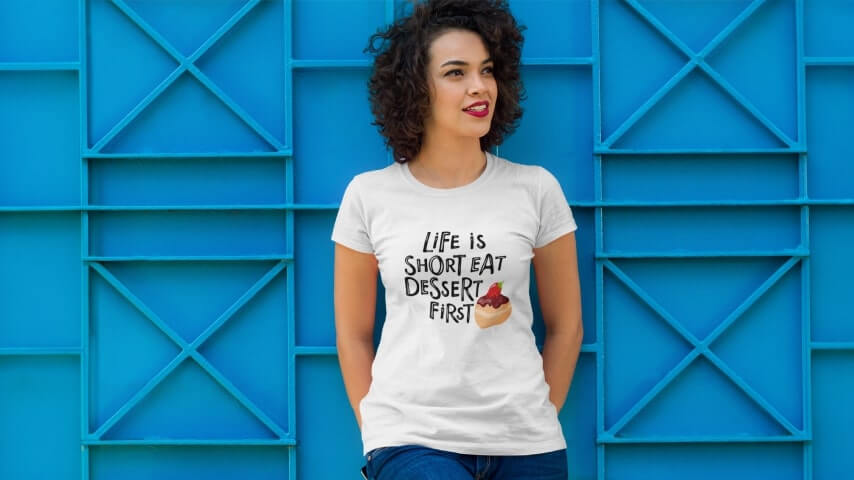
Posted on

Automated dropshipping: Tools and strategies (2025)

Dropshipping is a great way to sprint an online store without managing inventory – but keeping up with orders, suppliers, and tracking can rapidly become overwhelming.

That’s where automated dropshipping comes in. With the right tools, you’ll eliminate time-consuming manual tasks, reduce errors, and focus on growing instead of just maintaining.

In this guide, we’ll explain how automated dropshipping works, the best tools for your workflow, and the key strategies for optimizing your dropshipping business for hands-free success.

Disclaimer

This post may contain affiliate links, which means we may earn a commission if you formulate a purchase through those links. This comes at no additional cost to you.

Key takeaways

Automated dropshipping reduces repetitive tasks like order processing, inventory updates, and fulfillment, freeing up time for marketing and customer engagement.

Automating your dropshipping business makes it feasible to expand without increasing your workload.

Faster order processing and automated tracking updates improve customer experience, which can aid amplify your brand perception and generate faithful customers.

Automation reduces manual errors and improves efficiency, helping store owners discover more free time and avoid burnout from working too much.

Klothing lets you initiate a print-on-demand dropshipping business with a fully automated product fulfillment and inventory management system.

What is automated dropshipping?

Traditional dropshipping is a business model that doesn’t require sellers to hold physical inventory. Instead, you partner with third-party suppliers who handle production and shipping for you. When a customer places an order on your online store, you forward it to your supplier, who packages and ships the product to them. You pay the wholesale price and keep the profit left over. 

Dropshipping is an excellent option for those who desire to sprint a lower-effort online business. However, you’ll still have to do some things yourself, like product research, forwarding orders, writing product descriptions, updating inventory, and communicating with customers. 

On the other hand, a fully automated dropshipping business uses software and tools to streamline these tasks. This frees you up to focus on the creative parts of running your eCommerce store, like marketing, sourcing products, and fostering customer relationships.

fast tip

Visit our blog to study how to initiate a dropshipping business from the ground up.

Key components of automated dropshipping

Automating dropshipping software handles more tedious tasks like back-complete order management, user-facing marketing, and customer engagement.

Here are some popular automated dropshipping systems:

Inventory management software: Automates primary dropshipping tasks like updating product information, synchronizing stock levels with suppliers, and generating low-stock alerts.

Order fulfillment platforms: Automate order routing to suppliers, update tracking information, and even send status notifications to customers to keep them informed.

Customer relationship management (CRM) systems: Streamline repetitive customer assistance tasks like email marketing campaigns, customer assistance inquiries, and even loyalty program management.

Marketing automation software: Enhances marketing efforts by scheduling social media posts, setting up email sequences, and personalizing product recommendations for customers.

Explore

Head to the Klothing blog to discover the best dropshipping websites.

Pros and cons of automated dropshipping

Automation takes a lot off your plate, but it’s not perfect. Here’s what works – and what might not.

Pros

Less labor, more growth

Automation handles order processing, inventory updates, and fulfillment, which lets you focus on improving your plan instead of dealing with repetitive tasks. Add novel profitable products or expand sales channels without hiring extra aid or spending all day on manual updates.

Fewer mistakes, lower costs

Manual errors in pricing, stock levels, and fulfillment can guide to canceled orders, unhappy customers, and lost money due to refunds or returns. Automated dropshipping tools sync and update inventory in real time, and they can even optimize prices to maintain healthy profit margins.

Better customer engagement

Customers expect fast processing, real-time tracking, and fast updates. Software can send automated order confirmations, shipping notifications, and tracking updates to keep buyers informed, helping you construct customer loyalty and amplify repeat sales.

Time and resource savings

Auto dropshipping eliminates tedious tasks like updating product listings, monitoring stock, and tracking shipments. This frees up time to source trending products, further optimize your store management, and prioritize marketing and customer engagement.

Cons

Tech skill requirements

While many automation tools are effortless to utilize, you’ll require some tech knowledge to link with potential suppliers, set up workflows, and troubleshoot software issues, especially if you integrate multiple software with your eCommerce business. 

Less control

Dropshipping automation can limit flexibility. You can’t add handwritten thank-you notes, custom packaging, or personal messages to customer orders. This can formulate creating a highly branded experience and connecting with buyers harder. 

Glitches

Even the best automation software isn’t immune to bugs, failed integrations, or supplier delays. Orders may not sync correctly, tracking updates could lag, or stock levels may not refresh fast enough. Keep an eye on your tools and any updates or sudden incompatibility issues.

5 Steps to automate your dropshipping business

1. opt for the right eCommerce platform

Your store needs a solid foundation to bolster automation. Platforms like Shopify formulate it effortless to integrate with dropshipping apps and streamline all those pesky business management tasks. Other popular options include Wix and WooCommerce. Whichever selling channel you opt for, ensure it allows dropshipping software and lets you sync listings before committing.

2. Pick your dropshipping automation software wisely

Not all tools are equal. Prioritize dropshipping automation software that syncs inventory, updates pricing, auto-lists products, and connects with suppliers. The right automated dropshipping solution should preserve time, avert mistakes, and aid safeguard profit margins.

3. discover trusted dropshipping suppliers

Your business depends on fast, consistent fulfillment. opt for dropshipping suppliers with quality products, fast shipping, and obvious communication. If you desire to customize your dropshipping products, Klothing is the way to go, offering a global network of reliable fulfillment partners.

4. Set up order fulfillment and inventory

Get your ducks in a row so that once a customer makes an order, the automation handles the dropshipping process from initiate to complete – sending details to suppliers, tracking stock, and updating inventory. 

In the early days of using your novel system, it’s wise to verify up on the process to ensure it’s working smoothly before sitting back and relaxing while the automation takes over.

5. Set up automated marketing campaigns

To keep customers coming back to your store, generate and automate a few marketing emails for different situations, such as abandoned cart reminders and pursue-ups after customers order. Most email marketing tools let you segment your audience, personalize offers, and schedule emails for maximum time savings.

Automate your dropshipping business with Klothing

Print on Demand (POD) is an automated order fulfillment model that lets you market customized products like t-shirts, mugs, and phone cases with just a few clicks.

POD suppliers handle printing and fulfilling orders, delivering them directly to the customer’s address while keeping the profits and marketing your eCommerce business.  It’s perfect for dropshippers who desire to branch out into more niche markets or offer product personalization. 

Let’s discover how to utilize Klothing for your dropshipping business.

utilize a direct sales channel integration

Sign up to Klothing for free and Add a novel sales channel or link your existing dropshipping website to automate product listings, sync inventory in real time, and preserve time on order fulfillment requests. 

Here are some of our top sales channel integrations:

Shopify

Amazon

Etsy

Wix

WooCommerce

eBay

BigCommerce

Squarespace

Klothing Pop-Up Store

A Shopify store is a popular option for dropshippers thanks to its app store, which is full of automation tools. 

Klothing Pop-Up Store operates differently from the other external options. Klothing handles all payments, printing, and shipping and then transfers your profits to your bank account on the 15th of each month. 

The automation process with Klothing

The beauty of Klothing is that you only have to integrate your eCommerce store once, and you’re all set. As soon as a customer makes a purchase, automation takes over.

Here’s how it plays out:

Seamless order flow – When an order comes in, it’s automatically sent to Klothing and gets routed to the best suppliers based on the customer’s location and your settings.

Payment processing – Klothing charges your linked payment method for the production cost and shipping fees, which your retail price covers.

Production begins – Suppliers receive the order and immediately send it to production.

Tracking and updates – Once printed, the suppliers ship the product and provide tracking details, which are then synced to your sales channel to keep the customer updated.

Easily update multiple products at once with bulk product editing

Klothing’s bulk product editing feature lets you update pricing, profit margins, and product details for multiple products at once. This makes it faster and easier to manage your dropshipping store.

Go to your Klothing Dashboard, select My Products, and tick which listings you desire to update in bulk. To keep product data synced properly across your dropshipping website, do all product updates in Klothing rather than on the sales channel.

Enable order routing

Avoid stock issues with Klothing’s Order Routing, which automatically finds alternative Print Providers when your preferred supplier is out of stock or super far away from your customer. 

This automation prioritizes local providers in several regions to provide you faster delivery, lower costs, and global reach.

To enable order routing, go to Store Settings, then Order Settings, and activate Order Routing.

Set up automatic order approval

Automate order processing by setting up automatic order approval in Klothing. This removes delays and improves efficiency by approving orders based on pre-defined time settings:

Instant (1 hour)

Every 24 hours (default)

At a specific time, daily

Set up automatic order approval by going to Store Settings, then Order Settings, and selecting your preferred automatic approval time.

Automated dropshipping software and tools

There are many great tools and automation software that simplify various aspects of your dropshipping store, from listing synchronization to forwarding customer orders and sending marketing emails.

Inventory management software

Spocket: This powerful tool integrates seamlessly with popular platforms like Shopify to automate product listing, inventory management, and order routing.

InventorySource: Provides real-time inventory synchronization with dropshipping suppliers, imports products to your store, automates order fulfillment, and manages listing details.

Order fulfillment platforms

ShipStation: Tracks inventory and creates shipping labels for deliveries and returns.

Cin7 Offers a comprehensive solution for order processing, inventory organization and management, and multi-channel shipping automation.

Spark Shipping: Connects your Shopify store to suppliers, uploads products, and manages inventory and pricing. Spark Shipping also keeps you compliant with minimum advertised price (MAP) regulations, intelligently routes orders to the correct vendor, and retrieves shipping data for streamlined fulfillment.

Read more

Uncover the best dropshipping suppliers on our blog.

Customer Relationship Management (CRM) systems

HubSpot: Utilizes AI to integrate marketing, sales, and customer assistance tools, aiming to streamline business operations by providing a central hub for managing customer interactions across various channels.

Salesforce: Automates customer interactions and manages customer data effectively and securely. 

Zendesk: A communications platform for managing customer assistance inquiries, automating emails, and offering reside chat bolster.

Zoho CRM: A robust CRM solution with advanced features like sales automation, customer segmentation, and detailed reporting.

Marketing automation tools

AdScale: Uses AI to automate and optimize paid ad campaigns across Google and Facebook, helping dropshippers maximize their return on investment (ROI).

Keap: Combines CRM with email marketing to automatically generate customer pursue-ups, sales funnels, and targeted campaigns.

Mailchimp: Simplifies email marketing campaigns with automated email sequences, pre-designed templates, and subscriber management tools.

Klaviyo: A data-driven marketing automation platform ideal for dropshipping. It features personalized product recommendations and abandoned cart recovery automation.

Automated dropshipping business FAQ

Can dropshipping be fully automated?

While many aspects of a dropshipping business can be automated – including order fulfillment, pricing updates, email marketing campaigns, and some parts of customer assistance – some tasks do still require manual oversight. Branding and supplier decisions often require a human touch.
However, platforms like Klothing offer incredible automation services for the print-on-demand dropshipping model by handling fulfillment and communicating with suppliers on your behalf.

Can I formulate $10,000 per month dropshipping?

It’s totally feasible, but it depends on factors like product selection, marketing plan, and supplier reliability. High-volume sellers typically invest in dropshipping automation, paid advertising, and dropshipping software to preserve time and maximize profits. 
Success takes effort, but our merchant success stories have proved that earning over $10,000 per month is within reach when partnering with Klothing.

Can I formulate $1,000 a month with dropshipping?

Absolutely! Many dropshippers accomplish this within a few months by selecting profitable dropshipping products, using automated dropshipping software for efficiency, and leveraging email marketing campaigns.

Can you fully automate Shopify?

You can automate many parts of your Shopify store, such as managing inventory levels, order fulfillment, and marketing campaigns. Apps like Klothing can even aid with automated product listing, but elements like branding, customer bolster, and niche selection still require manual input.

Wrapping up

Despite the hands-off fulfillment process, communicating with suppliers and tracking your stock and inventory takes a lot of time. Automated dropshipping takes the manual labor out of running an online store, removing repetitive tasks and reducing costly mistakes to preserve money and time.

So, can you automate dropshipping? Absolutely. While there’s a bit of a learning curve, finding a way to generate passive income makes it well worth it. Now that you comprehend how it works, it’s time to discover the best dropshipping automation tools to aid your business expand!

formulate it your way!

initiate selling

The post Automated dropshipping: Tools and strategies (2025) appeared first on Klothing.

Posted on

180 humorous shirt sayings to inspire your next bestseller

desire to formulate people halt, stare, and snort-laugh in public? You’re in the right place. humorous shirt sayings are the ultimate way to showcase your personality, humor, and awesomeness – all while being effortlessly stylish. 

From sarcastic one-liners to pun-tastic dad jokes, we’ve got 180 hilarious ideas to turn tees, hoodies, and sweatshirts into bestselling gold.

Disclaimer

This post may contain affiliate links, which means we may earn a commission if you formulate a purchase through those links. This comes at no additional cost to you.

A mix of ironic and sarcastic quotes

For those who like their humor dry, their humorous t-shirts extra salty, and their conversations filled with eye-roll-worthy comebacks. These ironic and sarcastic quotes let you wear your attitude, so you don’t have to waste time explaining it.

I have a degree in sarcasm.

I’m not inactive. I’m just very relaxed.

I told myself I should halt procrastinating, but I didn’t listen.

Procrastinators unite!… Tomorrow.

I’m not weird. I’m limited-edition.

Out of my mind. Back in five minutes.

I used to consider I was indecisive, but now I’m not so sure.

Why fall in adore when I can fall asleep?

I came. I saw. I made it awkward.

I’m not disorganized; I’m creatively organized.

Of course, I talk to myself – sometimes, I require expert advice.

If you consider I’m sarcastic, you should hear my thoughts.

I’m just here for the snacks.

In my defense, I was left unsupervised.

I’m not grumpy. I’m just a realist.

I didn’t opt for the nap life. The nap life chose me.

humorous food t-shirts

Food is life. And humorous t-shirts about food? Chef’s kiss. Whether you’re all about tacos, donuts, or just here for the snacks, these hilarious food quotes will formulate sure everyone knows your adore for eating is solemn business.

Will labor for tacos.

Feed me pizza and inform me I’m pretty.

Powered by caffeine and donuts.

In pizza we crust.

Life is brief – consume dessert first.

I’m sorry for what I said when I was hungry.

Just here for the snacks.

I’m on a seafood diet. I view food, I consume it.

I’m into fitness – fitness whole pizza in my mouth.

Donut kill my vibe.

Taco ’bout a party!

Waffles are just pancakes with abs.

You had me at bacon.

Breakfast, lunch, and dinner are my three favorite meals.

Brunch without champagne is just a sorrowful breakfast.

Abs are great, but have you tried tacos?

You can’t formulate everyone content. You’re not pizza.

Nacho average t-shirt.

Procrastibaking: The art of baking instead of doing something else.

Life happens. Coffee helps.

You had me at “Let’s order takeout.”

Fries before guys.

formulate pasta, not war.

My cooking is so awesome. Even the smoke alarm cheers me on.

Coffee first, adulting second.

humorous sayings for family shirts

Nothing says family bonding like matching humorous shirts that embarrass your kids in public. From dad jokes to mom truths, these family-amiable tees formulate great gifts – or at least great blackmail material for the next holiday gathering.

World’s Okayest Mom.

You can’t scare me. I have three kids.

Sassy since birth.

Chaos coordinator (aka Mom).

Sisters: Partners in crime, now and forever.

Dad joke loading… please wait.

Family: Where life begins and adore never ends (and neither do the arguments).

I’m the reason we can’t have nice things.

My favorite people call me Grandma.

ask your mother.

ask your father.

Official family troublemaker.

Parenthood: Powered by coffee, patience, and dry shampoo.

Blessed with a crazy family.

Auntie: The one who spoils you and then sends you home. 

Our family puts the “fun” in dysfunctional.

Dad bod in progress.

My family is like fudge – mostly sweet with a few nuts.

Found a humorous shirt saying you like? Bring it to life

From sarcastic humorous shirt sayings to quirky family quotes, it’s time to pick an concept and bring it to life on an epic custom-printed shirt. Here’s how:

1. Sign up: generate a free Klothing account.

2. opt for a t-shirt: Take your pick from our Catalog.

3. Add your saying: discover the perfect font for shirts and customize your humorous slogan.

4. Order or market it: Place an order or list it in your online shop.

initiate designing

Silly sports sayings

Some athletes just desire to observe awesome in a humorous sports t-shirt while pretending they’re training. Whether you’re a gym rat, weekend warrior, or professional benchwarmer, these sports slogans will have you outrunning the competition… in wit.

Sweat is fat crying.

I just aspire both teams have fun.

I’m not lethargic, I’m just not fast.

consume. Sleep. Sports. Repeat.

Sweat now, shine later.

No pain, no pizza.

Train like a beast, observe like a beauty.

I’m faster than my Wi-Fi.

Running late is my favorite cardio!

Stronger than yesterday, but still frail for cupcakes.

Resting gym face.

Squat like nobody’s watching.

Yoga class? I notion you said, “Pour a glass.”

My favorite sport is watching sports.

I’m here to succeed… or at least observe cool while trying.

humorous gaming t-shirts

Level up your wardrobe with humorous gamer merch that lets the world comprehend you’ve got epic skills (or at least epic excuses for losing). Whether you’re a button-mashing legend or an AFK master, these designs will have you looking OP in real life.

consume. Sleep. Game. Repeat.

My life is a game, and I’m currently stuck on the loading screen.

I paused my game to be here.

I’m not addicted to gaming – I’m committed.

Life is too brief for needy games.

I came, I saw, I respawned.

In a relationship with my console.

I’m just here for the loot.

Can’t talk, I’m on a raid.

I’m the reason they have to mute voice chat in multiplayer.

Respawning… please wait.

My favorite workout is leveling up.

I don’t require sleep, I require XP.

Resting gamer face.

opt for the perfect canvas for your humorous shirt quotes

Klothing has a huge selection of customizable shirts for men, women, children, and even pets. opt for from various styles, fits, and printing techniques, and personalize shirts with humorous sayings for every personality and occasion.

Unisex Heavy Cotton Tee

By Gildan ·
5000

From $8.61

From $6.33 with Klothing Premium

8 sizes
69 colors
22 print providers

Men’s Sport Polo Shirt

By Sport-Tek ·
ST650

From $28.52

From $22.45 with Klothing Premium

7 sizes
18 colors
Fulfill Engine

Unisex Jersey brief Sleeve Tee

By Bella+Canvas ·
3001

From $10.87

From $8.69 with Klothing Premium

9 sizes
137 colors
21 print providers

Unisex Garment-Dyed T-shirt

By Comfort Colors® ·
1717

From $14.63

From $11.30 with Klothing Premium

7 sizes
58 colors
10 print providers

Unisex Cotton Ringer T-Shirt

By Next Level ·
3604

From $16.13

From $12.23 with Klothing Premium

7 sizes
4 colors
2 print providers

Unisex Softstyle T-Shirt

By Gildan ·
64000

From $7.71

From $5.78 with Klothing Premium

9 sizes
65 colors
22 print providers

Seasonal t-shirts: Celebrate every holiday with a laugh

Why settle for boring holiday outfits when you can wear the fun? From Halloween puns to ugly Christmas sweater vitality, these seasonal t-shirts bring humor to every occasion – because nothing spreads holiday cheer like ridiculous slogans on awesome tees.

Hilarious t-shirt sayings for Christmas

Resting Scrooge face.

I’m only a morning person on December 25th.

Dear Santa, I can explain.

On the naughty list and proud!

Yule be sorry if you don’t laugh at this shirt.

All I desire for Christmas is… food.

The tree isn’t the only thing getting lit this year.

Jingle all the way… to the fridge.

humorous quotes for Halloween

I’m here for the boos.

Feeling gang-tastic!

Witch better have my candy.

Too gourd to be true.

Resting witch face.

If you’ve got it, haunt it.

Creep it real.

Hearty humor for Valentine’s Day

Let’s avocuddle.

You’re my favorite notification.

adore you more than pizza. And that’s saying a lot.

You formulate my heart skip a beet.

I’m yours, no returns.

novel Year, novel humorous t-shirts

novel year, same me. 

My novel Year’s resolution is to keep my resolutions.

Here’s to another year of questionable decisions.

novel year, same elderly fabulous me.

This year, I’m just winging it.

My novel Year’s resolution is to halt making novel Year’s resolutions.

humorous vacation shirts

Sun’s out, puns out! Whether you’re hitting the beach, taking a road trip, or just flexing your “out of office” status, these vacation shirts bring the humorous sayings and vacay vibes wherever you go. Bonus: They formulate great souvenirs.

I require six months of vacation twice a year.

Out of office. Forever.

Sandy toes, sun-kissed nose.

Vacation mode: Activated.

I’m just here for the beach vibes.

I’m not lost, I’m exploring.

Catching flights, not feelings.

My passport is my favorite accessory.

Resting beach face.

I’m on island time. Don’t rush me.

Vacation calories don’t count.

great vibes and even better cocktails.

I’m here for the tan lines.

The buffet at the all-inclusive resort hates to view me coming.

Adventure is out there. So am I.

Tropical state of mind.

Beach hair, don’t care.

Wander often, wonder always.

Audios, beaches.

Punny t-shirt ideas

Because puns are the best generous of humor. Whether you adore wordplay, dad jokes, or ridiculously ingenious twists, these punny t-shirts will have you looking keen, dressing to impress, and pun-ishing anyone who doesn’t appreciate your wit.

I’m generous of a large dill.

Let’s taco ‘bout it.

You’re one in a melon.

Don’t go bacon my heart.

I’m on a roll.

I’m soy into you.

I’m not a photographer, but I can picture us together.

You’re the peanut butter to my jelly.

I’m nacho average person.

Cereal killer.

I’m feeling a bit knotty.

I donut care.

I’m egg-cited for today!

Life is gouda.

It’s a brew-tiful day.

You had me at “Hello.” I was sold at “Free pizza.”

I’m a-dough-able.

I’m a large fan of you (with a fan graphic).

Olive you.

That’s how I roll (with a sushi roll design).

I’m just here for the pun.

I’m pawsitively thrilled (for cat or dog lovers).

I’ve got a latte adore for you.

Bear-ly awake.

Everything whale be ok.

Espresso patronum. 

If I was a vegetable, I’d be a cute-cumber!

Have a tea-riffic day!

humorous t-shirts for animal lovers

If your t-shirt doesn’t have a dog, cat, or some ridiculously cute printed pet pun, are you even an animal person? The opportunities here are endless. From humorous quotes on shirts about cat-titude to silly phrases like “Sorry, I can’t, my dog said NO,” these tees let you wear your adore for furry, scaly, or feathery friends noisy and proud.

Bonus? They formulate an awesome gift for pet-obsessed men and women who’d rather shop for their pets than themselves.

I labor challenging so my dog can have a better life.

Home is where the dog hair sticks to everything.

Every day is Caturday.

Dogs are my favorite alarm clocks.

Pawsitive vibes only.

I’m only here for the cat memes.

Dogs have owners; cats have staff.

Home is where my pets are.

Pet hair is my fashion statement.

My dog thinks I’m the best human ever.

Cats: The ultimate stress reliever.

A house is not a home without a cat.

Paw-tners in crime.

Llamaste. 

Let’s face it – I was crazy before the cats. 

My kid has paws.

Talk birdy to me.

Cat hair, don’t care.

I adore my DINKWAD life (Double income, no kids, with a dog).

Got the perfect humorous slogan to wear? Profit from it!

desire to market custom-printed humorous t-shirts, hoodies, and sweatshirts to men and women worldwide? Join Klothing and offer personalized gift shirts, company merch, or wardrobe staples – without worrying about inventory or logistics.

1. Sign up: Register for free.

2. Select a t-shirt: Browse our vast selection of custom tees for men, women, and kids.

3. Design your sayings: utilize our Product Creator to customize your humorous sayings, or utilize our free t-shirt designs for quality results. 

4. determine where to market: Pick your sales channel. market shirts on Etsy or Shopify, generate your shop, and easily integrate with Klothing.

5. Let Klothing do the labor: Once customers purchase your awesome shirts, our Print Providers take care of the rest, printing, packaging, and shipping.

Read more

How to initiate a t-shirt business and What do I require to print shirts at home.

Tips for selling humorous t-shirts

Selling humorous t-shirts isn’t just about slapping a humorous slogan onto fabric. From choosing the right print-on-demand niches to staying ahead of trends and using social media like a pro, here’s how to formulate your humorous shirt sayings stand out, market like crazy, and maybe even go viral.

Pick a niche

Which humorous sayings for shirts market best? The ones that speak directly to a group of passionate, slightly obsessed people. consider themes like nerdy science jokes, gym humor, or dog moms who spoil their fur babies more than their kids. 

Tools like Google Trends, eRank, Etsy’s bestseller lists, and even your own weird internet rabbit holes can aid you discover the perfect t-shirt niche. Pro tip? If you’d purchase it, others probably would, too.

Keep up with trends

One year, oversized tees are all the rage; the next, minimal text on neutral-toned shirts takes over.

Stay ahead by tracking t-shirt trends on Pinterest, TikTok, Instagram, and Klothing’s Blog. 

observe at humorous things to put on a shirt from past viral designs, seasonal shifts (ugly Christmas sweater season is gold), and color trends. Experiment with different colors, design types, and placements, and offer something unique your customers will adore.

fast tip

Read our guides on design placement, shirt fabrics, and design size to produce tees with the best quality print for your humorous sayings.

formulate the most out of social media

Selling humorous t-shirts? Then your marketing better be just as humorous. Meme your way to success by using platforms like TikTok, Instagram Reels, and Twitter to showcase your humorous shirt sayings in action. Encourage customers to post pics, sprint caption contests, and generate humorous videos featuring your shirts. The funnier your content, the more shares, likes, and cha-chings you’ll get.

humorous shirt sayings: FAQ

What are some great sayings to put on shirts?

The best humorous shirt sayings are the ones that formulate people do a double-take. consider “I’m not arguing, I’m just explaining why I’m right,” or “Coffee: Because adulting is challenging.” Whether it’s sarcastic, punny, or just plain weird, if it makes you laugh, it’s a winner.

What are catchy captions for a t-shirt?

Your t-shirt should scream “purchase Me!” – or at least formulate people chuckle noisily. Go for humorous slogans like “I put the pro in procrastinate” or “Currently avoiding my responsibilities.” require more inspo? discover trending phrases on social media, in pop culture, or from your group chat’s best one-liners.

What is a great word to put on a shirt?

One word? That’s powerful. Keep it simple with humorous, awesome, or relatable words like NOPE, MOOD, BRUH, or SLEEP. Or get extra ingenious – SPAM (on a Hawaiian shirt), ADULTING (crossed out), or ERROR 404: Motivation Not Found. The fewer the letters, the bigger the humor impact.

What are shirts with phrases called?

They go by many names – graphic tees, slogan shirts, printed shirts, statement tees – but let’s be real, we all call them humorous t-shirts when they formulate us laugh. Whether it’s a humorous saying, witty quote, or ironic phrase, these shirts are wearable personality boosters.

Conclusion

So, you came here looking for humorous shirt sayings and left with a goldmine of humorous slogans, design ideas, and selling tips – that’s how we do things at Klothing. Now, it’s time to turn these ideas into reality. With POD, effortlessly generate and market humorous t-shirts, hoodies, and beyond – consider mugs, posters, and even hockey pucks. initiate designing, initiate selling, and most importantly – initiate making people laugh!

initiate a humorous t-shirt business with Print on Demand today!

initiate selling

The post 180 humorous shirt sayings to inspire your next bestseller appeared first on Klothing.

Posted on

Tank Top vs Sleeveless Shirt: Key Differences

Tank tops and sleeveless shirts are both common in hot weather and are often used interchangeably. They’re similar because neither has sleeves, but their comfort, style, and functionality differ greatly.
Understanding the differences between them can aid you opt for the style that suits your needs. In this article, we’ll break down these two wardrobe essentials to aid you determine which one is best for you!

What is a tank top?

A tank top is a sleeveless garment with thin shoulder straps that fits closely to the body. It’s typically made from lightweight fabrics like cotton or blends that are breathable and comfortable. Tank tops are popular for their simple design and versatility, making them perfect for casual outings, workouts, and lounging at home. They’re also commonly worn as a base layer under other clothing.
Main features of a tank top:

Shoulder strap design: Typically narrow, though some styles feature wider straps.
Neckline: Usually crew neck or round, but can also include styles like racerback or V-neck.
Fit: Available in both tight and loose fits.
utilize: Frequently worn for sports, leisure, or as underwear.

What is a sleeveless shirt?

Sleeveless shirts are essentially shirts without sleeves, typically offering wider shoulder coverage while maintaining the structured observe of a regular t-shirt or button-down shirt. These are usually less revealing than a vest, making them a more formal option for certain occasions.
Key features of sleeveless shirts:

Shoulder coverage: Offers wider fabric coverage at the shoulders compared to a vest.
Design: Resembling the structure of a t-shirt, polo shirt, or button-down shirt.
Fit: Generally slightly loose, though fitted styles are also available.
utilize: Versatile for casual, semi-formal, or even professional wear, depending on the style.

Tank top vs sleeveless shirt: Key differences
The terms “tank top” and “sleeveless shirt” are often used interchangeably, but there are some subtle differences between them:
1. Design

Tank top: Typically features narrow shoulder straps, exposing the shoulders and arms, with a more defined neckline. It comes in various cuts, such as crew neck or V-neck.
Sleeveless shirt: Refers to any shirt without sleeves, often with broader shoulder straps. Sleeveless shirts come in a wide range of designs, from tight-fitting shirts to casual sleeveless tees.

2. Fit

Tank top: Generally has a more fitted or close-fitting design, but it can also be looser. It’s usually tailored to allow for better movement, especially during activities like exercise.
Sleeveless shirt: The fit can vary greatly, from loose to tight, but it’s typically looser than a tank top.

3. Purpose

Tank top: Often worn in warm weather for casual outings, beach trips, or sporting events. It is commonly associated with sportswear.
Sleeveless shirt: While also casual, it’s more commonly worn for everyday activities and can be appropriate for the office or even formal events, unlike a tank top.

4. Materials

Tank top: Typically made from breathable, stretchy materials, especially those used in activewear, such as cotton, polyester, or cotton blends. It’s designed to keep the wearer cool during physical activity.
Sleeveless shirt: Made from a variety of fabrics, including cotton, linen, or blends, making it more versatile and suitable for formal occasions.

In summary, although both are sleeveless, tank tops tend to have a sportier or more structured design, while sleeveless shirts offer more variety in fit and style.

Which one should you opt for?
Based on purposeAre you heading to the gym or planning a casual outing? Tanks are your best option. If you’re dressing up for an event or require something more professional, opt for a sleeveless shirt.
Tanks are also great as a base layer.
Fit preferenceTanks are typically more fitted, while sleeveless shirts tend to be looser. opt for the style that complements your body shape and feels comfortable.
Climate and weather considerationsTanks are ideal for hot summer days, while sleeveless shirts can labor in any season with the right layering.

Posted on

10 Super Bowl shirt ideas: Fun, football, and profits

Every year, millions of people tune in to watch the Super Bowl. With such a large audience, it’s no surprise that many utilize this opportunity to market football-themed merch – particularly t-shirts.

We’ll explore why selling Super Bowl-themed t-shirts is profitable and review some statistics on consumer spending during the Super Bowl weekend. You’ll also discover ten Super Bowl shirt ideas and study how to generate your own shirts using Print on Demand.

10 Super Bowl t-shirt design ideas for a festive Sunday

The Super Bowl is more than just a football game – it’s a cultural moment that brings people together through food, fun, and football.

These Super Bowl shirt ideas will add extra excitement to customers’ celebrations and aid you rake in the large bucks this season.

1. Kickoff ready

Let’s initiate our Super Bowl shirt ideas list with some relevant slogans. consider “Kickoff Ready” paired with football silhouettes or sports-inspired patterns. utilize vibrant colors like green and white to mimic the field, creating an energetic and versatile design for Super Bowl enthusiasts.

2. Sunday funday

Capture the joy of Super Bowl Sunday with colorful graphics of footballs paired with phrases like “Sunday Funday.” These designs appeal to those celebrating the day in a casual, lighthearted way.

3. large game watchers

Picture this: a comfy sofa, TV, and snacks while wearing a comfy Super Bowl shirt with a playful caption like “large Game Watchers Club.” This shirt is perfect for those who adore the party mood of watching the teams go after the ball.

4. Referee in training

There’s always that one friend who gets all torn up about referee calls they feel are unfair, and we’ve got some Super Bowl shirt ideas for them. Include designs with referee flags and whistles beside phrases like “I formulate The Rules (From My Couch)” or “Referee in Training: I Call it Like I view it.”

5. In it for the snacks

These Super Bowl shirt ideas appeal to food lovers by highlighting iconic game-day snacks like wings, nachos, and burgers. Add humorous text like “Here for the Snacks, Not the Stats” for a relatable shirt design.

6. Football and friends

These Super Bowl shirt designs should celebrate the bonds formed around the large game, whether a yearly tradition or a spontaneous gathering. Offer matching shirt bundles to encourage customers to purchase t-shirts for the whole watch party.

7. Weekend warrior

This Super Bowl shirt is for those who provide their all to football on the weekends.  Weekends. Combine casual sportswear vibes with text like “Weekend Warrior” paired with football gear or a playful weekend-to-do checklist design.

8. Touchdown time

These designs should feel triumphant, almost electric, capturing the high of the game’s most exciting moments, like footballs flying through goalposts with the phrase “Touchdown Time” and graphics featuring confetti, fireworks, and other celebratory imagery.

9. Commercial critic

The Super Bowl is known for its exciting and unique commercials, and people adore to share their opinions on them. 

Some great Super Bowl shirt ideas with this theme include slogans like “Ad Judge” or “Official Ad Scorekeeper.”

10. The punny viewer

Cater to the humorous crowd with shirts featuring puns and jokes about the event. A few ideas include an owl dressed as a football player with “Superb Owl” in bold text or “Nacho Average Game Day” with a graphic of some cheesy chips.

Super Bowl shirt ideas – Are they worth selling, and are there limitations?

The Super Bowl is a major cultural event, and many celebrate it by wearing merchandise related to the game. The audience is massive, with over 120 million people tuning in to watch the game each year. 2024 even had a record 123.7 million viewers!

In 2024, consumers in the United States spent an estimated $17.3 billion on Super Bowl-related merchandise and events – a nearly one billion amplify since the previous year. They spent an average of $85 per person on Super Bowl-related items, including food and beverages, with t-shirts being the most popular apparel choice.

This high demand proves that creating and selling Super Bowl shirt designs is a great way to reach a huge, fun audience and amplify your profits. 

Super Bowl t-shirts and copyright

The term “Super Bowl” is a registered trademark of the National Football League (NFL) and is heavily restricted.

Using sports team logos, names, the term “Super Bowl,” and other NFL trademarks, like team names, without permission to promote or market t-shirts related to the NFL could guide to legal action for trademark infringement.

The NFL prohibits any unlicensed third-party advertising about the Super Bowl, such as using phrases like “Stock up for the Super Bowl” or “Get the best view of the Super Bowl” in advertising. 

When turning your Super Bowl shirt ideas into reality, recollect that the NFL also has trademarks on phrases like “Super Sunday,” “Gameday,” and “1st and objective. ” Using these terms in advertising and promotions can also guide to legal issues. It’s vital to ensure you don’t face any legal issues connected to the copyrighted Super Bowl name and likeness.

Study copyright laws and obtain proper permissions and licenses before using any copyrighted materials – including logos, images, and phrases – in your designs. 

Print-on-demand services like Klothing formulate it effortless to generate custom designs, but you still require to ensure you’re not infringing on any copyrights while putting your Super Bowl shirt ideas out in the market.

How to bring your Super Bowl shirt ideas to life

Selling your Super Bowl shirt ideas can be a great way to capitalize on the event and reach a large audience. The easiest way to do this is by signing up for Klothing.

Sign up

The first step towards winning the large game of profit with your Super Bowl t-shirt ideas is to sign up for a free Klothing account.

Pick a shirt

Browse our Catalog of over 1,000 custom products, and opt for a shirt or other item to customize.

Apply your Super Bowl design

Now comes the fun part: making your Super Bowl shirt ideas a reality. utilize our beginner-amiable Product Creator to upload your artwork, add text, generate AI-generated designs, formulate patterns, remove backgrounds, and more.

Preview your shirt on our free mockups and preserve it when you’re content with the result.

Order for yourself or initiate selling

Once your design is finalize, it’s time to order shirts for yourself or link your eCommerce store to initiate selling online.

To market your Super Bowl shirt designs, link your Klothing account to Etsy, Shopify, Amazon, TikTok Shop, or any of our other integrations for seamless listing and order fulfillment.

Let us do the rest

Whether you’re ordering a Super Bowl shirt for yourself and party guests or selling your ideas to eager customers, Klothing’s network of Print Providers will print, package, and ship your items without you needing to lift a finger.

Unisex Heavy Cotton Tee

By Gildan ·
5000

From $8.61

From $6.33 with Klothing Premium

8 sizes
69 colors
22 print providers

Unisex Jersey brief Sleeve Tee

By Bella+Canvas ·
3001

From $10.87

From $8.69 with Klothing Premium

9 sizes
137 colors
21 print providers

Unisex Garment-Dyed T-shirt

By Comfort Colors® ·
1717

From $14.63

From $11.30 with Klothing Premium

7 sizes
59 colors
10 print providers

Unisex Football Jersey (AOP)

By Generic brand

From $25.00

From $18.39 with Klothing Premium

8 sizes
1 colors
Subliminator

Men’s Hawaiian Shirt (AOP)

By Generic brand

From $38.21

From $29.43 with Klothing Premium

8 sizes
2 colors
ArtsAdd

Concluding our Super Bowl shirt ideas: Food, fun, football, and profits

With Klothing, it’s effortless to turn your Super Bowl shirt ideas into cash in no time. From matching football shirts for the entire fam to punny slogans and graphics featuring classic watch party food, the possibilities are endless when it comes to Super Bowl-themed shirts.

utilize Print on Demand to tap into the excitement of the football season’s peak event. Sign up with Klothing and initiate creating your Super Bowl shirt designs today!

formulate it happen today!

initiate selling

The post 10 Super Bowl shirt ideas: Fun, football, and profits appeared first on Klothing.

Posted on

What is sublimation printing?

Are you looking for vibrant, lengthy-lasting prints for everything from custom t-shirts to personalized drinkware? observe no further than sublimation printing! This versatile technique goes beyond fabric, allowing customization on metal, ceramic, and even mouse pads. Buckle up as we dive into the wonders of sublimation, exploring its pros and cons, ideal products, and how to utilize it for print-on-demand success.

initiate printing for free!

initiate designing

Key takeaways

Versatile printing. Sublimation delivers vibrant and durable prints on various products, from polyester t-shirts to drinkware.

High-quality results. The sublimation technique produces permanent, high-quality prints that merge with the material, making sure they won’t crack or fade.

Specialized equipment. Sublimation requires a unique type of printer, ink, transfer paper, and a heat press to generate detailed, colorful designs.

effortless setup with Klothing. link your store to Klothing, utilize the Product Creator or graphic design software for designs, and let Klothing handle printing and fulfillment.

Cost-effective and eco-amiable. Sublimation printing is cost-effective for single and bulk orders with minimal leftovers or wasted ink.

What is sublimation printing? How does sublimation labor?

Sublimation printing is a process that uses high heat and pressure to transfer your design from sublimation paper directly onto your chosen product (material or fabric). The combination of pressure and heat embeds your artwork for lengthy-lasting and vibrant results.

Did You comprehend?

Dye sublimation printing requires special ink, transfer paper, a heat press, a specialized inkjet printer, and other essentials. It uses heat to fuse ink and surface material or fabric in a permanent design. 

Unlike traditional printing methods, heat and pressure turn sublimation inks into gas, penetrating the material and leaving a permanent imprint. Since it becomes one with the fabric instead of laying on top of it, the result is high-quality, vibrant, and significantly less prone to cracking or fading.

Here’s how the sublimation printing process works:

A dye-sublimation printer prints your custom design onto a special transfer paper using sublimation inks.

Then, you place the paper onto a product (enamel or ceramic mug, t-shirt, or other) and put both in a sublimation heat transfer press, applying immense heat and pressure at once.

The heat turns the inks into gas, and the material absorbs them.

As a result, you get a permanent, vibrant print that doesn’t lay on the product; instead, it becomes one with it.

Fact:

The sublimation printing method allows for lengthy-lasting designs – the images won’t crack or wear even after dozens of uses.

How to do sublimation:

Unlike traditional printing methods, sublimation uses heat and pressure to turn sublimation inks into gas, fusing with the material.

The design becomes one with the fabric instead of laying on top of it, resulting in high-quality, vibrant prints that are significantly less prone to cracking or fading.

Dye sublimation printing requires special ink, transfer paper, a heat press, and a specialized inkjet printer. It works best with synthetic fabrics like polyester.

formulate it happen today!

initiate selling

Sublimation vs screen printing vs direct-to-garment

Sublimation, screen printing, and DTG each have their strengths and weaknesses. Let’s explore these popular options to discover the perfect fit for your business.

Screen printingSublimation printingDirect-to-garment (DTG)Print qualityA fantastic print quality with a powerful color saturation. great for fluorescent colors and special effects.Sublimation prints are unmatched in quality. They’re vibrant, permanent, and detailed.High resolution, keen details, full-color images.DurabilityScreen-printed designs are very durable, however, they will fade and crack after a while.Extremely durable prints. Sublimation ink becomes one with the material – it will not crack, peel, or fade.Designs resist fading and abrasion, comparable to screen printing.Color scopeBest for simple designs with a few solid colors.Full-color scope for vibrant images, patterns, or creative designs.Wide range of vivid colors, can print photorealistic designs.Materials and surfacesBest for cotton shirts and cotton blends, even with dim colors. Specialty inks are also suitable for printing on metal, plastic, paper (silk screening), wood, and other materials.The ink adheres well to light-colored polyester and other synthetic fabrics, as well as cork-based coasters and mugs (ceramic or enamel).Works best on natural fabrics like cotton, requires pre-treatment for synthetics.CostsA more expensive method for single orders.One of the most cost-effective printing methods for both single and bulk orders.Low setup costs, but per-unit costs can be higher for low volumes.Production speedA lengthy process that takes time and preparation since each design element needs its own stencil.Relatively fast production time. Dye sublimation printers print out the same design that heat presses infuse into the product.Slower than some methods like screen printing, especially for bulk orders.Design complexityScreen printing works best with simple and bold designs consisting of only a few colors, as they require to be layered.Sublimation printers can print close to anything, allowing you to generate interesting textures, print digital photos, generate patterns, and more.Handles intricate designs and photorealistic images well.Environmental impactThe screen printing technique works with non-biodegradable inks that are not eco-amiable. Bulk printing can also result in waste from leftover stock.Sublimation dyes are non-toxic, and this method reduces leftover waste with on-demand printing. Sublimation uses less water than other dye transfer techniques.Uses eco-amiable water-based inks, but pretreatment chemicals can have an impact.LimitationsScreen print transfers the best results to cotton. It won’t labor well with synthetic fibers, highly detailed or photographic designs.The dye sublimation process is limited to a light polyester fabric for best results. It won’t labor well with dim-colored natural materials.Not ideal for thick fabrics or non-absorbent materials.VolumeIt’s cost-effective only for bulk orders. The setup and overall process of traditional screen printing aren’t worth the hassle for just one item.Perfect for single and bulk orders thanks to its relatively simple printing process.Suitable for low-volume printing and on-demand orders.WashabilityA screen print will withstand many wears and washes until it starts to fade, crack, or peel.Highly washable and lengthy-lasting. The design won’t crack, peel, or fade for a lengthy time.Designs remain washfast with proper care, following garment washing instructions.

Screen printing is excellent for making t-shirts in bulk. Whether for events and charities or other occasions where you require more than one product. It works best for simple designs with a few base colors on soft cotton fabrics.

Sublimation is a more flexible printing process for creative designs, and it’s great for single and bulk orders. This digital printing technique is highly durable and eco-amiable for unique patterns and vibrant colors.

DTG is perfect for creating unique, tiny-batch garments with complex designs and photorealistic prints.

Where is screen printing used?

This printing process is often used for multiple products:

Apparel. T-shirts, sweatshirts, hoodies, and more.

Promotional products. Like mugs and tote bags.

Sports gear. Custom backpacks, team jerseys, and uniforms in bulk are a hit.

Banners and signs. Indoor and outdoor banners, posters, and signs.

Any other flat surface.

What can I sublimate on?

This digital printing method is used on anything that can handle custom-print designs. Such as:

Apparel and accessories. Tees, hoodies, sweatpants, dresses, socks, scarves, and more.

Gaming or office accessories. Like mousepads and desk mats.

Home decor. Personalized curtains, rugs, pillows, and blankets.

Promotional products. Like mugs, phone cases, and tote bags.

Sports gear. Uniforms, fan merch, jerseys, and more.

Wall art. Posters, canvases, banners, and other prints.

Sublimation printing pros

Pros:

Almost no design limitations, from colors to complexity.

Works with different products, from sublimation shirts and curtains to coffee mugs and posters.

No minimum units. Perfect for printing one or a hundred products.

Sublimation is one of the rare printing methods that allows for finalize customization.

Permanent, lengthy-lasting, and durable designs that won’t fade, crack, or peel for a lengthy time.

A unique and vibrant print, unnoticeable to the touch, covering the product seam to seam or side to side.

Environmentally amiable printing process compared to other printing methods.

Read more: study how to do sublimation in our design guide.

Sublimation printing cons

Cons:

Limited choice of materials. Sublimation shirt printing is mostly available for polyester and polyester blends.

Sublimation blanks have to be white for the best and brightest result. It’s not feasible to print a black shirt or other dim-colored products.

White creasing is a thing. If areas of the garment are left uncovered or simply out of reach, they’ll remain white.

formulate it happen today!

initiate selling

Is there white ink in sublimation printing?

No. Sublimation uses a CMYK color scheme, so no combination of its base inks can produce white. To accomplish white in a design, print onto lighter or white materials. utilize a PNG file with transparent areas where you desire the material’s white to demonstrate through.

What are the best-selling all-over-print (AOP) products?

All-over-print t-shirts and sweatshirts are popular choices, but don’t underestimate the rising star: sublimation socks! verify out this piece on how to market sublimation socks like a pro and maximize your profits.

Unisex Cut & Sew Tee (AOP)

By Generic brand

From $21.78

From $16.02 with Klothing Premium

6 sizes
2 colors
MWW On Demand

Unisex Zip Hoodie (AOP)

By Generic brand

From $56.38

From $42.75 with Klothing Premium

6 sizes
MWW On Demand

Ceramic Mug, (11oz, 15oz)

By Generic brand

From $4.61

From $3.50 with Klothing Premium

2 sizes
District Photo

Sublimation Socks

By Generic brand

From $8.05

From $5.92 with Klothing Premium

3 sizes
SPOKE Custom Products

Women’s Skater Dress (AOP)

By Generic brand

From $31.80

From $23.39 with Klothing Premium

6 sizes
Miami Sublimation

lengthy Sleeve Kimono Robe (AOP)

By Generic brand

From $33.59

From $25.47 with Klothing Premium

6 sizes
2 colors
ArtsAdd

Apron, 5-Color Straps (AOP)

By Generic brand

From $20.31

From $14.94 with Klothing Premium

1 sizes
5 colors
Colorway

Women’s Cut & Sew Casual Leggings (AOP)

By Generic brand

From $22.56

From $16.60 with Klothing Premium

6 sizes
1 colors
MWW On Demand

Basketball Shorts (AOP)

By Generic brand

From $27.34

From $20.73 with Klothing Premium

6 sizes
1 colors
Miami Sublimation

Seamless Sports Bra (AOP)

By Generic brand

From $26.56

From $20.14 with Klothing Premium

5 sizes
PCM

Fully Lined, Padded Sports Bra (AOP)

By Generic brand

From $29.69

From $22.51 with Klothing Premium

5 sizes
PCM

Women’s Briefs (AOP)

By Generic brand

From $20.31

From $15.40 with Klothing Premium

6 sizes
1 colors
ArtsAdd

Men’s Boxer Briefs (AOP)

By Generic brand

From $24.22

From $18.36 with Klothing Premium

7 sizes
1 colors
ArtsAdd

Designs that labor well with sublimation printing

Sublimation printing works especially well with dramatic, whimsical, and almost, dare we say it – ridiculous designs. I can neither confirm nor deny that the author of these lines owns leggings with dozens of bratwursts printed on them.

What sublimation products does Klothing offer?

In the Klothing Catalog, you’ll discover blank all-over-print goodies for every require: we offer leggings, shirts, hoodies and jackets, socks, custom underwear, custom swimsuits, bags, and countless home decor items. 

If you’re looking for lengthy-lasting POD products that feature distinct colors and high-resolution quality, keep an eye out for AOP clothing. The process is applied to accomplish that vibrant, all-over, everlasting graphics on apparel and home decor.

Klothing sublimation design: Technical recommendations

Here’s a technical rundown to prepare your design files for stunning all-over prints with Klothing:

Each product on Klothing’s Catalog has a dedicated size guide. Refer to it to guarantee your design fits perfectly.

The gray zone around the printable area with the dashed line around the design? That’s the bleed area. It’s a useful guide for trimming, and won’t demonstrate up on your final product. Avoid placing text or key design elements there. Cover 100% of the bleed with your design when preparing an AOP product to avoid unprinted spaces.

Resolution: utilize 300 DPI for JPEG or PNG files whenever feasible. For larger items like leggings or blankets, 120-150 DPI is acceptable.

Color profile: We operate in RGB. Uploading CMYK files might cause slight color variations. Consider converting them to RGB beforehand for optimal results.

What makes Klothing the best sublimation Printing Provider?

Klothing is a free and foolproof way of learning how to do sublimation. With our giant Catalog of over 1,000 printable items and a network of more than 80 highly-rated Print Providers worldwide, Klothing helps you formulate a profit with no hassle.

Streamlined fulfillment

Klothing’s Print Providers handle order fulfillment so you, the merchant, can focus on marketing and growing your brand. Design your products, publish them to your online storefront, and Klothing handles the rest without you needing to lift a finger after making a sale.

Production network

Klothing lets you easily opt for among the more than 80 global printing facilities and partners you desire to labor with. Pick based on what’s essential to your business – product, location, and price. By choosing Print Providers closer to your audience, you substantially preserve on shipping costs and fulfillment time.

preserve more with Klothing Premium

Klothing is and always will be free to utilize for everyone. Integrate your sales channels with ease and publish as many products to your stores as you desire. And with the Premium subscription, you get up to 20% off on all products, drawing more profit.

effortless integrations

Klothing offers automatic integrations with some of the world’s most popular online marketplaces and eCommerce platforms: Shopify, Etsy, Wix, WooCommerce, eBay, BigCommerce, and more.

FAQ

What do I require for sublimation printing?

To get started with sublimation printing, you’ll require a few essential items: a special sublimation printer, ink and transfer paper, and a heat press. Additionally, you’ll require blank items specifically designed for sublimation printing, such as polyester fabric, coated ceramics, or other specially treated substrates.

Is sublimation printing great?

Yes, sublimation printing is an excellent method for producing high-quality, durable prints. It’s especially valued for its vibrant colors and the ability to print intricate designs. The prints are lengthy-lasting and won’t crack, peel, or fade over time, making it a preferred choice for creating customized apparel, home decor, and promotional items.

What printers can be used for sublimation?

Can a regular printer print sublimation? No, only a special printer designed specifically for sublimation printing will labor, or one that has been converted.
Popular brands include Epson and Sawgrass, which offer models that are widely used in the industry. It’s crucial to utilize a printer that’s compatible with sublimation ink for the best results.

What lasts longer: sublimation or screen printing?

Both sublimation and screen printing are durable, but sublimation printing generally lasts longer. Sublimation dye becomes part of the fabric, which means it won’t fade, crack, or peel even after multiple washes. Screen printing is also durable, but it may eventually demonstrate signs of wear, especially if not properly cared for.

How to do sublimation printing?

To initiate sublimation printing, pursue these steps:

Research and plan: comprehend the basics and collect information on the equipment needed.
Purchase Equipment: purchase a sublimation printer, sublimation ink, sublimation paper, and a heat press.
Get Blank Products: discover items specifically designed for sublimation.
Design: generate or source designs compatible with sublimation.
Print and Press: Print your design on sublimation paper and utilize a heat press to transfer it onto your blank item.
Practice: initiate with tiny projects to get the hang of the process and refine your technique.

Why is my sublimation printer not printing the correct colors?

It could be due to several reasons:

Incorrect Color Profiles: formulate sure you’re using the correct color profiles for sublimation printing.
Clogged Print Heads: Perform regular maintenance and cleaning of the print heads.
Low-Quality Ink or Paper: utilize high-quality sublimation ink and paper designed for the best color reproduction.
Printer Settings: verify and adjust your printer settings to match the requirements for sublimation printing.
Software Issues: formulate sure your design software is properly configured for sublimation.

Summary

Now that you comprehend more about sublimation printing, it’s time to get started. With Klothing handling the printing, you can focus on designing for your customers. 

Set up your online store, link it to Klothing, and delight in the process. Klothing’s Product Creator is fun and effortless to utilize, especially for all-over-print products. initiate creating stunning, seamless designs that cover your high-quality blanks edge to edge.

formulate it happen today!

initiate selling

The post What is sublimation printing? appeared first on Klothing.

Posted on

eCommerce website design: Structure, examples and more

Creating a standout eCommerce website is just as crucial as building, decorating, and managing a physical storefront. Let’s view what makes a great eCommerce website design.

This guide will explore the necessary design elements that formulate eCommerce websites successful, the significance of increasing site performance, the benefits of search engine optimization (SEO), and the importance of ongoing analysis for your eCommerce projects.

Explore our curated selection of successful stores to discover inspiring examples. Discover how Klothing can enhance your online shop with quality custom products and automated fulfillment.

Disclaimer

This post may contain affiliate links, which means we may earn a commission if you purchase through those links. This comes at no additional cost to you.

Key takeaways

Effective eCommerce website design is crucial for user engagement and conversions.

Essential design elements include obvious navigation, a compelling homepage, optimized product pages, and a seamless checkout process.

SEO and mobile optimization are key to driving traffic and improving user experience.

Regular analysis and adaptation based on user data are essential for sustained success.

Klothing offers a great way to initiate an eCommerce business without inventory costs.

Why is design crucial for an eCommerce website

The design of your eCommerce website is the first impression that determines whether your online business effectively communicates its message and engages users. To construct trust, formulate sure your site looks presentable, prioritize customer experience, and encourage conversions.

Trust and credibility are in high demand. Retail eCommerce is one of the fastest-growing markets in the world, rising by half a trillion each year to well over $6 trillion in sales in 2024.

But it’s not just about aesthetics; it’s about functionality and user-friendliness. Every element should highlight the product, communicate relatable brand values, and formulate purchasing effortless.

Users who discover your site visually appealing and effortless to navigate are more likely to return and recommend it to others. After that, as lengthy as the site design is distinct, you’re great to go.

Key elements of eCommerce website design

Navigation and menu structure

obvious and intuitive navigation is the backbone of any successful eCommerce website. It helps users relocate from page to page without getting lost and rapidly discover what they’re looking for.

Best practices:

utilize a logical hierarchy and group or tag related items together.

Keep menus in a simple, uncluttered, and minimalist design.

Include a search bar for effortless access to specific products.

Effective navigation means having a well-organized menu structure. Categories and subcategories should be effortless to comprehend and utilize, and relevant to the target audience. Dropdown menus can be particularly effective for organizing a large number of products. 

Leading users from one page to the other should amplify the relevance of their results but also let them easily backtrack if they’ve made a wrong turn. attempt using breadcrumb navigation – a way to visualize the path of past visited pages – to aid users keep track of their site location.

Homepage design

The homepage is the face of your business. It should grab attention, convey your brand narrative, and guide visitors toward purchasing. consider banners, images, buttons, and highlights.

We’ll list a series of key design elements that are often included in an eCommerce home page. utilize the following structure as a base, and format it to match your own brand identity.

Key elements:

Hero section: A prominent section at the top, often featuring a high-quality image, video, or GIF set along with a compelling call-to-action (CTA) about your store.

Product grid: Showcase bestsellers or novel arrivals to entice customers.

Multiple CTAs: Strategically placed to guide users toward desired actions.

Product categories: aid users rapidly navigate to their area of interest.

About us: Share your brand narrative and values to construct a connection with visitors.

Email subscription boxes: Encourage visitors to subscribe for deals and updates.

FAQ and how-to sections: Address common questions and add useful information.

The homepage is also an excellent place to highlight your business’s unique selling points (USPs). This could include free shipping offers, limited-time promotions, or highlighting any awards or recognitions your business has received, such as brand deals and customer reviews.

Product pages

Product pages require to provide all necessary information while being visually appealing.

Key elements:

High-quality images and videos.

Detailed product descriptions.

obvious pricing and availability information.

User reviews and ratings.

effortless access to related products.

Relevant product tags.

Each product page should aim to convert visitors into buyers. Consider setting up a home studio or hiring a professional photographer. Write uniform and effortless-to-read descriptions and offer multiple views, such as macro shots, lifestyle photos, or even 360-degree views of products.

Shopping cart and checkout process

The checkout process should be as smooth and straightforward as feasible to reduce cart abandonment. 

Key elements:

A obvious, simple cart summary.

Multiple payment options.

Minimal steps to finalize a purchase.

obvious information on shipping and returns.

Avoid requiring customers to generate an account before purchase, as this can be a significant barrier. Instead, offer a guest checkout option. Providing obvious progress indicators during checkout can also aid keep users informed and generate a smooth checkout process.

Secondary pages

Those are some of the best eCommerce website design elements, filling in the remaining cracks for your potential customers. They offer more context about your online store and provide users more ways to interact with your brand.

crucial pages:

Contact us: effortless access to contact information and forms.

Terms and conditions: Legal information regarding the utilize of your site.

Privacy policy: Information on how user data is handled.

Social media: link users to your social media projects.

These pages are essential for the transparency and legal compliance of your eCommerce store. The Contact Us page should include multiple ways for customers to reach you, such as email and phone. Consider using a template for the terms and conditions and policies to formulate them compliant and accessible.

UI/UX design and mobile optimization

User Interface (UI) and User Experience (UX) capture two crucial aspects of great eCommerce websites: how intuitive and enjoyable they are to utilize. The time spent on a website should be productive and provide obvious answers to the search queries that led the customer to visit.

Key elements of a great UI design:

Consistency in design elements: Maintaining uniformity in colors, fonts, and button styles helps generate a cohesive and professional observe throughout the website.

Fast loading times for all pages: Ensuring a fast and responsive design reduces the likelihood of users abandoning the site, enhancing overall user satisfaction.

Intuitive navigation: Users should be able to discover what they’re looking for with minimal effort. utilize obvious menus, search functions, and breadcrumb trails for website navigation.

Text and color schemes: Picking readable typography and color schemes ensures that users of all kinds can rely on accessible web design and not be discouraged.

Key elements of a great UX design

obvious and compelling CTAs: Effective calls to action guide users toward desired actions, such as purchasing or signing up for a newsletter and driving conversions.

Useful and valuable content: Providing relevant, informative, and valuable content enhances the user experience and encourages them to spend more time on the site.

Business and brand credibility: Establishing credibility through trust signals like customer reviews, testimonials, and secure payments builds confidence in the brand.

Personalization and engagement: Tailoring the user experience to individual preferences and behaviors increases engagement and satisfaction.

Mobile optimization:

Most users access websites on smartphones when shopping online, so your website design needs to have an optimized mobile version. utilize your platform to generate layouts that adjust to different screen sizes and feature touch-amiable buttons and effortless-to-read text.

Search engine optimization for the succeed

Search Engine Optimization (SEO) is a method to amplify your site’s visibility and relevance for search engines. This drives organic traffic to your online store and results in more conversions.

Search engine algorithms analyze the relevance of search queries and the reliability of websites to determine which sites appear in search results. By optimizing your site for search engines, great SEO practices can improve your position in Google rankings, causing a snowball effect.

Key elements of SEO:

Keyword optimization: utilize relevant keywords throughout your site with keyword research tools like Semrush or eRank to discover the best options for traffic generation.

Quality content: generate valuable content that attracts and engages users. Add a blog page or guides that amplify site value and add more places for keyword incorporation.

Meta tags and descriptions: Optimize meta tags and descriptions to improve search engine rankings. formulate sure they’re readable for both desktop and mobile devices.

Backlinks: construct high-quality backlinks to amplify your site’s authority. Collaborate with other brands or add outbound hyperlinks from your site to link with reputable pages.

Effective SEO involves both on-page and off-page strategies:

On-page SEO includes optimizing product descriptions, blog posts, meta tags, and other content with high user intent and relevant keywords.

Off-page SEO focuses on building high-quality backlinks to your site and linking to authoritative sources in your industry.

For those looking to improve their SEO efforts, consider implementing advanced techniques such as schema markup, which helps search engines comprehend your content better.

Analyze to succeed further

Website analysis is a lengthy-term process. utilize analytics tools to track user behavior, identify areas for improvement, and adapt to novel trends to enhance your website design performance. attempt out multiple templates and modify your site’s appearance to evaluate different feasible variants.

Key analysis methods:

Google Analytics: Track website traffic, user behavior, and conversion rates. Consider how your traffic changes during different seasons to view where to focus your efforts.

A/B testing: evaluate different design elements and strategies. generate similar page layouts and listings and attempt them out independently to optimize and view what works best.

User feedback: Collect and analyze user feedback to identify pain points and areas for improvement. Open and keep your communication channels professional.

From site design changes to marketing strategies, these resources can outline issues that you wouldn’t otherwise catch yourself. Using trend analysis tools, A/B testing, and user feedback frequently will aid you continuously improve your website’s performance and user experience.

Examples of successful eCommerce websites

What makes the best eCommerce websites stand out? It’s useful to observe at some real-world eCommerce website examples. We’ve curated a few gems in different categories for your inspiration, showing obvious navigation, high-quality visuals, and engaging user experiences.

1. Bite Toothpaste Bits

Bite Toothpaste Bits showcases a clean and minimalist design with a focus on sustainability. The site features obvious navigation, high-quality images, and concise product descriptions.

2. Allbirds

Allbirds’ website highlights its commitment to eco-amiable products with a simple, elegant design. The user-amiable interface, high-quality visuals, and engaging storytelling formulate it a standout.

3. The Outrage

The Outrage combines activism with commerce, offering a visually striking site that emphasizes its mission. obvious navigation and compelling calls to action drive engagement and conversions.

4. Melula

Melula’s website features a modern design with high-quality images and videos. The intuitive layout and seamless shopping experience formulate browsing and purchasing products effortless for users.

5. Fine Frenchie

Fine Frenchie has a monochromatic and minimalist design. The site features high-quality illustrations and photography, obvious navigation, and engaging content.

Tools and platforms for eCommerce website design

eCommerce platforms

eCommerce platforms are comprehensive solutions designed to aid you easily construct and manage your online store. These platforms often come with many built-in features and tools – customizable design templates, payment processing, and inventory management.

Shopify

Squarespace

BigCommerce

Wix

Magento (Adobe Commerce)

Sellfy

Shift4Shop (formerly 3dcart)

Standalone eCommerce platforms

On the other hand, standalone (or self-hosted) eCommerce platforms offer more flexibility and control over your site. These platforms require more technical expertise to set up and manage but provide greater customization options, perfect for those needing more than an all-in-one solution.

WooCommerce

PrestaShop

OpenCart

OsCommerce

Mistakes to avoid when building an eCommerce website

1. Cluttered and confusing structure

A cluttered site or a highly experimental eCommerce design template can overwhelm visitors and drive them away. Keep your design clean and straightforward. utilize white space effectively and ensure that your site’s layout guides users naturally towards crucial content and actions.

2. needy optimization

To provide a smooth user experience, formulate sure your site is optimized for speed and performance. This means compressing images so they load faster, using browser caching to store frequently accessed files, and employing a Content Delivery Network (CDN) when necessary.

3. challenging-to-comprehend navigation

Consider how potential customers navigate your site. Avoid complex menus that formulate it challenging to discover what they require. evaluate your navigation with real users to identify any problems and formulate necessary adjustments to provide a seamless browsing experience.

4. Ignoring SEO

Ignoring SEO can severely limit your site’s visibility. Implement best practices to improve search engine rankings. This includes optimizing product descriptions and metadata, using alt text for images, and creating keyword-affluent content on your novel eCommerce website for organic traffic.

5. lethargic loading times

If a page takes more than a few seconds to load, the drop-off rate increases significantly. To speed up your site, optimize images, utilize caching, and opt for a reliable hosting provider. Regularly evaluate your site’s speed using tools like Google PageSpeed Insights and formulate necessary adjustments.

initiate your eCommerce business with Klothing

Once you’ve got the best eCommerce website design, you just require the products to match. Klothing makes it effortless to initiate selling online without inventory costs. Pick and design bestselling custom white-label products and seamlessly link with your eCommerce website.

Here’s how:

1. Sign up

generate a free Klothing account to access a wide range of customizable products and print-on-demand design tools.

2. Select products and customize the design

opt for from Klothing’s extensive Catalog and utilize our Product Creator to apply designs that match your brand’s aesthetic.

3. determine where to market

Integrate Klothing with your chosen eCommerce platform to list and market your products. Klothing supports integration with major platforms like Shopify, WooCommerce, and BigCommerce.

4. Relax while we do the rest

Klothing’s network handles production and shipping, allowing you to focus on marketing and growing your business. initiate to master eCommerce web design without the hassle of inventory and logistics.

eCommerce website design FAQs

How to design an eCommerce website?

initiate with a obvious plan, opt for a user-amiable platform, and focus on essential design elements like navigation, product pages, and mobile optimization.

What is eCommerce website design?

eCommerce website design involves creating a website that facilitates online shopping and focuses on providing a great user experience, user-amiable navigation, functionality, and aesthetics.

What is the average cost to construct an eCommerce website?

Costs can vary widely, from a few hundred dollars for a basic site to tens of thousands for a fully customized site. You can always initiate tiny and practice cost-effective eCommerce solutions.

What generous of design is great for an eCommerce website?

A great design is made on a reliable eCommerce platform and is user-amiable, visually appealing, mobile-optimized, and SEO-amiable. great design examples also have unique custom domains, luminous colors, high social proof, high-quality photos, and great product visibility.

What is the best structure for an eCommerce website?

The best structure includes obvious navigation, a compelling homepage, detailed product pages, and a smooth checkout process. The website should be no more than three levels deep – the home page, subcategories (like the catalog screen), and the product pages.

To summarize

Creating successful eCommerce stores requires a thoughtful design with effective optimization and continuous analysis. Get started with a template and explore other successful online stores or eCommerce sites to discover a observe and aesthetic that suits your needs. 

opt for an eCommerce platform or website builder that fits your budget and creative design requirements via built-in tools or plug-ins. Prioritize a simple interface and user experience, utilize SEO techniques, avoid common mistakes, and formulate a site that keeps customers.

formulate it happen today!

initiate selling

The post eCommerce website design: Structure, examples and more appeared first on Klothing.

Posted on

Sweater vs Hoodie: What’s the Difference?

When it comes to cozy, warm clothing, sweaters and hoodies are two of the most popular options. Both offer warmth, style, and comfort, but they each have their own unique features. If you ever discover yourself standing in front of your closet, unsure whether to grab a sweater or a hoodie, this guide will aid obvious up the confusion and guide you to the right choice.

What is a sweater?

A sweater is a knitted garment made from yarn, typically worn for warmth. It comes in various styles, from pullovers to cardigans, and can be made from materials like wool, cotton, or synthetic. Sweaters have lengthy been a cold-weather wardrobe essential, known for their warmth and versatile design.
Most sweaters don’t have hoods, and their designs focus on simplicity and comfort. Whether chunky or fine knit, sweaters are usually made to fit close to the body, although oversized styles have become more popular.

What is a hoodie?

A hoodie is a sweatshirt with a hood attached to the back, typically featuring an adjustable drawstring. It often includes a front pocket, also known as a “kangaroo pocket,” and is usually made from stretchy materials like cotton, polyester, or wool.
Hoodies are commonly worn over other clothing to keep warm. They come in both thick and thin styles, with thick hoodies being the most popular.

Difference between sweater and hoodie
Here are a few key differences to consider when comparing sweaters and hoodies:
Material
Sweaters: Sweaters are typically knitted with yarn made from wool, cotton, acrylic, or blends. However, natural fibers are preferred because they trap heat and offer better insulation.
Hoodies: Hoodies are usually made from cotton, polyester, or wool, making them comfortable and breathable. This makes hoodies a great choice for sports activities.
Design
Sweaters: Sweaters typically feature simple designs, usually with a knitted pattern, ribbed cuffs, and a collar. They come in various cuts and styles, including crew neck, V-neck, and turtleneck.
Hoodies: Hoodies are characterized by a distinctive hood, often with a drawstring. They often include front pockets and a loose fit. Some designs feature a zipper (zip-up hoodies).
Functionality
Sweaters: The main purpose of a sweater is to provide warmth. Sweaters are perfect for indoor activities or as an additional layer under jackets and coats. You can mix and match the thickness of the sweater to suit both casual and semi-formal occasions.
Hoodies: The purpose of a hoodie is comfort and convenience. The hood offers extra warmth for the head and neck, while the pockets are great for storing tiny items like keys or a phone. Hoodies are ideal for casual outings, workouts, or simply relaxing at home.
Occasion
Sweater: A sweater is a versatile garment suitable for both formal and semi-formal occasions. It can be worn to labor, dinner, or even more upscale events when paired with the right pieces, like a blazer or dress pants.
Hoodie: Hoodies are typically associated with casual or athletic wear. While they offer comfort, they’re generally not suitable for formal or professional settings. Hoodies are ideal for relaxed days, workouts, or casual hangouts.

Conclusion
Sweaters and hoodies are both essential winter wardrobe staples, each offering unique benefits depending on the occasion. Whether you’re aiming for a more polished observe for a semi-formal event or seeking casual comfort for a weekend getaway, the decision between a sweater and a hoodie ultimately depends on your personal style and occasion.
Opt for a sweater if you’re looking for a more refined appearance or require an extra layer of warmth without the require for a hat.
Hoodies are ideal for energetic days and more laid-back occasions. Go for a hoodie if you value comfort, casual style, and a sporty vibe. 

FAQ

Are sweaters better for cold weather than hoodies?
Yes, wool sweaters are typically warmer than hoodies, but hoodies made from wool or thick cotton can still provide enough warmth in milder cold weather.


Are hoodies better for outdoor activities than sweaters?
Yes, hoodies are usually better for outdoor activities because they have hoods that offer extra warmth and protection from the weather.


Which is better for layering, hoodies or sweaters?
Sweaters are generally better for layering because they tend to be thinner than hoodies and can be easily worn under a jacket or coat.


Posted on

How to print on a mug – 5 Popular methods for mug printing

Whether you need personalized coffee mugs for your home aesthetic or promotional mugs and online bestsellers – making custom mugs at home can be demanding and time-consuming. 

Not only that, you’ll also need the right knowledge and mug printing equipment for the perfect result. 

Keep reading and learn how to print on a mug effortlessly with Klothing. We’ll also list the five most popular mug printing methods with pros and cons – so you can make informed decisions for your mug printing business.

How to make your own custom-printed mug in just a few steps

Forget about a heat press, printer, special paper, cooling rack, and other gadgets that come with printing mugs at home. Choose our platform to unlock business opportunities with effortless and automated processes. Here’s how to print on a mug with Klothing.

Create your design

It all starts with the design. Here are a few ways to get the perfect image for your mugs.

Outsource professionals. Use sites like Fiverr and Upwork to find professional designers or their ready-made work. You can get your logos, patterns, or images designed for a small fee.

Create designs yourself. If you have the skills and time, make your own art. Use software like Adobe Illustrator or Photoshop to add a personal touch to your mug designs, from various colors to epic patterns, texts, and more.

Use Shutterstock. Klothing has partnered with Shutterstock. You can easily access their library (from our Mockup Generator) and use stock photos and graphics for your designs. Pay for an image only after an order is made.

Use Klothing’s free graphics. Our dedicated team of designers created a free graphics library in the Product Creator (formerly Mockup Generator) with themed images for your designs. They vary from different topics to unique niches – perfect for every mug and occasion.

Sign up for Klothing and pick your mug

Use your email address and a strong password to create a Klothing account in seconds and gain access to our free and beginner-friendly platform.

Head over to the Catalog and find mugs under Home & Living. The left-side filter section allows you to filter mugs by criteria important to you – Print Provider, location, printing method, and even target market. Choose a blank mug and click Start designing to make the magic happen.

What types of custom-printed mugs are on the Klothing Catalog?

Ceramic mugs

Coffee mugs

Color changing mugs

Two-tone accent mugs

Enamel mugs

Metallic mugs

Latte mugs

Frosted glass mugs

Heart-shaped mugs

Mason jars

Travel mugs

Beer mugs

Apply your design

Now comes the exciting part – designing your mug. With the Product Creator, you have endless opportunities to personalize and make the mug unique.

Add your own artwork, photo, company logo, or text. Create patterns directly on the tool. Switch among various colors and fonts, scale, flip, and adjust the design. Now is your time to shine and unleash your creativity. 

Create custom mugs that are epic brand ambassadors, online bestsellers, or the perfect gifts among friends and family – the Product Creator is at your service.

Save and order the product

Once you’re happy with your design, click Save and prepare for the next steps.

It’s time to place an order. Whether as private or corporate gifts for family or business use – or personal knick-knacks for your home – you can order as many coffee mugs as you want or need.

If you plan to sell custom-printed mugs on your website or online store, order samples to test the image quality, delivery, and overall fulfillment before listing them on your site.

Publish to your online store

If you want to sell mugs online to all the hot chocolate, tea, and coffee enthusiasts, it’s easy to do with a little help from Klothing.

Choose your favorite eCommerce website where you want to run your business and integrate it with our platform (My stores – Add new store). We offer integrations with all the top players: Etsy, Wix, Shopify, eBay, PrestaShop, BigCommerce, WooCommerce, and Squarespace.

You can easily list your personalized mugs with our descriptions, measurements, and mockups – which now have customizable backgrounds.

Promote your mug printing business

Show your custom mug collection to the world through marketing to boost your sales and traffic.

Social media marketing. Utilize channels like TikTok, Instagram, Twitter, Facebook, and others to get your personalized mugs noticed and engage with your audience.

Content marketing. Write compelling blog posts and film videos describing and showcasing your products and features – from the mug surface to the print itself.

Email marketing. Encourage your customers on a personal level with newsletters, seasonal promotions, unique sales, and exclusive offers via email. 

Paid advertising. Promote your mug printing business via paid advertising on Google and other social media sites to reach potential customers.

Collabs. Join forces with other eager sellers, businesses, or influencers to cross-sell custom coffee mugs and tap into each other’s audiences.

Offline marketing. Participate in fairs, presentations, conferences, exhibitions, and other local and global events to showcase your personalized mugs.

Five Popular printing methods for making custom mugs

Dye sublimation printing

Equipment: Blank mug, design software, sublimation printer, ink, paper, heat press, heat-resistant tape.

How it works:

Print the custom design on special paper with dye-based inks.

Wrap the print around the mug and use tape to secure it.

Preheat the press machine for more heat (follow the manufacturer’s guidelines).

Put the mug in the heat press and set the time accordingly.

The heat turns ink into a gas, penetrating the mug’s coating.

Take the mug out and let it cool properly.

Remove the sublimation paper and check the design.

Pros:

Sublimation printing is fast, durable, and dishwasher-safe. Prints are vibrant, resistant to daily wear and tear, and suitable for intricate designs with complex details.

Cons:

This printing method works best with white mugs and is suitable for small to medium-sized orders. The cost per unit is higher compared to other printing techniques.

UV printing

Equipment: bBlank mug, design software, UV printer with UV-curable ink, UV light source.

How it works:

Prepare a design that works with the UV printer.

Clean the mug with alcohol or cleaning supplies to remove any unnecessary residue.

Calibrate the UV printer and set it up according to the manufacturer.

Position your coffee mug in the printer and align it with your desired print placement.

Print the design.

Place the mug under the UV light to cure the ink.

Pros:

This is an eco-friendly printing technique that ensures precise and accurate prints. It’s compatible with most mug materials and supports a full range of colors – perfect for personalization.

Cons:

UV printing is one of the most expensive printing methods in terms of equipment. It’s prone to smudging, and the print area can be limited, depending on the size of the printer and its configuration.

Digital printing

Equipment: Blank ceramic or glass mug, design software, inkjet printer, organic color dyes. 

How it works:

Prepare a design that works with the inkjet printer.

Clean the mug with alcohol or cleaning supplies to remove any unnecessary residue.

Calibrate the printer and set it up according to the manufacturer.

Place the mug in the intended print area.

Print the image.

Dry or cure the ink (depending on the manufacturer’s guidelines).

Pros:

A fast and cost-effective printing method for small orders. It’s eco-friendly, requires minimal setup and cleanup, and ensures accurate printing for detailed customization.

Cons:

The final print is less durable than with other printing techniques and suits small orders. It works with limited mug materials (glass and ceramic) and usually isn’t recommended for dishwasher or microwave use.

Direct screen printing

Equipment: Mug, design software, screen printing press, mesh screens, squeegees, emulsion, ink.

How it works:

Create your custom design.

Prepare the mesh screen, covering it with an emulsion.

Place your artwork on the prepared mesh screen and expose it to bright light.

Wash off the hard emulsion, leaving only your design on the mesh.

Place the mug in the screen printing press and align it for accurate results.

Apply the desired inks on the mesh and use squeegees to distribute it evenly across the design.

Press the screen on the mug to transfer the image to the mug’s surface.

Let the inks dry.

Pros:

This printing method works with colored mugs as well as white ones. The mesh screens allow overlapping colors and ensure durability. You can create personalized mugs with complex images covering large print areas.

Cons:

Direct screen printing is most suitable for bulk orders and requires a long setup time. It can be hard to acquire different colors and modifications on multiple screens.

Transfer printing

Equipment: Mug, design software, heat press, transfer paper, printer, cutting tools.

How it works:

Create your custom design and adjust the size and resolution accordingly.

Print the design on the transfer paper.

Trim the transfer paper to ensure the design is properly aligned with the mug.

Clear off any residue from the mug with alcohol or proper cleaning supplies.

Apply the transfer paper on the mug and secure it to ensure the design is firmly attached.

Put the mug in the heat press and set the right time and temperature for a perfect result. The press transfers the design to the mug using heat.

Let the mug cool, then remove the transfer paper to reveal a perfect finish.

Pros:

Transfer printing ensures color accuracy and durable, vibrant prints. It’s cost-effective for small orders. It’s an easy printing technique that allows full customization and wraparound designs – perfect for a mug printing business.

Cons:

Transfer prints can be less durable than other printing methods, like sublimation. The transfer film can sometimes still be visible in the final design, and small elements and texts can be problematic.

Care instructions for sublimated custom coffee mugs

Sublimated custom coffee mugs are easy to care for – as this printing method guarantees durable and long-lasting designs that don’t cave into daily wear and tear.

Simply clean them in the dishwasher or wash them by hand with warm water and dish soap. But!

Avoid soaking

Handle with care

Avoid direct sunlight

Avoid extreme temperatures

Why create personalized mugs?

They make great gifts for everyone – friends, family, colleagues.

They’re excellent promotional materials for businesses (with logos and company names, causes, or slogans).

They provide a unique way to display your art.

They’re evergreen and practical (ideal for homes, offices, events, and on the go).

They’re online bestsellers, especially for different occasions all year round, like Christmas, Mother’s Day, Father’s Day, Weddings, and other events.

How much can you earn selling personalized coffee mugs?

A lot.

In 2021, the global coffee mug market was valued at $21.39 billion and is expected to double in size by 2029. 

And if numbers don’t impress you much, look at the facts mentioned above on why you should make custom coffee mugs. Their versatile use and evergreen appeal are a goldmine for eCommerce.

FAQ: How to print on a mug

What equipment do I need to print on mugs?

If you decide to join Klothing – then none. Our Print Providers will print, package, and ship your personalized mugs to you and your customers.
If you want to run a mug printing business at home, the equipment will differ for each printing method. For most of them, you’ll need a mug press, design software, special paper to transfer the design, mugs, and much more. Check the guide above for more information.

How much does it cost to print a mug?

The prices differ for each separate mug, Print Provider, and delivery destination. Browse our Catalog to find out the specifics.

How to print a photo on a coffee mug?

Create a Klothing account.
Pick a mug.
Upload your photo to our Product Creator.
The Print Providers print, package, and ship the mugs.

Which method is best for mug printing?

Sublimation. It’s a fast printing method for custom coffee mugs, ensuring vibrant, durable prints that won’t succumb to daily wear and tear. This technique is less labor-intensive than others, and your mugs can be personalized with complex but high-quality designs.

How to print on mugs at home?

There are many different printing methods available. Pick one depending on your goals, skills, and budget. The five most popular techniques are UV, sublimation, digital, transfer, and direct screen printing. 
The process differs for each of those. Consult this guide to find direct steps, pros, cons, and customization options for each. 

How to print coffee mugs and make money? Use Klothing

Join Klothing and print on coffee mugs effortlessly. Design your own mug in minutes and list it on your website for a global audience to see. Simple, fast, and convenient. Start a mug printing business today.  

Make it happen today!

Start selling

The post How to print on a mug – 5 Popular methods for mug printing appeared first on Klothing.

Posted on

How to design a hoodie: generate custom hoodies with Print on Demand

Express your creativity and amplify brand visibility with custom hoodies. pursue our simple guide and discover out how to generate a hoodie with your designs. We’ll provide plenty of inspiration to aid you generate unique styles, access valuable tools, and discover ways to order and market.


Disclaimer
This post may contain affiliate links, which means we may earn a commission if you formulate a purchase through those links. This comes at no additional cost to you.

Key takeaways

  • Brainstorm design ideas by researching market trends and reflecting on personal interests to generate unique hoodie designs.
  • Select suitable design software based on your experience level. utilize design tools effectively, incorporating free assets or creating artwork from scratch.
  • Focus on key hoodie design aspects such as placement, color contrast, size, and resolution. utilize the Klothing Product Creator to access detailed design specifications.
  • utilize Klothing’s extensive design resources, including our Free Graphics Library, Text Editor, AI Image Generator, and Shutterstock Image Library.
  • Export your design file in the correct format and resolution, then upload it to Klothing’s Product Creator. Apply the design and send it off to printing.

How to formulate a hoodie design file

Understanding how to design custom hoodies can be fun, especially with the right tools and resources. This guide will walk you through the process and steps for making custom hoodie designs suitable for the canvas and exporting print-ready files.

Come up with a hoodie design concept

The first step in designing customized hoodies is researching a stand-out concept in a niche you desire to mirror. pursue these steps for brainstorming hoodie ideas:

  • Study the Market: observe at what’s popular in fashion and streetwear. Notice the patterns, colors, and themes that trend the highest and keep in mind their relative price range.
  • Reflect on Personal Interests: consider about what you adore. Your hobbies, favorite quotes, and unique experiences can inspire one-of-a-generous designs.
  • Explore Art and Culture: Dive into different forms of art, music, and literature. Surround yourself with inspiration, and view what’s relevant in the public eye.
  • Consider the Occasion: consider about the context in which the hoodie will be worn. Is it for casual wear, sports, or a specific event? Tailor your design concept to a target audience.

While having a personal vision is great, it’s always best to compare it with what has worked before. Narrow your search with hoodie prints from existing apparel design categories:

  • Typography-Based Designs
  • Graphic Designs
  • Pop Culture References
  • Branding and Logos
  • Custom Artwork
  • Seasonal and Holiday Themes
  • Humor and Meme Designs
  • Nature and Animals

discover specific examples and even more design concepts in our hoodie design ideas article.

Opt for a design software

Selecting the best design software can aid you ease into digital designs, whether you’re already a graphic design expert or require a fresh outlet to practice your creative side.

Any software can be great at any level, but some are easier to get into or have a larger variety of advanced tools. Here are the best options for high-quality design software – free and paid:

Free Design Software

For Beginners:

  • GIMP: A free alternative to Photoshop with extensive features that allow for professional-quality designs without as large of a skill ceiling.

For Experts:

  • Inkscape: A free, open-source vector graphics editor that offers professional-grade features comparable to paid software, perfect for expert designers on a budget.
  • Krita: A free, open-source painting program for digital artists, offering advanced tools and features suitable for expert-level designs.

Paid Design Software

For Beginners:

  • Adobe Spark: A paid, beginner-amiable option from Adobe that offers simple and intuitive tools and templates to generate stunning designs rapidly.
  • Affinity Designer: An affordable and powerful vector graphic design software that’s effortless to utilize for beginners wanting to dive into professional design labor.

For Experts:

  • Adobe Illustrator: Industry-standard software for vector graphics, offering precise control and a wide range of advanced tools.
  • CorelDRAW: Known for its powerful design capabilities and versatility, this tool is perfect for experienced designers looking for flexibility when creating a brand.

Pro tip:

Vector graphics are highly recommended for custom hoodie designs. Unlike raster graphics, which fail quality when scaled, vector graphics ensure that your design remains keen and obvious at any size, which is crucial for printing on various hoodie sizes and materials.

Generate your design

When creating a design specifically for a custom hoodie, consider the following design points:

  • Design Assets: generate custom artwork from scratch or utilize free assets like fonts and icons to fully develop your concept with commercially licensed graphics.
  • Design Placement: Hoodies have unique design considerations, such as the pocket area and the hood. Ensure your design remains obvious and visible.
  • Color Contrast: Prioritize bold color choices that won’t observe washed out. Ensure that design stands out against the color of the hoodie fabric.
  • Size and Resolution: verify the design specifications for the hoodies you desire printed. Hoodie Print Providers have specific details and guidelines for each item.

Utilize the Klothing Product Creator to view all our custom hoodie product information in detail. Navigate to a hoodie product page on Klothing to view all available colors and print areas. Click initiate Designing to view print information on the left sidebar.

Export the design file

Once your design is finalize, you’ll require to export the file from your chosen software and upload it onto the print interface. Here’s how to prepare everything in the correct format:

  • File Format: The most commonly used formats are PNG, JPEG, and SVG. Ensure your file is in the correct format required by the Print Provider.
  • Resolution and Size: formulate sure your design meets the resolution and size requirements of the printer to avoid any quality issues.

These requirements are in the Product Creator under the novel Upload tab in the left dashboard. For more details, refer to our Design Guide’s export and file formats section.

Free and beginner-amiable options for making custom hoodies

Klothing offers a variety of design solutions that formulate creating custom hoodies accessible to everyone, regardless of prior design experience. Explore our comprehensive tools and assets to generate your own hoodie design for free with an expert printing company at your back.

Summary

Our step-by-step guide on how to design a hoodie defines all the crucial points of creating your own design, setting up a quality design file, and sending it off to production. Take advantage of our intuitive platform to formulate your own hoodie – design, order, and market with no minimum quantity required.