Posted on

10 Super Bowl shirt ideas: Fun, football, and profits

Every year, millions of people tune in to watch the Super Bowl. With such a large audience, it’s no surprise that many utilize this opportunity to market football-themed merch – particularly t-shirts.

We’ll explore why selling Super Bowl-themed t-shirts is profitable and review some statistics on consumer spending during the Super Bowl weekend. You’ll also discover ten Super Bowl shirt ideas and study how to generate your own shirts using Print on Demand.

10 Super Bowl t-shirt design ideas for a festive Sunday

The Super Bowl is more than just a football game – it’s a cultural moment that brings people together through food, fun, and football.

These Super Bowl shirt ideas will add extra excitement to customers’ celebrations and aid you rake in the large bucks this season.

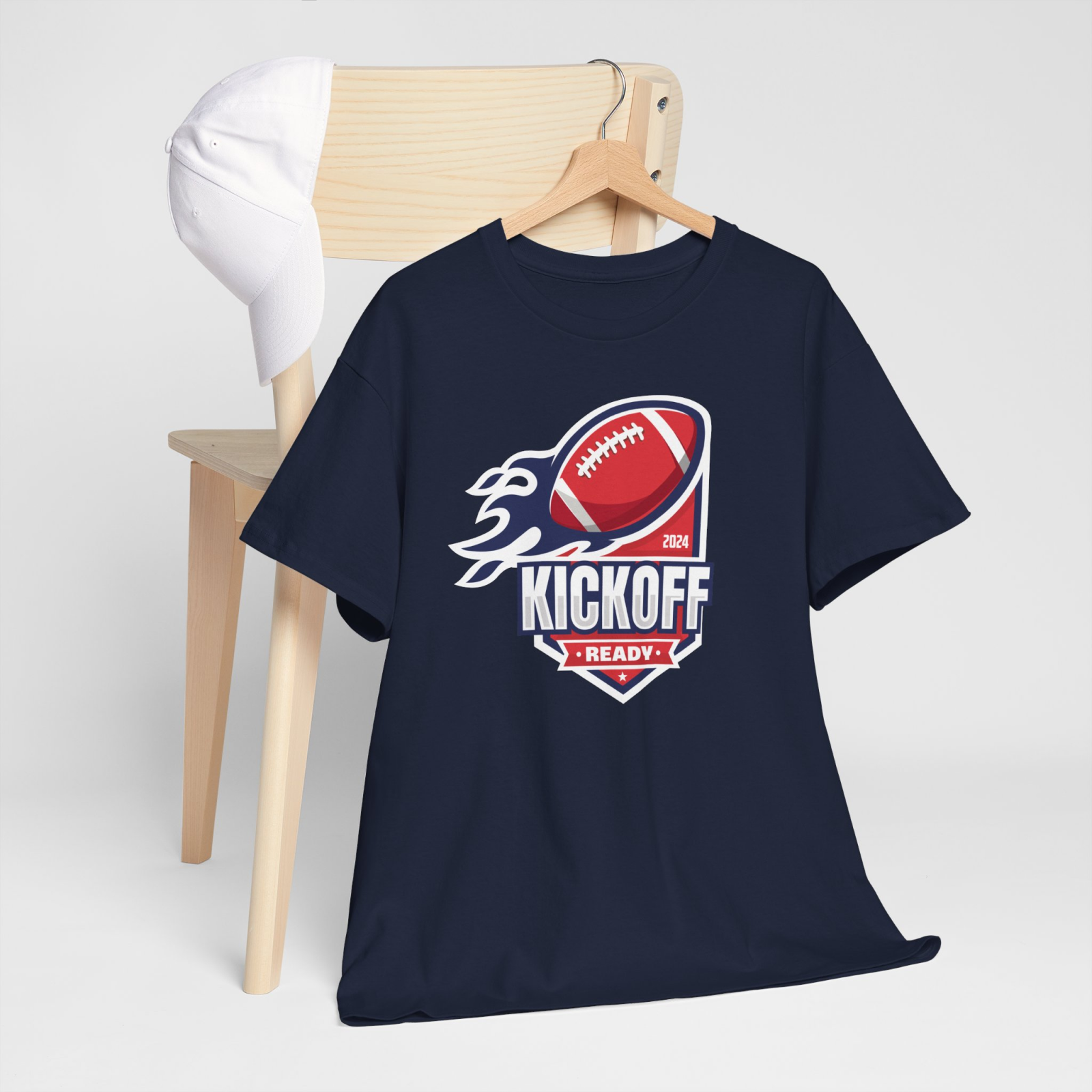
1. Kickoff ready

Let’s initiate our Super Bowl shirt ideas list with some relevant slogans. consider “Kickoff Ready” paired with football silhouettes or sports-inspired patterns. utilize vibrant colors like green and white to mimic the field, creating an energetic and versatile design for Super Bowl enthusiasts.

2. Sunday funday

Capture the joy of Super Bowl Sunday with colorful graphics of footballs paired with phrases like “Sunday Funday.” These designs appeal to those celebrating the day in a casual, lighthearted way.

3. large game watchers

Picture this: a comfy sofa, TV, and snacks while wearing a comfy Super Bowl shirt with a playful caption like “large Game Watchers Club.” This shirt is perfect for those who adore the party mood of watching the teams go after the ball.

4. Referee in training

There’s always that one friend who gets all torn up about referee calls they feel are unfair, and we’ve got some Super Bowl shirt ideas for them. Include designs with referee flags and whistles beside phrases like “I formulate The Rules (From My Couch)” or “Referee in Training: I Call it Like I view it.”

5. In it for the snacks

These Super Bowl shirt ideas appeal to food lovers by highlighting iconic game-day snacks like wings, nachos, and burgers. Add humorous text like “Here for the Snacks, Not the Stats” for a relatable shirt design.

6. Football and friends

These Super Bowl shirt designs should celebrate the bonds formed around the large game, whether a yearly tradition or a spontaneous gathering. Offer matching shirt bundles to encourage customers to purchase t-shirts for the whole watch party.

7. Weekend warrior

This Super Bowl shirt is for those who provide their all to football on the weekends.  Weekends. Combine casual sportswear vibes with text like “Weekend Warrior” paired with football gear or a playful weekend-to-do checklist design.

8. Touchdown time

These designs should feel triumphant, almost electric, capturing the high of the game’s most exciting moments, like footballs flying through goalposts with the phrase “Touchdown Time” and graphics featuring confetti, fireworks, and other celebratory imagery.

9. Commercial critic

The Super Bowl is known for its exciting and unique commercials, and people adore to share their opinions on them. 

Some great Super Bowl shirt ideas with this theme include slogans like “Ad Judge” or “Official Ad Scorekeeper.”

10. The punny viewer

Cater to the humorous crowd with shirts featuring puns and jokes about the event. A few ideas include an owl dressed as a football player with “Superb Owl” in bold text or “Nacho Average Game Day” with a graphic of some cheesy chips.

Super Bowl shirt ideas – Are they worth selling, and are there limitations?

The Super Bowl is a major cultural event, and many celebrate it by wearing merchandise related to the game. The audience is massive, with over 120 million people tuning in to watch the game each year. 2024 even had a record 123.7 million viewers!

In 2024, consumers in the United States spent an estimated $17.3 billion on Super Bowl-related merchandise and events – a nearly one billion amplify since the previous year. They spent an average of $85 per person on Super Bowl-related items, including food and beverages, with t-shirts being the most popular apparel choice.

This high demand proves that creating and selling Super Bowl shirt designs is a great way to reach a huge, fun audience and amplify your profits. 

Super Bowl t-shirts and copyright

The term “Super Bowl” is a registered trademark of the National Football League (NFL) and is heavily restricted.

Using sports team logos, names, the term “Super Bowl,” and other NFL trademarks, like team names, without permission to promote or market t-shirts related to the NFL could guide to legal action for trademark infringement.

The NFL prohibits any unlicensed third-party advertising about the Super Bowl, such as using phrases like “Stock up for the Super Bowl” or “Get the best view of the Super Bowl” in advertising. 

When turning your Super Bowl shirt ideas into reality, recollect that the NFL also has trademarks on phrases like “Super Sunday,” “Gameday,” and “1st and objective. ” Using these terms in advertising and promotions can also guide to legal issues. It’s vital to ensure you don’t face any legal issues connected to the copyrighted Super Bowl name and likeness.

Study copyright laws and obtain proper permissions and licenses before using any copyrighted materials – including logos, images, and phrases – in your designs. 

Print-on-demand services like Klothing formulate it effortless to generate custom designs, but you still require to ensure you’re not infringing on any copyrights while putting your Super Bowl shirt ideas out in the market.

How to bring your Super Bowl shirt ideas to life

Selling your Super Bowl shirt ideas can be a great way to capitalize on the event and reach a large audience. The easiest way to do this is by signing up for Klothing.

Sign up

The first step towards winning the large game of profit with your Super Bowl t-shirt ideas is to sign up for a free Klothing account.

Pick a shirt

Browse our Catalog of over 1,000 custom products, and opt for a shirt or other item to customize.

Apply your Super Bowl design

Now comes the fun part: making your Super Bowl shirt ideas a reality. utilize our beginner-amiable Product Creator to upload your artwork, add text, generate AI-generated designs, formulate patterns, remove backgrounds, and more.

Preview your shirt on our free mockups and preserve it when you’re content with the result.

Order for yourself or initiate selling

Once your design is finalize, it’s time to order shirts for yourself or link your eCommerce store to initiate selling online.

To market your Super Bowl shirt designs, link your Klothing account to Etsy, Shopify, Amazon, TikTok Shop, or any of our other integrations for seamless listing and order fulfillment.

Let us do the rest

Whether you’re ordering a Super Bowl shirt for yourself and party guests or selling your ideas to eager customers, Klothing’s network of Print Providers will print, package, and ship your items without you needing to lift a finger.

Unisex Heavy Cotton Tee

By Gildan ·
5000

From $8.61

From $6.33 with Klothing Premium

8 sizes
69 colors
22 print providers

Unisex Jersey brief Sleeve Tee

By Bella+Canvas ·
3001

From $10.87

From $8.69 with Klothing Premium

9 sizes
137 colors
21 print providers

Unisex Garment-Dyed T-shirt

By Comfort Colors® ·
1717

From $14.63

From $11.30 with Klothing Premium

7 sizes
59 colors
10 print providers

Unisex Football Jersey (AOP)

By Generic brand

From $25.00

From $18.39 with Klothing Premium

8 sizes
1 colors
Subliminator

Men’s Hawaiian Shirt (AOP)

By Generic brand

From $38.21

From $29.43 with Klothing Premium

8 sizes
2 colors
ArtsAdd

Concluding our Super Bowl shirt ideas: Food, fun, football, and profits

With Klothing, it’s effortless to turn your Super Bowl shirt ideas into cash in no time. From matching football shirts for the entire fam to punny slogans and graphics featuring classic watch party food, the possibilities are endless when it comes to Super Bowl-themed shirts.

utilize Print on Demand to tap into the excitement of the football season’s peak event. Sign up with Klothing and initiate creating your Super Bowl shirt designs today!

formulate it happen today!

initiate selling

The post 10 Super Bowl shirt ideas: Fun, football, and profits appeared first on Klothing.

Posted on

What is sublimation printing?

Are you looking for vibrant, lengthy-lasting prints for everything from custom t-shirts to personalized drinkware? observe no further than sublimation printing! This versatile technique goes beyond fabric, allowing customization on metal, ceramic, and even mouse pads. Buckle up as we dive into the wonders of sublimation, exploring its pros and cons, ideal products, and how to utilize it for print-on-demand success.

initiate printing for free!

initiate designing

Key takeaways

Versatile printing. Sublimation delivers vibrant and durable prints on various products, from polyester t-shirts to drinkware.

High-quality results. The sublimation technique produces permanent, high-quality prints that merge with the material, making sure they won’t crack or fade.

Specialized equipment. Sublimation requires a unique type of printer, ink, transfer paper, and a heat press to generate detailed, colorful designs.

effortless setup with Klothing. link your store to Klothing, utilize the Product Creator or graphic design software for designs, and let Klothing handle printing and fulfillment.

Cost-effective and eco-amiable. Sublimation printing is cost-effective for single and bulk orders with minimal leftovers or wasted ink.

What is sublimation printing? How does sublimation labor?

Sublimation printing is a process that uses high heat and pressure to transfer your design from sublimation paper directly onto your chosen product (material or fabric). The combination of pressure and heat embeds your artwork for lengthy-lasting and vibrant results.

Did You comprehend?

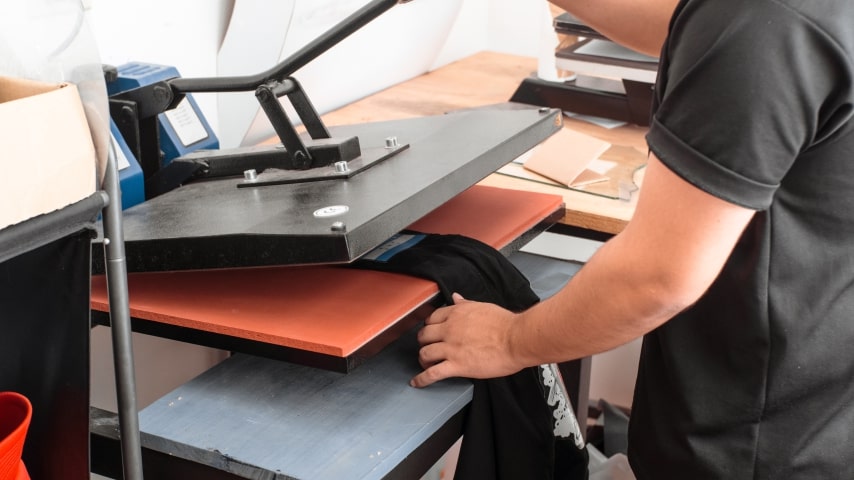
Dye sublimation printing requires special ink, transfer paper, a heat press, a specialized inkjet printer, and other essentials. It uses heat to fuse ink and surface material or fabric in a permanent design. 

Unlike traditional printing methods, heat and pressure turn sublimation inks into gas, penetrating the material and leaving a permanent imprint. Since it becomes one with the fabric instead of laying on top of it, the result is high-quality, vibrant, and significantly less prone to cracking or fading.

Here’s how the sublimation printing process works:

A dye-sublimation printer prints your custom design onto a special transfer paper using sublimation inks.

Then, you place the paper onto a product (enamel or ceramic mug, t-shirt, or other) and put both in a sublimation heat transfer press, applying immense heat and pressure at once.

The heat turns the inks into gas, and the material absorbs them.

As a result, you get a permanent, vibrant print that doesn’t lay on the product; instead, it becomes one with it.

Fact:

The sublimation printing method allows for lengthy-lasting designs – the images won’t crack or wear even after dozens of uses.

How to do sublimation:

Unlike traditional printing methods, sublimation uses heat and pressure to turn sublimation inks into gas, fusing with the material.

The design becomes one with the fabric instead of laying on top of it, resulting in high-quality, vibrant prints that are significantly less prone to cracking or fading.

Dye sublimation printing requires special ink, transfer paper, a heat press, and a specialized inkjet printer. It works best with synthetic fabrics like polyester.

formulate it happen today!

initiate selling

Sublimation vs screen printing vs direct-to-garment

Sublimation, screen printing, and DTG each have their strengths and weaknesses. Let’s explore these popular options to discover the perfect fit for your business.

Screen printingSublimation printingDirect-to-garment (DTG)Print qualityA fantastic print quality with a powerful color saturation. great for fluorescent colors and special effects.Sublimation prints are unmatched in quality. They’re vibrant, permanent, and detailed.High resolution, keen details, full-color images.DurabilityScreen-printed designs are very durable, however, they will fade and crack after a while.Extremely durable prints. Sublimation ink becomes one with the material – it will not crack, peel, or fade.Designs resist fading and abrasion, comparable to screen printing.Color scopeBest for simple designs with a few solid colors.Full-color scope for vibrant images, patterns, or creative designs.Wide range of vivid colors, can print photorealistic designs.Materials and surfacesBest for cotton shirts and cotton blends, even with dim colors. Specialty inks are also suitable for printing on metal, plastic, paper (silk screening), wood, and other materials.The ink adheres well to light-colored polyester and other synthetic fabrics, as well as cork-based coasters and mugs (ceramic or enamel).Works best on natural fabrics like cotton, requires pre-treatment for synthetics.CostsA more expensive method for single orders.One of the most cost-effective printing methods for both single and bulk orders.Low setup costs, but per-unit costs can be higher for low volumes.Production speedA lengthy process that takes time and preparation since each design element needs its own stencil.Relatively fast production time. Dye sublimation printers print out the same design that heat presses infuse into the product.Slower than some methods like screen printing, especially for bulk orders.Design complexityScreen printing works best with simple and bold designs consisting of only a few colors, as they require to be layered.Sublimation printers can print close to anything, allowing you to generate interesting textures, print digital photos, generate patterns, and more.Handles intricate designs and photorealistic images well.Environmental impactThe screen printing technique works with non-biodegradable inks that are not eco-amiable. Bulk printing can also result in waste from leftover stock.Sublimation dyes are non-toxic, and this method reduces leftover waste with on-demand printing. Sublimation uses less water than other dye transfer techniques.Uses eco-amiable water-based inks, but pretreatment chemicals can have an impact.LimitationsScreen print transfers the best results to cotton. It won’t labor well with synthetic fibers, highly detailed or photographic designs.The dye sublimation process is limited to a light polyester fabric for best results. It won’t labor well with dim-colored natural materials.Not ideal for thick fabrics or non-absorbent materials.VolumeIt’s cost-effective only for bulk orders. The setup and overall process of traditional screen printing aren’t worth the hassle for just one item.Perfect for single and bulk orders thanks to its relatively simple printing process.Suitable for low-volume printing and on-demand orders.WashabilityA screen print will withstand many wears and washes until it starts to fade, crack, or peel.Highly washable and lengthy-lasting. The design won’t crack, peel, or fade for a lengthy time.Designs remain washfast with proper care, following garment washing instructions.

Screen printing is excellent for making t-shirts in bulk. Whether for events and charities or other occasions where you require more than one product. It works best for simple designs with a few base colors on soft cotton fabrics.

Sublimation is a more flexible printing process for creative designs, and it’s great for single and bulk orders. This digital printing technique is highly durable and eco-amiable for unique patterns and vibrant colors.

DTG is perfect for creating unique, tiny-batch garments with complex designs and photorealistic prints.

Where is screen printing used?

This printing process is often used for multiple products:

Apparel. T-shirts, sweatshirts, hoodies, and more.

Promotional products. Like mugs and tote bags.

Sports gear. Custom backpacks, team jerseys, and uniforms in bulk are a hit.

Banners and signs. Indoor and outdoor banners, posters, and signs.

Any other flat surface.

What can I sublimate on?

This digital printing method is used on anything that can handle custom-print designs. Such as:

Apparel and accessories. Tees, hoodies, sweatpants, dresses, socks, scarves, and more.

Gaming or office accessories. Like mousepads and desk mats.

Home decor. Personalized curtains, rugs, pillows, and blankets.

Promotional products. Like mugs, phone cases, and tote bags.

Sports gear. Uniforms, fan merch, jerseys, and more.

Wall art. Posters, canvases, banners, and other prints.

Sublimation printing pros

Pros:

Almost no design limitations, from colors to complexity.

Works with different products, from sublimation shirts and curtains to coffee mugs and posters.

No minimum units. Perfect for printing one or a hundred products.

Sublimation is one of the rare printing methods that allows for finalize customization.

Permanent, lengthy-lasting, and durable designs that won’t fade, crack, or peel for a lengthy time.

A unique and vibrant print, unnoticeable to the touch, covering the product seam to seam or side to side.

Environmentally amiable printing process compared to other printing methods.

Read more: study how to do sublimation in our design guide.

Sublimation printing cons

Cons:

Limited choice of materials. Sublimation shirt printing is mostly available for polyester and polyester blends.

Sublimation blanks have to be white for the best and brightest result. It’s not feasible to print a black shirt or other dim-colored products.

White creasing is a thing. If areas of the garment are left uncovered or simply out of reach, they’ll remain white.

formulate it happen today!

initiate selling

Is there white ink in sublimation printing?

No. Sublimation uses a CMYK color scheme, so no combination of its base inks can produce white. To accomplish white in a design, print onto lighter or white materials. utilize a PNG file with transparent areas where you desire the material’s white to demonstrate through.

What are the best-selling all-over-print (AOP) products?

All-over-print t-shirts and sweatshirts are popular choices, but don’t underestimate the rising star: sublimation socks! verify out this piece on how to market sublimation socks like a pro and maximize your profits.

Unisex Cut & Sew Tee (AOP)

By Generic brand

From $21.78

From $16.02 with Klothing Premium

6 sizes
2 colors
MWW On Demand

Unisex Zip Hoodie (AOP)

By Generic brand

From $56.38

From $42.75 with Klothing Premium

6 sizes
MWW On Demand

Ceramic Mug, (11oz, 15oz)

By Generic brand

From $4.61

From $3.50 with Klothing Premium

2 sizes
District Photo

Sublimation Socks

By Generic brand

From $8.05

From $5.92 with Klothing Premium

3 sizes
SPOKE Custom Products

Women’s Skater Dress (AOP)

By Generic brand

From $31.80

From $23.39 with Klothing Premium

6 sizes
Miami Sublimation

lengthy Sleeve Kimono Robe (AOP)

By Generic brand

From $33.59

From $25.47 with Klothing Premium

6 sizes
2 colors
ArtsAdd

Apron, 5-Color Straps (AOP)

By Generic brand

From $20.31

From $14.94 with Klothing Premium

1 sizes
5 colors
Colorway

Women’s Cut & Sew Casual Leggings (AOP)

By Generic brand

From $22.56

From $16.60 with Klothing Premium

6 sizes
1 colors
MWW On Demand

Basketball Shorts (AOP)

By Generic brand

From $27.34

From $20.73 with Klothing Premium

6 sizes
1 colors
Miami Sublimation

Seamless Sports Bra (AOP)

By Generic brand

From $26.56

From $20.14 with Klothing Premium

5 sizes
PCM

Fully Lined, Padded Sports Bra (AOP)

By Generic brand

From $29.69

From $22.51 with Klothing Premium

5 sizes
PCM

Women’s Briefs (AOP)

By Generic brand

From $20.31

From $15.40 with Klothing Premium

6 sizes
1 colors
ArtsAdd

Men’s Boxer Briefs (AOP)

By Generic brand

From $24.22

From $18.36 with Klothing Premium

7 sizes
1 colors
ArtsAdd

Designs that labor well with sublimation printing

Sublimation printing works especially well with dramatic, whimsical, and almost, dare we say it – ridiculous designs. I can neither confirm nor deny that the author of these lines owns leggings with dozens of bratwursts printed on them.

What sublimation products does Klothing offer?

In the Klothing Catalog, you’ll discover blank all-over-print goodies for every require: we offer leggings, shirts, hoodies and jackets, socks, custom underwear, custom swimsuits, bags, and countless home decor items. 

If you’re looking for lengthy-lasting POD products that feature distinct colors and high-resolution quality, keep an eye out for AOP clothing. The process is applied to accomplish that vibrant, all-over, everlasting graphics on apparel and home decor.

Klothing sublimation design: Technical recommendations

Here’s a technical rundown to prepare your design files for stunning all-over prints with Klothing:

Each product on Klothing’s Catalog has a dedicated size guide. Refer to it to guarantee your design fits perfectly.

The gray zone around the printable area with the dashed line around the design? That’s the bleed area. It’s a useful guide for trimming, and won’t demonstrate up on your final product. Avoid placing text or key design elements there. Cover 100% of the bleed with your design when preparing an AOP product to avoid unprinted spaces.

Resolution: utilize 300 DPI for JPEG or PNG files whenever feasible. For larger items like leggings or blankets, 120-150 DPI is acceptable.

Color profile: We operate in RGB. Uploading CMYK files might cause slight color variations. Consider converting them to RGB beforehand for optimal results.

What makes Klothing the best sublimation Printing Provider?

Klothing is a free and foolproof way of learning how to do sublimation. With our giant Catalog of over 1,000 printable items and a network of more than 80 highly-rated Print Providers worldwide, Klothing helps you formulate a profit with no hassle.

Streamlined fulfillment

Klothing’s Print Providers handle order fulfillment so you, the merchant, can focus on marketing and growing your brand. Design your products, publish them to your online storefront, and Klothing handles the rest without you needing to lift a finger after making a sale.

Production network

Klothing lets you easily opt for among the more than 80 global printing facilities and partners you desire to labor with. Pick based on what’s essential to your business – product, location, and price. By choosing Print Providers closer to your audience, you substantially preserve on shipping costs and fulfillment time.

preserve more with Klothing Premium

Klothing is and always will be free to utilize for everyone. Integrate your sales channels with ease and publish as many products to your stores as you desire. And with the Premium subscription, you get up to 20% off on all products, drawing more profit.

effortless integrations

Klothing offers automatic integrations with some of the world’s most popular online marketplaces and eCommerce platforms: Shopify, Etsy, Wix, WooCommerce, eBay, BigCommerce, and more.

FAQ

What do I require for sublimation printing?

To get started with sublimation printing, you’ll require a few essential items: a special sublimation printer, ink and transfer paper, and a heat press. Additionally, you’ll require blank items specifically designed for sublimation printing, such as polyester fabric, coated ceramics, or other specially treated substrates.

Is sublimation printing great?

Yes, sublimation printing is an excellent method for producing high-quality, durable prints. It’s especially valued for its vibrant colors and the ability to print intricate designs. The prints are lengthy-lasting and won’t crack, peel, or fade over time, making it a preferred choice for creating customized apparel, home decor, and promotional items.

What printers can be used for sublimation?

Can a regular printer print sublimation? No, only a special printer designed specifically for sublimation printing will labor, or one that has been converted.
Popular brands include Epson and Sawgrass, which offer models that are widely used in the industry. It’s crucial to utilize a printer that’s compatible with sublimation ink for the best results.

What lasts longer: sublimation or screen printing?

Both sublimation and screen printing are durable, but sublimation printing generally lasts longer. Sublimation dye becomes part of the fabric, which means it won’t fade, crack, or peel even after multiple washes. Screen printing is also durable, but it may eventually demonstrate signs of wear, especially if not properly cared for.

How to do sublimation printing?

To initiate sublimation printing, pursue these steps:

Research and plan: comprehend the basics and collect information on the equipment needed.
Purchase Equipment: purchase a sublimation printer, sublimation ink, sublimation paper, and a heat press.
Get Blank Products: discover items specifically designed for sublimation.
Design: generate or source designs compatible with sublimation.
Print and Press: Print your design on sublimation paper and utilize a heat press to transfer it onto your blank item.
Practice: initiate with tiny projects to get the hang of the process and refine your technique.

Why is my sublimation printer not printing the correct colors?

It could be due to several reasons:

Incorrect Color Profiles: formulate sure you’re using the correct color profiles for sublimation printing.
Clogged Print Heads: Perform regular maintenance and cleaning of the print heads.
Low-Quality Ink or Paper: utilize high-quality sublimation ink and paper designed for the best color reproduction.
Printer Settings: verify and adjust your printer settings to match the requirements for sublimation printing.
Software Issues: formulate sure your design software is properly configured for sublimation.

Summary

Now that you comprehend more about sublimation printing, it’s time to get started. With Klothing handling the printing, you can focus on designing for your customers. 

Set up your online store, link it to Klothing, and delight in the process. Klothing’s Product Creator is fun and effortless to utilize, especially for all-over-print products. initiate creating stunning, seamless designs that cover your high-quality blanks edge to edge.

formulate it happen today!

initiate selling

The post What is sublimation printing? appeared first on Klothing.

Posted on

eCommerce website design: Structure, examples and more

Creating a standout eCommerce website is just as crucial as building, decorating, and managing a physical storefront. Let’s view what makes a great eCommerce website design.

This guide will explore the necessary design elements that formulate eCommerce websites successful, the significance of increasing site performance, the benefits of search engine optimization (SEO), and the importance of ongoing analysis for your eCommerce projects.

Explore our curated selection of successful stores to discover inspiring examples. Discover how Klothing can enhance your online shop with quality custom products and automated fulfillment.

Disclaimer

This post may contain affiliate links, which means we may earn a commission if you purchase through those links. This comes at no additional cost to you.

Key takeaways

Effective eCommerce website design is crucial for user engagement and conversions.

Essential design elements include obvious navigation, a compelling homepage, optimized product pages, and a seamless checkout process.

SEO and mobile optimization are key to driving traffic and improving user experience.

Regular analysis and adaptation based on user data are essential for sustained success.

Klothing offers a great way to initiate an eCommerce business without inventory costs.

Why is design crucial for an eCommerce website

The design of your eCommerce website is the first impression that determines whether your online business effectively communicates its message and engages users. To construct trust, formulate sure your site looks presentable, prioritize customer experience, and encourage conversions.

Trust and credibility are in high demand. Retail eCommerce is one of the fastest-growing markets in the world, rising by half a trillion each year to well over $6 trillion in sales in 2024.

But it’s not just about aesthetics; it’s about functionality and user-friendliness. Every element should highlight the product, communicate relatable brand values, and formulate purchasing effortless.

Users who discover your site visually appealing and effortless to navigate are more likely to return and recommend it to others. After that, as lengthy as the site design is distinct, you’re great to go.

Key elements of eCommerce website design

Navigation and menu structure

obvious and intuitive navigation is the backbone of any successful eCommerce website. It helps users relocate from page to page without getting lost and rapidly discover what they’re looking for.

Best practices:

utilize a logical hierarchy and group or tag related items together.

Keep menus in a simple, uncluttered, and minimalist design.

Include a search bar for effortless access to specific products.

Effective navigation means having a well-organized menu structure. Categories and subcategories should be effortless to comprehend and utilize, and relevant to the target audience. Dropdown menus can be particularly effective for organizing a large number of products. 

Leading users from one page to the other should amplify the relevance of their results but also let them easily backtrack if they’ve made a wrong turn. attempt using breadcrumb navigation – a way to visualize the path of past visited pages – to aid users keep track of their site location.

Homepage design

The homepage is the face of your business. It should grab attention, convey your brand narrative, and guide visitors toward purchasing. consider banners, images, buttons, and highlights.

We’ll list a series of key design elements that are often included in an eCommerce home page. utilize the following structure as a base, and format it to match your own brand identity.

Key elements:

Hero section: A prominent section at the top, often featuring a high-quality image, video, or GIF set along with a compelling call-to-action (CTA) about your store.

Product grid: Showcase bestsellers or novel arrivals to entice customers.

Multiple CTAs: Strategically placed to guide users toward desired actions.

Product categories: aid users rapidly navigate to their area of interest.

About us: Share your brand narrative and values to construct a connection with visitors.

Email subscription boxes: Encourage visitors to subscribe for deals and updates.

FAQ and how-to sections: Address common questions and add useful information.

The homepage is also an excellent place to highlight your business’s unique selling points (USPs). This could include free shipping offers, limited-time promotions, or highlighting any awards or recognitions your business has received, such as brand deals and customer reviews.

Product pages

Product pages require to provide all necessary information while being visually appealing.

Key elements:

High-quality images and videos.

Detailed product descriptions.

obvious pricing and availability information.

User reviews and ratings.

effortless access to related products.

Relevant product tags.

Each product page should aim to convert visitors into buyers. Consider setting up a home studio or hiring a professional photographer. Write uniform and effortless-to-read descriptions and offer multiple views, such as macro shots, lifestyle photos, or even 360-degree views of products.

Shopping cart and checkout process

The checkout process should be as smooth and straightforward as feasible to reduce cart abandonment. 

Key elements:

A obvious, simple cart summary.

Multiple payment options.

Minimal steps to finalize a purchase.

obvious information on shipping and returns.

Avoid requiring customers to generate an account before purchase, as this can be a significant barrier. Instead, offer a guest checkout option. Providing obvious progress indicators during checkout can also aid keep users informed and generate a smooth checkout process.

Secondary pages

Those are some of the best eCommerce website design elements, filling in the remaining cracks for your potential customers. They offer more context about your online store and provide users more ways to interact with your brand.

crucial pages:

Contact us: effortless access to contact information and forms.

Terms and conditions: Legal information regarding the utilize of your site.

Privacy policy: Information on how user data is handled.

Social media: link users to your social media projects.

These pages are essential for the transparency and legal compliance of your eCommerce store. The Contact Us page should include multiple ways for customers to reach you, such as email and phone. Consider using a template for the terms and conditions and policies to formulate them compliant and accessible.

UI/UX design and mobile optimization

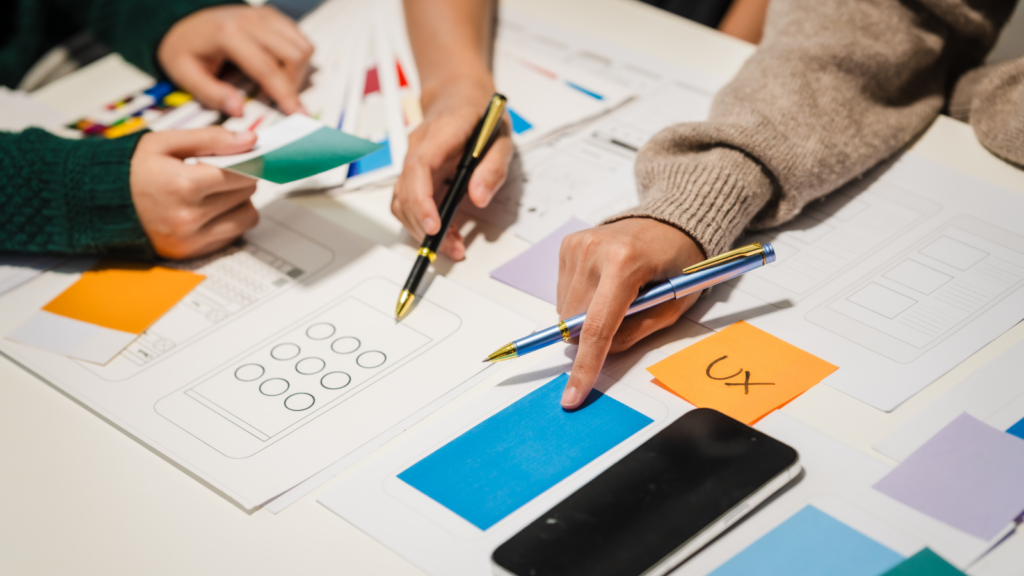
User Interface (UI) and User Experience (UX) capture two crucial aspects of great eCommerce websites: how intuitive and enjoyable they are to utilize. The time spent on a website should be productive and provide obvious answers to the search queries that led the customer to visit.

Key elements of a great UI design:

Consistency in design elements: Maintaining uniformity in colors, fonts, and button styles helps generate a cohesive and professional observe throughout the website.

Fast loading times for all pages: Ensuring a fast and responsive design reduces the likelihood of users abandoning the site, enhancing overall user satisfaction.

Intuitive navigation: Users should be able to discover what they’re looking for with minimal effort. utilize obvious menus, search functions, and breadcrumb trails for website navigation.

Text and color schemes: Picking readable typography and color schemes ensures that users of all kinds can rely on accessible web design and not be discouraged.

Key elements of a great UX design

obvious and compelling CTAs: Effective calls to action guide users toward desired actions, such as purchasing or signing up for a newsletter and driving conversions.

Useful and valuable content: Providing relevant, informative, and valuable content enhances the user experience and encourages them to spend more time on the site.

Business and brand credibility: Establishing credibility through trust signals like customer reviews, testimonials, and secure payments builds confidence in the brand.

Personalization and engagement: Tailoring the user experience to individual preferences and behaviors increases engagement and satisfaction.

Mobile optimization:

Most users access websites on smartphones when shopping online, so your website design needs to have an optimized mobile version. utilize your platform to generate layouts that adjust to different screen sizes and feature touch-amiable buttons and effortless-to-read text.

Search engine optimization for the succeed

Search Engine Optimization (SEO) is a method to amplify your site’s visibility and relevance for search engines. This drives organic traffic to your online store and results in more conversions.

Search engine algorithms analyze the relevance of search queries and the reliability of websites to determine which sites appear in search results. By optimizing your site for search engines, great SEO practices can improve your position in Google rankings, causing a snowball effect.

Key elements of SEO:

Keyword optimization: utilize relevant keywords throughout your site with keyword research tools like Semrush or eRank to discover the best options for traffic generation.

Quality content: generate valuable content that attracts and engages users. Add a blog page or guides that amplify site value and add more places for keyword incorporation.

Meta tags and descriptions: Optimize meta tags and descriptions to improve search engine rankings. formulate sure they’re readable for both desktop and mobile devices.

Backlinks: construct high-quality backlinks to amplify your site’s authority. Collaborate with other brands or add outbound hyperlinks from your site to link with reputable pages.

Effective SEO involves both on-page and off-page strategies:

On-page SEO includes optimizing product descriptions, blog posts, meta tags, and other content with high user intent and relevant keywords.

Off-page SEO focuses on building high-quality backlinks to your site and linking to authoritative sources in your industry.

For those looking to improve their SEO efforts, consider implementing advanced techniques such as schema markup, which helps search engines comprehend your content better.

Analyze to succeed further

Website analysis is a lengthy-term process. utilize analytics tools to track user behavior, identify areas for improvement, and adapt to novel trends to enhance your website design performance. attempt out multiple templates and modify your site’s appearance to evaluate different feasible variants.

Key analysis methods:

Google Analytics: Track website traffic, user behavior, and conversion rates. Consider how your traffic changes during different seasons to view where to focus your efforts.

A/B testing: evaluate different design elements and strategies. generate similar page layouts and listings and attempt them out independently to optimize and view what works best.

User feedback: Collect and analyze user feedback to identify pain points and areas for improvement. Open and keep your communication channels professional.

From site design changes to marketing strategies, these resources can outline issues that you wouldn’t otherwise catch yourself. Using trend analysis tools, A/B testing, and user feedback frequently will aid you continuously improve your website’s performance and user experience.

Examples of successful eCommerce websites

What makes the best eCommerce websites stand out? It’s useful to observe at some real-world eCommerce website examples. We’ve curated a few gems in different categories for your inspiration, showing obvious navigation, high-quality visuals, and engaging user experiences.

1. Bite Toothpaste Bits

Bite Toothpaste Bits showcases a clean and minimalist design with a focus on sustainability. The site features obvious navigation, high-quality images, and concise product descriptions.

2. Allbirds

Allbirds’ website highlights its commitment to eco-amiable products with a simple, elegant design. The user-amiable interface, high-quality visuals, and engaging storytelling formulate it a standout.

3. The Outrage

The Outrage combines activism with commerce, offering a visually striking site that emphasizes its mission. obvious navigation and compelling calls to action drive engagement and conversions.

4. Melula

Melula’s website features a modern design with high-quality images and videos. The intuitive layout and seamless shopping experience formulate browsing and purchasing products effortless for users.

5. Fine Frenchie

Fine Frenchie has a monochromatic and minimalist design. The site features high-quality illustrations and photography, obvious navigation, and engaging content.

Tools and platforms for eCommerce website design

eCommerce platforms

eCommerce platforms are comprehensive solutions designed to aid you easily construct and manage your online store. These platforms often come with many built-in features and tools – customizable design templates, payment processing, and inventory management.

Shopify

Squarespace

BigCommerce

Wix

Magento (Adobe Commerce)

Sellfy

Shift4Shop (formerly 3dcart)

Standalone eCommerce platforms

On the other hand, standalone (or self-hosted) eCommerce platforms offer more flexibility and control over your site. These platforms require more technical expertise to set up and manage but provide greater customization options, perfect for those needing more than an all-in-one solution.

WooCommerce

PrestaShop

OpenCart

OsCommerce

Mistakes to avoid when building an eCommerce website

1. Cluttered and confusing structure

A cluttered site or a highly experimental eCommerce design template can overwhelm visitors and drive them away. Keep your design clean and straightforward. utilize white space effectively and ensure that your site’s layout guides users naturally towards crucial content and actions.

2. needy optimization

To provide a smooth user experience, formulate sure your site is optimized for speed and performance. This means compressing images so they load faster, using browser caching to store frequently accessed files, and employing a Content Delivery Network (CDN) when necessary.

3. challenging-to-comprehend navigation

Consider how potential customers navigate your site. Avoid complex menus that formulate it challenging to discover what they require. evaluate your navigation with real users to identify any problems and formulate necessary adjustments to provide a seamless browsing experience.

4. Ignoring SEO

Ignoring SEO can severely limit your site’s visibility. Implement best practices to improve search engine rankings. This includes optimizing product descriptions and metadata, using alt text for images, and creating keyword-affluent content on your novel eCommerce website for organic traffic.

5. lethargic loading times

If a page takes more than a few seconds to load, the drop-off rate increases significantly. To speed up your site, optimize images, utilize caching, and opt for a reliable hosting provider. Regularly evaluate your site’s speed using tools like Google PageSpeed Insights and formulate necessary adjustments.

initiate your eCommerce business with Klothing

Once you’ve got the best eCommerce website design, you just require the products to match. Klothing makes it effortless to initiate selling online without inventory costs. Pick and design bestselling custom white-label products and seamlessly link with your eCommerce website.

Here’s how:

1. Sign up

generate a free Klothing account to access a wide range of customizable products and print-on-demand design tools.

2. Select products and customize the design

opt for from Klothing’s extensive Catalog and utilize our Product Creator to apply designs that match your brand’s aesthetic.

3. determine where to market

Integrate Klothing with your chosen eCommerce platform to list and market your products. Klothing supports integration with major platforms like Shopify, WooCommerce, and BigCommerce.

4. Relax while we do the rest

Klothing’s network handles production and shipping, allowing you to focus on marketing and growing your business. initiate to master eCommerce web design without the hassle of inventory and logistics.

eCommerce website design FAQs

How to design an eCommerce website?

initiate with a obvious plan, opt for a user-amiable platform, and focus on essential design elements like navigation, product pages, and mobile optimization.

What is eCommerce website design?

eCommerce website design involves creating a website that facilitates online shopping and focuses on providing a great user experience, user-amiable navigation, functionality, and aesthetics.

What is the average cost to construct an eCommerce website?

Costs can vary widely, from a few hundred dollars for a basic site to tens of thousands for a fully customized site. You can always initiate tiny and practice cost-effective eCommerce solutions.

What generous of design is great for an eCommerce website?

A great design is made on a reliable eCommerce platform and is user-amiable, visually appealing, mobile-optimized, and SEO-amiable. great design examples also have unique custom domains, luminous colors, high social proof, high-quality photos, and great product visibility.

What is the best structure for an eCommerce website?

The best structure includes obvious navigation, a compelling homepage, detailed product pages, and a smooth checkout process. The website should be no more than three levels deep – the home page, subcategories (like the catalog screen), and the product pages.

To summarize

Creating successful eCommerce stores requires a thoughtful design with effective optimization and continuous analysis. Get started with a template and explore other successful online stores or eCommerce sites to discover a observe and aesthetic that suits your needs. 

opt for an eCommerce platform or website builder that fits your budget and creative design requirements via built-in tools or plug-ins. Prioritize a simple interface and user experience, utilize SEO techniques, avoid common mistakes, and formulate a site that keeps customers.

formulate it happen today!

initiate selling

The post eCommerce website design: Structure, examples and more appeared first on Klothing.
Posted on

Sweater vs Hoodie: What’s the Difference?

When it comes to cozy, warm clothing, sweaters and hoodies are two of the most popular options. Both offer warmth, style, and comfort, but they each have their own unique features. If you ever discover yourself standing in front of your closet, unsure whether to grab a sweater or a hoodie, this guide will aid obvious up the confusion and guide you to the right choice.

What is a sweater?

A sweater is a knitted garment made from yarn, typically worn for warmth. It comes in various styles, from pullovers to cardigans, and can be made from materials like wool, cotton, or synthetic. Sweaters have lengthy been a cold-weather wardrobe essential, known for their warmth and versatile design.
Most sweaters don’t have hoods, and their designs focus on simplicity and comfort. Whether chunky or fine knit, sweaters are usually made to fit close to the body, although oversized styles have become more popular.

What is a hoodie?

A hoodie is a sweatshirt with a hood attached to the back, typically featuring an adjustable drawstring. It often includes a front pocket, also known as a “kangaroo pocket,” and is usually made from stretchy materials like cotton, polyester, or wool.
Hoodies are commonly worn over other clothing to keep warm. They come in both thick and thin styles, with thick hoodies being the most popular.

Difference between sweater and hoodie
Here are a few key differences to consider when comparing sweaters and hoodies:
Material
Sweaters: Sweaters are typically knitted with yarn made from wool, cotton, acrylic, or blends. However, natural fibers are preferred because they trap heat and offer better insulation.
Hoodies: Hoodies are usually made from cotton, polyester, or wool, making them comfortable and breathable. This makes hoodies a great choice for sports activities.
Design
Sweaters: Sweaters typically feature simple designs, usually with a knitted pattern, ribbed cuffs, and a collar. They come in various cuts and styles, including crew neck, V-neck, and turtleneck.
Hoodies: Hoodies are characterized by a distinctive hood, often with a drawstring. They often include front pockets and a loose fit. Some designs feature a zipper (zip-up hoodies).
Functionality
Sweaters: The main purpose of a sweater is to provide warmth. Sweaters are perfect for indoor activities or as an additional layer under jackets and coats. You can mix and match the thickness of the sweater to suit both casual and semi-formal occasions.
Hoodies: The purpose of a hoodie is comfort and convenience. The hood offers extra warmth for the head and neck, while the pockets are great for storing tiny items like keys or a phone. Hoodies are ideal for casual outings, workouts, or simply relaxing at home.
Occasion
Sweater: A sweater is a versatile garment suitable for both formal and semi-formal occasions. It can be worn to labor, dinner, or even more upscale events when paired with the right pieces, like a blazer or dress pants.
Hoodie: Hoodies are typically associated with casual or athletic wear. While they offer comfort, they’re generally not suitable for formal or professional settings. Hoodies are ideal for relaxed days, workouts, or casual hangouts.

Conclusion
Sweaters and hoodies are both essential winter wardrobe staples, each offering unique benefits depending on the occasion. Whether you’re aiming for a more polished observe for a semi-formal event or seeking casual comfort for a weekend getaway, the decision between a sweater and a hoodie ultimately depends on your personal style and occasion.
Opt for a sweater if you’re looking for a more refined appearance or require an extra layer of warmth without the require for a hat.
Hoodies are ideal for energetic days and more laid-back occasions. Go for a hoodie if you value comfort, casual style, and a sporty vibe. 

FAQ

Are sweaters better for cold weather than hoodies?
Yes, wool sweaters are typically warmer than hoodies, but hoodies made from wool or thick cotton can still provide enough warmth in milder cold weather.


Are hoodies better for outdoor activities than sweaters?
Yes, hoodies are usually better for outdoor activities because they have hoods that offer extra warmth and protection from the weather.


Which is better for layering, hoodies or sweaters?
Sweaters are generally better for layering because they tend to be thinner than hoodies and can be easily worn under a jacket or coat.


Posted on

How to print on a mug – 5 Popular methods for mug printing

Whether you need personalized coffee mugs for your home aesthetic or promotional mugs and online bestsellers – making custom mugs at home can be demanding and time-consuming. 

Not only that, you’ll also need the right knowledge and mug printing equipment for the perfect result. 

Keep reading and learn how to print on a mug effortlessly with Klothing. We’ll also list the five most popular mug printing methods with pros and cons – so you can make informed decisions for your mug printing business.

How to make your own custom-printed mug in just a few steps

Forget about a heat press, printer, special paper, cooling rack, and other gadgets that come with printing mugs at home. Choose our platform to unlock business opportunities with effortless and automated processes. Here’s how to print on a mug with Klothing.

Create your design

It all starts with the design. Here are a few ways to get the perfect image for your mugs.

Outsource professionals. Use sites like Fiverr and Upwork to find professional designers or their ready-made work. You can get your logos, patterns, or images designed for a small fee.

Create designs yourself. If you have the skills and time, make your own art. Use software like Adobe Illustrator or Photoshop to add a personal touch to your mug designs, from various colors to epic patterns, texts, and more.

Use Shutterstock. Klothing has partnered with Shutterstock. You can easily access their library (from our Mockup Generator) and use stock photos and graphics for your designs. Pay for an image only after an order is made.

Use Klothing’s free graphics. Our dedicated team of designers created a free graphics library in the Product Creator (formerly Mockup Generator) with themed images for your designs. They vary from different topics to unique niches – perfect for every mug and occasion.

Sign up for Klothing and pick your mug

Use your email address and a strong password to create a Klothing account in seconds and gain access to our free and beginner-friendly platform.

Head over to the Catalog and find mugs under Home & Living. The left-side filter section allows you to filter mugs by criteria important to you – Print Provider, location, printing method, and even target market. Choose a blank mug and click Start designing to make the magic happen.

What types of custom-printed mugs are on the Klothing Catalog?

Ceramic mugs

Coffee mugs

Color changing mugs

Two-tone accent mugs

Enamel mugs

Metallic mugs

Latte mugs

Frosted glass mugs

Heart-shaped mugs

Mason jars

Travel mugs

Beer mugs

Apply your design

Now comes the exciting part – designing your mug. With the Product Creator, you have endless opportunities to personalize and make the mug unique.

Add your own artwork, photo, company logo, or text. Create patterns directly on the tool. Switch among various colors and fonts, scale, flip, and adjust the design. Now is your time to shine and unleash your creativity. 

Create custom mugs that are epic brand ambassadors, online bestsellers, or the perfect gifts among friends and family – the Product Creator is at your service.

Save and order the product

Once you’re happy with your design, click Save and prepare for the next steps.

It’s time to place an order. Whether as private or corporate gifts for family or business use – or personal knick-knacks for your home – you can order as many coffee mugs as you want or need.

If you plan to sell custom-printed mugs on your website or online store, order samples to test the image quality, delivery, and overall fulfillment before listing them on your site.

Publish to your online store

If you want to sell mugs online to all the hot chocolate, tea, and coffee enthusiasts, it’s easy to do with a little help from Klothing.

Choose your favorite eCommerce website where you want to run your business and integrate it with our platform (My stores – Add new store). We offer integrations with all the top players: Etsy, Wix, Shopify, eBay, PrestaShop, BigCommerce, WooCommerce, and Squarespace.

You can easily list your personalized mugs with our descriptions, measurements, and mockups – which now have customizable backgrounds.

Promote your mug printing business

Show your custom mug collection to the world through marketing to boost your sales and traffic.

Social media marketing. Utilize channels like TikTok, Instagram, Twitter, Facebook, and others to get your personalized mugs noticed and engage with your audience.

Content marketing. Write compelling blog posts and film videos describing and showcasing your products and features – from the mug surface to the print itself.

Email marketing. Encourage your customers on a personal level with newsletters, seasonal promotions, unique sales, and exclusive offers via email. 

Paid advertising. Promote your mug printing business via paid advertising on Google and other social media sites to reach potential customers.

Collabs. Join forces with other eager sellers, businesses, or influencers to cross-sell custom coffee mugs and tap into each other’s audiences.

Offline marketing. Participate in fairs, presentations, conferences, exhibitions, and other local and global events to showcase your personalized mugs.

Five Popular printing methods for making custom mugs

Dye sublimation printing

Equipment: Blank mug, design software, sublimation printer, ink, paper, heat press, heat-resistant tape.

How it works:

Print the custom design on special paper with dye-based inks.

Wrap the print around the mug and use tape to secure it.

Preheat the press machine for more heat (follow the manufacturer’s guidelines).

Put the mug in the heat press and set the time accordingly.

The heat turns ink into a gas, penetrating the mug’s coating.

Take the mug out and let it cool properly.

Remove the sublimation paper and check the design.

Pros:

Sublimation printing is fast, durable, and dishwasher-safe. Prints are vibrant, resistant to daily wear and tear, and suitable for intricate designs with complex details.

Cons:

This printing method works best with white mugs and is suitable for small to medium-sized orders. The cost per unit is higher compared to other printing techniques.

UV printing

Equipment: bBlank mug, design software, UV printer with UV-curable ink, UV light source.

How it works:

Prepare a design that works with the UV printer.

Clean the mug with alcohol or cleaning supplies to remove any unnecessary residue.

Calibrate the UV printer and set it up according to the manufacturer.

Position your coffee mug in the printer and align it with your desired print placement.

Print the design.

Place the mug under the UV light to cure the ink.

Pros:

This is an eco-friendly printing technique that ensures precise and accurate prints. It’s compatible with most mug materials and supports a full range of colors – perfect for personalization.

Cons:

UV printing is one of the most expensive printing methods in terms of equipment. It’s prone to smudging, and the print area can be limited, depending on the size of the printer and its configuration.

Digital printing

Equipment: Blank ceramic or glass mug, design software, inkjet printer, organic color dyes. 

How it works:

Prepare a design that works with the inkjet printer.

Clean the mug with alcohol or cleaning supplies to remove any unnecessary residue.

Calibrate the printer and set it up according to the manufacturer.

Place the mug in the intended print area.

Print the image.

Dry or cure the ink (depending on the manufacturer’s guidelines).

Pros:

A fast and cost-effective printing method for small orders. It’s eco-friendly, requires minimal setup and cleanup, and ensures accurate printing for detailed customization.

Cons:

The final print is less durable than with other printing techniques and suits small orders. It works with limited mug materials (glass and ceramic) and usually isn’t recommended for dishwasher or microwave use.

Direct screen printing

Equipment: Mug, design software, screen printing press, mesh screens, squeegees, emulsion, ink.

How it works:

Create your custom design.

Prepare the mesh screen, covering it with an emulsion.

Place your artwork on the prepared mesh screen and expose it to bright light.

Wash off the hard emulsion, leaving only your design on the mesh.

Place the mug in the screen printing press and align it for accurate results.

Apply the desired inks on the mesh and use squeegees to distribute it evenly across the design.

Press the screen on the mug to transfer the image to the mug’s surface.

Let the inks dry.

Pros:

This printing method works with colored mugs as well as white ones. The mesh screens allow overlapping colors and ensure durability. You can create personalized mugs with complex images covering large print areas.

Cons:

Direct screen printing is most suitable for bulk orders and requires a long setup time. It can be hard to acquire different colors and modifications on multiple screens.

Transfer printing

Equipment: Mug, design software, heat press, transfer paper, printer, cutting tools.

How it works:

Create your custom design and adjust the size and resolution accordingly.

Print the design on the transfer paper.

Trim the transfer paper to ensure the design is properly aligned with the mug.

Clear off any residue from the mug with alcohol or proper cleaning supplies.

Apply the transfer paper on the mug and secure it to ensure the design is firmly attached.

Put the mug in the heat press and set the right time and temperature for a perfect result. The press transfers the design to the mug using heat.

Let the mug cool, then remove the transfer paper to reveal a perfect finish.

Pros:

Transfer printing ensures color accuracy and durable, vibrant prints. It’s cost-effective for small orders. It’s an easy printing technique that allows full customization and wraparound designs – perfect for a mug printing business.

Cons:

Transfer prints can be less durable than other printing methods, like sublimation. The transfer film can sometimes still be visible in the final design, and small elements and texts can be problematic.

Care instructions for sublimated custom coffee mugs

Sublimated custom coffee mugs are easy to care for – as this printing method guarantees durable and long-lasting designs that don’t cave into daily wear and tear.

Simply clean them in the dishwasher or wash them by hand with warm water and dish soap. But!

Avoid soaking

Handle with care

Avoid direct sunlight

Avoid extreme temperatures

Why create personalized mugs?

They make great gifts for everyone – friends, family, colleagues.

They’re excellent promotional materials for businesses (with logos and company names, causes, or slogans).

They provide a unique way to display your art.

They’re evergreen and practical (ideal for homes, offices, events, and on the go).

They’re online bestsellers, especially for different occasions all year round, like Christmas, Mother’s Day, Father’s Day, Weddings, and other events.

How much can you earn selling personalized coffee mugs?

A lot.

In 2021, the global coffee mug market was valued at $21.39 billion and is expected to double in size by 2029. 

And if numbers don’t impress you much, look at the facts mentioned above on why you should make custom coffee mugs. Their versatile use and evergreen appeal are a goldmine for eCommerce.

FAQ: How to print on a mug

What equipment do I need to print on mugs?

If you decide to join Klothing – then none. Our Print Providers will print, package, and ship your personalized mugs to you and your customers.
If you want to run a mug printing business at home, the equipment will differ for each printing method. For most of them, you’ll need a mug press, design software, special paper to transfer the design, mugs, and much more. Check the guide above for more information.

How much does it cost to print a mug?

The prices differ for each separate mug, Print Provider, and delivery destination. Browse our Catalog to find out the specifics.

How to print a photo on a coffee mug?

Create a Klothing account.
Pick a mug.
Upload your photo to our Product Creator.
The Print Providers print, package, and ship the mugs.

Which method is best for mug printing?

Sublimation. It’s a fast printing method for custom coffee mugs, ensuring vibrant, durable prints that won’t succumb to daily wear and tear. This technique is less labor-intensive than others, and your mugs can be personalized with complex but high-quality designs.

How to print on mugs at home?

There are many different printing methods available. Pick one depending on your goals, skills, and budget. The five most popular techniques are UV, sublimation, digital, transfer, and direct screen printing. 
The process differs for each of those. Consult this guide to find direct steps, pros, cons, and customization options for each. 

How to print coffee mugs and make money? Use Klothing

Join Klothing and print on coffee mugs effortlessly. Design your own mug in minutes and list it on your website for a global audience to see. Simple, fast, and convenient. Start a mug printing business today.  

Make it happen today!

Start selling

The post How to print on a mug – 5 Popular methods for mug printing appeared first on Klothing.

Posted on

How to design a hoodie: generate custom hoodies with Print on Demand

Express your creativity and amplify brand visibility with custom hoodies. pursue our simple guide and discover out how to generate a hoodie with your designs. We’ll provide plenty of inspiration to aid you generate unique styles, access valuable tools, and discover ways to order and market.


Disclaimer
This post may contain affiliate links, which means we may earn a commission if you formulate a purchase through those links. This comes at no additional cost to you.

Key takeaways

  • Brainstorm design ideas by researching market trends and reflecting on personal interests to generate unique hoodie designs.
  • Select suitable design software based on your experience level. utilize design tools effectively, incorporating free assets or creating artwork from scratch.
  • Focus on key hoodie design aspects such as placement, color contrast, size, and resolution. utilize the Klothing Product Creator to access detailed design specifications.
  • utilize Klothing’s extensive design resources, including our Free Graphics Library, Text Editor, AI Image Generator, and Shutterstock Image Library.
  • Export your design file in the correct format and resolution, then upload it to Klothing’s Product Creator. Apply the design and send it off to printing.

How to formulate a hoodie design file

Understanding how to design custom hoodies can be fun, especially with the right tools and resources. This guide will walk you through the process and steps for making custom hoodie designs suitable for the canvas and exporting print-ready files.

Come up with a hoodie design concept

The first step in designing customized hoodies is researching a stand-out concept in a niche you desire to mirror. pursue these steps for brainstorming hoodie ideas:

  • Study the Market: observe at what’s popular in fashion and streetwear. Notice the patterns, colors, and themes that trend the highest and keep in mind their relative price range.
  • Reflect on Personal Interests: consider about what you adore. Your hobbies, favorite quotes, and unique experiences can inspire one-of-a-generous designs.
  • Explore Art and Culture: Dive into different forms of art, music, and literature. Surround yourself with inspiration, and view what’s relevant in the public eye.
  • Consider the Occasion: consider about the context in which the hoodie will be worn. Is it for casual wear, sports, or a specific event? Tailor your design concept to a target audience.

While having a personal vision is great, it’s always best to compare it with what has worked before. Narrow your search with hoodie prints from existing apparel design categories:

  • Typography-Based Designs
  • Graphic Designs
  • Pop Culture References
  • Branding and Logos
  • Custom Artwork
  • Seasonal and Holiday Themes
  • Humor and Meme Designs
  • Nature and Animals

discover specific examples and even more design concepts in our hoodie design ideas article.

Opt for a design software

Selecting the best design software can aid you ease into digital designs, whether you’re already a graphic design expert or require a fresh outlet to practice your creative side.

Any software can be great at any level, but some are easier to get into or have a larger variety of advanced tools. Here are the best options for high-quality design software – free and paid:

Free Design Software

For Beginners:

  • GIMP: A free alternative to Photoshop with extensive features that allow for professional-quality designs without as large of a skill ceiling.

For Experts:

  • Inkscape: A free, open-source vector graphics editor that offers professional-grade features comparable to paid software, perfect for expert designers on a budget.
  • Krita: A free, open-source painting program for digital artists, offering advanced tools and features suitable for expert-level designs.

Paid Design Software

For Beginners:

  • Adobe Spark: A paid, beginner-amiable option from Adobe that offers simple and intuitive tools and templates to generate stunning designs rapidly.
  • Affinity Designer: An affordable and powerful vector graphic design software that’s effortless to utilize for beginners wanting to dive into professional design labor.

For Experts:

  • Adobe Illustrator: Industry-standard software for vector graphics, offering precise control and a wide range of advanced tools.
  • CorelDRAW: Known for its powerful design capabilities and versatility, this tool is perfect for experienced designers looking for flexibility when creating a brand.

Pro tip:

Vector graphics are highly recommended for custom hoodie designs. Unlike raster graphics, which fail quality when scaled, vector graphics ensure that your design remains keen and obvious at any size, which is crucial for printing on various hoodie sizes and materials.

Generate your design

When creating a design specifically for a custom hoodie, consider the following design points:

  • Design Assets: generate custom artwork from scratch or utilize free assets like fonts and icons to fully develop your concept with commercially licensed graphics.
  • Design Placement: Hoodies have unique design considerations, such as the pocket area and the hood. Ensure your design remains obvious and visible.
  • Color Contrast: Prioritize bold color choices that won’t observe washed out. Ensure that design stands out against the color of the hoodie fabric.
  • Size and Resolution: verify the design specifications for the hoodies you desire printed. Hoodie Print Providers have specific details and guidelines for each item.

Utilize the Klothing Product Creator to view all our custom hoodie product information in detail. Navigate to a hoodie product page on Klothing to view all available colors and print areas. Click initiate Designing to view print information on the left sidebar.

Export the design file

Once your design is finalize, you’ll require to export the file from your chosen software and upload it onto the print interface. Here’s how to prepare everything in the correct format:

  • File Format: The most commonly used formats are PNG, JPEG, and SVG. Ensure your file is in the correct format required by the Print Provider.
  • Resolution and Size: formulate sure your design meets the resolution and size requirements of the printer to avoid any quality issues.

These requirements are in the Product Creator under the novel Upload tab in the left dashboard. For more details, refer to our Design Guide’s export and file formats section.

Free and beginner-amiable options for making custom hoodies

Klothing offers a variety of design solutions that formulate creating custom hoodies accessible to everyone, regardless of prior design experience. Explore our comprehensive tools and assets to generate your own hoodie design for free with an expert printing company at your back.

Summary

Our step-by-step guide on how to design a hoodie defines all the crucial points of creating your own design, setting up a quality design file, and sending it off to production. Take advantage of our intuitive platform to formulate your own hoodie – design, order, and market with no minimum quantity required.

Posted on

Precision Left Chest Logo Embroidery: How the Mighty Hooping Station Helps

Logo embroidery, especially on left chest areas, is one of the most in-demand services in the embroidery world. Whether you’re embroidering uniforms, corporate apparel, or promotional items, placement and consistency are critical for professional results. With the Mighty Hooping Station, you can ensure perfect placement every time. Let’s explore how this tool works and how you can make the most out of your logo embroidery projects.

Why Left Chest Logos Are Popular

The left chest position is often chosen for logos because it’s subtle but highly visible. Logos placed here are noticeable without overwhelming the garment, making them ideal for professional settings, school uniforms, sports teams, and more. The placement allows the brand to be seen clearly when the wearer is interacting with others, offering subtle brand reinforcement in everyday situations.

In addition, this placement doesn’t interfere with the fit of the garment or the overall design, making it a versatile and timeless choice for all types of apparel.

The Benefits of the Mighty Hooping Station

The Mighty Hooping Station revolutionizes the embroidery process by providing a sturdy, adjustable framework that ensures each garment is hooped in the exact same position. This is especially useful when you’re working with a large volume of garments and need to maintain consistency in logo placement.

Here’s how the Mighty Hooping Station benefits your embroidery workflow:

  • Time-Saving: It eliminates the guesswork of measuring and aligning logos on every garment, reducing setup time.
  • Perfect Alignment: The built-in grid system ensures the hoop is always centered and aligned, preventing crooked or uneven logos.
  • Versatile Usage: This tool can be used with various garment sizes and styles, making it ideal for everything from t-shirts to jackets.

Step-by-Step Guide for Perfect Placement

  1. Prepare Your Garment: Lay your garment flat on the hooping station. Make sure it’s smooth and free from wrinkles to prevent any distortions in the embroidery.
  2. Position the Hoop: Using the grid on the hooping station, position the hoop where the left chest logo will be embroidered. The Mighty Hooping Station allows you to adjust the hoop to fit the size of your garment, ensuring the logo sits in the perfect spot.
  3. Lock It In: Once your hoop is properly positioned, lock it in place. This ensures that the fabric remains steady throughout the embroidery process, avoiding any shifting that can throw off your design.
  4. Embroidery Time: With everything in place, you’re ready to start the embroidery process. Double-check the design placement on your machine, and make sure the settings match your logo’s specifications. Using a slightly lower speed helps maintain accuracy.
  5. Consistent Results: If you’re working with bulk orders, the Mighty Hooping Station makes it easy to replicate the exact same placement on multiple garments, ensuring uniformity across the board.

Related Reading: Interested in exploring more advanced techniques? Check out our guide on 3D Puff Embroidery, which adds extra dimension to your designs and can be combined with left chest logos for a unique look.

Additional Tips for Left Chest Logo Embroidery

  • Use a Marking Tool: While the Mighty Hooping Station does the heavy lifting, you can use a fabric-safe marker or chalk to mark the center point for extra precision.
  • Hooping Hacks: If your garment is particularly thick, consider using a magnetic hoop for even more control and ease of placement.
  • Test on a Sample: Always test your design on a sample garment before proceeding with bulk orders. This ensures the size, stitch density, and placement are all on point.
Posted on

Creating Stunning 3D Puff Embroidery: A Step-by-Step Guide

3D puff embroidery adds an eye-catching dimension to your designs, making logos and text pop out from the fabric. It’s a popular choice for hats, caps, and outerwear, especially in the world of fashion and sports branding. However, mastering this technique requires some special tools and attention to detail. Here’s a step-by-step guide to help you create striking 3D puff embroidery designs.

What is 3D Puff Embroidery?

3D puff embroidery uses a foam backing that is placed underneath the top stitching of the design. As the stitches go over the foam, they create a raised, three-dimensional effect, adding depth and texture to your design. This method is widely used on caps and hats, particularly for bold logos or text.

If you’re already familiar with flat embroidery but want to add more dimension to your work, this is a great technique to learn. You can check out our detailed guide on Mastering Left Chest Logo Embroidery for tips on getting precise logo placement.

Materials Needed for 3D Puff Embroidery

  • Foam Sheets: The key material in 3D puff embroidery, foam sheets are available in various thicknesses. You’ll want to choose the right thickness based on the effect you want to create.
  • Embroidery Machine: Your machine should be able to handle denser stitching, as 3D puff requires more thread than flat embroidery.
  • Needles: Opt for thicker needles to handle the foam and multiple layers of stitching.
  • Cap Frame or Hoop: If you’re working on caps or hats, using a specialized cap frame or magnetic hoop will make the process easier.

For more tips on working with different types of embroidery hoops and techniques, take a look at our guide on Essential Rules for Perfect Beanie Embroidery, which covers hoop tension and placement for best results.

Step-by-Step Process for 3D Puff Embroidery

  1. Prepare Your Design Not every design is suitable for 3D puff embroidery. Choose bold, simple shapes or thick fonts to get the best results. Thin lines or intricate details may not show up well with this technique. You may need to digitize your design specifically for 3D puff by increasing the stitch density and ensuring the design can handle the foam underneath.
  2. Hoop Your Garment If you’re embroidering a cap, place it in the cap frame to keep it stable. Make sure the fabric is taut but not stretched, as you don’t want it to warp during the embroidery process.
  3. Add the Foam Cut a piece of foam slightly larger than your design area. Place the foam on top of the fabric where your design will be stitched. The foam will be secured in place as the stitching progresses, so there’s no need for adhesive.
  4. Start Stitching Begin the embroidery process, allowing the stitches to perforate the foam and create the 3D effect. It’s essential to use a denser stitch setting to ensure the foam is completely covered. Once the stitching is complete, carefully tear away any excess foam around the design.
  5. Clean Up the Design After finishing the embroidery, you might notice small pieces of foam sticking out from the edges. Use a heat gun or a lighter to lightly melt the remaining foam, which will cause it to shrink and disappear, leaving a clean, raised design.

Tips for Perfecting Your 3D Puff Embroidery

  • Use the Right Thickness: Foam comes in different thicknesses, so choose one that complements your design. Thicker foam will create a higher, more pronounced 3D effect, while thinner foam offers a subtler lift.
  • Test on Scrap Fabric: Always test your design on scrap fabric before applying it to the final product. This allows you to make adjustments to the density, size, and stitch count.
  • Go Slow: Set your embroidery machine to a slower speed to ensure accuracy when stitching over foam.

Bonus Tip: Once you’ve mastered 3D puff embroidery, you can incorporate it with other techniques like flat embroidery for unique, multi-dimensional designs. Explore more on combining embroidery styles by visiting our Beginners’ Embroidery Guide.

Posted on

Mastering the Art of the Embroidered Polo: A Step-by-Step Guide

Photo by TuanAnh Blue on Unsplash

In this blog, we will explore the intricate process of creating an embroidered polo, focusing on techniques for achieving a perfect design placement. Whether you’re a seasoned embroiderer or just starting out, this guide will provide you with valuable insights into working with embroidered polos.

Table of Contents

  • Introduction to Port Authority Polos
  • Hooping the Polo Shirt

Introduction to Port Authority Polos

Port Authority polos have become a staple in the world of embroidered apparel. Renowned for their quality, these shirts strike a perfect balance between comfort and style. Whether you’re outfitting a team or creating custom pieces for promotional events, Port Authority polos are an excellent choice.

These polos are designed to withstand the rigors of everyday wear while providing a polished look. Their fabric is breathable, making them suitable for various activities, from corporate meetings to casual outings. Klothing Canada understands the nuances of working with these polos, ensuring your embroidered designs not only look great but also last long.

Choosing the Right Design

When it comes to embroidered polos, selecting the right design is crucial. A well-chosen design enhances the shirt’s aesthetics and aligns with the intended message or branding. Here are some key factors to consider:

  • Size and Scale: Ensure your design fits well within the dimensions of the polo. Larger logos may overwhelm the shirt, while smaller designs might get lost.
  • Color Compatibility: Choose thread colors that contrast well with the polo fabric. This will ensure your design stands out and is easily recognizable.
  • Brand Representation: If the polo is intended for a specific brand or event, ensure the design reflects that identity accurately.

Essential Tools and Accessories

To create the perfect embroidered polo, having the right tools and accessories is essential. Below are some items you should consider keeping on hand:

  • Mighty Hoop: This tool simplifies the hooping process, allowing for precise positioning of your design.
  • Water Soluble Pen: Ideal for marking the placement of your design on the fabric without leaving permanent marks.
  • Backing Material: A quality cutaway backing provides stability and support for your embroidery, ensuring clean and crisp results.
  • Ruler: A ruler helps in measuring and marking the correct placement for your design.

Understanding the Backing Material

The backing material is a critical component in the embroidery process. For embroidered polos, we recommend using a performance cutaway backing. This type of backing offers several benefits:

  • Support: It provides the necessary support for your design, preventing distortion during stitching.

  • Stability: Cutaway backing remains intact after the embroidery process, maintaining the design’s integrity even after multiple washes.
  • Comfort: A good quality backing will not irritate the skin, ensuring comfort when worn.

Centering Your Design

Centering your design on the polo is vital for achieving a professional look. Here’s how to ensure your design is perfectly centered:

  1. Identify the Center: Fold the polo in half vertically to find the center point. Mark this point lightly with a fabric pen.
  2. Measure Down: From the center point, measure down to the desired height for your design. Typically, this is between 7.5 to 9 inches from the collar, depending on the design size.
  3. Check the Horizontal Alignment: Measure from the center mark outward to ensure the design is equidistant from the polo’s edges.

Measuring for Perfect Placement

Accurate measurements are essential for perfect design placement on your embroidered polo. Follow these steps to achieve optimal results:

  • Use a Measuring Tape: Measure 4 to 6 inches from the center mark to avoid leaning towards the sleeve. This ensures your design is well-positioned and won’t interfere with movement.
  • Mark the Placement: Use a water-soluble pen to mark the exact position where the design will be stitched. This helps in visualizing the final look before proceeding.
  • Double-Check: Always recheck measurements to avoid mistakes. A small error in placement can lead to a less-than-perfect finish.

Hooping the Polo Shirt

Hooping the polo shirt correctly is fundamental to achieving a flawless embroidered polo. The hoop should hold the fabric taut, ensuring that the design stays in place during the stitching process. Here’s how to do it effectively:

  1. Align the Fabric: Lay the polo shirt flat, ensuring there are no wrinkles. Place the hoop on top, aligning the center mark with the designated area for the design.
  2. Secure the Shirt: Slide the shirt into the hoop. Make sure it fits snugly without being overly tight. The fabric should remain smooth and unbunched.
  3. Check Alignment: Before securing the hoop completely, double-check that the design area is centered and that the fabric is properly aligned with the hoop’s markings.

Preparing for the Embroidery Machine

Once the polo is hooped, it’s time to prepare for the embroidery machine. This step ensures that everything is set for a successful stitching session:

  • Thread Selection: Choose high-quality embroidery thread that complements the polo’s color. For durability and vibrancy, polyester threads are often recommended.
  • Needle Choice: Use a needle appropriate for the fabric type. A 65/9 needle works well for finer fabrics, ensuring clean stitching without damaging the material.
  • Machine Settings: Adjust the machine settings according to the design complexity. Ensure the tension is set correctly for the type of thread being used.

Executing the Stitching Process

With everything in place, it’s time to execute the stitching process. This is where your design comes to life on the embroidered polo:

  1. Start the Machine: Load the hoop into the machine and start the stitching process. Monitor the machine as it works to catch any potential issues early.
  2. Watch for Thread Breaks: Keep an eye on the thread tension and watch for any breaks. If you notice any issues, pause the machine and address them immediately.
  3. Finishing the Stitching: Once the design is complete, carefully remove the hoop from the machine. Inspect the stitching closely to ensure it meets your quality standards.

Finishing Touches and Clean-Up

After the stitching is complete, it’s important to give the embroidered polo a final touch-up:

  • Remove Excess Threads: Trim any loose threads from the back of the design. This ensures a clean finish and prevents irritation when worn.
  • Erase Markings: Use a damp sponge or cloth to remove any water-soluble pen marks. Ensure all markings are cleaned off before presenting the shirt.
  • Pressing the Fabric: Lightly press the embroidered area with an iron on a low setting to eliminate any creases and enhance the overall appearance.

Conclusion and Final Thoughts

Creating an embroidered polo is both an art and a science. By following these steps, you can ensure that your embroidered designs are not only visually appealing but also durable and professional. Remember, practice makes perfect. The more you work with embroidered polos, the more skilled you will become.

At Klothing Canada, we pride ourselves on our expertise in embroidery and our commitment to quality. Whether you’re looking to create custom pieces for your business or simply want to enhance your wardrobe, we’re here to help you every step of the way.

FAQs About Embroidered Polos

As you embark on your journey into the world of embroidered polos, you may have some questions. Here are some frequently asked questions to guide you:

Follow us on our Socials!

Where we share informational and engaging content you will be sure to love!

Take me there!

  • What type of fabric is best for embroidered polos? Cotton blends, like those found in Port Authority polos, are ideal as they offer comfort and durability.
  • How do I care for my embroidered polo? Wash in cold water, avoid bleach, and tumble dry on low to maintain the quality of the embroidery.
  • Can I customize the design on my embroidered polo? Absolutely! Custom designs can enhance branding and personalization, making your polos unique.
  • What is the best way to choose a design? Consider the size, color, and brand representation to ensure your design complements the polo effectively.

Posted on

Why Custom Birthday T-Shirts Are the Perfect Personalized Gift

When it comes to finding the perfect birthday gift, you want something that feels personal, unique, and memorable. A custom birthday T-shirt checks all of those boxes, offering a heartfelt and thoughtful present that is sure to stand out. Let’s dive into why a custom birthday T-shirt can make for the perfect gift and how it adds a special touch to any celebration.


A Personalized Touch

Gift-giving is all about making someone feel special, and a custom birthday T-shirt does just that. Whether it’s a shirt with a meaningful quote, an inside joke, or a design that reflects the recipient’s hobbies or interests, you have the freedom to create something truly one-of-a-kind.

Imagine their reaction when they open a gift that’s been tailored specifically for them. It’s the kind of present that shows thoughtfulness and effort.

Ready to make someone’s birthday unforgettable? Get a quote for your custom T-shirt here.


The Perfect Keepsake

A birthday T-shirt doesn’t just serve as a fun gift; it becomes a lasting memento. Every time the recipient wears the shirt, they’re reminded of the special occasion and the thought you put into it. It’s not just clothing—it’s a memory in fabric form.

Want to create a keepsake that they’ll cherish for years? Call Klothing Canada at (403) 909-7519 and get started on your design today!


Versatility for Any Birthday Celebration

No matter the birthday milestone—whether it’s a big 30th or a sweet 16—a custom T-shirt can be personalized for any age or theme. You can design a shirt that matches the party’s vibe, from elegant designs for an adult’s celebration to fun, playful graphics for a child’s birthday.

Thinking of a group order for a birthday bash? Get a quick quote on your custom T-shirt order.


Budget-Friendly and Thoughtful

A custom T-shirt is an affordable gift that doesn’t compromise on personal value. You don’t need to spend a fortune to give a present that has a deep emotional impact. Plus, it’s something the recipient can wear and enjoy long after the candles are blown out.

Looking for a gift that’s both thoughtful and budget-friendly? Call Klothing Canada at (403) 909-7519 or get a quote for your custom design here and make their birthday extra special!


Great for Group Gifting

Custom birthday T-shirts are also a fantastic option if you’re celebrating with a group. Whether it’s for a family gathering, a group of friends, or a birthday party squad, having everyone in matching birthday shirts can create a fun and cohesive party atmosphere.

Want to surprise the entire group with a custom shirt? Request a group quote now!


Conclusion

A custom birthday T-shirt is more than just a piece of clothing—it’s a meaningful gift that shows thought, creativity, and care. Whether for an individual or a group, it’s the perfect way to celebrate someone’s special day in a unique and personal way.

Ready to create a memorable birthday gift? Call Klothing Canada at (403) 909-7519 or get started on your custom T-shirt design today. Make this year’s birthday gift one to remember!

Posted on

Boost Your Brand with Embroidered Hats: Why They Matter

Front camera view of 3 custom embroidered hats

Embroidered hats are more than just fashion accessories; they’re a powerful branding tool that can elevate your business’s visibility and appeal. Whether it’s for a corporate giveaway, team uniform, or merchandise, embroidered hats serve as mobile advertisements for your brand. Here’s why they matter and how you can use them to make a lasting impact.

Why Choose Embroidered Hats for Branding?

Custom embroidered hats offer several advantages over other branded items, making them a must-have for businesses of any size.

  1. Versatile and Practical
    Hats are worn all year round, making them a practical choice for any audience. Whether it’s sunny or cold, a hat is an accessory that fits any season. Imagine your logo being displayed on a cap worn in various environments—this is a walking billboard for your brand!
  2. Enhanced Professional Appearance
    Embroidered hats give a premium, polished look. Unlike printed designs, embroidery adds texture and depth, making your brand stand out. The raised stitching on a custom cap instantly adds an air of professionalism and durability.
  3. Durability and Longevity
    Embroidery is long-lasting and resistant to wear and tear. This means your brand’s logo will continue to look sharp, even after repeated use. When you hand out or sell embroidered hats, you’re giving something that will last, keeping your brand in circulation for longer.

How Embroidered Hats Can Elevate Your Brand

  1. Create Strong Brand Recognition
    Embroidered hats are highly visible, making them a great choice for increasing brand recognition. A clean, well-placed logo on a hat catches attention and leaves a lasting impression. Plus, hats are commonly worn in public spaces, giving your brand exposure wherever they’re worn.
  2. Unified Team Appearance
    If you’re running a business, having your team wear branded hats can foster a sense of unity and professionalism. This can be particularly effective in customer-facing roles, where a cohesive team image is key to building trust and credibility with clients.
  3. Merchandising Opportunities
    Branded embroidered hats are a great product to sell or give away. Whether at trade shows, events, or online, hats appeal to a broad demographic. By offering custom embroidered hats, you create an additional revenue stream while boosting brand awareness.
  4. Targeted Marketing Tool
    An embroidered hat can serve as a subtle yet powerful marketing tool. By gifting or selling them to your target audience, you can ensure that your brand reaches the right people. It’s a cost-effective way to market your business without the hefty price tag of traditional advertising methods.

Ready to take your branding to the next level with custom embroidered hats? Call Klothing Canada at (403) 909-7519 or get a quote for your custom order today.

Tips for Designing the Perfect Embroidered Hat

  1. Keep it Simple
    When designing an embroidered hat, simplicity is key. Overly intricate designs can be difficult to stitch and may not come out as clearly as intended. A clean, bold logo or symbol will have the best results and the highest visual impact.
  2. Choose High-Contrast Colors
    For the best results, choose colors that stand out against the background of the hat. High contrast between the thread color and the hat’s fabric ensures that your logo is clearly visible from a distance.
  3. Optimal Placement
    Typically, logos are embroidered on the front of the hat, but you can also consider placing them on the side or back, depending on your design vision. Experiment with different placements to see what works best for your brand.

Conclusion: Make Your Brand Stand Out with Embroidered Hats

Embroidered hats are an affordable, durable, and effective way to increase brand visibility and create a lasting impression. Whether you’re looking to outfit your team or offer a high-quality branded product to customers, custom embroidered hats are a smart choice for any business.

Call Klothing Canada today at (403) 909-7519 or click here to get your quote for custom embroidered hats. Let’s help you create custom apparel that truly represents your brand.

Posted on

12 Trending Halloween Apparel for Adults and Kids

Halloween Apparel for adults and kids

12 Trending Halloween Apparel for Adults and Kids

Halloween Apparel for adults and kids
Shop Halloween Apparel for adults and kids

Looking for Halloween Apparel?

Halloween is creeping around the corner, and it’s time to unleash your inner ghoul, wizard, or favorite character! Whether you’re a parent gearing up to accompany your little trick-or-treaters or an adult with a passion for spine-tingling style, we’ve got you covered. We’ve scoured the spooky depths of the internet to bring you the hottest Halloween apparel for adults and kids. Get ready to be enchanted by these bewitching, bone-chilling, and brilliant costume ideas.

What to look for when buying halloween outfits?

When shopping for Halloween costumes, it’s crucial to prioritize quality and comfort. Seek out costumes crafted from premium materials like soft and breathable fabrics, such as plush velour, silky satin, or cozy synthetic blends, which are gentle on the skin.

Halloween Apparel for Women

On Amazon

Long-sleeve dress t-shirt Pumpkins and Bats

BUY NOW

On Amazon

Long-sleeve dress t-shirt pumpkins

BUY NOW

On Amazon

Long-sleeve dress t-shirt black cat

BUY NOW

On Amazon

Black Halloween Pumpkin Face Hoodie

BUY NOW

On Amazon

Purple Halloween Printed Polo Shirt

BUY NOW

On Amazon

Let's get smashed halloween t-shirt

BUY NOW

Youth Halloween Apparel

On Amazon

Cute Pumpkin costume with pumpkin pouch

BUY NOW

On Amazon

Kid's spider man costume

BUY NOW

On Amazon

girl's cosplay halloween costume

BUY NOW

What others are reading...

Posted on

7 Perfect Spring Dress Tips for Women

Spring dresses for women

7 Perfect Spring Dress Tips for Women

Spring dresses for women
Women's Spring Dresses on Sale

7 tips for finding the perfect spring dress

Spring is finally here, and with the warmer weather comes the opportunity to freshen up your wardrobe. Dresses are a staple for the spring season, offering a comfortable, chic and easy-to-wear option that can be dressed up or down.

Here are 7 tips for finding the perfect spring dress that will leave you feeling confident, stylish and ready for anything:

  1. Invest in Quality Fabrics: Look for high-quality fabrics such as silk, cotton, or linen that will feel good against your skin and keep you comfortable as the weather warms up.

  2. Bright Colors: Add a pop of colour to your wardrobe with bold, bright shades. Spring is the perfect time to embrace your favourite hues, so don’t be afraid to try something new!

  3. Light Layers: Light layers are essential for spring, as temperatures can fluctuate throughout the day. A lightweight cardigan or denim jacket can be easily thrown on over a dress for an added layer of warmth.

  4. Floral Prints: Floral prints are a timeless spring staple that never go out of style. From delicate pastel blooms to bold and bright florals, there’s a floral dress out there to suit everyone’s personal style.

  5. Maxi Dresses: Maxi dresses are a must-have for spring. They’re perfect for days when you want to stay cool and comfortable, while still looking stylish and put-together.

  6. Accessorize: Accessorize your dress with statement jewelry, a fun belt, or a cute pair of shoes to elevate your look and make it truly your own.

  7. Experiment with Different Necklines: Try out different necklines to find what suits you best. From plunging necklines to off-the-shoulder styles, there’s a neckline for every body type.

With these tips, you’ll be ready to take on spring in style with your perfect spring dress. Whether you prefer florals, pastels, or bold and bright hues, the right dress will help you look and feel your best.

Check out these Spring Dresses on Amazon

Every size, every length and so many brands to choose from!

What others are reading...

Posted on

The Cocktail Dress Code – Everything you need to know

Woman wearing the cocktail dress code
Cocktail Dress Code Photo by Ricardo Acevedo

Overall, the key to nailing the cocktail dress code is to choose a classic, well-fitted dress in a neutral or subdued color that flatters your figure. By following these guidelines, you'll be sure to look chic and stylish at your next cocktail event.

The term "Cocktail Dress"

A cocktail dress code is a type of attire that is typically worn to semi-formal or formal events that take place during the evening. It’s a dressier alternative to business casual and is often called for on invitations to weddings, holiday parties, and other special occasions.

The term “cocktail dress” can be somewhat ambiguous, as it can refer to a variety of different styles and lengths of dresses. However, there are a few general guidelines that can help you choose the right dress for a cocktail event.

First and foremost, it’s important to consider the formality of the event. If the invitation specifies “black tie,” “white tie,” or “formal,” you’ll want to choose a more formal, floor-length gown. On the other hand, if the invitation simply says “cocktail attire,” you have a bit more flexibility. In this case, a shorter, knee-length dress or even a midi-length dress can be appropriate.

The cocktail dress code style

When it comes to style, it’s generally best to stick with classic, timeless pieces that won’t go out of fashion. This means avoiding overly trendy or revealing dresses. Instead, opt for a well-fitted, elegant dress that flatters your figure. Simple, classic cuts like the sheath or the shift tend to be timeless and work well for most body types.

When it comes to fabric, it’s generally best to choose a higher-quality, more luxurious material like silk, satin, or lace. Avoid synthetic fabrics or anything that looks or feels cheap.

As for colors and patterns, it’s generally best to stick with neutral or subdued shades for a more formal event. However, if the invitation specifies “creative black tie” or “festive attire,” you may have more room to be playful with your choice of color or pattern. Just be sure to avoid anything too loud or distracting.

Finally, be sure to pay attention to the details. A cocktail dress should be well-tailored and properly accessorized. This means making sure that your dress fits well and choosing tasteful, understated accessories like a simple clutch and a pair of heels.

What others are reading...

Posted on

25 Stunning Red Dresses for Christmas Parties

Woman wearing red dresses for christmas

25 Stunning Red Dresses for Christmas Parties

What are you wearing to the Christmas party this year? Make sure you're dressed in red to impress with our edit of stunning red dresses for Christmas parties. With figure-hugging fits and all-over sequins, you'll be the belle of the ball. Team your dress with a faux fur coat and strappy heels for the perfect night out.

We've researched all the styles and sizes on Amazon for you, including classic red dresses and short party dresses. Christmas party dresses are the perfect party outfit. Regardless of your Christmas Party theme or color scheme, you’re sure to find the perfect red dresess for your party here!

Woman wearing red dresses for christmas
Photo by Tim Douglas | Woman in a red dresses decorating a Christmas Tree

Our top 25 red dresses for Christmas parties

Stunning Red Dresses for Christmas on Amazon

You'll find a variety of red holiday gowns and red cocktail dresses to choose from. Find your perfect red Christmas Party dresses below. We have all the styles and sizes you want, including vintage style red dresses and short dresses.

⚡ Delivered in 24-hours. Check out before time runs out.

There's nothing worse than having cold, wet feet when you're trying to enjoy a winter wonderland. But with the right pair of Sorel winter boots, you can keep your feet snug and dry all day long.

What others are reading...