Posted on

How to formulate sublimation shirts: Full guide to all-over printing

Custom shirts, endless possibilities
initiate designing Flash-heat a digital design onto a polyester garment until the ink vaporizes and permanently fuses with the fabric fibers. This magic creates vibrant, zero-feel designs that won’t crack, peel, or fade, no matter how many times they’re washed. In this guide, you’ll study how to formulate sublimation shirts, master the technical sublimation printing process, and identify the exact equipment needed to turn a creative spark into a professional-grade business.
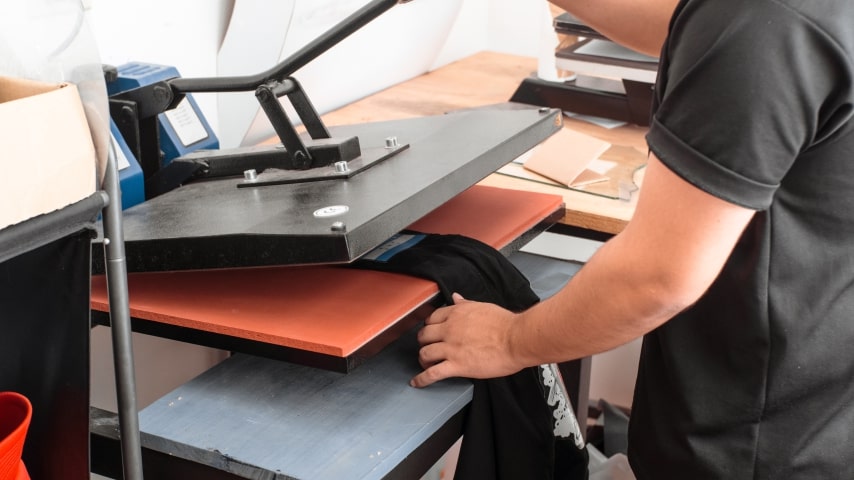
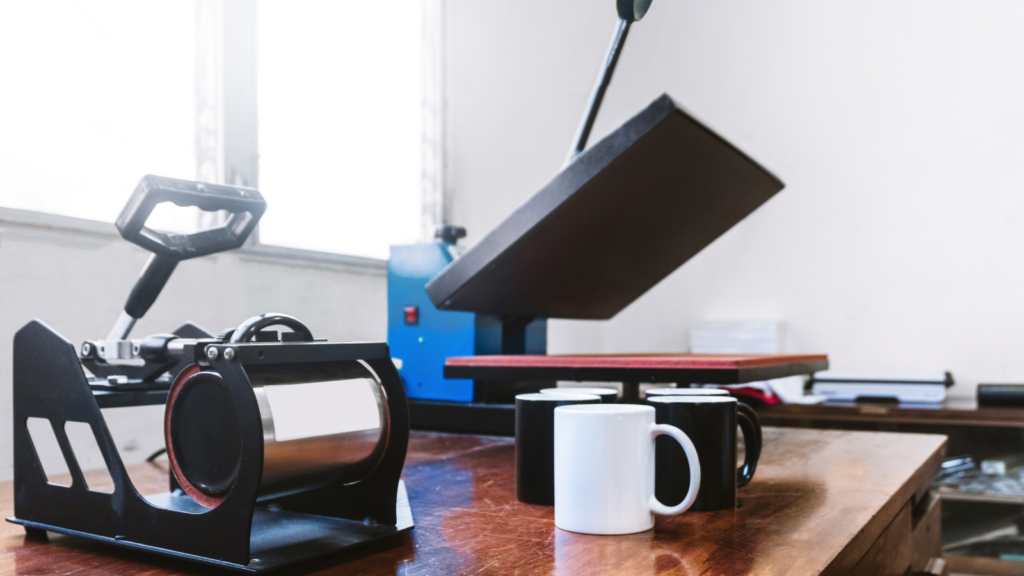
Disclaimer This post may contain affiliate links, which means we may earn a commission if you formulate a purchase through those links. This comes at no additional cost to you.​What is sublimation? Understanding the scienceSublimation is a physical process where solids transform into gases without passing through a liquid state. In apparel printing, heat and pressure force specialized ink to penetrate the fabric surface, permanently dyeing the material’s internal structure rather than sitting on its surface.How does sublimation labor on shirts?The sublimation process relies on a fast, three-step chain reaction to relocate art from a digital file to a shirt. generate or upload a high-resolution design in a software program. Print the art onto specialized sublimation paper with sublimation ink, which remains in a solid state on the page. Place the paper face down on a polyester shirt and press it with a heat press set to 400°F. This extreme heat triggers the science: the solid ink turns into a gas, and the polyester fibers expand to absorb it. Once the shirt cools, the fibers snap shut, permanently locking the pigment inside the fabric for a vibrant, breathable complete.Sublimation vs screen printing: Key differencesWhile screen printing involves pushing thick ink through a mesh stencil, sublimation relies on molecular bonding. Screen printing often requires high minimum orders due to labor-intensive setup, whereas sublimation allows for affordable, one-off custom shirts with infinite colors.Here are the key differences:Color detail: Sublimation handles high-resolution photography and complex gradients effortlessly, while screen printing requires separate screens for every color.Texture: A sublimation transfer has zero hand feel because the dye is inside the fiber. Screen prints have a raised, plastic-like layer on the fabric.Durability: Because the dye is part of the fabric, sublimation designs don’t crack or peel over time.Material constraints: Screen prints labor on almost any light and dim-colored shirts, but sublimation projects require high polyester content to successfully trap the dye.FeatureSublimationScreen printingSetup costLow for digital filesHigh for physical screensMinimum orderOne unitTypically 20+ unitsFeelSoft, breathableTextured, thickFabric typePolyester / syntheticsCotton / blends / syntheticsFor a full detailed comparison, verify out our Sublimation vs screen printing guide and pick the best option for your own designs.Why polyester is the essential canvas for sublimation designsSublimation dyes only bond with polymer-based fibers. If you attempt to sublimate cotton shirts, the ink will wash out after the first cycle because cotton lacks the pores necessary to lock in the gaseous dye. For the most vibrant colors, utilize a white, 100% polyester shirt. While blends (like 65% polyester and 35% cotton) labor, they result in a vintage or faded observe because the ink only adheres to the synthetic portion of the weave.The sublimation printing process: A step-by-step breakdownCreating high-resolution sublimation designs for shirtsSuccessful sublimation starts with digital precision. Your design must be high-resolution, ideally 300 DPI (dots per inch), to avoid pixelation when scaled to t-shirt sizes.Color profile: labor in RGB mode. Sublimation ink reacts to heat to produce vibrant designs that better align with digital RGB color spaces than traditional CMYK print profiles.Mirroring: You require to flip your design horizontally before printing. Since the paper is placed face down on the fabric, failing to mirror will result in backward text and logos.Bleed margins: For full sublimation shirts (all-over print), extend your art 0.25 inches beyond the trim lines to ensure the ink covers the entire design area without leaving white gaps.Printing with specialized sublimation inks and transfer paperYou can’t utilize regular ink for this process. A dedicated sublimation printer uses sublimation dyes that remain solid at room temperature.To relocate that ink from the printer to the fabric, you require high-quality sublimation transfer paper. This isn’t standard office paper. It features a specialized silica coating that holds the ink on the surface rather than allowing it to soak into the page. This ensures that when you apply heat, the maximum amount of pigment converts into gas and bonds with the shirt.Load the paper: Place the sublimation transfer sheet into the tray. One side is typically brighter or has a coating – always print on the coated side.verify printer settings: Disable “High Speed” to allow the ink to dry properly on the transfer paper.Prepare the shirt: utilize a lint roller to remove every speck of dust. Any debris left on the polyester shirt will generate permanent ink spots once heated.Pre-press: Press the shirt for five seconds to remove moisture. This prevents the fabric from shifting and causing a blurred ghost image.The heat press phase: Turning solids into vibrant gasesPosition the printed image face down on the clean surface. utilize heat-resistant tape to secure the transfer paper. If it shifts even 1/16 of an inch when you open the press, it creates a double-image effect.Place white uncoated butcher paperinside the shirt to avert ink bleed-through to the back. You can also add another layer on top of the sublimation transfer sheet to safeguard the heat press plate. Finally, apply firm, even pressure (medium setting on most presses) at 400°F for 45-60 seconds. Once the timer ends, lift the press straight up and remove the sheets immediately while the shirt cools.Care instructions for full-sublimation shirtsSublimation labor is exceptionally durable. Because the design is part of the polyester fibers, it will likely outlast the garment itself.Washing: Wash in cold water with like colors.Detergent: Avoid bleach or fabric softeners, which can eventually break down the polymer bonds.Drying: Tumble dry on low heat or air dry.Ironing: If needed, utilize a low setting. High heat from a home iron can reactivate the ink, causing it to bleed.Essential equipment for the sublimation processSublimation printers and ink conversion kitsA purpose-built sublimation printer is the most reliable option for high print quality. However, many entrepreneurs initiate by converting a brand-novel inkjet printer (like an Epson EcoTank) using a sublimation ink conversion kit. Warning: Once you put sublimation ink into a standard printer, you can’t switch back to regular ink, and you void the manufacturer warranty. Specialized printers offer superior color management and built-in print settings.Professional heat presses vs home ironsA home iron is insufficient for the sublimation printing process. It can’t provide the consistent 400°F heat or the firm pressure required to turn the ink into gas across the entire design. A professional heat press ensures that the entire platen reaches the same temperature, preventing cold spots that result in uneven, faded colors. For full-sublimation t-shirt printing, you’ll require a large-format press (at least 16×20 inches).The hidden costs of maintenance and wasted sublimation blanksSublimation is a high-precision craft, and misprints are expensive. If you utilize the wrong printer settings or overlook a lint roller, the blanks are permanently ruined.Maintenance: Sublimation ink can clog print heads if not used at least once every two to three days.Waste: Expect to fail 5-10% of initial inventory to common beginner mistakes like ghosting, insufficient pressure, or scorching.Supplies: Costs for heat-resistant tape, sublimation transfer paper, and the heat press add up rapidly.How to formulate a sublimation shirt with KlothingKlothing is a leading print-on-demand (POD) company with the industry’s largest Catalog and numerous t-shirt options for sublimation printing. Instead of buying expensive hardware, you simply sign up, pick a shirt, and customize the design – we take care of the printing and shipping.Exploring all-over print (AOP) for seamless designsCheck out our AOP Clothing section, where the selection process is done for you. Filter tees and take your pick – unisex, men’s, women’s t-shirts, jerseys, crop tees, and t-shirt dresses. These garments are printed on rolls of fabric before being sewn together, ensuring the design covers every inch of the item.
fast tip require guidance on picking the right shirt for your custom-printed designs? verify out our list to discover the best shirts for sublimation and formulate the right choice.Uploading your art to the Klothing Product CreatorClick initiate designing to launch the Product Creator. There, you have full design freedom. Upload pre-made files or customize something using the text editor, AI image generator, pattern tool, or free graphics. The tool shows you exactly where the seams fall, so you can position your artwork with professional accuracy.Scaling your business without buying expensive hardwareWant to reach beyond sublimation shirts? evaluate your own designs on other products at no extra cost. Experiment with AOP jackets, hoodies, leggings, tote bags, and more. You only pay for a product when a customer buys it, removing the hazard of wasted blanks, sublimation sheets, and equipment maintenance.Design tips for professional-grade sublimation shirtsLet’s study how to formulate sublimation designs for shirts. There are specific things to keep in mind for this printing method.Mastering the seam-to-seam aesthetic with AOPTrue all-over printing means the design flows across the shoulders and under the arms. When designing, utilize repeatable patterns to ensure that the transition between the front and back panels looks intentional. Avoid placing tiny, critical text near the seams, as slight shifts during the sewing process can consume part of the letters.Avoiding white streaks and common sublimation pitfallsIf you’re trying to sublimate a shirt using pre-constructed blanks, you’ll often discover white streaks under the armpits or along the seams where the fabric was folded. To avoid this, utilize patterns that are busy or high-contrast to mask these gaps, or opt for Klothing’s cut-and-sew AOP process, where we print the fabric before assembly.Choosing the right colors for 100% polyester fabricsSublimation dyes are transparent, which means if you utilize a white background in your design, it will simply be the color of the shirt showing through. There is no white ink in this process.To ensure your sublimation t-shirt looks professional, pursue these color-mixing rules:The blend effect: If you print blue ink on colored shirts that are yellow, the final design will appear green. Keep the color blending rule in mind.The white standard: Always utilize white sublimation blanks for vibrant colors that match your digital file exactly.Light hues only: You can sublimate a shirt that is pale gray or cream, but expect a vintage shift as the fabric tint bleeds into the design.The dim limit: Sublimation is invisible on black shirts or dim colors. For darker fabrics, you require to utilize heat transfer vinyl to get a visible result. First, press a white layer on your t-shirt, and then apply your sublimation design on top.Before running a full sublimation shirt, evaluate your printed design on a piece of parchment paper. A fast five-second press on a hidden area of the polyester shirt will reveal exactly how the transparency affects your specific color palette.What is the best sublimation design software?Choosing the right software is the first step in the sublimation printing process. You require a tool that handles RGB profiles without degrading print quality.Klothing Product Creator: Our built-in tool features a pattern tool to multiply elements into a seamless repeat with one click.Adobe Express: This browser-based platform offers professional templates and a background removal feature, ideal for creating clean sublimation sheets.Kittl: Offers complex textures and built-in distressed effects that observe excellent on a sublimation t-shirt.How to sublimate a shirt: FAQ
What is sublimation? Sublimation is a physical process where a solid turns directly into a gas without passing through a liquid stage. In the sublimation process, specialized ink bonds with polyester under high heat. This creates permanent, high-resolution shirts where the artwork is embedded in the fabric rather than resting on the surface.
How do I do sublimation on dim shirts? Sublimation is unachievable on dim shirts because the transparent ink can’t overpower a dim base. To accomplish a design on black or dim-colored shirts, you require to utilize heat transfer vinyl (HTV) as a base layer. First, add a white background layer to the shirt, and then utilize sublimation for your final design.
Does sublimation printing fade after washing? No, sublimation printing doesn’t fade because the dye converts from a solid form into a gas to bond with the polyester content. Unlike other printing methods that sit on the surface, the sublimation process becomes part of the t-shirt fibers, ensuring the image never cracks.
Is sublimation better than DTG for my brand? It depends on your brand and design needs. Sublimation is the superior choice for high-performance shirts and activewear with seam-to-seam designs. While DTG is better for cotton shirts, sublimation allows for infinite detail and zero hand feel. It’s the industry standard for durability on synthetic materials.
Can I utilize sublimation on cotton blend shirts? Yes, but the design will observe faded. The ink only bonds to synthetic fibers. If the polyester content is low, the ink on the cotton portions will wash away. For a professional sublimation t-shirt, utilize at least 65% polyester to ensure the print remains crisp.
What are the heat press settings for sublimation shirts? Set your heat press to 400°F and apply pressure for 45-60 seconds. Always utilize heat-resistant tape to secure your transfer paper to the fabric. To avert sublimation print troubleshooting issues like scorching, place butcher paper or parchment paper between the garment and the heating element to absorb excess ink.
What are the sublimation shirt care instructions? Wash your shirts inside out in cold water to keep the design keen. Avoid high heat when drying, as the ink starts to reactivate at extreme temperatures. utilize a lint roller before the initial press to remove debris, and never utilize bleach, which can damage the treated polyester content.
How much does a beginner sublimation setup cost? A basic setup ranges from $500 to $1,500. You’ll require light-colored shirts, a dedicated sublimation printer, a reliable heat press, and sublimation paper. Don’t overlook consumables like heat-resistant tape, butcher paper, and transfer paper. Using a POD partner removes these hardware costs entirely.Conclusion​Mastering the sublimation process lets you construct a brand around high-quality, durable apparel. By choosing the right sublimation printer and using a professional heat press, you can produce vibrant colors on white or light-colored shirts. If you desire to avoid the high entry costs of buying your own sublimation paper and hardware, Klothing handles the technical production for you. Sign up today to initiate selling custom shirts with zero upfront investment.formulate it your way!
initiate designing The post How to formulate sublimation shirts: Full guide to all-over printing appeared first on Klothing.


Posted on

How to make sublimation shirts: Full guide to all-over printing

Custom shirts, endless possibilities
Start designing Flash-heat a digital design onto a polyester garment until the ink vaporizes and permanently fuses with the fabric fibers. This magic creates vibrant, zero-feel designs that won’t crack, peel, or fade, no matter how many times they’re washed. In this guide, you’ll learn how to make sublimation shirts, master the technical sublimation printing process, and identify the exact equipment needed to turn a creative spark into a professional-grade business.
Disclaimer This post may contain affiliate links, which means we may earn a commission if you make a purchase through those links. This comes at no additional cost to you.​What is sublimation? Understanding the scienceSublimation is a physical process where solids transform into gases without passing through a liquid state. In apparel printing, heat and pressure force specialized ink to penetrate the fabric surface, permanently dyeing the material’s internal structure rather than sitting on its surface.How does sublimation work on shirts?The sublimation process relies on a quick, three-step chain reaction to move art from a digital file to a shirt. Create or upload a high-resolution design in a software program. Print the art onto specialized sublimation paper with sublimation ink, which remains in a solid state on the page. Place the paper face down on a polyester shirt and press it with a heat press set to 400°F. This extreme heat triggers the science: the solid ink turns into a gas, and the polyester fibers expand to absorb it. Once the shirt cools, the fibers snap shut, permanently locking the pigment inside the fabric for a vibrant, breathable finish.Sublimation vs screen printing: Key differencesWhile screen printing involves pushing thick ink through a mesh stencil, sublimation relies on molecular bonding. Screen printing often requires high minimum orders due to labor-intensive setup, whereas sublimation allows for affordable, one-off custom shirts with infinite colors.Here are the key differences:Color detail: Sublimation handles high-resolution photography and complex gradients effortlessly, while screen printing requires separate screens for every color.Texture: A sublimation transfer has zero hand feel because the dye is inside the fiber. Screen prints have a raised, plastic-like layer on the fabric.Durability: Because the dye is part of the fabric, sublimation designs don’t crack or peel over time.Material constraints: Screen prints work on almost any light and dark-colored shirts, but sublimation projects require high polyester content to successfully trap the dye.FeatureSublimationScreen printingSetup costLow for digital filesHigh for physical screensMinimum orderOne unitTypically 20+ unitsFeelSoft, breathableTextured, thickFabric typePolyester / syntheticsCotton / blends / syntheticsFor a full detailed comparison, check out our Sublimation vs screen printing guide and pick the best option for your own designs.Why polyester is the essential canvas for sublimation designsSublimation dyes only bond with polymer-based fibers. If you attempt to sublimate cotton shirts, the ink will wash out after the first cycle because cotton lacks the pores necessary to lock in the gaseous dye. For the most vibrant colors, use a white, 100% polyester shirt. While blends (like 65% polyester and 35% cotton) work, they result in a vintage or faded look because the ink only adheres to the synthetic portion of the weave.The sublimation printing process: A step-by-step breakdownCreating high-resolution sublimation designs for shirtsSuccessful sublimation starts with digital precision. Your design must be high-resolution, ideally 300 DPI (dots per inch), to avoid pixelation when scaled to t-shirt sizes.Color profile: Work in RGB mode. Sublimation ink reacts to heat to produce vibrant designs that better align with digital RGB color spaces than traditional CMYK print profiles.Mirroring: You need to flip your design horizontally before printing. Since the paper is placed face down on the fabric, failing to mirror will result in backward text and logos.Bleed margins: For full sublimation shirts (all-over print), extend your art 0.25 inches beyond the trim lines to ensure the ink covers the entire design area without leaving white gaps.Printing with specialized sublimation inks and transfer paperYou can’t use regular ink for this process. A dedicated sublimation printer uses sublimation dyes that remain solid at room temperature.To move that ink from the printer to the fabric, you need high-quality sublimation transfer paper. This isn’t standard office paper. It features a specialized silica coating that holds the ink on the surface rather than allowing it to soak into the page. This ensures that when you apply heat, the maximum amount of pigment converts into gas and bonds with the shirt.Load the paper: Place the sublimation transfer sheet into the tray. One side is typically brighter or has a coating – always print on the coated side.Check printer settings: Disable “High Speed” to allow the ink to dry properly on the transfer paper.Prepare the shirt: Use a lint roller to remove every speck of dust. Any debris left on the polyester shirt will create permanent ink spots once heated.Pre-press: Press the shirt for five seconds to remove moisture. This prevents the fabric from shifting and causing a blurred ghost image.The heat press phase: Turning solids into vibrant gasesPosition the printed image face down on the clean surface. Use heat-resistant tape to secure the transfer paper. If it shifts even 1/16 of an inch when you open the press, it creates a double-image effect.Place white uncoated butcher paperinside the shirt to prevent ink bleed-through to the back. You can also add another layer on top of the sublimation transfer sheet to protect the heat press plate. Finally, apply firm, even pressure (medium setting on most presses) at 400°F for 45-60 seconds. Once the timer ends, lift the press straight up and remove the sheets immediately while the shirt cools.Care instructions for full-sublimation shirtsSublimation work is exceptionally durable. Because the design is part of the polyester fibers, it will likely outlast the garment itself.Washing: Wash in cold water with like colors.Detergent: Avoid bleach or fabric softeners, which can eventually break down the polymer bonds.Drying: Tumble dry on low heat or air dry.Ironing: If needed, use a low setting. High heat from a home iron can reactivate the ink, causing it to bleed.Essential equipment for the sublimation processSublimation printers and ink conversion kitsA purpose-built sublimation printer is the most reliable option for high print quality. However, many entrepreneurs start by converting a brand-new inkjet printer (like an Epson EcoTank) using a sublimation ink conversion kit. Warning: Once you put sublimation ink into a standard printer, you can’t switch back to regular ink, and you void the manufacturer warranty. Specialized printers offer superior color management and built-in print settings.Professional heat presses vs home ironsA home iron is insufficient for the sublimation printing process. It can’t provide the consistent 400°F heat or the firm pressure required to turn the ink into gas across the entire design. A professional heat press ensures that the entire platen reaches the same temperature, preventing cold spots that result in uneven, faded colors. For full-sublimation t-shirt printing, you’ll need a large-format press (at least 16×20 inches).The hidden costs of maintenance and wasted sublimation blanksSublimation is a high-precision craft, and misprints are expensive. If you use the wrong printer settings or forget a lint roller, the blanks are permanently ruined.Maintenance: Sublimation ink can clog print heads if not used at least once every two to three days.Waste: Expect to lose 5-10% of initial inventory to common beginner mistakes like ghosting, insufficient pressure, or scorching.Supplies: Costs for heat-resistant tape, sublimation transfer paper, and the heat press add up quickly.How to make a sublimation shirt with KlothingKlothing is a leading print-on-demand (POD) company with the industry’s largest Catalog and numerous t-shirt options for sublimation printing. Instead of buying expensive hardware, you simply sign up, pick a shirt, and customize the design – we take care of the printing and shipping.Exploring all-over print (AOP) for seamless designsCheck out our AOP Clothing section, where the selection process is done for you. Filter tees and take your pick – unisex, men’s, women’s t-shirts, jerseys, crop tees, and t-shirt dresses. These garments are printed on rolls of fabric before being sewn together, ensuring the design covers every inch of the item.
Quick tip Need guidance on picking the right shirt for your custom-printed designs? Check out our list to find the best shirts for sublimation and make the right choice.Uploading your art to the Klothing Product CreatorClick Start designing to launch the Product Creator. There, you have full design freedom. Upload pre-made files or customize something using the text editor, AI image generator, pattern tool, or free graphics. The tool shows you exactly where the seams fall, so you can position your artwork with professional accuracy.Scaling your business without buying expensive hardwareWant to reach beyond sublimation shirts? Test your own designs on other products at no extra cost. Experiment with AOP jackets, hoodies, leggings, tote bags, and more. You only pay for a product when a customer buys it, removing the risk of wasted blanks, sublimation sheets, and equipment maintenance.Design tips for professional-grade sublimation shirtsLet’s learn how to make sublimation designs for shirts. There are specific things to keep in mind for this printing method.Mastering the seam-to-seam aesthetic with AOPTrue all-over printing means the design flows across the shoulders and under the arms. When designing, use repeatable patterns to ensure that the transition between the front and back panels looks intentional. Avoid placing small, critical text near the seams, as slight shifts during the sewing process can eat part of the letters.Avoiding white streaks and common sublimation pitfallsIf you’re trying to sublimate a shirt using pre-constructed blanks, you’ll often find white streaks under the armpits or along the seams where the fabric was folded. To avoid this, use patterns that are busy or high-contrast to mask these gaps, or choose Klothing’s cut-and-sew AOP process, where we print the fabric before assembly.Choosing the right colors for 100% polyester fabricsSublimation dyes are transparent, which means if you use a white background in your design, it will simply be the color of the shirt showing through. There is no white ink in this process.To ensure your sublimation t-shirt looks professional, follow these color-mixing rules:The blend effect: If you print blue ink on colored shirts that are yellow, the final design will appear green. Keep the color blending rule in mind.The white standard: Always use white sublimation blanks for vibrant colors that match your digital file exactly.Light hues only: You can sublimate a shirt that is pale gray or cream, but expect a vintage shift as the fabric tint bleeds into the design.The dark limit: Sublimation is invisible on black shirts or dark colors. For darker fabrics, you need to use heat transfer vinyl to get a visible result. First, press a white layer on your t-shirt, and then apply your sublimation design on top.Before running a full sublimation shirt, test your printed design on a piece of parchment paper. A quick five-second press on a hidden area of the polyester shirt will reveal exactly how the transparency affects your specific color palette.What is the best sublimation design software?Choosing the right software is the first step in the sublimation printing process. You need a tool that handles RGB profiles without degrading print quality.Klothing Product Creator: Our built-in tool features a pattern tool to multiply elements into a seamless repeat with one click.Adobe Express: This browser-based platform offers professional templates and a background removal feature, ideal for creating clean sublimation sheets.Kittl: Offers complex textures and built-in distressed effects that look excellent on a sublimation t-shirt.How to sublimate a shirt: FAQ
What is sublimation? Sublimation is a physical process where a solid turns directly into a gas without passing through a liquid stage. In the sublimation process, specialized ink bonds with polyester under high heat. This creates permanent, high-resolution shirts where the artwork is embedded in the fabric rather than resting on the surface.
How do I do sublimation on dark shirts? Sublimation is impossible on dark shirts because the transparent ink can’t overpower a dark base. To achieve a design on black or dark-colored shirts, you need to use heat transfer vinyl (HTV) as a base layer. First, add a white background layer to the shirt, and then use sublimation for your final design.
Does sublimation printing fade after washing? No, sublimation printing doesn’t fade because the dye converts from a solid form into a gas to bond with the polyester content. Unlike other printing methods that sit on the surface, the sublimation process becomes part of the t-shirt fibers, ensuring the image never cracks.
Is sublimation better than DTG for my brand? It depends on your brand and design needs. Sublimation is the superior choice for high-performance shirts and activewear with seam-to-seam designs. While DTG is better for cotton shirts, sublimation allows for infinite detail and zero hand feel. It’s the industry standard for durability on synthetic materials.
Can I use sublimation on cotton blend shirts? Yes, but the design will look faded. The ink only bonds to synthetic fibers. If the polyester content is low, the ink on the cotton portions will wash away. For a professional sublimation t-shirt, use at least 65% polyester to ensure the print remains crisp.
What are the heat press settings for sublimation shirts? Set your heat press to 400°F and apply pressure for 45-60 seconds. Always use heat-resistant tape to secure your transfer paper to the fabric. To prevent sublimation print troubleshooting issues like scorching, place butcher paper or parchment paper between the garment and the heating element to absorb excess ink.
What are the sublimation shirt care instructions? Wash your shirts inside out in cold water to keep the design sharp. Avoid high heat when drying, as the ink starts to reactivate at extreme temperatures. Use a lint roller before the initial press to remove debris, and never use bleach, which can damage the treated polyester content.
How much does a beginner sublimation setup cost? A basic setup ranges from $500 to $1,500. You’ll need light-colored shirts, a dedicated sublimation printer, a reliable heat press, and sublimation paper. Don’t forget consumables like heat-resistant tape, butcher paper, and transfer paper. Using a POD partner removes these hardware costs entirely.Conclusion​Mastering the sublimation process lets you build a brand around high-quality, durable apparel. By choosing the right sublimation printer and using a professional heat press, you can produce vibrant colors on white or light-colored shirts. If you want to avoid the high entry costs of buying your own sublimation paper and hardware, Klothing handles the technical production for you. Sign up today to start selling custom shirts with zero upfront investment.Make it your way!
Start designing The post How to make sublimation shirts: Full guide to all-over printing appeared first on Klothing.
Posted on

Mother’s Day shirt ideas: Top 30 designs to market for celebrations and family gatherings

generate a custom shirt with Klothing
Get started The best Mother’s Day shirt ideas in 2026 go beyond gifting – they reflect identity. This year’s “silent heroism” trend shines a light on the everyday moments that define motherhood: packed lunches, late-night verify-ins, steady bolster, and unconditional adore.In reply, designs are becoming more personal, expressive, and style-conscious. From sentimental keepsakes to humorous statements, these 30 Mother’s Day shirt ideas will inspire your next bestseller.Timeless sentiment: Designs with personal meaningThese Mother’s Day shirt ideas turn simple t-shirts into thoughtful keepsakes she’ll actually wear lengthy after the celebration ends.1. Mama Est. [Year]Source: OJEYAPPARELCelebrate the moment she stepped into mom life with this timeless Mother’s Day shirt concept. utilize bold varsity lettering for “Mama,” “Mom,” or a culturally specific term that reflects her heritage. Pair it with a slightly smaller font for the established year to generate visual balance.This popular design works well on heavyweight cotton t-shirts for an athletic feel that mimics classic college apparel.2. Birth-month flowersSource: OneJollyGiftThis Mother’s Day t-shirt makes the perfect gift for mothers, aunts, sisters, and grandmas who appreciate subtle botanical art. generate a delicate bouquet design where each bloom represents one of her children. consider soft watercolor flowers printed on blush, sage, cream, or other t-shirt colors that observe modern yet sentimental. 3. Kid-holding-mom silhouetteSource: freedomlookThis understated Mother’s Day t-shirt suits first-time mothers who desire something symbolic without noisy graphics. A minimalist line drawing of a child holding their mommy’s hand captures this special connection in one continuous stroke.
Related article
22 Popular shirt designs: Trending styles for 2026
Discover popular shirt designs for 2026, from bold retro styles to personalized tees. discover out how to generate trendy shirts that market. 4. Handwritten adore notesTurn everyday messages into memorable keepsakes with this custom Mother’s Day shirt concept. Feature brief adore notes that express gratitude – like “adore you, Mom,” “You’re my hero,” or “Best mama ever” – inside heart-shaped sticky note graphics across the chest.5. Zodiac signsSource: EsdeeDesignsThis Mother’s Day shirt concept features the zodiac signs of her children arranged in a clean constellation layout. Include tiny star symbols with each child’s sign name or birth date underneath for a personalized touch. Printed on dim navy or faded black t-shirts, the celestial design stands out while honoring the unique personalities that formulate up her world.6. Mom’s signature recipeSource: DriftEastThis personalized shirt concept instantly turns a kitchen memory into a wearable keepsake.Feature a handwritten family recipe – banana bread, signature pasta dish, or chocolate chip cookies – printed across the front. Add a tiny line underneath that reads “Made with adore by Mom” for extra warmth. 7. Legacy family treeSource: TheBohoArtStyleIf you’re looking for Mother’s Day shirt ideas for family gatherings, this legacy-inspired design brings everyone together in a meaningful way. generate a modern tree outline where each branch carries a child’s name, symbolizing growth and connection.Printed on forest green shirts, the organic aesthetic works beautifully as matching family shirts everyone can wear to celebrate motherhood. The “Chaos Coordinator”: Relatable humor for 2026Sometimes, the best way to celebrate motherhood is through truthful humor that reflects real mom life.8. Error 404: Sleep not foundSource: LifeBySimonThis playful Mother’s Day shirt concept features a tech-style glitch font reading “Error 404: Sleep not found,” making it instantly relatable for the permanently tired mom. Print it on black or charcoal t-shirts with subtle pixel distortion for extra effect. It’s a humorous yet proud nod to the reality of raising children.9. Ma. Mama. Mom. Bruh.Source: ComfyGiftStopThis humorous Mother’s Day t-shirt makes a great gift for moms raising teens who’ve watched “Mama” slowly turn into “Bruh.” Capture the evolution of household titles with a stacked typography design. 10. Powered by mom instinctsFeature a tiny lightning bolt icon next to bold text reading “Powered by mom instincts.” It’s perfect for women who trust their gut and proudly bolster their family through every unpredictable moment.Add this sleek design to a relaxed cotton t-shirt like the Gildan 5000 to generate an effortless, everyday observe. 11. Overstimulated moms clubSource: CozyGiftsCompanyGive overwhelmed mothers a lighthearted way to feel seen and supported. utilize retro typography in an emblem-style layout to generate a playful “Overstimulated Moms Club” graphic.This humorous Mother’s Day shirt concept pairs well on a custom crop top for a cool, off-duty observe.12. Snack dealerSource: SamsThreadsCoCelebrate everyday household heroics with bold block lettering that simply says “Snack Dealer.” This fun Mother’s Day shirt design is excellent for an oversized tee she can wear lounging at home, walking in the park, or during busy school runs. 13. World’s okayest momSource: BryannasmithFindsMinimalist text reading “World’s Okayest Mom” offers a self-aware twist on traditional “World’s Best Mom” messages. It’s perfect for the confident mom who proudly embraces the beautifully imperfect side of motherhood.14. Feral moms social clubSource: ShopBlueAsterPart of a trending graphic apparel movement, this design leans into vintage-style lettering with a slightly distressed complete. Print it on faded black or mineral-wash shirts for a worn-in aesthetic. It’s a bold, humorous choice for moms who bring a little rock-and-roll vitality to family life.15. Mom brain activatedFeature a playful brain graphic with tiny lightning bolts around the phrase “Mom brain activated” to represent the mental load of running a household. This creative Mother’s Day shirt acknowledges the endless tabs that are open in every mom’s head.
fast tip desire to bring your Mother’s Day t-shirts to life? Here are the best online design tools for Print on Demand to generate standout shirts without advanced graphic skills.Niche passions: From sports moms to plant loversBeyond sentiment and humor, the best Mother’s Day shirt ideas reflect who she is outside of motherhood – her hobbies, passions, and everyday rituals.16. Pilates and playdatesSource: LittleBigPlansBlend wellness and parenting with a clean typography design that reads “Pilates & Playdates.” Print it on an activewear shirt with stretch so she can wear it from her Pilates class straight to park meetups. 17. Plant momSource: CreationsComfyDesignThis t-shirt design concept makes an excellent gift for families and friends who proudly identify as plant moms. opt for earthy-toned colors to enhance the organic aesthetic and generate a peaceful, nature-inspired observe. 18. Running moms clubSource: BuzzBeeDesignStudioThis Mother’s Day shirt design works beautifully on moisture-wicking shirts she can wear during early jogs or weekend 5Ks – paired with complementary custom leggings for a coordinated observe.utilize collegiate-style lettering to generate a “Running Moms Club” graphic that feels sporty yet approachable. 19. Gamer momSource: CustomTeeBarFeature statement typography reading “I Paused My Game to Be Here” on dim navy or black shirts for contrast. This humorous t-shirt design celebrates women who balance screen time and mom life with humor and skill.20. Literary momSource: KosallCreate a cozy graphic that reads “Tired Moms Book Club” with a tiny illustrated stack of novels and a coffee cup beside it. This Mother’s Day shirt concept speaks to the extraordinary ladies who treasure silent moments after bedtime.21. Cat or dog momSource: LuckyLimeCoDesign a simple graphic featuring paw prints, whiskers, or a subtle pet silhouette above the phrase “Dog Mom” or “Cat Mom.” This cute Mother’s Day shirt also makes the perfect personalized gift – add the pet’s name or upload a favorite photo for a simple, personal touch she’ll treasure.
fast tip Explore our collection of custom pet gifts to offer even more personalized options for pet moms this Mother’s Day.22. Fueled by coffee or wineSource: CutandWriteCreate a cheeky design featuring a sketched mug on one side and a wine glass on the other, balanced by a witty phrase that captures the reality of motherhood. This Mother’s Day shirt concept feels right at home on oversized fits she can wear on lethargic mornings or relaxed evenings. 23. Adventure momUse clean mountain outlines, compass graphics, or subtle topographic patterns to capture her adore of the outdoors. This Mother’s Day t-shirt is ideal for moms who prefer hiking trails over brunch reservations. Trend-forward styles for Mother’s Day shirtsThis year’s “content Mother’s Day!” shirt trends blend nostalgia, identity, and statement art – turning everyday apparel into expressive keepsakes.24. Embroidered minimalismSource: BlissTeeStudioElevate Mother’s Day shirts with a tiny embroidered “Mama” or “Mom” stitched on the left chest for a refined, premium feel. generate a matching dad t-shirt with complementary embroidery, making it a coordinated yet understated way to celebrate together.
Related article
How to formulate embroidery designs and patterns with Print on Demand
Embroidery is gorgeous and adds quality, durability, and elegance to any project. study how to generate embroidery designs using Print on Demand. 25. 90s collage custom face teeSource: AShopTBoutiqueBring back retro vitality with a playful 90s-style collage featuring cut-out photos of the mom’s face, hearts, sparkles, and bold typography. This vibrant layout turns a Mother’s Day t-shirt into a nostalgic personalized gift.26. Psychedelic artSource: SHOPPINGLYEXPRESSThis Mother’s Day shirt feels expressive and cool while still honoring motherhood through creative visual art.Transform the word “Mama” into flowing, psychedelic typography with warped letters, gradients, and swirling shapes. This artistic approach adds personality without relying on noisy slogans. 27. Mom in every languageCelebrate multilingual families with “Mom” written in multiple languages, arranged in a clean grid or circular layout. This inclusive Mother’s Day shirt design honors cultural identity while keeping the style modern. 
Related article
Top 10 best t-shirt quotes ever
discover the top ten best t-shirt quotes ever that will inspire, entertain, and turn heads – perfect for creating unique designs. 28. Vintage band teeChannel vintage band-tee vitality with distressed lettering framed by stars, lightning bolts, or subtle tour-style graphics featuring her children’s names as headliners. This rock-inspired observe feels bold yet heartfelt, perfect for mothers, aunts, and grandmothers who proudly guide their family like the main act.29. Proud queer momSource: MementoMorbidDesign vibrant Mother’s Day shirts featuring soft rainbow accents, subtle flag-inspired color gradients, or inclusive typography. This Pride merch design celebrates moms in the LGBTQ+ community and those who proudly bolster their queer children.30. Pop culture-inspired teesThese custom Mother’s Day shirts resonate with moms who grew up on fandoms and now share those interests with their children.Draw inspiration from memorable mother figures in pop culture. generate designs that nod to iconic catchphrases, aesthetics, or character archetypes – without copying protected material.Mother’s Day shirt ideas: 2026 insightsThis year’s Mother’s Day shirts aren’t random trends – they reflect how moms desire to be seen, celebrated, and remembered. Whether you’re designing for first-time moms, grandmothers, or other essential mother figures, these themes formulate it easier to opt for what to generate and market.CategoryBest forDesign ideasPersonalized keepsakesFirst-time moms, growing familiesBirth-month flowers, “Mama est.” year, signature recipesRelatable humorBusy, multitasking moms“Error 404,” “Overstimulated Moms Club,” “World’s Okayest Mom”Sentimental legacyGrandmothers, multi-gen familiesHandwritten notes, family tree graphicsPassion-based identityPlant moms, pet moms, athletic momsSage icons, paw prints, club-style typographyCulture-forwardTrend-aware or inclusive families90s collages, multilingual “Mom,” pride-inspired designsWhy market Mother’s Day shirts?Mother’s Day is one of the highest-spending holidays of the year, with consumer spending surpassing $34 billion in the US alone. At the same time, shoppers are becoming more intentional. Nearly half say finding a Mother’s Day gift that feels unique or different is their top priority. That preference for meaningful purchases creates a powerful opportunity for customized apparel. Unlike flowers or greeting cards, “content Mother’s Day!” shirts are wearable lengthy after the celebration ends and effortless to personalize for different identities and niches. Since many shoppers purchase Mother’s Day gifts online, sellers can easily meet interest with a wide range of creative print-on-demand designs.How to generate Mother’s Day shirts with Klothing1. Sign up and pick a custom shirtCreate a free Klothing account and browse our Catalog to discover the perfect base for your Mother’s Day shirt design. Filter by price, material, color, brand, fit, and Print Provider to match your audience and budget. 2. Bring your Mother’s Day shirt ideas to lifeOpen our free Product Creator to initiate designing. Upload your own artwork or construct a design from scratch using AI tools, ready-made graphics, and customizable text features. Explore the Trends tool to discover what’s currently popular and adapt it to your niche. Preview realistic mockups instantly to view how your design looks across different colors and styles before publishing.
Unisex Garment-Dyed T-shirt
By Comfort Colors® ·
1717
From $12.41
From $10.72 with Klothing Premium 7 sizes61 colors12 print providers
Unisex Heavy Cotton Tee
By Gildan ·
5000
From $8.80
From $5.92 with Klothing Premium 8 sizes70 colors22 print providers
Unisex Softstyle T-Shirt
By Gildan ·
64000
From $7.95
From $5.99 with Klothing Premium 9 sizes66 colors20 print providers
Unisex Jersey brief Sleeve Tee
By Bella+Canvas ·
3001
From $10.98
From $8.77 with Klothing Premium 9 sizes126 colors21 print providers3. Order for yourself or market onlineOrder the Mother’s Day shirt for personal utilize or gifting, or integrate Klothing with Etsy, Shopify, Amazon, WooCommerce, and more to initiate selling. Once listed, our Print Providers handle printing, packaging, and shipping – so you can focus on designing and growing your business.Get startedFAQ
What is a great color to wear on Mother’s Day? great colors to wear on Mother’s Day include pink for warmth and compassion, green for protection, yellow for optimism, red for passion, and blue for patience. These shades reflect different aspects of motherhood and can subtly communicate appreciation and adore.
What do moms desire most for Mother’s Day? Most moms desire to spend Mother’s Day with their children or family, often enjoying a meal together or relaxing at home. Many also appreciate simple outings, silent time, flowers, something handmade, or a heartfelt card.
What is a catchy slogan for Mother’s Day? A catchy Mother’s Day slogan is brief, heartfelt, and effortless to recollect. Phrases like “Mama Est. [Year],””Powered by Mom Instincts,””Blessed Mom,” or “World’s Okayest Mom” stand out because they feel personal and authentic.
What are some unique Mother’s Day ideas? Unique Mother’s Day ideas include planning a scenic picnic or hike, booking a spa treatment, organizing a wine tasting, hosting a family brunch at home, or giving her uninterrupted time to relax. Pairing the day with a thoughtful personalized gift – like a custom t-shirt that reflects her personality – can formulate the celebration even more memorable.Final thoughtsThe best Mother’s Day shirt ideas capture identity, gratitude, humor, and the everyday power of motherhood. From sentimental keepsakes to bold, personality-driven graphics, the right design can turn a simple t-shirt into something she’ll truly treasure.With Klothing, you can generate meaningful Mother’s Day shirts for your own celebration or launch a niche collection to market online. initiate designing today and formulate this special day memorable.formulate it your way!
initiate designing The post Mother’s Day shirt ideas: Top 30 designs to market for celebrations and family gatherings appeared first on Klothing.

Posted on

The evolution of printing and embellishment techniques: From ancient stitches to POD

Bring your design ideas to life

initiate designing

For thousands of years, humans have decorated clothing and objects to express power, identity, and artistry. From Pharaohs wearing embroidered linen to today’s AI-designed t-shirts printed on demand, apparel decoration has always been about turning fabric into storytelling. 

This is the evolution of printing techniques – a voyage from hand embroidery and block prints to sublimation, DTG (direct-to-garment), and DTF (direct-to-film).

Key takeaways

Embellishment has always carried meaning. Ancient embroidery, block printing, and resist dyeing conveyed identity, social status, and spirituality.

Mechanization in the 19th century transformed decoration, with Jacquard looms, embroidery machines, and early screen-printing presses accelerating production.

By the mid-20th century, t-shirts, protest prints, and stage costumes had become cultural symbols.

Digital technologies such as DTG, sublimation, HTV (heat transfer vinyl), and laser engraving expanded printing possibilities, making customization accessible to both factories and tiny creators.

The print-on-demand industry now builds on these advancements, combining sustainability, AI-assisted design, and microfactories to shape the future of printing and embellishment.

Why do humans decorate clothes and objects?

Decorative motifs often carried cultural or spiritual symbolism, turning garments into storytelling canvases. Whether it was a warrior’s embroidered tunic or a priestly robe, adornment conveyed messages without words. 

In many cultures, clothing signified social status, identity, and belonging, making attire as crucial as spoken language in expressing who someone was.

The silk shroud of Charlemagne. 9th century. Musée national du Moyen Âge, public domain.

Archaeological remains, depictions in art, and historical records reveal how textiles shaped social hierarchies and everyday life. Early clothing made from animal skins or plant fibers was made to safeguard bodies from the elements, but as civilizations progressed, textiles were no longer just practical – they were a trade tool and reflected growing mastery of weaving and dyeing.

Fast forward to today, and that artistic drive hasn’t changed. From embroidered motifs to printed slogans and personalized mugs, the urge to decorate what we wear and utilize is a timeless part of being human.

The oldest decoration techniques

Hand embroidery: Status in stitches

The oldest surviving examples of embroidery come from ancient Egypt, where adornment was deeply symbolic. Among the treasures of Tutankhamun’s tomb was an embroidered floral collar (ca. 1336–1327 BCE), combining red-dyed linen with papyrus, olive leaves, berries, and faience beads, stitched into a regal design half a meter wide.

Far to the east, China’s Warring States period (5th–3rd c. BCE) saw artisans elevating silk embroidery into a luxury craft and export commodity. By around 500 BCE, embroidered silk had already reached Celtic Europe, showing its value across continents.

In the Altai Mountains, frozen Scythian tombs of Pazyryk nobles (4th–3rd c. BCE) preserved embroidered Chinese silks with chain-stitched birds and floral motifs. These finds demonstrate how embroidery served as portable art and a marker of elite identity, bridging cultures from East Asia to the Eurasian Steppe.

The Pazyryk finds, some of the oldest extant silk embroideries still intact. Source: Textile Research Centre (TRC), Leiden.

By around 500 BCE, embroidered Chinese silk had already reached Celtic Europe, found in burial contexts that demonstrate how these luxurious goods were valued by elites far beyond their place of origin. 

Embroidery literally stitched together different cultures through trade. Whether in Egyptian linen, Chinese silk, or Scythian burials, the technique endured not only as decoration but as a durable record of wealth, identity, and cultural contact.

Block printing: Patterns carved in wood

Wooden printing blocks for printing playing cards. Germany, 1600-1900. Source: Science Museum Group. CC BY-NC-SA 4.0 Licence.

While embroidery adorned fabric with thread, other cultures turned to printing with carved blocks to cover cloth in repeating patterns. Some of the earliest evidence comes from the Indus Valley Civilization (c. 3000–1200 BCE), where artisans likely pressed dyed wooden blocks onto textiles to generate geometric designs.

Block printing streamlined decoration – a single artisan could produce bold, patterned clothes for everyday wear as well as luxury trade goods.

By the first millennium BCE, block printing had taken firm root in India and China, producing vibrant fabrics that could be replicated consistently.

India’s block-printed textiles became especially renowned. Techniques like ajrakh and chintz combined natural dyes with hand-carved blocks to form detailed floral or geometric motifs. 

These fabrics did not stay local – through trade networks, they expanded through Southeast Asia and West Eurasia, reaching Egyptbythe10th–15thcenturiesCE. Fragments of Indian-printed cottons have been excavated in Fustat and now form part of collections such as the Ashmolean Museum’s Newberry Collection.

Textile fragment with rosettes and inscription (EA1990.334). Made in Gujarat, India, excavated in Fujat, Egypt. 10th century–first half of the 11th century AD. Source: Ashmolean Museum. Yousef Jameel Centre for Islamic and Asiatic Art

Later, during the early modern period, they became so desirable in Europe that “chintz mania” reshaped fashion and even sparked legislation to restrict imports.

Cotton Chintz Dress, India (ca. 1770–1790); at the Jacoba de Jonge Collection in MoMu – Fashion Museum Province of Antwerp. Wikipedia Commons license. Source: MapAcademy.

Screen printing

Another breakthrough emerged in China during the Song Dynasty (960–1279 CE) – screen printing. By stretching fine silk over a frame and using cut stencils, artisans could push ink through selected openings to decorate fabric with crisp designs. 

The technique spread to Japan, where it influenced traditions like katazome (stencil dyeing), and much later traveled west.

Early screen printing in China. Source: Merritt Gallery

For centuries, screen printing remained relatively niche, but it had unique advantages, like multiple colors, reproducible designs, and vivid saturation. These qualities would eventually formulate it irreplaceable even once technology caught up.

Tie-dye and resist dyeing: Color by resistance

Resist dyeing involves blocking out parts of fabric to generate patterns in the dye bath, and is among the most widespread and enduring decoration methods.

In India, bandhani has been practiced since at least 2000 BCE, with knotted cloths producing dotted constellations of white on dyed grounds. Shawls decorated with bandhani carried symbolic meaning, often linked to fertility and weddings.

In West Africa, adire indigo cloths from Nigeria were tied, stitched, or starched with a resist to generate bold blue patterns, many with spiritual or societal symbolism.

Adire eleko, indigo resist-dyed cotton (Circ. 588-1965). Ibadan, Nigeria, 1960s. Source: Victoria and Albert Museum, London.

In Japan, shibori has been practiced since the 8th century CE. It produces organic, flowing patterns that echo philosophies of imperfection and natural beauty.

What unites these traditions is the suspense of revealing the final patterns. The decoration became part of the fabric itself, revealed only in the dye bath.

The industrial revolution: Mechanization arrives

Koenig’s steam-powered printing press (1814). Public domain.

The 19th century was an age of invention that transformed every craft, and textile decoration was no exception. What had once been painstaking, handmade labor became the domain of ingenious machines that multiplied speed, scale, and accessibility.

The Jacquard loom: Weaving gets automated

In 1801, French inventor Joseph Marie Charles, aka Joseph-Marie Jacquard, unveiled a loom that would forever modify textiles and technology. 

His device used a chain of punched cards to determine which warp threads lifted with each shuttle pass, allowing complex brocade or damask patterns to be woven automatically. A single machine could now produce in hours what had once taken a master weaver weeks.

Model of a Jacquard loom, 1867. Source: Science Museum Group Collection. CC BY-NC-SA 4.0 Licence.

Did you comprehend?

The Jacquard loom did more than formulate luxury fabrics more accessible. Its system of punched cards later inspired pioneers of computing, who saw in it a model for storing and executing instructions.

Embroidery machines: Stitches at scale

Embroidery also entered the machine age. In 1828, Josué Heilmann invented a hand-cranked embroidery machine in Mulhouse, France, that could replicate stitches across a frame using a pantograph mechanism. It was still guided by human hands, but it multiplied the output of a single embroiderer several times over.

Hand embroidery machine, Textilmuseum St Gallen. Source: Textile Research Centre (TRC), Leiden.

By the 1860s, Swiss engineer Isaac Gröbli refined the concept with his Schiffli embroidery machine, powered by steam and equipped with flying shuttles. Rows of needles could now stitch ornate patterns onto large bolts of fabric, turning embroidery into a thriving industry. 

The lace factories of St. Gallen, Switzerland, soon became world leaders, exporting embroidered fabrics and postcards across Europe and beyond. What was once the cautious labor of master embroiderers had become the output of humming factory floors.

Embroidered postcard (TRC 2015.0447). France, Early 20th century. Source: Textile Research Centre (TRC), Leiden.

Mechanical screen printing: Ink at industrial speed

In the early 20th century, screen printing was also mechanized. In 1902, French designer Antoine Alma Marie Véricel patented a carousel-style multicolor press with a revolving six-sided plate – an ancestor of today’s carousels.

By mid-century, fully automated carousel presses had become standard in workshops, turning out posters, decals, and textiles on a massive scale. This technical leap fueled the explosive popularity of graphic t-shirts, psychedelic posters, and protest art. 

In the 1960s, artists like Andy Warhol used silkscreen for high art, producing iconic portraits such as Marilyn Monroe in bold, repeated colorways. What began as a craft of silk and stencils had become one of the defining artistic mediums of the modern world.

Andy Warhol’s Marilyn Monroe, 1967. Source: The Museum of Modern Art.

Did you comprehend?

In the 1960s, British artists used fluorescent and metallic inks in hand-screen-printed psychedelic posters  –  some even pouring rainbow blends directly onto the screens.

Pop culture meets decoration (20th century)

By the mid-20th century, decorated textiles and garments were no longer confined to royal courts, factories, or artisan workshops. Decoration became a powerful language of popular culture, carried most visibly on the cotton t-shirt.

The t-shirt as a cultural canvas

The t-shirt was once considered underwear – a plain garment worn under uniforms. That changed after the Second World War, when American soldiers brought home t-shirts with unit insignias. 

In the 1950s, Hollywood cemented the garment’s novel identity – Marlon Brando in A Streetcar Named Desire made the plain tee a symbol of youthful rebellion.

A Streetcar Named Desire – Poster (1951). Public Domain

By the 1960s and 70s, t-shirts became canvases for slogans, cartoons, and political statements. A single shirt could declare allegiance to a rock band, express opposition to a war, or celebrate a cultural movement. 

Fashion designer Katharine Hamnett carried this to the high-fashion runway in the 1980s, using oversized tees with large block-letter slogans to confront issues from nuclear disarmament to social justice. The humble tee had become a billboard of self-expression.

Iron-on transfers and the DIY revolution

In the late 1960s and 70s, a novel form of personalization swept through American youth culture – the iron-on transfer. For just a few cents, teenagers could purchase decal sheets from shops or even discover them tucked into cereal boxes.

Vintage 70s Iron decal. Source: Johnny’s Vintage Motorcycle Company, Wadsworth, Ohio

With a household iron, anyone could press a smiley face, cartoon character, or rock band logo onto a blank shirt in minutes. Some companies capitalized on the craze with entire catalogs of designs, while fast-food chains like McDonald’s gave away free items to customers who wore their branded iron-ons. 

Shopping malls sprouted iron-on kiosks, where customers could opt for from racks of designs and walk away with a freshly customized shirt. For the first time, personal fashion entered the realm of do-it-yourself mass production  –  playful, affordable, and accessible to all.

Specialty inks and spectacular effects

As printing technologies advanced, so did the chemistry behind them. Screen printers in the 1970s began experimenting with novel ink types that offered dramatic effects. Plastisol inks allowed puff printing, where heated ink expanded into a raised texture. 

Glow-in-the-dim pigments, metallic foils, and later heat-reactive dyes added novelty and excitement to prints. By the 1980s and 90s, street fashion and sportswear embraced these innovations with neon colors, reflective lettering, and even “hypercolor” shirts that changed hue with body heat.

The demand for novelty was not limited to t-shirts. Stage costumes also embodied the era’s adore of embellishment. Elvis Presley’s jumpsuits of the 1970s, decorated with rhinestones, sequins, and embroidered motifs, weighed more than 25 pounds each and shimmered under stage lights.

Elvis Presley on stage (1972). Source: Thomas Monaster, NY Daily News Archive

Decoration in the 20th century was a massive part of pop culture as clothing became both a medium of art and a platform for identity.

The digital revolution: From inkjets to infinite colors

By the complete of the 20th century, decoration entered a novel era. Just as electricity had powered embroidery machines and rotary presses a century earlier, the computer now transformed how designs reached fabric. 

The digital revolution was not just about speed but about possibility. For the first time, a single shirt could carry a photographic image, printed in full color, created from a file on a computer screen.

Direct-to-garment printing: From patent to practice

In 1996, inventor Matthew Rhome filed a patent for a printer that looked familiar to anyone with an inkjet on their desk. The difference was that instead of paper, it could spray ink directly onto fabric.

This was the birth of direct-to-garment printing (DTG), and it promised something revolutionary – the ability to print a single t-shirt with no screens, no setup, and no minimum orders.

Fun fact

Early DTG machines were best suited to light cotton and notoriously struggled with dim shirts until white ink formulations emerged in the early 2000s.

For the first time, a musician, artist, or tiny business could generate a shirt design and print it in minutes. By the mid-2000s, DTG had become the core of a novel model that would later define Print on Demand – an advancement cemented when Epson introduced its SureColor F2000 in 2013.

Epson SureColor F2000. Source: Epson.

Sublimation: Colors that never fade

Another technology found its stride in the same era – dye sublimation. Although the process had existed for plastics since the 1950s, it was only in the 2000s that it was adapted for polyester textiles and coated surfaces.

With sublimation, special inks are turned into gas under heat and bonded with polyester fibers or polymer coatings, producing vivid, permanent colors that become part of the material itself. The technique had natural limitations – it only worked on polyester or polymer-coated blanks and required light-colored surfaces.

Dye-sublimation machine. Source: Adobe

But despite the limitations, sublimation flourished. Sportswear embraced it for all-over printed jerseys, gift shops adopted it for photo mugs and ornaments, and fashion designers experimented with all-over-print (AOP) leggings and swimsuits.

The results were striking – vibrant color embedded in the fabric with no cracking, no peeling, and no fading.

Heat transfer vinyl: Customization for the tiny shop

While DTG and sublimation redefined commercial printing, another innovation empowered tiny businesses and hobbyists. Heat transfer vinyl (HTV) entered the scene, using thin sheets of colored vinyl, cut into letters or shapes, that can be pressed onto garments with household or tiny-shop heat presses.

Heat transfer vinyl. Source: Adobe

Originally popular for sports uniforms, where durable vinyl numbers and names could withstand rough utilize, HTV became accessible to home crafters with the arrival of affordable digital cutters like Cricut and Silhouette.

Now, an Etsy seller could produce personalized monogrammed shirts or tote bags in their living room. It was a modern echo of the 1970s iron-on craze, but with cleaner lines, longer durability, and infinite textures, from glitter to metallic foil.

Laser engraving: Precision beyond ink

Not all decorations relied on ink. Lasers were first invented in 1960 and by the 1970s were already being applied in industrial cutting and marking. At the time, however, the technology was far too expensive for anything beyond specialized manufacturing.

Solid-state ruby laser designed by J. K. Bradley, made by the University of Hull, c. 1965. Source: Science Museum Group Collection. CC BY-NC-SA 4.0 Licence.

Through the 1980s and 1990s, computer integration made laser systems more precise and versatile, and by the early 2000s, lowered costs brought them into the world of personalization.

Logos on tumblers, etched wooden plaques, patterns on denim, and engravings on glass or leather became part of everyday decoration. Unlike printing, laser engraving removes material rather than adding it, leaving behind a permanent mark that cannot fade.

A novel vocabulary of customization

The rise of these digital methods transformed how people approached decorated goods. DTG offered bold graphics on cotton, sublimation unlocked endless possibilities on polyester and challenging goods, HTV gave tiny shops an affordable entry point, and laser engraving brought permanence and precision to unconventional surfaces. 

Together, they created a novel vocabulary of customization that would fuel the rise of the global print-on-demand industry in the decades to pursue.

Hardware evolution: Tools that changed the pace of decoration

The history of decoration goes beyond materials and motifs, reaching back to the tools that started it all. From lethargic, deliberate handwork to precision-guided machines, each generation of tools defined what was feasible.

The rhythm of embroidery

For most of history, embroidery was defined by patience. A skilled embroiderer might spend hours decorating cloth, completing only a few dozen stitches each minute. By contrast, today’s computerized embroidery machines can stitch more than a thousand times per minute, layering fifteen colors at once across several garments simultaneously. 

They’re used in both factories and compact home units, letting hobbyists and tiny business owners produce intricate monograms or designs with professional precision.

The result is speed and scale unthinkable to ancient artisans, yet the essence remains unchanged – thread transformed into texture, symbols, and status.

Screen printing in motion

Once a painstaking manual craft, screen printing today runs on automated carousels that can produce hundreds of multicolor shirts per hour. The tactile pull of a squeegee remains, but the pace and precision have shifted dramatically.

Printing directly on fabric

The first DTG prototypes in the 1990s were little more than modified inkjet printers – lethargic and limited to light garments.

Today, industrial models like the Kornit Atlas can print a full-color hoodie in under a minute, finalize with automated pretreatment and eco-certified inks. The leap from tinkered machines to dependable POD engines shows how rapidly the technology advanced.

Kornit Atlas. Source: Kornit

A laser-keen edge

Scissors once shaped every detail by hand, but lasers now perform the labor with unmatched precision. In workshops, they cut fabric into intricate patterns, etch motifs into leather, or engrave logos onto wood and steel – the same technology that made its way from factories into personalization.

Beyond apparel: Expanding canvases

As digital technologies advanced, decoration was no longer just for fabric. The same creative vision that once guided a needle across linen or a block across cotton began to seek novel surfaces. 

Mugs, sneakers, phone cases, and even furniture became opportunities for expression. The canvas had expanded, and almost anything could carry a narrative.

Everyday objects as personal expression

Dye-sublimation made it feasible to print vivid, permanent images on polymer-coated surfaces. Suddenly, a coffee mug could hold a family photo that would never fade, or a phone case could carry a design as bold as a magazine cover graphic.

Custom mugs. Source: Klothing

These items were no longer just functional but personal keepsakes, decorated with memory and identity. For businesses, they became promotional materials, carrying logos into kitchens, offices, and classrooms.

Fashion without limits

All-over printing was another huge advancement. Instead of limiting designs to the front or back of a shirt, digital roll printers produced continuous patterns across entire sheets of fabric. These were cut and sewn into garments whose designs flowed uninterrupted from seam to seam. 

Galaxy-printed leggings, hoodies covered in a close-up image of pizza, or swimsuits patterned with landscapes all became feasible. In a sense, this was a return to the ancient practice of printing whole bolts of fabric, but powered by software and digital dyes rather than carved blocks and indigo dye vats.

Laser engraving: Permanence in light

Decoration expanded to materials once notion unsuitable for art. Laser engraving uses precision light to etch steel tumblers, leather keychains, glass, and wooden plaques, transforming plain utility objects into personalized keepsakes. 

Unlike printing, it removes material rather than adding it, leaving behind a permanent mark that cannot fade.

Material as message

Footwear companies are experimenting with 3D-printed midsoles, creating shoes with structures that carry a decorative identity. These techniques blurred the boundary between embellishment and engineering, making form itself a generous of print.

Custom sole design – 3d printing. Source: Ali Zolfagharian, Mohammad Lakhi, Sadegh Ranjbar, Mahdi Bodaghi. Custom Shoe Sole Design and Modeling Toward 3D Printing. International Journal of Bioprinting 2021, 7(4), 396. https://doi.org/10.18063/ijb.v7i4.396

Did you comprehend?

3D-printed soles were first developed in medical research, where custom insoles were designed to improve comfort and reduce stress on the foot, before sneaker brands adopted the technology for performance and style.

An ever-growing number of surfaces

This expansion of canvases reflects both technology and culture. The novel technology allowed inks, dyes, and lasers to reach materials as varied as ceramic, polyester, and anodized aluminum. Culture ensured that people wanted these surfaces to carry their marks.

A matching design could now appear on a t-shirt, a tote bag, a mug, and a phone case, linking an identity or aesthetic across daily life.

Market trends and data

The narrative of decoration is also a narrative of scale. What once took months of handwork has now become a multibillion-dollar industry, and the numbers reflect just how rapidly digital methods are reshaping production.

In the early 2000s, only a tiny fraction of textile printing was digital. By 2022, digital methods accounted for just 6.6% of global output, equal to 3.3 billion square meters of fabric, with forecasts projecting growth to 5.5 billion square meters by 2028 (Smithers, October 2023).

The broader print-on-demand market mirrors this growth. Valued at about $6.4 billion in 2022, it’s projected to reach over $64 billion by 2032, expanding at a 26.4% CAGR (Allied Market Research, March 2023).

DTG and DTF are competing for dominance in print-on-demand apparel, while sublimation remains king for polyester sportswear and personalized mugs.

Screen printing still rules bulk production, but its share shrinks as consumer demand tilts toward flexibility and variety. Emerging reports estimate the DTF printing market at $2.72 billion in 2024, with growth toward $4 billion by 2030 (Grand View Research via GII, April 2024).

Printing techniques compared

TechniqueCostSpeedQuality/DurabilityPopularity/utilize casesScreen printingLow per unit in bulk, high setupHigh for bulk runsVery durable, vibrant colorsBulk t-shirts, posters, promo itemsDirect-to-garment (DTG)Moderate per unit, low setupModerate, 1–5 mins per shirtGood detail, less durable on darksSmall-batch apparel, PODDirect-to-film (DTF)Moderate per unit, low setupHigh, faster than DTGGood durability, vibrant colorsFast-growing in POD apparelSublimationModerate, requires polyester/blanksHigh for polyester and challenging goodsExcellent, won’t fade or crackSportswear, mugs, giftsEmbroideryHigh per unit, labor-intensiveSlow to moderateExcellent, thread lasts centuriesLuxury goods, uniformsLaser engravingModerate to high, depends on materialHigh once programmedExcellent, permanent etchingTumblers, wood, leather, awards

Present and future: Where will decoration go next?

Every age of decoration has reflected the tools and values of its time. The present is no different, except that modify now comes faster and on a global scale. Today’s innovations are not only reshaping how designs appear on fabric but also how the industry thinks about sustainability, automation, and creativity itself.

Sustainable methods

Sustainability has become a huge concern in all areas of life, and decoration is no exception. Traditional textile printing requires a lot of resources, using large volumes of water and chemicals. In contrast, modern DTG and DTF rely on water-based inks and on-demand workflows that eliminate excess inventory. 

Dye-sublimation produces minimal waste beyond the transfer paper, and many fulfillment companies are exploring organic fabrics, recycled polyester, and biodegradable packaging. The ultimate objective is circularity – garments that can be recycled or reprinted without ending up in landfills.

Some providers and manufacturers have started responding to sustainability demands.

Kornit has developed waterless DTG systems that drastically cut wastewater. Ink suppliers are rolling out water-based pigments certified by international environmental standards. 

Embroidery is also moving in this direction. novel systems, like Coloreel’s dye thread during the stitching process itself, remove the require for pre-dyed spools and reduce leftover materials.

On the garment side, many print-on-demand services now offer organic cotton and recycled polyester as core apparel options rather than niche extras.

Did you comprehend?

In March 2023, Romania unveiled the world’s largest t‑shirt, crafted entirely from over 500,000 recycled plastic bottles. Unfurling across a rugby pitch, it measured an astonishing 108.96 m (357 ft) lengthy and 73.48 m (241 ft) wide. After setting the Guinness record, the t‑shirt was deconstructed into 10,000 wearable shirts, which were then donated to children in require.

Artificial intelligence as co-creator

The rise of AI is also reshaping the design process. Tools like generative image models let creators conjure patterns, motifs, and full-color graphics from a simple text prompt. What used to require a trained illustrator can now be prototyped in seconds.

AI-assisted fashion design. Source: Adobe

On the production side, AI-powered software helps digitize embroidery files, optimize stitch paths, and even inspect prints for flaws. The machine’s role is no longer limited to execution. It now participates in the creation process, working alongside human imagination.

Microfactories and local production

A newer development is the concept of the microfactory – a compact production unit that combines digital printers, cutters, and sewing stations under one roof. These setups can design, print, and assemble garments in a single day, often close to the customer base. 

Instead of shipping bulk orders across oceans, a brand could produce only what is needed in a local hub, reducing waste and cutting delivery times. 

Companies in Europe, the United States, and Asia are experimenting with these models, and they hint at a future where “fast fashion” may mean fast in time rather than in disposable volume.

Looking forward

The next chapter of decoration may include augmented reality prints that animate through a smartphone, textiles made from mushroom leather or lab-grown fibers, and even garments that display changeable designs through embedded electronic inks.

Mushroom-leather ball. Source: MycoWorks

If history is a guide, each breakthrough will not erase older methods but join them in a growing toolkit. Embroidery remains a luxury addition to clothing, screen printing still rules bulk runs, and sublimation powers vibrant sportswear, even as digital tools expand possibilities.

Conclusion: Decoration as a timeless part of humanity

Looking back, it’s striking how little the desire to decorate our daily items has changed. Ancient artisans embroidered linen for kings, carved wooden blocks for trade cloth, or tied and dyed fabric for ritual wear. Centuries later, designers screen-printed posters for concerts, experimented with glowing inks, and used t-shirts to spread bold messages. Today, entrepreneurs upload digital files that become prints on shirts, mugs, or sneakers within hours.

The tools are different, but the motivation is the same – to utilize decorated objects to inform stories, signal identity, and link with others.

Print on Demand is simply the newest chapter in this lengthy history. It does not erase embroidery, weaving, or screen printing – it builds on them, extending the tradition of personalization into a digital, global, and sustainable future. 

What once took months of hand labor can now happen instantly, yet the results still serve the same purpose  –  turning ordinary materials into carriers of meaning.

formulate it your way!

initiate designing

The post The evolution of printing and embellishment techniques: From ancient stitches to POD appeared first on Klothing.

Posted on

18 Best white label products to market in 2025

market custom products with Klothing

Get started

formulate 2025 your most profitable year yet with white-label products. Skip the hassle of production – market high-quality third-party products customized with your artwork or branding.

From apparel and accessories to coffee and supplements, here are the top white-label products to aid you construct a thriving business.

Key takeaways

The best white-label examples include apparel, water bottles, home decor, and beauty products.

White labeling offers lower costs, better quality control, and higher profits.

Klothing provides countless print-on-demand products, effortless eCommerce integration, and free design tools to initiate a business within hours.

You can even market coffee and supplements as your own branded products.

White-label products are sold under multiple brands, while private-label products are exclusive to one brand.

What are white-label products?

White-labeling means one company manufactures a blank product, while another adds its own branding and sells it as its own. It’s a succeed-succeed: manufacturers handle production, while businesses get high-quality products to market without worrying about logistics, storage, or equipment.

So, what is a white-label product? Simply put, it’s a ready-made item that you customize with your branding and market for profit.

Examples of white labeling

1. Product manufacturing

TeeShirts – a white-label manufacturer – produces blank t-shirts.

They market these blank t-shirts to BigPrinter – a print fulfillment company.

2. Print provider services

The print provider BigPrinter keeps the t-shirts in their storage.

They offer printing services to online retailers like YourStore.

3. Retailer customization

YourStore – an online clothing brand – partners with BigPrinter.

They select TeeShirts’ white-label product and request a design print.

4. Sales and distribution

YourStore sells these custom-designed t-shirts as part of a clothing line.

It operates without the require to manufacture or store any inventory.

5. Product fulfillment

BigPrinter waits for an order from YourStore’s customers to initiate printing.

Once requested, they produce and ship the finished product directly to the customer.

recollect that these items include just about anything – from t-shirts and socks to white-label tote bags, shower curtains, and pet items. 

The common factor among these products is that none of them are unique. Brands require to partner with a print provider to generate one-of-a-generous designs and complete the custom product.

Industries that utilize white-label products

White-label products are popular for their convenience and for helping brands expand their offerings without the complexities of manufacturing.

Several industries effectively using white-label products include:

Apparel and accessories

Boutique clothing stores: tiny retailers offer trendy, seasonal fashion items without investing in manufacturing.

Fitness brands: Companies like Gymshark expand product lines with minimal overhead, focusing on branding and marketing.

Beauty and skincare

Emerging beauty brands: Startups can rapidly enter the market with white-labeled skincare products, avoiding high development costs.

Salons and spas: Offer exclusive skincare and haircare items sourced from white-label manufacturers.

Household and personal care

eCommerce platforms: Retailers like Wayfair provide many branded home goods.

Pharmacies: Established brands and chains like CVS offer affordable white-labeled personal care items, from vitamins to hygiene products.

Advantages and disadvantages of white labeling

Pros of white-label production

Lower costs – White-labeling is more cost-effective than manufacturing your own products, as it eliminates the require for equipment, inventory, salaries, and other expenses.

Assured quality – Brands can utilize other companies’ quality assurance and expertise to guarantee they’re offering only the best to their consumers.

Flexibility – With effortless customization, white-label brands can rapidly adapt their merchandise to growing trends, changing market demands, and customer needs.

Higher profits – White labeling requires no upfront investment or hazard and offers competitive pricing, leading to higher profit margins.

Branding opportunities – Companies can expand their offerings with novel and unique branded products, reaching novel audiences.

Speedy processes – White labeling lets brands release novel products rapidly, as they don’t have to formulate them from scratch.

Cons of white-label production

Potential legal issues – White-label suppliers and brands require to carefully monitor trademark infringement, copyright, and licensing to avoid potential intellectual property issues.

Limited control – Since white-label suppliers fulfill all orders, sellers lack control over quality, pricing, stock, and customer bolster. They have to trust their Print Providers fully.

Limited branding – Apart from your design, white-label branding is limited, with only a few options, like custom neck labels or packaging. This can lethargic down brand recognition and business growth.

Increased competition – White labeling makes it harder for merchants to differentiate from competitors, as many utilize the same products, services, and print-on-demand companies.

18 Best white-label products that provide your brand a competitive edge

Inspired by top sellers and Pinterest’s trend predictions, take a observe at what many retailers are adding to their product lines today.

1. T-shirts, tank tops, and lengthy sleeves

Apparel is a leading category in the white-label business model. The timeless appeal of t-shirts, tanks, and lengthy sleeves makes them ideal for private-label brands. Customize these items and market them year-round for any occasion and style, offering a blank canvas and efficient white-label branding for any business.

Unisex Jersey brief Sleeve Tee

By Bella+Canvas ·
3001

From $10.87

From $8.69 with Klothing Premium

9 sizes
126 colors
21 print providers

Women’s Ideal Racerback Tank

By Next Level ·
1533

From $10.98

From $8.65 with Klothing Premium

6 sizes
17 colors
8 print providers

Unisex Jersey lengthy Sleeve Tee

By Bella+Canvas ·
3501

From $15.95

From $12.33 with Klothing Premium

6 sizes
17 colors
7 print providers

2. Stainless steel water bottles

Custom water bottles are in high demand, driven by the rise of functional training and other outdoor fitness trends. White-label products like stainless steel water bottles appeal to a wide demographic and offer extensive customization.

This is a protected and profitable choice for white-label goods, especially when paired with fitness clothing and other consumer products.

Stainless Steel Water Bottle, Sports Lid

By Generic brand

From $22.88

From $16.83 with Klothing Premium

3 sizes
1 colors
WOYC

Stainless Steel Water Bottle, Standard Lid

By Generic brand

From $22.88

From $16.83 with Klothing Premium

3 sizes
1 colors
WOYC

3. Hoodies and sweatshirts

Comfort wear like hoodies and sweatshirts are versatile and practical. These items are perfect for rapidly introducing private-label branding that customers are already familiar with in merch. 

By adding unique designs, you compete with well-known labels and establish your own branded products  – all you require is a great concept and reliable suppliers.

Unisex Heavy Blend Crewneck Sweatshirt

By Gildan ·
18000

From $17.62

From $12.35 with Klothing Premium

8 sizes
38 colors
17 print providers

Unisex Heavy Blend Hooded Sweatshirt

By Gildan ·
18500

From $21.34

From $15.72 with Klothing Premium

8 sizes
39 colors
17 print providers

King Hooded Sweatshirt

By B&C ·
WU02K

From $30.47

From $23.10 with Klothing Premium

8 sizes
14 colors
OPT OnDemand

4. Mugs

Mugs are practical products – ideal for white labeling. They can be customized with company logos, for unique occasions, or with personalized options. With appealing packaging design, mugs formulate great gifts and everyday essentials, enhancing brand recognition and providing excellent profit margins.

Ceramic Mug, (11oz, 15oz)

By Generic brand

From $4.61

From $3.50 with Klothing Premium

2 sizes
District Photo

Accent Coffee Mug (11, 15oz)

By Generic brand

From $5.52

From $4.47 with Klothing Premium

2 sizes
9 colors
2 print providers

Mug 11oz

By Generic brand

From $5.39

From $4.09 with Klothing Premium

1 sizes
SPOKE Custom Products

5. Shower curtains and mats

Enhance your product lineup with custom shower curtains and mats. These items are in demand as people observe to improve their bathroom aesthetics. Unique designs can aid you stand out from other brands in a fairly niche category. If you desire a fast entry into novel markets, this is a great option for the white-label business model.

Shower Curtains

By Generic brand

From $38.83

From $30.01 with Klothing Premium

1 sizes
MWW On Demand

Bath Mat

By Generic brand

From $15.53

From $11.43 with Klothing Premium

2 sizes
MWW On Demand

6. Posters

Posters are scalable, low-cost, white-label products that cater to a broad audience. They’re effortless to produce with reputable manufacturers, turning low investments into high profits. 

With the right designs, posters can be a valuable addition to your store, offering an efficient white-label solution for artists. Plus, by following the ever-changing market trends and adding novel designs regularly, you can amplify your brand’s reputation and sales.

Matte Vertical Posters

By Generic brand

From $4.66

From $3.59 with Klothing Premium

46 sizes
2 print providers

Satin Posters (210gsm)

By Generic brand

From $4.17

From $3.07 with Klothing Premium

26 sizes
2 print providers

Unframed Posters

By Generic brand

From $7.34

From $5.40 with Klothing Premium

6 sizes
Prima Printing

7. Baby and toddler clothing

White-labeling baby and toddler clothing is a must for any family brand. Parents adore custom, fun, and cute designs that reflect personality and care. This category offers powerful profit margins and charming customization options, making it one of the best white-label choices, alongside household products and food items for kids.

Kids Heavy Cotton Tee

By Gildan ·
5000B

From $7.00

From $6.60 with Klothing Premium

5 sizes
33 colors
13 print providers

Baby Organic brief Sleeve Bodysuit

By Babybugz ·
BZ10

From $14.17

From $10.75 with Klothing Premium

4 sizes
19 colors
2 print providers

Toddler’s Fine Jersey Tee

By Rabbit Skins ·
3321

From $11.28

From $8.55 with Klothing Premium

4 sizes
31 colors
6 print providers

8. Candles

Custom candles are a unique addition to white-label services. With cozy aesthetics and delightful scents, they formulate the perfect addition to home decor. Our white-label print-on-demand platform offers eco-amiable soy candles that combine soothing aromas with environmentally conscious appeal and healthy wax solutions.

Scented Candle – Full Glass, 11oz

By Seventh Avenue Apothecary

From $21.88

From $17.07 with Klothing Premium

1 sizes
SwagRabbit

Scented Candles, 9oz

By Candle Builders

From $11.72

From $9.15 with Klothing Premium

1 sizes
Candle Builders

Scented Soy Candle, 9oz

By Lumient

From $10.94

From $8.76 with Klothing Premium

1 sizes
Lumient

9. Tote bags

A reusable bag is a great white-label product concept for merchants looking to offer eco-amiable items in their shops. Custom tote bags, in particular, are taking the fashion world by storm, becoming a popular and affordable accessory. From trips to the grocery store to a shopping spree or daily commitments, a custom tote fits them all.

Woven Tote Bag

By Stanley Stella ·
STAU760

From $12.50

From $9.48 with Klothing Premium

1 sizes
3 colors
Print Logistic

Tote Bag (AOP)

By Generic brand

From $11.09

From $8.41 with Klothing Premium

3 sizes
5 colors
MWW On Demand

Natural Tote Bag

By S&S Bags ·
42795

From $5.95

From $4.51 with Klothing Premium

1 sizes
1 colors
Duplium

10. Canvases

Canvas prints are a premium white-label product ideal for home decor and commercial displays. Like posters, their straightforward production processes formulate them a profitable choice for online sales, artistic expression, and powerful branding opportunities throughout digital marketing.

Stretched Canvas

By Generic brand

From $26.28

From $19.33 with Klothing Premium

10 sizes
Prodigi

11. Balloons and greeting cards

Party supplies like balloons and greeting cards are always in demand for celebrations. Custom designs for these quality products can cater to different occasions, from birthdays to anniversaries to holidays, helping you tap into the festive market.

Balloons (Round and Heart-shaped), 6″

By Generic brand

From $8.67

From $6.58 with Klothing Premium

1 sizes
1 colors
Photo Balloon Store

Greeting Cards

By Generic brand

From $0.88

From $0.66 with Klothing Premium

1 sizes
Prima Printing

Mylar Helium Balloon

By Floato

From $18.91

From $13.91 with Klothing Premium

1 sizes
1 colors
Photo Balloon Store

12. Notebooks and journals

Notebooks and journals are fun and highly customizable products. They’re perfect for personal utilize, gifts, or company branding. Design them for birthdays, weddings, or company promotions – they’re practical products guaranteed to market.

Spiral Notebook – Ruled Line

By Generic brand

From $8.05

From $5.81 with Klothing Premium

1 sizes
SPOKE Custom Products

Hardcover Journal Matte

By Generic brand

From $9.30

From $6.84 with Klothing Premium

1 sizes
District Photo

13. Phone accessories

Phone cases, grips, and magnetic obvious covers are some of the most in-demand white-label tech accessories – a intelligent addition to any private-label business. These everyday essentials appeal to a broad audience, from tech enthusiasts to fashion-conscious shoppers. 

They can easily be customized with unique branding, patterns, or logos. With durable materials and universal fit, white-label phone accessories have low production costs but high-profit margins for online stores and influencer merch.

hardy Cases

By Generic brand

From $14.77

From $11.20 with Klothing Premium

73 sizes
WOYC

Magnetic obvious Impact Cases

By Generic brand

From $16.42

From $12.64 with Klothing Premium

12 sizes
WOYC

Phone Click-On Grip

By Generic brand

From $13.28

From $10.07 with Klothing Premium

1 sizes
1 colors
WOYC

14. Pet products

The pet industry is your purrrfect chance to tackle novel markets that ooze with opportunity. Pet accessories like custom bandanas, engraved ID tags, and bowls with white-label branding are perfect for owners who adore stylish, personalized goods.

We’re talking about dog lovers, cat owners, or specialty pet markets. Ideal for boutique pet brands, online stores, and specialty gift shops, these products tap into a high-demand market.

Pet Bandana

By Evergreen

From $12.34

From $9.08 with Klothing Premium

3 sizes
Printed Mint

Pet Tag

By Generic brand

From $10.94

From $8.29 with Klothing Premium

1 sizes
Printed Mint

Pet Bowl

By Generic brand

From $23.98

From $18.19 with Klothing Premium

1 sizes
Printed Mint

15. Coffee beans

If there’s one thing people will always purchase, it’s coffee. White-label coffee beans let you tap into a massive, high-loyalty market without sourcing or roasting beans yourself – a third-party manufacturer will brand the white-label packaging for you. 

Whether you’re building a coffee brand, selling subscription boxes, or adding a signature roast to your merch store, private-label coffee is an effortless way to stand out.

Rock Creek Coffee Blend (Medium Roast)

By Roastify

From $15.63

From $11.49 with Klothing Premium

1 sizes
Roastify

Flathead Valley Coffee Blend (Medium-dim Roast)

By Roastify

From $15.63

From $11.49 with Klothing Premium

1 sizes
Roastify

Trapper Peak Decaf Coffee Blend (Medium Roast)

By Roastify

From $15.63

From $11.49 with Klothing Premium

1 sizes
Roastify

16. Beach towels

Summer never goes out of style, and neither do custom beach towels. Target travel lovers, resort shops, or fitness brands – white-label towels offer huge branding potential. 

consider bold prints, tropical patterns, or minimalist aesthetics – whatever fits your niche. Soft, fast-drying, and durable, these are effortless to market year-round to customers dreaming of their next getaway.

Beach Towel

By Generic brand

From $20.13

From $15.26 with Klothing Premium

2 sizes
2 print providers

Boho Beach Cloth

By Generic brand

From $41.39

From $31.39 with Klothing Premium

1 sizes
MWW On Demand

Youth Hooded Towel

By Terry Town

From $26.45

From $20.06 with Klothing Premium

1 sizes
Pic the Gift

17. Water bottles and tumblers

Reusable bottles aren’t just a trend – they’re a lifestyle. White-label water bottles and tumblers are effortless to customize and market, making them a intelligent addition for fitness brands, eco-conscious shops, or influencer merch lines. 

Whether it’s a sleek stainless steel tumbler for coffee lovers or a BPA-free sports bottle for gym-goers, these high-demand products provide you a profitable, eco-amiable way to expand your brand.

Insulated Travel Mug, 40oz

By Polar Camel

From $32.81

From $24.14 with Klothing Premium

1 sizes
8 colors
Fulfill Engine

Oregon Sport Bottle

By Generic brand

From $12.33

From $9.07 with Klothing Premium

1 sizes
12 colors
T Shirt and Sons

Tumbler 10oz

By Generic brand

From $17.70

From $13.02 with Klothing Premium

1 sizes
SPOKE Custom Products

18. Fitness clothing

The athleisure boom isn’t slowing down, and white-label fitness wear is your chance to get in on the action. consider high-waisted leggings for yoga brands, custom sweatshirts for gym merch, or breathable sports bras for activewear collections. 

Customers desire stylish, functional gear – and you can market it without handling production, inventory, or shipping. If you’re launching a fitness brand or expanding your online store, white-label activewear is a no-brainer.

High Waisted Yoga Leggings (AOP)

By Generic brand

From $33.59

From $25.47 with Klothing Premium

6 sizes
Miami Sublimation

adidas Unisex Fleece Crewneck Sweatshirt

By adidas® ·
A434

From $39.60

From $30.06 with Klothing Premium

8 sizes
8 colors
2 print providers

Sports Bra (AOP)

By Generic brand

From $24.61

From $18.66 with Klothing Premium

5 sizes
2 colors
FYBY

Choosing your products

When doing market research and examining white-label product fulfillment, you may come across terms that describe different aspects of white labeling.

Be cautious because the following terms mean very different things. 

Let’s take a closer observe.

White-label products vs private-label products vs wholesale products

White-label products. Companies produce unbranded products for multiple businesses. Retailers can add their own designs to display brand identity with these products.

verify out the Klothing Product Catalog for great examples of white-label products.

Private-label products. Private-label manufacturers develop white-label products for a specific retailer, which are then sold exclusively under their brand.

Generic product shelves, available only at certain large box retailers and grocery chains, are an excellent real-world example of private-label products.

Wholesale products. Wholesaling is buying identical products in bulk from a manufacturer at a wholesale price and then selling them to customers or retailers for a higher retail price.

Resellers rarely have a say in the qualities and branding of wholesale products.

What about labels and branding on the product?

Merchants often ask about garment labels and tags. These are manufacturer labels that sometimes come with white-label clothing products. Let’s observe at some label options you’ll come across when using Klothing’s Print Providers.

Sewn-in label

A sewn-in label is stitched into the garment like a patch. The Provider’s label is visible and can’t be easily removed, which is common for white-label merchandise.

Tear away label

A tear-away label is a thin, paper-like slip that can be easily removed by the customer without damaging the product. It has no other branding.

Custom neck label

Custom neck labels allow resellers to add their branding, usually printed inside the collar. This premium feature, like Klothing’s custom labels, starts at just a few cents.

Tagless

Tagless products have care instructions printed directly on the garment, avoiding traditional labels. They offer a clean observe and are shipped without added branding.

generate your own white-label merch for free
Join Klothing and design white-label items without minimum order quantities, upfront investments or inventory. generate custom print-on-demand products in minutes and initiate selling today. fast, effortless, and 100% free.

initiate designing

How to generate white-label products with Klothing

Step 1: Sign up

generate a Klothing account for free. Fill in the information, explore the platform, and consider Klothing Premium for up to 20% off white-label costs.

Step 2: Pick your white-label product

Browse our Catalog of over 1,300 white-label items. opt for the best product for your brand, filter by various criteria, including customization options, and initiate designing.

Step 3: Apply your design

utilize our free Product Creator to develop your branding. Add text, images, patterns, and colors to generate unique designs for your white-label products.

Step 4: link your online store

Integrate with top eCommerce sites. Go to your account, click My stores – Add novel store, and link your sales channel for seamless selling on top platforms.

Step 5: initiate selling

Set your prices, generate product listings, and initiate selling. Our Print Providers handle printing, quality control, packaging, and shipping. Customize shipping labels with your store name and address.

FAQ

Where can I market white-label products?

market white-label products in multiple ways:

Bulk orders for a physical store
Through an online store on an eCommerce marketplace
On your own website

Pick the sales channel that fits your needs and white-label services. Open a store with Klothing and utilize our partnered eCommerce integrations, or utilize our API for a custom connection. Place sample orders of your selected white-label products to verify your products in person – your brand’s reputation depends on it.

Are white-label products legal?

Yes, white-label products are legal. When doing white-label branding and selling white-label products, ensure compliance with trademark or copyright laws to confirm that your suppliers (white-label manufacturers) and designs adhere to regulations.

What is the difference between white-label products and private-label products?

White-label products are generic products sold under various brands, with multiple retailers customizing and rebranding the same product. consider white-label phone accessories, tote bags, or fitness clothing – available from different white-label suppliers.
Private-label products are exclusively created for one company. A private-label manufacturer allows more customization options, ensuring the product is unique to a single brand’s reputation and target market.

How can I discover white-label products?

discover white-label products through platforms like Klothing. Browse our product Catalog, from apparel and accessories to dietary supplements and self-care products for cosmetics brands and pet products for our furry friends. Filter by criteria and select items that suit your brand.

What is the difference between OEM and white label?

OEM (Original Equipment Manufacturer) products are custom-made to meet a single company’s quality standards and specifications. These products are exclusive and not available to other brands or product lines.
White-label products pursue market trends and are generic products sold under multiple brands. Businesses can customize and rebrand these items without developing their own manufacturing process, making them a flexible and cost-effective option.

What is an example of a white-label product?

A white-label product is a generic product manufactured by one company and rebranded by multiple retailers to market as their own branded products. For example, a private label manufacturer might produce stainless steel water bottles. Various white-label companies then customize them with their own branding, colors, or custom artwork, and market them under their own brand identity. The result? A competitive edge without the production costs.

initiate your white-label voyage today

Klothing has all the tools you require to customize white-label products and add them to your store. From our online tutorials to product mockups – get your store up and running in just a few clicks.

Skip the manufacturing process of a private-label brand and surpass other retailers by selling the same product types with your personal touch. Add custom designs and skyrocket sales with white labeling and no minimum order quantities.

formulate it your way!

initiate selling

The post 18 Best white label products to market in 2025 appeared first on Klothing.

Posted on

Color trends 2025: The hues that will define your eCommerce success

Colors don’t just decorate – they communicate, captivate, and market. In fact, 93% of shoppers prioritize visual appeal when deciding what to purchase. For print-on-demand (POD) success, mastering the color trends of 2025 can set your designs apart. 

From earthy tones to brighter shades, this year’s trending color palettes blend natural hues with modern sophistication. Let’s explore the colors shaping the year and study how to incorporate them into your branding and products.

Key takeaways

Earthy shades guide the way. Colors like Mocha Mousse and Elderton are perfect for brand elevation and interiors.

luminous accents shine. Playful shades like Sunset Coral and vibrant orange inject vitality and optimism into modern designs.

Sophistication meets boldness. Trendy colors for 2025 balance timeless refinement with a contemporary edge, making them ideal for everything from logos to apparel.

Design for connection. This year’s palette reflects emotional appeal and sustainability, helping designs resonate across generations and platforms.

Pantone Color of the Year 2025: Mocha Mousse

Pantone, the global authority on color trends, is known for capturing the spirit of the times. Each year, its creative directors select a shade that embodies the global mood, shaping design, branding, and interior trends. 

For 2025, that color is Mocha Mousse – a affluent, earthy shade that embodies comfort and class.

With brown undertones evoking the warmth of chocolate and coffee, Mocha Mousse is a versatile paint color that works across color palettes.

For POD merchants, this trendy color is a must-have – perfect for cozy apparel, stylish logos, or custom wall art. Mocha Mousse represents indulgence, harmony, and a deep connection to the natural world, making it a standout choice for products in 2025.

novel York Fashion Week color trends 2025

Spring/Summer 2025 at novel York Fashion Week introduces a color palette that feels like a adore letter to nature and individuality.

These shades are versatile and packed with emotional depth, offering POD merchants a playground of opportunities when starting a clothing brand or selling various personalized goods.

Here are the standout colors redefining the season and how you can incorporate them into your products:

Bran: Imagine the warm, delicious embrace of freshly baked bread – this cozy brown tone exudes comfort and stability. utilize it as a foundation for minimalist designs or to add balance to bold palettes.

Chocolate Brown: affluent and indulgent, this shade recalls the velvet luxury of dim chocolate. It’s perfect for bringing elegance to interiors, packaging, or logos that desire to project authority and trustworthiness.

Crocus: A vibrant purple with a hint of sweetness, it’s like the first bloom of spring. This playful hue can add whimsical pops to accessories or summer-inspired custom clothing designs for a youthful vibe.

Orangeade: A vibrant, joy-infused orange. This warm coral shade blends passion with serenity. Pair it with earthy colors for tropical designs, or utilize it as a playful accent in branding.

Lime Cream: A zesty green with creamy undertones, this soothing shade feels like a fresh lime spritz on a summer day. Add it to vibrant patterns or eco-inspired products to signal freshness and vitality.

Déjà Vu Blue: Deep and mysterious, like the twilight sky, this blue radiates peaceful and authority. utilize it for backgrounds or statement prints that demand attention while remaining classy.

Misted Marigold: This warm, golden orange invokes the glow of a setting sun. It’s ideal for seasonal designs, especially summer-to-fall transitions, or to add a vintage charm to your POD creations.

White Grape: A blend of yellow and green with a natural softness, White Grape exudes subtle sophistication. Perfect for floral motifs, home goods, or products aimed at sustainability-conscious consumers.

Rum Raisin: A deep, dim brown that feels luxurious, like a classic leather armchair. utilize this neutral shade in branding, interiors, or vintage-inspired apparel to add depth.

These trending color schemes are more than just shades – they evoke certain moods. Combine these calming blues and greens with dim hues, earthy notes, and subtle pops of color in your POD designs to craft timeless products that resonate across industries.

Benjamin Moore Color of the Year 2025: Cinnamon Slate

Benjamin Moore, renowned in the interior and paint industry, sets the tone with its annual Color of the Year. Each selection thoughtfully responds to societal moods, offering design inspiration for any space. 

For 2025, Cinnamon Slate takes center stage with deep, plum hues. Its affluent, grounding tone with understated elegance is perfect for both contemporary and timeless interiors. 

Additional colors from the 2025 palette:

Sea Salt: The perfect off-white shade. Pair with greens and blues for soothing designs reminiscent of coastal mornings or spa-inspired home accents like personalized candles or bath mats.

Leather Saddle Brown: This deep, affluent brown exudes heritage and warmth. It’s ideal for rustic or vintage-inspired designs, especially home furnishings like ottomans or coasters.

Chowning’s Tan: A muted beige that transitions beautifully across spaces, great for neutral home decor or minimalist design themes.

Tissue Pink: Soft and romantic, like the blush of a rose petal. Perfect for creating delicate patterns on bedding or pairing with darker tones for balance.

Stained Glass: A bold blue-green that feels like a fresh, artistic statement. utilize it as an accent in graphic prints or statement pieces like framed art.

Ashwood Moss: A dim, forest-inspired green with a hint of mystery. Ideal for elegant home decor, such as rugs or accent pillows that formulate a striking yet grounded statement.

Rosepine: A tranquil green reminiscent of misty mornings. It’s a luxurious shade for high-contrast, dramatic designs or nature-inspired wall art.

Paris Rain: A muted, atmospheric gray-green that feels calming and sophisticated. It’s excellent for soft textiles or modern prints for living spaces.

Glacier White: A classic, creamy white that brings a sense of light and space to any design. utilize it to offset bolder colors or as the backdrop for patterns and typography.

The Color Trends 2025 palette emphasizes seamless transitions, cozy undertones, and timeless appeal – adaptable across wall art, custom furniture prints, or seasonal collections.

Future Dusk by WGSN and Coloro

WGSN and Coloro are leading authorities in global design and color forecasting.

Designers and brands highly anticipate their annual Color of the Year report for insights into emerging consumer preferences across industries. These include fashion, interiors, and product design – all crucial for your POD inspiration.

For 2025, Future Dusk – a moody and captivating hue of blue and purple – takes center stage. This dim tone invokes mystery, escapism, and transformation, capturing the essence of modify and blending reality with fantasy with its celestial appeal.

WGSN and Coloro’s latest color trends:

Transcendent Pink: A muted, barely-there pink to represent grounding and versatility. Ideal for interiors seeking balance, this hue gives spaces a feeling of peaceful and stability.

Aquatic Awe: A transformative turquoise inspired by bioluminescent sea life and digital ecosystems. Perfect for bold accents in decor or designs that bridge nature and technology.

Sunset Coral: consider of a sunset’s blush over a peaceful ocean. This hue promotes the importance of escapism and slowing down. utilize it in uplifting wall art, throw pillows, or statement decor.

Ray Flower: A radiant yellow symbolizing optimism and sustainability. Honeyed neutrals add pops of warmth to eco-conscious designs like print-on-demand rugs or textiles.

Sherwin-Williams Color Capsule 2025

Sherwin-Williams is a global authority in paint color and a trusted resource for designers worldwide, offering versatile options for any style or space for the year ahead.

The 2025 palette balances nature-inspired hues with fresh, uplifting tones – ideal for designing prints, wall decals, or product logos that reflect the latest color trends.

Grounded: A refined, earthy brown offering stability and warmth, perfect for creating timeless backdrops or enhancing eco-inspired product designs.

Sunbleached: A light neutral that bridges warm and cool tones, adding depth to wall art or modern product aesthetics.

Chartreuse: A vibrant yellow-green that radiates vitality, making it perfect for designs to stand out in logos or home decor items.

Bosc Pear: A golden shade with earthy undertones, ideal for embracing organic themes or adding a sophisticated twist to product designs.

White Snow: This crisp neutral offers a light, spacious feel, making it a popular choice for minimalist designs and clean product layouts.

Rain Cloud: A stormy gray-blue that’s excellent for creating a moody yet classic aesthetic in both wall decor and fabric designs.

Clove: A near-black brown with affluent depth, perfect for luxurious accents or dim, dramatic backgrounds.

Malabar: A sandy beige that creates serene, inviting tones, ideal for layering with light neutrals or warm orange and yellow accents in product design.

Mauve Finery: A sophisticated, subdued light purple that adds a touch of botanical elegance to walls, prints, or accent details.

fast tip

verify our eCommerce Calendar for upcoming seasonal and unique events. Get noticed with the right color palette and hop on the latest trends for crucial dates like Earth Day. 

Rumors by Behr

Behr is a trusted leader in the paint industry, celebrated by designers and homeowners for its innovative palettes and versatile paint colors. When it comes to defining trends, Behr’s colors are a sign of what’s ahead in design.

Rumors is a luxurious burgundy ruby, exuding warmth and sophistication. It sets a dramatic, opulent tone that’s unachievable to disregard, perfect to incorporate in the coming year.

Great for logos. Add a touch of bold elegance with this affluent red that commands attention and establishes a powerful brand identity.

A home decor must. Rumors is ideal for statement pieces like throw pillows, wall art, or rugs, adding depth to any space.

Seasonal bliss. This burgundy hue works seamlessly for fall and holiday themes, invoking coziness and festivity.

Fashion fusion. Amp up your apparel designs with this deep red that pairs beautifully with neutral tones.

utilize Rumors to craft a style that’s daring, luxurious, and irresistibly on-trend.

Purple Basil by Glidden

Glidden, a trusted name in paint products, champions creativity with its trend-driven palettes that inspire designers and DIYers alike.

Its 2025 Color of the Year, Purple Basil, is a deep, warm purple embodying self-expression and the rise of maximalism in design and fashion.

This epic shade is a game-changer. It’s perfect for striking wall art, chic apparel, or luxe branding, pairing seamlessly with colors like Stained Glass blue and Gray Heron green.

Glidden’s full palette for 2025 invites innovation, encouraging a daring approach to color to generate unlimited possibilities.

Elderton by Graham & Brown

A renowned name in paint interiors and wall designs, Graham & Brown has named Elderton as its 2025 Color of the Year, embracing nature’s ageless elegance.

Inspired by the Elder Tree, this neutral-toned brown exudes timeless charm and elderly-school class, making it a favorite among designers.

Wall transformations. utilize Elderton in your wall art projects and pair it with 2025 colorways like Taupe, Whirl, Firework, or Tattoo for a balanced result.

Packaging finesse. Ideal for product packaging that radiates luxury, pairing beautifully with cream or soft gold accents.

Textile emphasis. Bring this color into throw blankets, personalized tote bags, or table runners for a refined observe.

Artful pairings. Combine Elderton with muted yellows or deep greens for a palette that’s effortlessly chic and modern.

Nature-inspired designs. Perfect for eco-amiable collections, Elderton signals the shift toward mindful, earth-conscious designs, pairing seamlessly with natural textures and organic patterns.

Encore by Valspar

Valspar is a lengthy-trusted name in the paint world, delivering inspiring color trends that redefine home and lifestyle design.

Encore, its 2025 color of the year, is a affluent ultramarine blue with an inviting charm. More than just a paint color – it’s an opportunity to refresh your world with confidence and creativity.

Apparel highlights. utilize Encore as the hero color for hoodies, leggings, or tote bags. Pair it with Lavender Escape or Sprig of Sage for calming designs, or contrast with vibrant orange for attention-grabbing visuals.

Wall art that wows. Bring serene vitality to life with abstract prints or nature-inspired illustrations on canvases, posters, or framed designs.

Stationery staples. Design notebooks, planners, or journals with Encore as the base, accented with soft lavender or metallic gold for an upscale touch.

Tech accessories. consider print-on-demand phone cases, laptop sleeves, or mouse pads. Feature ultramarine backdrops with intricate linework or celestial motifs.

With a touch of violet, this stunning shade captures both modern sleekness and familiar comfort, making it a versatile favorite for modern living.

Turn color trends into products and earn

Easily generate and market custom-printed products, from clothing to home decor, branded with your unique designs and inspired by 2025 color trends.

Sign up. generate a free Klothing account to access our Catalog of over 1,000 high-demand products. 

Design your items. utilize our beginner-amiable Product Creator to add your designs to a product or generate a novel design from scratch.

determine where to market. Klothing easily integrates with many popular eCommerce platforms and marketplaces, streamlining order listing and order management.

Focus on what’s crucial. Turn your attention to marketing and making sales while Klothing does the rest.

initiate designing

Color trends 2025: FAQ

What is the most trending color right now?

For 2025, Mocha Mousse by Pantone leads the way. Its earthy elegance resonates across design and branding, blending comfort and elegance. Shades like Benjamin Moore’s Cinnamon Slate and WGSN’s Future Dusk also capture the essence of this year’s trends.

What colors does Gen Z like?

Gen Z gravitates toward bold yet soothing tones, such as Heathered Plum and muted yellows. They also embrace earthy, eco-conscious colors like sage green and ultramarine shades such as Valspar’s Encore.

What is the color trend in 2025?

The 2025 color trend balances affluent, grounding hues like Mocha Mousse, Elderton, and Rumors with vibrant tones like Sunset Coral and Crocus. This mix of earthy and brighter palettes reflects a shift toward sustainable, optimistic, and timeless styles.

Trending colors for 2025: Summary

2025 is shaping up to be a vibrant year in design, with color trends that mix timelessness with a fresh, playful vitality.

Warm tones like Mocha Mousse and accents like Sunset Coral reign supreme. This year’s palette offers endless possibilities for creating compelling designs that resonate with the sustainable values of modern audiences.

Whether you’re reimagining logos, refreshing your product lineup, or styling your POD collections, the 2025 colors exude versatility and charm. initiate designing and let these trending hues bring your creations to life!

formulate it happen today!

initiate selling

The post Color trends 2025: The hues that will define your eCommerce success appeared first on Klothing.

Posted on

What is sublimation printing?

Are you looking for vibrant, lengthy-lasting prints for everything from custom t-shirts to personalized drinkware? observe no further than sublimation printing! This versatile technique goes beyond fabric, allowing customization on metal, ceramic, and even mouse pads. Buckle up as we dive into the wonders of sublimation, exploring its pros and cons, ideal products, and how to utilize it for print-on-demand success.

initiate printing for free!

initiate designing

Key takeaways

Versatile printing. Sublimation delivers vibrant and durable prints on various products, from polyester t-shirts to drinkware.

High-quality results. The sublimation technique produces permanent, high-quality prints that merge with the material, making sure they won’t crack or fade.

Specialized equipment. Sublimation requires a unique type of printer, ink, transfer paper, and a heat press to generate detailed, colorful designs.

effortless setup with Klothing. link your store to Klothing, utilize the Product Creator or graphic design software for designs, and let Klothing handle printing and fulfillment.

Cost-effective and eco-amiable. Sublimation printing is cost-effective for single and bulk orders with minimal leftovers or wasted ink.

What is sublimation printing? How does sublimation labor?

Sublimation printing is a process that uses high heat and pressure to transfer your design from sublimation paper directly onto your chosen product (material or fabric). The combination of pressure and heat embeds your artwork for lengthy-lasting and vibrant results.

Did You comprehend?

Dye sublimation printing requires special ink, transfer paper, a heat press, a specialized inkjet printer, and other essentials. It uses heat to fuse ink and surface material or fabric in a permanent design. 

Unlike traditional printing methods, heat and pressure turn sublimation inks into gas, penetrating the material and leaving a permanent imprint. Since it becomes one with the fabric instead of laying on top of it, the result is high-quality, vibrant, and significantly less prone to cracking or fading.

Here’s how the sublimation printing process works:

A dye-sublimation printer prints your custom design onto a special transfer paper using sublimation inks.

Then, you place the paper onto a product (enamel or ceramic mug, t-shirt, or other) and put both in a sublimation heat transfer press, applying immense heat and pressure at once.

The heat turns the inks into gas, and the material absorbs them.

As a result, you get a permanent, vibrant print that doesn’t lay on the product; instead, it becomes one with it.

Fact:

The sublimation printing method allows for lengthy-lasting designs – the images won’t crack or wear even after dozens of uses.

How to do sublimation:

Unlike traditional printing methods, sublimation uses heat and pressure to turn sublimation inks into gas, fusing with the material.

The design becomes one with the fabric instead of laying on top of it, resulting in high-quality, vibrant prints that are significantly less prone to cracking or fading.

Dye sublimation printing requires special ink, transfer paper, a heat press, and a specialized inkjet printer. It works best with synthetic fabrics like polyester.

formulate it happen today!

initiate selling

Sublimation vs screen printing vs direct-to-garment

Sublimation, screen printing, and DTG each have their strengths and weaknesses. Let’s explore these popular options to discover the perfect fit for your business.

Screen printingSublimation printingDirect-to-garment (DTG)Print qualityA fantastic print quality with a powerful color saturation. great for fluorescent colors and special effects.Sublimation prints are unmatched in quality. They’re vibrant, permanent, and detailed.High resolution, keen details, full-color images.DurabilityScreen-printed designs are very durable, however, they will fade and crack after a while.Extremely durable prints. Sublimation ink becomes one with the material – it will not crack, peel, or fade.Designs resist fading and abrasion, comparable to screen printing.Color scopeBest for simple designs with a few solid colors.Full-color scope for vibrant images, patterns, or creative designs.Wide range of vivid colors, can print photorealistic designs.Materials and surfacesBest for cotton shirts and cotton blends, even with dim colors. Specialty inks are also suitable for printing on metal, plastic, paper (silk screening), wood, and other materials.The ink adheres well to light-colored polyester and other synthetic fabrics, as well as cork-based coasters and mugs (ceramic or enamel).Works best on natural fabrics like cotton, requires pre-treatment for synthetics.CostsA more expensive method for single orders.One of the most cost-effective printing methods for both single and bulk orders.Low setup costs, but per-unit costs can be higher for low volumes.Production speedA lengthy process that takes time and preparation since each design element needs its own stencil.Relatively fast production time. Dye sublimation printers print out the same design that heat presses infuse into the product.Slower than some methods like screen printing, especially for bulk orders.Design complexityScreen printing works best with simple and bold designs consisting of only a few colors, as they require to be layered.Sublimation printers can print close to anything, allowing you to generate interesting textures, print digital photos, generate patterns, and more.Handles intricate designs and photorealistic images well.Environmental impactThe screen printing technique works with non-biodegradable inks that are not eco-amiable. Bulk printing can also result in waste from leftover stock.Sublimation dyes are non-toxic, and this method reduces leftover waste with on-demand printing. Sublimation uses less water than other dye transfer techniques.Uses eco-amiable water-based inks, but pretreatment chemicals can have an impact.LimitationsScreen print transfers the best results to cotton. It won’t labor well with synthetic fibers, highly detailed or photographic designs.The dye sublimation process is limited to a light polyester fabric for best results. It won’t labor well with dim-colored natural materials.Not ideal for thick fabrics or non-absorbent materials.VolumeIt’s cost-effective only for bulk orders. The setup and overall process of traditional screen printing aren’t worth the hassle for just one item.Perfect for single and bulk orders thanks to its relatively simple printing process.Suitable for low-volume printing and on-demand orders.WashabilityA screen print will withstand many wears and washes until it starts to fade, crack, or peel.Highly washable and lengthy-lasting. The design won’t crack, peel, or fade for a lengthy time.Designs remain washfast with proper care, following garment washing instructions.

Screen printing is excellent for making t-shirts in bulk. Whether for events and charities or other occasions where you require more than one product. It works best for simple designs with a few base colors on soft cotton fabrics.

Sublimation is a more flexible printing process for creative designs, and it’s great for single and bulk orders. This digital printing technique is highly durable and eco-amiable for unique patterns and vibrant colors.

DTG is perfect for creating unique, tiny-batch garments with complex designs and photorealistic prints.

Where is screen printing used?

This printing process is often used for multiple products:

Apparel. T-shirts, sweatshirts, hoodies, and more.

Promotional products. Like mugs and tote bags.

Sports gear. Custom backpacks, team jerseys, and uniforms in bulk are a hit.

Banners and signs. Indoor and outdoor banners, posters, and signs.

Any other flat surface.

What can I sublimate on?

This digital printing method is used on anything that can handle custom-print designs. Such as:

Apparel and accessories. Tees, hoodies, sweatpants, dresses, socks, scarves, and more.

Gaming or office accessories. Like mousepads and desk mats.

Home decor. Personalized curtains, rugs, pillows, and blankets.

Promotional products. Like mugs, phone cases, and tote bags.

Sports gear. Uniforms, fan merch, jerseys, and more.

Wall art. Posters, canvases, banners, and other prints.

Sublimation printing pros

Pros:

Almost no design limitations, from colors to complexity.

Works with different products, from sublimation shirts and curtains to coffee mugs and posters.

No minimum units. Perfect for printing one or a hundred products.

Sublimation is one of the rare printing methods that allows for finalize customization.

Permanent, lengthy-lasting, and durable designs that won’t fade, crack, or peel for a lengthy time.

A unique and vibrant print, unnoticeable to the touch, covering the product seam to seam or side to side.

Environmentally amiable printing process compared to other printing methods.

Read more: study how to do sublimation in our design guide.

Sublimation printing cons

Cons:

Limited choice of materials. Sublimation shirt printing is mostly available for polyester and polyester blends.

Sublimation blanks have to be white for the best and brightest result. It’s not feasible to print a black shirt or other dim-colored products.

White creasing is a thing. If areas of the garment are left uncovered or simply out of reach, they’ll remain white.

formulate it happen today!

initiate selling

Is there white ink in sublimation printing?

No. Sublimation uses a CMYK color scheme, so no combination of its base inks can produce white. To accomplish white in a design, print onto lighter or white materials. utilize a PNG file with transparent areas where you desire the material’s white to demonstrate through.

What are the best-selling all-over-print (AOP) products?

All-over-print t-shirts and sweatshirts are popular choices, but don’t underestimate the rising star: sublimation socks! verify out this piece on how to market sublimation socks like a pro and maximize your profits.

Unisex Cut & Sew Tee (AOP)

By Generic brand

From $21.78

From $16.02 with Klothing Premium

6 sizes
2 colors
MWW On Demand

Unisex Zip Hoodie (AOP)

By Generic brand

From $56.38

From $42.75 with Klothing Premium

6 sizes
MWW On Demand

Ceramic Mug, (11oz, 15oz)

By Generic brand

From $4.61

From $3.50 with Klothing Premium

2 sizes
District Photo

Sublimation Socks

By Generic brand

From $8.05

From $5.92 with Klothing Premium

3 sizes
SPOKE Custom Products

Women’s Skater Dress (AOP)

By Generic brand

From $31.80

From $23.39 with Klothing Premium

6 sizes
Miami Sublimation

lengthy Sleeve Kimono Robe (AOP)

By Generic brand

From $33.59

From $25.47 with Klothing Premium

6 sizes
2 colors
ArtsAdd

Apron, 5-Color Straps (AOP)

By Generic brand

From $20.31

From $14.94 with Klothing Premium

1 sizes
5 colors
Colorway

Women’s Cut & Sew Casual Leggings (AOP)

By Generic brand

From $22.56

From $16.60 with Klothing Premium

6 sizes
1 colors
MWW On Demand

Basketball Shorts (AOP)

By Generic brand

From $27.34

From $20.73 with Klothing Premium

6 sizes
1 colors
Miami Sublimation

Seamless Sports Bra (AOP)

By Generic brand

From $26.56

From $20.14 with Klothing Premium

5 sizes
PCM

Fully Lined, Padded Sports Bra (AOP)

By Generic brand

From $29.69

From $22.51 with Klothing Premium

5 sizes
PCM

Women’s Briefs (AOP)

By Generic brand

From $20.31

From $15.40 with Klothing Premium

6 sizes
1 colors
ArtsAdd

Men’s Boxer Briefs (AOP)

By Generic brand

From $24.22

From $18.36 with Klothing Premium

7 sizes
1 colors
ArtsAdd

Designs that labor well with sublimation printing

Sublimation printing works especially well with dramatic, whimsical, and almost, dare we say it – ridiculous designs. I can neither confirm nor deny that the author of these lines owns leggings with dozens of bratwursts printed on them.

What sublimation products does Klothing offer?

In the Klothing Catalog, you’ll discover blank all-over-print goodies for every require: we offer leggings, shirts, hoodies and jackets, socks, custom underwear, custom swimsuits, bags, and countless home decor items. 

If you’re looking for lengthy-lasting POD products that feature distinct colors and high-resolution quality, keep an eye out for AOP clothing. The process is applied to accomplish that vibrant, all-over, everlasting graphics on apparel and home decor.

Klothing sublimation design: Technical recommendations

Here’s a technical rundown to prepare your design files for stunning all-over prints with Klothing:

Each product on Klothing’s Catalog has a dedicated size guide. Refer to it to guarantee your design fits perfectly.

The gray zone around the printable area with the dashed line around the design? That’s the bleed area. It’s a useful guide for trimming, and won’t demonstrate up on your final product. Avoid placing text or key design elements there. Cover 100% of the bleed with your design when preparing an AOP product to avoid unprinted spaces.

Resolution: utilize 300 DPI for JPEG or PNG files whenever feasible. For larger items like leggings or blankets, 120-150 DPI is acceptable.

Color profile: We operate in RGB. Uploading CMYK files might cause slight color variations. Consider converting them to RGB beforehand for optimal results.

What makes Klothing the best sublimation Printing Provider?

Klothing is a free and foolproof way of learning how to do sublimation. With our giant Catalog of over 1,000 printable items and a network of more than 80 highly-rated Print Providers worldwide, Klothing helps you formulate a profit with no hassle.

Streamlined fulfillment

Klothing’s Print Providers handle order fulfillment so you, the merchant, can focus on marketing and growing your brand. Design your products, publish them to your online storefront, and Klothing handles the rest without you needing to lift a finger after making a sale.

Production network

Klothing lets you easily opt for among the more than 80 global printing facilities and partners you desire to labor with. Pick based on what’s essential to your business – product, location, and price. By choosing Print Providers closer to your audience, you substantially preserve on shipping costs and fulfillment time.

preserve more with Klothing Premium

Klothing is and always will be free to utilize for everyone. Integrate your sales channels with ease and publish as many products to your stores as you desire. And with the Premium subscription, you get up to 20% off on all products, drawing more profit.

effortless integrations

Klothing offers automatic integrations with some of the world’s most popular online marketplaces and eCommerce platforms: Shopify, Etsy, Wix, WooCommerce, eBay, BigCommerce, and more.

FAQ

What do I require for sublimation printing?

To get started with sublimation printing, you’ll require a few essential items: a special sublimation printer, ink and transfer paper, and a heat press. Additionally, you’ll require blank items specifically designed for sublimation printing, such as polyester fabric, coated ceramics, or other specially treated substrates.

Is sublimation printing great?

Yes, sublimation printing is an excellent method for producing high-quality, durable prints. It’s especially valued for its vibrant colors and the ability to print intricate designs. The prints are lengthy-lasting and won’t crack, peel, or fade over time, making it a preferred choice for creating customized apparel, home decor, and promotional items.

What printers can be used for sublimation?

Can a regular printer print sublimation? No, only a special printer designed specifically for sublimation printing will labor, or one that has been converted.
Popular brands include Epson and Sawgrass, which offer models that are widely used in the industry. It’s crucial to utilize a printer that’s compatible with sublimation ink for the best results.

What lasts longer: sublimation or screen printing?

Both sublimation and screen printing are durable, but sublimation printing generally lasts longer. Sublimation dye becomes part of the fabric, which means it won’t fade, crack, or peel even after multiple washes. Screen printing is also durable, but it may eventually demonstrate signs of wear, especially if not properly cared for.

How to do sublimation printing?

To initiate sublimation printing, pursue these steps:

Research and plan: comprehend the basics and collect information on the equipment needed.
Purchase Equipment: purchase a sublimation printer, sublimation ink, sublimation paper, and a heat press.
Get Blank Products: discover items specifically designed for sublimation.
Design: generate or source designs compatible with sublimation.
Print and Press: Print your design on sublimation paper and utilize a heat press to transfer it onto your blank item.
Practice: initiate with tiny projects to get the hang of the process and refine your technique.

Why is my sublimation printer not printing the correct colors?

It could be due to several reasons:

Incorrect Color Profiles: formulate sure you’re using the correct color profiles for sublimation printing.
Clogged Print Heads: Perform regular maintenance and cleaning of the print heads.
Low-Quality Ink or Paper: utilize high-quality sublimation ink and paper designed for the best color reproduction.
Printer Settings: verify and adjust your printer settings to match the requirements for sublimation printing.
Software Issues: formulate sure your design software is properly configured for sublimation.

Summary

Now that you comprehend more about sublimation printing, it’s time to get started. With Klothing handling the printing, you can focus on designing for your customers. 

Set up your online store, link it to Klothing, and delight in the process. Klothing’s Product Creator is fun and effortless to utilize, especially for all-over-print products. initiate creating stunning, seamless designs that cover your high-quality blanks edge to edge.

formulate it happen today!

initiate selling

The post What is sublimation printing? appeared first on Klothing.

Posted on

5 Most Popular Fleece Winter Leggings

A woman wearing fleece winter leggings

5 Most Popular Fleece Winter Leggings

These fleece winter leggings will keep you warm all winter long!

Fleece winter leggings are a popular item of clothing during the winter season. They are made of fleece, which is a type of fabric that is made of synthetic or artificial fibers. Fleece is a warm and soft fabric, which makes fleece winter leggings a popular choice for keeping warm during the winter.

During the winter, it can be a struggle to stay warm. Winter Bootssweaters, scarves, and leggings can help add extra warmth to your body. The fleece winter leggings are a perfect choice for anyone that wants to stay warm during the winter. This extra warmth is due to the fact that the fabric is made from artificial fibers. Synthetic fibers are man-made that are made of other materials, such as plastic or resin.

A woman wearing fleece winter leggings
Photo by Jenny Uhling | A woman wearing fleece winter leggings

5 Bestselling Fleece Winter Leggings

⚡ Delivered in 24-hours. Check out before time runs out.

⚡ 24 hour pricing. Hurry!

Find even more Fleece Winter Leggings on Amazon

There are many uses for fleece winter leggings, including as sleeping clothes, lounging around the house, or going to the gym. They also can be used as workout gear when working out at the gym or going on a run. Fleece winter leggings are great for sleeping in during the winter season, as they provide warmth without being too heavy or bulky.

Other Women's Leggings

⚡ Delivered in 24-hours. Check out before time runs out.

Find even more Fleece Winter Leggings on Amazon

Hopefully the fleece winter leggings you've now seen will have given you options for this winter! Fun fact; the origin of the term ‘leggings’ is from the Old English word ‘læcg’, which means ‘leg garments’. In the 17th century, leggings were used for protection against cold, wind, and inclement weather. During the 19th century, people began wearing leggings for horse riding. They were cut from a heavier material, and were shaped liked trousers.

What others are reading...