
market custom products with Klothing
Get started
Wondering whether to go with screen printing or digital printing? You’re not just weighing two techniques – you’re comparing a traditional method (screen printing) with an entire category of modern options (digital printing), including direct-to-garment (DTG), DTF, sublimation, and more.
In this article, we’ll explain everything in simple terms. You’ll discover how each method works, when to utilize it, and how to opt for the right one for your designs, products, and business goals.
Key takeaways
Screen printing is ideal for high-volume orders, bold logos, and designs with limited solid colors.
Digital printing (including DTG, DTF, and sublimation) is better for smaller quantities, intricate designs, and personalized or one-off items.
Digital printing requires minimal setup fees and adapts easily to novel designs, while screen printing involves a more complex initial setup process.
Both digital printing and screen printing deliver high-quality results, but the right choice depends on your goals, fabric type, and production scale.
What is screen printing?
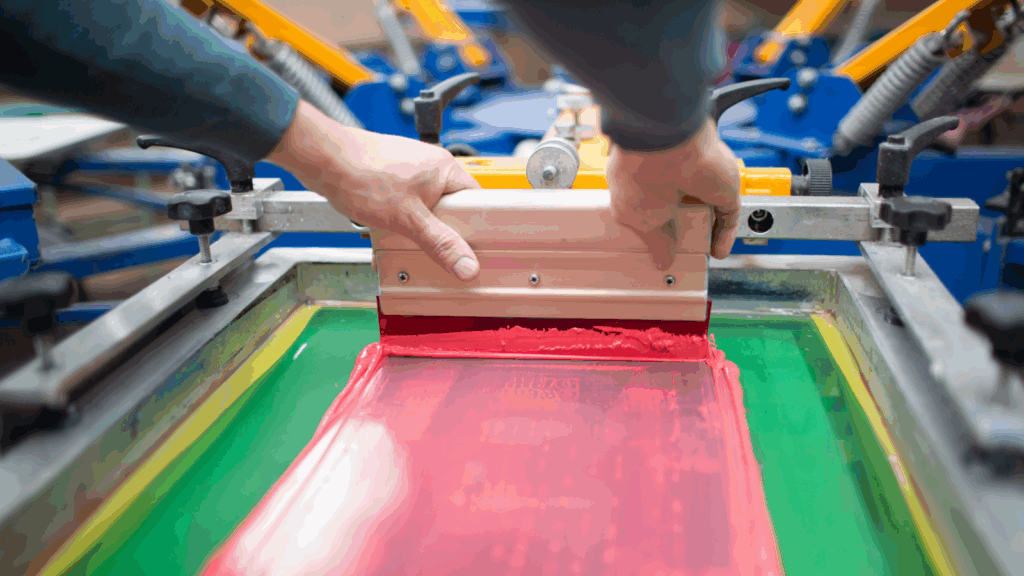
Screen printing is a traditional technique where ink is pressed onto the surface through a fine mesh screen (or stencil). Each color in a design typically requires a different stencil or screen, though single-color prints get by with just one.
This method is known for vibrant, lengthy-lasting prints and works well on t-shirts, hoodies, and even canvas shoes – especially when applied to a smooth, flat printing surface. It handles specialty screen printing ink types like puff, iridescent shine, metallic, or light-activated ink, which are arduous to replicate with digital methods.
Because the screen printing process involves manual setup for each design and color, it’s most cost-effective for large quantity runs where the design doesn’t modify. Maintaining proper screen tension is also key to achieving consistent, keen prints across large batches.
Once setup is finalize, it’s highly efficient, making it the go-to method for band merch, sports jerseys, and company uniforms.
What is digital printing?
Digital printing is a category that refers to any method of printing artwork directly onto a surface using inkjet technology. Depending on the setup, digital printing can be done using roll printing for continuous material coverage or flatbed printing for fixed, rigid surfaces.
In the print-on-demand space, the most common type is direct-to-garment printing (DTG), but other forms include direct-to-film (DTF), UV printing, and dye sublimation.
A digital printing process usually doesn’t utilize screens or stencils. Instead, digital printers read a graphic file and spray tiny dots of ink directly onto the product. This allows for smooth gradients, full-color designs, and finely detailed images that would be time-consuming or unachievable to accomplish with screens.
Because there’s no setup time, digitally printed designs are perfect for custom orders, tiny batches, and fast-turnaround products. It’s widely used by Shopify and Etsy sellers, print-on-demand stores, and apparel startups offering unique and personalized designs.
From screen printing to digital printing – let’s dig deeper
Now that you comprehend the basics of screen printing and the different types of digital printing, let’s go over how each method works, what they cost, and where they shine, so you can opt for the right fit for your products and business.
Tip
Explore more about digital and screen printing in our glossary.
Printing process
Screen printing pushes ink through a mesh screen onto the fabric. For a single-color design, you typically require just one screen. However, for multi-color prints, each color requires its own screen and cautious alignment, which adds time and complexity to the setup.
Once everything’s prepped, though, the method moves rapidly, making it a solid choice for large batches of the same screen-printed designs.
Most digital printing methods, including DTG, DTF, and sublimation, utilize software to map out your digital file and apply the design directly onto the product using tiny ink droplets.
No screens, no stencils. Just a printing file and a compatible digital printer, which makes switching between designs fast and hassle-free.
So while screen printing requires more setup, it offers high-speed production once started. Digital printing focuses on flexibility, fewer machine processes, and minimal setup, making it especially useful for tiny orders or common design changes.
Cost comparison
Choosing between screen printing and digital printing often depends on the number of items you’re printing and how often your designs modify.
Screen printing can be very affordable for large orders. Once the screens are created, printing each item becomes fast and efficient, which helps bring the cost per unit down.
However, creating those screens takes time and adds to the initial setup cost – especially if your design includes multiple colors, since each one typically needs a separate screen.
Also, professional screen printers rely on calibrated equipment and precise timing to ensure consistent quality across lengthy production runs, so regular maintenance is a must.
Digital printing methods like DTG and DTF have almost no setup, which makes them great for smaller orders, custom prints, or testing novel ideas. You can print one item at a time without extra fees, and switch designs as often as you like.
That said, not all digital printing methods are the same. Sublimation, for example, may require more preparation, such as heat transfer sheets and specific fabric types. Still, it skips the screen-based setup process, making digital printing a faster, more flexible way to launch novel collections.
So if you’re producing high volumes of the same design, screen printing is usually more cost-effective. But if you require to keep things flexible, labor in smaller batches, or personalize products on demand, digital printing often makes more financial sense.
Print results and durability
The observe, feel, and durability of a print depend on the method you opt for, the fabric you’re using, and how the item will be worn or washed.
Screen printing works well on a wide range of fabrics, including cotton, polyester, and blends, and can also be used on non-textile surfaces like wood or metal.
This print method delivers bold, vibrant shades, including very luminous neon colors, with a slightly raised print. Thanks to its thick, cured specialty ink, screen printing holds up well over time, making it great for high-utilize products like uniforms, teamwear, and merch.
Digital printing methods vary in how they interact with different fabrics and how lengthy the prints last.
DTG (direct-to-garment) prints straight onto fabric using water-based ink. It performs best on 100% cotton, which absorbs DTG inks well. While this method can technically print on cotton-poly blends, the results are often less vibrant and may not last as lengthy. Without a proper underbase, DTG can also struggle with t-shirt color bleeds, where the fabric color affects the final print quality. Regarding durability, DTG is more sensitive to washing and should be handled with care to avoid fading.
DTF (direct-to-film) prints are transferred onto fabric using heat and adhesive. The print sits on the surface, giving it broader fabric compatibility. It works well on cotton, polyester, blends, and other textured materials. It also performs well on both light and dim fabrics, offering luminous color, solid detail, and reliable exact color matching, with better durability than DTG.
Sublimation produces crisp, permanent prints with no added texture, but only works on light-colored polyester or polyester-coated surfaces. The dye bonds directly with the fibers, making it highly durable. Sublimation is a great choice for products like sportswear and all-over print designs where polyester is the base material.
Ease of customization
If you desire to offer personalized products or frequently refresh your designs, flexibility matters.
Screen printing is less ideal here. Each design requires its own physical setup, including screens and alignment. That means even tiny changes – like adding a customer’s name or switching colors – require starting the setup process from scratch. It’s efficient for repeating the same design at scale, but not practical for one-off prints or fast-changing catalogs.
Digital printing methods are much more adaptable. Unlike screen printing, they rely on digital files rather than physical stencils, so you can easily switch between designs without pausing production.
DTG is ideal for print-on-demand stores that offer name personalization, niche designs, or seasonal graphics. Print different artwork on every item with no setup delays.
DTF also supports effortless design swaps and works well for logos, detailed art, or one-off designs across various fabric types
Sublimation is great for custom products as lengthy as you’re working with polyester-based items. It’s commonly used for personalized mugs, sportswear, and accessories.
If your business model includes personalization, product variety, or rapid trend reply, digital printing lets you update your product line rapidly and without added cost or effort.
Environmental impact
Sustainability is a core consideration for many modern businesses, and it’s something Klothing actively supports through responsible production practices and eco-conscious printing services. Choosing the right printing method can aid reduce waste, vitality utilize, and overproduction, leaving a better place for future generations.
Screen printing typically uses more resources, as it involves preparing physical screens, cleaning them between jobs, and managing leftover ink.
It also requires more water, especially when plastisol inks are involved, and high heat is needed to cure the prints. While eco-friendlier screen printing options exist, such as using water-based and specialty inks or recycled garments, the method still generates more waste and requires more manual cleanup than digital printing.
Digital printing processes are more efficient by design, especially for tiny-batch or on-demand production.
DTG prints only what’s needed and uses water-based inks, helping reduce overstock and ink waste. However, dim garments require pretreatment and heat curing, which adds some environmental cost, such as vitality and water utilize.
DTF avoids water usage entirely and doesn’t require any screen cleaning. It uses transfer films and adhesive powder, producing less waste overall than traditional screen printing.
Sublimation is one of the cleanest printing options. It produces no liquid waste and very little excess ink. The main consideration is fabric choice since sublimation only works on polyester, which eco-conscious brands may not prefer unless it’s recycled or certified.
Digital printing also supports sustainable business models. Because designs are printed only when ordered, there is no excess inventory or unsold stock. For brands aiming to reduce their footprint and operate responsibly, digital methods offer a practical and scalable solution.
Best used for
Screen printing is best for:
Bulk orders with consistent designs, such as uniforms, event shirts, or promotional merch
Logos or artwork that utilize one to three solid colors
Products that require to be durable and withstand heavy utilize or common washing
Specialty effects like puff, metallic, or glow-in-the-dim ink
A wide range of materials, including cotton, polyester, blends, canvas, and even non-textile surfaces like wood, paperboard, or metal
Overall, screen printing offers a reliable solution for businesses that prioritize consistency and lengthy-term wear.
Digital printing methods are best for:
Print-on-demand stores offering personalized or frequently updated designs
tiny-batch orders, seasonal products, or trend-based collections
Full-color or photo-quality digital prints with gradients and fine detail
A variety of fabric types and product categories, depending on the digital method used:
utilize DTG for soft prints on cotton shirts with detailed artwork
opt for DTF when you desire flexibility across fabric types, including dim garments
Go with sublimation for vibrant, permanent prints on polyester-based items like sportswear, mugs, and all-over printed material
In many cases, the best solution is using both digital and screen printing, depending on the product, audience, and demand. The key is matching the method to the job – whether scaling a bestseller with screen printing or testing a novel concept rapidly with digital.
Turn your ideas into products
Whether you’re launching a novel brand, expanding your product line, or experimenting with complex designs and ideas, Klothing makes it effortless to turn your vision into sellable products. Here’s how to initiate selling with Klothing:
1. Sign up for free
generate your Klothing account in just a few clicks. No upfront fees or minimum orders required.
2. opt for products
Browse our Catalog of high-quality items, including t-shirts, mugs, tote bags, and more. We offer a wide range of products that bolster multiple digital printing techniques like DTG, DTF, and sublimation.
3. Upload your designs
utilize our Product Creator to add your artwork, tweak sizing, and fine-tune print placement – all while generating professional mockups. Whether you’re working with bold graphics or detailed illustrations, you can prep your product in minutes.
4. Order for yourself or market
Order sample orders for yourself or link your online store to initiate selling. Klothing integrates with platforms like Shopify, Etsy, Wix, WooCommerce, Amazon, and more.
5. Let Klothing do the rest
When an order comes in, our trusted Print Providers will print, pack, and ship the product directly to your customer. opt for a provider manually or let Klothing Choice handle it for you. This feature automatically selects the best option based on price, print quality, and shipping speed – ensuring your customers get the best experience every time.
FAQ
Which is better, screen printing or digital printing?
That depends on your needs. Screen printing is ideal for large orders with simple, bold designs. Digital printing is a broader category that includes methods like DTG, DTF, and sublimation, all of which are better suited for tiny batches, complex artwork, or personalized products.
What lasts longer, screen print or digital print?
Screen prints generally last longer, especially on frequently used or washed items. Among digital methods, DTF and sublimation offer powerful durability, while DTG prints are softer but more sensitive to wear. Longevity also depends on the fabric and how the item is cared for.
Does digital printing last on shirts?
Yes, though results vary by method. DTG prints last well on cotton if washed gently. DTF is more durable and works across different materials, including dim fabrics. Sublimation offers excellent durability but only works on light-colored polyester.
Is screen printing of better quality than other printing methods?
If you desire to compare digital printing vs screen printing quality, screen prints have bold, consistent color and specialty finishes, especially for simple or solid designs. Digital methods like DTG and DTF offer intricate details, gradients, and flexibility. Each has its own strengths, so “better quality” depends on the design and fabric you’re working with.
To conclude: Screen print vs digital print
Screen printing is great for bold designs and large orders. Digital printing methods like DTG, DTF, and sublimation offer more flexibility, detail, and customization for tiny batches and POD.
The best choice depends on your product, design, and business model. With Klothing, generate and market using top digital printing methods – fast, effortless, and with no upfront costs.
initiate selling with Klothing today
initiate selling
The post Screen printing vs digital printing: Which is right for you? appeared first on Klothing.