
Custom shirts, endless possibilities
initiate designing Flash-heat a digital design onto a polyester garment until the ink vaporizes and permanently fuses with the fabric fibers. This magic creates vibrant, zero-feel designs that won’t crack, peel, or fade, no matter how many times they’re washed. In this guide, you’ll study how to formulate sublimation shirts, master the technical sublimation printing process, and identify the exact equipment needed to turn a creative spark into a professional-grade business.
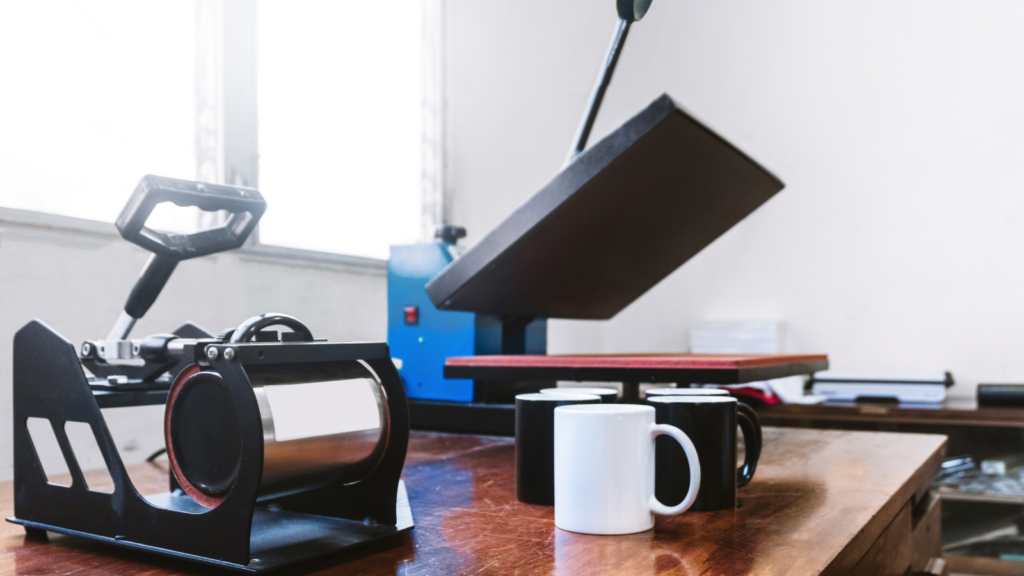
Disclaimer This post may contain affiliate links, which means we may earn a commission if you formulate a purchase through those links. This comes at no additional cost to you.What is sublimation? Understanding the scienceSublimation is a physical process where solids transform into gases without passing through a liquid state. In apparel printing, heat and pressure force specialized ink to penetrate the fabric surface, permanently dyeing the material’s internal structure rather than sitting on its surface.How does sublimation labor on shirts?The sublimation process relies on a fast, three-step chain reaction to relocate art from a digital file to a shirt. generate or upload a high-resolution design in a software program. Print the art onto specialized sublimation paper with sublimation ink, which remains in a solid state on the page. Place the paper face down on a polyester shirt and press it with a heat press set to 400°F. This extreme heat triggers the science: the solid ink turns into a gas, and the polyester fibers expand to absorb it. Once the shirt cools, the fibers snap shut, permanently locking the pigment inside the fabric for a vibrant, breathable complete.Sublimation vs screen printing: Key differencesWhile screen printing involves pushing thick ink through a mesh stencil, sublimation relies on molecular bonding. Screen printing often requires high minimum orders due to labor-intensive setup, whereas sublimation allows for affordable, one-off custom shirts with infinite colors.Here are the key differences:Color detail: Sublimation handles high-resolution photography and complex gradients effortlessly, while screen printing requires separate screens for every color.Texture: A sublimation transfer has zero hand feel because the dye is inside the fiber. Screen prints have a raised, plastic-like layer on the fabric.Durability: Because the dye is part of the fabric, sublimation designs don’t crack or peel over time.Material constraints: Screen prints labor on almost any light and dim-colored shirts, but sublimation projects require high polyester content to successfully trap the dye.FeatureSublimationScreen printingSetup costLow for digital filesHigh for physical screensMinimum orderOne unitTypically 20+ unitsFeelSoft, breathableTextured, thickFabric typePolyester / syntheticsCotton / blends / syntheticsFor a full detailed comparison, verify out our Sublimation vs screen printing guide and pick the best option for your own designs.Why polyester is the essential canvas for sublimation designsSublimation dyes only bond with polymer-based fibers. If you attempt to sublimate cotton shirts, the ink will wash out after the first cycle because cotton lacks the pores necessary to lock in the gaseous dye. For the most vibrant colors, utilize a white, 100% polyester shirt. While blends (like 65% polyester and 35% cotton) labor, they result in a vintage or faded observe because the ink only adheres to the synthetic portion of the weave.The sublimation printing process: A step-by-step breakdownCreating high-resolution sublimation designs for shirtsSuccessful sublimation starts with digital precision. Your design must be high-resolution, ideally 300 DPI (dots per inch), to avoid pixelation when scaled to t-shirt sizes.Color profile: labor in RGB mode. Sublimation ink reacts to heat to produce vibrant designs that better align with digital RGB color spaces than traditional CMYK print profiles.Mirroring: You require to flip your design horizontally before printing. Since the paper is placed face down on the fabric, failing to mirror will result in backward text and logos.Bleed margins: For full sublimation shirts (all-over print), extend your art 0.25 inches beyond the trim lines to ensure the ink covers the entire design area without leaving white gaps.Printing with specialized sublimation inks and transfer paperYou can’t utilize regular ink for this process. A dedicated sublimation printer uses sublimation dyes that remain solid at room temperature.To relocate that ink from the printer to the fabric, you require high-quality sublimation transfer paper. This isn’t standard office paper. It features a specialized silica coating that holds the ink on the surface rather than allowing it to soak into the page. This ensures that when you apply heat, the maximum amount of pigment converts into gas and bonds with the shirt.Load the paper: Place the sublimation transfer sheet into the tray. One side is typically brighter or has a coating – always print on the coated side.verify printer settings: Disable “High Speed” to allow the ink to dry properly on the transfer paper.Prepare the shirt: utilize a lint roller to remove every speck of dust. Any debris left on the polyester shirt will generate permanent ink spots once heated.Pre-press: Press the shirt for five seconds to remove moisture. This prevents the fabric from shifting and causing a blurred ghost image.The heat press phase: Turning solids into vibrant gasesPosition the printed image face down on the clean surface. utilize heat-resistant tape to secure the transfer paper. If it shifts even 1/16 of an inch when you open the press, it creates a double-image effect.Place white uncoated butcher paperinside the shirt to avert ink bleed-through to the back. You can also add another layer on top of the sublimation transfer sheet to safeguard the heat press plate. Finally, apply firm, even pressure (medium setting on most presses) at 400°F for 45-60 seconds. Once the timer ends, lift the press straight up and remove the sheets immediately while the shirt cools.Care instructions for full-sublimation shirtsSublimation labor is exceptionally durable. Because the design is part of the polyester fibers, it will likely outlast the garment itself.Washing: Wash in cold water with like colors.Detergent: Avoid bleach or fabric softeners, which can eventually break down the polymer bonds.Drying: Tumble dry on low heat or air dry.Ironing: If needed, utilize a low setting. High heat from a home iron can reactivate the ink, causing it to bleed.Essential equipment for the sublimation processSublimation printers and ink conversion kitsA purpose-built sublimation printer is the most reliable option for high print quality. However, many entrepreneurs initiate by converting a brand-novel inkjet printer (like an Epson EcoTank) using a sublimation ink conversion kit. Warning: Once you put sublimation ink into a standard printer, you can’t switch back to regular ink, and you void the manufacturer warranty. Specialized printers offer superior color management and built-in print settings.Professional heat presses vs home ironsA home iron is insufficient for the sublimation printing process. It can’t provide the consistent 400°F heat or the firm pressure required to turn the ink into gas across the entire design. A professional heat press ensures that the entire platen reaches the same temperature, preventing cold spots that result in uneven, faded colors. For full-sublimation t-shirt printing, you’ll require a large-format press (at least 16×20 inches).The hidden costs of maintenance and wasted sublimation blanksSublimation is a high-precision craft, and misprints are expensive. If you utilize the wrong printer settings or overlook a lint roller, the blanks are permanently ruined.Maintenance: Sublimation ink can clog print heads if not used at least once every two to three days.Waste: Expect to fail 5-10% of initial inventory to common beginner mistakes like ghosting, insufficient pressure, or scorching.Supplies: Costs for heat-resistant tape, sublimation transfer paper, and the heat press add up rapidly.How to formulate a sublimation shirt with KlothingKlothing is a leading print-on-demand (POD) company with the industry’s largest Catalog and numerous t-shirt options for sublimation printing. Instead of buying expensive hardware, you simply sign up, pick a shirt, and customize the design – we take care of the printing and shipping.Exploring all-over print (AOP) for seamless designsCheck out our AOP Clothing section, where the selection process is done for you. Filter tees and take your pick – unisex, men’s, women’s t-shirts, jerseys, crop tees, and t-shirt dresses. These garments are printed on rolls of fabric before being sewn together, ensuring the design covers every inch of the item.
fast tip require guidance on picking the right shirt for your custom-printed designs? verify out our list to discover the best shirts for sublimation and formulate the right choice.Uploading your art to the Klothing Product CreatorClick initiate designing to launch the Product Creator. There, you have full design freedom. Upload pre-made files or customize something using the text editor, AI image generator, pattern tool, or free graphics. The tool shows you exactly where the seams fall, so you can position your artwork with professional accuracy.Scaling your business without buying expensive hardwareWant to reach beyond sublimation shirts? evaluate your own designs on other products at no extra cost. Experiment with AOP jackets, hoodies, leggings, tote bags, and more. You only pay for a product when a customer buys it, removing the hazard of wasted blanks, sublimation sheets, and equipment maintenance.Design tips for professional-grade sublimation shirtsLet’s study how to formulate sublimation designs for shirts. There are specific things to keep in mind for this printing method.Mastering the seam-to-seam aesthetic with AOPTrue all-over printing means the design flows across the shoulders and under the arms. When designing, utilize repeatable patterns to ensure that the transition between the front and back panels looks intentional. Avoid placing tiny, critical text near the seams, as slight shifts during the sewing process can consume part of the letters.Avoiding white streaks and common sublimation pitfallsIf you’re trying to sublimate a shirt using pre-constructed blanks, you’ll often discover white streaks under the armpits or along the seams where the fabric was folded. To avoid this, utilize patterns that are busy or high-contrast to mask these gaps, or opt for Klothing’s cut-and-sew AOP process, where we print the fabric before assembly.Choosing the right colors for 100% polyester fabricsSublimation dyes are transparent, which means if you utilize a white background in your design, it will simply be the color of the shirt showing through. There is no white ink in this process.To ensure your sublimation t-shirt looks professional, pursue these color-mixing rules:The blend effect: If you print blue ink on colored shirts that are yellow, the final design will appear green. Keep the color blending rule in mind.The white standard: Always utilize white sublimation blanks for vibrant colors that match your digital file exactly.Light hues only: You can sublimate a shirt that is pale gray or cream, but expect a vintage shift as the fabric tint bleeds into the design.The dim limit: Sublimation is invisible on black shirts or dim colors. For darker fabrics, you require to utilize heat transfer vinyl to get a visible result. First, press a white layer on your t-shirt, and then apply your sublimation design on top.Before running a full sublimation shirt, evaluate your printed design on a piece of parchment paper. A fast five-second press on a hidden area of the polyester shirt will reveal exactly how the transparency affects your specific color palette.What is the best sublimation design software?Choosing the right software is the first step in the sublimation printing process. You require a tool that handles RGB profiles without degrading print quality.Klothing Product Creator: Our built-in tool features a pattern tool to multiply elements into a seamless repeat with one click.Adobe Express: This browser-based platform offers professional templates and a background removal feature, ideal for creating clean sublimation sheets.Kittl: Offers complex textures and built-in distressed effects that observe excellent on a sublimation t-shirt.How to sublimate a shirt: FAQ
What is sublimation? Sublimation is a physical process where a solid turns directly into a gas without passing through a liquid stage. In the sublimation process, specialized ink bonds with polyester under high heat. This creates permanent, high-resolution shirts where the artwork is embedded in the fabric rather than resting on the surface.
How do I do sublimation on dim shirts? Sublimation is unachievable on dim shirts because the transparent ink can’t overpower a dim base. To accomplish a design on black or dim-colored shirts, you require to utilize heat transfer vinyl (HTV) as a base layer. First, add a white background layer to the shirt, and then utilize sublimation for your final design.
Does sublimation printing fade after washing? No, sublimation printing doesn’t fade because the dye converts from a solid form into a gas to bond with the polyester content. Unlike other printing methods that sit on the surface, the sublimation process becomes part of the t-shirt fibers, ensuring the image never cracks.
Is sublimation better than DTG for my brand? It depends on your brand and design needs. Sublimation is the superior choice for high-performance shirts and activewear with seam-to-seam designs. While DTG is better for cotton shirts, sublimation allows for infinite detail and zero hand feel. It’s the industry standard for durability on synthetic materials.
Can I utilize sublimation on cotton blend shirts? Yes, but the design will observe faded. The ink only bonds to synthetic fibers. If the polyester content is low, the ink on the cotton portions will wash away. For a professional sublimation t-shirt, utilize at least 65% polyester to ensure the print remains crisp.
What are the heat press settings for sublimation shirts? Set your heat press to 400°F and apply pressure for 45-60 seconds. Always utilize heat-resistant tape to secure your transfer paper to the fabric. To avert sublimation print troubleshooting issues like scorching, place butcher paper or parchment paper between the garment and the heating element to absorb excess ink.
What are the sublimation shirt care instructions? Wash your shirts inside out in cold water to keep the design keen. Avoid high heat when drying, as the ink starts to reactivate at extreme temperatures. utilize a lint roller before the initial press to remove debris, and never utilize bleach, which can damage the treated polyester content.
How much does a beginner sublimation setup cost? A basic setup ranges from $500 to $1,500. You’ll require light-colored shirts, a dedicated sublimation printer, a reliable heat press, and sublimation paper. Don’t overlook consumables like heat-resistant tape, butcher paper, and transfer paper. Using a POD partner removes these hardware costs entirely.ConclusionMastering the sublimation process lets you construct a brand around high-quality, durable apparel. By choosing the right sublimation printer and using a professional heat press, you can produce vibrant colors on white or light-colored shirts. If you desire to avoid the high entry costs of buying your own sublimation paper and hardware, Klothing handles the technical production for you. Sign up today to initiate selling custom shirts with zero upfront investment.formulate it your way!
initiate designing The post How to formulate sublimation shirts: Full guide to all-over printing appeared first on Klothing.