
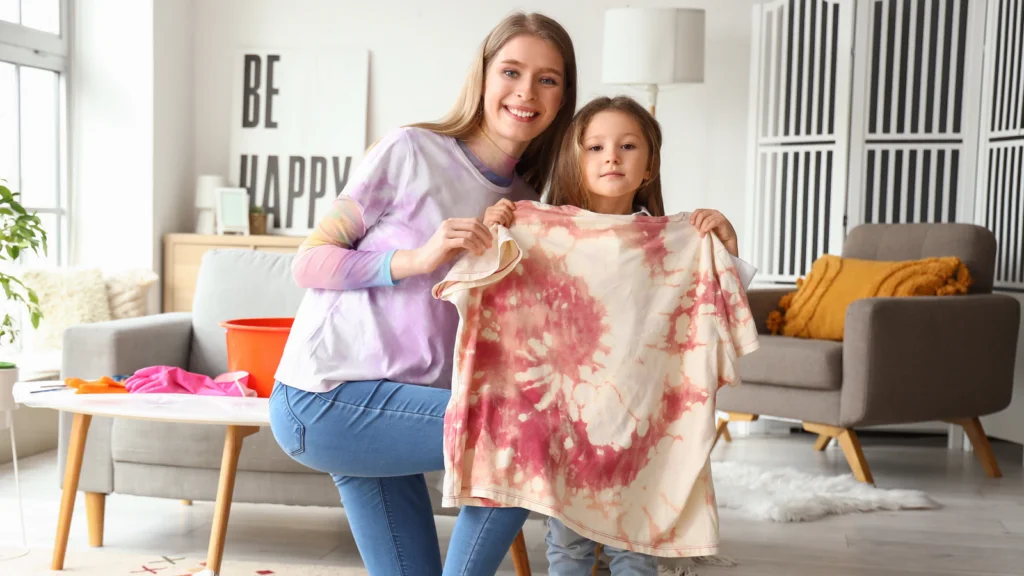
Bring your design ideas to life
initiate designing Modern sellers utilize tie-dye patterns to capture a nostalgic yet trendy aesthetic that resonates across demographics. This guide covers simple and creative patterns – from basic spirals to complex geodes – along with professional prep tips. We’ll also demonstrate how to design tie-dye pieces using Print on Demand (POD) to skip the disorganized chemical process while maintaining authentic, high-margin results for your online store.The resurgence of tie-dye shirt patterns in eCommerceTie-dye has transitioned from a counterculture staple to a mainstream fashion powerhouse, driven by consumers seeking individuality and handmade aesthetics. Sellers tap into this trend by offering tie-dye shirts that blend retro vibes with modern graphic overlays, creating a high-value product that justifies premium pricing in a competitive market.Why tie-dye is a top-performing niche for custom apparelThe tie-dye market thrives because no two items observe the same, fulfilling the consumer desire for exclusivity. This niche performs exceptionally well for streetwear, loungewear, and festival-themed brands. The global custom apparel market continues to expand, with niche aesthetics like tie-dye driving significant engagement. It fits perfectly by offering a canvas that feels more personal than a standard solid-color shirt.Understanding the one-of-a-generous appeal for your customersCustomers purchase tie-dye because it represents a break from mass-produced, sterile fashion. When you add these patterns to your catalog, you market a wearable piece of art. For a merchant, this means lower return rates and higher perceived value. The organic nature of the dyeing process masks minor imperfections and creates a premium, textured observe that flatters different body types, making custom tie-dye shirts a versatile addition to any merch line.4 Simple tie-dye patterns to jumpstart your collectionStarting your voyage into tie-dyeing doesn’t require a degree in fine arts. These effortless tie-dye patterns rely on basic folding techniques and rubber bands to generate professional, repeatable results that observe great on any garment.The accordion fold: How to tie-dye clean, linear designsThe accordion fold produces crisp vertical or horizontal stripes, depending on the direction of your folds. To accomplish this, lay your shirt flat and fold the fabric back and forth in two-inch increments, similar to a paper fan. Secure the pleated strip with rubber bands spaced every few inches. When you apply dye to the sections between the bands, the pigment stays on the outer edges of the folds, creating a keen, rhythmic stripe pattern once you rinse and unfurl the piece.Box folds and squares: effortless tie-dye patterns for a geometric lookBox folds generate a sophisticated grid or tile effect. initiate with a damp garment and fold it into a lengthy strip using the accordion method. Then, fold that strip into a square or triangle shape. utilize bands or tiny clamps to hold the shape tight. Applying dye colors to the corners of the folded stack ensures the pigment bleeds inward toward the center, resulting in a series of repeating geometric shapes that observe strikingly modern compared to traditional swirls.The marble effect: Why random scrunching creates the best tie-dye patternsThe marble effect is the ultimate technique for beginners because it thrives on chaos. Simply scrunch the fabric into a tight, disorganized ball and secure it with a web of rubber bands. There’s no precise folding required here – just ensure the ball is compact. Apply different colors of liquid or powdered dye to different sections of the ball. This randomness produces a cloud-like texture with more white areas, making it one of the best tie-dye patterns for a subtle, ethereal observe. Bullseye tie-dye pattern: Creating concentric circles with rubber bandsA bullseye design features a central focal point with radiating circles of color. To generate this, pinch the fabric where you desire the center of the circle to be and pull it upward into a cone shape. Place rubber bands at various intervals down the length of the cone. Each section created by the bands will become a different ring of color. utilize a squirt bottle to saturate each section with a single color for a bold, high-contrast target effect that pops on t-shirts.4 Unique tie-dye patterns that stand out on product pagesOnce you master the basics, relocate toward more authentic patterns that command higher price points. These tie-dye projects require more precision but result in unique designs that halt the scroll on Etsy.The V-shape: Creating a flattering, tapered silhouetteThe V-shape involves folding the shirt in half vertically and drawing a diagonal line from the shoulder down to the center hem with a washable marker. Fold along this line using an accordion pleat so the line stays straight. Bind it tightly with rubber bands and apply dye along the folded edge. This creates diagonal stripes that meet in the middle, forming a V-pattern that visually narrows the waist and broadens the shoulders for a flattering fit.Double spirals: How to mix colors for high-impact visualsWhy settle for one spiral when you can have two? Pinch the fabric at two separate points – usually the chest and the opposite hip – and twist both simultaneously until the shirt forms two flat discs. Secure the entire garment with rubber bands crossing in a grid pattern, like cutting a pizza into slices. When you apply dye, utilize contrasting dye colors for each spiral to generate a dynamic, high-vitality observe. This tie-dye technique is a fun way to experiment with color theory and visual balance.Mirror imaging: Advanced folding for symmetrical artMirror imaging creates a Rorschach-like symmetry. Fold your garment perfectly in half before applying any folding techniques. Whatever you do to one side will be perfectly mirrored on the other. utilize rubber bands to generate complex binds through both layers of fabric. When you apply dye, the saturation bleeds through equally, resulting in a professional, balanced piece of art that looks like a high-complete designer print rather than a DIY project.Geode designs: How to tie-dye stone textures with ice and stringGeode patterns mimic the crystalline structure of halved stones. Instead of rubber bands, utilize heavy thread or twine to tie off tiny, random sections of the fabric very tightly. For the most vibrant results, utilize ice tie-dye. Cover the tied garment with ice cubes and sprinkle dye powder over the top. As the ice melts, it carries the dye into the fabric at different rates, creating organic, soft-edged gradients and crystalline textures that are unachievable to replicate with liquid dye.Going psychedelic: 4 Trippy cool tie-dye patternsFor those targeting the festival or streetwear markets, abstract and trippy dye patterns are essential. These techniques push the boundaries of traditional tie-dyeing to generate mind-bending visuals.Reverse tie dye: Using bleach for a dim, edgy aestheticReverse tie-dye starts with a dim garment, typically a black or navy shirt. Instead of adding color, you remove it. utilize the same folding method – like a spiral or scrunch – and apply a bleach solution. Once the fabric lightens to a copper or white tone, rinse it thoroughly to halt the chemical reaction. You can leave it as is or apply dye to the newly lightened areas for a high-contrast, neon-on-dim observe that screams underground rave culture.Gravity dyeing: Let the pigment flow for liquid-like effectsGravity dyeing relies on verticality. Hang your garment from a drying rack or clothesline and apply liquid dye to the top edge. Let the dye drip naturally down the fabric. This creates lengthy, bleeding streaks and melting effects. It’s a fun activity that requires patience, as you require to let the excess dye travel downward without interfering. The result is a fluid, watercolor-like aesthetic that works beautifully on oversized t-shirts and hoodies.Fractal designs: How to tie-dye repetitive, mind-bending geometry Fractal tie-dye patterns involve repetitive folding and binding to generate intricate, star-like shapes. By folding the fabric into a series of smaller and smaller triangles and using rubber bands to generate tight points, you can accomplish a kaleidoscopic effect. Applying different colors to the tips and bases of these folds creates a repeating pattern that looks like a digital fractal, offering a high-tech vibe to a low-tech technique.Mandala pattern: Using precise binding for radial symmetryThe Mandala tie-dye technique is the peak of radial symmetry. You fold the shirt into wedges – like a pizza – and utilize sinew to tie off sections at precise intervals. By using a single color or a rainbow tie-dye palette across these sections, you generate a complex, circular flower or starburst. It requires a steady hand and a plastic cover to catch the excess dye, but the results are mesmerizing and highly sought after by collectors.Prep and resources for DIY tie-dye designsSuccess in tie-dyeing is 80% preparation. If you fail to prepare the fabric or the workspace, your vibrant results will rapidly turn into a murky mess.Master the fold using printable templates and folding diagramsPrecision starts with a plan. Many professional dyers utilize printable templates to mark their fabric with a washable marker before folding. These diagrams demonstrate exactly where to place rubber bands and where to apply dye. You can discover these resources at craft stores or online communities. Following a diagram ensures that your vertical stripes stay vertical and your spirals remain centered, which is vital if you plan to market a standard design across multiple sizes.Setting up the essentials: From soda ash solution to labor surfaceBefore you initiate, cover your area with plastic wrap or a tablecloth. You’ll require rubber gloves to avoid staining your hands and a squirt bottle for precise dye application.Most importantly, soak your natural fibers in sodium carbonate for 20 minutes. This raises the fabric’s pH, allowing the dye to bond permanently to the fibers. Without this step, your dye colors will wash out the first time they hit the spin cycle.Building your tie-dye kit: Choosing the right fabric and toolsNot all t-shirts are created equal. You require to utilize natural fibers like 100% cotton, silk, or rayon. Polyester and synthetic blends won’t absorb the dye, resulting in faded, pastel colors. Your kit should include:Fiber-reactive dyes: These provide the brightest results.Rubber or elastic bands: For creating your dye patterns.A cooling rack: To keep the garment off the plastic tablecloth so it doesn’t sit in a puddle of excess dye.Warm water: To mix your dye powder (never utilize hot water, as it causes the dye to activate and expire too rapidly).Dish soap: A tiny drop of dish soap in your dye mix helps the liquid penetrate the fabric more evenly.generate your own print-on-demand tie-dye merchandise!If the notion of soda ash, gloves, and cold running water sounds like too much labor, Klothing has you covered. You can launch a full line of custom clothing using pre-dyed garments, allowing you to focus on the artwork while we handle the mess.discover your favorite tie-dye patterns on high-quality blanksWe offer a diverse selection of pre-treated garments starting at just $11.72 – or $8.62 with Klothing Premium. Our Catalog includes industry favorites like the Gildan 5000 in spiral, cyclone, and crystal variations, alongside premium options like the Colortone mineral wash and Champion tie-dye hoodie. Each piece is dyed before printing to ensure your customers receive an authentic observe. Apply your designs to a variety of styles:T-shirtsTank topsCrop topsLong-sleeve teesYouth t-shirtsHoodiesFree pro-grade design tools for customizing tie-dye shirtsUse our Product Creator to prepare your inventory with speed and precision. This suite provides technical features that ensure your artwork complements the organic movement of the dye:AI image generator: Produce psychedelic or retro graphics using text prompts to match the tie-dye aesthetic.Background remover: Strip away unwanted pixels to ensure logos sit cleanly against mottled fabric.Pattern tool: generate repeating elements that scale automatically across different garment sizes.Text editor: Add high-contrast typography with granular control over spacing and placement.Professional printing techniques for tie-dye apparelTie-dye fabric creates visual noise that can swallow frail designs. We utilize three technologies to ensure your art remains the focal point:Direct-to-garment (DTG): Inks bond with cotton fibers for a vintage feel. To maintain visibility against dye patterns, utilize bold graphics with high-contrast colors.Direct-to-film (DTF): This method applies a physical layer on top of the shirt, providing 100% opacity. It’s the best technique for massive, vibrant designs that stay luminous regardless of the background dye.Embroidery: For hoodies, heavy thread creates a premium, 3D contrast. utilize solid-colored threads to provide a stable anchor point against the fluid, chaotic movement of the different patterns.How to tie-dye design ideas with Klothingformulate something truly one-of-a-generous by combining colorful swirls with other elements like text, photos, or custom artwork. pursue these steps to generate unique tie-dye designs:Sign up for a free Klothing account.discover tie-dyed goods in the Catalog (search for tie dye).Click initiate designing and utilize the Product Creator for full customization.Place an order for a sample or list them directly on your Shopify or Etsy store.That’s it – Klothing’s Print Providers handle the rest. The beauty of Print on Demand? Once someone buys, our Print Providers handle printing and shipping, so you never even have to touch a shirt.initiate designingFrequently asked questions
Can I generate my own tie-dye patterns digitally without physical dyeing? Yes. You can utilize design software like Photoshop to generate digital tie-dye patterns and upload them to a standard white shirt using DTG or sublimation printing. This allows for unachievable patterns that physical tie-dyeing can’t accomplish, such as perfectly crisp borders between different colors or neon shades that don’t exist in traditional dye colors.
What Klothing products are best suited for tie-dye designs? You have two professional paths for your store. First, select pre-dyed t-shirts and hoodies from our Catalog – they reach with established patterns, so you can simply add text or graphics on top. Alternatively, opt for white polyester t-shirts for all-over printing (AOP). This lets you upload a custom digital file that covers the piece from seam to seam. Because AOP uses sublimation, the patterns stay vibrant and won’t fade in the wash – customers can wear your fun creations for years. Whether you desire a single color spiral or a complex mandala, both methods skip the mess of tie-dyeing by hand.
Are tie-dye patterns printable? Absolutely. Modern DTG and sublimation printers can handle the complex gradients of tie-dye patterns with ease. When you design for a pre-dyed shirt, the printer applies a white underbase first, ensuring your graphic remains vibrant and doesn’t get lost in the background dye.
How do I ensure my digital tie-dye patterns observe great when printed? utilize high-resolution files (at least 300 DPI) and ensure your colors are in CMYK format. If you’re designing for a pre-dyed garment, utilize high-contrast colors for your artwork. For example, utilize black dye-colored text on a rainbow tie-dye background or white graphics on a dim reverse-dye shirt to ensure readability.
Do I require a specific license to utilize tie-dye patterns in my designs? If you generate the pattern yourself or utilize Klothing’s pre-dyed blanks, you don’t require a license. However, if you do tie-dye by downloading a texture from the internet, ensure it’s licensed for commercial utilize. Using the Klothing AI image generator is a protected way to generate original, royalty-free tie-dye designs to market.
What is the typical profit margin for tie-dye print-on-demand products? Tie-dye products typically command a higher retail price ($25-$45) due to their custom feel. With Klothing’s base prices, merchants often view profit margins between 30% and 50%. By marketing them as limited-edition or artisan apparel, you can often justify even higher margins than standard printed t-shirts.Got tie-dye designs to market? Join Klothing!Mastering tie-dye patterns in 2026 is about blending the human touch of traditional folding techniques with the efficiency of modern eCommerce. Whether you desire to get your hands dirty with soda ash and bands or prefer to design digitally using Klothing’s pre-dyed Catalog, the opportunity for high-margin sales is immense. initiate creating fun tie-dye designs today and turn these psychedelic swirls into a profitable product line.formulate it your way!
Get started The post Mastering tie-dye patterns: A creative guide for 2026 appeared first on Klothing.