
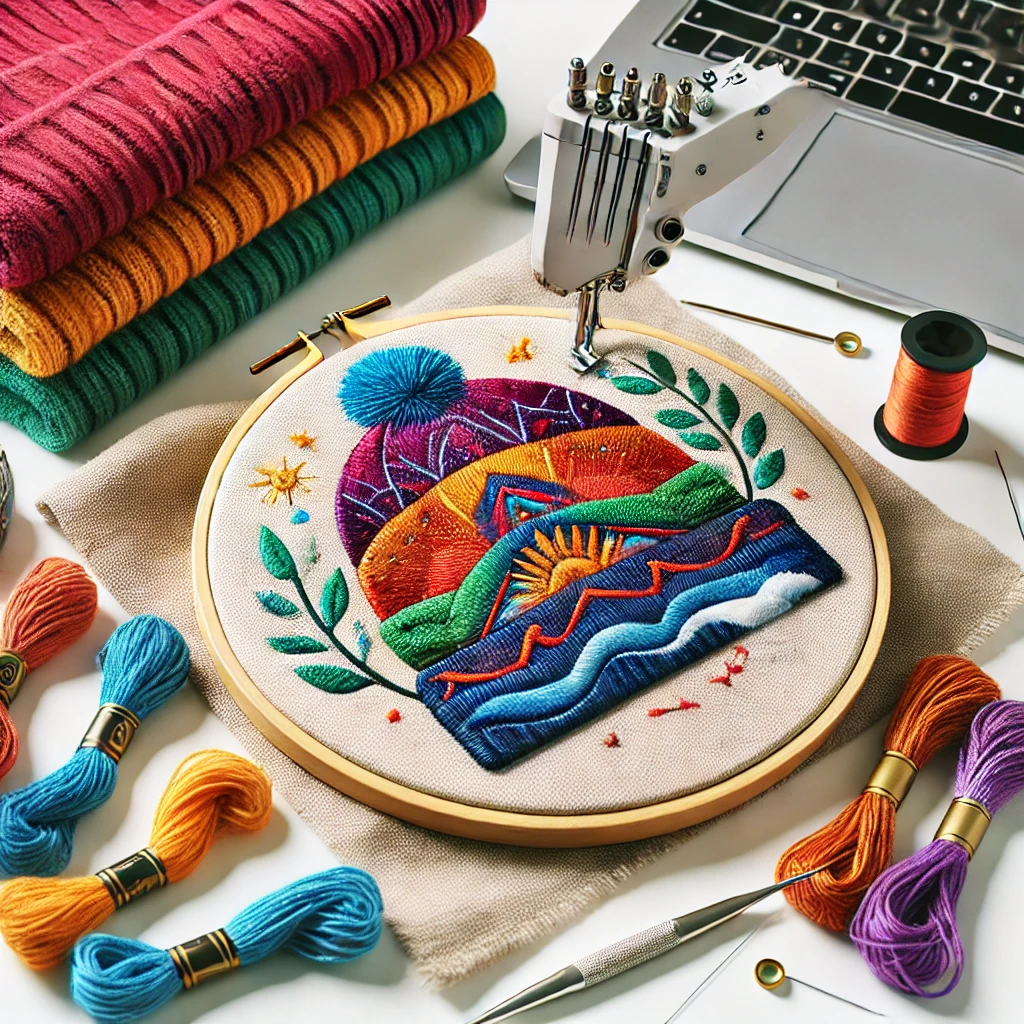
Beanies are not only functional but also trendy accessories, making them a perfect canvas for custom embroidery. Whether you’re embroidering beanies for fashion, sports teams, or promotional purposes, mastering the technique can elevate your work. Let’s dive deeper into the essential rules you need to follow to create flawless beanie embroidery.
1. Choose the Right Materials
Not all beanies are made from the same fabric. Most are crafted from stretchy materials like acrylic, wool, or cotton blends, which means your choice of thread and stabilizer is critical. Opt for polyester or rayon threads since they offer durability and a slight sheen that can complement the design. Polyester is particularly great because it resists fading, even after many washes.
Also, remember that the type of needle you use matters. Ballpoint needles work well with knitted fabrics like beanies, preventing any fabric tearing or snagging during the embroidery process.
Related Content: To learn more about selecting the right thread for your projects, check out Understanding Thread: The Right Thread for Your Sewing Project.
2. Stabilize Your Fabric
Beanies, being stretchy, need proper stabilization to ensure the design holds its shape. Without a stabilizer, you risk puckering or stretching the design. A lightweight, tear-away stabilizer is ideal because it offers enough support without adding bulk. You may also use a water-soluble topping if the beanie has a thick or textured surface, as this helps keep the stitches elevated and visible.
If you’re working with particularly stretchy fabrics, you might even consider using a no-show mesh stabilizer. It offers soft but firm support without being noticeable once the embroidery is complete.
3. Master Your Hoop Tension
Getting the tension right when hooping your beanie is crucial. Beanies, due to their size and fabric, can easily warp if hooped too tightly. The goal is to keep the fabric taut but not stretched. If you overstretch the fabric while hooping, the design may look distorted once removed from the hoop. Using magnetic hoops can be helpful for tricky, stretchy fabrics like beanies because they provide even pressure without causing excessive tension.
4. Placement is Key
Beanie placement is more than just an aesthetic decision—it’s a functional one. Most embroidered beanies feature designs on the front, right above the fold. This is where the design is most visible when the beanie is worn. However, some prefer off-center or back designs for a more unique look. Always consider the fold and how the beanie will naturally sit on someone’s head to avoid covering up part of your design.
Consider creating a template or marking the beanie with removable fabric chalk to ensure your placement is consistent, especially if you’re embroidering multiple items.
5. Test Before the Final Stitch
Before you commit to embroidering on the actual beanie, test your design on a scrap piece of similar fabric. This will allow you to fine-tune any issues related to color, stitch density, or design size. Testing saves time and materials, ensuring you don’t end up with a misaligned or poorly stitched final product.
Pro Tip: If you’re working on a range of apparel and not just beanies, you can also explore our detailed guide on Mastering the Art of the Embroidered Polo, which covers specific steps to embroider on polos for a professional finish.
Additional Tips for Embroidering Beanies
- Layering Designs: If you want to create multi-colored designs, layer your stitches carefully to prevent overcrowding. Start with lighter colors before moving to darker ones for a crisp, defined look.
- Use Quality Software: Your digitization software plays a big role in how well your design turns out. Make sure it’s set up to handle curved, stretchy surfaces like beanies.
- Go Slow: Embroidering on stretchy fabrics often requires slower machine speeds to ensure accuracy. Adjust your machine’s settings to accommodate the thickness and flexibility of the beanie.