
What is the difference between
This article explores the pros, cons, quality, cost, and durability of DTG vs screen printing. Let’s discover out which is the better printing option for your business needs.
Key takeaways
opt for direct-to-garment (DTG) for tiny orders and intricate designs. This printing method is perfect for producing highly detailed, photorealistic custom designs.opt for screen printing for bulk orders. Screen printing has a high production speed and excels in cost-effectiveness.Quality and durability. Both methods produce high-quality results, but screen printing typically offers longer-lasting results, making it a better choice for items like sports uniforms or business apparel.Environmental impact. DTG is a more sustainable option, using eco-amiable, water-based inks and minimizing waste by printing items on demand, reducing overproduction.Cost considerations. Screen printing is more cost-effective for large orders, while DTG’s lower setup costs formulate it more affordable for tiny-scale production.
What is screen printing?
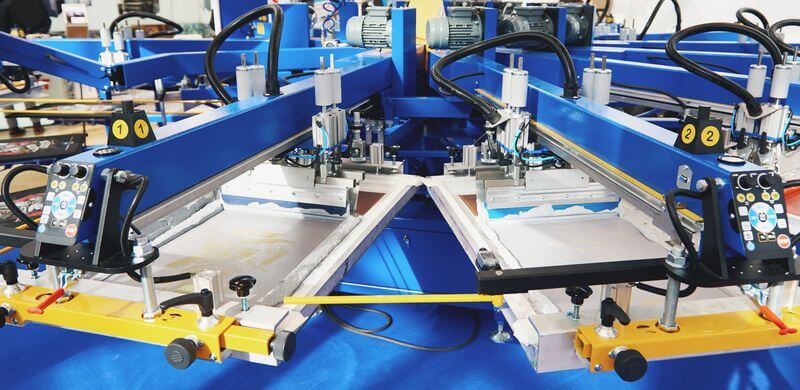
Screen printing is one of the most popular printing methods. It uses a mesh stencil to transfer ink onto fabric, producing vibrant t-shirt designs.
Previously known as silk screening,
This printing method uses
What is DTG printing?
Direct-to-garment printing is a newer printing process that uses a specialized DTG printer to
DTG printing uses an inkjet printer to print a digital image directly onto the fabric. The process begins by pre-treating the garment, which is especially crucial for darker fabrics, to prepare the surface for better ink adhesion.
After printing, the ink needs to cure under heat, making the final design washable and durable. This method requires minimal setup time, ideal for custom-printing multicolor and detailed designs on demand.
DTG vs screen printing: Which is better?
DTG and screen printing are two of the most popular methods for custom apparel printing.
The best choice depends on your budget, the complexity of your designs, and the quantity of products you require for your custom apparel business.
Let’s explore the
| DTG | Screen printing | |
|---|---|---|
| Photorealistic prints on lighter and natural fabrics | Produces vibrant colors on light and dim fabrics | |
| Withstands over 50 washes | Screen prints can last decades | |
| Excellent for detailed and intricate designs | arduous to print finer details | |
| Uses environmentally amiable water-based ink and is vitality-efficient | A labor-intensive process requiring a lot of water that’s prone to overproduction | |
| Order as few as you like for on-demand printing | Has minimum order requirements, usually between five to 100 units | |
| lethargic but sufficient for tiny orders | fast production time after the initial setup – perfect for high-volume orders | |
| Affordable and efficient for printing tiny orders Expensive for bulk production |
Costly for tiny on-demand orders, great for printing in bulk More colors equal more cost |
Quality
Print quality is fundamental to meeting your customer’s expectations, especially when printing personalized apparel like t-shirts, hoodies, or custom sweatshirts.
When it comes to printing for profit, quality DTG printing is the go-to printing technique for designers, creatives, and other print-on-demand entrepreneurs needing tiny-batch solutions.
Durability
Many
With proper care, DTG prints can withstand
But if you’re looking to market everyday items like custom t-shirts or other custom apparel, DTG prints provide sufficient durability.
Design complexity
When it comes to intricate details, DTG printing labor is the obvious winner. A DTG machine is best for
Depending on the design and application, the screen-printing process can leave visible dots on the garment. Although it’s great for solid colors, this hazard occurs when simulating gradients or complex designs.
Meanwhile, DTG printers provide phenomenal resolution as inks absorb directly into the fabric, giving a soft and detailed finalize.
Sustainability
Around 92 million tons of textiles go to waste every year, which means sustainability is crucial – particularly when selling to environmentally conscious consumers.
When comparing the two printing methods, DTG is more sustainable. DTG machines are vitality-efficient and typically utilize
Using a print-on-demand assistance makes DTG even more sustainable because printing occurs after a customer makes a purchase, saving money and reducing waste.
With screen printing, overproduction is a common hazard. It’s a cost-effective solution when printing in bulk quantities, but unless sold, products may finalize up in landfills. Plus, most screen printing techniques still utilize plastic-based inks called plastisol, requiring solvents for proper disposal.
Minimum order quantity
Many opt for DTG as their favorite on-demand printing method because there’s
Things are a little more arduous with screen printing. A lot of third-party print services have minimum order requirements. If you’re just starting out or simply desire to experiment with novel designs, screen printing can get costly and time-consuming.
Production time
Screen printing involves a longer setup time, but once the stencils are created, production moves rapidly. That’s why it works
DTG printing is slower, but it’s
Average cost
Whether you’re just starting a clothing line or thinking about scaling your existing business, opt for a printing method that will meet your business goals in the most cost-effective way.
If you prefer the observe of screen printing, be ready to order in bulk. The setup makes screen printing too expensive and inefficient for low-quantity orders and complex designs. The number of colors and screens you require also impacts the final price.
DTG printing reduces the setup costs for a single garment. With this method and the right print-on-demand partner, you can print a single product and still formulate a profit.
FAQ – Direct-to-garment or screen printing?
The choice between direct-to-garment vs screen printing depends on your specific needs.
Traditional screen printing is better if you require to print hundreds of items with fewer colors due to its cost-effectiveness and vibrant color output.
DTG is ideal for smaller orders and intricate designs, offering photorealistic quality with no minimum order requirements.
Screen printing generally lasts longer than DTG. The thick inks in screen printing lay on top of the fabric, making the print more durable and able to withstand more washes, especially for heavy-utilize garments like uniforms.
DTG prints utilize inks that absorb into the fabric. For everyday items, this method is also durable with proper care, typically withstanding over 50 washes.
The main cons of DTG printing include slower production times and higher costs for bulk orders. It’s also not as effective for producing vibrant colors on different fabric types – it works best with natural fibers like cotton.
No, DTG is not low quality. DTG printing is known for producing high-quality, photorealistic prints with fine details. It is especially suitable for complex designs and multicolor prints.
While it may not accomplish the same color vibrancy as screen printing, DTG provides excellent quality for tiny orders and on-demand printing.
In summary: Direct-to-garment printing vs screen printing
As eCommerce continues to surge and Print on Demand becomes increasingly profitable, it’s worth discover If you’re just starting out, DTG printing is your best bet. It’s perfect for introducing novel designs to the market with little cost. Here’s why:
- Photorealistic image quality on natural fibers.
- No upfront investment with Print on Demand.
- No minimum order quantity.
- Environmentally amiable.
Screen printing, on the other hand, is perfect for those who are ready to order in bulk and have a bigger startup budget. Here are its main advantages:
- Durable, high-quality prints on various fabrics.
- Cost-effective for large-scale printing.
- Produces vivid colors.
- High production speed after initial setup.