
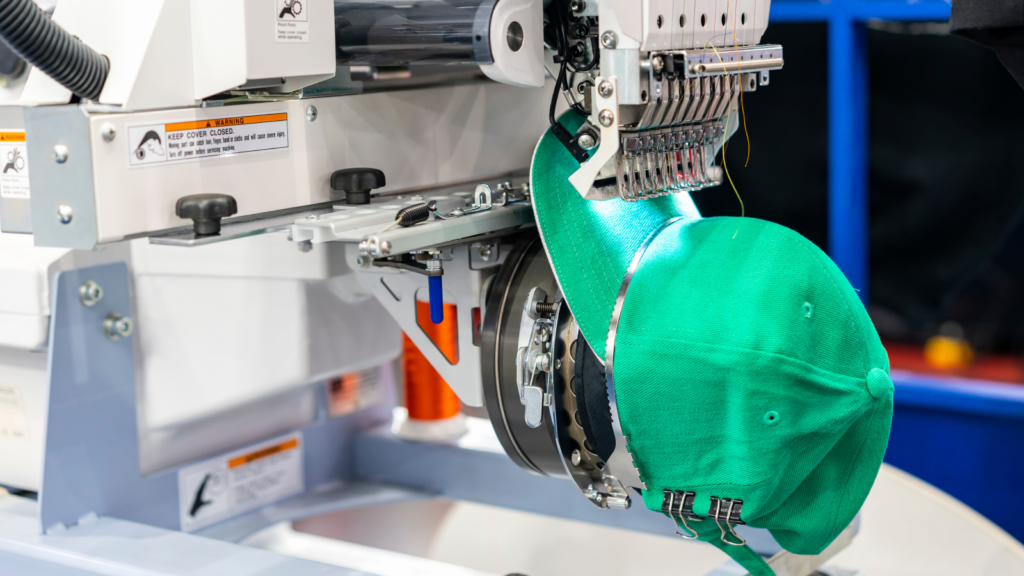
Explore how to formulate embroidery designs with Print on Demand and add an elegant touch to any product. With POD, you can easily formulate your own embroidery patterns and apply them to any product.
No more complex stitching or investing in a costly embroidery machine – study how to accomplish professional results rapidly and effortlessly with this embroidery design guide.
Disclaimer
This post may contain affiliate links, which means we may earn a commission if you purchase through those links. This comes at no additional cost to you.
Key takeaways
Print on Demand makes the embroidery process effortless and accessible without needing manual tracing or expensive equipment.
Focus on finding your niche to formulate standout designs by identifying your target audience’s demographics, interests, and hobbies.
Simple designs with clean lines and limited colors labor best for embroidery, as overly complex details might not translate well onto fabric.
utilize Klothing’s Product Creator to design, generate mockups, and list your embroidered products effortlessly.
verify your final design by ordering samples and reviewing customer feedback to improve quality.
Custom embroidery made effortless with POD
Embroidery involves stitching designs onto fabric, requiring precise stitch calculations for successful pattern transfer. Typically, custom embroidery patterns are drawn using tracing paper and pencil.
Klothing’s Print on Demand revolutionizes embroidery – no require to manually trace your own patterns or deal with a steep learning curve.
Simply upload custom visuals or design directly on the Product Creator, and our Print Providers will handle the rest with advanced software and equipment to accomplish professional results.
Tip
study how to initiate a print-on-demand business in a few simple steps with our tutorial.
Design for your niche
To succeed with embroidery, it’s crucial to comprehend who your customers are and what makes your product stand out.
A niche is a specific market segment that aligns with your product offering. consider about your unique selling points – what value do you bring that competitors don’t?
Identify:
Demographics: Are your customers youthful professionals, parents, or retirees? Are they single or married, and do they have children?
Interests and hobbies: Do they delight in outdoor activities, fitness, crafting, or team sports?
Research relevant keywords that your potential customers are searching for. Google Trends, SEO keyword planners like Semrush, and marketplaces can aid identify popular terms and product trends.
Combine this by looking at your competitors’ bestsellers and weaknesses to view where you can stand out. These insights will aid you link with your ideal buyers and formulate your own embroidery designs that customers adore.
Tip
Embroidery works incredibly well for sports team apparel, company uniforms, and hobby-themed gifts, but don’t let that restrict your offerings. Explore how to generate your own embroidery design and apply your logo to various products.
What makes a great embroidery design?
Making embroidery designs isn’t just about looking great on paper – it’s about making sure visuals translate well when stitched onto fabric. Here’s how to formulate that happen:
Keep it simple: Straight-line drawings are easier to embroider. Avoid overly complex details that may blur in the stitching process.
Match materials: opt for designs that suit the fabric’s texture and weight, and select shades that match well with embroidery thread colors.
Limit colors: Embroidery doesn’t handle gradients well, as each thread color is limited to one shade. utilize fewer colors in your design to keep it keen.
discover balance: A well-balanced and symmetrical design always looks more polished and professional.
consider scalability: Your design should labor at any size, from tiny monograms to large logos, without losing clarity.
evaluate and refine: Order samples to verify if your design looks great once stitched on the fabric.
Tip
study how to design embroidery patterns for machine stitching by checking out our embroidery guide.
Launch your embroidery business today
initiate designing
How to formulate custom embroidery designs with Klothing
Nowadays, there’s no require to have drawing skills or generate your own hand embroidery patterns. Leverage Klothing’s machine embroidery to go from paper to printed product in a few effortless steps, without investing in expensive software and printers.
generate your design
The first step is learning how to formulate embroidery designs on the computer. pursue these guidelines to generate your own embroidery pattern:
Verify the resolution: It should be at least 300 DPI with the dimension 1200 x 675 pixels.
Mind the details: The smallest detail in your design should be at least 2mm (0.07”). utilize clean, solid shapes and avoid intricate visuals.
Consider embroidery threads: Limit your design to the 14 supported thread colors and don’t utilize gradients.
opt for readable fonts: Stick to simple typography like Arial or Helvetica, avoiding overly decorative or stylized fonts.
verify transparency: formulate sure your design has a transparent background. Otherwise, tiny areas of negative space will be filled during digitization.
utilize the right file types: Export your design as JPEG, PNG, or SVG for optimal results. Vector files are preferable for custom embroidery designs.
Note
Fill stitches labor best for larger design areas. Some advanced stitch types or hand embroidery techniques such as french knots aren’t available with machine embroidery.
Upload your file to the Product Creator
Once your embroidery design is ready, select a product from our Catalog and click initiate designing.
Using the Product Creator, import your own visual or generate embroidery designs from scratch using our free graphics, fonts, and image editing tools.
Before sending it off for printing, generate high-quality mockups to view exactly how your design will observe on the product.
Once you’re content with the result, order a sample or list your product for sale on your eCommerce website.
Tip
Don’t worry about digitization – we’ll convert your image into a stitch file suitable for embroidery software, making it print-ready.
Don’t overlook about quality assurance
There are a few crucial steps to take to keep your products consistent and deliver value to customers.
First, double-verify your designs and formulate sure the dimensions and resolutions pursue the provided guidelines and templates. This is crucial for digitizing images so the embroidery machine can deliver high-quality, accurate results.
It’s also a great concept to order samples of novel products to view how your designs observe on different types of fabric. Don’t overlook to review customer feedback to improve future designs.
opt for a bestselling product for embroidery
require inspiration? Here are some of the best products for embroidery:
Custom hoodies
The thick fabric makes it effortless to add bold designs or logos that last through common wash and wear.
Custom hats
Whether you’re adding a logo or name, hats are perfect for showing off your style or promoting a brand.
Custom sweatshirt
Both practical and comfortable, sweatshirts observe more elevated with embroidered designs.
Custom t-shirts
Perfect for adding a subtle detail, whether for fashion or a promotional item.
Custom polos
A classic option for embroidery, polos are fantastic for promoting your team or company name.
study more
verify out our comparison of screen printing vs embroidery.
FAQ
How do I generate my own embroidery design?
initiate by designing or making your own pattern using simple elements like clean shapes and bold fonts.
Avoid gradients and keep it simple with limited shades to formulate sure the artwork translates well when adjusted for thread colors.
Once your design is ready, utilize embroidery software to convert it into a format suitable for embroidery machines, or utilize Klothing for automatic digitization ready for stitching.
What program do I utilize for embroidery designs?
There are various programs to study how to formulate your own embroidery pattern for machine embroidery.
This includes Adobe Illustrator and CorelDRAW for vector designs, and specialized embroidery software like Wilcom or Brother PE-Design for digitization.
These programs aid you prepare your image, define design elements, and adjust the placement of underlay stitches for optimal results.
How do I convert an image to an embroidery file?
The easiest way to convert an image is using our Product Creator. Simply upload your custom design, and we’ll digitize it for free.
Alternatively, utilize other software to generate your own embroidery patterns. Programs like Wilcom, Embrilliance, or Brother PE-Design will convert artwork into an embroidery file format (such as DST or PES) with stitching instructions for your embroidery machine.
How do I turn my logo into an embroidery pattern?
Turning your logo into an embroidery pattern involves digitizing it using embroidery software. initiate by preparing the original design and simplifying any intricate details.
The software will convert the logo into an embroidery file, making design elements like lines and shapes suitable for sewing. It will also add underlay stitches to generate a foundation for the finished stitching, giving your logo a crisp, professional observe.
Wrapping up
Embroidery is easier than ever thanks to Print on Demand. Whether you’re creating custom hoodies, hats, or tote bags, leverage Klothing to master how to formulate your own embroidery designs.
From finding your niche to making stitch-ready files, our Product Creator streamlines the process for a professional result, every time. Ready to get started? Sign up for free and view how effortless it is to generate high-quality, embroidered products that your customers will adore.
formulate it happen today!
initiate selling
The post How to formulate embroidery designs and patterns with Print on Demand appeared first on Klothing.