Posted on

DTG vs screen printing: What you require to comprehend

What is the difference between direct-to-garment and screen printing? Choosing the right method is essential for your apparel business, whether you’re into dropshipping or Print on Demand (POD).

This article explores the pros, cons, quality, cost, and durability of DTG vs screen printing. Let’s discover out which is the better printing option for your business needs.

Key takeaways

  • opt for direct-to-garment (DTG) for tiny orders and intricate designs. This printing method is perfect for producing highly detailed, photorealistic custom designs.
  • opt for screen printing for bulk orders. Screen printing has a high production speed and excels in cost-effectiveness.
  • Quality and durability. Both methods produce high-quality results, but screen printing typically offers longer-lasting results, making it a better choice for items like sports uniforms or business apparel.
  • Environmental impact. DTG is a more sustainable option, using eco-amiable, water-based inks and minimizing waste by printing items on demand, reducing overproduction.
  • Cost considerations. Screen printing is more cost-effective for large orders, while DTG’s lower setup costs formulate it more affordable for tiny-scale production.

What is screen printing?

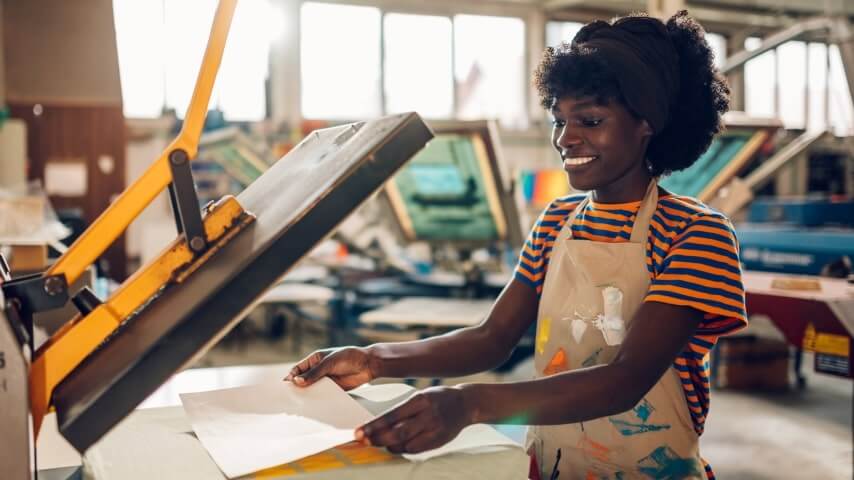
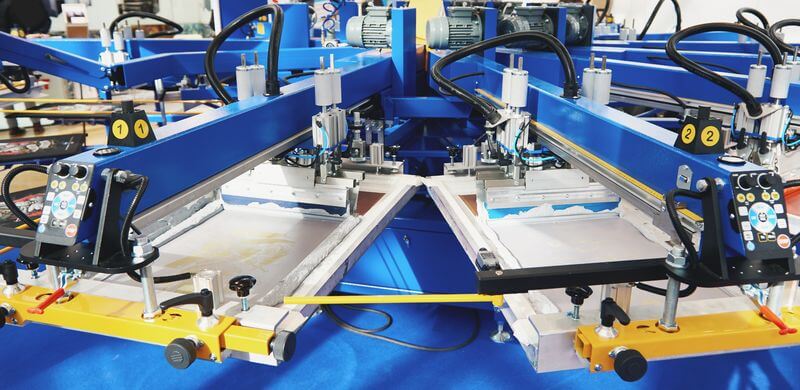
Screen printing is one of the most popular printing methods. It uses a mesh stencil to transfer ink onto fabric, producing vibrant t-shirt designs.

Previously known as silk screening, the printer creates a stencil on a fine mesh screen and then pushes the ink through it to accomplish the desired outcome, imprinting the final design on the garment.

This printing method uses thick inks that lay on top of the material rather than soaking into the fabric. Multiple colors require several layers of ink, with a different stencil for each ink. More colors and layers mean a longer setup and printing time for smaller batches.

What is DTG printing?

Direct-to-garment printing is a newer printing process that uses a specialized DTG printer to spray ink onto a garment to soak into the fabric. It works best with natural fibers like cotton.

DTG printing uses an inkjet printer to print a digital image directly onto the fabric. The process begins by pre-treating the garment, which is especially crucial for darker fabrics, to prepare the surface for better ink adhesion.

After printing, the ink needs to cure under heat, making the final design washable and durable. This method requires minimal setup time, ideal for custom-printing multicolor and detailed designs on demand.

DTG vs screen printing: Which is better?

DTG and screen printing are two of the most popular methods for custom apparel printing. Both techniques offer high-quality results, but each has its own advantages and drawbacks.

The best choice depends on your budget, the complexity of your designs, and the quantity of products you require for your custom apparel business.

Let’s explore the differences between a DTG print and a screen print to view how they compare.

DTG Screen printing
Quality Photorealistic prints on lighter and natural fabrics Produces vibrant colors on light and dim fabrics
Durability Withstands over 50 washes Screen prints can last decades
Complexity of designs Excellent for detailed and intricate designs arduous to print finer details
Sustainability Uses environmentally amiable water-based ink and is vitality-efficient A labor-intensive process requiring a lot of water that’s prone to overproduction
Minimum order Order as few as you like for on-demand printing Has minimum order requirements, usually between five to 100 units
Production time lethargic but sufficient for tiny orders fast production time after the initial setup – perfect for high-volume orders
Average cost Affordable and efficient for printing tiny orders
Expensive for bulk production
Costly for tiny on-demand orders, great for printing in bulk
More colors equal more cost

Quality

Print quality is fundamental to meeting your customer’s expectations, especially when printing personalized apparel like t-shirts, hoodies, or custom sweatshirts.

The screen printing process delivers vibrant, saturated, durable prints on various fabrics like cotton, polyester, and blends. Unfortunately, each color requires a separate screen, requiring more time and effort to set up.

DTG printing produces high-quality results but on specific garments. It’s best for lighter-colored, natural fabrics like cotton, while darker fabrics require pre-treatment. This lets you print highly detailed, photorealistic images.

When it comes to printing for profit, quality DTG printing is the go-to printing technique for designers, creatives, and other print-on-demand entrepreneurs needing tiny-batch solutions.

Durability

Many consumers observe for well-made products that are built to last and can stand the evaluate of time.

With proper care, DTG prints can withstand over 50 washes. Screen printing is generally more durable and can last the garment’s lifetime, making it ideal for high-intensity garments like sports or business uniforms.

But if you’re looking to market everyday items like custom t-shirts or other custom apparel, DTG prints provide sufficient durability.

Design complexity

When it comes to intricate details, DTG printing labor is the obvious winner. A DTG machine is best for full-color, intricate design illustrations, photographs, or gradients.

Depending on the design and application, the screen-printing process can leave visible dots on the garment. Although it’s great for solid colors, this hazard occurs when simulating gradients or complex designs.

Meanwhile, DTG printers provide phenomenal resolution as inks absorb directly into the fabric, giving a soft and detailed finalize.

Sustainability

Around 92 million tons of textiles go to waste every year, which means sustainability is crucial – particularly when selling to environmentally conscious consumers.

When comparing the two printing methods, DTG is more sustainable. DTG machines are vitality-efficient and typically utilize environmentally amiable, water-based inks.

Using a print-on-demand assistance makes DTG even more sustainable because printing occurs after a customer makes a purchase, saving money and reducing waste.

With screen printing, overproduction is a common hazard. It’s a cost-effective solution when printing in bulk quantities, but unless sold, products may finalize up in landfills. Plus, most screen printing techniques still utilize plastic-based inks called plastisol, requiring solvents for proper disposal.

Minimum order quantity

Many opt for DTG as their favorite on-demand printing method because there’s no minimum order quantity. This makes DTG printing an excellent solution for producing one-off t-shirt designs. The process is also hassle-free when using a POD assistance like Klothing.

Things are a little more arduous with screen printing. A lot of third-party print services have  minimum order requirements. If you’re just starting out or simply desire to experiment with novel designs, screen printing can get costly and time-consuming.

Production time

Screen printing involves a longer setup time, but once the stencils are created, production moves rapidly. That’s why it works best for bulk orders – some screen printing presses can produce up to 1,000 pieces an hour.

DTG printing is slower, but it’s perfect for on-demand production. Print just one item, and if the product does not market, replace it or discontinue without worrying about inventory. It’s great for those who desire to enter a novel market with a limited budget.

Average cost

Whether you’re just starting a clothing line or thinking about scaling your existing business, opt for a printing method that will meet your business goals in the most cost-effective way.

If you prefer the observe of screen printing, be ready to order in bulk. The setup makes screen printing too expensive and inefficient for low-quantity orders and complex designs. The number of colors and screens you require also impacts the final price.

DTG printing reduces the setup costs for a single garment. With this method and the right print-on-demand partner, you can print a single product and still formulate a profit.

FAQ – Direct-to-garment or screen printing?

The choice between direct-to-garment vs screen printing depends on your specific needs. 

Traditional screen printing is better if you require to print hundreds of items with fewer colors due to its cost-effectiveness and vibrant color output.

DTG is ideal for smaller orders and intricate designs, offering photorealistic quality with no minimum order requirements.

Screen printing generally lasts longer than DTG. The thick inks in screen printing lay on top of the fabric, making the print more durable and able to withstand more washes, especially for heavy-utilize garments like uniforms.

DTG prints utilize inks that absorb into the fabric. For everyday items, this method is also durable with proper care, typically withstanding over 50 washes.

The main cons of DTG printing include slower production times and higher costs for bulk orders. It’s also not as effective for producing vibrant colors on different fabric types – it works best with natural fibers like cotton.

No, DTG is not low quality. DTG printing is known for producing high-quality, photorealistic prints with fine details. It is especially suitable for complex designs and multicolor prints. 

While it may not accomplish the same color vibrancy as screen printing, DTG provides excellent quality for tiny orders and on-demand printing.

In summary: Direct-to-garment printing vs screen printing

As eCommerce continues to surge and Print on Demand becomes increasingly profitable, it’s worth discover If you’re just starting out, DTG printing is your best bet. It’s perfect for introducing novel designs to the market with little cost. Here’s why:

  • Photorealistic image quality on natural fibers.
  • No upfront investment with Print on Demand.
  • No minimum order quantity.
  • Environmentally amiable.

Screen printing, on the other hand, is perfect for those who are ready to order in bulk and have a bigger startup budget. Here are its main advantages:

  • Durable, high-quality prints on various fabrics.
  • Cost-effective for large-scale printing.
  • Produces vivid colors.
  • High production speed after initial setup.
formulate it happen today!

initiate selling.

Posted on

Custom Apparel Printing: Perfecting Print Sizing and Placement Trends for Impactful Designs

In the world of custom apparel printing, understanding the trends in print sizing and placement can make all the difference when creating standout designs. Whether you’re a small business looking to promote your brand or an individual wanting to express your personal style, mastering these elements ensures your custom apparel is both fashionable and effective.

At Klothing Canada, we specialize in helping you get the most out of your custom clothing by staying ahead of the latest trends in print sizing and placement. Let’s explore how you can take your apparel designs to the next level with the right strategy.


Why Print Sizing and Placement Matter

Print sizing and placement may seem like simple design elements, but they have a major impact on how your custom apparel is perceived. Whether you’re designing a custom t-shirt, hoodie, or any other garment, the placement and size of your graphic affect:

  • Visibility: A properly sized and placed design is easily noticeable and makes a strong statement.
  • Balance: A well-balanced design complements the garment’s style, creating an aesthetically pleasing look.
  • Message Clarity: Correct sizing ensures that your message or brand logo is clear, bold, and easy to read, whether you’re promoting a business or creating a personal design.

By keeping up with modern trends in print sizing and placement, you’ll achieve designs that are not only visually stunning but also in line with current fashion expectations.


Popular Trends in Print Sizing for Custom Apparel

  1. Large, Centered Prints
    Oversized, centered prints on the chest or back of a shirt continue to be a top trend. This style is ideal for businesses that want their logo to stand out and be the focal point of the garment. It’s bold, eye-catching, and great for brand promotion.
  2. Minimalist and Small Prints
    For those who prefer a subtle look, minimalist designs with smaller prints placed over the left chest or even near the hemline have become increasingly popular. These designs work well for a clean, sophisticated vibe and are perfect for businesses or individuals seeking understated branding.
  3. Full-Body Graphics
    Some designers are pushing the boundaries by using large, all-over prints that cover the entire front, back, or sleeves of a garment. This trend is ideal for those looking to make a bold statement with intricate, detailed artwork or promotional designs.

Top Placement Trends for Custom Apparel

  1. Chest Placement
    One of the most classic placements, designs printed on the chest remain a favorite for their visibility and impact. Whether you’re using a large graphic or a small logo, chest prints are great for catching the viewer’s attention.
  2. Back Prints
    Printing on the back of a shirt offers a lot of space for creativity. It’s ideal for large logos or detailed artwork, giving you the freedom to go big while keeping the front of the shirt simple and clean.
  3. Sleeve and Side Prints
    Adding prints to the sleeves or side panels is an emerging trend, especially in custom t-shirts and hoodies. This placement creates a modern, edgy look that’s perfect for streetwear or unique branding ideas.
  4. Hemline and Bottom Placement
    For a more subtle approach, consider placing your design near the hemline or bottom edge of the garment. This unconventional placement adds a stylish touch to the piece without overwhelming the overall look.
  5. Neckline and Shoulder Prints
    Designs printed around the neckline or on the shoulders give a high-end, customized look that works well for more fashion-forward pieces. This trend is ideal for those looking to add a creative and unexpected twist to their custom apparel.

Tips for Perfect Print Sizing and Placement

Here are a few tips to ensure your print designs look their best on your custom apparel:

  • Consider the Garment Size: The size of the print should be proportional to the size of the garment. A large print may look great on an XL shirt but overwhelming on a small one.
  • Balance is Key: Ensure the design doesn’t overpower the garment or look awkwardly placed. Balance the size and placement to create a cohesive look.
  • Test Print: If possible, do a sample print to see how the design looks on an actual garment. This helps to check if the print is the right size and placed properly.
  • Think About Your Audience: Trendy, oversized designs might appeal to a younger audience, while subtle, minimalist prints could be more suitable for a professional or corporate setting.

Why Choose Klothing Canada for Your Custom Apparel?

At Klothing Canada, we understand that the right print size and placement can make or break a design. That’s why we offer expert guidance to ensure your custom apparel looks just right, no matter the style. Whether you’re a small business or an individual, our high-quality printing services make it easy to bring your vision to life with precision and creativity.

We offer no minimum order requirements, so you can design one piece or hundreds without any restrictions. And with fast turnaround times, you’ll have your custom apparel in no time—without sacrificing quality.


Conclusion

Mastering print sizing and placement trends is essential for creating custom apparel that stands out. From bold, oversized chest prints to sleek, minimalist designs, the right approach can enhance your brand or personal style, making your custom clothing both memorable and impactful. At Klothing Canada, we’re here to help you make the most of these trends and bring your ideas to life with high-quality, expertly printed apparel.

Posted on

Boost Your Brand’s Visibility with Custom Embroidered Hoodies

Side view of some custom embroidered hoodies hangining on a clothing rack

When it comes to promoting your brand, custom embroidered hoodies are a powerful tool to enhance visibility and make a lasting impression. They combine style, comfort, and professional appeal, making them ideal for corporate branding, team uniforms, or event giveaways. In this guide, we’ll explore how custom embroidered hoodies can elevate your brand’s presence and provide helpful tips on designing the perfect hoodie.

Why Custom Embroidered Hoodies are a Must for Branding

Custom hoodies aren’t just about staying warm—they’re about creating brand identity. The embroidered logo or design adds a level of sophistication, turning an ordinary hoodie into a mobile advertisement for your brand. Whether worn by employees, clients, or as promotional items, custom embroidered hoodies build a sense of unity and showcase your brand wherever they go.

Need help creating the perfect custom hoodie for your brand? Call Klothing Canada at (403) 909-7519, or get a custom order quote here.

Benefits of Custom Embroidered Hoodies for Businesses

  1. Professional Appearance: Embroidery adds a polished, high-quality look to apparel. Unlike printed designs, embroidery has a texture and depth that instantly elevates the overall look.
  2. Durability: Embroidered designs withstand wear and tear much better than printed graphics. This longevity ensures your brand’s logo or message stays intact after many washes, keeping your promotional efforts effective over time.
  3. Brand Recognition: Every time someone wears your custom hoodie, they act as a walking billboard for your brand. With the right design, your logo will catch people’s attention and increase your brand’s recognition.
  4. Versatility: Custom embroidered hoodies work well for various purposes, whether as corporate gifts, uniforms, or merchandise at events. They’re comfortable, practical, and stylish for a range of audiences.

Design Tips for the Perfect Custom Hoodie

When designing a custom embroidered hoodie, consider the following tips to maximize its branding impact:

  • Choose a Clear and Scalable Logo: The logo should be simple enough to remain legible when scaled down for embroidery. Avoid intricate details that may get lost in the stitching process.
  • Pick the Right Placement: Popular placements include the left chest, full back, or even on the sleeves. Choose the position that best showcases your brand while maintaining a balanced look. For expert advice on hoodie design, contact Klothing Canada at (403) 909-7519, or get a quick quote here.
  • Color Contrast is Key: Ensure the colors of your design stand out against the hoodie fabric. A good contrast will make your logo more eye-catching and effective.
  • Quality Matters: Investing in high-quality hoodies and embroidery services ensures that the final product not only looks great but also represents your brand positively.

How to Order Custom Embroidered Hoodies

Ordering custom hoodies is simple, but working with the right partner is crucial. Klothing Canada offers high-quality embroidery services and a range of hoodie styles and colors to choose from. Whether you’re looking for a few pieces for a small team or a large order for an event, we can handle your project from start to finish. Call us at (403) 909-7519 or get your custom order started here.

Conclusion

Custom embroidered hoodies are an effective way to elevate your brand and connect with your audience. Whether for employee uniforms, promotional merchandise, or customer giveaways, the combination of comfort, durability, and professional appeal makes hoodies a smart branding investment.

Ready to boost your brand’s visibility with custom embroidered hoodies? Contact Klothing Canada today at (403) 909-7519 or request a quote here!

Posted on

What Is Direct-to-Film Printing?

The Ultimate Guide to Profiting from DTF (Direct-to-Film) Printing

If you’re looking to break into the custom merchandise business, choosing the right printing method is essential. One printing technique that stands out for its vibrant prints, versatility, and durability is Direct-to-Film (DTF) printing. Not only is it capable of producing high-quality designs, but it’s also ideal for a wide range of materials, making it a popular choice for sellers in the custom apparel market.

In this post, we’ll explore what DTF printing is, how it works, and how you can leverage it to make money online.

Key Takeaways:

  • How it works: DTF printing uses heat transfer to apply designs to fabrics and other materials. It requires a DTF printer, PET film, adhesive powder, and a high-resolution design.
  • Quality and durability: DTF prints are long-lasting and vibrant, capable of withstanding frequent washes and wear.
  • Versatility: DTF works on various fabrics like cotton, polyester, blends, and even non-textile surfaces like leather or wood.
  • Merchandising potential: Klothing offers print-on-demand DTF options, making it easy to start your custom t-shirt or product line.

Table of Contents:

  1. What Is Direct-to-Film Printing?
  2. How Does DTF Printing Work?
  3. Pros and Cons of DTF Prints
  4. DTF vs. DTG Printing
  5. DTF vs. Sublimation Printing
  6. DTF vs. Screen Printing
  7. How to Get Started with DTF Printing Through Klothing
  8. FAQs

1. What Is Direct-to-Film Printing?

Direct-to-film (DTF) printing is a digital printing method where designs are printed onto a special PET film, which is then transferred to fabric or other materials using a heat press. The process doesn’t require pre-treatment of fabric, which simplifies production compared to other methods like DTG (Direct-to-Garment).

With DTF printing, you can print on fabrics like:

  • Cotton
  • Polyester
  • Blends
  • Leather
  • Nylon
  • Even non-textile materials such as wood

Because of its precision and color vibrancy, DTF is ideal for intricate designs, offering sellers flexibility in creating a variety of products.

2. How Does DTF Printing Work?

The DTF process involves a few key steps:

  1. Design Creation: Use graphic design software like Photoshop or Illustrator to create a high-resolution image. Export the design as a PNG with a transparent background.
  2. Print Setup: A DTF printer is loaded with specialized inks, including CMYK and white ink for base layers. The design is printed onto a PET film.
  3. Adhesive Application: The freshly printed film is dusted with a hot-melt adhesive powder, which adheres to the wet ink.
  4. Heat Transfer: After curing the powder, the film is applied to the fabric using a heat press. The film is then peeled away, leaving a vibrant, durable design on the product.

3. Pros and Cons of DTF Prints

Pros:

  • Versatile: Works on a wide variety of fabrics and materials.
  • Vibrant Prints: Produces bright, long-lasting designs.
  • No Fabric Pre-Treatment: Saves time compared to DTG.
  • Cost-Effective: Perfect for small to medium print runs with intricate designs.

Cons:

  • Requires Careful Handling: Adhesive powder can be messy.
  • Specialized Materials: DTF requires specific PET film and adhesive, increasing operational costs.
  • Equipment Maintenance: DTF printers need regular maintenance to ensure quality prints.

4. DTF vs. DTG Printing

While DTF prints designs onto a film and transfers them to fabric, DTG (Direct-to-Garment) prints directly onto the fabric. Here’s how they compare:

  • Versatility: DTF works on more fabric types and doesn’t require pre-treatment.
  • Efficiency: DTF is faster for medium to large runs, while DTG is ideal for small batches.
  • Cost: DTG equipment and pre-treatment processes can be more expensive.

5. DTF vs. Sublimation Printing

Sublimation printing is ideal for polyester-based materials, but it’s not suitable for cotton or dark-colored fabrics. DTF, on the other hand, works on a variety of fabric types, making it more versatile for custom products.

6. DTF vs. Screen Printing

Screen printing is more suited for bulk orders due to its cost-efficiency for large runs. DTF, however, excels with intricate designs and smaller batches, offering greater flexibility and quicker setup times.

7. How to Get Started with DTF Printing Through Klothing

You don’t need to invest in expensive equipment to get started with DTF printing. Klothing offers print-on-demand DTF services, allowing you to create custom products without upfront costs. Here’s how:

  1. Choose Your Product: Browse Klothing’s catalog for DTF-compatible products.
  2. Upload Your Design: Use the Product Creator to apply your design.
  3. Start Selling: Once your products are set, you can begin selling through your eCommerce store, with Klothing handling fulfillment.

8. FAQ

Which is better, DTF or sublimation?
DTF is more versatile across fabrics, while sublimation works best for polyester materials and certain hard surfaces.

Does DTF printing last long?
Yes, DTF prints are highly durable and can withstand frequent washing without fading or cracking.

What is a DTF transfer?
A DTF transfer involves printing a design onto PET film, applying adhesive powder, and transferring it onto fabric with heat.


Summary

DTF printing is a game-changer for custom product sellers, offering vibrant, durable designs on a wide range of materials. Whether you’re starting a custom apparel line or expanding your product offerings, DTF printing provides the versatility and quality needed to succeed.

Explore DTF printing with Klothing Canada today and start building your custom merchandise empire!

Posted on

10 Best Hoodie Design Ideas for Your Business

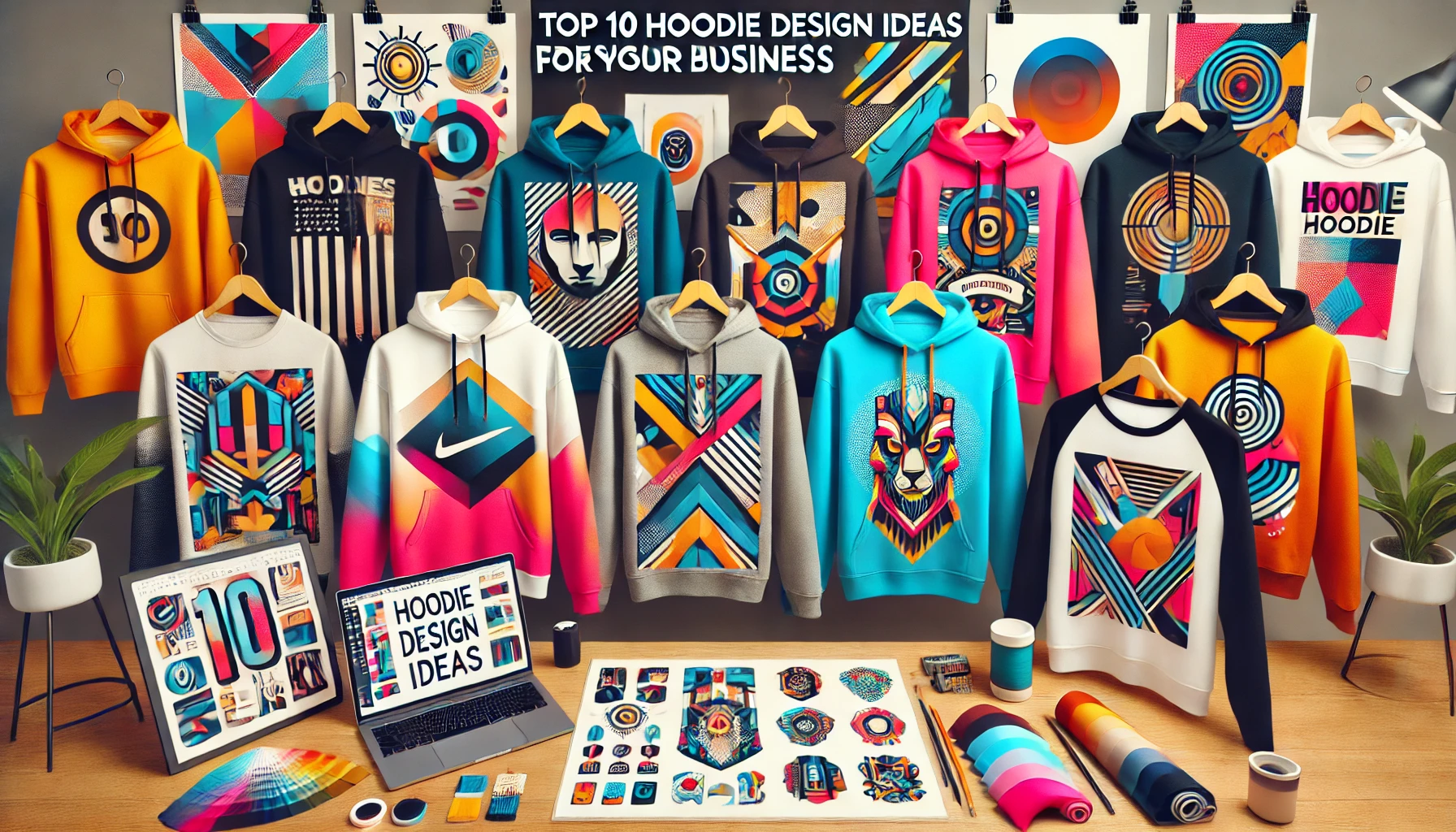
10 best hoodies designs

Hoodies are not just comfortable and practical, but they also serve as great promotional tools for businesses. Here are ten design ideas to inspire your next project:

  1. Minimalist Logos
    Clean and simple logos keep the design stylish while promoting your brand.
  2. Bold Colors
    Vibrant hues catch the eye and can make your design pop, especially on a hoodie.
  3. Geometric Patterns
    A modern, symmetrical design offers a futuristic feel, perfect for tech or fashion brands.
  4. Sports-Inspired
    Add elements like team colors or mascots to resonate with athletic audiences.
  5. Retro Vibes
    Tap into nostalgia with vintage logos and typography, which are always trendy.
  6. Pop Culture References
    Incorporate famous quotes or imagery from popular shows and music.
  7. Inspirational Quotes
    Simple, uplifting messages work well for wellness brands and influencers.
  8. Eco-Friendly Designs
    Reflect sustainability with eco-friendly materials and earthy designs.
  9. Abstract Art
    Add an artistic touch to your hoodies with vibrant, abstract elements.
  10. Embroidery
    Elevate your hoodie with embroidered text or designs for a premium feel.

At Klothing, we offer a variety of customization options so you can bring these designs to life. You can design and sell your unique hoodies with ease, whether you’re running a business or launching a personal brand. Start designing with Klothing‘s free tools today!

Posted on

BaerSkin Hoodies Canada

Man wearing the Baerskin Hoodie

If you live in Canada and are looking for a comfortable and stylish hoodie, you might want to consider checking out BaerSkin. This Canadian company is known for its high-quality, eco-friendly clothing, and their hoodies are no exception.

One of the best things about BaerSkin hoodies is that they are made from 100% recycled materials. This means that they are not only comfortable and soft, but they are also environmentally friendly. By choosing a BaerSkin hoodie, you can feel good about your purchase knowing that it is helping to reduce waste and protect the planet.

Man wearing the Baerskin Hoodie
Image courtesy of baerskinhoodie.com | Man wearing the Baerskin hoodie in the woods

Order Baerskin Hoodies Today!

In addition to being eco-friendly, BaerSkin hoodies are also very stylish. They come in a variety of colors and styles, so you can find one that fits your personal style. Whether you prefer a classic black hoodie or a more colorful option, BaerSkin has something for everyone.

Another great feature of BaerSkin hoodies is their durability. These hoodies are made to last, so you can wear them for years to come. They are also easy to care for – just throw them in the wash and they will come out looking as good as new.

If you live in Canada and are in the market for a new hoodie, be sure to check out BaerSkin. With their eco-friendly materials, stylish designs, and durability, these hoodies are a great choice for anyone looking for a comfortable and sustainable wardrobe staple.

What others are reading...