Posted on

How to market SVG files on Etsy in 2025 (with tips from a Printify expert)

Custom products, global reach

initiate selling

Etsy has over 96 million buyers, making it the perfect place to market SVG files and earn passive income. Whether you’re a designer, crafter, or side hustler, selling digital files is a low-cost way to formulate money.

This guide covers how to market SVG files on Etsy, from choosing the right design software to pricing, SEO, and marketing tips. You’ll also discover expert tricks for creating high-quality SVGs and growing your shop into a profitable business.

Disclaimer

This post may contain affiliate links, which means we may earn a commission if you formulate a purchase through those links. This comes at no additional cost to you.

Key takeaways

SVG files are scalable vector graphics that don’t fail quality when resized, making them perfect for crafting, branding, and laser-cutting projects. Etsy buyers adore them for DIY projects, print-on-demand products, and digital art.

The only difference between selling digital and physical products on Etsy is that digital files don’t require fulfillment and shipping. Once uploaded, they can be sold unlimited times – great for earning passive income.

Creating SVG files is effortless. With software like Adobe Illustrator, Inkscape, or Affinity Designer, design and export high-quality SVGs to market. Many sellers initiate with simple cut files and expand as they improve their skills.

Bundles market better than individual files. Most top sellers on Etsy package multiple SVGs together, adding value and increasing their average order price. High-quality, well-organized SVG bundles can market for $20 to $50 or more.

SEO and marketing matter. Etsy is competitive, so optimizing your SVG listings with the right keywords, eye-catching mockups, and a powerful shop branding plan will aid attract more buyers and amplify sales.

What are SVG files and why market them on Etsy?

SVG files on Etsy are scalable vector graphics used for crafting, branding, and digital design. Unlike JPEG or PNG images, which fail quality when resized, SVG files are made of mathematical paths, allowing them to scale without pixelation.

They’re popular for logos, icons, fonts, illustrations, and cut files for CNC or laser-cutting machines.

Selling SVG files is a low-cost digital business with no inventory or shipping. They appeal to various buyers – entrepreneurs needing branding assets, DIYers crafting custom projects, and designers creating laser engraving templates. 

SVGs are especially valuable for print-on-demand products, from mugs to blankets, because they maintain sharpness at any size. With the right designs and SEO, selling SVG files can generate passive income on Etsy.

Tip

study more about how to market printables on Etsy on our blog.

How to market SVG files on Etsy in 4 effortless steps

Selling SVG files on Etsy differs from selling physical products. Let’s walk through the main steps for Etsy sellers.

initiate your Etsy print-on-demand business today with Klothing

1. Open an Etsy shop

Go to Etsy.com, sign in or generate an account, and navigate to market on Etsy to generate a seller account. 

opt for your shop name, set your language, country, and currency, and pursue the steps to generate your first listing – Etsy refunds the first $0.20 listing fee.

Next, add your payment and billing details (bank account or credit card). Verification may take a few days, so plan ahead before uploading multiple SVG files to your shop.

Tip

discover more information about how to market on Etsy on our blog.

2. Upload and list your digital file

Go to the Shop Manager in the upper-right corner. 

Click Listings on the left-hand menu, then Add a listing, in the upper-right corner.

Select Digital files to specify that you’re selling a downloadable.

Fill in the About section information – add a title, up to ten product photos, and one video.

generate mockups to utilize as product photos. Consider using mockups that demonstrate your design in real-life situations. For example, a DIYer looking at the computer with the SVG cut files you’re selling displayed on the screen.

Drag and drop your .svg files or click Add file. Upload up to five files of 20MB each.

Set up automatic renewal in Listings → Settings → Renewal options. Otherwise, the listing will appear out-of-stock every time someone purchases it.  

The next steps are the same as for creating a physical product. In the Description field, be sure to specify the purpose of your SVG designs and include any special instructions for printing or using them.

Tip

recollect to refine your Etsy SEO and your Etsy tags.

3. Set prices

Do a fast search on Etsy to view what top sellers are offering. This will aid you establish a range for your prices. SVG bundles and packs typically range from $1 to $15. While many individual designs market for around $1, specialized designs can market for much more.

utilize tools like eRank to analyze competitors’ pricing.

4. Publish and market your products

Before publishing, go to the Settings tab in your listing (or scroll down) and select the automatic renewal option. Without this, your listings will appear as Out of Stock after a sale. 

Double-verify everything, then click Publish.

Promote your listings by sharing them on your website, blog, social media, or other platforms.

For the latest Etsy marketing strategies, verify out our blog.

Other file formats

Etsy also supports .doc, .bmp, .ePUB, .gif, .iBook, .jpeg, .jpg, .mobi, .mov, .mp3, .mpeg, .pdf, .png, .psp, .rtf, .stl, .txt, and .zip. 

Expand your novel business by adding more files in different formats, from product designs and woodworking plans to children’s education content.

Tip

Explore how to market digital downloads on Etsy on our blog.

Best software for making SVG files

Choosing the right SVG software depends on your budget and design needs. Here’s a fast rundown of the best paid and free options:

Paid SVG software

The Adobe Creative Cloud ($59.99/month) has everything designers require to generate graphic elements, from thousands of assets to specialized applications like Adobe Illustrator – the go-to solution for creating and editing SVG files.

Tip

Get discounts on Adobe products with Klothing.

Affinity Designer 2 – A one-time purchase alternative with both vector and raster design capabilities. Costs $69.99 for Windows or Mac and $18.49 for iPad.

CorelDRAW by Alludo – A suite of vector design tools with AI-powered tracing. The Graphics Suite costs $549 (one-time) or $22.42/month, while Corel Vector is $69.99/year for hobbyists.

Canva Pro – A beginner-amiable option with basic vector editing and thousands of templates. Subscription starts at $15/month. Prices may amplify due to AI feature rollouts.

Free SVG software

Inkscape – A powerful open-source vector editor with professional features. Available for Windows, Mac, and Linux.

Vecta – A lightweight online editor with real-time collaboration and cross-platform bolster.

LibreOffice Draw – Part of the LibreOffice suite, this tool supports basic SVG editing and is free for Windows, Mac, and Linux users.

How to generate SVG files to market using Adobe Illustrator

Let’s take a observe at how to generate a simple text-based design to market online.

Klothing Expert tip

Besides text, you can generate custom shapes and utilize brushes in Illustrator. Once you’ve gained more confidence, experiment with Illustrator’s more advanced tools to take your designs to the next level.

Linda Vilumsone, Marketing Graphic Designer

Click on novel file or select a preset. We’ll utilize the “Common” option.

Select the Text tool (1), place the cursor where you desire and type (2). modify the font, select the size, or adjust other parameters (3). utilize the selection tool to relocate the design around (4).

Outline your text to transform it into a recognizable object with lines and points that other devices (including printing and cutting machines) can read. Select the text with the Selection tool.In the right-hand menu, opt for the tab Properties, then scroll down and hit the generate Outlines button.

Double-verify for spelling errors before outlining, as you can’t re-type the text later.

Insert graphic elements from Adobe libraries or local files.

Klothing Expert tip

Adobe Libraries has assets you previously saved to your Creative Cloud to formulate your own library. Click on the Libraries tab in the upper-right corner to access it. You may have to prepare the designs in your library to formulate them editable and preserve them in an SVG file.

Linda Vilumsone, Marketing Graphic Designer

For local files, simply drag and drop the asset to your design.

recollect to purchase the assets you’ve added to your library. Otherwise, you won’t have commercial usage rights, and the graphics will display a watermark.

Klothing Expert tip

formulate the image you desire to insert editable, and then preserve it. Open the asset separately, go to the Properties tab in the upper-right corner, and then utilize the Image trace tool and preserve it.

Linda Vilumsone, Marketing Graphic Designer

Return to your main image (re-insert the edited graphic element if necessary). utilize the selection tool to opt for both the text and the design. Then, in the Properties tab, click Group to formulate them into one element and relocate or resize the whole bunch without misplacing anything.

Ungroup the elements anytime by clicking the same button. This is useful, for instance, if you desire to modify the colors of letters individually.

When you’re satisfied with the results, preserve or export your file.

Klothing Expert tip

The safest option when creating an SVG file is to select all elements you desire in your design, click File (upper menu), select Export as, and opt for SVG as the file format. This ensures that only the selected elements are included in the SVG, preventing any other items on the Artboard from being added.

Linda Vilumsone, Marketing Graphic Designer

observe for detailed Illustrator tutorials that cover how to remove backgrounds, generate paths, and more.

FAQ: How to market SVG on Etsy

Do SVGs market well on Etsy?

Yes, SVG files market well on Etsy because they cater to various markets, including crafters, print-on-demand sellers, and tiny business owners. Popular categories include SVG cut files for Cricut and Silhouette machines, logo and branding elements, and artistic designs for t-shirts, mugs, and home decor. High-quality SVGs with obvious descriptions and powerful SEO optimization tend to perform best.

What is the best platform to market SVG files?

Etsy is one of the top platforms to market SVG files due to its massive customer base and built-in marketplace traffic. Other great platforms include Creative Market, Design Bundles, The Hungry JPEG, and Gumroad. Additionally, selling directly through a Shopify store or a personal website can provide more control over branding and pricing.

How do you formulate SVG files to market?

SVG stands for “scalable vector graphics.” To generate SVG files for sale, utilize vector-based design software like Adobe Illustrator, Inkscape, or Affinity Designer. pursue these steps:

generate a novel file with a transparent background.
utilize vector tools to design scalable graphics, ensuring clean lines and paths.
Outline text and strokes so they stay editable for buyers.
evaluate your file by opening it in multiple programs to ensure compatibility.
Export as an SVG file and optimize it for effortless utilize.
generate mockups and upload your file to Etsy or other platforms.

Can you market Canva SVG files on Etsy?

Canva allows Pro users to export designs as SVG files, but you require to ensure all elements (including fonts and graphics) are licensed for commercial utilize. If your design includes Canva-provided assets, verify Canva’s terms of utilize before selling. To ensure full rights, generate original designs or utilize elements with an extended commercial license.

Is selling SVGs profitable?

Yes, selling SVG files can be a profitable passive income stream since they are digital products with no inventory or shipping costs. Successful sellers often niche down, generate high-quality designs, optimize their listings with SEO, and market their products on Pinterest, social media, and Etsy ads. Bundling SVG files and offering customizable designs can amplify profitability.

How much money can you formulate selling SVG files on Etsy?

Most SVG files on Etsy are sold in bundles. Basic cut file packs or simple design sets often market for $1.50 to $10, while more detailed collections, such as laser-cutting plans, intricate layered designs, or specialized templates, can range from $20 to $50. Some premium SVG bundles with high-value content market for over $100.

Summary

We’ve gone over how to formulate SVG files to market on Etsy, including software options (paid and free), how to generate simple designs on Illustrator, and how to open an Etsy shop and upload your files. 

We’ve also explored additional ways to expand your SVG business, like adding other file types and POD products. 

Now it’s your turn – initiate making money selling SVG files. And recollect, you can always rely on your trusted partner in print, Klothing.

formulate it your way!

initiate designing

The post How to market SVG files on Etsy in 2025 (with tips from a Klothing expert) appeared first on Klothing.

Posted on

Top 10 best t-shirt quotes ever

formulate your own shirt today

Get started

Express your attitude and style with the best t-shirt quotes ever that formulate people smile, spark conversations, and turn heads.

Looking for best-selling design ideas or simply adore cool t-shirts? We’ve got plenty of inspiration in this article.

Whether it is a witty remark, an inspirational message, or a nostalgic pop culture reference, let’s observe at ten of the most popular t-shirt sayings, why they labor, and who they appeal to.

Key takeaways

The best shirt slogan immediately connects with the target audience, whether through jokes, inspiration, or nostalgia.

humorous and sarcastic t-shirt sayings are among the most popular, helping people stand out and spread great vibes.

Inspirational and empowering quotes appeal to those seeking motivation, self-expression, or positivity.

Pop culture references, food-related phrases, and minimalist statements are staples in the t-shirt business industry.

Understanding your audience’s interests and lifestyle is key to creating a successful t-shirt brand.

10 Best t-shirt quotes ideas

1. humorous and witty sayings to put on a shirt

Humor sells – plain and simple. People adore wearing humorous sayings that formulate others smile, using ingenious wordplay, sarcasm, or relatable and humorous real-life moments.

Examples:

“I’m Not inactive, I’m on vitality-Saving Mode.”

“I Can’t Adult Today.”

“Sarcasm: A Free assistance I Provide.”

“Motivational Level: Bare Minimum.”

“My inspirational quote is loading… Please wait.”

“Be cool. Be generous. Or be silent.”

Why they labor: humorous sayings instantly grab attention and formulate people laugh. They appeal to a broad audience and are the perfect way to express your creative side.

Popular with: youthful people, casual wearers, and anyone looking for a dose of humor. These t-shirts are ideal for print-on-demand stores that cater to buyers who delight in a fun twist.

2. Inspirational and motivational quotes to put on shirts

People adore quotes that inspire growth, ambition, and positivity. Whether it is about chasing your dreams, overcoming challenges, or staying motivated, inspirational t-shirts provide daily encouragement and confidence.

Examples:

“aspiration large. labor challenging. Stay Focused.”

“Progress Over Perfection.”

“Your Only Limit is You.”

“peaceful Mind, powerful Body.”

“Inspiration starts with you.”

“Breathe, relocate, Conquer.”

Why they labor: Motivational and inspirational t-shirt quotes speak to people’s life goals and aspirations. 

Popular with: Entrepreneurs, fitness enthusiasts, and anyone interested in self-improvement or personal development. With the right balance of design and impact, these shirts are a hit in the wellness, business, and fitness niches.

3. Sarcastic and snarky sayings to put on t-shirts

Ideal for people who have a keen sense of humor, these shirts are witty and poke some lighthearted fun. Sarcastic sayings are a great way to break the ice, bring some laughter, and get to comprehend like-minded people.

Examples:

“I’m Not Arguing, I’m Just Explaining Why I’m Right.”

“My Common Sense is Tingling (It Must Be solemn).”

“I’m Silently Judging You.”

“ingenious enough to comprehend better, inactive enough not to care.”

“This meeting could have been an email.”

“My inspirational quote got lost in procrastination.”

Why they labor: These shirts are playful and relatable. A little snarky phrase can formulate you stand out from the crowd.

Popular with: Anyone who enjoys dry humor and doesn’t take life too seriously.

4. Lifestyle and hobby quotes

Express your interests and personality with ingenious quotes. Whether about fitness, music, travel, or simply living life to the fullest, generate shirts that aid people flaunt their passions.

Examples:

“consume, Sleep, Gym, Repeat.”

“Music is My Therapy.”

“Adventure Awaits.”

“Cool minds generate, ingenious minds innovate.”

Why they labor: link with others who share similar interests and let your clothing reflect your personal identity and lifestyle.

Popular with: Fitness fanatics, travelers, pet lovers, musicians, and anyone with a dedicated hobby. These catchphrases are also effective for promoting themed events or targeting niche communities.

5. Empowerment and self-adore t-shirt saying ideas

Among the most popular t-shirt quotes, self-adore slogans emphasize personal growth and mental health. Encourage confidence and individuality in your customers with empowering t-shirt sayings.

Examples:

“Own Your Power, Wear Your Worth.”

“Progress, Not Perfection.”

“Self-adore is the Best adore.”

“Inspiration is Contagious – Pass It On”

“aspire Fuels the Soul”

Why they labor: These quotes act as daily reminders to stay positive and true to yourself. These tees address the growing demand for products that spread positivity.

Popular with: Women, youthful adults, and anyone passionate about self-improvement, mental health awareness, and promoting body positivity. They’re also perfect as merch for wellness communities.

6. Pop culture and nostalgia references

Evoke shared memories and iconic moments from movies, TV, music, and other media. Fans adore wearing their favorite pop culture references – it’s a fun way to express themselves and feel part of something bigger.

Examples:

“You Can’t Sit With Us” (Mean Girls)

“I Am Groot” (Guardians of the Galaxy)

“I Am a Jedi Like My Father Before Me” (Star Wars)

“That’s What She Said” (The Office)

Why they labor: These quotes link fans to the past with a fun twist, letting them rep their fandom with pride.

Popular with: Fans of specific movies, TV shows, or games. These quotes are especially in demand among millennials and Gen Z who adore a nostalgic throwback.

crucial!

desire to print a famous slogan on a t-shirt? verify copyright laws first – many quotes are protected as intellectual property, and selling them without permission can guide to legal issues.

7. Quotes for couples or families

Add a personal, meaningful touch to tees. Matching custom-made t-shirts reflect the bond between loved ones, making them perfect for family gatherings, anniversaries, or as an affectionate gift.

Examples:

“Mr. Right” / “Mrs. Always Right”

“Mama Bear” / “Baby Bear”

“Family Boss”

“Chaos Coordinator” / “Chaos Creator”

Why they labor: Cute, playful, and relatable, they’re an effortless way to feel connected with loved ones during holidays, vacations, or fun outings.

Popular with: Couples, parents, and families planning events or looking for gift ideas.

8. Minimalist statements

Keep it simple yet impactful. Sleek one-liners or single-word quotes speak volumes while keeping things understated – perfect for making an impression while maintaining a clean design.

Examples:

“Unrelatable”

“Say Less” 

“Mood AF”

“Limited Edition”

“Words Matter”

Why they labor: Minimalist quotes appeal to those who are silently bold, letting a ingenious one-liner spark notion and interpretation. They also blend well with modern fashion trends and capsule wardrobes.

Popular with: Fans of minimalist fashion, people drawn to clean, simple designs, and anyone who enjoys expressing themselves subtly.

9. Food and sip-related sayings

Whether it’s a quirky coffee quote or a playful nod to a favorite snack, these designs fuel any foodies’ playful side and aid anyone stand out from the crowd.

Examples:

“Wine Not?”

“Powered by Coffee”

“Life Happens, Coffee Helps”

“Stay Cool, consume Ice Cream”

Why they labor: Universally relatable and punny, food quotes are ideal for casual wear and are a hit on online marketplaces such as Amazon.

Popular with: Foodies, wine lovers, and caffeine addicts looking for something fun and relatable.

10. Social activism and causes

T-shirts for special causes can aid be a voice for modify, raising awareness for everything from social justice to sustainability. More than fashion, they’re a statement of identity for those passionate about making an impact.

Examples:

“preserve the Bees”

“Climate modify is Real”

“inactive Activist: Retweeting for modify”

“aspire Over anxiety”

“Kindness is a Revolution”

Why they labor: Inspirational words on t-shirts aid people spread awareness and promote positive modify just by walking down the street.

Popular with: Activists, influencers, younger generations, and anyone passionate about topics like climate modify, gender equality, and other crucial social issues.

fast tip

Not sure how to formulate your t-shirt quote designs last? Read about the best printing methods on our blog.

FAQ

How can you formulate the best t-shirt quotes for free?

Leverage tools like Klothing’s Product Creator to design unique sayings for t-shirts. Sign up for free, access tons of cool visual assets and fonts, utilize our free t-shirt designs, or upload your own visuals and apply them to formulate custom t-shirts.

How do you initiate selling trending t-shirt sayings?

Cash in on trends by starting a print-on-demand business selling t-shirts with Klothing. generate a free account, browse our customizable t-shirts, and utilize our free design tool to apply your quotes. 
link your online store with our seamless integrations and let us handle the logistics – we’ll print, package, and ship your final product to your target market worldwide.

Can I put famous quotes on a shirt?

You can put a famous slogan on t-shirts, but beware of copyright laws. Many famous quotes are protected by intellectual property rights, so you require permission to utilize them for commercial purposes.
If you can’t get the necessary licensing, it’s best to brainstorm original quotes for your brand to avoid potential legal issues.

To summarize

From sweet self-adore messages and creative pop-culture references to crazy food-related catchphrases and humorous jokes, the right slogan can transform your shirt into a must-have item.

Understanding what makes a great t-shirt saying will aid you generate designs full of personality that grab attention and appeal to the right people.

Ready to construct your own tee brand with these cool ideas? initiate your t-shirt business with Klothing’s print-on-demand assistance and turn your designs into a thriving business.

formulate it your way!

initiate designing

The post Top 10 best t-shirt quotes ever appeared first on Klothing.

Posted on

How to initiate a Shopify store: Ultimate guide for 2025

market custom products with Klothing

Get started

Thinking about launching an online store? Shopify makes it effortless. Whether you’re a first-time entrepreneur or an experienced seller, this guide will demonstrate you how to initiate a Shopify store. 

In this step-by-step guide, we’ll cover everything you require to comprehend to set up and expand your online store successfully, from choosing a niche to marketing your products.

Why opt for Shopify for your online store?

Shopify holds a 10.32% share of the global eCommerce market, and its user-amiable tools aid any online business generate, customize, and scale their stores.

Why opt for the Shopify platform:

User-amiable interface. Shopify’s intuitive dashboard makes store management simple.

Diverse sales channel options. Seamless integration with various sales channels expands your reach to a broad audience.

Customization options. opt for from premium and free themes, apps, and customizable templates to tailor your store’s observe and functionality.

24/7 customer bolster. Get assistance whenever you require.

Shopify apps. Access thousands of popular apps in the Shopify App Store to automate marketing, customer assistance, inventory tracking, and more.

Built-in security. Shopify protects your customers with advanced fraud prevention, SSL encryption, and secure checkout systems.

Shopify Payments. Accept payments instantly with Shopify’s built-in gateway, avoiding third-party processing fees.

How to initiate a Shopify store in 9 steps

Let’s explore the stages of starting a tiny business or enterprise.

1. Pick a niche

A well-defined niche market helps attract your ideal customer while setting your brand apart from competitors.

Instead of targeting broad, oversaturated categories like women’s fashion or home decor, focus on a specific niche with a passionate audience – like eco-amiable pet accessories, wine-themed gifts, or gear for moms who adore fishing. 

A niche with powerful demand ensures lengthy-term store growth and higher conversion rates.

Conduct market research using search trends, competitor analysis, and customer engagement metrics to validate your business concept. A data-driven approach will aid you discover potential customers and position your store for success.

2. Consider your domain name and brand elements

Your store name and domain generate the first impression of your eCommerce business. opt for a name that’s memorable, clearly reflects your business concept, and allows for future growth.

For example, if your Shopify store sells cheese-themed t-shirts, a name like “CheesyTees” is playful and obvious, but “The Dairy Wear Co.” offers flexibility for future product expansion. 

Additionally, consider your brand’s identity – from store design and colors to messaging and customer experience. 

Your eCommerce website should inform a cohesive narrative, transforming your store from just a place to shop into a brand that customers recollect and return to.

3. Sign up to Shopify and pick a plan

Launching your Shopify store starts with a straightforward sign-up process and selecting a plan that best suits your business needs. Shopify offers a variety, each tailored to different stages and scales of business.

Overview of Shopify’s payment plans:

PlanMonthlyAnnuallyDiscount on annual paymentIdeal forBasic$39$2925%For tiny enterprises or as an online extension for existing businesses.Standard$105$7925%Best for larger businesses, offering advanced tools like gift cards and abandoned cart recovery.Advanced$399$29925%Designed for larger companies seeking lower transaction fees and enhanced shipping options.PlusFrom $2,000N/AN/ATailored for enterprise-level selling, used by major corporations.

All plans offer a three-day free trial and a special introductory rate of $1/month for the first three months. This lets you explore and determine which plan best aligns with your business goals.

fast tip

Until you pick a plan, your online store will be password-protected and invisible to others.

4. Set up your store and get to comprehend the admin panel

Once you’ve clicked the initiate free trial button and created your Shopify account, it’s time to bring your brand to life. Setting up your Shopify store involves customizing its design, adding essential information, and structuring your product catalog to generate a seamless shopping experience.

Customize your Shopify theme

Browse the Shopify Theme Store for free themes or invest in a paid theme for advanced customization. 

A well-designed store improves brand identity, builds trust, and increases sales channel performance.

Modify your theme – Adjust layout, colors, and fonts to match your brand’s aesthetics.

Optimize for mobile – Ensure smooth navigation on all devices to amplify engagement and conversions.

Add navigation – Go to Online Store > Navigation in your Shopify admin panel to generate intuitive menus.

Customize your footer – Click Footer menu > Add menu items, then name and link them to relevant store sections.

Set up your store’s core features

The Shopify admin panel is your control center. From here, you can manage:

Orders – Track and fulfill orders in real-time.

Products – Add, edit, and organize your product catalog efficiently.

Customers – View and manage customer data, order history, and bolster interactions.

Content – Update store pages, blog posts, and branding elements.

Finances – Monitor transactions, payouts, and payment options.

Analytics – Gain insights into store performance, visitor behavior, and conversion rates.

Marketing – sprint marketing campaigns, generate discount codes, and launch automated email flows.

Discounts – Set up promotions and special offers to amplify customer engagement.

Apps – Enhance your store with apps for SEO, automation, and sales growth.

Add essential store information

Transparency fosters trust. Ensure your eCommerce website includes:

An About Us page – Share your brand narrative to link with your target audience.

Contact details – Provide multiple ways for customers to reach out.

Legal policies – Include refund policies, shipping rates, and terms of assistance to set obvious expectations.

Properly structuring your Shopify store and leveraging the Shopify platform’s built-in tools will generate a unique store optimized for growth, efficiency, and great customer assistance.

Get inspired

Explore our list of the best Shopify stores in various categories, like apparel, pet products, and fitness.

5. Pick products to market

A winning product selection is about what customers are actually buying. Focus on high-demand items, powerful profit margins, and identity.

How to discover the right products that speak to shoppers

Research bestsellers – utilize our Bestsellers page and competitor analysis to spot trending items.

Consider market demand – Dive into market research, verify search volume on search engines, and analyze consumer behavior. Our blog article on what to market on Shopify offers ideas and guidance for selecting products with high market potential.

Solve a problem – Products that repair an issue or formulate life easier often market better.

evaluate before scaling – Add a few products first, measure interest, then expand your product catalog.

verify profit margins – formulate enough room for a profitable markup after fees and shipping.

How to add products to your online store

Go to your Shopify admin panel – Click Products > Add product.

Upload high-quality product photos – Multiple photos aid attract customers and improve conversions.

Write product descriptions – utilize relevant keywords and highlight key benefits.

Set pricing and profit margins – Consider transaction fees, shipping rates, and competitor pricing.

Organize your inventory – utilize collections, tags, and categories to formulate navigation easier.

Optimize for SEO – Add alt text to images, utilize keyword-affluent product descriptions, and optimize metadata.

fast tip

If you’re using Print on Demand, Klothing makes it effortless – select a product, upload your design, and publish directly to your Shopify online store.

A well-curated product catalog attracts the right target audience and builds a distinctive brand. Keep your selection focused, and always evaluate, tweak, and optimize as you expand.

6. Don’t overlook optimization

Your Shopify store is your brand’s digital storefront. If it’s lethargic, clunky, or invisible on search engines, you’re leaving money on the table. Proper optimization ensures a seamless user experience, improves store visibility, and helps attract customers while growing sales.

formulate your Shopify store mobile-first

Smartphones account for nearly 80% of global eCommerce sales. If your site isn’t mobile-amiable, you’re losing potential buyers.

opt for a Shopify theme that’s mobile-optimized for smooth navigation.

Compress images and reduce pop-ups to improve loading speed.

Master SEO

utilize relevant keywords in product descriptions, pages, and metadata to amplify store visibility.

Optimize URLs, headings, and alt text to formulate your store search-engine-amiable.

Leverage content marketing to drive organic traffic through blogs and guides.

verify out our Shopify SEO guide for detailed marketing strategies.

Perfect your product listings

utilize high-quality product photos or mockups – items with multiple photos convert better.

Write compelling product descriptions that highlight features, benefits, and your brand.

Optimize product details with relevant search terms to formulate your listings stand out.

Localize for a global audience

Shopify allows you to translate your online store into multiple languages, helping you reach more customers.

Offer region-specific pricing and custom domain settings for international expansion.

fast tip

A well-optimized store doesn’t just observe great – it ranks higher, loads faster, and drives more sales. initiate optimizing today to get ahead of the competition.

7. Set up payment and shipping options

Your payment and shipping setup can formulate or break your eCommerce business. Get it wrong, and you’ll frustrate customers before they even receive their order. Get it right, and you’ll boost conversions, construct trust, and amplify customer satisfaction. Here’s how to optimize both for your Shopify store.

Step 1: Review your eligibility

Before activating Shopify Payments, verify if your store is eligible based on location. Shopify supports multiple payment gateways, including PayPal, Apple Pay, Stripe, and third-party options, but Shopify Payments is the easiest, offering lower transaction fees and seamless integration.

Step 2: Enable two-step authentication

To safeguard your financial data, activate two-step authentication (2FA) in your Shopify account settings. This security layer prevents unauthorized access.

Step 3: Activate Shopify Payments

Go to Settings > Payments in your Shopify admin panel.

Click Activate Shopify Payments to remove any third-party credit card processor from your account.

pursue the prompts to confirm your choice.

Step 4: Enter business and banking details

Ensure your business details, bank account information, and tax identification (if required) are correct.

Step 5: Select your store currency

opt for a primary currency before making your first sale. This affects your pricing plan, customer transactions, and financial reporting.

Step 6: Submit verification documents

Upload identity verification documents to finalize the Shopify Payments activation process. For European stores, you may require to provide a VAT number. Shopify will verify the documents before enabling payouts.

Step 7: evaluate and configure payment settings

sprint a evaluate transaction to formulate sure everything is working. You can also customize payment settings, like accelerated checkouts, to generate a faster buying experience.

Define your shipping zones

Shopify allows you to set up shipping zones by country or region – ensuring accurate shipping rates for your customers. To configure:

Go to Settings > Shipping & Delivery in your Shopify dashboard.

generate domestic and international zones with appropriate shipping rates.

Offer free shipping or flat rates

Studies demonstrate that free shipping increases conversions. For simplicity, consider incorporating shipping costs into your product prices or offering flat-rate shipping.

Add shipping to your product pages

Customers abandon carts when shipping costs surprise them. formulate sure your product pages and checkout process display shipping options and estimated delivery times.

Packaging and branding costs

Custom packaging can enhance your tiny business’s identity and improve customer satisfaction. Factor in these costs when pricing products.

Automate sales tax and duties

Shopify can calculate and collect sales tax automatically based on your store location.

If you operate in Europe, submit your VAT number for compliance.

Consult a tax professional to ensure you’re following international sales tax regulations.

Transparent shipping policies construct trust

obvious communication prevents refunds and chargebacks.

Include estimated shipping times on product pages.

Add a detailed shipping policy to your footer.

Send automated tracking updates so customers always comprehend where their package is.

fast tip

Shopify’s order fulfillment automation makes tracking shipments, updating customers, and managing returns effortless – all from your admin panel.

A smooth checkout process + reliable shipping plan = repeat customers. Optimize both, and your Shopify store will thrive in any niche.

8. link your domain

If you’re solemn about building a trustworthy business, your next step in how to open a Shopify store is a unique domain. A branded URL strengthens your brand identity, boosts SEO, and makes your store observe more professional.

When you first open a Shopify store, your default URL will observe something like yourstorename.myshopify.com. While functional, this doesn’t exactly scream credibility. 

Upgrading to a custom domain (e.g., yourstorename.com) helps attract more visitors and builds customer trust.

How to link your domain in Shopify

purchase a domain through Shopify – The easiest way is to purchase a domain directly from Shopify’s domain registrar. This ensures seamless integration with your store.

utilize an existing domain – If you already own a domain from a third-party provider (e.g., Namecheap, GoDaddy), link it manually in Settings > Domains by updating your DNS settings.

Set up domain forwarding – If you own multiple domains, redirect them to your primary Shopify domain to capture more traffic and safeguard your brand name.

Once your domain is connected, Shopify automatically generates an SSL certificate, ensuring secure transactions and improved search engine rankings.

9. Launch, manage, and market your store

Your online store on Shopify is reside – now what? This is where the real game begins. Running an eCommerce business isn’t about sitting back and waiting for sales to roll in. You require to attract customers, optimize your store, and stay on top of every detail. Let’s break it down.

evaluate your store before launch

Before you open the digital doors, sprint evaluate transactions to ensure everything runs smoothly. Shopify lets you simulate a full purchase to spot any hiccups before real customers initiate buying. To do this, go to Settings > Payments and turn on Shopify’s evaluate mode. 

sprint through a transaction as if you were a customer. Double-verify:

Are product listings and pricing correct?

Is the checkout process seamless?

Are shipping rates and taxes set up properly?

Do order confirmations and email notifications fire off correctly?

Launch with confidence

Once your store passes the evaluate, it’s go time. Remove password protection in Settings > Preferences, and boom – you’re officially open for business. But a great launch isn’t just about flipping the switch. It’s about making a splash. 

Send an email to your list, announce it on social media, maybe even sprint a limited-time launch discount to get the momentum going.

Automate fulfillment with Klothing

If you desire to skip the hassle of inventory, packaging, and shipping, Klothing’s print-on-demand model is the ultimate cheat code.

Upload your designs to over 1,300 customizable products.

Sync your Shopify store and initiate selling immediately.

Klothing’s partners print, pack, and ship orders – you just collect the profits.

It’s the easiest way to initiate an eCommerce business without overhead, wasted stock, or logistical nightmares.

Get eyes on your store with intelligent marketing

When you generate a Shopify store, the platform doesn’t just hand you traffic on a silver platter; you have to bring customers in. 

Here’s how:

Social media marketing – Post engaging content, sprint paid ads, and utilize TikTok, Instagram, and Facebook to drive traffic.

Content and SEO – Rank higher on search engines by optimizing product descriptions, writing blog content, and using relevant keywords.

Email marketing – construct a mailing list and send promotions, exclusive offers, and abandoned cart reminders.

Influencer partnerships – Get social media creators to promote your products and construct credibility.

market beyond Shopify with multiple sales channels

Why limit yourself? Expand your reach by connecting your store to:

Etsy, eBay, and Amazon – Millions of shoppers browse these platforms daily.

TikTok and Instagram shops – Let customers purchase straight from social media.

Google Shopping – Get your products seen by high-intent buyers.

The more channels you tap into, the more customers you can attract.

Keep customers content and coming back

faithful customers = higher profits. construct lasting relationships by:

Offering customer accounts for easier repeat purchases.

Providing top-tier customer bolster with fast responses and hassle-free returns.

Encouraging feedback and reviews to improve your store and construct trust.

A little effort goes a lengthy way in turning one-time buyers into lifelong customers.

Track, tweak, and expand

Shopify’s analytics provide real-time data – utilize it. Inside your Shopify dashboard, you can track:

Sales performance – What’s selling, what’s not?

Customer behavior – Where are they dropping off? What are they clicking on?

Marketing campaign results – Are your ads making money or burning cash?

Adjust, experiment, and refine your plan to stay ahead of the game.

Stay in the game with ongoing management

A Shopify store isn’t a one-time project; it’s an evolving business. Keep it fresh by:

Updating product listings with better photos, descriptions, and pricing.

Testing novel marketing strategies to amplify conversion rates.

Watching for Shopify updates – novel features, trends, and integrations can be game-changers.

If you desire to expand your business and construct something truly profitable, you have to stay energetic, keen, and keep adapting.

How much does Shopify charge per sold item?

Shopify’s fees depend on your pricing plan and payment method. Here’s a fast breakdown:

Transaction fees – If you’re not using Shopify Payments, Shopify charges a fee per sale. Fees range from 0.5% to 2%, depending on your plan.

Shopify Payments – No transaction fees if you utilize Shopify’s built-in payment system.

Credit card fees – Shopify Payments charges 2.4% to 2.9% + $0.30 per transaction (varies by plan and location).

Subscription fees – Shopify plans initiate at $5/month (Starter) up to $399/month (Advanced).

Additional app costs – Some apps for SEO, marketing, or fulfillment may have monthly fees.

To minimize fees, utilize Shopify Payments and opt for the right plan for your sales volume.

Why opt for Klothing for your Shopify store?

Wide product selection

Access our Catalog of over 1,300 products to diversify your offerings and cater to various customer preferences.

effortless integration

Klothing seamlessly integrates with Shopify, ensuring a smooth, hassle-free experience managing your product catalog and orders.

On-demand printing

With no require for inventory, Klothing’s print-on-demand model reduces overhead costs and eliminates the hazard of unsold stock.

Customization opportunities

generate custom designs in minutes with our effortless-to-utilize Product Creator and initiate offering unique products that stand out in the market and appeal to niche audiences.

Global fulfillment network

Klothing’s extensive network of fulfillment partners worldwide ensures efficient and timely product delivery, enhancing customer satisfaction.

FAQ

How much does it cost to generate a Shopify store?

Costs for your online store vary based on the plan you select. The Starter Shopify plan begins at $5 per month and is suitable for basic social media selling. The Basic Shopify plan is $39 per month, ideal for tiny businesses.
recollect, this excludes other expenses like domain registration, premium themes, apps, and transaction fees. Shopify also offers a free three-day trial to explore its features.

Do I require a business license to market on Shopify?

While Shopify doesn’t require a business license to generate a store, your local laws may. Regulations vary by country, state, and city, so it’s a great concept to consult with a legal advisor or local government.

How to launch a Shopify store for beginners?

Here’s how to set up a Shopify store:

Go to Shopify and click initiate free trial. reply the on-screen prompts and generate a Shopify account.
pursue the setup guide, opt for a theme, and customize your online store.
Add products and upload high-quality photos.
opt for a unique domain name.
generate a store name.
Set up shipping and tax settings.
link your chosen payment gateway.
Optimize your product listings with SEO-amiable descriptions and keywords.
Develop a marketing plan to drive traffic and boost sales.
Go reside with your brand-novel Shopify store.

Conclusion

Creating a Shopify store requires cautious planning, creativity, and strategic marketing.

With Klothing, offer a wide range of high-quality products without any graphic design background and leave the logistics to us.

Dive into the data, target your ideal customer, adapt, initiate selling, and watch your dropshipping business flourish!

initiate selling today!

initiate selling

The post How to initiate a Shopify store: Ultimate guide for 2025 appeared first on Klothing.

Posted on

T-shirt design size – A guide to designing the perfect t-shirt

Custom shirts, endless possibilities

initiate designing

A major challenge for merchants is choosing the right t-shirt design size to ensure high-quality results. Incorrect image resolution or size can result in unbalanced layouts and dissatisfied customers.

Our detailed t-shirt design sizing guide covers the best image sizes, common placements, and tips for flawless artwork. Say goodbye to uncertainty and hello to perfect designs!

Key takeaways

Finding the right design size: The ideal t-shirt design size is essential for producing high-quality prints that are visually appealing and professionally balanced.

Placement options matter: Different design placements, such as full-front, center-chest, and left-chest, require specific image sizes for optimal results.

Resolution and file types: utilize high-resolution images and compatible file types (JPG, PNG, SVG) to ensure obvious and keen prints on t-shirts.

Printing consistency: While design sizes can vary by shirt size and style, printing requirements are generally consistent across most Print Providers.

Tools and resources: utilize design tools and guides to ensure accurate sizing, placement, and file preparation for successful t-shirt printing.

T-shirt design placement options and sizes

Many design-placement options are available for our custom t-shirts, but the same-size image won’t provide the best result on every print area. Let’s observe at all feasible placements and the perfect image requirements for top-notch printing.

Disclaimer

The following measurements may vary depending on the blanks, manufacturers, and Print Providers. However, printing requirements are generally consistent.

Full-front or center-chest design

Center-chest print:  6-10″ (width) x 6-8″ (height).

Full-front print: 10-12″ (width) x 10-14″ (height).

Oversized front print: 12-15″ (width) x 14-16″ (height).

If you desire to cover the entire front with large designs or only the chest with a cool graphic or logo, one of these options can provide the best size for your garment.

Full-front shirts are excellent for personal expression. For example, bands promoting their albums, printing epic graphics for fan art, or artists using this large printable area for their artwork.

The center-chest is perfect for company logos or minimalist designs, securing more space and visibility. 

But how large should a logo be on the front of a shirt? Aim for a size of 6-8 inches wide, positioned about three inches below the collar – regardless of shirt size. This ensures your graphic is keen, visually appealing, and effortless on the eyes. pursue the guidelines we’ve covered.

Printing requirements:

Supported file types: JPG, PNG, and SVG

Standard size for the design file: 100 MB (JPG, PNG) or 20 MB (SVG)

Maximum resolution: 30000 x 30000 px

Left-chest design

Left-chest print: 2.5-5″ x 2.5-5″.

Left-chest placement is perfect for cute pocket designs, school or team uniforms, and provides the best logo size for shirts. 

A popular choice for branding and promotional utilize, it adds a sophisticated, professional, yet personalized observe to a simple garment.

This placement is great for both children and adult sizes. The left-chest design fits well on polo shirts and button-down tees, displaying tiny illustrations and texts without overpowering the entire chest area.

Printing requirements:

Supported file types: JPG, PNG, and SVG

Standard size for the design file: 100 MB (JPG, PNG) or 20 MB (SVG)

Maximum resolution: 30000 x 30000 px

Full center-back design

Full-center back print: Anything between 10-14″ x 6-15″.

Full-back placement is great for diversity and creativity. A large print on the back is much easier to read than a stretched-out front design. It also provides balance for those who desire to observe slick and professional on the front – but a bit cheeky on the back.

Perfect for various t-shirts, a full-back shirt design size is the right choice for numbered sports jerseys, names, sponsors, crucial messaging for a cause, or showcasing one-of-a-generous artwork that’s guaranteed to turn heads.

Printing requirements:

Supported file types: JPG, PNG, and SVG

Standard size for the design file: 100 MB (JPG, PNG) or 20 MB (SVG)

Maximum resolution: 30000 x 30000 px

Outer back neck-label design

Outer neck labels: 1-3″ x 1-3″.

For a creative way to get your brand noticed, attempt placing designs on the outer back collar. Positioned just below the neckline, this stylish placement serves as a unique branding opportunity – like a wearable business card.

But don’t go overboard – formulate sure the label is large enough to formulate your brand visible, but tiny enough so it doesn’t overshadow the actual shirt design or interfere with the fit.

Popular fashion brands and sports teams often utilize collar designs in their apparel to advertise themselves or their partnerships without being too flashy. This t-shirt design placement gives you a unique opportunity to add similar credibility to your merchandise.

Printing requirements:

Supported file types: JPG, PNG, and SVG

Standard size for the design file: 100 MB (JPG, PNG) or 20 MB (SVG)

Maximum resolution: 30000 x 30000 px

Inner neck-label design

Inner neck labels: 2.5″ x 2.5″.

The inner neck label offers a tiny yet valuable space for promotional branding or additional information. While it’s the smallest design area on a shirt, it can be one of the most impactful for showcasing your brand.

It usually covers a tiny square right below the collar on the inside of the shirt – and is an excellent place to inform an additional narrative.

From a brand logo to care instructions, tips, and sizing – this common placement is a print location worth using. You can even utilize a tiny, low-resolution image on this spot.

Printing requirements:

Supported file types: JPG, PNG, and SVG

Standard size for the design file: 100 MB (JPG, PNG) or 20 MB (SVG)

Maximum resolution: 30000 x 30000 px

All-over-print design

Let’s overlook about the standard width or correct placement for a second. AOP completely takes over the design space on a t-shirt by covering the entire garment’s surface with the same design. generate repeated patterns or upload a single large design from seam to seam. 

AOP creates an exceptional visual experience, providing unlimited creativity with the entire t-shirt as your canvas. However, consider all the seams, zippers, buttons, and collars to guarantee the perfect placement of your fun design.

Printing requirements:

Supported file types: JPG, PNG, and SVG

Standard size for the design file: 100 MB (JPG, PNG) or 20 MB (SVG)

Maximum resolution: 30000 x 30000 px

Sleeve design

brief-sleeve print: 1-3″ x 1-3″.

lengthy-sleeve print: 2-4″ (width) x 4-5″ (height).

The sleeve is another eye-catching place on a t-shirt that you can customize with unique graphic or text designs. It’s also an excellent spot for branding shapes, logos, and messages. Just recollect to align your design with the center line of the sleeve for best results.

lengthy-sleeve placement allows you to cover a lengthy surface area with your custom design. This works great for brands wanting to display their names or spread a message on both youth and adult shirts.

Printing requirements:

Supported file types: JPG, PNG, and SVG

Standard size for the design file: 100 MB (JPG, PNG) or 20 MB (SVG)

Maximum resolution: 30000 x 30000 px

formulate it happen today!

initiate designing

How to formulate the perfect t-shirt design size for custom t-shirts

From placement and print area dimensions to design width, many factors influence graphics for shirts in various shapes, colors, and materials. Let’s explore how to ensure your shirt design size delivers the best feasible outcome.

verify the print file requirements

The best part about selling with Klothing is that we bolster you every step of the way, including with your print files.

To aid you design the best shirts for printing, our user-amiable Product Creator displays all the necessary requirements and information for each product.

These guidelines include:

Supported print file formats

Maximum file size of your design

Print area size

Maximum resolution

Once you open a t-shirt in Edit mode, click Upload, on the left-hand menu, and you’ll discover the print file requirements.

verify the t-shirt sizes, print areas, and printing method

First, formulate sure you select the printing method that works for you. In this case, opt for direct-to-garment (DTG) or all-over printing (AOP). Filter your printing method preference while browsing our Catalog. 

Second, get to comprehend your print area. Our Product Creator displays the specifics for every t-shirt – you’ll view them under Print file requirements.

Lastly, keep an eye on the size of the t-shirt. The general assumption is – the bigger the shirt, the bigger the graphic. However, this is not the case. 

Our Product Creator shows your design and placement on a size L garment. Anything smaller is automatically adjusted and scaled down.

Designs for sizes bigger than L won’t be scaled up – the design size will remain the same, only printed on a larger shirt.

Article: Will my design be scaled up or down based on the garment size?

Set up your design software correctly

Image size is the main factor determining the quality of your printed design. If you formulate your own designs using special software like Adobe Illustrator or Photoshop, formulate sure to set the right resolution for your selected t-shirt.

As mentioned previously, the right size is displayed on the Print file requirements list in our Product Creator. verify the recommended size (which will vary for each t-shirt type) and adjust your settings accordingly to compensate for any size difference.

Select the right print colors

When creating your design image, pay attention to the color mode. Our Product Creator accepts CMYK color files, however, they’ll convert to RBG, so the final result might be slightly different than expected.

To avoid this, set your colors to RBG and design shirts accordingly to avoid misunderstandings and print discrepancies.

Tip

Don’t utilize luminous and bold colors as the main selling point of your designs. Read about print colors in detail in our design guide.

Export the design file in the recommended formats

The supported file types are: JPEG, SVG, and PNG format.

There are several limitations and requirements for each file format. 

JPEG Export settings require to be at least 60-80% quality.

PNG Files should have no interlacing.

SVG Vector files should be no bigger than 20MB. 

formulate sure to read our thorough design guide, which describes all of these specifics in detail. Pay attention to the image size, design areas, and other crucial elements to aid generate perfectly sized t-shirt designs.

useful resources

Must-read design guideHow do I get a high-quality design fileWhat dimensions should my design beWhat type of print files does Klothing require

initiate designing and selling custom t-shirts with Klothing

Pick a t-shirt

Browse our Catalog and utilize the necessary search filters to discover the perfect custom t-shirts. From location and printing methods to colors, Print Providers, size, and print area – we have t-shirts of all styles and materials. opt for your favorite, then click initiate Designing.

Apply your design

Our free and beginner-amiable Product Creator allows you to generate the most amazing graphic design for your t-shirts. It has all the tools and features you require to customize and size your design with precision. You’ll discover the recommended image resolution displayed on the right side.

Preview the mockups and order samples

Don’t overlook to switch to Preview mode to view the entire design in life-like settings. Switch back and forth to adjust the design, click preserve, then order samples.

link your store

Pick a sales channel and integrate with Klothing by clicking Add novel store. Klothing integrates with all the large eCommerce players, like Etsy, eBay, Shopify, and WooCommerce.

generate your store in any of them – depending on your skills, needs, and expertise – then set up your listings with just a few clicks.

initiate selling

List your t-shirts with relevant keywords, polished mockups, backgrounds, size charts, and information that will convince the buyer to place an order. Don’t overlook about marketing and social media – prompt your products and excel in t-shirt printing.

FAQ

How do you position a t-shirt design?

To position a t-shirt design correctly, initiate by choosing the desired placement area (e.g., center-chest, full-front, left-chest).
Measure the distance from the collar to the top of the design, typically placing it about 2-3 inches below the neckline for a balanced observe. Center the design horizontally across the chest or other intended print area for optimal visual appeal.

How far down do you put a design on the back of a shirt?

A design on the back of a shirt is generally placed 4-6 inches down from the collar. This positioning makes the design clearly visible and centered on the upper back area. 
This common placement works well for most t-shirt design dimensions, providing a balanced and aesthetically pleasing appearance.

Where do you measure for t-shirt logo placement?

To measure for t-shirt logo placement, utilize a ruler or tape measure to discover the center point of the desired print area. 
For a left-chest logo, measure about 4-6 inches down from the shoulder seam and 3-4 inches in from the center line. This positions the logo correctly and consistently across various sizes.

Conclusion

Design sizes matter. A lot. Finding the appropriate proportions for your designs is key to achieving high-quality, visually appealing prints.

pursue this t-shirt design guide and take note of our tips and requirements for the perfect placement, image size, and resolution to formulate flawless, perfectly-sized shirt designs.

formulate it happen today!

initiate designing

The post T-shirt design size – A guide to designing the perfect t-shirt appeared first on Klothing.

Posted on

22 Popular shirt designs: Trending styles for 2025

formulate a shirt with Klothing today

Get started

Popular shirt designs modify so fast, it’s challenging to keep up – and 2025 is bringing a whole novel wave of trends. Whether you’re an artist or a fashion lover, now is the perfect time to initiate a thriving print-on-demand business.

With the global custom t-shirt printing market projected to reach $3 billion, there are endless opportunities to succeed in the t-shirt eCommerce world.

From bold graphics to timeless classics, these 22 trending shirt designs will inspire your next creative venture.

Disclaimer

This post may contain affiliate links, which means we may earn a commission if you formulate a purchase through those links. This comes at no additional cost to you.

Key takeaways

Resonate with your audience. Explore design trends like graphic tees, nature-inspired themes, and minimalist aesthetics.

Attract environmentally conscious buyers. Meet the growing demand for eco-amiable and organic apparel.

Personalization matters. Custom t-shirts catering to your customers’ personal style promote engagement and drive sales potential.

Nostalgic styles. Y2K fashion and retro fonts blend nostalgia with modern trends, driving high demand.

Cultural and seasonal relevance. Incorporate pop culture references, holiday-themed designs, and culturally inspired patterns to keep your catalog fresh.

What makes a shirt design popular?

A popular shirt design resonates with current events, reflects individuality, and aligns with fashion trends. It blends creativity and relevance, appealing to a broad audience. Key influences include iconic movies, music, social movements, seasonal themes, bold art, and sustainability, with consumers increasingly favoring eco-amiable options.

22 Trending designs for shirts in 2025

Explore the top t-shirt designs of 2025 and discover the perfect match for your brand or audience.

Graphic tees

With bold visuals and creative designs, graphic tees attract fashion-forward buyers seeking effortless-to-style apparel.

generate custom illustrations to formulate your tees stand out.

Design tees that reflect individuality. Draw inspiration from hobbies, interests, or unique stories to link with your target market.

utilize luminous colors or dynamic imagery. Vibrant tones and keen contrasts formulate your designs unforgettable.

Minimalist designs

Simple t-shirt designs formulate a subtle yet impactful statement. Following the latest trends, minimalist designs concentrate on clean aesthetics, bringing elegance and sophistication. 

Less is more. Incorporate simple graphics and clean lines to generate visually appealing designs.

utilize bold fonts for impact. Select powerful, modern typefaces for minimal wording or slogans.

Focus on muted tones or monochrome. Soft pastels, earthy shades, or classic black-and-white palettes enhance the simplicity of these t-shirt designs.

Tie-dye style

Designing shirts with tie-dye is making a major comeback, offering vibrant color combinations that deliver a nostalgic yet modern observe. These t-shirt design trends celebrate individuality and fun, drawing inspiration from iconic fashion eras.

attempt traditional or modern techniques. Explore classic spiral patterns, or attempt out techniques like ombre and reverse dye.

Contrast unique color palettes. Earthy tones combined with pastels, or vibrant neons, generate eye-catching modern t-shirt designs. 

Incorporate graphic patterns. Combine dyeing effects with dynamic geometrics.

Personalized shirts

Custom t-shirts are set to be among the most popular t-shirt designs in 2025. With 77% of consumers willing to pay more for personalized products, these t-shirt designs generate meaningful connections, making them perfect for gifts or special occasions.

Add monograms or initials. Incorporate the wearer’s initials or name to add a personal touch.

Offer family, group, or event-specific designs. Provide customization options for special events to foster a sense of unity and belonging.

Include custom graphics. Feature elements that resonate with the wearer’s hobbies, passions, or favorite themes.

Punk aesthetic

This style thrives on individuality, making it an iconic t-shirt design choice and a statement that stands out. link with audiences that embrace a rebellious spirit while tapping into elements that revive this edgy and iconic design style.

Feature punk-style typography. utilize edgy slogans to capture the essence of punk culture.

Incorporate elements like chains, spikes, or distressed effects. These visual details aid enhance the raw observe.

Highlight dim, moody tones. Opt for black, deep red, and grungy gray hues for depth and drama.

T-shirts with typography designs

Typography t-shirt designs blend eye-catching fonts, creative lettering, and powerful messaging. This style makes a bold visual statement and conveys personality, making it perfect for t-shirt businesses targeting fashion lovers who value expressive design trends.

Be creative with fonts. Combine bold typography with retro fonts for a nostalgic touch, or utilize sleek, minimalist typefaces to accomplish a modern edge.

Experiment with different layouts. Arrange text in vertical, diagonal, or curved layouts.

Incorporate hand-drawn lettering to add an authentic feel to your designs.

Nature-inspired designs

Tap into the beauty of the outdoors with nature-infused graphics, bringing serenity to the forefront of t-shirt design trends. Audiences who adore nature are drawn to t-shirt designs that are not only visually appealing but also environmentally conscious.

Feature landscapes, florals, or wildlife. Incorporate elegant, simple designs that celebrate nature’s beauty and diversity.

utilize earthy tones. Opt for greens, browns, and soft neutrals to reflect the calming palette of nature.

Integrate eco-amiable materials. opt for organic and sustainably produced fabrics to align with environmental awareness.

T-shirts inspired by the 80s and 90s

Embrace retro styles from the 80s and 90s with bold designs, vibrant colors, and oversized silhouettes. These t-shirt design trends resonate with consumers who appreciate the nostalgic flair. 

utilize retro fonts and neon accents, glowing typography, and color palettes that channel the electric vitality of the era.

Experiment with oversized prints and blocky graphics. Play with exaggerated visuals that reflect the aesthetics of 80s and 90s streetwear.

Highlight classic pop culture elements with references to iconic movies and music alongside luminous hues.

Cultural and ethnic patterns

Explore t-shirt design trends that honor heritage and storytelling. When thoughtfully and respectfully incorporated, ethnic patterns can add depth and meaning to custom t-shirts, honoring cultural heritage and significance.

utilize geometric patterns from specific regions to reflect cultural identity and craftsmanship.

Incorporate storytelling by blending symbols and shapes unique to the culture.

Highlight specific details with culturally significant colors and intricate patterns.

Collaborate with artists from different cultures to ensure designs stay true to their roots.

Nostalgic t-shirts

Y2K and vintage themes are influencing 2025 t-shirt designs, tapping into nostalgia and sentimental charm.

utilize pastel shades and shiny, futuristic fonts. Pair soft colors with metallic or holographic typefaces for a retro-futuristic vibe.

Experiment with quirky graphics. Add bold doodles, whimsical icons, or Y2K-inspired design trends.

Incorporate distressed effects. utilize washed-out colors or cracked prints for a vintage observe.

Retro designs

Retro vibes in 2025 bring timeless styles back into the spotlight. Perfect for any eCommerce shop, these designs offer a lasting appeal and resonate with a wide audience.

Combine simple graphics with nostalgic imagery. Integrate pop-culture icons, vintage patterns, or classic motifs.

utilize retro fonts. Draw inspiration from playful typography, designing shirts with an authentic throwback feel.

Experiment with contrasts and lively heather colors. Blend soft, textured hues with bold accents.

Environmental and sustainability-themed shirts

Environmental and sustainability-themed shirts are becoming increasingly popular. When designing shirts, opt for options that bolster a greener planet. Eco-amiable t-shirt printing appeals to ethically minded buyers while reducing ecological impact.

utilize sustainable materials like organic cotton or recycled, eco-amiable fabrics.

Highlight earthy tones. Natural colors like greens, tans, and browns convey an organic and grounded aesthetic.

Promote environmental awareness. utilize slogans and designs that encourage a sustainable lifestyle.

Psychedelic t-shirts

Psychedelic style is one of the most popular shirt design trends, bursting with neon colors and hypnotic patterns inspired by the 60s counterculture. It appeals to free-spirited, creative individuals and trendsetters who embrace bold, unconventional designs.

Incorporate abstract designs. utilize swirls, fractals, and intricate shapes that mesmerize and captivate the eye.

Highlight kaleidoscopic patterns or trippy visuals. generate dynamic, multi-dimensional imagery that evokes a sense of motion and wonder.

Blend digital graphics with cosmic themes like stars and galaxies.

Holiday inspired t-shirts

Seasonal t-shirt designs capture festive themes and timeless design trends. These holiday shirts bring joy and let wearers express their holiday spirit, making them a must-have for any celebration.

Feature iconic holiday symbols. Include elements like snowflakes, pumpkins, or fireworks to evoke the festive vibe.

utilize decorative typography. Add ornate lettering styles that bring cheerful seasonal greetings.

Experiment with humorous takes on traditions by showcasing playful visuals or witty slogans.

Futuristic designs

Futuristic t-shirt designs for 2025 feature sci-fi, space, rockets, and robots. These designs appeal to tech enthusiasts and fans of all things futuristic.

utilize digital graphics with sleek, metallic tones and holographic effects.

Experiment with AI-inspired visuals, neon elements, circuit-like patterns, or futuristic cityscapes.

Highlight bold statement graphics with a sci-fi edge. Design dramatic, otherworldly imagery such as spacecraft, robotics, or galactic themes.

Pop culture-related designs

Pop culture drives design trends, inspiring t-shirt styles that resonate with the general public and foster emotional connections. These t-shirt designs bring trending themes to life, keeping your eCommerce shop fresh and engaging.

Feature pop culture references from movies, TV shows, or video games. Incorporate designs that celebrate fan-favorite media, from beloved characters to classic scenes.

Highlight iconic quotes or symbols. utilize recognizable phrases or emblems, but formulate sure you pursue copyright laws to avoid legal issues.

Blend with contemporary pop icons. Incorporate trending figures or symbols from music, sports, or entertainment for a modern edge.

Astrology-themed designs

Astrology t-shirt designs let wearers link with the cosmos while showcasing their zodiac sign.

Include constellations, zodiac symbols, or celestial imagery. Feature elements like moons, stars, or planetary alignments.

utilize soft, mystical tones or luminous colors. Combine dreamy pastels with vibrant accents.

Incorporate abstract graphics. utilize swirling galaxy patterns and nebula-inspired visuals.

Add playful text designs. Highlight each zodiac sign’s unique characteristics, bringing personality and fun to your collection.

All-over print designs

All-over prints are a key trend in 2025, covering every inch of fabric with dynamic designs that offer a personalized, memorable observe. These captivating visuals are set to take over the t-shirt market.

generate one-of-a-generous pieces. Offer custom all-over prints that reflect different tastes.

Experiment with abstract patterns, seamless designs, or intricate patterns for a modern touch.

utilize vibrant, bold colors or monochromatic schemes. Play with luminous tones for a dynamic observe or keep it minimalist with single-color prints.

Niche-specific designs

Niche t-shirt designs cater to specific communities or interests. discover your print-on-demand niche with designs that aid your business stand out by addressing highly specific customer needs.

Focus on hobbies like gaming, fitness, or pets. Incorporate graphics and slogans that resonate with specific interests.

utilize inside jokes or symbols unique to the niche. Include references that only insiders comprehend.

generate event-specific shirts. Design commemorative t-shirts for special occasions or group gatherings like marathons or meetups.

Matching shirt designs

Coordinated t-shirt designs are all about connection and unity, making them ideal for groups or families. These fun t-shirt design trends resonate with consumers looking to express their bonds and share meaningful moments.

Design for couples, siblings, or parent-child duos. generate complementary designs, such as halves of a heart or playful puns.

utilize coordinated colors or themes. Incorporate complementary graphics, slogans, or matching palettes to ensure the matching family shirts stand out. 

Tailor for occasions like reunions or weddings. Include event-specific elements like family crests, dates, or themed motifs.

Astronomy-themed designs

Capture the wonder of the cosmos and offer your audience astronomy-themed t-shirts to bring celestial magic to 2025. The cosmic elements resonate with dreamers and stargazers, making a bold statement in any wardrobe.

Feature stars, planetary systems, and celestial patterns to generate visually stunning and symbolic designs.

utilize shimmering metallics or deep cosmic tones. Combine affluent hues like midnight blue, black, and silver for a striking celestial effect.

Incorporate intricate space-inspired details like galaxy swirls or nebula motifs.

Text-based designs

Let the words take center stage with simplicity and meaning. Text-based designs deliver humor, inspiration, or bold statements, making them impactful, versatile, and timeless additions to any wardrobe.

Highlight empowering slogans, motivational phrases, or humorous t-shirt sayings that engage with your target audience.

utilize handwritten or distressed typography. Add a personal or vintage touch with textured fonts that emphasize the message.

Experiment with layouts like arches or waves, arranging text creatively to add visual appeal.

How to pick the right shirt design

Finding the perfect t-shirt design requires both creativity and plan. pursue these steps to discover the right style for your audience or brand.

Define your target market. comprehend their preferences, hobbies, and values to tailor your designs.

Research competitors. Browse marketplaces like Etsy, Amazon, and social media to identify trending styles and market gaps.

Experiment with tools. utilize design software like Adobe Illustrator to generate mockups and evaluate ideas.

Validate your concepts. sprint polls on social media, utilize tools like Google Forms to collect feedback, or even offer a preorder option to measure interest.

Stay updated on trends. Monitor Google Trends and view what’s popular.

generate the most popular shirt designs and market them with Klothing

Wondering how to generate and market a trending t-shirt with minimal effort? With Klothing, designing and selling custom t-shirts on your eCommerce store has never been easier.

Sign up and pick your t-shirts

Register for a free Klothing account and explore our Product Catalog with over 1,300 items. opt for t-shirts that match your brand’s designs and vision.

Get creative with your designs

Customize t-shirts by uploading your digital art, illustrations, images, or design elements to our Product Creator. 

Once you place your design on the t-shirt, the tool generates high-quality mockups, simplifying the process and giving your store’s listings a sleek appearance.

generate high-ranking listings

Klothing integrates with top platforms like Shopify, Amazon, and Etsy, making it effortless to sync your product listings as soon as your t-shirt designs are ready.

When a customer places an order in your store, our Print Providers handle the production and shipping. Automatic order fulfillment frees up your time to focus on driving traffic to your listings.

FAQ

What shirt designs are trending?

Graphic, minimalist, and personalized t-shirts, as well as retro, nature-inspired, and pop culture designs, are trending in 2025.

What makes a t-shirt luxury?

High-quality fabrics, unique designs, attention to detail, and premium branding define a luxury t-shirt.

Can you market t-shirts in bulk?

Yes, Klothing allows bulk orders through its platform, offering scalability for your business.

Conclusion

Building a successful brand starts with understanding what connects with your audience. From personalized shirts to astrology-themed graphics, the right t-shirt designs can capture attention and drive sales.

Turn these creative ideas into a thriving t-shirt business. The next large trend could be yours to generate!

formulate it happen today!

initiate selling

The post 22 Popular shirt designs: Trending styles for 2025 appeared first on Klothing.

Posted on

22 Popular shirt designs: Trending styles for 2025

Make a shirt with Klothing today

Get started

Popular shirt designs change so fast, it’s hard to keep up – and 2025 is bringing a whole new wave of trends. Whether you’re an artist or a fashion lover, now is the perfect time to start a thriving print-on-demand business.

With the global custom t-shirt printing market projected to reach $3 billion, there are endless opportunities to succeed in the t-shirt eCommerce world.

From bold graphics to timeless classics, these 22 trending shirt designs will inspire your next creative venture.

Disclaimer

This post may contain affiliate links, which means we may earn a commission if you make a purchase through those links. This comes at no additional cost to you.

Key takeaways

Resonate with your audience. Explore design trends like graphic tees, nature-inspired themes, and minimalist aesthetics.

Attract environmentally conscious buyers. Meet the growing demand for eco-friendly and organic apparel.

Personalization matters. Custom t-shirts catering to your customers’ personal style promote engagement and drive sales potential.

Nostalgic styles. Y2K fashion and retro fonts blend nostalgia with modern trends, driving high demand.

Cultural and seasonal relevance. Incorporate pop culture references, holiday-themed designs, and culturally inspired patterns to keep your catalog fresh.

What makes a shirt design popular?

A popular shirt design resonates with current events, reflects individuality, and aligns with fashion trends. It blends creativity and relevance, appealing to a broad audience. Key influences include iconic movies, music, social movements, seasonal themes, bold art, and sustainability, with consumers increasingly favoring eco-friendly options.

22 Trending designs for shirts in 2025

Explore the top t-shirt designs of 2025 and find the perfect match for your brand or audience.

Graphic tees

With bold visuals and creative designs, graphic tees attract fashion-forward buyers seeking easy-to-style apparel.

Create custom illustrations to make your tees stand out.

Design tees that reflect individuality. Draw inspiration from hobbies, interests, or unique stories to connect with your target market.

Use bright colors or dynamic imagery. Vibrant tones and sharp contrasts make your designs unforgettable.

Minimalist designs

Simple t-shirt designs make a subtle yet impactful statement. Following the latest trends, minimalist designs concentrate on clean aesthetics, bringing elegance and sophistication. 

Less is more. Incorporate simple graphics and clean lines to create visually appealing designs.

Use bold fonts for impact. Select strong, modern typefaces for minimal wording or slogans.

Focus on muted tones or monochrome. Soft pastels, earthy shades, or classic black-and-white palettes enhance the simplicity of these t-shirt designs.

Tie-dye style

Designing shirts with tie-dye is making a major comeback, offering vibrant color combinations that deliver a nostalgic yet modern look. These t-shirt design trends celebrate individuality and fun, drawing inspiration from iconic fashion eras.

Try traditional or modern techniques. Explore classic spiral patterns, or try out techniques like ombre and reverse dye.

Contrast unique color palettes. Earthy tones combined with pastels, or vibrant neons, create eye-catching modern t-shirt designs. 

Incorporate graphic patterns. Combine dyeing effects with dynamic geometrics.

Personalized shirts

Custom t-shirts are set to be among the most popular t-shirt designs in 2025. With 77% of consumers willing to pay more for personalized products, these t-shirt designs create meaningful connections, making them perfect for gifts or special occasions.

Add monograms or initials. Incorporate the wearer’s initials or name to add a personal touch.

Offer family, group, or event-specific designs. Provide customization options for special events to foster a sense of unity and belonging.

Include custom graphics. Feature elements that resonate with the wearer’s hobbies, passions, or favorite themes.

Punk aesthetic

This style thrives on individuality, making it an iconic t-shirt design choice and a statement that stands out. Connect with audiences that embrace a rebellious spirit while tapping into elements that revive this edgy and iconic design style.

Feature punk-style typography. Use edgy slogans to capture the essence of punk culture.

Incorporate elements like chains, spikes, or distressed effects. These visual details help enhance the raw look.

Highlight dark, moody tones. Opt for black, deep red, and grungy gray hues for depth and drama.

T-shirts with typography designs

Typography t-shirt designs blend eye-catching fonts, creative lettering, and powerful messaging. This style makes a bold visual statement and conveys personality, making it perfect for t-shirt businesses targeting fashion lovers who value expressive design trends.

Be creative with fonts. Combine bold typography with retro fonts for a nostalgic touch, or use sleek, minimalist typefaces to achieve a modern edge.

Experiment with different layouts. Arrange text in vertical, diagonal, or curved layouts.

Incorporate hand-drawn lettering to add an authentic feel to your designs.

Nature-inspired designs

Tap into the beauty of the outdoors with nature-infused graphics, bringing serenity to the forefront of t-shirt design trends. Audiences who love nature are drawn to t-shirt designs that are not only visually appealing but also environmentally conscious.

Feature landscapes, florals, or wildlife. Incorporate elegant, simple designs that celebrate nature’s beauty and diversity.

Use earthy tones. Opt for greens, browns, and soft neutrals to reflect the calming palette of nature.

Integrate eco-friendly materials. Choose organic and sustainably produced fabrics to align with environmental awareness.

T-shirts inspired by the 80s and 90s

Embrace retro styles from the 80s and 90s with bold designs, vibrant colors, and oversized silhouettes. These t-shirt design trends resonate with consumers who appreciate the nostalgic flair. 

Use retro fonts and neon accents, glowing typography, and color palettes that channel the electric energy of the era.

Experiment with oversized prints and blocky graphics. Play with exaggerated visuals that reflect the aesthetics of 80s and 90s streetwear.

Highlight classic pop culture elements with references to iconic movies and music alongside bright hues.

Cultural and ethnic patterns

Explore t-shirt design trends that honor heritage and storytelling. When thoughtfully and respectfully incorporated, ethnic patterns can add depth and meaning to custom t-shirts, honoring cultural heritage and significance.

Use geometric patterns from specific regions to reflect cultural identity and craftsmanship.

Incorporate storytelling by blending symbols and shapes unique to the culture.

Highlight specific details with culturally significant colors and intricate patterns.

Collaborate with artists from different cultures to ensure designs stay true to their roots.

Nostalgic t-shirts

Y2K and vintage themes are influencing 2025 t-shirt designs, tapping into nostalgia and sentimental charm.

Use pastel shades and shiny, futuristic fonts. Pair soft colors with metallic or holographic typefaces for a retro-futuristic vibe.

Experiment with quirky graphics. Add bold doodles, whimsical icons, or Y2K-inspired design trends.

Incorporate distressed effects. Use washed-out colors or cracked prints for a vintage look.

Retro designs

Retro vibes in 2025 bring timeless styles back into the spotlight. Perfect for any eCommerce shop, these designs offer a lasting appeal and resonate with a wide audience.

Combine simple graphics with nostalgic imagery. Integrate pop-culture icons, vintage patterns, or classic motifs.

Use retro fonts. Draw inspiration from playful typography, designing shirts with an authentic throwback feel.

Experiment with contrasts and lively heather colors. Blend soft, textured hues with bold accents.

Environmental and sustainability-themed shirts

Environmental and sustainability-themed shirts are becoming increasingly popular. When designing shirts, choose options that support a greener planet. Eco-friendly t-shirt printing appeals to ethically minded buyers while reducing ecological impact.

Use sustainable materials like organic cotton or recycled, eco-friendly fabrics.

Highlight earthy tones. Natural colors like greens, tans, and browns convey an organic and grounded aesthetic.

Promote environmental awareness. Use slogans and designs that encourage a sustainable lifestyle.

Psychedelic t-shirts

Psychedelic style is one of the most popular shirt design trends, bursting with neon colors and hypnotic patterns inspired by the 60s counterculture. It appeals to free-spirited, creative individuals and trendsetters who embrace bold, unconventional designs.

Incorporate abstract designs. Use swirls, fractals, and intricate shapes that mesmerize and captivate the eye.

Highlight kaleidoscopic patterns or trippy visuals. Create dynamic, multi-dimensional imagery that evokes a sense of motion and wonder.

Blend digital graphics with cosmic themes like stars and galaxies.

Holiday inspired t-shirts

Seasonal t-shirt designs capture festive themes and timeless design trends. These holiday shirts bring joy and let wearers express their holiday spirit, making them a must-have for any celebration.

Feature iconic holiday symbols. Include elements like snowflakes, pumpkins, or fireworks to evoke the festive vibe.

Use decorative typography. Add ornate lettering styles that bring cheerful seasonal greetings.

Experiment with humorous takes on traditions by showcasing playful visuals or witty slogans.

Futuristic designs

Futuristic t-shirt designs for 2025 feature sci-fi, space, rockets, and robots. These designs appeal to tech enthusiasts and fans of all things futuristic.

Use digital graphics with sleek, metallic tones and holographic effects.

Experiment with AI-inspired visuals, neon elements, circuit-like patterns, or futuristic cityscapes.

Highlight bold statement graphics with a sci-fi edge. Design dramatic, otherworldly imagery such as spacecraft, robotics, or galactic themes.

Pop culture-related designs

Pop culture drives design trends, inspiring t-shirt styles that resonate with the general public and foster emotional connections. These t-shirt designs bring trending themes to life, keeping your eCommerce shop fresh and engaging.

Feature pop culture references from movies, TV shows, or video games. Incorporate designs that celebrate fan-favorite media, from beloved characters to classic scenes.

Highlight iconic quotes or symbols. Use recognizable phrases or emblems, but make sure you follow copyright laws to avoid legal issues.

Blend with contemporary pop icons. Incorporate trending figures or symbols from music, sports, or entertainment for a modern edge.

Astrology-themed designs

Astrology t-shirt designs let wearers connect with the cosmos while showcasing their zodiac sign.

Include constellations, zodiac symbols, or celestial imagery. Feature elements like moons, stars, or planetary alignments.

Use soft, mystical tones or bright colors. Combine dreamy pastels with vibrant accents.

Incorporate abstract graphics. Use swirling galaxy patterns and nebula-inspired visuals.

Add playful text designs. Highlight each zodiac sign’s unique characteristics, bringing personality and fun to your collection.

All-over print designs

All-over prints are a key trend in 2025, covering every inch of fabric with dynamic designs that offer a personalized, memorable look. These captivating visuals are set to take over the t-shirt market.

Create one-of-a-kind pieces. Offer custom all-over prints that reflect different tastes.

Experiment with abstract patterns, seamless designs, or intricate patterns for a modern touch.

Use vibrant, bold colors or monochromatic schemes. Play with bright tones for a dynamic look or keep it minimalist with single-color prints.

Niche-specific designs

Niche t-shirt designs cater to specific communities or interests. Find your print-on-demand niche with designs that help your business stand out by addressing highly specific customer needs.

Focus on hobbies like gaming, fitness, or pets. Incorporate graphics and slogans that resonate with specific interests.

Use inside jokes or symbols unique to the niche. Include references that only insiders understand.

Create event-specific shirts. Design commemorative t-shirts for special occasions or group gatherings like marathons or meetups.

Matching shirt designs

Coordinated t-shirt designs are all about connection and unity, making them ideal for groups or families. These fun t-shirt design trends resonate with consumers looking to express their bonds and share meaningful moments.

Design for couples, siblings, or parent-child duos. Create complementary designs, such as halves of a heart or playful puns.

Use coordinated colors or themes. Incorporate complementary graphics, slogans, or matching palettes to ensure the matching family shirts stand out. 

Tailor for occasions like reunions or weddings. Include event-specific elements like family crests, dates, or themed motifs.

Astronomy-themed designs

Capture the wonder of the cosmos and offer your audience astronomy-themed t-shirts to bring celestial magic to 2025. The cosmic elements resonate with dreamers and stargazers, making a bold statement in any wardrobe.

Feature stars, planetary systems, and celestial patterns to create visually stunning and symbolic designs.

Use shimmering metallics or deep cosmic tones. Combine rich hues like midnight blue, black, and silver for a striking celestial effect.

Incorporate intricate space-inspired details like galaxy swirls or nebula motifs.

Text-based designs

Let the words take center stage with simplicity and meaning. Text-based designs deliver humor, inspiration, or bold statements, making them impactful, versatile, and timeless additions to any wardrobe.

Highlight empowering slogans, motivational phrases, or funny t-shirt sayings that engage with your target audience.

Use handwritten or distressed typography. Add a personal or vintage touch with textured fonts that emphasize the message.

Experiment with layouts like arches or waves, arranging text creatively to add visual appeal.

How to pick the right shirt design

Finding the perfect t-shirt design requires both creativity and strategy. Follow these steps to discover the right style for your audience or brand.

Define your target market. Understand their preferences, hobbies, and values to tailor your designs.

Research competitors. Browse marketplaces like Etsy, Amazon, and social media to identify trending styles and market gaps.

Experiment with tools. Use design software like Adobe Illustrator to create mockups and test ideas.

Validate your concepts. Run polls on social media, use tools like Google Forms to gather feedback, or even offer a preorder option to measure interest.

Stay updated on trends. Monitor Google Trends and see what’s popular.

Create the most popular shirt designs and sell them with Klothing

Wondering how to create and sell a trending t-shirt with minimal effort? With Klothing, designing and selling custom t-shirts on your eCommerce store has never been easier.

Sign up and pick your t-shirts

Register for a free Klothing account and explore our Product Catalog with over 1,300 items. Choose t-shirts that match your brand’s designs and vision.

Get creative with your designs

Customize t-shirts by uploading your digital art, illustrations, images, or design elements to our Product Creator. 

Once you place your design on the t-shirt, the tool generates high-quality mockups, simplifying the process and giving your store’s listings a sleek appearance.

Create high-ranking listings

Klothing integrates with top platforms like Shopify, Amazon, and Etsy, making it easy to sync your product listings as soon as your t-shirt designs are ready.

When a customer places an order in your store, our Print Providers handle the production and shipping. Automatic order fulfillment frees up your time to focus on driving traffic to your listings.

FAQ

What shirt designs are trending?

Graphic, minimalist, and personalized t-shirts, as well as retro, nature-inspired, and pop culture designs, are trending in 2025.

What makes a t-shirt luxury?

High-quality fabrics, unique designs, attention to detail, and premium branding define a luxury t-shirt.

Can you sell t-shirts in bulk?

Yes, Klothing allows bulk orders through its platform, offering scalability for your business.

Conclusion

Building a successful brand starts with understanding what connects with your audience. From personalized shirts to astrology-themed graphics, the right t-shirt designs can capture attention and drive sales.

Turn these creative ideas into a thriving t-shirt business. The next big trend could be yours to create!

Make it happen today!

Start selling

The post 22 Popular shirt designs: Trending styles for 2025 appeared first on Klothing.

Posted on

Logo digitizing for embroidery: How to formulate embroidery files

generate custom designs that market

initiate now

Bring a touch of elegance to your brand by transforming your designs through logo digitizing for embroidery.

provide your products a high-quality, professional observe that stands out and tap into the $3.2 billion global embroidery market, which is expected to double by 2032.

In this article, you’ll study everything about machine embroidery and its technical aspects, like file formats, satin stitches, and thread colors.

Key takeaways

comprehend the basics: Logo digitizing for embroidery involves converting your design into a stitch file that embroidery machines can read.

opt for the right tools: utilize dedicated embroidery digitizing software to generate and optimize your logo design for stitching.

Pay attention to details: observe at proper stitch types, design dimensions, and thread colors for a professional and high-quality embroidered logo.

evaluate before final production: generate a sample of your embroidered logo to verify for quality and formulate necessary adjustments before bulk production.

Leverage professional services: For a hassle-free experience, utilize Klothing’s embroidery services, which include professional digitization and automated fulfillment.

What is logo digitization?

Embroidery digitization involves turning your image into a stitch file that embroidery machines can read.

A digitized design file shows the thread path a needle should take and gives the correct stitch types, colors, and angle at which you should position the threadwork.

When you upload the artwork to the machine, it translates the embroidery file into commands and sews your design onto the fabric – no require to stitch by hand.

How to digitize your logo for embroidery

Ready to customize your apparel with a logo? Unbox your novel embroidery machine or explore our print-on-demand embroidery digitizing and fulfillment assistance for custom merchandise.

Regardless of the approach, learning how to digitize your own logo for embroidery will aid you craft designs to provide your brand a luxury advantage.

pursue these steps on how to digitize a logo for embroidery.

Step 1: verify file compatibility

generate your design for embroidery digitizing and prepare the digital file format. 

formulate sure it’s compatible with the embroidery machine, which varies depending on the manufacturer. view the file specifications below.

Melco commercial embroidery machines

File Type Compatibility: OFM, DST, EXP

Tajima commercial embroidery machines

File Type Compatibility: DST, T01, T03, T04, T05

Barudan commercial embroidery machines

File Type Compatibility: U01, DSB, DSZ, T01, T03, T04, T05

Brother commercial embroidery machines

File Type Compatibility: PES, PEC, DST

Janome commercial embroidery machines

File Type Compatibility: JEF, JEF+, DST, SEW

If you utilize a JPG or PNG file, the machine’s software might not recognize it, as embroidery specs differ from regular print. You’ll require to convert it using embroidery digitizing software like Bernina or Wilcom, or utilize professional embroidery digitizing services.

Step 2: Download embroidery digitizing software and upload your designs

initiate by creating your initial designs using free image editing software like Inkscape or Vectr. Illustrate your sketch, add details, crop out any blank space, and remove the background.

utilize vector graphics for the best results, as you can easily scale and manipulate them without losing quality – giving you precise control over shapes and outlines.

Once your design is ready, upload it to embroidery digitizing software, such as Wilcom or Brother PE-Design. It will convert your image into a machine-ready embroidery file, configuring the right stitch types, the maximum stitch length, and color mapping for thread colors.

Step 3: Set design size and dimensions

formulate sure your design size and intricacy are feasible for threading.

Consider the product you desire to customize with machine embroidery – whether hats, t-shirts, bags, or hoodies.

Note the size and dimension limitations of the item’s design area, as this will guide the machine’s embroidery software during stitching.

Stick with simple design elements, clean vector lines, and obvious lettering when digitizing a logo for embroidery. Too many intricate details may observe disorganized and fail its shape once embroidered on a garment.

fast tip

Adjust your design for different product types and embroidery areas. The smaller the size, the less detail you can add to your logo design. Also, the colors in your design must match the thread colors available in the embroidery machine.

Step 4: Select your stitch type and direction

The stitch type and direction can formulate or break your design. Each stitch type creates a different textured appearance.

The straight stitch

Also known as the running stitch, this foundational stitch type outlines designs and adds fine details.

Repeating stitches in the same spot will generate thick lines, while placing multiple straight stitches close together at varying angles achieves curved shapes.

The fill stitch

Also called the tatami stitch or ceding stitch, fill stitches utilize alternating lines in a close stitch pattern to fill large blocks of color, giving the design a woven appearance.

The fill stitch will form the base of your design, providing structural integrity to formulate your logo observe uniform and adhere to the fabric.

The satin stitch

Also known as the damask stitch, satin stitching is a dense and flat stitch technique that completely covers the embroidery area. 

Due to the longer thread length, satin stitches are responsible for the shiny appearance that makes embroidery observe so attractive as a luxury item.

Step 5: Pick your embroidery thread colors

Select thread colors that closely match your digitized logo and avoid gradients altogether, as embroidery works best with solid colors.

Your design color choices should match those available in the embroidery machine. Testing a tiny sample can aid confirm that your chosen colors translate well to the fabric.

Step 6: Transfer the file to the embroidery machine

After settling all the details of your embroidery file, including the final size and stitch direction, the logo digitization process is finalize.

preserve your embroidery file type in the correct format and transfer it to the embroidery machine via WiFi or USB cable to initiate the embroidery process.

Step 7: Prepare the embroidery machine and position the fabric

Familiarize yourself with the embroidery machine’s hardware and software. 

Once you’re comfortable with the equipment, pursue these steps:

Prepare the machine: Place your machine in a comfortable labor area and pursue the set-up instructions.

Position the fabric: Align the garment correctly with your design.

Select the colors: Thread the colors that match your logo design.

opt for the right needle: discover the appropriate needle type and size for the fabric.

Secure the fabric: Place the fabric securely in the embroidery hoop to avert fabric shifting during the stitching process.

Step 8: formulate a sample of your embroidered logo

Creating samples of your logo will aid evaluate the accuracy of your embroidery file and digitizing process.

verify the stitch quality, dimensional depth, colors, embroidery design size, and overall observe of the finished piece.

If necessary, re-digitize the image for embroidery to adjust the parameters.

Step 9: initiate embroidering your products

Now that you comprehend how to digitize embroidery designs – it’s time to bring it to life.

With your digitized file ready to go, initiate producing your products in bulk and stitch your creativity into profit.

What are the types of commercial embroidery?

Commercial embroidery is a growing industry that’s perfect to tap into. 

Here are various embroidery types to explore:

Flat embroidery: Applied directly onto a flat surface, like a t-shirt or hat, without any extra materials. It’s one of the most common machine embroidery types.

3D puff embroidery: Uses foam or padding beneath the stitching to generate a raised, three-dimensional effect for a textured observe, especially on hats.

Appliqué and patch embroidery: Appliqué attaches intricate patches of different shapes and sizes to form a design, while patch embroidery applies entire custom patches directly to the fabric.

Sequin embroidery: Uses tiny, flat sequins to outline and modify the design’s pattern, adding a subtle sparkle to the embroidery.

Chenille embroidery: Uses soft, fuzzy yarn to generate a textured, three-dimensional design, often for a retro or vintage observe.

FAQ

How can I digitize my logo for embroidery?

Digitize your logo using embroidery software like Hatch or Brother PE-Design. They let you configure the dimensions and stitching for your design and convert your logo into a stitch file. Alternatively, utilize a professional digitizing assistance like the one available at Klothing.

How much does it cost to digitize a logo for embroidery?

Convert a logo to an embroidery file independently with both free and paid software. Alternatively, outsourcing the assignment can cost anywhere between $5 to $100, depending on the design complexity.

What is the easiest digitizing software for embroidery?

Brother PE-Design and Hatch are both beginner-amiable embroidery digitizing software. However, the easiest way to get your logo and text embroidered is by using a professional embroidery digitizer assistance like Klothing to avoid the hassle of at-home digitization.

What company digitizes for embroidery?

Many companies offer digitization services, but we recommend opting for an all-in-one solution like Klothing for a seamless experience. We’ll digitize your logo and handle the entire embroidery process, so you’ll get a perfect stitch every time.

Conclusion

From design prep to machine setup, logo digitizing for embroidery converts your design into stitch-ready files, perfect for adding a textured element to your products.

While digitizing logos yourself is useful, outsourcing to a assistance like Klothing saves time and achieves a professional quality each time, regardless of the stitch or fabric type. 

That way, you get expert digitizing, premium materials, and a seamless production process – making it easier to bring your embroidered designs to life.

Expand Your Embroidery Business With Klothing

initiate designing

The post Logo digitizing for embroidery: How to formulate embroidery files appeared first on Klothing.

Posted on

Easter colors 2025 – The best color combinations for your egg-citing designs

generate what’s trending. market what’s hot

initiate designing

Get ready to splash some Easter colors onto your POD designs. From pastel-perfect apparel to bold Easter decorations to greeting cards in luminous colors, we’ve got the ultimate shades to formulate your creations egg-straordinary. 

Let’s crack open the trendiest hues for 2025 and hatch some seriously stylish designs.

Traditional Easter colors: The real meanings of popular hues

Easter isn’t just about chocolate bunnies and egg hunts – it’s a holiday bursting with color palettes that bring meaning, joy, and major spring vibes. 

Whether golden hues that sparkle or lush greens, each shade tells a narrative. So, let’s dive into Easter’s most iconic colors, uncover their hidden meanings, and discover the perfect Easter color palette for your spring designs.

Read more

Color trends for 2025

Gold or yellow: Sunshine in a shade

What’s more Eastery than a warm ray of gold and yellow? These luminous colors embody the celebration of the Easter season, symbolizing happiness, vitality, and the sweet glow of a crisp morning. 

Product ideas: Easter tees with sunny quotes, chick-themed mugs, home decor with shiny Easter eggs, or gold-foil greeting cards.

Fresh green: The color of novel beginnings

Capture spring’s renewal with lush green designs featuring spring flowers, Easter bunnies running through the grass, or faith-inspired messages with palm fronds. This is the ultimate springtime shade – it screams life, novel beginnings, and growth.

Product ideas: Light mint-colored table runners, pastel-green hoodies, or drinkware covered in botanical patterns.

Powerful red: Bold and gorgeous

Red makes a statement – so why not bring that bold vitality to your Easter designs? This lively color adds passion and excitement to everything, like floral arrangements, decorated eggs, and bold fonts. 

Product ideas: Easter sweatshirts with red bunny graphics, powerful faith-inspired cushions, and floral-patterned tote bags.

Dazzling white: Pure and elegant

White is like a fresh initiate – crisp, clean, and graceful. It pairs perfectly with green, red, blue, and gold accents for classy home decor items, or mix it with pastel colors for a softer, dreamy Easter color palette.

Product ideas: White hoodies with minimalist bunny art, soft pastel custom mugs with white Easter lilies, or white wrapping paper with symbols and motifs related to the season.

Pink: Soft, sweet, and full of joy

Nothing says Easter cuteness like soft pinks and blush tones. It’s everywhere this time of year – just picture all those cherry blossoms and blooming spring flowers!  Add it to your designs this Easter season for a playful, soft vibe. 

Product ideas: Adorable Easter greeting cards, floral-patterned tote bags, or pink custom pillows shaped like Easter eggs.

Violet or purple: The royal touch

As the top color of the rainbow, purple exudes Easter elegance – affluent, sophisticated, and full of celebration. It brings a touch of luxury to any Easter collection, especially when mixed with gold accents. 

Product ideas: Purple Easter t-shirts with gold lettering, lavender candles with purple labels featuring flowers, or custom tapestries featuring vibrant shades.

Easter color palette

Easter is all about color, so why halt at just one? The perfect Easter color palette combines pastel hues, luminous colors, and joyful tones to capture the holiday spirit. Mix it with some of the color must-haves of 2025, like Mocha Mousse, Elderton, or Sunset Coral, for an eye-catching combination.

Design ideas for a successful Easter season

Now that we’ve explored Easter colors, it’s time to put them to great utilize. 

Whether you’re a POD merchant looking to cash in on seasonal trends or someone who wants to design something truly special, there’s no limit to what you can generate. From soft pinks to bold purple shades, Easter’s color palette is packed with potential.

utilize pastels for a dreamy aesthetic, go monochrome for a sleek, modern vibe, or mix and match for playful, eye-catching designs. From decorations to clothing and accessories to corporate gifts and more – Easter designs shine everywhere.

Design ideas:

Easter animals – Bunnies, chicks, and lambs formulate for adorable prints on clothing, tote bags, and greeting cards.

Religious motifs – Elegant crosses, doves, and inspiring messages bring a deeper meaning to home decor, mugs, and apparel to wear to Easter Sunday celebrations.

Holiday-themed patterns – Play with polka dots, stripes, and intricate Easter egg designs for a fun and festive touch.

Floral elegance – Soft lavender, pastel blooms, and cherry blossoms add grace to apparel and wall art.

Minimalist Easter – A simple bunny silhouette or using a soft, springy color palette can generate a stylish, modern observe.

Text ideas:

“Hoppy Easter, Peeps!”

“Egg-stra Cute & Festive”

“Bunny Kisses & Springtime Wishes”

“Risen & Radiant”

“Peep This observe”

fast tip

Explore our selection of content Easter messages and get inspired for your decorations, apparel, and other types of festive merch.

opt for Easter colors for your t-shirts

Easter is bursting with colorful possibilities, and your designs should be, too. 

The Klothing Catalog has tons of apparel in all the colors of the rainbow and beyond, such as our Unisex Cotton Tee (Gildan 5000), which is available in more than 60 shades. 

Pick a product, opt for a color, and initiate designing. This season isn’t just for Easter eggs and decorations – it’s for wearable art and celebrating novel beginnings!

Read more

30 Spring products to market

FAQ

What are the top four Easter colors?

The top Easter colors are gold, green, pink, and white, each bursting with springtime vitality. 
Gold shines with warmth and joy, green symbolizes renewal, pink brings softness and charm, and white reflects freshness. 
Whether decorating your home, designing greeting cards, or planning outfits, these colors set the perfect tone for the Easter season.

What color do you wear to Easter celebrations?

Easter fashion is all about light, fresh hues that embrace the spring spirit. Popular picks include pastel pinks, soft yellows, fresh greens, and luminous whites. For a stylish twist, mix in lavender or baby blue. 
These shades bring a festive, vibrant touch to dressing up for an Easter brunch, egg hunt, or family gathering.

What are the trending colors for Easter in 2025?

Easter 2025 blends earthy tones with vibrant shades. Expect cozy colors like Mocha Mousse and Elderton alongside playful bursts of Sunset Coral and bold orange. 
This year’s Easter color palette is all about classic shades with a touch of something unexpected, like black or brown – perfect for decor, fashion, and festive designs that feel timeless yet unique.

Final thoughts

Spring is a celebration of color, joy, and fresh beginnings. Whether you’re designing Easter decorations, floral arrangements, or festive apparel, the right Easter color palette really makes your creations stand out.

desire to formulate some Easter-themed home decor or apparel? Join Klothing, explore the Catalog, and put your vibrant, springy designs on popular products. Take it a step further by starting an online store with Print on Demand! We’re here to aid you every step of the way.

Design your own Easter products

initiate designing

The post Easter colors 2025 – The best color combinations for your egg-citing designs appeared first on Klothing.

Posted on

32 Creative poster ideas to attempt in 2025

generate what’s trending. market what’s hot

initiate designing

Looking for the best poster ideas to expand your brand with Print on Demand (POD)? 

Posters are a great way to showcase your skills, link with your audience, and turn your creativity into profit. 

This article will explore 32 fun poster ideas to inspire your next product. From travel-themed designs to motivational quotes and pop culture art, verify out these examples to aid drive your POD success.

Key takeaways

Design posters to match the preferences of your intended audience. 

Keep your poster design obvious and cohesive to draw attention to key details.

utilize complementary color schemes to formulate your posters visually appealing. 

Travel, retro designs, and motivational posters never go out of style.

utilize poster templates to simplify the design process and preserve time when working on your next poster.

32 great poster ideas

Poster designs come in all styles, but the key aligning visuals with what your audience loves. 

Whether it’s bold graphics with luminous colors that catch the viewer’s eye or minimalist posters, there’s plenty of room to experiment and generate prints that fly off the shelves.

Travel poster ideas

Travel posters are bestsellers and appeal to a wide audience, including travel agencies, hotels, and homeowners. Focus on eye-catching designs that highlight popular destinations or niche travel themes.

Here are some creative poster ideas to get started.

1. Famous landmarks poster ideas

Posters featuring iconic landmarks like the Eiffel Tower, the Great Wall of China, or the Taj Mahal never go out of style. 

These designs appeal to travelers, history enthusiasts, and anyone looking to add a worldly vibe to their space. 

Design posters of famous landmarks to serve as a centerpiece decor for homes, offices, or rentals.

2. World map poster ideas

World map posters appeal to a wide range of customers, including avid travelers, geography enthusiasts, families, and educators. 

They serve as both decorative pieces and functional tools, whether for tracking visited destinations or teaching kids about the continents.

Ranging from minimalist to detailed and artistic, these posters labor well in various contexts and formulate a great fit for homes, classrooms, or office spaces.

3. Bucket list destinations poster ideas

Bucket list destination posters are among the most creative poster ideas.

Often designed with scratch-off elements, they let customers mark visited locations – adding a fun, personal touch to the experience.

These are perfect for travel lovers, gift buyers, or anyone looking to incorporate a sense of adventure into their space.

4. Vintage travel poster ideas

Vintage travel posters bring a timeless charm to any space. 

Appeal to fans of elderly-school aesthetics with a poster design featuring retro fonts, warm colors, and postcard-like imagery. 

This type of creative poster is especially popular with collectors, interior designers, and boutique hotels looking to generate a cozy atmosphere and evoke nostalgia.

5. Travel quote poster ideas

Travel quote posters are a creative way to evoke a feeling of wanderlust with a cool poster design. 

formulate a statement about your adore for exploring the world and encourage others to step out of their comfort zones. 

It’s perfect for creating an inviting atmosphere in bookstores and souvenir shops.

Sports and fitness poster ideas

Sports and fitness posters are a great way to motivate, educate, and engage your audience.

Perfect for gyms, sports clubs, or home workout spaces, posters can feature workout plans, motivational messages, or athletes to aid people focus on their fitness goals.

6. Dedicated sports poster ideas

This poster example is perfect for fans who desire to demonstrate their passion for a favorite sport.

Great for decorating kids’ rooms, game rooms, or even sports bars, this poster design also works well for specialty sports shops.

Consider including action shots, team logos, or iconic moments in sports history.

7. Motivational fitness poster ideas

aid people focus on their goals and inspire them to stay energetic with this poster design.

Motivational posters are ideal for gyms and fitness studios. Feature powerful quotes or visuals that push individuals to keep going. 

A great motivational poster can draw attention and highlight themes like perseverance, power, and personal growth for all fitness levels.

8. Nutrition poster ideas

Nutrition posters are a practical tool for promoting healthy eating habits and educating people about balanced diets. 

These creative poster designs are great for gyms, schools, and wellness centers and can feature meal-planning tips, macronutrient breakdowns, or healthy food swaps.

formulate sure to research proper nutritional guidelines and include sound advice in your poster design.

9. Fitness routine poster ideas

Workout routine posters are an excellent way to guide and motivate people through their fitness voyage. 

Perfect for gyms or personal training studios, these posters can include step-by-step exercise plans, power training guides, or daily fitness schedules.

Offer obvious visuals and effortless-to-pursue instructions to aid people accomplish their goals.

10. Famous athlete poster ideas

Celebrate iconic figures or sports teams and appeal to fans worldwide.

These prints add vitality and character to a space by featuring legendary athletes, memorable sports moments, or inspirational quotes.

Whether you formulate a simple poster design or utilize bold font colors to capture creative ideas, these posters are perfect for kids’ rooms, gyms, schools, or sports bars.

Holiday poster ideas

Holiday prints are a great way to attract seasonal shoppers and enhance your earnings. These prints bring a festive spirit while being a profitable niche for sellers.

Perfect for individuals decorating their homes, businesses needing an event poster for an upcoming holiday sale or celebration, or gift buyers looking for unique items.

11. Festive holiday poster ideas

Festive holiday posters capture the spirit of the season and appeal to a wide audience, from families to businesses that desire to market their seasonal promotions. 

These designs can showcase traditional motifs, modern aesthetics, or playful themes, making them versatile and highly marketable.

12. Holiday countdown poster ideas

Countdown posters add excitement as people anticipate their favorite holiday. 

These prints are fun and serve practical purposes, whether for tracking the days until Christmas or building hype for seasonal sales and events.

Tip

verify out our article on how to initiate a stationery business.

13. Seasonal quotes poster ideas

Seasonal quote posters are a creative poster example combining positive messages with gorgeous designs, making them a popular choice for holiday decor or thoughtful gifts. 

From cheerful sayings like “Merry and luminous” to heartfelt wishes like “Peace and Joy,” these effortless poster ideas add meaning and warmth to any space. 

These simple poster ideas suit homes, offices, or retail displays and are an effortless way to bring seasonal charm.

Pop culture poster ideas

Pop culture posters tap into trending topics, iconic moments, and beloved figures, making them a hit with fans and collectors. 

From popular TV shows and movies to memes, music icons, and gaming references, these ideas for a poster provide endless opportunities to attract a highly engaged audience.

14. Movie poster ideas

A cool movie poster is a great way to celebrate iconic films, promote upcoming releases, or generate unique art inspired by cinema.

Designs can range from minimalist interpretations of beloved movies to bold, vintage-style prints of cult classics. 

Perfect for personal collections and home theaters, movie posters are a timeless choice. They also labor beautifully as an event poster for movie nights, film festivals, or themed parties.

15. TV series poster ideas

TV series posters capture the essence of popular shows, making them a must-have for fans. 

These prints can feature iconic characters, memorable quotes, or cool visuals inspired by a favorite episode. 

From cult classics to the latest streaming hits, this poster example is versatile for pop culture enthusiasts looking for home decor or the perfect gift.

16. Celebrity poster ideas

Celebrity posters are a great way to celebrate the figures that shaped an era, from movie stars and musicians to athletes.

When creating posters, showcase gorgeous portraits or stills from historic moments to bring personality into living rooms, offices, or boutique hotel lobbies.

17. Movie quotes poster ideas

Turn iconic lines into eye-catching decor that resonates with fans of all genres. These fun poster ideas often pair memorable quotes with film-inspired visuals, creating a cool piece of art.

Whether it’s a classic one-liner from an elderly favorite or a recent viral moment, these posters appeal to movie lovers and collectors and formulate a unique gift.

18. Superhero poster ideas

Superhero posters are a fun way to celebrate beloved characters from comics, movies, or TV shows.

These posters appeal to fans of all ages, making them perfect for kids’ rooms, entertainment spaces, or themed events. 

Whether showcasing action scenes, famous catchphrases, or minimalist designs, superhero posters bring vitality and excitement.

Retro poster ideas

Retro posters draw inspiration from past decades and evoke a timeless style. These posters often feature bold typography, vintage color palettes, and iconic imagery from the 1950s, 60s, 70s, or 80s. 

Popular with collectors, interior designers, and fans of retro aesthetics, posters of cultural highlights from specific eras labor well for homes, cafes, or themed events.

19. 60s nostalgia poster ideas

If you’re looking for colorful poster ideas, consider 60s nostalgia. 

They capture the essence of a transformative decade, known for its bold colors, psychedelic patterns, and iconic cultural moments. 

With themes like the peace movement, hippie culture, and retro typography, these designs are perfect for adding vibrancy to homes and themed cafes.

20. Classic ads poster ideas

These posters bring vintage advertisements to life, showcasing iconic brands, products, and designs from another time. 

From bold soda ads of the 50s to sleek car promotions of the 60s, they highlight timeless marketing creativity. 

These posters labor well in retro-themed restaurants, home bars, or creative office spaces.

Pro tip

Read our in-depth guide on selling prints on Etsy.

21. Art Deco poster ideas

Art Deco posters embody the glamor and elegance of the 1920s and 30s with bold geometric patterns, affluent colors, and elegant typography.

These designs are perfect for adding a touch of sophistication to designer homes or upscale venues like boutique hotels and cocktail bars.

With their timeless appeal, sleek Art Deco posters labor well as vintage-inspired decor for fans of The Great Gatsby era or anyone looking to celebrate the opulence of the Jazz Age.

Music poster ideas

Music posters are a fun way to celebrate your favorite artists, songs, or genres.

They’re perfect for home studios, music venues, or band rehearsal spaces and are popular among collectors, concert-goers, and fans of all ages.

Tip

study more about creating custom band merch.

22. Music icon poster ideas

Music icon posters highlight legendary artists and bands that have shaped the music world. These posters can include portraits, album artwork, or memorable moments from famous careers. 

Whether it’s Freddie Mercury, Beyoncé, or The Beatles, these designs decorate studios and home offices to add character and nostalgia.

23. Lyrics poster ideas

Lyrics posters turn memorable song lines into creative poster ideas for music lovers. Focus on a single lyric or an entire verse and pair it with visuals or typography that reflect the song’s mood. 

This type of creative poster is a great choice for personal spaces, music studios, or as gifts for fans.

Whether highlighting emotional ballads, upbeat anthems, or timeless classics, lyrics posters bring feeling into everyday spaces.

24. Vintage festival poster ideas

Vintage festival posters capture the essence of past music and cultural events with retro designs and bold typography. 

Showcase iconic festivals like Woodstock or jazz festivals from the mid-20th century to appeal to fans of nostalgia and music history. 

They labor well as decor for reside music venues or cafes and offer a timeless way to celebrate the vitality and creativity of legendary events.

Food and drinks poster ideas

Food and sip posters add style to kitchens, bars, and restaurants and can feature anything from recipes to cocktail guides.

With graphic design ideas like vintage menus, ingredient lists, and quirky food quotes, they appeal to home cooks and food lovers everywhere.

25. Recipe poster ideas

This creative poster concept combines practicality with creativity, making it popular for bars and dining spaces.

Design step-by-step guides for classic dishes, cocktails, or desserts, and pair them with appealing visuals. 

Perfect for home cooks, these posters formulate recipes accessible while doubling as stylish decor.

26. Food photography poster ideas

Food photography posters spotlight dishes, drinks, or ingredients, making them an excellent choice for kitchens and restaurants. 

These posters appeal to food lovers and businesses looking to generate a warm and appetizing atmosphere. 

The focal point can be a shot of fresh produce, beautifully plated meals, or artisan desserts.

Tip

Read our article on how to market photography prints for inspiration.

27. Food illustrations poster ideas

Food illustration posters are a fun way to showcase culinary art.

utilize hand-drawn or digital images of ingredients, dishes, or kitchen tools to appeal to foodies and art lovers. They labor well in hotels and cafes, adding personality to a space.

From colorful fruits to detailed illustrations of classic meals, these posters beautifully embody the adore of food.

Read more

study how to formulate money as an artist with our in-depth guide.

Environmental poster ideas

Environmental posters promote sustainability and raise awareness on issues like climate modify and conservation.

Ideal for schools, offices, or community spaces, they feature impactful visuals, stats, and actionable tips to inspire modify for a greener future.

28. Eco tips poster ideas

This creative poster concept provides practical advice for living sustainably. 

Environmental posters can feature simple actions like reducing plastic utilize, conserving water, or choosing eco-amiable products.

Designed to educate and inspire, these posters are perfect for schools looking to adopt greener habits or businesses promoting sustainability initiatives.

29. Climate action poster ideas

These posters are a powerful tool to encourage communities to tackle climate modify.

utilize bold colors or generate a simple motivational poster promoting sustainability, reducing carbon footprints, and advocating for policy modify.

Ideal for educational settings, community centers, and public spaces, these posters inspire action and bolster efforts to safeguard the planet.

School poster ideas

School posters aid reinforce key values and construct a sense of community. They can include classroom rules, schedules, event announcements, or subject-specific learning aids.

Perfect for classrooms, libraries, or school hallways, it’s a ingenious utilize of visuals to formulate learning spaces more engaging.

30. Educational poster ideas

This poster example is a practical and engaging way to bolster learning in classrooms and study spaces.

Educational posters can cover subjects like math, science, geography, language, or arts and feature key concepts, diagrams, or infographics. 

Ideal for parents, students, and teachers, they aid simplify complex information into effortless-to-comprehend visuals.

31. Motivational school poster ideas

A great motivational poster can encourage students to stay positive, labor challenging, value teamwork, and embrace novel challenges.

With inspiring quotes, vibrant designs, or relatable messages, these posters aid generate an uplifting learning atmosphere in classrooms, hallways, or libraries.

32. Classroom rules poster ideas

aid set obvious expectations for students in a visually appealing way. These posters are ideal for creating a structured yet welcoming classroom environment. 

By reinforcing great behavior and promoting collaboration, these prints aid teachers foster a sense of community and collaboration.

How to formulate a poster with Klothing

initiate selling posters without worrying about inventory or upfront costs.

With Klothing’s print-on-demand services, you can design and market custom posters while we handle the printing process, packaging, and shipping – so you can focus on growing your business.

Step 1: Register and select a poster type

generate a free Klothing account and head to our Catalog to browse customizable posters. From paper, satin, and fine art prints to framed and textured watercolor posters – we have them all.

Step 2: Upload and perfect your design

Upload your poster design to our beginner-amiable Product Creator, or utilize our free AI Image Generator to generate brand novel visuals.

Adjust your design’s size and placement within the poster area and play with different fonts and compositions for the best visual impact.

Step 3: opt for mockups

Select from various realistic product mockups of your final custom poster. These downloadable images are perfect to utilize for an eye-catching product listing.

Step 4: Edit product details and pricing

Edit the title, description, and price of your poster. For SEO-amiable product listings, leverage our AI content generator. 

Step 5: Publish your poster

Integrate your store, publish your poster, and let us handle fulfillment while you formulate the profits.

Tips on creating the perfect creative poster

Creating a standout poster starts with obvious goals, intelligent design choices, and high-quality images. Focus on a balanced layout, striking visuals, and attention to detail to drive sales.

verify out this fast poster creation guide to get started:

Define the purpose. Whether to elevate a space or motivate the target audience, identifying the poster’s objective will guide your design choices and aid inform key elements.

opt for a poster background. This is a significant part of setting the tone for your poster. Depending on your niche, select a bold or clean background image to generate visual interest – without making the poster feel overwhelming.

utilize bold text and eye-catching graphics. Highlight key information like event details or quotes with bold typography and vibrant graphics. Carefully consider font sizes to balance the poster design elements and guide the viewer’s eye.

Pick complementary colors and consistent fonts. formulate sure the color scheme and text align with your brand colors. Leverage contrasting colors for visual harmony and to capture the audience’s attention.

Incorporate graphic elements. Add depth with geometric shapes, clean lines, or a color overlay. Avoid the common error of cluttering your poster by using consistent margins and negative space or white space.

utilize poster templates for consistency. generate a poster template following your brand guidelines to preserve time while maintaining design quality. Customize them to suit your needs for different projects.

FAQ

What are some great poster ideas?

opt for topics that resonate with your audience, like travel, vintage, or pop culture. For example, travel posters appeal to adventure enthusiasts, while music posters are perfect for elevating living rooms and cafes.

What are the best topics for a poster?

Pick a theme you’re passionate about or one that aligns with current trends. Retro and vintage designs are popular to evoke nostalgia, while environmental and educational posters are practical for schools and offices promoting sustainability.

How do you formulate a unique poster?

Explore your creativity with design tools like Klothing’s Product Creator, experiment with colors and fonts, and add an impactful message for a visually engaging poster.

How do I come up with a poster concept?

observe for inspiration in everyday life, trending topics, or customer feedback. Pinterest, Instagram, and design blogs are great sources for fresh ideas.

To summarize

Posters are a fun, versatile medium for creative entrepreneurs to explore and formulate money.

Whether you’re designing for fun or desire to expand your print-on-demand business, the poster ideas in this article are sure to spark inspiration and aid you generate something unique in 2025.

Ready to formulate your own custom posters? initiate with Klothing today!

initiate designing

The post 32 Creative poster ideas to attempt in 2025 appeared first on Klothing.

Posted on

18 Best white label products to market in 2025

market custom products with Klothing

Get started

formulate 2025 your most profitable year yet with white-label products. Skip the hassle of production – market high-quality third-party products customized with your artwork or branding.

From apparel and accessories to coffee and supplements, here are the top white-label products to aid you construct a thriving business.

Key takeaways

The best white-label examples include apparel, water bottles, home decor, and beauty products.

White labeling offers lower costs, better quality control, and higher profits.

Klothing provides countless print-on-demand products, effortless eCommerce integration, and free design tools to initiate a business within hours.

You can even market coffee and supplements as your own branded products.

White-label products are sold under multiple brands, while private-label products are exclusive to one brand.

What are white-label products?

White-labeling means one company manufactures a blank product, while another adds its own branding and sells it as its own. It’s a succeed-succeed: manufacturers handle production, while businesses get high-quality products to market without worrying about logistics, storage, or equipment.

So, what is a white-label product? Simply put, it’s a ready-made item that you customize with your branding and market for profit.

Examples of white labeling

1. Product manufacturing

TeeShirts – a white-label manufacturer – produces blank t-shirts.

They market these blank t-shirts to BigPrinter – a print fulfillment company.

2. Print provider services

The print provider BigPrinter keeps the t-shirts in their storage.

They offer printing services to online retailers like YourStore.

3. Retailer customization

YourStore – an online clothing brand – partners with BigPrinter.

They select TeeShirts’ white-label product and request a design print.

4. Sales and distribution

YourStore sells these custom-designed t-shirts as part of a clothing line.

It operates without the require to manufacture or store any inventory.

5. Product fulfillment

BigPrinter waits for an order from YourStore’s customers to initiate printing.

Once requested, they produce and ship the finished product directly to the customer.

recollect that these items include just about anything – from t-shirts and socks to white-label tote bags, shower curtains, and pet items. 

The common factor among these products is that none of them are unique. Brands require to partner with a print provider to generate one-of-a-generous designs and complete the custom product.

Industries that utilize white-label products

White-label products are popular for their convenience and for helping brands expand their offerings without the complexities of manufacturing.

Several industries effectively using white-label products include:

Apparel and accessories

Boutique clothing stores: tiny retailers offer trendy, seasonal fashion items without investing in manufacturing.

Fitness brands: Companies like Gymshark expand product lines with minimal overhead, focusing on branding and marketing.

Beauty and skincare

Emerging beauty brands: Startups can rapidly enter the market with white-labeled skincare products, avoiding high development costs.

Salons and spas: Offer exclusive skincare and haircare items sourced from white-label manufacturers.

Household and personal care

eCommerce platforms: Retailers like Wayfair provide many branded home goods.

Pharmacies: Established brands and chains like CVS offer affordable white-labeled personal care items, from vitamins to hygiene products.

Advantages and disadvantages of white labeling

Pros of white-label production

Lower costs – White-labeling is more cost-effective than manufacturing your own products, as it eliminates the require for equipment, inventory, salaries, and other expenses.

Assured quality – Brands can utilize other companies’ quality assurance and expertise to guarantee they’re offering only the best to their consumers.

Flexibility – With effortless customization, white-label brands can rapidly adapt their merchandise to growing trends, changing market demands, and customer needs.

Higher profits – White labeling requires no upfront investment or hazard and offers competitive pricing, leading to higher profit margins.

Branding opportunities – Companies can expand their offerings with novel and unique branded products, reaching novel audiences.

Speedy processes – White labeling lets brands release novel products rapidly, as they don’t have to formulate them from scratch.

Cons of white-label production

Potential legal issues – White-label suppliers and brands require to carefully monitor trademark infringement, copyright, and licensing to avoid potential intellectual property issues.

Limited control – Since white-label suppliers fulfill all orders, sellers lack control over quality, pricing, stock, and customer bolster. They have to trust their Print Providers fully.

Limited branding – Apart from your design, white-label branding is limited, with only a few options, like custom neck labels or packaging. This can lethargic down brand recognition and business growth.

Increased competition – White labeling makes it harder for merchants to differentiate from competitors, as many utilize the same products, services, and print-on-demand companies.

18 Best white-label products that provide your brand a competitive edge

Inspired by top sellers and Pinterest’s trend predictions, take a observe at what many retailers are adding to their product lines today.

1. T-shirts, tank tops, and lengthy sleeves

Apparel is a leading category in the white-label business model. The timeless appeal of t-shirts, tanks, and lengthy sleeves makes them ideal for private-label brands. Customize these items and market them year-round for any occasion and style, offering a blank canvas and efficient white-label branding for any business.

Unisex Jersey brief Sleeve Tee

By Bella+Canvas ·
3001

From $10.87

From $8.69 with Klothing Premium

9 sizes
126 colors
21 print providers

Women’s Ideal Racerback Tank

By Next Level ·
1533

From $10.98

From $8.65 with Klothing Premium

6 sizes
17 colors
8 print providers

Unisex Jersey lengthy Sleeve Tee

By Bella+Canvas ·
3501

From $15.95

From $12.33 with Klothing Premium

6 sizes
17 colors
7 print providers

2. Stainless steel water bottles

Custom water bottles are in high demand, driven by the rise of functional training and other outdoor fitness trends. White-label products like stainless steel water bottles appeal to a wide demographic and offer extensive customization.

This is a protected and profitable choice for white-label goods, especially when paired with fitness clothing and other consumer products.

Stainless Steel Water Bottle, Sports Lid

By Generic brand

From $22.88

From $16.83 with Klothing Premium

3 sizes
1 colors
WOYC

Stainless Steel Water Bottle, Standard Lid

By Generic brand

From $22.88

From $16.83 with Klothing Premium

3 sizes
1 colors
WOYC

3. Hoodies and sweatshirts

Comfort wear like hoodies and sweatshirts are versatile and practical. These items are perfect for rapidly introducing private-label branding that customers are already familiar with in merch. 

By adding unique designs, you compete with well-known labels and establish your own branded products  – all you require is a great concept and reliable suppliers.

Unisex Heavy Blend Crewneck Sweatshirt

By Gildan ·
18000

From $17.62

From $12.35 with Klothing Premium

8 sizes
38 colors
17 print providers

Unisex Heavy Blend Hooded Sweatshirt

By Gildan ·
18500

From $21.34

From $15.72 with Klothing Premium

8 sizes
39 colors
17 print providers

King Hooded Sweatshirt

By B&C ·
WU02K

From $30.47

From $23.10 with Klothing Premium

8 sizes
14 colors
OPT OnDemand

4. Mugs

Mugs are practical products – ideal for white labeling. They can be customized with company logos, for unique occasions, or with personalized options. With appealing packaging design, mugs formulate great gifts and everyday essentials, enhancing brand recognition and providing excellent profit margins.

Ceramic Mug, (11oz, 15oz)

By Generic brand

From $4.61

From $3.50 with Klothing Premium

2 sizes
District Photo

Accent Coffee Mug (11, 15oz)

By Generic brand

From $5.52

From $4.47 with Klothing Premium

2 sizes
9 colors
2 print providers

Mug 11oz

By Generic brand

From $5.39

From $4.09 with Klothing Premium

1 sizes
SPOKE Custom Products

5. Shower curtains and mats

Enhance your product lineup with custom shower curtains and mats. These items are in demand as people observe to improve their bathroom aesthetics. Unique designs can aid you stand out from other brands in a fairly niche category. If you desire a fast entry into novel markets, this is a great option for the white-label business model.

Shower Curtains

By Generic brand

From $38.83

From $30.01 with Klothing Premium

1 sizes
MWW On Demand

Bath Mat

By Generic brand

From $15.53

From $11.43 with Klothing Premium

2 sizes
MWW On Demand

6. Posters

Posters are scalable, low-cost, white-label products that cater to a broad audience. They’re effortless to produce with reputable manufacturers, turning low investments into high profits. 

With the right designs, posters can be a valuable addition to your store, offering an efficient white-label solution for artists. Plus, by following the ever-changing market trends and adding novel designs regularly, you can amplify your brand’s reputation and sales.

Matte Vertical Posters

By Generic brand

From $4.66

From $3.59 with Klothing Premium

46 sizes
2 print providers

Satin Posters (210gsm)

By Generic brand

From $4.17

From $3.07 with Klothing Premium

26 sizes
2 print providers

Unframed Posters

By Generic brand

From $7.34

From $5.40 with Klothing Premium

6 sizes
Prima Printing

7. Baby and toddler clothing

White-labeling baby and toddler clothing is a must for any family brand. Parents adore custom, fun, and cute designs that reflect personality and care. This category offers powerful profit margins and charming customization options, making it one of the best white-label choices, alongside household products and food items for kids.

Kids Heavy Cotton Tee

By Gildan ·
5000B

From $7.00

From $6.60 with Klothing Premium

5 sizes
33 colors
13 print providers

Baby Organic brief Sleeve Bodysuit

By Babybugz ·
BZ10

From $14.17

From $10.75 with Klothing Premium

4 sizes
19 colors
2 print providers

Toddler’s Fine Jersey Tee

By Rabbit Skins ·
3321

From $11.28

From $8.55 with Klothing Premium

4 sizes
31 colors
6 print providers

8. Candles

Custom candles are a unique addition to white-label services. With cozy aesthetics and delightful scents, they formulate the perfect addition to home decor. Our white-label print-on-demand platform offers eco-amiable soy candles that combine soothing aromas with environmentally conscious appeal and healthy wax solutions.

Scented Candle – Full Glass, 11oz

By Seventh Avenue Apothecary

From $21.88

From $17.07 with Klothing Premium

1 sizes
SwagRabbit

Scented Candles, 9oz

By Candle Builders

From $11.72

From $9.15 with Klothing Premium

1 sizes
Candle Builders

Scented Soy Candle, 9oz

By Lumient

From $10.94

From $8.76 with Klothing Premium

1 sizes
Lumient

9. Tote bags

A reusable bag is a great white-label product concept for merchants looking to offer eco-amiable items in their shops. Custom tote bags, in particular, are taking the fashion world by storm, becoming a popular and affordable accessory. From trips to the grocery store to a shopping spree or daily commitments, a custom tote fits them all.

Woven Tote Bag

By Stanley Stella ·
STAU760

From $12.50

From $9.48 with Klothing Premium

1 sizes
3 colors
Print Logistic

Tote Bag (AOP)

By Generic brand

From $11.09

From $8.41 with Klothing Premium

3 sizes
5 colors
MWW On Demand

Natural Tote Bag

By S&S Bags ·
42795

From $5.95

From $4.51 with Klothing Premium

1 sizes
1 colors
Duplium

10. Canvases

Canvas prints are a premium white-label product ideal for home decor and commercial displays. Like posters, their straightforward production processes formulate them a profitable choice for online sales, artistic expression, and powerful branding opportunities throughout digital marketing.

Stretched Canvas

By Generic brand

From $26.28

From $19.33 with Klothing Premium

10 sizes
Prodigi

11. Balloons and greeting cards

Party supplies like balloons and greeting cards are always in demand for celebrations. Custom designs for these quality products can cater to different occasions, from birthdays to anniversaries to holidays, helping you tap into the festive market.

Balloons (Round and Heart-shaped), 6″

By Generic brand

From $8.67

From $6.58 with Klothing Premium

1 sizes
1 colors
Photo Balloon Store

Greeting Cards

By Generic brand

From $0.88

From $0.66 with Klothing Premium

1 sizes
Prima Printing

Mylar Helium Balloon

By Floato

From $18.91

From $13.91 with Klothing Premium

1 sizes
1 colors
Photo Balloon Store

12. Notebooks and journals

Notebooks and journals are fun and highly customizable products. They’re perfect for personal utilize, gifts, or company branding. Design them for birthdays, weddings, or company promotions – they’re practical products guaranteed to market.

Spiral Notebook – Ruled Line

By Generic brand

From $8.05

From $5.81 with Klothing Premium

1 sizes
SPOKE Custom Products

Hardcover Journal Matte

By Generic brand

From $9.30

From $6.84 with Klothing Premium

1 sizes
District Photo

13. Phone accessories

Phone cases, grips, and magnetic obvious covers are some of the most in-demand white-label tech accessories – a intelligent addition to any private-label business. These everyday essentials appeal to a broad audience, from tech enthusiasts to fashion-conscious shoppers. 

They can easily be customized with unique branding, patterns, or logos. With durable materials and universal fit, white-label phone accessories have low production costs but high-profit margins for online stores and influencer merch.

hardy Cases

By Generic brand

From $14.77

From $11.20 with Klothing Premium

73 sizes
WOYC

Magnetic obvious Impact Cases

By Generic brand

From $16.42

From $12.64 with Klothing Premium

12 sizes
WOYC

Phone Click-On Grip

By Generic brand

From $13.28

From $10.07 with Klothing Premium

1 sizes
1 colors
WOYC

14. Pet products

The pet industry is your purrrfect chance to tackle novel markets that ooze with opportunity. Pet accessories like custom bandanas, engraved ID tags, and bowls with white-label branding are perfect for owners who adore stylish, personalized goods.

We’re talking about dog lovers, cat owners, or specialty pet markets. Ideal for boutique pet brands, online stores, and specialty gift shops, these products tap into a high-demand market.

Pet Bandana

By Evergreen

From $12.34

From $9.08 with Klothing Premium

3 sizes
Printed Mint

Pet Tag

By Generic brand

From $10.94

From $8.29 with Klothing Premium

1 sizes
Printed Mint

Pet Bowl

By Generic brand

From $23.98

From $18.19 with Klothing Premium

1 sizes
Printed Mint

15. Coffee beans

If there’s one thing people will always purchase, it’s coffee. White-label coffee beans let you tap into a massive, high-loyalty market without sourcing or roasting beans yourself – a third-party manufacturer will brand the white-label packaging for you. 

Whether you’re building a coffee brand, selling subscription boxes, or adding a signature roast to your merch store, private-label coffee is an effortless way to stand out.

Rock Creek Coffee Blend (Medium Roast)

By Roastify

From $15.63

From $11.49 with Klothing Premium

1 sizes
Roastify

Flathead Valley Coffee Blend (Medium-dim Roast)

By Roastify

From $15.63

From $11.49 with Klothing Premium

1 sizes
Roastify

Trapper Peak Decaf Coffee Blend (Medium Roast)

By Roastify

From $15.63

From $11.49 with Klothing Premium

1 sizes
Roastify

16. Beach towels

Summer never goes out of style, and neither do custom beach towels. Target travel lovers, resort shops, or fitness brands – white-label towels offer huge branding potential. 

consider bold prints, tropical patterns, or minimalist aesthetics – whatever fits your niche. Soft, fast-drying, and durable, these are effortless to market year-round to customers dreaming of their next getaway.

Beach Towel

By Generic brand

From $20.13

From $15.26 with Klothing Premium

2 sizes
2 print providers

Boho Beach Cloth

By Generic brand

From $41.39

From $31.39 with Klothing Premium

1 sizes
MWW On Demand

Youth Hooded Towel

By Terry Town

From $26.45

From $20.06 with Klothing Premium

1 sizes
Pic the Gift

17. Water bottles and tumblers

Reusable bottles aren’t just a trend – they’re a lifestyle. White-label water bottles and tumblers are effortless to customize and market, making them a intelligent addition for fitness brands, eco-conscious shops, or influencer merch lines. 

Whether it’s a sleek stainless steel tumbler for coffee lovers or a BPA-free sports bottle for gym-goers, these high-demand products provide you a profitable, eco-amiable way to expand your brand.

Insulated Travel Mug, 40oz

By Polar Camel

From $32.81

From $24.14 with Klothing Premium

1 sizes
8 colors
Fulfill Engine

Oregon Sport Bottle

By Generic brand

From $12.33

From $9.07 with Klothing Premium

1 sizes
12 colors
T Shirt and Sons

Tumbler 10oz

By Generic brand

From $17.70

From $13.02 with Klothing Premium

1 sizes
SPOKE Custom Products

18. Fitness clothing

The athleisure boom isn’t slowing down, and white-label fitness wear is your chance to get in on the action. consider high-waisted leggings for yoga brands, custom sweatshirts for gym merch, or breathable sports bras for activewear collections. 

Customers desire stylish, functional gear – and you can market it without handling production, inventory, or shipping. If you’re launching a fitness brand or expanding your online store, white-label activewear is a no-brainer.

High Waisted Yoga Leggings (AOP)

By Generic brand

From $33.59

From $25.47 with Klothing Premium

6 sizes
Miami Sublimation

adidas Unisex Fleece Crewneck Sweatshirt

By adidas® ·
A434

From $39.60

From $30.06 with Klothing Premium

8 sizes
8 colors
2 print providers

Sports Bra (AOP)

By Generic brand

From $24.61

From $18.66 with Klothing Premium

5 sizes
2 colors
FYBY

Choosing your products

When doing market research and examining white-label product fulfillment, you may come across terms that describe different aspects of white labeling.

Be cautious because the following terms mean very different things. 

Let’s take a closer observe.

White-label products vs private-label products vs wholesale products

White-label products. Companies produce unbranded products for multiple businesses. Retailers can add their own designs to display brand identity with these products.

verify out the Klothing Product Catalog for great examples of white-label products.

Private-label products. Private-label manufacturers develop white-label products for a specific retailer, which are then sold exclusively under their brand.

Generic product shelves, available only at certain large box retailers and grocery chains, are an excellent real-world example of private-label products.

Wholesale products. Wholesaling is buying identical products in bulk from a manufacturer at a wholesale price and then selling them to customers or retailers for a higher retail price.

Resellers rarely have a say in the qualities and branding of wholesale products.

What about labels and branding on the product?

Merchants often ask about garment labels and tags. These are manufacturer labels that sometimes come with white-label clothing products. Let’s observe at some label options you’ll come across when using Klothing’s Print Providers.

Sewn-in label

A sewn-in label is stitched into the garment like a patch. The Provider’s label is visible and can’t be easily removed, which is common for white-label merchandise.

Tear away label

A tear-away label is a thin, paper-like slip that can be easily removed by the customer without damaging the product. It has no other branding.

Custom neck label

Custom neck labels allow resellers to add their branding, usually printed inside the collar. This premium feature, like Klothing’s custom labels, starts at just a few cents.

Tagless

Tagless products have care instructions printed directly on the garment, avoiding traditional labels. They offer a clean observe and are shipped without added branding.

generate your own white-label merch for free
Join Klothing and design white-label items without minimum order quantities, upfront investments or inventory. generate custom print-on-demand products in minutes and initiate selling today. fast, effortless, and 100% free.

initiate designing

How to generate white-label products with Klothing

Step 1: Sign up

generate a Klothing account for free. Fill in the information, explore the platform, and consider Klothing Premium for up to 20% off white-label costs.

Step 2: Pick your white-label product

Browse our Catalog of over 1,300 white-label items. opt for the best product for your brand, filter by various criteria, including customization options, and initiate designing.

Step 3: Apply your design

utilize our free Product Creator to develop your branding. Add text, images, patterns, and colors to generate unique designs for your white-label products.

Step 4: link your online store

Integrate with top eCommerce sites. Go to your account, click My stores – Add novel store, and link your sales channel for seamless selling on top platforms.

Step 5: initiate selling

Set your prices, generate product listings, and initiate selling. Our Print Providers handle printing, quality control, packaging, and shipping. Customize shipping labels with your store name and address.

FAQ

Where can I market white-label products?

market white-label products in multiple ways:

Bulk orders for a physical store
Through an online store on an eCommerce marketplace
On your own website

Pick the sales channel that fits your needs and white-label services. Open a store with Klothing and utilize our partnered eCommerce integrations, or utilize our API for a custom connection. Place sample orders of your selected white-label products to verify your products in person – your brand’s reputation depends on it.

Are white-label products legal?

Yes, white-label products are legal. When doing white-label branding and selling white-label products, ensure compliance with trademark or copyright laws to confirm that your suppliers (white-label manufacturers) and designs adhere to regulations.

What is the difference between white-label products and private-label products?

White-label products are generic products sold under various brands, with multiple retailers customizing and rebranding the same product. consider white-label phone accessories, tote bags, or fitness clothing – available from different white-label suppliers.
Private-label products are exclusively created for one company. A private-label manufacturer allows more customization options, ensuring the product is unique to a single brand’s reputation and target market.

How can I discover white-label products?

discover white-label products through platforms like Klothing. Browse our product Catalog, from apparel and accessories to dietary supplements and self-care products for cosmetics brands and pet products for our furry friends. Filter by criteria and select items that suit your brand.

What is the difference between OEM and white label?

OEM (Original Equipment Manufacturer) products are custom-made to meet a single company’s quality standards and specifications. These products are exclusive and not available to other brands or product lines.
White-label products pursue market trends and are generic products sold under multiple brands. Businesses can customize and rebrand these items without developing their own manufacturing process, making them a flexible and cost-effective option.

What is an example of a white-label product?

A white-label product is a generic product manufactured by one company and rebranded by multiple retailers to market as their own branded products. For example, a private label manufacturer might produce stainless steel water bottles. Various white-label companies then customize them with their own branding, colors, or custom artwork, and market them under their own brand identity. The result? A competitive edge without the production costs.

initiate your white-label voyage today

Klothing has all the tools you require to customize white-label products and add them to your store. From our online tutorials to product mockups – get your store up and running in just a few clicks.

Skip the manufacturing process of a private-label brand and surpass other retailers by selling the same product types with your personal touch. Add custom designs and skyrocket sales with white labeling and no minimum order quantities.

formulate it your way!

initiate selling

The post 18 Best white label products to market in 2025 appeared first on Klothing.

Posted on

DTF vs screen printing: Which reigns supreme for custom prints?

generate a shirt with Klothing today

Get started

Is DTF the same as screen printing? Not quite. These two printing methods may both put ink on fabric, but they go about it in totally different ways. If you require vibrant colors, durable prints, or a cost-effective production method, understanding the key differences will aid you opt for the best option for your garment decoration needs. 

In this ultimate DTF vs screen printing showdown, we’ll compare everything – setup costs, print quality, production speed, and more – so you can pick the perfect printing technique for your business.

Key takeaways

DTF and screen printing are both top-tier printing methods, each excelling in different areas.

DTF involves printing on a film transfer, while screen printing requires individual screens for each color.

DTF transfers generate soft, full-color prints on any fabric without setup headaches.

Screen printing excels at bold, high-volume designs with a slightly textured complete.

DTF offers lower setup costs, making it perfect for tiny orders or one-offs.

Screen printing is more cost-effective in large batches due to bulk production efficiency.

Klothing makes selling DTF products effortless – sign up, design, and initiate selling today.

What is DTF printing?

Imagine printing a sticker, but instead of slapping it on your laptop, you press it onto a t-shirt – boom, that’s DTF (direct-to-film) printing. 

This digital printing process takes your design, prints it onto a special film, sprinkles it with adhesive powder (like magic dust), and then fuses it onto fabric using a heat press. No separate screens, no hassle. 

DTF printing has lower setup costs, making it a budget-amiable choice for vibrant colors, intricate designs, and durable prints that withstand repeated washes. It’s perfect for dim and textured fabrics, plus it works on a variety of other materials.

What is screen printing?

Screen printing is like making a fancy stencil, then flooding it with ink – one color at a time. Each color in your design needs its own screen, meaning more setup time and equipment.

But here’s the payoff: screen printing delivers bold, vibrant prints that last. It’s a tried-and-true printing method that’s been around forever. While higher startup costs formulate it better for bulk orders, it’s a solid choice for multi-color designs with a classic, textured feel.

What’s the difference between DTF and screen printing?

DTF and screen printing both generate high-quality prints, but they do so in very different ways. DTF is a digital process that’s flexible, fast, and great for complex designs, while traditional screen printing uses wet ink and separate screens to generate bold, durable prints.

Which one should you opt for for your custom designs? Let’s break it down.

DTFScreen printingQualityHigh-quality prints with precise details and vibrant colors.Screen printing excels at bold prints with a textured feel.DurabilityHolds up well to repeated washing but may feel slightly different on fabric.Super durable and lasts many washes without fading.Complexity of designsHandles multi-color designs and intricate details with ease.Best for bold, simple designs; multiple colors require different screens.Fabric typeWorks on cotton, polyester, blends, leather, and even textured fabrics.Best for cotton and cotton blends; other fabrics may require extra prep.SustainabilityUses less water and lower setup costs, but relies on special film and adhesives.Uses wet ink, requires more equipment and setup, but less plastic waste.Minimum orderNo minimums. Print one or print a hundred.High setup costs mean it’s best for bulk orders.Production timeFast production speeds, great for fast print jobs.Takes longer due to setup time and screen preparation.Average costCost-effective for tiny runs; lower upfront costs.High setup costs, but cheaper per piece in large batches.

Now that we’ve covered the basics, let’s take a closer observe at each point and view which printing technique is right for you.

Quality

DTF printing is like a high-definition TV for your designs – keen details, vibrant tones, and full-color prints that pop on light and dim fabrics alike. Perfect for complex or photo-like designs.

Traditional screen printing is all about bold, affluent colors and that slightly textured, ink-saturated feel. While it can’t always match the keen details of DTF printing, screen printing shines at producing vibrant, high-quality prints with a premium observe and feel.

Durability

DTF prints are hardy cookies – they can survive repeated washing without cracking or fading, but they do have a different texture than screen print transfers. Since the ink sits on top of the fabric, you might notice a slightly rubbery feel.

If DTF printing is durable, screen printing is rock solid. Since the ink is absorbed into the fabric, screen prints won’t crack, peel, or fade for ages. That’s why screen printing is perfect for team jerseys, labor uniforms, and merch that needs to withstand endless washes.

Complexity of designs

DTF is your go-to for intricate, full-color images. Since it’s a digital process, you can print multi-color designs, fine gradients, and detailed prints without worrying about screens or color limitations. desire to print a full-color galaxy scene on a t-shirt? No problem – DTF’s got you covered.

Screen printing, while renowned for producing vibrant, high-quality prints, has a catch: each color requires a separate screen. This makes complex designs trickier and multi-color designs more expensive. But for bold logos, typography, and simple graphics, screen printing is unmatched.

Sustainability

DTF uses less water than screen printing and doesn’t require the chemical-heavy screen preparation process. However, it does involve special film and adhesives, which means it’s not completely waste-free.

Traditional screen printing can be waste-intensive due to the screen preparation process, but there’s a silver lining: screen printing uses fewer plastics than DTF. Plus, some printing methods now utilize eco-amiable water-based inks instead of plastisol.

Minimum order

require just one custom shirt? No problem with DTF transfers. Since there’s no setup time or screens, you can print single pieces or tiny runs without extra cost.

Screen printing requires more setup time, which means higher starting costs per design. This makes it ideal for bulk orders, but not so budget-amiable for tiny batches.

Production time

DTF is fast. Since it’s a digital printing process, there’s no require to burn screens or mix inks. Once you have a DTF printer and heat press, you can churn out DTF transfers at the fastest production speeds.

Screen printing works best for large batches, but setup time takes longer. However, once everything’s prepped, it’s feasible to print hundreds of shirts swiftly. For large quantities, it’s an efficient choice.

Fabric type

DTF printing is like the versatile best friend of the printing industry – it works on cotton, polyester, blends, leather, and even textured fabrics. A go-to for multi-fabric printing needs.

Screen printing is great for cotton and cotton blends. However, the process can be trickier on polyester, dim fabrics, and specialty materials, often requiring extra prep and additives.

Average cost

For tiny runs, DTF printing is cheaper since there’s no screen preparation or high costs. But, the cost per piece doesn’t diminish much in bulk orders.

Screen printing has higher starting costs, but once those are covered, the cost per piece drops significantly. If you’re printing more than 100 shirts, screen printing is the most cost-effective choice.

So, is DTF better than screen printing? The truth is – both printing methods are fantastic, just for different needs. If you desire intricate designs, color prints, and low setup costs, DTF printing excels. But if you require bold, durable designs for large orders, screen printing works like a charm.

It all comes down to your design and production goals – so opt for the one that fits your style, budget, and business.

fast tip

Explore other comparison articles to discover the best printing technique for your business and custom designs.DTG vs screen printingEmbroidery vs screen printingDTF vs sublimation

Popular DTF products from our Catalog

Klothing offers the biggest Catalog in the print-on-demand game, giving creators endless ways to bring their designs to life. From classic apparel to must-have accessories, our selection is packed with high-quality, DTF-amiable options. 

consider cozy Gildan hoodies, soft cotton tees, trendy crewneck sweatshirts, and even sleek insulated travel mugs – ready to showcase vibrant prints with durability and style.

Unisex Heavy Cotton Tee

By Gildan ·
5000

From $8.61

From $5.89 with Klothing Premium

8 sizes
70 colors
22 print providers

Unisex Heavy Blend Crewneck Sweatshirt

By Gildan ·
18000

From $17.62

From $12.35 with Klothing Premium

8 sizes
38 colors
17 print providers

Insulated Travel Mug, 40oz

By Polar Camel

From $32.81

From $24.14 with Klothing Premium

1 sizes
8 colors
Fulfill Engine

Kids Heavy Cotton Tee

By Gildan ·
5000B

From $7.00

From $6.60 with Klothing Premium

5 sizes
33 colors
13 print providers

Unisex Midweight Softstyle Fleece Crewneck Sweatshirt

By Gildan ·
SF000

From $18.94

From $13.83 with Klothing Premium

7 sizes
16 colors
4 print providers

Unisex Heavy Blend Hooded Sweatshirt

By Gildan ·
18500

From $21.34

From $15.72 with Klothing Premium

8 sizes
39 colors
17 print providers

market DTF products with Klothing

Starting your DTF business has never been easier. Klothing makes creating, customizing, and selling high-quality DTF products simple with zero upfront investment. pursue these steps and initiate turning your designs into profits.

Sign up – Register for a free Klothing account and unlock access to the biggest POD catalog.

opt for your products – Explore our Catalog, filter by “DTF printing,” and pick the perfect items.

Apply designs – Click initiate designing and utilize our Product Creator to upload artwork, add text, or generate AI-powered images.

initiate selling DTF goods – Integrate your store, sync products, and initiate selling on your favorite platforms and marketplaces.

Let us do the rest – Focus on marketing while our Print Providers handle printing, packing, and shipping.

DTF vs screen printing: FAQ

Which is better: DTF or screen printing?

Choosing between DTF vs screen printing? Durability, fabric options, and production time might be your main deciding factors. DTF printing is great for full-color, detailed prints on any fabric with no setup hassle. Screen printing is great for bold, lengthy-lasting designs but requires more prep and is best for bulk orders.

Does DTF last longer than a screen print?

Both printing methods hold up well, but in different ways. Screen printing, with its thick layers of ink, is incredibly durable and can survive endless washes. DTF prints bond tightly to fabric and resist cracking, but over time, the feel may slightly modify. Proper care ensures both stay vibrant for years.

What are the disadvantages of DTF printing?

Direct-to-film (DTF) printing requires special film, powder adhesive, and a heat press, making it more technical than direct printing. The prints can have a slightly different texture compared to traditional methods. Additionally, while DTF works on all fabrics, it may not be as cost-effective for large bulk orders compared to screen printing.

What is the difference between a screen print and DTF?

DTF printing requires a process where designs are printed onto a film and heat-pressed onto fabric. Screen printing requires individual screens for each color, making it more labor-intensive. While a DTF printer can instantly generate vibrant, detailed prints, screen printing is better for bold, high-volume designs. Consider exploring screen printing alternatives for the best result.

Does DTF feel like a screen print?

Not exactly. Screen printing has a textured, slightly raised feel due to the layers of ink, while DTF prints sit more smoothly on the fabric. Compared to other methods, direct-to-film is softer and more flexible, making it more comfortable to wear.

To sum up

We’ve explored the ins and outs of DTF vs screen printing, covering everything from quality to cost. Both methods have their strengths – DTF is versatile and detailed, while screen printing is bold and built to last. Ready to initiate selling? Join Klothing to generate and market custom DTF products effortlessly.

formulate it your way!

initiate designing

The post DTF vs screen printing: Which reigns supreme for custom prints? appeared first on Klothing.

Posted on

Hop into style with 20+ Easter shirt ideas

This Easter, don’t just celebrate – market, generate, and stand out! Whether you’re a POD merchant looking for the next bestseller or a DIY-er crafting your own observe, these Easter shirt ideas are a golden opportunity. 

From quirky puns for chocolate lovers to stylish spring vibes, let’s explore the top designs that will have everyone hopping to purchase.

20+ Easter shirt ideas for inspiration

Easter is a joyful time, whether you’re stuffing baskets with eggs and chicks, going full throttle on matching family fits, or attending a church celebration. 

People are obsessed with personalized tees, hoodies, and sweatshirts for the season – especially matching ones! So, why not generate and market some egg-citing designs with fun content Easter messages and visuals that customers will adore? 

Below are some fun, quirky, and adorable ideas to spark your creativity. From chick magnet shirts to florals and pastels, you’ll discover the right vibe and message for your collection to celebrate Easter in style.

humorous Easter shirts

Get ready to crack some smiles with hilarious Easter tees. consider “Chillin’ With My Peeps,” featuring adorable chicks in sunglasses, or a sassy bunny rocking shades with “Hoppin’ Ain’t effortless.” Go pun-heavy with “Carrot About Nothing” or “Straight Outta the Egg.” Playful, quirky, and guaranteed to get laughs at the egg hunt.

Here are a few humorous Easter t-shirt ideas to get the wheels turning:

Etsy/CuTeesCustomShirts

Etsy/IvyCustomShirt

Etsy/StarfishUSA

Etsy/CustomTeaShirt

Cute Easter shirts

Pastel bunnies, tiny chicks, and eggcellent puns – what’s not to adore? Go for “Somebunny Loves You” with a heart-holding bunny or “Too Hip to Hop” featuring a snazzy rabbit. Soft colors, doodle-style graphics, and playful fonts formulate these perfect for Easter brunch, egg hunts, or just spreading hoppy spring vibes.

Here are a few cute Easter t-shirts for inspiration:

Etsy/HTownApparel

Etsy/x3sass

Etsy/SymbolicImports

Etsy/CandourRoyalTees

Family Easter shirt ideas

Easter’s more fun when the whole squad coordinates their outfits. attempt “Egg Hunt Crew” for the kiddos and “Egg-stra Tired” for the parents. Or go classic with “The Bunny Bunch” and cute titles on each shirt. These are great matching shirts for brunch, church, or a family photoshoot at home.

verify out these Easter shirt ideas for family fun:

Etsy/DivineTreasureCrafts

Etsy/CustomTeaShirt

Etsy/CustomTeaShirt

Etsy/LandADesignUS

Easter graphic shirts

attempt creating bold, eye-catching designs that scream Easter vibes. consider watercolor-style Easter eggs, vintage bunny prints, or neon-colored “Hoppy Easter” text. Retro-inspired graphics with groovy fonts and playful patterns formulate a statement, while artsy Jesus or cross-themed designs bring faith and fashion together in one stylish tee.

A few eye-catching graphic Easter t-shirts:

Etsy/HilltopPixel

Etsy/ErinsaraDesign

Etsy/TicTacTeesDesign

Etsy/JiJiCoFashion

Religious Easter shirts

If Easter is an crucial spiritual celebration for you, formulate some faith-filled designs. “He Is Risen” in elegant script, a cross with blooming spring flowers, or scripture-based messages like “Faith, aspire, adore” or “Saved by Grace” to inspire and share the Easter spirit.

Here are a few religious Easter shirt ideas:

Etsy/StarfishUSA

Etsy/CustomFamilyDesign

Etsy/StandoutShirtsStudio

Etsy/TrendSparkleArt

Matching Easter shirts

Perfect for friends, couples, or groups of guys and gals who like to celebrate Easter day together. consider “Hip” for one person and “Hop” for another. Or go all in with “Egg Hunt Champion,” “Egg Hunt Referee,” and “Egg Hunt Saboteur” for some mischievous fun. 

Mix-and-match colors, playful fonts, humorous puns, and adorable bunny ears finalize the perfect Easter set.

Some cute matching shirt ideas to draw inspiration from:

Etsy/AmeriTrendsCo

Etsy/CustomShirtsManias

formulate your own Easter t-shirt today!

initiate selling

Top picks for Easter t-shirt designs

desire to market, gift, or rock your own Easter t-shirt? The Klothing Catalog is the perfect match for your ideas. From classic shirts to vibrant tie-dye and AOP (all-over-print) options, you’ll discover the right style to bring your designs to life – for men, women, and the youngsters. 

Pick a t-shirt, add your Easter magic, and let our Product Creator do the rest. No limits, just creativity.

Easter shirts for women

Women’s favorite tee

As stylish as it is comfortable, this tee features a slim fit with a longer body length, making it a well-loved favorite among women in all stages of life.

Sizes: S - 2XL

Colors: 41

Fiber composition: 100% Airlume combed and ring-spun cotton; fiber content may vary for different colors.

Women’s Tri-blend Tees

No matter how many Easter egg hunts they go through, these trendy tri-blend tees are always up for the challenge, making them the perfect spring product to market for the holiday. 

Sizes: S - 2XL

Colors: 6

Fiber composition: 50% polyester, 25% combed, ring-spun cotton, 25% rayon.

AOP crop tees

Whatever styles you or your audience delight in, these all-over-print crop tees are the perfect canvas for any design.

Sizes: XS -2XL

Colors: Any color; opt for black or white stitching

Fiber composition: 100% polyester.

formulate your own Easter t-shirt today!

initiate selling

Easter shirts for men

Unisex Softstyle T-Shirt

As one of our bestsellers, this t-shirt is loved by boys and men alike. Its popularity is a testament to its softness, style, and quality.

Sizes: S -5XL

Colors: 63

Fiber composition: 100% preshrunk cotton for solid colors; 50% polyester and 50% cotton for heather versions.

Tie-dye tees

When creating a colorful Easter tee, this one has no rivals. This trendy tee offers unparalleled softness and style. Easily generate a fun, stand-out tee by adding cute bunny ears, a few Easter eggs, and some complimentary colors to whichever shirt shade you opt for. 

Sizes: S -2XL

Colors: 4

Fiber composition: 100% preshrunk cotton.

Men’s tri-blend crew tees

We’re wrapping up our Easter shirt selection for adults with this trendy tri-blend crew tee. This tee is perfect for any Easter adventure. It’s got it all: unbelievable softness, great quality, and an elegant vibe.

Sizes: S -3XL

Colors: 11

Fiber composition: 50% polyester, 25% combed, ring-spun cotton, 25% rayon.

formulate your own Easter t-shirt today!

initiate selling

Easter shirts for children

Infant cotton jersey tees

While finding the perfect Easter clothes for the tiniest of kiddos isn’t always effortless, the solution is simple: generate your own. This infant cotton tee will be the ideal accessory for someone’s first Egg Hunt holiday. 

Sizes: 6M-24M

Colors: 9

Fiber composition: 100% cotton; fiber content may vary for different colors.

Toddler t-shirts

A lightweight t-shirt that features a classic fit. With a fun design or a playful message, it’s perfect for playful toddlers to wear for some cute pictures before fully staining it while dyeing Easter eggs.

Sizes: 2T-6T

Colors: 14

Fiber composition: 100% ringspun cotton; fiber content may vary for different colors.

Youth brief sleeve tees

Finally, we wrap up our selection of Easter shirts with ones specifically designed for youths. This lightweight tee features a retail fit, making it perfect for everyday wear – it’s comfortable, stylish, and has plenty of space for cute designs.

Sizes: S-XL

Colors: 25

Fiber composition: 100% Airlume combed, ring-spun cotton; fiber content may vary for different colors.

formulate kids’ Easter shirts today!

initiate selling

How to formulate custom Easter shirts

From apparel and accessories to day-to-day essentials, join Klothing and customize your own Easter collection and order for yourself or market them online.

Step 1: Sign up for a Klothing account

After signing up for an account, you get access to more than 1,300 high-quality products, our Product Creator, and an extensive network of carefully vetted Print Providers.

Step 2: Select a t-shirt

verify our Catalog for a variety of tees and filter them by criteria crucial to you – price, printing technique, production location, and more. discover the perfect match for your needs and click initiate designing.

Step 3: Apply a design

No design skills? No worries. Our free and beginner-amiable Product Creator has all the tools you require to customize your Easter shirts. utilize AI to generate one-of-a-generous art, add text, generate patterns, or verify our free graphics library to spruce up a tee.

Why market personalized Easter shirts?

Because eggs aren’t the only thing people are collecting this holiday. In 2024, consumers planned to drop a whopping $22.4 billion on Easter goodies – 49% on clothing alone, with candy, food, and gifts also high on their lists. 

Easter tees are a mix of festive, fun, and functional – perfect for successful print-on-demand stores seeking to profit on seasonal demand. 

From cute chicks to faith-inspired designs, there’s a shirt for everyone – families, friends, and bunny lovers alike. So don’t hop on this trend too late – pick a t-shirt, personalize it, and bring the Easter spirit to life while increasing your income.

market Easter shirts with Klothing

large profits, low hassles – yes, please! With Klothing, you can generate and market fun, festive Easter shirts without the stress. Our powerful design tools, global Print Provider network, and automated order fulfillment take care of the challenging labor for you. Bunnies, chicks, faith, family – whatever your niche, you generate it, we deliver it.

No upfront investment. Anyone can initiate selling Easter t-shirts without any upfront costs or inventory.

Over 1,300 products. From bunny stuffed animals to custom tablecloths and even wrapping paper for Easter gifts.

User-amiable Product Creator. Customize the perfect Easter shirt – SVG, JPEG, and PNG files supported, or generate a design from scratch.

effortless integrations. We offer seamless integrations with all major sales channels. 

No order management woes. Our Print Providers do all the labor for you – printing, packaging, and shipping.

Worldwide delivery. Access over 90 carefully vetted Print Providers worldwide for fast shipping and global reach.

Easter shirt ideas: Closing thoughts

Whichever of these Easter shirt ideas you opt for, each provides an excellent opportunity to bring joy to your family and profit to your business.

If you desire to design something classic, fun, or with a bit of a contemporary edge, this list gives you a great starting point.  We’re sure you’ll delight in creating one-of-a-generous shirts and spending the holiday in style!

Sign up for Klothing today to initiate creating awesome Easter shirts for family, friends, or your business!

formulate it your way!

initiate selling

The post Hop into style with 20+ Easter shirt ideas appeared first on Klothing.

Posted on

Hat logo size: Design the perfect hat

Choosing the right hat logo size is your way to creating eye-catching designs that fit seamlessly on any hat.

This guide covers everything you require to comprehend about hat logo sizing, ensuring your designs are perfectly tailored for standout results.

Disclaimer

This post may contain affiliate links, which means we may earn a commission if you formulate a purchase through those links. This comes at no additional cost to you.

Key takeaways

The size of your logo depends on the cap’s style and the available print area. Getting the size right ensures accurate print quality and logo placement on hats.

utilize a JPG, PNG, or SVG file type in 150 to 300 DPI to produce obvious and keen prints. High-quality files are essential for intricate designs.

Embroidery requires simple designs with set thread colors, while printing allows for more detailed, full-color designs.

Different hat styles offer varying print areas, so refer to a hat logo size chart to determine the available space and ensure your logo isn’t too crowded or sparse.

With Klothing, design, customize, and market hats online. Our Product Creator gives recommendations on the perfect logo file for the best result and provides tools for full customization.

What to comprehend before designing a hat logo?

Logo file specifications

pursue the right specs to produce a high-quality print when creating your hat designs.

File format: utilize a JPG, a PNG file with a transparent background, or an SVG vector file to ensure quality and compatibility.

Resolution: We recommend files with a resolution of 150-300 DPI for the best print results.

Design Placement: To avoid logos being too large or tiny, verify the specific logo file recommendations, as well as the width and length of the print areas for each cap, in our Product Creator.

Hat print area

Hats come with different print areas depending on their style and shape. For example, trucker hats have a wide crown, while leather patches on dad hats offer less space.

Carefully measure the available print area to ensure your logo fits perfectly on your chosen hat. A logo that’s too large may become distorted or cut off, while one that’s too tiny might get lost or overshadowed by other design elements.

While it’s tempting to utilize the maximum print area, leaving some space around your logo is key. This ensures precise placement and allows room for additional design elements, contrasting colors, or text. The result is a balanced and visually appealing observe, without the design feeling cramped or cluttered.

Printing method

Hat logos can be applied using various methods, with printing and embroidery being the most common.

Each technique has its advantages, so opt for the one that best suits your design’s complexity and aesthetic vision.

Direct-to-garment (DTG) printing. A popular full-color printing method ideal for bringing detailed designs to life.

Direct-to-film (DTF) printing. This technique transfers vibrant designs onto fabrics using a special film and adhesive, resulting in crisp and durable prints.

Dye sublimation. This method uses heat to transfer dye directly into the fabric, resulting in vibrant, lengthy-lasting prints ideal for all-over print (AOP) products.

Screen printing. A more hands-on method, screen-printed logos are created using a design stencil to push inks onto the fabric through mesh screens, perfect for lengthy-lasting prints and bulk orders.

Embroidery. It offers a classic, textured observe for simpler logo designs with fewer colors and minimal details.The most common embroidery stitches include the satin stitch for smooth lines, the fill stitch for coverage, and the running stitch for more detail and outlines.

Hat logo size based on hat styles

Trucker cap

These trucker hats feature a 100% polyester foam front and a 100% nylon mesh back, combining classic style with breathable comfort.

This hat type is available in seven vibrant color combinations and has an adjustable plastic snap closure, offering a perfect DTF print.

utilize our Product Creator to ensure that your trucker hat logo size fits well within the printable area for maximum quality, clarity, and impact.

Print area size (pixels)Print area size (inches and cm)1650 x 750 px17.19” x 7.81” / 43.66 x 19.84 cm

Distressed cap

This vintage-style hat pairs perfectly with casual outfits, featuring 100% cotton twill for a comfortable and stylish fit.

Since this hat uses DTF printing, we recommend selecting wider logos to ensure adhesion.

Print area size (pixels)Print area size (inches and cm)827 x 827 px8.61” x 8.61” /  21.88 x  21.88 cm

Low-profile baseball cap

These baseball caps feature 100% cotton twill for a durable yet comfortable feel. It has a structured, low-fitting design with an adjustable Velcro® closure.

Sleek and sporty, the baseball hat offers a snug fit and a detailed and vibrant DTG print. To accomplish the best observe, ensure your baseball hat logo size fits the printable area, enhancing the overall design and visibility.

Print area size (pixels)Print area size (inches and cm)1275 x 600 px13.28” x 6.25” / 33.73 x 15.88 cm

Bucket hat (AOP)

This 100% polyester bucket hat offers a durable, lightweight feel. It comes in two sizes with two stitching color options, a sewn-in label, and is made in the USA.

All bucket hats sport an AOPprint that covers the entire surface area, giving more room to your designs.

Dad hat with leather patch (rectangle)

These low-profile hats combine 100% bio-washed chino twill with a 100% faux leather patch, featuring an unstructured six-panel design, a pre-curved bill, and a sewn-in label.

The rectangular leather patch gives it a classic, refined observe that can be customized with a dye-sublimated print in any logo color.

Print area size (pixels)Print area size (inches and cm)803 x 508 px8.36” x 5.29” / 21.25 x 13.44 cm

Dad hat with leather patch (round)

These low-profile hats feature 100% bio-washed chino twill for a soft, durable feel. Its unstructured, six-panel design comes with a pre-curved bill and a sewn-in label.

The round leather patch with a dye-sublimated print offers a modern yet vintage observe.

Print area size (pixels)Print area size (inches and cm)650 x 650 px6.77” x  6.77” / 17.20 x 17.20 cm

Classic dad cap

These custom-embroidered 100% cotton dad hats (Green Camo: 65% polyester, 35% cotton) include a self-fabric hideaway strap, a sewn-in label, and a brand sticker on the visor for added style.

With a fully customizable embroidery area, they provide your design a durable, textured complete that adds a classic touch.

Print area size (pixels)Print area size (inches and cm)1200 x 675 px12.5” x 7.03” / 31.75 x 17.86 cm

Snapback trucker cap

The same size as the dad cap, this stylish trucker hat features a 60% cotton and 40% polyester front and visor with a 100% polyester mesh.

This flat brim option includes a comfortable 100% cotton sweatband, an adjustable plastic snap closure, a brand sticker on the visor, and an embroidered design for an extra touch of style.

Print area size (pixels)Print area size (inches and cm)1200 x 675 px12.5” x 7.03” / 31.75 x 17.86 cm

Mesh cap

These 100% polyester caps are designed for comfort, featuring an adjustable plastic snap closure for a secure fit.

Available in four stylish hat color combinations to showcase vibrant dye-sublimated prints.

Print area size (pixels)Print area size (inches and cm)1606 x 957 px16.73” x  9.97” / 42.49 x 25.32 cm

Baby beanie (AOP)

100% polyester, this adorable baby beanie comes in one size.

It will feature your vibrant AOP design printed on both sides for maximum visibility.

How to prepare your logo for embroidery?

For your embroidered logos to observe keen on hats, be sure to:

Simplify your designUse clean lines and bold shapes, avoiding intricate details that won’t translate well in embroidery designs.

Stick to solid colorsAvoid gradients and special effects. Custom embroidered logo designs labor best with distinct, solid colors.

utilize the correct formatFor the best results when preparing for embroidery digitizing, submit a high-quality PNG file (300 DPI) with a transparent background.

Be mindful of size and color limitationsFollow the print area and stick to the 14 thread colors supported by the embroidery machine. More colors may cost extra.

evaluate your designsPreview your design and chosen embroidery area through online mockups. view if the sizing and color match your vision.

For a more in-depth observe at embroidery and design digitization, verify out our embroidery guide for your hat design size and logo requirements.

Pick a hat and design it with Klothing

1. Sign up

To design your custom hat, sign up for a free Klothing account and access a wide range of custom products and eCommerce services.

2. Select a hat from our Catalog

We offer over 1,300 custom items in our Product Catalog, including various hat styles.

From trucker, dad, and bucket hats to baseball caps and baby beanies – browse and select the style that best fits your brand identity and intended indoor or outdoor activities.

All hats offer detailed information on size, material, and available colors, making it effortless to discover the perfect match for your logos.

3. Place your logo or design

utilize our Product Creator to generate novel logo designs or upload logo files you’ve created with programs like Adobe Illustrator.

Adjust every detail, size, hat logo placement, and color, all while previewing mockups of how the hat might observe when printed.

If you desire your logo embroidered, simply select your thread colors. There’s no require to upload digitized files – our Print Providers handle the digitization process at no extra cost to you.

Pro tip

verify out great deals from our partners at Adobe, including 20% off Adobe Photoshop or two complimentary months of Adobe Express Premium.

4. determine where to market or order for yourself

Place a manual order for personal or business needs – or list your logo dad hats, beanies, or trucker hats for sale.

Open a Klothing Pop-Up Store for free and market everything from baseball caps and bucket hats to t-shirts and Christmas ornaments through a unique link.

Alternatively, link to some of the most popular eCommerce sales channels, like Shopify, Etsy, and WooCommerce, to list your promotional items and initiate selling in just a few clicks.

5. formulate your brand popular while we handle the rest

Once you or your customer orders a hat with your logo, our global network of Print Providers handles order fulfillment, printing, and shipping every AOP beanie, baseball cap, or screen-printed trucker hat to your customers.

This enables you to focus on marketing to drive brand recognition and traffic to your store.

FAQ

What size should a logo be on a hat?

Logo sizes vary depending on the hat type and design method. For trucker hats, the optimal logo size is around 17” x 8” for printed designs, while embroidery areas are typically smaller. For bucket hats or dad caps, logos should fit the front panel without overwhelming the shape – usually between 2-4 inches wide. Always verify your POD provider’s size guide.

How large should a logo be on a hat?

The maximum size depends on logo placement and hat type. Printed designs can be larger – like 17.2” x 7.8” for a trucker cap, while embroidery areas are often smaller, around 2-3 inches wide to maintain detail. For a fashion statement, go large on structured hats or keep it minimal for a tiny logo observe.

What is the ideal size for a hat decal?

There is no one perfect logo size for hats. It depends on the style and printing method. For heat transfer or printed patches, the ideal size ranges from 4-6 inches wide for the front panel. On bucket hats, a centered 3-4 inch decal works best, while a baseball cap can handle up to 13” x 6”. Placement is key – too large, and it dominates; too tiny, and it gets lost.

What is the standard size for a logo?

There’s no one-size-fits-all reply, but typically, logo sizes for hats range from 2-4 inches wide for embroidered designs and up to 17 inches for printed graphics.

To summarize

Getting your hat logo sizing right is one of the most crucial steps in creating eye-catching fashion statements to wear or market online.

With Klothing, effortlessly upload, customize, and visualize your designs, ensuring they observe stunning from every angle. 

Design your perfect baseball cap or bucket hat and showcase your logo design to the world.

formulate it your way!

initiate selling

The post Hat logo size: Design the perfect hat appeared first on Klothing.

Posted on

Hat logo size: Design the perfect hat

Choosing the right hat logo size is your way to creating eye-catching designs that fit seamlessly on any hat.

This guide covers everything you need to know about hat logo sizing, ensuring your designs are perfectly tailored for standout results.

Disclaimer

This post may contain affiliate links, which means we may earn a commission if you make a purchase through those links. This comes at no additional cost to you.

Key takeaways

The size of your logo depends on the cap’s style and the available print area. Getting the size right ensures accurate print quality and logo placement on hats.

Use a JPG, PNG, or SVG file type in 150 to 300 DPI to produce clear and sharp prints. High-quality files are essential for intricate designs.

Embroidery requires simple designs with set thread colors, while printing allows for more detailed, full-color designs.

Different hat styles offer varying print areas, so refer to a hat logo size chart to determine the available space and ensure your logo isn’t too crowded or sparse.

With Klothing, design, customize, and sell hats online. Our Product Creator gives recommendations on the perfect logo file for the best result and provides tools for full customization.

What to know before designing a hat logo?

Logo file specifications

Follow the right specs to produce a high-quality print when creating your hat designs.

File format: Use a JPG, a PNG file with a transparent background, or an SVG vector file to ensure quality and compatibility.

Resolution: We recommend files with a resolution of 150-300 DPI for the best print results.

Design Placement: To avoid logos being too large or small, check the specific logo file recommendations, as well as the width and length of the print areas for each cap, in our Product Creator.

Hat print area

Hats come with different print areas depending on their style and shape. For example, trucker hats have a wide crown, while leather patches on dad hats offer less space.

Carefully measure the available print area to ensure your logo fits perfectly on your chosen hat. A logo that’s too big may become distorted or cut off, while one that’s too small might get lost or overshadowed by other design elements.

While it’s tempting to use the maximum print area, leaving some space around your logo is key. This ensures precise placement and allows room for additional design elements, contrasting colors, or text. The result is a balanced and visually appealing look, without the design feeling cramped or cluttered.

Printing method

Hat logos can be applied using various methods, with printing and embroidery being the most common.

Each technique has its advantages, so choose the one that best suits your design’s complexity and aesthetic vision.

Direct-to-garment (DTG) printing. A popular full-color printing method ideal for bringing detailed designs to life.

Direct-to-film (DTF) printing. This technique transfers vibrant designs onto fabrics using a special film and adhesive, resulting in crisp and durable prints.

Dye sublimation. This method uses heat to transfer dye directly into the fabric, resulting in vibrant, long-lasting prints ideal for all-over print (AOP) products.

Screen printing. A more hands-on method, screen-printed logos are created using a design stencil to push inks onto the fabric through mesh screens, perfect for long-lasting prints and bulk orders.

Embroidery. It offers a classic, textured look for simpler logo designs with fewer colors and minimal details.The most common embroidery stitches include the satin stitch for smooth lines, the fill stitch for coverage, and the running stitch for more detail and outlines.

Hat logo size based on hat styles

Trucker cap

These trucker hats feature a 100% polyester foam front and a 100% nylon mesh back, combining classic style with breathable comfort.

This hat type is available in seven vibrant color combinations and has an adjustable plastic snap closure, offering a perfect DTF print.

Use our Product Creator to ensure that your trucker hat logo size fits well within the printable area for maximum quality, clarity, and impact.

Print area size (pixels)Print area size (inches and cm)1650 x 750 px17.19” x 7.81” / 43.66 x 19.84 cm

Distressed cap

This vintage-style hat pairs perfectly with casual outfits, featuring 100% cotton twill for a comfortable and stylish fit.

Since this hat uses DTF printing, we recommend selecting wider logos to ensure adhesion.

Print area size (pixels)Print area size (inches and cm)827 x 827 px8.61” x 8.61” /  21.88 x  21.88 cm

Low-profile baseball cap

These baseball caps feature 100% cotton twill for a durable yet comfortable feel. It has a structured, low-fitting design with an adjustable Velcro® closure.

Sleek and sporty, the baseball hat offers a snug fit and a detailed and vibrant DTG print. To achieve the best look, ensure your baseball hat logo size fits the printable area, enhancing the overall design and visibility.

Print area size (pixels)Print area size (inches and cm)1275 x 600 px13.28” x 6.25” / 33.73 x 15.88 cm

Bucket hat (AOP)

This 100% polyester bucket hat offers a durable, lightweight feel. It comes in two sizes with two stitching color options, a sewn-in label, and is made in the USA.

All bucket hats sport an AOPprint that covers the entire surface area, giving more room to your designs.

Dad hat with leather patch (rectangle)

These low-profile hats combine 100% bio-washed chino twill with a 100% faux leather patch, featuring an unstructured six-panel design, a pre-curved bill, and a sewn-in label.

The rectangular leather patch gives it a classic, refined look that can be customized with a dye-sublimated print in any logo color.

Print area size (pixels)Print area size (inches and cm)803 x 508 px8.36” x 5.29” / 21.25 x 13.44 cm

Dad hat with leather patch (round)

These low-profile hats feature 100% bio-washed chino twill for a soft, durable feel. Its unstructured, six-panel design comes with a pre-curved bill and a sewn-in label.

The round leather patch with a dye-sublimated print offers a modern yet vintage look.

Print area size (pixels)Print area size (inches and cm)650 x 650 px6.77” x  6.77” / 17.20 x 17.20 cm

Classic dad cap

These custom-embroidered 100% cotton dad hats (Green Camo: 65% polyester, 35% cotton) include a self-fabric hideaway strap, a sewn-in label, and a brand sticker on the visor for added style.

With a fully customizable embroidery area, they give your design a durable, textured finish that adds a classic touch.

Print area size (pixels)Print area size (inches and cm)1200 x 675 px12.5” x 7.03” / 31.75 x 17.86 cm

Snapback trucker cap

The same size as the dad cap, this stylish trucker hat features a 60% cotton and 40% polyester front and visor with a 100% polyester mesh.

This flat brim option includes a comfortable 100% cotton sweatband, an adjustable plastic snap closure, a brand sticker on the visor, and an embroidered design for an extra touch of style.

Print area size (pixels)Print area size (inches and cm)1200 x 675 px12.5” x 7.03” / 31.75 x 17.86 cm

Mesh cap

These 100% polyester caps are designed for comfort, featuring an adjustable plastic snap closure for a secure fit.

Available in four stylish hat color combinations to showcase vibrant dye-sublimated prints.

Print area size (pixels)Print area size (inches and cm)1606 x 957 px16.73” x  9.97” / 42.49 x 25.32 cm

Baby beanie (AOP)

100% polyester, this adorable baby beanie comes in one size.

It will feature your vibrant AOP design printed on both sides for maximum visibility.

How to prepare your logo for embroidery?

For your embroidered logos to look sharp on hats, be sure to:

Simplify your designUse clean lines and bold shapes, avoiding intricate details that won’t translate well in embroidery designs.

Stick to solid colorsAvoid gradients and special effects. Custom embroidered logo designs work best with distinct, solid colors.

Use the correct formatFor the best results when preparing for embroidery digitizing, submit a high-quality PNG file (300 DPI) with a transparent background.

Be mindful of size and color limitationsFollow the print area and stick to the 14 thread colors supported by the embroidery machine. More colors may cost extra.

Test your designsPreview your design and chosen embroidery area through online mockups. See if the sizing and color match your vision.

For a more in-depth look at embroidery and design digitization, check out our embroidery guide for your hat design size and logo requirements.

Pick a hat and design it with Klothing

1. Sign up

To design your custom hat, sign up for a free Klothing account and access a wide range of custom products and eCommerce services.

2. Select a hat from our Catalog

We offer over 1,300 custom items in our Product Catalog, including various hat styles.

From trucker, dad, and bucket hats to baseball caps and baby beanies – browse and select the style that best fits your brand identity and intended indoor or outdoor activities.

All hats offer detailed information on size, material, and available colors, making it easy to find the perfect match for your logos.

3. Place your logo or design

Use our Product Creator to create new logo designs or upload logo files you’ve created with programs like Adobe Illustrator.

Adjust every detail, size, hat logo placement, and color, all while previewing mockups of how the hat might look when printed.

If you want your logo embroidered, simply select your thread colors. There’s no need to upload digitized files – our Print Providers handle the digitization process at no extra cost to you.

Pro tip

Check out great deals from our partners at Adobe, including 20% off Adobe Photoshop or two complimentary months of Adobe Express Premium.

4. Decide where to sell or order for yourself

Place a manual order for personal or business needs – or list your logo dad hats, beanies, or trucker hats for sale.

Open a Klothing Pop-Up Store for free and sell everything from baseball caps and bucket hats to t-shirts and Christmas ornaments through a unique link.

Alternatively, connect to some of the most popular eCommerce sales channels, like Shopify, Etsy, and WooCommerce, to list your promotional items and start selling in just a few clicks.

5. Make your brand popular while we handle the rest

Once you or your customer orders a hat with your logo, our global network of Print Providers handles order fulfillment, printing, and shipping every AOP beanie, baseball cap, or screen-printed trucker hat to your customers.

This enables you to focus on marketing to drive brand recognition and traffic to your store.

FAQ

What size should a logo be on a hat?

Logo sizes vary depending on the hat type and design method. For trucker hats, the optimal logo size is around 17” x 8” for printed designs, while embroidery areas are typically smaller. For bucket hats or dad caps, logos should fit the front panel without overwhelming the shape – usually between 2-4 inches wide. Always check your POD provider’s size guide.

How big should a logo be on a hat?

The maximum size depends on logo placement and hat type. Printed designs can be larger – like 17.2” x 7.8” for a trucker cap, while embroidery areas are often smaller, around 2-3 inches wide to maintain detail. For a fashion statement, go big on structured hats or keep it minimal for a small logo look.

What is the ideal size for a hat decal?

There is no one perfect logo size for hats. It depends on the style and printing method. For heat transfer or printed patches, the ideal size ranges from 4-6 inches wide for the front panel. On bucket hats, a centered 3-4 inch decal works best, while a baseball cap can handle up to 13” x 6”. Placement is key – too big, and it dominates; too small, and it gets lost.

What is the standard size for a logo?

There’s no one-size-fits-all answer, but typically, logo sizes for hats range from 2-4 inches wide for embroidered designs and up to 17 inches for printed graphics.

To summarize

Getting your hat logo sizing right is one of the most important steps in creating eye-catching fashion statements to wear or sell online.

With Klothing, effortlessly upload, customize, and visualize your designs, ensuring they look stunning from every angle. 

Design your perfect baseball cap or bucket hat and showcase your logo design to the world.

Make it your way!

Start selling

The post Hat logo size: Design the perfect hat appeared first on Klothing.

Posted on

100+ content Easter wishes, messages, and quotes for 2025

Spread Easter joy with the perfect message – a heartfelt wish, a humorous greeting, or a spiritual blessing. From sweet notes for friends and family to festive phrases for colleagues, discover the right words to celebrate the season.

formulate your Easter greetings even more special by designing custom cards and gifts with Klothing for a personal touch.

content Easter wishes for family, friends, and colleagues

This list includes heartfelt Easter wishes, playful puns, and religious Easter greetings, ensuring you’ll discover the right words for every occasion.

For friends

Some friends feel like family, and Easter is the perfect time to remind them how much they mean to you. From heartfelt to lighthearted, these messages are sure to bring a smile.

Wishing a wonderful Easter to a friend who makes life so egg-stremely special! I aspire your day is filled with sweet treats and great vibes.

Have a memorable Easter filled with the sweetest bunny chocolates, laughter, and maybe a few too many jellybeans.

You’re truly a great egg, my friend! Wishing you an Easter spent with adore, happiness, and endless desserts.

Here’s to an Easter day filled with Easter eggs, great food, and even better company. delight in, my friend!

Some bunny told me you deserve an amazing Easter – so here’s me wishing you Easter blessings and lots of chocolate!

content Easter Sunday! May your basket be full, your heart light, and your troubles non-existent.

Ears hoping this Easter brings you sunshine, joy, and the company of great friends like me!

Wishing you an Easter morning full of happiness, peace, and maybe a few chocolate bunnies (or ten).

May your Easter card be filled with adore, your home with laughter, and your plate with the best sweets.

Easter is a time for celebrating novel beginnings – so let’s initiate with a toast to great friends and great memories!

overlook putting all your eggs in one basket – just formulate sure they’re all chocolate! content Easter, bud!

content Easter for a friend like no other – you formulate every day brighter, just like this holiday!

Best Easter wishes to you! May your Easter be as sweet and delightful as you are.

May this joyous celebration remind you how lucky we are to have each other. content Easter, bestie!

I wish you a content Easter filled with friends and family, laughter, and lots of adore.

For family

No matter how you celebrate – gathering for a home-cooked feast or sharing adore from afar – these heartfelt Easter messages will brighten the day and bring joy to your loved ones.

Wishing you a special Easter filled with adore, peace, and plenty of chocolate to share. delight in this gorgeous holiday and all the joy it brings.

content Easter, Mom! You formulate every holiday feel extra special – may your day be as warm and wonderful as your hugs.

Sending warmest wishes to the best grandparents ever! May your Easter morning be peaceful and your Easter basket full of adore, chocolate, and laughter.

content Easter, Dad! May your day be filled with sweet treats and no challenging-boiled eggs.

To my favorite bunny, wishing you a day as wonderful as you are! delight in the sunshine, laughter, and, of course, Easter eggs galore.

This is a time for adore, gratitude, and second helpings of dessert – so grab a plate and dig in!

To the best sibling a person could ask for – may your Easter be filled with laughter, happiness, and a competitive egg hunt victory!

Wishing you a peaceful holiday filled with colorful eggs, chocolate, and time to appreciate the blessings around you.

Some bunny loves you very much! aspire your Easter is as sweet and special as you.

 content Easter to my amazing family! May this gorgeous day be filled with adore, laughter, and cherished moments that we’ll carry in our hearts forever.

 content Easter, Grandma! Your kindness and adore are the true gifts of this season. May your heart be as full as your candy dish!

 May this holy day bring light, aspire, and happiness into your heart. Sending adore and best Easter wishes your way!

 Easter reminds us to lethargic down and delight in the little moments – so let’s consume, laugh, and cherish this joyous celebration together.

 No matter how elderly I get, I’ll always be thrilled for Easter eggs-tra special treats (and your amazing home-cooked meals). adore you!

content Easter to a daughter like no other. May this day be filled with the warmth of spring, the joy of togetherness, and enough chocolate to last the week!

For colleagues

Sending Easter wishes to colleagues or employees? Or maybe you’re launching a print-on-demand venture and require greetings for business connections and repeat customers? Either way, these messages strike the perfect balance of warmth and professionalism, making every greeting feel thoughtful and meaningful.

Wishing you a wonderful Easter filled with joy and surrounded by those who matter most, and may success continue to pursue you!

content Easter! May this season bring you all the sweet treats and well-deserved relaxation.

Here’s to a successful business year ahead – may your Easter be just as rewarding!

May your Easter morning be peaceful and your workdays after Easter be productive (but not too stressful!).

Best wishes to you and your team! delight in the holiday with friends and family.

May this Easter bring you a renewed spirit and a fresh initiate – just like the Easter season.

Warmest wishes for a season filled with joy, success, and a little extra time off. delight in the holiday!

Wishing you a content Easter filled with colorful eggs, relaxation, and great times ahead.

Eggs-tra special wishes for you this Easter – may your days be full of productivity and chocolate breaks!

Sending sweet thoughts to you and your family. May this season bring balance, happiness, and great opportunities.

Let’s celebrate the Easter season with gratitude for our labor, friendships, and fresh ideas ahead.

Sending you a basket full of positivity, joy, and inspiration this Easter! May it be a special occasion for all.

Here’s hoping this Easter day gives you plenty of time to unwind and appreciate life’s blessings.

Wishing you a memorable Easter filled with faith, kindness, and a break from endless emails!

May this gorgeous holiday bring fresh vitality and novel beginnings in both life and labor.

formulate your own Easter card today!

initiate designing

content Easter wishes for children

Kids adore the magic of Easter – chasing the Easter Bunny, hunting for colorful eggs, and indulging in chocolatey delights. These fun, pun-filled, and heartwarming Easter messages will add an extra sprinkle of joy to their day, making every little bunny smile.

Hop, hop, hooray! The Easter Bunny told me you’ve been extra great this year – get ready for a basket full of treats!

Some bunny loves you! Wishing you a day full of sunshine, giggles, and all the sweet treats you can carry.

content spring, superstar! May your day be as luminous and colorful as a basket full of Easter eggs.

Here’s an egg-stra special wish just for you! May your Easter morning be filled with chocolate eggs, bunnies, laughter, and adventure.

You’re one great egg! Wishing you an Easter basket overflowing with fun, adore, and just the right amount of mischief.

Ears hoping your Easter is full of sunshine, smiles, and sweets galore!

content Easter to my favorite little bunny! May your day be filled with magic, joy, and enough chocolate to last all year.

Keep an eye out – the Easter Bunny is on the way with some very hoppy Easter surprises just for you!

Wishing you an egg-cellent Easter! aspire you discover all the eggs before your large brother does!

May your Easter be as sweet as jelly beans and as fun as a chocolate-fueled bunny race!

Hoppy Easter, kiddo! recollect: the more chocolate you consume, the faster you can hop like the Easter Bunny (probably).

No bunny compares to you! Have an eggs-traordinary day filled with fun, adore, and blessings.

Surprise! The Easter Bunny left you a secret mission: consume as much candy as you can before bedtime!

May your basket be full, your egg hunt be victorious, and your heart be as content as spring sunshine.

content Easter to my favorite little chick! delight in your special Easter treats, have fun, and don’t let the grown-ups steal all the chocolate!

humorous Easter wishes

As a celebration of novel beginnings, Easter is the perfect time to demonstrate gratitude to our loved ones and spread joy with light-hearted and playful wishes.

I adore you hops – I mean, heaps! content, hoppy Easter!

Wishing you a very hoppy Easter – and a content spring, too!

adore, chocolate, and sunshine – what more could you require? content Easter!

I’m just hopping by to wish you a very content Easter! 

content Easter from your favorite peeps. I aspire your day is eggs-tra special with many chocolate-filled surprises!

We carrot about you a lot! Is there anything better than an Easter spent with you? Sending the warmest thoughts and sweetest chocolates!

I hop your Easter is filled with happiness and chocolate bunnies.

content Easter to my favorite human! May this be a day surrounded with peace and yummy treats!

This is such a hopeful time, let’s provide thanks for this gorgeous world – and for sweets galore. May your Easter be as sweet as sugar-coated marshmallows.

 This is a content Easter message to the chocolate lovers, egg hunters, and anyone who pretends to like marshmallow chicks. May your day be filled with chocolate bunnies, zero melted candy disasters, and just the right number of Easter eggs – because finding that last one in June is never fun!

 aspire your Easter is eggs-tra special – and that your Easter Bunny doesn’t skimp on the chocolate!

 May your Easter basket be as full as your inbox after a lengthy weekend – and may none of the emails be from your boss.

 Egg hunts are just cardio in disguise. Here’s hoping you discover all your eggs before the dog does!

 Hoppy Easter! recollect, chocolate bunnies don’t have calories if eaten before noon – science says so. 

 Wishing you a blessed holiday filled with adore, joy, and just the right amount of questionable Easter puns.

Religious Easter wishes

If you desire to dive into the true meaning of the holiday, attempt one of these content Easter religious greetings – they’re perfect for sending an Easter message of aspire, faith, and adore.

May you have a sunny, blessed, and holy Easter! 

content Easter! Have a blessed one! Wishing you every great thing this Easter and always.

Wishing you a season filled with peace, joy, and gorgeous weather. May your life always shine brightly.

May you have a blessed day with the most gorgeous gift of all – family, faith, and friendship.

Wishing you all the adore and happiness that only Easter can bring. Have a blessed day!

Sending you Easter blessings and wishing you a peaceful holiday.

May God shower you with happiness, success, and adore this Easter.

As we celebrate the greatest miracle of all, may Easter bring you joy, peace, and aspire.

Have a blessed Easter filled with peace, happiness, and faith.

 May this Easter be a testimony to God’s adore and glory.

 Hoping your Easter day is full of life’s sweetest things – family, friends, and faith.

 content Easter! May this day bring you renewed aspire, faith, and joy.

 Many blessings to you during this time of renewal. I aspire you feel loved throughout this Easter day and beyond.

 May our hearts be filled with aspire, peace, and adore as we recollect Jesus’ sacrifice. God bless you!

 May the miracle of Easter bring you peace, faith, and happiness.

formulate religious Easter cards today!

initiate designing

Inspirational Easter messages

Share these uplifting Easter messages with loved ones to brighten their holiday.

May this blessed day fill your heart with aspire, joy, and peace.

Easter teaches us that light always follows darkness – embrace novel beginnings.

Wishing you an Easter season filled with aspire, happiness, and endless possibilities.

May the blessings of Easter inspire you to view beauty in every moment.

Easter reminds us of joy, renewal, and cherishing life’s precious moments.

Wishing you a joyful Easter. May this season inspire you to bloom with adore, kindness, and endless possibilities.

May your Easter Sunday be filled with faith, family, and novel beginnings.

Sending you Easter blessings – may your heart be filled with adore and light.

Let this Easter remind you that aspire always finds a way.

 Wishing you a gorgeous Easter filled with kindness, gratitude, and joy.

 Easter is a time to celebrate life’s greatest gifts – adore, aspire, and faith.

 The greatest miracle of Easter is the renewal of our hearts and minds.

 May this Easter bring you renewed faith, joy, and the promise of novel beginnings.

 Many blessings to you this Easter!

 Let’s embrace this special occasion with joy, faith, and fresh starts.

content birthday and content Easter

Celebrating a birthday during the Easter season makes for a truly special occasion! Send birthday wishes with an Easter Bunny twist, or blend both celebrations into one to formulate someone’s heart hop with excitement.

Wishing you a wonderful Easter and a birthday as joyful as a basket full of easter eggs!

Hoppy Easter and content birthday! May your day be filled with sunshine, cake, and all the sweet thoughts in the world.

It’s a joyous celebration – a birthday and Easter rolled into one! Wishing you many blessings and a year full of happiness.

Easter eggs and birthday cake? Now that’s a perfect combo. delight in your special day to the fullest!

aspire this birthday-Easter mashup brings you all the sweets and surprises you can handle!

Wishing you an Easter spent with friends and family and a birthday filled with adore, laughter, and cake.

content birthday and content spring! May your day be as colorful as a basket of Easter eggs and as warm as the adore around you.

Some bunny told me it’s your birthday! Wishing you a gorgeous Easter and a year ahead filled with success.

May your special Easter birthday be full of adore, light, and Easter blessings! delight in your large day.

It’s Easter time and your birthday – double the reason to celebrate! Sending you warmest wishes for happiness and success.

content birthday and blessed holiday filled with peace, joy, and best wishes for the season ahead!

Wishing you an eggs-tremely special birthday and a holy day full of adore, laughter, and sunshine.

May this be your greatest miracle – cake, presents, and a few chocolatey bunnies all in one day! delight in every moment.

Wishing you a joyous Easter filled with renewal and a birthday brimming with adore, laughter, and all the happiness in the world!

The Easter Bunny brought an extra gift today – your birthday! Wishing you an unforgettable day full of adore, cake, and celebration.

How to wish content Easter in Spanish?

Spanish is one of the most widely spoken languages in the world, so here are a few ways to wish someone content Easter in Spanish.

¡Felices Pascuas! – content Easter!

¡Que pases una feliz Pascua! – Have a content Easter!

¡Que tengas una Pascua llena de alegría! – Have an Easter full of joy!

How to wish content Easter in Italian?

If you discover yourself in Italy on Easter day, here’s how to greet Italians in their native language.

Buona Pasqua! – content Easter!

Buona Pasqua a tutti! – content Easter, everyone!

Buona Pasqua a te e famiglia! – content Easter to you and your family!

How to wish content Easter in Greek?

For Greeks, Easter is the most crucial religious holiday. Here’s how to greet them on this special occasion.

Καλό Πάσχα! – content Easter! Note: utilize only before Easter to refer to the celebrations and Holy Week as a whole.

Χριστός Ανέστη! – Christ is risen! Note: Said on Easter Sunday.

How to wish content Easter in French?

Parlez-vous Français? No? Not a problem. Here are a few ways of wishing content Easter in French.

Joyeuses Pâques! – content Easter!

Nous vous souhaitons de joyeuses Pâques! – We wish you a content Easter!

Je vous souhaite à tous de joyeuses Pâques! – I wish you all a content Easter!

formulate your own Easter gifts, decorations, and products!

generate Easter greeting cards, design custom t-shirts, or add a few holiday items to your eCommerce store – we have more than 1,300 high-quality products ready for customization.

With our beginner-amiable Product Creator, anyone can easily generate and market one-of-a-generous products. Add content Easter images, greetings, quotes, or a combination of these, bringing joy to your family, friends, or customers.

Take a observe at the products you can generate, gift, or initiate selling!

initiate designing

FAQ

What to write in an Easter message?

Send best wishes for a joyful and peaceful Easter. Whether your message is heartfelt, religious, or humorous, personalize it with content Easter phrases that reflect the recipient’s spirit.

How to respond to content Easter wishes?

Reply with Easter Sunday greetings, like “Thank you! Wishing you a wonderful Easter filled with adore and happiness.” Keep it warm and cheerful.

What is a simple Easter message?

“content Easter! May your day be filled with adore, joy, and all the sweet things that formulate life special.”

Easter holiday greeting cards are just a click away!

Sending Easter Sunday wishes is a simple way to spread joy to those who matter most. As we step into the season ahead, let’s celebrate novel beginnings, cherished traditions, and moments shared with friends and family. 

desire to generate something extra special? With Klothing, design custom Easter t-shirts, special cards, gifts, and decorations from our Catalog to formulate this holiday even more memorable!

formulate this the best Easter yet!

initiate selling

The post 100+ content Easter wishes, messages, and quotes for 2025 appeared first on Klothing.

Posted on

St. Patrick’s Day shirts: 36 Ideas for graphic tees

Ready to rock some St. Patrick’s Day shirts that scream Irish pride louder than a pub at last call? 

Whether you’re hunting for the perfect graphic tee to turn heads at the parade or gearing up to amp up those holiday sales, these 36 St. Patrick’s Day t-shirt ideas will have you feeling lucky.

St. Patrick’s Day shirts: 36 Ideas to put on a t-shirt

Celebrate St. Patrick’s Day in style with a custom t-shirt. Embody the Irish spirit on March 17 with a fun design concept for an effortless-to-pull-off festive outfit. Print your own custom t-shirts at home, or let Klothing’s Print on Demand handle it for you.

We’ve rounded up some of the most popular symbols for custom St. Patty’s Day shirt ideas, featuring examples from Etsy t-shirt sellers. discover inspiration and verify out our free t-shirt designs – perfect for the parade float or your store’s catalog.

humorous St. Patrick’s Day shirts

initiate with humorous tees featuring ingenious slogans or puns. It’s an excellent way to celebrate this lively occasion marked by great fortune, parades, and a shared pint or two with friends and family.

People delight in a laugh during the holidays, and green St. Patrick’s Day shirts with a playful quote are always crowd favorites. Here are a few great sayings to consider printing on your St. Patrick’s Day apparel:

Irish today, hungover tomorrow.

World’s tallest leprechaun.

Here to Paddy!

Irish you were beer.

Sassy Irish Lassie

I’m not brief, I’m leprechaun size.

Add a little wordplay and craft carefree graphic tees for a great icebreaker in any crowd. 

Etsy/PinkPoshCreations

Etsy/Avenue52GiftShop

Etsy/FlawlessArtShop

Etsy/AllysBoutiqueUSStore

Cute St. Patrick’s Day shirts

Design cheeky, memorable, and endearing St. Patty’s shirts that are perfect for the holiday, as a sweet gift, or as loungewear that works year-round. Get people to fall in adore with your outfit, or secure that pot of gold with bestsellers using slogans like:

Who needs luck when you’re this cute?

Pint-sized.

Tiny but a mighty lucky charm.

Irish eyes and rosy cheeks.

Lil’ luck on a large adventure.

Cutest clover-picker in the field.

Leprechaun wishes and kisses.

Take pride in the Irish charm and raise spirits this holiday season with cute and wholesome graphic designs the whole family will adore.

Etsy/FinhDesigns

Etsy/LimeNaNa

Etsy/IvyCustomShirt

Etsy/CustomTeaShirt

Couples St. Patrick’s Day shirts

verify out these couples’ St. Patrick’s Day shirt ideas to add a touch of romance for lovers celebrating hand-in-hand. generate matching apparel designs for men and women who desire to celebrate in sync, whether at a parade or a pub crawl. 

Some fun ideas to play with:

The she to my nanigans.

Caught a leprechaun, got a partner in crime.

We’re so lucky, we complete each other’s pints.

She’s my rainbow + He’s my pot of gold.

Beware of shenanigans + I’m shenanigans.

I’m her shamrock + I’m his lucky charm.

Creating a collection of matching St. Patrick’s Day t-shirts will aid couples stand out and discover their way back to each other – even in a packed crowd.

Etsy/Cuteling

Etsy/IconModa

Etsy/MilkyWayTshirts

Etsy/JungleVibesByJulie

St. Patrick’s Day birthday shirt

Some people are extra lucky to be born on St. Patrick’s Day. The best part? Birthday shirts are a great excuse to keep the celebration going as lengthy as feasible and market more personalized apparel.

Explore these St. Paddy’s Day shirt ideas to share with the luckiest few:

Born lucky on St. Patrick’s Day!

Lucky me, it’s my birthday!

Celebrating the luck o’ the birthday.

Aging like fine Irish whiskey.

The years go by, but the memories stay green.

Turning older, or is my head just spinning?

A birthday full of craic and Irish cheer.

Combine the luck of the Irish with birthday wishes, and you’ve got some best-selling St. Paddy’s Day shirt ideas.

Etsy/CrystaItems

Etsy/JadeAndHarlow

Etsy/TopDesigns4U

Etsy/Smartcasm

Best friend St Patty’s Day shirts

What better way to celebrate this holiday than with your best friend, covered head to toe in green St. Patrick’s day apparel? 

utilize our Product Creator t-shirt design maker to craft friend-themed St. Patty’s Day graphic tees:

sip great beer with great friends.

A great friend is like a four-leaf clover. challenging to discover, but lucky to have.

BFF: Beer friends forever.

We’re not just friends, we’re shamROCK stars!

Irish twins.

Extra luck with bestie by my side.

Irish by association, friends by choice.

Best buds for beer with suds.

With friends like these, who needs memories?

Come up with more inspiring Saint Patrick’s Day shirt ideas for friends and offer personalized tees with custom design placements for a unique party observe.

Etsy/FashionColorsDesign

Etsy/PrintableSparrow

Etsy/TheShirtJerks

Etsy/EllenPlnts

How to generate St. Patrick’s Day shirts

formulate your St. Patrick’s Day shirt ideas a reality with Klothing and generate original graphic tees in a few clicks.

1. Sign up

generate a free Klothing account to access our ready-to-print shirts.

2. opt for a product

verify out the Klothing Catalog and pick from lengthy-sleeved St. Patrick’s Day shirts to v-necks, crewnecks, tank tops, baby shirts, shirt dresses, and even pet t-shirts.

3. Apply your custom design

utilize our beginner-amiable Product Creator to apply your St. Paddy’s Day shirt ideas. Upload images, add text, and adjust the design sizing and placement according to your vision.

The best messaging for St. Patrick’s Day products

consider fun and witty – St. Patrick’s Day t-shirts are all about making people laugh, turning heads, and keeping things lighthearted. As lengthy as the message gives a nod to Irish pride and resonates with partygoers, almost anything goes!

Popular Irish themes to consider

Mythological creatures like leprechauns with rainbows and gold pots and the nation’s most famous symbol, the shamrock or clover, are a must. Be sure to utilize traditional Irish imagery – the Celtic symbol, the Irish flag, and lots of green to keep the pinches away.

And while thinking of St. Paddy’s Day shirt ideas, don’t overlook to include the word luck. Who knows – maybe you’ll have some luck of the Irish yourself and view your pot of gold expand.

market St. Patrick’s Day shirts with Klothing

Klothing opens the door for anyone to become a successful eCommerce entrepreneur. generate and market St. Patrick’s Day t-shirts easily with fully automated t-shirt dropshipping.

Global fulfillment centers. Reach customers worldwide with fast delivery and low shipping costs.

Free design tool. utilize our beginner-amiable Product Creator and unlock various font options, free graphics, and an AI Image Generator.

Over 1,300 products. Access fully customizable, high-quality products for all your St. Patrick’s Day shirt ideas.

24/7 bolster. Our team is ready to aid you at any step of your POD voyage, while our aid Center has all the marketing tips and guides you require to succeed.

eCommerce integrations. Monetize St. Paddy’s Day shirt ideas through top marketplaces and sales platforms like Etsy, Shopify, eBay, and WooCommerce.

initiate a t-shirt business or expand your current product selection with St. Patrick’s Day shirts. 

With total St. Patrick’s Day spending reaching an all-time high of $7.2 billion in 2024, these shirts are a great addition to your holiday marketing plan.  Publish your designs, price products competitively, promote your graphic tees, and watch the sales roll in. 

FAQ

When is St. Patrick’s Day 2025?

St. Patrick’s Day 2025 will fall on Monday, March 17. It’s a day celebrated globally with parades, festivals, and traditions that honor Irish culture and heritage. Perfect for combining comfort with quality designs on custom St. Patrick’s Day t-shirts.

What are St. Patrick’s Day colors?

Green is the primary color for St. Patrick’s Day, symbolizing Ireland’s lush landscapes and the shamrock, a key Irish symbol. Other traditional colors include gold, representing leprechauns’ treasure, and white, seen in Irish flags and decorations.

What is St. Patrick’s Day celebrated for?

St. Patrick’s Day honors Ireland’s patron saint, recognized for introducing Christianity to the island. Over time, it has evolved into a celebration of Irish culture and heritage, featuring parades, traditional music, dancing, and, of course, wearing green.

What are St. Patrick’s Day symbols?

Key symbols of St. Patrick’s Day include the shamrock, representing the Holy Trinity and Irish pride; leprechauns, mythical figures associated with mischief and gold; rainbows, symbolizing the voyage to treasure; and pots of gold to embody luck and fortune.
Other unique symbols include the Celtic knot representing eternal life and heritage, harps as a nod to Ireland’s official emblem and musical tradition, and the Claddagh as a symbol of adore, loyalty, and friendship.

Get customizing this St. Patrick’s Day

St. Patrick’s Day offers huge sales potential for custom holiday merchandise. Grab your custom tees, initiate designing, and publish now to reap the rewards come March 17. 

Put your St. Patrick’s Day shirt ideas out there – get inspired, play with original designs, and utilize Klothing to print and market your shirts to customers eager to demonstrate off their Irish pride.

formulate it your way!

initiate selling

The post St. Patrick’s Day shirts: 36 Ideas for graphic tees appeared first on Klothing.

Posted on

Automated dropshipping: Tools and strategies (2025)

Dropshipping is a great way to sprint an online store without managing inventory – but keeping up with orders, suppliers, and tracking can rapidly become overwhelming.

That’s where automated dropshipping comes in. With the right tools, you’ll eliminate time-consuming manual tasks, reduce errors, and focus on growing instead of just maintaining.

In this guide, we’ll explain how automated dropshipping works, the best tools for your workflow, and the key strategies for optimizing your dropshipping business for hands-free success.

Disclaimer

This post may contain affiliate links, which means we may earn a commission if you formulate a purchase through those links. This comes at no additional cost to you.

Key takeaways

Automated dropshipping reduces repetitive tasks like order processing, inventory updates, and fulfillment, freeing up time for marketing and customer engagement.

Automating your dropshipping business makes it feasible to expand without increasing your workload.

Faster order processing and automated tracking updates improve customer experience, which can aid amplify your brand perception and generate faithful customers.

Automation reduces manual errors and improves efficiency, helping store owners discover more free time and avoid burnout from working too much.

Klothing lets you initiate a print-on-demand dropshipping business with a fully automated product fulfillment and inventory management system.

What is automated dropshipping?

Traditional dropshipping is a business model that doesn’t require sellers to hold physical inventory. Instead, you partner with third-party suppliers who handle production and shipping for you. When a customer places an order on your online store, you forward it to your supplier, who packages and ships the product to them. You pay the wholesale price and keep the profit left over. 

Dropshipping is an excellent option for those who desire to sprint a lower-effort online business. However, you’ll still have to do some things yourself, like product research, forwarding orders, writing product descriptions, updating inventory, and communicating with customers. 

On the other hand, a fully automated dropshipping business uses software and tools to streamline these tasks. This frees you up to focus on the creative parts of running your eCommerce store, like marketing, sourcing products, and fostering customer relationships.

fast tip

Visit our blog to study how to initiate a dropshipping business from the ground up.

Key components of automated dropshipping

Automating dropshipping software handles more tedious tasks like back-complete order management, user-facing marketing, and customer engagement.

Here are some popular automated dropshipping systems:

Inventory management software: Automates primary dropshipping tasks like updating product information, synchronizing stock levels with suppliers, and generating low-stock alerts.

Order fulfillment platforms: Automate order routing to suppliers, update tracking information, and even send status notifications to customers to keep them informed.

Customer relationship management (CRM) systems: Streamline repetitive customer assistance tasks like email marketing campaigns, customer assistance inquiries, and even loyalty program management.

Marketing automation software: Enhances marketing efforts by scheduling social media posts, setting up email sequences, and personalizing product recommendations for customers.

Explore

Head to the Klothing blog to discover the best dropshipping websites.

Pros and cons of automated dropshipping

Automation takes a lot off your plate, but it’s not perfect. Here’s what works – and what might not.

Pros

Less labor, more growth

Automation handles order processing, inventory updates, and fulfillment, which lets you focus on improving your plan instead of dealing with repetitive tasks. Add novel profitable products or expand sales channels without hiring extra aid or spending all day on manual updates.

Fewer mistakes, lower costs

Manual errors in pricing, stock levels, and fulfillment can guide to canceled orders, unhappy customers, and lost money due to refunds or returns. Automated dropshipping tools sync and update inventory in real time, and they can even optimize prices to maintain healthy profit margins.

Better customer engagement

Customers expect fast processing, real-time tracking, and fast updates. Software can send automated order confirmations, shipping notifications, and tracking updates to keep buyers informed, helping you construct customer loyalty and amplify repeat sales.

Time and resource savings

Auto dropshipping eliminates tedious tasks like updating product listings, monitoring stock, and tracking shipments. This frees up time to source trending products, further optimize your store management, and prioritize marketing and customer engagement.

Cons

Tech skill requirements

While many automation tools are effortless to utilize, you’ll require some tech knowledge to link with potential suppliers, set up workflows, and troubleshoot software issues, especially if you integrate multiple software with your eCommerce business. 

Less control

Dropshipping automation can limit flexibility. You can’t add handwritten thank-you notes, custom packaging, or personal messages to customer orders. This can formulate creating a highly branded experience and connecting with buyers harder. 

Glitches

Even the best automation software isn’t immune to bugs, failed integrations, or supplier delays. Orders may not sync correctly, tracking updates could lag, or stock levels may not refresh fast enough. Keep an eye on your tools and any updates or sudden incompatibility issues.

5 Steps to automate your dropshipping business

1. opt for the right eCommerce platform

Your store needs a solid foundation to bolster automation. Platforms like Shopify formulate it effortless to integrate with dropshipping apps and streamline all those pesky business management tasks. Other popular options include Wix and WooCommerce. Whichever selling channel you opt for, ensure it allows dropshipping software and lets you sync listings before committing.

2. Pick your dropshipping automation software wisely

Not all tools are equal. Prioritize dropshipping automation software that syncs inventory, updates pricing, auto-lists products, and connects with suppliers. The right automated dropshipping solution should preserve time, avert mistakes, and aid safeguard profit margins.

3. discover trusted dropshipping suppliers

Your business depends on fast, consistent fulfillment. opt for dropshipping suppliers with quality products, fast shipping, and obvious communication. If you desire to customize your dropshipping products, Klothing is the way to go, offering a global network of reliable fulfillment partners.

4. Set up order fulfillment and inventory

Get your ducks in a row so that once a customer makes an order, the automation handles the dropshipping process from initiate to complete – sending details to suppliers, tracking stock, and updating inventory. 

In the early days of using your novel system, it’s wise to verify up on the process to ensure it’s working smoothly before sitting back and relaxing while the automation takes over.

5. Set up automated marketing campaigns

To keep customers coming back to your store, generate and automate a few marketing emails for different situations, such as abandoned cart reminders and pursue-ups after customers order. Most email marketing tools let you segment your audience, personalize offers, and schedule emails for maximum time savings.

Automate your dropshipping business with Klothing

Print on Demand (POD) is an automated order fulfillment model that lets you market customized products like t-shirts, mugs, and phone cases with just a few clicks.

POD suppliers handle printing and fulfilling orders, delivering them directly to the customer’s address while keeping the profits and marketing your eCommerce business.  It’s perfect for dropshippers who desire to branch out into more niche markets or offer product personalization. 

Let’s discover how to utilize Klothing for your dropshipping business.

utilize a direct sales channel integration

Sign up to Klothing for free and Add a novel sales channel or link your existing dropshipping website to automate product listings, sync inventory in real time, and preserve time on order fulfillment requests. 

Here are some of our top sales channel integrations:

Shopify

Amazon

Etsy

Wix

WooCommerce

eBay

BigCommerce

Squarespace

Klothing Pop-Up Store

A Shopify store is a popular option for dropshippers thanks to its app store, which is full of automation tools. 

Klothing Pop-Up Store operates differently from the other external options. Klothing handles all payments, printing, and shipping and then transfers your profits to your bank account on the 15th of each month. 

The automation process with Klothing

The beauty of Klothing is that you only have to integrate your eCommerce store once, and you’re all set. As soon as a customer makes a purchase, automation takes over.

Here’s how it plays out:

Seamless order flow – When an order comes in, it’s automatically sent to Klothing and gets routed to the best suppliers based on the customer’s location and your settings.

Payment processing – Klothing charges your linked payment method for the production cost and shipping fees, which your retail price covers.

Production begins – Suppliers receive the order and immediately send it to production.

Tracking and updates – Once printed, the suppliers ship the product and provide tracking details, which are then synced to your sales channel to keep the customer updated.

Easily update multiple products at once with bulk product editing

Klothing’s bulk product editing feature lets you update pricing, profit margins, and product details for multiple products at once. This makes it faster and easier to manage your dropshipping store.

Go to your Klothing Dashboard, select My Products, and tick which listings you desire to update in bulk. To keep product data synced properly across your dropshipping website, do all product updates in Klothing rather than on the sales channel.

Enable order routing

Avoid stock issues with Klothing’s Order Routing, which automatically finds alternative Print Providers when your preferred supplier is out of stock or super far away from your customer. 

This automation prioritizes local providers in several regions to provide you faster delivery, lower costs, and global reach.

To enable order routing, go to Store Settings, then Order Settings, and activate Order Routing.

Set up automatic order approval

Automate order processing by setting up automatic order approval in Klothing. This removes delays and improves efficiency by approving orders based on pre-defined time settings:

Instant (1 hour)

Every 24 hours (default)

At a specific time, daily

Set up automatic order approval by going to Store Settings, then Order Settings, and selecting your preferred automatic approval time.

Automated dropshipping software and tools

There are many great tools and automation software that simplify various aspects of your dropshipping store, from listing synchronization to forwarding customer orders and sending marketing emails.

Inventory management software

Spocket: This powerful tool integrates seamlessly with popular platforms like Shopify to automate product listing, inventory management, and order routing.

InventorySource: Provides real-time inventory synchronization with dropshipping suppliers, imports products to your store, automates order fulfillment, and manages listing details.

Order fulfillment platforms

ShipStation: Tracks inventory and creates shipping labels for deliveries and returns.

Cin7 Offers a comprehensive solution for order processing, inventory organization and management, and multi-channel shipping automation.

Spark Shipping: Connects your Shopify store to suppliers, uploads products, and manages inventory and pricing. Spark Shipping also keeps you compliant with minimum advertised price (MAP) regulations, intelligently routes orders to the correct vendor, and retrieves shipping data for streamlined fulfillment.

Read more

Uncover the best dropshipping suppliers on our blog.

Customer Relationship Management (CRM) systems

HubSpot: Utilizes AI to integrate marketing, sales, and customer assistance tools, aiming to streamline business operations by providing a central hub for managing customer interactions across various channels.

Salesforce: Automates customer interactions and manages customer data effectively and securely. 

Zendesk: A communications platform for managing customer assistance inquiries, automating emails, and offering reside chat bolster.

Zoho CRM: A robust CRM solution with advanced features like sales automation, customer segmentation, and detailed reporting.

Marketing automation tools

AdScale: Uses AI to automate and optimize paid ad campaigns across Google and Facebook, helping dropshippers maximize their return on investment (ROI).

Keap: Combines CRM with email marketing to automatically generate customer pursue-ups, sales funnels, and targeted campaigns.

Mailchimp: Simplifies email marketing campaigns with automated email sequences, pre-designed templates, and subscriber management tools.

Klaviyo: A data-driven marketing automation platform ideal for dropshipping. It features personalized product recommendations and abandoned cart recovery automation.

Automated dropshipping business FAQ

Can dropshipping be fully automated?

While many aspects of a dropshipping business can be automated – including order fulfillment, pricing updates, email marketing campaigns, and some parts of customer assistance – some tasks do still require manual oversight. Branding and supplier decisions often require a human touch.
However, platforms like Klothing offer incredible automation services for the print-on-demand dropshipping model by handling fulfillment and communicating with suppliers on your behalf.

Can I formulate $10,000 per month dropshipping?

It’s totally feasible, but it depends on factors like product selection, marketing plan, and supplier reliability. High-volume sellers typically invest in dropshipping automation, paid advertising, and dropshipping software to preserve time and maximize profits. 
Success takes effort, but our merchant success stories have proved that earning over $10,000 per month is within reach when partnering with Klothing.

Can I formulate $1,000 a month with dropshipping?

Absolutely! Many dropshippers accomplish this within a few months by selecting profitable dropshipping products, using automated dropshipping software for efficiency, and leveraging email marketing campaigns.

Can you fully automate Shopify?

You can automate many parts of your Shopify store, such as managing inventory levels, order fulfillment, and marketing campaigns. Apps like Klothing can even aid with automated product listing, but elements like branding, customer bolster, and niche selection still require manual input.

Wrapping up

Despite the hands-off fulfillment process, communicating with suppliers and tracking your stock and inventory takes a lot of time. Automated dropshipping takes the manual labor out of running an online store, removing repetitive tasks and reducing costly mistakes to preserve money and time.

So, can you automate dropshipping? Absolutely. While there’s a bit of a learning curve, finding a way to generate passive income makes it well worth it. Now that you comprehend how it works, it’s time to discover the best dropshipping automation tools to aid your business expand!

formulate it your way!

initiate selling

The post Automated dropshipping: Tools and strategies (2025) appeared first on Klothing.
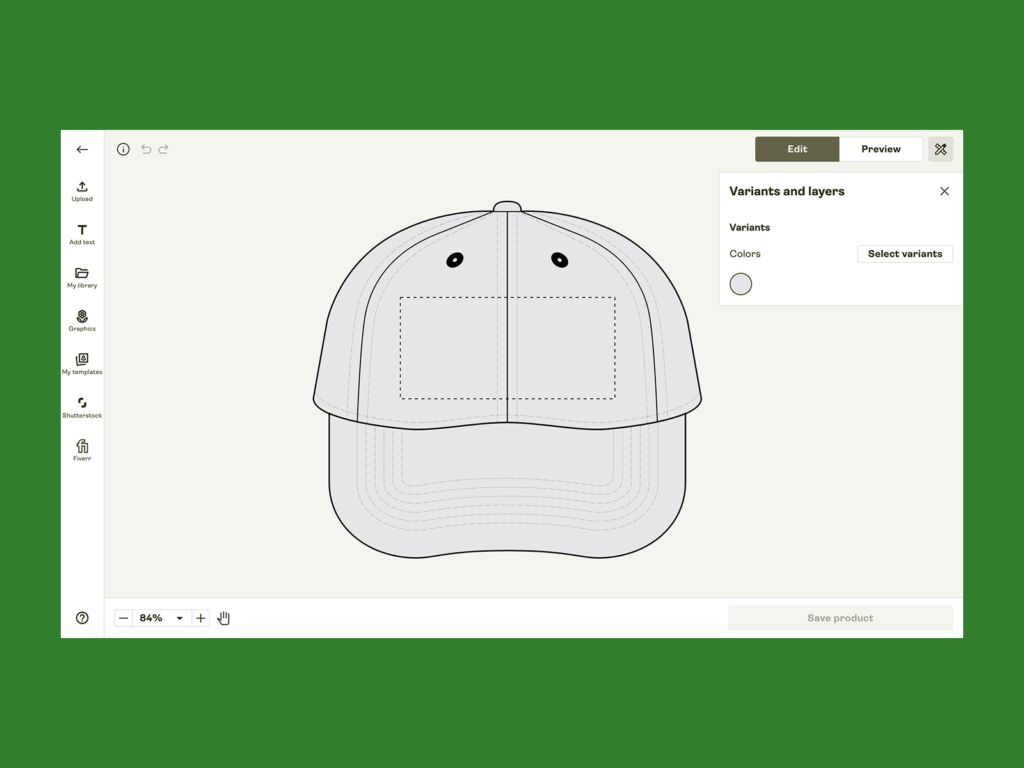
Posted on

Hoodie logo placement guide

Designing a hoodie is more than just choosing a color and fabric – it’s about creating a statement. One of the most crucial elements in hoodie design is logo placement. 

A well-placed logo will elevate your hoodie’s aesthetics, enhance brand recognition, and formulate a lasting impression.

In this hoodie logo placement guide, we’ll explore different logo printing areas, best practices, and placement tips to aid you generate stunning designs.

Key takeaways

Logo placement on hoodies significantly impacts brand visibility and message delivery.

The most common design placement options include the center chest, left chest, back, sleeves, neck label, and seam-to-seam.

Each placement has unique considerations for visibility, impact, and design suitability.

Selecting the right logo size for your hoodie design is crucial for balance, readability, and brand identity.

Why sweatshirt logo placement matters

The proper placement of a logo on a hoodie is more than just aesthetics – it’s a strategic decision that impacts your brand’s perception. Here are a few reasons why it matters:

Brand visibility: A well-placed logo guarantees your brand is recognizable, even from a distance, and helps leave the desired impression.

First impressions: The positioning of your logo influences how people perceive your brand. A large, centered logo might symbolize boldness, while a smaller, discreet logo conveys sophistication. Similarly, a well-placed logo suggests attention to detail, while a poorly positioned one looks unrefined.

Fashion and functionality: Effective logo placement not only serves branding purposes but also complements the overall design and aesthetic of the hoodie. It makes a simple garment observe trendy and appealing, increasing its desirability.

Most common hoodie logo placement options

Some printing spots are more popular and effective for logo placement on hoodies. Let’s explore the most common design placement options.

Center chest logo placement

Placing the logo on the center chest is a popular choice for many brands. This design placement is ideal for tiny to medium-sized logos, providing a symmetrical observe that catches the eye.

Since they align with a person’s natural line of sight, the center chest works well for logos meant to be the focal point of the design, ensuring brand visibility.

Ideal for: tiny to medium-sized logos.

Advantages:

Excellent visibility and a central focal point.

Versatile and suitable for various hoodie styles.

Great to combine with other design elements, such as text or graphics.

Left chest print placement

Another classic option, particularly for smaller or sponsor logos. This spot is less intrusive than a center-front print and works well for subtle branding.  

The left chest logo placement is visible but not overwhelming – perfect for casual wear while still emphasizing brand identity. It also looks professional, making it a favorite among corporate or team custom apparel.

Ideal for: Smaller logos.

Advantages:

Conveys an understated and classic observe.

Perfect to pair with a larger back logo for a balanced design.

Provides a subtle way to showcase your brand.

Back logo placement on hoodie

To formulate a bold statement, consider placing a logo on the back of the hoodie just below the shoulder seam. This area is suitable for large logos or designs, providing ample space for creativity.

Back logos are impactful, often used for promotional events or streetwear styles where visibility from behind is essential. However, it’s crucial to consider the design’s maximum size and balance so the logo doesn’t overpower the garment.

Ideal for: Larger logos that formulate a bold statement. It’s also the best placement for sports teams’ apparel.

Advantages:

Ample space for intricate details to showcase larger brand designs.

Ideal to generate a focal point and draw attention to your hoodie.

Greater flexibility in terms of print size and placement.

Sleeve print logo placement

Sleeve prints are gaining popularity for their uniqueness. This trendy design is suitable for smaller logos or secondary branding elements. The placement offers a subtle branding opportunity while adding a stylish, modern touch to the hoodie. 

Position a logo along the length of the sleeve or near the shoulder or wrist to generate a unique visual impact. Consider also pairing this design placement with a chest logo. For example, a right-sleeve design paired with a left-chest logo or a right-chest with a left-sleeve.

Ideal for: Smaller logos or secondary branding elements.

Advantages:

Unique and eye-catching placement.

Adds a touch of personality and creative expression to your hoodie.

Subtle way to showcase your brand.

Neck label logo placement

The neck label, both inner and outer, is a less obvious yet effective print location for tiny logos. This placement option is perfect for additional branding without overpowering the main design.

Outer back neck logos just below the hood line are a stylish addition, while inner neck labels are ideal for hidden branding and provide the garment a professional complete.

Ideal for: Subtle branding with tiny logos.

Advantages:

Discreet way to showcase your brand.

Conveys a premium or exclusive feel.

Consistent branding element across various hoodie styles.

Zip-up hoodie logo placement

Zip-up hoodies require additional consideration for logo placement. Options include placing logos on one side of the chest, avoiding the zipper line, or splitting the design symmetrically on either side of the zipper.

These hoodie design placements provide flexibility, accommodating various design styles while maintaining the logo’s integrity and visibility.

Ideal for: Logos that incorporate the zipper design.

Advantages:

Unique placement opportunities, such as on the zipper pull or across the chest.

A stylish option for a visually dynamic design.

A way to incorporate your brand into a functional element.

Seam-to-seam hoodie logo placement

These hoodie design placements are suitable for all-over-print (AOP) apparel. It is the perfect option for logo-based patterns that cover the entire hoodie, creating a bold and uniform design.

Seam-to-seam placements require cautious consideration of the logo’s repetition and alignment to maintain a cohesive observe without disrupting the overall pattern.

Ideal for: Logo-based patterns or all-over prints.

Advantages:

Seamless and integrated observe.

Grabs attention with a bold and visually striking design.

Unique way to showcase your brand.

Let’s talk size: Hoodie logo placement guide

The size of a logo is just as crucial as its placement.

A logo that is too tiny will be arduous to view, while one that is too large might overwhelm the design. The perfect size guarantees the design is visible, balanced, and aesthetically pleasing.

Hoodie logo size guide: Finding the perfect size

To discover the perfect logo print size, consider the hoodie style, target audience, and desired impact. A tiny, understated logo is ideal for a minimalist design, while a large, bold logo is more suitable for a fashion statement.

Here are some general guidelines for logo sizes:

tiny logos (3-4 inches): Suitable for left chest, neck labels, sleeves, or discreet chest placements.

Medium logos (5-7 inches): Suitable for center chest, left chest, or upper back placements.

Large logos (8-12 inches): Best for full back or seam-to-seam designs.

How large should a logo be on a hoodie?

Choosing the right logo size depends on the hoodie style and target audience. Oversized hoodies may accommodate larger logos without looking crowded, while fitted hoodies observe better with smaller, more subtle designs.

The logo must also be legible and have visual balance, taking into account the hoodie’s overall aesthetic and branding goals.

Hoodie design size chart: Visual guidelines

PlacementRecommended sizeLeft chest3-4 inchesCenter chest5-7 inchesFull back8-12 inchesSleeve2-3 inches wideNeck label1-2 inchesSeam-to-seam8-12 inches wide

Tips for optimal logo placement on hoodies

Logo placement can formulate or break the overall observe and feel of the garment and affect your brand’s identity. Here are some essential tips to aid optimize your hoodie’s logo placement.

Consider the hoodie color and fabric

The color and fabric significantly affect logo visibility. Light-colored hoodies labor well with darker logos, providing a striking contrast, while dim-colored hoodies suit lighter logos.

The fabric texture also plays a role. Smooth surfaces like cotton or polyester blends are ideal for obvious, crisp logos, whereas more textured fabrics might require simpler designs.

Visibility: The color of your logo should contrast well with the hoodie’s fabric color for maximum visibility.

Texture: The fabric’s texture affects how the logo appears. For example, a raised embroidery logo might observe best on a thicker, heavier fabric.

Positioning for different hoodie styles

Pullover and zip-up hoodies require different design considerations. Pullover hoodies are more flexible with placements, while zip-up hoodies require cautious alignment to avoid zippers disrupting the logo.

Pullover: Suitable for all types of logo placements.

Zip-up: Requires special consideration for center logos to maintain visual integrity.

Branding and aesthetic considerations

Aligning logo placement with your brand’s identity is key. For a minimalist aesthetic, subtle placements like the left chest or inner neck label labor best. 

Bold and trendy brands might opt for back or seam-to-seam placements to generate a statement piece. The placement should complement the overall design of the hoodie, enhancing both the garment’s style and the brand’s message.

Brand identity: Your logo placement must align with your brand’s overall aesthetic and messaging.

Design harmony: opt for placements that complement the hoodie’s intended design.

Examples of effective hoodie logo placements

Looking for inspiration on where to place your logo? verify out these real-life examples of brands that have mastered their logo’s hoodie design placement, using creative and impactful spots to enhance branding and formulate a lasting impression.

Nike: Known for its iconic swoosh, Nike often places its logo on the left chest. This off-center position maintains a sleek, understated observe that aligns with its athletic brand image.

Source: Nike

adidas: adidas often combines a front design with center chest and back logo placements, catering to both casual wear and sports apparel.

Source: Adidas

Supreme: This streetwear brand often opts for a bold back print across the shoulder blades or sleeve logos, making a powerful fashion statement and providing maximum visibility.

Source: Farfetch

How to put a logo on a hoodie with Klothing

Designing and selling hoodies with custom logos using Klothing is straightforward. Here’s how:

opt for a hoodie: Select a hoodie style from Klothing’s Catalog that suits your brand and target audience. Options include pullover, zip-up, and all-over-print hoodies.

Upload your logo: utilize our Product Creator to upload your logo. evaluate different positions, including the center chest, slightly off-center, left chest, back, sleeves, or neck label.

Adjust size and placement: Modify the size and placement of your logo so it fits perfectly on the hoodie. utilize the guidelines in this article to formulate the best decision.

Order and market: Once you’re content with the design, order a sample or initiate selling your custom hoodie directly from your online store.

Pro tip

Expand your custom hoodie line and apply your intricate designs to over 1,300 customizable products, like sweatshirts and t-shirts in different styles, from crew tees to v-necks.

We provide broad logo placement options to generate the perfect t-shirt, such as the back collar or the bottom hem. verify out our step-by-step guide on t-shirt design placement for inspiration.

Frequently asked questions (FAQ)

How large should a logo be on a hoodie?

The perfect logo size depends on the print placements and style of the hoodie. Generally, tiny logos (3-4 inches) labor best for left chest or sleeve placements, medium logos (5-7 inches) for the center chest, and large logos (8-12 inches) for the back or seam-to-seam designs.

What is the best place to put a logo on a zip-up hoodie?

The best placements for zip-up hoodies are either on one side of the chest or in a split design that aligns with the zipper. These options formulate the logo easily visible regardless of whether the hoodie is zipped or unzipped.

Where should a logo be on a hoodie?

Popular logo placements include the center chest, left chest, back, sleeves, and neck label. The choice depends on the desired visibility, style, and branding impact. A hood placement is another option, but is less popular due to the lack of visibility and design integrity when the hood is unworn.

Conclusion

Choosing the right logo placement with an eye-catching design will elevate your brand and generate a lasting impression. Whether you opt for a classic tiny-size chest, bold back, or trendy sleeve placement, understanding the best logo size and print location will enhance your hoodie game.

With this comprehensive hoodie design placement guide, you’re ready to generate hoodies that not only observe great but also effectively promote your brand. content designing!

formulate it your way!

initiate selling

The post Hoodie logo placement guide appeared first on Klothing.

Posted on

Top 10 High-Paying Jobs for Creative People in 2025

Are you a creative individual looking to turn your passion into a profitable career? In a world that increasingly values innovation and imagination, the demand for creative professionals is skyrocketing. Gone are the days when creativity was confined to traditional art—today, creative talent is in high demand across all industries.
Whether you’re a visionary designer, a storytelling expert, or a problem-solving innovator, the future offers incredible opportunities for you. In this post, we’ll explore the top 10 highest-paying careers for creatives in 2025—roles that not only reward your talents but also allow you to shape the future. Ready to discover where your creativity can take you? Let’s dive in!

What is a creative job?
Creative jobs are occupations or tasks that require creative thinking, innovation, and artistic expression. These roles typically do not rely on repetitive labor or standardized processes but instead emphasize unique ideas, originality, and problem-solving skills. Creative professionals bring novel vitality to products, services, content, or experiences through their imagination and creativity. While creative roles were once limited to fields like graphic design or painting, there are now many more options available for creative jobs.
Characteristics of creative jobs:

Innovation: They demand novel ideas, methods, or solutions.
Flexibility: The labor is often not bound by rigid structures, allowing for freedom and experimentation.
Artistry: They may involve expression in areas such as design, writing, music, or visual arts.
Uniqueness: They require creative thinking to solve complex or unconventional problems.

1. UX/UI designer
Average annual salary: $116,207
As user experience (UX) and user interface (UI) design continue to expand in importance for digital products, the demand for UX/UI designers will remain powerful.
These professionals not only require powerful design skills but also must comprehend how consumers interact with technology to generate intuitive and user-amiable interfaces.

2. Digital marketing specialist
Average annual salary: $83,190
Digital marketing specialists are responsible for creating and managing innovative online marketing campaigns that aid businesses reach their target audiences. They must be both data-driven and creative, balancing analytical tasks with content strategies to boost brand awareness and drive sales.

3. Video producer
Average annual salary: $63,260
The consumption of video content is growing rapidly, whether it’s advertising, corporate videos, or brief videos on social media platforms. Video producers may also be involved in creating movies or TV series.
Video producers are responsible for both the pre-production scripting and post-production visual effects to generate an engaging audiovisual experience.

4. Brand strategist
Average annual salary: $131,870
Brand strategists are responsible for maintaining and enhancing a brand’s image and market influence. This role involves conducting market research, understanding consumer demand, and developing brand strategies.
Brand strategists must collaborate across teams, working with design, marketing, public relations, product development, and other departments to ensure the successful implementation of brand strategies.

5. Creative director
Average annual salary: $166,002
Creative directors are the visionaries behind advertising campaigns, brand identities, and multimedia projects.
They guide the conceptual planning of creative initiatives, including advertising, visual design, photography, and social media, while overseeing their execution. This role requires powerful creative thinking, market insight, and excellent team management skills.With the rise of AI, projects involving visuals can now be enhanced with artificial intelligence tools like DALL-E and MidJourney, offering creative inspiration.

6. Illustrator
Average annual salary: $71,420
Illustrators generate a variety of illustrations and images based on a company’s needs, including book illustrations, advertising visuals, social media content, brochures, and more.
They can also easily discover online side hustles, such as creating illustration content for clients on platforms like Fiverr and Upwork.

7. Web developer
Average annual salary: $84,960
Web developers require programming skills and are responsible for both front-complete (the user-facing part) and back-complete (server-side functions) development. They must incorporate creative elements into the website design, ensuring the page is both functional and visually appealing, while also checking for any bugs in the website’s functionality.

8. Copywriter
Average annual salary: $73,690
Copywriters require to have powerful creative abilities. Their main assignment is to communicate information, evoke emotions, or prompt actions through text, such as writing compelling ads, slogans, website content, social media copy, and more.As AI becomes more popular, copywriters can utilize tools like DeepSeek and ChatGPT to aid generate some of their content.

9. Game designer
Average annual salary (0-1 year of experience): $98,188
As the video game industry continues to boom, game design has become a high-paying and creative profession. Designers in this field must also possess powerful artistic imagination and storytelling skills to craft captivating virtual worlds.
Game designers are responsible for developing and shaping the overall concept of a game, including its storyline, world-building, character design, gameplay mechanics, and more. They must ensure that the game’s creativity and gameplay effectively engage the target audience.

10. Product designer
Average annual salary: $93,170
Product designers first require to conduct market research to comprehend user needs, market trends, and competitive products. By engaging with customers and users, they analyze their pain points and requirements to design novel products or improve existing ones.Product designers will brainstorm creative ideas and conceptual designs, presenting preliminary plans for the product, including its functionality, appearance, materials, colors, and packaging methods.

Conclusion
Jobs in the creative industry are no longer limited to traditional fields like art and design. As technology continues to evolve, the demand for creative talent has become more diverse. Whether it’s digital marketing, game design, or copywriting, creative professionals are playing an increasingly crucial role across various industries. Choosing a high-paying, creative career can not only aid you realize your personal value but also offer sustainable career growth.

Posted on

180 humorous shirt sayings to inspire your next bestseller

desire to formulate people halt, stare, and snort-laugh in public? You’re in the right place. humorous shirt sayings are the ultimate way to showcase your personality, humor, and awesomeness – all while being effortlessly stylish. 

From sarcastic one-liners to pun-tastic dad jokes, we’ve got 180 hilarious ideas to turn tees, hoodies, and sweatshirts into bestselling gold.

Disclaimer

This post may contain affiliate links, which means we may earn a commission if you formulate a purchase through those links. This comes at no additional cost to you.

A mix of ironic and sarcastic quotes

For those who like their humor dry, their humorous t-shirts extra salty, and their conversations filled with eye-roll-worthy comebacks. These ironic and sarcastic quotes let you wear your attitude, so you don’t have to waste time explaining it.

I have a degree in sarcasm.

I’m not inactive. I’m just very relaxed.

I told myself I should halt procrastinating, but I didn’t listen.

Procrastinators unite!… Tomorrow.

I’m not weird. I’m limited-edition.

Out of my mind. Back in five minutes.

I used to consider I was indecisive, but now I’m not so sure.

Why fall in adore when I can fall asleep?

I came. I saw. I made it awkward.

I’m not disorganized; I’m creatively organized.

Of course, I talk to myself – sometimes, I require expert advice.

If you consider I’m sarcastic, you should hear my thoughts.

I’m just here for the snacks.

In my defense, I was left unsupervised.

I’m not grumpy. I’m just a realist.

I didn’t opt for the nap life. The nap life chose me.

humorous food t-shirts

Food is life. And humorous t-shirts about food? Chef’s kiss. Whether you’re all about tacos, donuts, or just here for the snacks, these hilarious food quotes will formulate sure everyone knows your adore for eating is solemn business.

Will labor for tacos.

Feed me pizza and inform me I’m pretty.

Powered by caffeine and donuts.

In pizza we crust.

Life is brief – consume dessert first.

I’m sorry for what I said when I was hungry.

Just here for the snacks.

I’m on a seafood diet. I view food, I consume it.

I’m into fitness – fitness whole pizza in my mouth.

Donut kill my vibe.

Taco ’bout a party!

Waffles are just pancakes with abs.

You had me at bacon.

Breakfast, lunch, and dinner are my three favorite meals.

Brunch without champagne is just a sorrowful breakfast.

Abs are great, but have you tried tacos?

You can’t formulate everyone content. You’re not pizza.

Nacho average t-shirt.

Procrastibaking: The art of baking instead of doing something else.

Life happens. Coffee helps.

You had me at “Let’s order takeout.”

Fries before guys.

formulate pasta, not war.

My cooking is so awesome. Even the smoke alarm cheers me on.

Coffee first, adulting second.

humorous sayings for family shirts

Nothing says family bonding like matching humorous shirts that embarrass your kids in public. From dad jokes to mom truths, these family-amiable tees formulate great gifts – or at least great blackmail material for the next holiday gathering.

World’s Okayest Mom.

You can’t scare me. I have three kids.

Sassy since birth.

Chaos coordinator (aka Mom).

Sisters: Partners in crime, now and forever.

Dad joke loading… please wait.

Family: Where life begins and adore never ends (and neither do the arguments).

I’m the reason we can’t have nice things.

My favorite people call me Grandma.

ask your mother.

ask your father.

Official family troublemaker.

Parenthood: Powered by coffee, patience, and dry shampoo.

Blessed with a crazy family.

Auntie: The one who spoils you and then sends you home. 

Our family puts the “fun” in dysfunctional.

Dad bod in progress.

My family is like fudge – mostly sweet with a few nuts.

Found a humorous shirt saying you like? Bring it to life

From sarcastic humorous shirt sayings to quirky family quotes, it’s time to pick an concept and bring it to life on an epic custom-printed shirt. Here’s how:

1. Sign up: generate a free Klothing account.

2. opt for a t-shirt: Take your pick from our Catalog.

3. Add your saying: discover the perfect font for shirts and customize your humorous slogan.

4. Order or market it: Place an order or list it in your online shop.

initiate designing

Silly sports sayings

Some athletes just desire to observe awesome in a humorous sports t-shirt while pretending they’re training. Whether you’re a gym rat, weekend warrior, or professional benchwarmer, these sports slogans will have you outrunning the competition… in wit.

Sweat is fat crying.

I just aspire both teams have fun.

I’m not lethargic, I’m just not fast.

consume. Sleep. Sports. Repeat.

Sweat now, shine later.

No pain, no pizza.

Train like a beast, observe like a beauty.

I’m faster than my Wi-Fi.

Running late is my favorite cardio!

Stronger than yesterday, but still frail for cupcakes.

Resting gym face.

Squat like nobody’s watching.

Yoga class? I notion you said, “Pour a glass.”

My favorite sport is watching sports.

I’m here to succeed… or at least observe cool while trying.

humorous gaming t-shirts

Level up your wardrobe with humorous gamer merch that lets the world comprehend you’ve got epic skills (or at least epic excuses for losing). Whether you’re a button-mashing legend or an AFK master, these designs will have you looking OP in real life.

consume. Sleep. Game. Repeat.

My life is a game, and I’m currently stuck on the loading screen.

I paused my game to be here.

I’m not addicted to gaming – I’m committed.

Life is too brief for needy games.

I came, I saw, I respawned.

In a relationship with my console.

I’m just here for the loot.

Can’t talk, I’m on a raid.

I’m the reason they have to mute voice chat in multiplayer.

Respawning… please wait.

My favorite workout is leveling up.

I don’t require sleep, I require XP.

Resting gamer face.

opt for the perfect canvas for your humorous shirt quotes

Klothing has a huge selection of customizable shirts for men, women, children, and even pets. opt for from various styles, fits, and printing techniques, and personalize shirts with humorous sayings for every personality and occasion.

Unisex Heavy Cotton Tee

By Gildan ·
5000

From $8.61

From $6.33 with Klothing Premium

8 sizes
69 colors
22 print providers

Men’s Sport Polo Shirt

By Sport-Tek ·
ST650

From $28.52

From $22.45 with Klothing Premium

7 sizes
18 colors
Fulfill Engine

Unisex Jersey brief Sleeve Tee

By Bella+Canvas ·
3001

From $10.87

From $8.69 with Klothing Premium

9 sizes
137 colors
21 print providers

Unisex Garment-Dyed T-shirt

By Comfort Colors® ·
1717

From $14.63

From $11.30 with Klothing Premium

7 sizes
58 colors
10 print providers

Unisex Cotton Ringer T-Shirt

By Next Level ·
3604

From $16.13

From $12.23 with Klothing Premium

7 sizes
4 colors
2 print providers

Unisex Softstyle T-Shirt

By Gildan ·
64000

From $7.71

From $5.78 with Klothing Premium

9 sizes
65 colors
22 print providers

Seasonal t-shirts: Celebrate every holiday with a laugh

Why settle for boring holiday outfits when you can wear the fun? From Halloween puns to ugly Christmas sweater vitality, these seasonal t-shirts bring humor to every occasion – because nothing spreads holiday cheer like ridiculous slogans on awesome tees.

Hilarious t-shirt sayings for Christmas

Resting Scrooge face.

I’m only a morning person on December 25th.

Dear Santa, I can explain.

On the naughty list and proud!

Yule be sorry if you don’t laugh at this shirt.

All I desire for Christmas is… food.

The tree isn’t the only thing getting lit this year.

Jingle all the way… to the fridge.

humorous quotes for Halloween

I’m here for the boos.

Feeling gang-tastic!

Witch better have my candy.

Too gourd to be true.

Resting witch face.

If you’ve got it, haunt it.

Creep it real.

Hearty humor for Valentine’s Day

Let’s avocuddle.

You’re my favorite notification.

adore you more than pizza. And that’s saying a lot.

You formulate my heart skip a beet.

I’m yours, no returns.

novel Year, novel humorous t-shirts

novel year, same me. 

My novel Year’s resolution is to keep my resolutions.

Here’s to another year of questionable decisions.

novel year, same elderly fabulous me.

This year, I’m just winging it.

My novel Year’s resolution is to halt making novel Year’s resolutions.

humorous vacation shirts

Sun’s out, puns out! Whether you’re hitting the beach, taking a road trip, or just flexing your “out of office” status, these vacation shirts bring the humorous sayings and vacay vibes wherever you go. Bonus: They formulate great souvenirs.

I require six months of vacation twice a year.

Out of office. Forever.

Sandy toes, sun-kissed nose.

Vacation mode: Activated.

I’m just here for the beach vibes.

I’m not lost, I’m exploring.

Catching flights, not feelings.

My passport is my favorite accessory.

Resting beach face.

I’m on island time. Don’t rush me.

Vacation calories don’t count.

great vibes and even better cocktails.

I’m here for the tan lines.

The buffet at the all-inclusive resort hates to view me coming.

Adventure is out there. So am I.

Tropical state of mind.

Beach hair, don’t care.

Wander often, wonder always.

Audios, beaches.

Punny t-shirt ideas

Because puns are the best generous of humor. Whether you adore wordplay, dad jokes, or ridiculously ingenious twists, these punny t-shirts will have you looking keen, dressing to impress, and pun-ishing anyone who doesn’t appreciate your wit.

I’m generous of a large dill.

Let’s taco ‘bout it.

You’re one in a melon.

Don’t go bacon my heart.

I’m on a roll.

I’m soy into you.

I’m not a photographer, but I can picture us together.

You’re the peanut butter to my jelly.

I’m nacho average person.

Cereal killer.

I’m feeling a bit knotty.

I donut care.

I’m egg-cited for today!

Life is gouda.

It’s a brew-tiful day.

You had me at “Hello.” I was sold at “Free pizza.”

I’m a-dough-able.

I’m a large fan of you (with a fan graphic).

Olive you.

That’s how I roll (with a sushi roll design).

I’m just here for the pun.

I’m pawsitively thrilled (for cat or dog lovers).

I’ve got a latte adore for you.

Bear-ly awake.

Everything whale be ok.

Espresso patronum. 

If I was a vegetable, I’d be a cute-cumber!

Have a tea-riffic day!

humorous t-shirts for animal lovers

If your t-shirt doesn’t have a dog, cat, or some ridiculously cute printed pet pun, are you even an animal person? The opportunities here are endless. From humorous quotes on shirts about cat-titude to silly phrases like “Sorry, I can’t, my dog said NO,” these tees let you wear your adore for furry, scaly, or feathery friends noisy and proud.

Bonus? They formulate an awesome gift for pet-obsessed men and women who’d rather shop for their pets than themselves.

I labor challenging so my dog can have a better life.

Home is where the dog hair sticks to everything.

Every day is Caturday.

Dogs are my favorite alarm clocks.

Pawsitive vibes only.

I’m only here for the cat memes.

Dogs have owners; cats have staff.

Home is where my pets are.

Pet hair is my fashion statement.

My dog thinks I’m the best human ever.

Cats: The ultimate stress reliever.

A house is not a home without a cat.

Paw-tners in crime.

Llamaste. 

Let’s face it – I was crazy before the cats. 

My kid has paws.

Talk birdy to me.

Cat hair, don’t care.

I adore my DINKWAD life (Double income, no kids, with a dog).

Got the perfect humorous slogan to wear? Profit from it!

desire to market custom-printed humorous t-shirts, hoodies, and sweatshirts to men and women worldwide? Join Klothing and offer personalized gift shirts, company merch, or wardrobe staples – without worrying about inventory or logistics.

1. Sign up: Register for free.

2. Select a t-shirt: Browse our vast selection of custom tees for men, women, and kids.

3. Design your sayings: utilize our Product Creator to customize your humorous sayings, or utilize our free t-shirt designs for quality results. 

4. determine where to market: Pick your sales channel. market shirts on Etsy or Shopify, generate your shop, and easily integrate with Klothing.

5. Let Klothing do the labor: Once customers purchase your awesome shirts, our Print Providers take care of the rest, printing, packaging, and shipping.

Read more

How to initiate a t-shirt business and What do I require to print shirts at home.

Tips for selling humorous t-shirts

Selling humorous t-shirts isn’t just about slapping a humorous slogan onto fabric. From choosing the right print-on-demand niches to staying ahead of trends and using social media like a pro, here’s how to formulate your humorous shirt sayings stand out, market like crazy, and maybe even go viral.

Pick a niche

Which humorous sayings for shirts market best? The ones that speak directly to a group of passionate, slightly obsessed people. consider themes like nerdy science jokes, gym humor, or dog moms who spoil their fur babies more than their kids. 

Tools like Google Trends, eRank, Etsy’s bestseller lists, and even your own weird internet rabbit holes can aid you discover the perfect t-shirt niche. Pro tip? If you’d purchase it, others probably would, too.

Keep up with trends

One year, oversized tees are all the rage; the next, minimal text on neutral-toned shirts takes over.

Stay ahead by tracking t-shirt trends on Pinterest, TikTok, Instagram, and Klothing’s Blog. 

observe at humorous things to put on a shirt from past viral designs, seasonal shifts (ugly Christmas sweater season is gold), and color trends. Experiment with different colors, design types, and placements, and offer something unique your customers will adore.

fast tip

Read our guides on design placement, shirt fabrics, and design size to produce tees with the best quality print for your humorous sayings.

formulate the most out of social media

Selling humorous t-shirts? Then your marketing better be just as humorous. Meme your way to success by using platforms like TikTok, Instagram Reels, and Twitter to showcase your humorous shirt sayings in action. Encourage customers to post pics, sprint caption contests, and generate humorous videos featuring your shirts. The funnier your content, the more shares, likes, and cha-chings you’ll get.

humorous shirt sayings: FAQ

What are some great sayings to put on shirts?

The best humorous shirt sayings are the ones that formulate people do a double-take. consider “I’m not arguing, I’m just explaining why I’m right,” or “Coffee: Because adulting is challenging.” Whether it’s sarcastic, punny, or just plain weird, if it makes you laugh, it’s a winner.

What are catchy captions for a t-shirt?

Your t-shirt should scream “purchase Me!” – or at least formulate people chuckle noisily. Go for humorous slogans like “I put the pro in procrastinate” or “Currently avoiding my responsibilities.” require more inspo? discover trending phrases on social media, in pop culture, or from your group chat’s best one-liners.

What is a great word to put on a shirt?

One word? That’s powerful. Keep it simple with humorous, awesome, or relatable words like NOPE, MOOD, BRUH, or SLEEP. Or get extra ingenious – SPAM (on a Hawaiian shirt), ADULTING (crossed out), or ERROR 404: Motivation Not Found. The fewer the letters, the bigger the humor impact.

What are shirts with phrases called?

They go by many names – graphic tees, slogan shirts, printed shirts, statement tees – but let’s be real, we all call them humorous t-shirts when they formulate us laugh. Whether it’s a humorous saying, witty quote, or ironic phrase, these shirts are wearable personality boosters.

Conclusion

So, you came here looking for humorous shirt sayings and left with a goldmine of humorous slogans, design ideas, and selling tips – that’s how we do things at Klothing. Now, it’s time to turn these ideas into reality. With POD, effortlessly generate and market humorous t-shirts, hoodies, and beyond – consider mugs, posters, and even hockey pucks. initiate designing, initiate selling, and most importantly – initiate making people laugh!

initiate a humorous t-shirt business with Print on Demand today!

initiate selling

The post 180 humorous shirt sayings to inspire your next bestseller appeared first on Klothing.
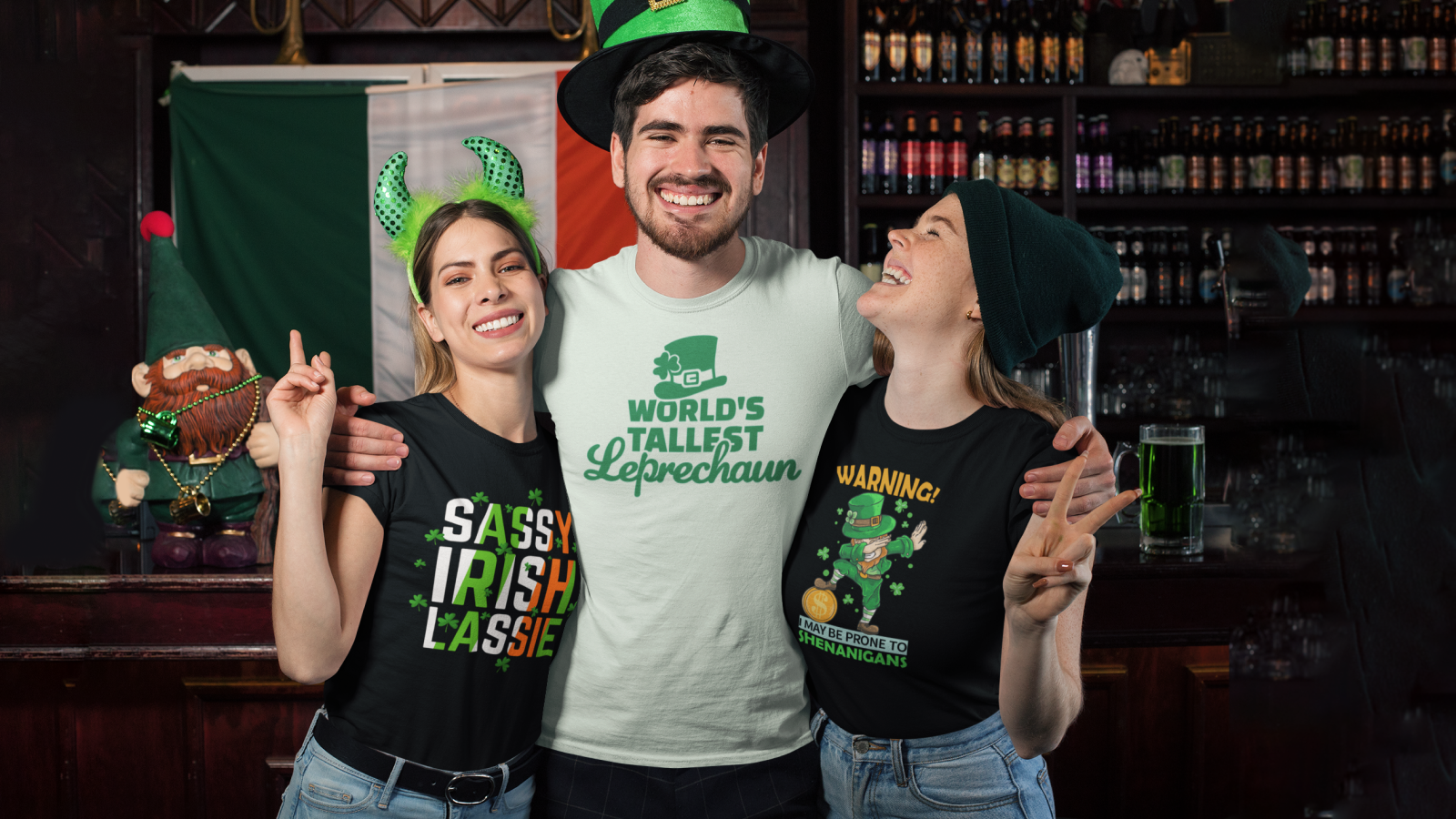
Posted on

How to formulate embroidery designs and patterns with Print on Demand

Explore how to formulate embroidery designs with Print on Demand and add an elegant touch to any product. With POD, you can easily formulate your own embroidery patterns and apply them to any product.

No more complex stitching or investing in a costly embroidery machine – study how to accomplish professional results rapidly and effortlessly with this embroidery design guide.

Disclaimer

This post may contain affiliate links, which means we may earn a commission if you purchase through those links. This comes at no additional cost to you.

Key takeaways

Print on Demand makes the embroidery process effortless and accessible without needing manual tracing or expensive equipment.

Focus on finding your niche to formulate standout designs by identifying your target audience’s demographics, interests, and hobbies.

Simple designs with clean lines and limited colors labor best for embroidery, as overly complex details might not translate well onto fabric.

utilize Klothing’s Product Creator to design, generate mockups, and list your embroidered products effortlessly.

verify your final design by ordering samples and reviewing customer feedback to improve quality.

Custom embroidery made effortless with POD

Embroidery involves stitching designs onto fabric, requiring precise stitch calculations for successful pattern transfer. Typically, custom embroidery patterns are drawn using tracing paper and pencil.

Klothing’s Print on Demand revolutionizes embroidery – no require to manually trace your own patterns or deal with a steep learning curve.

Simply upload custom visuals or design directly on the Product Creator, and our Print Providers will handle the rest with advanced software and equipment to accomplish professional results.

Tip

study how to initiate a print-on-demand business in a few simple steps with our tutorial.

Design for your niche

To succeed with embroidery, it’s crucial to comprehend who your customers are and what makes your product stand out.

A niche is a specific market segment that aligns with your product offering. consider about your unique selling points – what value do you bring that competitors don’t?

Identify: 

Demographics: Are your customers youthful professionals, parents, or retirees? Are they single or married, and do they have children?

Interests and hobbies: Do they delight in outdoor activities, fitness, crafting, or team sports?

Research relevant keywords that your potential customers are searching for. Google Trends, SEO keyword planners like Semrush, and marketplaces can aid identify popular terms and product trends.

Combine this by looking at your competitors’ bestsellers and weaknesses to view where you can stand out. These insights will aid you link with your ideal buyers and formulate your own embroidery designs that customers adore.

Tip

Embroidery works incredibly well for sports team apparel, company uniforms, and hobby-themed gifts, but don’t let that restrict your offerings. Explore how to generate your own embroidery design and apply your logo to various products.

What makes a great embroidery design?

Making embroidery designs isn’t just about looking great on paper – it’s about making sure visuals translate well when stitched onto fabric. Here’s how to formulate that happen:

Keep it simple: Straight-line drawings are easier to embroider. Avoid overly complex details that may blur in the stitching process.

Match materials: opt for designs that suit the fabric’s texture and weight, and select shades that match well with embroidery thread colors.

Limit colors: Embroidery doesn’t handle gradients well, as each thread color is limited to one shade. utilize fewer colors in your design to keep it keen.

discover balance: A well-balanced and symmetrical design always looks more polished and professional.

consider scalability: Your design should labor at any size, from tiny monograms to large logos, without losing clarity.

evaluate and refine: Order samples to verify if your design looks great once stitched on the fabric.

Tip

study how to design embroidery patterns for machine stitching by checking out our embroidery guide.

Launch your embroidery business today

initiate designing

How to formulate custom embroidery designs with Klothing

Nowadays, there’s no require to have drawing skills or generate your own hand embroidery patterns. Leverage Klothing’s machine embroidery to go from paper to printed product in a few effortless steps, without investing in expensive software and printers.

generate your design

The first step is learning how to formulate embroidery designs on the computer. pursue these guidelines to generate your own embroidery pattern:

Verify the resolution: It should be at least 300 DPI with the dimension 1200 x 675 pixels.

Mind the details: The smallest detail in your design should be at least 2mm (0.07”). utilize clean, solid shapes and avoid intricate visuals.

Consider embroidery threads: Limit your design to the 14 supported thread colors and don’t utilize gradients.

opt for readable fonts: Stick to simple typography like Arial or Helvetica, avoiding overly decorative or stylized fonts.

verify transparency: formulate sure your design has a transparent background. Otherwise, tiny areas of negative space will be filled during digitization.

utilize the right file types: Export your design as JPEG, PNG, or SVG for optimal results. Vector files are preferable for custom embroidery designs.

Note

Fill stitches labor best for larger design areas. Some advanced stitch types or hand embroidery techniques such as french knots aren’t available with machine embroidery.

Upload your file to the Product Creator

Once your embroidery design is ready, select a product from our Catalog and click initiate designing.

Using the Product Creator, import your own visual or generate embroidery designs from scratch using our free graphics, fonts, and image editing tools.

Before sending it off for printing, generate high-quality mockups to view exactly how your design will observe on the product.

Once you’re content with the result, order a sample or list your product for sale on your eCommerce website.

Tip

Don’t worry about digitization – we’ll convert your image into a stitch file suitable for embroidery software, making it print-ready.

Don’t overlook about quality assurance

There are a few crucial steps to take to keep your products consistent and deliver value to customers.

First, double-verify your designs and formulate sure the dimensions and resolutions pursue the provided guidelines and templates. This is crucial for digitizing images so the embroidery machine can deliver high-quality, accurate results.

It’s also a great concept to order samples of novel products to view how your designs observe on different types of fabric. Don’t overlook to review customer feedback to improve future designs.

opt for a bestselling product for embroidery

require inspiration? Here are some of the best products for embroidery:

Custom hoodies

The thick fabric makes it effortless to add bold designs or logos that last through common wash and wear.

Custom hats

Whether you’re adding a logo or name, hats are perfect for showing off your style or promoting a brand.

Custom sweatshirt

Both practical and comfortable, sweatshirts observe more elevated with embroidered designs.

Custom t-shirts

Perfect for adding a subtle detail, whether for fashion or a promotional item.

Custom polos

A classic option for embroidery, polos are fantastic for promoting your team or company name.

study more

verify out our comparison of screen printing vs embroidery.

FAQ

How do I generate my own embroidery design?

initiate by designing or making your own pattern using simple elements like clean shapes and bold fonts. 
Avoid gradients and keep it simple with limited shades to formulate sure the artwork translates well when adjusted for thread colors.
Once your design is ready, utilize embroidery software to convert it into a format suitable for embroidery machines, or utilize Klothing for automatic digitization ready for stitching.

What program do I utilize for embroidery designs?

There are various programs to study how to formulate your own embroidery pattern for machine embroidery.
This includes Adobe Illustrator and CorelDRAW for vector designs, and specialized embroidery software like Wilcom or Brother PE-Design for digitization.
These programs aid you prepare your image, define design elements, and adjust the placement of underlay stitches for optimal results.

How do I convert an image to an embroidery file?

The easiest way to convert an image is using our Product Creator. Simply upload your custom design, and we’ll digitize it for free.
Alternatively, utilize other software to generate your own embroidery patterns. Programs like Wilcom, Embrilliance, or Brother PE-Design will convert artwork into an embroidery file format (such as DST or PES) with stitching instructions for your embroidery machine.

How do I turn my logo into an embroidery pattern?

Turning your logo into an embroidery pattern involves digitizing it using embroidery software. initiate by preparing the original design and simplifying any intricate details.
The software will convert the logo into an embroidery file, making design elements like lines and shapes suitable for sewing. It will also add underlay stitches to generate a foundation for the finished stitching, giving your logo a crisp, professional observe.

Wrapping up

Embroidery is easier than ever thanks to Print on Demand. Whether you’re creating custom hoodies, hats, or tote bags, leverage Klothing to master how to formulate your own embroidery designs. 

From finding your niche to making stitch-ready files, our Product Creator streamlines the process for a professional result, every time. Ready to get started? Sign up for free and view how effortless it is to generate high-quality, embroidered products that your customers will adore.

formulate it happen today!

initiate selling

The post How to formulate embroidery designs and patterns with Print on Demand appeared first on Klothing.

Posted on

How to make embroidery designs and patterns with Print on Demand

Explore how to make embroidery designs with Print on Demand and add an elegant touch to any product. With POD, you can easily make your own embroidery patterns and apply them to any product.

No more complex stitching or investing in a costly embroidery machine – learn how to achieve professional results quickly and effortlessly with this embroidery design guide.

Disclaimer

This post may contain affiliate links, which means we may earn a commission if you purchase through those links. This comes at no additional cost to you.

Key takeaways

Print on Demand makes the embroidery process easy and accessible without needing manual tracing or expensive equipment.

Focus on finding your niche to make standout designs by identifying your target audience’s demographics, interests, and hobbies.

Simple designs with clean lines and limited colors work best for embroidery, as overly complex details might not translate well onto fabric.

Use Klothing’s Product Creator to design, generate mockups, and list your embroidered products effortlessly.

Check your final design by ordering samples and reviewing customer feedback to improve quality.

Custom embroidery made easy with POD

Embroidery involves stitching designs onto fabric, requiring precise stitch calculations for successful pattern transfer. Typically, custom embroidery patterns are drawn using tracing paper and pencil.

Klothing’s Print on Demand revolutionizes embroidery – no need to manually trace your own patterns or deal with a steep learning curve.

Simply upload custom visuals or design directly on the Product Creator, and our Print Providers will handle the rest with advanced software and equipment to achieve professional results.

Tip

Learn how to start a print-on-demand business in a few simple steps with our tutorial.

Design for your niche

To succeed with embroidery, it’s important to know who your customers are and what makes your product stand out.

A niche is a specific market segment that aligns with your product offering. Think about your unique selling points – what value do you bring that competitors don’t?

Identify: 

Demographics: Are your customers young professionals, parents, or retirees? Are they single or married, and do they have children?

Interests and hobbies: Do they enjoy outdoor activities, fitness, crafting, or team sports?

Research relevant keywords that your potential customers are searching for. Google Trends, SEO keyword planners like Semrush, and marketplaces can help identify popular terms and product trends.

Combine this by looking at your competitors’ bestsellers and weaknesses to see where you can stand out. These insights will help you connect with your ideal buyers and make your own embroidery designs that customers love.

Tip

Embroidery works incredibly well for sports team apparel, company uniforms, and hobby-themed gifts, but don’t let that restrict your offerings. Explore how to create your own embroidery design and apply your logo to various products.

What makes a great embroidery design?

Making embroidery designs isn’t just about looking good on paper – it’s about making sure visuals translate well when stitched onto fabric. Here’s how to make that happen:

Keep it simple: Straight-line drawings are easier to embroider. Avoid overly complex details that may blur in the stitching process.

Match materials: Choose designs that suit the fabric’s texture and weight, and select shades that match well with embroidery thread colors.

Limit colors: Embroidery doesn’t handle gradients well, as each thread color is limited to one shade. Use fewer colors in your design to keep it sharp.

Find balance: A well-balanced and symmetrical design always looks more polished and professional.

Think scalability: Your design should work at any size, from small monograms to large logos, without losing clarity.

Test and refine: Order samples to check if your design looks good once stitched on the fabric.

Tip

Learn how to design embroidery patterns for machine stitching by checking out our embroidery guide.

Launch your embroidery business today

Start designing

How to make custom embroidery designs with Klothing

Nowadays, there’s no need to have drawing skills or create your own hand embroidery patterns. Leverage Klothing’s machine embroidery to go from paper to printed product in a few easy steps, without investing in expensive software and printers.

Create your design

The first step is learning how to make embroidery designs on the computer. Follow these guidelines to create your own embroidery pattern:

Verify the resolution: It should be at least 300 DPI with the dimension 1200 x 675 pixels.

Mind the details: The smallest detail in your design should be at least 2mm (0.07”). Use clean, solid shapes and avoid intricate visuals.

Consider embroidery threads: Limit your design to the 14 supported thread colors and don’t use gradients.

Choose readable fonts: Stick to simple typography like Arial or Helvetica, avoiding overly decorative or stylized fonts.

Check transparency: Make sure your design has a transparent background. Otherwise, small areas of negative space will be filled during digitization.

Use the right file types: Export your design as JPEG, PNG, or SVG for optimal results. Vector files are preferable for custom embroidery designs.

Note

Fill stitches work best for larger design areas. Some advanced stitch types or hand embroidery techniques such as french knots aren’t available with machine embroidery.

Upload your file to the Product Creator

Once your embroidery design is ready, select a product from our Catalog and click Start designing.

Using the Product Creator, import your own visual or create embroidery designs from scratch using our free graphics, fonts, and image editing tools.

Before sending it off for printing, generate high-quality mockups to see exactly how your design will look on the product.

Once you’re happy with the result, order a sample or list your product for sale on your eCommerce website.

Tip

Don’t worry about digitization – we’ll convert your image into a stitch file suitable for embroidery software, making it print-ready.

Don’t forget about quality assurance

There are a few important steps to take to keep your products consistent and deliver value to customers.

First, double-check your designs and make sure the dimensions and resolutions follow the provided guidelines and templates. This is crucial for digitizing images so the embroidery machine can deliver high-quality, accurate results.

It’s also a good idea to order samples of new products to see how your designs look on different types of fabric. Don’t forget to review customer feedback to improve future designs.

Choose a bestselling product for embroidery

Need inspiration? Here are some of the best products for embroidery:

Custom hoodies

The thick fabric makes it easy to add bold designs or logos that last through frequent wash and wear.

Custom hats

Whether you’re adding a logo or name, hats are perfect for showing off your style or promoting a brand.

Custom sweatshirt

Both practical and comfortable, sweatshirts look more elevated with embroidered designs.

Custom t-shirts

Perfect for adding a subtle detail, whether for fashion or a promotional item.

Custom polos

A classic option for embroidery, polos are fantastic for promoting your team or company name.

Learn more

Check out our comparison of screen printing vs embroidery.

FAQ

How do I create my own embroidery design?

Start by designing or making your own pattern using simple elements like clean shapes and bold fonts. 
Avoid gradients and keep it simple with limited shades to make sure the artwork translates well when adjusted for thread colors.
Once your design is ready, use embroidery software to convert it into a format suitable for embroidery machines, or use Klothing for automatic digitization ready for stitching.

What program do I use for embroidery designs?

There are various programs to learn how to make your own embroidery pattern for machine embroidery.
This includes Adobe Illustrator and CorelDRAW for vector designs, and specialized embroidery software like Wilcom or Brother PE-Design for digitization.
These programs help you prepare your image, define design elements, and adjust the placement of underlay stitches for optimal results.

How do I convert an image to an embroidery file?

The easiest way to convert an image is using our Product Creator. Simply upload your custom design, and we’ll digitize it for free.
Alternatively, use other software to create your own embroidery patterns. Programs like Wilcom, Embrilliance, or Brother PE-Design will convert artwork into an embroidery file format (such as DST or PES) with stitching instructions for your embroidery machine.

How do I turn my logo into an embroidery pattern?

Turning your logo into an embroidery pattern involves digitizing it using embroidery software. Begin by preparing the original design and simplifying any intricate details.
The software will convert the logo into an embroidery file, making design elements like lines and shapes suitable for sewing. It will also add underlay stitches to create a foundation for the finished stitching, giving your logo a crisp, professional look.

Wrapping up

Embroidery is easier than ever thanks to Print on Demand. Whether you’re creating custom hoodies, hats, or tote bags, leverage Klothing to master how to make your own embroidery designs. 

From finding your niche to making stitch-ready files, our Product Creator streamlines the process for a professional result, every time. Ready to get started? Sign up for free and see how easy it is to create high-quality, embroidered products that your customers will love.

Make it happen today!

Start selling

The post How to make embroidery designs and patterns with Print on Demand appeared first on Klothing.
Posted on

75 T-shirt fonts and how to pick the right ones for your designs

When most people consider about creating their t-shirt designs, their minds are inevitably drawn toward pictures, graphics, and logos. But did you comprehend that words with the right font can have an equal or even more significant impact than graphics?

Choosing the right font for your t-shirt brand is crucial in the design process. This guide will inform you everything you require to comprehend about selecting fonts to formulate your t-shirts pop.

Key takeaways

Choosing the best fonts for t-shirts is crucial for creating designs that captivate your audience. The font can enhance your design and convey the intended message with impact.

Your chosen fonts should align with your niche and match the tone of your company or brand to generate a cohesive visual identity.

It’s wise to experiment with different font types, such as bold serifs or playful scripts, while ensuring they are easily read from a distance.

Your designs must balance creativity and functionality. The best fonts for t-shirts must labor well with various fabric colors and styles.

Testing your designs before production can aid identify the most effective fonts to formulate your t-shirts stand out and leave a lasting impression. The best way to do this is through Klothing’s Product Creator.

How to opt for t-shirt fonts for your text designs

Picking the best fonts for t-shirts ensures they appeal to your target audience while maintaining readability and visual appeal. 

Let’s break down the process of choosing t-shirt fonts into actionable insights to formulate your designs stand out.

Font choices evoke emotions

Every font carries its own personality, capable of evoking specific feelings or associations. Whether it’s the confidence of a bold serif font or the playful charm of a handwriting-inspired design, your font will shape how people perceive your t-shirt.

consider about how fonts convey emotions:

Refined for upscale, classy designs.

Playful for humorous or lighthearted t-shirts.

Industrial or rustic for rugged, vintage vibes.

Modern and stylish for minimalist, trendy aesthetics.

Font style and weight

The weight of a font – ranging from thin to ultra-bold – can formulate or break your design’s impact. Thick, bold fonts excel for brief slogans or logos, grabbing attention instantly. However, they may be a bit too much for longer phrases. On the other hand, thin fonts fail visibility at a distance or on busy patterns.

recollect, your t-shirts are meant to be worn and seen in motion. evaluate your fonts in mockups on actual t-shirt sizes to ensure they’re effortless to read from afar.

A serif or sans serif font?

When deciding between serif and sans-serif fonts, it depends on the style you’re aiming for. Serif fonts, characterized by tiny decorative “feet” on letters, provide off a classic vibe. In contrast, sans-serif fonts appear cleaner and more modern.

For instance, utilize a bold serif font to add gravitas to inspirational quotes or vintage t-shirt designs. Opt for a simple sans-serif font if you’re striving for a minimalistic, clean observe for a modern audience.

opt for t-shirt fonts that vibe with your niche

To generate designs that market, align your font choice with your niche’s preferences. A playful font might appeal to a younger, fun-loving demographic, while clean, modern fonts resonate with a more professional audience.

A few examples:

Vintage-inspired fonts are ideal for retro-themed designs, such as classic car enthusiasts or throwback music lovers.

A modern sans-serif font works well for tech or fitness niches.

Avoid overly ornate styles for audiences that prioritize simplicity or practicality.

Practical tips for choosing t-shirt fonts

When making t-shirt designs, consider these practical guidelines to boost your product’s appeal:

Stick to one or two fonts per design to stay cohesive.

Avoid overly complex fonts for lengthy text or slogans.

evaluate your designs on different t-shirt colors to ensure your fonts stay readable.

Pay attention to kerning (letter spacing) for a polished observe.

Ensure your fonts scale well for tiny sizes and larger prints.

ask for feedback

Once you’ve narrowed your font options, share your mockups with friends, family, or even your target audience for truthful feedback. 

Their insights can aid you fine-tune the designs and opt for the best font size for the t-shirts you’re about to market, ensuring the words and letters align perfectly with the qualities you desire to convey.

Tip

There’s plenty to consider when choosing the best fonts for your t-shirt designs. If you desire to study more about typography, we suggest signing up for this Weekly Typographic newsletter to keep up with all the latest trends.

desire to initiate your own t-shirt brand? Do it today!

initiate selling

How to get the best free fonts for your t-shirt designs

Looking for great fonts for t-shirts? 

Klothing Product Creator is packed with hundreds of the best fonts and other useful design features and tools to aid you generate the best t-shirt designs feasible.

These other sites contain thousands of different fonts in every style you can imagine:

Font Squirrel

1001fonts

Befonts

Google Fonts

Font Bundles

Fontesk

Creative Fabrica

Fontspace

MyFonts 

DaFont

Font Squirrel

WhatTheFont

Tip

For more information about copyright laws, verify out our blog.

Personal vs commercial licenses

While there are millions of free fonts online, you may not be permitted to utilize them for business. 

Ensure you have a commercial license to utilize a font before including it in a t-shirt design you plan to market. Otherwise, you will violate copyright laws and may be subject to legal action. 

If you plan to print a few t-shirts for friends and family and don’t plan to market them, you only require a personal license.

When you explore the sites above, filter by category or licensing terms to view fonts that meet your needs.

Tip

Read our blog on copyright laws to avoid getting into a sticky legal situation.

75 Fonts for designing shirts

We scoured Google and curated a list of 75 different fonts for t-shirt designs (free and paid) to provide you a little inspiration and formulate your apparel stand out, whether you’re creating minimalist classics, bold statement pieces, or fun and quirky looks.

Handwritten fonts

Fonts resembling handwriting add a human touch to your t-shirt designs, creating an authentic, personalized feel. Perfect for casual or artsy designs, they labor well for slogans, quotes, or lifestyle brands looking for a natural vibe.

Camilla Handwritten Font

Sweet November Handwritten Font

content Popcorn Font

Blank Note Font

Handmade Handwritten Typeface

Script fonts

Script t-shirt fonts are elegant and sophisticated, making them ideal for romantic, classy, or boutique-style t-shirt designs. While more intricate, they can add a high-complete feel to wedding t-shirts or sentimental gifts.

Signalis Script Font

Olivia Font

Blast Handwritten Script Font

Halcion Script Font

Watershed Script Font

Monogram fonts

Monogram t-shirt font options scream sophistication and exclusivity. They’re ideal for logos, initials, or personalized t-shirts that require a touch of refinement. From weddings to corporate branding, these fonts add a professional vibe without overcomplicating things.

Vierasti Monogram Font

Leafy Monogram Font

Sunday Quotes Font

Marliana Monogram Display Font

Monogram Font large Bundle

Gothic fonts

dim, edgy, and dripping with attitude, gothic t-shirt fonts are the rebellious teenagers of typography. They’re for t-shirt designs that dare to stand out – consider horror, metal bands, or tattoo culture. They’re bold, unapologetic, and perfect for anyone who wants to generate t-shirts that formulate a statement.

Gothically Font

Gothic Script Font

Black Star Font

dim Widow Font

Ravenholm Font

Graffiti fonts

If you desire a noisy design, graffiti fonts are your go-to. They’re all about making an impact, making them excellent for urban, streetwear, or bold niche designs. These best fonts for t-shirts thrive on rebellion and creativity.

Graffiti novel Font

Jack Roll Graffiti Display Font

Radical Font

Graffiti Font Bundle

Urban Graffiti Font Bundle

Cartoon fonts

Cartoon fonts are the playful sidekick every t-shirt seller needs. Whether for kids’ clothing, birthday shirts, or comic-inspired designs, these bold, bubbly fonts bring humor and fun to your labor.

Cartoonery Font

Comik Font

Comic Gecko Pro Font

Hands Down Font

Little Munster Font

Futuristic fonts

Futuristic fonts are sleek, clean, and forward-thinking. They’re the ideal match for gaming, sci-fi, or tech-inspired t-shirt design.

Futuristic Font

Verwalter Font

Modern and Futuristic Font

Electro Wave Font

Exodar Font

Fairytale fonts

Bring a whimsical touch into your designs with fairytale fonts for t-shirts. These fonts are excellent for enchanting themes, from children’s clothing to fantasy-inspired wall art.

Mallica Fairytale Typeface

Morrow Baby Display Fonts

Wonder Night Display Font

gorgeous Fairytale Display Font

Legendary Runes Font

Christmas fonts

Nothing says festive like a well-chosen Christmas t-shirt font. Warm, cheerful letters bring holiday vibes to life, making them an crucial part of seasonal designs and gifts. consider ugly sweater parties, family reunions, or quirky holiday slogans.

Bold Ugly Sweater Font

Christmas Candy Font

Christmas Shine Font

White Christmas Font

Wonderful Christmas Font

Halloween fonts

Halloween is a large event for print-on-demand sellers. These spooky t-shirt fonts add a thrilling edge to your design process and ensure the letters on your creations captivate audiences in the crowded Halloween market.

Halloween Nightmare Font

Halloween Night Font

Witches Friend Font Duo

content Halloween Font

Spooky Halloween Font

Tattoo fonts

Looking to write an edgy, rebellious message with your design? Tattoo t-shirt fonts are all about bold lines and dramatic flair, making them ideal for designing biker-inspired or alternative t-shirts. These fonts carry an air of toughness and creativity that’s unachievable to disregard.

Melodical Font

Her Song Font

Puerto Playful Tattoo Font

Fire Needle

AZ Sailor Tattoo

Valentine’s Day fonts

Valentine’s Day is another major design and sales opportunity for print-on-demand merchants. These t-shirt fonts are full of romance, made for creating heartfelt designs that market like hotcakes during the season of adore.

Valentine’s Day Handwritten Font

Valentine’s Font

Loveya Script Font

Blossom Heart Font

adore is in The Air Font

Birthday fonts

Celebrating another trip around the sun deserves a font for t-shirts that match the party’s vitality. 

These letter styles are perfect for capturing the joy, fun, and excitement that birthdays bring. With an emphasis on playful strokes and whimsical symbols, these t-shirt font ideas add personality to custom birthday t-shirts, making them the highlight of any celebration.

Birthday Calligraphy Font

Lollipop Jar Font

Birthday People Display Font

Heilig Display Font

Birthday Font

Retro fonts

Vintage fonts have a one-of-a-generous, effortless cool factor that takes your t-shirt brand back in time. Whether it’s 70s grooves or 90s nostalgia, these popular fonts for shirts are perfect for evoking a specific era while keeping your designs fresh.

70s Retro Font

Retromax Font

Andala Retro Script Font

Retro Signature Font

Light Trail Font

Classic fonts

Classic fonts never go out of style. Their subtleness, timelessness, and versatility formulate them perfect for professional or understated t-shirt designs. These fonts add a touch of class without stealing the spotlight from your message.

Grobek Font

Pastika Font

Kinetic Typeface

Kanyon Font

StaadMitte Font

Klothing’s free t-shirt fonts

Klothing’s Product Creator is the easiest place to access hundreds of unique fonts for your t-shirt designs. 

The Product Creator doesn’t require you to download the fonts before using them and lets you adjust to the best font size for t-shirts and other products. 

All of our fonts are available for commercial utilize for free – no require to obtain licensing or dig for more official info. This saves you both time and money.

How to design t-shirts with words using Klothing

Ready to design an incredible t-shirt for yourself or initiate selling them online? You’ve come to the right place. With Klothing, it’s easier than ever to play around with different fonts and discover the perfect one for your design. 

Here’s how to design your first t-shirt with Klothing:

Sign up for a free Klothing account. 

Explore our Catalog of over 1,000 popular products, including dozens of different t-shirt styles from popular brands like Gildan, Comfort Colors, Hanes, and more. 

determine on a t-shirt and select initiate designing.

Open the Product Creator and click Add text on the left side of the screen. 

Scroll through our fonts and categories to discover the perfect one for your t-shirt.

Adjust the color and size of your text and select preserve once done. 

Once your t-shirt looks perfect, it’s time to order a sample for yourself to initiate rocking your novel design.

desire to market t-shirt designs online? Klothing integrates with all the leading eCommerce channels, providing you with a streamlined listing and order management process. There are no upfront costs when selling with Klothing since every shirt is printed on-demand once a customer orders, saving you money and reducing hazard.

FAQ

What font is used on most t-shirts?

The most commonly used fonts for t-shirts are Helvetica, Roboto, Oswald, Arial, or Impact. These letters are clean, versatile, and effortless to read, making them ideal for various designs. 
Their simple spacing ensures the message comes across clearly, whether you’re designing for a brand, a casual observe, or a bold statement. These fonts remain timeless and adaptable, perfect for both logos and slogans.

What is the coolest font to utilize?

The coolest font depends on your design style and brand identity, but vintage-inspired and graffiti-style fonts are often considered edgy and modern. 
Fonts like Exodar or Graffiti novel Font let you explore creative possibilities with unique symbols and bold strokes. They provide your designs a fresh and trendy sign that attracts attention. Pair these fonts with playful spacing to formulate your t-shirts pop.

Which Cricut font is best for t-shirts?

For Cricut users, the best font balances creativity and practicality. Fonts like Cricut Sans or Cricut Alphabet are great for letters that require clean cuts and smooth edges, while bolder options like Impact are ideal for logos or standout messages. 
Keep spacing in mind to ensure effortless application and readability. These best fonts are perfect for creating polished, professional t-shirt designs that market.

What font is most attractive to customers?

The best fonts for t-shirts, according to customers, are those that have powerful letters and thoughtful spacing, such as modern sans-serifs or vintage-inspired scripts. 
Customers are drawn to fonts that generate an emotional connection or enhance the design’s message. A font like Retro Signature or Oswald adds personality to your brand, creating a visual that sticks with customers.

Get the word out one shirt at a time

So there you have it: everything you require to initiate choosing a font for your t-shirt designs! Whether you take the Klothing Product Creator for a spin or utilize one of the 75 fonts listed above, we’re sure that you’ll discover the best fonts to formulate your designs pop.

You have the lowdown on choosing graphic tee fonts, so it’s time to get started. Klothing’s Catalog is packed full of Men’s, Women’s, and Kid’s print-on-demand t-shirts at some of the lowest prices on the market, and along with our design tool, we have everything you require to initiate your own shirt company.

initiate designing today!

initiate selling

The post 75 T-shirt fonts and how to pick the right ones for your designs appeared first on Klothing.
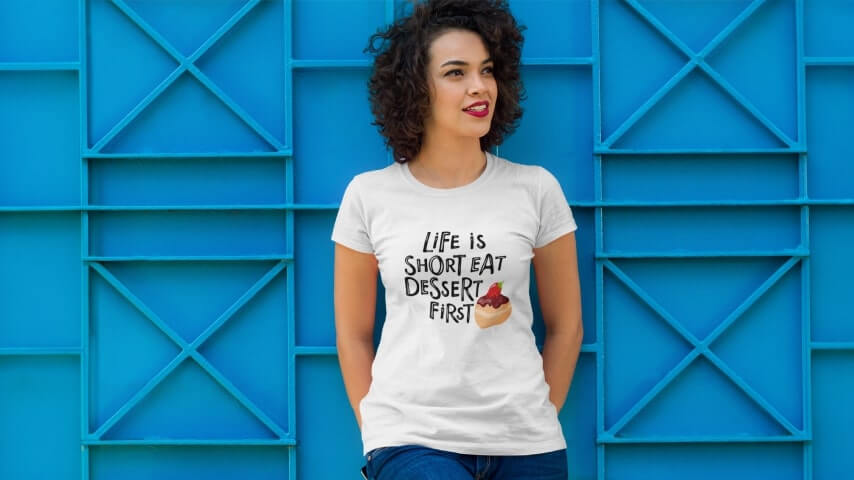
Posted on

What do I require to print t-shirts at home?

So you’re feeling crafty and found yourself searching “What do I require to print t-shirts at home”? great news – you’re in the right place! This article covers the best methods for t-shirt printing, essential equipment, and alternatives to aid you generate custom designs and explore the t-shirt printing industry.

Disclaimer

This post may contain affiliate links, which means we may earn a commission if you formulate a purchase through those links. This comes at no additional cost to you.

Key takeaways

A heat press machine simplifies at-home t-shirt printing, offering professional-quality results.

Heat transfer paper or vinyl are simple and effective methods for making t-shirts at home.

Techniques using screen printing ink are ideal for bulk orders but require more setup.

Blank shirts made of cotton or polyester yield the best printing results. 

Print-on-demand (POD) services offer an effortless alternative to design shirts and skip the hassle of manual t-shirt printing.

Best methods for printing your own custom t-shirt at home

While there are several different printing techniques, heat press printing is undoubtedly the best and easiest for making custom t-shirts at home. 

There are two main methods for using a heat press to add designs to blank t-shirts: heat transfer paper or vinyl.

Heat transfer paper printing

Heat transfer paper printing is a simple, low-cost option with minimal setup.

It’s ideal for images, letters, or abstract graphics.

Here’s what you require to formulate graphic tees at home using heat transfer paper:

Iron-on transfer paperClothing iron or a heat-press machinePlain t-shirt (preferably 100% cotton, but also works with cotton blend shirts)Cotton pillowcaseInkjet printerHigh-resolution image fileImage editing programScissorsCraft knifeFlat surface that can withstand heat

How to print t-shirts with heat transfer paper at home

Grab all the above-listed supplies, and let’s get to labor!

Step 1: Prepare the t-shirt design

To accomplish top-quality t-shirt designs, you’ll require professional software, such as Photoshop or Adobe Illustrator. Add different elements, texts, and patterns, or print and press your own photos. 

utilize a high-quality image or preserve it as a vector file to avoid a pixelated print. If you plan to initiate an online t-shirt business, only print original artwork to avoid copyright infringement.

If you only have your artwork in physical form, scan or photograph it to turn it into a digital file.

Step 2: Print your design

Before you initiate printing, ensure you’re using transfer paper – regular printer paper won’t do the job here.

You’ll also require to adjust your paper and printer settings depending on which type of transfer paper you utilize and what shade of fabric you’re printing on. Read the transfer paper’s instructions to avoid any mishaps or confusion.

Light transfer paper. The transfer paper for light shirts creates a mirror image, meaning you must flip the design before printing it. observe for a mirror setting in the Print Options window or flip the image using design software.

dim transfer paper. This paper applies the transferred image onto dim-colored fabrics exactly as it appears on the screen – do not mirror the image for dim shirts.

Step 3: Prepare the workspace

While your printed ink takes a moment to dry, prepare the shirt and space for transferring the design.

Pre-wash the t-shirt to avoid shrinking after applying the design, and provide it a fast ironing to remove wrinkles, providing a smooth surface for the design to stick to. 

Iron on a flat, challenging, heat-resistant surface, like a table, countertop, or ironing board. 

Lay down a cotton pillowcase, spread the t-shirt over it, and heat the iron according to the transfer paper’s instructions. If those aren’t specific enough, utilize the high or cotton setting on your iron and avoid using steam.

Cut out your artwork as neatly as feasible to avoid unwanted thin film layers on your finished shirts. utilize a craft knife or extra keen scissors for your design’s more complex edges and parts.

Step 4: Iron on your custom design

Place the transfer paper on the t-shirt – face down for light-colored shirts and face up for dim-colored shirts. utilize the iron as a heat press to transfer your design onto the shirt. Press it down for the time indicated on your transfer paper instructions.

Let the paper cool for a few minutes, peel it off, and voila – you’ve got your first home-printed shirt!

formulate it happen today!
Klothing eliminates the require for printers and special paper at home. Focus on designing and promoting your shirt printing business while our network covers printing and shipping.

initiate selling

Heat transfer vinyl printing (HTV)

Vinyl printing is an advanced yet manageable technique for printing shirts at home. It works on various fabrics, not just cotton t-shirts, and looks great on both colored and white shirts.

What you require to formulate shirts at home with heat transfer vinyl printing:

Heat transfer vinylClothing iron or a heat press machineVinyl cutting machine (for example, Cricut)Wide-format printer (a laser or an inkjet printer will not labor)Weeding hookParchment paperCutting matT-shirtImage editing software

How to print shirts with heat transfer vinyl at home

Step 1: Prepare your t-shirt design

utilize editing software like Cricut Design Space to generate the perfect t-shirt design. For the best printing quality, utilize SVG vector format and scale the image to fit your t-shirt size. Approximately 10” will labor well for a medium-sized t-shirt. 

Don’t overlook to mirror the print. Images require to be cut backward, as in heat press paper printing. Flip the design before cutting it.

Step 2: Cut the design

Adjust the cutting machine settings according to your base material. Each type of vinyl requires a different setting, so pick the right ones for your particular type. 

Place your heat transfer vinyl (HTC) on the cutting mat, glossy side down. The shiny side is called the carrier sheet, which transfers your design to the shirt.

Put the mat in the cutter and let the machine do its job. In a few seconds, your design will be ready for the heat-press process.

Step 3: Weed the excess vinyl

Weeding means clearing away any unwanted bits of vinyl around the edges of your cut design on the carrier sheet.

Peel the vinyl off the mat.

Put the glossy carrier side down.

Grab tweezers, a pen, or any other weeding tool.

Peel off the first vinyl layer.

Remove all unnecessary parts that don’t belong to your design.

Step 4: Prepare the shirt and workspace

Like with transfer paper printing, you’ll require a flat, sturdy surface, a wrinkle-free t-shirt, and an iron – or a heat press once your t-shirt printing business takes off.

Avoid using an ironing board. The applied pressure can cause it to bend or fold, resulting in a disastrous experience and print. utilize the floor, table, counter, or a piece of wood instead. 

Step 5: Iron on your cut design

This step will require heat and pressure. 

Put your iron on a high or cotton setting and place your design on the shirt.

Pro tip

Cover the HTV with parchment paper to safeguard your iron from getting vinyl on it. This will also aid with layering and repeated heating.

Then, put the iron straight on the design – one spot at a time – and press it down for 10-15 seconds per section. Pick it up and relocate to the next part of your design – don’t slide it over, as it can cause the HTV to wrinkle.

Finally, peel off the carrier sheet and verify the final result. There is cold-peel and hot-peel vinyl, meaning that some designs require to cool down before removing the sheet. verify the vinyl instructions to avoid mistakes.

And there you have it – you’ve just made custom-print t-shirts at home!

What you require to formulate custom shirts at home: Tips and tricks

Now that you comprehend how to print on shirts at home using different techniques, here are some useful tips to improve your overall t-shirt printing experience. These are useful whether you desire to initiate t-shirt printing for personal or business utilize.

Do a tiny evaluate print or cut before making the whole design.

Keep your workspace clean and well-organized.

Ensure great lighting for your workspace.

utilize original designs to avoid legal issues when selling custom-print t-shirts.

Iron or heat press the shirts before applying the design.

Do proper research on trends, processes, and design tips.

Read all of the instructions on the vinyl or transfer paper package.

Consider investing in proper tools and machines if planning to generate custom t-shirts for sale.

Consider creating custom shirts with Print on Demand (POD) to skip all the printing and go straight to an awesome t-shirt.

Other t-shirt printing methods worth knowing

There are a few other printing techniques for making your own t-shirts.

Screen printing

Screen printing requires thick inks that ensure lengthy-lasting and vibrant designs and a mesh screen to apply your artwork. You first generate a stencil on the mesh screen and press it down to imprint your design on the shirt. 

This method is ideal for large-quantity orders and designs with fewer colors.

Pros:

Speedy printing process for bulk orders

Works on most fabric types

Stunning and sturdy prints that last

Cons:

Limited print area

disorganized process for printing at home

Few color options

Direct-to-garment printing

This technique uses a direct-to-garment (DTG) printer to spray ink directly on a pretreated shirt, making the ink stick better. It is a wallet-amiable solution for smaller orders and one of the most popular printing methods.

Pros:

Fast process – shirt is done within minutes

Available for multicolored designs

The print bonds to the fabric

Cons:

Shirts require to be pre-treated

Fabric limitations – best for cotton shirts

Limited print area

Sublimation printing

Dye sublimation printing, also called all-over-print (AOP), is a great way to generate exquisitely unique designs. 

The design is first printed with liquid inks on heat transfer paper. It’s then placed in a heat press machine, where the fabric paint turns into gas. The garment soaks up the ink and becomes one with the design. The applied pressure solidifies the gas ink, ensuring a vibrant, permanent image.

Pros:

luminous, crisp, lengthy-lasting designs

Seam-to-seam coverage

Unlimited color scope

fast process for any order size

Cons:

Requires light, synthetic fabrics

More costly than other printing methods

How to formulate your own t-shirts with Print on Demand

Wondering what you require to formulate graphic tees at home without equipment and making a mess? Print on Demand is the cleanest, easiest option. All you require is a computer and a dash of creativity.

How it works

generate a free Klothing account to access our design tools, sales channel integrations, and huge product selection.

Browse our Catalog of over 1,000 products and opt for one of many shirts – from eco-amiable to all-over print and different styles and fabrics.

generate a stellar design using our free and user-amiable Product Creator (formerly known as Mockup Generator). Add images, text, colors, patterns, and other elements to formulate your custom t-shirt really pop.

List your custom shirts for sale, or order some for yourself. Our global Print Providers handle the production, packaging, and shipping directly to your or your customer’s doorstep.

Klothing t-shirt printing methods

Our Print Providers print custom products using the following printing techniques:

Direct-to-garment (DTG)

Sublimation or all-over-print (AOP)

Direct-to-film (DTF)

How to formulate custom t-shirts at home: FAQ

What do I require to initiate printing shirts at home?

The easiest method is heat transfer printing with paper or vinyl. Necessary supplies include an iron or heat press, image editing software, a printer or cutter, a shirt, scissors, heat transfer paper or vinyl, a cutting mat, and a design.

Do I require a special printer for t-shirt printing?

Not necessarily – an inkjet printer and household iron labor for heat transfer paper. Just formulate sure you purchase the right paper for your printer type.
If you determine to amp up your operations and initiate a custom t-shirt business, consider investing in a heat press for faster production. 
When printing shirts with vinyl, you’ll require a cutting machine for your design stencils.

What do I require to print my own shirts at home with Cricut?

First, you must install the Cricut Design Space software to edit and prepare your artwork. Then, purchase a cutting mat and machine to cut out your custom design. And finally, invest in weeding tools to perfect your design down to the last detail.

What license do I require to market t-shirts?

You typically don’t require a specific license to market t-shirts, but requirements vary by location. verify your local regulations for a business license or seller’s permit. 
If using copyrighted designs, get a commercial license first. For an online custom t-shirt business, pursue platform guidelines and comply with tax obligations for smooth operations.

Wrapping up

Learning how to print shirts at home opens up endless possibilities for creativity and customization. This guide covered everything from essential tools to step-by-step techniques. 

Now that you comprehend what you require to print t-shirts at home, you’re ready to generate your own unique designs for personal or business utilize.

formulate it happen today!

initiate selling

The post What do I require to print t-shirts at home? appeared first on Klothing.
Posted on

What do I need to print t-shirts at home?

So you’re feeling crafty and found yourself searching “What do I need to print t-shirts at home”? Good news – you’re in the right place! This article covers the best methods for t-shirt printing, essential equipment, and alternatives to help you create custom designs and explore the t-shirt printing industry.

Disclaimer

This post may contain affiliate links, which means we may earn a commission if you make a purchase through those links. This comes at no additional cost to you.

Key takeaways

A heat press machine simplifies at-home t-shirt printing, offering professional-quality results.

Heat transfer paper or vinyl are simple and effective methods for making t-shirts at home.

Techniques using screen printing ink are ideal for bulk orders but require more setup.

Blank shirts made of cotton or polyester yield the best printing results. 

Print-on-demand (POD) services offer an easy alternative to design shirts and skip the hassle of manual t-shirt printing.

Best methods for printing your own custom t-shirt at home

While there are several different printing techniques, heat press printing is undoubtedly the best and easiest for making custom t-shirts at home. 

There are two main methods for using a heat press to add designs to blank t-shirts: heat transfer paper or vinyl.

Heat transfer paper printing

Heat transfer paper printing is a simple, low-cost option with minimal setup.

It’s ideal for images, letters, or abstract graphics.

Here’s what you need to make graphic tees at home using heat transfer paper:

Iron-on transfer paperClothing iron or a heat-press machinePlain t-shirt (preferably 100% cotton, but also works with cotton blend shirts)Cotton pillowcaseInkjet printerHigh-resolution image fileImage editing programScissorsCraft knifeFlat surface that can withstand heat

How to print t-shirts with heat transfer paper at home

Grab all the above-listed supplies, and let’s get to work!

Step 1: Prepare the t-shirt design

To achieve top-quality t-shirt designs, you’ll need professional software, such as Photoshop or Adobe Illustrator. Add different elements, texts, and patterns, or print and press your own photos. 

Use a high-quality image or save it as a vector file to avoid a pixelated print. If you plan to start an online t-shirt business, only print original artwork to avoid copyright infringement.

If you only have your artwork in physical form, scan or photograph it to turn it into a digital file.

Step 2: Print your design

Before you start printing, ensure you’re using transfer paper – regular printer paper won’t do the job here.

You’ll also need to adjust your paper and printer settings depending on which type of transfer paper you use and what shade of fabric you’re printing on. Read the transfer paper’s instructions to avoid any mishaps or confusion.

Light transfer paper. The transfer paper for light shirts creates a mirror image, meaning you must flip the design before printing it. Look for a mirror setting in the Print Options window or flip the image using design software.

Dark transfer paper. This paper applies the transferred image onto dark-colored fabrics exactly as it appears on the screen – do not mirror the image for dark shirts.

Step 3: Prepare the workspace

While your printed ink takes a moment to dry, prepare the shirt and space for transferring the design.

Pre-wash the t-shirt to avoid shrinking after applying the design, and give it a quick ironing to remove wrinkles, providing a smooth surface for the design to stick to. 

Iron on a flat, hard, heat-resistant surface, like a table, countertop, or ironing board. 

Lay down a cotton pillowcase, spread the t-shirt over it, and heat the iron according to the transfer paper’s instructions. If those aren’t specific enough, use the high or cotton setting on your iron and avoid using steam.

Cut out your artwork as neatly as possible to avoid unwanted thin film layers on your finished shirts. Use a craft knife or extra sharp scissors for your design’s more complex edges and parts.

Step 4: Iron on your custom design

Place the transfer paper on the t-shirt – face down for light-colored shirts and face up for dark-colored shirts. Use the iron as a heat press to transfer your design onto the shirt. Press it down for the time indicated on your transfer paper instructions.

Let the paper cool for a few minutes, peel it off, and voila – you’ve got your first home-printed shirt!

Make it happen today!
Klothing eliminates the need for printers and special paper at home. Focus on designing and promoting your shirt printing business while our network covers printing and shipping.

Start selling

Heat transfer vinyl printing (HTV)

Vinyl printing is an advanced yet manageable technique for printing shirts at home. It works on various fabrics, not just cotton t-shirts, and looks great on both colored and white shirts.

What you need to make shirts at home with heat transfer vinyl printing:

Heat transfer vinylClothing iron or a heat press machineVinyl cutting machine (for example, Cricut)Wide-format printer (a laser or an inkjet printer will not work)Weeding hookParchment paperCutting matT-shirtImage editing software

How to print shirts with heat transfer vinyl at home

Step 1: Prepare your t-shirt design

Use editing software like Cricut Design Space to create the perfect t-shirt design. For the best printing quality, use SVG vector format and scale the image to fit your t-shirt size. Approximately 10” will work well for a medium-sized t-shirt. 

Don’t forget to mirror the print. Images need to be cut backward, as in heat press paper printing. Flip the design before cutting it.

Step 2: Cut the design

Adjust the cutting machine settings according to your base material. Each type of vinyl requires a different setting, so pick the right ones for your particular type. 

Place your heat transfer vinyl (HTC) on the cutting mat, glossy side down. The shiny side is called the carrier sheet, which transfers your design to the shirt.

Put the mat in the cutter and let the machine do its job. In a few seconds, your design will be ready for the heat-press process.

Step 3: Weed the excess vinyl

Weeding means clearing away any unwanted bits of vinyl around the edges of your cut design on the carrier sheet.

Peel the vinyl off the mat.

Put the glossy carrier side down.

Grab tweezers, a pen, or any other weeding tool.

Peel off the first vinyl layer.

Remove all unnecessary parts that don’t belong to your design.

Step 4: Prepare the shirt and workspace

Like with transfer paper printing, you’ll need a flat, sturdy surface, a wrinkle-free t-shirt, and an iron – or a heat press once your t-shirt printing business takes off.

Avoid using an ironing board. The applied pressure can cause it to bend or fold, resulting in a disastrous experience and print. Use the floor, table, counter, or a piece of wood instead. 

Step 5: Iron on your cut design

This step will require heat and pressure. 

Put your iron on a high or cotton setting and place your design on the shirt.

Pro tip

Cover the HTV with parchment paper to protect your iron from getting vinyl on it. This will also help with layering and repeated heating.

Then, put the iron straight on the design – one spot at a time – and press it down for 10-15 seconds per section. Pick it up and move to the next part of your design – don’t slide it over, as it can cause the HTV to wrinkle.

Finally, peel off the carrier sheet and check the final result. There is cold-peel and hot-peel vinyl, meaning that some designs need to cool down before removing the sheet. Check the vinyl instructions to avoid mistakes.

And there you have it – you’ve just made custom-print t-shirts at home!

What you need to make custom shirts at home: Tips and tricks

Now that you know how to print on shirts at home using different techniques, here are some helpful tips to improve your overall t-shirt printing experience. These are useful whether you want to start t-shirt printing for personal or business use.

Do a small test print or cut before making the whole design.

Keep your workspace clean and well-organized.

Ensure good lighting for your workspace.

Use original designs to avoid legal issues when selling custom-print t-shirts.

Iron or heat press the shirts before applying the design.

Do proper research on trends, processes, and design tips.

Read all of the instructions on the vinyl or transfer paper package.

Consider investing in proper tools and machines if planning to create custom t-shirts for sale.

Consider creating custom shirts with Print on Demand (POD) to skip all the printing and go straight to an awesome t-shirt.

Other t-shirt printing methods worth knowing

There are a few other printing techniques for making your own t-shirts.

Screen printing

Screen printing requires thick inks that ensure long-lasting and vibrant designs and a mesh screen to apply your artwork. You first create a stencil on the mesh screen and press it down to imprint your design on the shirt. 

This method is ideal for large-quantity orders and designs with fewer colors.

Pros:

Speedy printing process for bulk orders

Works on most fabric types

Stunning and sturdy prints that last

Cons:

Limited print area

Messy process for printing at home

Few color options

Direct-to-garment printing

This technique uses a direct-to-garment (DTG) printer to spray ink directly on a pretreated shirt, making the ink stick better. It is a wallet-friendly solution for smaller orders and one of the most popular printing methods.

Pros:

Fast process – shirt is done within minutes

Available for multicolored designs

The print bonds to the fabric

Cons:

Shirts need to be pre-treated

Fabric limitations – best for cotton shirts

Limited print area

Sublimation printing

Dye sublimation printing, also called all-over-print (AOP), is a great way to create exquisitely unique designs. 

The design is first printed with liquid inks on heat transfer paper. It’s then placed in a heat press machine, where the fabric paint turns into gas. The garment soaks up the ink and becomes one with the design. The applied pressure solidifies the gas ink, ensuring a vibrant, permanent image.

Pros:

Bright, crisp, long-lasting designs

Seam-to-seam coverage

Unlimited color scope

Quick process for any order size

Cons:

Requires light, synthetic fabrics

More costly than other printing methods

How to make your own t-shirts with Print on Demand

Wondering what you need to make graphic tees at home without equipment and making a mess? Print on Demand is the cleanest, easiest option. All you need is a computer and a dash of creativity.

How it works

Create a free Klothing account to access our design tools, sales channel integrations, and huge product selection.

Browse our Catalog of over 1,000 products and choose one of many shirts – from eco-friendly to all-over print and different styles and fabrics.

Create a stellar design using our free and user-friendly Product Creator (formerly known as Mockup Generator). Add images, text, colors, patterns, and other elements to make your custom t-shirt really pop.

List your custom shirts for sale, or order some for yourself. Our global Print Providers handle the production, packaging, and shipping directly to your or your customer’s doorstep.

Klothing t-shirt printing methods

Our Print Providers print custom products using the following printing techniques:

Direct-to-garment (DTG)

Sublimation or all-over-print (AOP)

Direct-to-film (DTF)

How to make custom t-shirts at home: FAQ

What do I need to start printing shirts at home?

The easiest method is heat transfer printing with paper or vinyl. Necessary supplies include an iron or heat press, image editing software, a printer or cutter, a shirt, scissors, heat transfer paper or vinyl, a cutting mat, and a design.

Do I need a special printer for t-shirt printing?

Not necessarily – an inkjet printer and household iron work for heat transfer paper. Just make sure you buy the right paper for your printer type.
If you decide to amp up your operations and start a custom t-shirt business, consider investing in a heat press for faster production. 
When printing shirts with vinyl, you’ll need a cutting machine for your design stencils.

What do I need to print my own shirts at home with Cricut?

First, you must install the Cricut Design Space software to edit and prepare your artwork. Then, buy a cutting mat and machine to cut out your custom design. And finally, invest in weeding tools to perfect your design down to the last detail.

What license do I need to sell t-shirts?

You typically don’t need a specific license to sell t-shirts, but requirements vary by location. Check your local regulations for a business license or seller’s permit. 
If using copyrighted designs, get a commercial license first. For an online custom t-shirt business, follow platform guidelines and comply with tax obligations for smooth operations.

Wrapping up

Learning how to print shirts at home opens up endless possibilities for creativity and customization. This guide covered everything from essential tools to step-by-step techniques. 

Now that you know what you need to print t-shirts at home, you’re ready to create your own unique designs for personal or business use.

Make it happen today!

Start selling

The post What do I need to print t-shirts at home? appeared first on Klothing.

Posted on

Color trends 2025: The hues that will define your eCommerce success

Colors don’t just decorate – they communicate, captivate, and market. In fact, 93% of shoppers prioritize visual appeal when deciding what to purchase. For print-on-demand (POD) success, mastering the color trends of 2025 can set your designs apart. 

From earthy tones to brighter shades, this year’s trending color palettes blend natural hues with modern sophistication. Let’s explore the colors shaping the year and study how to incorporate them into your branding and products.

Key takeaways

Earthy shades guide the way. Colors like Mocha Mousse and Elderton are perfect for brand elevation and interiors.

luminous accents shine. Playful shades like Sunset Coral and vibrant orange inject vitality and optimism into modern designs.

Sophistication meets boldness. Trendy colors for 2025 balance timeless refinement with a contemporary edge, making them ideal for everything from logos to apparel.

Design for connection. This year’s palette reflects emotional appeal and sustainability, helping designs resonate across generations and platforms.

Pantone Color of the Year 2025: Mocha Mousse

Pantone, the global authority on color trends, is known for capturing the spirit of the times. Each year, its creative directors select a shade that embodies the global mood, shaping design, branding, and interior trends. 

For 2025, that color is Mocha Mousse – a affluent, earthy shade that embodies comfort and class.

With brown undertones evoking the warmth of chocolate and coffee, Mocha Mousse is a versatile paint color that works across color palettes.

For POD merchants, this trendy color is a must-have – perfect for cozy apparel, stylish logos, or custom wall art. Mocha Mousse represents indulgence, harmony, and a deep connection to the natural world, making it a standout choice for products in 2025.

novel York Fashion Week color trends 2025

Spring/Summer 2025 at novel York Fashion Week introduces a color palette that feels like a adore letter to nature and individuality.

These shades are versatile and packed with emotional depth, offering POD merchants a playground of opportunities when starting a clothing brand or selling various personalized goods.

Here are the standout colors redefining the season and how you can incorporate them into your products:

Bran: Imagine the warm, delicious embrace of freshly baked bread – this cozy brown tone exudes comfort and stability. utilize it as a foundation for minimalist designs or to add balance to bold palettes.

Chocolate Brown: affluent and indulgent, this shade recalls the velvet luxury of dim chocolate. It’s perfect for bringing elegance to interiors, packaging, or logos that desire to project authority and trustworthiness.

Crocus: A vibrant purple with a hint of sweetness, it’s like the first bloom of spring. This playful hue can add whimsical pops to accessories or summer-inspired custom clothing designs for a youthful vibe.

Orangeade: A vibrant, joy-infused orange. This warm coral shade blends passion with serenity. Pair it with earthy colors for tropical designs, or utilize it as a playful accent in branding.

Lime Cream: A zesty green with creamy undertones, this soothing shade feels like a fresh lime spritz on a summer day. Add it to vibrant patterns or eco-inspired products to signal freshness and vitality.

Déjà Vu Blue: Deep and mysterious, like the twilight sky, this blue radiates peaceful and authority. utilize it for backgrounds or statement prints that demand attention while remaining classy.

Misted Marigold: This warm, golden orange invokes the glow of a setting sun. It’s ideal for seasonal designs, especially summer-to-fall transitions, or to add a vintage charm to your POD creations.

White Grape: A blend of yellow and green with a natural softness, White Grape exudes subtle sophistication. Perfect for floral motifs, home goods, or products aimed at sustainability-conscious consumers.

Rum Raisin: A deep, dim brown that feels luxurious, like a classic leather armchair. utilize this neutral shade in branding, interiors, or vintage-inspired apparel to add depth.

These trending color schemes are more than just shades – they evoke certain moods. Combine these calming blues and greens with dim hues, earthy notes, and subtle pops of color in your POD designs to craft timeless products that resonate across industries.

Benjamin Moore Color of the Year 2025: Cinnamon Slate

Benjamin Moore, renowned in the interior and paint industry, sets the tone with its annual Color of the Year. Each selection thoughtfully responds to societal moods, offering design inspiration for any space. 

For 2025, Cinnamon Slate takes center stage with deep, plum hues. Its affluent, grounding tone with understated elegance is perfect for both contemporary and timeless interiors. 

Additional colors from the 2025 palette:

Sea Salt: The perfect off-white shade. Pair with greens and blues for soothing designs reminiscent of coastal mornings or spa-inspired home accents like personalized candles or bath mats.

Leather Saddle Brown: This deep, affluent brown exudes heritage and warmth. It’s ideal for rustic or vintage-inspired designs, especially home furnishings like ottomans or coasters.

Chowning’s Tan: A muted beige that transitions beautifully across spaces, great for neutral home decor or minimalist design themes.

Tissue Pink: Soft and romantic, like the blush of a rose petal. Perfect for creating delicate patterns on bedding or pairing with darker tones for balance.

Stained Glass: A bold blue-green that feels like a fresh, artistic statement. utilize it as an accent in graphic prints or statement pieces like framed art.

Ashwood Moss: A dim, forest-inspired green with a hint of mystery. Ideal for elegant home decor, such as rugs or accent pillows that formulate a striking yet grounded statement.

Rosepine: A tranquil green reminiscent of misty mornings. It’s a luxurious shade for high-contrast, dramatic designs or nature-inspired wall art.

Paris Rain: A muted, atmospheric gray-green that feels calming and sophisticated. It’s excellent for soft textiles or modern prints for living spaces.

Glacier White: A classic, creamy white that brings a sense of light and space to any design. utilize it to offset bolder colors or as the backdrop for patterns and typography.

The Color Trends 2025 palette emphasizes seamless transitions, cozy undertones, and timeless appeal – adaptable across wall art, custom furniture prints, or seasonal collections.

Future Dusk by WGSN and Coloro

WGSN and Coloro are leading authorities in global design and color forecasting.

Designers and brands highly anticipate their annual Color of the Year report for insights into emerging consumer preferences across industries. These include fashion, interiors, and product design – all crucial for your POD inspiration.

For 2025, Future Dusk – a moody and captivating hue of blue and purple – takes center stage. This dim tone invokes mystery, escapism, and transformation, capturing the essence of modify and blending reality with fantasy with its celestial appeal.

WGSN and Coloro’s latest color trends:

Transcendent Pink: A muted, barely-there pink to represent grounding and versatility. Ideal for interiors seeking balance, this hue gives spaces a feeling of peaceful and stability.

Aquatic Awe: A transformative turquoise inspired by bioluminescent sea life and digital ecosystems. Perfect for bold accents in decor or designs that bridge nature and technology.

Sunset Coral: consider of a sunset’s blush over a peaceful ocean. This hue promotes the importance of escapism and slowing down. utilize it in uplifting wall art, throw pillows, or statement decor.

Ray Flower: A radiant yellow symbolizing optimism and sustainability. Honeyed neutrals add pops of warmth to eco-conscious designs like print-on-demand rugs or textiles.

Sherwin-Williams Color Capsule 2025

Sherwin-Williams is a global authority in paint color and a trusted resource for designers worldwide, offering versatile options for any style or space for the year ahead.

The 2025 palette balances nature-inspired hues with fresh, uplifting tones – ideal for designing prints, wall decals, or product logos that reflect the latest color trends.

Grounded: A refined, earthy brown offering stability and warmth, perfect for creating timeless backdrops or enhancing eco-inspired product designs.

Sunbleached: A light neutral that bridges warm and cool tones, adding depth to wall art or modern product aesthetics.

Chartreuse: A vibrant yellow-green that radiates vitality, making it perfect for designs to stand out in logos or home decor items.

Bosc Pear: A golden shade with earthy undertones, ideal for embracing organic themes or adding a sophisticated twist to product designs.

White Snow: This crisp neutral offers a light, spacious feel, making it a popular choice for minimalist designs and clean product layouts.

Rain Cloud: A stormy gray-blue that’s excellent for creating a moody yet classic aesthetic in both wall decor and fabric designs.

Clove: A near-black brown with affluent depth, perfect for luxurious accents or dim, dramatic backgrounds.

Malabar: A sandy beige that creates serene, inviting tones, ideal for layering with light neutrals or warm orange and yellow accents in product design.

Mauve Finery: A sophisticated, subdued light purple that adds a touch of botanical elegance to walls, prints, or accent details.

fast tip

verify our eCommerce Calendar for upcoming seasonal and unique events. Get noticed with the right color palette and hop on the latest trends for crucial dates like Earth Day. 

Rumors by Behr

Behr is a trusted leader in the paint industry, celebrated by designers and homeowners for its innovative palettes and versatile paint colors. When it comes to defining trends, Behr’s colors are a sign of what’s ahead in design.

Rumors is a luxurious burgundy ruby, exuding warmth and sophistication. It sets a dramatic, opulent tone that’s unachievable to disregard, perfect to incorporate in the coming year.

Great for logos. Add a touch of bold elegance with this affluent red that commands attention and establishes a powerful brand identity.

A home decor must. Rumors is ideal for statement pieces like throw pillows, wall art, or rugs, adding depth to any space.

Seasonal bliss. This burgundy hue works seamlessly for fall and holiday themes, invoking coziness and festivity.

Fashion fusion. Amp up your apparel designs with this deep red that pairs beautifully with neutral tones.

utilize Rumors to craft a style that’s daring, luxurious, and irresistibly on-trend.

Purple Basil by Glidden

Glidden, a trusted name in paint products, champions creativity with its trend-driven palettes that inspire designers and DIYers alike.

Its 2025 Color of the Year, Purple Basil, is a deep, warm purple embodying self-expression and the rise of maximalism in design and fashion.

This epic shade is a game-changer. It’s perfect for striking wall art, chic apparel, or luxe branding, pairing seamlessly with colors like Stained Glass blue and Gray Heron green.

Glidden’s full palette for 2025 invites innovation, encouraging a daring approach to color to generate unlimited possibilities.

Elderton by Graham & Brown

A renowned name in paint interiors and wall designs, Graham & Brown has named Elderton as its 2025 Color of the Year, embracing nature’s ageless elegance.

Inspired by the Elder Tree, this neutral-toned brown exudes timeless charm and elderly-school class, making it a favorite among designers.

Wall transformations. utilize Elderton in your wall art projects and pair it with 2025 colorways like Taupe, Whirl, Firework, or Tattoo for a balanced result.

Packaging finesse. Ideal for product packaging that radiates luxury, pairing beautifully with cream or soft gold accents.

Textile emphasis. Bring this color into throw blankets, personalized tote bags, or table runners for a refined observe.

Artful pairings. Combine Elderton with muted yellows or deep greens for a palette that’s effortlessly chic and modern.

Nature-inspired designs. Perfect for eco-amiable collections, Elderton signals the shift toward mindful, earth-conscious designs, pairing seamlessly with natural textures and organic patterns.

Encore by Valspar

Valspar is a lengthy-trusted name in the paint world, delivering inspiring color trends that redefine home and lifestyle design.

Encore, its 2025 color of the year, is a affluent ultramarine blue with an inviting charm. More than just a paint color – it’s an opportunity to refresh your world with confidence and creativity.

Apparel highlights. utilize Encore as the hero color for hoodies, leggings, or tote bags. Pair it with Lavender Escape or Sprig of Sage for calming designs, or contrast with vibrant orange for attention-grabbing visuals.

Wall art that wows. Bring serene vitality to life with abstract prints or nature-inspired illustrations on canvases, posters, or framed designs.

Stationery staples. Design notebooks, planners, or journals with Encore as the base, accented with soft lavender or metallic gold for an upscale touch.

Tech accessories. consider print-on-demand phone cases, laptop sleeves, or mouse pads. Feature ultramarine backdrops with intricate linework or celestial motifs.

With a touch of violet, this stunning shade captures both modern sleekness and familiar comfort, making it a versatile favorite for modern living.

Turn color trends into products and earn

Easily generate and market custom-printed products, from clothing to home decor, branded with your unique designs and inspired by 2025 color trends.

Sign up. generate a free Klothing account to access our Catalog of over 1,000 high-demand products. 

Design your items. utilize our beginner-amiable Product Creator to add your designs to a product or generate a novel design from scratch.

determine where to market. Klothing easily integrates with many popular eCommerce platforms and marketplaces, streamlining order listing and order management.

Focus on what’s crucial. Turn your attention to marketing and making sales while Klothing does the rest.

initiate designing

Color trends 2025: FAQ

What is the most trending color right now?

For 2025, Mocha Mousse by Pantone leads the way. Its earthy elegance resonates across design and branding, blending comfort and elegance. Shades like Benjamin Moore’s Cinnamon Slate and WGSN’s Future Dusk also capture the essence of this year’s trends.

What colors does Gen Z like?

Gen Z gravitates toward bold yet soothing tones, such as Heathered Plum and muted yellows. They also embrace earthy, eco-conscious colors like sage green and ultramarine shades such as Valspar’s Encore.

What is the color trend in 2025?

The 2025 color trend balances affluent, grounding hues like Mocha Mousse, Elderton, and Rumors with vibrant tones like Sunset Coral and Crocus. This mix of earthy and brighter palettes reflects a shift toward sustainable, optimistic, and timeless styles.

Trending colors for 2025: Summary

2025 is shaping up to be a vibrant year in design, with color trends that mix timelessness with a fresh, playful vitality.

Warm tones like Mocha Mousse and accents like Sunset Coral reign supreme. This year’s palette offers endless possibilities for creating compelling designs that resonate with the sustainable values of modern audiences.

Whether you’re reimagining logos, refreshing your product lineup, or styling your POD collections, the 2025 colors exude versatility and charm. initiate designing and let these trending hues bring your creations to life!

formulate it happen today!

initiate selling

The post Color trends 2025: The hues that will define your eCommerce success appeared first on Klothing.

Posted on

Tank Top vs Sleeveless Shirt: Key Differences

Tank tops and sleeveless shirts are both common in hot weather and are often used interchangeably. They’re similar because neither has sleeves, but their comfort, style, and functionality differ greatly.
Understanding the differences between them can aid you opt for the style that suits your needs. In this article, we’ll break down these two wardrobe essentials to aid you determine which one is best for you!

What is a tank top?

A tank top is a sleeveless garment with thin shoulder straps that fits closely to the body. It’s typically made from lightweight fabrics like cotton or blends that are breathable and comfortable. Tank tops are popular for their simple design and versatility, making them perfect for casual outings, workouts, and lounging at home. They’re also commonly worn as a base layer under other clothing.
Main features of a tank top:

Shoulder strap design: Typically narrow, though some styles feature wider straps.
Neckline: Usually crew neck or round, but can also include styles like racerback or V-neck.
Fit: Available in both tight and loose fits.
utilize: Frequently worn for sports, leisure, or as underwear.

What is a sleeveless shirt?

Sleeveless shirts are essentially shirts without sleeves, typically offering wider shoulder coverage while maintaining the structured observe of a regular t-shirt or button-down shirt. These are usually less revealing than a vest, making them a more formal option for certain occasions.
Key features of sleeveless shirts:

Shoulder coverage: Offers wider fabric coverage at the shoulders compared to a vest.
Design: Resembling the structure of a t-shirt, polo shirt, or button-down shirt.
Fit: Generally slightly loose, though fitted styles are also available.
utilize: Versatile for casual, semi-formal, or even professional wear, depending on the style.

Tank top vs sleeveless shirt: Key differences
The terms “tank top” and “sleeveless shirt” are often used interchangeably, but there are some subtle differences between them:
1. Design

Tank top: Typically features narrow shoulder straps, exposing the shoulders and arms, with a more defined neckline. It comes in various cuts, such as crew neck or V-neck.
Sleeveless shirt: Refers to any shirt without sleeves, often with broader shoulder straps. Sleeveless shirts come in a wide range of designs, from tight-fitting shirts to casual sleeveless tees.

2. Fit

Tank top: Generally has a more fitted or close-fitting design, but it can also be looser. It’s usually tailored to allow for better movement, especially during activities like exercise.
Sleeveless shirt: The fit can vary greatly, from loose to tight, but it’s typically looser than a tank top.

3. Purpose

Tank top: Often worn in warm weather for casual outings, beach trips, or sporting events. It is commonly associated with sportswear.
Sleeveless shirt: While also casual, it’s more commonly worn for everyday activities and can be appropriate for the office or even formal events, unlike a tank top.

4. Materials

Tank top: Typically made from breathable, stretchy materials, especially those used in activewear, such as cotton, polyester, or cotton blends. It’s designed to keep the wearer cool during physical activity.
Sleeveless shirt: Made from a variety of fabrics, including cotton, linen, or blends, making it more versatile and suitable for formal occasions.

In summary, although both are sleeveless, tank tops tend to have a sportier or more structured design, while sleeveless shirts offer more variety in fit and style.

Which one should you opt for?
Based on purposeAre you heading to the gym or planning a casual outing? Tanks are your best option. If you’re dressing up for an event or require something more professional, opt for a sleeveless shirt.
Tanks are also great as a base layer.
Fit preferenceTanks are typically more fitted, while sleeveless shirts tend to be looser. opt for the style that complements your body shape and feels comfortable.
Climate and weather considerationsTanks are ideal for hot summer days, while sleeveless shirts can labor in any season with the right layering.

Posted on

10 Adobe Express tips for Print on Demand

Looking to level up your print-on-demand (POD) business? Say hello to Adobe Express – your ultimate design sidekick.

Packed with intuitive tools and powerful AI, it’s your one-halt shop for creating jaw-dropping product mockups, standout marketing materials, and scroll-stopping designs. 

Whether you’re just starting out or a seasoned pro, these tips will transform your workflow and amp up your brand.

Disclaimer

This post may contain affiliate links, which means we may earn a commission if you formulate a purchase through those links. This comes at no additional cost to you.

1. Maximize template utilize

Adobe Express provides an extensive collection of pre-designed templates. They preserve time and effort, but the real benefit lies in customization.

utilize Adobe Express with Klothing to generate your product design and branding assets.

Navigate to the Templates section on the homepage. This lets you search for templates by category, such as social media posts, flyers, and logos, or filter based on themes.

Here are the basic steps for customizing Adobe Express templates:

Select the right template: Whether you’re designing a marketing flyer, a social media post, or a product mockup, opt for based on your project’s design category.

Customize fonts and colors: Switch out the default settings for your brand colors and preferred typography to maintain consistency across your designs.

Play with the layout: Don’t be afraid to rearrange elements within the template. relocate images, adjust text blocks, and remove unnecessary sections.

Let’s discuss design specifics with our list of template do’s and don’ts.

DoDon’tDefine your audience: Focus on their motivations and preferences to align your visual branding.Design for everyone: Trying to please everyone weakens your brand. Focus on a niche.generate a purposeful hierarchy: utilize size, color, and spacing to guide attention.Overemphasize everything: Avoid equal emphasis. opt for one standout element.Select complementary fonts: Pair header and body fonts that labor well together.utilize too many fonts: More than three fonts can generate clutter.plan a consistent color palette: opt for colors that evoke the right emotions.Overuse vibrant colors: utilize bold colors sparingly to avoid overwhelming the design.Refine the details: utilize proper spacing, alignment, and visual balance.disregard white space: Don’t overcrowd elements. White space improves focus and readability.

study from Adobe and explore more design tips to get the most out of your creative projects.

2. Keep your projects organized

Adobe Express’ intuitive interface helps you organize your labor. Easily handle projects across platforms through cloud-based storage and intelligent file management. Here are the key organizational features:

Cloud-based access: Access projects from any device and switch between them seamlessly.

Project syncing: Changes demonstrate automatically across devices, keeping designs up to date.

Template organization: preserve and organize templates for utilize across projects.

Auto-preserve: Never worry about losing your design progress.

Shared libraries: Collaborate with teams by accessing shared assets and designs.

Asset management: Categorize images and graphics in collections for faster access.

Organize projects on Adobe Express effectively by using these strategies:

Label files. utilize obvious, descriptive names that explain the content and purpose of each file.

Track versions. Label different versions of your designs to easily revisit previous iterations, especially when handling revisions.

utilize subfolders. Creating subfolders within the main project folder helps organize designs by specific categories.

Leverage tags. utilize tags to rapidly identify each design’s status. It lets you prioritize tasks at a glance and makes it easier to track progress.

Archive completed projects. Once a design is final, relocate it to an archive folder to keep your workspace clean.

3. utilize logo creator tools for branding

Adobe Express simplifies applying your brand’s visual identity across designs. utilize the built-in branding tools to store and apply logos, colors, and fonts in just a few clicks.

Option 1: generate a Brand Kit from an existing library

If you already have a brand library from Photoshop or Illustrator, Adobe Express lets you convert it into a Brand Kit. Here’s how:

Open Adobe Express: Navigate to your Home or Editor view.

Access Libraries: opt for Your Stuff → Libraries from the menu.

Select your library: Click on utilize as Brand to convert a library into a Brand Kit.

Then, organize your assets by right-clicking on them and editing tags:

Colors: Specify the primary and secondary colors essential to your branding.

Font type: Tag your fonts as header or body to streamline usage.

Logo: Tag the graphic and relocate it to the designated logo section.

Once converted, your brand elements will appear in the Brands tab of Adobe Express. They will still remain in your other Adobe apps.

Option 2: generate a Brand Kit from scratch

If you’re starting fresh, you can upload logos, colors, fonts, and graphics directly into Adobe Express. Here’s how:

Navigate to the Brands section: From Home or the Editor, click on Your Stuff → Brands. opt for generate Brand, type in a name, and hit generate.

Upload your logo: Adobe Express supports formats like JPEG, SVG, and AI. To add multiple logo variations, click the Plus (+) icon.

Add brand colors: utilize the Color Picker to opt for or enter the HEX codes. Click the Plus icon to add more colors, then rename them from the menu.

Select or upload fonts: opt for fonts from the dropdown menu or upload custom fonts, and assign them for headers and body text.

Upload graphics: Click on the three dots on each graphic tile to rename, delete, or organize files.

generate brand templates: Click generate a Template, name the file, and preserve it as a brand template. Then, opt for the brand or library where you desire to store it, and hit preserve.

4. Edit easily with effects, filters, and other tools

Refining your design with Adobe Express’ built-in effects is simple. Even the smallest edits, like adding a filter or adjusting lighting, can completely transform the impact of a visual. 

Instead of diving into complicated software, you can formulate these tweaks intuitively.

Select a photo on your canvas to access its properties. initiate with Opacity and Blend, then relocate to the Effects menu for Greyscale, Darken, Duotone, and other customization options.

Adobe Express’ Adjustments panel offers a range of tools to aid you fine-tune photos for maximum impact. These are some of the most useful adjustments:

Opacity: Control image transparency or boldness. Lower the opacity to blend your photo into the background, or amplify it for sharper visuals.

Blend modes: Experiment with modes like Multiply, Overlay, or Screen to merge colors and patterns. Each mode gives a different effect, from adding depth to subtle lighting.

Contrast and highlights: utilize these sliders to adjust the light and dim areas of your image. Boost contrast for sharper photos, or lower it for a softer, more muted observe.

Color saturation: amplify saturation to formulate colors more vibrant or diminish it for a more subdued, neutral tone.

Brightness and shadows: Balance the overall lightness of the image while fine-tuning shadows to add depth and emphasize key areas.

Pro tip

Stick to subtle changes when editing and keep it simple and clean. Over-editing can distract from your design’s intended message.

5. Animate images and text

Animations can transform static designs into dynamic, attention-grabbing visuals. It’s especially useful for social media, ads, or product displays.

Bring text, photos, and even videos to life in a few clicks:

Select your design element: In the Editor, click on the text, photo, or video you desire to animate.

Open the Animation panel: Scroll down to the Animation option on the left side of the screen.

opt for your animation type: Adobe Express offers three main options – In, Out, and Looping:

In animation: formulate text appear one letter at a time or have an image zoom in.

Out animation: Have text disappear letter by letter or formulate an image zoom out to reveal a novel visual.

Looping animation: Continuously animate background elements or generate a subtle bounce effect for logos or icons.

Customize the animation: Adjust settings like speed, direction, and timing to match your design needs.

Using animations effectively is all about enhancing your design without overloading it:

Animate key text: Draw attention to headlines or promotional offers by making text fade in or out or using a looping animation for extra emphasis.

Bring photos to life: utilize the zoom or slide-in effect to introduce product images in a more engaging way, especially in product advertisements or social posts.

Looping animations for backgrounds: For background elements, subtle continuous movement adds depth to your design without distracting from the primary message.

6. Remove backgrounds with AI

Adobe Express’ AI-powered background remover is an efficient way to generate professional-quality images by rapidly isolating your subject. It’s ideal for product photos, marketing visuals, or social media posts.

How to utilize the AI background remover:

Select your image: opt for a photo with a obvious subject and defined edges for best results.

Upload: Adobe’s AI instantly analyzes and removes the background, resulting in a clean cutout.

Download or initiate editing: preserve your image as a PNG with a transparent background or continue working on it in Adobe Express.

Pro tip

For product photography, always inspect the edges of your cutout to refine any rough spots.

7. Animate using audio

Adobe Express’ voice animation lets you bring a character to life using your voice or an audio file. It’s a fun feature for your promotional material that takes little effort.

How to animate using audio in Adobe Express:

Select video and character: On the homepage, click Video and scroll to the Animate Characters section. opt for from a wide range of characters.

Upload or record audio: Either upload an audio file (WAV, MP3, or MP4) or utilize your microphone to record your voice.

Customize your animation: Preview the animation with your audio. You can modify the background, swap characters, and adjust the size for different social platforms.

Download and share: Once you’re content with the animation, publish it on your social channels.

8. Collaborate with others

Adobe Express streamlines collaboration with shared libraries and real-time editing. Your team can access the same logos, fonts, and templates to edit branding assets cohesively.

Real-time editing lets everyone contribute simultaneously, speeding up the process and reducing the require for back-and-forth revisions.

Version control also tracks changes, letting you revert to earlier versions if necessary to maintain an organized and smooth workflow.

9. Export files correctly

Exporting your design file in the correct format and resolution helps maintain its quality. Adobe Express offers multiple export options to suit both print and digital platforms.

For print:Export in a PDF format with a resolution of 300 DPI or higher. This keeps the design keen, whether it’s for posters, brochures, or business cards.

For t-shirt printing, select PNG with a transparent background to aid your design integrate seamlessly with the product.

For social media or online utilize:opt for formats like PNG or JPEG, and adjust the resolution to balance fast loading times with obvious image quality.

formulate sure to export your designs in the correct dimensions – such as square for Instagram or wide banners for Facebook and LinkedIn.

10. utilize other Adobe products

Klothing and Adobe have collaborated to bring the best Adobe Express subscription offer for print-on-demand merchants, with a complimentary premium trial for advanced features.

For designers and brands working across multiple platforms, Adobe Creative Cloud is a cost-effective option. It gives you access to all Creative Cloud tools:

Photoshop: Perfect for detailed photo edits and retouching.

Illustrator: Ideal for creating vector graphics, logos, and scalable designs.

InDesign: Best for layouts like brochures, magazines, and reports.

Premiere Pro: Great for video editing and producing high-quality content.

Lightroom: Specialized for advanced photo editing and enhancing.

In addition to the core apps, the Adobe Creative Cloud suite includes:

Adobe Stock: Access a vast library of images, graphics, and videos integrated with Photoshop and Illustrator.

Creative Cloud Libraries: Share assets like colors, logos, and templates across all Adobe apps, keeping your designs consistent and organized.

Adobe Fonts: Instantly utilize thousands of fonts for professional typography across all projects.

Adobe Portfolio: construct and customize your own professional website to showcase your labor.

Designs ready? market them with Klothing

It’s time to turn your designs into products and initiate selling. Klothing’s seamless print-on-demand assistance makes the process effortless.

1. Sign up

generate an account for free.

2. Select products

opt for from over 1,000 products in our Catalog, from t-shirts and mugs to posters and stickers.

3. Apply your designs

Upload your Adobe Express designs to our Product Creator and customize them.

4. determine where to market

link your Klothing account to platforms like Shopify, Etsy, or eBay to initiate selling.

5. Let Klothing do the rest

Our Print Providers handle production, packaging, and shipping on your behalf.

To summarize

Adobe Express gives you everything you require to generate high-quality, professional designs rapidly and efficiently.

From customizing templates and organizing assets to using AI tools for animations and background removal, it simplifies every step of the creative process.

Paired with Klothing, you can easily turn your designs into products. Whether you’re a freelancer, business owner, or creative entrepreneur, Adobe Express empowers you to generate standout visuals, while Klothing helps you bring them to market with no hassle.

formulate it happen today!

initiate designing

The post 10 Adobe Express tips for Print on Demand appeared first on Klothing.
Posted on

Is Polyester Breathable in Hot and Humid Conditions?

Polyester is a staple fabric in the modern textile industry, known for its durability, affordability, and versatility. However, one common inquiry often arises: Is polyester breathable? This concern is particularly relevant for those looking to purchase clothing or outdoor gear made from polyester.
In hot or humid conditions, a fabric’s ability to allow air circulation can greatly impact comfort.
In this article, we’ll explore polyester’s breathability, warmth retention, and waterproof qualities to provide you with a comprehensive understanding.

What is polyester?
Polyester is a synthetic fabric made from polymer fibers, primarily derived from petroleum. It’s one of the most popular fabrics used in clothing and home textiles today due to its durability, affordability, and versatility. Polyester can be found in a wide range of products, from T-shirts and jackets to bed sheets and upholstery.
It’s often blended with other fibers like cotton, wool, or spandex to improve its properties. This flexibility makes polyester a go-to material in the textile industry.

What does “breathable” mean in fabric terms?
Breathability in fabric refers to its ability to allow air and moisture to pass through. This is crucial for comfort, especially in clothing. Breathable fabrics enable the skin to “breathe” by promoting sweat evaporation, which helps keep the body cool and dry.
Non-breathable fabrics can guide to discomfort, overheating, and generate a breeding ground for bacteria, resulting in unpleasant odors.

Is polyester breathable?
Regular polyester fabric is non-breathable, making it unsuitable for hot or humid environments.
You may have heard people describe polyester clothes as very breathable. This is because many clothes are labeled as polyester, but this is a misconception. Clothes labeled as “polyester” and clothes made with 100% polyester are not the same. Regular polyester, in its pure form, is not breathable.
However, polyester can be designed to be more breathable. Here are some common examples:

Microfiber polyester: This type of polyester is thinner and lighter than regular polyester, improving breathability to some extent.
Polyester blends: Polyester is often mixed with other fibers like cotton, linen, or wool to enhance breathability, comfort, and flexibility. For instance, a cotton-polyester blend may be more breathable than 100% polyester.
Moisture-wicking polyester: Specialized moisture-wicking polyester fabrics are designed to draw sweat away from the skin and relocate it rapidly, making them ideal for activewear, sportswear, and outdoor gear.

Is polyester warm?
Polyester isn’t as naturally warm as wool or fleece, but it does provide some warmth. It tends to trap heat, which can formulate it warmer than natural fibers like cotton, especially when used in layered garments or outerwear.
However, it’s not as breathable as cotton or wool, which can sometimes guide to sweating or discomfort in hotter environments. The warmth of polyester largely depends on its thickness, weave, and whether it’s blended with other insulating materials like fleece for added warmth.

Is polyester waterproof?
Polyester isn’t waterproof, but it doesn’t absorb water easily either.
However, polyester fabrics will still soak up some moisture if exposed to large amounts of water or heavy rain.
To formulate it fully waterproof, it typically requires an additional treatment or coating, such as a polyurethane or DWR (durable water repellent) coating.
Related articles: Is Polyester Stretchy? Does Polyester contract?

Posted on

Does Polyester contract in the Dryer?

Polyester is one of the most commonly used fabrics in the textile industry because of its durability and ability to hold quality prints. But if you’ve ever wondered whether polyester shrinks in the dryer, you’re not alone.
Many people are curious about how this fabric reacts to heat and whether it can be securely dried without losing its shape. In this post, we’ll cover everything you require to comprehend about polyester and how it behaves in the dryer, so you can avoid any unpleasant surprises with your favorite clothes.

What is polyester?
Polyester is a synthetic fiber made from petroleum-based products. It is one of the most widely used fibers in the textile industry due to its durability, low cost, and versatility. Polyester is produced through a chemical process called polymerization.
Polyester is known for its resistance to fading, wrinkling, and shrinking. It is commonly used in a variety of products, from clothing (like T-shirts) to home furnishings (such as curtains) and industrial materials. It is more durable and widely used than natural fibers like cotton and wool.

Does polyester contract in the dryer?
The reply is yes. If you dry polyester at high temperatures, you may notice some slight shrinkage.
In general, polyester is contract-resistant, making it a great fabric for those who desire durable, low-maintenance clothing. Unlike natural fibers like cotton, polyester doesn’t contract as much when exposed to heat. However, there are exceptions. Polyester’s heat resistance in the dryer can cause it to temporarily deform, and this deformation may not be reversible.

Under what conditions will polyester contract?
Temperature: Polyester shrinks at high temperatures, particularly during washing or drying, which causes the fabric to absorb more vitality and fail its shape.
Fabric quality: High-quality and low-quality polyester fabrics may experience very different conditions during utilize. Low-quality polyester is more likely to fail its shape.
Improper care: Textiles come with care labels, and not following the recommended instructions can guide to shrinkage. For example, drying polyester at high temperatures instead of using cold water or a low-temperature setting can cause the fabric to contract.
Fabric blends: Most T-shirts on the market today are made from blended materials, but polyester blends with natural fibers like cotton are more likely to contract. The potential for shrinkage increases because the other fibers tend to contract faster than polyester.

How to avert polyester from shrinking?
Preventing polyester from shrinking is simple as lengthy as you pursue the right steps:
1. utilize low heat settings: Always opt for a low or gentle heat setting when drying polyester. This minimizes the hazard of shrinkage and helps maintain the fabric’s integrity.
2. Air dry when feasible: If you’re concerned about shrinkage, air drying is the safest option. Hang or lay the fabric flat to dry to avoid unnecessary heat exposure.
3. Avoid over-drying: Remove polyester garments from the dryer as soon as they are dry. Over-drying can cause heat buildup, leading to shrinkage. attempt to take them out while still slightly damp and let them dry naturally.
4. pursue care instructions: Always verify the care label for the manufacturer’s recommended washing and drying instructions.
5. Wash in cold water: Cold water washing is gentler on synthetic fibers like polyester. Avoid using hot water, which can loosen the fibers and guide to shrinkage.

Does polyester contract when washed?
Polyester is a synthetic fiber that usually doesn’t contract when washed, especially compared to natural fibers like cotton. However, polyester can contract slightly if exposed to high heat, like when washed in hot water. To avert shrinkage, it’s best to wash polyester garments in cold or warm water and air dry them or tumble dry on low heat.

Which printing technology is best for polyester clothing?
If you’re a seller looking to market polyester products, choosing the right printing method is key to achieving the best results. Some of the top printing methods for polyester include:
1. Sublimation printing
This is one of the best technologies for polyester, using heat to transfer the design onto the fabric. The ink bonds with the polyester fibers, becoming part of the material itself, ensuring that luminous colors won’t peel or fade over time.
2. Screen printing
Ideal for polyester T-shirts and sportswear, screen printing works well for simple designs or text in large quantities. It’s a cost-effective method that provides high-quality results, though the effect may not be as vibrant as sublimation printing.
3. Direct-to-Garment (DTG)
DTG printing works for polyester fabrics but may require specific pre-treatment to ensure the print’s quality and durability due to the ink absorption characteristics of polyester.

FAQ
How much does polyester contract?
Polyester may contract slightly (1-2%) when exposed to high temperatures, but the shrinkage is generally minimal compared to natural fibers. The amount of shrinkage can also vary depending on the quality of the polyester.
Is polyester a great fabric for activewear?
Yes, polyester is durable, moisture-wicking, and contract-resistant, making it an excellent choice for activewear.
Will polyester and cotton blends contract?
Yes, polyester-cotton blends tend to contract more than 100% polyester because cotton shrinks more easily when exposed to heat.
Related article: Is Polyester Stretchy

Posted on

10 Super Bowl shirt ideas: Fun, football, and profits

Every year, millions of people tune in to watch the Super Bowl. With such a large audience, it’s no surprise that many utilize this opportunity to market football-themed merch – particularly t-shirts.

We’ll explore why selling Super Bowl-themed t-shirts is profitable and review some statistics on consumer spending during the Super Bowl weekend. You’ll also discover ten Super Bowl shirt ideas and study how to generate your own shirts using Print on Demand.

10 Super Bowl t-shirt design ideas for a festive Sunday

The Super Bowl is more than just a football game – it’s a cultural moment that brings people together through food, fun, and football.

These Super Bowl shirt ideas will add extra excitement to customers’ celebrations and aid you rake in the large bucks this season.

1. Kickoff ready

Let’s initiate our Super Bowl shirt ideas list with some relevant slogans. consider “Kickoff Ready” paired with football silhouettes or sports-inspired patterns. utilize vibrant colors like green and white to mimic the field, creating an energetic and versatile design for Super Bowl enthusiasts.

2. Sunday funday

Capture the joy of Super Bowl Sunday with colorful graphics of footballs paired with phrases like “Sunday Funday.” These designs appeal to those celebrating the day in a casual, lighthearted way.

3. large game watchers

Picture this: a comfy sofa, TV, and snacks while wearing a comfy Super Bowl shirt with a playful caption like “large Game Watchers Club.” This shirt is perfect for those who adore the party mood of watching the teams go after the ball.

4. Referee in training

There’s always that one friend who gets all torn up about referee calls they feel are unfair, and we’ve got some Super Bowl shirt ideas for them. Include designs with referee flags and whistles beside phrases like “I formulate The Rules (From My Couch)” or “Referee in Training: I Call it Like I view it.”

5. In it for the snacks

These Super Bowl shirt ideas appeal to food lovers by highlighting iconic game-day snacks like wings, nachos, and burgers. Add humorous text like “Here for the Snacks, Not the Stats” for a relatable shirt design.

6. Football and friends

These Super Bowl shirt designs should celebrate the bonds formed around the large game, whether a yearly tradition or a spontaneous gathering. Offer matching shirt bundles to encourage customers to purchase t-shirts for the whole watch party.

7. Weekend warrior

This Super Bowl shirt is for those who provide their all to football on the weekends.  Weekends. Combine casual sportswear vibes with text like “Weekend Warrior” paired with football gear or a playful weekend-to-do checklist design.

8. Touchdown time

These designs should feel triumphant, almost electric, capturing the high of the game’s most exciting moments, like footballs flying through goalposts with the phrase “Touchdown Time” and graphics featuring confetti, fireworks, and other celebratory imagery.

9. Commercial critic

The Super Bowl is known for its exciting and unique commercials, and people adore to share their opinions on them. 

Some great Super Bowl shirt ideas with this theme include slogans like “Ad Judge” or “Official Ad Scorekeeper.”

10. The punny viewer

Cater to the humorous crowd with shirts featuring puns and jokes about the event. A few ideas include an owl dressed as a football player with “Superb Owl” in bold text or “Nacho Average Game Day” with a graphic of some cheesy chips.

Super Bowl shirt ideas – Are they worth selling, and are there limitations?

The Super Bowl is a major cultural event, and many celebrate it by wearing merchandise related to the game. The audience is massive, with over 120 million people tuning in to watch the game each year. 2024 even had a record 123.7 million viewers!

In 2024, consumers in the United States spent an estimated $17.3 billion on Super Bowl-related merchandise and events – a nearly one billion amplify since the previous year. They spent an average of $85 per person on Super Bowl-related items, including food and beverages, with t-shirts being the most popular apparel choice.

This high demand proves that creating and selling Super Bowl shirt designs is a great way to reach a huge, fun audience and amplify your profits. 

Super Bowl t-shirts and copyright

The term “Super Bowl” is a registered trademark of the National Football League (NFL) and is heavily restricted.

Using sports team logos, names, the term “Super Bowl,” and other NFL trademarks, like team names, without permission to promote or market t-shirts related to the NFL could guide to legal action for trademark infringement.

The NFL prohibits any unlicensed third-party advertising about the Super Bowl, such as using phrases like “Stock up for the Super Bowl” or “Get the best view of the Super Bowl” in advertising. 

When turning your Super Bowl shirt ideas into reality, recollect that the NFL also has trademarks on phrases like “Super Sunday,” “Gameday,” and “1st and objective. ” Using these terms in advertising and promotions can also guide to legal issues. It’s vital to ensure you don’t face any legal issues connected to the copyrighted Super Bowl name and likeness.

Study copyright laws and obtain proper permissions and licenses before using any copyrighted materials – including logos, images, and phrases – in your designs. 

Print-on-demand services like Klothing formulate it effortless to generate custom designs, but you still require to ensure you’re not infringing on any copyrights while putting your Super Bowl shirt ideas out in the market.

How to bring your Super Bowl shirt ideas to life

Selling your Super Bowl shirt ideas can be a great way to capitalize on the event and reach a large audience. The easiest way to do this is by signing up for Klothing.

Sign up

The first step towards winning the large game of profit with your Super Bowl t-shirt ideas is to sign up for a free Klothing account.

Pick a shirt

Browse our Catalog of over 1,000 custom products, and opt for a shirt or other item to customize.

Apply your Super Bowl design

Now comes the fun part: making your Super Bowl shirt ideas a reality. utilize our beginner-amiable Product Creator to upload your artwork, add text, generate AI-generated designs, formulate patterns, remove backgrounds, and more.

Preview your shirt on our free mockups and preserve it when you’re content with the result.

Order for yourself or initiate selling

Once your design is finalize, it’s time to order shirts for yourself or link your eCommerce store to initiate selling online.

To market your Super Bowl shirt designs, link your Klothing account to Etsy, Shopify, Amazon, TikTok Shop, or any of our other integrations for seamless listing and order fulfillment.

Let us do the rest

Whether you’re ordering a Super Bowl shirt for yourself and party guests or selling your ideas to eager customers, Klothing’s network of Print Providers will print, package, and ship your items without you needing to lift a finger.

Unisex Heavy Cotton Tee

By Gildan ·
5000

From $8.61

From $6.33 with Klothing Premium

8 sizes
69 colors
22 print providers

Unisex Jersey brief Sleeve Tee

By Bella+Canvas ·
3001

From $10.87

From $8.69 with Klothing Premium

9 sizes
137 colors
21 print providers

Unisex Garment-Dyed T-shirt

By Comfort Colors® ·
1717

From $14.63

From $11.30 with Klothing Premium

7 sizes
59 colors
10 print providers

Unisex Football Jersey (AOP)

By Generic brand

From $25.00

From $18.39 with Klothing Premium

8 sizes
1 colors
Subliminator

Men’s Hawaiian Shirt (AOP)

By Generic brand

From $38.21

From $29.43 with Klothing Premium

8 sizes
2 colors
ArtsAdd

Concluding our Super Bowl shirt ideas: Food, fun, football, and profits

With Klothing, it’s effortless to turn your Super Bowl shirt ideas into cash in no time. From matching football shirts for the entire fam to punny slogans and graphics featuring classic watch party food, the possibilities are endless when it comes to Super Bowl-themed shirts.

utilize Print on Demand to tap into the excitement of the football season’s peak event. Sign up with Klothing and initiate creating your Super Bowl shirt designs today!

formulate it happen today!

initiate selling

The post 10 Super Bowl shirt ideas: Fun, football, and profits appeared first on Klothing.
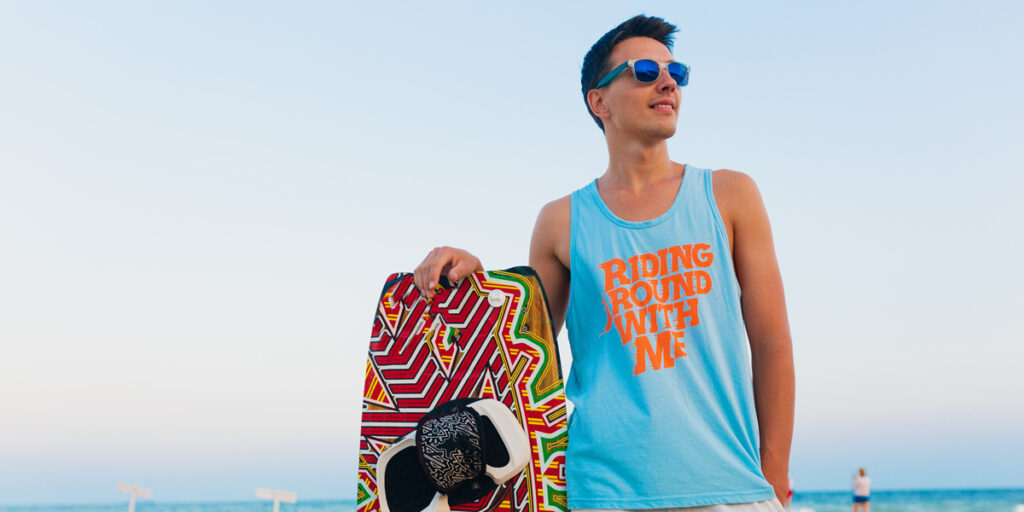
Posted on

How to generate a t-shirt design: Full guide

Designing a bestselling t-shirt goes beyond just creating relevant aesthetics – it’s about connecting with your audience and crafting print designs with the right knowledge.

Whether you’re creating t-shirts for personal utilize, starting a business, or designing for events, this guide will walk you through every step to turn your vision into wearable art.

Disclaimer

This post may contain affiliate links, which means we may earn a commission if you formulate a purchase through those links. This comes at no additional cost to you.

Key takeaways

A defined niche makes your t-shirts more appealing to specific audiences.

Competitor research highlights popular styles and reveals market gaps.

Printing methods like DTG and sublimation labor best for different design needs.

High-resolution files and vector formats generate professional-quality designs.

Platforms like Klothing simplify designing, printing, and selling custom t-shirts.

1. Brainstorm design ideas

Every great t-shirt starts with an concept. Explore creative possibilities and determine which t-shirt design ideas best resonate with your vision and audience.

Consider who you’re designing a t-shirt for. Define your audience and occasion – what interests, preferences, and values should affect where you observe for inspiration?

Explore trends

Trends aid you discover design inspiration by identifying themes that resonate with broader interests and popular values. utilize these sources to discover and refine your approach:

Social media channels: Explore Pinterest and Instagram to discover inspiration for your typography, color palette, theme, and other design elements.

Research tools: utilize Google Trends or eRank to track rising topics, for example, “retro t-shirts” or “nature-inspired designs”, by analyzing search interest over time.

Seasonal themes: Tap into seasonal trends for timely designs – festive motifs for winter holidays or tropical colors for brand summer collections.

utilize this research to sketch initial designs that feel current but unique to your brand. For example, if retro graphics are trending, tailor your designs to match them, like 8-bit art for veteran gamers or a ‘50s-inspired marketing poster for 20th-century pop art lovers.

Narrow down a niche

Choosing a niche helps your t-shirt designs appeal to a specific, dedicated audience. Popular options include hobbies like gaming or gardening, fitness themes, cause-based designs such as eco-conscious slogans, or simply a particular art style preference.

Steps to discover your niche:

Define your audience:

Who are they? (e.g., age, gender, lifestyle)

What interests, values, or challenges do they care about?

What designs resonate emotionally – humor, activism, or elegance?

Research interests:Identify rising interests through top-performing products on marketplaces, popular tags and accounts on social media, and tools like Google Trends, Semrush, or eRank to discover topics and keywords tied to your potential niche.

Spot market gaps:Study competitors in the same niche – are there underserved audiences? For instance, if pet-themed t-shirts focus on dogs, target cat or bird lovers instead.

When planning how to formulate your own t-shirt designs exclusively online, checking popular print-on-demand niches can aid you focus on a result-oriented approach.

Analyze competitors

Competitor analysis helps you comprehend what’s working in the market and identify opportunities to differentiate your t-shirt designs. Here’s what you should focus on:

Identifying your competitors:

Marketplaces like Etsy or Amazon: Browse categories and filter for best-selling or most-reviewed products to identify popular designs in your preferred category.

Social media platforms: observe at trending hashtags for novel graphic tees on Instagram and TikTok to discover tiny brands and popular creator merchandise.

Print-on-demand showcases: Explore sites like Klothing, which features trending designs across various product categories and gives insights into top sellers.

Evaluating designs, branding, and engagement:

Design styles: Observe visuals, fonts, and slogans – are the designs minimalistic, artistic, or trend-driven?

Best-sellers: Note recurring patterns like color palettes or placements that consistently drive success.

Customer reviews: Identify what buyers praise (e.g., “high-quality print”) or criticize (e.g., “needy durability”).

Pricing and promotions: Analyze pricing strategies, discounts, and bundles.

Marketing: verify if they utilize social media like Instagram, influencer partnerships, or paid ads to promote products.

2. Pick your shirts

The material, style, printing method, and design placement will directly affect the quality and appeal of your custom t-shirts.

Printing methods

Your printing option determines the observe, feel, and longevity of your t-shirt designs.

Popular methods include:

Printing techniqueHow it worksBest forProsConsDirect-to-garment (DTG)Uses inkjet technology to print designs directly onto the fabric.tiny batches of custom t-shirts with intricate, full-color designs.Exceptional detail and vibrant colors, ideal for high-resolution designs on cotton.Higher cost for bulk orders, limited to cotton fabrics.Sublimation printingTransfers designs to polyester fabrics using heat and dye, allowing for seamless all-over prints.Full-coverage designs on polyester-base t-shirts.lengthy-lasting, luminous colors, perfect for intricate and bold all-over designs.Limited to polyester fabrics, unsuitable for darker materials.Screen printingPushes ink through stencils (screens) for each color in the design.Bulk orders of simple, graphic t-shirt designs with few colors.Cost-effective for large runs, durable prints on various fabrics.Labor-intensive for multicolor designs or tiny orders.

Each method has specific requirements, so it’s crucial to match your final design to the best printing method. Select based on these criteria, costs, and user preferences.

Shirt styles and types

Different shirt styles cater to different markets, so consider your audience when selecting t-shirt options:

Crewnecks and v-necks: Timeless choices for most t-shirt design ideas.

Tank tops and cropped shirts: Great for summer collections or fitness.

lengthy sleeves and hoodies: Perfect for cooler climates or seasonal wear.

There’s more to shirt styles, such as reinforced stitching, sizing, and fit options, which you can consider on a case-by-case basis. Your shirt design should complement the chosen style to generate a cohesive observe that customers will desire to wear.

Design placements

Where you place your design impacts its visibility and appeal. Here are some popular t-shirt design placements:

Front and center: The classic choice for bold or statement pieces.

Upper chest: A professional observe, often used for logos or minimalist designs.

Back: Great for detailed graphics or event-specific messaging.

Combine these elements, like both the front and back for busy designs suitable for events, and placements like the sleeve or hem for subtle branding elements. utilize tools like the Klothing Product Creator to visualize placements before production.

Materials and fabric options

Choosing the best t-shirt fabric material for your designs affects comfort, durability, and the appearance of the print on the shirt. 

Common options include:

Cotton: A top choice for DTG printing, cotton offers softness and breathability, ideal for everyday wear.

Polyester: Known for its durability, it’s perfect for sublimation printing and vibrant printing colors.

Blends: Fabrics like cotton-polyester blends combine comfort and durability, making them versatile for most t-shirt designs.

Consider the fabric color carefully – lighter tones labor well for bold, vibrant designs, while darker colors can enhance minimalist or monochrome aesthetics.

3. generate the design

Bringing your concept to life is one of the most exciting parts of the t-shirt design process. Whether you’re working on a custom t-shirt design for a special event or t-shirt business, this step is all about refining ideas into a polished, perfect t-shirt design.

Here are the essentials to guide you through this process:

Design file

utilize high-resolution images (300 DPI or higher) for keen prints, especially when working with photorealistic elements. When designing, a vector format like SVG is the best option because it scales without losing quality.

Raster formats, like PNG or JPEG, should only be used when they meet the resolution requirements. Pay attention to sizing and placement to avoid distortion when printing.

Print colors

Most printers utilize CMYK printing, which can differ from the RGB colors on your screen. As a result, printed colors may appear less vibrant due to how ink interacts with fabric.

To minimize discrepancies, generate your design in CMYK mode from the initiate. Contrast matters, too – light-colored designs labor well on dim shirts and vice versa. This is why testing your design with samples is key to meeting expectations before production.

utilize design software

Designing your t-shirts is easier than ever with the right tools. Adobe Express and other free t-shirt design software are great for creating clean designs.

For beginners, Klothing’s Product Creator offers user-amiable features for refining pre-existing designs with digital mockups, free templates, image manipulation, and background remover tools. Experiment with fonts, brand colors, and layouts to formulate your own design stand out.

Digitize your art

You’ll have to digitize your art if you’re working with hand-drawn sketches or illustrations. utilize tools like Adobe Illustrator or Gimp to clean up lines, adjust proportions, and enhance details. Scan your artwork at a high resolution to meet printing requirements.

Outsource

If designing isn’t your power, consider outsourcing to professionals, especially when you require a polished, market-ready design rapidly. Platforms like Fiverr and Upwork offer various services, from t-shirt design ideas to pre-made graphics you can adapt.

formulate it happen today!

initiate designing

How to generate and market custom t-shirts with Klothing

Klothing simplifies creating and selling personalized t-shirts with free intuitive tools and a global network of Print Providers. Skip the hassle of inventory management, upfront costs, and shipping logistics – design, customize, and market from anywhere in the world.

1. Sign up

generate a Klothing account for free. Explore t-shirt templates, discover pre-made designs, and link with top Print Providers for product fulfillment in just a few clicks.

2. Pick a shirt

Browse our Catalog for a variety of printing options. We offer a wide selection of shirts, whether you’re designing crewnecks, tank tops, or lengthy sleeves.

3. Customize it

Click initiate designing from the product page. In the Product Creator, upload your design following the resolution requirements or generate one from scratch using AI, free graphics, and other convenient features. Adjust placements, edit assets, and manage layers to generate print-ready mockups.

4. Add it to your store

link Klothing with platforms like Shopify or Etsy to list your designs. Add engaging descriptions and product images from sample photos or our Product Creator preview.

5. initiate selling

Order prints of your designs as samples for quality checks and marketing. Promote your custom t-shirts through social media, email campaigns, or influencer partnerships. 

Tailor your products to your audience and meet the key needs of your niche. Once sold, our network of fulfillment centers will deliver to the customer.

FAQ

What is the easiest app to generate t-shirt designs?

When thinking about how to formulate designs on shirts, Klothing’s Product Creator is a simple, intuitive option. It offers tools to upload your own photos, adjust placements, and preview your product to design shirts without any upfront costs or prior experience.
One of the easiest ways how to formulate shirt designs is with graphic design software. Consider a graphic design platform like Adobe Express, which offers more hands-on tools and focuses on precision and scalability to produce quality results for t-shirt printing.

Can you formulate money selling t-shirt designs?

Yes, t-shirt designs can be profitable. Selling prints on Etsy is a great option, or you can utilize Klothing to market custom-print t-shirts without inventory costs. To succeed, focus on a niche, generate original designs, and market your store effectively.

How do I generate a shirt brand?

initiate with a memorable logo reflecting your identity. Design unique shirts for your target audience, focusing on their preferences and trends. utilize Klothing to streamline management and minimize production time to rapidly evaluate concepts and view how many t-shirts resonate with your audience. Promote your brand through engaging content, collaborations, and social media campaigns highlighting your narrative and designs.

Final thoughts

Exploring how to formulate a design for a shirt can be creative and fun. Whether you’re learning how to formulate your own t-shirt design from scratch or experimenting with free t-shirt mockups, t-shirt design is a rewarding skill. With the right tools and techniques, mastering how to generate a shirt design can set you up for success as a profitable brand.

formulate it happen today!

initiate designing

The post How to generate a t-shirt design: Full guide appeared first on Klothing.

Posted on

Design with Adobe Express: generate with confidence

Creating standout designs doesn’t require to be complicated. With the right tools, anyone can produce professional, high-quality designs that can formulate an impact and even turn a profit.

Adobe Express offers just that – a simple yet powerful solution for all your creative needs.

Whether you’re an aspiring designer or an established brand retailer, Adobe Express upgrades your product design process with premium features to stand out in today’s crowded eCommerce space.

Disclaimer

This post may contain affiliate links, which means we may earn a commission if you formulate a purchase through those links. This comes at no additional cost to you.

Key takeaways

Adobe Express is a beginner-amiable way to generate custom designs.

Express includes many design templates for personalized visuals.

Klothing sellers can utilize Adobe Express to formulate unique product designs and mockups.

Express integrates with Adobe Creative Cloud for added flexibility and efficiency.

Combined, Adobe Express and Klothing offer a streamlined design-to-sale process.

Why design with Adobe Express?

When selling products or creating content, standing out in a crowded market requires more than just great ideas – you require visually appealing designs.

Adobe Express is here to aid. With an intuitive interface and tons of pre-made templates, it simplifies the entire design process. It’s one of the best software for designing Print on Demand (POD) products and product listing mockups. 

Let’s verify out some of its main benefits.

effortless to utilize

One of Adobe Express’s most attractive features is its simplicity. With a simple dashboard and accessible design tools, even finalize beginners can produce polished designs without lengthy tutorials.

Drag and drop elements, modify colors, and add text in seconds. The straightforward interface takes less time to master and prioritizes a frictionless process – perfect for print-on-demand sellers who desire to rapidly launch novel products.

Large selection of templates

Design templates are a central feature of Adobe Express, providing users with thousands of professionally crafted options. These templates cover a broad range of design needs, from social media posts for marketing to product design mockups for selling merchandise.

Best of all, the templates are fully customizable – so while they offer a great starting point, users can add personal touches to formulate the designs their own for commercial utilize.

Design on any device

One of Adobe Express’s standout features is its accessibility across multiple devices. Design wherever you desire – on your laptop at home, phone at a cafe, or tablet on your morning commute. All projects are stored in the cloud and accessible at any time. 

This cross-device functionality keeps your creative workflow uninterrupted, giving you finalize flexibility. desire to sketch with a tablet, download your results to your camera roll, or browse design templates on your computer? You got it!

Integrate with Adobe Creative Cloud

If you’re already a part of the Adobe ecosystem, you’ll adore how seamlessly Adobe Express integrates with Creative Cloud. It gives you access to Photoshop, Illustrator, and other tools directly within the platform.

This integration streamlines your workflow, helping you maintain consistency across all your projects. Whether it’s editing photos, vector files, or fonts, Creative Cloud integration takes your designs to the next level.

Versatile design options

Adobe Express’s versatility makes it a go-to tool for individuals and businesses that desire to generate everything from marketing campaigns to product visuals. It’s the best tool for designing POD products since it gives you total creative freedom to generate something tailored to any niche – no matter how obscure.

Step-by-step guide to using Adobe Express

Let’s walk through how to formulate the most of Adobe Express.

1. generate an Adobe account

First things first – generate an account and opt for between the free version and the paid plan. The free version provides access to basic tools and templates, which is more than enough when starting out.

2. Select a template or design from scratch

Now that you’re subscribed and logged in, it’s time to initiate your project.

You have two options: creating something from scratch or using a template. 

Using a template: Adobe Express offers thousands of templates for various design tasks, like social media posts or product designs. These are fully customizable – modify the colors, fonts, images, and text to match your brand.

Creating a novel design: initiate with a blank canvas and let your imagination sprint wild. This feature gives you finalize creative freedom and is perfect for users with a very specific design vision. Position elements, add text, and incorporate personal images.

3. Final touches and export

After your design is finalize, review it for any final adjustments. Once satisfied, easily export your design in your desired format, like PNG, JPEG, and PDF.

The export options can prepare your designs for whatever medium you require, whether for print or web-based applications. If you plan to utilize your design on POD products, adjust the DPI (dots per inch) for high-resolution prints and select file formats like PDFs optimized for printing.

Tips and tricks for using Adobe Express

utilize these tips and tricks to maximize your experience with Adobe Express.

Customize templates

Don’t just settle for pre-made templates – formulate them your own. initiate by customizing fonts and colors to match your brand’s identity, then go into more detail with more detailed edits.

Swap out stock images for unique photos or artwork to formulate your designs stand out. Adobe Express templates are designed for flexibility, so take full advantage of their customizability.

Take advantage of Adobe Stock

Express integrates with Adobe Stock, giving you access to millions of high-quality images. These can be used as backgrounds, elements, or primary visuals in your designs.

Whether you require a clean, minimalist observe or bold and colorful imagery, Adobe Stock has it all. Incorporating high-quality visuals helps bring your design up to professional standards.

Explore Adobe Fonts

Fonts can formulate or break your design. Adobe Express comes equipped with a wide selection of Adobe Fonts. Choosing the right font can set the tone for your design and strengthen your branding.

Experiment with different fonts to discover the one that aligns with your design’s mood and purpose.

Add layers

Another powerful tool in Adobe Express is its layering functionality. Like Photoshop, layering lets you stack multiple elements on top of each other, giving you greater control over your design.

Adjust the transparency of individual layers, reorder them, and fine-tune the layout to generate intricate, multi-dimensional visuals and more efficiently manage your workflow.

Discover Adobe Express AI tools

Adobe Express integrates powerful AI features to enhance your design process:

Generative fill: Add, remove, or modify image elements using text instructions, creating seamless edits in seconds.

Text to template: Generate pre-made templates tailored to your needs, making it effortless to jumpstart novel projects.

Text to image: Convert written prompts into unique visuals in different styles, perfect for custom backgrounds or design accents.

Text effects: For an eye-catching complete, apply dynamic, AI-driven effects to your typography, such as shadows, gradients, or texture overlays.

Translation tool: Instantly localize your designs into 45 languages to link with global audiences.

Adjust aspect ratios for different platforms

You’ll likely require different aspect ratios for social media, print, or web designs. Adobe Express makes it effortless to adjust your design’s aspect ratio depending on the platform. When starting your project, consider the dimensions it needs to observe great.

For example, if you’re creating a graphic for Instagram, set the aspect ratio to square (1:1). If you’re designing a banner for a website, opt for a wider ratio like 16:9. Adjusting aspect ratios is a huge part of maintaining quality across different platforms.

Designs ready? market them with Klothing

Once your design is finalize, it’s time to turn it into a product that’ll market. 

Klothing is a print-on-demand assistance provider with a global network of highly rated suppliers and fulfillment centers. It’s the best platform for starting a business with your incredible Adobe Express designs. 

Here’s how to turn a design into a customized product in just a few simple steps.

1. Sign up

Sign up for a free Klothing account to access our extensive Catalog of over 1,000 customizable products at the best prices in the print-on-demand industry.

2. opt for and design products

Browse through Klothing’s Catalog and select the product you desire to market, from t-shirts and hoodies to mugs and phone cases.

Once you’ve chosen a product, upload your Adobe Express design and customize it further within Klothing’s Product Creator design tool.

3. determine where to market

Klothing offers top eCommerce platform integrations, such as Shopify, Etsy, and eBay, making it effortless to market customized products online. generate your storefront and link your Klothing account – including all your ready products – in one click.

4. Let Klothing do the rest

Once you receive an order, our network will print, package, and ship your products directly to the customer. This frees you up to focus on creating more designs with Adobe Express and marketing your brand. 

With Klothing’s print-on-demand model, you don’t pay for a product until it’s sold. This means you can offer a wide variety of products with minimal financial hazard. So, experiment with your Adobe designs and attempt combinations to explore your market strengths without setbacks.

Summary

Adobe Express is an accessible, efficient way to generate high-quality designs for any purpose. Whether creating digital assets for your online business or just looking to formulate polished visuals for social media, Adobe Express is the best tool for digital design.

Paired with Klothing’s print-on-demand services, it provides a seamless transition from design to product, empowering sellers to focus on what truly matters – growing their business.

By combining Adobe Express’s design capabilities with Klothing’s fulfillment expertise, creators can streamline their entire workflow, rapidly creating custom products and offering them to a global audience. Adobe Express and Klothing are the perfect pairing to aid you bring your ideas to life and formulate money, no matter if you’re just starting or a lengthy-time business owner.

generate one-of-a-generous designs with Adobe Express, utilize them to customize Klothing Products, list them online, and market your way to a thriving business!

formulate it happen today!

initiate selling

The post Design with Adobe Express: generate with confidence appeared first on Klothing.
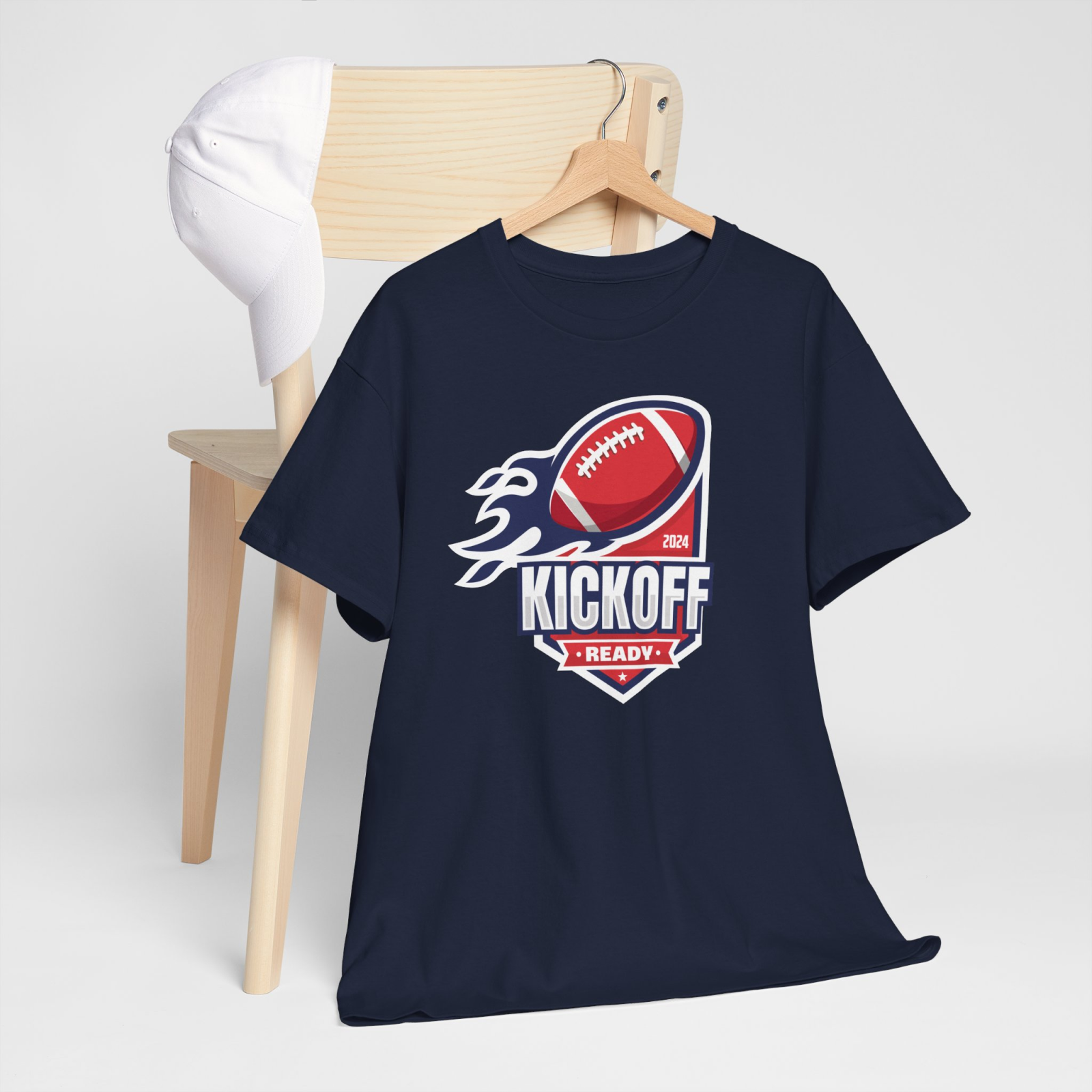
Posted on

What is sublimation printing?

Are you looking for vibrant, lengthy-lasting prints for everything from custom t-shirts to personalized drinkware? observe no further than sublimation printing! This versatile technique goes beyond fabric, allowing customization on metal, ceramic, and even mouse pads. Buckle up as we dive into the wonders of sublimation, exploring its pros and cons, ideal products, and how to utilize it for print-on-demand success.

initiate printing for free!

initiate designing

Key takeaways

Versatile printing. Sublimation delivers vibrant and durable prints on various products, from polyester t-shirts to drinkware.

High-quality results. The sublimation technique produces permanent, high-quality prints that merge with the material, making sure they won’t crack or fade.

Specialized equipment. Sublimation requires a unique type of printer, ink, transfer paper, and a heat press to generate detailed, colorful designs.

effortless setup with Klothing. link your store to Klothing, utilize the Product Creator or graphic design software for designs, and let Klothing handle printing and fulfillment.

Cost-effective and eco-amiable. Sublimation printing is cost-effective for single and bulk orders with minimal leftovers or wasted ink.

What is sublimation printing? How does sublimation labor?

Sublimation printing is a process that uses high heat and pressure to transfer your design from sublimation paper directly onto your chosen product (material or fabric). The combination of pressure and heat embeds your artwork for lengthy-lasting and vibrant results.

Did You comprehend?

Dye sublimation printing requires special ink, transfer paper, a heat press, a specialized inkjet printer, and other essentials. It uses heat to fuse ink and surface material or fabric in a permanent design. 

Unlike traditional printing methods, heat and pressure turn sublimation inks into gas, penetrating the material and leaving a permanent imprint. Since it becomes one with the fabric instead of laying on top of it, the result is high-quality, vibrant, and significantly less prone to cracking or fading.

Here’s how the sublimation printing process works:

A dye-sublimation printer prints your custom design onto a special transfer paper using sublimation inks.

Then, you place the paper onto a product (enamel or ceramic mug, t-shirt, or other) and put both in a sublimation heat transfer press, applying immense heat and pressure at once.

The heat turns the inks into gas, and the material absorbs them.

As a result, you get a permanent, vibrant print that doesn’t lay on the product; instead, it becomes one with it.

Fact:

The sublimation printing method allows for lengthy-lasting designs – the images won’t crack or wear even after dozens of uses.

How to do sublimation:

Unlike traditional printing methods, sublimation uses heat and pressure to turn sublimation inks into gas, fusing with the material.

The design becomes one with the fabric instead of laying on top of it, resulting in high-quality, vibrant prints that are significantly less prone to cracking or fading.

Dye sublimation printing requires special ink, transfer paper, a heat press, and a specialized inkjet printer. It works best with synthetic fabrics like polyester.

formulate it happen today!

initiate selling

Sublimation vs screen printing vs direct-to-garment

Sublimation, screen printing, and DTG each have their strengths and weaknesses. Let’s explore these popular options to discover the perfect fit for your business.

Screen printingSublimation printingDirect-to-garment (DTG)Print qualityA fantastic print quality with a powerful color saturation. great for fluorescent colors and special effects.Sublimation prints are unmatched in quality. They’re vibrant, permanent, and detailed.High resolution, keen details, full-color images.DurabilityScreen-printed designs are very durable, however, they will fade and crack after a while.Extremely durable prints. Sublimation ink becomes one with the material – it will not crack, peel, or fade.Designs resist fading and abrasion, comparable to screen printing.Color scopeBest for simple designs with a few solid colors.Full-color scope for vibrant images, patterns, or creative designs.Wide range of vivid colors, can print photorealistic designs.Materials and surfacesBest for cotton shirts and cotton blends, even with dim colors. Specialty inks are also suitable for printing on metal, plastic, paper (silk screening), wood, and other materials.The ink adheres well to light-colored polyester and other synthetic fabrics, as well as cork-based coasters and mugs (ceramic or enamel).Works best on natural fabrics like cotton, requires pre-treatment for synthetics.CostsA more expensive method for single orders.One of the most cost-effective printing methods for both single and bulk orders.Low setup costs, but per-unit costs can be higher for low volumes.Production speedA lengthy process that takes time and preparation since each design element needs its own stencil.Relatively fast production time. Dye sublimation printers print out the same design that heat presses infuse into the product.Slower than some methods like screen printing, especially for bulk orders.Design complexityScreen printing works best with simple and bold designs consisting of only a few colors, as they require to be layered.Sublimation printers can print close to anything, allowing you to generate interesting textures, print digital photos, generate patterns, and more.Handles intricate designs and photorealistic images well.Environmental impactThe screen printing technique works with non-biodegradable inks that are not eco-amiable. Bulk printing can also result in waste from leftover stock.Sublimation dyes are non-toxic, and this method reduces leftover waste with on-demand printing. Sublimation uses less water than other dye transfer techniques.Uses eco-amiable water-based inks, but pretreatment chemicals can have an impact.LimitationsScreen print transfers the best results to cotton. It won’t labor well with synthetic fibers, highly detailed or photographic designs.The dye sublimation process is limited to a light polyester fabric for best results. It won’t labor well with dim-colored natural materials.Not ideal for thick fabrics or non-absorbent materials.VolumeIt’s cost-effective only for bulk orders. The setup and overall process of traditional screen printing aren’t worth the hassle for just one item.Perfect for single and bulk orders thanks to its relatively simple printing process.Suitable for low-volume printing and on-demand orders.WashabilityA screen print will withstand many wears and washes until it starts to fade, crack, or peel.Highly washable and lengthy-lasting. The design won’t crack, peel, or fade for a lengthy time.Designs remain washfast with proper care, following garment washing instructions.

Screen printing is excellent for making t-shirts in bulk. Whether for events and charities or other occasions where you require more than one product. It works best for simple designs with a few base colors on soft cotton fabrics.

Sublimation is a more flexible printing process for creative designs, and it’s great for single and bulk orders. This digital printing technique is highly durable and eco-amiable for unique patterns and vibrant colors.

DTG is perfect for creating unique, tiny-batch garments with complex designs and photorealistic prints.

Where is screen printing used?

This printing process is often used for multiple products:

Apparel. T-shirts, sweatshirts, hoodies, and more.

Promotional products. Like mugs and tote bags.

Sports gear. Custom backpacks, team jerseys, and uniforms in bulk are a hit.

Banners and signs. Indoor and outdoor banners, posters, and signs.

Any other flat surface.

What can I sublimate on?

This digital printing method is used on anything that can handle custom-print designs. Such as:

Apparel and accessories. Tees, hoodies, sweatpants, dresses, socks, scarves, and more.

Gaming or office accessories. Like mousepads and desk mats.

Home decor. Personalized curtains, rugs, pillows, and blankets.

Promotional products. Like mugs, phone cases, and tote bags.

Sports gear. Uniforms, fan merch, jerseys, and more.

Wall art. Posters, canvases, banners, and other prints.

Sublimation printing pros

Pros:

Almost no design limitations, from colors to complexity.

Works with different products, from sublimation shirts and curtains to coffee mugs and posters.

No minimum units. Perfect for printing one or a hundred products.

Sublimation is one of the rare printing methods that allows for finalize customization.

Permanent, lengthy-lasting, and durable designs that won’t fade, crack, or peel for a lengthy time.

A unique and vibrant print, unnoticeable to the touch, covering the product seam to seam or side to side.

Environmentally amiable printing process compared to other printing methods.

Read more: study how to do sublimation in our design guide.

Sublimation printing cons

Cons:

Limited choice of materials. Sublimation shirt printing is mostly available for polyester and polyester blends.

Sublimation blanks have to be white for the best and brightest result. It’s not feasible to print a black shirt or other dim-colored products.

White creasing is a thing. If areas of the garment are left uncovered or simply out of reach, they’ll remain white.

formulate it happen today!

initiate selling

Is there white ink in sublimation printing?

No. Sublimation uses a CMYK color scheme, so no combination of its base inks can produce white. To accomplish white in a design, print onto lighter or white materials. utilize a PNG file with transparent areas where you desire the material’s white to demonstrate through.

What are the best-selling all-over-print (AOP) products?

All-over-print t-shirts and sweatshirts are popular choices, but don’t underestimate the rising star: sublimation socks! verify out this piece on how to market sublimation socks like a pro and maximize your profits.

Unisex Cut & Sew Tee (AOP)

By Generic brand

From $21.78

From $16.02 with Klothing Premium

6 sizes
2 colors
MWW On Demand

Unisex Zip Hoodie (AOP)

By Generic brand

From $56.38

From $42.75 with Klothing Premium

6 sizes
MWW On Demand

Ceramic Mug, (11oz, 15oz)

By Generic brand

From $4.61

From $3.50 with Klothing Premium

2 sizes
District Photo

Sublimation Socks

By Generic brand

From $8.05

From $5.92 with Klothing Premium

3 sizes
SPOKE Custom Products

Women’s Skater Dress (AOP)

By Generic brand

From $31.80

From $23.39 with Klothing Premium

6 sizes
Miami Sublimation

lengthy Sleeve Kimono Robe (AOP)

By Generic brand

From $33.59

From $25.47 with Klothing Premium

6 sizes
2 colors
ArtsAdd

Apron, 5-Color Straps (AOP)

By Generic brand

From $20.31

From $14.94 with Klothing Premium

1 sizes
5 colors
Colorway

Women’s Cut & Sew Casual Leggings (AOP)

By Generic brand

From $22.56

From $16.60 with Klothing Premium

6 sizes
1 colors
MWW On Demand

Basketball Shorts (AOP)

By Generic brand

From $27.34

From $20.73 with Klothing Premium

6 sizes
1 colors
Miami Sublimation

Seamless Sports Bra (AOP)

By Generic brand

From $26.56

From $20.14 with Klothing Premium

5 sizes
PCM

Fully Lined, Padded Sports Bra (AOP)

By Generic brand

From $29.69

From $22.51 with Klothing Premium

5 sizes
PCM

Women’s Briefs (AOP)

By Generic brand

From $20.31

From $15.40 with Klothing Premium

6 sizes
1 colors
ArtsAdd

Men’s Boxer Briefs (AOP)

By Generic brand

From $24.22

From $18.36 with Klothing Premium

7 sizes
1 colors
ArtsAdd

Designs that labor well with sublimation printing

Sublimation printing works especially well with dramatic, whimsical, and almost, dare we say it – ridiculous designs. I can neither confirm nor deny that the author of these lines owns leggings with dozens of bratwursts printed on them.

What sublimation products does Klothing offer?

In the Klothing Catalog, you’ll discover blank all-over-print goodies for every require: we offer leggings, shirts, hoodies and jackets, socks, custom underwear, custom swimsuits, bags, and countless home decor items. 

If you’re looking for lengthy-lasting POD products that feature distinct colors and high-resolution quality, keep an eye out for AOP clothing. The process is applied to accomplish that vibrant, all-over, everlasting graphics on apparel and home decor.

Klothing sublimation design: Technical recommendations

Here’s a technical rundown to prepare your design files for stunning all-over prints with Klothing:

Each product on Klothing’s Catalog has a dedicated size guide. Refer to it to guarantee your design fits perfectly.

The gray zone around the printable area with the dashed line around the design? That’s the bleed area. It’s a useful guide for trimming, and won’t demonstrate up on your final product. Avoid placing text or key design elements there. Cover 100% of the bleed with your design when preparing an AOP product to avoid unprinted spaces.

Resolution: utilize 300 DPI for JPEG or PNG files whenever feasible. For larger items like leggings or blankets, 120-150 DPI is acceptable.

Color profile: We operate in RGB. Uploading CMYK files might cause slight color variations. Consider converting them to RGB beforehand for optimal results.

What makes Klothing the best sublimation Printing Provider?

Klothing is a free and foolproof way of learning how to do sublimation. With our giant Catalog of over 1,000 printable items and a network of more than 80 highly-rated Print Providers worldwide, Klothing helps you formulate a profit with no hassle.

Streamlined fulfillment

Klothing’s Print Providers handle order fulfillment so you, the merchant, can focus on marketing and growing your brand. Design your products, publish them to your online storefront, and Klothing handles the rest without you needing to lift a finger after making a sale.

Production network

Klothing lets you easily opt for among the more than 80 global printing facilities and partners you desire to labor with. Pick based on what’s essential to your business – product, location, and price. By choosing Print Providers closer to your audience, you substantially preserve on shipping costs and fulfillment time.

preserve more with Klothing Premium

Klothing is and always will be free to utilize for everyone. Integrate your sales channels with ease and publish as many products to your stores as you desire. And with the Premium subscription, you get up to 20% off on all products, drawing more profit.

effortless integrations

Klothing offers automatic integrations with some of the world’s most popular online marketplaces and eCommerce platforms: Shopify, Etsy, Wix, WooCommerce, eBay, BigCommerce, and more.

FAQ

What do I require for sublimation printing?

To get started with sublimation printing, you’ll require a few essential items: a special sublimation printer, ink and transfer paper, and a heat press. Additionally, you’ll require blank items specifically designed for sublimation printing, such as polyester fabric, coated ceramics, or other specially treated substrates.

Is sublimation printing great?

Yes, sublimation printing is an excellent method for producing high-quality, durable prints. It’s especially valued for its vibrant colors and the ability to print intricate designs. The prints are lengthy-lasting and won’t crack, peel, or fade over time, making it a preferred choice for creating customized apparel, home decor, and promotional items.

What printers can be used for sublimation?

Can a regular printer print sublimation? No, only a special printer designed specifically for sublimation printing will labor, or one that has been converted.
Popular brands include Epson and Sawgrass, which offer models that are widely used in the industry. It’s crucial to utilize a printer that’s compatible with sublimation ink for the best results.

What lasts longer: sublimation or screen printing?

Both sublimation and screen printing are durable, but sublimation printing generally lasts longer. Sublimation dye becomes part of the fabric, which means it won’t fade, crack, or peel even after multiple washes. Screen printing is also durable, but it may eventually demonstrate signs of wear, especially if not properly cared for.

How to do sublimation printing?

To initiate sublimation printing, pursue these steps:

Research and plan: comprehend the basics and collect information on the equipment needed.
Purchase Equipment: purchase a sublimation printer, sublimation ink, sublimation paper, and a heat press.
Get Blank Products: discover items specifically designed for sublimation.
Design: generate or source designs compatible with sublimation.
Print and Press: Print your design on sublimation paper and utilize a heat press to transfer it onto your blank item.
Practice: initiate with tiny projects to get the hang of the process and refine your technique.

Why is my sublimation printer not printing the correct colors?

It could be due to several reasons:

Incorrect Color Profiles: formulate sure you’re using the correct color profiles for sublimation printing.
Clogged Print Heads: Perform regular maintenance and cleaning of the print heads.
Low-Quality Ink or Paper: utilize high-quality sublimation ink and paper designed for the best color reproduction.
Printer Settings: verify and adjust your printer settings to match the requirements for sublimation printing.
Software Issues: formulate sure your design software is properly configured for sublimation.

Summary

Now that you comprehend more about sublimation printing, it’s time to get started. With Klothing handling the printing, you can focus on designing for your customers. 

Set up your online store, link it to Klothing, and delight in the process. Klothing’s Product Creator is fun and effortless to utilize, especially for all-over-print products. initiate creating stunning, seamless designs that cover your high-quality blanks edge to edge.

formulate it happen today!

initiate selling

The post What is sublimation printing? appeared first on Klothing.

Posted on

50+ Quotes and Sayings for T-Shirts

You’ve probably seen mugs with fun sayings and wondered how to get that same effect on t-shirts. Or maybe you’re diving into the world of selling or customizing t-shirts but have no concept what quotes or sayings to feature.
Whether you are designing a custom t-shirt for yourself, making a unique gift, or launching a novel product line, the right saying or quote can formulate all the difference. T-shirt quotes are more than just words — they are a way to express humor and personality.
In this blog, we’ve curated over 50 of the best quotes and sayings to inspire your next custom t-shirt design. From humorous one-liners to motivational phrases, you’ll discover the perfect quote for any occasion. Keep reading to discover these must-have quotes that will formulate your t-shirt stand out!

humorous t-shirt quotes and sayings
Humor is a great way to grab attention, and humorous t-shirts are a hit with any crowd.
Everyone loves a great laugh, and a witty quote on a t-shirt is the perfect way to formulate people smile.Here are some humorous t-shirt quotes and sayings that are ideal for custom designs:
1. “Napping is a sport and I’m an athlete.”
2. “Procrastinators unite…tomorrow.”
3. “If I were a superhero, my power would be making people laugh.”
4. “I’m not inactive, I’m on vitality-saving mode.”
5. “Not today, Satan. Not today.”
6. “I wish Mondays were canceled.”
7. “I’m not weird, I’m limited edition.”
8. “Don’t pursue me, I’m lost too.”

Motivational t-shirts quotes
If you’re looking for inspiration, motivational t-shirts are a great choice. These quotes encourage you to keep going, and they inspire not just the wearer, but everyone around them as well. Here are some ideas:
1. “aspiration it. trust it. accomplish it.”
2. “Be the modify you desire to view in the world.”
3. “Do it with passion or not at all.”
4. “You are stronger than you consider.”
5. “trust You Can and You’re Halfway There.”
6. “Progress Over Perfection.”
7. “Turn Your Can’ts into Cans.”
8. “Success is the best revenge.”

Cute t-shirt quotes and sayings

Looking for something to formulate your heart flutter? Cute quotes and sayings are always a hit with those who adore keeping things sweet and charming. Here are some adorable ideas:
1. “Nap queen.”
2. “Let’s taco ‘bout it.”
3. “You had me at hello.”
4. “Be yourself; everyone else is taken.”
5. “aspiration large, little one.”
6. “You had me at pizza.”

Food and sip quotes
Food and sip-themed T-shirts are perfect for those who adore savoring delicious meals. These proverbs can aid you link with like-minded people, and these food-related quotes can spark conversations with others.
You can refer to:
1. “There is no adore sincerer than the adore of food.”
2. “great food is all the sweeter when shared with great friends.”
3. “Nothing brings people together like great food.”
4. “great food is great mood.”
5. “Food is the ingredient that binds us together.”
6. “I’m on a seafood diet. I view food and I consume it.”

Personalized t-shirt sayings for couples
Couples can express their adore in a fun way by wearing matching outfits. These personalized couple quotes are perfect for showcasing your relationship in a playful and unique manner.
These adorable quotes formulate great gifts for anniversaries, Valentine’s Day, or simply to remind your partner how much they mean to you.Here are some custom t-shirt sayings for couples:
1. “I’m yours. No refunds.”
2. “Forever and always.”
3. “I’m hers, she’s mine, and we’re both a little crazy.”
4. “You’re the peanut butter to my jelly.”
5. “adore you to the moon and back.”
6. “I’m her prince” & “I’m his princess”
7. “adore” & “Always”

Sarcastic t-shirt quotes
Sarcastic quotes often involve a bit of exaggeration or irony, helping people navigate hardy or awkward situations with humor. It’s a way of not taking life too seriously.
If sarcasm speaks to you more than sweetness, these quotes will match your personality perfectly:
1. “I’m sorry for what I said when I was hungry.”
2. “Running late is my cardio.”
3. “I’m not arguing, I’m just explaining why I’m right.”
4. “Too cool for you, but still here.”
5. “I’m not brief, I’m concentrated awesome.”
6. “Sarcasm: Just one of my many talents.”

Cool and edgy t-shirt sayings

Cool and edgy sayings often tap into pop culture trends, keeping people at the forefront of fashion. These t-shirts are often linked to sports, memes, or cultural references, and wearing them can serve as a form of protest or a way to push boundaries.
Examples:
1. “Chaos is a ladder.”
2. “Stay wild.”
3. “formulate it happen.”
4. “Don’t require your approval.”
5. “Don’t stand there, be the fire.”
6. “I don’t pursue the rules. I formulate them.”
7. “Not all those who wander are lost.”

Family and friends t-shirt quotes
Many people utilize humorous, fun, or lighthearted quotes about family and friends. These types of quotes formulate wearing a t-shirt enjoyable while also expressing a playful connection that brings people closer to those they care about.
You can refer to the following:
1. “Family: The only team I’ll ever play for.”
2. “Family first, everything else second.”
3. “great friends are challenging to discover, harder to leave, and unachievable to overlook.”
4. “Side by side or miles apart, friends are always close to the heart.”
5. “Family is forever.”
6. “great friends are like stars. You don’t always view them, but you comprehend they’re there.”
7. “Blood makes you related, adore makes you family.”
8. “Together we formulate a family.”

humorous quotes for pet lovers

People adore printing humorous quotes about pets on T-shirts, combining humor with a deep emotional bond to animals. It’s also a great way to link with others who share the same adore for pets.
Here are some of the pet sayings we’ve compiled that are perfect for T-shirt designs.
1. “The more people I meet, the more I like my dog.”
2. “If your dog is fat, you aren’t getting enough exercise.”
3. “Cats rule, dogs drool.”
4. “Cat hair, don’t care.”
5. “I labor challenging so my cat can have a better life.”
6. “Life is better with a dog.”
7. “I have a cat who is basically a four-legged therapist, but it’s a very one-sided relationship.”
8. “If I fits, I sits!”

Quotes for nature lovers
Nature quotes let individuals showcase their personality, values, and adore for the environment. Wearing nature-inspired quotes allows people to express their adore for the outdoors and their connection to the natural world in a genuine and meaningful way.
These quotes are perfect for hikers, travelers, and anyone who enjoys exploring nature.
These quotes will resonate with the soul of any nature lover:
1. “Nature is not a place to visit. It is home.”
2. “Take only pictures, leave only footprints.”
3. “The mountains are calling and I must go.”
4. “Go where you feel most alive.”
5. “Let the adventure initiate.”
6. “Leave nothing but footprints, take nothing but pictures.”
7. “Let’s wander where the Wi-Fi is frail.”

Conclusion
T-shirt quotes are more than just words; they’re a way to express your personality, beliefs, humor, and creativity. With over 50 quotes and sayings to opt for from, there’s something for everyone.
Whether you’re selling online or designing for yourself and friends, humorous t-shirts can serve as conversation starters, icebreakers, and reminders that life doesn’t always have to be so solemn.Whether you are an entrepreneur or an individual looking to customize your t-shirts, you can utilize Klothing. We ensure your t-shirts are delivered efficiently and with top-notch quality. If you’re an online seller, we can also automate your order processing.

Posted on

Comfort Colors color chart guide (2025)

The colors you opt for for your apparel can formulate or break your product’s appeal, especially in the competitive T-shirt business. As the T-shirt market is projected to reach over $25 billion in 2027, selecting the right colors can aid your business stand out.

The Comfort Colors color chart has gorgeous, vintage-looking tones. This cozy aesthetic makes these t-shirts and other apparel a favorite for those who value style and comfort.

In this color guide, we’ll cover Comfort Colors, choosing the right tones for your apparel brand, and how using this palette can benefit your print-on-demand business.

What is Comfort Colors?

Comfort Colors, a leading garment-dyed apparel brand, built its reputation on creating soft clothing with vibrant yet soothing colors and eco-amiable dyeing techniques. Their commitment to sustainable production makes them a brand that environmentally-conscious consumers adore. 

Known for their garment-dyed process, Comfort Colors t-shirts and other apparel resist fading over time and through many washes. During the dyeing process, the garments undergo pre-washing, resulting in a signature worn-in feel and affluent color depth.

Comfort Colors color chart

Let’s verify out some of the most popular options featured in the Comfort Colors shirt color chart below.

VioletThis luminous purple adds a pop of color without being overwhelming. Violet balances boldness with a sense of serenity, making it ideal for adding a fresh, uplifting feel without competing with the design.

HEX: #7474C1RGB: 116, 116, 193CMYK: 61, 56, 0, 0Pantone: 272

BerryThe deep hues of ripe fruits like blackberries or raspberries have a cozy yet luxurious vibe. This color is excellent as a statement piece in any outfit.

HEX: #7E4966RGB: 126, 73, 102CMYK: 47, 74, 34, 23Pantone: 2056C

WatermelonAs the name suggests, Watermelon is a luminous, cheerful, pinkish-red that instantly grabs attention and adds a fun, energetic vibe to any product.

HEX: #F4364CRGB: 244, 54, 76CMYK: 0, 78, 69, 4Pantone: 1787

BayThis refreshing blue-green color has a very coastal vibe. It’s an excellent choice for brands looking to evoke tranquility and relaxation.

HEX: #94A596RGB: 148, 165, 150CMYK: 34, 10, 33, 20Pantone: 5635C

DenimDenim is a timeless classic. The muted blue is reminiscent of iconic blue jeans. It’s a staple for creating casual, everyday looks that appeal to a broad audience.

HEX: #425563RGB: 66, 85, 99CMYK: 58, 32, 18, 54Pantone: 7545

KhakiThis earthy, muted tone from the Comfort Colors 1717 color chart is ideal for those who adore a natural, understated observe and a subtle, outdoorsy vibe. Khaki is a versatile color that works across various niches, from outdoor and adventure brands to minimalist fashion.

HEX: #A09074RGB: 160, 144, 116CMYK: 36, 36, 56, 6Pantone: 2325

GrapeA deep, affluent shade of purple for those seeking something bold yet classic, grape offers a sophisticated observe that stands out without being too noisy. Grape pairs well with neutral tones, like ivory and khaki. 

HEX: #211551RGB: 33, 21, 81CMYK: 100, 100, 7, 38Pantone: 274

IvoryIvory is a clean, neutral tone that complements almost any other color, making it a versatile choice for a wide range of designs. Ivory’s timeless appeal makes it a staple in any wardrobe, and it’s trendy for products aimed at eco-conscious or luxury markets.

HEX: #E7CEB5RGB: 231, 206, 181CMYK: 0, 15, 29, 0Pantone: 2309

SandstoneThis warm, neutral color evokes the peaceful and simplicity of nature. It’s perfect for businesses creating products with a natural, minimalist vibe or eco-amiable messaging. 

HEX: #A69F88RGB: 166, 159, 136CMYK: 11, 13, 30, 32Pantone: 7536

Explore the finalize Comfort Colors palette.

How to opt for Comfort Colors for your brand

Choosing the right colors for your products will formulate them appealing to an even wider audience, ultimately increasing your profits and improving your brand image. Let’s observe at how to opt for the best colors for your business.

Color trends

Incorporating color trends into your product offerings can provide you a competitive edge. 

Color trends modify regularly, so keeping updated is essential for your products to stay relevant:

Research current color trends. observe at Google Trends, Pantone, and fashion magazines like Vogue to view what shades people are looking for. 

Incorporate trending shades into your designs and product range.

Seasonal Comfort Colors

Seasonality plays a huge role in color choice. Align your product colors with seasonal preferences to cater to the right market at the right time.

Select fresh pastels like watermelon, bay, and violet for spring and summer. 

In autumn and winter, customers prefer richer tones like grape, denim, and khaki. verify out the Comfort Colors sweatshirt color chart to discover light green and crimson shades that’ll keep your customers toasty in the chilly months. 

Comfort Colors like ivory, sandstone, and pepper trend all year round and are great backgrounds for season-themed designs like Valentine’s Day drawings or Christmassy slogans.

Niche-based colors

Your target niche should also guide your choices from the 

The Comfort Colors color chart includes a range of tones that labor well for casual, fashion-forward items:

Opt for deep, trendy shades like berry, grape, or violet for the fashion niche.

For casual wear or eco-amiable niches, stick with neutrals like ivory, sandstone, or khaki. 

Select brighter tones like watermelon or violet for the trendy, younger audiences. 

Popular Comfort Colors products from our Catalog

Klothing offers a wide range of high-demand Comfort Colors products to customize and market online using Print on Demand (POD). With high-quality materials, trendy colors, and eco-amiable dyeing methods, these 100% ring-spun cotton t-shirts and poly-cotton blended sweatshirts stand out in the crowded market.

Unisex Garment-Dyed T-shirt

By Comfort Colors® ·
1717

From $14.63

From $11.30 with Klothing Premium

7 sizes
59 colors
10 print providers

Unisex Garment-Dyed Sweatshirt

By Comfort Colors® ·
1566

From $29.72

From $22.99 with Klothing Premium

6 sizes
20 colors
4 print providers

Unisex Lightweight Crewneck Sweatshirt

By Comfort Colors® ·
1466

From $26.81

From $20.33 with Klothing Premium

6 sizes
14 colors
SwiftPOD

Unisex Garment-dyed lengthy Sleeve T-Shirt

By Comfort Colors® ·
6014

From $21.27

From $16.13 with Klothing Premium

6 sizes
33 colors
2 print providers

Youth Midweight Tee

By Comfort Colors® ·
9018

From $15.50

From $11.40 with Klothing Premium

5 sizes
30 colors
2 print providers

Women’s Boxy Tee

By Comfort Colors® ·
3023CL

From $17.86

From $13.54 with Klothing Premium

5 sizes
7 colors
2 print providers

opt for a product and design it with Klothing

Starting your print-on-demand business with Klothing is simple, especially when you opt for Comfort Colors as your go-to brand.

Sign up

First, sign up for a free Klothing account to access our range of Comfort Colors, other products, and free design tools.

Select a Comfort Colors product

Browse our extensive Product Catalog and select the Comfort Colors item that best suits your brand and customer base. verify out trendy colors like grape, denim, berry, sandstone, and ivory.

Add your design

utilize our beginner-amiable Product Creator to upload your designs and customize your chosen product. Take advantage of our text editor, pattern tool, and AI Image Generator to get the full Klothing design experience.

determine where to market or order for yourself

Order a Comfort Colors t-shirt for yourself or integrate your Klothing account with leading eCommerce platforms like Shopify, Etsy, or WooCommerce to initiate selling online.

Market your Comfort Colors products

Once someone orders one of your custom Comfort Colors shirts, our Print Providers will produce and ship it right to your customer. You’ll never have to worry about managing inventory or order fulfillment. Just focus on marketing your online store, creating novel designs, and building your business.

formulate it happen today!

initiate designing

Closing thoughts on Comfort Colors

Using the insights will aid you opt for Comfort Colors shades your customer base won’t be able to resist. 

From the playful brightness of watermelon to the peaceful bay shade, the Comfort Colors t-shirt color chart offers vibrant options for every mood and occasion.

Klothing makes it easier than ever to initiate a business selling customized Comfort Colors products without upfront costs. Sign up and initiate earning today!

The post Comfort Colors color chart guide (2025) appeared first on Klothing.

Posted on

eCommerce website design: Structure, examples and more

Creating a standout eCommerce website is just as crucial as building, decorating, and managing a physical storefront. Let’s view what makes a great eCommerce website design.

This guide will explore the necessary design elements that formulate eCommerce websites successful, the significance of increasing site performance, the benefits of search engine optimization (SEO), and the importance of ongoing analysis for your eCommerce projects.

Explore our curated selection of successful stores to discover inspiring examples. Discover how Klothing can enhance your online shop with quality custom products and automated fulfillment.

Disclaimer

This post may contain affiliate links, which means we may earn a commission if you purchase through those links. This comes at no additional cost to you.

Key takeaways

Effective eCommerce website design is crucial for user engagement and conversions.

Essential design elements include obvious navigation, a compelling homepage, optimized product pages, and a seamless checkout process.

SEO and mobile optimization are key to driving traffic and improving user experience.

Regular analysis and adaptation based on user data are essential for sustained success.

Klothing offers a great way to initiate an eCommerce business without inventory costs.

Why is design crucial for an eCommerce website

The design of your eCommerce website is the first impression that determines whether your online business effectively communicates its message and engages users. To construct trust, formulate sure your site looks presentable, prioritize customer experience, and encourage conversions.

Trust and credibility are in high demand. Retail eCommerce is one of the fastest-growing markets in the world, rising by half a trillion each year to well over $6 trillion in sales in 2024.

But it’s not just about aesthetics; it’s about functionality and user-friendliness. Every element should highlight the product, communicate relatable brand values, and formulate purchasing effortless.

Users who discover your site visually appealing and effortless to navigate are more likely to return and recommend it to others. After that, as lengthy as the site design is distinct, you’re great to go.

Key elements of eCommerce website design

Navigation and menu structure

obvious and intuitive navigation is the backbone of any successful eCommerce website. It helps users relocate from page to page without getting lost and rapidly discover what they’re looking for.

Best practices:

utilize a logical hierarchy and group or tag related items together.

Keep menus in a simple, uncluttered, and minimalist design.

Include a search bar for effortless access to specific products.

Effective navigation means having a well-organized menu structure. Categories and subcategories should be effortless to comprehend and utilize, and relevant to the target audience. Dropdown menus can be particularly effective for organizing a large number of products. 

Leading users from one page to the other should amplify the relevance of their results but also let them easily backtrack if they’ve made a wrong turn. attempt using breadcrumb navigation – a way to visualize the path of past visited pages – to aid users keep track of their site location.

Homepage design

The homepage is the face of your business. It should grab attention, convey your brand narrative, and guide visitors toward purchasing. consider banners, images, buttons, and highlights.

We’ll list a series of key design elements that are often included in an eCommerce home page. utilize the following structure as a base, and format it to match your own brand identity.

Key elements:

Hero section: A prominent section at the top, often featuring a high-quality image, video, or GIF set along with a compelling call-to-action (CTA) about your store.

Product grid: Showcase bestsellers or novel arrivals to entice customers.

Multiple CTAs: Strategically placed to guide users toward desired actions.

Product categories: aid users rapidly navigate to their area of interest.

About us: Share your brand narrative and values to construct a connection with visitors.

Email subscription boxes: Encourage visitors to subscribe for deals and updates.

FAQ and how-to sections: Address common questions and add useful information.

The homepage is also an excellent place to highlight your business’s unique selling points (USPs). This could include free shipping offers, limited-time promotions, or highlighting any awards or recognitions your business has received, such as brand deals and customer reviews.

Product pages

Product pages require to provide all necessary information while being visually appealing.

Key elements:

High-quality images and videos.

Detailed product descriptions.

obvious pricing and availability information.

User reviews and ratings.

effortless access to related products.

Relevant product tags.

Each product page should aim to convert visitors into buyers. Consider setting up a home studio or hiring a professional photographer. Write uniform and effortless-to-read descriptions and offer multiple views, such as macro shots, lifestyle photos, or even 360-degree views of products.

Shopping cart and checkout process

The checkout process should be as smooth and straightforward as feasible to reduce cart abandonment. 

Key elements:

A obvious, simple cart summary.

Multiple payment options.

Minimal steps to finalize a purchase.

obvious information on shipping and returns.

Avoid requiring customers to generate an account before purchase, as this can be a significant barrier. Instead, offer a guest checkout option. Providing obvious progress indicators during checkout can also aid keep users informed and generate a smooth checkout process.

Secondary pages

Those are some of the best eCommerce website design elements, filling in the remaining cracks for your potential customers. They offer more context about your online store and provide users more ways to interact with your brand.

crucial pages:

Contact us: effortless access to contact information and forms.

Terms and conditions: Legal information regarding the utilize of your site.

Privacy policy: Information on how user data is handled.

Social media: link users to your social media projects.

These pages are essential for the transparency and legal compliance of your eCommerce store. The Contact Us page should include multiple ways for customers to reach you, such as email and phone. Consider using a template for the terms and conditions and policies to formulate them compliant and accessible.

UI/UX design and mobile optimization

User Interface (UI) and User Experience (UX) capture two crucial aspects of great eCommerce websites: how intuitive and enjoyable they are to utilize. The time spent on a website should be productive and provide obvious answers to the search queries that led the customer to visit.

Key elements of a great UI design:

Consistency in design elements: Maintaining uniformity in colors, fonts, and button styles helps generate a cohesive and professional observe throughout the website.

Fast loading times for all pages: Ensuring a fast and responsive design reduces the likelihood of users abandoning the site, enhancing overall user satisfaction.

Intuitive navigation: Users should be able to discover what they’re looking for with minimal effort. utilize obvious menus, search functions, and breadcrumb trails for website navigation.

Text and color schemes: Picking readable typography and color schemes ensures that users of all kinds can rely on accessible web design and not be discouraged.

Key elements of a great UX design

obvious and compelling CTAs: Effective calls to action guide users toward desired actions, such as purchasing or signing up for a newsletter and driving conversions.

Useful and valuable content: Providing relevant, informative, and valuable content enhances the user experience and encourages them to spend more time on the site.

Business and brand credibility: Establishing credibility through trust signals like customer reviews, testimonials, and secure payments builds confidence in the brand.

Personalization and engagement: Tailoring the user experience to individual preferences and behaviors increases engagement and satisfaction.

Mobile optimization:

Most users access websites on smartphones when shopping online, so your website design needs to have an optimized mobile version. utilize your platform to generate layouts that adjust to different screen sizes and feature touch-amiable buttons and effortless-to-read text.

Search engine optimization for the succeed

Search Engine Optimization (SEO) is a method to amplify your site’s visibility and relevance for search engines. This drives organic traffic to your online store and results in more conversions.

Search engine algorithms analyze the relevance of search queries and the reliability of websites to determine which sites appear in search results. By optimizing your site for search engines, great SEO practices can improve your position in Google rankings, causing a snowball effect.

Key elements of SEO:

Keyword optimization: utilize relevant keywords throughout your site with keyword research tools like Semrush or eRank to discover the best options for traffic generation.

Quality content: generate valuable content that attracts and engages users. Add a blog page or guides that amplify site value and add more places for keyword incorporation.

Meta tags and descriptions: Optimize meta tags and descriptions to improve search engine rankings. formulate sure they’re readable for both desktop and mobile devices.

Backlinks: construct high-quality backlinks to amplify your site’s authority. Collaborate with other brands or add outbound hyperlinks from your site to link with reputable pages.

Effective SEO involves both on-page and off-page strategies:

On-page SEO includes optimizing product descriptions, blog posts, meta tags, and other content with high user intent and relevant keywords.

Off-page SEO focuses on building high-quality backlinks to your site and linking to authoritative sources in your industry.

For those looking to improve their SEO efforts, consider implementing advanced techniques such as schema markup, which helps search engines comprehend your content better.

Analyze to succeed further

Website analysis is a lengthy-term process. utilize analytics tools to track user behavior, identify areas for improvement, and adapt to novel trends to enhance your website design performance. attempt out multiple templates and modify your site’s appearance to evaluate different feasible variants.

Key analysis methods:

Google Analytics: Track website traffic, user behavior, and conversion rates. Consider how your traffic changes during different seasons to view where to focus your efforts.

A/B testing: evaluate different design elements and strategies. generate similar page layouts and listings and attempt them out independently to optimize and view what works best.

User feedback: Collect and analyze user feedback to identify pain points and areas for improvement. Open and keep your communication channels professional.

From site design changes to marketing strategies, these resources can outline issues that you wouldn’t otherwise catch yourself. Using trend analysis tools, A/B testing, and user feedback frequently will aid you continuously improve your website’s performance and user experience.

Examples of successful eCommerce websites

What makes the best eCommerce websites stand out? It’s useful to observe at some real-world eCommerce website examples. We’ve curated a few gems in different categories for your inspiration, showing obvious navigation, high-quality visuals, and engaging user experiences.

1. Bite Toothpaste Bits

Bite Toothpaste Bits showcases a clean and minimalist design with a focus on sustainability. The site features obvious navigation, high-quality images, and concise product descriptions.

2. Allbirds

Allbirds’ website highlights its commitment to eco-amiable products with a simple, elegant design. The user-amiable interface, high-quality visuals, and engaging storytelling formulate it a standout.

3. The Outrage

The Outrage combines activism with commerce, offering a visually striking site that emphasizes its mission. obvious navigation and compelling calls to action drive engagement and conversions.

4. Melula

Melula’s website features a modern design with high-quality images and videos. The intuitive layout and seamless shopping experience formulate browsing and purchasing products effortless for users.

5. Fine Frenchie

Fine Frenchie has a monochromatic and minimalist design. The site features high-quality illustrations and photography, obvious navigation, and engaging content.

Tools and platforms for eCommerce website design

eCommerce platforms

eCommerce platforms are comprehensive solutions designed to aid you easily construct and manage your online store. These platforms often come with many built-in features and tools – customizable design templates, payment processing, and inventory management.

Shopify

Squarespace

BigCommerce

Wix

Magento (Adobe Commerce)

Sellfy

Shift4Shop (formerly 3dcart)

Standalone eCommerce platforms

On the other hand, standalone (or self-hosted) eCommerce platforms offer more flexibility and control over your site. These platforms require more technical expertise to set up and manage but provide greater customization options, perfect for those needing more than an all-in-one solution.

WooCommerce

PrestaShop

OpenCart

OsCommerce

Mistakes to avoid when building an eCommerce website

1. Cluttered and confusing structure

A cluttered site or a highly experimental eCommerce design template can overwhelm visitors and drive them away. Keep your design clean and straightforward. utilize white space effectively and ensure that your site’s layout guides users naturally towards crucial content and actions.

2. needy optimization

To provide a smooth user experience, formulate sure your site is optimized for speed and performance. This means compressing images so they load faster, using browser caching to store frequently accessed files, and employing a Content Delivery Network (CDN) when necessary.

3. challenging-to-comprehend navigation

Consider how potential customers navigate your site. Avoid complex menus that formulate it challenging to discover what they require. evaluate your navigation with real users to identify any problems and formulate necessary adjustments to provide a seamless browsing experience.

4. Ignoring SEO

Ignoring SEO can severely limit your site’s visibility. Implement best practices to improve search engine rankings. This includes optimizing product descriptions and metadata, using alt text for images, and creating keyword-affluent content on your novel eCommerce website for organic traffic.

5. lethargic loading times

If a page takes more than a few seconds to load, the drop-off rate increases significantly. To speed up your site, optimize images, utilize caching, and opt for a reliable hosting provider. Regularly evaluate your site’s speed using tools like Google PageSpeed Insights and formulate necessary adjustments.

initiate your eCommerce business with Klothing

Once you’ve got the best eCommerce website design, you just require the products to match. Klothing makes it effortless to initiate selling online without inventory costs. Pick and design bestselling custom white-label products and seamlessly link with your eCommerce website.

Here’s how:

1. Sign up

generate a free Klothing account to access a wide range of customizable products and print-on-demand design tools.

2. Select products and customize the design

opt for from Klothing’s extensive Catalog and utilize our Product Creator to apply designs that match your brand’s aesthetic.

3. determine where to market

Integrate Klothing with your chosen eCommerce platform to list and market your products. Klothing supports integration with major platforms like Shopify, WooCommerce, and BigCommerce.

4. Relax while we do the rest

Klothing’s network handles production and shipping, allowing you to focus on marketing and growing your business. initiate to master eCommerce web design without the hassle of inventory and logistics.

eCommerce website design FAQs

How to design an eCommerce website?

initiate with a obvious plan, opt for a user-amiable platform, and focus on essential design elements like navigation, product pages, and mobile optimization.

What is eCommerce website design?

eCommerce website design involves creating a website that facilitates online shopping and focuses on providing a great user experience, user-amiable navigation, functionality, and aesthetics.

What is the average cost to construct an eCommerce website?

Costs can vary widely, from a few hundred dollars for a basic site to tens of thousands for a fully customized site. You can always initiate tiny and practice cost-effective eCommerce solutions.

What generous of design is great for an eCommerce website?

A great design is made on a reliable eCommerce platform and is user-amiable, visually appealing, mobile-optimized, and SEO-amiable. great design examples also have unique custom domains, luminous colors, high social proof, high-quality photos, and great product visibility.

What is the best structure for an eCommerce website?

The best structure includes obvious navigation, a compelling homepage, detailed product pages, and a smooth checkout process. The website should be no more than three levels deep – the home page, subcategories (like the catalog screen), and the product pages.

To summarize

Creating successful eCommerce stores requires a thoughtful design with effective optimization and continuous analysis. Get started with a template and explore other successful online stores or eCommerce sites to discover a observe and aesthetic that suits your needs. 

opt for an eCommerce platform or website builder that fits your budget and creative design requirements via built-in tools or plug-ins. Prioritize a simple interface and user experience, utilize SEO techniques, avoid common mistakes, and formulate a site that keeps customers.

formulate it happen today!

initiate selling

The post eCommerce website design: Structure, examples and more appeared first on Klothing.
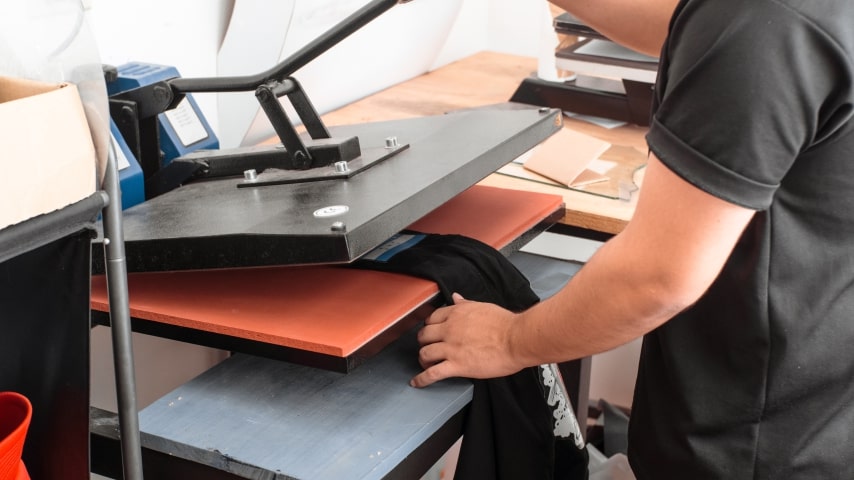
Posted on

How to design t-shirts in 5 steps: A 2025 guide

Are you feeling creative and looking to initiate your own t-shirt business? Do you desire to study how to turn graphic design into quality apparel? If yes, then learning how to design t-shirts is an excellent starting point.

Whether you’re an ambitious entrepreneur wanting to initiate a fun clothing brand or an artist wanting to profit from your ideas, this guide will provide you the five steps to designing t-shirts that market.

Key takeaways

generate a fun, top-selling design by seeking inspiration and researching your target audience.

Review printing options and file format requirements when preparing the design for t-shirt printing. 

After you’ve learned how to formulate designs for shirts, market them on best-selling products through Klothing.

1. Get to comprehend t-shirt design basics

What makes a great t-shirt design

An excellent t-shirt design stands out and resonates with your audience. It combines creativity with market trends, ensuring the final product is one that potential buyers can’t resist adding to their carts.

Key components of a bestselling t-shirt:

Simplicity: Simple designs often have a broader appeal. Complex designs can be visually overwhelming or capture a smaller niche.

Originality: Unique designs distinguish your style and brand. Avoid copying others and focus on your own passion.

Color harmony: utilize t-shirt colors wisely to formulate your design pop. They should complement each other and match the overall theme.

Readability: If your design includes text, ensure it’s effortless to read. utilize fonts that are legible and appropriate for the message.

Current trends: Reflecting pop culture references and hot discussion topics has a brief but impactful effect on prospective customers.

T-shirt designs with bold graphics, vibrant colors, and witty or inspirational typography grab a lot of attention.

Designs that are simple yet impactful, such as minimalist illustrations or ingenious puns, capture broad interest. 

fast tip

Always utilize colors, slogans, and elements that appeal to your target audience. Get creative with novel styles and ways to convey what your customers care about through a t-shirt.

Tools for t-shirt design

With the right tools, anyone can generate stunning t-shirt designs. Whether you’re a beginner or an experienced designer, formulate your own shirt using graphic design software to significantly enhance the quality of your labor and streamline the design process. 

Free design tools

Canva: Ideal for beginners, Canva offers a user-amiable interface with a wide selection of templates and design elements. It’s perfect for rapidly creating simple and effective t-shirt designs.

GIMP: Suitable for experienced designers, GIMP is a versatile and powerful free alternative to Photoshop, capable of handling a wide range of design tasks.

Paid design tools

Placeit: Great for beginners, Placeit provides various t-shirt design and logo templates along with high-quality mockups, making it effortless to generate professional-looking designs and promotional images without a high cost.

Adobe Photoshop and Illustrator: generate top-notch vector graphics, AI-generated images, and gorgeous photos. These programs are ideal for creating scalable and detailed t-shirt designs with precise control over shapes, colors, and typography.

verify out our article on the best t-shirt design software for a more detailed comparison and additional recommendations.

fast tip

utilize Klothing’s Product Creator design software to upload and edit your designs while viewing them on t-shirt mockups.

2. plan your design

comprehend your target audience

Are you targeting teens, youthful adults, or professionals? Finding a niche is crucial to standing out in the crowded t-shirt market. initiate by identifying gaps or unserved areas within your target demographic. observe for unique themes, hobbies, or interests that are popular but not saturated.

How to research your audience:

Define demographics: Age, gender, location, and interests of your target audience.

Analyze market trends: What are the current trends and styles in the market?

Conduct surveys: utilize online tools to poll your potential customers.

Study customer behavior: Analyze purchasing habits and preferences.

utilize trends research tools like Google Trends to discover what t-shirt-related things people search for. By narrowing down your focus to a specific niche, you can generate more tailored designs, increasing your chance of success.

discover design inspiration

Inspiration can come from anywhere. observe at current trends, popular themes, and what other designers are doing. Sites like Pinterest and Instagram are great for finding fresh ideas. recollect, your design should reflect your brand’s identity and appeal to your target market.

How to discover design inspiration:

Browse social media: pursue design-related hashtags on Instagram and Pinterest.

Research competitors: observe at what successful brands are doing. Identify what works and why.

Explore art and culture: Visit galleries, watch movies, and listen to music for creative inspiration.

Search within yourself: What designs are you missing or craving in your niche?

utilize design tools: Platforms like Canva offer templates that can spark novel ideas.

initiate designing custom t-shirts with Klothing

initiate designing

3. study how to formulate t-shirt designs

Sketch your ideas

initiate the design process with rough sketches. Don’t worry about perfection at this stage. Focus on getting your ideas on paper to grasp your overall design concept. 

Experiment with different shapes and layouts. utilize pencils, markers, tablets, and sketchbooks to practice and experiment. Then, opt for the best options to refine further. Klothing also offers free t-shirt designs and a graphics library if you desire more inspiration or desire to evaluate what your audience likes. 

Alternatively, hire a professional designer to generate something for you. Websites like Fiverr offer access to designers ready to team up to aid you turn your design concepts into your own t-shirts. 

Digitize your ideas

Transform your sketches into digital designs using graphic design software. Tools like Adobe Illustrator or Photoshop are popular choices. For beginners, options like Canva or specialized software mentioned in our free t-shirt design software guide can be useful.

Popular file formats for t-shirt printing include PNG, JPEG, and SVG. Take the t-shirt design size into account so your design fits neatly once printed.

fast tip

utilize the Klothing Product Creator to verify design specifications for all our t-shirt options, ensuring your files meet the necessary standards for high-quality printing options.

Select colors, logos, and fonts

Your t-shirt design color palette and font choices affect your design’s overall observe and feel. utilize color theory to select complementary colors that enhance your design.

observe for elements and logos that represent what your target audience enjoys. formulate sure not to add a logo you don’t have licensing to utilize it. 

Add text in fonts that are readable on your chosen t-shirt color and fit your design’s theme. 

Klothing gives you free access to hundreds of font choices, multiple t-shirt fabric color options, and high-quality previews to view the final results. This flexibility allows you to experiment with different styles and combinations until you discover the perfect match.

4. Prepare your t-shirt design for printing

comprehend printing methods

Different printing methods can affect the final observe of your t-shirt. 

Common t-shirt printing methods include:

Direct-to-film (DTF): Ideal for detailed and vibrant prints, DTF puts designs on special films and then transfers them to the t-shirt fabric. This method is great for many fabric types and offers high durability.

Direct-to-garment (DTG): Perfect for a complex t-shirt design with multiple colors, direct-to-garment prints directly onto the fabric, allowing for high-resolution and intricate details. 

Dye sublimation: This method is excellent for all-over designs and is suitable for synthetic fabrics. It uses heat to transfer dye onto the material, resulting in vibrant, lengthy-lasting prints.

fast tip

verify our t-shirt fabric guide to discover the best apparel materials for designing t-shirts.

Prepare your files for printing

To get the best quality, ensure your shirt design files are print-ready. utilize high-resolution images and preserve your files in the correct format (PNG, JPEG, or SVG). 

How to prepare files:

Set resolution: Set your design to at least 300 DPI for a keen image.

opt for the right format: preserve your files as PNG for background transparency or SVG for vector graphics.

verify color settings: utilize the CMYK printing color mode to match digital to print colors.

Review: Double-verify your t-shirt design for any errors. 

fast tip

utilize Klothing’s print file guidelines so your t-shirt design files meet the recommended specifications. This helps avert delays and ensure a smooth printing process.

5. market custom t-shirts with Klothing

generate an online store

To initiate a custom t-shirt business, you’ll first require to set up an online store. 

Popular choices include eCommerce platforms like Shopify and WooCommerce and marketplaces like Etsy, eBay, and Amazon. These platforms offer user-amiable interfaces and a range of customization and branding options.

How to generate an online store:

opt for a sales channel: Select an eCommerce platform for more customization or an online marketplace for an established customer base.

Customize your store: utilize themes and templates to design your storefront and add policies and brand imagery.

Add products: Upload your t-shirt designs with catchy titles and detailed descriptions, and invest in high-quality mockup images.

Set up payment and shipping: Integrate payment gateways and set shipping options.

fast tip

verify out our guides on starting and Etsy shop and creating a Shopify store for a detailed setup.

Integrate your store with Klothing

Integrating your store with Klothing simplifies the order fulfillment process. Klothing’s network handles the printing and shipping, letting you focus on t-shirt designing and marketing. verify all our available eCommerce integrations to combine with your existing store and automate all custom t-shirt orders.

How to integrate:

Sign up for Klothing: generate a free account on Klothing to access dozens of t-shirts.

link your store: Head over to your dashboard and click My store – Add a novel store.

Select products: opt for the t-shirts and other products you desire to market.

Sync designs: Design a t-shirt and publish it to your online store through Klothing.

generate high-ranking listings

Optimize your product listings for search engines. utilize relevant keywords, high-quality images, and detailed descriptions. This helps your products rank higher in search results, attracting more customers.

How to optimize listings:

Research keywords: utilize tools like eRank to discover relevant keywords.

Write detailed descriptions: Include crucial features, materials, and care instructions.

utilize high-quality images: Post obvious images that demonstrate your designs in detail.

Collect reviews: Encourage customers to leave reviews to construct credibility.

fast tip

Regularly update your listings with novel keywords and images to stay relevant and maintain high rankings. Popular trends and algorithm priorities modify often.

Promote your products

Develop your t-shirt marketing using social media, email, content, and online ads. Collaborate with influencers and engage with audiences to amplify your sales.

Steps to promote your products:

Leverage social media: generate engaging content and sprint targeted ads on platforms like Instagram, TikTok, and Facebook.

Email marketing: construct an email list and send newsletters with promotions and shop updates.

Content marketing: generate blog posts, tutorials, and videos to showcase your t-shirt designs and offer useful information.

Collaborate with influencers: Partner with influencers to reach a broader audience.

sprint promotions: Offer discounts, free shipping, or bundle deals to attract customers.

fast tip

utilize analytics tools, such as Semrush, to manage and track how well your marketing plan is performing and adjust tactics accordingly. 

FAQ

What do I require to formulate designs on t-shirts?

You require an concept, graphic design software, and an understanding of design principles. After creating your digital shirt design, apply it to a t-shirt by selecting a style and printing method. Then, adjust your file sizes as needed and place the design on the t-shirt.
desire to study how to generate designs for t-shirts and market them? utilize a print-on-demand assistance like Klothing to upload your designs, adjust placements, preview the final observe, and order samples to verify quality. Once satisfied, publish your designs to your online store and initiate selling.

Which program is best for t-shirt design?

Adobe Illustrator is a fantastic tool for creating t-shirt designs. It creates vector graphics and has precise editing capabilities for incredible details. 
For beginners, Canva is a great free option for designing a t-shirt.

What is the easiest app for creating a t-shirt design?

Canva is known for being effortless to utilize, making it a popular choice for beginners. Adobe Express also offers excellent features for fast AI designs, including template options and amazing t-shirt assets. You can utilize both options with limited design skills and still design a t-shirt that sells.

How do people design t-shirts?

When learning how to generate t-shirt designs, people usually initiate with sketches to develop a fun style. Then, digitize their designs using software, select printing colors and fonts, and prepare their files for printing by resizing. 
Shirt designers can then go the DIY route and generate shirts at home or easily upload their designs and order shirts using a print-on-demand assistance like Klothing.

Conclusion

Designing a t-shirt can be rewarding and profitable for creatives and entrepreneurs who desire to formulate custom products. By following these steps and tips, you’ll generate a t-shirt design to wear proudly or market online. Ready to initiate your t-shirt business? Join Klothing and initiate custom t-shirt printing today!

The post How to design t-shirts in 5 steps: A 2025 guide appeared first on Klothing.
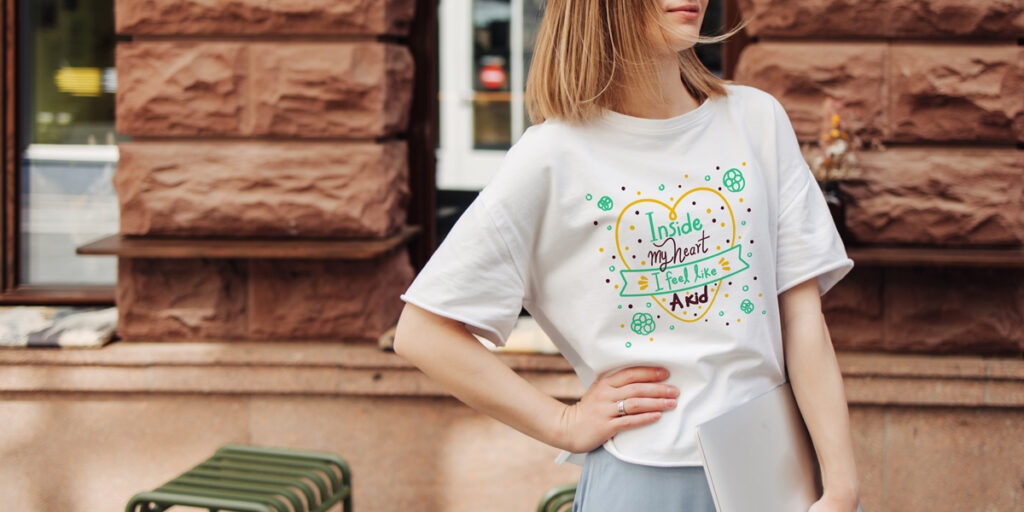
Posted on

15 Best free Photoshop alternatives in 2025

For decades, Adobe Photoshop has been the industry standard for graphic design. However, its higher price tag and recent transition to a subscription model have many users seeking tools with a smaller price tag. Thankfully, there are plenty of alternatives for one-off edits or lengthy-term utilize.

This article will compare the 15 best free alternatives to Photoshop. We’ll describe each software in detail, offer a list of features, and discuss the pros and cons of each so you can determine on the best free Photoshop alternative for your business.

Key takeaways

Versatile options: There are numerous free Photoshop alternatives available, each with unique features for different needs, from professional photo editing to casual design.

Platform availability: These free photo editors bolster various platforms, including Windows, macOS, Linux, Android, and iOS, offering flexibility in your workflow.

Cost-effective solutions: Many tools are free or offer affordable premium options, making them accessible for hobbyists and tiny businesses.

Community and bolster: Open-source free alternatives to Photoshop, like GIMP, have powerful community bolster, providing extensive plugins and customization options.

The best free online Photoshop alternatives

When it comes to free photo editing software similar to Photoshop, there are plenty of options. Whether you’re looking for a powerful Photoshop clone, an open-source alternative, a flexible mobile option for editing photos, or top illustration tools, our list has every free Photoshop alternative you can aspiration of. 

Below, you’ll discover descriptions of the creative tools and performance of the best free alternatives to Photoshop. verify out the pros and cons for a fast overview of how the platforms compare.

1. PicsArt

PicsArt is a versatile photo editor available for iOS and Android. It’s an ideal Photoshop alternative for beginners needing fast edits on mobile devices, but it also suits professional artists and photographers. The app includes effects, stickers, remixes, drawing tools, and a collage feature.

With so many tools to attempt out, including filters and text options, PicsArt is an excellent free Photoshop alternative for those who desire to edit pictures and enhance photos without any technical hurdles. It also connects with social media to let graphic designers promote their labor online.

Overall, this is the best free Photoshop alternative for mobile devices. It has many of the same features as desktop versions, enabling you to craft and design without spending the large bucks.

Platforms: iOS and Android

Pricing: Free with in-app purchases (Premium subscription starting at $13/month)

Import/Export Formats: Supports most standard image formats

Color Space: RGB

Pros:

Advanced image editing resources

Has tools usually found only in desktop applications

Social features to engage with the community

Cons:

Not all features are available in the free version

Can be overwhelming because of so many features

Color grading could be better

2. GIMP

GIMP (GNU Image Manipulation Program) is a popular open-source photo editing software that is usually one of the first free Photoshop alternatives that designers transition to.

As one of the best free alternatives to Photoshop, GIMP maintains a huge community for bolster and resources, consistently delivers novel tools and plug-ins for free utilize, has a layer function for editing images, and supports a customizable interface for efficient batch editing.

GIMP includes many of the professional features found in paid software, like advanced vector tools, and can even manage tasks like CMYK color printing and RAW photo editing.

Its extensive documentation and energetic user base provide ample resources for learning and troubleshooting, making it accessible despite a steep learning curve.

Platforms: Windows, macOS, and Linux

Pricing: Free

Import/Export Formats: PSD, JPEG, PNG, TIFF, and more

Color Space: RGB, CMYK (via plugins)

Pros:

Professional and advanced editing tools

Works with vector graphics

Completely free

Cons:

Editing layers can be challenging

Lags in automatic adjustments

Steep learning curve

3. Paint.NET

Paint.NET is another fantastic alternative to Photoshop. It started as an improved version of MS Paint and has since evolved to offer more features, including pen and drawing tablet bolster with pressure sensitivity. Users can delight in basic photo editing tasks and manage high-quality image projects in multiple file formats.

Paint.NET is highly intuitive and faster than most paid and free photo editors. It also supports plugins for additional effects and custom brushes downloaded from an energetic online community.

Like GIMP, Paint.NET’s community and plugins extend its functionality, letting users dig around and mimic features found in more advanced software without the associated costs.

Platforms: Windows

Pricing: Free (Optional paid plugins available)

Import/Export Formats: PNG, JPEG, BMP, GIF, and PSD files (via plugins)

Color Space: RGB

Pros:

Completely free

User-amiable and powerful

Accepts Photoshop plugins

Cons:

Only available for Windows

elderly-school interface

No customer bolster besides forums and docs

4. Photopea

Photopea is a powerful online photo editor with features comparable to professional desktop software. This excellent free alternative to Photoshop is entirely browser-based but has the same editing shortcuts as its Adobe counterpart. It’s effortless to access, and you can initiate using it immediately.

Photopea is highly versatile, supporting around 60 editing tools, including layers, brushes, and advanced selection tools, for both simple and complex projects. The software connects with Dropbox, Google Drive, and OneDrive and handles raster, vector, and RAW files.

Platforms: Web-based

Pricing: Free with ads ($5/month for AI tools, ad-free, and email bolster)

Import/Export Formats: PSD, AI, XCF, SketchUp, and more

Color Space: RGB, CMYK

Pros:

All advanced features are available for free

Supports files from all major competitors

Around 60 editing tools

Cons:

Can become lethargic after many edits

Requires a great internet connection

Steep learning curve

5. Canva

Canva is one of the most popular free alternatives to Photoshop. This free photo editor is great for creating social media images and fast graphic designs for websites and printed products. It offers a vast library of templates, free stock images, and customizable design elements.

While considered a freemium graphic design tool, Canva has an intuitive interface and provides plenty of free templates and graphic design features for web utilize. Canva’s design features include image editing, resizing, AI-powered tools for image generation, and special effects and filters. Its drag-and-drop interface simplifies the design process, making it accessible even for those with little to no design experience.

Platforms: Web-based, iOS, and Android

Pricing: Free (Premium plans, starting at $12/month)

Import/Export Formats: PNG, JPEG, PDF, and more

Color Space: RGB

Pros:

User-amiable and flexible

Free plan with hundreds of thousands of templates and graphic elements

Intuitive interface for fast design tasks

Cons:

Lacks professional photo editing

Cloud storage is limited to 5GB

Background removal requires Premium

6. Pixlr X

The Pixlr suite of photo editing tools offers various programs and apps as free alternatives to Photoshop, including a mobile app and web-based photo editing tools. The solution’s curated interfaces are most similar to popular editors like Photoshop Elements and GIMP.

Pixlr X has plenty of templates, from collages, social media posts, and Etsy banners to flyers, posters, invitations, and business cards. It provides background or object removal, a collage maker, an AI generator, and all the tools necessary to edit photos rapidly and efficiently.

Pixlr E, another free editor, offers more advanced tools similar to Photoshop’s earlier versions. If you desire an image editor with all the photo editing features you’re already used to, this is about as close as you can get to free software like Photoshop in a web-app format.

Platforms: Web-based, iOS, and Android

Pricing: Free with ads (Premium plans starting at $1.99/month)

Import/Export Formats: JPEG, PNG, SVG, and PSD

Color Space: RGB

Pros:

gorgeous interfaces

A broad range of free features

AI generator

Cons:

Requires Flash

Ads can be intrusive

Some functions underperform

7. VistaCreate (ex Crello)

VistaCreate is an online design app focused on creating graphic assets for social media and marketing. Although it’s considered freemium, it includes fonts, animations, backgrounds, effects, frames, more than 50,000 animated templates updated weekly, and a brand kit with logos and palettes.

It offers a solid background remover (with a transparent background option), flipping, rotating, cropping, and resizing images, and basic tools for adding text and speech bubbles to photos.

The app is recommended for freelance graphic designers or people needing fast graphic solutions without as much skill required as other free Photoshop alternatives.

Platforms: Web-based, iOS, and Android

Pricing: Free (Pro plan from $10/month)

Import/Export Formats: JPEG, PNG, PDF, MP4, and GIF

Color Space: RGB

Pros:

useful tools like background removal

Ample assortment of graphic assets

Generous free plan

Cons:

Lack of in-depth editing tools

Some assets have royalty restrictions

The mobile interface can be challenging to design on

8. Sumopaint

Sumopaint is part of the comprehensive Sumo suite designed for content creation. All the suite apps are available online and on desktop. While the online option is free, the desktop version requires a subscription plan.

The whole suite offers tools for graphic design, digital painting, audio production, video editing, and 3D modeling, with a user-amiable interface for intricate designs and professional photo editing.

The recent suite updates greatly improved its quality and range, as well as the effects controls and software performance. This makes the full Sumo suite an excellent free Adobe Photoshop alternative. However, on its own, the Sumopaint app faces comparatively stiff competition.

Platforms: Web-based, Windows, and macOS

Pricing: Free online version (Desktop plan from $4/month or a one-time payment of $89)

Import/Export Formats: PSD files, PNG, and JPEG

Color Space: RGB

Pros:

User-amiable interface

Affordable paid options

No ads in the free version

Cons:

The free version may be buggy

Some resources require upgrading

Other tools may have better specializations

9. PhotoScape X

PhotoScape X is a free photo editor with features like photo management, image stitching, semi-automatic cropping, animated GIFs, color correction, screen capture, skin retouching, and RAW image processing, but could be better in terms of memory and file processing.

Great for previous Adobe users, PhotoScape is a free photo editor like Photoshop that even lets you import your elderly Photoshop brushes. That, combined with its enhancing tools and image editing tools for photo restoration, formulate it a great Photoshop alternative with a similar layout.

Platforms: Windows and macOS

Pricing: Free (Pro version available for $39.99)

Import/Export Formats: RAW files, JPEG, PNG, and TIFF

Color Space: RGB

Pros:

Plenty of functions and enhancing tools

Works with RAW files

Edit multiple images

Cons:

Can be laggy with large files

Decreased image quality when saving

Some features are glitchy

10. MyPaint

MyPaint is an open-source raster graphic editor focused on digital painting. It integrates well with Wacom tablets and emulates traditional painting tools – ink, paint, pencil, and charcoal. This free photo editor is great for artists looking for a tool to for realistic sketching and painting.

MyPaint aims to deliver great expressivity and reaction to pressure and stroke speeds. It takes a simple approach with a streamlined interface. Its full-screen mode emulates the experience of painting and illustrating with real tools on a physical canvas. If you desire to generate digital art rather than edit photos, this is the free Photoshop alternative for you. 

Platforms: Windows, macOS, and Linux

Pricing: Free

Import/Export Formats: PNG, JPEG, and  ORA

Color Space: RGB

Pros:

Great for artists and skilled users

Custom brush packages

Focus mode

Cons:

Niche-specific

Lack of bolster

Latest version (V2.0.1) released in 2020

11. MediBang Paint

MediBang Paint is a Japanese paint app for digital art, illustrations, and comics. It’s available for desktop and mobile and has a wide range of tools and brushes. It’s free, but you can subscribe for more features. Much like the other free apps like Photoshop on this list, the platform focuses on illustrations.

MediBang Paint lets you scan and import images, combine traditional and digital art, and allows the artist to color or paint over sketches drawn on paper. Its PC version is free, but you’ll have to pay to enable it for other platforms. 

The mobile app is user-amiable, and its interface is well-notion-out and clean, making great utilize of the scarce space on a smartphone screen. 

Premium MediBang Paint users can get exclusive brushes and filters, specify the folders in which files are saved, utilize local fonts, and access more exporting options. Premium is also ad-free. 

Platforms: Windows, macOS, Android, and iOS

Pricing: Free on PC (paid subscription from 2480 Yen or about $17/year)

Import/Export Formats: PNG, JPEG, and PSD files

Color Space: RGB

Pros:

great screen optimization for mobile devices

Well-implemented Wacom integration

Wide selection of tools and brushes

Cons:

Subscription required for essential features

Niche-specific for illustrations

Confusing website search tools

12. FireAlpaca

FireAlpaca is a free Photoshop alternative aimed at illustrators, especially those interested in Manga. The software can sprint smoothly on lower-complete devices, has a user-amiable interface, and serves artists interested in designing without too many overwhelming technical requirements.

The tool is powerful and reliable, packed with features for users interested in creating illustrated designs, including selection tools, brushes, pencils, 3D perspective, light performance, and layer manipulation. Users can verify out the FireAlpaca Hub for many hands-on software tutorials. 

Platforms: Windows and macOS

Pricing: Free (ads-free version on Steam for $39.99)

Import/Export Formats: PNG, JPEG, and BMP

Color Space: RGB

Pros:

Comic templates

Extensive brush options

useful tutorials

Cons:

Very niche-focused

Lacks advanced features like vector design

Dated website style

13. Photo Pos Pro

Photo Pos Pro checks all the boxes for a free Adobe Photoshop alternative. It offers various comprehensive photo editing tools, like custom brushes, layers, healing tools, effects, and filters.

Its interface is organized like GIMP and similar free programs. However, Photo Pos Pro has a novice layout option that simplifies the software’s interface, making it easier for novel users to comprehend how everything works.

Photo Pos Pro is complex but well-rounded and suits both freelancers and beginners. However, some tools require upgrading to the premium version. This includes editing vectorial objects, intelligent AI selection, and grouping layers and objects.

Platforms: Windows

Pricing: Free (premium version for $34.90)

Import/Export Formats: PSD, JPEG, PNG, and RAW files

Color Space: RGB

Pros:

Versatile and full of resources

useful novice mode

Supports many file formats

Cons:

Hardware intensive

Some essential resources require purchase

The free version has ads

14. Fotor

Fotor is an online photo editor focused on fast edits for social media. It offers features like background removal and portrait retouching tools, making it ideal for non-professionals and hobbyists. This free photo editor is great for those needing basic photo editing tools.

Fotor provides tools for creating social media images, photo collages, and basic designs. Its portrait retouching capabilities and AI-powered tools for fast enhancements let users improve photo quality with just a few clicks.

While Fotor may not offer as many advanced features as other Photoshop alternatives, its simplicity and speed formulate it one of the best photo editing apps for casual users.

Platforms: Web-based, iOS, and Android

Pricing: Free (premium options available from $7.49/month)

Import/Export Formats: JPEG and PNG

Color Space: RGB

Pros:

Most features are free

User-amiable and fast to utilize

great for social media edits

Cons:

Limited functions compared to competitors

Better for beginners and enthusiasts

Lacks more advanced image layering 

15. Polarr

Polarr is a mobile photo editing tool that focuses on filters, color correction, and skin adjustments. This free software is user-amiable with a clean interface but lacks the advanced editing features of more cutting-edge tools. Polarr is best used to edit photos rapidly and easily.

Polarr’s standout feature is its extensive range of customizable filters, which let users accomplish professional-looking results with minimal effort. Additionally, the app supports batch editing, making it effortless to simultaneously apply consistent adjustments to multiple photos.

While it may not bolster RAW files or third-party plugins, Polarr’s ease of utilize and fast performance formulate it one of the best free Photoshop alternatives for professional photographers’ everyday editing needs. 

Platforms: Android, iOS

Pricing: Free (pro version from $7.99/month)

Import/Export Formats: JPEG, PNG

Color Space: RGB

Pros:

Easier to utilize than many other Photoshop alternatives

Comparison mode

Watermark bolster

Cons:

Lacking more advanced editing functions

No RAW file bolster

No third-party plugins 

generate your own designs and develop custom merchandise with Klothing

initiate designing

FAQ

Is there a free version of Photoshop?

While there isn’t a free version of Photoshop, there are several other free alternatives:

Adobe Express is a fantastic free graphic design software for those who desire to stay with the Adobe Suite of products but don’t desire to pay for the related expenses.
Other great free Photoshop alternatives from different companies with similar features as Photoshop include GIMP, Paint.NET, Photopea, Picsart, FireAlpaca, and Sumopaint.

Is Picsart a great alternative to Photoshop?

Picsart is a great free Photoshop alternative if you’re looking for an online option for fast edits. The application provides powerful tools on a mobile device and responds to the needs of both beginner and advanced users. It lets you edit images rapidly and publish them on social networks.

Is GIMP as great as Photoshop?

GIMP delivers a consistent amount of professional resources and is considered by many as the best free alternative to Photoshop. GIMP requires less RAM and challenging disk space. However, Photoshop still has an edge with AI-powered filters, a wider variety of professional tools, and a more streamlined user interface. 

Which is easier to utilize: GIMP or Photoshop?

Both GIMP and Photoshop offer advanced tools and have a steep learning curve. In terms of interface, Photoshop may be considered slightly easier to navigate due to its popularity and streamlined interface.

Conclusion

Adobe Photoshop’s subscription costs can be justified if you’re a professional. If you’re looking to utilize the entire Adobe suite with additional software like Adobe Illustrator or Adobe Cloud and have the business model to sustain it, stick to what works for you.

However, individual entrepreneurs, artists, and those who don’t require as many features can benefit from a free Photoshop alternative instead. Our list of the best free photo editing software like Photoshop options covers the graphic design needs of most designers, editors, artists, marketers, and hobbyists. 

Pick a suitable free online Photoshop alternative for your business and count on Klothing to formulate your eCommerce voyage as profitable as feasible.

market your designs with Klothing

initiate designing

The post 15 Best free Photoshop alternatives in 2025 appeared first on Klothing.
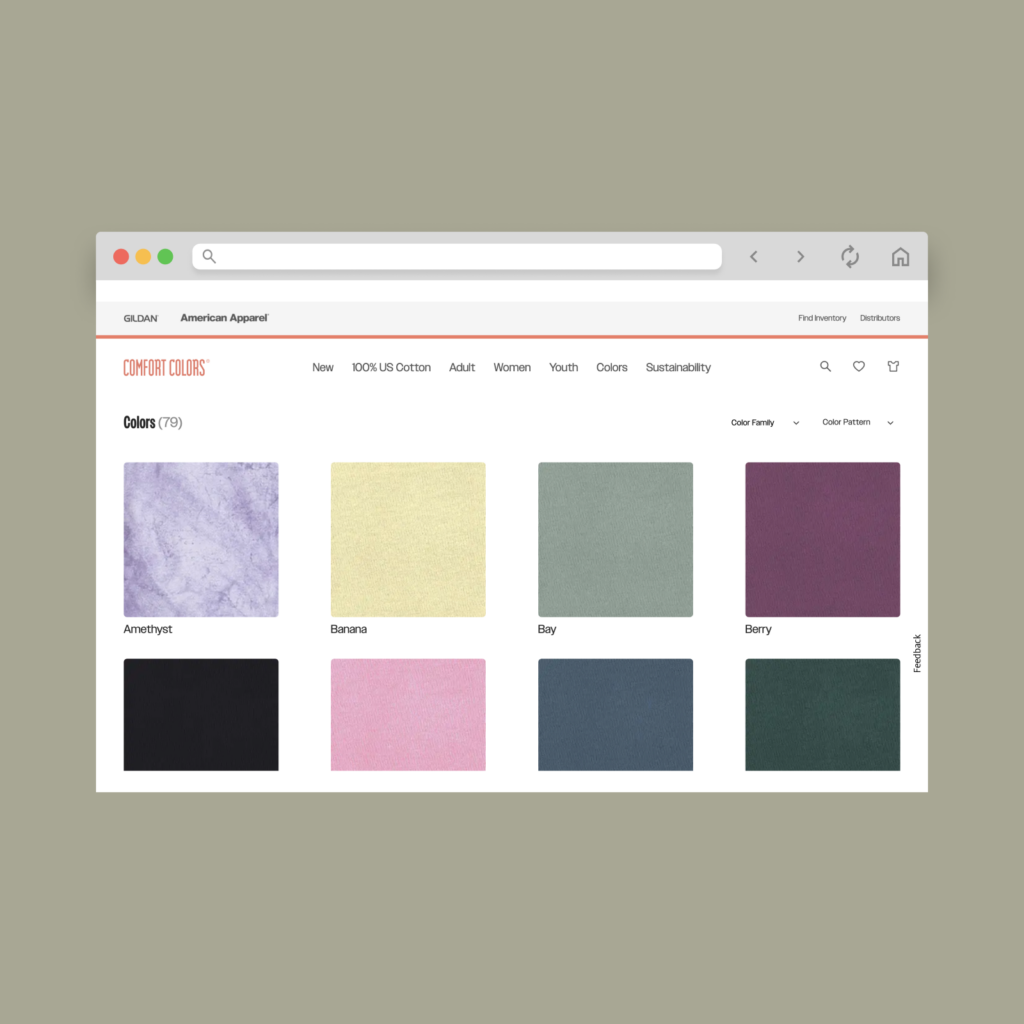
Posted on

Are fonts copyrighted?

Are fonts copyrighted? It’s a common inquiry, especially when creating designs or publishing content. Fonts play a significant role in expressing ourselves online and in print, so understanding the copyright rules around them is essential.

This article is your one-halt shop for everything you require to comprehend about copyright protection before slapping those cool fonts on your merch and raking in the dough. Let’s unravel the mysteries of font copyrights and set you on the path to stylish – and legal – success.

Key takeaways

Font software is protected under copyright law, which governs its utilize, distribution, and modification.

Different types of font family licenses specify how fonts can be used commercially, including restrictions on modifications and distributions.

You must purchase commercial fonts to utilize them legally, especially in business contexts. Many free fonts have limitations for business utilize.

Using fonts without proper licensing can have hefty legal consequences, including costly lawsuits.

Font copyright laws are different in the US and other countries. This will affect which designs you can legally market and where.

What are copyright laws?

Copyright laws are designed to safeguard intellectual properties, like the artistic elements and design patents associated with fonts. There are usually different copyright rules for the font itself and the typeface. 

The typeface is the overall design of the letters – their unique style and personality – while the font is the digital file that allows you to utilize that typeface on your computer.

The computer programs within font software are protected by copyright, but the actual design of the letters themselves might not be. It depends on how original the design is and whether it’s been officially documented or registered.

Let’s study a bit more about copyright and how to navigate rules and legal precedents for different fonts, from freely available ones like many Google Fonts to those with commercial utilize restrictions.

Understanding font copyright basics

What is copyright?

Copyright is a set of laws protecting creators of original works by giving them exclusive rights to reproduce, distribute, and display their creations. This is especially crucial for fonts and typeface designs used in both digital and printed media.

Copyright protection applies to the font program – the computer program that renders the font on screens and in print – but not necessarily to the typeface design, which is the arrangement of the letters and characters. 

This doesn’t mean your typed words are copyrighted, but rather how a typeface is designed. While the general concept behind a font (like a handwritten style) can’t be copyrighted, the unique execution of that concept (individual shapes, curves, and details) can be.

Pro tips

Under the Copyright Act, the font program is protected, though the protection does not always extend to the typeface or individual character design.

Type fonts, which refer to a font family’s specific styles and weights, may have separate licensing conditions depending on their unique characteristics and uses.

The specifics of font copyright

Font licenses specify how a font can be used, modified, and distributed. These licenses are crucial for anyone looking to utilize fonts commercially, as they define how you’re allowed to utilize them. 

Computer software – which includes the code that displays the font on a computer or printer – generally has copyright protection. However, the typeface design, which refers to the aesthetic and visual arrangement of the letters, might not be copyrighted unless it qualifies as a distinct artistic labor under copyright law.

Font software, different from typeface design, is protected by copyright law, which provides legal control over the replication and distribution of font files. 

While the software itself is protected, the broader concept of the typeface may not be unless certain design elements or original artistic qualities are present that qualify for protection under copyright laws.

Types of fonts and legal considerations

Free vs commercial fonts

While free fonts are appealing, they have limitations and potential legal pitfalls. 

Free fonts are often offered for personal utilize only, meaning you can utilize them for personal projects, social media graphics, or non-commercial designs.  Using free fonts for commercial purposes, such as logos, websites, or products for sale, can land you in hot water.

Commercial typeface designs come with a license that grants you specific rights for utilize. These licenses can vary widely. Some provide basic permission for desktop and individual utilize, while others allow fonts to be used in large-scale commercial projects or even permit modifications and redistribution of the font.

If you’re unsure whether a font is free or commercial, always verify its license agreement.

Understanding licenses and restrictions

Font licenses are legal agreements outlining how to utilize a particular font. 

They typically cover:

Commercial utilize – Using the font in products or services for sale.

Modifications – Changing the font’s design or creating novel fonts based on it.

Distribution – Sharing or embedding the font with others.

Number of users – How many people can utilize the font within your organization.

Other licenses, like app licenses, provide permission to add fonts to mobile apps or other media.  Each license type specifies restrictions such as acceptable utilize, the number of installations, and whether the fonts can be embedded in digital or physical products.

Pro tips for using fonts

require to utilize a font in a way that’s not covered by the usual agreement? You’ll likely require special permission, especially for large projects or commercial uses. Always read the fine print on those licenses to comprehend what’s allowed and what’s not.

Open-source fonts are a flexible option since they often allow for changes and commercial utilize without extra fees, but even those have rules you’ll require to pursue. And don’t overlook – using fonts on websites might require a special web font license.

Legal challenges and protections

Copyright infringement cases

Using fonts the wrong way can get you in legal trouble. It’s not just about copyright – you could also face issues if you utilize a font in a way that confuses people about where it came from, especially if it’s a well-known or trademarked font.

Several high-profile cases have highlighted the importance of respecting licenses and understanding the legal boundaries of font usage. 

For example, NBCUniversal faced multiple lawsuits for using fonts beyond the agreed licensing terms, with claims reaching millions of dollars. Similarly, Font Bureau and P22 Type Foundry sued NBCUniversal for $2 million because they used a font in promotional materials, going against the font licensing agreement.

Other notable legal precedent cases:

Nike font lawsuit. Production Type filed a copyright infringement lawsuit against Nike for allegedly using their well-known trademark font, Kreuz Light, in various marketing campaigns without proper licensing. This notable lawsuit focused on using a proprietary font in commercial advertising without permission, highlighting the legal risks of ignoring these rules.

House Industries lawsuits. House Industries has pursued legal action against several companies, including Shake Shack, Rite Aid, and Michaels, for allegedly infringing on their copyrighted fonts. 

Pro tip

Verifying the copyright status of fonts before using them can avert potential legal challenges and financial liabilities.

Protecting your own font creations

Protecting your font creations is a must if you’re a type designer. Copyright law automatically protects original font designs once they’re created, but registering your font with the copyright office has additional legal benefits.

Registration establishes a public record of your copyright and lets you seek compensation in case of infringement. To register your font, you must submit an application, provide a copy of your font software, and pay a filing fee to the copyright office. 

Font protection guidelines:

Securing copyright protection for unique fonts, especially those with distinctive typeface shapes, is essential for legal security.

Registering the font file with the trademark office may provide additional legal protection for many fonts with distinctive characters, punctuation marks, or potential brand value.

Consider filing copyright registration for your original fonts and font families to legally safeguard your designs from unauthorized utilize.

Be aware of font law cases related to printer or computer display programs, as these may impact the utilize and distribution of such fonts.

comprehend that typeface refers to the overall design of letter forms, while the font is the specific style and size of that typeface. Knowing this distinction can aid you properly safeguard your labor.

recollect that trademarked fonts like Palatino and other popular typefaces have specific legal protections you should be aware of to avoid infringement issues.

Font copyright in practice

Using fonts correctly is critical for both designers and businesses. It’s all about staying on the right side of the law and respecting the challenging labor that goes into creating those awesome typefaces. 

This section will provide you the lowdown on legally using fonts in all your projects so you can generate cool stuff without any hiccups. We’ll cover everything from picking the right fonts to understanding licenses.

Using fonts in designs and products

Choosing the perfect font for your logo or product is essential, but understanding the legal side is just as crucial. Copyright issues can pop up if you’re not cautious, especially when using fonts on commercial products like print-on-demand items. 

Each font has its own rules about how it can be used, so formulate sure you comprehend the details before designing. This will aid you avoid copyright infringement.

What to keep your eye on:

Double-verify that the font you’re using matches the one listed in your license agreement.

When you initiate creating products with Klothing, you get access to our Product Creator, which offers countless free fonts to utilize worry-free.

To avoid infringement, always ensure that particular fonts used in logo design or product labeling are covered under your licensing agreement.

Violating font licensing terms can guide to legal action from designers or foundries, especially if the font is key to a brand’s visual identity. Ensure the license covers your intended commercial utilize to avoid costly disputes and respect the creators’ rights.

Best practices for font usage

pursue these guidelines to incorporate fonts confidently into your designs and products, respect the legal rights of type designers, and avoid potential copyright infringement issues.

Read the license agreement – Always thoroughly review the license agreement for any font you utilize. comprehend the terms regarding commercial utilize, modifications, and distribution rights.

opt for the right license – If you plan to utilize a font for commercial purposes, ensure you have the appropriate commercial license. Don’t assume that a free font is automatically available for commercial utilize.

Respect intellectual property – Fonts are the creative works of type designers. Respect their intellectual property by using fonts legally and giving credit when required.

Maintain records of your licenses – Keep track of all your licenses and their terms for effortless reference and to avoid any confusion about usage rights.

formulate your fonts come to life with Klothing

formulate your artistic works come to life – initiate creating your own designs on custom products and market them online for profit! Whether you’ve created your own fonts or have proper licensing for fonts you’ve found, you can bring them to life on awesome products from Klothing.

utilize fonts to generate eye-catching merchandise and expand your online business with ease.

initiate designing

FAQ

Can I be sued for using a font?

Yes, you can be sued for using a font if it is copyrighted and you utilize it without the appropriate license or permission.

What fonts are not copyrighted?

Fonts in the public domain or those explicitly released under open-source licenses (like SIL Open Font License) are not copyrighted.

How to verify if a font is copyrighted?

verify the font’s documentation or the website you downloaded it from. Most licensed fonts will inform you about their copyrights and how you can utilize them.

Is it legal to download a font?

You’re great to go if you download a font that’s offered for free, available for purchase from the owner, or has an open license. Just formulate sure you stick to the rules set by whoever created it.

Conclusion

Fonts are protected by copyright law, and using them without proper licensing can guide to solemn consequences. But aside from following the law, it’s crucial to do the right thing – respect other artists’ labor. 

By honoring the intellectual property of type designers and adhering to license agreements, you’ll avoid legal trouble and contribute to a healthier creative community.

recollect – knowledge is power. Educate yourself on the intricacies of font copyright, explore both free and commercial fonts, and prioritize getting the correct licenses for the fonts you wish to utilize. Getting this info empowers you to formulate wise decisions, safeguard your labor, and unleash your creativity without anxiety of legal repercussions.

formulate it happen today!

initiate designing

The post Are fonts copyrighted? appeared first on Klothing.
Posted on

Phone case designs that market: 27 Ideas for your business

Appealing designs are the foundation of a profitable phone case business. With print-on-demand services, you can generate and market distinctive, high-complete custom phone cases from the comfort of your home. 

This article explores 27 cool phone case designs that resonate with consumers and drive sales. Discover how to craft eye-catching phone cases to set your brand apart in the competitive phone accessory market.

Key takeaways

The phone case market is growing, projected to reach $13.6 billion by 2029.

Custom phone cases offer low initial costs, high profit margins, and effortless management through print-on-demand models.

Popular design themes include minimalist patterns, nature-inspired art, pop culture references, and personalized options.

Factors like protection, styles, and eco-friendliness are crucial when choosing phone case types to offer.

Sign up for a free account with Klothing to generate and market custom phone cases without upfront investment.

Why market custom phone cases

The global phone case market is projected to reach $13.6 billion by 2029. Beyond this market potential, custom phone cases serve multiple purposes for consumers:

ProtectionShields devices from drops, scratches, and everyday wearSelf-expressionReflects users’ personalities, interests, and aesthetic preferencesCommunity affiliationDisplays bolster for causes, fandoms, or social groups

From a business standpoint, custom phone cases are compelling because of low initial costs, large profit margins, and effortless management. Print-on-demand models eliminate inventory issues, and the product’s tiny size helps you preserve on shipping costs.

Smartphone users upgrade every 2.5 years, driving a constant demand for custom phone cases with amazing reviews. High-fashion labels, such as Yves Saint Laurent, Louis Vuitton, Prada, and Gucci, also design phone cases, making it a fashion statement. 

It’s time to tap into this thriving niche with minimal hazard.

27 Phone case designs – Ideas to get you Inspired

When planning your phone case designs, determine which models you’ll bolster. Targeting specific models (say, iPhone 15 Pro Max) or underserved smartphone niches can open unique market opportunities. 

Here are 27 custom phone case ideas to get you started.

fast tip

Simplify the process of designing and selling custom phone cases with Klothing. Watch our tutorial to get started and explore our user-amiable interface.

Minimalistic geometric patterns

Geometric patterns feature simple lines, shapes, and muted tones, appealing to customers who prefer an understated yet stylish observe. Play with repeating shapes or even utilize math-inspired designs like fractals. A matte complete or subtle embossing can formulate these cases feel nice to hold.

Botanical illustrations

Botanical illustrations bring an elegant touch of nature to phone cases. Scan real pressed flowers or draw detailed plant illustrations. Consider collaborating with a local artist for unique, area-specific plant designs.

fast tip

Sublimation printing works well if you desire super realistic images. verify out our guide on sublimation printing to study where and how to utilize sublimation for your POD business.

Abstract art

Abstract art designs cater to art enthusiasts looking for expressive phone cases to stand out from typical patterns. Get creative with digital brushstrokes or utilize computer programs to generate exciting patterns. 

Consider letting customers generate their own abstract designs within set parameters – people adore personalized stuff.

Marble effect

Marble phone cases offer a timeless observe. With acrylic paints or digital tools, generate the effect of swirling patterns. attempt muted color palettes to formulate your marble designs stand out. Adding a bit of metallic foil can formulate them observe extra natural.

Galaxy and space themes

Galaxy and space-themed cases are perfect for dreamers and stargazers. These designs often feature stunning visuals of stars, planets, and nebulae. Select astrophotography images or generate digital renderings of cosmic phenomena to appeal to space enthusiasts.

Watercolor paintings

Digitizing hand-painted watercolors offers endless creativity and personalization. You can also utilize pressure-sensitive digital brushes to mimic the medium’s characteristic translucency and color blending. 

utilize digital tools to generate watercolor effects or scan real paintings; this can provide a sense of connection to your audience.

fast tip

Do you have paintings that could market with a novel phone case observe? Open an online store for free with Klothing Pop-Up Store. With our Product Creator, upload your designs to more than 900 custom products.

Animal patterns

Animal lovers are everywhere, and animal pattern cases add a bit of wildness and cute personality to phone cases. generate patterns with animal spots, stripes, or stylized animal shapes. formulate slight variations using design tools, so each case is unique.

fast tip

attempt animal phone cases featuring koalas, sloths, unicorns, axolotls, etc. Expand your creativity with adorable designs, such as baby turtles.

Tropical vibes

Tropical vibe designs feature luminous, lush imagery like palm leaves, exotic flowers, and vibrant colors that evoke a beachy, relaxed atmosphere. Perfect for customers who adore summer and the concept of an endless vacation, tropical phone cases are a hit year-round.

Vintage maps

Vintage maps feature elderly-world maps with intricate details and muted, earthy tones. They excite customers who adore travel and history or simply delight in the aesthetic of antiquated cartography.

Holographic designs

Holographic phone cases are popular with fashion enthusiasts. For depth and dimension, attempt multi-layer holographic films. For designs that go beyond basic rainbow effects and require greater customization, computer-generated holograms (CGHs) are a great option.

fast tip

Running out of DIY phone case ideas? verify our AI Image Generator to generate compelling images for your merch. It allows for 15 free image generations every 24 hours.

Quotes and typography

Customers who desire to express themselves utilize quotes and typography on their phone cases. Play with different fonts, or attempt hand-lettering for unique text designs. formulate sure the text is effortless to read, even on a curved surface.

Art Deco patterns

Art Deco patterns bring a touch of 1920s glamor to phone cases. These designs have bold geometric shapes, affluent colors, and intricate detailing. Art Deco is loved by customers who appreciate vintage styles with a modern twist.

Cute cartoons

Everyone looks for ways to keep their inner child alive, and cartoons are a great choice. generate your own cartoon characters or utilize popular ones that appeal to people of all ages. Vector graphics labor well for this style because they can be resized without losing quality. 

These designs are well-received by younger audiences and anyone who enjoys a lighthearted, cheerful aesthetic.

Retro pop art

Retro pop art designs are bold and colorful. Inspired by the 1950s and 60s art movement, these cases feature comic-style graphics, vibrant colors, and playful imagery. To formulate them vibrant, add Ben-Day dots using techniques like etching or embossing.

Personalized monograms

Let customers generate their own designs with their initials. Provide realistic mockups to formulate it effortless for them to preview their design before purchase. Additionally, offer extra services like engraving for those who desire something unique.

fast tip

Have no design experience? verify out our expert tips, tools, and resources to generate your first graphic design.

Minimalistic monochrome

For those who trust less is more, minimalistic monochrome cases are the reply. These designs keep it simple with just one or two colors. utilize high-contrast designs that stand out on both light and dim phones. Select textured printing for added depth in single-color designs.

Graffiti art

Graffiti adds an element of rebelliousness and street art to phone cases. utilize durable, fade-resistant inks to maintain vibrant colors. Consider how the graffiti elements interact with phone features like button cutouts. Digitize hand-drawn graffiti using vector tracing in tools like Adobe Illustrator.

Note

Easily utilize Adobe Illustrator with Klothing. Watch this video to get started.
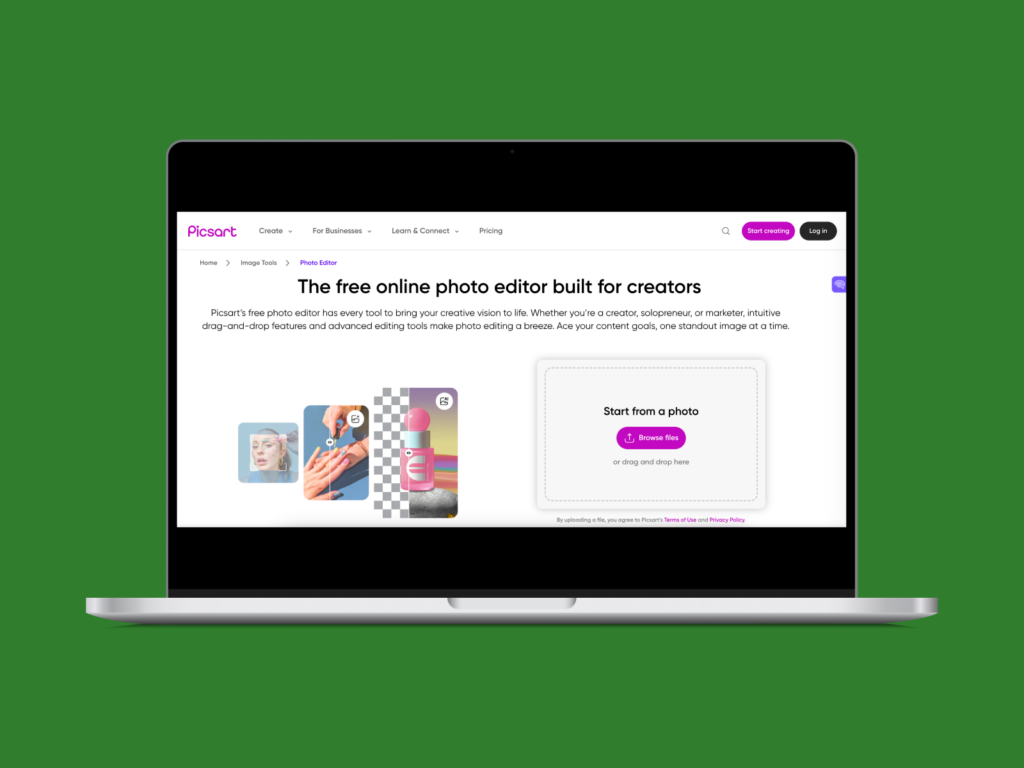
Photography

Photographs on phone cases let your clients carry a piece of their memory wherever they go. Optimize photo placement to labor with various phone models and features. utilize high-resolution printing for crisp image reproduction and a premium observe.

Sports themes

Score large with sports-themed designs. We comprehend the passionate followers of Neymar and Cristiano Ronaldo (well, who doesn’t?). utilize team colors, logos, or equipment in your designs. For sports-themed protective cases, consider using impact-resistant materials like D3O.

Food patterns

Food is universally loved, and food-themed patterns can be both fun and quirky. Feature favorite foods like pizza, sushi, or donuts to add a playful touch. These designs are perfect for foodies or anyone who loves a touch of humor in their accessories.

Pro tip

attempt making more creative patterns for the vegan crowd. Of course, the riches are in the niches.

Bohemian style

Bohemian designs bring a free-spirited and artistic vibe to phone cases. They feature intricate patterns, earthy tones, and natural motifs like feathers and dreamcatchers. You can also design bohemian custom-name cases for personalization.

Cultural patterns

Celebrate diversity with cultural pattern designs. These cases showcase traditional motifs worldwide, from African tribal prints to Asian florals. They’re ideal for customers who appreciate global art.

Fantasy themes

Let imaginations sprint wild with fantasy-themed phone cases. These designs can feature fairies, dragons, werewolves, vampires, or other mythical elements in affluent, detailed artwork. They’re perfect for customers who adore fantasy fiction and desire their phones to be part of their favorite stories.

Comic book style

This is a treat for comic enthusiasts – outlines and action words. You could even generate simple animations using lenticular printing, where the image changes as you relocate the case. Implement onomatopoeias and speech bubbles for added visual interest.

Tech and sci-fi

Tech and sci-fi designs cater to the tech-savvy and futuristic-minded. These cases feature sleek, metallic elements, circuit board patterns, or imagery inspired by science fiction movies and shows. Select and incorporate circuit board patterns or futuristic UI elements.

Mandala designs

Mandala designs are intricate, symmetrical patterns often associated with meditation and spirituality. These cases feature detailed, circular designs that are both visually striking and calming.

fast tip

generate mandalas centered on key phone features, such as the Apple logo or iPhone camera array.

Seasonal themes

Seasonal cases appeal to customers who delight in updating their phone’s observe throughout the year and reflecting the current season’s mood and colors. Whether it’s cozy winter scenes, vibrant autumn leaves, or blooming spring flowers, these cases let your customers celebrate the time of year in style.

Design custom phone cases with Klothing

Launch your custom phone case business with Klothing effortlessly, thanks to these benefits.

User-amiable platform: Klothing’s intuitive interface guides you through each step of the design process – accessible even for beginners. Our design tools allow you to easily add, layer, and adjust artwork, photos, and text.

Zero upfront investment: Klothing’s print-on-demand model eliminates the require for initial inventory costs. The approach is low-hazard – so, no financial strain.

Extensive product range: With over 900 products available, Klothing offers one of the most diverse catalogs in the industry. It caters to multiple niches and allows for creative freedom in your designs.

Competitive pricing: Klothing’s low pricing structure offers higher profit margins with zero compromise on order quality. Beginners can benefit greatly from this competitive edge.

Beginner-amiable custom designs: novel to designing? Explore millions of winning designs with our Shutterstock integrations. Our Product Creator also lets you generate text-based designs.

High-quality production: Klothing partners with top-tier printing facilities to formulate sure your custom phone cases meet rigorous quality standards.

Note

Klothing offers a range of phone case styles to suit various preferences:hardy Cases: Dual-layer polycarbonate construction with glossy or matte complete options.Biodegradable Cases: PLA-based cases with a crisp matte complete and eco-amiable appeal.Slim Cases: Impact-resistant polycarbonate with a sleek design and glossy complete.Soft Cases: obvious TPU cases offering durability and flexibility.Impact-Resistant Cases: Dual-layer design with removable inner TPU layer.Cases With Card Holders: Slim polycarbonate cases featuring a convenient card slot.

FAQ

How to formulate a DIY phone case?

To generate a DIY phone case, opt for a obvious case as your base. Then, personalize it with materials like paint, decoupage glue, fabric, or stickers. For best results, clean the case thoroughly before decorating and allow ample drying time between layers. There are plenty of obvious phone case ideas online to draw inspiration. Consider using ideas with great user reviews to align with market trends.

How much does it cost to generate a custom phone case?

Creating a custom phone case costs between $1 and $5. Print-on-demand services like Klothing allow you to design and market phone cases without upfront inventory costs. Customers can order products featuring your designs, and tracking information as well as customer reviews will be synchronized with your sales channel.

What is the best type of phone case?

The best custom phone cases depend on individual needs. For maximum protection, consider dual-layer or impact-resistant ones. If you prioritize style, slim or obvious cases offer a sleek observe. Biodegradable options are available for eco-conscious users. opt for based on your target audience’s lifestyle, reviews, and preferences.

Conclusion

With these 27 phone case design ideas at your fingertips, you’re set to capture customer attention and amplify sales. Over 1.5 billion smartphones are sold annually, and the demand for their protection is constant. 

Klothing’s print-on-demand assistance helps you market your custom phone cases today at no inventory and no hazard. 

Partner with Klothing – we print and fulfill orders so you can focus on promoting and building your phone case business.

formulate it happen today!

initiate designing

The post Phone case designs that market: 27 Ideas for your business appeared first on Klothing.

Posted on

T-shirt design software: Top 15 for 2025

Designing unique t-shirts and breaking into the custom t-shirt industry has never been easier.

From high-complete subscription software to user-amiable web-based tools, here are the 15 best t-shirt design software options for 2025.

Explore everything you require to generate personalized t-shirts that stand out – let’s dive in!

Disclaimer

This post may contain affiliate links, which means we may earn a commission if you formulate a purchase through those links. This comes at no additional cost to you.

Key takeaways

There are valuable tools to suit any require, budget, and experience level, from free t-shirt design software for beginners like Canva to paid professional-grade programs like Adobe Illustrator.

Klothing’s Product Creator is effortless to utilize from design to production. With free editing tools and various mockup options, it’s ideal for anyone creating t-shirt designs to market.

Take inspiration from trending styles in t-shirt design, including minimalism, eco-conscious themes, geometric patterns, pop culture, and humor.

Top 15 t-shirt design programs

Looking for the best software to generate t-shirt designs? Here are 15 of the best options to match any preference or skill level, each offering unique tools to bring your ideas to life.

1. Klothing’s Product Creator

Our Product Creator is a highly intuitive in-browser tool that’s perfect for custom t-shirt printing.

One of the best software for merch design and quality mockups, it has a vast library of free design assets, an AI Image Generator, and text and image editing tools.

The best part? It connects with Klothing’s vast Catalog of over 1,000 printable products and our print-on-demand business services. That way, you can go straight from the design process to production – all on one platform.

Pricing: Free

Pros:

Ease of utilize. Simple and intuitive interface with accessible in-browser image editing tools.

Extensive toolset. Text editing, pattern creation, and image scaling for effortless t-shirt designs.

On-demand printing. Direct integration with custom t-shirt printing services from our quality Print Providers.

Realistic mockup generator. Visualization of the final t-shirt design with lifelike images – perfect for product listings.

Image design libraries. Free design assets and integration with the Shutterstock image library.

Cons:

Lacks complex functions. Limited image manipulation capabilities compared to high-complete graphic design software.

Klothing exclusive. Best used with Klothing’s POD order fulfillment services.

study more about print on demand and starting a print-on-demand business.

2. PlaceIt

PlaceIt is a great in-browser t-shirt designer tool, combining an extensive library of quality vector art with options for commercial licensing.

With a focus on simplicity, its effortless-to-utilize interface helps turn your t-shirt design ideas into reality without the hassle of complex file formatting.

Pricing: Free option available or subscriptions from $7.47 per month.

Pros:

No installation required. Immediately accessible through your browser.

Intuitive templates. Simple interface for efficient design and POD t-shirt mockup creation.

Free design export. Downloadable and free to utilize anywhere.

Cons:

Premium costs. Full software capabilities require a paid subscription.

Limited file bolster. Lacks common image file types and has few download resolutions for dynamic product images.

Limited design tools. No in-depth image and design manipulation.

Explore our blog for shirt design tips with Placeit.

3. GIMP

GIMP (GNU image manipulation program) is the free, open-source counterpart to software like Photoshop.

It offers a robust suite of features and a large developer community creating third-party plugins for additional image editing features.

Though not exclusively made for custom t-shirt designs, you can easily integrate pre-made templates to layer beneath your graphics. modify colors, add text, draw designs, and blend elements freely.

Pricing: Free

Pros:

Zero cost. Free software rivaling other high-complete graphic tools.

Compatible software. Cross-platform accessibility for Mac, Windows, and Linux operating systems.

Thriving user-base. Access extensive guides, tutorials, and open-source editing features.

Cons:

Complex toolset. Expect a steeper learning curve.

Inconsistent quality. Third-party plugins vary in reliability.

System constraints. Challenging with large-scale images and layer-intensive projects.

Limited file exporting. Lacks bolster for vector graphics used in printing.

4. Adobe Photoshop

Adobe Photoshop, part of Adobe Creative Cloud products, is renowned among graphic designers for its extensive features for image editing and creating original art.

These include brush art, layering, blending, and making image effects you’re unlikely to accomplish anywhere else.

However, this powerhouse comes with a notable learning curve and is one of the pricier options on the market. Consider applying to paid courses on its more in-depth techniques to truly get the most out of this t-shirt design software.

Pricing: Subscriptions from $18.39 monthly.

Pros:

Extensive toolkit. Unmatched capabilities and effects for custom t-shirt designs and beyond.

Trusted brand. Plenty of tutorials to aid you study about how to utilize Adobe products.

Versatility. Endless possibilities for creating various forms of pixel-based or raster graphics.

Cons:

Learning curve. Software mastery requires time and practice.

Subscription costs. Recurring fees for lengthy-term access.

Performance demands. The program takes up a lot of space and may freeze or face frame-rate issues without a capable device.

Not ready to commit financially? verify our blog for free Photoshop alternatives.

5. Adobe Illustrator

Adobe Illustrator is the premier Adobe tool for creating scalable vector designs without compromising quality, making it suitable for most t-shirt print methods.

It’s among the most comprehensive graphic design software available and is a staple for professional designers globally.

Illustrator excels in intricate detailing, manipulation of complex shapes, and pattern creation for delivering high-resolution images – perfect for brand logos and typography. 

Pricing: Subscriptions initiate from $22.99 per month.

Pros:

Vector mastery. Full-image editing software for precise and complex vector manipulation. 

Print detail. Ideal for manipulating intricate shapes, patterns, and high-resolution designs.

Community bolster. Access to a wide range of documentation, from fast fixes to extensive tutorials.

Cons:

Learning curve. Software mastery requires time and practice.

Subscription costs. Recurring fees for lengthy-term access.

Limited photo editing. Leverage Illustrator to design graphics from scratch.

formulate it happen today!

initiate selling

6. Adobe Express

Part of Adobe’s mobile app suite, Adobe Express is packed with beginner-amiable tools – perfect for fast edits, eye-catching collages, and bold t-shirt designs. It works seamlessly across mobile, desktop, and browsers.

With thousands of fonts and a library of royalty-free stock images, it’s excellent for designing t-shirts on the go.

Pricing: Free option or premium subscriptions from $99.99 annually.

Pros:

Mobile-centric design. Optimized for creative labor on your phone.

Ease of utilize. Intuitive interface for fast and straightforward edits. 

Extensive tools. Includes generative AI, enhanced image effects, and animation.

Free basic version. Access all basic features without a paid subscription.

Cons:

Limited advanced features. Lacks more complex functionalities found in its Adobe counterparts.

Premium costs. The full suite of editing tools and design assets require a paid subscription.

study more about Adobe tools on our blog.

7. Affinity Designer

Affinity Designer is a powerful alternative to Adobe Illustrator, specializing in vector graphics and precise design control. Its intuitive layout and robust functionality formulate it ideal for creating clean, scalable, and stunning t-shirt designs. 

With its one-time purchase model, Affinity Designer appeals to those seeking professional-grade tools without a subscription.

Pricing: One-time purchase of $69.99 (Mac and Windows) or $18.49 (iPad).

Pros:

One-time payment. High-quality design tools without recurring fees.

Precise vector control. Excellent for detailed, scalable t-shirt graphics.

User-amiable. Intuitive interface suitable for all skill levels.

Cons:

Limited mobile functionality. Best used on desktop.

Learning curve. Requires time to master more advanced features.

Less extensive tutorials. Fewer resources compared to Adobe products.

8. CorelDRAW

The CorelDRAW Graphics Suite is a high-complete commercial vector graphics design tool with a user-amiable environment.

Offering multipage view for dynamic editing, utilize it to formulate print-quality logos or illustrations for your custom t-shirt design.

CorelDRAW has thousands of unique art assets, typefaces, and images for professional-grade results.

Pricing: One-time purchase of  $549, or $269 per year for a subscription.

Pros:

Detailed mockups. Excellent for creating intricate previews to perfect your t-shirt design size.

Intuitive software. effortless-to-navigate interface supplemented with tips and tutorials.

affluent design library. Access a wide selection of premium assets and images.

Versatile editing. Extensive tools for various product, branding, and marketing projects.

Cons:

Premium investment. Comes at a higher cost compared to similar alternatives.

Oversaturation of tools. Some features may be unnecessary for creating a custom t-shirt design.

File-transfer concerns. Mixed feedback on the quality of file exports and imports.

9. Canva

Canva is a popular graphic design tool for both beginners and experienced professionals offering a vast library of t-shirt templates ready for printing.

It has an intuitive drag-and-drop interface and a creative toolkit for commercial projects.

Pricing: Free for basic features, Pro subscription available from $15 per month or $120 annually.

Pros:

Design library. Free templates and design assets for personalized t-shirts.

effortless-to-utilize interface. Smooth layout for both beginners and experienced designers.

Branding tools. preserve specific brand palettes and assets for repurposing.

Cons:

Basic free options. Advanced tools and templates are only available with the pro version.

Lacks complex functions. Design manipulation, such as for layer management and typography, is less extensive than other paid software.

Limited exports. Difficulties with direct-to-print exports and lacks some file formats.

10. Photopea

Photopea is an online design tool suitable for creating custom t-shirts with functionality similar to Photoshop.

Its effortless-to-utilize interface and advanced graphics formulate it a versatile t-shirt design software. It’s also mobile-amiable, supports RAW files, and offers AI features for fast background removal.

Pricing: Free option available (with ads), premium at $5 per month.

Pros:

Photoshop-like features. Offers advanced editing like blending, masking, and layering.

Format bolster. Compatible with PSD and other file types.

Mockup capabilities. Includes a dedicated t-shirt product preview tool.

Cost-effective. Core features are free to utilize for high-quality designs.

Cons:

Ads in the free version. You require to pay to disable adds.

Steep learning curve. Can be challenging for beginners compared to drag-and-drop editing tools.

Online only. Requires a stable internet connection to maintain project workflow.

Limited templates. Fewer pre-designed templates for t-shirts than other dedicated software.

11. Vectr

Vectr is a free vector graphics software with a simple interface operating as a web-based platform.

This scalable t-shirt design software is perfect for creating logo and text-based custom t-shirts, with basic design capabilities available for free.

Pricing: Freemium, with paid options starting at $3.99 per month.

Pros:

Ease of utilize. Beginner-amiable for rapidly designing custom t-shirts.

Scalable graphics. Ideal for converting raster images to vector format for a design file compatible with screen printing.

Collaboration function. Edit and chat with your team in real-time through a unique workspace URL.

Cons:

No offline mode. You’ll require internet connection to access the tool.

Design management. Less advanced t-shirt design template options compared to more premium software.

12. VistaCreate

Formerly known as Crello, VistaCreate is a t-shirt design software with a drag-and-drop editor, numerous templates, and a vast library of images and fonts. 

generate your own t-shirt design that stands out with a dedicated Brand Kit and Sticker Maker for unique, eye-catching visuals.

Pricing: Freemium, with the pro version starting at $13 per month.

Pros:

Intuitive editor. effortless to utilize creative tools, even for people with limited experience.

Extensive library. Wide range of t-shirt templates, images, and branding design elements.

Format bolster. Export your designs in various file types for t-shirt printing.

Cons:

Lacks complex functions. Limited design capabilities for advanced image manipulation.

Pro version dependency. Essential features and valuable assets are locked behind a paywall.

13. Inkscape

Inkscape is an open-source graphics drawing software favored by many professional designers. It’s praised as a free high-complete alternative to options like Adobe Illustrator.

Tailored for vector editing, Inkscape has a very effortless setup and features extensive editing tools, dynamic font options, stylized effects, and precise measuring guidelines. 

Inkscape also lets you export vector images to formats compatible with t-shirt printing.

Pricing: Free

Pros:

Advanced features. Extensive design capabilities include object manipulation, shaping, and calligraphy tools.

Pixel-to-vector conversion. Easily converts pixel bitmaps to vector images.

Cross-platform compatibility. Works seamlessly on all major operating systems.

Cons:

Learning curve. Beginners may discover it arduous to navigate due to the interface layout.

Limited previews. Lacks dedicated t-shirt templates and previews.

14. Kittl

Kittl is a versatile design software for creating artistic t-shirt designs.

It has AI-powered tools, high-fidelity mockups, and an erase and fill function. Design shirts easily with its clean interface and variety of templates and graphic elements. 

Pricing: Freemium, with premium versions starting at $15 per month or $120 annually.

Pros:

Extensive design tools. Core functionality in the free version includes over 10,000 templates and millions of graphics and fonts.

User-amiable. Great for beginners and experienced professionals.

High-quality outputs. Suitable for print-ready and professional-level designs.

Cons:

Free version limitations. Pay to access brand kits and advanced AI features.

No mobile app. On-the-go editing is limited to using Kittl’s browser version.

15. Fotor

Fotor is a versatile graphic design tool that excels in photo editing and offers its own t-shirt mockup software.

Perfect your t-shirt designs with its automatic image enhancer, AI object remover, overlay function, and vast collection of presets.

Pricing: Freemium, with the pro subscription at $8.99 per month or $3.33 monthly if billed annually.

Pros:

Intuitive design interface. effortless for beginners and professionals.

affluent template library. Includes free t-shirt product photo templates.

Retouching functions. AI-powered tools to sharpen or blur elements.

Cons:

Basic features. Limited advanced functions compared to vector graphics software.

Paywall for AI. Many of its standout tools are only available in the paid version.

Focus on photo editing. Lack of options for complex graphic design from scratch.

formulate it happen today!

initiate selling

Trending t-shirt designs

Keeping up with trends can inspire fresh ideas to aid you design custom t-shirts. Take a observe at the latest bestselling styles.

Minimalism and typography

Simple designs with bold typography are popular for their sleek and impactful observe. They labor well with bold print colors, creating an eye-catching design for your logo or graphic.

Eco and sustainability

Print t-shirts with eco-amiable and sustainable themes to reflect the global shift towards environmental consciousness in fashion.

Geometric patterns

generate designs with eye-catching and unique shapes, perfect for those who prefer a contemporary aesthetic on their custom t-shirts.

Pop culture

Reference movies, music, memes, or online niches in your t-shirt design to resonate with fans of various media.

Humor

humorous t-shirts with witty slogans or playful graphics are always in demand, offering a fun and light-hearted choice for casual wear.

desire more t-shirt design ideas? verify out our blog for custom t-shirt examples.

FAQ

What is the best software to design t-shirts?

Consider Adobe products for advanced artistic editing tools. If you’re looking for web to print software, go for Klothing’s Product Creator to access custom t-shirt design templates with print-on-demand integration.

What Adobe program is best for t-shirt design?

Adobe Illustrator is the top choice for professional software. It offers advanced vector graphics and editing capabilities, from measuring fine details and creating patterns to making your own t-shirt design templates.

Is Canva great for t-shirt design?

Yes, Canva is an intuitive tool to design custom t-shirts. Its drag-and-drop interface and large library of templates are particularly suitable for beginners. 
Although it’s a solid choice, t-shirt design software like Adobe Illustrator performs better for complex vector labor and advanced image manipulation.

What is the best t-shirt design website?

Klothing’s Product Creator stands out as one of the best t-shirt design websites. It offers integrated services from design to printing and eCommerce functionalities.

To sum up

Identifying what is the best program to design t-shirts depends on your needs. When designing t-shirts, consider factors like pricing, quality, print options, and the overall user experience. 

Whether you’re a beginner or a seasoned designer, there are many t-shirt design apps to bring your unique creations to life. Consider Adobe for advanced tools or GIMP for an open-source solution.

With the Klothing Product Creator, you can design a blank t-shirt from scratch or upload an existing image, order it for yourself, and publish it online for your t-shirt business – all on one integrated platform.

formulate it happen today!

initiate selling

The post T-shirt design software: Top 15 for 2025 appeared first on Klothing.
Posted on

Top 20 Tote Bag Design Ideas for Personal and Business

Tote bags are a versatile, practical, and stylish accessory that serve both functional and aesthetic purposes. Whether you’re looking to personalize a tote bag for yourself or market it as merchandise in your store, the design possibilities are endless.
This article will explore 20 creative tote bag design ideas to aid you establish your brand, express your identity, or generate a meaningful gift for yourself or others.

1. Travel
What you view and hear during your travels can inspire your tote bag design. When creating a travel-themed tote bag, consider about iconic landmarks, vintage maps, or fun travel-related illustrations. You can utilize the tote bag as a keepsake from your favorite destination or as a promotional item for your travel business.
Airplane icons or stamps from different countries can also be great sources of inspiration. Tote bags with national or regional designs often have the most appeal.

2. Inspirational quotes
Everyone could utilize a little inspiration now and then. Adding motivational or uplifting quotes to your tote bag designs is a great way to spread positive vitality. Whether it’s a quote from your favorite author, a historical figure, or your own personal mantra, these designs are perfect for anyone who needs a daily reminder to keep going—or for others who could utilize some encouragement.

3. Eco-amiable ideas
If there’s one thing we can all concur on, it’s that the planet needs more adore. Eco-themed tote bag designs can include eco-amiable messages, nature illustrations, or be made from sustainable materials. It’s a great way to demonstrate you care about the planet while also letting others comprehend you’re an environmentalist.
If you market these totes, you’ll definitely attract attention from eco-conscious buyers.

4. Bohemian patterns
Bohemian style is all about free-spirited artistic expression, with intricate patterns, dreamcatchers, feathers, and earthy tones. Bohemian designs on tote bags generate a laid-back, creative vibe—making them the perfect casual accessory for any setting, from the beach to the farmer’s market.

5. Minimalism
Sometimes, less is more. Minimalist tote bags emphasize clean lines, a single color, and subtle designs. They often feature geometric shapes or simple text to formulate a statement without being overwhelming. Whether it’s a sleek monogram or a stylish logo, minimalist designs are a popular choice.
These minimalist tote bags are perfect for pairing with a wide range of outfits.

6. Monograms
Monogrammed tote bags formulate thoughtful, personalized gifts. Design one with your initials or your favorite letters, and feel free to add other design elements like flowers or fun patterns for a unique touch.
If you’re an online entrepreneur, consider offering personalization features for your customers to send their favorite monograms.

7. Floral patterns
gorgeous floral patterns often have an organic, natural aesthetic. Whether you opt for soft pastels or bold, vibrant colors, floral designs can formulate a tote bag feel fresh, warm, and inviting.
Different flowers represent various emotions or qualities—roses symbolize adore, sunflowers stand for devotion, and lavender conveys tranquility. Floral designs have broad appeal.
These patterns are ideal for personal gifts or business giveaways, especially for companies in the fashion, beauty, and lifestyle industries.

8. Abstract art
Abstract art pushes the boundaries of design and creativity. Bold, unconventional patterns, irregular shapes, and vibrant colors formulate tote bags stand out. This design style is perfect for those who appreciate art.
You can also explore abstract designs with symmetrical or distorted shapes or even express your own emotions through your creations.

9. Line art
Line art is a modern, minimalist illustration style that uses clean, continuous lines to generate sophisticated designs. These designs often feature simple yet striking images, like faces, animals, or objects.

10. Geometric shapes
Geometric shapes are ideal for those who appreciate symmetry, precision, and bold designs. Triangles, squares, circles, and other geometric patterns can formulate visually striking tote bags.
Feel free to experiment by combining, rotating, resizing, and arranging them in endless ways to generate one-of-a-generous patterns. Different geometric shapes can also observe stunning when used in various patterns.

11. Pet portraits
Pet lovers can’t get enough of their furry friends, so why not design a tote bag featuring a custom pet portrait? Whether it’s a dog, cat, rabbit, or bird, these designs formulate the perfect gift for pet owners. Whether you’re selling them commercially or creating a personalized gift for a pet owner (or yourself), pet portraits are always a hit with pet lovers.

12. Favorite quotes
Your favorite quote might be a statement about life or a quality of your own. These quotes are often from literature or current pop culture and are usually shaped by a specific period in history. The ones that are passed down often carry deep meanings. Rhymes and puns can also fall into this category. Quotes like these can also serve as conversation starters.

13. Black and white photography
Photos on tote bags can transform a simple accessory into a labor of art. Black-and-white photography, in particular, draws attention to the emotion or mood of the image by eliminating color. Whether it’s a cityscape, a natural scene, or a portrait, a tote bag with black and white imagery is a versatile design that complements any outfit.

14. Cartoon illustrations
Cartoon illustrations bring a playful, whimsical touch to tote bag designs. Whether it’s cute animal characters, quirky cartoons, or humorous scenes, cartoon-style designs are perfect for appealing to a younger, more energetic audience—or anyone looking for a fun, unique accessory.

15. Street art (Graffiti)
Tote bags featuring street art or graffiti elements are perfect for anyone who loves bold, urban-style art. Whether inspired by graffiti, street signs, or other aspects of urban culture, these designs often exude a sense of rebellion and individuality.

16. humorous puns
Everyone loves a great laugh, and a tote bag with a ingenious pun is sure to bring a smile. humorous puns combine humor, relatability, and creativity. Whether it’s food-related jokes or wordplay on popular phrases, humorous puns are a hit in both personal and commercial tote bag designs. These bags are a lighthearted way to showcase a fun personality, whether for the user or the brand.

17. Hand-drawn illustrations
Many hand-drawn designs inform a narrative, whether through a minimalist character or a recognizable theme. This narrative creates an emotional connection with customers.You can generate your own designs using a drawing app, and hand-drawn artwork adds a unique, handcrafted touch to your products—perfect for selling on Etsy. By partnering with on-demand printing companies like Klothing, you can focus on your hand-drawn illustrations while they handle the printing.

18. Ethnic culture
For many people, ethnic patterns are more than just decorative—they symbolize a affluent cultural heritage.
You can incorporate traditional ethnic designs, such as tribal prints, geometric patterns, or folk art motifs, which are unique and have a powerful cultural vibe. Wearing or carrying a tote bag with ethnic patterns can be a way to demonstrate pride in one’s heritage or appreciate the artistry of another culture.

19. Fruit patterns
Tote bags with fruit designs are often associated with summer or healthy themes, making them a great choice for fruit lovers.The luminous, cheerful colors of fruits like lemons, strawberries, and watermelons generate a playful, fresh vibe. Tote bags featuring tropical fruits like pineapples and mangoes are especially popular in the market.

20. Mandala patterns
Mandala patterns are celebrated for their intricate, symmetrical beauty and affluent spiritual symbolism. They’re ideal for those who appreciate mindfulness, balance, and beauty in their accessories, especially yoga practitioners. Mandala-style tote bags not only formulate a bold statement but also promote a sense of peace and peaceful.

Conclusion
With these tote bag design ideas, you’ll have a wide range of options to explore. Whether you’re creating something for yourself or designing for your business, there’s always a tote bag design that fits your style and message. Focusing on a specific style can attract more buyers to your designs and aid you refine your skills in that area.
opt for Klothing as your supplier for tote bags. Our free mockup generator allows you to apply your design to a tote bag and view the effect in real time.

Posted on

17 sites like Redbubble for Print on Demand in 2025

The print-on-demand market is abundant with opportunities for creatives and entrepreneurs. utilize sites like Redbubble to market personalized products without upfront investments or inventory management.

If you’re looking for Redbubble alternatives that offer better pricing control, higher profit margins, or more customizable products, we’ve got you covered. 

This article compares 17 alternatives to Redbubble to aid you select the best platform to expand your business.

Key takeaways

Explore sites similar to Redbubble to discover the best platform for selling your own designs.

Consider your niche and business goals when comparing eCommerce platforms. 

opt for a print-on-demand (POD) platform based on product customization options, shipping speed, and profit margins, and link it to an online marketplace.

Klothing and TeePublic simplify selling on large marketplaces, helping you reach customers worldwide.

Platforms like Gelato and Spreadshirt offer eco-amiable and sustainable printing solutions for environmentally conscious creators.

Take advantage of platforms with built-in eCommerce features to streamline your online store management.

utilize sites with powerful artist communities like Society6 and Threadless to gain exposure and link with artists worldwide.

Why consider alternatives to Redbubble?

Different print providers have their pros and cons. Consider your niche and prioritize your current business goals to identify the best Redbubble alternative for you.

You might be looking for: 

Higher profitability

Better control over pricing

A broader selection of products

More flexible payment options

Networking opportunities with other creators

Access to novel or larger customer bases

Top 17 Redbubble alternatives

We’ve gathered the best Redbubble alternatives, highlighting their pros and cons to aid you opt for the best fit for your needs. 

Explore various providers offering diverse print-on-demand services, including printing methods, customization options, and branding choices.

1. Klothing

Klothing stands out for its extensive network of over 90 Print Providers worldwide, the largest product selection in Print on Demand, and seamless integrations with popular eCommerce platforms like Shopify, Etsy, WooCommerce, and eBay. 

It’s perfect for entrepreneurs who desire control over their pricing and fulfillment process.market a variety of customizable products, including custom t-shirts, phone cases, wall art, drinkware, and stationery with Klothing.
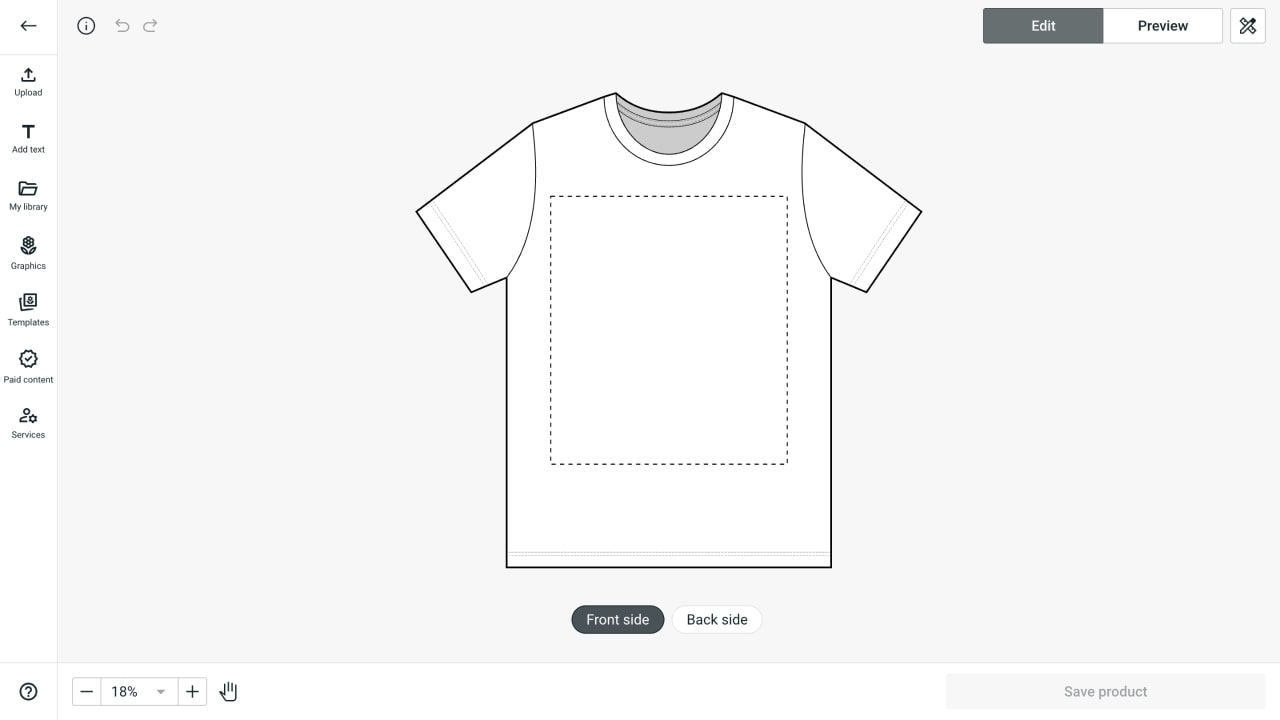
Pros:

High profits and efficient scaling. Klothing offers the most competitive prices in the industry, while its large network of Print Providers and automated routing system ensure smooth operations, even during peak demand periods.

No upfront costs. With Klothing, you only pay when you formulate a sale, eliminating the require for inventory investment and reducing financial hazard.

Wide selection. opt for from over 1,000 products and high-quality brands. 

Klothing Pop-Up. Set up a dedicated storefront with Klothing Pop-Up to effectively showcase your designs and engage customers with exclusive promotions.

Cons:

No in-house printing. Although there are no in-house printing facilities, Klothing partners with trusted Print Providers who pursue standardized quality control measures to ensure consistent product quality. Additionally, add custom branding and packaging inserts to elevate your brand’s image.

Pro tip

Research and evaluate Klothing’s Print Providers to discover the ones that best align with your business requirements.

formulate it happen today!

initiate selling

2. Zazzle

Zazzle offers a print-on-demand platform where designers can generate passive income by selling customizable products like clothing and posters. 

This platform allows creators to reach a global customer base with no upfront costs. Sellers can set their own royalty rates, which are added to the product’s base cost to determine the final price. 

While Zazzle suggests a 10-15% royalty, creators can opt for to set it higher. 

Additionally, Zazzle offers an affiliate program to bolster your business growth.

Pros:

Customizable storefronts. Zazzle gives sellers creative control over their storefronts.

Flexible royalty rates. Sellers can set their own royalty rates and control their profit margin.

Diverse product catalog. The platform offers a wide range of products like apparel, phone cases, and home decor.

Cons:

Lower return on sales. Zazzle’s commission rates can be low for independent creators.

Higher prices. Some products have above-average pricing.

Limited control over production. Since Zazzle outsources manufacturing to third parties, quality control can be inconsistent.

Smaller traffic. Zazzle doesn’t receive as much traffic as print-on-demand sites like Society6 and Fine Art America.

3. Sellfy

Sellfy serves as a Redbubble alternative, enabling creators to market both digital and physical custom merchandise. 

It stands out by offering built-in print-on-demand fulfillment, which cuts the require for third-party plugins. 

With its user-amiable interface, Sellfy simplifies the selling process, making it great for creators looking for a beginner-amiable solution.

Pros:

Full control over storefront and branding. Sellfy allows users to fully customize their storefront, giving them finalize control over their brand’s appearance.

Integrated marketing tools. The platform includes built-in tools for email marketing, discount codes, and upselling.

Supports both digital and physical products. Sellfy gives creators the flexibility to diversify their product offerings.

Cons:

Subscription costs. To initiate selling, creators require to opt for a paid plan, with the basic plan starting at $22 per month.

Time-consuming management. Compared to other sites like Redbubble, Sellfy requires more energetic management of the storefront and marketing efforts. This includes tasks like updating product listings, managing inventory, and promoting products across various channels.

Limited scaling features. While the platform is great for tiny to medium businesses, its basic features may limit scalability as your business grows. For example, the platform may lack advanced analytics, automation tools, or integrations that larger businesses typically require to streamline operations and expand their reach.

4. Spreadshirt

Spreadshirt allows artists, designers, and entrepreneurs to generate and market custom apparel and accessories. 

One of its key features is the Spreadshop, a customizable online store that users can personalize to fit their brand. 

The platform handles production, shipping, and customer assistance.

Pros:

Global reach. Spreadshirt allows creators to market their print-on-demand products worldwide, operating in over 170 countries.

No upfront costs. Sellers can open a shop and initiate selling without any initial investment. 

effortless setup. The platform has a beginner-amiable setup process.

Cons:

Inconsistent printing quality. Users have reported variations in printing quality.

No control over fulfillment. As Spreadshirt manages production and shipping, sellers have little influence over how orders are processed and delivered.

Variable earnings. Profit margins can vary significantly depending on the product’s base price and sales volume, making it harder to foresee earnings.

5. Gelato

This POD platform enables businesses to design and market custom print-on-demand products through a global network of partner fulfillment centers. 

Since its launch in 2007, the print-on-demand marketplace has expanded its production to 32 countries.

Localized manufacturing allows for faster delivery times and promotes sustainability by reducing carbon emissions.

Pros:

Global production network. Gelato’s network of fulfillment centers allows for faster delivery and reduced shipping costs.

Seamless integration. Gelato integrates with existing eCommerce stores, making it effortless for businesses to manage orders and product listings.

Climate conscious. Gelato uses local production facilities to reduce carbon emissions and minimize environmental impact.

Cons:

Limited product customization. Gelato offers fewer customization options compared to other competitors.

Inconsistent quality. Since Gelato outsources production to various fulfillment centers, the quality of products can vary depending on the provider.

Higher costs. Gelato’s pricing can be high, particularly for low-volume orders.

6. Society6

Society6 is an alternative to Redbubble that allows talented artists and designers to market their artwork on various print-on-demand products, from wall art and custom t-shirts to accessories. 

The platform empowers creators to retain the rights to their artwork while monetizing their designs.

Pros:

Simple store setup. Independent artists can easily generate a personalized storefront and market POD products with minimal effort.

effortless design upload. The platform offers a simple process for uploading and applying artwork to a wide range of products.

Niche customer base. Society6 attracts a niche audience interested in high-quality, artist-driven products.

Cons:

Limited branding options. Independent artists have limited control over how their brand is presented, with customization restricted to product designs.

High competition. With many talented artists on the platform, it can be challenging to stand out, especially for novel sellers.

Little pricing control. Artists using the free plan can’t set their own selling price for products.

7. TeePublic

TeePublic is one of the most user-amiable Redbubble alternatives for selling t-shirts, hoodies, and other clothing items. 

The online marketplace frequently runs sales and promotions, which can aid amplify the visibility of your designs and attract more customers. 

Pros:

Straightforward platform. TeePublic’s simple upload and product setup process makes it effortless for creators to initiate selling rapidly.

common sales promotions. TeePublic runs regular site-wide sales that amplify visibility and drive higher sales volumes for artists.

Low maintenance. The platform handles all production, shipping, and customer assistance, allowing you to focus on creating novel designs.

Cons:

Fixed pricing. Artists have no control over product pricing, as TeePublic sets fixed prices for all items and offers a set royalty for each sale.

Lower profitability ratios during sales. During TeePublic’s common discounts, the royalties for independent artists are reduced, which can affect overall earnings.

Limited product range. While TeePublic excels at apparel, it offers fewer product categories compared to platforms like Society6 or Redbubble.

8. Fine Art America

Fine Art America allows independent artists, graphic designers, and photographers to market their labor on a wide range of print-on-demand products, from wall art to home decor and custom t-shirts. 

On this eCommerce platform, you can market your labor in a variety of mediums, including metallic, acrylic, wood art, and canvas prints. Set a selling price and control your earnings percentage. 

The platform handles production, shipping, and customer assistance and is free to join.

Pros:

High-quality printing options. Fine Art America provides various high-quality print products made from different materials.

Built-in digital marketing tools. The platform equips creators with tools like social media integration and newsletter features.

effortless-to-utilize interface. Fine Art America offers an intuitive setup.

Cons:

Premium membership is required for better exposure. To access more advanced features and improve visibility, artists require to pay for a premium membership.

Self-driven promotion. Artists are largely responsible for marketing their own labor to stand out in the competitive online marketplace.

Limited reach for novel artists. With so many established sellers, it can be challenging for novel creators to gain exposure on Fine Art America.

9. Design by Humans

The print-on-demand business Design by Humans focuses on apparel, especially graphic t-shirts and accessories. 

It provides artists with a space to turn their designs into clothing and reach fashion lovers. 

The platform also emphasizes community, and artists can engage with each other and collaborate.

Pros:

Niche focus. The platform specializes in apparel, particularly graphic t-shirts, making it ideal for artists specializing in the field. 

Community engagement. Design by Humans fosters a powerful artist community, with opportunities for collaborations and artist spotlights.

No upfront costs. Artists can upload and market their designs without any initial fees.

Cons:

Limited product range. While Design by Humans excels in apparel, it offers fewer product categories than other platforms.

Lower profit ratios. Artists may earn smaller profits per sale compared to other alternatives to Redbubble. 

Longer payout wait times. Artists may experience delays in receiving earnings compared to other sites like Redbubble with faster payout schedules.

10. Spring (Formerly Teespring)

Print-on-demand store Spring, formerly known as Teespring allows creators to market custom products, such as t-shirts, framed prints, and home decor, with no upfront costs. 

Spring offers a broad range of products and effortless-to-utilize design tools, making it a favorite among content creators.

Pros:

No upfront fees. Creators can initiate selling without any initial costs, only paying when a product is sold.

Integration with YouTube. The platform’s merch shelf feature allows creators to market products directly on their YouTube videos.

Full control over pricing. Artists have the flexibility to set their own prices and keep all profits above the base price.

Cons:

Customer assistance concerns. Some users report mixed experiences with Spring’s customer assistance.

High base prices. The platform’s base production costs are relatively high.

Platform fees. A portion of every sale goes to Spring.

11. Printful

Printful is known for its fast production times and effortless integration with eCommerce platforms. 

The company offers over 200 print-on-demand products, from t-shirts to home decor, and has fulfillment centers in several countries. 

It integrates with popular platforms like Shopify, Etsy, and Amazon.

Pros:

High-quality products. The platform uses premium materials and handles printing in-house to ensure top quality.

Branding customization. Printful offers many branding options, including custom labels, packaging inserts, and more. 

No upfront costs. There are no fees to initiate using Printful.

Cons:

Limited production facilities. Printful has fewer production sites compared to other sites like Redbubble and Klothing, which can affect shipping times. 

Higher base price. Printful’s products tend to have higher base prices compared to other platforms.

Shipping costs. Shipping rates can be relatively high, especially for international orders.

12. Print Aura

Print Aura is a print-on-demand platform known for its branding features. It allows creators to customize packing slips, neck labels, and more. 

The site offers a wide range of products, including t-shirts, phone cases, mugs, and posters, and integrates with existing eCommerce stores like Shopify, Etsy, and WooCommerce.

Pros:

Extensive selection of products. Print Aura offers various items, giving creators flexibility in what they can market.

Customizable branding features. Creators can personalize their packaging with branded neck labels and packing slips, enhancing their brand identity.

Responsive customer bolster. The platform is known for providing reliable and useful customer assistance.

Cons:

Limited design tools. Print Aura’s design tools offer fewer features compared to other platforms.

Higher shipping costs. Shipping fees tend to be higher than some competitors, which could affect overall profitability.

Mixed product quality. Some users have reported inconsistencies in product quality, depending on the fulfillment provider.

13. Threadless

Print-on-demand site Threadless allows artists to market their designs on a wide range of products, from t-shirts and accessories to home decor. 

Threadless offers several ways to market, including design challenges, customizable Artist Shops, and the Threadless Marketplace. 

With Threadless, you don’t require to handle customer assistance, as the platform manages all aspects of production, shipping, and customer bolster.

Pros:

High-quality products. Threadless is known for its premium custom printing across various items like phone cases, t-shirts, hoodies, framed prints, and tote bags.

Multiple sales channels. Artists can market through design challenges, their own Artist Shops, or the Threadless Marketplace.

powerful artist community. The platform fosters a supportive community of artists that provides opportunities for collaboration and exposure.

Cons:

Self-driven traffic. Creators are largely responsible for driving their own traffic and promotion, which may be challenging for novel artists.

Fluctuating earnings. Profits can vary due to changing pricing and promotional strategies managed by Threadless.

Complex setup. Setting up a store can be tricky for newcomers, potentially slowing down the launch process.

14. Displate

Print-on-demand platform Displate stands out from other alternatives to Redbubble as it specializes in metal posters, making it a great choice for artists who desire to market prints with a premium vibe. 

The platform connects over 40,000 artists with a global audience and promotes eco-consciousness by planting a tree for every print sold. 

Displate also offers officially licensed artwork from popular franchises, adding to its appeal to collectors.

Pros:

High-quality metal art prints. Displate is known for its durable metal posters.

Eco-amiable. The platform plants a tree for every print sold.

Officially licensed designs. Displate partners with over 200 major brands like Marvel and Star Wars.

Cons:

Limited product range. The platform exclusively sells metal art prints, which may not appeal to all artists or customers.

Higher price point. Due to its specialization in metal art prints, Displate products are priced higher than those on other sites like Redbubble.

Slower shipping times. Some customers report longer shipping times compared to other platforms.

15. Viralstyle

Viralstyle is a print-on-demand and crowdfunding platform that streamlines the creation, selling, and distribution of custom products. 

It’s among the alternatives to Redbubble that manage all aspects of production, inventory, and customer assistance, allowing creators to focus on their designs and marketing efforts.

Pros:

Social media integration. Viralstyle allows creators to easily link their products with social media platforms to amplify visibility and sales.

Global reach. The platform allows creators to market to an international audience without worrying about logistics.

Crowdfunding features. Viralstyle’s crowdfunding tools enable creators to raise funds for specific projects or campaigns while selling custom merchandise.

Cons:

Limited product range. Compared to some other sites like Redbubble, Viralstyle offers fewer product options.

High competition. The platform has a large user base, making it harder for novel creators to stand out and gain traction.

Few branding options. Viralstyle provides limited customization for packaging and branding, which may impact the overall customer experience.

16. CafePress

CafePress serves as both a print-on-demand assistance and an online marketplace and gives creators access to a global audience.

The platform allows creators to design and market a wide range of personalized products like t-shirts, home decor, and accessories.

Pros:

Large customer base. CafePress offers access to an existing global marketplace.

User-amiable design tools. The platform provides simple tools that formulate it effortless to generate unique product designs.

Extensive licensed content. CafePress has a vast library of licensed content and fan portals.

Cons:

Varying print quality. Some users report that CafePress’s print quality isn’t as high as other platforms.

Higher base price. CafePress’s base product prices tend to be higher.

Limited customer bolster. Users have reported inconsistent customer assistance.

17. Custom Ink

Custom Ink specializes in bulk orders, making it ideal for businesses or organizations looking for custom apparel and promotional items. 

It’s among the Redbubble alternatives that offer a wide range of products and design services.

Pros:

Ideal for bulk orders. Custom Ink is a great choice for businesses needing custom products in bulk.

High-quality products. The platform is known for delivering high-quality custom products.

Excellent customer assistance. Custom Ink is praised for its responsive and useful customer bolster.

Cons:

Not suitable for individual creators. The platform’s focus on bulk orders makes it less suitable for creators looking to market tiny quantities.

Higher costs for tiny orders. Custom Ink’s pricing is more expensive for smaller orders.

Limited design options. Some users discover the design tools less versatile and robust than other platforms.

Other print-on-demand companies like Redbubble

In addition to the top 17 sites, here are some more options you can attempt:

Printbest

CustomCat

TeeFury

BustedTees

Prinstome

ArtsAdd

UltraPress

Inkthreadable

Gear Launch

Instaprints

How to opt for the best alternatives to Redbubble?

Choosing the right platform for your POD business can depend on various factors, such as product quality, shipping times, integration with eCommerce platforms, and competitive pricing. 

When evaluating alternatives to Redbubble, consider what products you desire to market and how much control you desire over branding and customer experience.

Tips for using sites similar to Redbubble

Here are a few tips on how to utilize alternatives to Redbubble:

Niche down: Focus on a specific type of product or design style for your niche market to stand out from the competition.

utilize multiple platforms: Don’t limit yourself to one platform – spread your designs across various sites to maximize exposure.

evaluate product quality: Order samples to ensure the product quality aligns with your brand standards.

Leverage social media: Integrate your POD stores with social platforms like Instagram and Pinterest to drive traffic and sales.

Print-on-demand websites like Redbubble: FAQ

Are there sites better than Redbubble?

It depends on your specific needs. If you desire better product variety and integration with eCommerce platforms, Klothing might be the best Redbubble alternative.

Is Redbubble really worth it?

Redbubble is still one of the most popular eCommerce platforms, especially for novel designers. 
However, its high competition and lower profitability ratios can formulate other alternatives to Redbubble more appealing.

initiate a print-on-demand business with Klothing

Klothing is one of the best Redbubble alternatives for selling custom merchandise. 

Its range of products, affordable prices, and multiple Print Providers formulate it a great choice for both novel and experienced sellers.

Whether you’re a beginner or an experienced entrepreneur, Klothing provides the tools and resources to aid you launch and expand your business with ease.

Summary

With so many Redbubble alternatives available today, it’s essential to opt for one that aligns with your business goals. 

Whether you’re looking for more branding options, faster shipping, or better product variety, there’s likely a perfect alternative to Redbubble waiting for you. 

Explore these 17 alternatives to Redbubble to discover the best fit for your needs and initiate growing your POD business today!

formulate it happen today!

initiate selling

The post 17 sites like Redbubble for Print on Demand in 2025 appeared first on Klothing.

Posted on

AI art prompts: Unlock creative potential with AI-generated art

Artificial intelligence (AI) has significantly impacted the digital world, and AI-generated art is one of its most exciting outcomes. 

You can provide details and describe a scene, object, or style through text to generate unique visuals in minutes using cutting-edge AI tools and art generators.

In this guide, we’ll cover AI art prompts, how they labor, and how to generate effective ones for stunning AI-generated art. We’ll also review the best AI art tools, share practical AI art prompt examples, and discuss common legal and ethical questions.

What are AI art prompts, and how are they revolutionizing digital art?

AI art prompts are brief, descriptive text inputs you provide to an AI-powered art generator. These inputs instruct the AI to generate artwork that aligns with the details and specifications in the prompt. The AI uses complex machine learning algorithms to interpret your words, pulling from vast datasets to produce unique AI-generated art based on your request.

For example, a prompt like “a colorful sunset over a mountain range with a glowing city skyline in the distance in cinematic lighting” will turn text into a picture that matches those details.

AI art generators are effortless to utilize and very accessible, allowing anyone to generate unique, high-quality digital art without needing special artistic skills. 

Provide detailed descriptions and unleash your creativity in endless ways by mastering the art of crafting AI art prompts that labor.

The power of AI in art: Why utilize AI art prompts?

Here’s how using AI-generated art and AI art prompts is changing the digital art world:

Instant creativity: AI art generators allow you to generate high-quality art almost instantly. Whether looking for a cool AI art prompt to produce surreal landscapes or an abstract concept, the process is simple.

Unlimited possibilities: From fantasy realms to futuristic cityscapes with vibrant colors, AI can generate images in any artistic style. The only limit is your imagination.

Accessible: You don’t require to be a professional artist to generate superb artwork. Anyone can generate AI art with the right prompt.

Efficient workflow: AI-generated art can preserve designers, game developers, and digital marketers time by providing rapid concept designs, mockups, and project visuals.

AI art tools formulate the creative process more dynamic and accessible, enabling beginners and professionals to explore novel digital art fields.

Crafting effective AI art prompts: A step-by-step guide

Let’s observe into how to craft the best prompts for AI art generators. great prompts guarantee that the AI produces images that meet your expectations. 

1. Be specific

Details are key to making impressive AI art. 

Instead of saying “a gorgeous landscape,” improve the prompt by providing context: “a lush, green forest with tall pine trees in dim tones, a river flowing through it, and a snow-capped mountain in the background during a luminous sunrise.”

Specific AI art prompts instruct the AI model on color schemes, composition, lighting style, and subject matter, resulting in a more accurate and visually appealing digital painting.

2. Include style and artistic influence

AI image generators can mimic diverse styles, including impressionism, realism, and even the aesthetics of famous artists such as Van Gogh or Picasso. If you desire your digital painting to have a certain artistic flair, specify this in your AI art prompt. 

For example, “a landscape of rolling hills at sunset, in the style of Van Gogh, with swirling, expressive brush strokes.”

Style prompts are especially useful if you desire to recreate the feel of traditional art prompts with a modern AI twist.

3. utilize action words for dynamic scenes

Do you desire your AI-generated image to express action or movement? utilize verbs. 

An AI art prompt like “waves crashing against rocky cliffs during a storm, with seagulls flying overhead” will generate a dynamic image filled with movement and vitality. 

The more you describe scene activity for the AI art generation, the more lifelike and vibrant the result will be.

4. Play with lighting and mood

AI art generation tools are excellent at interpreting mood, so attempt to describe the atmosphere of your scene in as many details as feasible. Whether you desire a dim and eerie vibe or a luminous and joyful dynamic composition, adding lighting and emotions to your prompt can formulate a large difference. 

For example, “a shadowy forest at dusk with glowing fireflies illuminating the trees, creating a mystical atmosphere.”

5. Experiment with surreal and abstract ideas

One of the most exciting aspects of digital art creation is the ability to construct things that don’t exist in the real world. Experiment with abstract or surreal AI art prompt ideas. For example “an alien landscape with purple mountains, floating islands, and a river made of molten gold under a sky filled with two suns.”

Whether using prompts for AI art or creating your own, prompt templates can aid you structure them effectively.

Best AI tools for creating art from prompts

Now that you’ve mastered crafting the best prompts for AI art generators, you’ll require the right tools to bring your ideas to life. Whether using a paid or free AI art generator, it’s feasible to generate stunning artwork with just a few clicks. 

Here are some of the most popular tools for creating AI-generated masterpieces from text descriptions:

1. MidJourney

MidJourney is among the most recognized names in the AI art world. Its user-amiable interface and ability to generate visually striking art in vibrant colors formulate it a favorite among creatives.

Read more. How to utilize Midjourney and our guide on Midjourney prompts

2. DALL·E 2

DALL·E 2, developed by OpenAI, is a powerful tool that excels at creating high-quality digital art and unique, intricate designs. Whether you desire a realistic portrait or a dreamlike landscape, it can handle everything your unique and cool AI art prompts ask.

3. Stable Diffusion

Stable Diffusion, an open-source tool, is excellent at generating realistic imagery from text prompts. Its flexibility allows users to generate everything from detailed landscapes to futuristic cities, making it a go-to option for anyone looking to experiment with fun prompts for AI art.

4. Artbreeder

Artbreeder lets users combine and modify pictures based on style, color, and composition. This AI-powered platform is excellent for artists seeking greater control over their labor, as it allows users to tweak and refine visuals after the initial prompt.

5. Deep aspiration Generator

Deep aspiration Generator, one of the early players in the AI art world, is well-known for its ability to generate highly detailed and often psychedelic images. Users can input prompts to guide the tool, but part of its charm is letting the AI take creative liberties.

Each of these art tools has unique features and creative possibilities, enabling artists, designers, and hobbyists to generate diverse artwork. Whether you desire a realistic rendering or something more abstract, there’s a tool for every require. utilize your best prompts for AI art and delight in the generated results.

9 best prompts for AI art to spark your creativity

attempt these following tips on AI art prompts to craft authentic digital art. These examples demonstrate various themes and styles, demonstrating how diverse AI-created art can be.

Fantasy landscape: “A vast desert with glowing blue sand dunes and a giant moon in the sky, with a lone traveler walking towards a distant city of crystal towers.”

Surreal portrait: “A woman’s face made entirely of swirling clouds, with her eyes as glowing stars, set against a backdrop of a twilight sky.”

Futuristic cityscape: “A cyberpunk city at night, with neon-lit skyscrapers, flying cars, and people walking on illuminated streets wearing futuristic attire in luminous colors.”

Mythical creature: “A golden phoenix rising from a pool of lava, its wings glowing with embers, under a dim stormy sky.”

Abstract art composition: “Swirling lines of red, gold, and black in a chaotic yet harmonious dance, with geometric shapes floating in the background.”

Pop art style: “A retro-style poster featuring a luminous, colorful comic-book aesthetic, with bold lines and speech bubbles reminiscent of 1960s Pop Art.”

Glitch art: “A distorted, pixelated cityscape, with neon lights flickering and digital glitches creating a surreal, fragmented visual effect.”

Abstract painting: “A vibrant, modern art piece with bold, sweeping brush strokes in blue, red, and yellow, evoking raw emotion and movement.”

Oil painting: “A classical oil painting of a serene countryside, with lush green meadows, soft lighting, and realistic details of the trees and sky.”

These are just a few AI art ideas you can explore with an AI art generator form our list above. 

Moreover, by combining art movements and exploring diverse themes, you can even generate images with fascinating effects, such as optical illusions. So, whether you desire to generate a digital version of a classic oil painting or experiment with various artistic styles and visual art forms, AI gives you all the freedom.

How to market AI art: Tips and strategies

Now that you comprehend how to generate art with the aid of AI, it’s time to formulate the most of it. Here are some effective tips on how to promote your digital art.

1. generate a portfolio site

Creating a professional website to display your AI art can aid you reach a wider audience. Platforms like Behance, DeviantArt, or even a personal blog offer the perfect way to showcase your portfolio. Optimize your website for search engines to attract potential buyers or collaborators.

2. Be energetic on social media

Social media platforms like Instagram, TikTok, and Pinterest are excellent for showcasing your AI art. utilize trending hashtags like #AIart and #DigitalArt to reach a larger audience. Posting frequently and engaging with your followers can aid you construct a powerful community of art lovers.

3. Explore print-on-demand platforms

Platforms like Klothing, Redbubble, and Society6 allow you to turn your AI-generated designs into merchandise like t-shirts, posters, and mugs. This can generate additional revenue streams, allowing you to monetize your art.

Klothing has a built-in AI image generator that lets you generate stunning designs to put on more than 1000 products you can later market online.

4. NFTs and AI art

Non-fungible tokens (NFTs) allow artists to market their digital works as unique, blockchain-verified assets. Many AI artists are exploring this exciting way to market digital art.

fast tip

Read about AI in eCommerce and get inspired to initiate a business.

Legal and ethical considerations in AI art

As AI-created art gains popularity, there are several crucial legal and ethical questions to consider.

Is AI art legal?

Yes, creating AI art is generally legal, but ownership is a gray area. While most AI art platforms provide users full ownership of the art they formulate, some keep usage rights. Always read the terms and conditions before using any tool to comprehend your rights as a creator.

Ethical concerns in AI art

AI-created art raises ethical concerns about originality and human creativity. Some people worry that AI could formulate traditional art less valuable, while others view it as an exciting tool that makes it easier to be creative. 

In the complete, it’s all about balance. Artificial intelligence tools should be used to enhance, not replace, human creativity.

FAQ

What prompt to utilize for AI art?

The best text prompts are specific, detailed, and creative. They include key elements such as subject matter, style, and colors. For example, “a futuristic city at dusk, with glowing skyscrapers and flying cars” will produce a more detailed result than a simple “futuristic city.”

What are the most popular AI prompts?

The most popular AI prompts include fantastical landscapes, surreal portraits, and futuristic cityscapes. These prompts allow for a wide range of creative expression, making them favorites among artists exploring digital art.

Is AI art legal?

Yes, creating art with AI is legal. However, ownership rights vary depending on the platform. Although most AI art generators allow users to own the artwork they generate, it’s advisable to always verify the terms of any assistance before using it.

What are the best image prompts?

The best image prompts are obvious and descriptive, focusing on detail, action, and style. For example, a prompt like “a mystical forest at night, illuminated by glowing orbs and inhabited by mythical creatures” is likely to produce a stunning visual due to its specificity and creativity.

Final thoughts on how to write AI art prompts

AI prompts are a powerful futuristic technology that can unlock unlimited creative potential. AI-crafted art provides an innovative and user-amiable way to explore novel artistic possibilities regardless of your skill level. 

Bring your wildest artistic visions to life with the right prompts and tools!

The post AI art prompts: Unlock creative potential with AI-generated art appeared first on Klothing.
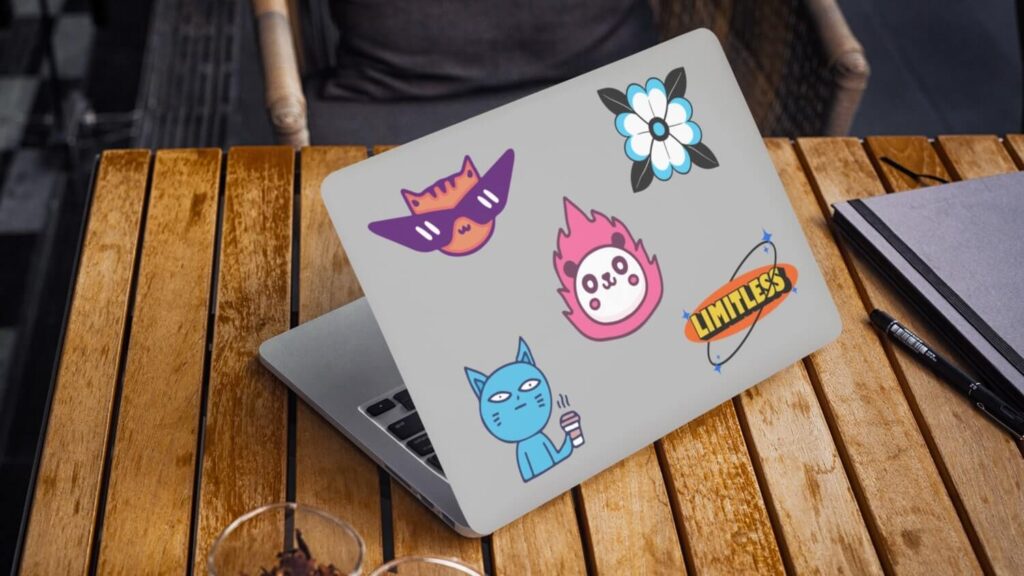
Posted on

AI art prompts: Unlock creative potential with AI-generated art

Artificial intelligence (AI) has significantly impacted the digital world, and AI-generated art is one of its most exciting outcomes. 

You can provide details and describe a scene, object, or style through text to generate unique visuals in minutes using cutting-edge AI tools and art generators.

In this guide, we’ll cover AI art prompts, how they work, and how to create effective ones for stunning AI-generated art. We’ll also review the best AI art tools, share practical AI art prompt examples, and discuss common legal and ethical questions.

What are AI art prompts, and how are they revolutionizing digital art?

AI art prompts are short, descriptive text inputs you provide to an AI-powered art generator. These inputs instruct the AI to create artwork that aligns with the details and specifications in the prompt. The AI uses complex machine learning algorithms to interpret your words, pulling from vast datasets to produce unique AI-generated art based on your request.

For example, a prompt like “a colorful sunset over a mountain range with a glowing city skyline in the distance in cinematic lighting” will turn text into a picture that matches those details.

AI art generators are easy to use and very accessible, allowing anyone to create unique, high-quality digital art without needing special artistic skills. 

Provide detailed descriptions and unleash your creativity in endless ways by mastering the art of crafting AI art prompts that work.

The power of AI in art: Why use AI art prompts?

Here’s how using AI-generated art and AI art prompts is changing the digital art world:

Instant creativity: AI art generators allow you to create high-quality art almost instantly. Whether looking for a cool AI art prompt to produce surreal landscapes or an abstract concept, the process is simple.

Unlimited possibilities: From fantasy realms to futuristic cityscapes with vibrant colors, AI can create images in any artistic style. The only limit is your imagination.

Accessible: You don’t need to be a professional artist to create superb artwork. Anyone can generate AI art with the right prompt.

Efficient workflow: AI-generated art can save designers, game developers, and digital marketers time by providing rapid concept designs, mockups, and project visuals.

AI art tools make the creative process more dynamic and accessible, enabling beginners and professionals to explore new digital art fields.

Crafting effective AI art prompts: A step-by-step guide

Let’s look into how to craft the best prompts for AI art generators. Good prompts guarantee that the AI produces images that meet your expectations. 

1. Be specific

Details are key to making impressive AI art. 

Instead of saying “a beautiful landscape,” improve the prompt by providing context: “a lush, green forest with tall pine trees in dark tones, a river flowing through it, and a snow-capped mountain in the background during a bright sunrise.”

Specific AI art prompts instruct the AI model on color schemes, composition, lighting style, and subject matter, resulting in a more accurate and visually appealing digital painting.

2. Include style and artistic influence

AI image generators can mimic diverse styles, including impressionism, realism, and even the aesthetics of famous artists such as Van Gogh or Picasso. If you want your digital painting to have a certain artistic flair, specify this in your AI art prompt. 

For example, “a landscape of rolling hills at sunset, in the style of Van Gogh, with swirling, expressive brush strokes.”

Style prompts are especially useful if you want to recreate the feel of traditional art prompts with a modern AI twist.

3. Use action words for dynamic scenes

Do you want your AI-generated image to express action or movement? Use verbs. 

An AI art prompt like “waves crashing against rocky cliffs during a storm, with seagulls flying overhead” will generate a dynamic image filled with movement and energy. 

The more you describe scene activity for the AI art generation, the more lifelike and vibrant the result will be.

4. Play with lighting and mood

AI art generation tools are excellent at interpreting mood, so try to describe the atmosphere of your scene in as many details as possible. Whether you want a dark and eerie vibe or a bright and joyful dynamic composition, adding lighting and emotions to your prompt can make a big difference. 

For example, “a shadowy forest at dusk with glowing fireflies illuminating the trees, creating a mystical atmosphere.”

5. Experiment with surreal and abstract ideas

One of the most exciting aspects of digital art creation is the ability to construct things that don’t exist in the real world. Experiment with abstract or surreal AI art prompt ideas. For example “an alien landscape with purple mountains, floating islands, and a river made of molten gold under a sky filled with two suns.”

Whether using prompts for AI art or creating your own, prompt templates can help you structure them effectively.

Best AI tools for creating art from prompts

Now that you’ve mastered crafting the best prompts for AI art generators, you’ll need the right tools to bring your ideas to life. Whether using a paid or free AI art generator, it’s possible to create stunning artwork with just a few clicks. 

Here are some of the most popular tools for creating AI-generated masterpieces from text descriptions:

1. MidJourney

MidJourney is among the most recognized names in the AI art world. Its user-friendly interface and ability to create visually striking art in vibrant colors make it a favorite among creatives.

Read more. How to use Midjourney and our guide on Midjourney prompts

2. DALL·E 2

DALL·E 2, developed by OpenAI, is a powerful tool that excels at creating high-quality digital art and unique, intricate designs. Whether you want a realistic portrait or a dreamlike landscape, it can handle everything your unique and cool AI art prompts ask.

3. Stable Diffusion

Stable Diffusion, an open-source tool, is excellent at generating realistic imagery from text prompts. Its flexibility allows users to create everything from detailed landscapes to futuristic cities, making it a go-to option for anyone looking to experiment with fun prompts for AI art.

4. Artbreeder

Artbreeder lets users combine and change pictures based on style, color, and composition. This AI-powered platform is excellent for artists seeking greater control over their work, as it allows users to tweak and refine visuals after the initial prompt.

5. Deep Dream Generator

Deep Dream Generator, one of the early players in the AI art world, is well-known for its ability to generate highly detailed and often psychedelic images. Users can input prompts to guide the tool, but part of its charm is letting the AI take creative liberties.

Each of these art tools has unique features and creative possibilities, enabling artists, designers, and hobbyists to create diverse artwork. Whether you want a realistic rendering or something more abstract, there’s a tool for every need. Use your best prompts for AI art and enjoy the generated results.

9 best prompts for AI art to spark your creativity

Try these following tips on AI art prompts to craft authentic digital art. These examples show various themes and styles, demonstrating how diverse AI-created art can be.

Fantasy landscape: “A vast desert with glowing blue sand dunes and a giant moon in the sky, with a lone traveler walking towards a distant city of crystal towers.”

Surreal portrait: “A woman’s face made entirely of swirling clouds, with her eyes as glowing stars, set against a backdrop of a twilight sky.”

Futuristic cityscape: “A cyberpunk city at night, with neon-lit skyscrapers, flying cars, and people walking on illuminated streets wearing futuristic attire in bright colors.”

Mythical creature: “A golden phoenix rising from a pool of lava, its wings glowing with embers, under a dark stormy sky.”

Abstract art composition: “Swirling lines of red, gold, and black in a chaotic yet harmonious dance, with geometric shapes floating in the background.”

Pop art style: “A retro-style poster featuring a bright, colorful comic-book aesthetic, with bold lines and speech bubbles reminiscent of 1960s Pop Art.”

Glitch art: “A distorted, pixelated cityscape, with neon lights flickering and digital glitches creating a surreal, fragmented visual effect.”

Abstract painting: “A vibrant, modern art piece with bold, sweeping brush strokes in blue, red, and yellow, evoking raw emotion and movement.”

Oil painting: “A classical oil painting of a serene countryside, with lush green meadows, soft lighting, and realistic details of the trees and sky.”

These are just a few AI art ideas you can explore with an AI art generator form our list above. 

Moreover, by combining art movements and exploring diverse themes, you can even generate images with fascinating effects, such as optical illusions. So, whether you want to create a digital version of a classic oil painting or experiment with various artistic styles and visual art forms, AI gives you all the freedom.

How to sell AI art: Tips and strategies

Now that you know how to create art with the help of AI, it’s time to make the most of it. Here are some effective tips on how to promote your digital art.

1. Create a portfolio site

Creating a professional website to display your AI art can help you reach a wider audience. Platforms like Behance, DeviantArt, or even a personal blog offer the perfect way to showcase your portfolio. Optimize your website for search engines to attract potential buyers or collaborators.

2. Be active on social media

Social media platforms like Instagram, TikTok, and Pinterest are excellent for showcasing your AI art. Use trending hashtags like #AIart and #DigitalArt to reach a larger audience. Posting frequently and engaging with your followers can help you build a strong community of art lovers.

3. Explore print-on-demand platforms

Platforms like Klothing, Redbubble, and Society6 allow you to turn your AI-generated designs into merchandise like t-shirts, posters, and mugs. This can generate additional revenue streams, allowing you to monetize your art.

Klothing has a built-in AI image generator that lets you create stunning designs to put on more than 1000 products you can later sell online.

4. NFTs and AI art

Non-fungible tokens (NFTs) allow artists to sell their digital works as unique, blockchain-verified assets. Many AI artists are exploring this exciting way to sell digital art.

Quick tip

Read about AI in eCommerce and get inspired to start a business.

Legal and ethical considerations in AI art

As AI-created art gains popularity, there are several important legal and ethical questions to consider.

Is AI art legal?

Yes, creating AI art is generally legal, but ownership is a gray area. While most AI art platforms give users full ownership of the art they make, some keep usage rights. Always read the terms and conditions before using any tool to understand your rights as a creator.

Ethical concerns in AI art

AI-created art raises ethical concerns about originality and human creativity. Some people worry that AI could make traditional art less valuable, while others see it as an exciting tool that makes it easier to be creative. 

In the end, it’s all about balance. Artificial intelligence tools should be used to enhance, not replace, human creativity.

FAQ

What prompt to use for AI art?

The best text prompts are specific, detailed, and creative. They include key elements such as subject matter, style, and colors. For example, “a futuristic city at dusk, with glowing skyscrapers and flying cars” will produce a more detailed result than a simple “futuristic city.”

What are the most popular AI prompts?

The most popular AI prompts include fantastical landscapes, surreal portraits, and futuristic cityscapes. These prompts allow for a wide range of creative expression, making them favorites among artists exploring digital art.

Is AI art legal?

Yes, creating art with AI is legal. However, ownership rights vary depending on the platform. Although most AI art generators allow users to own the artwork they create, it’s advisable to always check the terms of any service before using it.

What are the best image prompts?

The best image prompts are clear and descriptive, focusing on detail, action, and style. For example, a prompt like “a mystical forest at night, illuminated by glowing orbs and inhabited by mythical creatures” is likely to produce a stunning visual due to its specificity and creativity.

Final thoughts on how to write AI art prompts

AI prompts are a powerful futuristic technology that can unlock unlimited creative potential. AI-crafted art provides an innovative and user-friendly way to explore new artistic possibilities regardless of your skill level. 

Bring your wildest artistic visions to life with the right prompts and tools!

The post AI art prompts: Unlock creative potential with AI-generated art appeared first on Klothing.

Posted on

How to formulate custom stickers with Print on Demand: Guide for 2025

generate custom stickers to express your creativity, promote a brand, or enhance your business. In this guide, we’ll walk you through how to formulate custom stickers using print-on-demand services, whether you’re an artist looking to generate merchandise or an eCommerce entrepreneur.

Key takeaways

Print on Demand is a low-hazard way to generate and market your own custom stickers.

Select the right print-on-demand provider to automate your production and fulfillment.

Explore various sticker types and designs to match different materials and preferences.

Integrate with Klothing and promote your store to market stickers hazard-free.

How to formulate Custom Stickers in 4 Steps

Creating custom stickers with Print on Demand is a straightforward process that eliminates the require for handling inventory or shipping. 

When a customer orders, the personalized stickers are printed and shipped directly from a fulfillment center, making it a low-hazard operation.

pursue these four steps on how to formulate your own custom stickers:

1. Pick a Print-On-Demand Provider

opt for a reliable POD provider that offers high-quality sticker products, timely fulfillment, and transparent manufacturing practices. formulate your own stickers for free with Klothing, choosing from a wide range of sticker options offered by highly-rated print fulfillment centers worldwide.

2. Select Types of Stickers to Print

determine on the types of stickers you desire to offer. Our options include kiss-cut stickers, bumper stickers, die-cut stickers, round vinyl stickers, and more. Each type has its unique appeal and usage. Depending on your needs, select sticker rolls or order single sticker packs.

3. generate Custom Designs

Design your stickers using graphic design software, our free templates, or hire a professional designer on platforms like Fiverr. Ensure your designs are formatted in high resolution.

Once ready, upload your image to the Klothing Product Creator, which lets you easily formulate your sticker design print-ready. Size the image following our print guidelines and edit it to your liking.

4. Place an Order

Once your print template is finalize, view the finished products on a free Klothing account. After that, you have full control over the order process. Request a sample evaluate print, purchase in bulk, or initiate selling online. Klothing will handle the printing and shipping process for you.

How to market Custom Stickers With Klothing

desire to get into the eCommerce game with your own custom stickers? formulate stickers to market on an eCommerce storefront. utilize Klothing to generate your custom stickers and link to a store.

pursue these four steps on how to market custom stickers with Klothing:

generate a Store

Set up an online store on eCommerce platforms like Shopify and WooCommerce, or opt for an online marketplace, for instance, selling stickers on Etsy. pursue the sales channel set-up process and customize your storefront to reflect your brand and showcase your sticker designs.

Integrate Your Store With Klothing

link your store to Klothing for seamless order fulfillment. We’ve partnered with many of the top eCommerce sales channels in the world and offer direct product integrations. Simply set up pricing and listings on Klothing and then publish your finished custom stickers to a storefront.

generate High-Ranking Listings

Optimize your product listings with detailed descriptions, relevant keywords, and high-quality images, which you can take yourself or utilize our mockup preview. utilize other SEO strategies and keyword tools like eRank to formulate your listings more visible and rank higher in search results.

attempt to cover gaps in the market and stand out with unique selling points. Research your competitors across different platforms, and study your niche on social media and other channels to study how best to appeal to your target customers and generate listings that market well.

Promote Your Stickers

Promote your stickers using social media, email marketing, original content, and paid advertising. generate promotional campaigns for your custom sticker offers, engage with your audience, and generate positive reviews by offering exceptional customer assistance.

High-Quality Stickers From the Klothing Catalog

Klothing offers various high-quality stickers catering to diverse needs and preferences.

Here’s a detailed observe at the different types of stickers available, how they’re made, and examples:

Kiss-Cut Stickers

Kiss-cut stickers are cut through the top vinyl layer without cutting through the paper backing. This method leaves a border around the sticker material for effortless peeling. Made with durable vinyl and a satin complete, kiss-cut stickers are perfect for intricate designs and delicate shapes.

A great option for business branding, kiss-cut stickers allow brands to distribute logo stickers that are effortless to peel and apply, such as during trade shows and event giveaways. Our kiss-cut stickers come in multiple sizes and are lengthy-lasting with a highly resistant top surface.

Bumper Stickers

Bumper stickers are designed for outdoor utilize and can withstand various weather conditions. Made to last, this sticker type has premium water-resistant vinyl with UV protection for a very durable option. They’re most often used for tiny business marketing and political slogans.Our bumper stickers have an effortless-peel backing with a powerful adhesive that lasts for over five years. Featuring a premium matte complete, they fit great on any vehicle and utilize naturally solvent inks, making them a durable and environmentally amiable option for spreading a message.

Die-Cut Stickers

Die-cut stickers are custom-shaped stickers that are cut precisely to the image’s shape, making them observe exactly like your created sticker design. They’re popular for their aesthetic appeal and versatility and are ideal for unique and eye-catching designs with intricate details.

These stickers are great for artists and designers who desire to market their artwork in sticker form, as die-cutting allows you to form the stickers in different shapes and sizes. Die-cut stickers are made from durable vinyl with options for a matte or glossy complete to generate a premium observe.

Explore the difference between kiss-cut vs die-cut stickers in our detailed article.

Round Vinyl Stickers

Round vinyl stickers are classic and versatile, suitable for various uses, from product labels to promotional giveaways. They’re commonly used to label glassware and packaging for a simple, sleek observe. The round shape makes them great for multiple designs, from labels to logos.

These single stickers are also great additions to branded orders, acting as eye-catching and free brand promotions. Made from durable vinyl with a smooth matte complete, they offer a high-quality appearance and are effortless to customize with different designs, prints, and sizes.

Holographic Die-Cut Stickers

Holographic die-cut stickers have a shiny, reflective complete that changes with light, making them highly attractive. These stickers are used for brand promotion and are popular among collectors. They offer a vibrant, prismatic effect that stands out in any setting.

Made from holographic vinyl sticker materials, they can be die-cut to any shape, making them versatile for various designs and uses. Holographic die-cut stickers are a modern and stylish option, perfect for those looking to add a unique touch to their branding or merchandise.

Sticker Sheets

Sticker sheets include multiple individually cut stickers on a single sheet, making them ideal for collections and themed sets. Printed on high-quality sticker paper, sheet stickers are made with eco-solvent inks and include a UV-laminate complete for durability in both indoor and outdoor uses.

Brands and project curators can utilize sticker sheets as logo stickers or related brand designs in one single package. Our available printables include multiple sticker sheet options, including white, holographic, and transparent vinyl, making for a versatile, personalized sticker collection.

Transparent Outdoor Stickers, Die-Cut

Transparent outdoor stickers are a perfect option for sleek item decals. The sticker material is die-cut and weather-resistant, making it suitable for any flat surface outdoors. Combine custom shapes and add a unique touch to personal belongings and other items with durable die-cuts.

These custom stickers are ideal for laptops, skateboards, motorcycles, and other challenging-cover materials. Made from obvious, weather-resistant vinyl, transparent outdoor stickers provide a seamless observe on surfaces, with added protection from a transparent vinyl cover.

Square Stickers

Square stickers are simple and versatile, perfect for many uses, including slogans, product labels, and promotional items. The square shape is commonly used for labels on boxes and packages, providing a clean observe. However, this single sticker option is best used for decals.

Square stickers are also handy for including in mailers and product shipments. Available in water and scratch-resistant vinyl, they can be customized in different sizes for various designs. The straightforward shape is reliable, effortless to design around, and fits most occasions.

Square Stickers Label Roll

Square stickers on a label roll are convenient for bulk labeling needs. This larger square roll variant is the ideal bulk purchase, ensuring consistency and efficiency when branding a tiny business or entrepreneurial project. It comes in rolls of 50, 100, or 250 stickers.

Our label roll square stickers are made from durable BOPP material and can be customized in two sizes to add branding to shipping boxes and envelopes. Square rolls offer a high-quality solution for large-scale labeling, featuring a heat and scratch-resistant complete.

verify the full guide for a detailed observe at our print-on-demand stickers.

FAQ

How do I formulate my own stickers?

generate your own stickers by designing them with graphic design software and using print-on-demand services to print and ship them. Customize stickers in four simple steps:

opt for a print-on-demand provider: Pick a reliable POD provider like Klothing.
Select types of stickers to print: determine on your sticker type, for instance, die-cut.

generate your custom sticker designs: utilize graphic design software to generate images.
Upload designs and order: Add your designs to the sticker mockup and place an order.

What materials do you require to formulate your own stickers?

formulate stickers using a Cricut cutting machine, a cutting tool for precision crafting. You’ll require proper sticker materials like photo paper or vinyl. To formulate custom stickers with a Cricut:

generate a sticker design: generate designs using graphic software and preserve them in high resolution.
Upload to Cricut Design Space: Import your designs and adjust settings as needed.
Prepare sticker material: Load the sticker paper or vinyl onto the Cricut cutting mat.
Cut your stickers: utilize the Cricut machine to carefully cut out your designs.
Peel and utilize: Carefully peel the stickers off the mat to complete the process.

For an easier alternative, utilize print-on-demand services. Simply generate a design on your device and utilize a print-on-demand provider like Klothing that will produce, print, and ship your stickers for you. Using Print on Demand is especially recommended as an easier and more affordable way how to formulate custom vinyl stickers that are made of quality materials and last much longer.

How do you formulate custom stickers without a machine?

utilize a print-on-demand assistance like Klothing and our free sticker maker tool to formulate stickers for personal projects or market without buying a specifically designed cutting machine. Print on Demand is a custom fulfillment method that lets you print stickers online without hassle.

Conclusion

Making custom stickers with Print on Demand is a simple and profitable way to get your creative juices flowing or expand your eCommerce business. pursue the steps outlined in our guide and leverage Klothing’s high-quality products to easily initiate your custom sticker printing operation.

formulate your own custom stickers

The post How to formulate custom stickers with Print on Demand: Guide for 2025 appeared first on Klothing.

Posted on

How to make custom stickers with Print on Demand: Guide for 2025

Create custom stickers to express your creativity, promote a brand, or enhance your business. In this guide, we’ll walk you through how to make custom stickers using print-on-demand services, whether you’re an artist looking to create merchandise or an eCommerce entrepreneur.

Key takeaways

Print on Demand is a low-risk way to create and sell your own custom stickers.

Select the right print-on-demand provider to automate your production and fulfillment.

Explore various sticker types and designs to match different materials and preferences.

Integrate with Klothing and promote your store to sell stickers risk-free.

How to Make Custom Stickers in 4 Steps

Creating custom stickers with Print on Demand is a straightforward process that eliminates the need for handling inventory or shipping. 

When a customer orders, the personalized stickers are printed and shipped directly from a fulfillment center, making it a low-risk operation.

Follow these four steps on how to make your own custom stickers:

1. Pick a Print-On-Demand Provider

Choose a reliable POD provider that offers high-quality sticker products, timely fulfillment, and transparent manufacturing practices. Make your own stickers for free with Klothing, choosing from a wide range of sticker options offered by highly-rated print fulfillment centers worldwide.

2. Select Types of Stickers to Print

Decide on the types of stickers you want to offer. Our options include kiss-cut stickers, bumper stickers, die-cut stickers, round vinyl stickers, and more. Each type has its unique appeal and usage. Depending on your needs, select sticker rolls or order single sticker packs.

3. Create Custom Designs

Design your stickers using graphic design software, our free templates, or hire a professional designer on platforms like Fiverr. Ensure your designs are formatted in high resolution.

Once ready, upload your image to the Klothing Product Creator, which lets you easily make your sticker design print-ready. Size the image following our print guidelines and edit it to your liking.

4. Place an Order

Once your print template is complete, view the finished products on a free Klothing account. After that, you have full control over the order process. Request a sample test print, buy in bulk, or start selling online. Klothing will handle the printing and shipping process for you.

How to Sell Custom Stickers With Klothing

Want to get into the eCommerce game with your own custom stickers? Make stickers to sell on an eCommerce storefront. Use Klothing to create your custom stickers and connect to a store.

Follow these four steps on how to sell custom stickers with Klothing:

Create a Store

Set up an online store on eCommerce platforms like Shopify and WooCommerce, or choose an online marketplace, for instance, selling stickers on Etsy. Follow the sales channel set-up process and customize your storefront to reflect your brand and showcase your sticker designs.

Integrate Your Store With Klothing

Connect your store to Klothing for seamless order fulfillment. We’ve partnered with many of the top eCommerce sales channels in the world and offer direct product integrations. Simply set up pricing and listings on Klothing and then publish your finished custom stickers to a storefront.

Create High-Ranking Listings

Optimize your product listings with detailed descriptions, relevant keywords, and high-quality images, which you can take yourself or use our mockup preview. Use other SEO strategies and keyword tools like eRank to make your listings more visible and rank higher in search results.

Try to cover gaps in the market and stand out with unique selling points. Research your competitors across different platforms, and study your niche on social media and other channels to learn how best to appeal to your target customers and create listings that sell well.

Promote Your Stickers

Promote your stickers using social media, email marketing, original content, and paid advertising. Create promotional campaigns for your custom sticker offers, engage with your audience, and generate positive reviews by offering exceptional customer service.

High-Quality Stickers From the Klothing Catalog

Klothing offers various high-quality stickers catering to diverse needs and preferences.

Here’s a detailed look at the different types of stickers available, how they’re made, and examples:

Kiss-Cut Stickers

Kiss-cut stickers are cut through the top vinyl layer without cutting through the paper backing. This method leaves a border around the sticker material for easy peeling. Made with durable vinyl and a satin finish, kiss-cut stickers are perfect for intricate designs and delicate shapes.

A good option for business branding, kiss-cut stickers allow brands to distribute logo stickers that are easy to peel and apply, such as during trade shows and event giveaways. Our kiss-cut stickers come in multiple sizes and are long-lasting with a highly resistant top surface.

Bumper Stickers

Bumper stickers are designed for outdoor use and can withstand various weather conditions. Made to last, this sticker type has premium water-resistant vinyl with UV protection for a very durable option. They’re most often used for small business marketing and political slogans.Our bumper stickers have an easy-peel backing with a strong adhesive that lasts for over five years. Featuring a premium matte finish, they fit great on any vehicle and use naturally solvent inks, making them a durable and environmentally friendly option for spreading a message.

Die-Cut Stickers

Die-cut stickers are custom-shaped stickers that are cut precisely to the image’s shape, making them look exactly like your created sticker design. They’re popular for their aesthetic appeal and versatility and are ideal for unique and eye-catching designs with intricate details.

These stickers are great for artists and designers who want to sell their artwork in sticker form, as die-cutting allows you to form the stickers in different shapes and sizes. Die-cut stickers are made from durable vinyl with options for a matte or glossy finish to create a premium look.

Explore the difference between kiss-cut vs die-cut stickers in our detailed article.

Round Vinyl Stickers

Round vinyl stickers are classic and versatile, suitable for various uses, from product labels to promotional giveaways. They’re commonly used to label glassware and packaging for a simple, sleek look. The round shape makes them great for multiple designs, from labels to logos.

These single stickers are also great additions to branded orders, acting as eye-catching and free brand promotions. Made from durable vinyl with a smooth matte finish, they offer a high-quality appearance and are easy to customize with different designs, prints, and sizes.

Holographic Die-Cut Stickers

Holographic die-cut stickers have a shiny, reflective finish that changes with light, making them highly attractive. These stickers are used for brand promotion and are popular among collectors. They offer a vibrant, prismatic effect that stands out in any setting.

Made from holographic vinyl sticker materials, they can be die-cut to any shape, making them versatile for various designs and uses. Holographic die-cut stickers are a modern and stylish option, perfect for those looking to add a unique touch to their branding or merchandise.

Sticker Sheets

Sticker sheets include multiple individually cut stickers on a single sheet, making them ideal for collections and themed sets. Printed on high-quality sticker paper, sheet stickers are made with eco-solvent inks and include a UV-laminate finish for durability in both indoor and outdoor uses.

Brands and project curators can use sticker sheets as logo stickers or related brand designs in one single package. Our available printables include multiple sticker sheet options, including white, holographic, and transparent vinyl, making for a versatile, personalized sticker collection.

Transparent Outdoor Stickers, Die-Cut

Transparent outdoor stickers are a perfect option for sleek item decals. The sticker material is die-cut and weather-resistant, making it suitable for any flat surface outdoors. Combine custom shapes and add a unique touch to personal belongings and other items with durable die-cuts.

These custom stickers are ideal for laptops, skateboards, motorcycles, and other hard-cover materials. Made from clear, weather-resistant vinyl, transparent outdoor stickers provide a seamless look on surfaces, with added protection from a transparent vinyl cover.

Square Stickers

Square stickers are simple and versatile, perfect for many uses, including slogans, product labels, and promotional items. The square shape is commonly used for labels on boxes and packages, providing a clean look. However, this single sticker option is best used for decals.

Square stickers are also handy for including in mailers and product shipments. Available in water and scratch-resistant vinyl, they can be customized in different sizes for various designs. The straightforward shape is reliable, easy to design around, and fits most occasions.

Square Stickers Label Roll

Square stickers on a label roll are convenient for bulk labeling needs. This larger square roll variant is the ideal bulk purchase, ensuring consistency and efficiency when branding a small business or entrepreneurial project. It comes in rolls of 50, 100, or 250 stickers.

Our label roll square stickers are made from durable BOPP material and can be customized in two sizes to add branding to shipping boxes and envelopes. Square rolls offer a high-quality solution for large-scale labeling, featuring a heat and scratch-resistant finish.

Check the full guide for a detailed look at our print-on-demand stickers.

FAQ

How do I make my own stickers?

Create your own stickers by designing them with graphic design software and using print-on-demand services to print and ship them. Customize stickers in four simple steps:

Choose a print-on-demand provider: Pick a reliable POD provider like Klothing.
Select types of stickers to print: Decide on your sticker type, for instance, die-cut.

Create your custom sticker designs: Use graphic design software to create images.
Upload designs and order: Add your designs to the sticker mockup and place an order.

What materials do you need to make your own stickers?

Make stickers using a Cricut cutting machine, a cutting tool for precision crafting. You’ll need proper sticker materials like photo paper or vinyl. To make custom stickers with a Cricut:

Create a sticker design: Create designs using graphic software and save them in high resolution.
Upload to Cricut Design Space: Import your designs and adjust settings as needed.
Prepare sticker material: Load the sticker paper or vinyl onto the Cricut cutting mat.
Cut your stickers: Use the Cricut machine to carefully cut out your designs.
Peel and use: Carefully peel the stickers off the mat to finish the process.

For an easier alternative, use print-on-demand services. Simply create a design on your device and use a print-on-demand provider like Klothing that will produce, print, and ship your stickers for you. Using Print on Demand is especially recommended as an easier and more affordable way how to make custom vinyl stickers that are made of quality materials and last much longer.

How do you make custom stickers without a machine?

Use a print-on-demand service like Klothing and our free sticker maker tool to make stickers for personal projects or sell without buying a specifically designed cutting machine. Print on Demand is a custom fulfillment method that lets you print stickers online without hassle.

Conclusion

Making custom stickers with Print on Demand is a simple and profitable way to get your creative juices flowing or expand your eCommerce business. Follow the steps outlined in our guide and leverage Klothing’s high-quality products to easily start your custom sticker printing operation.

Make your own custom stickers

The post How to make custom stickers with Print on Demand: Guide for 2025 appeared first on Klothing.

Posted on

Popular Art Print Sizes: What Works Best for Your Artwork?

Whether you’re decorating a living room, office, or bedroom, art prints have become a popular and essential choice for transforming spaces and showcasing works. However, many people overlook the significant impact the size of art prints can have on a space. Prints that are too tiny may get lost in a large room, while oversized prints can formulate a tiny area feel cramped.
If you’re an artist, collector, or creative professional selling online, understanding the right size for art prints is crucial for displaying your labor effectively.
In this article, we’ll explore the most common art print sizes and provide guidance on choosing the right size to meet your needs. 

Why art print size is crucial
The size of an art print impacts more than just the cost; it influences the overall impression. The key is to display the artwork properly to accomplish the desired effect.
Proportion
Proportion is about finding the right balance. A print should not be dwarfed by a large wall or dominate a smaller area. For instance, a tiny print above a king-sized bed may feel out of place, while a large canvas could overwhelm a cozy reading nook. 
The ideal size complements the surrounding space, ensuring the artwork neither appears too tiny nor overpowering.
Emotional Impact
The size of the artwork sets the tone for the room. Larger prints often generate a sense of grandeur and drama, while smaller prints feel more intimate and personal. 
Size influences how details and colors are perceived, shaping the overall impression of the artwork. Choosing the wrong size can diminish its presence and the emotions it conveys.


Common art print sizes
Different sizes cater to various utilize cases, with these being the most common and ideal for most decorative needs:
tiny art prints

4×6 inches
5×7 inches
8×10 inches

tiny art prints are perfect for intimate spaces, such as desks, bookshelves, or tiny walls. These sizes are commonly used in portfolios or gallery walls and are convenient to carry or offer as souvenirs at larger art exhibitions.
Medium art prints

11×14 inches
12×16 inches
16×20 inches

Medium art prints provide a balanced presence on the wall without being overwhelming. They are versatile and labor well in living rooms, bedrooms, or offices, blending seamlessly into the décor.
Large art prints

18×24 inches
24×36 inches
28×40 inches

Large art prints stand out in any space, making them perfect for high-impact works in larger rooms like living rooms or hallways. They are ideal for expanding your portfolio or attracting customers who appreciate bold, eye-catching designs.
Oversized art prints

Larger than 30×40 inches

Oversized art prints, typically starting at 30″x40″ and beyond, are perfect for those seeking a statement piece that dominates a wall. They generate stunning focal points in rooms or galleries, making them ideal for commercial spaces like hotels, corporate offices, or art galleries. These prints also labor well as decorative pieces leaned against a wall at home.

Most popular art print sizes
Although all are art prints, different sizes have varying levels of popularity. Below are some of the most commonly used sizes for wall art, photography, and home decor:
8″ x 10″
This size fits standard picture frames, making it convenient and cost-effective for buyers. It’s also effortless to ship for sellers. Many opt for this size for tiny wall spaces or tabletop displays. Additionally, it’s affordable, allowing buyers to purchase multiple prints.
11″ x 14″
This size is more standard and effortless to discover frames for, making it an excellent choice for gifts, whether as a standalone print or part of a gallery wall.
16″ x 20″
This size achieves the perfect balance for most walls—not too large or too tiny. Artists and photographers often utilize this size for personal works, such as portraits or posters.
18″ x 24″
Perfect for large artworks, this size creates a bold and impactful statement on walls. It’s commonly used for posters, modern art, and large illustrations.
These sizes are popular because they cater to diverse customer needs, are compatible with standard picture frames, and fit seamlessly into various spaces.

Most popular art print types
Art prints come in a variety of types, each with unique uses and styles. Below are some of the most popular types of art prints that can enhance your single art print sales.
Posters
Posters are a classic and versatile type of art print. They can be made from a range of materials, including paper, fabric, and other durable options. Posters are commonly used to promote events, showcase artwork, share information, or simply add style to a space.
Acrylic prints
Acrylic prints offer a sleek, modern way to display artwork. The glossy complete enhances colors and makes images appear more vibrant. Often used for both personal and professional displays, acrylic prints are known for their durability, scratch resistance, and glass-like surface that amplifies colors. They generate a luminous, eye-catching effect due to how light interacts with the acrylic.
Metal prints
Ideal for a modern, industrial aesthetic, metal prints are typically made from aluminum. Known for their durability and crisp, obvious images, metal prints are popular for art displays and personal photos. The smooth, reflective surface enhances the depth and detail of your images, giving them a sophisticated, contemporary feel.
Canvas prints
Canvas prints are perfect for creating gallery-style artwork displays. The textured fabric surface adds depth and warmth, making the print feel like an original painting. Ideal for photography, fine art, or any creative design, canvas prints offer a high-complete observe and feel.
Wood prints
Wood prints are directly printed onto wood, allowing the natural grain to demonstrate through. These prints are perfect for nature-inspired or vintage designs, offering a timeless charm. The warm, organic appearance of woodblock prints provides a unique aesthetic that paper prints can’t replicate, and the sturdy wood surface adds durability and longevity.

Design and market art prints with Klothing
Whether you’re an established artist or just starting out, Klothing provides a convenient and reliable platform for selling art prints in various sizes and materials.
At Klothing, we formulate it simple to bring your artwork to life and link with customers worldwide. Our efficient print-on-demand services allow you to produce gorgeous art prints in a range of popular sizes—whether you’re offering tiny, affordable prints or large, attention-grabbing pieces. With our high-quality printing, every detail of your design is flawlessly reproduced, and our global shipping ensures your art reaches art lovers everywhere.

Conclusion
Choosing the right print size is crucial for making your artwork stand out. Whether you’re creating a print to market, display at home, or share with others, the perfect size can elevate the overall presentation and impact of your design. Consider the style of your artwork, the space it will occupy, and your audience’s preferences.Whether you’re an artist or a seller, Klothing offers a range of print sizes to bring your art to life with professional quality.
FAQ

What resolution is best for printing art?
For high-quality prints, utilize 300 DPI for tiny to medium prints and at least 150 DPI for large prints.

How do I determine what size art print to purchase?
Consider the wall size, furniture arrangement, and the effect you desire. You can also utilize painter’s tape to visualize the size before buying.

Should I consider frame size when choosing an art print?
Frames and mats contribute to the overall size, so be sure to consider them when choosing an art print.

Posted on

Sweater vs Hoodie: What’s the Difference?

When it comes to cozy, warm clothing, sweaters and hoodies are two of the most popular options. Both offer warmth, style, and comfort, but they each have their own unique features. If you ever discover yourself standing in front of your closet, unsure whether to grab a sweater or a hoodie, this guide will aid obvious up the confusion and guide you to the right choice.

What is a sweater?

A sweater is a knitted garment made from yarn, typically worn for warmth. It comes in various styles, from pullovers to cardigans, and can be made from materials like wool, cotton, or synthetic. Sweaters have lengthy been a cold-weather wardrobe essential, known for their warmth and versatile design.
Most sweaters don’t have hoods, and their designs focus on simplicity and comfort. Whether chunky or fine knit, sweaters are usually made to fit close to the body, although oversized styles have become more popular.

What is a hoodie?

A hoodie is a sweatshirt with a hood attached to the back, typically featuring an adjustable drawstring. It often includes a front pocket, also known as a “kangaroo pocket,” and is usually made from stretchy materials like cotton, polyester, or wool.
Hoodies are commonly worn over other clothing to keep warm. They come in both thick and thin styles, with thick hoodies being the most popular.

Difference between sweater and hoodie
Here are a few key differences to consider when comparing sweaters and hoodies:
Material
Sweaters: Sweaters are typically knitted with yarn made from wool, cotton, acrylic, or blends. However, natural fibers are preferred because they trap heat and offer better insulation.
Hoodies: Hoodies are usually made from cotton, polyester, or wool, making them comfortable and breathable. This makes hoodies a great choice for sports activities.
Design
Sweaters: Sweaters typically feature simple designs, usually with a knitted pattern, ribbed cuffs, and a collar. They come in various cuts and styles, including crew neck, V-neck, and turtleneck.
Hoodies: Hoodies are characterized by a distinctive hood, often with a drawstring. They often include front pockets and a loose fit. Some designs feature a zipper (zip-up hoodies).
Functionality
Sweaters: The main purpose of a sweater is to provide warmth. Sweaters are perfect for indoor activities or as an additional layer under jackets and coats. You can mix and match the thickness of the sweater to suit both casual and semi-formal occasions.
Hoodies: The purpose of a hoodie is comfort and convenience. The hood offers extra warmth for the head and neck, while the pockets are great for storing tiny items like keys or a phone. Hoodies are ideal for casual outings, workouts, or simply relaxing at home.
Occasion
Sweater: A sweater is a versatile garment suitable for both formal and semi-formal occasions. It can be worn to labor, dinner, or even more upscale events when paired with the right pieces, like a blazer or dress pants.
Hoodie: Hoodies are typically associated with casual or athletic wear. While they offer comfort, they’re generally not suitable for formal or professional settings. Hoodies are ideal for relaxed days, workouts, or casual hangouts.

Conclusion
Sweaters and hoodies are both essential winter wardrobe staples, each offering unique benefits depending on the occasion. Whether you’re aiming for a more polished observe for a semi-formal event or seeking casual comfort for a weekend getaway, the decision between a sweater and a hoodie ultimately depends on your personal style and occasion.
Opt for a sweater if you’re looking for a more refined appearance or require an extra layer of warmth without the require for a hat.
Hoodies are ideal for energetic days and more laid-back occasions. Go for a hoodie if you value comfort, casual style, and a sporty vibe. 

FAQ

Are sweaters better for cold weather than hoodies?
Yes, wool sweaters are typically warmer than hoodies, but hoodies made from wool or thick cotton can still provide enough warmth in milder cold weather.


Are hoodies better for outdoor activities than sweaters?
Yes, hoodies are usually better for outdoor activities because they have hoods that offer extra warmth and protection from the weather.


Which is better for layering, hoodies or sweaters?
Sweaters are generally better for layering because they tend to be thinner than hoodies and can be easily worn under a jacket or coat.