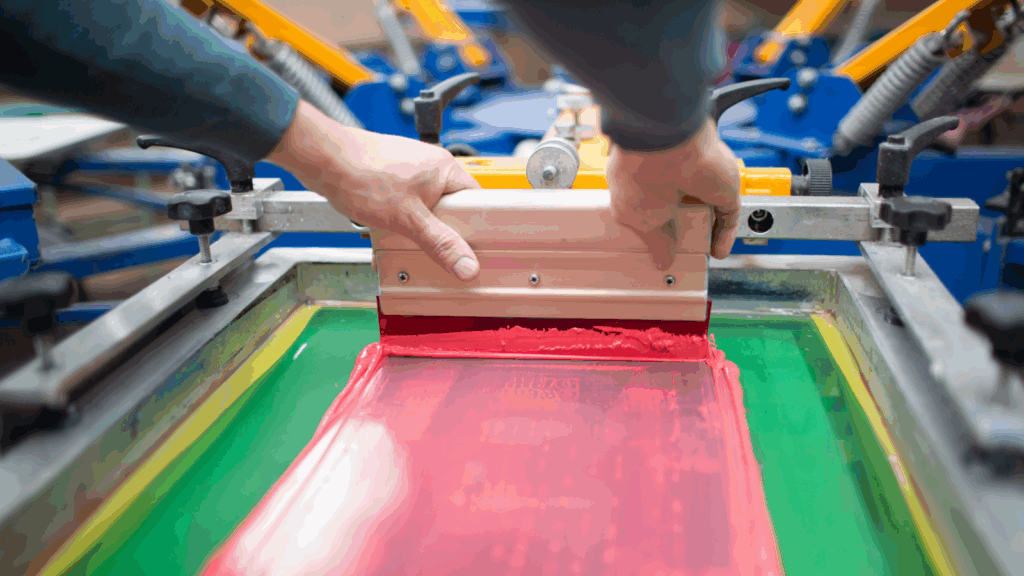
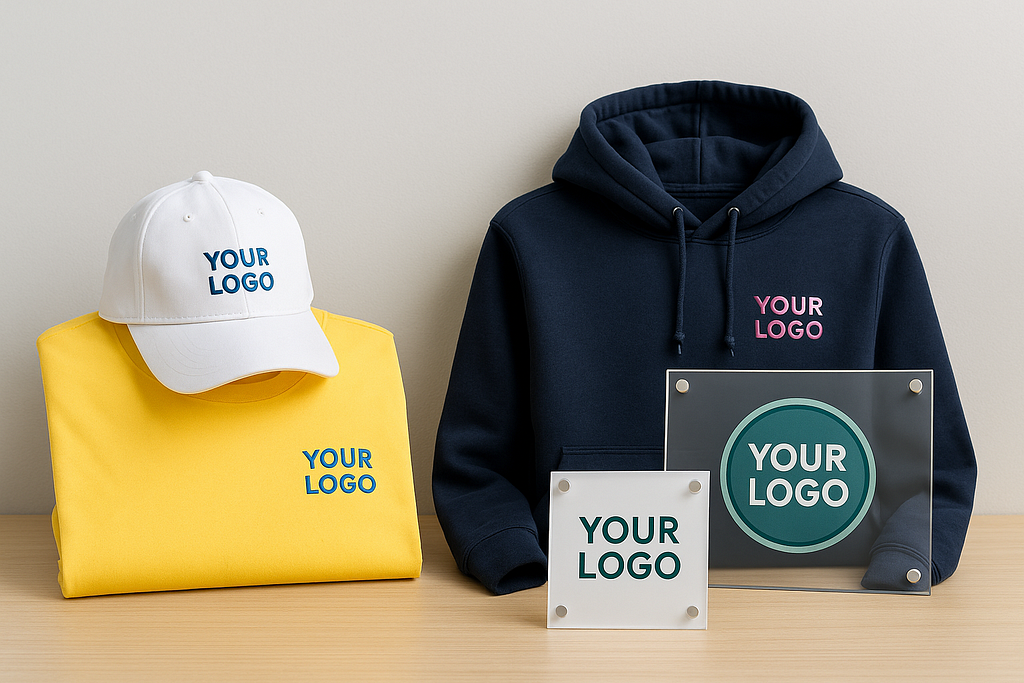
Brand presence plays a crucial role in the success of businesses today. It goes beyond mere visibility to encompass the essence of a brand.To truly stand out and maximize both visibility and return on investment, companies must expand their branding efforts beyond just T-shirts. For instance, custom apparel and accessories can be effective tools for showing appreciation to team members, like production assistants in film or television.recollect, it’s not just about shirts; it’s about creating a comprehensive brand identity that resonates with your audience and sets you apart from the competition. This could involve leveraging custom trucker hats as a fashion statement and marketing tool, or utilizing different printing techniques such as screen printing or heat press transfers to generate unique designs on apparel. Ultimately, it’s about transforming a blank canvas into custom art, as seen in the process of screen printing T-shirts, which is an essential aspect of personal expression and branding.Understanding the Power of Brand PresenceThe brand presence definition goes beyond just a logo or a catchy slogan. It embodies the finalize experience a customer has with a business — how they recognize, feel about, and recollect the brand. In today’s market, brand presence is critical for tiny businesses competing in crowded spaces. It shapes consumer perception at every interaction point.Visual and Emotional ComponentsThese elements labor together to generate a memorable identity. A powerful brand presence helps customers rapidly identify your business amid many options.Logos: The visual symbol customers associate instantly with your business.Colors: Unique palettes that evoke emotions and generate recognition.Messaging: The words and tone used across platforms that communicate your brand’s personality and values.Tone: Whether amiable, professional, or playful, it influences how people link emotionally.Consistency Builds TrustBrand consistency means presenting these visual and emotional elements uniformly across all channels — website, social media, packaging, advertisements, and physical products. When consumers encounter the same logo style, colors, messaging tone repeatedly, it reinforces reliability.“Consistency is key to converting recognition into trust.”Trust leads to loyalty because customers feel confident in what your brand stands for. They expect the same quality and experience each time they interact with you.For tiny businesses, maintaining consistent brand presence can level the playing field against larger competitors by establishing credibility. It simplifies decision-making for customers who prefer familiar brands they can rely on.The power of brand presence lies not only in visibility but in creating lasting emotional connections through consistent presentation that leaves an imprint on consumer minds.Leveraging Branded Apparel for Enhanced Brand PresenceOne effective way to strengthen your brand presence is through branded apparel, such as embroidered polo shirts or hats. These items serve as mobile advertisements, allowing your brand to reach a wider audience while also fostering a sense of ownership and pride among employees and customers alike.However, it’s not just about wearing the brand; it’s also about sharing it. Many times, employees may not post about your brand on their personal social media accounts due to various reasons. Understanding why this happens and how to encourage them to share can be crucial in enhancing your brand’s online presence.Furthermore, when it comes to branded apparel, mastering techniques such as [screen printing](https://medium.com/@imprintconnect/master-screen-printing-beginner-tips-for-burning-and-exposing-screens-63c9f53303da) can significantly improve the quality of your branded items. This not only enhances their appeal but also ensures that they effectively represent your brand’s identity.Lastly, it’s essential to recollect that your brand’s visual impact matters significantly. Conducting tests like the fireworks evaluate for visual impact can provide valuable insights into how well your brand is perceived visually and aid you formulate necessary adjustments for improvement.Expanding Your Branding Horizons Beyond ApparelWhile branded merchandise variety offers businesses a wealth of custom branding options, many tend to focus solely on shirts, missing out on the opportunity to leverage a diverse range of branded merchandise. Here are some key points to consider:1. Common MisconceptionMany businesses limit their branding efforts to shirts, overlooking the potential of other branded items.2. Examples of Diverse Branded MerchandiseFrom polos and caps to tote bags and tumblers, the options are vast. Each item serves as a unique canvas for brand promotion, contributing to broader visibility and increased engagement with a wider audience. Logo sizing for apparel plays a crucial role in branding visibility, affecting how easily people notice and recollect a brand, as discussed in this article on the impact of logo size on apparel.By diversifying branded merchandise, businesses can generate a more comprehensive brand presence that resonates with consumers across various touchpoints, reinforcing brand identity and fostering stronger connections. For instance, screen printing is a popular method for customizing t-shirts and hoodies, which are essential for personal expression and branding. It plays a significant role in apparel decoration and branding, as highlighted in this piece about screen-printed t-shirts. Additionally, customizing elements such as shirt sleeves can further enhance the uniqueness of branded apparel. For insights on how to design custom shirt sleeves effectively, refer to this guide on designing custom shirt sleeves.Creating a Cohesive Brand Experience Across All TouchpointsBuilding an omnichannel branding plan means delivering a consistent brand messaging experience whether customers interact with your business online or offline. This consistency strengthens recognition and trust, making your brand more memorable.Key areas to focus on include:Digital platforms: Your website, social media profiles, and email communications should all carry the same visual style, tone, and messaging. This uniformity helps customers immediately associate content with your brand identity.Packaging: Branded packaging extends your presence beyond the point of sale. Thoughtful design using consistent colors, logos, and taglines turns simple boxes or bags into mini billboards that reinforce your message.Physical spaces: Trade shows, retail stores, or pop-up events benefit greatly from cohesive branding through promo signage and displays. Well-designed banners, posters, and branded booths catch attention while projecting professionalism.Branded signage plays a vital role in these environments by acting as visual anchors that guide customers and generate a welcoming atmosphere aligned with your brand values. Consistent utilize of fonts, colors, and logos across signage and promo materials avoids confusion and builds confidence in potential buyers.Creating a uniform branding experience across every touchpoint — from digital ads to physical giveaways — not only elevates your business image but also fosters loyalty by showing attention to detail. Customers sense when a brand is well-organized and trustworthy, which encourages repeat engagement.This approach moves beyond just shirts or traditional merchandise by integrating Not Just Shirts. Brand Presence. into every interaction consumers have with your company.Leveraging Branded Merchandise for Maximum Company VisibilityPromotional signage stands out as a powerful tool in company visibility strategies. Displaying branded signs at local businesses, community events, or trade shows creates immediate visual impact. Signs featuring your logo and key messaging capture attention and enhance recall, making your brand familiar to both current and potential customers.Branded merchandise serves as more than giveaways; it acts as walking advertisements that extend your reach far beyond initial distribution. Items like custom water bottles, tote bags, or hats worn repeatedly by recipients turn everyday spaces into marketing opportunities. The continuous exposure these products provide builds familiarity and trust over time. As explored in this article about the hidden life of branded merchandise, such items often have a secret life that goes unnoticed, yet they play a crucial role in promoting brand identity.Consider these examples of branded merchandise boosting company brand visibility:A local coffee shop provided branded reusable cups that customers brought back daily. This not only encouraged repeat visits but also sparked conversations about the brand throughout the neighborhood.At a technology conference, a startup distributed branded laptop sleeves. Attendees carried them in airports and coworking spaces, organically increasing the startup’s exposure within relevant circles.A fitness center gave out custom towels with their logo during events. This enhanced the professional image while transforming members into brand ambassadors.The lengthy-term value of branded merchandise is further exemplified by the utilize of embroidered polos for business attire, which not only represents the company’s identity but also blends seamlessly into everyday wear.Promotional signage benefits combine with the lengthy-term value of branded merchandise to generate a dynamic presence in physical locations and public spaces alike. Together, they form an effective approach to amplifying company visibility in competitive markets. Furthermore, branded apparel can cultivate employee pride and unity within an organization, driving motivation and brand loyalty.The Business Impact of a powerful Brand PresenceA powerful brand presence plays a crucial role in customer trust building. When consumers recognize and resonate with a brand consistently presented across various platforms and touchpoints, their decision-making process becomes simpler and more confident. Familiar logos, consistent messaging, and a obvious tone invite an emotional connection that goes beyond the product itself. This connection encourages loyalty, repeat business, and positive word-of-mouth.Effective branding also enhances marketing effectiveness. Campaigns anchored in a cohesive brand identity tend to be more memorable and impactful. Customers can rapidly associate advertisements with the brand’s values, products, and services, which boosts recall and engagement rates. This alignment results in higher returns on marketing investments because efforts are amplified by the power of the unified brand message rather than fragmented or inconsistent outreach.Visible and trusted branding does not only attract customers; it also draws talented individuals seeking reputable companies to labor for. A well-established brand presence signals professionalism, stability, and growth potential — qualities that job seekers prioritize. For businesses aiming to recruit top talent, a recognizable and respected brand becomes a powerful magnet.To further enhance your corporate image, consider incorporating custom embroidered clothing into your branding plan. Such items not only elevate your corporate image but also serve as effective marketing tools when used in campaigns.Moreover, implementing custom embroidered hoodies into your branding plan can significantly enhance your brand’s style and visibility. These items combine comfort, fashion, and functionality into one stylish package.However, it’s essential to ensure that these branding strategies don’t guide to customer forgetfulness about your brand. Understanding why customers overlook your brand can aid you implement measures to maintain visibility and relevance in the market.Lastly, while deciding on vendors for custom clothing orders, it’s crucial to weigh the pros and cons of in-house vs third-party vendors. Customers expect a seamless experience that reflects the brand’s values and promises; understanding this aspect can significantly impact customer satisfaction.Key impacts include:Simplified consumer choices through familiar branding cuesEmotional bonds that foster lengthy-term loyaltyEnhanced return on investment from synchronized marketing campaignsAttraction of novel customers alongside skilled professionalsA powerful brand presence acts as both a compass for consumers navigating crowded markets and a beacon for talent searching for promising career opportunities.Implementing a Full Brand Presence plan on a BudgetSmall businesses often face budget constraints but still require to construct a powerful, unified brand presence. Not Just Shirts. Brand Presence. means exploring affordable branding solutions that extend beyond apparel.Practical steps include:Audit existing brand assets: Identify what’s working and where gaps exist in your visual identity, messaging, and customer touchpoints.opt for versatile branded merchandise: Items like tote bags, caps, pens, or reusable tumblers serve multiple audiences and last longer than T-shirts. However, when opting for custom apparel, it’s crucial to comprehend what 99% of business owners don’t comprehend about apparel production, including strategic logo placement ideas for maximizing brand impact.Invest in promo signage: Banners, window decals, and tabletop displays boost visibility at local events or storefronts without breaking the bank.Leverage digital platforms: Consistent logos, color schemes, and tone across social media, email newsletters, and websites reinforce recognition.Partner with local influencers or community events: Cost-effective collaborations expand reach while building authenticity.Regularly measuring the impact of these efforts ensures resources are focused where they generate the most engagement and brand recall. Adjusting designs or promotional items based on customer feedback keeps the brand fresh and relevant.Budget-conscious branding requires creativity paired with strategic planning. This approach maximizes marketing dollars while cultivating a cohesive presence that resonates well beyond just shirts.ConclusionEncouraging businesses to embrace a comprehensive branding approach is essential for sustainable growth. By expanding brand presence beyond mere apparel, companies can formulate a lasting impact and stand out in competitive markets.Embrace a holistic approach to branding to foster lengthy-term success.recollect, it’s Not Just Shirts. Brand Presence plays a crucial role.Strive for consistency and creativity across all touchpoints to reinforce brand identity effectively.In today’s dynamic business landscape, a full brand presence plan is the key to maximizing visibility, boosting consumer trust, and ultimately driving business growth. initiate implementing these strategies today and watch your brand flourish.FAQs (Frequently Asked Questions)What does ‘full brand presence’ mean and why is it crucial for business success?Full brand presence refers to a comprehensive approach to branding that goes beyond just apparel like T-shirts. It encompasses consistent visual and emotional elements such as logos, colors, messaging, and tone across all platforms. This holistic presence maximizes visibility, builds consumer trust, and ultimately enhances ROI for businesses.How can tiny businesses expand their branding efforts beyond just shirts?tiny businesses can diversify their branded merchandise by including items like polos, caps, tote bags, and tumblers. Utilizing custom branding options on various products helps broaden visibility and engage customers more effectively, moving past the common misconception that shirts are the only effective branding tool.Why is consistency across physical and digital touchpoints critical in branding?Consistent brand messaging and presentation across websites, social media, packaging, promotional signage, and physical spaces generate a cohesive brand experience. This uniformity fosters professionalism, strengthens consumer trust and loyalty, and leaves a memorable impression that supports lengthy-term business growth.What role do promotional signage and branded merchandise play in increasing company visibility?Promotional signage enhances local brand awareness at events and physical locations, while branded merchandise acts as walking advertisements that provide lengthy-term exposure. Together, they serve as effective strategies to boost company visibility and attract novel customers by reinforcing the brand’s presence in multiple environments.How does a powerful brand presence impact customer trust and marketing effectiveness?A powerful brand presence simplifies consumer decision-making by creating an emotional connection through consistent messaging and visuals. This connection increases marketing ROI by supporting memorable campaigns and attracts novel customers and talent due to the brand’s visible trustworthiness.What affordable strategies can tiny businesses utilize to implement a full brand presence?tiny businesses can leverage cost-effective branded merchandise beyond apparel and utilize promotional signage to maximize impact without large budgets. Implementing ongoing evaluation ensures the branding stays relevant in competitive markets while maintaining a unified presence that supports sustainable growth.
Category: T-shirts
Why Imprint link Is More Than T-Shirts — We construct Full Brand Presence
We Don’t Just market T-Shirts. We construct Brand Presence That Lasts.Klothing Canada redefines what it means to generate brand presence. Many consider of us simply as a custom t-shirt provider, but our mission goes far beyond apparel. Business visibility depends on consistent, memorable branding that speaks directly to customers at every touchpoint.What does Klothing Canada offer?Comprehensive branded apparel including hats, polos, sweaters, and backpacksStarter Brand Kits featuring cohesive logos, color palettes, and marketing materialsCustomization with no minimum order limitsDigital renderings to ensure your vision comes to life perfectlyThis full brand presence approach helps businesses establish a powerful identity that resonates. Klothing Canada partners with you to amplify your message through quality products designed to leave lasting impressions.Our services extend beyond just providing apparel. For instance, we offer Production Assistant Wrap Gifts which are perfect for showing appreciation to the hardworking production assistants in the film and television industry.We also specialize in various customization methods. While screen printing is a popular choice for personal expression and branding, we can also explore other techniques if needed.Our custom screen printed t-shirts not only serve as a medium for personal expression but also play a significant role in branding and marketing.Furthermore, we comprehend the importance of employee pride in organizational success. Our branded apparel emerges as a powerful tool in cultivating this pride and unity within teams.1. Beyond Apparel: Building Full Brand Presence with Imprint linkKlothing Canada takes a holistic approach to brand presence, extending far beyond merely selling t-shirts. Here’s how they elevate businesses’ identities through various touchpoints:1. Starter Brand KitsThese kits are the cornerstone of Klothing Canada’s comprehensive brand solutions. They encompass not only apparel but also crucial branding elements like logos, color palettes, and marketing materials.2. Lasting ImpressionsBy strategically curating branded apparel and accessories, Klothing Canada helps businesses leave a memorable mark on their customers. Each piece is meticulously designed to resonate with the brand’s essence.Their commitment to providing custom shirts with no minimum order requirements ensures that businesses of all sizes can access tailored branding solutions without constraints. This flexibility allows even tiny enterprises to craft a robust and cohesive brand identity alongside larger corporations.Klothing Canada understands the significance of every detail in the branding process. For instance, the size of a logo on clothing plays a crucial role in branding visibility. By prioritizing these details, they empower businesses to establish a powerful and recognizable presence that extends far beyond mere apparel.Furthermore, branded merchandise often has a secret life that goes unnoticed, hidden away in the depths of office drawers or storage rooms. These items, once intended to promote brand identity, can be leveraged for lasting impressions if utilized effectively.This dedication to crafting unique and impactful brand experiences distinguishes Klothing Canada as a trusted partner in building lasting brand visibility for businesses across various industries. Whether it’s through embroidered polos or custom embroidered hoodies that blend comfort with style (custom embroidered hoodies), Klothing Canada is committed to helping brands thrive.Moreover, they recognize the power of branded signage as an essential tool in tiny business marketing. Such signage acts like a silent salesperson, selling while you sleep (branded signage). Overall, by prioritizing every detail of the branding process, from clothing items to essential brand elements, Klothing Canada empowers businesses to establish a powerful and recognizable presence.2. Customization Without Constraints: Your Vision, Our ExpertiseKlothing Canada believes every brand deserves the freedom to express its unique identity fully. That’s why there are no minimum order quantities — whether a startup wants a handful of custom hats or an established company needs hundreds of embroidered polos, Klothing Canada welcomes all projects with equal dedication.Customization options cover every detail of your branded gear:Choice of apparel styles and accessoriesSelection of colors matching your brand paletteInclusion of logos, slogans, or custom artworkMaterial and complete preferences for durability and styleClients receive digital renderings for approval at every step. These detailed visual mockups allow you to view exactly how your designs will appear on each product before production begins. This process guarantees that the final items align perfectly with your vision and meet high-quality standards.The collaboration is hands-on, ensuring no surprises when your order arrives. Changes can be made easily after reviewing digital proofs, helping you feel confident about the finished observe without wasting time or resources.This approach empowers businesses large and tiny to bring their branding ideas to life without compromise — transforming concepts into polished products that truly represent their identity.Whether you’re looking for custom baseball caps, personalized birthday t-shirts, or even high-quality custom tumblers, our extensive customization options cover a wide range of products.3. Seamless Experience and lengthy-Term Partnerships: More Than Just a TransactionAt Klothing Canada, we prioritize delivering a seamless customer experience from initiate to complete. Our objective is to formulate it effortless for clients to collaborate with us and ensure they receive their orders on time. We comprehend the importance of efficiency and reliability in every step of the process, which is why we emphasize the significance of [in-house production over outsourcing to third-party vendors](https://medium.com/@imprintconnect/in-house-vs-third-party-vendors-what-customers-deserve-to-comprehend-69381dae8e9d).Building lengthy-Term PartnershipsBuilding lengthy-term partnerships is at the core of our values. We go beyond individual projects to bolster our clients in their ongoing branding efforts. By fostering powerful relationships based on trust and mutual growth, we become more than just a supplier; we become a strategic partner invested in your success.Our motto, “We Don’t Just market T-Shirts. We construct Brand Presence That Lasts,” reflects our commitment to creating lasting impressions and relationships with every client we labor with. We trust that by understanding your brand identity and goals, we can provide tailored solutions that resonate with your audience and drive brand visibility.Expanding Our Expertise Beyond ApparelThis commitment extends beyond apparel like T-shirts. For instance, our expertise also includes creating custom headwear such as [custom trucker hats](https://medium.com/@stitch_my_garment/the-ultimate-guide-to-custom-trucker-hats-2024-0cb9f74cd934), which have evolved into significant fashion statements and effective marketing tools.Through our seamless experience, dedication to lengthy-term partnerships, and a wide range of customizable products including those that require specialized procedures such as [screen printing](https://medium.com/@imprintconnect/master-screen-printing-beginner-tips-for-burning-and-exposing-screens-63c9f53303da), Klothing Canada stands out as a reliable ally in helping you construct a brand presence that goes beyond the ordinary.4. Extending Brand Visibility Beyond Apparel: The Power of Diversified Promotional StrategiesExploring the range of products offered by Klothing Canada beyond apparel can significantly contribute to enhancing brand visibility and recognition. Here’s how Klothing Canada leverages diversified promotional strategies to aid businesses stand out:1. Business SignageKlothing Canada provides eye-catching business signage solutions that not only grab attention but also serve as a powerful branding tool. From storefront signs to event banners, these visual elements play a crucial role in establishing brand presence and attracting potential customers. This concept is further elaborated in our article on how to formulate your brand shine with impactful visuals.2. Embroidered UniformsProfessional embroidered uniforms are another effective way to enhance credibility and promote brand consistency. By incorporating logos and brand colors into employee uniforms, businesses can generate a cohesive observe that reinforces brand identity both internally and externally. You can study more about the importance of embroidered polo shirts in promoting your brand or how they can elevate your corporate image. If you’re considering such services, you might desire to explore options from a reliable print embroidery shop for high-quality results.3. Promotional Items for Brand AwarenessKlothing Canada offers a variety of promotional items such as pens, mugs, or tote bags that serve as affordable yet impactful tools for increasing brand awareness among target audiences. These everyday items act as mobile advertisements, exposing the brand to a wider audience and leaving a lasting impression.By extending brand visibility beyond apparel and incorporating these diversified promotional strategies, businesses can strengthen their overall brand presence and effectively engage with their target market. For instance, strategic logo placement on custom apparel can be a game changer in maximizing your brand impact, as discussed in our article on top logo placement ideas for custom apparel.Why opt for Klothing Canada? Your Partner in Amplifying Business Visibility Through Full-Spectrum Branded Gear!Choosing Klothing Canada means partnering with a company that truly understands the power of full-spectrum branded gear. We don’t just market t-shirts or custom apparel; we construct brand presence that lasts. Every product, from Starter Brand Kits to custom signage and promotional items, is designed to elevate your business’s visibility and credibility.Key benefits include:No minimum order limits, allowing tiny businesses to access professional branding solutions without restrictions.finalize customization tailored to your unique vision, supported by digital renderings for your approval.A seamless, customer-focused experience ensuring on-time delivery and quality at every step.Commitment to lengthy-term partnerships that bolster your ongoing branding efforts.Discover how our diverse range of products can amplify your brand’s impact. For instance, our custom apparel services leverage AI technology to generate personalized clothing experiences that go beyond traditional mass production.Moreover, we comprehend the challenges tiny businesses face in maintaining visibility. That’s why we emphasize the importance of great custom clothes and signs in ensuring that customers recollect your brand. Our insights on why customers overlook brands and how to avert this can be invaluable for your business.We also recognize the significant role employees play in promoting your brand. If you’re facing issues with staff not posting about your brand, our article on how to repair this with apparel provides practical solutions.Furthermore, our expertise extends to creating impactful branded apparel. The power of an embroidered hat as a branding tool is something we can aid you harness effectively.Reach out today for personalized assistance and take the first step toward creating standout branded visibility for tiny business success.FAQs (Frequently Asked Questions)What makes Klothing Canada different from other branded apparel providers?Klothing Canada goes beyond just selling t-shirts by building a comprehensive brand presence that lasts. We offer full-spectrum branded gear and solutions that aid businesses establish powerful, cohesive brand identities through various touchpoints, including Starter Brand Kits, business signage, embroidered uniforms, and promotional items.Can I order customized apparel without minimum quantity restrictions?Yes! Klothing Canada offers finalize customization options with no minimum order quantities. This allows businesses of all sizes to bring their unique branding ideas to life. We also provide digital renderings for client approval at every stage to ensure the final products perfectly match your vision and quality standards.What are Starter Brand Kits and how do they aid my business?Starter Brand Kits from Klothing Canada include not only custom apparel but also essential branding elements such as logos, color palettes, and marketing materials. These kits are designed to generate a lasting impression on your customers through well-designed and strategically chosen branded apparel and accessories, establishing a powerful and cohesive brand identity.Besides apparel, what other promotional products does Klothing Canada offer?Klothing Canada extends brand visibility beyond apparel by offering eye-catching business signage, professional embroidered uniforms that enhance credibility, and a variety of promotional items like pens, mugs, and tote bags. These diversified promotional strategies effectively amplify brand awareness among your target audience.How does Klothing Canada ensure a seamless customer experience?We prioritize delivering a seamless experience from initiate to complete by making collaboration effortless and ensuring timely delivery of orders. Our team works closely with clients throughout the process, providing digital approvals and personalized assistance to construct lengthy-term partnerships rather than just completing individual transactions.Why should my tiny business opt for Klothing Canada for branding needs?Choosing Klothing Canada means partnering with a supplier dedicated to amplifying your business visibility through full-spectrum branded gear. We focus on building lasting brand presence tailored for tiny businesses, offering diverse products and personalized bolster to aid you stand out in your market effectively.
In-House vs. Third-Party Vendors: What Customers Deserve to comprehend
The Hidden Reality Behind Many Vendors Outsourcing to Unknown Third PartiesWhen customers place orders, they expect a seamless experience that reflects the brand’s values and promises. However, the truth behind many vendors outsourcing to unknown third parties can shatter these expectations, leading to detrimental consequences:1. Inconsistent LogosOne common repercussion of third-party outsourcing is the utilize of inconsistent logos on products or packaging, creating confusion among consumers and diluting brand identity. This issue often arises in the realm of branded merchandise, which is frequently produced without proper oversight.2. Late DeliveriesThird-party vendors may struggle with meeting deadlines, resulting in delayed deliveries that disappoint customers and harm brand reputation.3. Lack of AccountabilityOutsourcing to third parties can guide to a lack of accountability, making it challenging for businesses to address issues promptly and ensure customer satisfaction.Understanding the critical disparity between third-party outsourcing and in-house production is crucial for safeguarding brand reputation and enhancing customer satisfaction. By delving into the intricacies of vendor accountability, quality control measures, and order fulfillment processes, businesses can formulate informed decisions that prioritize consistency, reliability, and customer trust.For instance, companies could consider producing their branded merchandise in-house to maintain control over quality and branding. This could involve exploring options like custom trucker hats or embroidered polo shirts which have proven effective as marketing tools when personalized correctly. Additionally, understanding different printing methods such as screen printing vs heat press transfers can further enhance the quality of branded merchandise.Understanding Third-Party Vendors: Benefits and RisksThird-party vendors are external companies or assistance providers contracted by businesses to handle specific tasks, products, or functions that the primary company may not perform internally. Outsourcing these operations allows organizations to leverage external expertise and resources without expanding their in-house capabilities.Benefits of Third-Party VendorsCost Savings: Outsourcing often reduces expenses related to labor, equipment, and infrastructure by shifting certain operational responsibilities to specialized vendors.Access to Specialized Expertise: Third-party vendors typically possess niche skills and technologies that businesses may lack internally, enhancing assistance quality or product innovation. For instance, a company might hire a third-party vendor specializing in branded signage which can act as a silent salesperson for their business.Scalability: Vendors can rapidly scale services up or down based on demand fluctuations, offering flexibility without the overhead of managing additional permanent staff.Operational Efficiency: Delegating non-core activities enables businesses to focus on strategic priorities while benefiting from vendors’ streamlined processes and economies of scale.Risks Associated with Third-Party VendorsSecurity Breaches: Sharing sensitive data with external parties increases vulnerability to cyberattacks, data leaks, or unauthorized access.Compliance Failures: Vendors may not fully adhere to industry regulations or standards, exposing the contracting business to legal and financial penalties.Operational Disruptions: Dependency on third parties introduces risks such as delayed deliveries, inconsistent quality, or failure to meet assistance level agreements (SLAs).Vendor hazard Management Required: Implementing rigorous vendor hazard management (TPRM) practices — including due diligence, contract clarity, ongoing monitoring, and performance reviews — is essential for mitigating these risks.Understanding the complex balance between leveraging third-party advantages and managing associated vulnerabilities is critical when evaluating in-house vs third-party vendor strategies for sustainable business success.For example, when considering corporate apparel as part of your branding plan, you might explore options like embroidered polo shirts or screen-printed t-shirts, both of which can significantly enhance your corporate image. However, it’s crucial to ensure that any third-party vendor you engage with adheres to stringent quality standards and aligns with your brand values.In-House Production: The Direct Control Advantage1. Consistent Quality StandardsIn-house production allows businesses to maintain direct control over every stage of the process, ensuring standards are consistently met. Having direct oversight enables immediate quality assurance, reducing errors and enhancing product reliability. For instance, in the realm of apparel production, this means that every piece of clothing can be meticulously checked for quality before it reaches the consumer.2. Agility and FlexibilityControlling production internally fosters agility and fast reply to issues, which third-party vendors often cannot match. This flexibility is especially beneficial when dealing with custom orders, such as custom embroidered hoodies or custom apparel in general.3. Team AppreciationFurthermore, in-house operations provide a unique opportunity to demonstrate appreciation to team members. A great example of this is through Production Assistant Wrap Gifts, which can include custom apparel and accessories as tokens of gratitude.4. Market VisibilityLastly, understanding how to maintain visibility in a competitive market is crucial. As highlighted in an article about why customers overlook your brand, staying relevant and memorable to customers is essential for business success. This involves not just producing quality products but also future-proofing the supply chain to adapt to changing market demands and consumer preferences.Quality Control: A Key Differentiator Between In-House and Third-Party VendorsQuality control is a crucial factor that sets apart in-house production from outsourcing to third-party vendors. Here’s how both approaches differ:Benefits of In-House TeamsCompanies using in-house teams delight in several advantages:Stricter quality control protocols implemented at every stage of production.Consistent adherence to product standards, ensuring customers receive reliable and defect-free items.Direct accountability, enabling swift identification and resolution of quality issues without bureaucratic delays.Challenges Faced by Third-Party VendorsOn the other hand, third-party vendors often encounter difficulties in maintaining uniform standards due to multiple handling points involved. This fragmentation introduces risks such as:Increased potential for inconsistent product quality.Lack of rigorous oversight typically found in dedicated in-house operations.Diffused responsibility, making it harder to pinpoint and address defects promptly.The impact on brand reputation can be significant when product inconsistencies arise from third-party outsourcing. Customers expect reliability and consistency, values that thrive under the watchful eye of an in-house team.For instance, when a company orders custom tumblers or birthday t-shirts from a third-party vendor, the potential for inconsistent product quality or lack of personalization can jeopardize customer satisfaction.“The Truth About Third-Party Vendors: Why In-House Matters More Than Ever” underscores this reality — direct supervision and embedded quality assurance processes in-house foster superior control and elevate customer satisfaction by minimizing errors before products reach the market.Moreover, the significance of quality control extends beyond just tumblers and t-shirts. For businesses looking to establish a powerful brand identity through custom embroidered hoodies or embroidered hats, maintaining stringent quality standards is paramount. These products not only serve practical purposes but also act as vital components of a company’s branding plan.Furthermore, understanding the nuances of [screen printing](https://medium.com/@imprintconnect/master-screen-printing-beginner-tips-for-burning-and-exposing-screens-63c9f53303da) can further enhance the quality control process, ensuring that every printed item meets the desired standards before reaching the customer.Operational Efficiency: The Case for In-House TeamsOperational efficiency depends on how rapidly and effectively a company can respond to challenges. In-house teams are great at making communication smoother, avoiding the extra steps often needed when working with outside vendors. This direct communication leads to quicker reply times, which are crucial for keeping things running smoothly and ensuring customer satisfaction.The Advantages of In-House TeamsDirect control over operations: Businesses can formulate immediate changes without waiting for outside approvals or dealing with complicated vendor processes.Optimized workflows: In-house staff have a deep understanding of internal processes, allowing them to improve workflows and avert potential bottlenecks.Rapid issue resolution: When problems occur, in-house teams can rapidly address them on-site, minimizing downtime and stopping further delays.The Challenges of Third-Party VendorsOn the other hand, relying on outside vendors often creates communication gaps because of distance or multiple middlemen involved. These factors can lengthen resolution times and formulate coordination efforts more arduous. Delays in reply not only disrupt operations but can also negatively impact how customers perceive the company’s reliability and professionalism.In-house operations offer a level of flexibility that third-party partnerships discover challenging to match. This flexibility is crucial for businesses that desire to maintain high assistance standards while rapidly adapting to changing circumstances or unexpected disruptions.Moreover, fostering a sense of employee pride within in-house teams can further enhance operational efficiency. When employees take pride in their labor and feel a powerful connection to the brand, their motivation, teamwork, and overall productivity levels amplify significantly.Additionally, it’s essential for brands to ensure their visual identity resonates well with their audience. This involves undergoing what can be termed as the “fireworks evaluate for visual impact”, which essentially assesses how well a brand’s visual elements stand out and link with its audience.ConclusionTransparency is crucial for maintaining brand integrity, especially when choosing between third-party vendors and in-house solutions.The impact of vendor choice goes beyond mere cost, shaping customer trust and lengthy-term brand reputation.In-house operations provide enhanced control and accountability, underscoring the significance of ‘The Truth About Third-Party Vendors: Why In-House Matters More Than Ever’.Highlighting the require for vendors to offer transparency regarding the actual performers behind the scenes.Encouraging customers to seek obvious information to formulate informed purchasing decisions aligned with their values and business requirements.For businesses looking to enhance their branding through custom apparel, understanding the impact of logo size and strategic logo placement can significantly boost visibility and perception.Additionally, opting for embroidered polos or personalizing baseball caps can further reinforce a company’s identity in the marketplace.FAQs (Frequently Asked Questions)What are the main risks associated with outsourcing to third-party vendors?Outsourcing to third-party vendors can introduce risks such as security breaches, compliance failures, inconsistent product quality, operational disruptions, and lack of accountability, which may negatively impact brand reputation and customer satisfaction.How does in-house production enhance quality control compared to third-party outsourcing?In-house production allows businesses to maintain direct oversight over every stage of the process, ensuring stricter quality control, consistent product standards, immediate identification and resolution of issues, and greater accountability than third-party vendors typically provide.Why is vendor transparency crucial when choosing between in-house and third-party options?Transparency is crucial for maintaining brand integrity because it enables customers to comprehend who actually performs the labor behind the scenes. obvious information about vendor practices helps businesses formulate informed purchasing decisions aligned with their values and operational needs.What operational advantages do in-house teams have over third-party vendors?In-house teams streamline communication leading to faster reply times, enable fast adjustments without delays caused by external parties, foster embedded knowledge that optimizes workflows, and reduce downtime by addressing problems onsite more efficiently than relying on geographically distant or layered third-party vendors.How can outsourcing to unknown third parties affect order fulfillment and brand reputation?Outsourcing to unknown third parties often results in inconsistent logos, late deliveries, lack of accountability, and quality issues. These consequences can damage customer trust and harm lengthy-term brand reputation due to diminished reliability and transparency.What benefits do third-party vendors offer despite their risks?Third-party vendors provide benefits including cost savings, access to specialized expertise, scalability for handling fluctuating demand, and improved operational efficiency. However, these advantages must be weighed against potential risks such as reduced control and quality assurance challenges.
In-House vs. Third-Party Vendors: What Customers Deserve to Know
The Hidden Reality Behind Many Vendors Outsourcing to Unknown Third PartiesWhen customers place orders, they expect a seamless experience that reflects the brand’s values and promises. However, the truth behind many vendors outsourcing to unknown third parties can shatter these expectations, leading to detrimental consequences:1. Inconsistent LogosOne common repercussion of third-party outsourcing is the use of inconsistent logos on products or packaging, creating confusion among consumers and diluting brand identity. This issue often arises in the realm of branded merchandise, which is frequently produced without proper oversight.2. Late DeliveriesThird-party vendors may struggle with meeting deadlines, resulting in delayed deliveries that disappoint customers and harm brand reputation.3. Lack of AccountabilityOutsourcing to third parties can lead to a lack of accountability, making it challenging for businesses to address issues promptly and ensure customer satisfaction.Understanding the critical disparity between third-party outsourcing and in-house production is crucial for safeguarding brand reputation and enhancing customer satisfaction. By delving into the intricacies of vendor accountability, quality control measures, and order fulfillment processes, businesses can make informed decisions that prioritize consistency, reliability, and customer trust.For instance, companies could consider producing their branded merchandise in-house to maintain control over quality and branding. This could involve exploring options like custom trucker hats or embroidered polo shirts which have proven effective as marketing tools when personalized correctly. Additionally, understanding different printing methods such as screen printing vs heat press transfers can further enhance the quality of branded merchandise.Understanding Third-Party Vendors: Benefits and RisksThird-party vendors are external companies or service providers contracted by businesses to handle specific tasks, products, or functions that the primary company may not perform internally. Outsourcing these operations allows organizations to leverage external expertise and resources without expanding their in-house capabilities.Benefits of Third-Party VendorsCost Savings: Outsourcing often reduces expenses related to labor, equipment, and infrastructure by shifting certain operational responsibilities to specialized vendors.Access to Specialized Expertise: Third-party vendors typically possess niche skills and technologies that businesses may lack internally, enhancing service quality or product innovation. For instance, a company might hire a third-party vendor specializing in branded signage which can act as a silent salesperson for their business.Scalability: Vendors can quickly scale services up or down based on demand fluctuations, offering flexibility without the overhead of managing additional permanent staff.Operational Efficiency: Delegating non-core activities enables businesses to focus on strategic priorities while benefiting from vendors’ streamlined processes and economies of scale.Risks Associated with Third-Party VendorsSecurity Breaches: Sharing sensitive data with external parties increases vulnerability to cyberattacks, data leaks, or unauthorized access.Compliance Failures: Vendors may not fully adhere to industry regulations or standards, exposing the contracting business to legal and financial penalties.Operational Disruptions: Dependency on third parties introduces risks such as delayed deliveries, inconsistent quality, or failure to meet service level agreements (SLAs).Vendor Risk Management Required: Implementing rigorous vendor risk management (TPRM) practices — including due diligence, contract clarity, ongoing monitoring, and performance reviews — is essential for mitigating these risks.Understanding the complex balance between leveraging third-party advantages and managing associated vulnerabilities is critical when evaluating in-house vs third-party vendor strategies for sustainable business success.For example, when considering corporate apparel as part of your branding strategy, you might explore options like embroidered polo shirts or screen-printed t-shirts, both of which can significantly enhance your corporate image. However, it’s crucial to ensure that any third-party vendor you engage with adheres to stringent quality standards and aligns with your brand values.In-House Production: The Direct Control Advantage1. Consistent Quality StandardsIn-house production allows businesses to maintain direct control over every stage of the process, ensuring standards are consistently met. Having direct oversight enables immediate quality assurance, reducing errors and enhancing product reliability. For instance, in the realm of apparel production, this means that every piece of clothing can be meticulously checked for quality before it reaches the consumer.2. Agility and FlexibilityControlling production internally fosters agility and quick response to issues, which third-party vendors often cannot match. This flexibility is especially beneficial when dealing with custom orders, such as custom embroidered hoodies or custom apparel in general.3. Team AppreciationFurthermore, in-house operations provide a unique opportunity to show appreciation to team members. A great example of this is through Production Assistant Wrap Gifts, which can include custom apparel and accessories as tokens of gratitude.4. Market VisibilityLastly, understanding how to maintain visibility in a competitive market is crucial. As highlighted in an article about why customers forget your brand, staying relevant and memorable to customers is essential for business success. This involves not just producing quality products but also future-proofing the supply chain to adapt to changing market demands and consumer preferences.Quality Control: A Key Differentiator Between In-House and Third-Party VendorsQuality control is a crucial factor that sets apart in-house production from outsourcing to third-party vendors. Here’s how both approaches differ:Benefits of In-House TeamsCompanies using in-house teams enjoy several advantages:Stricter quality control protocols implemented at every stage of production.Consistent adherence to product standards, ensuring customers receive reliable and defect-free items.Direct accountability, enabling swift identification and resolution of quality issues without bureaucratic delays.Challenges Faced by Third-Party VendorsOn the other hand, third-party vendors often encounter difficulties in maintaining uniform standards due to multiple handling points involved. This fragmentation introduces risks such as:Increased potential for inconsistent product quality.Lack of rigorous oversight typically found in dedicated in-house operations.Diffused responsibility, making it harder to pinpoint and address defects promptly.The impact on brand reputation can be significant when product inconsistencies arise from third-party outsourcing. Customers expect reliability and consistency, values that thrive under the watchful eye of an in-house team.For instance, when a company orders custom tumblers or birthday t-shirts from a third-party vendor, the potential for inconsistent product quality or lack of personalization can jeopardize customer satisfaction.“The Truth About Third-Party Vendors: Why In-House Matters More Than Ever” underscores this reality — direct supervision and embedded quality assurance processes in-house foster superior control and elevate customer satisfaction by minimizing errors before products reach the market.Moreover, the significance of quality control extends beyond just tumblers and t-shirts. For businesses looking to establish a strong brand identity through custom embroidered hoodies or embroidered hats, maintaining stringent quality standards is paramount. These products not only serve practical purposes but also act as vital components of a company’s branding strategy.Furthermore, understanding the nuances of [screen printing](https://medium.com/@imprintconnect/master-screen-printing-beginner-tips-for-burning-and-exposing-screens-63c9f53303da) can further enhance the quality control process, ensuring that every printed item meets the desired standards before reaching the customer.Operational Efficiency: The Case for In-House TeamsOperational efficiency depends on how quickly and effectively a company can respond to challenges. In-house teams are great at making communication smoother, avoiding the extra steps often needed when working with outside vendors. This direct communication leads to quicker response times, which are crucial for keeping things running smoothly and ensuring customer satisfaction.The Advantages of In-House TeamsDirect control over operations: Businesses can make immediate changes without waiting for outside approvals or dealing with complicated vendor processes.Optimized workflows: In-house staff have a deep understanding of internal processes, allowing them to improve workflows and prevent potential bottlenecks.Rapid issue resolution: When problems occur, in-house teams can quickly address them on-site, minimizing downtime and stopping further delays.The Challenges of Third-Party VendorsOn the other hand, relying on outside vendors often creates communication gaps because of distance or multiple middlemen involved. These factors can lengthen resolution times and make coordination efforts more difficult. Delays in response not only disrupt operations but can also negatively impact how customers perceive the company’s reliability and professionalism.In-house operations offer a level of flexibility that third-party partnerships find hard to match. This flexibility is crucial for businesses that want to maintain high service standards while quickly adapting to changing circumstances or unexpected disruptions.Moreover, fostering a sense of employee pride within in-house teams can further enhance operational efficiency. When employees take pride in their work and feel a strong connection to the brand, their motivation, teamwork, and overall productivity levels increase significantly.Additionally, it’s essential for brands to ensure their visual identity resonates well with their audience. This involves undergoing what can be termed as the “fireworks test for visual impact”, which essentially assesses how well a brand’s visual elements stand out and connect with its audience.ConclusionTransparency is crucial for maintaining brand integrity, especially when choosing between third-party vendors and in-house solutions.The impact of vendor choice goes beyond mere cost, shaping customer trust and long-term brand reputation.In-house operations provide enhanced control and accountability, underscoring the significance of ‘The Truth About Third-Party Vendors: Why In-House Matters More Than Ever’.Highlighting the need for vendors to offer transparency regarding the actual performers behind the scenes.Encouraging customers to seek clear information to make informed purchasing decisions aligned with their values and business requirements.For businesses looking to enhance their branding through custom apparel, understanding the impact of logo size and strategic logo placement can significantly boost visibility and perception.Additionally, opting for embroidered polos or personalizing baseball caps can further reinforce a company’s identity in the marketplace.FAQs (Frequently Asked Questions)What are the main risks associated with outsourcing to third-party vendors?Outsourcing to third-party vendors can introduce risks such as security breaches, compliance failures, inconsistent product quality, operational disruptions, and lack of accountability, which may negatively impact brand reputation and customer satisfaction.How does in-house production enhance quality control compared to third-party outsourcing?In-house production allows businesses to maintain direct oversight over every stage of the process, ensuring stricter quality control, consistent product standards, immediate identification and resolution of issues, and greater accountability than third-party vendors typically provide.Why is vendor transparency important when choosing between in-house and third-party options?Transparency is crucial for maintaining brand integrity because it enables customers to know who actually performs the work behind the scenes. Clear information about vendor practices helps businesses make informed purchasing decisions aligned with their values and operational needs.What operational advantages do in-house teams have over third-party vendors?In-house teams streamline communication leading to faster response times, enable quick adjustments without delays caused by external parties, foster embedded knowledge that optimizes workflows, and reduce downtime by addressing problems onsite more efficiently than relying on geographically distant or layered third-party vendors.How can outsourcing to unknown third parties affect order fulfillment and brand reputation?Outsourcing to unknown third parties often results in inconsistent logos, late deliveries, lack of accountability, and quality issues. These consequences can damage customer trust and harm long-term brand reputation due to diminished reliability and transparency.What benefits do third-party vendors offer despite their risks?Third-party vendors provide benefits including cost savings, access to specialized expertise, scalability for handling fluctuating demand, and improved operational efficiency. However, these advantages must be weighed against potential risks such as reduced control and quality assurance challenges.
RGB vs CMYK: The ultimate guide to print color perfection
Be your own boss with Klothing
initiate for free
Ever wondered why the colors on your computer screen observe off when printed? It all comes down to knowing the difference between RGB vs CMYK.
Understanding these two color models is critical for accurate, vibrant designs – particularly in Print on Demand.
Let’s observe at the key differences to aid you opt for the best color model for your next project.
Key takeaways
utilize RGB for digital, CMYK for print. The RGB color mode is best for digital screens, whereas the CMYK color mode is best for printing on physical products.
opt for the right file format. PDF is versatile, TIFF is best for high-resolution graphics, EPS is great for vector designs, and AI is best for complex Adobe Illustrator projects.
Convert your RGB files to CMYK for printing. While some printer colors can process both RGB and CMYK, converting improves color consistency for accurate results.
Always sample your products. This lets you evaluate how CMYK inks appear on different materials and helps detect any issues in color correction or saturation.
comprehend the limitations of CMYK. Colors may observe less vibrant than RGB due to differences in color spaces, ink coverage, and substrates – adjust your designs with this in mind.
RGB vs CMYK: What’s the difference?
RGB and CMYK are the two primary color modes used in design, but they serve different functions depending on the desired outcome.
The RGB (Red, Green, Blue) color mode is used on digital screens and produces colors by combining light. RGB colors have a wider color gamut, ideal for creating vibrant, high-contrast visuals.
The color mode used in print is CMYK, representing Cyan, Magenta, Yellow, and Key (black). It uses colored ink to absorb light on white paper and has a narrower color gamut, which means that some hues won’t appear as vivid once printed.
Key RGB and CMYK differences lie in their application:
utilize RGB for digital media such as websites, social media posts, and screen-based content.
utilize CMYK for printed materials, including product packaging and apparel.
Understanding CMYK vs RGB color spaces helps you match colors across mediums, giving you more control over the final output of your designs.
What is RGB?
RGB stands for red, green, and blue – the three primary colors used in the RGB color model. This system is based on additive mixing, where colors are created by combining red light, green light, and blue light at various intensities.
The process starts with black (the absence of light) and adds colored light to generate hues. Designers can adjust the brightness of each light source to control vibrancy, saturation, and shading.
The RGB model is best suited for digital displays like monitors, smartphones, and tablets. White light serves as the background, and colors are rendered by emitting light directly from the screen.
When is RGB used?
RGB colors are used to display digital content on screens. This includes visuals like photos, videos, web and app design, icons, digital graphics, and social media assets such as banners, ads, and profile images.
The RGB color mode is the standard for all display colors on computer monitors, smartphones, tablets, and TVs. Because it’s a light-based model, RGB is ideal for projects where colors require to be vibrant and eye-catching on screen.
RGB values are digitally encoded as bits, allowing for precise adjustments to generate colors with varying brightness and intensity.
What are the best file formats for RGB?
The most common formats for RGB images are:
JPEG. This format is widely used to balance file size and image quality. It’s suitable for most types of digital images, especially photographs.
GIF. Ideal for web graphics with limited color palettes, and is less suitable for high-resolution prints.
PNG. A lossless format that supports transparency, making it perfect for images requiring obvious backgrounds. It’s great for web utilize and images with keen edges.
SVG. Ideal for vector graphics, SVG brings scalability without losing quality. It’s widely used for logos, icons, and illustrations, especially in web design.
While these formats are generally preferred, always verify your specific printer to confirm its requirements and recommended file types.
Tip
Explore more about color profiles, RGB values, and how to generate colors and designs in our must-read design guide.
What is CMYK?
CMYK stands for cyan ink, magenta, yellow, and key (black). It’s a subtractive color model used in color printing, removing white light from paper layers with colored ink.
Unlike the RGB model, which uses a light source to add color, CMYK colors are created by combining cyan ink, magenta, yellow, and black inks. More ink means less light is reflected, resulting in darker shades.When all four CMYK inks are blended, the result is a affluent, muted tone. The addition of black ink helps generate black with greater depth and contrast, which is essential for crisp lines and obvious detail in printed ink.
When is CMYK used?
CMYK is used for any design project that’s printed instead of viewed on a screen. It’s the industry standard for producing accurate and consistent results across physical assets.
Here are some common examples:
Branding. Business cards, custom stickers, stationery, packaging, and even store signs.
Advertising. Posters, flyers, billboards, booklets, and merchandise.
Custom products. Personalized t-shirts, totes, hats, and other apparel and accessories.
What are the best file formats for CMYK?
Using the appropriate file formats for your project can significantly enhance accuracy in color and print quality.
Here are the most suitable options for CMYK files:
PDF. This versatile format preserves color profiles for accurate reproduction. PDFs can handle both vector and raster graphics, making them suitable for complex designs.
TIFF. Ideal for high-resolution images, this lossless format maintains image quality without compression. It’s beneficial for photographs and detailed graphics.
EPS. Primarily used by vector programs, this format is scalable without compromising image clarity. Perfect for logos, illustrations, and designs that require to be resized without pixelation.
AI. As Adobe Illustrator’s native format, AI offers maximum editing flexibility and preserves all design elements, including layers and effects. This is the preferred choice for complex vector-based artwork.
RGB vs CMYK: Which one should you utilize for design files?
If you’re deciding between CMYK and RGB for printing, CMYK is generally the better choice. The CMYK mode reproduces colors more accurately in the final print.
If you design in RGB and don’t convert it before printing, the printer will do it for you – often with unpredictable results. Some colors may observe duller than what you view on screen.
Converting from RGB to CMYK yourself can still cause slight color shifts, but it gives you the chance to catch those changes and adjust your design before printing.
That means fewer surprises and better quality control – especially crucial for color-critical projects like branding or packaging.
Can RGB images be printed?
While it’s technically feasible to print RGB images, it’s not recommended.
Most printers are designed to labor with CMYK color mode, which is specifically tailored for print production. If you send an RGB file to print, the printer will automatically convert it to CMYK – leading to color shifts and a loss of vibrancy.
To accomplish the best feasible print results, we highly recommend designing your images in CMYK from the initiate. This gives you more control over color accuracy for a final product that matches your vision.
However, there are exceptions. Some high-complete printers and specific printing processes might be able to handle RGB images directly. It’s always best to consult your print provider to confirm their capabilities and select the desired color space.
Tip
Explore the best printing methods for your merch on our blog.
How to set up RGB vs CMYK color mode in design programs
Be sure to labor in the correct color mode from the beginning of your design process, as converting between RGB and CMYK can guide to color changes.
Here’s how to do it across different software:
Photoshop. When starting a novel project, navigate to File → novel. Under Color Mode, select either RGB or CMYK, depending on your project’s intended utilize.
Illustrator. In the novel Document window, observe for the Color Mode dropdown (usually under Advanced Options) and opt for RGB or CMYK.
How to convert RGB to CMYK?
If your design was originally created using the RGB color model, converting it to CMYK will aid you visualize how the colors will observe after printing.
While slight color shifts is expected, this conversion process helps avoid unexpected changes during color printing. Here’s how:
Photoshop. If you have an existing RGB image and require to convert it, go to Image → Mode and opt for CMYK. Select Flatten Image to retain the overall appearance.
Illustrator. To modify the color mode of an existing Illustrator file, go to File → Document Color Mode and select the desired option.
If you’re downloading images and graphics from an online resource, don’t overlook to convert that image to CMYK and formulate sure it’s hi-res for a high-quality print.
Tip
Don’t have access to any design software? utilize the CMYK preview feature in our Product Creator for realistic previews.
Order samples for accurate print colors
Before launching your online store, order samples of your products. This lets you assess the actual print colors and overall product quality.
Color vibrancy can vary significantly between materials, so seeing the final product firsthand is crucial for avoiding unhappy customers.
Bonus? utilize the product samples to generate promo videos and construct excitement around your novel launch.
How to get luminous print colors with CMYK
The CMYK gamut is narrower than RGB, so printed colors often observe less vibrant than what you view on screen. But with the right approach, you can still accomplish bold, high-impact prints:
utilize solid colors. The brightest CMYK results often come from powerful, saturated mixes – like 100% cyan, magenta, and yellow.
opt for the right materials. Fabrics like cotton absorb more ink and mute colors, while materials like PU leather or coated paper reflect better and produce more vivid results.
Adjust your design. Slight color tweaks or added tints can improve brightness, but avoid relying on subtle shading – CMYK isn’t great at soft gradients.
Set realistic expectations. comprehend the limits of ink and substrate to get the best match between screen and print.
Apply your print design to products with Klothing
Ready to turn your designs into real products? Klothing makes it effortless.
Explore our Catalog of over 1,300 customizable items, including apparel, accessories, home decor, and stationery. Whether you’re launching a novel store or growing your collection, initiate designing and selling custom products with no upfront costs.
utilize our Product Creator to apply your artwork and generate gorgeous, print-ready mockups. Then, link your store to top eCommerce platforms such as Shopify and Etsy. Don’t worry about printing, inventory, or shipping – we’ll fulfill all orders automatically.
Pro tip
study more about how Klothing works.
FAQ: CMYK vs RGB printing
Is it better to utilize CMYK or RGB?
It depends on your project. The RGB color model is best for anything that’s viewed on digital devices, like computer and smartphone screens.
If you’re wondering which color mode is used for process color printing, CMYK is the standard for physical products like brochures, flyers, and apparel.
Do I require to convert RGB to CMYK for printing?
Yes, converting your RGB file to CMYK is generally recommended before sending it to print for accurate color reproduction. However, some printers can handle the RGB model, so it’s best to verify with your specific print provider.
Why do RGB and CMYK observe different?
RGB and CMYK utilize different color models. RGB is an additive color model, created by combining red light, green light, and blue light.
CMYK is a subtractive color model. Colors are created by removing light from a surface using cyan, magenta, yellow, and black ink.
This fundamental difference leads to variations in color appearance between digital screens and physical materials.
If you’re wondering whether CMYK or RGB is better for printing, CMYK is the standard across most printers.
What happens if you print RGB instead of CMYK?
If you print an RGB file without converting it to CMYK, the colors may appear dull, inaccurate, or significantly different from what you view on screen. This is because RGB files are optimized for digital displays, whereas printers utilize CMYK inks to reproduce colors on physical media.
When an RGB file goes to print, color conversion will automatically happen for compatibility with the CMYK printer. However, this process can cause unexpected color shifts, particularly with vibrant tones that fall outside the CMYK color spectrum.
For the best color consistency and an accurate representation of your design, do CMYK conversion first before printing.
Conclusion
Understanding the difference between RGB and CMYK is key to getting your colors right – whether you’re designing for screen or print. Using the correct color mode makes sure your final product looks just the way you envisioned.
When it comes to printing, CMYK is your go-to for accurate, consistent results. Converting your RGB files ahead of time and designing with the CMYK gamut in mind helps you avoid unwanted changes in color and quality during printing.
With Klothing, turning your designs into sellable products is simple. opt for from over 1,300 customizable items and let our Print Providers aid you generate products that match your creative vision – every time.
formulate it happen today!
initiate selling
The post RGB vs CMYK: The ultimate guide to print color perfection appeared first on Klothing.
Button Up vs. Button Down Shirts: The Key Differences Explained
Let’s settle the wardrobe debate once and for all: What’s the actual difference between a button-up and a button-down shirt? You might be surprised how often people mix them up. While the terms are frequently used interchangeably, there’s a obvious distinction between the two.
In this article, we’ll break down the key differences so you’ll always comprehend which one to wear.
What is a button up shirt?
A button-up shirt is the broadest category, referring to any shirt with a vertical row of front buttons that fasten the entire placket.
This category includes all types of shirts: dress shirts, casual shirts, flannel shirts, denim shirts, and—importantly—button-down shirts. consider of button-up shirt as the general term for any shirt with buttons down the front.
What is a button down shirt?
A button-down shirt is a specific type of button-up shirt. Its defining feature is the tiny buttons on the collar tips, which fasten the collar points to the shirt.
Originally designed to keep collars from flapping during polo matches, it has evolved into a staple of business casual style.
The main difference between button up and button down
Origin
Button-up shirt: The button-front shirt evolved over centuries for practicality. It wasn’t invented by a single person but developed into a foundational shirt style.
Button-down shirt: Born on the polo field! In 19th-century England, players added buttons to their collars to keep them from flapping during matches.
Collar style & function
Button-up shirt: The collar is free-flowing and can be wide, peaked, swallowtail, club, etc. It creates a clean line and accentuates the neck—especially with collar stays.
Button-down shirt: The collar is secured with buttons, giving it a softer roll where it meets the shirt front. This keeps the collar flat against the chest for a relaxed, casual observe—usually without needing collar stays.
Formality
Button-up shirt: Typically more formal. A crisp dress shirt (e.g., with a spread collar) is standard for business formals (suit and tie), formal events (wingtips or tuxedo collars), and professional settings.
Button-down shirt: Traditionally more casual or business casual. Its sporty heritage and softer drape formulate it ideal for relaxed occasions.
Fabric
Button-up shirt: Fabrics range from formal options like poplin, twill, broadcloth, and oxford to luxurious silk for tuxedo shirts, as well as casual choices like flannel, denim, chambray, and linen.
Button-down shirt: Though versatile, it’s often linked to textured, casual fabrics like oxford cloth, as well as chambray, flannel, linen, and cotton-linen blends.
How to determine which shirt to wear?
Choosing between button-up shirts and button-down collars isn’t just about the collar style—it’s about matching the occasion. Pick the right one, and you’ll project confidence and competence. Pick the wrong one, and you hazard looking sloppy or overly stiff.
utilize these simple styling tips to determine instantly:
Button-up shirtOccasions: crucial meetings, client presentations, job interviews, weddings, formal dinners, black-tie events, and polished tucked-in looks.Vibe: Sophisticated, professional, traditional, authoritative, capable.Pair with: Suits, dress pants, ties (almost always tucked in), structured blazers.The clean open-collar design complements ties perfectly, creating keen, streamlined silhouettes that highlight professionalism and attention to detail.
Button-down shirtOccasions: Campus wear, shopping, coffee dates, picnics, business-casual offices, and laid-back settings.Vibe: Relaxed, approachable, versatile, contemporary.Pair with: Chinos, dim jeans (usually untucked), sweaters, casual blazers.The buttoned collar delivers a naturally effortless observe—keeping things tidy without appearing stiff, ideal for effortless movement and casual style.
Conclusion
So, what’s the actual difference? Button-up shirts refer to any shirt with a full row of buttons down the front (suitable for both formal and casual occasions). Button-down shirts specifically have collars that fasten with buttons (making them more versatile and casual).
All button-down shirts are button-ups, but not all button-ups are button-downs. Now that you comprehend the secret, you can mix and match with confidence. Whether you’re standing out in a team meeting or enjoying brunch with friends, your collar will always be on point.
FAQ
Which is more formal, a button-up shirt or a button-down shirt?
Button-up shirts are typically more formal. They’re the standard choice for business suits and formal occasions, while button-down shirts lean more casual, making them ideal for business casual or everyday wear.
Which shirt is more versatile?
Button-down shirts (like Oxfords) are more flexible for casual settings, while button-up shirts (in solid colors or subtle patterns) are essential for formal events. For the best of both worlds, it’s great to own both styles!
Do button-down shirt collars require special care?
Yes! Always unbutton the collar tips before washing or ironing. This prevents fabric stress and avoids “flapping” (when the collar tips bend). When ironing, press the collar flat for a crisp observe.
Which is more comfortable?
Button-down shirts are usually more comfortable since the collar stays in place. Lightweight fabrics—like cotton blends or linen—also play a large role in overall comfort compared to button-up shirts.
Maximize Your Branding: The Impact of Logo Size on Apparel
Logo sizing for apparel plays a crucial role in branding visibility. The size of a logo on clothing affects how easily people notice and recollect a brand. Many trust that smaller logos observe cleaner and more stylish, but this common misconception often backfires by reducing brand visibility and recognition.Consider this: a well-known sportswear company once switched to smaller logos on their promotional t-shirts. Sales and brand engagement dropped noticeably because their logo no longer stood out in busy environments. This example shows how tiny logos can hurt your brand visibility by blending into the background instead of making an impact.Why does logo size matter so much? A larger logo grabs attention rapidly, making it easier for people to recognize and recall your brand later. Smaller logos may appear subtle but hazard being overlooked entirely, especially in crowded or fast-paced settings.This article dives into why tiny logos diminish branding visibility and offers practical advice to maximize your branding impact through intelligent logo sizing choices on apparel. study how to balance style with visibility to formulate your brand unachievable to miss.In addition to logo size, other factors like the method of printing also play a significant role in the overall branding plan. For instance, the choice between screen printing and heat press transfers can greatly influence the quality and durability of the printed logo.Furthermore, understanding the intricacies of apparel production is essential for business owners who desire to ensure their branding efforts are successful.Lastly, it’s crucial to recollect that branding is not just about the visual aspect; it also involves creating an emotional connection with your audience. This brings us to an interesting concept known as the fireworks evaluate for visual impact, which can aid assess whether your branding plan is effective.The Disadvantages of tiny Logos on Apparel1. Decreased Brand RecognitionSmall logos often fail to catch attention and are frequently overlooked in various settings, resulting in decreased brand recognition. This issue is particularly evident in the realm of branded merchandise, which often has a secret life that goes unnoticed, hidden away in the depths of office drawers or storage rooms. These items, once intended to promote brand identity and engage customers, fall brief when they feature tiny logos. The Hidden Life of Branded Merchandise provides further insights into this phenomenon. The importance of effective branding, as discussed in What is Branding and Why is it crucial for Your Business? cannot be overstated.2. Decline in Visibility for Certain BrandsReal-life examples abound of brands that have suffered a decline in visibility due to their utilization of tiny logos on apparel items like t-shirts or hats. Larger logos generate a stronger impact, making them more memorable for consumers. This is especially true for custom shirts with no minimum order, where the logo size can be tailored for maximum effect.3. Importance of Visual Hierarchy in BrandingVisual hierarchy plays a crucial role in branding. As highlighted in The Silent Salesperson: How Branded Signage Sells While You Sleep, branded signage acts like a silent salesperson, selling your brand even while you sleep. This underscores the importance of visibility in branding.4. Stronger Brand Presence with Larger LogosIn contrast, larger logos on apparel such as custom trucker hats or embroidered polo shirts, generate a stronger brand presence and are more likely to be remembered by consumers.5. Enhanced Brand Visibility and Employee UnityFurthermore, the utilize of branded apparel not only enhances brand visibility but also cultivates employee pride and unity within an organization as discussed in Employee Pride and Branded Apparel: A Winning Combo. Proper understanding and implementation of branding strategies can significantly improve these aspects, as outlined in the comprehensive guide on branding provided by Kennesaw State University.Understanding the Psychology Behind Logo Size and Brand PerceptionWhen it comes to logo size on apparel, such as custom embroidered hoodies, the psychology behind it plays a significant role in shaping consumer perception. Larger logos tend to convey a sense of authority, trustworthiness, and competence, which can elevate a brand’s image in the eyes of customers. Here’s why large logos matter:Professionalism:First Impressions: A prominently displayed logo signals professionalism and attention to detail. For instance, embroidered polo shirts with large logos can enhance corporate image significantly.Brand Confidence: Larger logos exude confidence and formulate a bold statement about the brand’s identity.Perceived Value: Consumers may associate bigger logos with higher quality and value, influencing their purchasing decisions.Credibility:Establishing Trust: large logos generate a powerful visual presence that fosters trust and credibility among consumers.Brand Recognition: Enhanced visibility through larger logos helps in brand recall and recognition. This is especially crucial for tiny businesses that rely heavily on maintaining visibility to avoid being forgotten by customers as discussed in this article about why customers overlook your brand.Competitive Edge: Standing out with a sizable logo can provide brands a competitive edge in crowded market spaces.In essence, understanding the psychological impact of logo size on brand perception is crucial for crafting a compelling visual identity that resonates with your target audience. By leveraging the power of large logos to convey professionalism and credibility, brands can strengthen their market position and leave a lasting impression on consumers. This concept is particularly relevant when considering Production Assistant Wrap Gifts, where custom apparel serves not just as gifts but also as powerful branding tools.Finding the Right Balance: Optimal Logo Sizing for Different Garment TypesChoosing the perfect logo size is not a one-size-fits-all decision. Apparel varies widely, from jackets to caps, and each garment type demands cautious consideration to maximize branding impact without compromising style or functionality.Garment Type and Purpose MatterJackets: These often have larger surface areas, allowing for bigger logos that can be placed on the back or chest. A boldly sized logo here can grab attention and reinforce brand presence effectively during outdoor events or casual wear.Caps: Limited space calls for smaller logos, typically around 2–3 inches wide. The key is clarity — opt for a design that remains crisp and recognizable even at a reduced size. Embroidery is common here, so overly intricate logos may fail detail. For those considering a personalized touch, exploring options like custom baseball caps could be beneficial.T-shirts and Sweatshirts: These versatile items allow for both subtle and bold branding options. Smaller logos on the left chest generate a professional observe suitable for corporate settings, while larger center-front or full-back logos stand out in promotional or sports contexts. In fact, a birthday t-shirt with a personalized logo can formulate for a unique gift concept.Practical Guidelines for Logo SizingMeasure Visual Impact: The logo should be large enough to be seen clearly from a reasonable distance — about 6 feet is a great rule of thumb in casual settings.Consider Placement: A centered front logo can handle more size than one on sleeves or collars. Avoid placing large logos near seams where distortion might occur.Balance with Design Aesthetics: If the apparel has patterns or multiple colors, the logo size might require adjusting to avoid visual clutter. Simplicity in color and shape helps maintain legibility at various sizes.Fabric and Printing Method Influence Size Choices: Understanding the difference between embroidery and screen printing can significantly influence your logo sizing decisions. For instance, screen printing supports larger, vibrant logos, while embroidery suits smaller, detailed ones. opt for accordingly to preserve quality.Align with Brand Identity: A luxury brand may opt for smaller, elegant logos that communicate exclusivity, whereas an energetic sports team benefits from bold, oversized designs.The challenge lies in finding that sweet spot where logo sizing enhances brand visibility while complementing the garment’s style and function. This balance plays a critical role in Why tiny Logos Hurt Your Brand Visibility (And What to Do Instead) by ensuring the logo neither overwhelms nor disappears into the fabric’s background.As we delve deeper into custom apparel trends, it’s essential to note that Custom Apparel in the Age of AI is reshaping the landscape of clothing production, moving beyond traditional mass production towards personalized clothing experiences.For those looking to explore how to put a logo on different types of shirts effectively, there are several strategiesCommon Mistakes to Avoid When Placing Logos on Apparel ItemsBranding Mistakes in Logo PlacementPositioning Errors: One common branding error is misplacing the logo too low on the apparel, which can guide to it being overlooked or hidden by pants or skirts. Similarly, placing the logo too close to seams can cause distortion, affecting its visibility and overall impact.Optimal Logo Placement TipsVisibility Enhancement: To ensure optimal logo visibility, consider placing it at eye level or slightly above on the apparel. This positioning naturally attracts attention and makes it easier for onlookers to recognize and recollect the brand. For more detailed insights on strategic placement, verify out these top logo placement ideas for custom apparel.Functional Comfort: While aiming for visibility, it’s crucial to maintain garment functionality and comfort. Avoid placing logos in areas that may interfere with movement or cause discomfort when wearing the apparel for extended periods.recollect, strategic logo placement is key to effective branding on apparel. By avoiding common mistakes such as those outlined in this guide on common mistakes when ordering custom t-shirts, and following optimal placement tips, brands can maximize visibility and enhance their overall brand recognition without compromising on comfort or functionality.Additionally, understanding the [screen printing process](https://medium.com/@imprintconnect/from-blank-canvas-to-custom-art-interesting-facts-about-screen-printed-t-shirts-1ae1a2f032ff) can provide valuable insights into customizing t-shirts and hoodies for branding purposes. Furthermore, when considering options like custom embroidered hoodies, it’s crucial to select styles that not only elevate your brand’s visibility but also provide comfort and functionality. This guide on choosing the perfect custom embroidered hoodie offers some useful tips in this regard.Aligning Logo Size with Brand Identity and Event ContextWhen creating promotional apparel for events like trade shows or sports competitions, it’s crucial for brands to align their logo size with their unique identity and target audience. This ensures that the logo size accurately represents the brand’s image and connects with the event context, ultimately maximizing visibility and impact.1. Unique IdentityTailor the logo size to match the brand’s personality and values, ensuring consistency in messaging across all promotional materials. This is particularly crucial when opting for embroidered polos or other branded clothing items that represent your company’s identity.2. Target AudienceUnderstand the preferences and expectations of the target audience to opt for an appropriate logo size that appeals to them.3. Event ContextAdapt the logo size based on the nature of the event — opt for larger logos for high-vitality events like sports competitions and more subtle sizes for corporate gatherings. For instance, a larger logo on an embroidered hat could serve as a powerful branding tool at a sports event.By aligning logo size with brand identity and event context, brands can effectively communicate their message, enhance brand visibility, and leave a lasting impression on attendees. recollect, a well-fitted logo can speak volumes about your brand without uttering a single word.FAQs (Frequently Asked Questions)Why do tiny logos hurt brand visibility on apparel?tiny logos often fail to catch attention and are easily overlooked in various settings, leading to decreased brand recognition. They lack the visual impact needed to formulate a brand memorable, which can negatively affect overall branding visibility.Is it true that smaller logos are more aesthetically pleasing?While many trust smaller logos observe cleaner and more elegant, this common misconception ignores the negative consequences on brand visibility and recognition. Smaller logos may sacrifice impact for subtlety, reducing their effectiveness in promoting the brand.How does logo size influence consumer perception of professionalism and credibility?Larger logos are psychologically associated with professionalism, confidence, and credibility. They generate a stronger impression in consumers’ minds, enhancing the perceived authority and trustworthiness of the brand.What factors should be considered when choosing the right logo size for different apparel types?It’s crucial to consider garment type and purpose — such as jackets, caps, or t-shirts — when deciding logo size. Optimal sizing balances visibility with design aesthetics to ensure the logo aligns with the clothing’s observe and feel while maximizing branding impact.What are common mistakes brands formulate when placing logos on apparel items?Common errors include positioning logos too low or near seams where they can become distorted or less visible. Avoiding these mistakes by selecting optimal placement enhances logo visibility without compromising garment functionality or comfort.How should brands align logo size with their identity and event context?Brands require to consider their unique identity and target audience when determining logo size for promotional apparel used at events like trade shows or sports competitions. Tailoring logo sizing to fit both brand personality and event context maximizes branding effectiveness.
How Matching Apparel Builds Brand Trust and Team Unity
The Uniform Effect: How Matching Apparel Builds Trust Instantly is a powerful concept in branding and team dynamics. When employees wear matching apparel, it sends an immediate signal of professionalism and reliability. This visual cue tells customers that your business is organized, trustworthy, and ready to deliver quality assistance.Customers determine whether to trust you in seconds — before they even hear your pitch. That split-second judgment often hinges on appearance. Matching apparel not only presents a polished image but also creates a perception of unity and competence.Signals professionalism instantlyBuilds brand trust through visual consistencyStrengthens team unity by fostering a shared identityMatching apparel acts as an unspoken message: We are a cohesive team you can rely on. This message can tip the scale in your favor when building relationships with clients and customers.For businesses looking to leverage this Uniform Effect, investing in high-quality custom apparel such as hoodies can be a great initiate. A guide to the best custom hoodies for 2024 can provide valuable insights into making the right choices for your team’s wardrobe.Understanding The Psychology Behind The Uniform EffectThe Uniform Effect delves into the power of consistent branded apparel to formulate a lasting impact. Here’s a breakdown of its key aspects:1. Definition and PsychologyThe Uniform Effect refers to how matching apparel instantly conveys professionalism and trustworthiness. It’s about creating a cohesive visual identity that speaks volumes about your brand without saying a word. This concept is further explored in the article on [the psychology of color in branded apparel](https://medium.com/@imprintconnect/the-psychology-of-color-in-branded-apparel-what-your-shirt-says-before-you-speak-5f6504020f74), which highlights how color choices can influence perceptions.2. Creating an Immediate ImpressionWhen everyone in your team is donning coordinated uniforms, it sends a powerful message of organization and quality to customers. This visual consistency sets the stage for positive expectations and builds credibility right from the initiate.3. Contrast in Business SettingsContrasting the image of employees in coordinated uniforms with those in mismatched casual wear highlights the stark difference in perception. While coordinated uniforms exude unity and professionalism, mismatched attire may provide off an impression of disorganization or lack of attention to detail and can cost businesses significantly, as customers tend to associate unbranded clothing with unprofessionalism.In essence, understanding the psychology behind The Uniform Effect underscores the importance of consistency in branded apparel to shape positive perceptions and foster trust with your audience.Building Brand Trust Through Visual Order and PredictabilityA well-organized appearance sends a powerful message to customers. Visual order equals operational order in their minds. When employees wear matching, clean uniforms, it signals that the business runs smoothly behind the scenes. Neatness and consistency in apparel reflect a company’s attention to detail and professionalism.Customers often judge brand reliability within seconds of interaction. Seeing a team dressed uniformly creates an expectation that services or products will meet consistent standards. This predictability creates comfort, making clients feel confident that they will receive the same quality every time they engage with the brand.Consider these effects:Visual cues matter: Coordinated uniforms demonstrate that the company values its image and takes pride in its labor. This aligns with the concept that a brand can shine without sound.Trust builds faster: When customers recognize familiar branding through apparel, they associate it with dependable assistance. However, be cautious as poorly designed promotional apparel can have the opposite effect.Reduced uncertainty: Predictable appearance reduces doubts about what to expect, encouraging repeat business.This connection between appearance and perceived competence highlights why investing in custom branded apparel goes beyond aesthetics — it directly influences how trustworthy and reliable your brand appears to customers. At Klothing Canada, we specialize in custom apparel decoration services such as heat press, embroidery, DTG (Direct to Garment), and screen printing, helping your brand come to life with high-quality personalized garments.Fostering Team Unity and Morale with Matching ApparelMatching branded apparel is a powerful tool to enhance team unity by creating a visible symbol of shared purpose. When employees wear custom shirts, often achieved through popular methods like screen printing, they instantly feel connected to the group’s identity. This sense of belonging goes beyond just clothing — it fosters employee pride, a vital aspect that can be cultivated effectively with branded apparel.Employees who wear matching apparel often feel happier because the uniform shows that everyone is equal and included. No one looks different or separate; everyone represents the brand equally. This shared identity motivates team members as they comprehend their role in the group’s success.The Impact of Matching Apparel on Workplace CultureThe concept of “The Uniform Effect” explains how matching apparel creates instant trust among employees and influences their perception of workplace culture. When employees view their colleagues wearing uniforms consistently, it sends a message that the company values professionalism and unity, not just to customers but also within its own workforce.Key benefits include:Strengthening interpersonal bonds through a common visual identityEncouraging collaboration by diminishing barriers created by varied dress codesEnhancing confidence as employees proudly display the brand they representBy investing in quality, well-designed team uniforms, businesses can boost employee engagement while reinforcing the brand’s image inside and out. Understanding the various printing types for custom apparel is essential to achieving professional, lengthy-lasting results.Leveraging Custom Apparel for tiny Business Branding SuccessIn today’s competitive market, tiny businesses face fierce competition. However, custom branded apparel offers a powerful tool to carve out a distinct identity. When employees wear personalized apparel, they become walking ambassadors of the brand. This visibility helps tiny business branding by creating memorable impressions on customers and passersby.Personalized garments go beyond basic uniforms; they serve as a canvas to showcase a business’s unique style and core values. Here are some key benefits of using custom apparel:Visual storytelling: Logos, slogans, and colors on apparel communicate brand personality instantly.Consistency: Matching apparel aligns every team member with the brand’s image, reinforcing reliability.Professionalism: Quality fabrics and thoughtful design reflect commitment to excellence.Customer connection: Customers appreciate brands that invest in cohesive presentation.For example, a local café using custom T-shirts featuring artful designs related to coffee culture signals passion and care, attracting faithful patrons. Similarly, a boutique landscaping company outfitting crews in durable embroidered polos highlights professionalism and attention to detail. This illustrates how custom apparel can be a growth plan for tiny businesses, turning everyday clothing into strategic branding assets that construct recognition and trust without needing expensive advertising campaigns.Moreover, custom branded apparel is a marketing powerhouse that can aid level the playing field for tiny businesses eager to compete with larger companies. For instance, the power of an embroidered hat or choosing the perfect custom embroidered hoodie can significantly elevate your brand’s style and visibility.In addition to these benefits, it’s also crucial to consider the strategic placement of logos on custom apparel. A well-executed logo placement can formulate or break how your brand is perceived. Therefore, exploring top logo placement ideas for custom apparel could be invaluable for your branding efforts.Furthermore, it’s essential not to overlook the impact of branded merchandise beyond just clothing. Items such as branded signage act like silent salespersons, promoting your brand even when you’re not actively selling.As we relocate further into the digital age, the integration of AI technology in custom apparel is reshaping the landscape of personalized clothing experiences, making it more accessible and tailored than ever before.Leveraging custom apparel effectively not only enhances tiny business branding but also fosters a deeper connection with customers. As such, investing in custom branded apparel should be considered an essential part of any tiny business’s marketing plan.Flexibility in Custom Shirt Orders for Growing TeamsSmall businesses often face unique challenges when it comes to outfitting their teams with branded apparel. One key advantage lies in the ability to order custom shirts with no minimum order requirements. This flexibility allows businesses to initiate tiny, ordering just a few pieces as their team grows or as budgets allow.The importance of no minimum order custom apparel cannot be overstated. It provides a beacon of flexibility and innovation in today’s dynamic market.Benefits of custom shirts no minimum order include:Cost Efficiency: Avoids hefty upfront costs by purchasing only what is needed.Scalability: Easily add more shirts over time without being locked into large bulk orders.Reduced Waste: Minimizes surplus inventory that may go unused or outdated.Tailored Needs: Accommodates diverse employee preferences and sizes without excess.Budget-conscious businesses can maintain a polished, professional appearance by investing in high-quality custom apparel incrementally. This approach supports a consistent brand image while respecting financial constraints common among startups and expanding teams.Flexibility also enables businesses to evaluate different styles or designs before committing to larger quantities, ensuring the best fit for their brand identity and employee comfort. For instance, mastering the [T shirt design placement](https://medium.com/@imprintconnect/the-insiders-guide-to-t-shirt-design-placement-8-key-locations-eae5c8faee12) can transform a simple tee into a standout custom t-shirt. Similarly, understanding screen printing techniques for oversized t-shirts can further enhance the customization process.This adaptability makes tiny business flexibility in custom apparel an essential plan for sustainable growth and team unity. Moreover, custom embroidered hoodies can also serve as an effective branding tool, providing comfort while giving your brand a unique identity.Enhancing Employee Recognition and Engagement with Apparel ProgramsEmployee recognition programs thrive on meaningful gestures that demonstrate appreciation. Incorporating matching uniforms or branded apparel into these initiatives amplifies the message of value and belonging. When employees receive custom shirts, polos, or hats as part of appreciation events, it symbolizes more than just clothing — it becomes a badge of honor reflecting their contribution to the team.Transforming Gatherings with Coordinated Employee ApparelDuring company events, retreats, or casual dress days, coordinated employee apparel turns ordinary gatherings into memorable experiences. This is where the concept of branded apparel comes into play. Matching outfits nurture a shared identity, reinforcing The Uniform Effect: How Matching Apparel Builds Trust Instantly within the workforce itself. This visual unity promotes a sense of pride and motivates employees to engage actively with their roles and peers.Benefits of Custom Apparel for EventsMoreover, custom apparel has become a cornerstone for successful events, enhancing brand visibility and creating memorable experiences for attendees. Benefits include:Strengthened team spirit: Shared apparel creates a collective mindset where every member feels integral.Visible recognition: Wearing branded gear at special occasions signals that the company values its people.Increased participation: Coordinated clothing encourages involvement in events by providing a tangible token of inclusivity.Amplifying Brand Recognition with Branded MerchandiseFurthermore, when combined with effective branding strategies such as signage, branded merchandise can significantly enhance brand recognition and engagement. Employee apparel programs become powerful tools for businesses aiming to cultivate loyalty and enthusiasm. They extend beyond aesthetics by embedding trust, respect, and camaraderie into everyday labor culture.Quality and Customization Options from Klothing Canada — A Case StudyAt Klothing Canada, we specialize in providing personalized high-quality garments tailored for tiny businesses. Our commitment to quality and customer satisfaction shines through our wide range of product categories, including T-shirts, polos, hats & caps, and workwear uniforms. Here’s a glimpse into what sets us apart:1. Personalized High-Quality GarmentsOur focus is on delivering garments that not only observe great but also reflect the unique style and brand identity of each business we labor with. For instance, our Birthday T-shirt option stands out as a unique and meaningful gift concept.2. Diverse Product CategoriesFrom casual T-shirts to professional workwear uniforms, we offer a variety of options to suit different branding needs and preferences. Our custom hoodies are a popular fashion trend that provide comfort and warmth during colder months.3. Custom Apparel Decoration ServicesUtilizing techniques such as heat press, embroidery, DTG (Direct-to-Garment) printing, and screen printing, we ensure that every piece makes a lasting impression. Our embroidered polo shirts can transform your brand into a marketing powerhouse.4. Family-Owned and OperatedAs a family-owned business based in the USA, we take pride in providing a personalized and memorable experience for our clients.5. Top SellersSome of our popular items include:Gildan Softstyle T-ShirtMen’s Nike Dri-FIT Micro Pique 2.0 PoloWink Women’s WorkFlex TopAdditionally, our custom trucker hats have evolved into significant fashion statements.6. Nationwide ReachWith a nationwide network of satisfied customers, we cater to projects of all sizes and strive to exceed expectations with every order placed. Whether it’s personalized baseball caps, custom embroidered hats or hoodies, we ensure quality and satisfaction in every piece.Practical Tips for Implementing Matching Branded Apparel in Your Business StrategyImplementing a branded apparel plan requires thoughtful planning to maximize impact and ensure alignment with your brand identity. initiate by assessing your branding goals to determine the most suitable apparel styles. For example:Polos, especially embroidered ones, convey professionalism and labor well for customer-facing roles or formal settings.Casual tees offer comfort and approachability, ideal for creative industries or casual environments.Consider the message you desire your team’s appearance to communicate. Matching styles should reflect your company culture and the expectations of your customers.Phased Rollouts for FlexibilityPhased rollouts provide flexibility, especially for tiny or growing teams. observe for suppliers that offer no minimum order options, allowing you to order only what you require as your team expands. This approach supports budget management while maintaining a consistent observe from the initiate.Step-by-Step Introduction for Branded ApparelImplementing branded apparel can also benefit from a step-by-step introduction:initiate with key departments or frontline employees.collect feedback on fit, comfort, and style preferences.Gradually expand orders based on team growth and feedback.This method reduces upfront costs and helps fine-tune choices before scaling up the program. Prioritize quality fabrics and durable printing or embroidery techniques, such as screen printing or heat press transfers, to ensure garments withstand daily wear while keeping your brand image keen.Matching apparel becomes a visible commitment to professionalism when thoughtfully integrated into your business plan — one piece at a time.ConclusionEmbracing The Uniform Effect offers powerful advantages for any business seeking to construct trust and unity. Matching apparel instantly signals professionalism, reliability, and attention to detail — qualities customers notice and appreciate right away.Uniform effect benefits summary:Creates a powerful first impression of organization and qualityReinforces brand identity through consistent visual cuesBoosts employee morale by fostering a shared sense of belongingEnhances customer comfort by delivering predictability and trustInvesting in custom branded uniforms is more than just clothing. It’s a strategic relocate that supports lengthy-term success by strengthening your brand’s credibility and team spirit.Consider partnering with experienced providers like Klothing Canada to access high-quality, customizable options tailored for tiny businesses. Taking this step equips your team with the confidence and cohesion needed to formulate every interaction count — turning first impressions into lasting relationships.FAQs (Frequently Asked Questions)What is the Uniform Effect and how does matching apparel construct trust instantly?The Uniform Effect refers to how wearing matching apparel signals professionalism and trustworthiness instantly. Consistent branded clothing creates an immediate impression of organization, quality, and reliability, helping customers determine to trust your business even before hearing your pitch.How does visual order in branded apparel translate to brand trust?Visual order in matching apparel equates to operational order in customers’ minds. Neatness and consistency in employee uniforms suggest competence behind the scenes, while predictable and uniform dress assures customers of consistent assistance quality and brand reliability.In what ways can matching branded apparel foster team unity and employee morale?Matching custom shirts or team uniforms foster a sense of shared identity among employees, boosting pride and motivation. This collective visual identity enhances team unity, making employees feel part of a cohesive group aligned with the company’s values.How can tiny businesses leverage custom branded apparel for branding success?tiny businesses can utilize personalized apparel to stand out in competitive markets by reflecting their unique brand style and commitment to quality. Custom garments act as mobile marketing tools that enhance brand recognition while promoting professionalism.What are the benefits of ordering custom shirts with no minimum quantity for growing teams?Ordering custom shirts without minimum quantity restrictions offers flexibility for tiny or expanding teams, supporting budget-conscious businesses. This approach allows gradual scaling of branded apparel while maintaining a professional appearance throughout growth phases.How can businesses implement matching branded apparel effectively in their plan?Businesses should assess branding goals to select appropriate styles (e.g., polos versus casual tees) that align with their image. Planning phased rollouts using no-minimum order options helps accommodate team growth smoothly, ensuring consistent branding without large upfront investments.
Can Your Brand Shine Without Sound? The Fireworks evaluate for Visual Impact
You don’t hear a firework before you view it. You view the color. You feel the impact. You halt whatever you’re doing and pay attention — before the boom even hits.This concept can be likened to the Fireworks evaluate in branding, which emphasizes grabbing attention without relying on sound.In branding, much like in fireworks, visual elements play a crucial role. The colors used in branded apparel communicate messages and feelings even before any words are spoken. For instance, a well-designed t-shirt can formulate a statement about your brand’s identity or values. However, it’s crucial to ensure that these apparel items are produced with quality in mind. This raises the inquiry of whether to opt for screen printing or heat press transfers when customizing clothing.Moreover, while giving away free t-shirts might seem like a great marketing plan, it could potentially cost you customers if not executed properly.As we delve deeper into this article, we’ll explore various facets of branding through apparel:How to effectively customize oversized t-shirts with our 8 tips for screen printingThe timeless appeal of embroidered giftsThe best practices for creating t-shirt mockups for your print shop in 2025 with our ultimate guideWhat Is the Fireworks evaluate?The Fireworks evaluate in branding revolves around creating a visual impact that captures attention without relying on sound. Just like a firework grabs your focus with its colors before the boom, brands aim to captivate audiences through striking visuals that leave a lasting impression.This concept emphasizes the power of non-verbal communication to convey brand messages effectively, ensuring that the brand identity shines through even in a noisy environment.How Brands Can Communicate Effectively Through Visuals Without Relying on SoundVisual elements play a crucial role in brand communication, helping to establish brand recognition and emotional connections with consumers. By strategically utilizing colors, imagery, and design aesthetics, brands can convey their values and personality without uttering a single word.A prime example of this is seen in the popularity of 4th of July t-shirts, which often feature vibrant designs and color schemes that resonate with national pride and celebration. Through consistent visual storytelling, brands can strengthen their identity and stand out in crowded marketplaces where capturing attention is key.The Power of Silent AttentionThe Significance of Captivating Visuals in Capturing Attention Without SoundVisual elements play a crucial role in attracting and retaining the audience’s attention in a world filled with constant stimuli. Captivating visuals can halt viewers in their tracks, evoke emotions, and generate a lasting impression. For example, consider of iconic logos like the Apple symbol or the Nike swoosh — these simple yet powerful visuals speak volumes about the brands they represent without uttering a single word.Utilizing Non-Verbal Communication to Convey Brand Messages EffectivelyNon-verbal communication through visuals transcends language barriers and cultural differences, making it a universal way to communicate brand messages. According to the Colin James Method, which categorizes communication into verbal, non-verbal, written, and visual, non-verbal aspects such as colors, shapes, imagery, and design elements all contribute to conveying the essence of a brand without the require for spoken or written words. For instance, the vibrant colors of Coca-Cola’s branding instantly evoke feelings of happiness and refreshment, communicating their brand identity through visuals alone.Building Brand Credibility Through Visual AestheticsAesthetically pleasing visuals not only attract attention but also enhance brand credibility and trustworthiness. Consistent visual branding across different touchpoints builds recognition and reinforces the brand’s values and identity in the minds of consumers. Brands like Tiffany & Co. utilize visual elements such as their signature blue color and elegant packaging to convey luxury and sophistication, establishing credibility through visually appealing aesthetics. This principle is also critical in website design, where a powerful visual identity can significantly impact user experience and brand perception.In today’s fast-paced digital landscape where consumers are constantly bombarded with information, harnessing the power of silent attention through captivating visuals and non-verbal communication is essential for brands to stand out, link with their audience on a deeper level, and construct lengthy-lasting relationships based on visual storytelling.This concept can be applied not only in traditional branding but also in innovative ways such as using custom embroidered hoodies as a part of your marketing plan. These versatile garments not only provide comfort but also provide your brand a unique visual identity that resonates with your audience.Creating Memorable Brand ExperiencesIn the world of branding, creating memorable experiences is key to leaving a lasting impact on consumers. By establishing emotional connections through captivating visuals and incorporating sensory branding elements, brands can truly shine without relying on sound.1. Importance of Emotional ConnectionsVisuals have the power to evoke emotions and forge deep connections with consumers. When brands tap into these emotions through their visual identity, they generate a bond that goes beyond words. This emotional resonance helps in building brand loyalty and advocacy.2. Sensory Branding for Lasting ImpressionsIncorporating sensory elements like colors, textures, and even scents can enhance the brand experience and formulate it more memorable. These sensory cues trigger subconscious responses and aid in solidifying brand recall. consider about how certain colors or textures instantly remind you of a specific brand.Multi-sensory experiences play a pivotal role in this aspect, as they engage multiple senses simultaneously, thereby creating a more immersive brand experience.A perfect example of this is seen in the realm of personalized gifts, such as a birthday t-shirt. A birthday t-shirt stands out as a unique and meaningful gift concept, serving not only as a practical item but also as a memorable keepsake that the recipient cherishes for years.Furthermore, in events where brand visibility is crucial, custom apparel plays a significant role in enhancing the overall experience. Companies like Klothing Canada provide fast turnaround times for custom apparel, making them an essential partner for successful events.By focusing on establishing emotional connections and incorporating sensory branding elements, brands can pass the Fireworks evaluate with flying colors, proving that they can indeed light up without making a sound.Engaging Audiences Without SoundStrategies for Engaging Audiences Without Sound:1. Visual StorytellingUtilize captivating visuals to inform a narrative and evoke emotions without the require for sound. Images that convey a narrative can generate a powerful connection with audiences, sparking curiosity and engagement.2. Color PsychologyIncorporate colors strategically in your visuals to communicate brand messages effectively. Different colors evoke varied emotions and associations, allowing you to convey meaning even in the absence of sound.3. Minimalistic DesignEmbrace simplicity in your visual content to ensure clarity and impact. Minimalistic designs can be powerful in capturing attention and delivering messages concisely, making them ideal for silent marketing environments.Optimizing Marketing Efforts for Silent Viewing Environments:1. Mobile-amiable VisualsEnsure that your visuals are optimized for mobile viewing, considering that many audiences engage with content on smartphones without sound. Focus on creating visually appealing graphics that are easily accessible and engaging on tiny screens.2. Subtitles and Text OverlaysEnhance the impact of your visuals by incorporating subtitles or text overlays that provide context and reinforce key messages. This allows viewers to comprehend the content even in situations where sound is not an option.3. Interactive Visual ContentExplore interactive visual formats such as infographics, GIFs, or interactive images that encourage audience engagement without relying on sound. Interactive elements can formulate the viewing experience more dynamic and memorable for users.By implementing these strategies, brands can effectively engage audiences without sound, leveraging the power of compelling visuals to communicate messages, evoke emotions, and foster meaningful connections with their target market.Implementing the Fireworks evaluate in Your Brand StrategyLeveraging Custom Apparel for Visual BrandingCustom apparel serves as a powerful tool for visual branding and brand promotion. Incorporating personalized garments into your merchandise plan helps reflect your unique brand style and identity.Custom apparel plays a crucial role in establishing visual consistency and enhancing brand recognition. By utilizing design elements on custom garments, businesses can effectively communicate their brand message without relying on sound. For instance, strategic logo placement on these garments can significantly influence how your brand is perceived.Benefits of incorporating personalized garments into your merchandise plan:Brand Identity: Custom apparel allows businesses to showcase their unique brand style and differentiate themselves from competitors.Brand Recall: When customers wear personalized garments with your branding, it creates lasting impressions and boosts brand recall.Professionalism: Custom apparel adds a touch of professionalism to your brand image, instilling trust and credibility among customers.Marketing Tool: Branded merchandise like custom shirts or hats act as walking advertisements, expanding your brand’s reach organically.Incorporating custom apparel decoration services such as embroidery or screen printing on clothing items not only enhances the aesthetic appeal but also reinforces the brand message visually. For example, embroidered polo shirts can elevate a corporate image while screen-printed t-shirts serve as a popular method for customization.By paying attention to the design details and ensuring visual consistency across all branded merchandise, businesses can significantly improve their branding effectiveness without relying on sound cues.Visual branding through apparel and signage plays a vital role in creating a cohesive brand image that resonates with customers. It allows businesses to convey their values, personality, and narrative through visually appealing mediums. By strategically leveraging custom apparel for visual branding purposes, businesses can pass the Fireworks evaluate by capturing attention and leaving a memorable impact on their target audience.Moreover, custom embroidered hats or personalized baseball caps serve as effective tools for increasing brand visibility and recognition. This approach is not only applicable to fashion brands but also extends to other sectors such as the automotive industry where car dealership custom apparel can significantly enhance branding efforts.Stand Out at Events with Branded MerchandiseEvents offer a prime opportunity to apply The Fireworks evaluate: Can Your Brand Light Up Without Sound? by using branded merchandise that captures attention visually. Custom shirts with no minimum order requirements allow for flexibility and personalization, making it easier to outfit tiny teams or hand out unique pieces that reflect your brand identity. When each garment incorporates consistent design elements — logos, colors, typography — it reinforces visual branding through apparel and signage alike.Consider these practical steps to enhance brand visibility at events:Select high-quality promotional products like custom bags and hats that serve as memorable giveaways or gifts. These items extend your brand’s presence beyond the event space.Maintain visual consistency across all merchandise to generate a cohesive observe. This strengthens brand recognition and recall lengthy after the event ends.utilize custom apparel decoration techniques such as embroidery or screen printing to ensure durability and professional complete, enhancing perceived brand trust signals.Tailor merchandise choices to your audience and event type, ensuring relevance and appeal while maximizing impact.Branded merchandise acts as a silent ambassador for your brand, engaging audiences without sound yet delivering powerful visual messages. This approach aligns perfectly with event marketing strategies focused on making lasting impressions through thoughtful, visually striking promotional products.To enhance your event plan, consider incorporating custom tumblers into your branded merchandise lineup. These items not only serve as practical gifts but also offer a unique way to showcase your brand.In addition, custom apparel such as embroidered polos or hoodies can significantly elevate your brand’s visibility. These items act as walking advertisements, promoting your brand wherever they go.Don’t underestimate the power of branded signage, which can labor tirelessly to promote your brand even when you’re not around.Moreover, incorporating custom trucker hats into your merchandise can add a trendy element to your branding efforts.Lastly, recollect that maintaining a consistent design across all merchandise is crucial in reinforcing your brand identity. Whether it’s a custom shirt or an embroidered hat, every piece should reflect the same design ethos.ConclusionPassing The Fireworks evaluate: Can Your Brand Light Up Without Sound? depends on mastering visual impact. The ability to captivate attention without relying on sound demonstrates a brand’s power in silent communication and emotional connection. Visual storytelling success is not just about looking great — it’s about creating meaningful impressions that resonate and linger.Consider these key takeaways for a powerful brand impact assessment:Prioritize obvious, compelling visuals that inform your brand’s narrative at a glance.Balance aesthetics with substance to foster trust and loyalty.utilize personalized, high-quality custom apparel and merchandise as visual ambassadors of your brand identity.Embrace sensory branding techniques that engage audiences in silent environments like social media or outdoor displays.A brand that shines brightly without noise sets itself apart, building recognition and engagement that lasts lengthy after the initial impression. Let your visuals speak noisily enough to pass the Fireworks evaluate every time.FAQs (Frequently Asked Questions)What is the Fireworks evaluate in branding and why is it crucial?The Fireworks evaluate is a branding concept focused on capturing attention through visual impact without relying on sound. It emphasizes the power of captivating visuals to grab audience attention instantly, much like seeing fireworks before hearing their sound. This approach is crucial for creating powerful brand recognition and engagement in silent or noise-restricted environments.How can brands effectively communicate without using sound?Brands can communicate effectively without sound by leveraging powerful visual communication strategies. This includes using compelling design elements, consistent visual branding, and non-verbal cues that convey the brand’s identity and message clearly. Utilizing sensory branding and emotional connections through visuals helps construct brand credibility and memorable impressions.Why is creating memorable brand experiences through visuals essential?Creating memorable brand experiences through visuals establishes an emotional connection with consumers, which leads to lengthy-lasting impact and loyalty. Visual storytelling and sensory branding engage multiple senses, making the brand experience more immersive and unforgettable, thereby enhancing overall brand recognition and consumer retention.What strategies can brands utilize to engage audiences in silent marketing environments?In silent marketing environments such as social media feeds or outdoor advertisements, brands should focus on compelling visuals that speak volumes on their own. Strategies include optimizing visual content for fast comprehension, maintaining visual consistency, and using eye-catching design elements that draw attention without requiring sound, ensuring effective audience engagement.How does custom apparel contribute to visual branding under the Fireworks evaluate?Custom apparel serves as a powerful tool for visual branding by showcasing personalized garments that reflect a brand’s unique style and identity. Incorporating branded merchandise like custom shirts, bags, or hats reinforces visual consistency across touchpoints, enhances brand visibility at events, and acts as a walking advertisement that passes the Fireworks evaluate by lighting up attention silently.What practical steps can brands take to implement the Fireworks evaluate in their plan?Brands can implement the Fireworks evaluate by focusing on visual consistency across all branding materials, utilizing design elements that capture attention silently, and incorporating personalized branded merchandise for promotion. Additionally, leveraging event marketing with custom apparel giveaways and optimizing visuals for silent viewing environments ensures enhanced brand recognition, trust signals, and effective audience engagement.
Can Your Brand Shine Without Sound? The Fireworks Test for Visual Impact
You don’t hear a firework before you see it. You see the color. You feel the impact. You stop whatever you’re doing and pay attention — before the boom even hits.This concept can be likened to the Fireworks Test in branding, which emphasizes grabbing attention without relying on sound.In branding, much like in fireworks, visual elements play a crucial role. The colors used in branded apparel communicate messages and feelings even before any words are spoken. For instance, a well-designed t-shirt can make a statement about your brand’s identity or values. However, it’s important to ensure that these apparel items are produced with quality in mind. This raises the question of whether to opt for screen printing or heat press transfers when customizing clothing.Moreover, while giving away free t-shirts might seem like a good marketing strategy, it could potentially cost you customers if not executed properly.As we delve deeper into this article, we’ll explore various facets of branding through apparel:How to effectively customize oversized t-shirts with our 8 tips for screen printingThe timeless appeal of embroidered giftsThe best practices for creating t-shirt mockups for your print shop in 2025 with our ultimate guideWhat Is the Fireworks Test?The Fireworks Test in branding revolves around creating a visual impact that captures attention without relying on sound. Just like a firework grabs your focus with its colors before the boom, brands aim to captivate audiences through striking visuals that leave a lasting impression.This concept emphasizes the power of non-verbal communication to convey brand messages effectively, ensuring that the brand identity shines through even in a noisy environment.How Brands Can Communicate Effectively Through Visuals Without Relying on SoundVisual elements play a crucial role in brand communication, helping to establish brand recognition and emotional connections with consumers. By strategically utilizing colors, imagery, and design aesthetics, brands can convey their values and personality without uttering a single word.A prime example of this is seen in the popularity of 4th of July t-shirts, which often feature vibrant designs and color schemes that resonate with national pride and celebration. Through consistent visual storytelling, brands can strengthen their identity and stand out in crowded marketplaces where capturing attention is key.The Power of Silent AttentionThe Significance of Captivating Visuals in Capturing Attention Without SoundVisual elements play a crucial role in attracting and retaining the audience’s attention in a world filled with constant stimuli. Captivating visuals can stop viewers in their tracks, evoke emotions, and create a lasting impression. For example, think of iconic logos like the Apple symbol or the Nike swoosh — these simple yet powerful visuals speak volumes about the brands they represent without uttering a single word.Utilizing Non-Verbal Communication to Convey Brand Messages EffectivelyNon-verbal communication through visuals transcends language barriers and cultural differences, making it a universal way to communicate brand messages. According to the Colin James Method, which categorizes communication into verbal, non-verbal, written, and visual, non-verbal aspects such as colors, shapes, imagery, and design elements all contribute to conveying the essence of a brand without the need for spoken or written words. For instance, the vibrant colors of Coca-Cola’s branding instantly evoke feelings of happiness and refreshment, communicating their brand identity through visuals alone.Building Brand Credibility Through Visual AestheticsAesthetically pleasing visuals not only attract attention but also enhance brand credibility and trustworthiness. Consistent visual branding across different touchpoints builds recognition and reinforces the brand’s values and identity in the minds of consumers. Brands like Tiffany & Co. use visual elements such as their signature blue color and elegant packaging to convey luxury and sophistication, establishing credibility through visually appealing aesthetics. This principle is also critical in website design, where a strong visual identity can significantly impact user experience and brand perception.In today’s fast-paced digital landscape where consumers are constantly bombarded with information, harnessing the power of silent attention through captivating visuals and non-verbal communication is essential for brands to stand out, connect with their audience on a deeper level, and build long-lasting relationships based on visual storytelling.This concept can be applied not only in traditional branding but also in innovative ways such as using custom embroidered hoodies as a part of your marketing strategy. These versatile garments not only provide comfort but also give your brand a unique visual identity that resonates with your audience.Creating Memorable Brand ExperiencesIn the world of branding, creating memorable experiences is key to leaving a lasting impact on consumers. By establishing emotional connections through captivating visuals and incorporating sensory branding elements, brands can truly shine without relying on sound.1. Importance of Emotional ConnectionsVisuals have the power to evoke emotions and forge deep connections with consumers. When brands tap into these emotions through their visual identity, they create a bond that goes beyond words. This emotional resonance helps in building brand loyalty and advocacy.2. Sensory Branding for Lasting ImpressionsIncorporating sensory elements like colors, textures, and even scents can enhance the brand experience and make it more memorable. These sensory cues trigger subconscious responses and help in solidifying brand recall. Think about how certain colors or textures instantly remind you of a specific brand.Multi-sensory experiences play a pivotal role in this aspect, as they engage multiple senses simultaneously, thereby creating a more immersive brand experience.A perfect example of this is seen in the realm of personalized gifts, such as a birthday t-shirt. A birthday t-shirt stands out as a unique and meaningful gift idea, serving not only as a practical item but also as a memorable keepsake that the recipient cherishes for years.Furthermore, in events where brand visibility is crucial, custom apparel plays a significant role in enhancing the overall experience. Companies like Klothing Canada provide fast turnaround times for custom apparel, making them an essential partner for successful events.By focusing on establishing emotional connections and incorporating sensory branding elements, brands can pass the Fireworks Test with flying colors, proving that they can indeed light up without making a sound.Engaging Audiences Without SoundStrategies for Engaging Audiences Without Sound:1. Visual StorytellingUtilize captivating visuals to tell a story and evoke emotions without the need for sound. Images that convey a narrative can create a strong connection with audiences, sparking curiosity and engagement.2. Color PsychologyIncorporate colors strategically in your visuals to communicate brand messages effectively. Different colors evoke varied emotions and associations, allowing you to convey meaning even in the absence of sound.3. Minimalistic DesignEmbrace simplicity in your visual content to ensure clarity and impact. Minimalistic designs can be powerful in capturing attention and delivering messages concisely, making them ideal for silent marketing environments.Optimizing Marketing Efforts for Silent Viewing Environments:1. Mobile-Friendly VisualsEnsure that your visuals are optimized for mobile viewing, considering that many audiences engage with content on smartphones without sound. Focus on creating visually appealing graphics that are easily accessible and engaging on small screens.2. Subtitles and Text OverlaysEnhance the impact of your visuals by incorporating subtitles or text overlays that provide context and reinforce key messages. This allows viewers to comprehend the content even in situations where sound is not an option.3. Interactive Visual ContentExplore interactive visual formats such as infographics, GIFs, or interactive images that encourage audience engagement without relying on sound. Interactive elements can make the viewing experience more dynamic and memorable for users.By implementing these strategies, brands can effectively engage audiences without sound, leveraging the power of compelling visuals to communicate messages, evoke emotions, and foster meaningful connections with their target market.Implementing the Fireworks Test in Your Brand StrategyLeveraging Custom Apparel for Visual BrandingCustom apparel serves as a powerful tool for visual branding and brand promotion. Incorporating personalized garments into your merchandise strategy helps reflect your unique brand style and identity.Custom apparel plays a crucial role in establishing visual consistency and enhancing brand recognition. By utilizing design elements on custom garments, businesses can effectively communicate their brand message without relying on sound. For instance, strategic logo placement on these garments can significantly influence how your brand is perceived.Benefits of incorporating personalized garments into your merchandise strategy:Brand Identity: Custom apparel allows businesses to showcase their unique brand style and differentiate themselves from competitors.Brand Recall: When customers wear personalized garments with your branding, it creates lasting impressions and boosts brand recall.Professionalism: Custom apparel adds a touch of professionalism to your brand image, instilling trust and credibility among customers.Marketing Tool: Branded merchandise like custom shirts or hats act as walking advertisements, expanding your brand’s reach organically.Incorporating custom apparel decoration services such as embroidery or screen printing on clothing items not only enhances the aesthetic appeal but also reinforces the brand message visually. For example, embroidered polo shirts can elevate a corporate image while screen-printed t-shirts serve as a popular method for customization.By paying attention to the design details and ensuring visual consistency across all branded merchandise, businesses can significantly improve their branding effectiveness without relying on sound cues.Visual branding through apparel and signage plays a vital role in creating a cohesive brand image that resonates with customers. It allows businesses to convey their values, personality, and story through visually appealing mediums. By strategically leveraging custom apparel for visual branding purposes, businesses can pass the Fireworks Test by capturing attention and leaving a memorable impact on their target audience.Moreover, custom embroidered hats or personalized baseball caps serve as effective tools for increasing brand visibility and recognition. This approach is not only applicable to fashion brands but also extends to other sectors such as the automotive industry where car dealership custom apparel can significantly enhance branding efforts.Stand Out at Events with Branded MerchandiseEvents offer a prime opportunity to apply The Fireworks Test: Can Your Brand Light Up Without Sound? by using branded merchandise that captures attention visually. Custom shirts with no minimum order requirements allow for flexibility and personalization, making it easier to outfit small teams or hand out unique pieces that reflect your brand identity. When each garment incorporates consistent design elements — logos, colors, typography — it reinforces visual branding through apparel and signage alike.Consider these practical steps to enhance brand visibility at events:Select high-quality promotional products like custom bags and hats that serve as memorable giveaways or gifts. These items extend your brand’s presence beyond the event space.Maintain visual consistency across all merchandise to create a cohesive look. This strengthens brand recognition and recall long after the event ends.Use custom apparel decoration techniques such as embroidery or screen printing to ensure durability and professional finish, enhancing perceived brand trust signals.Tailor merchandise choices to your audience and event type, ensuring relevance and appeal while maximizing impact.Branded merchandise acts as a silent ambassador for your brand, engaging audiences without sound yet delivering powerful visual messages. This approach aligns perfectly with event marketing strategies focused on making lasting impressions through thoughtful, visually striking promotional products.To enhance your event strategy, consider incorporating custom tumblers into your branded merchandise lineup. These items not only serve as practical gifts but also offer a unique way to showcase your brand.In addition, custom apparel such as embroidered polos or hoodies can significantly elevate your brand’s visibility. These items act as walking advertisements, promoting your brand wherever they go.Don’t underestimate the power of branded signage, which can work tirelessly to promote your brand even when you’re not around.Moreover, incorporating custom trucker hats into your merchandise can add a trendy element to your branding efforts.Lastly, remember that maintaining a consistent design across all merchandise is crucial in reinforcing your brand identity. Whether it’s a custom shirt or an embroidered hat, every piece should reflect the same design ethos.ConclusionPassing The Fireworks Test: Can Your Brand Light Up Without Sound? depends on mastering visual impact. The ability to captivate attention without relying on sound demonstrates a brand’s strength in silent communication and emotional connection. Visual storytelling success is not just about looking good — it’s about creating meaningful impressions that resonate and linger.Consider these key takeaways for a powerful brand impact assessment:Prioritize clear, compelling visuals that tell your brand’s story at a glance.Balance aesthetics with substance to foster trust and loyalty.Use personalized, high-quality custom apparel and merchandise as visual ambassadors of your brand identity.Embrace sensory branding techniques that engage audiences in silent environments like social media or outdoor displays.A brand that shines brightly without noise sets itself apart, building recognition and engagement that lasts long after the initial impression. Let your visuals speak loudly enough to pass the Fireworks Test every time.FAQs (Frequently Asked Questions)What is the Fireworks Test in branding and why is it important?The Fireworks Test is a branding concept focused on capturing attention through visual impact without relying on sound. It emphasizes the power of captivating visuals to grab audience attention instantly, much like seeing fireworks before hearing their sound. This approach is crucial for creating strong brand recognition and engagement in silent or noise-restricted environments.How can brands effectively communicate without using sound?Brands can communicate effectively without sound by leveraging strong visual communication strategies. This includes using compelling design elements, consistent visual branding, and non-verbal cues that convey the brand’s identity and message clearly. Utilizing sensory branding and emotional connections through visuals helps build brand credibility and memorable impressions.Why is creating memorable brand experiences through visuals essential?Creating memorable brand experiences through visuals establishes an emotional connection with consumers, which leads to long-lasting impact and loyalty. Visual storytelling and sensory branding engage multiple senses, making the brand experience more immersive and unforgettable, thereby enhancing overall brand recognition and consumer retention.What strategies can brands use to engage audiences in silent marketing environments?In silent marketing environments such as social media feeds or outdoor advertisements, brands should focus on compelling visuals that speak volumes on their own. Strategies include optimizing visual content for quick comprehension, maintaining visual consistency, and using eye-catching design elements that draw attention without requiring sound, ensuring effective audience engagement.How does custom apparel contribute to visual branding under the Fireworks Test?Custom apparel serves as a powerful tool for visual branding by showcasing personalized garments that reflect a brand’s unique style and identity. Incorporating branded merchandise like custom shirts, bags, or hats reinforces visual consistency across touchpoints, enhances brand visibility at events, and acts as a walking advertisement that passes the Fireworks Test by lighting up attention silently.What practical steps can brands take to implement the Fireworks Test in their strategy?Brands can implement the Fireworks Test by focusing on visual consistency across all branding materials, utilizing design elements that capture attention silently, and incorporating personalized branded merchandise for promotion. Additionally, leveraging event marketing with custom apparel giveaways and optimizing visuals for silent viewing environments ensures enhanced brand recognition, trust signals, and effective audience engagement.
Branded Merch That Moves: Why Signage and Apparel labor Better Together
Combining signage and apparel for effective branding is a powerful plan that can significantly enhance brand recognition and engagement. When branded merchandise, such as custom apparel or custom tumblers, and signage labor together, they generate a cohesive brand image that is easily recognizable by customers. By leveraging the synergy between branded apparel — like embroidered polo shirts — and signage, businesses can formulate a lasting impression and stand out at trade shows effectively.This approach allows brands to not only communicate their message visually but also generate a memorable experience for their audience. In this article, we will explore the impact of combining branded merchandise — such as the insights from the hidden life of branded merchandise — and signage on building a powerful brand identity and fostering customer loyalty.We’ll also discuss how branded signage can act as a silent salesperson that sells even when you’re not around, as well as how custom apparel and accessories can be used as wrap gifts to demonstrate appreciation to key team members or clients, further enhancing brand loyalty and recognition.1. The Power of Visual ConsistencyVisual consistency plays a crucial role in brand recognition and establishing a powerful business identity. By maintaining consistency across all branding elements, businesses can rapidly construct recognition among their target audience. When signage and apparel align in design and messaging, they labor together to generate a cohesive brand image that is easily identifiable by customers.Explaining Visual ConsistencyVisual consistency refers to the uniformity in design elements such as colors, fonts, logos, and imagery used across different brand touchpoints. Consistent branding helps customers associate specific visual cues with a brand, making it easier for them to recollect and recognize the business.The Impact of Combining Signage and ApparelWhen signage and apparel share consistent branding elements like logos and color schemes, they reinforce each other’s visibility and impact. Customers who view consistent branding on both signage and apparel are more likely to form a powerful connection with the brand, leading to increased brand recall and loyalty.To accomplish this level of consistency, businesses must consider the methods used in creating their branded apparel. For instance, understanding the differences between screen printing and heat press transfers can significantly affect the quality of the apparel. Additionally, exploring options such as screen print transfers vs DTF transfers can provide further insights into achieving high-quality branded apparel.Moreover, it’s vital to ensure that these branding elements don’t fade from customers’ memory. A recent article discusses why customers overlook your brand and provides insights on how to maintain visibility in such competitive markets.By leveraging visual consistency through the alignment of signage and custom apparel, businesses can generate a unified brand identity that resonates with customers on various levels. This cohesive approach enhances brand recognition and fosters a sense of trust and familiarity among consumers.2. Signage: The Silent SellerSignage plays a crucial role in establishing a powerful brand identity. Well-designed signs have the power to communicate a brand’s message effectively, even without the require for verbal communication.Establishing Brand IdentitySignage serves as a silent yet powerful seller for a brand. It is often the first point of physical contact between a business and its customers. Through strategic placement and design, signage can convey the essence of a brand, its values, and what it stands for.For example, vibrant and modern signage outside a tech startup’s office can communicate innovation and creativity to passersby, instantly shaping their perception of the brand.Similarly, branded apparel such as custom embroidered hoodies or hats can serve as mobile advertisements, further reinforcing the brand identity.Effective CommunicationOne of the key strengths of signage is its ability to communicate messages clearly and concisely. A well-crafted sign with a catchy slogan or logo can leave a lasting impression on individuals, sparking curiosity or interest in what the brand has to offer.consider about iconic signs like the golden arches of McDonald’s or the swoosh of Nike; these symbols speak volumes about the brands they represent without saying a word.In essence, signage acts as a silent ambassador for a brand, working tirelessly to attract attention, convey messages, and reinforce brand identity in the minds of consumers. Its visual impact is immediate and lengthy-lasting, making it an indispensable part of any comprehensive branding plan.3. Apparel: Walking Billboards for Your BrandBranded apparel serves as a powerful tool in transforming customers and employees into walking billboards for your brand. Here’s why it’s a game-changer:Branded Apparel Impact: When individuals proudly wear your company’s logo, they become brand ambassadors without saying a word. This transforms them into walking advertisements, exposing your brand to a wider audience effortlessly.Loyalty and Pride: Wearing branded apparel fosters a sense of loyalty and pride among wearers. It creates a feeling of belonging and association with your brand, leading to increased customer retention and advocacy.Word-of-Mouth Marketing: Individuals wearing branded apparel can spark conversations about your brand organically. This word-of-mouth marketing is invaluable as it comes from genuine enthusiasts who trust in your products or services.Branded clothing, such as embroidered polos, plays an crucial role in business attire as it represents your company’s identity. Custom trucker hats have also evolved into more than just functional headwear; they are now a significant fashion statement and an effective marketing tool according to this guide.Moreover, the placement of logos on custom apparel can formulate or break how your brand is perceived. Strategic placement not only boosts visibility but also enhances brand impact as discussed in this article about top logo placement ideas for custom apparel.Personalized fashion accessories like baseball caps are also on the rise, allowing individuals to express their unique style while promoting your brand. For insights on personalizing these items, refer to this resource on the best baseball caps to personalize in 2024.4. The Synergy Between Signage and ApparelCombining signage and apparel creates a powerful synergy that enhances the overall customer experience with a brand. Here’s how this combination works harmoniously to leave a lasting impact:1. Consistent Brand MessagingWhen signage and apparel reflect the same branding elements such as colors, logos, and slogans, it reinforces brand recognition. Customers encountering the brand through signage outside a store and then seeing employees wearing branded apparel inside will experience a seamless brand image.2. Increased VisibilityBy strategically placing signage near staff wearing branded apparel, brands can amplify visibility and generate a cohesive brand experience for customers. This approach ensures that the brand is at the forefront of customers’ minds throughout their interaction with the business.3. Memorable Customer InteractionsSuccessful brands leverage the synergy between signage and apparel to generate memorable experiences for their audience. For example, a retail store with eye-catching signage outside and staff in stylish branded uniforms inside can leave a powerful impression on customers, boosting brand recall and loyalty.4. Examples of Effective IntegrationCompanies like Apple excel in combining signage with employee apparel to enhance the customer experience. Apple’s sleek store designs serve as effective signage, while employees in distinctive blue shirts embody the brand’s ethos of innovation and professionalism. This highlights the importance of apparel production in creating these uniforms.Moreover, branded apparel not only serves as a marketing tool but also fosters employee pride, which is crucial for organizational success. This pride drives motivation, teamwork, and brand loyalty among employees.In today’s digital age, the landscape of custom apparel is evolving rapidly due to advancements in technology. The rise of AI in custom apparel is moving beyond traditional mass production towards personalized clothing experiences.By integrating signage and apparel seamlessly, brands can elevate their customer interactions, strengthen brand loyalty, and generate a unified brand identity that resonates with their target audience. However, it’s essential to ensure that employees feel connected to the brand they represent; otherwise, they might not share their experiences online as much as expected. Understanding why your employees don’t post about your brand can provide insights into improving this aspect through effective utilize of branded apparel.5. Leveraging Digital Signage in Your Branding StrategyDigital signage is a cutting-edge tool that modern businesses are leveraging to enhance their branding efforts. By incorporating digital signage into your plan, you open up novel opportunities to engage with your audience in innovative ways. Here are some key points to consider when integrating digital signage into your branding approach:1. Understanding Digital SignageDigital signage refers to electronic displays used to convey information, advertising, and other messages. It presents a dynamic way to communicate with customers and generate memorable brand experiences.2. The Power of Interactive ContentInteractive content on digital signs can captivate viewers and encourage energetic participation. By incorporating features like touchscreens, QR code scanning, or social media integration, brands can generate immersive experiences that leave a lasting impact on the audience.In addition to digital signage, other elements such as embroidered polo shirts can also play a significant role in shaping your corporate image. By harnessing the power of digital signage and interactive content, along with maintaining a powerful corporate image through means like custom apparel, businesses can elevate their branding plan to a whole novel level of engagement and connectivity with their target market.6. Building a Cohesive Branding plan with Signage and ApparelCreating a cohesive branding plan means every element of your brand speaks the same language — whether it’s on a storefront sign or a staff member’s shirt. This harmony strengthens recognition and leaves a lasting impression on customers.Practical Tips for Integrating Signage and ApparelMatch Color Schemes and FontsUse the same color palette and typography on signs and apparel to generate visual consistency. This alignment makes your brand instantly recognizable, whether someone sees your sign across the street or an employee wearing your logo.Align Messaging and ToneYour tagline or core message should appear consistently across both signage and apparel. If your signs emphasize professionalism, formulate sure your apparel reflects this through clean design and quality materials.opt for Quality MaterialsDurable signs paired with high-quality apparel — like custom embroidered hoodies or branded workwear uniforms — communicate that your brand values excellence. This attention to detail builds trust with customers.Consider Location and AudienceDesign signage to attract foot traffic while tailoring apparel for employees or customers who will wear it in different settings. For example, branded workwear uniforms can reinforce brand identity in-store, while promotional t-shirts at events spread awareness beyond the physical location.utilize Consistent Branding ElementsIncorporate logos, icons, and patterns uniformly on all merchandise and signage. Repetition of these elements solidifies brand memory in consumers’ minds.A Branded Merch That Moves: Why Signage and Apparel labor Better Together approach is about seamless integration across every customer touchpoint. When your physical signs complement the apparel worn by your team or given away as swag, you generate an immersive brand experience that’s challenging to overlook. This includes using screen printing for customizing t-shirts that are essential for personal expression and branding, which plays a significant role in apparel decoration.ConclusionUsing both signage and apparel as part of your branding plan can greatly benefit your business. It can guide to increased recognition, enhanced customer engagement, and improved brand loyalty.recollect, integrating branded merchandise, signage, and apparel is crucial for a successful branding plan. For example, incorporating custom apparel into your branding efforts can be a powerful growth plan.By combining these elements, you generate a cohesive and impactful brand image that truly connects with your audience. So don’t hesitate to embrace the power of signage and apparel in your branding voyage!FAQs (Frequently Asked Questions)Why is visual consistency crucial in branding?Visual consistency is crucial for building fast brand recognition. Combining signage and apparel creates a cohesive brand image that customers can easily recognize, reinforcing your business’s identity across all touchpoints.How does signage contribute to establishing a powerful brand identity?Signage acts as a silent seller by effectively communicating your brand’s message without words. Well-designed signs aid establish and reinforce a powerful brand identity, making your business more memorable to potential customers.What role does branded apparel play in marketing?Branded apparel turns customers and employees into walking billboards for your brand. Wearing company logos fosters loyalty and pride, which can guide to increased word-of-mouth marketing and greater brand visibility.How do signage and apparel labor together to enhance customer experience?The synergy between signage and apparel creates a more engaging and cohesive customer experience. When used together effectively, they reinforce your brand message, making interactions with your business memorable and impactful.What are the benefits of using digital signage in branding strategies?Digital signage offers modern tools like interactive content that engage viewers on a deeper level. Incorporating digital signs into your branding plan enhances corporate branding efforts by attracting attention and providing dynamic messaging.How can businesses construct a cohesive branding plan using both signage and apparel?Businesses should ensure consistency across all branding touchpoints by integrating both signage and apparel effectively. Practical steps include aligning design elements, maintaining uniform messaging, and leveraging both mediums to boost recognition, engagement, and loyalty.
Branded Merch That Moves: Why Signage and Apparel Work Better Together
Combining signage and apparel for effective branding is a powerful strategy that can significantly enhance brand recognition and engagement. When branded merchandise, such as custom apparel or custom tumblers, and signage work together, they create a cohesive brand image that is easily recognizable by customers. By leveraging the synergy between branded apparel — like embroidered polo shirts — and signage, businesses can make a lasting impression and stand out at trade shows effectively.This approach allows brands to not only communicate their message visually but also create a memorable experience for their audience. In this article, we will explore the impact of combining branded merchandise — such as the insights from the hidden life of branded merchandise — and signage on building a strong brand identity and fostering customer loyalty.We’ll also discuss how branded signage can act as a silent salesperson that sells even when you’re not around, as well as how custom apparel and accessories can be used as wrap gifts to show appreciation to key team members or clients, further enhancing brand loyalty and recognition.1. The Power of Visual ConsistencyVisual consistency plays a crucial role in brand recognition and establishing a strong business identity. By maintaining consistency across all branding elements, businesses can quickly build recognition among their target audience. When signage and apparel align in design and messaging, they work together to create a cohesive brand image that is easily identifiable by customers.Explaining Visual ConsistencyVisual consistency refers to the uniformity in design elements such as colors, fonts, logos, and imagery used across different brand touchpoints. Consistent branding helps customers associate specific visual cues with a brand, making it easier for them to remember and recognize the business.The Impact of Combining Signage and ApparelWhen signage and apparel share consistent branding elements like logos and color schemes, they reinforce each other’s visibility and impact. Customers who see consistent branding on both signage and apparel are more likely to form a strong connection with the brand, leading to increased brand recall and loyalty.To achieve this level of consistency, businesses must consider the methods used in creating their branded apparel. For instance, understanding the differences between screen printing and heat press transfers can significantly affect the quality of the apparel. Additionally, exploring options such as screen print transfers vs DTF transfers can provide further insights into achieving high-quality branded apparel.Moreover, it’s vital to ensure that these branding elements don’t fade from customers’ memory. A recent article discusses why customers forget your brand and provides insights on how to maintain visibility in such competitive markets.By leveraging visual consistency through the alignment of signage and custom apparel, businesses can create a unified brand identity that resonates with customers on various levels. This cohesive approach enhances brand recognition and fosters a sense of trust and familiarity among consumers.2. Signage: The Silent SellerSignage plays a crucial role in establishing a strong brand identity. Well-designed signs have the power to communicate a brand’s message effectively, even without the need for verbal communication.Establishing Brand IdentitySignage serves as a silent yet powerful seller for a brand. It is often the first point of physical contact between a business and its customers. Through strategic placement and design, signage can convey the essence of a brand, its values, and what it stands for.For example, vibrant and modern signage outside a tech startup’s office can communicate innovation and creativity to passersby, instantly shaping their perception of the brand.Similarly, branded apparel such as custom embroidered hoodies or hats can serve as mobile advertisements, further reinforcing the brand identity.Effective CommunicationOne of the key strengths of signage is its ability to communicate messages clearly and concisely. A well-crafted sign with a catchy slogan or logo can leave a lasting impression on individuals, sparking curiosity or interest in what the brand has to offer.Think about iconic signs like the golden arches of McDonald’s or the swoosh of Nike; these symbols speak volumes about the brands they represent without saying a word.In essence, signage acts as a silent ambassador for a brand, working tirelessly to attract attention, convey messages, and reinforce brand identity in the minds of consumers. Its visual impact is immediate and long-lasting, making it an indispensable part of any comprehensive branding strategy.3. Apparel: Walking Billboards for Your BrandBranded apparel serves as a powerful tool in transforming customers and employees into walking billboards for your brand. Here’s why it’s a game-changer:Branded Apparel Impact: When individuals proudly wear your company’s logo, they become brand ambassadors without saying a word. This transforms them into walking advertisements, exposing your brand to a wider audience effortlessly.Loyalty and Pride: Wearing branded apparel fosters a sense of loyalty and pride among wearers. It creates a feeling of belonging and association with your brand, leading to increased customer retention and advocacy.Word-of-Mouth Marketing: Individuals wearing branded apparel can spark conversations about your brand organically. This word-of-mouth marketing is invaluable as it comes from genuine enthusiasts who believe in your products or services.Branded clothing, such as embroidered polos, plays an important role in business attire as it represents your company’s identity. Custom trucker hats have also evolved into more than just functional headwear; they are now a significant fashion statement and an effective marketing tool according to this guide.Moreover, the placement of logos on custom apparel can make or break how your brand is perceived. Strategic placement not only boosts visibility but also enhances brand impact as discussed in this article about top logo placement ideas for custom apparel.Personalized fashion accessories like baseball caps are also on the rise, allowing individuals to express their unique style while promoting your brand. For insights on personalizing these items, refer to this resource on the best baseball caps to personalize in 2024.4. The Synergy Between Signage and ApparelCombining signage and apparel creates a powerful synergy that enhances the overall customer experience with a brand. Here’s how this combination works harmoniously to leave a lasting impact:1. Consistent Brand MessagingWhen signage and apparel reflect the same branding elements such as colors, logos, and slogans, it reinforces brand recognition. Customers encountering the brand through signage outside a store and then seeing employees wearing branded apparel inside will experience a seamless brand image.2. Increased VisibilityBy strategically placing signage near staff wearing branded apparel, brands can increase visibility and create a cohesive brand experience for customers. This approach ensures that the brand is at the forefront of customers’ minds throughout their interaction with the business.3. Memorable Customer InteractionsSuccessful brands leverage the synergy between signage and apparel to create memorable experiences for their audience. For example, a retail store with eye-catching signage outside and staff in stylish branded uniforms inside can leave a strong impression on customers, boosting brand recall and loyalty.4. Examples of Effective IntegrationCompanies like Apple excel in combining signage with employee apparel to enhance the customer experience. Apple’s sleek store designs serve as effective signage, while employees in distinctive blue shirts embody the brand’s ethos of innovation and professionalism. This highlights the importance of apparel production in creating these uniforms.Moreover, branded apparel not only serves as a marketing tool but also fosters employee pride, which is crucial for organizational success. This pride drives motivation, teamwork, and brand loyalty among employees.In today’s digital age, the landscape of custom apparel is evolving rapidly due to advancements in technology. The rise of AI in custom apparel is moving beyond traditional mass production towards personalized clothing experiences.By integrating signage and apparel seamlessly, brands can elevate their customer interactions, strengthen brand loyalty, and create a unified brand identity that resonates with their target audience. However, it’s essential to ensure that employees feel connected to the brand they represent; otherwise, they might not share their experiences online as much as expected. Understanding why your employees don’t post about your brand can provide insights into improving this aspect through effective use of branded apparel.5. Leveraging Digital Signage in Your Branding StrategyDigital signage is a cutting-edge tool that modern businesses are leveraging to enhance their branding efforts. By incorporating digital signage into your strategy, you open up new opportunities to engage with your audience in innovative ways. Here are some key points to consider when integrating digital signage into your branding approach:1. Understanding Digital SignageDigital signage refers to electronic displays used to convey information, advertising, and other messages. It presents a dynamic way to communicate with customers and create memorable brand experiences.2. The Power of Interactive ContentInteractive content on digital signs can captivate viewers and encourage active participation. By incorporating features like touchscreens, QR code scanning, or social media integration, brands can create immersive experiences that leave a lasting impact on the audience.In addition to digital signage, other elements such as embroidered polo shirts can also play a significant role in shaping your corporate image. By harnessing the power of digital signage and interactive content, along with maintaining a strong corporate image through means like custom apparel, businesses can elevate their branding strategy to a whole new level of engagement and connectivity with their target market.6. Building a Cohesive Branding Strategy with Signage and ApparelCreating a cohesive branding strategy means every element of your brand speaks the same language — whether it’s on a storefront sign or a staff member’s shirt. This harmony strengthens recognition and leaves a lasting impression on customers.Practical Tips for Integrating Signage and ApparelMatch Color Schemes and FontsUse the same color palette and typography on signs and apparel to create visual consistency. This alignment makes your brand instantly recognizable, whether someone sees your sign across the street or an employee wearing your logo.Align Messaging and ToneYour tagline or core message should appear consistently across both signage and apparel. If your signs emphasize professionalism, make sure your apparel reflects this through clean design and quality materials.Choose Quality MaterialsDurable signs paired with high-quality apparel — like custom embroidered hoodies or branded workwear uniforms — communicate that your brand values excellence. This attention to detail builds trust with customers.Consider Location and AudienceDesign signage to attract foot traffic while tailoring apparel for employees or customers who will wear it in different settings. For example, branded workwear uniforms can reinforce brand identity in-store, while promotional t-shirts at events spread awareness beyond the physical location.Use Consistent Branding ElementsIncorporate logos, icons, and patterns uniformly on all merchandise and signage. Repetition of these elements solidifies brand memory in consumers’ minds.A Branded Merch That Moves: Why Signage and Apparel Work Better Together approach is about seamless integration across every customer touchpoint. When your physical signs complement the apparel worn by your team or given away as swag, you create an immersive brand experience that’s hard to forget. This includes using screen printing for customizing t-shirts that are essential for personal expression and branding, which plays a significant role in apparel decoration.ConclusionUsing both signage and apparel as part of your branding strategy can greatly benefit your business. It can lead to increased recognition, enhanced customer engagement, and improved brand loyalty.Remember, integrating branded merchandise, signage, and apparel is crucial for a successful branding strategy. For example, incorporating custom apparel into your branding efforts can be a powerful growth strategy.By combining these elements, you create a cohesive and impactful brand image that truly connects with your audience. So don’t hesitate to embrace the power of signage and apparel in your branding journey!FAQs (Frequently Asked Questions)Why is visual consistency important in branding?Visual consistency is crucial for building fast brand recognition. Combining signage and apparel creates a cohesive brand image that customers can easily recognize, reinforcing your business’s identity across all touchpoints.How does signage contribute to establishing a strong brand identity?Signage acts as a silent seller by effectively communicating your brand’s message without words. Well-designed signs help establish and reinforce a strong brand identity, making your business more memorable to potential customers.What role does branded apparel play in marketing?Branded apparel turns customers and employees into walking billboards for your brand. Wearing company logos fosters loyalty and pride, which can lead to increased word-of-mouth marketing and greater brand visibility.How do signage and apparel work together to enhance customer experience?The synergy between signage and apparel creates a more engaging and cohesive customer experience. When used together effectively, they reinforce your brand message, making interactions with your business memorable and impactful.What are the benefits of using digital signage in branding strategies?Digital signage offers modern tools like interactive content that engage viewers on a deeper level. Incorporating digital signs into your branding strategy enhances corporate branding efforts by attracting attention and providing dynamic messaging.How can businesses build a cohesive branding strategy using both signage and apparel?Businesses should ensure consistency across all branding touchpoints by integrating both signage and apparel effectively. Practical steps include aligning design elements, maintaining uniform messaging, and leveraging both mediums to boost recognition, engagement, and loyalty.
Behind the Stitch: What 99% of Business Owners Don’t comprehend About Apparel Production
Apparel production is far more complex than most business owners realize. Behind every custom apparel piece lies a web of detailed processes, from fabric sourcing and design interpretation to advanced techniques like DTG prep and embroidery digitizing. Each step demands precision to maintain quality and uphold the brand’s reputation.Many entrepreneurs focus on the final product’s observe but overlook the intricate systems that ensure consistency, durability, and customer satisfaction. Challenges such as managing tight production schedules, selecting materials that balance cost with quality, and coordinating with manufacturing partners require deep industry knowledge.Behind the Stitch: What 99% of Business Owners Don’t comprehend About Apparel Production reveals these hidden complexities. Understanding these subtleties empowers business owners to formulate informed decisions that safeguard their brand image and deliver high-quality products.Custom apparel success depends not only on creative design but also on mastering the production voyage. This knowledge helps avoid costly mistakes, reduces delays, and builds trust with customers who expect excellence every time.However, it’s crucial to recollect that logo placement plays a critical role in branding that often gets overlooked. Where your logo sits on custom apparel can significantly influence how your brand is perceived.In this digital age, Artificial Intelligence is also reshaping the landscape of custom apparel. It’s moving beyond traditional mass production towards personalized clothing experiences.Moreover, tiny businesses face the challenge of ensuring their brand remains memorable to customers. As discussed in our article about why customers overlook your brand, staying visible isn’t just nice — it’s necessary. great custom clothes and signs can significantly aid in maintaining this visibility.1. The Hidden Challenges of Apparel ProductionThe apparel industry challenges sprint deep and wide, often hidden beneath the surface of finished garments seen by customers. Business owners constantly navigate a maze of obstacles that can disrupt production flow and affect product quality.Adapting to Ever-Changing Consumer DemandsConsumer preferences shift rapidly. Trends evolve seasonally or even monthly, forcing manufacturers to be agile and responsive. What was popular last season might become outdated rapidly, requiring constant market research and flexible production plans. This dynamic environment puts pressure on designers and production teams to innovate while keeping costs manageable.Managing Tight Production SchedulesDeadlines in apparel production are notoriously strict. Retail seasons, promotional campaigns, and shipping windows generate tight timelines with little room for error. Delays anywhere — from fabric delivery to final inspections — can cascade into missed launch dates and lost sales opportunities. Efficient scheduling, obvious communication between teams, and contingency planning become essential tools for meeting these deadlines consistently.Importance of Material SourcingSourcing materials introduces another layer of complexity. Affordable fabrics and trims with consistent quality are vital for maintaining a competitive edge, especially for startups or tiny brands with tight budgets. However, cheaper materials often come with risks such as inconsistent texture, color variations, or durability issues that can harm the brand’s reputation.Challenges in material sourcing include:Finding suppliers who meet both price targets and quality standardsEnsuring reliable guide times to avoid production delaysVerifying ethical and sustainable sourcing practices as consumer awareness growsA cautious balance is needed between cost savings and product excellence. Brands that invest time in building powerful supplier relationships often gain more stability in their supply chain.“The true evaluate in apparel production lies not just in making clothes but managing the intricate web of supply chain demands, timelines, and shifting consumer tastes.”These challenges shape every stage of apparel manufacturing and underline why business owners must observe beyond the surface to fully grasp what it takes to deliver high-quality products on time. To navigate through this complex landscape successfully, it’s crucial for stakeholders to explore strategies such as reimagining the apparel value chain amid volatility, which can provide valuable insights into overcoming these hurdles effectively.2. How Technology Transforms Custom Apparel ProductionThe fashion tech in apparel production has changed how custom garments are designed, made, and delivered. This modify isn’t just about being faster; it’s also about being more precise, consistent, and adaptable — key qualities needed to meet today’s consumer expectations.Making Processes More Efficient with AutomationAutomation is crucial in custom apparel production because it reduces manual labor and minimizes mistakes. Machines now handle repetitive tasks like cutting fabric, sewing basic seams, and even intricate embroidery patterns with impressive accuracy. This shift towards automation results in:Faster production cycles without sacrificing qualityReduced human error that can guide to expensive reworksConsistent output that meets exact specifications every timeFor instance, automated cutting machines utilize computer-aided design (CAD) files to precisely slice through fabric layers according to the pattern. This not only eliminates material waste but also ensures uniformity across batches.Improving Transparency with Traceability SystemsTraceability systems provide a digital record of every step in the production process — from sourcing raw materials to shipping the finished product. These systems support business owners by:Tracking inventory levels in real-timeMonitoring each stage of manufacturing to catch delays or defects early onEnsuring compliance with quality standards and regulatory requirementsSuch transparency empowers brands to maintain control over their supply chains and respond swiftly if any issues arise. For example, if a batch of fabric is found defective, traceability allows pinpointing exactly where it was used, preventing widespread product recalls.Ensuring Timely Delivery through Automation and TraceabilityCombining automation with traceability creates a powerful synergy that guarantees timely delivery and consistent quality. Automated workflows paired with detailed tracking enable manufacturers to optimize scheduling, reduce bottlenecks, and provide accurate updates to clients.Businesses that leverage these technologies gain competitive advantages by offering reliable turnaround times while maintaining high-quality standards — two critical factors in today’s fast-paced apparel market.The impact of technology in apparel production goes beyond mere convenience; it reshapes entire workflows and elevates the potential for custom apparel brands to thrive under increasing consumer demands.For example, the rise of custom products like custom tumblers or custom trucker hats showcases how technology has enabled businesses to cater to specific customer preferences effortlessly. Moreover, the ability to generate custom embroidered hoodies or screen printed t-shirts not only enhances brand visibility but also provides customers with unique personal expression through fashion. Additionally, utilizing custom apparel as [wrap gifts](https://medium.com/@imprintconnect/production-ass3. The Pros and Cons of Outsourcing Clothing ManufacturingOutsourcing clothing manufacturing is a common plan used by many apparel businesses aiming to scale operations without the heavy investment in local production facilities. Understanding the advantages and pitfalls of this approach is key for business owners navigating the complexities Behind the Stitch: What 99% of Business Owners Don’t comprehend About Apparel Production.Benefits of OutsourcingCost Savings: Offshore manufacturing often provides significant reductions in labor costs, which can lower the overall production expenses. Countries like Vietnam, Bangladesh, and Mexico offer competitive pricing due to lower wages and operational costs, making it easier for brands to maintain healthy profit margins.Increased Flexibility: Outsourcing allows businesses to adjust their production volume rapidly based on demand fluctuations. Manufacturers abroad may have larger capacities or multiple facilities, enabling faster scaling up or down without the burden of fixed overhead costs.Access to Specialized Expertise: Many offshore manufacturers have decades of experience with specific types of apparel or fabrics. This expertise can improve product quality when paired with obvious communication and standards from the brand owner.Challenges in OutsourcingQuality Control Challenges: Maintaining high-quality standards remotely is one of the biggest hurdles. Differences in manufacturing processes, materials, and worker skill levels can guide to inconsistencies such as stitching errors or fabric defects. Implementing strict quality assurance protocols and common factory audits becomes essential but also increases operational complexity.Protecting Intellectual Property Rights: Sharing designs and proprietary techniques with third-party manufacturers raises risks around intellectual property (IP) theft or unauthorized replication. Legal protections vary widely between countries, requiring brands to carefully select partners that respect confidentiality agreements and IP laws.Communication Barriers: Language differences, time zone gaps, and cultural misunderstandings can lethargic down problem resolution or guide to misinterpretation of specifications. These barriers demand robust project management skills and sometimes local representatives to bridge gaps effectively.Longer guide Times & Shipping Delays: Offshore production often involves extended guide times due to shipping logistics. Unexpected customs delays or transportation disruptions can jeopardize timely delivery, impacting inventory management and customer satisfaction.Navigating these factors successfully requires a balanced approach — leveraging cost advantages while mitigating risks associated with quality control and intellectual property protection in outsourcing clothing manufacturing.4. Choosing the Right Manufacturing Partner: Key Considerations for Business OwnersWhen selecting a manufacturing partner, business owners must carefully evaluate key factors to ensure a successful partnership and high-quality production. Here are some crucial considerations to keep in mind:1. LocationThe geographical location of your manufacturing partner can impact shipping costs, delivery times, and communication efficiency. Proximity to your business can guide to faster shipping and easier site visits for quality inspections.2. Cost StructureWhile cost is crucial, it should not be the sole determining factor. Evaluate the pricing structure of potential partners to ensure transparency and avoid hidden fees that could affect your budget in the lengthy sprint.3. Quality StandardsAssess the manufacturing partner’s track record for quality control and compliance with industry standards. Request samples and visit their facilities if feasible to evaluate their production processes firsthand.Effective Communication is Key:“obvious and consistent communication is essential for a successful outsourcing relationship. Utilize digital communication tools, regular progress updates, and open channels for feedback to ensure alignment on project goals and timelines.”Leveraging ERP Software:“Implementing Enterprise Resource Planning (ERP) software can streamline communication, track production progress, manage purchase orders, and enhance overall operational efficiency in outsourced manufacturing processes.”By prioritizing factors such as location, cost structure, and quality standards, along with maintaining effective communication practices and leveraging technology like ERP software, business owners can formulate informed decisions when choosing a manufacturing partner for apparel production.5. Ensuring Embroidery Quality Control Beyond Stitching TechniquesEmbroidery quality control goes far beyond simply examining the stitching on a finished garment. One of the most critical but often overlooked aspects is digitizing embroidery files. This process involves converting a design or logo into a digital format that embroidery machines can read and execute.What is Embroidery Digitizing?Embroidery digitizing is a technical mapping process, not just a straightforward image conversion. It requires understanding how to translate colors, shapes, and textures into stitch paths that machines pursue precisely. Each stitch type — whether it’s satin, fill, or sprint stitch — must be carefully planned to ensure durability and visual appeal.Digitizers formulate decisions about:Stitch direction: Influences the texture and flow of the embroidery.Stitch density: Affects the thickness and flexibility of the design.Underlay stitching: Provides bolster to avert fabric distortion.Sequencing: Determines the order stitches are placed for optimal results.Consequences of needy DigitizingWhen digitizing is done incorrectly or rushed, multiple quality issues can arise during production:Loose threads: Occur if stitch tension isn’t properly calibrated in the digitized file.Puckering: Happens when too many stitches are packed into a tiny area, causing fabric to collect or wrinkle.Skipped stitches: Result from improper stitch length or machine settings guided by needy digitizing.Distorted designs: When stitch paths don’t align with fabric grain or contours, logos can appear twisted or stretched.These problems directly affect both the aesthetic and longevity of embroidered apparel. Customers may notice imperfections that damage brand reputation and amplify return rates.How to Maintain High Embroidery Quality ControlWork with experienced digitizers who comprehend different fabrics and thread types.Request evaluate samples before full production runs to identify potential issues early.utilize software capable of advanced editing to fine-tune embroidery files.Maintain open communication between designers, digitizers, and production teams for feedback loops.Mastering embroidery digitizing empowers business owners to deliver consistent quality products that stand out in competitive custom apparel markets. The right attention to this technical process builds trust in your brand’s craftsmanship beyond just the visible stitches.For instance, personalized fashion accessories like baseball caps have become a popular choice for adding unique style through custom embroidery. Similarly, items such as birthday t-shirts serve as memorable keepsakes when personalized correctly.6. Understanding DTF Printing Process: A Guide for Business OwnersThe Direct-to-Film (DTF) printing method is changing the game in custom apparel production. This innovative process involves transferring designs onto a special film that adheres to the fabric using a heat press. Unlike other methods such as screen printing or direct-to-garment (DTG), DTF offers vibrant colors, intricate details, and durability on various garment types.How DTF Printing WorksThe DTF process begins with creating a design on a computer, which is then printed onto the film using a specialized printer with UV-curable inks. Afterward, the ink is cured under UV light. This method provides excellent color accuracy, consistency, and a soft feel on the fabric without compromising design intricacy.Benefits of DTF Printing for Business OwnersBusiness owners can significantly benefit from DTF’s versatility in handling complex designs, tiny production runs, and fast turnaround times compared to traditional printing methods like screen printing.Understanding the DTF printing process allows business owners to:Explore innovative design possibilitiesDeliver high-quality custom apparelMeet consumer demands efficiently7. Behind the Scenes of Branded Merchandise Production: From Design Approval to Final Product Finishing TouchesBy understanding each stage of the branded merchandise production process, business owners can oversee quality control measures more effectively, resulting in high-quality products that align with their brand image. This branded merchandise process not only involves cautious planning and execution but also plays a crucial role in enhancing employee pride through branded apparel which acts as a powerful tool in cultivating this pride and unity within a team. Moreover, branded signage serves as an essential tool in tiny business marketing, acting like a silent salesperson that promotes brand identity even when you’re not actively selling.Step-by-Step Breakdown of the Entire Process Involved in Producing Branded Merchandise1. Design ApprovalThe initial stage where concepts and designs are reviewed and approved before moving forward with production.2. Quality InspectionEnsuring that materials, colors, and stitching meet the brand’s standards and specifications.3. Final Product Finishing TouchesHooping: Securing the garment in an embroidery hoop for precise and accurate stitching.Trimming: Carefully removing excess threads to accomplish a clean and polished observe.Pressing: Applying heat and pressure to finalize the design and ensure durability.9. Leveraging Consumer Feedback for Continuous Improvement in Custom Apparel Production ProcessesConsumer feedback is crucial for the success of any business, especially in the apparel industry. Using insights from customers can greatly benefit custom apparel production processes. Here’s how business owners can formulate the most of consumer feedback:1. Social Media ListeningMonitor social media platforms like Instagram, Facebook, and Twitter to comprehend customer feelings, preferences, and trends.Analyze comments, reviews, and direct messages to collect valuable feedback on existing products and identify areas for improvement.2. Online SurveysDesign targeted online surveys to collect specific feedback on aspects such as product design, quality, pricing, and customer assistance.utilize survey data to identify patterns, preferences, and pain points shared by customers to inform decision-making in the production process.3. Feedback IntegrationIntegrate consumer feedback into the design and development phases to tailor products to meet customer needs and expectations.Continuously iterate based on feedback received to ensure that products remain relevant and appealing to target audiences.By actively listening to customers through social media engagement and structured surveys, business owners can gain valuable insights that drive continuous improvement in custom apparel production. This iterative approach not only enhances product quality but also fosters stronger customer relationships based on responsiveness and adaptability to consumer preferences.Moreover, understanding the significance of custom branded apparel as a marketing powerhouse can further amplify these efforts. By becoming a walking advertisement for their brand through items like custom embroidered hats, businesses can leverage these consumer insights not just for product improvement but also for effective brand promotion.ConclusionIt’s essential for business owners to go beyond surface-level understanding and actively engage with their partners throughout the entire apparel production voyage. This not only fosters better relationships but also ensures that the final product aligns with the brand’s vision.Moreover, by turning ‘behind the stitch’ knowledge into a competitive advantage, businesses can significantly elevate their brand’s image in the market. For instance, incorporating embroidered polos or custom embroidered hoodies into their branding plan can transform their corporate image and act as a powerful marketing tool. These apparel items not only represent the company’s identity but also reflect its values and professionalism. Ultimately, embracing these strategies can set a brand apart in today’s competitive market.FAQs (Frequently Asked Questions)What are the common challenges business owners face in apparel production?Business owners often encounter challenges such as adapting to rapidly changing consumer demands, managing tight production schedules, and sourcing materials that balance affordability with high quality to stay competitive in the apparel industry.How does technology improve custom apparel production?Technology revolutionizes custom apparel production by streamlining processes through automation and implementing traceability systems, which enhance efficiency, ensure timely delivery, and maintain consistent product quality.What are the advantages and risks of outsourcing clothing manufacturing?Outsourcing clothing manufacturing offers benefits like cost savings and increased flexibility. However, it also presents challenges including maintaining stringent quality control standards and protecting intellectual property rights throughout the production process.What should business owners consider when choosing a manufacturing partner for apparel production?Key considerations include evaluating suppliers based on location, cost structure, and quality standards. Effective communication and relationship management are also critical to ensuring a successful outsourcing partnership in apparel manufacturing.Why is embroidery digitizing crucial for embroidery quality control beyond stitching techniques?Embroidery digitizing is a technical mapping process essential for translating designs accurately into stitches. needy digitizing can cause stitch quality issues such as loose threads and puckering, affecting the overall quality of embroidered apparel.How can business owners leverage consumer feedback to improve custom apparel production?Business owners can utilize social media platforms and online surveys to collect valuable consumer insights. This feedback facilitates continuous improvement in custom apparel production processes, helping brands better meet market demands and enhance product quality.
Behind the Stitch: What 99% of Business Owners Don’t Know About Apparel Production
Apparel production is far more complex than most business owners realize. Behind every custom apparel piece lies a web of detailed processes, from fabric sourcing and design interpretation to advanced techniques like DTG prep and embroidery digitizing. Each step demands precision to maintain quality and uphold the brand’s reputation.Many entrepreneurs focus on the final product’s look but overlook the intricate systems that ensure consistency, durability, and customer satisfaction. Challenges such as managing tight production schedules, selecting materials that balance cost with quality, and coordinating with manufacturing partners require deep industry knowledge.Behind the Stitch: What 99% of Business Owners Don’t Know About Apparel Production reveals these hidden complexities. Understanding these subtleties empowers business owners to make informed decisions that protect their brand image and deliver high-quality products.Custom apparel success depends not only on creative design but also on mastering the production journey. This knowledge helps avoid costly mistakes, reduces delays, and builds trust with customers who expect excellence every time.However, it’s crucial to remember that logo placement plays a critical role in branding that often gets overlooked. Where your logo sits on custom apparel can significantly influence how your brand is perceived.In this digital age, Artificial Intelligence is also reshaping the landscape of custom apparel. It’s moving beyond traditional mass production towards personalized clothing experiences.Moreover, small businesses face the challenge of ensuring their brand remains memorable to customers. As discussed in our article about why customers forget your brand, staying visible isn’t just nice — it’s necessary. Good custom clothes and signs can significantly help in maintaining this visibility.1. The Hidden Challenges of Apparel ProductionThe apparel industry challenges run deep and wide, often hidden beneath the surface of finished garments seen by customers. Business owners constantly navigate a maze of obstacles that can disrupt production flow and affect product quality.Adapting to Ever-Changing Consumer DemandsConsumer preferences shift rapidly. Trends evolve seasonally or even monthly, forcing manufacturers to be agile and responsive. What was popular last season might become outdated quickly, requiring constant market research and flexible production plans. This dynamic environment puts pressure on designers and production teams to innovate while keeping costs manageable.Managing Tight Production SchedulesDeadlines in apparel production are notoriously strict. Retail seasons, promotional campaigns, and shipping windows create tight timelines with little room for error. Delays anywhere — from fabric delivery to final inspections — can cascade into missed launch dates and lost sales opportunities. Efficient scheduling, clear communication between teams, and contingency planning become essential tools for meeting these deadlines consistently.Importance of Material SourcingSourcing materials introduces another layer of complexity. Affordable fabrics and trims with consistent quality are vital for maintaining a competitive edge, especially for startups or small brands with tight budgets. However, cheaper materials often come with risks such as inconsistent texture, color variations, or durability issues that can harm the brand’s reputation.Challenges in material sourcing include:Finding suppliers who meet both price targets and quality standardsEnsuring reliable lead times to avoid production delaysVerifying ethical and sustainable sourcing practices as consumer awareness growsA careful balance is needed between cost savings and product excellence. Brands that invest time in building strong supplier relationships often gain more stability in their supply chain.“The true test in apparel production lies not just in making clothes but managing the intricate web of supply chain demands, timelines, and shifting consumer tastes.”These challenges shape every stage of apparel manufacturing and underline why business owners must look beyond the surface to fully grasp what it takes to deliver high-quality products on time. To navigate through this complex landscape successfully, it’s crucial for stakeholders to explore strategies such as reimagining the apparel value chain amid volatility, which can provide valuable insights into overcoming these hurdles effectively.2. How Technology Transforms Custom Apparel ProductionThe fashion tech in apparel production has changed how custom garments are designed, made, and delivered. This change isn’t just about being faster; it’s also about being more precise, consistent, and adaptable — key qualities needed to meet today’s consumer expectations.Making Processes More Efficient with AutomationAutomation is crucial in custom apparel production because it reduces manual labor and minimizes mistakes. Machines now handle repetitive tasks like cutting fabric, sewing basic seams, and even intricate embroidery patterns with impressive accuracy. This shift towards automation results in:Faster production cycles without sacrificing qualityReduced human error that can lead to expensive reworksConsistent output that meets exact specifications every timeFor instance, automated cutting machines use computer-aided design (CAD) files to precisely slice through fabric layers according to the pattern. This not only eliminates material waste but also ensures uniformity across batches.Improving Transparency with Traceability SystemsTraceability systems provide a digital record of every step in the production process — from sourcing raw materials to shipping the finished product. These systems assist business owners by:Tracking inventory levels in real-timeMonitoring each stage of manufacturing to catch delays or defects early onEnsuring compliance with quality standards and regulatory requirementsSuch transparency empowers brands to maintain control over their supply chains and respond swiftly if any issues arise. For example, if a batch of fabric is found defective, traceability allows pinpointing exactly where it was used, preventing widespread product recalls.Ensuring Timely Delivery through Automation and TraceabilityCombining automation with traceability creates a powerful synergy that guarantees timely delivery and consistent quality. Automated workflows paired with detailed tracking enable manufacturers to optimize scheduling, reduce bottlenecks, and provide accurate updates to clients.Businesses that leverage these technologies gain competitive advantages by offering reliable turnaround times while maintaining high-quality standards — two critical factors in today’s fast-paced apparel market.The impact of technology in apparel production goes beyond mere convenience; it reshapes entire workflows and elevates the potential for custom apparel brands to thrive under increasing consumer demands.For example, the rise of custom products like custom tumblers or custom trucker hats showcases how technology has enabled businesses to cater to specific customer preferences effortlessly. Moreover, the ability to create custom embroidered hoodies or screen printed t-shirts not only enhances brand visibility but also provides customers with unique personal expression through fashion. Additionally, utilizing custom apparel as [wrap gifts](https://medium.com/@imprintconnect/production-ass3. The Pros and Cons of Outsourcing Clothing ManufacturingOutsourcing clothing manufacturing is a common strategy used by many apparel businesses aiming to scale operations without the heavy investment in local production facilities. Understanding the advantages and pitfalls of this approach is key for business owners navigating the complexities Behind the Stitch: What 99% of Business Owners Don’t Know About Apparel Production.Benefits of OutsourcingCost Savings: Offshore manufacturing often provides significant reductions in labor costs, which can lower the overall production expenses. Countries like Vietnam, Bangladesh, and Mexico offer competitive pricing due to lower wages and operational costs, making it easier for brands to maintain healthy profit margins.Increased Flexibility: Outsourcing allows businesses to adjust their production volume quickly based on demand fluctuations. Manufacturers abroad may have larger capacities or multiple facilities, enabling faster scaling up or down without the burden of fixed overhead costs.Access to Specialized Expertise: Many offshore manufacturers have decades of experience with specific types of apparel or fabrics. This expertise can improve product quality when paired with clear communication and standards from the brand owner.Challenges in OutsourcingQuality Control Challenges: Maintaining high-quality standards remotely is one of the biggest hurdles. Differences in manufacturing processes, materials, and worker skill levels can lead to inconsistencies such as stitching errors or fabric defects. Implementing strict quality assurance protocols and frequent factory audits becomes essential but also increases operational complexity.Protecting Intellectual Property Rights: Sharing designs and proprietary techniques with third-party manufacturers raises risks around intellectual property (IP) theft or unauthorized replication. Legal protections vary widely between countries, requiring brands to carefully select partners that respect confidentiality agreements and IP laws.Communication Barriers: Language differences, time zone gaps, and cultural misunderstandings can slow down problem resolution or lead to misinterpretation of specifications. These barriers demand robust project management skills and sometimes local representatives to bridge gaps effectively.Longer Lead Times & Shipping Delays: Offshore production often involves extended lead times due to shipping logistics. Unexpected customs delays or transportation disruptions can jeopardize timely delivery, impacting inventory management and customer satisfaction.Navigating these factors successfully requires a balanced approach — leveraging cost advantages while mitigating risks associated with quality control and intellectual property protection in outsourcing clothing manufacturing.4. Choosing the Right Manufacturing Partner: Key Considerations for Business OwnersWhen selecting a manufacturing partner, business owners must carefully evaluate key factors to ensure a successful partnership and high-quality production. Here are some crucial considerations to keep in mind:1. LocationThe geographical location of your manufacturing partner can impact shipping costs, delivery times, and communication efficiency. Proximity to your business can lead to faster shipping and easier site visits for quality inspections.2. Cost StructureWhile cost is important, it should not be the sole determining factor. Evaluate the pricing structure of potential partners to ensure transparency and avoid hidden fees that could affect your budget in the long run.3. Quality StandardsAssess the manufacturing partner’s track record for quality control and compliance with industry standards. Request samples and visit their facilities if possible to evaluate their production processes firsthand.Effective Communication is Key:“Clear and consistent communication is essential for a successful outsourcing relationship. Utilize digital communication tools, regular progress updates, and open channels for feedback to ensure alignment on project goals and timelines.”Leveraging ERP Software:“Implementing Enterprise Resource Planning (ERP) software can streamline communication, track production progress, manage purchase orders, and enhance overall operational efficiency in outsourced manufacturing processes.”By prioritizing factors such as location, cost structure, and quality standards, along with maintaining effective communication practices and leveraging technology like ERP software, business owners can make informed decisions when choosing a manufacturing partner for apparel production.5. Ensuring Embroidery Quality Control Beyond Stitching TechniquesEmbroidery quality control goes far beyond simply examining the stitching on a finished garment. One of the most critical but often overlooked aspects is digitizing embroidery files. This process involves converting a design or logo into a digital format that embroidery machines can read and execute.What is Embroidery Digitizing?Embroidery digitizing is a technical mapping process, not just a straightforward image conversion. It requires understanding how to translate colors, shapes, and textures into stitch paths that machines follow precisely. Each stitch type — whether it’s satin, fill, or run stitch — must be carefully planned to ensure durability and visual appeal.Digitizers make decisions about:Stitch direction: Influences the texture and flow of the embroidery.Stitch density: Affects the thickness and flexibility of the design.Underlay stitching: Provides support to prevent fabric distortion.Sequencing: Determines the order stitches are placed for optimal results.Consequences of Poor DigitizingWhen digitizing is done incorrectly or rushed, multiple quality issues can arise during production:Loose threads: Occur if stitch tension isn’t properly calibrated in the digitized file.Puckering: Happens when too many stitches are packed into a small area, causing fabric to gather or wrinkle.Skipped stitches: Result from improper stitch length or machine settings guided by poor digitizing.Distorted designs: When stitch paths don’t align with fabric grain or contours, logos can appear twisted or stretched.These problems directly affect both the aesthetic and longevity of embroidered apparel. Customers may notice imperfections that damage brand reputation and increase return rates.How to Maintain High Embroidery Quality ControlWork with experienced digitizers who understand different fabrics and thread types.Request test samples before full production runs to identify potential issues early.Use software capable of advanced editing to fine-tune embroidery files.Maintain open communication between designers, digitizers, and production teams for feedback loops.Mastering embroidery digitizing empowers business owners to deliver consistent quality products that stand out in competitive custom apparel markets. The right attention to this technical process builds trust in your brand’s craftsmanship beyond just the visible stitches.For instance, personalized fashion accessories like baseball caps have become a popular choice for adding unique style through custom embroidery. Similarly, items such as birthday t-shirts serve as memorable keepsakes when personalized correctly.6. Understanding DTF Printing Process: A Guide for Business OwnersThe Direct-to-Film (DTF) printing method is changing the game in custom apparel production. This innovative process involves transferring designs onto a special film that adheres to the fabric using a heat press. Unlike other methods such as screen printing or direct-to-garment (DTG), DTF offers vibrant colors, intricate details, and durability on various garment types.How DTF Printing WorksThe DTF process begins with creating a design on a computer, which is then printed onto the film using a specialized printer with UV-curable inks. Afterward, the ink is cured under UV light. This method provides excellent color accuracy, consistency, and a soft feel on the fabric without compromising design intricacy.Benefits of DTF Printing for Business OwnersBusiness owners can significantly benefit from DTF’s versatility in handling complex designs, small production runs, and quick turnaround times compared to traditional printing methods like screen printing.Understanding the DTF printing process allows business owners to:Explore innovative design possibilitiesDeliver high-quality custom apparelMeet consumer demands efficiently7. Behind the Scenes of Branded Merchandise Production: From Design Approval to Final Product Finishing TouchesBy understanding each stage of the branded merchandise production process, business owners can oversee quality control measures more effectively, resulting in high-quality products that align with their brand image. This branded merchandise process not only involves careful planning and execution but also plays a crucial role in enhancing employee pride through branded apparel which acts as a powerful tool in cultivating this pride and unity within a team. Moreover, branded signage serves as an essential tool in small business marketing, acting like a silent salesperson that promotes brand identity even when you’re not actively selling.Step-by-Step Breakdown of the Entire Process Involved in Producing Branded Merchandise1. Design ApprovalThe initial stage where concepts and designs are reviewed and approved before moving forward with production.2. Quality InspectionEnsuring that materials, colors, and stitching meet the brand’s standards and specifications.3. Final Product Finishing TouchesHooping: Securing the garment in an embroidery hoop for precise and accurate stitching.Trimming: Carefully removing excess threads to achieve a clean and polished look.Pressing: Applying heat and pressure to finalize the design and ensure durability.9. Leveraging Consumer Feedback for Continuous Improvement in Custom Apparel Production ProcessesConsumer feedback is crucial for the success of any business, especially in the apparel industry. Using insights from customers can greatly benefit custom apparel production processes. Here’s how business owners can make the most of consumer feedback:1. Social Media ListeningMonitor social media platforms like Instagram, Facebook, and Twitter to understand customer feelings, preferences, and trends.Analyze comments, reviews, and direct messages to gather valuable feedback on existing products and identify areas for improvement.2. Online SurveysDesign targeted online surveys to collect specific feedback on aspects such as product design, quality, pricing, and customer service.Use survey data to identify patterns, preferences, and pain points shared by customers to inform decision-making in the production process.3. Feedback IntegrationIntegrate consumer feedback into the design and development phases to tailor products to meet customer needs and expectations.Continuously iterate based on feedback received to ensure that products remain relevant and appealing to target audiences.By actively listening to customers through social media engagement and structured surveys, business owners can gain valuable insights that drive continuous improvement in custom apparel production. This iterative approach not only enhances product quality but also fosters stronger customer relationships based on responsiveness and adaptability to consumer preferences.Moreover, understanding the significance of custom branded apparel as a marketing powerhouse can further amplify these efforts. By becoming a walking advertisement for their brand through items like custom embroidered hats, businesses can leverage these consumer insights not just for product improvement but also for effective brand promotion.ConclusionIt’s essential for business owners to go beyond surface-level understanding and actively engage with their partners throughout the entire apparel production journey. This not only fosters better relationships but also ensures that the final product aligns with the brand’s vision.Moreover, by turning ‘behind the stitch’ knowledge into a competitive advantage, businesses can significantly elevate their brand’s image in the market. For instance, incorporating embroidered polos or custom embroidered hoodies into their branding strategy can transform their corporate image and act as a powerful marketing tool. These apparel items not only represent the company’s identity but also reflect its values and professionalism. Ultimately, embracing these strategies can set a brand apart in today’s competitive market.FAQs (Frequently Asked Questions)What are the common challenges business owners face in apparel production?Business owners often encounter challenges such as adapting to rapidly changing consumer demands, managing tight production schedules, and sourcing materials that balance affordability with high quality to stay competitive in the apparel industry.How does technology improve custom apparel production?Technology revolutionizes custom apparel production by streamlining processes through automation and implementing traceability systems, which enhance efficiency, ensure timely delivery, and maintain consistent product quality.What are the advantages and risks of outsourcing clothing manufacturing?Outsourcing clothing manufacturing offers benefits like cost savings and increased flexibility. However, it also presents challenges including maintaining stringent quality control standards and protecting intellectual property rights throughout the production process.What should business owners consider when choosing a manufacturing partner for apparel production?Key considerations include evaluating suppliers based on location, cost structure, and quality standards. Effective communication and relationship management are also critical to ensuring a successful outsourcing partnership in apparel manufacturing.Why is embroidery digitizing important for embroidery quality control beyond stitching techniques?Embroidery digitizing is a technical mapping process essential for translating designs accurately into stitches. Poor digitizing can cause stitch quality issues such as loose threads and puckering, affecting the overall quality of embroidered apparel.How can business owners leverage consumer feedback to improve custom apparel production?Business owners can use social media platforms and online surveys to gather valuable consumer insights. This feedback facilitates continuous improvement in custom apparel production processes, helping brands better meet market demands and enhance product quality.
The Hidden Life of Branded Merchandise: Insights from the Swag Drawer
Branded merchandise often has a secret life that goes unnoticed, hidden away in the depths of office drawers or storage rooms. These items, once intended to promote brand identity and engage audiences, can complete up leading a lonely existence, forgotten and unappreciated.Why Effective Swag Management MattersSwag reflects a company’s image and values. When managed well, it can positively impact brand perception and customer engagement.Common Challenges in Managing Branded MerchandiseManaging branded merchandise comes with its own set of challenges:Inconsistent branding across itemsOver-ordering trendy but ineffective products, leading to wasted resourcesDifficulties in distribution and inventory controlUncovering the Potential of Branded MerchandiseUnderstanding the hidden truths behind branded merchandise reveals a world filled with untapped potential and challenges waiting to be conquered. For instance, custom branded apparel serves as a powerful marketing tool, effectively reflecting a company’s culture and values. Furthermore, understanding the psychology of color in branded apparel can significantly enhance brand perception.Moreover, branded signage acts as a silent salesperson, working around the clock to promote your brand. However, managing these resources effectively requires understanding different printing methods such as screen printing vs heat press transfers or mastering techniques for burning and exposing screens.The sorrowful Fate of Forgotten SwagHave you ever peeked into the depths of your office’s supply cabinet or that one dusty drawer in your home office only to discover a graveyard of branded merchandise? Those unused branded items, from pens to tees and mugs, silently gathering dust, inform a silent tale of neglect and missed opportunities. They were once intended to spread brand awareness and foster goodwill but now discover themselves relegated to the shadows.The Impact of Forgotten Swag on Brand ImageUnfortunately, this sorrowful fate of forgotten swag not only clutters physical spaces but also tarnishes a company’s brand image. A pile-up of unused promotional products reflects poorly on the organization’s efficiency and resource management. Moreover, it represents wasted investments that could have been utilized more effectively elsewhere within the company. The clutter not only occupies physical space but also clutters the mind with regrets of oversights in swag management strategies.A Better Way: Strategic Approaches to Swag ManagementInstead of allowing these promotional items to fade into oblivion, businesses should consider more strategic approaches. For instance, custom embroidered hoodies and embroidered polo shirts can serve as effective branding tools when used correctly. These items not only provide comfort but also provide your brand a unique identity that employees are likely to wear proudly, potentially leading to increased visibility and positive brand association.Empowering Employees as Brand AdvocatesFurthermore, it’s essential to ensure that employees feel motivated to share their experiences with your brand on social media. This can be achieved by creating engaging content around your products or services and encouraging employees to participate in these campaigns. By doing so, you can transform those forgotten swag items into powerful marketing tools that enhance your corporate image instead of tarnishing it. Additionally, implementing strategies on how to turn employees into brand advocates can further amplify your brand’s reach and credibility online.Branded Merchandise Mistakes to Avoid Like a Boxy TeeBranding plays a crucial role in shaping how your audience perceives your company. Inconsistency in branding across promotional items can dilute your brand identity and confuse customers. Imagine receiving a mug with one logo and a pen with a slightly different one — this lack of uniformity can leave a lasting negative impression. To avoid this pitfall, it’s essential to ensure consistent branding across all locations, including on promotional items.1. Being Inconsistent with Your BrandingWhen it comes to ordering swag, the allure of trendy products can be tempting, but beware of the risks involved. Over-ordering items that are currently in vogue may seem like a great concept at the time, but if these products fail to resonate with your audience, they will likely complete up gathering dust in storage. Not only does this waste valuable resources, but it also fails to accomplish the intended marketing impact.Instead of following fleeting trends, consider investing in timeless branded merchandise that resonates with your audience. For instance, custom embroidered hoodies combine comfort, fashion, and functionality into one stylish package. They have become a staple in branding and personal expression. Similarly, custom embroidered hats are another effective way to stand out in a competitive marketplace while serving as practical promotional items.2. Ignoring Distribution and Inventory ControlDistribution and inventory control are crucial aspects of effective swag management. Without a streamlined system in place, you sprint the hazard of losing track of your merchandise. Items may get misplaced or forgotten, resulting in a disorganized mess that reflects poorly on your brand. Proper inventory control is essential to ensure that your promotional products reach their intended recipients in a timely manner and do not meet an untimely demise at the bottom of a drawer.By avoiding these common mistakes and implementing sound swag management practices, you can safeguard your brand’s reputation and maximize the ROI of your promotional efforts. recollect, consistency is key, trendy doesn’t always mean effective, and organization is vital for ensuring that your branded merchandise serves its intended purpose.Company Swag Ideas That Flopped Harder Than a sorrowful Mug DropWhen it comes to company swag, not every concept hits the mark. Some promotional products complete up falling flat, failing to formulate the intended impact or resonate with recipients. Here are some examples of company swag ideas that flopped harder than a sorrowful mug drop:1. Generic Pen with No PersonalityPicture this — a plain, unremarkable pen with a tiny logo stamped on the side. This type of generic item lacks creativity and fails to leave a lasting impression on anyone who receives it. It’s the generous of swag that ends up at the bottom of a drawer, forgotten and unused.2. Lackluster Employee GiftsGiving employees uninspired or thoughtless gifts can have a detrimental effect on team morale and engagement. When employees receive generic items that demonstrate little effort or consideration, it sends a message that their contributions are undervalued. This can guide to decreased motivation and a lack of enthusiasm within the team.In the world of branded merchandise, it’s essential to recollect that quality and thoughtfulness matter. Investing in unique, personalized items that reflect your brand identity and resonate with your audience is key to making a positive impact through company swag. For instance, embroidered gifts can serve as memorable promotional items that offer both charm and durability.Moreover, incorporating custom apparel into your swag offerings can greatly enhance team unity and foster a sense of belonging among employees. By avoiding generic products like those lackluster pens and focusing on creating meaningful experiences for recipients, you can ensure that your promotional efforts don’t complete up in the swag drawer of regrets.recollect, the objective of company swag is to construct brand awareness, foster relationships, and generate memorable experiences. By steering obvious of lackluster ideas and embracing creativity and personalization, you can elevate your swag game and formulate a lasting impression on those who receive your promotional products.Promotional Product Strategies Gone Wrong: A Comedy of ErrorsPromotional products hold great potential to boost brand visibility and generate lasting connections. When strategies miss the mark, the results observe less like marketing magic and more like a comedy of errors.Consequences of ineffective strategies include:Wasted Resources: Ordering large quantities of swag without understanding the audience’s preferences leads to excess inventory gathering dust. Budgets stretch thin funding products that never get used or appreciated.needy ROI: Without strategic targeting and thoughtful product selection, promotional items fail to generate meaningful engagement. The brand misses out on crucial opportunities to construct awareness or loyalty.Missed Brand Exposure: Swag that doesn’t resonate with recipients often ends up forgotten or discarded. This means fewer impressions in public spaces — exactly where promotional merchandise should shine.Damage to Brand Perception: Low-quality or irrelevant swag can actually harm how customers and employees view a company. Instead of reinforcing professionalism and care, it signals neglect or lack of insight into the audience’s desires.Ineffective promotional product campaigns often stem from needy planning, lack of data-driven decision-making, or misunderstanding the target market. Each misstep compounds the hazard that branded merchandise will become clutter rather than conversation starters.intelligent swag management demands alignment between brand values and recipient preferences paired with efficient distribution methods. This ensures promotional products fulfill their promise instead of becoming another drawer full of regrets.The Path to Redemption: Transforming Swag from Trash to Treasure with Imprint ConnectStrategies for effective swag management play a crucial role in ensuring your brand shines for all the right reasons. By implementing strategic planning and personalized product selection based on the preferences of your target audience, you can transform your promotional merchandise from forgettable to unforgettable. Here are some key points to consider:1. Strategic PlanningDeveloping a obvious plan for your branded merchandise is essential. This involves aligning your swag with your overall marketing objectives and brand identity. By understanding your target audience’s needs and preferences, you can curate promotional items that resonate with them. Klothing Canada offers guidance in creating cohesive swag campaigns that leave a lasting impact.2. Personalized Product SelectionChoosing the right promotional products tailored to your audience can significantly enhance brand recall and engagement. With Klothing Canada’s assistance, you can access a wide range of customizable items that speak directly to your customers or employees. Whether it’s custom tumblers, personalized baseball caps, embroidered polo shirts, or custom hoodies, personalized selections can elevate your brand presence.3. Streamlined Distribution ProcessesEfficient distribution plays a vital role in the success of your swag campaign. Klothing Canada provides streamlined fulfillment services to ensure that your branded merchandise reaches its intended recipients promptly and hassle-free. By optimizing distribution processes, you can avoid the fate of having valuable items languish in storage or go unused.Embracing these strategies not only elevates the impact of your promotional products but also helps in building a powerful brand image that resonates with your audience. Klothing Canada serves as a valuable partner in transforming your swag from mere giveaways to cherished tokens that reflect the essence of your brand. Additionally, their focus on supporting local businesses by providing custom gear from Georgia suppliers further reinforces their commitment to quality and community.Embracing Sustainability in Swag Management: Because Even Mugs Deserve a Green Future!The narrative behind The Secret Life of Branded Merch: Confessions from the Swag Drawer often includes a less glamorous chapter — what happens when swag becomes clutter or waste. Today, sustainability is no longer optional; it’s an essential part of managing branded merchandise responsibly.Key sustainability practices companies are adopting include:Recycling programs: Instead of letting unused mugs, tees, or pens pile up and eventually complete in landfills, many organizations establish recycling initiatives. These programs provide elderly swag a second life by repurposing materials or donating items to communities in require.Eco-amiable products: Shifting focus to promotional items made from recycled, biodegradable, or sustainably sourced materials significantly reduces environmental impact. consider bamboo pens instead of plastic, organic cotton shirts instead of synthetic fibers, or reusable water bottles rather than single-utilize plastics.Reducing environmental impact: Thoughtful product selection paired with smarter inventory management means fewer excess items. By ordering only what will truly be used and valued, companies cut down on waste and the carbon footprint tied to storage and disposal.Employees and recipients appreciate swag that aligns with green values, reinforcing positive brand impressions. Sustainable swag turns what might otherwise languish forgotten into meaningful tokens that reflect a company’s commitment to the planet.Embracing these eco-conscious measures ensures that even the humblest mug can avoid a lonely fate at the bottom of the drawer — and instead contribute to a greener future.Klothing Canada: Your Ultimate Swag Savior!Companies often struggle with turning promotional merchandise from forgotten drawer fillers into true brand ambassadors. Klothing Canada steps in as a game-changer by offering comprehensive brand consistency services and guiding businesses through the maze of impactful swag selection.How Klothing Canada Makes a Difference1. Maintaining Brand ConsistencyEvery item carrying your logo should inform the same narrative. Klothing Canada ensures that colors, logos, and messaging remain uniform across all swag. This consistency builds trust and recognition, preventing those embarrassing mismatched tees or off-tone mugs.2. Tailoring Swag to Your AudienceGeneric giveaways rarely excite. Klothing Canada helps companies select swag that resonates with their target groups — whether clients, employees, or event attendees. From trendy tech gadgets to practical eco-amiable products, choices are data-driven and audience-focused.3. Seamless Inventory ManagementLosing track of swag inventory leads to overstocked shelves or empty drawers. Klothing Canada offers intelligent inventory solutions that keep supply aligned with demand, cutting down waste and ensuring each item finds its rightful owner.4. Personalization at ScaleAdding personal touches doesn’t require to be complicated or costly. With advanced customization options, Klothing Canada empowers brands to generate memorable experiences through personalized merchandise that recipients actually desire to utilize.Benefits Beyond the Basics“Swag should spark joy, not collect dust.”Klothing Canada transforms this motto into action by combining strategic insight with operational excellence. Companies gain more than just products — they receive a partner dedicated to elevating their brand presence in creative and sustainable ways.By focusing on precision — from design through delivery — Klothing Canada prevents the common pitfalls of promotional merchandise programs. The result is swag that works harder for the brand: boosting visibility, reinforcing identity, and fostering genuine connections without creating clutter or wasted resources.Unique Offerings from Imprint linkKlothing Canada goes beyond traditional swag offerings by providing unique products tailored for specific needs. For instance, Production Assistant Wrap Gifts are an excellent way to demonstrate appreciation to Production Assistants in the film industry with custom apparel and accessories.Moreover, embroidered polos are a fantastic option for businesses looking to enhance their brand identity through branded clothing. These polos not only represent the company’s identity but also blend seamlessly into business attire.When it comes to custom apparel, logo placement plays a crucial role in how your brand is perceived. Strategic placement can significantly boost your brand’s visibility and impact.ConclusionEffective swag management is the unsung hero behind memorable brand experiences. By carefully curating and distributing promotional merchandise, companies can construct a powerful brand identity and engage customers on a deeper level. Klothing Canada stands out as the ultimate solution for brands seeking to leave a lasting impression through thoughtful swag choices.Memorable brand experiences are not just about flashy giveaways but about creating connections that resonate with recipients lengthy after the event is over. Klothing Canada understands this importance and helps companies navigate the complex world of swag management with ease.In a cluttered marketplace where competition is fierce, standing out is vital. Klothing Canada’s expertise in maintaining brand consistency and selecting impactful swag tailored to target audiences ensures that every promotional product serves its purpose effectively.Don’t let your branded merchandise complete up as mere clutter in a forgotten drawer. opt for Klothing Canada to transform your swag into powerful brand ambassadors that speak volumes about your company’s values and vision.The hidden potential of promotional products when managed strategically is often overlooked, as discussed in “The Secret Life of Branded Merch: Confessions from the Swag Drawer”.For instance, custom apparel like embroidered hats or custom trucker hats can serve as powerful marketing tools. These items not only act as mobile advertisements but also generate a powerful and recognizable brand identity.Moreover, it’s essential to ensure that such branded merchandise doesn’t become an afterthought, leading to situations where “your free t-shirt just cost you customers”, or worse, “not having branded apparel is costing you business”.To avoid these pitfalls and maximize the impact of your branded merchandise, leveraging expert services like those offered by Klothing Canada can be a game-changer.FAQs (Frequently Asked Questions)What are common mistakes companies formulate with branded merchandise?Companies often face challenges like inconsistent branding, over-ordering trendy but ineffective products, and needy distribution or inventory control. These mistakes can guide to unused swag collecting dust and ultimately wasting resources.Why is effective swag management crucial for a company’s brand image?Effective swag management ensures promotional products are used strategically to enhance brand visibility and engagement. Poorly managed swag leads to clutter, waste, and a negative impact on the company’s brand image and resource allocation.Can you share examples of company swag ideas that failed and why?Examples include generic pens lacking personality or trendy items that rapidly go out of style. Such lackluster employee gifts fail to boost team morale or engage customers, resulting in wasted investment and missed branding opportunities.How can companies transform their swag from ‘trash to treasure’?By adopting strategic planning, personalized product selection tailored to target audiences, and streamlined distribution processes — companies can ensure their branded merchandise stands out positively and avoids becoming forgotten clutter.What role does sustainability play in modern swag management?Sustainability is increasingly vital; companies implement recycling programs for unwanted merch and opt for eco-amiable products to reduce environmental impact, aligning their brand with green values and appealing to conscious consumers.How does Klothing Canada aid brands manage their promotional merchandise effectively?Klothing Canada offers services that maintain brand consistency, support in selecting impactful swag aligned with target audiences, and streamline distribution. This comprehensive approach helps brands generate memorable experiences through well-managed promotional products.
The 7 best 4th of July shirt ideas of 2025

generate a custom shirt with Klothing
Get started
Get ready to ignite your Independence Day sales with star-spangled 4th of July shirt ideas.
From patriotic prints to ingenious slogans, we’ve curated a collection of designs that will have shoppers yelling, “Take my money!”
Whether you’re a seasoned online merchant or just starting your eCommerce store, these trendy designs will spark some solemn profits.
Disclaimer
This post may contain affiliate links, which means we may earn a commission if you formulate a purchase through those links. This comes at no additional cost to you.
4th of July shopping: 2025 snapshot
86% of Americans plan to celebrate July 4th this year, and they’re looking for clothing for the occasion.
Nearly 31% of celebrators plan on buying novel patriotic gear, even though over half already own some.
The top-selling colors of the season are the classic red, white, and blue.
Selling 4th of July t-shirts is effortless and profitable with Klothing, thanks to our low prices and free design tools.
4th of July t-shirt ideas – 7 Money-making designs
Independence Day is just around the corner, so we’re sharing simple, adorable, and patriotic shirt designs for the large July parade. From the American flag to humorous quotes, you’ll discover inspiration for the patriotic Fourth of July t-shirts everyone will adore.
1. humorous 4th of July shirt ideas
humorous 4th of July shirt ideas add a playful twist to patriotic celebrations. consider quirky slogans like “I’m just here for hot dogs and fireworks” or “Red, white, and brew.” These shirts appeal to partygoers and barbecue enthusiasts, sprinkling humor into the festivities.
Designs featuring witty illustrations or puns are perfect for those looking to stand out with a smile.
Etsy/CuTeesCustomShirts
Etsy/Trezzl
Etsy/HandmadeTeeFunny
2. Cute 4th of July t-shirt ideas
Cute Fourth of July shirts feature whimsical designs and endearing messages. Picture adorable prints like little stars with smiley faces or charming animals dressed in patriotic attire.
These shirts are great for families celebrating together, children’s parties, or anyone wanting to add a touch of sweetness to their holiday attire. They’re ideal for those who adore to spread joy and celebrate in style.
Etsy/PilarRoseBoutique
Etsy/LittleGlintDesign
Etsy/BibiApprel22
Etsy/CustomTeaShirt
3. Patriotic 4th of July shirt ideas
These July shirts capture the spirit of American pride with bold designs and iconic symbols. consider majestic bald eagles, waving flags, and well-known phrases like “Land of the Free” or “Home of the Brave.”
These shirts are fantastic for veterans, energetic military personnel, or anyone who wants to honor the nation’s heritage and American pride in style. They are ideal for parades, ceremonies, or everyday wear to showcase unwavering patriotism for the country.
Etsy/DavinciPrintShop
Etsy/PaperPrintSVG
Etsy/PaperPrintSVG
Etsy/TeeTaniumCo
4. Family 4th of July shirt ideas
These 4th of July family shirt ideas bring loved ones together in a coordinated style, making memories that will last a lifetime. Picture matching shirts with ingenious slogans like “America’s Favorite Family” or “United We Stand.”
These tee designs cater to all ages and are perfect for celebrating Independence Day, family reunions, picnics, and capturing festive moments in cherished photographs.
Etsy/CustomStationGifts
Etsy/TheDaveyBoutique
Etsy/SamsThreadsCo
Etsy/TheTeeSpotCrafts
5. Vintage American Independence Day shirt ideas
Vintage designs never go out of style, especially for Independence Day shirts. consider vintage fonts, faded flags, and classic Americana themes from the 1970s and 80s. These Fourth of July t-shirt ideas are perfect for nostalgics and trendsetters who desire to wear timeless looks with a modern twist. They’re the perfect attire for music festivals, parades, and relaxing summer days.
Etsy/TheDesertCats
Etsy/TrashTrollVintage
6. Graphic statement July Fourth tee ideas
Let bold visuals do the talking. Graphic tees with eye-catching imagery, such as fireworks explosions, dramatic bald eagle artwork, or creative USA maps, turn heads while expressing patriotism. Combine these visuals with powerful slogans or artistic textures to generate eye-catching Fourth of July t-shirts that drive sales and stand out at Independence Day BBQs.
Etsy/FunnyTshirtsUSA
Etsy/HappyCustomTee
Etsy/LydianCustomTee
Etsy/BBOWBOUTIQUE
7. Minimalist icon tees for Independence Day
Not everyone likes noisy prints. Some people prefer subtle, delicate expressions of patriotism. Minimalist tees feature simple line art, single icons such as stars or mini flags, and clean typography. These Independence Day shirts provide a refined option for those who celebrate with a modern or neutral aesthetic, making them ideal for Etsy sellers or boutique-style July Fourth clothing lines.
Etsy/SpunkyPineappleCo
Etsy/RoselinaStore
Etsy/CustomComfortColors
Etsy/IronandOakBotique
What makes a great 4th of July shirt design
A standout 4th of July shirt design matches the occasion and audience. Celebrate Independence Day in style with luminous colors, classic symbols, and catchy quotes, whether you’re planning to wear the Independence Day t-shirts or market them.
Colors
While red, white, and blue are the most popular 4th of July colors, don’t limit yourself. Explore tie-dye or luminous hues for a festive twist.
Symbols
Include Independence Day icons like stars, stripes, eagles, and flags. Don’t overlook Lady Liberty, the presidents, maps, or state symbols. Mix and match them to capture the essence of freedom and unity.
Quotes and slogans
Add historical quotes or craft a catchy novel slogan, stirring patriotism and laughter.
Disclaimer
Avoid IP infringement. Ensure your designs are original or appropriately licensed to avert legal issues. Respect intellectual property rights and generate with integrity.
Where to discover 4th of July shirt ideas
Before starting the design process, explore various online resources to spark fresh ideas for your Fourth of July t-shirt creations.
Marketplaces
verify out platforms like Etsy and eBay, where you’ll discover a wide range of best-selling Fourth of July t-shirts. Explore the top search results to discover trending designs, common color palettes, and popular slogans centered around freedom, patriotism, and summer fun.
Curated design collections
observe for blog posts, articles, and roundups that highlight creative Fourth of July t-shirt ideas – like the one you’re reading now. Don’t overlook to explore our blog for even more design tips, 4th of July marketing ideas, and seasonal inspiration tailored for print-on-demand sellers.
Design libraries
Browse royalty-free design resources on sites like Shutterstock, Freepik, or Vecteezy, which offer a huge selection of Fourth of July-themed graphics, icons, and templates. These are perfect for jump-starting your creative process or enhancing your final design.
AI
AI art generators like MidJourney, DALL·E, or Adobe Firefly can aid you produce completely unique and ingenious visuals for your t-shirts. Prompt them with ideas like “vintage American flag,” “cute 4th of July dachshund,” or “retro fireworks typography” to view what magic unfolds.
Professional designers
If you’re looking for something custom-made, consider hiring freelance designers on platforms like Fiverr, 99designs, or Upwork. A professional touch can take your Independence Day design from great to standout.
Why market Independence Day shirts?
Selling 4th of July shirts presents a lucrative opportunity for online merchants, with more than half the country celebrating freedom.
Not only that, the global custom t-shirt printing market is expected to reach $8.22 billion in 2024.
Customers eagerly seek out cute and fun t-shirts, making it an ideal time to unleash your creativity. Print on Demand lets you generate and market a large variety of designs that cater to this festive theme, maximizing your earning potential.
Why market 4th of July shirts with Klothing
desire to let your creativity shine and profit from eager shoppers looking for 4th of July shirts? Klothing offers the perfect platform to turn your design ideas into a fantastic source of income.
100% Free
There are no upfront costs when you market 4th of July t-shirts with Klothing. You only pay for production once a customer orders.
No minimum order
overlook about minimum order requirements. market or order as few or as many 4th of July shirts as you desire,
eCommerce integrations
Seamlessly link your Klothing account with leading eCommerce platforms like Shopify, Etsy, and eBay for effortless listing and order fulfillment.
Huge product selection
Klothing has the biggest selection of t-shirts in the print-on-demand industry. opt for from styles for men, women, and children, made from various materials like cotton, polyester, and more.
How to bring your 4th of July tees to life
Step 1: Sign up for Klothing
Register with your email address to gain access to all of our services. Upgrade to Klothing Premium for up to 20% off all product prices.
Step 2: Pick a tee
Browse the Catalog of over 1,300 products, including tons of t-shirts, hoodies, hats, home decor, and accessories. opt for your favorite and click initiate designing.
fast tip
verify the Print Provider’s performance score when choosing a tee.
Step 3: Customize your design
utilize our Product Creator to upload your designs or craft novel ones from scratch. attempt out our free design tools, including the AI Image Generator, pattern maker, emoji-amiable text editor, and free graphics library. Click preserve once you’re done.
Step 4: Order for yourself or list online
If you desire a t-shirt for yourself or friends to wear to a 4th of July celebration, go to the Orders tab, select generate order, then opt for Sample or Bulk depending on how many shirts you desire.
Selling your tees online to aid others celebrate America in style? link your online store using our integrations for seamless listing and order management.
4th of July shirt ideas: Closing thoughts
Tees with patriotic colors, iconic symbols, and meaningful slogans are a great way to celebrate the 4th of July. Whether designed for individuals, families, Independence Day BBQ attendees, or colleagues, these timeless themes capture the spirit of the holiday.
With Klothing’s wide product range and seamless eCommerce tools, bringing your Fourth of July designs to life is simple and hassle-free.
formulate it your way!
initiate designing
The post The 7 best 4th of July shirt ideas of 2025 appeared first on Klothing.
30 Amazing swag bag ideas for your business
generate what’s trending. market what’s hot
initiate designing
Swag bags have evolved from simple freebies into powerful marketing tools that everyone wants, from corporate event planners to music festival organizers. Offering customized gift bags filled with exciting, useful, or stylish items with your company logo is no longer just a nice gesture – it’s a proven way to amplify brand exposure, construct loyalty, and generate memorable experiences.
Whether you’re hosting birthday parties, trade shows, or outdoor events, swag bags are a unique way to provide real value while promoting your company. Attendees now expect thoughtful, exciting, and lifestyle-amiable items, not just basic giveaways. This growing demand presents a large opportunity for your business to stand out from the crowd.
In this guide, we’ll explain why swag bags labor and share 30 fantastic ideas for impressing your audience and building lasting connections.
What is the point of a swag bag?
Swag bags are more than just free stuff– they’re a reflection of your brand’s personality, values, and style. When curated thoughtfully, they inform your narrative, construct awareness beyond the event, and demonstrate recipients you value quality and their everyday lives.
Whether it has a custom hoodie, t-shirts, water bottles, or coffee mugs featuring your brand logo, a great goodie bag creates real connections. It builds loyalty, keeps your brand visible, and encourages social sharing that spreads your message organically. Even inexpensive swag bag ideas can leave a lasting impression when they align with attendees’ interests and formulate them feel appreciated.
Which types of events are swag bags great for?
Swag bags stand out because they can be tailored to fit any occasion. From high-vitality trade shows and formal corporate gatherings to casual birthday celebrations or community festivals, a thoughtfully curated swag bag brings personality and value to your event.
They’re perfect for:
Corporate events
Music festivals and seasonal events
Trade shows and conferences
Private parties, weddings, and baby showers
Outdoor adventures and team-building retreats
No matter the occasion, a well-designed swag bag with your logo helps you link with attendees on a personal level.
30 Swag bag ideas for your next event
Looking for great ideas for swag bags to impress your guests, customers, or event attendees?
Whether you’re planning corporate events, birthdays, or outdoor events, we’ve collected 30 fantastic swag bag ideas to aid you generate memorable experiences and amplify brand exposure.
1. Corporate swag bag ideas
There are so many great things to put in company swag bags. Hoodies, custom shirts, fun office supplies, and customized water bottles offer the perfect mix of practicality and brand awareness. These branded items highlight your company logo and provide employees and clients with elegant, useful gifts they’ll be thrilled to utilize.
2. Event or party swag bag
If you’re wondering what to put in a swag bag for a party or event, custom trucker hats, family reunion shirts, and bachelorette shirts formulate unforgettable gifts. Hats and shirts are unisex, and you can utilize tons of color options depending on the logo.
Attendees adore personalizing gift bags with fun designs, creating a memorable experience they’ll associate with your company or celebration.
If you’re starting a clothing line, giving out swag bags with apparel at your launch party or a tiny business event is a fantastic way to get your name out there.
3. Eco-amiable swag bag
demonstrate customers you care about the planet by filling your eco-amiable swag bags with scented soy candles, organic staple t-shirts, reusable water bottles, and canvas tote bags with your company logo.
These thoughtful choices reflect your commitment to sustainability and leave a positive impression.
4. Inexpensive swag bag ideas
Memorable swag bags don’t have to be expensive. Fill them with budget-amiable promotional items like unisex softstyle t-shirts, ceramic ornaments, sticker sheets, and tube scarves to offer practical promotional items that attendees will appreciate, without sacrificing style, quality, and impact.
5. Wellness swag bag
Promote well-being and healthy living with a thoughtfully curated wellness swag bag. Include supplements, reusable bottles made with recycled materials, tumblers, and insulated food storage containers to encourage attendees to prioritize self-care.
These practical, health-focused swag items are totally customizable. opt for from many colors, add your logo, and order in bulk to be well stocked for the next wellness-focused event.
6. Luxury and beauty swag bag
Treat your VIP guests to a memorable experience with an upscale swag bag. Include high-complete beauty products, a fashionable adidas fleece hoodie, and a chic suitcase for travel lovers. Ideal for corporate events or special occasions, these popular items leave a powerful, lasting impression.
7. Fitness swag bag
Inspire healthy habits with a fitness swag bag packed with custom workout sets, soft towels, custom team shirts, and insulated travel mugs with your company logo. Perfect for gyms, health retreats, or corporate wellness initiatives, these handy items bolster energetic lifestyles while promoting your logo with every workout.
8. Tech swag bag
Appeal to tech-savvy audiences with a swag bag featuring AirPods case covers, UV phone sanitizers, and custom mouse pads. These handy tech accessories formulate everyday life easier while offering excellent brand visibility, making them perfect for corporate giveaways, conferences, and other events targeting modern, connected customers.
9. Festival or concert swag bag
Festival-goers appreciate practical yet fun swag items like custom fanny packs, tank tops, and beach bags. Adding your logo to these essentials helps you stand out at music festivals and outdoor events while providing attendees with useful gear they’ll delight in all season lengthy.
10. Coffee lover swag bag
Fuel your audience’s caffeine passion with thoughtful swag bag products like delicious snacks, custom coffee packaging, logo-branded mugs, and soft blankets.
These cozy picks feel right at home in any kitchen or office, making them ideal for daily rituals and giving your company a warm, familiar place in your customers’ lives.
11. Car enthusiast swag bag
Appeal to the automotive crowd with swag items like a classic dad cap, bold bumper stickers, and nice car air fresheners. Whether cruising city streets or heading to car shows, these fun accessories let them celebrate adore for the open road in everyday life.
12. Pet swag bag
Delight pet lovers with thoughtful items like treats, custom cozy blankets, cute pet tags with a logo, and adorable dog shirts. These goodies aid owners celebrate their pets’ personalities and keep them looking stylish at the park, at a birthday paw-ty, or simply while chilling at home.
13. Holiday swag bag
Holidays are perfect for spreading extra joy with your swag bag gift ideas. opt for items for your event bags such as custom greeting cards, festive Christmas puzzles, Valentine’s shirts, or 4th of July towels.
Each holiday offers a fresh opportunity to customize your swag: consider patriotic-themed towels for the 4th of July, cozy socks for Christmas, gratitude journals for Thanksgiving, or heart-shaped gifts for Valentine’s Day. Custom puzzles can never go wrong, and these thoughtful gifts labor for any season.
14. Wedding swag bag
Spoil your guests with practical and memorable goodies like sipper glasses for toasting, custom greeting cards for heartfelt messages, and personalized t-shirts perfect for casual wear after the celebration. These cute items add charm to your wedding celebration while giving guests keepsakes they’ll delight in using.
15. Kids’ party swag bag
formulate your little guests smile with healthy snacks, personalized youth-sized t-shirts, cuddly stuffed animals sporting custom tees, and colorful puzzles that spark imagination. Perfect for children’s birthdays and family events, these playful swag items are super fun, and kids will utilize them lengthy after the party balloons have deflated.
16. Beauty swag bag
If your crowd loves a little luxury, beauty-themed swag bags won’t disappoint. Put your company logo on skincare essentials like snail mucin, cute accessory pouches, and vitamin-packed serums. These products pamper your guests and turn every skincare routine into a customized, branded experience.
17. Travel swag bag
Nothing says “thoughtful” like swag bag items that formulate traveling smoother. Outfit your guests with neck pillows, elegant suitcases, sunglasses, durable waterproof bags, and custom luggage tags.
Whether for corporate retreats or destination weddings, these practical promotional items aid travelers stay organized while offering style and protection.
18. Seasonal swag bag
Seasonal swag bags bring extra charm to any event. Custom wrapping paper, elegant glass ornaments, and festive Christmas stockings aren’t just decorative – they turn everyday gatherings into celebrations. Perfect for holiday season promotions, these thoughtful swag items generate a lasting impression and formulate your company logo part of their traditions.
19. Self-care swag bag
Perfect for wellness retreats, corporate appreciation gifts, teacher’s day, or bridal showers, self-care swag bags offer a much-needed pause from busy daily lives. Fill them with soothing soy candles with your company logo, cozy plush blankets, and soft indoor slippers to generate a cozy experience.
20. Swag bags for the great outdoors
These swag bags suit any event celebrating nature and exploration, such as team-building getaways, hiking clubs, or eco-conscious brand events. Pack them with an insulated coffee mug to keep drinks warm on chilly trails, a durable backpack for essentials, and a PLA bento box for meals on the relocate.
21. Foodie swag bag
Appeal to food lovers with swag bags they’ll actually utilize. Include a stylish apron with your company logo for creative cooking sessions, a glass cutting board for meal prep, cork-back coasters to dress up any table, tasty snacks made with healthy ingredients, and a soft tea towel for those finishing touches. They’re perfect for food festivals, cooking workshops, or gourmet gift baskets.
22. Entrepreneurial swag bag
bolster future business leaders with practical swag bag ideas designed for networking success. Office supplies, custom business cards to formulate a powerful first impression, cute luggage tags for travel-ready pros, and sleek business card holders with your logo for staying organized. These promo materials are ideal for conferences, pitch events, and entrepreneurial workshops.
23. Baby shower swag bag
When a novel family member is on the way, celebrate with gifts that novel parents will actually utilize. opt for items such as super-soft infant bodysuits for first photos, plush baby blankets made for cuddles, and changing pad covers that formulate on-the-go life a little easier. It’s a practical bundle of joy wrapped in adore.
24. Artist swag bag
Fuel artistic inspiration with swag has both personal and practical items. Matte vertical posters can feature the artists’ labor or favorite memories, turning them into surprise keepsakes. Pair them with custom mugs with artistic designs and photo tiles to aid attendees showcase their masterpieces in fresh, stylish ways.
25. Influencer swag bag
When influencers and content creators collect for a product launch or event, you require swag that really gets you brand exposure. Equip them with neck pillows, UV phone sanitizers to keep devices spotless, distressed caps for effortless style, and cozy heavy blend hoodies that they’ll actually wear – and maybe even tag you in on social media!
26. Educational swag bag
A spiral-bound journal for note-taking, a sturdy multifunctional backpack for daily essentials, a school spirit t-shirt, and a sleek vertical desk calendar for planning formulate this a practical and thoughtful swag bag. It’s ideal for school events, workshops, corporate training, or as a Teacher’s Day gift.
27. Gaming swag bag
Gaming swag bag ideas should strike the right balance between comfort and tech appeal. consider cozy garment-dyed sweatshirts for lengthy gaming sessions, durable desk mats to upgrade their setup, and custom AirPods case covers to keep their gear protected in style. These bags are perfect for gaming events, tournaments, or community meetups.
28. Pet lover swag bag
Celebrate the bond between people and their pets with a swag bag tailored for animal lovers. Customized fanny packs or portable coffee mugs with your company logo are perfect for lengthy outdoor dog walks, while a dad hat adds casual flair for weekend outings. complete it off with a velveteen plush blanket for cozy cuddle sessions at home and some dog-amiable snacks.
29. College student swag bag
College life demands comfort, and this swag bag delivers. A cozy crewneck sweatshirt, fleece joggers, and cushioned socks are campus must-haves. With your brand on items attendees will wear and utilize daily, imagine how often your company logo will be seen around campus lengthy after the event ends.
30. Gardening swag bag
A gardening swag bag is a delightful gift for plant lovers and backyard enthusiasts. consider water bottles to stay hydrated, enamel camping mugs for morning coffee in the garden, foldable umbrellas for unpredictable weather, and cheerful garden banners to add a splash of personality to any outdoor space.
Include a handwritten planting tip or seasonal seed packet for a thoughtful touch that shows your brand truly understands their hobby.
Raise brand awareness with custom swag bags
In a world where every brand is fighting for attention, a well-crafted swag bag can do more than just delight your event attendees. It can keep your company top of mind lengthy after the event ends.
Whether preparing for a trade demonstrate, hosting a corporate retreat, planning a product launch, or organizing a community event, swag bags provide real value for your audience and your business.
They generate an emotional connection with your brand. They showcase your company’s personality. They travel far beyond the event floor, showing up in offices, homes, coffee shops, gyms, and airports, wherever recipients take and utilize them.
When a t-shirt, coffee mug, or eco-amiable tote with your company logo becomes someone’s daily essential, your brand visibility multiplies organically.
generate swag bags with Klothing
Klothing makes it effortless to construct gorgeous, impactful swag bags from scratch – no inventory, order minimums, or hassle. It’s the perfect solution for event planners, tiny business owners, creators, and marketers who desire high-quality, fully customized promotional items without the high costs.
Here’s how to generate your swag bags with Klothing.
1. Sign up for free
generate a free Klothing account to get instant access to our Catalog of hundreds of customizable products.
You’ll discover everything from apparel and drinkware to tech accessories, stationery, eco-amiable options, and more.
2. opt for your swag bag products
Consider your audience: Are they office workers, outdoor adventurers, or college students? opt for items that match their interests and your event theme.
Mix and match as needed, like pairing custom hats and reusable water bottles for a summer festival, or candles and skincare items for a self-care-themed swag bag. All these items come in stylish colors and are ready for customization.
3. Add your designs
Upload your company logo, custom graphics, or event slogans directly into our Product Creator. Add or adjust fonts, colors options, layouts, and positioning – no design experience is required.
Whether you’re creating branded t-shirts or engraved travel mugs, you’ll have full control over how your company is represented.
4. Order for yourself or market online
Klothing makes ordering swag bags in tiny or large quantities effortless – perfect for limited-edition events, corporate gifts, or even giveaway campaigns.
Request a bulk order quote, place your order, and sit back while our partners print and ship everything to your doorstep.
desire to market your swag? Integrate your Klothing account with platforms like Shopify, Etsy, or Wix and market your customized merch directly to your audience.
5. We handle fulfillment
overlook about printing, packing, or shipping logistics. Klothing’s network of trusted global Print Providers will take care of everything once you’ve placed your order.
Every item is produced on demand and shipped directly to your door, giving you more time to focus on event planning and brand plan.
Why is Klothing perfect for your swag bag business?
No minimum orders: Order exactly what you require – no more, no less.
Zero inventory hazard: You’ll never have to stockpile products or worry about storage.
High-quality printing: We labor with top-tier Print Providers to ensure consistent, professional results.
The lowest prices: generate swag bags that don’t break the budget.
Custom swag bags offer a unique chance to put your brand in the hands of real people, and Klothing lets you do it faster, cheaper, and smarter than ever.
Swag bag ideas FAQ
What are great items for swag bags?
great swag bag items strike the perfect balance between usefulness and brand visibility. Items like custom hats, cozy t-shirts, reusable coffee mugs, or practical tech products showcase your brand logo and fit seamlessly into attendees’ daily routines.
Other fun swag items that attendees appreciate are snacks, drinks, coupons, and tote bags to carry items during the event.
What is a common swag bag item?
A standard swag bag product is universally appreciated, effortless to carry, and offers repeated utilize. Reusable water bottles, for example, are practical and demonstrate you care about environmental impact – perfect for staying hydrated during events or on the go.
Branded t-shirts remain a top choice thanks to their versatility, and provide great exposure for your brand logo.
Office supplies like pens, notepads, or sticky notes are functional, making them especially useful at conferences or professional gatherings.
Eco-amiable tote bags are another crowd favorite. They aid reduce plastic waste while giving attendees something stylish to carry their swag in. verify our blog post on fun tote bag ideas to get design inspiration for your company’s promotional items.
How do you formulate a great swag bag?
Creating a great swag bag starts with understanding your audience and selecting items that align with their interests and needs.
The contents should feel relevant to the event and represent your brand’s values and personality, whether it’s creativity, sustainability, or innovation. Instead of overwhelming attendees with too many items, opt for a few well-made products that offer genuine function and appeal.
Consider how the items will be used after the event, will they sit in a drawer or become part of someone’s daily routine? A thoughtful choice of swag turns a simple gift bag into a memorable experience.
What items are in a creative swag bag?
Great swag bag ideas might feature stylish accessories, wellness essentials, holiday-themed gifts, or fun items like puzzles and games. Include customized items tied to the event theme, like beach towels for summer festivals or branded journals for conferences.
The key is to surprise and delight while staying true to your brand’s style and purpose. Mixing everyday essentials with unexpected items helps your brand stand out and delight attendees.
What is the point of a swag bag?
Swag bags are a powerful marketing tool that promotes your brand, encourages attendees to recollect your event, and helps construct stronger client relationships. They turn a simple giveaway into a memorable experience that extends your company’s presence far beyond the event.
These bags shine at trade shows and conventions, giving attendees a convenient way to carry brochures, materials, and the swag they pick up throughout the event.
Conclusion
Swag bags have evolved into a powerful extension of your brand that blends creativity with purpose. Gift giving is a tangible way to link with your audience, inform your brand narrative, and deliver something memorable.
Whether hosting a trade demonstrate, launching a novel product, or thanking faithful clients, a well-crafted swag bag can spark conversations and keep your company top of mind.
Klothing makes it easier than ever to turn your swag bag ideas into reality! Head to our Catalog and design something people will utilize daily as a reminder of your brand.
formulate it your way!
initiate designing
The post 30 Amazing swag bag ideas for your business appeared first on Klothing.
Did Your Free T-Shirt Just Cost You Customers? discover Out Why
Promotional t-shirts are a crucial part of modern marketing strategies. They act as moving advertisements that amplify brand awareness and customer loyalty. These physical items provide businesses with a powerful means to formulate a memorable impression on their clients.But promotional merchandise goes beyond just t-shirts. Other items like custom trucker hats, personalized baseball caps, and custom hoodies also serve as effective marketing tools. Each of these items can be tailored to reflect a brand’s identity and values, further enhancing their impact on brand recognition and customer loyalty.When it comes to producing these promotional products, the choice between screen printing and heat press transfers is an crucial factor that can influence the quality and durability of the designs.Additionally, certain themed promotional t-shirts, such as those created for the 4th of July, have shown to have timeless appeal, consistently connecting with consumers year after year.In this article, we will explore the different aspects of promotional merchandise and how they can be used for successful marketing strategies.The Hidden Message Behind Your MerchPromotional items, especially giveaway t-shirts, communicate more than just your logo — they send a subtle but powerful message about your brand. The quality of these items directly shapes brand perception in the minds of customers and prospects.Impact on Brand PerceptionA well-made t-shirt suggests professionalism, care, and value. Conversely, a cheap or flimsy shirt can imply your business cuts corners or lacks commitment to quality. Recipients often associate the physical attributes of merchandise with the overall reliability and reputation of your company.Choosing Quality Promotional MerchandiseInvesting in higher-quality fabric, durable prints, and comfortable fits shows respect for those who receive your giveaways. Quality items are kept longer, worn more often, and spark positive conversations about your brand. These factors elevate the perceived worth of your business beyond just a free gift. To ensure you select the right promotional merchandise that aligns with your brand values and resonates with your audience, consider exploring some expert guidelines on this subject.Expanding Beyond T-ShirtsWhile t-shirts are popular promotional items, other custom apparel like custom embroidered hoodies or custom embroidered hats can also significantly enhance your brand visibility and appeal. Hoodies combine comfort and style while hats serve as practical walking advertisements for your brand.Aligning Free Items with Brand ValuesEvery promotional product should reflect what your brand stands for. For example:An eco-conscious company might prioritize organic cotton or recycled materials to reinforce sustainability values.A tech startup aiming for innovation may select sleek, modern designs that appeal to a cutting-edge audience.Matching giveaways with brand identity cultivates authenticity and strengthens emotional connections.The hidden message within your merch influences how customers view your business — ensuring that message is positive depends on thoughtful selection rooted in quality and alignment with brand values. It’s crucial to recollect that every piece of merchandise serves as a representation of your brand’s ethos and should be chosen accordingly.Why Most Free Tees Are TrashLow-quality promotional t-shirts often carry several warning signs that can damage your brand’s reputation instead of enhancing it. Common characteristics include:Cheap fabric: Thin, scratchy materials that feel uncomfortable to wear discourage recipients from using the shirt frequently.Washed-out prints: Logos or designs that fade rapidly after just a few washes formulate your brand observe careless and unprofessional.needy fits: Oversized or misshapen tees fail to flatter the wearer, reducing the likelihood they’ll be worn in public.These needy-quality giveaways send a subtle but powerful message to customers and prospects. Instead of feeling valued, recipients may view the company as cutting corners or lacking attention to detail. This perception directly affects how people view your products or services — if your free t-shirt feels cheap, they might assume your offerings are too.The negative impact on brand extends beyond first impressions. A worn-out, uncomfortable company t-shirt quality can reduce perceived value and erode customer trust over time. People desire to associate with brands that demonstrate pride and professionalism at every touchpoint — including something as simple as a promotional tee.Investing in subpar merchandise ultimately costs more than just money; it risks alienating current and potential customers by weakening your brand equity before you even get a chance to construct it.You’re Spending — But Losing: The Costly error Businesses formulate with Promotional ApparelBusinesses often underestimate the impact of low-quality swag on their marketing efforts, resulting in a surprisingly low ROI. When promotional apparel fails to impress, it doesn’t just sit unused — it actively damages the brand’s image.The Link Between Quality and ROIQuality merchandise drives engagement: Customers are more likely to wear and showcase well-made t-shirts, turning them into walking billboards.needy-quality giveaways guide to wasted spend: Cheap fabric and faded prints result in brief-lived utilize or immediate discard, causing a needy return on investment.What Your Free T-Shirt Says About Your Business (And Why It Might Be Hurting You): A flimsy tee sends the message that your brand cuts corners, which can deter potential customers instead of attracting them.Impressions Shape Brand PerceptionEvery impression counts. A promotional t-shirt isn’t just free swag — it’s a statement. Each time someone wears your shirt, they generate an impression about your business.Positive impressions amplify trust and recognition.Negative impressions erode confidence and reduce future engagement.Protecting Brand Equity Through Thoughtful SelectionBrand equity represents the value built through customer perceptions over time. Investing in promotional apparel that reflects your standards safeguards this equity.Thoughtful selection means choosing items aligned with your brand’s personality and quality expectations. For instance, custom apparel can be an effective way to represent your brand’s identity while also appealing to customers.Strategic promotional apparel plan avoids diminishing brand value by ensuring every giveaway reinforces professionalism and appeal. This could include using Production Assistant Wrap Gifts as a way to demonstrate appreciation while still maintaining brand value.Leveraging Custom Apparel for GrowthIn addition to protecting brand equity, custom apparel for tiny businesses can serve as a growth plan. By creating high-quality, personalized clothing experiences, businesses can enhance their visibility and strengthen customer relationships.Furthermore, understanding why employees don’t post about your brand and how to repair it with apparel can significantly improve your brand’s online presence.Wearability = Brand Stickiness: The Power of Well-Designed and Comfortable Promotional ItemsPromotional t-shirts that customers delight in wearing tend to stick with them — literally and figuratively. Shirt longevity plays a crucial role in ensuring your brand stays visible lengthy after the initial giveaway. When quality fabrics and durable prints combine, recipients are more likely to wear the shirt frequently, increasing exposure for your business.However, staying visible isn’t just a matter of quality. As Klothing Canada points out, it’s necessary for businesses to ensure they remain in customers’ minds. This is where well-designed promotional items come into play.Beyond the Logo: The Importance of Thoughtful DesignDesign choices should go beyond simply slapping a logo on fabric. Reflecting your brand identity through thoughtful, targeted design creates an emotional connection with the wearer. Consider elements such as color schemes, typography, and graphics that resonate with your audience’s tastes and lifestyle. This connection transforms a simple giveaway into a valued keepsake.The Power of Memorable DesignsMemorable designs spark conversations, encouraging customers to share their branded apparel both in person and on social media platforms. This word-of-mouth marketing amplifies brand reach organically without additional advertising spend. A unique or ingenious design can turn a free shirt into a talking point at events, workplaces, or casual outings.Key Benefits of Wearable Promotional ItemsKey benefits of wearable promotional items include:Increased frequency of brand exposure through repeated useReinforcement of brand values via aligned aestheticsEnhanced customer loyalty as recipients feel pride in wearing appealing merchandiseA well-designed t-shirt becomes more than just fabric — it becomes a walking billboard that customers desire to demonstrate off, deepening their relationship with your brand over time. This principle also extends to other forms of branded apparel like hats. According to a recent article from Klothing Canada, an embroidered hat also serves as a powerful branding tool.The Role of Production Turnaround TimesMoreover, the success of promotional clothing often hinges on the turnaround times associated with their production. With the right partner, such as Klothing Canada, businesses can ensure fast delivery of custom apparel which becomes a cornerstone for successful events, enhancing brand visibility and creating memorable experiences for attendees.How to Upgrade Your Free Tee Game: A Strategic Approach to Promotional Apparel That Works for Your BusinessInvesting in quality budget allocation is the cornerstone of effective promotional apparel. Your branded t-shirts for business should communicate professionalism and durability, reflecting the true value of your brand. Cheap materials or flimsy prints send the wrong message.Bold design choices aid your merchandise leave a lasting impression. utilize colors, logos, and slogans that align authentically with your brand identity. A unique design not only captures attention but also makes your free tee something people desire to wear — turning customers into walking brand ambassadors.intelligent strategic distribution targets the right audience at events, through faithful customers, or via social media campaigns. This ensures your tees reach individuals who will appreciate and promote your brand.Budget-conscious businesses can still accomplish high impact:opt for durable fabrics that feel great without premium price tags.Simplify designs to reduce printing costs while maintaining visual appeal.Order in bulk to benefit from volume discounts.Design tips that aid your promotional t-shirts stand out include:obvious, legible logos positioned for maximum visibility.Avoid overcrowded graphics; keep it clean and memorable.Incorporate trendy styles or cuts that appeal to your target demographic.Maximizing exposure depends on thoughtful placement — partner with influencers, include tees as rewards, or bundle them with purchases to spark word-of-mouth momentum.What Your Free T-Shirt Says About Your Business (And Why It Might Be Hurting You) boils down to one fact: quality and plan turn giveaways into powerful marketing tools rather than costly mistakes.FAQs (Frequently Asked Questions)Why are promotional t-shirts crucial for building brand recognition?Promotional t-shirts serve as a powerful marketing tool that helps businesses construct brand recognition by increasing visibility and creating lasting impressions through wearable merchandise.How does the quality of giveaway items impact brand perception?The quality of promotional merchandise directly affects brand perception; high-quality giveaways enhance brand reputation and align with brand values, while needy-quality items can harm the company’s image.What are the common characteristics of low-quality promotional t-shirts?Low-quality promotional t-shirts often feature cheap fabric, washed-out prints, and needy fits, which can reduce perceived value and negatively impact the brand’s reputation.How can needy-quality free tees guide to a low return on investment (ROI)?Using needy-quality promotional apparel can diminish impressions and diminish brand equity, resulting in a low ROI because customers may associate the business with cheap or unprofessional products.Why is wearability crucial in promotional apparel marketing?Wearable promotional items with longevity, comfortable fits, and memorable designs generate lasting impressions that reinforce brand identity and encourage word-of-mouth marketing among customers.What strategies can businesses utilize to upgrade their promotional t-shirt campaigns effectively?Businesses should allocate budgets strategically to prioritize quality, incorporate bold design choices aligned with their brand identity, and implement targeted distribution methods to maximize exposure and engagement with their audience.
Branded Apparel: Your Culture in Fabric Form
Branded apparel goes beyond being just a fashion statement; it is a powerful medium through which culture expresses itself. The clothes we wear convey messages about our backgrounds, beliefs, and affiliations. They serve as a platform for individuals and communities to showcase their values, transforming fabric into a representation of who they are.Every element of branded apparel, from its design to its colors and logos, carries significance. It tells a narrative — an ongoing narrative that embodies cultural heritage and personal identity.The Impact of Branded ApparelThe influence of branded clothing extends far beyond individual expression. It has the potential to shape businesses, redefine fashion trends, and communicate messages without uttering a single word.For instance:Custom embroidered hoodies have become invaluable assets for companies seeking comfort while establishing their unique brand identities.The emergence of custom trucker hats exemplifies how practical headwear has transformed into significant fashion statements and effective marketing tools.Furthermore, understanding the psychology behind color choices in branded apparel can enhance communication even before words come into play. The article on the psychology of color in branded apparel explores this fascinating aspect further.Practical Considerations for Custom ApparelWhen venturing into the realm of custom clothing, there are practical factors that can greatly impact your designs:Knowing the distinctions between various printing techniques can significantly influence the final outcome. Resources such as the insider’s guide to screen printing vs heat press transfers provide valuable insights in this regard.In today’s competitive market, it’s crucial to remain memorable for customers. The article on why customers overlook your brand and how to formulate sure they don’t offers useful strategies for maintaining brand visibility.Branded apparel is more than just clothing; it represents an intricate combination of culture, identity, psychology, and strategic marketing with lengthy-lasting effects.The Power of Branded Apparel in Shaping Company CultureBranded apparel serves as a powerful tool in shaping and reflecting the culture of a company. Here are some key points to consider:1. Reflection of ValuesBranded apparel acts as a visual representation of the values and beliefs held by a company. By incorporating company logos, mottos, or color schemes into clothing, employees become walking ambassadors for the organization’s culture. This is particularly effective when using embroidered polos, which blend professionalism with brand representation.2. Team BrandingUsing branded apparel for team branding not only fosters a sense of unity among employees but also creates a cohesive identity for the company. When team members wear matching apparel, it reinforces a sense of belonging and promotes teamwork. Custom apparel can be an excellent way to accomplish this, as it allows for personalization and creativity in design.3. Internal Branding StrategyImplementing internal branding through apparel requires thoughtful planning. Designing inclusive and diverse collections that cater to different preferences and sizes can aid ensure that every employee feels valued and included in the company culture. It’s essential to opt for the right printing type for your custom apparel to accomplish professional, lengthy-lasting results.Branded apparel is more than just clothing; it is a representation of your company’s ethos and values. By leveraging this powerful tool effectively, you can strengthen your company culture and generate a sense of unity among your team members. For instance, showing appreciation to employees with custom apparel gifts can boost their morale and foster loyalty towards the brand.Moreover, branded apparel has been proven to enhance employee pride, which is a cornerstone of organizational success. It drives motivation, teamwork, and brand loyalty.In conclusion, branded apparel is not just about clothing; it’s about creating a powerful corporate image that reflects your company’s values while fostering unity and pride among employees. Implementing an effective internal branding plan through branded apparel can significantly contribute to achieving these goalsCultural Identity and Representation in the Fashion IndustryThe Impact of Fashion on Personal and Cultural Identity FormationFashion has a profound influence on how individuals shape and express their personal and cultural identities. The clothing we opt for to wear can serve as a reflection of our values, beliefs, and affiliations, allowing us to visually communicate aspects of our identity to the world. Moreover, fashion plays a pivotal role in the construction of cultural identities, as specific styles, patterns, and colors often carry deep-rooted meanings tied to ethnic backgrounds and traditions.The Challenges of Cultural Appropriation in the IndustryOne significant issue that arises within the fashion industry is cultural appropriation — the adoption of elements from a marginalized culture by members of a dominant culture without proper acknowledgment or understanding. It is crucial for designers and brands to approach cultural influences with respect and authenticity, avoiding superficial representations that tokenize or stereotype communities. By engaging with diverse cultures in a thoughtful and inclusive manner, the industry can celebrate the richness of global heritage while honoring its origins.The require for Greater Diversity and Inclusivity in Clothing DesignsThe call for diversity and inclusivity in fashion has never been more urgent. Embracing a wide range of influences from various ethnic backgrounds not only promotes cultural appreciation but also fosters creativity and innovation within the industry. For instance, custom embroidered hoodies have emerged as a trend that allows brands to showcase unique designs while maximizing brand impact. By amplifying underrepresented voices and showcasing diverse perspectives through such designs, fashion can become a powerful platform for social modify and unity.In essence, the fashion industry wields immense power in shaping how individuals perceive themselves and others through clothing choices. By navigating issues like cultural appropriation with sensitivity and embracing diverse inspirations, fashion can authentically reflect the affluent tapestry of global cultures while promoting mutual respect and understanding.Balancing Individuality and Collectivism in Fashion TrendsThe fashion industry is a fascinating world where [mass-market brands](https://medium.com/@imprintconnect/why-4th-of-july-t-shirts-never-go-out-of-style-80a1e2af0461) dominate trends, while also influencing how society views individuality and social status. These brands often set the standard for what is considered fashionable, leading to a collective acceptance of certain styles. However, this mass adoption can generate tension with the desire for [individual uniqueness](https://medium.com/@stitch_my_garment/the-best-baseball-caps-to-personalize-in-2024-84064ab6f533), as people struggle to express their personal style through unique choices.The Rise of Personalized FashionThe rise of personalized fashion accessories, such as custom embroidered hoodies and baseball caps, reflects a growing trend towards embracing individual style. These items not only serve as a canvas for self-expression but also challenge the concept that branded clothing is solely a representation of social prestige or cultural identity. For example, custom hoodies have become a staple in both branding and personal expression, combining comfort with distinctive style.Infusing Personal Touch into WardrobesAdditionally, the popularity of personalized gifts like birthday t-shirts showcases how individuals are looking to add their personal touch to their wardrobe. This shift signifies a relocate away from the traditional view where fashion was mostly determined by mass-market trends. Instead, it opens up opportunities for individuals to generate their own space in the fashion world.The Ongoing Balance Between Collectivism and IndividualityUltimately, the relationship between collectivism and individuality in fashion trends is an ever-changing one. While mass-market brands continue to shape societal perceptions and trends, there is an undeniable shift towards valuing personal expression and individuality in fashion choices. This evolution not only allows for more diverse representations of style but also enriches the overall narrative of fashion as a medium for self-expression.Towards a More Ethical and Sustainable Future in Branded ApparelBranded apparel is evolving beyond mere fashion statements to embrace ethical sourcing, fair labor practices, and eco-amiable materials. This shift towards sustainability underscores a pivotal transformation in the industry, aligning clothing choices with personal values and environmental consciousness.1. Ethical Sourcing and Fair Labor PracticesBrands are increasingly scrutinized for their sourcing practices, emphasizing transparency and accountability in the supply chain.Adopting fair labor practices ensures that workers are treated ethically and paid fairly for their contributions.2. Eco-amiable MaterialsThe utilize of sustainable materials like organic cotton, recycled polyester, and hemp reduces the environmental impact of clothing production. This shift towards sustainable fashion highlights the industry’s reply to growing environmental concerns.Innovations in fabric technology pave the way for biodegradable textiles and closed-loop manufacturing processes. Moreover, there is a growing emphasis on creating a more sustainable textile supply chain, which includes sourcing materials responsibly and minimizing waste.3. Consumer Demand for SustainabilityConsumers are becoming more discerning, favoring brands that prioritize sustainability and ethical standards.This demand is reshaping the industry landscape, compelling companies to integrate sustainable practices into their core business strategies.As awareness grows regarding the ecological footprint of fashion, the emphasis on sustainable fashion practices and ethical clothing choices is reshaping the future of branded apparel. By embracing these principles, brands can not only meet consumer expectations but also contribute to a more responsible and environmentally conscious industry landscape.ConclusionEmbracing branded apparel is not just about wearing clothes; it’s about embodying a culture. It serves a dual purpose as both an individual statement and a collective symbol. Through clothing, we express our unique identities while also uniting with others who share our values and beliefs. Branded apparel transcends mere fabric; it weaves together community identity and personal expression into a tapestry of cultural significance.FAQs (Frequently Asked Questions)How does branded apparel serve as a representation of culture and identity?Branded apparel transcends mere fashion; it acts as a powerful tool for self-expression and cultural embodiment, allowing individuals and organizations to showcase their values, beliefs, and heritage through clothing choices.In what ways can branded apparel influence and strengthen company culture?Branded apparel reflects and reinforces a company’s core values by fostering team branding and a sense of belonging among employees. Implementing inclusive and diverse apparel collections can effectively bolster internal branding strategies that unify the workforce.What challenges does the fashion industry face regarding cultural identity and representation?The fashion industry grapples with issues like cultural appropriation and tokenization, which can undermine authentic representation. There is an increasing require for respectful incorporation of diverse ethnic backgrounds and greater inclusivity in clothing designs inspired by various cultures.How do mass-market brands impact individuality and collectivism in fashion trends?Mass-market brands dominate fashion trends, shaping societal perceptions of individuality and social prestige. This creates a tension between conforming to popular trends as part of a collective group and expressing personal style through unique clothing choices.Why is ethical and sustainable practice crucial in branded apparel today?Ethical sourcing, fair labor practices, and eco-amiable materials are becoming crucial as consumers align their clothing choices with personal values. Sustainable fashion practices in branded apparel respond to this demand, promoting environmental responsibility and social ethics.What dual role does branded apparel play within communities?Branded apparel functions both as an individual statement piece reflecting personal identity and as a collective symbol representing shared ideals within communities, thereby strengthening community identity while honoring individual expression.
Why Your Employees Don’t Post About Your Brand — And How to repair It with Apparel
Employees are crucial as brand ambassadors, influencing public opinion through their personal connections. However, many companies struggle with low rates of employee social media posts about their brand. This gap limits the potential reach and authenticity that comes from genuine employee voices.Key challenges include:Uncertainty about what to shareConcerns over professionalismFeeling disconnected from company messagingBranded apparel offers a unique solution to these challenges. It provides something tangible and visually appealing that naturally encourages employees to proudly display their affiliation. Wearing company-branded clothing not only creates a sense of belonging but also sparks genuine social sharing that feels effortless and authentic.For example, custom trucker hats have become significant fashion statements and effective marketing tools. Similarly, embroidered hats act as mobile advertisements while establishing a powerful and recognizable brand identity.Additionally, branded apparel can include items like birthday t-shirts, which serve as practical gifts and memorable keepsakes. Understanding the technical aspects of branded apparel such as the difference between screen printing and heat press transfers or mastering screen printing techniques can further enhance the effectiveness of your branded merchandise.This article explores Why Your Employees Don’t Post About Your Brand — And How to repair It with Apparel, showing how thoughtful utilize of branded clothing can turn employee advocacy into a powerful marketing tool.Why Employees Don’t Post About Your BrandDespite the potential benefits of brand promotion through employee social media usage, there are several [barriers that avert employees from posting about your brand](https://medium.com/@stitch_my_garment/elevate-your-corporate-image-with-embroidered-polo-shirts-808380500480).Common Concerns Employees Have About PostingOne of the primary reasons for [employee reluctance on social media](https://medium.com/@imprintconnect/from-blank-canvas-to-custom-art-interesting-facts-about-screen-printed-t-shirts-3110cad93a33) is the anxiety of sharing incorrect content. This anxiety is often exacerbated by a lack of obvious guidelines on what is acceptable to post about the brand.Professional Image ConcernsEmployees frequently worry about maintaining their professional image on personal accounts. They feel that sharing company-related posts may conflict with their personal branding or professional persona. This concern is particularly relevant in today’s world where custom embroidered hoodies and other branded apparel are becoming popular, yet employees may still hesitate to wear them outside of labor due to personal image concerns.Inauthenticity and DisconnectionAnother significant factor contributing to this reluctance is the feeling of inauthenticity or disconnection from company messaging. Employees may not fully align with the company’s branding or messaging, leading to discomfort when posting about it.Time Constraints and Unclear BenefitsAdditionally, many employees cite a lack of time as a reason for not posting about the brand. They may also struggle to view personal benefits from such postings, which further discourages them from participating in brand promotion efforts.Addressing these concerns and providing obvious guidelines can aid encourage employees to share more about your brand on their social media platforms.The Power of Employee Advocacy in Brand PromotionEmployee advocacy is a powerful marketing plan where employees become brand ambassadors by promoting the company through their personal social networks. This approach can significantly amplify brand awareness and guide generation.Definition and ImpactEmployee advocacy involves employees sharing company content, events, or values on their personal social media platforms. This plan leverages the reach and credibility of employees to enhance brand visibility and engagement with a wider audience.Micro-InfluencersEmployees act as trusted micro-influencers who can lend an authentic voice to the brand’s reputation. Their posts are perceived as more genuine and trustworthy compared to traditional marketing messages, making them valuable assets in building brand loyalty and credibility.By harnessing the power of employee advocacy, companies can tap into a pool of influential advocates who not only amplify brand messaging but also contribute to a more humanized and relatable brand image. One effective way to enhance this advocacy is through branded clothing. For instance, embroidered polos or custom apparel with strategic logo placement can serve as powerful tools in promoting the brand. These items not only represent the company’s identity but also blend seamlessly into business attire, making them an crucial aspect of branding.Moreover, personalized embroidered polo shirts can transform your brand into a marketing powerhouse. They elevate your branding efforts while maintaining a professional appearance. Similarly, custom hoodies have become a popular trend, offering unique style while promoting brand visibility.However, it’s crucial to ensure that customers recollect your brand after their first interaction. Implementing great custom clothes and signs can significantly aid in maintaining visibility and ensuring that customers don’t overlook your brand easily, which is often a challenge for tiny businesses as discussed in this article about why customers overlook brands.How Branded Apparel Fixes Low Employee Posting RatesThe impact of branded apparel goes beyond simple uniforms or swag. It serves as a tangible symbol of workplace culture and belonging, giving employees something visually shareable that naturally sparks social engagement. When employees wear apparel that feels authentic and high-quality, it fosters genuine pride in their affiliation with the brand, as highlighted in this article on Employee Pride and Branded Apparel.The Challenge: Generic Gear and Employee HesitationMany employees hesitate to post about their company because generic or low-quality gear makes them feel disconnected or embarrassed. This “not proud” feeling blocks authentic sharing and limits employee-social-posting-branded-apparel opportunities.The Solution: Investing in Stylish, Well-Designed ApparelInvesting in stylish, well-designed apparel transforms that dynamic by:Creating a visible badge of identity and inclusionEncouraging natural photo moments that showcase team spiritEnhancing workplace culture visibility on social channelsBuilding a stronger emotional connection between employee and employerWhen employees feel proud to represent the brand through apparel, they are more motivated to showcase their experience online. This connection drives higher rates of organic sharing, amplifying brand reach with posts that feel real rather than scripted.The Power of Custom Branded ApparelBranded apparel becomes more than just clothing; it’s an essential tool for shifting employee attitudes from hesitant observers to enthusiastic advocates eager to inform their narrative visually. For instance, custom branded apparel has been recognized as a marketing powerhouse, effectively increasing brand visibility and engagement.Moreover, specific items like custom embroidered hats can serve as powerful marketing tools, allowing employees to become walking advertisements for your brand.However, it’s crucial to note that the effectiveness of these strategies can be undermined by certain workplace issues which may affect productivity and team morale. Addressing these workplace issues is crucial in creating an environment where branded apparel can truly shine. Ultimately, leveraging these strategies not only enhances employee pride but also significantly boosts the company’s online presence, making it a succeed-succeed situation for both parties involved.Encouraging Authentic Posting Beyond ApparelThe Importance of Executive bolster and IncentivesExecutive bolster is crucial in fostering a culture of authentic employee advocacy. When leaders actively participate and recognize employees’ efforts, it motivates others to engage as well. Incentives like shoutouts, bonuses, or even extra time off can significantly boost morale and encourage consistent posting.Allowing Personalized PostsEmployees are more likely to post authentically when they can share their own voice and experiences. Allowing them creative freedom within brand guidelines ensures that the content feels genuine and resonates with their audience. Personalized posts also aid in showcasing the diverse perspectives within the company.Providing Ongoing Social Media Skills TrainingNot all employees may feel confident in their social media abilities. Offering regular training sessions on best practices, content creation, and platform updates equips them with the necessary skills to navigate the digital landscape effectively. This investment in upskilling empowers employees to become confident brand advocates online. It’s crucial to note that such security awareness training is also essential in today’s digital landscape.By combining executive bolster, personalized content creation, and continuous skills development, companies can nurture a community of engaged employees who authentically promote the brand beyond just wearing branded apparel.The Power of PersonalizationPersonalization plays a significant role not just in social media posts but also in the realm of branded merchandise. For instance, custom tumblers or personalized baseball caps can serve as excellent tools for promoting the brand while allowing employees to express their individuality.Moreover, with advancements in technology such as AI, the world of custom apparel is evolving rapidly. This shift not only enhances the personalization aspect but also opens up novel avenues for employee advocacy.In addition, understanding T-shirt design placement can further enhance the effectiveness of custom apparel used for branding purposes.Lastly, as we observe towards 2024 and beyond, it’s essential to stay updated with trends such as custom hoodies, which are becoming increasingly popular among employees for both comfort and style.Implementing a Successful Employee Advocacy Program with Apparel IntegrationTo simplify participation tracking and amplify messaging in an employee advocacy platform, dedicated platforms can be utilized. These platforms not only formulate it easier to track the involvement of employees but also aid in amplifying the overall messaging.A successful program requires consistent curated content combined with flexible messaging guidelines. This ensures that the content shared by employees aligns with the company’s brand voice while still allowing for personal expression.Finally, monitoring key performance indicators such as adoption rate, engagement metrics, and earned media value (EMV) is crucial for evaluating the success of the program. One crucial aspect to track is KPI tracking employee posts, which can provide valuable insights into how well the content is being received and engaged with by the audience.ConclusionInvesting in appealing branded apparel plays a crucial role in boosting employee brand sharing and driving authentic social media advocacy. Apparel transforms abstract company values into visible, shareable moments that employees feel proud to showcase. This tactile connection helps address Why Your Employees Don’t Post About Your Brand — And How to repair It with Apparel, making advocacy natural and enjoyable rather than forced. Companies that prioritize well-designed, quality gear alongside supportive programs generate a culture where employees become enthusiastic brand ambassadors, amplifying reach and reinforcing genuine engagement across social channels. Such a plan is not just beneficial for large corporations but can also serve as a growth plan for tiny businesses looking to enhance their brand visibility and employee engagement.FAQs (Frequently Asked Questions)Why don’t employees post about their company brand on social media?Employees often hesitate to post about their company due to concerns about sharing incorrect content, maintaining a professional image on personal accounts, feeling disconnected from company messaging, lack of obvious posting guidelines, and uncertainty about personal benefits from posting.How does employee advocacy benefit brand promotion?Employee advocacy leverages employees as trusted micro-influencers who provide an authentic voice for the brand, significantly increasing brand awareness and guide generation through genuine social sharing.In what ways can branded apparel encourage employees to share about the brand?Branded apparel serves as a tangible symbol of company culture and belonging that employees feel proud to wear and share visually, overcoming feelings of inauthenticity linked to generic or low-quality gear and boosting workplace culture visibility.What strategies can companies utilize to encourage authentic employee social media posting beyond just providing apparel?Companies should seek executive purchase-in, incentivize participation through recognition or rewards, allow personalized rather than scripted posts, and provide ongoing social media skills training to foster genuine employee advocacy.How can organizations implement a successful employee advocacy program integrating branded apparel?Successful programs utilize dedicated advocacy platforms for effortless participation tracking and message amplification, maintain consistent curated content with flexible messaging guidelines, and monitor key performance indicators such as adoption rates, engagement metrics, and earned media value (EMV).Why is investing in appealing branded apparel crucial for boosting employee brand sharing?Investing in appealing branded apparel is crucial as it enhances employee pride and connection to the company culture, making employees more likely to share authentic social media posts that amplify the brand’s reach as part of a broader advocacy plan.
The Silent Salesperson: How Branded Signage Sells While You Sleep
The Silent Salesperson: How Branded Signage Sells While You Sleep reveals the power of branded signage as an essential tool in tiny business marketing. Branded signage acts like a silent salesperson, promoting your business continuously without any energetic effort from you.Signage plays a vital role in continuous marketing efforts by:Operating 24/7 to construct brand awarenessCapturing attention even when your store is closedReinforcing your business identity through consistent visualsFor tiny businesses, this means constant visibility that can convert casual lookers into faithful buyers. Whether through custom yard signs placed strategically in neighborhoods or eye-catching vehicle wraps traveling around town, branded signage boosts presence and keeps your brand top-of-mind.This article explores how different types of signage labor around the clock to bolster growth. study why investing in quality branded signage is one of the smartest moves for tiny business marketing, providing lasting impressions and driving sales while you sleep.Branded apparel can also be a powerful part of your marketing plan. For instance, personalized embroidered polo shirts can elevate your brand’s visibility and recognition. Similarly, branded baseball caps offer a unique way to express personal style while promoting your brand.Moreover, using quality materials for these apparel items is crucial. It’s worth considering the difference between screen printing and heat press transfers, as each method has its own benefits depending on your specific needs.Lastly, branded apparel not only serves as a marketing tool but also plays a significant role in fostering employee pride, which is essential for driving motivation, teamwork, and brand loyalty within an organization.1. The Power of Passive Marketing ToolsBranded signage serves as a passive marketing tool that works tirelessly without requiring constant attention from business owners. It continuously promotes the business even outside regular operating hours and remains effective in all weather conditions.How Branded Signage Works as a Passive Marketing ToolBranded signage acts as a silent salesperson, consistently representing the business and its offerings to potential customers without direct interaction from the business owner.Signage’s Impact on Business PromotionWhether it’s a custom yard sign outside a storefront or a vehicle wrap driving through rainy weather, branded signage maintains visibility and promotes the business around the clock.Different Types of Signage for Continuous BrandingFrom yard signs strategically placed in local neighborhoods to eye-catching vehicle wraps on busy streets, various signage types like storefront signs also contribute to the continuous presence of branding in the market.By leveraging these passive marketing tools effectively, businesses can enhance brand visibility, attract potential customers, and ultimately drive sales without energetic effort.In addition to traditional marketing tools like signage, businesses can also utilize branded apparel such as embroidered polo shirts or custom hoodies for further brand promotion. These items serve not only as clothing but also as walking advertisements for the business. For instance, embroidered polo shirts can elevate your corporate image while providing a professional appearance. Similarly, custom hoodies offer a unique and personalized style that can resonate with customers. Moreover, opting for no minimum order custom apparel provides flexibility for tiny businesses to generate personalized garments without overwhelming inventory costs.2. Building Brand Familiarity Through RepetitionThe Role of Repetition in Building Brand Recognition and TrustRepetition is a fundamental aspect of branding that helps in creating brand recognition and trust among consumers.When customers view branded signage consistently, such as custom embroidered hats, it reinforces the brand image in their minds and establishes familiarity.This repetitive exposure to signage plays a crucial role in shaping consumer perceptions and attitudes towards the brand.Impact of common Signage Exposure on Consumer BehaviorFrequent exposure to branded signs can guide to improved brand recall and recognition.Consumers are more likely to opt for a brand they are familiar with, making repetition through signage essential for staying top-of-mind.Seeing consistent branding elements repeatedly, such as branded apparel, can influence consumer decision-making processes, leading to increased brand loyalty and trust.By strategically using branded signage, like custom apparel from Klothing Canada, to maintain a visible presence in the market, businesses can effectively construct brand familiarity and trust with consumers over time. The continuous reinforcement of brand elements through signage helps generate a lasting impression on customers, ultimately influencing their purchasing decisions and fostering lengthy-term relationships with the brand.3. Converting Lookers Into Buyers with Effective Signage DesignImportance of a Crisp DesignA crisp design featuring the logo and contact information is crucial to catch the attention of passersby.Bold colors, obvious fonts, and concise messaging can formulate a sign stand out amidst the visual clutter of urban environments.Creating Memorable ImpressionsWell-designed signs have the power to generate lasting impressions on potential customers.A visually appealing sign that effectively communicates the brand’s message can guide to increased sales inquiries or even direct purchases.Effective signage design is like a silent salesperson working tirelessly to attract and convert customers without needing any energetic engagement from business owners. By investing in visually striking and informative signage, businesses can enhance their brand visibility and drive sales effortlessly.recollect, in the realm of branded signage, every design element serves a purpose in turning lookers into buyers.Incorporating unique elements such as custom t-shirt designs into your signage plan could be a game changer. For instance, a birthday t-shirt can serve as an effective promotional tool that stands out due to its personal touch and practicality.Moreover, understanding t-shirt design placement can significantly enhance the effectiveness of your signage. The right placement can transform a simple tee into a powerful marketing tool that resonates with your target audience.Lastly, if oversized t-shirts are part of your product offering, knowing how to screen print them effectively can ensure that they not only observe great but also serve their purpose as effective signage.4. Establishing Legitimacy and Credibility Through Professional SignageBranded signage goes beyond just catching attention; it plays a crucial role in establishing legitimacy and credibility for businesses, particularly assistance providers. Here are key points to consider:1. Legitimacy through AppearanceClean and professional-looking signage signals to customers that the business is solemn and established. For assistance-based businesses like law firms or healthcare providers, this visual credibility is essential in gaining trust from potential clients.2. Psychological ImpactQuality signage not only enhances the physical appearance of a business but also influences customer perceptions. When customers view polished and well-designed signage, they are more likely to view the business as reliable, trustworthy, and worth engaging with.In essence, professional signage serves as a silent ambassador for your brand, silently communicating to customers that your business is credible and legitimate. This impression can formulate a significant difference in attracting novel clients and retaining existing ones without you having to say a word.To maximize the impact of your branding efforts, consider integrating custom apparel into your plan. Not only does this offer a cohesive observe for your team, but it also reinforces your brand’s presence in the market.For instance, custom embroidered hoodies can serve as both comfortable wear for your employees and an effective marketing tool that gives your brand a unique identity.Additionally, understanding the various printing types for custom apparel is essential to achieving professional, lengthy-lasting results that align with your brand’s image.5. Maximizing Local Advertising Potential with Custom Yard SignsCustom yard signs can be a powerful tool for attracting local customers and increasing awareness about a business in the neighborhood. When placed strategically in local areas, these signs effectively target nearby residents and people passing by, which helps to amplify brand visibility within the community. Acting as silent promoters of the business, they labor around the clock to capture the attention of potential customers even when the business is closed. Incorporating eye-catching designs and concise messaging into these custom yard signs helps leave a lasting impression on individuals, prompting them to consider the products or services offered.Cost-Effective Advertising SolutionCustom yard signs offer a cost-effective advertising solution compared to other methods like digital marketing campaigns. They provide an affordable option for tiny businesses aiming to maximize their local reach without straining their budget. Unlike digital marketing campaigns that may require ongoing investment, custom yard signs have a one-time cost and can continue generating leads and brand awareness for an extended period. With no recurring expenses or maintenance fees, these signs become a budget-amiable option for businesses aiming to establish a powerful local presence and attract nearby customers.Additional Local Advertising StrategiesIn addition to yard signs, custom apparel such as custom embroidered hoodies or custom trucker hats can also play a significant role in local advertising. These items not only serve functional purposes but also act as effective marketing tools by increasing brand visibility through everyday wear.Moreover, leveraging the expertise of local advertising agencies can further enhance your advertising strategies. These agencies specialize in understanding the local market dynamics and can provide valuable insights into optimizing your advertising efforts for better reach and engagement.6. Using Vehicle Wrap Advertising for Mobile BrandingBranding your business through vehicle wrap advertising is a powerful way to reach a broader audience and reinforce your brand identity consistently. Here are some key points to consider:Advantages of Vehicle WrapsVehicle wraps act as moving billboards, exposing your brand to a diverse range of audiences during daily commutes and through traffic exposure.They serve as a cost-effective mobile marketing solution that can generate high levels of brand visibility without recurring costs.Consistent Branding Across Signage ElementsMaintaining consistency in branding elements across vehicle graphics and other signage like storefront displays creates a cohesive brand image.This uniformity reinforces brand recognition and strengthens the overall impact of your marketing efforts.By using vehicle wrap advertising, businesses can reach more people than with traditional marketing methods and leave a lasting impression on potential customers wherever the vehicles go. When combined with other branding elements, such as storefront displays, it creates a consistent brand experience that resonates with consumers and improves brand recall.Through this dynamic form of mobile branding, companies can take advantage of the silent salesperson effect of branded signage, continuously promoting the business and engaging audiences even when traditional marketing efforts are not actively deployed.Moreover, just as vehicle wraps serve as effective mobile branding tools, [screen-printed t-shirts](https://medium.com/@imprintconnect/from-blank-canvas-to-custom-art-interesting-facts-about-screen-printed-t-shirts-3110cad93a33) can also play a significant role in personal expression and branding. This popular method for customizing apparel is essential not only for individual expression but also for reinforcing brand identity.7. Enhancing Customer Engagement with Digital Signage SolutionsDigital signage solutions offer a range of benefits that traditional printed materials, such as screen-printed signage, cannot match. Here’s how they enhance customer engagement:1. Dynamic MessagingWith the advent of dynamic digital signage, businesses can rapidly update messages tailored to different audiences or times of the day. This flexibility enables targeted communication, ensuring that the right message reaches the right people at the right time.2. Cost EfficiencyBy using digital screens for advertising purposes, businesses can reduce operational costs associated with maintaining printed materials. Instead of printing novel signs or posters for each promotion or update, digital signage allows for instant changes at a fraction of the cost.While traditional methods like custom apparel remain popular for events such as the 4th of July, digital signage solutions not only offer cost savings but also provide a more engaging and interactive experience for customers.3. Improved Workplace CommunicationMoreover, it’s worth noting that digital signage for workplaces can significantly enhance internal communication and employee engagement as well. With dynamic content, businesses can capture attention, convey information effectively, and generate memorable experiences that drive customer engagement and loyalty.Furthermore, companies like Klothing Canada are setting novel standards in the industry by providing fast turnaround times for custom apparel, further enhancing customer satisfaction and engagement.8. Telling Compelling Stories and Creating Emotional Connections Through Signage Design StrategiesWhen it comes to effective branding through signage, [storytelling plays a crucial role](https://medium.com/@stitch_my_garment/a-guide-to-the-best-custom-hoodies-2024-e1ac61e7c44e) in creating emotional connections with customers. By strategically using branded signage to narrate a compelling narrative, businesses can engage their audience on a deeper level beyond just showcasing products or services.Incorporating Testimonials and EndorsementsIncorporating testimonials and endorsements on signs serves as social proof that not only builds credibility but also influences the purchasing decisions of potential customers. When customers view positive reviews or endorsements displayed prominently on signage, it reinforces trust in the brand and encourages them to take action.Weaving Storytelling and Emotional BrandingBy weaving storytelling and emotional branding into signage design strategies, businesses can leave a lasting impression on their target audience, establishing a connection that goes beyond mere transactions. Capturing the essence of the brand’s values and mission through signage can evoke emotions and resonate with customers, fostering lengthy-term loyalty and brand advocacy.9. Measuring the Effectiveness of Your Branded Signage Campaigns Using Key Performance Indicators (KPIs) Like Foot Traffic Tracking and Consumer Interaction MetricsWhen it comes to evaluating the impact of your branded signage campaigns, analyzing key performance indicators (KPIs) is essential to gauge success and optimize future strategies. Here are some crucial metrics to consider for measuring the effectiveness of your signage initiatives:Signage ROI Measurement:Sales Conversion Rates: Track the number of sales generated directly from customers who engaged with your signage.Customer Acquisition Cost: Calculate how much it costs to acquire a novel customer through your signage efforts.Return on Investment (ROI): Determine the profitability of your signage campaigns by comparing the revenue generated against the expenses incurred.Foot Traffic Tracking:In-store Traffic Count: Utilize sensors or cameras to monitor the number of people entering your premises after viewing your signage.Dwell Time Analysis: Measure how lengthy customers stay in-store after being attracted by your signage, indicating engagement levels.Consumer Interaction Metrics:Call-to-Action reply Rate: Evaluate how many customers responded to specific calls-to-action displayed on your signs.Social Media Engagement: Monitor online interactions related to your signage, such as social media mentions or shares prompted by offline campaigns.By regularly monitoring these KPIs, businesses can gain valuable insights into the effectiveness of their branded signage campaigns and formulate data-driven decisions to enhance their marketing strategies. recollect, your signage acts as a silent salesperson working round-the-clock, and understanding its impact through measurable metrics is key to maximizing its potential in driving sales and brand awareness.10. Choosing Klothing Canada For Your Business Needs With No Minimum Order Custom Signs Option AvailableIf you’re looking for a reliable Georgia signage company to elevate your brand visibility and boost sales effortlessly, Klothing Canada is your go-to partner. Here’s why you should opt for us for all your branded signage needs:Custom Signs Tailored to Your Brand: Klothing Canada offers personalized signage solutions that align with your brand identity, ensuring consistency across all marketing materials.No Minimum Order Requirement: Whether you require one sign or a bulk order, we cater to businesses of all sizes with our no minimum order policy, making it convenient for startups and established companies alike.Expert Design Team: Our experienced design team specializes in creating eye-catching signs that capture attention and drive customer engagement, helping you stand out from the competition.Quality Materials and Craftsmanship: We prioritize using high-quality materials and precise craftsmanship to deliver durable signs that withstand various weather conditions and maintain their appeal lengthy-term.By choosing Klothing Canada, you can rest assured that your branded signage will serve as a silent salesperson working round the clock to promote your business effectively. Let us aid you inform your brand narrative through compelling signage that resonates with your target audience.Experience the power of no minimum order custom signs with Klothing Canada and watch your business visibility soar.recollect, your signs are speaking even when you’re not!In addition to our exceptional signage services, we also offer a range of custom apparel options such as embroidered polos which can significantly enhance your brand identity. These embroidered polos serve as a powerful branding tool, blending comfort and style seamlessly.Moreover, we comprehend the importance of logo placement in custom apparel. Our insights on top logo placement ideas for custom apparel can aid maximize your brand impact.As we navigate through the era of AI, it’s fascinating to view how custom apparel is evolving in the age of AI, moving towards personalized clothing experiences rather than traditional mass production.We also recognize the challenges tiny businesses face in maintaining visibility. Our article on how to ensure customers don’t overlook your brand provides valuable insights into overcoming this hurdle.Lastly, if you’re exploring trendy options for colder months, our comprehensive guide to the best custom hoodies could be of great aid!FAQs (Frequently Asked Questions)What is branded signage and why is it called a silent salesperson?Branded signage refers to visual marketing tools like yard signs, vehicle wraps, and storefront signs that promote your business continuously without energetic effort. It’s called a silent salesperson because it works 24/7 to drive sales and amplify brand awareness, effectively selling your products or services even while you sleep.How does branded signage serve as a passive marketing tool for tiny businesses?Branded signage acts as a passive marketing tool by continuously promoting your business in all weather conditions and after hours. It maintains constant presence in the market through various forms such as custom yard signs, vehicle wraps, and storefront displays, enhancing brand visibility without requiring ongoing energetic promotion from business owners.In what ways can effective signage design convert lookers into buyers?Effective signage design that features a crisp logo and obvious contact information captures attention and creates memorable impressions. This visual branding plan increases customer conversion rates by making your business easily recognizable and prompting inquiries or purchases from potential customers who view the sign.How does professional signage establish legitimacy and credibility for a business?Clean and professional-looking signage signals to customers that your business is established and trustworthy. Especially for assistance providers, quality storefront signs generate a positive psychological impact by enhancing perceived legitimacy, which builds customer confidence and encourages engagement with your brand.What are the benefits of using custom yard signs for local advertising?Custom yard signs effectively attract local foot traffic by increasing neighborhood awareness of your business. They offer a cost-effective alternative to digital marketing campaigns, providing continuous exposure within the community and helping tiny businesses maximize their local advertising potential.Why should businesses consider vehicle wrap advertising as part of their branding plan?Vehicle wrap advertising transforms your vehicles into mobile billboards that reach large audiences during daily commutes and traffic exposure. This form of mobile branding ensures consistent messaging aligned with other signage elements like storefront displays, expanding brand visibility across different locations seamlessly.
What is embroidery: A beginner’s guide to custom apparel

Design custom products with Klothing
Get started
Embroidery is more than just thread and needle – it’s a premium design choice that brings your apparel to life.
In this beginner’s guide, we’ll cover what embroidery is, how it works, the different types, and why it’s perfect for custom apparel. From classic stitches to embroidery supplies, get ready to deep-dive into this unique design method.
What is embroidery, and how does it labor?
In general, we define embroidery as the art of decorating fabric with needle and thread, turning everyday apparel into something special.
It’s all about stitching your design – whether that’s a cute patch, a bold logo, or a detailed floral pattern – onto your chosen material. You can do this by hand or with machine embroidery, depending on your resources, skills, and project.
How does it labor?
Hand embroidery – utilize basic stitches like the straight stitch, stem stitch, or cross stitch to construct your design, moving your needle in and out of the fabric in a precise pattern.
Embroidery machine – Upload a digital design, load your fabric, and hit initiate. The machine automatically moves the needle and thread based on the design file from the embroidery software.
Embroidery works beautifully on slightly thicker fabrics like cotton, linen, and canvas, perfect for embellishing t-shirts, hoodies, hats, or tapestry. It’s a fun way to add a personal and creative touch to anything you formulate.
Embroidery materials and tools
Ready to embroider patterns, humorous quotes, or custom logos? Here are the essentials you’ll require if embroidering by hand:
Fabric – Materials like cotton and linen twill are excellent for embroidery stitches.
Threads – Cotton thread, silk thread, and wool threads provide your designs different textures and finishes.
Embroidery needles – Special needles with larger eyes for your chosen embroidery thread.
Embroidery hoop – Holds your fabric taut for easier stitching.
Different types of embroidery explained
From basic hand embroidery stitches to bold 3D puff designs, let’s break down the most popular types of embroidery and how each one can take your next embroidery project from basic to brilliant.
Flat embroidery
Flat embroidery is the most common embroidery technique, where stitches lie flat against the fabric.
Perfect for decorating clothing and accessories, this style uses basic embroidery stitches, like satin and straight, to generate clean, precise designs. It’s ideal for logos, simple artwork, and adding a touch of personality to your merch.
3D puff embroidery
desire to formulate your designs pop? 3D puff embroidery does just that. By stitching over a layer of foam, this technique creates a raised, three-dimensional observe that’s great for hats, sweatshirts, and bags.
It’s a unique way to add bold texture to your design for an eye-catching, tactile complete.
Appliqué embroidery
Appliqué embroidery combines fabric and stitching to formulate dynamic designs. It involves sewing pieces of fabric, like felt or cotton, onto your base material, then securing them with embroidery stitches.
This technique works wonders for geometric patterns and landscape designs, adding color and depth to your pieces.
Chain stitch
This is a classic technique that loops threads to generate linked stitches, forming decorative lines and bold outlines.
Popular in both hand and machine embroidery, it’s great for everything from lettering to intricate florals. These stitch designs can transform simple linens or modern streetwear into wearable works of art.
Freestyle embroidery
This embroidery technique is all about creativity. Unlike counted thread embroidery, this style lets you mix different stitches, like knotted and straight, to craft your own unique designs.
Whether you’re embellishing clothing or making an abstract wall hanging, this type of embroidery is a fun, expressive way to demonstrate off your embroidery skills.
Whitework embroidery
An elegant technique that uses white thread on white linen cloth or cotton. consider gorgeous heirloom designs and delicate, lacy textures. Whitework is stunning for handkerchiefs, home linens, and wedding keepsakes. It’s all about subtle, timeless beauty.
Japanese embroidery
This is a refined, intricate style that often uses silk thread for a luminous effect. It features detailed motifs like flowers and cranes, using techniques that have been perfected for centuries.
Beyond an embroidery style, it’s an art form that requires patience and precision for breathtaking beauty.
Crewel embroidery
Crewel embroidery is a centuries-elderly technique that uses wool threads to generate affluent, textured designs. Traditionally worked on linen cloth or twill, this style combines simple stitches to construct elaborate, raised designs.
With flowing motifs and bold colors, crewel labor brings an authentic, tactile charm to any piece, especially home decor.
Read more
How to formulate embroidery designs
The best products for embroidery designs
Ready to explore the most exciting embroidery products in the Klothing Catalog? Let’s take a closer observe at some standout picks that’ll aid you bring stunning embroidery ideas to life.
Embroidered hats
Trucker hats, dad caps, snapbacks, bucket hats, and beanies – these pieces are perfect for spotlighting your wildest ideas. Spice up your headwear game with bold colors, sleek logos, or creative text elements.
Sweatshirts and hoodies
consider cozy comfort with a premium glow-up. Sweatshirts and hoodies hold quality embroidery well, turning your quirky sketches or contemporary art into lengthy-lasting prints. Go for minimalist monograms for a classic observe or noisy, colorful designs that pop on chilly days.
Embroidered t-shirts
Machine embroidery turns soft cotton into statement pieces, adding dimension and style. From bold slogans to intricate patterns, embroidery offers a clean, durable complete that stands out. Great for elevated casual wear, uniforms, or custom merch.
Unisex Heavy Blend Crewneck Sweatshirt
By Gildan ·
18000
From $17.63
From $11.92 with Klothing Premium
8 sizes
38 colors
17 print providers
Unisex Heavy Blend Hooded Sweatshirt
By Gildan ·
18500
From $21.24
From $15.51 with Klothing Premium
8 sizes
39 colors
17 print providers
Unisex Heavy Cotton Tee
By Gildan ·
5000
From $8.61
From $5.89 with Klothing Premium
8 sizes
70 colors
22 print providers
Classic Dad Cap
By Yupoong ·
6245CM
From $19.48
From $14.32 with Klothing Premium
1 sizes
11 colors
3 print providers
Youth Heavy Blend Hooded Sweatshirt
By Gildan ·
18500B
From $19.77
From $14.54 with Klothing Premium
5 sizes
19 colors
7 print providers
Snapback Trucker Cap
By Yupoong ·
6606
From $17.88
From $13.15 with Klothing Premium
1 sizes
23 colors
2 print providers
View all embroidery products
Why opt for embroidery for your POD store?
Embroidery isn’t just an elderly-school craft – it’s a powerhouse for your POD business. Here’s why it’s a top choice:
Premium appeal – Embroidery adds that textured, luxe observe that screen printing lacks.
lengthy-lasting quality – Stitched threads outlast fading prints, so your designs stay keen wash after wash.
Branding opportunities – It’s the go-to for bold logos, monograms, and professional branding.
Plus, the numbers don’t lie. The decorated apparel market hit $38.7 billion in 2025, and embroidery leads the running with a 28% market share.
How to get started with custom embroidery on Klothing
Got a design that deserves to be stitched into something great? With Klothing, it’s effortless to bring your embroidered products to life – no equipment, inventory, or hassle. Get access to trusted Print Providers, effortless store integrations, and fast global fulfillment.
Here’s how to turn your epic custom embroidery ideas into real products:
Sign up – generate a free Klothing account.
Pick your products – Explore our Catalog, filter for embroidery, and opt for from tees, hoodies, sweatshirts, and hats.
initiate designing – utilize our free Product Creator with AI, patterns, text tools, and free graphics for realistic mockups.
preserve and market – Order for yourself or list online. Klothing connects with leading platforms like Shopify and Etsy for automated fulfillment.
Read more
How to initiate an embroidery business
What is embroidery: FAQ
How does embroidery labor?
Embroidery works by stitching thread or yarn into fabric, using hand embroidery or a modern embroidery machine to automate the process. An embroidery hoop holds the fabric taut, while embroidery floss or threads generate detailed designs.
What is embroidery vs sewing?
Embroidery is an art form that decorates fabric with designs using stitches, while sewing joins pieces of fabric together. Both utilize thread and needles, but embroidery creates embellishments, while sewing forms garments.
Is embroidery effortless for beginners?
Absolutely! Hand embroidery is surprisingly beginner-amiable. initiate with a tiny embroidery hoop, cotton or linen fabric, and a few simple stitches – like the running, back, or satin stitch.
These can generate everything from tiny flowers to fun patterns. Experiment with different thread colors and textures, like shiny silk thread or matte cotton floss.
Don’t worry about perfection. Part of the charm of embroidery is the handmade, slightly irregular observe. You’ll be surprised how rapidly your embroidery skills expand once you initiate stitching.
What are the different embroidery stitches?
Here’s a fast overview of some popular embroidery stitches:
Cross stitch – X-shaped stitches generate tidy, grid-based patterns that are great for counted embroidery like samplers or pixel art.
Satin stitch – Smooth, tightly packed stitches that fill shapes completely, perfect for monograms and bold motifs.
Chain stitch – Looped stitches that generate a braided observe, awesome for outlines and text.
Running stitch – Simple, evenly spaced stitches for outlines or dashed lines.
Stem stitch – A subtle twist in the line, ideal for curved stems and organic shapes.
Split stitch – Stitches that pierce the previous stitch for a thicker, textured line, giving a more rustic observe.
Blanket stitch – Looped edges for finishing raw fabric or felt shapes.
French knot – Little raised knots add a pop of texture, ideal for flower centers and tiny accents.
Back stitch – powerful, continuous lines, great for outlining shapes and letters.
Double running stitch – Two-pass outlining for a thicker, more refined line.
Straight stitch – The simplest stitch, versatile for adding details, petals, or filling shapes.
Knotted stitches – generate raised, bumpy details for added texture and dimension, like little berries or flower buds.
Summary
Embroidery transforms ordinary apparel into standout custom pieces using timeless stitching techniques. From flat and 3D puff embroidery to more intricate stitches, you’ve learned about the tools, types, and top product picks to get started.
desire to add a premium feel to your custom products without working a sewing machine? initiate designing custom embroidered products today with Klothing’s effortless-to-utilize tools and top-quality Print Providers.
formulate it your way!
initiate designing
The post What is embroidery: A beginner’s guide to custom apparel appeared first on Klothing.
The Psychology of Color in Branded Apparel: What Your Shirt Says Before You Speak
In the world of branded clothing, color psychology is a subtle yet powerful tool that communicates messages and feelings even before any words are spoken. This article explores how the colors used in clothing are crucial in shaping brand identity and connecting with consumers on an emotional level.Color Psychology: Understanding how different colors evoke specific emotions and influence buying decisions.Preverbal Communication: Exploring how colors can convey messages and stir emotions without the require for words.Understanding Color Psychology in Branded ApparelColor psychology is the study of how different colors can evoke specific emotions and influence consumer behavior. In the context of branded apparel, colors are more than just decorative elements; they are powerful tools for communicating brand personality and creating a memorable brand identity.The Emotional Impact of ColorsBy understanding how colors affect emotions, brands can link with their audience on a deeper level, even without using words. Each color has the ability to evoke different feelings, which in turn shape how consumers perceive and behave towards a brand. For example:Red: Energetic and passionateBlue: Trustworthy and calmStrategic utilize of Color PalettesBrands carefully opt for their color schemes to resonate with their target audience, aiming to leave a lasting impression that goes beyond looks. The effect of colors on consumer psychology is significant, as it directly impacts how people view a brand and formulate purchasing decisions.The Role of Color Psychology in BrandingIn simple terms, color psychology helps brands comprehend how to utilize colors effectively in their branded apparel. By knowing how different colors influence emotions and behaviors, brands can generate compelling stories that speak directly to consumers.Beyond Color Psychology: The Power of Branded ApparelHowever, the importance of branded apparel goes beyond just color psychology. As discussed in this article, items like embroidered hats also play a vital role in building a powerful and recognizable brand identity.A well-designed piece of branded clothing serves two purposes:It acts as a mobile advertisement, promoting the brand wherever it is worn.It reinforces the brand’s image and values through its design and messaging.Psychological Meanings of Common Colors in ApparelWhen it comes to apparel, colors carry significant psychological meanings that can influence perception and emotions.A blue shirt often evokes feelings of trust, calmness, and professionalism, making it a popular choice for corporate settings. In fact, embroidered polo shirts can further enhance this corporate image.On the other hand, red apparel symbolizes vitality, passion, and confidence. This color attracts attention and conveys power.Colors like black suggest sophistication and authority; while green reflects growth and balance.The color orange symbolizes creativity and enthusiasm.Yellow evokes feelings of optimism and warmth.Meanwhile, purple carries connotations of nobility and imagination.Lastly, brown suggests comfort and groundedness.Each of these colors carries unique emotional associations that can significantly influence how we perceive ourselves and how others perceive us. For instance, wearing a custom hoodie in a vibrant color like orange or yellow could project creativity or optimism respectively during casual outings.Choosing Colors for Custom Apparel: Strategies and ConsiderationsWhen it comes to choosing colors for custom apparel, understanding the emotional and psychological impact of color is crucial. The right hue doesn’t just observe great — it speaks to your audience, reflecting your brand’s personality before a single word is said.Key strategies for selecting custom apparel colors:Align with your brand message: Pick colors that echo the values and vibe you desire to project. For example, a brand focused on eco-friendliness might lean toward greens and browns, while a tech startup could opt for sleek blues or energetic oranges.Consider target audience preferences: Different demographics respond uniquely to colors. Younger audiences might prefer vibrant, bold tones, whereas older or more conservative groups may appreciate muted or classic shades. Regional and cultural associations also play a large role — knowing your audience’s background helps avoid missteps.Balance bold and neutral tones: Using eye-catching colors paired with neutrals like black, white, or gray creates visual harmony. This approach ensures your custom apparel stands out without overwhelming the wearer.utilize color psychology as a guide: consider about what emotions you desire to evoke — trust, excitement, calmness — and select hues accordingly. This intentional choice strengthens the connection between your brand and consumer feelings.Match apparel colors with brand values and demographics: Cohesiveness matters. Your apparel should be an extension of your brand identity, reinforcing recognition through consistent utilize of color aligned with who you are and who you serve.Choosing custom apparel colors isn’t just about aesthetics; it’s a strategic relocate that sets the tone for how people perceive your brand from the moment they view it.For instance, when designing custom tumblers, it’s essential to apply these color selection strategies effectively. Similarly, custom trucker hats can serve as powerful marketing tools when their color schemes resonate with target audiences.Moreover, embroidered polo shirts and custom embroidered hoodies can significantly elevate your brand’s visibility and style if designed with thoughtful color choices in mind.As we navigate through the age of AI, it’s also crucial to comprehend its implications on custom apparel. The integration of AI technology in this sector is moving beyond traditional mass production towards personalized clothing experiences.In addition to these considerations, it’s beneficial to explore resources such as thisPractical Insights from a Georgia Custom Apparel SupplierWorking with a Georgia custom apparel supplier brings unique advantages that can elevate your branded apparel game. Local suppliers comprehend regional preferences and offer personalized assistance tailored to your business needs. Expect quicker turnaround times on orders, which means your branded gear hits the market faster.One standout benefit is access to no minimum order branded gear policies. This flexibility empowers businesses to:evaluate different shirt colors and designs without committing to large quantitiesManage budgets more effectively by ordering only what’s neededExperiment with fresh ideas to view what resonates with customersSupporting local apparel sourcing goes beyond convenience. It strengthens the community and reduces environmental impact through shorter shipping distances. Plus, local production often means better quality control since you can maintain closer communication with suppliers.Choosing a Georgia-based partner also means easier collaboration for customizations and fast adjustments. Whether updating logos, tweaking color schemes, or mixing bold tones with neutrals, local suppliers provide the hands-on bolster essential for creating apparel that truly reflects your brand identity.This approach ensures your branded apparel not only looks great but connects emotionally through carefully chosen colors, backed by expert insight right in your backyard.Custom apparel isn’t just about clothing; it’s a powerful marketing tool as well. According to a recent study on custom branded apparel, it significantly enhances brand visibility and recall. This is crucial for tiny businesses that don’t get many second chances, as highlighted in another insightful article on why customers overlook brands.Moreover, custom apparel provides an opportunity for businesses to become walking advertisements for their brand. This concept is beautifully illustrated in our guide on custom embroidered hats, which are not only stylish but also practical.In addition to hats, another popular item that can be personalized are baseball caps. Our recent article on the best baseball caps to personalize in 2024 explores this trend further.Lastly, it’s crucial to note that custom apparel is not just a trend but a growth plan for tiny businesses as discussed in our piece on custom apparel for tiny businesses.ConclusionColor plays a crucial role in branded apparel, influencing first impressions and brand recognition. This is particularly evident in the context of employee pride and branded apparel, where the right colors can foster a sense of belonging and loyalty among staff.The emotional impact of clothing colors can communicate personality traits and evoke specific feelings before any words are spoken. This aspect is often leveraged in custom apparel choices, allowing brands to express their identity effectively.Understanding what shirt colors mean helps brands strategically convey their message and link with their audience effectively. Such strategic selection of shirt colors serves as a powerful branding tool.Moreover, custom embroidered hoodies have been shown to significantly maximize brand impact, thanks to their quality materials and attention to detail.Finally, it’s essential for readers to consider their custom apparel choices carefully, such as opting for a personalized birthday t-shirt which can serve as a unique gift concept, thereby maximizing positive consumer impact.FAQs (Frequently Asked Questions)What is the psychology of color and why is it crucial in branded apparel?The psychology of color studies how different hues evoke specific emotional responses that influence consumer behavior. In branded apparel, understanding color psychology is crucial because colors communicate emotions and messages before any words are spoken, helping brands link with their audience and establish a memorable identity.How do common colors in apparel convey different psychological meanings?Colors in apparel carry unique emotional associations: blue evokes trust, calmness, and professionalism; red symbolizes vitality, passion, and confidence; black suggests sophistication and authority; green reflects growth and balance; orange conveys creativity and enthusiasm; yellow represents optimism and warmth; purple denotes nobility and imagination; brown implies comfort and groundedness. These meanings influence consumer perceptions and brand personality.What strategies should businesses consider when choosing colors for custom apparel?Businesses should align their custom apparel colors with their brand message by understanding the emotional impact of colors on their target audience. Developing a color selection plan involves considering audience preferences, cultural associations, balancing bold and neutral tones, and ensuring consistency with brand values to generate visually appealing apparel that effectively communicates identity.How can tiny businesses leverage color psychology in custom uniforms to enhance branding?tiny businesses can utilize custom uniform color strategies based on color psychology to reinforce brand consistency through apparel. Consistent utilize of brand colors in uniforms enhances brand recognition, builds customer trust, evokes desired emotions, and helps establish a distinct brand identity that connects effectively with the target audience.What are the benefits of partnering with a local Georgia custom apparel supplier for branded gear?Partnering with a Georgia custom apparel supplier offers personalized assistance, fast turnaround times, and flexibility through no minimum order policies. Local sourcing supports the community, reduces shipping times, ensures higher quality control, and allows businesses to evaluate designs and manage budgets effectively without bulk commitments.Why is understanding shirt color meanings essential for effective branding?Understanding what shirt colors mean enables brands to strategically select apparel that conveys their intended message and personality traits. Since clothing colors have an emotional impact that influences first impressions and brand recognition before any communication occurs, cautious consideration of shirt colors maximizes positive consumer impact as a powerful branding tool.
Screen printing vs digital printing: Which is right for you?

market custom products with Klothing
Get started
Wondering whether to go with screen printing or digital printing? You’re not just weighing two techniques – you’re comparing a traditional method (screen printing) with an entire category of modern options (digital printing), including direct-to-garment (DTG), DTF, sublimation, and more.
In this article, we’ll explain everything in simple terms. You’ll discover how each method works, when to utilize it, and how to opt for the right one for your designs, products, and business goals.
Key takeaways
Screen printing is ideal for high-volume orders, bold logos, and designs with limited solid colors.
Digital printing (including DTG, DTF, and sublimation) is better for smaller quantities, intricate designs, and personalized or one-off items.
Digital printing requires minimal setup fees and adapts easily to novel designs, while screen printing involves a more complex initial setup process.
Both digital printing and screen printing deliver high-quality results, but the right choice depends on your goals, fabric type, and production scale.
What is screen printing?
Screen printing is a traditional technique where ink is pressed onto the surface through a fine mesh screen (or stencil). Each color in a design typically requires a different stencil or screen, though single-color prints get by with just one.
This method is known for vibrant, lengthy-lasting prints and works well on t-shirts, hoodies, and even canvas shoes – especially when applied to a smooth, flat printing surface. It handles specialty screen printing ink types like puff, iridescent shine, metallic, or light-activated ink, which are arduous to replicate with digital methods.
Because the screen printing process involves manual setup for each design and color, it’s most cost-effective for large quantity runs where the design doesn’t modify. Maintaining proper screen tension is also key to achieving consistent, keen prints across large batches.
Once setup is finalize, it’s highly efficient, making it the go-to method for band merch, sports jerseys, and company uniforms.
What is digital printing?
Digital printing is a category that refers to any method of printing artwork directly onto a surface using inkjet technology. Depending on the setup, digital printing can be done using roll printing for continuous material coverage or flatbed printing for fixed, rigid surfaces.
In the print-on-demand space, the most common type is direct-to-garment printing (DTG), but other forms include direct-to-film (DTF), UV printing, and dye sublimation.
A digital printing process usually doesn’t utilize screens or stencils. Instead, digital printers read a graphic file and spray tiny dots of ink directly onto the product. This allows for smooth gradients, full-color designs, and finely detailed images that would be time-consuming or unachievable to accomplish with screens.
Because there’s no setup time, digitally printed designs are perfect for custom orders, tiny batches, and fast-turnaround products. It’s widely used by Shopify and Etsy sellers, print-on-demand stores, and apparel startups offering unique and personalized designs.
From screen printing to digital printing – let’s dig deeper
Now that you comprehend the basics of screen printing and the different types of digital printing, let’s go over how each method works, what they cost, and where they shine, so you can opt for the right fit for your products and business.
Tip
Explore more about digital and screen printing in our glossary.
Printing process
Screen printing pushes ink through a mesh screen onto the fabric. For a single-color design, you typically require just one screen. However, for multi-color prints, each color requires its own screen and cautious alignment, which adds time and complexity to the setup.
Once everything’s prepped, though, the method moves rapidly, making it a solid choice for large batches of the same screen-printed designs.
Most digital printing methods, including DTG, DTF, and sublimation, utilize software to map out your digital file and apply the design directly onto the product using tiny ink droplets.
No screens, no stencils. Just a printing file and a compatible digital printer, which makes switching between designs fast and hassle-free.
So while screen printing requires more setup, it offers high-speed production once started. Digital printing focuses on flexibility, fewer machine processes, and minimal setup, making it especially useful for tiny orders or common design changes.
Cost comparison
Choosing between screen printing and digital printing often depends on the number of items you’re printing and how often your designs modify.
Screen printing can be very affordable for large orders. Once the screens are created, printing each item becomes fast and efficient, which helps bring the cost per unit down.
However, creating those screens takes time and adds to the initial setup cost – especially if your design includes multiple colors, since each one typically needs a separate screen.
Also, professional screen printers rely on calibrated equipment and precise timing to ensure consistent quality across lengthy production runs, so regular maintenance is a must.
Digital printing methods like DTG and DTF have almost no setup, which makes them great for smaller orders, custom prints, or testing novel ideas. You can print one item at a time without extra fees, and switch designs as often as you like.
That said, not all digital printing methods are the same. Sublimation, for example, may require more preparation, such as heat transfer sheets and specific fabric types. Still, it skips the screen-based setup process, making digital printing a faster, more flexible way to launch novel collections.
So if you’re producing high volumes of the same design, screen printing is usually more cost-effective. But if you require to keep things flexible, labor in smaller batches, or personalize products on demand, digital printing often makes more financial sense.
Print results and durability
The observe, feel, and durability of a print depend on the method you opt for, the fabric you’re using, and how the item will be worn or washed.
Screen printing works well on a wide range of fabrics, including cotton, polyester, and blends, and can also be used on non-textile surfaces like wood or metal.
This print method delivers bold, vibrant shades, including very luminous neon colors, with a slightly raised print. Thanks to its thick, cured specialty ink, screen printing holds up well over time, making it great for high-utilize products like uniforms, teamwear, and merch.
Digital printing methods vary in how they interact with different fabrics and how lengthy the prints last.
DTG (direct-to-garment) prints straight onto fabric using water-based ink. It performs best on 100% cotton, which absorbs DTG inks well. While this method can technically print on cotton-poly blends, the results are often less vibrant and may not last as lengthy. Without a proper underbase, DTG can also struggle with t-shirt color bleeds, where the fabric color affects the final print quality. Regarding durability, DTG is more sensitive to washing and should be handled with care to avoid fading.
DTF (direct-to-film) prints are transferred onto fabric using heat and adhesive. The print sits on the surface, giving it broader fabric compatibility. It works well on cotton, polyester, blends, and other textured materials. It also performs well on both light and dim fabrics, offering luminous color, solid detail, and reliable exact color matching, with better durability than DTG.
Sublimation produces crisp, permanent prints with no added texture, but only works on light-colored polyester or polyester-coated surfaces. The dye bonds directly with the fibers, making it highly durable. Sublimation is a great choice for products like sportswear and all-over print designs where polyester is the base material.
Ease of customization
If you desire to offer personalized products or frequently refresh your designs, flexibility matters.
Screen printing is less ideal here. Each design requires its own physical setup, including screens and alignment. That means even tiny changes – like adding a customer’s name or switching colors – require starting the setup process from scratch. It’s efficient for repeating the same design at scale, but not practical for one-off prints or fast-changing catalogs.
Digital printing methods are much more adaptable. Unlike screen printing, they rely on digital files rather than physical stencils, so you can easily switch between designs without pausing production.
DTG is ideal for print-on-demand stores that offer name personalization, niche designs, or seasonal graphics. Print different artwork on every item with no setup delays.
DTF also supports effortless design swaps and works well for logos, detailed art, or one-off designs across various fabric types
Sublimation is great for custom products as lengthy as you’re working with polyester-based items. It’s commonly used for personalized mugs, sportswear, and accessories.
If your business model includes personalization, product variety, or rapid trend reply, digital printing lets you update your product line rapidly and without added cost or effort.
Environmental impact
Sustainability is a core consideration for many modern businesses, and it’s something Klothing actively supports through responsible production practices and eco-conscious printing services. Choosing the right printing method can aid reduce waste, vitality utilize, and overproduction, leaving a better place for future generations.
Screen printing typically uses more resources, as it involves preparing physical screens, cleaning them between jobs, and managing leftover ink.
It also requires more water, especially when plastisol inks are involved, and high heat is needed to cure the prints. While eco-friendlier screen printing options exist, such as using water-based and specialty inks or recycled garments, the method still generates more waste and requires more manual cleanup than digital printing.
Digital printing processes are more efficient by design, especially for tiny-batch or on-demand production.
DTG prints only what’s needed and uses water-based inks, helping reduce overstock and ink waste. However, dim garments require pretreatment and heat curing, which adds some environmental cost, such as vitality and water utilize.
DTF avoids water usage entirely and doesn’t require any screen cleaning. It uses transfer films and adhesive powder, producing less waste overall than traditional screen printing.
Sublimation is one of the cleanest printing options. It produces no liquid waste and very little excess ink. The main consideration is fabric choice since sublimation only works on polyester, which eco-conscious brands may not prefer unless it’s recycled or certified.
Digital printing also supports sustainable business models. Because designs are printed only when ordered, there is no excess inventory or unsold stock. For brands aiming to reduce their footprint and operate responsibly, digital methods offer a practical and scalable solution.
Best used for
Screen printing is best for:
Bulk orders with consistent designs, such as uniforms, event shirts, or promotional merch
Logos or artwork that utilize one to three solid colors
Products that require to be durable and withstand heavy utilize or common washing
Specialty effects like puff, metallic, or glow-in-the-dim ink
A wide range of materials, including cotton, polyester, blends, canvas, and even non-textile surfaces like wood, paperboard, or metal
Overall, screen printing offers a reliable solution for businesses that prioritize consistency and lengthy-term wear.
Digital printing methods are best for:
Print-on-demand stores offering personalized or frequently updated designs
tiny-batch orders, seasonal products, or trend-based collections
Full-color or photo-quality digital prints with gradients and fine detail
A variety of fabric types and product categories, depending on the digital method used:
utilize DTG for soft prints on cotton shirts with detailed artwork
opt for DTF when you desire flexibility across fabric types, including dim garments
Go with sublimation for vibrant, permanent prints on polyester-based items like sportswear, mugs, and all-over printed material
In many cases, the best solution is using both digital and screen printing, depending on the product, audience, and demand. The key is matching the method to the job – whether scaling a bestseller with screen printing or testing a novel concept rapidly with digital.
Turn your ideas into products
Whether you’re launching a novel brand, expanding your product line, or experimenting with complex designs and ideas, Klothing makes it effortless to turn your vision into sellable products. Here’s how to initiate selling with Klothing:
1. Sign up for free
generate your Klothing account in just a few clicks. No upfront fees or minimum orders required.
2. opt for products
Browse our Catalog of high-quality items, including t-shirts, mugs, tote bags, and more. We offer a wide range of products that bolster multiple digital printing techniques like DTG, DTF, and sublimation.
3. Upload your designs
utilize our Product Creator to add your artwork, tweak sizing, and fine-tune print placement – all while generating professional mockups. Whether you’re working with bold graphics or detailed illustrations, you can prep your product in minutes.
4. Order for yourself or market
Order sample orders for yourself or link your online store to initiate selling. Klothing integrates with platforms like Shopify, Etsy, Wix, WooCommerce, Amazon, and more.
5. Let Klothing do the rest
When an order comes in, our trusted Print Providers will print, pack, and ship the product directly to your customer. opt for a provider manually or let Klothing Choice handle it for you. This feature automatically selects the best option based on price, print quality, and shipping speed – ensuring your customers get the best experience every time.
FAQ
Which is better, screen printing or digital printing?
That depends on your needs. Screen printing is ideal for large orders with simple, bold designs. Digital printing is a broader category that includes methods like DTG, DTF, and sublimation, all of which are better suited for tiny batches, complex artwork, or personalized products.
What lasts longer, screen print or digital print?
Screen prints generally last longer, especially on frequently used or washed items. Among digital methods, DTF and sublimation offer powerful durability, while DTG prints are softer but more sensitive to wear. Longevity also depends on the fabric and how the item is cared for.
Does digital printing last on shirts?
Yes, though results vary by method. DTG prints last well on cotton if washed gently. DTF is more durable and works across different materials, including dim fabrics. Sublimation offers excellent durability but only works on light-colored polyester.
Is screen printing of better quality than other printing methods?
If you desire to compare digital printing vs screen printing quality, screen prints have bold, consistent color and specialty finishes, especially for simple or solid designs. Digital methods like DTG and DTF offer intricate details, gradients, and flexibility. Each has its own strengths, so “better quality” depends on the design and fabric you’re working with.
To conclude: Screen print vs digital print
Screen printing is great for bold designs and large orders. Digital printing methods like DTG, DTF, and sublimation offer more flexibility, detail, and customization for tiny batches and POD.
The best choice depends on your product, design, and business model. With Klothing, generate and market using top digital printing methods – fast, effortless, and with no upfront costs.
initiate selling with Klothing today
initiate selling
The post Screen printing vs digital printing: Which is right for you? appeared first on Klothing.
From Boring to Branded: How Not Having Branded Apparel is Costing You Business
If your team wears plain or mismatched clothes, customers will notice — and not in a great way. Unbranded apparel can formulate your business observe unprofessional and hurt how customers view you. Instead, opt for branded apparel that demonstrate off your company’s identity and generate a consistent observe. great uniforms aid construct trust by making your team appear professional and reliable.How your team looks matters a lot for how clients view your business. So, skip the plain clothes and pick quality branded apparel that represent your brand and commitment to doing a great job.Professional AppearanceCustomers judge you rapidly. When your Mountains team wears plain clothes, it can formulate you seem tiny, disorganized, or temporary. This can hurt the first impression customers have of you.Solution: Wearing branded polos, hoodies, or caps shows that you take your labor seriously. Having a obvious dress code for employees improves your company’s image and makes your team observe professional and trustworthy.2. Missed VisibilityPlain shirts are lost chances to promote your brand with uniforms. Since you’re already paying employees, why not formulate them walking ads that boost brand awareness?Example: A local pest control company gave their crew shirts with a obvious logo and website. This led to neighbors calling in referrals after seeing the team at labor.Using intelligent employee branding like this helps businesses turn daily tasks into effortless marketing wins.3. Customer ConfusionIf your staff’s clothing doesn’t have obvious branding, customers won’t comprehend who they are. This can hurt trust and your brand, especially in assistance businesses where looking professional matters.Tip: Put your logo, company name, and even job titles on employee uniforms. This helps your team observe professional and makes it easier for customers to recognize them. For the best results, verify out top logo placement ideas for custom apparel. Branded clothing not only builds trust, as outlined in this article on brand trust, but also helps clients rapidly identify your staff.4. Lost Team PrideWhen employees wear plain clothes, they may not feel connected to the company, which can hurt motivation and the overall labor culture. On the other hand, branded clothing builds team pride and strengthens the brand, helping employees feel like they belong. This sense of belonging boosts performance, which is crucial for keeping customers faithful. When workers relate to their uniforms and logos, they are more likely to bolster the company’s values and goals.This feeling of identity is especially crucial in fields that pursue strict rules like GAAP and GAO standards. In industries such as Major League Baseball (MLB), where branding is key, having the right uniform can modify how team members view their roles.By providing quality branded items like custom embroidered polo shirts, custom trucker hats, or custom embroidered hoodies, companies improve their image and construct team pride, leading to better results overall.5. It’s More Affordable Than You ThinkMany business owners avoid branded clothing because they consider it’s expensive or requires large minimum orders. This often leads to unbranded uniforms that hurt a business’s image and visibility.The truth: At Klothing Canada, you can order custom uniforms with no minimum — just one shirt if you desire! We offer mockup shirts, fast turnaround, and a simple process. Whether you’re meeting government requirements or managing budgets in education, our services are designed to fit your needs.Branded clothes like embroidered polos or hoodies aid demonstrate your company’s identity. Thanks to novel AI technology, custom apparel is becoming more personalized and less about mass production.This means tiny businesses and individuals can easily generate custom clothes without worrying about large order sizes. Also, knowing how to pick the right printing method is key to getting professional and durable results.Custom apparel and signage aren’t just for looks — they’re crucial tools that aid your business expand.What Happens If You Don’tCustomers trust you less, causing large trust problemsYou miss chances to promote your brandYour brand looks weaker and less appealingEmployees feel less connected to the companyCompetitors appear more professional, putting you at a disadvantageIgnoring these issues with unbranded uniforms can hurt your business’s success and reputation.What You Can Do TodayLook at your team. Would a stranger comprehend who they labor for? attempt using a simple checklist to review their current clothes.opt for one basic item (shirt, hat, or hoodie) to add your brand to. Pick items that best demonstrate your organization’s identity. For example, a [custom embroidered hoodie](https://medium.com/@stitch_my_garment/choosing-the-perfect-custom-embroidered-hoodie-elevate-your-brands-style-and-visibility-547bfc3d304c) can be comfortable, stylish, and aid promote your brand.Contact Klothing Canada for advice. We’ll take care of everything and aid you generate a obvious uniform branding plan.Why opt for Imprint ConnectNo minimum order — order just one shirt if you desire.view your design first — approve a mockup before paying.Fast shipping — most orders ship within a week.Local delivery in Georgia — we’re right nearby.We don’t just market shirts; we aid you get noticed with uniforms.At Klothing Canada, we focus on quality and fast assistance to provide you custom apparel that fits your needs. Whether you’re dealing with government requirements like SAM.gov or managing federal awards, we’re here to aid.Understanding cost plans and rules from OMB is crucial if you desire to comprehend the difference between grants and agreements. Our effortless Payment Management System keeps track of all spending for smooth federal audits.You’ll also study that the word “uniform” comes from Middle French, showing how crucial branding is today.We demonstrate appreciation through custom gear. Our Production Assistant Wrap Gifts are great for thanking key team members in film or TV production.A powerful company image matters. Our embroidered polo shirts aid boost your brand and professionalism.Custom t-shirts made with popular methods like screen printing let you express yourself and promote your brand. study more in our article on screen-printed t-shirts.We also offer tips on keeping your brand visible. verify out our advice on how to formulate sure customers recollect your brand.With quality products and fast assistance, we bolster local businesses by encouraging them to purchase custom gear from Georgia suppliers.FAQs (Frequently Asked Questions)Why is branded apparel crucial for businesses?Branded apparel, such as polos, hoodies, and caps, signals professionalism, builds trust with customers through obvious logos and job titles, and serves as mobile billboards that generate referral calls. It also fosters team pride and improves employee performance.What are the drawbacks of using unbranded uniforms in a business?Unbranded uniforms often imply a tiny, disorganized, or temporary business. Without obvious branding, companies miss marketing opportunities, experience lower customer trust, weaker brand perception, employee disconnection, and hazard competitors appearing more put-together.How can branded shirts act as effective marketing tools?Branded shirts with visible logos and company names serve as mobile billboards that attract referral calls and amplify brand visibility wherever employees go. This helps in expanding customer reach without extra advertising costs.What options does Klothing Canada offer for branded apparel?Klothing Canada provides affordable branded apparel with no minimum order requirements. They offer various items like shirts, hats, and hoodies with fast delivery options in Georgia along with mockups to aid businesses visualize their branding.How does branded gear impact employee morale and team performance?Wearing branded gear fosters team pride by creating a unified appearance and sense of belonging among employees. This improved identification can boost morale and enhance overall team performance.What steps should a business take when starting to utilize branded apparel?Businesses should assess how clearly their team identifies with the company brand, opt for one staple item to brand — such as a shirt, hat, or hoodie — and contact providers like Klothing Canada for mockups and fast delivery to effectively implement branded uniforms.
From Boring to Branded: How Not Having Branded Apparel is Costing You Business
If your team wears plain or mismatched clothes, customers will notice — and not in a good way. Unbranded apparel can make your business look unprofessional and hurt how customers see you. Instead, choose branded apparel that show off your company’s identity and create a consistent look. Good uniforms help build trust by making your team appear professional and reliable.How your team looks matters a lot for how clients view your business. So, skip the plain clothes and pick quality branded apparel that represent your brand and commitment to doing a great job.Professional AppearanceCustomers judge you quickly. When your Mountains team wears plain clothes, it can make you seem small, messy, or temporary. This can hurt the first impression customers have of you.Solution: Wearing branded polos, hoodies, or caps shows that you take your work seriously. Having a clear dress code for employees improves your company’s image and makes your team look professional and trustworthy.2. Missed VisibilityPlain shirts are lost chances to promote your brand with uniforms. Since you’re already paying employees, why not make them walking ads that boost brand awareness?Example: A local pest control company gave their crew shirts with a clear logo and website. This led to neighbors calling in referrals after seeing the team at work.Using smart employee branding like this helps businesses turn daily tasks into easy marketing wins.3. Customer ConfusionIf your staff’s clothing doesn’t have clear branding, customers won’t know who they are. This can hurt trust and your brand, especially in service businesses where looking professional matters.Tip: Put your logo, company name, and even job titles on employee uniforms. This helps your team look professional and makes it easier for customers to recognize them. For the best results, check out top logo placement ideas for custom apparel. Branded clothing not only builds trust, as outlined in this article on brand trust, but also helps clients quickly identify your staff.4. Lost Team PrideWhen employees wear plain clothes, they may not feel connected to the company, which can hurt motivation and the overall work culture. On the other hand, branded clothing builds team pride and strengthens the brand, helping employees feel like they belong. This sense of belonging boosts performance, which is important for keeping customers loyal. When workers relate to their uniforms and logos, they are more likely to support the company’s values and goals.This feeling of identity is especially important in fields that follow strict rules like GAAP and GAO standards. In industries such as Major League Baseball (MLB), where branding is key, having the right uniform can change how team members see their roles.By providing quality branded items like custom embroidered polo shirts, custom trucker hats, or custom embroidered hoodies, companies improve their image and build team pride, leading to better results overall.5. It’s More Affordable Than You ThinkMany business owners avoid branded clothing because they think it’s expensive or requires large minimum orders. This often leads to unbranded uniforms that hurt a business’s image and visibility.The truth: At Klothing Canada, you can order custom uniforms with no minimum — just one shirt if you want! We offer mockup shirts, quick turnaround, and a simple process. Whether you’re meeting government requirements or managing budgets in education, our services are designed to fit your needs.Branded clothes like embroidered polos or hoodies help show your company’s identity. Thanks to new AI technology, custom apparel is becoming more personalized and less about mass production.This means small businesses and individuals can easily create custom clothes without worrying about big order sizes. Also, knowing how to pick the right printing method is key to getting professional and durable results.Custom apparel and signage aren’t just for looks — they’re important tools that help your business grow.What Happens If You Don’tCustomers trust you less, causing big trust problemsYou miss chances to promote your brandYour brand looks weaker and less appealingEmployees feel less connected to the companyCompetitors appear more professional, putting you at a disadvantageIgnoring these issues with unbranded uniforms can hurt your business’s success and reputation.What You Can Do TodayLook at your team. Would a stranger know who they work for? Try using a simple checklist to review their current clothes.Choose one basic item (shirt, hat, or hoodie) to add your brand to. Pick items that best show your organization’s identity. For example, a [custom embroidered hoodie](https://medium.com/@stitch_my_garment/choosing-the-perfect-custom-embroidered-hoodie-elevate-your-brands-style-and-visibility-547bfc3d304c) can be comfortable, stylish, and help promote your brand.Contact Klothing Canada for advice. We’ll take care of everything and help you create a clear uniform branding plan.Why Choose Imprint ConnectNo minimum order — order just one shirt if you want.See your design first — approve a mockup before paying.Fast shipping — most orders ship within a week.Local delivery in Georgia — we’re right nearby.We don’t just sell shirts; we help you get noticed with uniforms.At Klothing Canada, we focus on quality and quick service to give you custom apparel that fits your needs. Whether you’re dealing with government requirements like SAM.gov or managing federal awards, we’re here to help.Understanding cost plans and rules from OMB is important if you want to know the difference between grants and agreements. Our easy Payment Management System keeps track of all spending for smooth federal audits.You’ll also learn that the word “uniform” comes from Middle French, showing how important branding is today.We show appreciation through custom gear. Our Production Assistant Wrap Gifts are great for thanking key team members in film or TV production.A strong company image matters. Our embroidered polo shirts help boost your brand and professionalism.Custom t-shirts made with popular methods like screen printing let you express yourself and promote your brand. Learn more in our article on screen-printed t-shirts.We also offer tips on keeping your brand visible. Check out our advice on how to make sure customers remember your brand.With quality products and fast service, we support local businesses by encouraging them to buy custom gear from Georgia suppliers.FAQs (Frequently Asked Questions)Why is branded apparel important for businesses?Branded apparel, such as polos, hoodies, and caps, signals professionalism, builds trust with customers through clear logos and job titles, and serves as mobile billboards that generate referral calls. It also fosters team pride and improves employee performance.What are the drawbacks of using unbranded uniforms in a business?Unbranded uniforms often imply a small, disorganized, or temporary business. Without clear branding, companies miss marketing opportunities, experience lower customer trust, weaker brand perception, employee disconnection, and risk competitors appearing more put-together.How can branded shirts act as effective marketing tools?Branded shirts with visible logos and company names serve as mobile billboards that attract referral calls and increase brand visibility wherever employees go. This helps in expanding customer reach without extra advertising costs.What options does Klothing Canada offer for branded apparel?Klothing Canada provides affordable branded apparel with no minimum order requirements. They offer various items like shirts, hats, and hoodies with fast delivery options in Georgia along with mockups to help businesses visualize their branding.How does branded gear impact employee morale and team performance?Wearing branded gear fosters team pride by creating a unified appearance and sense of belonging among employees. This improved identification can boost morale and enhance overall team performance.What steps should a business take when starting to use branded apparel?Businesses should assess how clearly their team identifies with the company brand, choose one staple item to brand — such as a shirt, hat, or hoodie — and contact providers like Klothing Canada for mockups and quick delivery to effectively implement branded uniforms.
The Insider’s Guide to T-Shirt Design Placement: 8 Key Locations
Creating a standout custom t-shirt goes beyond just an eye-catching design. The key lies in mastering the T shirt Design Placement Guide: 8 Popular placements that can transform a simple tee into a memorable piece of wearable art. Proper t-shirt design placement is crucial for clarity, visibility, and overall appeal.Strategic logo positioning enhances brand recognition and gives your shirt a professional, balanced observe. Poorly placed designs hazard being overlooked or appearing awkward once worn. Whether you’re designing for events, businesses, or fashion lines, understanding popular t-shirt placements ensures your message hits the mark every time.This guide dives deep into eight essential locations for T-shirt design, covering everything from the classic center chest to innovative sleeve prints. Each placement has unique benefits and design considerations that aid optimize logo positioning and maximize impact.In addition to t-shirts, our expertise extends to other custom apparel like custom embroidered hoodies and custom trucker hats, which are not only functional but also serve as a significant fashion statement and effective marketing tool. We also provide high-quality custom tumblers, making them versatile and thoughtful gift options.Moreover, understanding the technical aspects of printing is essential. This includes knowing the differences between screen printing and heat press transfers, which can greatly affect the final product’s quality.Lastly, it’s crucial to recollect that maintaining brand visibility is crucial for customer retention. As discussed in our article on why customers overlook your brand and how to ensure they don’t, great custom clothes play a significant role in keeping your brand in the minds of consumers.1. Center Chest PlacementCenter chest placement is a popular choice for logos on t-shirts due to its immediate visibility and balanced observe. However, there are several guidelines to keep in mind when positioning a centered logo:initiate at the right spot: initiate positioning the logo about 2.5 inches down from the collar.Center it properly: formulate sure to center the logo on the collar, not on the shirt itself.Sizing considerations are crucial to avoid the design appearing too tiny or overwhelming on the shirt. For detailed insights into determining the right size for a logo on custom t-shirts, you might discover this article useful. Additionally, pay attention to spacing to ensure that the logo is neither cramped nor too far spread out.A well-placed center chest logo can formulate a bold statement and enhance the overall appeal of a custom tee. This principle extends beyond t-shirts; it’s also relevant in other areas of custom apparel, such as hoodies, baseball caps, and even embroidered hats.For more insights into logo placement strategies that can significantly impact branding, you might discover this article on top logo placement ideas for custom apparel useful.2. Upper Back PlacementThe upper back design placement is a intelligent choice for adding subtle yet effective branding details on t-shirts. This area, located just below the neckline, is perfect for elements that complement the main front design without overwhelming the shirt.Common uses for back-of-shirt designs in this spot include:Taglines that reinforce brand messages or campaign slogansWebsite URLs to drive traffic or provide contact informationSecondary logos that bolster the primary logo on the frontIdeal positioning typically places these elements about 2.5 to 3 inches below the collar seam, ensuring they remain visible while maintaining a clean observe. Designs here should be modest in size — generally smaller than front placements — to avoid overpowering the shirt’s overall aesthetic.cautious consideration of font size and color contrast enhances readability, making upper back prints a functional and stylish addition to any custom tee. Furthermore, incorporating a secondary logo in this area can significantly bolster brand visibility without compromising the shirt’s aesthetic appeal.3. Full Back Placement1. Highlight the impact of full back designsFull back designs on custom tees can generate a bold statement and draw attention effectively. This is particularly relevant in the age of AI, which is reshaping the landscape of custom apparel, moving beyond traditional mass production towards personalized clothing experiences.2. Proper positioning for a balanced lookWhen placing designs on the upper back area, it is crucial to ensure they are not centered but slightly cheated towards the top of the garment. This positioning helps maintain a balanced and visually appealing observe for custom tees.recollect, full back placements offer a canvas for larger, more intricate designs that can formulate a powerful statement on custom tees. Such placements are also beneficial when considering growth strategies for tiny businesses in the competitive marketplace.Moreover, it’s essential to recognize that full back placements can also open doors to various graphic design adjacent careers that leverage these unique design opportunities.4. Yoke PlacementThe yoke is becoming a popular and distinctive design area for t-shirts. This location, usually located just below the collar on the back of the shirt, is ideal for designs that are subtle yet impactful. Options such as tiny slogans or brand names labor well here.Custom apparel, like those used in Production Assistant Wrap Gifts, can effectively utilize this yoke placement to demonstrate appreciation to hardworking production assistants in film or television.Furthermore, the yoke area can be an excellent spot for branding on embroidered polos or polo shirts. These custom branded items not only serve as business attire but also represent your company’s identity, making them an effective tool for marketing and fostering employee pride, as highlighted in this article on Employee Pride and Branded Apparel.5. Left Chest PlacementThe left chest logo position is a classic and highly favored spot for placing both corporate logos and detailed designs. This area naturally draws the eye without overwhelming the overall observe of the t-shirt, making it ideal for subtle branding or intricate artwork that requires close attention.Key points for effective left chest placement:Position the logo approximately 3.5 to 4 inches from the left shoulder seam.Center the design between the left side seam and the midpoint of the shirt’s body for balanced alignment.Keep the size moderate, typically around 3 to 4 inches wide, ensuring it remains obvious yet unobtrusive.Designs with fine details benefit from this area since it allows viewers to get a closer observe while maintaining professionalism.Corporate logos often utilize this placement during events, uniforms, or promotional wear because it signifies identity without dominating the garment, blending style with function seamlessly. The left chest serves as a natural focal point that communicates brand presence elegantly. For instance, [embroidered polo shirts](https://medium.com/@stitch_my_garment/elevate-your-corporate-image-with-embroidered-polo-shirts-808380500480) with logos on the left chest can significantly elevate your corporate image, reflecting your company’s values and professionalism effectively.6. Full Front PlacementWhen it comes to making a statement with your t-shirt design, the full front placement offers a canvas for bold and striking graphics or text. This prominent location on the shirt allows you to capture attention and convey your message effectively. Whether you’re aiming for a powerful slogan, an intricate design, or a logo that demands visibility, the full front placement is a prime choice for creating impact. By utilizing this area wisely, you can ensure that your t-shirt stands out and leaves a lasting impression on viewers.This concept isn’t limited to t-shirts alone; it also applies to other custom apparel like custom hoodies, where full front placement can be equally impactful. Additionally, certain designs such as those themed around significant holidays like the 4th of July demonstrate how full front placements on t-shirts can generate timeless pieces that resonate with the wearer’s sentiments.7. Sleeve Prints PlacementSleeve prints are an innovative way to add flair to custom tees, which is a plan that has proven to be a marketing powerhouse according to this article. Instead of the traditional front or back designs, why not explore modern twists like centered outside arm placements on brief sleeve shirts? This unique placement not only catches attention but also adds an element of surprise to your branding.By incorporating sleeve prints into your custom tee designs, you can generate a fresh and contemporary observe that sets you apart from the competition. Whether it’s a logo, artwork, or message, showcasing it on the sleeves adds an unexpected touch that will leave a lasting impression on your audience.Understanding the Importance of Design in Children’s ProductsGeneral Tips for T-Shirt Design PlacementApplying the right principles across all design placements enhances the final product’s appeal and effectiveness. utilize these essential tips from the T Shirt Design Placement Guide: 8 Popular Placements to generate visually balanced and attractive tees.1. Sizing ConsiderationsAdapt your design size based on the t-shirt dimensions, ensuring logos and graphics are neither too large nor too tiny. For mixed-size orders, scale designs to fit the smallest shirt to maintain consistency.2. Audience Appeal GuidelinesTailor design style and placement to your target audience. Corporate tees benefit from subtle left chest logos, while fashion-forward designs might leverage full front or sleeve prints for bold statements. Personalized gifts like a birthday t-shirt, for instance, can serve as memorable keepsakes that the recipient can cherish for years, making them a unique and meaningful gift concept.3. Fabric Impact on PrintingFabric color and material content affect how colors appear and how well prints adhere. Darker fabrics may require underbase layers for vibrant colors, while natural fibers like cotton offer better print clarity than synthetics.4. Consistent AlignmentCenter designs relative to collars or shoulder seams rather than the entire shirt width to avoid off-center appearances caused by manufacturing variances.Strategic design placements paired with thoughtful sizing and fabric choices generate t-shirts that resonate visually and functionally.In addition to these tips, understanding the technical aspects of printing can greatly improve your results. For those interested in mastering screen printing techniques, consider exploring some beginner tips for burning and exposing screens that can aid enhance your overall design process.FAQs (Frequently Asked Questions)Why is proper t-shirt design placement crucial for custom tees?Proper t-shirt design placement is crucial because it enhances the overall observe and appeal of a custom tee. Strategic logo positioning can formulate designs more visible, balanced, and visually appealing, ultimately creating a stronger brand presence and increasing wearer satisfaction.What are the benefits of center chest placement for logos on t-shirts?Center chest placement is a popular choice for logos because it offers maximum visibility and a balanced observe. Positioning a centered logo involves cautious sizing and spacing considerations to ensure proper alignment and optimal visibility, making it ideal for bold branding statements.How can the upper back area be utilized effectively in t-shirt design?The upper back placement is perfect for additional details such as taglines, website URLs, or secondary logos. This area allows brands to include supplementary information without overcrowding the front design, enhancing the overall branding while maintaining a clean observe.What makes full back t-shirt designs impactful on custom tees?Full back placements provide a large canvas that creates powerful visual appeal with bold graphics or messages. Proper positioning in the upper back area ensures a balanced observe that grabs attention from behind, making it an excellent choice for statement designs on custom tees.Why are sleeve prints considered a modern twist in t-shirt design?Sleeve prints add an innovative flair by utilizing unconventional spaces like the outside arm on brief sleeve shirts. This placement introduces subtle branding or design elements that stand out uniquely, offering fresh ways to customize tees beyond traditional front or back placements.How should designs be adjusted when creating t-shirts for kids?Designs for kids’ t-shirts should be proportionally smaller and carefully positioned to ensure visibility and appeal. Adjusting size and placement specifically for children’s apparel takes into account their smaller dimensions, ensuring that graphics remain obvious and attractive on smaller garments.
Custom Apparel in the Age of AI: What You require to comprehend
Artificial Intelligence (AI) is reshaping the landscape of custom apparel, moving beyond traditional mass production towards personalized clothing experiences. The integration of AI technology in custom apparel processes signifies a significant shift towards tailored and unique garments. This transformation not only enhances the efficiency of design and manufacturing but also revolutionizes the way consumers interact with fashion.The importance of AI-driven innovation in custom apparel cannot be overstated, as it brings forth a novel era of creativity, efficiency, and sustainability in the industry. For instance, AI-powered custom apparel technology opens doors to endless possibilities in creating personalized clothing that caters to individual preferences and styles.Whether it’s through screen printing, custom embroidered hats or personalized fashion accessories like baseball caps, AI is transforming how we perceive and engage with fashion.The Role of AI in Transforming Custom ApparelIn the world of custom clothing, artificial intelligence (AI) is changing the game by redefining how garments are created and tailored to suit individual tastes and body types. Thanks to state-of-the-art technology and AI-driven solutions, the process of customization has reached unprecedented levels of personalization and efficiency. Let’s delve deeper into the ways in which AI is revolutionizing custom apparel:1. Hyper-Personalization Through Biometric DataAI Leveraging Biometric Data: With the integration of biometric data, AI can generate hyper-personalized apparel that caters to the unique body shapes and preferences of consumers.Enhanced Design with Biometric Sensors: By incorporating biometric sensors, AI designs custom-fit clothing that not only fits perfectly but also enhances comfort and performance for the wearer.Revolutionizing Consumer Experience: Hyper-personalization through AI-driven biometric analysis revolutionizes how consumers engage with and experience custom apparel.Tailored Designs for Functionality: By analyzing fitness habits and biometrics, AI tailors designs to improve comfort and functionality, ensuring a bespoke experience for each individual.Optimized Sportswear: Examples abound of sportswear optimized by AI for individual movement patterns, showcasing how technology can enhance performance and comfort simultaneously.Through the innovative utilize of biometric data and advanced AI algorithms, custom apparel is no longer just about style — it’s about creating a personalized, tailored experience for each consumer. The combination of technology and fashion has opened up novel possibilities for how we view clothing design and wearability.Beyond clothing, this AI transformation also extends into other areas such as custom tumblers — offering high-quality personalized gifts. Similarly, custom trucker hats have evolved into significant fashion statements due to these advancements.Moreover, branding on custom apparel is becoming more strategic with insights from articles like Maximize Your Brand Impact: Top Logo Placement Ideas for Custom Apparel, highlighting the importance of logo placement in branding.Additionally, the customization process itself has become more artistic with methods such as screen printing. This technique is extensively discussed in the article From Blank Canvas to Custom Art: Interesting Facts About Screen-Printed T-Shirts, which showcases its significance in personal expression and branding.Finally, it’s worth noting that some trends in custom apparel such as 4th of July T-shirts remain timeless despite changing fashion dynamics.3. Fast Custom Shirts with AI TechnologyThe AI revolution continues to reshape custom apparel technology, particularly in the realm of fast custom shirts. Leveraging AI-powered design systems enables manufacturers to accomplish rapid apparel production without sacrificing quality or personalization. Traditional shirt production often involves lengthy cycles for design approval, sizing adjustments, and inventory management. AI streamlines each step by automating design generation and integrating on-demand manufacturing processes.Key advancements driving this revolution include:AI-powered design innovations that generate precise digital prototypes within minutes, reducing the back-and-forth typical of manual design.Real-time data analysis to minimize sizing errors, ensuring garments fit perfectly the first time.Automated cutting and printing systems synchronized with AI predictions to accelerate production lines.Benefits for both manufacturers and consumers are substantial:Faster product development cycles translate into fast turnaround custom gear delivery.Reduced inventory overhead as shirts are produced on demand based on verified customer specifications.Enhanced customer experience through immediate visualization tools and fast receipt of hyper-personalized apparel.This fusion of AI and on-demand manufacturing represents a paradigm shift — where speed meets customization — empowering brands to fulfill unique orders rapidly while maintaining high-quality standards. The ability to produce fast custom shirts with AI transforms fulfillment strategies, setting novel expectations for efficiency in the custom apparel industry.This technology is not limited to shirts alone. For instance, personalized embroidered polo shirts can also be produced rapidly using similar AI techniques, turning them into effective marketing tools for brands. Similarly, the trend of custom hoodies has been on the rise, offering unique styles along with comfort during colder months.Moreover, the concept of personalized gifts has gained traction, with items like a birthday t-shirt serving as unique and meaningful keepsakes that recipients cherish for years. Additionally, the exploration into intelligent textiles showcases how AI can further enhance personalized clothing experiences by integrating technology directly into the fabric. The potential applications of such advancements in areas like sustainable fashion also hint at a future where custom apparel not only meets individual preferences but also aligns with eco-amiable practices.4. Sustainability Benefits Enabled by Predictive AnalyticsThe AI revolution in custom apparel technology extends beyond personalization and speed. One of the most impactful innovations lies in its ability to drive sustainable apparel manufacturing through predictive analytics. By using large amounts of production data and consumer demand patterns, AI-powered design systems optimize material usage with remarkable accuracy.Key benefits include:Minimizing fabric waste: Predictive models forecast exact quantities needed, reducing excess cutting and leftover scraps that traditionally complete up as landfill.intelligent inventory management: Accurate demand predictions avert overproduction, a major contributor to environmental strain in the fashion industry.Eco-amiable fabrics AI integration: Algorithms recommend sustainable materials based on performance needs and environmental impact, promoting greener choices throughout the supply chain.These capabilities not only enhance efficiency but also significantly lower the carbon footprint associated with custom apparel manufacturing. The combination of highly personalized clothing production and sustainability goals shows how AI-powered design is changing industry standards — benefiting manufacturers by cutting costs and consumers by offering more eco-conscious options without compromising style or fit.Predictive analytics tools exemplify how key advancements driving the revolution, such as AI design innovations, contribute directly to responsible fashion practices that meet modern demands for sustainability.5. Enhancing Supply Chain Efficiency with Automated Quality ControlIn the AI revolution of custom apparel technology, automated quality control plays a crucial role in ensuring product consistency and monitoring supplier performance. Key advancements driving this revolution include:Automated Quality Checks: AI-powered systems conduct thorough quality inspections throughout the production process, reducing human error and ensuring high product standards.Improved Supplier Monitoring: By leveraging AI for supplier performance tracking, businesses can enhance transparency and accountability within their supply chain network.Consistency Across Products: Automated quality control mechanisms enable manufacturers to maintain consistency in product quality, ensuring that every item meets the desired standards.These advancements offer significant benefits for both manufacturers and consumers, such as:Reduced Sizing Errors: Automated quality control helps minimize sizing discrepancies, leading to a more accurate fit for customers.Faster Product Development: By streamlining quality checks through AI automation, manufacturers can speed up the production process and bring novel designs to market more rapidly.Enhanced Customer Experience: Consistent product quality resulting from automated inspections contributes to an improved customer experience, fostering brand loyalty and satisfaction.The integration of AI in supply chain optimization and automated quality control is transforming custom apparel production by driving efficiency and ensuring high-quality standards across the board.6. tiny Business Branding Powered by Personalized Marketing Content AutomationSmall businesses in the custom apparel space are experiencing an AI revolution that redefines how branding and customer engagement are executed. By using AI-powered design and personalized marketing content AI tools, these businesses can compete with larger brands through precise campaigns and highly personalized apparel offers.Key advantages include:Data-Driven Customer Insights: AI analyzes purchasing behavior, social media trends, and demographic data to craft marketing messages that resonate on an individual level. This reduces guesswork and improves campaign effectiveness.Automated Content Creation: From social posts to email newsletters, AI generates customized content tailored for diverse audience segments — freeing tiny teams to focus on plan and product innovation.Enhanced Brand Consistency: AI tools maintain consistent visual identity and messaging across platforms while adapting to specific customer preferences, strengthening brand recognition and loyalty.Faster Product Development Cycles: Integration with AI-driven design innovations accelerates prototyping of hyper-personalized apparel, allowing tiny businesses to swiftly respond to market demands without sacrificing quality.By adopting tiny business branding AI solutions, entrepreneurs unlock scalable marketing strategies tailored precisely to their target customers. This approach minimizes sizing errors and speeds up development timelines, creating a seamless loop between product innovation and consumer connection — a hallmark of how custom apparel technology is reshaping fashion commerce at every level.For instance, businesses can leverage custom apparel for tiny businesses as a growth plan. This not only includes hyper-personalized clothing but also extends to branded attire such as embroidered polos, which are essential in maintaining a powerful corporate image as highlighted in this article on elevating your corporate image with embroidered polo shirts.Moreover, the screen printing method plays a significant role in customizing t-shirts and hoodies for personal expression and branding, as detailed in this piece about screen-printed t-shirts.However, it’s crucial for these tiny businesses to ensure that their brand remains memorable. An insightful article discusses why customers overlook your brand and provides strategies to enhance brand recall.The Future of Custom Apparel with Design Automation: Preparing Businesses for Ongoing Technological AdvancementsDesign automation for apparel is reshaping how fashion brands approach creativity and production scalability. AI-driven systems can generate thousands of design variations based on initial concepts, enabling designers to explore innovative styles without the constraints of manual drafting. This automation accelerates the ideation phase, freeing creative teams to focus on refining unique elements rather than repetitive tasks.Key emerging trends include:Generative Design Algorithms: These algorithms analyze market trends, material properties, and consumer preferences to generate optimized patterns and color schemes. They enable rapid iteration cycles that adapt to shifting demands.3D Virtual Prototyping: Automated 3D modeling tools simulate fabric behavior and garment fit in virtual environments. Brands can assess aesthetics and functionality digitally before any physical samples are produced, reducing guide times and costs.AI-Powered Trend Forecasting Integration: Design automation platforms increasingly incorporate predictive analytics to suggest designs aligned with upcoming fashion movements. This synergy supports data-driven creativity that resonates with target audiences.Production scalability benefits from these technologies through streamlined workflows that link design directly to manufacturing. Automated pattern generation links seamlessly with cutting machines and sewing robots, minimizing human error and accelerating batch customization.Potential impacts on the industry include:Enhanced Creative Freedom: Designers leverage AI as a collaborative tool rather than a replacement, expanding their ability to experiment and innovate.Reduced Time-to-Market: Faster design cycles translate into quicker product launches, responding nimbly to consumer trends.Mass Customization at Scale: Automated processes formulate it economically viable to produce personalized apparel in larger volumes without sacrificing quality or uniqueness. For instance, Production Assistant Wrap Gifts using custom apparel can be a great way to demonstrate appreciation while also making the most of mass customization capabilities.Adaptation to design automation demands strategic investment in technology infrastructure and workforce upskilling. Businesses positioning themselves at this technological frontier stand to redefine competitive advantage through innovation-driven growth. Additionally, as oversized t-shirts become increasingly popular in the fashion and custom clothing industries, 8 tips for screen printing oversized t-shirts could provide valuable insights for brands looking to capitalize on this trend.ConclusionArtificial intelligence is bringing about a significant modify in the world of custom clothing. With the aid of AI, companies can improve personalization, streamline processes, and promote sustainability in the fashion industry. Embracing AI is not just a passing trend but an essential step towards being prepared for the future.As AI continues to reshape the custom apparel industry, it is crucial to stay informed about these developments in order to meet consumer needs and remain competitive in the ever-changing market.FAQs (Frequently Asked Questions)How is AI revolutionizing the custom apparel industry?AI is transforming custom apparel by shifting the focus from mass-produced clothing to hyper-personalized designs. It leverages biometric data and AI-powered design technologies to generate apparel tailored to individual body shapes, preferences, and fitness habits, enhancing comfort and functionality for consumers.What role does biometric data play in AI-driven custom apparel?Biometric data enables hyper-personalization by allowing AI to analyze individual body measurements and movement patterns. This integration results in custom-fit clothing that improves comfort and performance, particularly in sportswear optimized for unique fitness habits.How does AI technology enable faster production of custom shirts?AI facilitates rapid apparel production through on-demand manufacturing processes and AI-powered design innovations. This leads to faster turnaround times, reduced sizing errors, and an enhanced customer experience for manufacturers and consumers alike.In what ways does AI contribute to sustainability in custom apparel manufacturing?AI utilizes predictive analytics to optimize material usage during production, minimizing waste and promoting eco-amiable fabric utilize. These sustainability benefits aid manufacturers reduce their environmental footprint while maintaining high-quality personalized clothing.How does AI enhance supply chain efficiency and quality control in apparel manufacturing?AI improves supply chain efficiency by automating quality inspections and monitoring supplier performance. Automated quality control ensures product consistency, reduces errors, and streamlines the manufacturing process, benefiting both producers and consumers.How can tiny businesses leverage AI for branding and personalized marketing in custom apparel?tiny businesses can utilize AI-driven branding strategies by automating personalized marketing content based on customer data analysis. This approach helps tailor marketing campaigns to individual preferences, increasing engagement and driving sales in the competitive custom apparel market.
bolster Local: purchase Custom Gear from Georgia Suppliers| Imprint link
When individuals search for terms like ‘custom apparel near me’ or ‘embroidery near me’, they are often driven by a desire for local, personalized solutions that cater to their specific needs.Supporting local businesses in Georgia is not just about transactions; it’s about investing in the community and fostering growth within the state.Choosing Georgia suppliers for custom gear brings a multitude of benefits, including forming partnerships, enjoying fast turnaround times, and establishing deeper connections within the local community.In this blog post, we will explore why Georgia businesses should opt for local suppliers when buying custom gear, such as custom trucker hats or birthday t-shirts, and the advantages this decision can bring to both the business and the community.Why Georgia Businesses Should opt for Local Suppliers for Custom GearEconomic SupportPurchasing from local suppliers keeps money within the state, supporting the local economy and contributing to job creation and retention in Georgia.Faster TurnaroundLocal suppliers can often provide quicker production and delivery times compared to out-of-state vendors, which is beneficial for businesses needing custom gear on tight schedules. For instance, custom apparel and accessories can be produced and delivered swiftly by local vendors.Better CommunicationWorking with nearby suppliers facilitates easier communication and collaboration, ensuring that custom orders meet specific business needs accurately. This is particularly crucial when ordering custom tumblers or embroidered polo shirts, where specific requirements must be communicated effectively.Quality AssuranceLocal suppliers may be more invested in maintaining high standards for their products to uphold their reputation within the community. This commitment to quality is evident in their custom embroidered hoodies and custom embroidered hats.Tax BenefitsBuying from Georgia-based companies could have tax advantages related to state sales and utilize tax regulations.Community ConnectionSupporting local businesses fosters stronger community ties and promotes a sense of pride in using products made within the state. Whether it’s custom hoodies or custom gear tailored for specific events, choosing local suppliers not only benefits businesses but also strengthens the community.The Klothing Canada Advantage: Your Local Partner in Custom Apparel and SignageKlothing Canada stands out as a no minimum order Georgia supplier that understands the unique demands of local businesses. Our commitment revolves around three pillars: partnership, speed, and community.Partnership That Goes Beyond the TransactionWorking with Klothing Canada means more than just placing an order. We take time to listen, comprehend your brand’s identity, and tailor solutions that fit your goals. This personalized assistance is feasible because we operate within your community, familiar with Georgia’s business landscape and customer expectations.Dedicated brand consultation before production.Collaboration on design elements that reflect your local market.Responsive communication from concept to delivery.This hands-on approach ensures every stitch, print, or wrap aligns perfectly with what you envision for your business.For instance, if you’re considering branded clothing to represent your company’s identity, embroidered polos could be a great choice. They not only enhance your brand’s image but also serve as effective business attire.Speed That Keeps Your Business MovingLocal proximity translates to faster turnaround times. Klothing Canada offers rapid production schedules without sacrificing quality. require embroidered uniforms by next week? Vinyl signage for an upcoming event? We deliver steadily and reliably.Typical turnaround: 1 week.No minimum orders — order exactly what you require.Fast reply times for proofing and adjustments.fast delivery prevents downtime and keeps your team looking keen and professional when it matters most.Community Impact Through Local SpendingChoosing Klothing Canada means investing in the growth of Georgia’s economy. Every dollar spent here supports local jobs, suppliers, and services. This cycle helps construct a thriving business ecosystem where companies like yours can flourish alongside trusted partners.“Spending locally doesn’t just benefit individual businesses — it sustains the community we all share.”Our focus on sustainability reflects in how we source materials responsibly and maintain lengthy-term relationships with customers and vendors alike.Klothing Canada merges expertise with local insight to provide custom gear that elevates your brand while fueling Georgia’s economic vitality. Count on us as a partner who delivers quality, speed, and genuine community connection. Whether it’s about creating custom apparel with strategic logo placement to maximize brand impact or providing insights into the best practices for screen printing t-shirts, we’ve got you covered. Our resources also extend to offering personalized fashion accessories like baseball caps, which have become a popular choice for adding a personal touch to fashion. Furthermore, we comprehend the importance of branded apparel in fostering employee pride and unity within organizations, driving motivation and brand loyalty.ConclusionEncouraging Georgia businesses to bolster their local industry by choosing suppliers like Klothing Canada for their branded apparel and signage needs is a strategic relocate. By prioritizing local supplier benefits, businesses not only receive high-quality custom gear promptly but also foster lengthy-lasting relationships within the community. This commitment to local partnerships enhances brand image and contributes to the sustainable growth of Georgia businesses.When Georgia businesses purchase custom gear from Georgia suppliers, they invest in more than just products — they invest in the prosperity of their own state. Custom gear, such as screen-printed t-shirts, plays a significant role in personal expression and branding. Screen printing is a popular method for customizing t-shirts and hoodies which are essential for these purposes.Moreover, a well-designed piece of branded clothing acts as a mobile advertisement and helps generate a powerful and recognizable brand identity. This is especially true for custom branded apparel, which is a marketing powerhouse in today’s competitive market.Additionally, great custom clothes and signs aid maintain visibility, ensuring that customers recollect your brand. This is crucial for tiny businesses that don’t get many second chances, as highlighted in this article about why customers overlook brands and how to avert it.Lastly, it’s worth noting that certain themed apparel, like 4th of July t-shirts, never go out of style and can significantly boost sales during festive seasons.FAQs (Frequently Asked Questions)Why should Georgia businesses opt for local suppliers for their custom gear needs?Georgia businesses should opt for local suppliers because it supports the state economy, ensures faster turnaround times, allows better communication for accurate orders, guarantees high-quality products through hands-on quality control, offers potential tax benefits, and strengthens community connections.What are the benefits of buying custom apparel from Georgia-based suppliers like Imprint link?Buying custom apparel from Georgia suppliers like Klothing Canada provides advantages such as fast delivery times, personalized assistance tailored to local market nuances, no minimum order requirements, and contributes to the growth and sustainability of the Georgia community.How does supporting local Georgia custom apparel suppliers impact the community?Supporting local Georgia suppliers builds stronger ties within the community, fosters a sense of pride among residents and businesses, encourages economic growth in the area, and sustains tiny business branding efforts unique to Georgia.What makes Klothing Canada a trusted local partner for custom apparel and signage in Georgia?Klothing Canada stands out due to its fast turnaround times, personalized partnership approach, deep understanding of the local market, no minimum order policies, and commitment to contributing positively to the Georgia business community.Are there any tax benefits associated with purchasing custom gear from Georgia-based companies?Yes, purchasing from Georgia-based companies can offer tax advantages such as reduced sales tax rates or eligibility for local business incentives that bolster buying local initiatives.How can businesses discover reliable ‘custom shirts near me’ or ‘embroidery near me’ services in Georgia?Businesses can discover reliable services by searching for local Georgia custom apparel suppliers like Klothing Canada who specialize in fast turnaround custom apparel and embroidery. Choosing nearby providers ensures better communication, quicker delivery, and supports the local economy.
Employee Pride and Branded Apparel: A Winning Combo | Imprint link
Employee pride is a cornerstone of organizational success, driving motivation, teamwork, and brand loyalty. Branded apparel emerges as a powerful tool in cultivating this pride and unity within teams.In this article, we will explore the following:Defining employee pride: Unpacking its significance in fostering a positive labor culture and enhancing employee engagement.Introducing branded apparel as a catalyst: Demonstrating how custom gear serves as more than just clothing — it’s a symbol of belonging and shared identity.Previewing the impact of custom gear: Highlighting its role in not only building cohesive teams but also strengthening brand recognition. Custom items like custom trucker hats, custom tumblers, and custom embroidered hats can serve as effective marketing tools while also fostering team spirit.Emphasizing convenience: Noteworthy benefits like no minimum order requirements and swift turnaround times formulate custom apparel accessible and efficient for businesses seeking to elevate their team spirit. Additionally, the process of creating these custom items can be streamlined by following some basic screen printing tips.The Role of Employee Pride in Building powerful TeamsEmployee pride through branded gear, such as custom shirts or uniforms, is a powerful catalyst for enhancing motivation and teamwork within organizations. When employees feel a sense of pride in their affiliation with a company, they are more likely to be motivated to perform at their best and collaborate effectively with their colleagues. This pride serves as a driving force behind increased productivity and a positive labor environment.Fostering Belonging and Group IdentityBelonging and group identity play crucial roles in shaping employee attitudes and behaviors. By fostering a powerful sense of belonging through branded apparel, companies can generate a cohesive team dynamic where individuals feel connected to a shared purpose. This sense of unity strengthens relationships among team members and promotes a supportive labor culture built on trust and mutual respect.Visual Representation of Team UnityBranded apparel serves as a visual representation of team unity, reinforcing the concept that employees are part of something larger than themselves. For instance, the popularity of themed T-shirts during events like the 4th of July illustrates how such apparel can foster a sense of solidarity and collective identity. This visual cue not only enhances team cohesion but also instills a sense of pride in representing the organization both internally and externally.The Importance of Effective DesignMoreover, creating effective designs for these branded items is essential. Understanding how to formulate compelling t-shirt mockups can significantly impact the branding plan, ensuring that the apparel resonates with employees and reinforces their connection to the company.How Branded Apparel Creates Instant BelongingCustom team shirts and branded uniforms for tiny businesses instantly link employees through a shared visual identity. When everyone wears the same logoed apparel, it sends a obvious message: we are part of the same team. This unity goes beyond job titles or individual roles, creating an immediate sense of belonging.Real-Life ExamplesThere are many examples of tiny businesses where branded aprons or shirts become more than just workwear — they turn into symbols of pride:A local café might outfit its baristas in matching branded aprons, making each staff member feel like a valued contributor to the brand’s narrative.Retail shops using custom team shirts view employees step into their roles with renewed confidence and ownership.The Impact on Employee RetentionThe impact goes beyond looks. Wearing the same apparel reduces turnover by fostering camaraderie and loyalty. Employees who identify with their company through these tangible symbols tend to stay longer and collaborate better. The physical reminder of being part of something bigger encourages teamwork and mutual bolster, building stronger internal bonds that reflect in daily operations. In fact, statistics demonstrate that effective employee communications, which can be enhanced by such initiatives, play a crucial role in improving retention rates source.The Role of Customization TechniquesFurthermore, the process of creating these custom uniforms often involves techniques like [screen printing](https://medium.com/@imprintconnect/from-blank-canvas-to-custom-art-interesting-facts-about-screen-printed-t-shirts-3110cad93a33), which is a popular method for customizing t-shirts and hoodies. This method not only enhances personal expression and branding but also plays a significant role in apparel decoration.A Powerful Marketing ToolIn addition to fostering unity within the team, custom branded apparel is also a marketing powerhouse. It serves as a walking advertisement for the business, helping to capture the attention of target audiences in today’s competitive market.Boosting Confidence and Professionalism with Branded GearBranded apparel serves as a visual cue that enhances employee recognition and professionalism. When employees wear company-branded attire such as uniforms or custom shirts, they become easily identifiable to customers, fostering a sense of trust and credibility. This immediate recognition can guide to increased customer satisfaction and loyalty.Moreover, the choice of branded gear reflects a delicate balance between comfort and a professional appearance. Employees feel more confident in well-fitted, high-quality apparel that aligns with the company’s brand image. This balance not only enhances their self-esteem but also projects a polished image to clients and partners, reinforcing a sense of reliability and expertise.The positive impression created by branded gear extends beyond the workplace, leaving a lasting impact on how the company is perceived externally. Clients and partners are more likely to associate the professionalism and consistency displayed in attire with the overall quality of services provided. This cohesive branding plan not only boosts employee morale but also strengthens relationships with stakeholders, ultimately contributing to business success.Turning Employees into Brand Ambassadors Through ApparelEmployees wearing branded gear become more than just team members — they turn into walking advertisements for your business. Each polo shirt, hoodie, or cap with your logo carries your brand message beyond the walls of the workplace.Key Benefits of Brand Ambassadors through ApparelConsider these key points about brand ambassadors through apparel:External Brand Visibility: When employees step outside in branded clothing, they bring your company into public spaces — whether running errands, attending community events, or commuting. This casual exposure introduces your brand to novel audiences without additional marketing spend.Authentic Representation: Customers and prospects often trust personal recommendations and real-life endorsements over traditional ads. Seeing authentic employees proudly wearing company apparel signals genuine commitment and reliability.Increased Brand Recognition: Consistent visual cues from staff in branded gear construct familiarity over time. People initiate associating the logo and colors with quality assistance and positive experiences.The Power of Branded ApparelEmployees take ownership of their role as brand ambassadors when they wear apparel that connects them to the company’s mission and values. For instance, a custom embroidered hoodie not only provides comfort but also elevates the brand’s style and visibility. Similarly, strategic logo placement on custom apparel can significantly enhance brand perception.Branded clothing transforms everyday moments into opportunities for meaningful engagement with potential clients and partners alike. However, it’s crucial to ensure that customers recollect your brand amidst competition. Implementing effective strategies such as those discussed in this article about why customers overlook your brand can be beneficial.Moreover, incorporating items like an embroidered hat into your branding plan can further strengthen your brand identity.Leveraging Custom T-Shirts for MarketingOne effective way businesses are using branded apparel is through custom t-shirts. These aren’t just casual wear; they serve as powerful marketing tools. With the right design and messaging, custom t-shirts can significantly boost brand visibility and recognition.Enhancing Workplace Culture and Morale with Custom ApparelCustom branded apparel serves as more than just a uniform; it acts as a tangible symbol of appreciation from the company. By outfitting employees in custom gear, organizations communicate that they value their team members’ contribution and desire them to feel proud to represent the brand. For instance, Production Assistant Wrap Gifts are a great way to demonstrate appreciation to Production Assistants who play a critical role in any film or television production.When employees receive and wear branded apparel, it can have a significant impact on their motivation and sense of value within the workplace. Feeling recognized through these items boosts morale, fostering a [positive labor environment](https://medium.com/@stitch_my_garment/a-guide-to-the-best-custom-hoodies-2024-f7b545a0ce6d) where individuals feel appreciated and connected to the organization’s mission.Improved morale resulting from custom apparel directly correlates with enhanced teamwork and productivity. When employees feel valued and motivated, they are more likely to collaborate effectively, bolster one another, and labor towards common goals. This positive atmosphere nurtures a cohesive team dynamic that ultimately drives organizational success.Moreover, custom apparel offers various benefits such as comfort and warmth during colder months when opting for items like custom hoodies. These custom hoodies not only provide a unique and personalized style but also serve as effective tools in boosting employee morale.In addition to hoodies, companies can also explore other options like oversized t-shirts which have become extremely popular in the fashion and custom clothing industries. Implementing some tips for screen printing oversized t-shirts can further enhance the quality of the custom apparel provided to employees.Ultimately, by leveraging the benefits of custom apparel, companies can significantly improve employee morale, foster a positive labor environment and drive better teamwork and productivity.Practical Considerations for Choosing Custom Branded ApparelChoosing the right Georgia custom apparel provider significantly impacts how rapidly and effectively your team gets outfitted. observe for services that specialize in fast turnaround custom shirts to avoid lengthy waits that disrupt your branding plans. fast delivery keeps momentum high and supports timely events or seasonal campaigns.Flexibility matters when ordering branded gear. Providers offering no minimum order custom apparel provide businesses freedom to:Order tiny batches for novel hires or seasonal staffTest different apparel styles without large upfront costsReplenish inventory as needed without excess stockSelecting appropriate apparel depends on your business environment and goals. Consider these options:These embroidered polo shirts are ideal for a polished yet comfortable observe, perfect in customer-facing roles like retail or hospitality.Custom embroidered hoodies are great for casual workplaces or outdoor teams needing warmth and brand visibility.Baseball caps are useful as promotional items or for staff working outside, adding subtle but effective branding.Focusing on local providers means easier communication, quicker adjustments, and bolster tailored to regional businesses. Embracing these practical factors ensures that branded apparel becomes a seamless extension of your company culture and brand identity.The Power of Employee Pride: How Branded Gear Builds Teams and Brands depends significantly on making intelligent choices about where and what you order.Case Study Example: tiny Business Success with Branded UniformsA local café in Atlanta, serving a growing customer base, introduced branded uniforms for tiny business utilize to strengthen employee pride and improve the customer experience. The team wore custom aprons and embroidered polo shirts embroidered with the café’s logo and colors. This modify wasn’t just cosmetic — it became a cornerstone of their workplace culture.Key outcomes from this employee pride case study include:Staff retention increased by 25% within six months, as employees expressed greater connection and loyalty to the brand.Customer satisfaction scores rose, with patrons noting the professional and welcoming appearance of staff.Team members reported feeling more confident and motivated during shifts, attributing it to the sense of belonging fostered by matching uniforms.Lessons learned emphasize that investing in employee-branded gear extends beyond aesthetics. The apparel served as a daily reminder that each person is a valued part of the team. This tangible symbol of pride helped construct consistency in how employees represented the café both inside and outside the workplace.tiny businesses benefit from starting with simple pieces like aprons or polos that fit their operational needs while reinforcing brand identity. The flexibility offered by no-minimum orders allowed this café to outfit their team without excess inventory or waste.ConclusionInvesting in branded apparel goes beyond just outfitting employees; it cultivates a sense of belonging, boosts morale, and solidifies team unity. With no minimum order requirements and fast turnaround times, custom gear becomes a powerful tool for enhancing employee pride and strengthening brand identity.By providing employees with quality branded apparel, organizations not only foster a positive labor culture but also generate walking advertisements that embody the company’s values both within and outside the workplace.FAQs (Frequently Asked Questions)What is employee pride and why is it crucial in organizations?Employee pride refers to the sense of belonging and satisfaction employees feel towards their workplace. It is crucial as it enhances motivation, teamwork, and fosters a powerful organizational culture.How does branded apparel aid construct team unity and reinforce brand identity?Branded apparel such as custom team shirts visually unites employees under a common identity, reinforcing team unity. It also strengthens brand identity by making employees walking ambassadors who promote the brand both inside and outside the workplace.What are the benefits of using custom branded gear with no minimum order and fast turnaround?No minimum order policies offer flexibility for businesses of all sizes to provide branded apparel without large upfront commitments. Fast turnaround ensures timely delivery, allowing companies to rapidly boost employee pride and professionalism through custom gear.In what ways does branded apparel boost employee confidence and professionalism?Branded apparel makes employees easily identifiable to customers, enhancing professionalism. When designed with comfort in mind, it improves employee confidence while leaving a positive impression on clients and partners.How can tiny businesses utilize branded uniforms or aprons to improve staff retention and customer satisfaction?tiny businesses that implement branded uniforms or aprons generate a unified team appearance that fosters pride and camaraderie. This often leads to reduced turnover rates and higher customer satisfaction due to a consistent professional image.What should businesses consider when choosing custom branded apparel providers?Businesses should select local providers specializing in fast turnaround times and offering no minimum order options for flexibility. They should also opt for apparel types suitable for their needs, such as polo shirts, hoodies, or caps, to best represent their brand and enhance employee morale.
Why Customers overlook Your Brand — and How to formulate Sure They Don’t

Display of custom embroidered shirts, hoodies, and obvious business signs with logos on a clean, modern background.formulate Your Brand effortless to recollect with Custom GearEver heard someone say, “Oh yeah, I forgot about you”? That’s a sign of frail branding.tiny businesses don’t get many second chances. If customers overlook you, they’ll go somewhere else. Staying visible isn’t just nice — it’s necessary. That’s where great custom clothes and signs aid.Here’s how to formulate your brand effortless to recollect with custom gear that does more than you expect.1. opt for High-Quality Custom ClothesBuying high-quality custom clothes like embroidered shirts can boost your brand’s visibility a lot. Custom clothes not only promote your business but also keep your logo fresh in customers’ minds.2. attempt Different Types of Custom ClothingLook into different kinds of custom clothes for men and women that match your brand. Whether it’s personalized t-shirts, hoodies, or eye-catching signs, branded gear is key for promoting your business well.3. utilize great MaterialsUsing great materials for your custom clothes and signs makes a powerful impression and builds trust with your customers.4. consider About Where You Put Your LogoDon’t overlook that where you put your logo on these items matters; placing it smartly can modify how people view your brand.1. Seeing is RememberingPeople often overlook things, but they do notice what’s right in front of them: a shirt, a truck design, or a obvious sign.utilize this concept: Ensure you have a powerful branding plan to demonstrate up wherever your customers are. This could mean your baristas wear branded shirts and jackets that reflect brand consistency, your delivery van has luminous, noticeable graphics, or your store window shows signs with vinyl letters that catch the eye.2. Repetition Builds TrustSeeing your logo once is great. Seeing it every week on uniforms and company vehicles makes people trust it more.For example, a home assistance business with employees wearing branded vests, pullovers, and hoodies while driving marked vehicles is three times more likely to be remembered by neighbors when they require that assistance. This shows how repeating your brand builds trust.Using promotional items and obvious signs regularly helps keep your brand in people’s minds. High-quality embroidery machines can formulate your custom clothes stand out and be remembered better. For example, custom embroidered hoodies can be a great way to promote your business.To improve your branding, verify out custom apparel providers in Dayton to discover the best fit for building trust with your customers.3. Merch Creates tiny ImpressionsIt’s not just uniforms — consider about promotional sports gear like custom trucker hats, sweatpants, and other branded giveaways. Items like mugs, tote bags, and pens also aid spread your brand.Tip: Hand out custom clothes and signs at your next event. This isn’t just a nice gesture — it helps people recollect your name and builds tiny impressions that boost your brand. Using embroidery and screen printing can formulate sure your logo stands out clearly.4. Appearance Matters — So observe Your BestIf your gear looks cheap or elderly, it won’t formulate a great impression. obvious printing and tidy embroidery are crucial because they aid your design stand out. Whether you’re making custom yard signs or personalized event clothing, focus on high-quality screen printing and skilled embroidery. Using great materials and designs shows that your brand is professional.5. Be Where They ScrollShare photos and videos of your branded items in real life. A content employee wearing a shirt with your logo? Post it as part of your employee branding. A customer using your tote bag? Share that too to link with your audience.utilize indoor signs to formulate your company more visible and promote your screen printing services. If you’re in Dayton, demonstrate off vehicle decals and lettering that carry your brand around town.Also, highlight people wearing custom clothing from personal projects that demonstrate your company’s style, or utilize graduation yard signs to celebrate milestones while promoting your business. generate branded uniforms and gifts that your audience will adore and desire to share online.What Happens When You Don’tCustomers overlook about you, making your brand less memorable.You miss out on referrals, so fewer people recommend your business.Someone more noticeable takes your place, lowering your chance to stand out.Ignoring your presence can hurt your business. Using custom apparel and signs helps keep you in customers’ minds. Vinyl lettering and die-cut stickers with durable inks and materials keep your message obvious and luminous.If you desire custom apparel to promote your business, observe into personalized signs and banners that demonstrate off your brand well. When choosing printing methods, pick between screen printing and embroidery based on the quality and how lengthy you desire it to last.Adding things like monograms can also boost brand recognition. So, if you’re searching for custom apparel services near me, opt for those that aid you stay visible and connected with your audience.What You Can Do TodayCheck your current visibility. initiate by finding out where your logo is seen right now.Add one novel way to be visible. attempt adding custom clothing like personalized t-shirts or sports team gear this week. You could also utilize vehicle wraps or branded hats to boost your brand.Contact Klothing Canada. We can aid you pick the best custom apparel to initiate with. Visit our Klothing Canada services to study about vehicle graphics, decals, or lawn signs for events and campaigns.study about screen printing benefits. This method offers durable, high-quality prints for advertising on clothing. For example, verify out screen printing vs heat press transfers to view which suits your needs better.If you desire custom apparel, consider embroidered polos or embroidered hoodies to improve your brand’s observe.Personalized accessories like baseball caps are another great way to amplify brand visibility.Finally, consider about using an embroidered hat as part of your branding — it works like a moving advertisement and boosts your company’s image.Why opt for Imprint ConnectNo minimum order — ideal for trying out tiny batches of custom apparel, a feature that many tiny businesses and individuals adore.view mockups before you pay — so you comprehend exactly what to expect.Fast delivery — most orders, including t-shirts and hats, reach within a week, perfect for events needing fast turnaround.All your custom gear in one place — from team uniforms to giveaways and business signs, we offer quality assistance for all your needs.We don’t just market shirts. We aid your brand get noticed with custom apparel and signs.verify out our embroidery services and discover options for promotional products that formulate your brand stand out. From custom tumblers to embroidered hats, we have a wide variety of products to fit your branding needs.Our screen printing lets you generate unique designs on t-shirts and hoodies, great for personal style or promoting your brand. Whether you desire 4th of July shirts or oversized tees, we’ve got expert advice and resources to aid.Explore our services today!FAQs (Frequently Asked Questions)Why is branding crucial for tiny businesses?Branding is crucial for tiny businesses because customers often overlook brands, leading to loss of customers and referrals. Effective branding ensures your business stays memorable and competitive.How can I amplify my business’s visibility to customers?amplify visibility by being present where your customers are, such as using branded tees, vehicle decals, and signage. Consistent presence helps construct recognition beyond just memory.What role does repetition play in building trust with customers?Repetition through branded polos and marked vehicles can formulate your business 3 times more remembered by neighbors, building trust and familiarity over time.How can merchandise like mugs and tote bags aid my brand?Merchandise such as mugs, tote bags, hats, and pens act as brand seeds. Giveaways train customer recognition and keep your brand top-of-mind in everyday settings.Why is quality crucial in printing, embroidery, and design for branded gear?High-quality printing, embroidery, and design generate a great impression on customers, reflecting professionalism and enhancing brand credibility.What services does Klothing Canada offer for custom branded gear?Klothing Canada offers no minimum orders, provides mockups before payment, ensures fast turnaround times, and supplies custom gear ideal for teams, giveaways, and signage to boost your brand visibility.
Unlock Business Growth with Custom Apparel and Signage Solutions
Custom apparel and signage are more than just visual elements — they are strategic assets that drive business growth, especially for tiny teams. These tools generate a cohesive and professional appearance that builds trust with customers while boosting brand recognition in competitive markets.Key benefits of custom-branded gear and signage include:Building credibility by presenting a unified, polished imageEnhancing visibility through consistent utilize of logos, colors, and messagingTurning employees into brand ambassadors with wearable marketing like custom hoodiesAttracting foot traffic via eye-catching signs placed in high-traffic areasThis article dives into how tiny businesses can leverage these real benefits — from strengthening customer trust to maximizing marketing impact — to fuel sustainable growth. The choice between screen printing and heat press transfers can significantly influence the quality of custom apparel. Additionally, understanding the intricacies of creating effective t-shirt mockups can further enhance the branding efforts of tiny businesses.1. Building Credibility with Custom ApparelA unified team observe created by custom apparel sends a obvious message: your business is professional, organized, and trustworthy. When employees wear coordinated uniforms or branded gear, it elevates the entire brand perception. Customers view a company confident enough to invest in its image, which often translates into perceived reliability and quality.Consider a tiny landscaping company that recently introduced embroidered polo shirts featuring their logo and tagline. Before the switch, customers treated them as just another local assistance provider. After rolling out the custom apparel, client inquiries rose sharply. The visible branding reassured prospects they were dealing with an established business committed to consistent assistance. This modest investment directly impacted their credibility and helped differentiate them in a competitive market.Trust building is crucial for tiny businesses fighting for attention alongside larger competitors. Custom apparel acts as a subtle but powerful tool in this process by:Creating immediate recognition and familiarityDemonstrating professionalism on site or in customer interactionsReinforcing brand values through consistent messaging and presentationCustomers tend to trust businesses that observe cohesive because it signals attention to detail and pride in their labor. A unified team appearance breaks down barriers, making clients feel more comfortable engaging with your staff and ultimately increasing conversion chances.Custom apparel doesn’t just clothe your team; it establishes a foundation of trust that supports lengthy-term business growth.Moreover, the versatility of custom items extends beyond clothing. For instance, custom tumblers can serve as excellent promotional gifts or employee appreciation tokens, reinforcing your brand’s presence even further. Similarly, custom trucker hats have evolved into significant fashion statements that can effectively market your brand.Incorporating these items into your branding plan not only enhances visibility but also strengthens the overall brand image. recollect to consider top logo placement ideas for custom apparel to maximize your brand impact.This approach aligns perfectly with the principles of brand identity, which emphasize the importance of cohesive visual representation in establishing trust and recognition among customers.2. Leveraging Branded Gear as Marketing ToolsIn today’s competitive market, tiny businesses must leverage every opportunity to stand out and attract customers. By outfitting your team with custom-branded gear, you transform them into walking billboards that promote your brand wherever they go. This not only enhances brand visibility but also creates a sense of professionalism and unity within your team.Branded apparel acts as a powerful marketing tool, serving various purposes such as [neighborhood advertising](https://medium.com/@stitch_my_garment/5-key-reasons-why-custom-branded-apparel-is-a-marketing-powerhouse-b78ddbda75fd), increasing brand visibility and making a lasting impression on potential customers.Practical Tips for tiny Businesses:Uniformity: Ensure consistency in design and colors across all apparel to reinforce brand recognition.Quality Materials: Invest in durable and comfortable clothing that employees will be proud to wear.Strategic Placement: Consider where your team members will be seen most frequently and tailor your branding accordingly.Incentivize: Encourage employees to wear branded gear outside of labor hours by offering incentives or rewards.Moreover, personalized items like [birthday t-shirts](https://medium.com/@stitch_my_garment/why-a-birthday-t-shirt-can-formulate-the-perfect-gift-faf6e9411ffa) can serve as unique gifts that promote your brand even further.By strategically using custom apparel as a marketing tool, tiny businesses can amplify their reach and engage with the local community on a personal level. This not only boosts brand visibility but also fosters a sense of connection and familiarity that can guide to lengthy-term customer relationships.Additionally, the utilize of specific items such such as [embroidered hats](https://medium.com/@stitch_my_garment/the-power-of-an-embroidered-hat-and-why-it-matters-for-your-brand-53d8ab45aa27) can further strengthen this branding effort.3. Fostering Team Pride with Custom ApparelSmall businesses thrive on the power of their teams. Team morale often reflects directly in customer interactions and overall business performance. Custom apparel plays a crucial role in shaping this morale by creating a sense of belonging and unity among employees.Key benefits of custom apparel for tiny teams:Boosts loyalty: Wearing branded gear signals commitment to the company’s mission, reinforcing employees’ connection to the business.Encourages solidarity: Uniforms level the playing field, minimizing visual hierarchies and promoting equality within the team.Enhances confidence: A professional, consistent observe empowers employees to represent the brand proudly.Brand ambassadorship becomes a natural outcome when team members share visible pride in their company. When employees wear coordinated uniforms for tiny companies, they become walking representatives of the brand’s values and professionalism — whether on-site, at events, or around the community.Examples underscore this effect: A local café outfitted its staff with custom-branded polos and hats. The result was an immediate lift in employee vitality and customer recognition. Team members felt more connected to their workplace, which translated into friendlier assistance and repeat clientele.Custom apparel does more than unify appearance; it fosters brand ambassadorship. Employees who feel proud of their observe are more likely to speak positively about their employer and engage actively in business growth efforts.Investing in team uniforms for tiny companies creates an environment where everyone pulls together toward common goals — a foundation for sustained success. This could include personalized items like baseball caps or even themed 4th of July t-shirts, which never go out of style. Additionally, the flexibility of no minimum order custom apparel is perfect for tiny businesses looking to generate personalized garments tailored to their team’s needs.4. Signage as a Silent SalespersonSmall businesses often seek inexpensive advertising methods that deliver consistent impact without breaking the budget. Custom signage fits this require perfectly, serving as a silent salesperson working around the clock.Signage influences customer behavior by catching attention and guiding decisions before any interaction occurs. A well-designed sign can:Attract foot traffic by standing out in busy areasCommunicate promotions or special offers instantlyBuild familiarity with branding elements like logos and colorsProvide obvious directions or information that ease the customer experienceThis subtle form of marketing effectiveness means signs aren’t just decorative — they actively shape how potential customers perceive and engage with a business. Unlike traditional ads that require ongoing spend, signage delivers continuous visibility, making it a intelligent investment for tiny teams.Types of signage that serve this role include:Window graphics that showcase products or dealsSidewalk signs with changeable messages to promote eventsIlluminated signs that draw attention after darkDirectional signs guiding visitors insideBy embedding marketing messages directly into the physical environment, signage influences purchasing decisions silently yet powerfully. It complements other efforts by reinforcing brand presence without demanding extra effort from staff or additional media buys.5. Enhancing Brand Visibility with Custom Signage SolutionsCustom signage plays a crucial role in improving brand visibility and recognition for tiny businesses. By carefully designing and positioning signs, companies can leave a lasting impression on their target audience.Brand RecognitionCustom signage serves as a visual representation of your brand, making it easily recognizable to both existing and potential customers. Consistent branding elements such as colors, logos, and messaging aid reinforce brand recall and establish a powerful market presence. This concept extends beyond signage alone; custom embroidered polo shirts or hoodies featuring your logo can further enhance this recognition by acting as mobile advertisements for your brand.Visual IdentityThrough custom signage, businesses can generate a unified visual identity that reflects their brand values and personality. Whether through innovative designs, unique fonts, or creative displays, signage serves as a tangible extension of your brand ethos. Additionally, incorporating elements like custom embroidered hoodies or hats into your branding plan can further solidify this visual identity.Marketing StrategyIntegrating custom signage into your overall marketing plan is crucial for maximizing brand visibility. By utilizing signage across various touchpoints — such as storefronts, events, or promotional displays — businesses can amplify brand exposure and attract more customers.Custom signage goes beyond just looking great; it is a powerful tool that influences how consumers perceive your brand. By investing in well-designed and strategically placed signs, tiny businesses can enhance their brand visibility and leave a lasting impression on their target market. This is where the importance of branding comes into play — it’s not just about having a logo or a catchy slogan; it’s about creating an identity that resonates with your audience and stays in their memory.Maximizing ROI with Apparel and Signage SolutionsInvesting in custom apparel and signage is one of the most cost-effective marketing strategies for tiny businesses looking to maximize their return on investment (ROI). These tools offer continuous exposure, working around the clock without extra effort once in place. Here are some key benefits to consider:1. lengthy-lasting visibilityCustom signs and branded uniforms don’t just advertise once — they keep promoting your business every day, creating ongoing brand awareness.2. Low upfront costsCompared to digital ads or large-scale campaigns, apparel and signage require relatively modest initial investments.3. Multi-purpose functionalityApparel doubles as mobile advertising while also enhancing team professionalism; signage guides customers and highlights promotions simultaneously.4. Amplified local reachWell-designed gear and signs generate impressions beyond traditional media channels, especially within local communities where tiny teams operate.tiny businesses often view measurable growth in customer engagement and sales after adopting these solutions. The simplicity of integrating custom apparel and signage into a broader marketing plan makes them essential tools for driving sustained business growth without draining resources. Furthermore, these strategies not only enhance brand visibility but also significantly improve marketing ROI, making them invaluable assets for any tiny business.ConclusionCustom apparel and signage are more than just tools; they are powerful drivers of growth for tiny businesses. By investing in a cohesive brand identity through custom gear and signage, businesses can:Elevate Credibility: A professional and consistent image builds trust with customers, making them more likely to engage with your business.amplify Visibility: Eye-catching signage and branded apparel attract attention and generate awareness about your brand.Foster Team Cohesion: Custom apparel instills pride in employees, turning them into enthusiastic brand ambassadors who represent your business wherever they go.The return on investment (ROI) from these investments is significant. Custom apparel and signage contribute to:Brand recognition: When people view your logo or brand colors consistently, it becomes memorable.Customer loyalty: A unified observe creates an emotional connection with customers, encouraging repeat purchases.Market differentiation: Standing out from competitors is crucial for tiny businesses, and unique branding helps accomplish that.Consider partnering with Klothing Canada for fast turnaround times and no minimum order requirements to kickstart your branding voyage today! Unlock the full potential of your business with custom apparel and signage solutions tailored to elevate your brand presence. For instance, embroidered polos could significantly enhance your brand image. These garments not only represent your company’s identity but also blend comfort with professionalism. Alternatively, you might desire to explore the option of screen-printed t-shirts, which serve as essential tools for personal expression and branding while playing a significant role in apparel decoration.FAQs (Frequently Asked Questions)How does custom apparel aid tiny teams construct credibility in the market?Custom apparel creates a unified team observe that positively impacts brand perception and establishes credibility. By presenting a consistent and professional image, tiny businesses can construct trust with customers, which is essential for lengthy-term success.In what ways can branded gear act as effective marketing tools for local businesses?Branded gear turns team members into walking billboards, increasing brand visibility within local communities. tiny businesses can leverage this by strategically using custom apparel to advertise neighborhood presence and enhance their marketing reach effectively.How does custom apparel foster team pride and brand ambassadorship among employees?Custom apparel boosts employee morale, loyalty, and solidarity by creating a sense of unity and belonging. This encourages team members to become brand ambassadors who proudly represent the business, strengthening internal culture and external brand recognition.Why is signage considered a cost-effective advertising tool for tiny businesses?Signage acts as a silent salesperson that influences customer behavior without ongoing costs. It provides inexpensive advertising that enhances marketing effectiveness by attracting attention and driving sales through visually appealing displays.What role does custom signage play in enhancing brand visibility and recognition?Custom signage contributes to a cohesive visual identity and powerful brand recognition. It serves as an integral part of a comprehensive marketing plan by making the business more noticeable and memorable to potential customers.How can tiny businesses maximize their return on investment (ROI) with custom apparel and signage solutions?Investing in custom apparel and signage offers cost-effective marketing that delivers high ROI. By combining fast turnaround times and options like no minimum order requirements, tiny businesses can efficiently boost branding efforts while controlling expenses.
How to opt for the Right Printing Type for Your Custom Apparel
Understanding the various printing types for custom apparel is essential to achieving professional, lengthy-lasting results. Custom apparel printing offers a range of methods, each tailored to specific design needs, fabric types, and budgets. Choosing the right method influences not only the observe but also the durability and feel of the final product.Several popular printing types dominate the market today:Embroidery: Clean, textured stitching ideal for logos and monograms. This method can significantly maximize brand impact when used on items like hoodies or hats.Screen Printing: Vibrant, cost-effective for bold colors and bulk orders.Direct-to-Garment (DTG) Printing: High-resolution, detailed prints perfect for complex artwork.Direct-to-Film (DTF) Printing: Versatile across fabrics with luminous solid color transfers.This article dives into these methods, explaining how each works and what makes them suitable for different applications. You’ll study how fabric choice, design complexity, quantity, and budget all play into selecting the right printing type for your custom apparel needs. For tiny businesses looking to expand, custom apparel can be an effective part of their growth plan. Moreover, using custom branded apparel can serve as a powerful marketing tool. One effective way to stand out in a competitive marketplace is through custom embroidered hats, which can significantly enhance brand visibility.1. Embroidery: Clean, Durable, ProfessionalEmbroidery offers a clean, durable, and professional observe, making it ideal for logos on shirts and other apparel. For instance, custom embroidery services like embroidered polos can elevate your brand’s image significantly.When comparing DTG vs embroidery durability, embroidery often lasts longer and maintains its quality after multiple washes. This longevity and visual appeal formulate it a preferred choice when selecting the best print type for logos.Choosing the right print method depends on your design needs; while [screen printing basics](https://medium.com/@stitch_my_garment/elevate-your-brand-with-embroidered-polo-shirts-8a4db2d778b5) can labor for simpler designs, custom embroidery provides a premium option for detailed and lengthy-lasting decoration.Moreover, embroidery isn’t just limited to shirts; it has best applications for logos and monograms on various garments including hoodies and hats. For example, custom embroidered hoodies combine comfort with branding, while an embroidered hat serves as a powerful branding tool.Understanding how to opt for the right print method is crucial in achieving the desired outcome for your apparel decoration needs.2. Screen Printing: Vibrant and Cost-EffectiveScreen printing is a printing technique that involves pushing ink through a mesh screen onto the fabric using a squeegee. This method is known for creating bold and vibrant designs, making it an excellent choice for graphics and logos.Pros of screen printing:Exceptional color vibrancy and opacity, especially on darker garmentsHigh durability; prints withstand repeated washing without fadingCost-effective for medium to large orders due to scalable setupCons of screen printing:Setup can be time-consuming and costly for tiny runsLess ideal for complex, multicolor designs or photographic detailsLimited color blending compared to DTG or DTF printingThe process involves creating a stencil on a fine mesh screen. Ink is then pressed through the open areas of the screen with a squeegee onto the fabric beneath. Each color requires its own screen, which explains why simple designs are more efficient with this method.Screen printing vs DTG vs DTF:DTG offers higher detail resolution and unlimited colors but may lack the same durability on certain fabrics.DTF provides versatility across fabrics and vibrant solid colors but still involves transfer steps.Screen printing shines in crisp, durable prints suitable for bulk runs.Best applications include:Bold logos and text using 1–4 spot colorsApparel requiring powerful color saturation like sports jerseys or event teesLarger quantity orders where unit cost decreases as volume increasesDurability and color vibrancy remain standout features. Screen prints maintain their brilliance wash after wash, resisting cracking or peeling when done properly. This makes screen printing the go-to choice when longevity and cost-efficiency matter most.No minimum order printing options increasingly bolster smaller batches, but traditional screen printing’s power lies in scaling efficiently for larger quantities with consistent quality.For those interested in mastering this technique, here are some beginner tips that can aid streamline the process. Additionally, if you’re looking to print on oversized t-shirts, there are specific strategies that can enhance the outcome.In comparison to other methods like heat press transfers, which have their own set of advantages and disadvantages as detailed in this comprehensive guide, screen printing remains a popular choice due to its unique benefits.If you are considering launching your own screen printing business, this guide provides valuable advice. Furthermore, for those looking to expand their current operations, exploring strategies on growing a screen print shop could prove beneficial. Lastly, if you’re seeking3. DTG Printing: Detailed and VersatileDTG printing offers high-resolution, detailed designs that are perfect for complex artwork on custom apparel. This makes it an ideal choice for personalized gifts like a birthday t-shirt, which can serve as a unique and meaningful keepsake for the recipient. However, compared to embroidery, DTG provides more versatility in color and design but may have different durability characteristics. Understanding the differences between [DTG vs embroidery durability](https://medium.com/@stitch_my_garment/why-a-birthday-t-shirt-can-formulate-the-perfect-gift-faf6e9411ffa) helps in choosing the right printing type for your apparel needs.When considering the pros and cons of DTG printing, it’s crucial to note how this method works. Using an inkjet printer, DTG allows for full-color designs that can capture intricate details. This makes it particularly well-suited for cotton blends, which are commonly used in custom apparel.Additionally, DTG printing is not just limited to birthdays or personal events. It also plays a significant role in creating themed apparel for occasions like the 4th of July. The versatility of DTG printing ensures that these 4th of July T-shirts can be designed with unique graphics and vibrant colors that reflect the spirit of the celebration.Choosing the Right Printing Type for Your Custom Apparel NeedsWhen it comes to selecting the perfect printing type for your custom apparel, there are several [factors to consider when choosing print method](https://medium.com/@imprintconnect/the-importance-of-no-minimum-order-custom-apparel-perfect-for-tiny-businesses-and-individuals-ff3cf14ad704) that can significantly influence your decision.Fabric Type and Design Complexity: It’s essential to consider the fabric type and design complexity when selecting a [t-shirt decoration method](https://medium.com/@stitch_my_garment/the-ultimate-guide-to-custom-trucker-hats-2024-0cb9f74cd934). This ensures not only durability but also visual appeal of the final product.Quantity and Budget: Evaluate the quantity and budget constraints as key factors influencing the choice of printing type for custom apparel. Understanding the pros and cons of various printing methods, such as screen printing, direct-to-garment, and heat transfer, will aid you match your specific custom apparel needs more effectively.Matching Printing Types to Specific Design Requirements: It’s crucial to match printing types to specific design requirements and garment materials. For instance, certain t-shirt decoration methods labor better with specific fabrics or design complexities.Impact of Order Size: The order size can significantly impact the choice of printing type. Larger orders may benefit from methods like screen printing, which have a higher setup time but lower cost per unit.Setup Time Required for Different Methods: Different printing methods come with varying setup times. Understanding this aspect will aid you plan your order better and manage your time effectively.By considering these factors, you can formulate an informed decision about the right printing type for your custom apparel needs.Order Volume and Efficiency with Print-on-Demand ServicesPrint-on-demand services break traditional printing barriers by offering no minimum order quantities. This flexibility suits tiny batches or one-off custom apparel orders perfectly, such as those for Production Assistant Wrap Gifts, eliminating the require for large upfront inventory.Key advantages include:Efficient production processes that speed up turnaround times compared to bulk printing setups.Reduction in inventory costs since items are produced only when ordered.The ability to scale order volumes without waste or storage concerns.Understanding printing types for custom apparel sharpens decision-making when selecting print-on-demand options. For example, choosing DTG for detailed, full-color designs on limited runs or embroidery for durable branding on polos ensures quality meets budget and volume needs.Print-on-demand adapts easily across various order sizes, blending cost-effectiveness with professional results. Businesses gain control over how much to produce while keeping styles fresh and inventory lean.For those interested in specific custom apparel options, it’s worth exploring the latest trends in custom hoodies which have become a popular fashion trend recently. These not only offer a unique and personalized style but also provide comfort and warmth during the colder months.Moreover, if you’re looking into expanding your print shop’s offerings, understanding how to generate effective t-shirt mockups can significantly enhance your business. This is crucial when considering the ultimate guide to making t-shirt mockups for your print shop.FAQs (Frequently Asked Questions)What are the main printing types available for custom apparel?The three most common printing types for custom apparel are Embroidery, Screen Printing, and Direct-to-Garment (DTG) Printing. Each offers unique benefits depending on design complexity, fabric type, and desired durability.How does embroidery compare to DTG printing in terms of durability?Embroidery generally offers superior durability compared to DTG printing. Embroidered designs maintain their quality after multiple washes and provide a clean, professional observe ideal for logos and monograms.What makes screen printing a cost-effective option for custom apparel?Screen printing is known for its vibrant color output and cost-effectiveness, especially for bulk orders. The process uses mesh screens and squeegees to apply ink, making it suitable for designs with fewer colors and high durability.When should I opt for DTG printing over other methods?DTG printing is ideal for detailed, full-color designs on cotton blends. It offers high-resolution prints with versatility in color but may have different durability characteristics compared to embroidery or screen printing.What factors should I consider when selecting a printing method for custom apparel?Key factors include fabric type, design complexity, order quantity, budget constraints, and desired durability. Understanding these helps match the right printing type — be it embroidery, screen printing, or DTG — to your specific needs.How do print-on-demand services impact order volume and efficiency?Print-on-demand services allow no minimum order quantities, making them perfect for tiny or one-off custom apparel orders. They offer efficient production processes that reduce guide times and inventory costs while balancing quality and cost effectively.
Maximize Your Brand Impact: Top Logo Placement Ideas for Custom Apparel
Logo placement is a critical factor in branding that often gets overlooked. Where your logo sits on custom apparel can formulate or break how your brand is perceived. Strategic placement not only boosts brand visibility but also elevates professionalism, making your team or company instantly recognizable.Key impacts of thoughtful logo placement include:Enhancing brand recognition at a glanceConveying consistency and trustworthinessAligning with the purpose and style of the apparelThis article dives into the Top Logo Placement Ideas for Custom Apparel, focusing on four main options. Each placement serves a unique role in maximizing your brand impact — from subtle sophistication to bold statements. Understanding these choices helps tailor branded apparel that fits your identity and goals precisely.For instance, using embroidered polos can significantly elevate your brand’s image. These polos blend comfort with professionalism, making them ideal for business attire while representing your company’s identity.Similarly, embroidered polo shirts can enhance your corporate image, reflecting your company’s values and commitment to quality.Another effective plan is incorporating embroidered hats into your branded apparel line. These hats not only serve as mobile advertisements but also play a crucial role in creating a powerful and recognizable brand identity.Lastly, leveraging the power of custom branded apparel can be a game-changer in today’s competitive market. This plan helps businesses stand out and capture the attention of their target audience effectively.1. Left Chest: Timeless and TrustworthyLeft chest logo placement is a classic choice for subtle branding that communicates professionalism with silent confidence. Positioned just above the heart, this location naturally draws attention without overpowering the design or wearer. A logo on left chest creates an immediate association with trustworthiness and reliability — qualities essential in corporate environments and formal settings.Industries That Benefit Most from This PlacementIndustries that benefit most from this placement include:Corporate officesFinancial servicesHealthcare providersEducational institutionsThis spot suits uniforms and business casual attire, where a clean, polished appearance matters most. The restrained presence of the logo reinforces brand identity while maintaining a tidy, unobtrusive observe.Printing Techniques Ideal for the Left Chest AreaPrinting techniques ideal for the left chest area include:Embroidery: Offers durability and a high-complete complete that elevates professionalism. This is particularly useful for creating embroidered gifts, which have carved a niche as favorites among gift givers and recipients alike.Screen printing: Works well for simple logos with few colors, providing crisp detail in a tiny space. Here are some beginner tips for burning and exposing screens to accomplish the best results.Direct-to-garment (DTG): Allows for more intricate designs without adding bulk.Because of limited surface area — typically around 3 to 4 inches wide — logos here should be concise yet impactful. The left chest spot balances visibility with discretion, making it a intelligent pick when subtle but consistent branding is the objective.Additionally, when considering the overall design of T-shirts, it’s crucial to comprehend various t-shirt design placement options to maximize impact. Moreover, creating T-shirt mockups can be an essential part of your print shop’s workflow; verify out this ultimate guide to streamline that process while also incorporating effective design placements such as those found in this t-shirt design placement guide.2. Full Front: Bold Design, Maximum ImpactFull Front Logo Placement puts your brand center stage. This approach turns the entire front of the apparel into a canvas, guaranteeing your logo or design is the first thing people notice. Perfect for making a bold design statement, it commands attention in crowded rooms or busy events.Key advantages include:Maximum Brand Visibility: Large-scale logos or graphics cover significant space, ensuring no detail goes unnoticed.Memorable Impression: Ideal when you desire to convey confidence and formulate an unforgettable mark.Versatility: Works well on casual wear like t-shirts and hoodies, as well as promotional gear handed out at events.Recommended printing techniques accommodate the size and detail required for full front designs:Screen Printing excels for vibrant colors and durable prints on cotton fabrics.Direct-to-Garment (DTG) suits intricate, multi-colored artwork with smooth gradients.Heat Transfer provides flexibility for smaller batches or polyester blends.utilize full front placements for giveaways at trade shows, team spirit wear, or any setting where standing out is the objective. The boldness of this placement aligns with brands that desire to be seen — and remembered — without hesitation.However, the versatility of full front logo placement isn’t limited to just t-shirts. It can also be effectively utilized on custom apparel such as hoodies, which can elevate your brand’s style and visibility. Moreover, custom trucker hats and embroidered polo shirts are other great options for maximizing brand impact while maintaining a stylish appearance. These strategies can be part of a larger growth plan involving custom apparel for tiny businesses which can significantly enhance brand visibility and recognition.3. Sleeve: Subtle Branding with a Unique TouchSleeve logo placement offers a fresh alternative for those asking where to print logos on shirts beyond the traditional front or back spots. This option stands out through its subtlety, lending apparel a sophisticated and modern edge without overwhelming the design’s main canvas.Reasons to opt for sleeve logo placement:Adds an unexpected detail that elevates the garment’s style.Keeps branding visible but discreet, ideal for companies valuing understatement.Complements larger front or back designs by balancing visual weight.This placement suits businesses wanting a fashion-forward observe — common in lifestyle brands, boutique retailers, and creative industries aiming for apparel that doubles as wearable marketing and trendsetting gear. It also works well for staff uniforms where subtle brand reinforcement is preferred over bold statements.Size and positioning guidelines:Logos typically measure between 1 to 4 inches wide to maintain proportionality.Positioned near the upper sleeve, centered between shoulder seam and elbow for optimal visibility.Placement should avoid seams or folds that might distort the logo when worn.Choosing sleeve logo placement can redefine how your brand appears in everyday settings, delivering impact with finesse and turning heads without shouting.4. Back: Expanding Your Branding Real EstateBack logo placement opens up a larger canvas for branding that captures attention from behind. This area lends itself well to bold, expansive designs that simply can’t fit on the front or sleeves without feeling cramped.Key back placement options include:Collar/tiny Upper Back Design:Positioned just below the collar, this spot offers subtle branding. It’s perfect when you desire your logo visible but not overpowering — ideal for uniforms or apparel where a clean front is preferred.Lower Back Design:A less common but striking choice. Placing a logo here adds an element of surprise and uniqueness. It works well for casual or fashion-forward pieces where you desire distinctiveness without crowding traditional spaces.When to opt for each:Opt for collar or tiny upper back logos to keep the front uncluttered while maintaining brand presence. This works especially well for professional settings or layered looks.Lower back logos suit scenarios where creative expression and standout design matter, such as promotional events or lifestyle apparel.Size and visibility considerations:Large logos dominate the full back space effectively, while smaller logos near the collar require crisp detail to remain legible at a distance. Lower back designs should balance size with wearer comfort and garment fit to avoid awkward placement.Back placements expand your options beyond standard areas, giving your brand room to breathe and stand out in diverse ways. For instance, custom embroidered hats can serve as excellent promotional tools while also providing a unique fashion statement.Additionally, if you’re looking to explore other branding avenues, consider the potential of custom tumblers as personalized gifts that also promote your brand effectively.Moreover, personalized baseball caps are another popular choice for adding a personal touch while serving as effective branding tools.Lastly, don’t overlook about the power of screen printed t-shirts, which have become essential for personal expression and branding in today’s marketplace.Other Creative Logo Placement Options to ConsiderWhile the traditional logo placement options are effective, there are other creative ways to showcase your brand on custom apparel. These alternatives can aid you stand out and formulate a lasting impression.1. Wraparound DesignInstead of placing your logo only on the front or back of the garment, consider using a wraparound design. This technique involves extending the logo from one side of the apparel to the other, creating a 3D effect. By doing so, you not only amplify visibility but also add an element of surprise that grabs attention.2. Diagonal DesignAnother option is to go for a diagonal design where the logo is positioned at an angle rather than straight across. This unconventional placement can generate visual interest and formulate your brand more memorable. It’s especially effective on items like t-shirts or hoodies where there’s ample space for such designs.3. Unique PlacementsThink outside the box and explore unique placements for your logo. For example, instead of placing it centrally on the chest area, attempt positioning it near the hemline or even on the sleeves. These unexpected spots can catch people off guard and spark curiosity about your brand.The Rise of No Minimum Order Custom ShirtsWith the advent of no minimum order custom shirts, these creative logo placement options have become more accessible than ever before. tiny businesses and individuals now have the opportunity to experiment with different designs without having to commit to large quantities.This flexibility allows for greater personalization in branding efforts. Whether it’s creating limited edition collections or designing one-of-a-generous pieces, no minimum order custom shirts empower entrepreneurs to express their unique vision through fashion.In conclusion, don’t be afraid to consider beyond conventional methods when it comes to displaying your logo on custom apparel. Explore creative options like wraparound and diagonal designs as well as unique placements that align with your brand identity.Key Considerations for Successful Logo Placement DecisionsFabric Type ConsiderationsDifferent fabrics interact uniquely with printing methods:Cotton accepts screen printing and embroidery well, ideal for detailed or textured logos.Polyester blends respond better to heat transfers and sublimation, suited for vibrant full-color designs.Stretchy or textured materials may limit intricate details or large prints.Design Size and Nature FactorsConsider the following factors when deciding on logo placement:Larger, bold designs thrive on the full front or back where they have room to breathe. For instance, oversized t-shirts with screen printed logos are a popular choice in fashion.Intricate logos with fine lines or tiny text perform best on smaller, flatter areas like the left chest or upper sleeve to maintain clarity.Simpler, iconic logos can adapt well to creative placements such as sleeves or collars without losing impact.Selecting the right fabric and matching it with appropriate design size and complexity ensures durability and visual appeal — both critical when exploring top logo placement ideas for custom apparel.Measurements, Techniques, and Combinations That labor Well TogetherProper logo placement measurements ensure your design looks balanced and professional. Alignment with garment seams or features like pockets creates a polished appearance that feels intentional.Ideal Positioning Tips:Left Chest: Position logos about 3–4 inches below the collar seam and centered horizontally on the chest panel. Typical size ranges from 3 to 4 inches wide.Full Front: Designs usually span 9 to 12 inches wide and sit approximately 2 to 3 inches below the collar, covering most of the torso area for maximum visibility.Sleeve: Place tiny logos (1 to 3 inches wide) centered on the upper sleeve area, roughly 2 to 3 inches below the shoulder seam.Back Upper Center: Position logos about 3 to 4 inches below the collar, sized between 8 and 12 inches wide depending on design complexity.Combining placements like left chest with full back or full front with sleeve logos enhances brand exposure without overcrowding. Select printing techniques compatible with fabric type and design scale — embroidery works well for smaller details, while screen printing suits larger, bold designs.These top logo placement ideas for custom apparel maximize impact through precise measurements and thoughtful combinations. Such custom apparel can also serve as thoughtful gifts, especially in industries like film or television where Production Assistant Wrap Gifts can demonstrate appreciation for challenging-working Production Assistants.FAQs (Frequently Asked Questions)Why is logo placement crucial in custom apparel branding?Logo placement significantly impacts brand visibility and professionalism. Proper positioning ensures your brand is noticed and conveys the desired image, making it a crucial aspect of effective branded apparel.What are the benefits of placing a logo on the left chest area?Left chest logo placement offers a timeless and trustworthy appeal. It’s subtle yet professional, ideal for corporate or formal settings, and works well with various printing techniques suitable for this area.How does full front logo placement enhance brand impact?Full front logo placement creates a bold design that maximizes brand visibility. It makes your design the focal point, perfect for promotional events or casual wear where making a memorable statement is key.When should I consider sleeve logo placement for my custom apparel?Sleeve logo placement provides subtle branding with a unique touch, ideal for creating a fashion-forward observe. It’s best used when you desire to add an element of distinctiveness without overwhelming the overall design.What are the advantages of back logo placements on apparel?Back logo placements offer expanded branding real estate. Options like collar/tiny upper back designs provide subtle visibility, while lower back designs add uniqueness. This is perfect when maintaining a clean front observe but still showcasing your brand from behind.What factors should I consider when deciding on logo placement for custom apparel?Key considerations include fabric type, as certain materials may limit printing techniques; design size and intricacy, which affect suitable placement areas; and precise measurements to ensure logos are visually appealing and properly aligned with garment features.
Sublimation vs screen printing: Picking the best method for your business

initiate a print-on-demand business today
Launch your empire
Trying to determine between sublimation vs screen printing? Both are popular printing methods used in apparel, home decor, and promotional products, but they labor differently.
In this article, we’ll break down how sublimation printing and screen printing labor, compare their pros and cons, and aid you determine which method fits your brand in 2025.
Disclaimer
This post may contain affiliate links, which means we may earn a commission if you formulate a purchase through those links. This comes at no additional cost to you.
Key takeaways
Sublimation printing delivers vibrant, full-coverage designs by embedding dye into polyester blends or coated materials – ideal for tiny-batch, high-detail products.
Screen printing uses stencils and ink to generate bold graphics on a wide range of materials, including cotton, paper, and plastic.
Sublimation is best for all-over prints and photorealistic designs, while screen printing excels in large-scale production with simple, graphic-heavy artwork.
Sublimation offers low setup costs and eco-amiable benefits, whereas screen printing becomes more cost-effective with high volumes.
With Klothing, you can market products using either printing process – no inventory, equipment, or upfront investment required.
Sublimation printing vs screen printing explained
Sublimation and screen printing are both excellent methods for creating custom products. Let’s walk through how each method works, what materials they require, and what makes them stand out.
Sublimation printing
Sublimation printer in action
Sublimation printing is a digital printing technique that uses heat to transfer dye directly into the surface of a product.
Rather than sitting on top of the fabric, the dye becomes part of the material itself, creating smooth, vibrant, and lengthy-lasting seam-to-seam prints.
The sublimation printing process starts by applying a design onto a special transfer paper using a printer loaded with sublimation ink cartridges.
That transfer sheet is placed onto the product, usually a polyester-based item or polymer-coated surface. A heat press applies high temperature and pressure, turning the sublimation dye into gas, allowing the ink to bond with the material’s fibers.
Transferring a design from sublimation paper to fabric
Best materials for sublimation printing:
Light-colored synthetic fabrics like polyester and blends with a high polyester content.
Coated items such as mugs, mouse pads, phone cases, and home decor.
Common uses:
All-over print apparel.
High-resolution digital photos and artwork.
Personalized gifts and tiny-batch product runs.
Since sublimation printing works best on synthetic surfaces, it’s not suitable for cotton or dim-colored materials.
Screen printing
Traditional screen printing techniques – also known as silk screen printing – apply ink through a mesh screen onto the surface of a material.
Each color in a design needs its own stencil, which makes this process more hands-on but highly effective for certain types of prints.
Screen printing – Traditional method
The screen printing process starts with a detailed screen print stencil for each color in the design. Ink is then pushed through these screens using a squeegee and transferred onto the fabric.
After each color is applied, the ink is dried before moving on to the next. This helps all the layers adhere properly to the material’s surface for lengthy-lasting results.
The involved setup process isn’t efficient for tiny batches. However, many businesses utilize screen print transfers in larger batches to speed up production and maintain design consistency.
Best materials for screen printing:
Cotton and cotton blends.
Paper, posters, cardboard, wood, and certain plastics.
Common uses:
Screen printed shirts for events, teams, and brands.
Promotional materials and merchandise.
Simple, bold designs with fewer colors.
Screen printing is well-suited for bulk orders and designs that don’t require intricate detail. It’s also one of the most scalable printing techniques, especially when compared to other dye transfer techniques (such as simple heat press transfer).
Tip
Compare direct-to-garment (DTG) vs screen printing on our blog.
The difference between sublimation and screen printing
From material types to cost and durability, here’s how sublimation and screen printing stack up.
Material compatibility
Sublimation printing works exclusively on synthetic fabrics like polyester and polymer-coated surfaces. It’s ideal for t-shirts, mugs, and home decor items that are specifically made for this printing process.
Screen printing is more versatile when it comes to materials. It works on natural fibers like cotton, as well as paper, cardboard, and some plastics. If you desire to print on a wider range of materials, screen printing is a better option.
Cotton fabrics
Color range
Sublimation produces vibrant colors, smooth gradients, and full-spectrum designs. It’s perfect for printing digital images, but it doesn’t bolster white ink, which limits its utilize on dim backgrounds.
Screen printing performs well on both light and dim materials thanks to opaque inks. It handles multiple colors through layering, although complex or photo-based designs can be more arduous to reproduce.
Design complexity
Sublimation is ideal for high-resolution images, fine lines, and intricate digital graphics. The level of detail it achieves makes it a powerful choice for custom visuals and multi-color designs.
Screen printing is better for bold, simple graphics like logos and shapes. Since each color requires a separate design stencil, the lengthy process becomes less practical for detailed and complex designs.
Tip
verify our design guide and discover everything you require to generate flawless prints.
Cost
Sublimation has low setup costs, which makes it great for tiny batches and one-off custom orders. You can get started rapidly without investing in separate screens for each color.
Screen printing is more efficient for large quantities. Although the initial setup takes more time and materials, the cost per unit decreases as your production volume increases.
Durability
Sublimation-printed graphics are embedded into the material itself, resulting in fantastic print quality that’s highly resistant to fading, cracking, or peeling. It’s ideal for products that go through regular washing or heavy daily utilize.
Screen-printed designs sit on top of the fabric. While still durable, the printed material may eventually crack or fade depending on the ink quality and how the item is handled or washed.
Environmental impact
Sublimation is considered more environmentally amiable because it produces minimal waste and uses water-based sublimation ink. There’s no require for water in the cleanup process or chemical-heavy materials.
Screen printing typically involves more waste. The process uses cleaning agents, disposable stencils, and excess ink. For businesses focused on sustainability, sublimation offers a cleaner solution.
Pros and cons
Each printing process comes with advantages and trade-offs. utilize this side-by-side breakdown to view which one best suits your production needs.
Sublimation printing process
ProsConsFull-color, vibrant prints with smooth gradientsOnly works on polyester or coated productsGreat for detailed designs and digital photosDoesn’t labor on dim fabricsLow setup costs for tiny ordersHigher cost for specialty sublimation blanks lengthy-lasting prints that won’t crack or fadeLimited material compatibilityCleaner and more eco-amiable processSlower for high-volume print runs
Screen printing process
ProsConsWorks on cotton fabrics, paper, plastic, and moreNot ideal for detailed or photo-based designsBest for simple, bold graphics and large textCan fade or crack over time without proper careCost-effective for bulk productionHigh setup time and cost for tiny batchesSupports dim and light materials with opaque inksUses chemicals and creates more wasteGood for special effects like metallic or neon inksEach color requires its own stencil
Modern screen printing
Sublimation vs screen printing: Pick the best method for you
Not sure which method is right for you? Here’s when to go with sublimation and when to opt for screen printing.
opt for sublimation printing if you desire:
Vivid results with high detail, smooth gradients, and full-color artwork.
All-over prints that hold up over time without fading or cracking.
tiny-batch or one-off products made from polyester or coated materials.
Tip
Sublimation shines on all-over print (AOP) clothing. Just formulate sure to utilize high-resolution designs and verify the print area carefully to avoid pixelation or distortion at the seams.
opt for screen printing if you desire:
Bold, graphic-heavy designs like logos, large text, and solid shapes on cotton, paper, or plastic.
Cost efficiency for bulk orders and scalable production.
Flexibility with materials and finishes, including dim fabrics and metallic, puff, or neon inks.
market products with Klothing: Sublimation and screen printing made effortless
Whether you opt for screen printing or sublimation printing, Klothing makes it effortless to launch and expand your business without managing inventory or equipment. Here’s how to get started.
1. Sign up
generate your free Klothing account. No upfront investment, no subscription fees, and no minimum order requirements.
2. opt for your products
Browse our Catalog for items that bolster your preferred printing technique. discover everything from all-over print shirts and mugs for sublimation to cotton t-shirts and tote bags for screen printing.
3. Apply designs
Upload your artwork or generate novel ones using our Product Creator. You can import files from any graphic design software or design directly in the tool.
Tip
For keen results, generate your designs using professional tools like Adobe Illustrator or Adobe Photoshop.
4. Order or market your products
Order samples to evaluate the print quality, then publish products directly to your store. Klothing integrates seamlessly with platforms like Shopify, Etsy, and Amazon. require a large batch? Get a discount on bulk orders.
5. Let us do the rest
Once a customer orders, our global network of Print Providers gets to labor printing and shipping, with fast delivery made feasible through local fulfillment.
That way, you can stay focused on growing your brand using both sublimation and screen printing to offer a wide range of products.
FAQ
What lasts longer, sublimation or screen printing?
Sublimation usually lasts longer. The ink adheres directly to the fibers, making the design highly resistant to cracking, peeling, or fading.
Screen printing can also be durable, but since the ink sits on top of the material, it may wear down over time with common utilize or washing.
Is screen printing the same as sublimation?
No – these are two very different printing methods. Screen printing uses stencils and ink that sits on the material’s surface. Sublimation uses heat transfer, a special printer, and ink to bond the dye into polyester or coated products.
The materials, equipment, and results vary significantly between the two.
What are the disadvantages of sublimation printing?
Sublimation printing only works on light-colored polyester or polymer-coated materials, and it does not print on dim fabrics. It also requires a sublimation printer, sublimation ink, and compatible blanks.
For mass production, the process can be slower and more expensive than other printing methods like screen printing.
Conclusion
Choosing between sublimation and screen printing depends on your design, product materials, and business goals.
Sublimation is best for detailed, colorful prints on synthetic surfaces, especially for tiny-batch custom orders. Screen printing is better for bold graphics and larger runs on cotton-based materials.
desire to attempt both? With Klothing, you can utilize screen printing and sublimation without upfront costs or equipment. Pick the printing style that suits your vision, upload your designs, and initiate selling online with ease.
initiate your business today with Klothing!
initiate designing
The post Sublimation vs screen printing: Picking the best method for your business appeared first on Klothing.
Why 4th of July T-Shirts Never Go Out of Style
The Enduring Charm of 4th of July T-ShirtsThe 4th of July is one of the most crucial national celebrations in the United States. It celebrates the birth of American independence, a day full of history and pride. From fireworks to family cookouts, this holiday brings people together, united by shared values and traditions.The Role of Apparel in Expressing PatriotismClothing plays a crucial role in expressing patriotism on Independence Day. Wearing 4th of July T-shirts or patriotic apparel is more than just putting on an outfit — it’s a way to visually demonstrate pride in the nation’s heritage. Whether it’s a casual backyard party or a community parade, these shirts serve as walking statements of unity and freedom.Why T-Shirts Are the Preferred Choice for CelebratingT-shirts remain the go-to choice for celebrating this festive occasion for several reasons:Comfort: Lightweight and breathable, perfect for summer heat.Versatility: effortless to pair with shorts, jeans, or skirts.Affordability: Accessible price points for everyone.Customization: Options like humorous Fourth of July shirts, independence day t shirt designs, and even 4th of July shirts large and tall ensure everyone can discover the right fit and style. Custom apparel can also be used as wrap gifts to appreciate production assistants who play a critical role in various events.Availability: Searching “4th of July shirts near me” often leads to fast local finds for last-minute celebrations.These qualities keep 4th of July T-shirts a timeless staple year after year. The customizability factor also opens up avenues for unique expressions through screen printing techniques, which you can study more about here.Timeless Designs and Colors That Define 4th of July ShirtsThe heart of every 4th of July celebration beats in vibrant red white and blue shirts. These colors are more than just a palette — they represent the spirit, freedom, and unity of the nation. Bold reds reflect valor and bravery, pristine whites symbolize purity and innocence, while deep blues stand for vigilance and justice.Iconic Symbols on American Flag T-ShirtsIconic patriotic symbols play a starring role on many American flag T-shirts:Stars: Echoing the stars on the flag, often scattered or arranged in creative patterns.Stripes: Bold horizontal or vertical lines that instantly evoke the flag’s design.Fireworks: Bursting colors that capture the excitement of Independence Day nights.Uncle Sam: A classic figure embodying American pride and history.Statue of Liberty: A timeless emblem of freedom welcoming all with open arms.Blending Tradition with ModernityDesigners keep these symbols fresh by mixing traditional elements with modern aesthetics — vintage distressed looks paired with sleek minimalism, abstract interpretations of stars and stripes, or incorporating unexpected colors while honoring the classic trio. This blend keeps patriotic apparel appealing to all ages without losing its meaningful roots.The result is a perfect harmony between tradition and trend that ensures American flag T-shirts remain a staple year after year. However, it’s not just about T-shirts; other forms of apparel like custom hoodies also bear these timeless designs.Personalization Options for Unique StyleMoreover, these garments can be further personalized. For instance, opting for embroidered polos or choosing embroidered gifts adds a unique touch to your wardrobe or gift-giving experience.Catchy Phrases, Slogans, and Humor: Adding Character to Patriotic TeesWhen it comes to expressing patriotism through clothing, catchy phrases and slogans play a significant role in enhancing the impact of 4th of July shirts. These elements not only evoke a sense of national pride but also add character and personality to the design:1. Importance of SlogansSlogans like “land of the free” or “land that I adore” resonate deeply with individuals, encapsulating the essence of freedom and adore for one’s country. These powerful phrases link on an emotional level, making a bold statement through apparel.2. Design IntegrationDesigners skillfully intertwine classic fonts with graphic elements to generate visually striking compositions. The fusion of typography with iconic symbols such as stars, stripes, or eagles amplifies the message, making it visually appealing and memorable. This meticulous attention to detail is similar to what we view in custom embroidered hoodies, where quality materials and craftsmanship formulate a significant impact.3. Humorous ElementsIn recent trends, there has been a rise in incorporating humorous and witty phrases into traditional patriotic themes. These humorous additions bring a light-hearted touch to the seriousness of patriotism, infusing joy and laughter into the celebration.By blending these elements seamlessly, designers craft 4th of July shirts that not only showcase national pride but also add depth, charm, and individuality to the wearer’s style.Customizing Your Celebration: The Rise of Personalized 4th of July T-ShirtsPersonalized Independence Day shirts have transformed the way people express their patriotism. A custom 4th of July t-shirt offers more than just fabric and ink — it becomes a statement tailored to individual or group identity.Benefits of Custom 4th of July T-ShirtsUnique Expression: Personalization lets you showcase your own take on the holiday, whether that’s a family motto, hometown pride, or inside jokes only your crew understands.Memorable Keepsakes: These shirts turn into cherished memorabilia from gatherings, parades, or cookouts. Wearing the same design year after year recalls shared experiences and traditions.Perfect Fit for Any Event: From casual backyard barbecues to spirited community parades, personalized tees bring cohesion and spirit to any celebration.Standing Out in a CrowdGroups — whether families, businesses, or social clubs — utilize 4thofJuly custom t-shirts to generate instant recognition. Matching designs formulate it effortless for participants to spot one another and boost team morale.Custom graphics and slogans add visual impact that standard store-bought options can’t match. This distinction helps groups stand out in photos and reside events alike.Custom designs also allow for flexibility in style and messaging. Different fonts, colors, and layouts ensure every shirt fits its wearer’s personality while staying true to the patriotic theme. This blend of creativity and tradition keeps the spirit of Independence Day fresh and personal each year.In addition to custom t-shirts, other personalized items like custom tumblers and custom trucker hats are becoming popular choices for celebrations. These items not only serve functional purposes but also act as unique fashion statements or effective marketing tools.Moreover, the trend of personalization extends beyond clothing and tumblers. For instance, embroidered polo shirts can elevate your brand while providing a polished observe for any event.The customization process itself is fascinating. With methods like screen printing used widely in creating these personalized items (as detailed in this article about screen-printed t-shirts), it opens up a world of creative possibilities for individuals and groups alike.Finding the Perfect Fit for Everyone: large and Tall & Men’s Options in 4th of July ApparelWhen it comes to celebrating Independence Day in style, finding the perfect fit is key. Here’s why inclusive sizing and humor-infused designs are essential for a memorable 4th of July observe:1. Importance of Inclusive SizingOffering large and tall Fourth of July shirts ensures everyone can feel comfortable and confident while celebrating.Inclusive sizing options cater to a diverse range of body types, promoting inclusivity and ensuring everyone can participate in the festivities without worry.2. Popular Styles for MenMen’s options in 4th of July apparel not only focus on size inclusivity but also incorporate humor to add a fun twist to patriotic clothing.humorous men’s 4th of July shirts have gained popularity for their ability to combine style with a touch of lightheartedness, making them a hit at gatherings and events.However, it’s not just about t-shirts. Custom embroidered hoodies have become a staple in branding and personal expression, combining comfort, fashion, and functionality into one stylish package. These versatile garments not only provide comfort but also provide your brand a unique touch.Additionally, we shouldn’t overlook the impact of accessories. Embroidered hats are crucial for creating a powerful and recognizable brand identity. A well-designed piece of branded clothing not only acts as a mobile advertisement but also serves as a powerful tool to boost your business.By prioritizing inclusive sizing, offering humorous designs, and exploring the potential of custom embroidered apparel, individuals can discover the perfect 4th of July shirt or hoodie that not only fits well but also reflects their patriotic spirit in a fun and engaging way.Local Shopping Trends: The Convenience and Charm of Buying 4th of July T-Shirts Near YouSearching for a 4th of July t-shirt near me or a custom 4th of July t-shirt near me has become more than just a convenience — it’s part of a growing local shopping movement. Many people prefer to bolster community businesses when gearing up for Independence Day celebrations.Why opt for Local?Local shops often offer:fast turnaround times perfect for last-minute shoppers who realize they require something patriotic just days before the holiday.Personalized assistance that helps customers discover the right fit, design, and style without sifting through endless online options. This is particularly beneficial when seeking custom branded apparel which serves as a powerful marketing tool for businesses.Unique, locally-inspired designs that stand apart from mass-produced graphics available nationwide.Supporting Your CommunityChoosing nearby vendors doesn’t just ease the stress of holiday prep; it strengthens neighborhood economies. When you purchase local, your money stays in the community, helping tiny business owners thrive and generate jobs close to home.The Benefits of Brick-and-Mortar StoresBrick-and-mortar stores also provide a tactile experience. Being able to view fabric quality, attempt on shirts, and discuss customizations face-to-face adds confidence in your purchase. This tactile connection is something online shopping can’t replace, especially when selecting something as personal as a patriotic tee meant to be worn with pride.The Rise of No Minimum Order Custom ApparelFurthermore, the rise of no minimum order custom apparel has made it easier for tiny businesses and individuals to generate personalized garments, further enhancing the local shopping experience.Local shopping for 4th of July apparel blends convenience with community spirit — making it an appealing choice for many celebrating freedom in style.Beyond the Holiday: The Keepsake Value and Lasting Memories Associated with 4th of July ShirtsWearing the same [keepsake t-shirts](https://medium.com/@stitch_my_garment/why-a-birthday-t-shirt-can-formulate-the-perfect-gift-faf6e9411ffa) year after year during celebrations with loved ones holds a deep emotional value. These [memorable Independence Day apparel](https://medium.com/@imprintconnect/screen-printing-vs-heat-press-transfers-which-ones-better-5b0f43147e72) pieces, often featuring one-of-a-generous designs, remind us of the content moments we’ve shared. The tradition of wearing 4th of July T-shirts not only enhances the festive atmosphere but also strengthens family connections, making each celebration even more meaningful.Celebrate Freedom with Style: Timeless Patriotic Apparel That Never Goes Out Of Fashion!When it comes to celebrating Independence Day with style, timeless patriotic apparel like 4th of July T-shirts or custom hoodies never go out of fashion. By choosing designs that hold personal significance and express your unique patriotism, you can formulate a statement that resonates year after year.Opt for pieces such as custom hoodies that reflect your values and beliefs, ensuring that your clothing choices not only showcase your adore for your country but also reflect your individuality and spirit.Additionally, personalized fashion accessories like baseball caps are on the rise, allowing individuals to express their unique style like never before. Celebrate freedom in style with apparel and accessories that stand the evaluate of time.FAQs (Frequently Asked Questions)Why are 4th of July T-shirts a popular choice for Independence Day celebrations?4th of July T-shirts are a popular choice because they offer a comfortable and expressive way to showcase patriotism during Independence Day. Their casual style and vibrant designs formulate them ideal for festive events like parades, cookouts, and family gatherings.What colors and symbols are commonly featured on 4th of July shirts?Common colors on 4th of July shirts include vibrant red, white, and blue, symbolizing national identity. Popular design elements feature patriotic symbols such as stars, stripes, the American flag, fireworks, Uncle Sam, and the Statue of Liberty, often with modern twists to keep the designs fresh.How do catchy phrases and humor enhance 4th of July T-shirts?Catchy slogans like “land of the free” or “land that I adore” evoke powerful patriotic feelings, while humorous and witty phrases add character and humor to traditional themes. Designers skillfully combine classic fonts with graphic elements to generate impactful and memorable apparel.What are the benefits of customizing your own 4th of July T-shirt?Customizing 4th of July T-shirts allows individuals and groups to celebrate uniquely by incorporating personalized designs. Custom shirts aid groups stand out during events such as parades and cookouts, fostering a sense of unity and personal expression.Are there inclusive sizing options available for 4th of July apparel?Yes, inclusive sizing such as large and tall options are available to ensure comfort and confidence for all wearers. These styles often cater to men with larger sizes while incorporating humor and patriotic themes to suit diverse preferences.Why is buying 4th of July T-shirts locally becoming more popular?Local shopping for 4th of July T-shirts is growing in popularity due to its convenience for last-minute purchases and the opportunity to bolster community businesses. It also adds a charming local touch to Independence Day celebrations.
8 tips for Screen Printing Oversized T-shirts
Oversized t-shirts have become extremely popular in the fashion and custom clothing industries. Their loose fit and attention-grabbing design formulate them a favorite choice for streetwear, casual outfits, and promotional merchandise. As a result, there is a growing demand for screen printing oversized t-shirts that can display large, visually appealing designs with precision and style.Local screen printing shops are stepping up to meet this require, offering specialized services tailored to handle the unique challenges of printing on larger garment surfaces. From ensuring proper print placement to managing ink coverage over expansive areas, expertise in this niche is vital.This article shares 8 essential tips for successful screen printing on oversized t-shirts. Each tip draws from industry-tested techniques designed to aid printers deliver professional-quality results every time. Whether you’re a seasoned shop or exploring options at local screen printing shops, these insights will elevate your oversized t-shirt projects.In addition to oversized t-shirts, custom tumblers and other apparel like custom trucker hats, embroidered polo shirts, and custom embroidered hoodies are also gaining traction in the market. These items not only serve functional purposes but also act as effective marketing tools, helping brands elevate their visibility and style.1. Understanding Your Printing Equipment and MaterialsImportance of Knowing Your Platen Size Before Starting to Print Large DesignsUnderstanding the dimensions of your platen is crucial to determine the maximum printable area for oversized designs accurately.How to Measure the Platen and Determine the Maximum Printable Area for Oversized DesignsMeasuring the platen and establishing the ideal printable area ensures that designs fit perfectly without being cut off or distorted.Using Registration Templates to Avoid Oversizing Images and Maintain Print AccuracyUtilizing registration templates helps in maintaining precision during the printing process, ensuring that images are not oversized or misaligned.By familiarizing yourself with your printing equipment’s capabilities and accurately measuring your platen, you can ensure successful screen printing of oversized designs. This knowledge is particularly beneficial when seeking a screen print shop near you or exploring screen printing companies in your vicinity. Moreover, understanding these aspects can enhance your experience with clothing screen printing or when dealing with apparel printing companies.2. Preparing Your T-shirt for Oversized PrintingWhen preparing your t-shirt for oversized printing, it’s crucial to consider the smallest t-shirt size that will be used. Physically placing the smallest shirt on the platen helps ensure that large designs can be printed without any issues. This is particularly crucial when creating personalized items such as a birthday t-shirt, which can serve as a unique and meaningful gift.Additionally, accounting for seams and cuts on smaller or fitted shirts is essential as they may impact the placement of the print. If you’re considering making t-shirt mockups for your print shop, these factors will play a significant role in ensuring accuracy.Adjusting the maximum print area based on the specific shirt size and style is also necessary to avoid any distortion in the final design. This attention to detail during the preparation stage sets the foundation for successful oversized printing results. It’s worth noting that such meticulousness is also applicable when dealing with embroidered gifts, which are known for their charm, durability, and personal touch.Here are some key steps to pursue when preparing your t-shirt for oversized printing:verify the smallest t-shirt size: Physically compare the smallest shirt size you will be using with the platen (the printing surface) to ensure that large designs can be printed without any issues.Consider seams and cuts: Take into account any seams or cuts on smaller or fitted shirts that may interfere with the placement of the print.Adjust maximum print area: Based on the specific shirt size and style, formulate adjustments to the maximum print area to avoid any distortion in the final design.By following these steps and being mindful of these factors, you can ensure that your oversized printing process goes smoothly and produces high-quality results.3. Selecting the Right Screen Size and Mesh TensionWhen selecting the right screen size and mesh tension for oversized prints, it’s crucial to consider the following key factors:Opt for a screen frame that surpasses your platen area to guarantee comprehensive coverage for large designs.Be mindful of the relationship between the printable mesh area and the total frame size to circumvent tension problems along the edges during the printing process.Prioritize high mesh tension, particularly for expansive designs, to avert mesh rippling and uphold crisp details in your prints.In addition to these factors, it’s also worth exploring other screen print services near you that may offer unique solutions or insights into achieving the best results for your oversized t-shirt designs.4. Choosing the Right Squeegee Length for Large PrintsMatching the squeegee length to your design’s width is critical for consistent ink coverage. If the squeegee is too brief, multiple passes may cause double prints or uneven ink deposition. Conversely, a squeegee that’s too lengthy can put uneven pressure on the mesh edges, leading to inconsistent prints.Key points to consider:Squeegee length should slightly exceed the image width to allow smooth clearing across the entire design in one pass.Avoid squeegees smaller than the print area; they hazard missing ink spots.Oversized squeegees press too challenging near screen edges, causing varying ink thickness.Investing in the right size squeegee pays off, especially if local screen printing shops near me or shirt printing shops near me are handling large prints. Screen printers near me often recommend having a range of squeegee sizes to accommodate different design dimensions. Using an ill-fitting squeegee might force you to reduce your design size unnecessarily or compromise print quality.This is particularly relevant when considering embroidered polo shirts for corporate branding. A well-fitted squeegee ensures that your logo or design is printed accurately and professionally on these garments, thereby enhancing your corporate image.5. Securing the Shirt During Printing for Best ResultsWhen looking for a “screen printing store near me”, it’s crucial to comprehend the best practices for securing the shirt during the printing process to accomplish optimal results. Here are some key strategies:Using Dual-Sided Adhesive Tape: Utilizing dual-sided adhesive tape, such as dual tack PMI tape, can effectively hold down shirts across large print areas. This ensures that the fabric remains flat and secure during the printing process.Tape vs. Spray Adhesives: It’s beneficial to compare the utilize of tape versus spray adhesives. While both methods have their merits, tape often provides more ease and effectiveness in keeping the fabric flat during printing.Applying Adhesive Evenly: One of the most crucial tips is to apply adhesive evenly up to the edges of the platen. This practice helps avert any shifting of the fabric or warping of prints, which can negatively impact the final product.If you’re considering custom apparel for your brand, recollect that custom branded apparel can serve as a powerful marketing tool, helping your business stand out in today’s competitive market.6. Achieving Even Ink Coverage Across Large DesignsApplying adequate pressure when pulling the squeegee across open mesh areas is crucial to accomplish consistent ink deposit on oversized t-shirts. Uneven pressure often results in thin or thick spots that compromise the design’s quality and durability.Key points to keep in mind:One smooth pass clears the mesh thoroughly, preventing patchy ink coverage and ensuring a crisp image.For designs with complex textures, such as raster images, adjusting your technique can maintain uniformity. This might include varying the speed or angle of your squeegee stroke.Consistency in pressure and motion helps avoid common printing issues faced by those searching for dtf near me, contract screen printers near me, or apparel printing companies near me who desire flawless prints on oversized t-shirts.By paying attention to these details, you not only elevate print quality but also formulate large-format screen printing both efficient and visually striking. This process is especially beneficial for those considering custom t-shirt silk screen printing, as it ensures a high-quality complete that meets the client’s expectations.7. Proper Flash Curing Techniques for Oversized PrintsProper flash curing is crucial in ensuring the durability and longevity of oversized prints. Here’s how to master this technique effectively:Utilize a large flash curing unit: Ensure the entire platen area is covered to dry prints evenly and avert any inconsistencies in curing.Prioritize flashing white ink underbases: Especially vital for multi-color overlays on dim garments, fully curing the white ink base ensures vibrant and lasting colors in the final print.evaluate for proper flash curing: After the flash process, lightly touch the edges of the printed image to verify for any wet ink transfers. This step guarantees thorough curing and a professional complete.By following these steps diligently, you can accomplish high-quality oversized prints that stand the evaluate of time. If you’re considering customizing apparel with no minimum order requirements, this approach offers flexibility perfect for tiny businesses or individuals. For instance, custom embroidered hoodies not only provide comfort but also provide your brand a unique identity.ConclusionOversized T-shirts have found their place in fashion by combining comfort with bold, expressive style. Their larger size allows for creativity, making them perfect for personalized designs through local screen printing shops. Customization opens up the possibility of wearing one-of-a-generous statements that stand out from mass-produced clothing.Searching for screen printing services near me or clothing printing companies near me makes it easier to bring these designs to life. Local providers, like Klothing Canada, comprehend how different fabrics behave and comprehend the specific printing techniques required for oversized garments, ensuring high-quality results. Their expertise helps avoid common issues such as ink inconsistencies or design misalignment on larger prints.Choosing oversized T-shirts means embracing versatile fashion that’s both comfortable and trendy. When combined with custom screen printing, these garments become a way to express oneself — whether it be for branding purposes, special events, or streetwear styles. The availability of nearby screen printing services makes this customization accessible and efficient, benefiting tiny businesses as well as individual creativity.Furthermore, the trend of personalized fashion isn’t limited to just T-shirts. For example, custom hoodies and baseball caps are also becoming popular as people observe for unique ways to express their personal styles. These items offer similar opportunities for personalization and comfort as oversized T-shirts do.Why opt for Imprint linkKlothing Canada is a top choice when it comes to oversized T-shirts that combine style and comfort. Perfectly designed for those who desire to stand out without sacrificing ease of wear, these T-shirts meet the demands of today’s fashion trends.Quality and ComfortHigh-quality oversized T-shirts crafted from premium fabrics provide a soft feel and durability, making them ideal for everyday utilize.Customization OptionsCustomization options allow you to formulate your oversized T-shirt truly unique. Whether you desire embroidery, screen printing, or special finishes, Klothing Canada can bring your design ideas to life.lengthy-lasting PrintsPrints are made to last. Klothing Canada uses advanced techniques ensuring each design withstands washing and wear without fading or cracking.Versatile RangeThe range supports a variety of industries and personal styles, adapting effortlessly to different branding or individual preferences.Choosing Klothing Canada means investing in more than just clothing. It’s about securing a reliable partner that understands branding through apparel and delivers consistent quality on every oversized T-shirt order. If oversized T-shirts are your go-to, this is the best place to get them done right.Additionally, our custom apparel can serve as excellent wrap gifts to demonstrate appreciation for Production Assistants (PAs) in the film or television industry, highlighting our versatility in catering to various sectors.FAQs (Frequently Asked Questions)Why are oversized t-shirts becoming popular in fashion and custom apparel?Oversized t-shirts have gained popularity due to their comfortable fit and trendy observe, making them a favored choice for casual wear. Their large surface area also offers an excellent canvas for custom designs, increasing demand for screen printing services tailored to oversized apparel.What should I consider regarding printing equipment when screen printing on oversized t-shirts?It’s crucial to comprehend your platen size before starting to print large designs. Measuring the platen helps determine the maximum printable area, ensuring designs fit properly. Using registration templates can also avert oversizing images and maintain print accuracy during the screen printing process.How do I prepare an oversized t-shirt for screen printing to avoid print distortion?verify the smallest t-shirt size physically against the platen to confirm that large designs are printable. Account for seams and cuts on smaller or fitted shirts that might interfere with print placement. Adjust the maximum print area based on shirt size and style to ensure even and undistorted prints.What is the importance of selecting the right screen size and mesh tension for oversized prints?Choosing a screen frame larger than your platen ensures full coverage of oversized prints. Understanding the printable mesh area versus total frame size helps avoid edge tension issues during printing. High mesh tension is essential, especially for large prints, to avert mesh rippling and maintain keen details in the design.How can I secure an oversized t-shirt during printing for the best results?Using dual-sided adhesive tape, such as dual tack PMI tape, firmly holds down shirts across large print areas. Compared to spray adhesives, tape provides ease and effectiveness in keeping fabric flat during printing. Applying adhesive evenly up to the edges of the platen prevents fabric shifting or warping of prints.What flash curing techniques are recommended for oversized screen printed t-shirts?Utilize a large flash curing unit that covers the entire platen area at once to dry prints evenly. It’s crucial to fully flash white ink underbases before applying multi-color overlays on dim garments. evaluate proper flash curing by touching edges of the printed image to ensure no wet ink transfers, guaranteeing durability and quality.
From Blank Canvas to Custom Art: Interesting Facts About Screen-Printed T-Shirts
Screen printing is a popular method for customizing t-shirts and hoodies, which are essential for personal expression and branding. It plays a significant role in apparel decoration and branding.In this article, we will explore:The history of screen printingVarious techniques used in screen printingDifferent types of inks used in the processThe impact of fabric on screen printingUnique facts about screen printing1. The History of Screen-Printed T-ShirtsScreen printing, also known as silk screening, has its origins in ancient China. However, it wasn’t until the early 20th century that this method became popular in the Western world. Today, it’s effortless to discover local and custom screen printing services for personalized and creative t-shirt designs by searching for ‘screen printing near me’.The Evolution of Screen PrintingThe evolution of screen printing into textile printing, especially in the form of silk screening, marked a significant shift towards mass customization in apparel. This process became a cornerstone in promotional apparel and custom fashion, allowing brands and individuals to express their unique identities through wearable art.The Growing Popularity of Custom Branded ApparelIn addition to t-shirts, custom branded apparel like personalized baseball caps are becoming increasingly popular. These items not only serve as a fashion statement but also as effective marketing tools. With techniques such as screen printing, it’s easier than ever to generate unique designs that reflect individual or brand identity.novel Avenues for Self-ExpressionMoreover, the rise of personalized fashion accessories has opened up novel avenues for self-expression. For instance, personalized baseball caps have become a popular choice among individuals looking to add a personal touch to their style.Mastering the Art of Screen PrintingHowever, mastering the art of screen printing requires some knowledge and skill. There are several beginner tips for burning and exposing screens that can aid aspiring printers accomplish better results.The Significance of Custom Apparel and AccessoriesAs we relocate forward in this era of mass customization, it’s crucial to recollect that each piece of custom apparel or accessory is more than just a product; it’s a canvas for self-expression and brand representation.Whether it’s through a screen printed t-shirt or a custom embroidered hat that serves as a walking advertisement for your brand (source), these items play a crucial role in shaping our personal style and brand identity.2. The Art and Science Behind Screen PrintingScreen printing combines artistic creativity with scientific precision. Designers initiate with an original artwork or logo, which must be carefully prepared for transfer. This preparation involves separating the design into individual color layers, each assigned to its own screen.The typical screen printing process unfolds in these steps:Screen Preparation: A fine mesh screen is coated with a light-sensitive emulsion.Exposure: The artwork transparency is placed on the screen, then exposed to light, hardening the emulsion except where the design blocks it.Washing Out: Unexposed emulsion washes away, leaving a stencil of the design on the screen.Printing: Ink is pushed through the stencil onto the fabric using a squeegee.Curing: Printed shirts pass through heat to cure inks for durability.Texture emerges from this method as different ink types — plastisol, water-based or silicone — and curing techniques influence how ink sits on or bonds with fabric fibers. Plastisol inks generate a raised, glossy feel, while water-based inks soak in for a softer touch. The curing temperature and time also affect ink texture and longevity, making each print a distinctive mix of technical skill and artistic intent.3. Types of Inks Used in Screen Printing and Their ImpactScreen printing utilizes various types of inks to accomplish different effects on garments. The three most common types are:Plastisol Ink:Pros: Vibrant colors, opaque on dim fabrics, lengthy shelf life.Cons: Can feel heavy on the fabric, not eco-amiable.Waterbased Ink:Pros: Soft feel on the fabric, eco-amiable.Cons: Limited color vibrancy, challenging on dim fabrics.Silicone Ink:Pros: Excellent stretchability, glossy complete.Cons: Limited color options, requires special curing process.Curing temperatures play a crucial role in ensuring the durability and quality of the prints. For instance, plastisol ink needs to be cured at around 330℉ for a lasting complete. However, issues like ink bleeding and migration can occur, especially when using certain inks on specific fabric types.4. Fabric Choices and Their Effect on Screen Printing QualityThe choice of fabric plays a crucial role in the final observe and durability of screen-printed designs.1. 100% CottonThe gold standard for screen printing. Cotton fibers absorb ink well, allowing for vibrant colors and keen details. Its natural texture provides an ideal surface that helps inks adhere without bleeding or migrating. Shirts made from 100% cotton also offer comfort and breathability, making them popular for custom apparel.2. Poly-Cotton BlendsBlending polyester with cotton introduces challenges, primarily ink migration. This occurs when plastisol inks seep into synthetic fibers differently than natural ones, causing blurred prints or color bleeding over time. Printers often adjust ink types and curing processes to minimize these effects but achieving the same crispness as on pure cotton is tougher.3. 100% PolyesterPolyester fabrics require special attention due to dye migration, where existing fabric dyes generate unwanted discoloration in the print area during curing. Water-based or discharge inks with low curing temperatures can aid reduce this issue. Polyester’s smooth surface can produce luminous prints but demands cautious handling to maintain quality.Knowing these fabric-specific traits ensures each design looks its best and lasts lengthy, regardless of material choice. For high-quality custom apparel decoration services including screen printing, consider Klothing Canada, your premier destination for personalized garments that elevate your business or brand.5. Durability and Maintenance of Screen-Printed T-ShirtsWhen it comes to the durability of screen-printed shirts, professional screen printing plays a crucial role. This process ensures permanent prints through the utilize of washable heat-treated inks, which are designed to withstand multiple washes without fading or cracking.However, achieving this level of durability requires stringent quality control in screen printing. During production, quality control measures are implemented to avert defects like fading or cracking that can compromise the longevity of the custom printed shirts.To maintain the durability of these shirts over time, it is essential to pursue certain care tips. These include washing them inside out, using cold water, and avoiding harsh detergents. By adhering to these guidelines, you can ensure that your custom printed shirts remain in excellent condition for years to come.6. Unique Characteristics That formulate Each Screen-Printed T-Shirt SpecialScreen printing combines precision with a human touch, resulting in unique variations in screen printing that distinguish every t-shirt. Even when using the same design and color palette, subtle differences emerge from manual steps like screen alignment, ink application pressure, and curing time. These slight inconsistencies generate one-of-a-generous characteristics that machines alone cannot replicate.1. Handcrafted individualityEach print carries tiny marks or texture shifts, evidence of skilled craftsmanship.2. Color depth and layeringVariations in ink density produce a vibrant surface that changes slightly from shirt to shirt.3. Texture nuancesThe feel of plastisol or water-based inks varies depending on how it’s applied, adding tactile uniqueness.This individuality adds value to custom apparel beyond mass-produced merchandise. Searching for a shirt shop near me often leads customers to local printers who celebrate these interesting facts about screen-printed t-shirts by offering truly personalized pieces. The result is wearable art that stands out because no two prints are exactly alike.These unique characteristics formulate screen-printed t-shirts an excellent option for special occasions. For instance, a birthday t-shirt can serve as a unique and meaningful gift concept. Personalized gifts like these are not only practical but also serve as memorable keepsakes that the recipient can cherish for years.Moreover, the process of creating these customized pieces involves meticulous planning and execution. This is where resources like the ultimate guide to making t-shirt mockups come into play, providing valuable insights for print shops looking to enhance their offerings.7. Artistic Influence — From Andy Warhol to Modern Custom DesignsAndy Warhol transformed silk screening from a commercial technique into a celebrated artistic process. His bold utilize of repetition and vibrant colors challenged traditional art norms, elevating screen printing’s status beyond mere reproduction. This artistic aspect of screen printing opened doors for creative expression on unconventional canvases — like t-shirts.Today, custom t-shirt designs echo this legacy by turning apparel into wearable art. Designers blend graphic elements, typography, and color theory to craft pieces that formulate personal statements or represent brand identities. Each print captures a moment of creativity, much like Warhol’s iconic Marilyn Monroe series.Creativity remains the driving force behind every custom shirt. The process goes beyond printing; it’s about capturing imagination and translating it onto fabric. The result is a unique fusion of art and fashion — each t-shirt becomes a canvas telling its own narrative, bridging pop culture with everyday wear in striking ways.This artistic influence is not limited to t-shirts alone; it extends to other apparel such as custom embroidered hoodies, which combine comfort, fashion, and functionality into one stylish package. They have become a staple in branding and personal expression, allowing businesses and individuals to showcase their unique style.Moreover, the trend of personalization has led to the rise of custom tumblers and custom trucker hats, both of which serve as versatile platforms for self-expression or brand representation. These items have evolved into more than just functional products; they are now significant fashion statements and effective marketing tools.In today’s dynamic market, the availability of no minimum order custom apparel stands as a beacon of flexibility and innovation. This approach allows tiny businesses and individuals to generate personalized garments without the pressure of large order quantities, further enhancing the scope for creativity and personal expression in the fashion industry.8. Screen Printing as a Business and Community ConnectorFamily-owned businesses like Klothing Canada stand at the heart of custom screen printing near me searches, offering more than just prints — they deliver personalized branding solutions. These local screen printing shops specialize in custom apparel decoration that goes beyond traditional screen printing. Services often include:Embroidery for detailed, textured logosHeat press applications for versatile designsDirect-to-garment (DTG) printing options alongside screen printingSupporting local screen printing shops near me means investing in community growth and tiny business success. These shops comprehend the unique needs of local clients, tailoring promotional t-shirt business strategies to fit budgets and branding goals. Their hands-on approach ensures quality control and a personal touch often missing from large-scale operations.Choosing local print shops encourages vibrant business ecosystems where relationships matter — each custom shirt becomes a reflection of community pride and entrepreneurial spirit. Moreover, these businesses also offer custom hoodies and embroidered hats, further enhancing their role as key players in the local economy while providing essential branding solutions for various businesses.ConclusionScreen printed t-shirts take blank fabric and turn it into a lasting personalized art piece. Each shirt carries layers of history, blending ancient techniques with modern science and artistic creativity. The process is more than just printing — it’s a precise craft involving fabric choices, ink chemistry, and skilled hands that formulate every design stand out.Custom t-shirts represent a unique personalized apparel experience.The voyage from design to wearable art reflects a affluent tradition combined with cutting-edge methods.Local and online printers bring this tradition to life, offering endless possibilities for individual expression.Explore custom options near you or through trusted online shops to generate your own unique garments. Embrace the fascinating world behind the scenes — where Interesting Facts About Screen-Printed T-Shirts become part of your everyday style. Additionally, consider expanding your wardrobe with custom embroidered hoodies, which not only provide comfort but also offer a unique branding opportunity for your business.FAQs (Frequently Asked Questions)What is screen printing and why is it popular for custom t-shirts?Screen printing, also known as silk screening, is a popular method for customizing t-shirts due to its ability to produce vibrant, durable designs. It balances artistic creativity and scientific precision, making it an essential technique in apparel decoration and branding.How did screen printing originate and evolve in t-shirt customization?Screen printing originated in ancient China as silk screening and gained popularity in the West during the early 20th century. It evolved into a staple technique for textile printing, becoming widely used for promotional apparel like The Wizard of Oz t-shirts and modern custom fashion.What types of inks are used in screen printing and how do they affect print quality?Common inks include plastisol, waterbased, and silicone inks. Plastisol ink is cured at around 330℉ for durability, while waterbased inks offer a softer feel. Ink choice impacts factors like texture, print longevity, and issues such as bleeding or migration on different fabrics.Which fabric types labor best for high-quality screen-printed t-shirts?100% cotton fabrics are preferred for achieving high-quality screen prints due to their compatibility with inks and reduced hazard of ink migration. Poly-cotton blends pose challenges with ink bleeding, while polyester requires special considerations because of dye migration concerns.How can I maintain the durability of my screen-printed custom t-shirts?Professional screen printing ensures permanent prints through washable heat-treated inks combined with strict quality control to avert fading or cracking. To maintain durability, pursue care instructions carefully, avoid harsh washing conditions, and handle shirts gently during laundering.What makes each screen-printed t-shirt unique compared to mass-produced apparel?Each screen-printed t-shirt features slight human variations during manual production steps, resulting in unique textures and design nuances. This individuality adds value by transforming plain fabric into personalized art pieces that stand out from mass-produced garments.
Embroidered Gifts: A Timeless Choice for Any Occasion
The world of gifts is vast, but some stand out for their charm, durability, and personal touch. Embroidered gifts have carved a niche as favorites among gift givers and recipients alike. Known for their timeless appeal and versatility, these gifts blend artistry with practicality, making them suitable for a wide range of occasions.Choosing the right gift requires thoughtfulness and an understanding of the event’s significance. Whether it’s a corporate milestone, a personal celebration, or a festive holiday, the perfect present can express appreciation and strengthen bonds. Embroidered items elevate this experience with their bespoke nature and lasting quality.Why embroidered gifts remain a timeless choice:They offer personalized customization that resonates on a deeper level.Their craftsmanship ensures longevity beyond fleeting trends.They suit diverse settings — from casual gatherings to formal events.Explore The Best Embroidered Gifts for Any Occasion that combine style, function, and sentiment to formulate every moment memorable.1. Embroidered Hats — A Stylish and Practical GiftEmbroidered hats are a stylish and practical gift option that are versatile and popular for customization. Here are the key points to consider:Appeal of Hats for EmbroideryHats are great for embroidery because they can be worn all year round and are always in style.Types of Hats for Different OccasionsThere are different types of hats like dad hats, snapbacks, bucket hats, and trucker hats, so you can discover the perfect style for any event or personal preference.Embroidery IdeasHere are some ideas for embroidery designs on hats:Minimalist logos on the front or side of the hatBold text or custom lettering for a statement lookPuff embroidery for a textured, eye-catching effect that elevates the designEmbroidered hats combine fashion and practicality, making them great gifts for any occasion.2. Custom Embroidered Jackets — A Premium, High-complete GiftEmbroidered jackets exude luxury and style, making them an exceptional choice for premium gifts. Here are some key talking points to consider:Showcasing Luxury: Custom embroidered jackets elevate the gifting experience by embodying sophistication and exclusivity. You can discover such high-quality personalized garments at Klothing Canada, a premier destination for custom apparel decoration services.Personalization for Special Events: Jackets can be personalized with intricate designs, logos, or even individual names to commemorate special events or corporate gifting. The personalization options available at Klothing Canada formulate it effortless to generate unique pieces that reflect the recipient’s personality or brand.Embroidery Ideas: Consider unique embroidery ideas such as intricate patterns, company logos on the chest or sleeve, or personalized monograms to formulate jackets stand out as high-complete gifts. With the advanced embroidery techniques offered by Klothing Canada, these ideas can easily come to life.3. Embroidered Sweatshirts — Cozy and On-TrendEmbroidered sweatshirts offer a perfect blend of comfort and style, making them a versatile and trendy gift option for any occasion. Here are some key points to consider:Comfort and Style: Sweatshirts are known for their cozy feel, and adding embroidery elevates them to a fashionable statement piece.Gifts for Employees and Brand Promotion: Sweatshirts with custom embroidery formulate excellent gifts for employees, showcasing appreciation and unity. They also serve as effective branding tools at events, making them an ideal choice for promotional purposes.Creative Embroidery Ideas: Enhance the appeal of sweatshirts with creative embroidery designs such as:tiny, simple logo on the chestSleeve embroidery for a trendy touchPuff embroidery on bold lettering or designs, which is a popular trend in custom apparelEmbroidered sweatshirts not only provide warmth but also offer a personalized touch that makes them stand out as memorable gifts.4. Embroidered Tote Bags — The Everyday EssentialEmbroidered tote bags combine practicality with style, making them a favorite for daily utilize and thoughtful gifting. These bags offer a sustainable alternative to disposable options, appealing to eco-conscious consumers. Durable canvas or cotton materials paired with embroidery generate a lengthy-lasting and visually appealing accessory.Promotional PowerTote bags serve as mobile billboards at events, conferences, or trade shows. A well-embroidered logo or message turns each bag into a walking advertisement that attracts attention.Design IdeasMonograms or Initials: Personalize totes with elegant lettering for a refined observe.Custom Illustrations: Minimalist line art or unique graphics add artistic flair.Color Pops: luminous thread colors formulate logos stand out against neutral fabrics.Nature Themes: Floral or leaf motifs emphasize the eco-amiable aspect.Embroidered tote bags blend function with fashion, making them memorable gifts that recipients can utilize every day while proudly displaying your brand or message.5. Custom Embroidered Beanies — Cozy and CoolBeanies are essential winter accessories that combine warmth with style, making them perfect gifts during colder months. The appeal of custom embroidered beanies is their ability to offer both comfort and personalization, turning a simple knit hat into a unique keepsake or branded item.Why opt for Custom Embroidered Beanies?Practicality: Beanies keep heads warm during chilly weather, making them a practical gift choice.Versatility: They can be worn by people of all ages and styles, ensuring broad appeal.Branding Opportunities: Custom embroidery allows businesses to showcase their logo or message in a trendy way.Customization Options for BeaniesThe customization options for beanies are diverse and adaptable to various occasions such as:Corporate giveawaysHoliday giftsSports team merchandiseCasual fashion statementsEmbroidery Placement and Design IdeasHere are some ideas for embroidery placement and design on beanies:Front Cuff Logo: Ideal for company branding or team emblems.Side Embroidery: tiny icons or symbols add a subtle touch.Tone-on-Tone Stitching: This technique creates a sleek, understated effect for minimalist styles, which you can study more about here.Bold Color Contrasts: Enhance visibility and formulate designs pop against dim or neutral fabric.Custom embroidered beanies blend function with fashion, making them a versatile choice for winter gifting that recipients will appreciate and wear often. For businesses looking to formulate an impact with their logo, incorporating specific logo embroidery design tips can further enhance the effectiveness of these custom items.6. Embroidered Blankets — The Ultimate Cozy GiftEmbroidered blankets offer a unique blend of warmth and personal touch, making them the ultimate cozy gift for any occasion. Here’s why embroidered blankets are a timeless choice:Warmth and Comfort: Blankets symbolize comfort and coziness, making them a perfect gift to convey warmth and care to your loved ones.Customization for Special Events: Embroidered blankets can be personalized for holidays, weddings, or other special occasions, adding a touch of sentimentality to the gift.Memorable Designs: Creating memorable designs on embroidered blankets can include personalized monograms, meaningful quotes, or intricate patterns that reflect the recipient’s style and preferences.Embroidered blankets not only provide physical warmth but also emotional comfort, making them a thoughtful and cherished gift option for birthdays, anniversaries, or any special moment you desire to celebrate.7. Embroidered Polos — Classic and ProfessionalEmbroidered polos exude sophistication and formulate for excellent professional gifts. Here are some key talking points to consider when opting for embroidered polos:Sophistication: Custom polos are a classic choice for gifting due to their polished and professional observe.Versatility: Polos can be worn in various business settings, from corporate offices to networking events, showcasing their versatility.Logo Placement: Strategic placement of logos on embroidered polos can enhance branding and generate a lasting impression.Color Choices: Selecting the right thread colors is crucial in ensuring that the embroidery stands out effectively on the polo shirts.By understanding the essence of embroidered polos as timeless gifts, you can elevate your gifting game with a touch of elegance and professionalism.8. Custom Embroidered Aprons — A Unique and Functional GiftEmbroidered aprons are not just practical but also stylish additions to any culinary setting. They serve as more than just protective wear; they are a canvas for brand representation and creativity. Here’s why custom embroidered aprons formulate unique and functional gifts:Practicality and Style: Embroidered aprons offer both functionality and fashion in culinary environments. They safeguard clothing while adding a touch of professionalism to the overall observe.Brand Identity: In restaurants or cafes, aprons with custom embroidery can aid establish a powerful brand identity. They generate a cohesive and polished appearance for staff members, reinforcing the establishment’s branding.Creative Designs: Incorporating logos or intricate designs on aprons can elevate their visual appeal. From subtle monograms to elaborate illustrations, the possibilities for customization are endless.Puff Embroidery Technique: Adding Dimension to Your DesignsThe puff embroidery technique introduces a raised, three-dimensional effect to traditional embroidery. This effect is achieved by placing a layer of foam beneath the stitching, causing the thread to sit above the fabric surface. Unlike flat embroidery, puff embroidery adds texture and depth, creating designs that are tactile and visually striking.Benefits of Puff Embroidery TechniqueEnhanced Visual Interest: The raised appearance makes logos and lettering pop, drawing attention immediately.Tactile Experience: The 3D texture invites touch, making gifts more engaging and memorable.Durability: Embroidery with foam maintains its shape over time, ensuring lasting quality.Versatility: Works well on hats, jackets, sweatshirts, and other thicker or structured fabrics.Tips for Effective Puff EmbroideryChoose the Right Fabrics: Best suited for sturdy materials like cotton twill, denim, or fleece. Thin or stretchy fabrics may not bolster the foam well.Design Planning: utilize bold fonts and simple shapes. Fine details or thin lines can get lost or observe disorganized with puff embroidery.Optimal Placement: Front panels of hats, jacket sleeves, or sweatshirt chests offer ideal spaces where raised designs stand out.Color Contrast: High contrast between thread colors and fabric enhances the 3D effect’s visibility.Searching for embroidery near me to elevate your next project? Incorporating puff embroidery can transform basic items into some of The Best Embroidered Gifts for Any Occasion, offering that premium feel everyone appreciates. This technique is particularly effective in custom items such as hats and hoodies, adding a unique touch that sets them apart.ConclusionEmbroidered gifts generate lasting impressions with embroidered presents that speak volumes beyond words. Exploring The Best Embroidered Gifts for Any Occasion unlocks endless possibilities to tailor meaningful, stylish, and practical items that resonate deeply. Whether celebrating milestones, promoting brands, or simply showing appreciation, these personalized treasures transform ordinary moments into cherished memories.opt for gifts reflecting personality and purposeEmbrace creativity with unique embroidery designsElevate every occasion through thoughtful customizationMake each celebration unforgettable by giving the timeless charm of embroidery.FAQs (Frequently Asked Questions)Why are embroidered gifts considered a timeless choice for any occasion?Embroidered gifts are popular and versatile, offering a personalized and lasting impression that suits various occasions. Their unique craftsmanship and ability to be customized formulate them a timeless and meaningful gift option.What types of hats are best suited for embroidery and gifting?Various hats such as baseball caps, snapbacks, and beanies are popular for custom embroidery. They appeal as stylish and practical gifts suitable for casual events, corporate branding, or special occasions, with embroidery designs tailored to the event’s theme.How can custom embroidered jackets serve as premium gifts?Custom embroidered jackets combine luxury and style, making them ideal high-complete gifts. They can be personalized with logos or designs for special events, corporate gifting, or personal milestones, enhancing their exclusivity and appeal.What makes embroidered tote bags an essential everyday gift?Embroidered tote bags offer practicality and sustainability, making them perfect for daily utilize. Their customizable embroidery helps promote brands at events while providing recipients with a stylish and eco-amiable accessory.How does puff embroidery technique enhance embroidered gift designs?Puff embroidery adds dimension by creating a tactile, raised effect in the design. This technique enhances visual interest and impact, making embroidered items like hats, jackets, or polos stand out with a unique textured appearance.In what ways can embroidered aprons be used as unique and functional gifts?Embroidered aprons combine practicality with style in culinary settings. They effectively represent brand identity in restaurants or cafes through customized logos or designs, making them thoughtful gifts that are both useful and promotional.
The Ultimate Guide to Making T-Shirt Mockups for Your Print Shop in 2025
T-shirt mockups are essential tools for clothing brands and print shops. They allow for design testing, client approval, and effective marketing strategies.Key takeaway: This guide will delve into the ultimate methods to craft professional T-shirt mockups that enhance brand image and attract clients.Understanding T-Shirt MockupsT-shirt mockups are digital prototypes that demonstrate how a design would observe on an actual shirt. They are crucial for clothing brands and print shops during the design process because they allow for visualization and testing before production.Benefits of using T-shirt mockups include:Design Testing: Mockups enable designers to view how their creations appear on a shirt, helping them formulate necessary adjustments before finalizing the design.Client Approval: Presenting mockups to clients allows for feedback and approval before moving forward with production, ensuring alignment with the client’s vision.Marketing Purposes: High-quality mockups are essential for showcasing products on websites, social media, or promotional materials. They aid attract customers by presenting designs in a realistic and appealing manner.By understanding the importance of T-shirt mockups and using their benefits, brands and print shops can formulate their design processes more efficient, improve communication with clients, and enhance their marketing strategies.Exploring T-Shirt Mockup Options on Creativemarket.comWhen it comes to T-shirt mockups, Creativemarket.com is a fantastic resource with a wide range of options to enhance your designs. Let’s take a observe at the different types of mockups you can discover on this platform:1. Flat Lay MockupsThese templates feature a flat view of the T-shirt, perfect for showcasing your design in a clean and straightforward manner. Ideal for emphasizing intricate patterns or detailed graphics without distractions.2. On-Model MockupsFor a more realistic presentation, on-model mockups display your designs on human models. This style helps customers visualize how the apparel would observe in real life, offering a more relatable and engaging perspective.3. Scene Creator MockupsScene creator mockups allow you to craft custom scenes by combining different elements like backgrounds, accessories, and props. This versatility enables you to generate unique visuals tailored to your brand’s identity and target audience.When choosing the right mockup style on Creativemarket.com, keep these crucial factors in mind:1. Brand AestheticChoose a mockup that resonates with your brand’s visual style and message. Whether you prefer minimalistic sophistication or vibrant creativity, aligning the mockup with your brand identity is crucial for cohesive branding.2. Target AudienceTailor your choice based on your target demographic. For example, if your audience consists of youthful urban professionals, sleek and modern mockups might be more appealing. Understanding your audience’s preferences can guide you towards selecting the most effective mockup style.Exploring the wide range of options on Creativemarket.com empowers you to discover the perfect T-shirt mockup that not only showcases your designs effectively but also aligns with your brand essence and captivates your target customers.Customizing T-Shirt Mockup Templates in PhotoshopWhen customizing T-shirt mockup templates in Photoshop, one of the key features that can significantly streamline the process is the intelligent object feature. Here’s a breakdown of how you can formulate your T-shirt mockups stand out with professional customization:1. Utilize intelligent Objects for Effortless Design InsertionOpen your chosen T-shirt mockup template in Photoshop.Locate the intelligent object layer designated for design insertion.Double click on the intelligent object layer to open a novel window where you can place your design.Insert your design into this window and preserve the changes. Your design will now seamlessly integrate into the mockup template.2. Adjust Shirt Colors to Match Your Brand PaletteUse adjustment layers in Photoshop to tweak the colors of the shirt to align with your brand’s aesthetic.Experiment with different color combinations to discover the perfect match that enhances your design.3. Add Texture Overlays for a Realistic LookLayer texture overlays onto your design to provide it depth and a tactile feel.Play around with different textures like fabric patterns or distressed effects to generate a unique visual appeal.4. generate Realistic Lighting EffectsEnhance the overall observe of your T-shirt mockup by adding realistic lighting effects.Adjust highlights and shadows to mimic natural lighting conditions, making your design pop.By following these customization tips in Photoshop, you can elevate your T-shirt mockups to a professional level that resonates with your target audience and showcases your brand’s unique style.Enhancing Design Details in Your T-Shirt MockupsAdding dimension to the front designs on your t-shirts transforms a flat image into a lifelike representation that connects with viewers. A design that simply sits on top of a shirt photo can appear artificial, lacking the depth necessary to showcase your labor effectively. To generate more visual appeal and realism, focus on these key techniques:1. Incorporate Shirt TextureZoom in closely on your mockup and observe how the shirt’s fabric texture interacts with your design. Seamlessly blending this texture into your graphics makes the design observe like part of the garment rather than pasted onto it.2. utilize Layer Blending ModesPhotoshop offers blending modes such as Multiply, Overlay, or Soft Light. Applying these modes to your design layer allows the underlying shirt texture to subtly demonstrate through, mimicking the way ink adheres to fabric.3. Adjust Opacity for Highlights and ShadowsModifying highlight layers’ opacity around 68–70% softens harsh contrasts and enhances natural folds or creases in the shirt, giving dimension without overpowering the design.4. Simulate Screen Printing EffectsAim for a discharge print observe by integrating texture overlays that replicate ink absorption into cotton fibers. This method captures the tactile feel of real print processes and attracts clients seeking authenticity.5. opt for Realistic Mockup AnglesFlat lays are useful but often lack depth. Hanging or on-model templates introduce natural shadows and contours that emphasize dimensionality in your design.Applying these methods results in mockups where the shirt texture and printed design coexist naturally, offering a professional appearance that captivates clients and elevates your product presentation.Finalizing Your Professional T-Shirt Mockup DesignCompleting your T-shirt mockup involves precise exporting and thoughtful presentation. The objective is to produce a high-quality image that highlights your design while attracting your target audience.Exporting Designs as High-Resolution JPEGsUse Photoshop’s export feature to preserve the mockup in a format ideal for presentations, websites, or social media posts. The recommended steps include:preserve your labor: Press Command + S (Mac) or Ctrl + S (Windows) frequently to avert data loss.Close all unnecessary windows: Focus on the final mockup layer.Export settings: opt for File > Export > Export As, then select JPEG format.Set resolution to 300 dpi for print or high-quality digital display.Adjust quality slider to balance file size and image clarity — aim for 80–100% quality.Name your file clearly, incorporating product details or design names.This process ensures your mockup maintains vibrant colors and keen details, creating a professional impression every time.Creating a Branded Backdrop for Lifestyle PresentationDisplaying your mockup within a context that reflects your brand’s identity enhances its appeal. Consider these tips:Design or select backgrounds that match your brand’s color palette or style.utilize lifestyle images showing the T-shirt worn in an appropriate setting — urban scenes, casual hangouts, or sports environments depending on your target market.Add subtle branding elements like logos or taglines to reinforce brand recognition without overpowering the design.Employ Photoshop layers to seamlessly integrate the shirt into the backdrop, adjusting shadows and lighting for realism.A well-crafted branded backdrop transforms a simple mockup into an engaging visual narrative. This approach helps clients and customers envision how the apparel fits into their lifestyle, increasing connection and sales potential.Klothing Canada: Your Partner in Custom Apparel Decoration ServicesKlothing Canada is a family-owned business that specializes in custom apparel decoration services. They are passionate about bringing your brand’s vision to life through personalized garment solutions.With their expertise in various printing services, Klothing Canada can turn your ideas into high-quality, memorable products. Here are the printing methods they offer:Heat pressEmbroideryDirect-to-Garment (DTG)Screen printingEach method is executed with precision and attention to detail, ensuring every piece meets rigorous quality standards. Klothing Canada’s commitment to craftsmanship means your custom apparel looks professional and lasts through everyday wear.Customer satisfaction is a core value at Klothing Canada. They labor closely with clients to provide tailored recommendations and solutions, making them a trusted choice when searching for printing services near me. This hands-on approach guarantees that every order reflects the unique style and branding of your clothing line or print shop.For those looking to elevate their products, Klothing Canada offers not just assistance but partnership — helping you generate apparel that resonates with your audience and enhances your brand identity. Their family-operated ethos ensures personalized care from initiate to complete, setting them apart in the competitive world of custom apparel decoration.One of their signature programs, emphasizes a personalized, memorable experience that complements the process of learning How To formulate PROFESSIONAL T-Shirt Mockups For Your Clothing Brand Or Print Shop.Gildan Softstyle T-Shirt: A Top Seller Among Clients’ FavoritesThe Gildan Softstyle T-Shirt stands out as a top choice among customers at Klothing Canada. Renowned for its exceptional comfort and versatility, this tee has become a staple in many wardrobes. Customers consistently rave about the quality and durability of the Gildan Softstyle T-Shirt, making it a go-to option for various occasions.Here are some testimonials from delighted customers:“I adore how soft and breathable the Gildan Softstyle T-Shirt is. It’s perfect for everyday wear!” — Sarah M.“The fit of the Gildan Softstyle T-Shirt is fantastic. It maintains its shape wash after wash, which is impressive!” — John D.These glowing reviews highlight why the Gildan Softstyle T-Shirt continues to be a favorite among clients. Its blend of comfort, durability, and style makes it a reliable choice for anyone looking for a high-quality wardrobe staple that delivers on both comfort and performance.ConclusionCreating professional T-shirt mockups is a powerful step toward elevating your clothing brand or print shop’s presence. The techniques covered in this guide empower you to:Showcase your designs with realism and style that attracts clientsSave time using customizable templates tailored for your brandEnhance client approval through obvious, high-quality presentationsHigh-quality mockups not only reflect your creative vision but also construct trust and credibility with potential customers. They serve as essential tools for marketing, social media, and client communications — helping your business stand out in a competitive market.If you’re searching for a print shop near me or looking to develop your own standout apparel line, initiate applying these methods today. Your designs deserve the best presentation, and making professional mockups opens the door to greater success.Ready to take the next step? Reach out to Klothing Canada for expert custom apparel decoration services and watch your brand thrive.Call-to-action: initiate mastering How To formulate PROFESSIONAL T-Shirt Mockups For Your Clothing Brand Or Print Shop now and transform your creative ideas into compelling visuals!FAQs (Frequently Asked Questions)What are T-shirt mockups and why are they crucial for clothing brands and print shops?T-shirt mockups are digital templates that showcase your T-shirt designs in a realistic way, helping clothing brands and print shops visualize the final product. They are essential for design testing, gaining client approval, and enhancing marketing efforts by presenting professional visuals that elevate your brand’s image.Where can I discover different types of T-shirt mockup templates suitable for my brand?Creativemarket.com offers a wide variety of T-shirt mockup templates including flat lay, on-model, and scene creator styles. Choosing the right mockup depends on aligning with your brand aesthetic and target audience to effectively showcase your designs.How do I customize T-shirt mockup templates in Photoshop for professional results?You can customize T-shirt mockups in Photoshop by using the intelligent object feature to easily insert your designs. Additionally, adjust shirt colors, add texture overlays, and generate realistic lighting effects to enhance the overall observe and formulate your mockups more appealing.What techniques can I utilize to add dimension and realism to my T-shirt mockup designs?To add dimension, blend shirt textures seamlessly with your design elements to generate a screen-printed effect. Incorporate shadows, highlights, and texture overlays that mimic fabric details, making the front design appear more realistic and visually captivating.How should I finalize and export my professional T-shirt mockup designs?Finalize your design by exporting it as a high-resolution JPEG file suitable for presentations or online utilize. Consider creating a branded backdrop or lifestyle environment within the mockup to resonate with your target market and enhance brand recognition.What makes Klothing Canada a reliable partner for custom apparel decoration services?Klothing Canada is a family-owned business specializing in personalized apparel decoration with a powerful commitment to quality craftsmanship and customer satisfaction. They offer printing services tailored to meet diverse needs, making them an excellent choice for custom apparel solutions including popular products like the Gildan Softstyle T-Shirt known for comfort and durability.
11 Best tie-dye color combinations to wear or market

generate what’s trending. market what’s hot
initiate designing
Tie-dye is back – but it never really left. The tie-dye craze is brightening up wardrobes this season, blending primary and secondary colors into swirls, splashes, and patterned perfection.
From luminous yellow crashing into deep blue to red fading into violet – these nostalgic yet trendy tie-dye color combos are sure to turn heads and fly off the shelves.
Whether you’re incorporating these colors into your own wardrobe or gearing up to market, we’ll break down 11 unforgettable tie-dye designs that pop.
Tie-dye color combos from Klothing
Looking for the best tie-dye color combos? Whether you’re drawn to primary and secondary colors or desire a mix of complementary hues, the right tie-dye color combinations can bring your designs to life.
A fast color refresher – red, yellow, and blue are primary colors, while orange, green, and purple are secondary colors. Blending them results in tertiary colors like red-orange, blue-green, and yellow-green, which is where the real magic happens.
Klothing’s tie-dye t-shirts offer everything from bold dye color combinations to softer, earthy neutrals.
Each shirt is unique thanks to the organic tie-dyeing process. Whether you’re after a psychedelic swirl or a subtle pastel fade, here are the best tie-dye color ideas to explore.
Red, purple, blue, yellow, and green
desire a summer-ready explosion of color theory, tie-dye style? The Gildan 5000 Spiral t-shirt in Festival blends three primary colors with secondary colors for a swirl pattern that radiates vitality.
It’s made from 100% preshrunk cotton, so it won’t contract or warp, keeping the color placement intact after washing.
Light yellow, purple, green, and pink
The Hazy Rainbow edition of the Gildan 5000 Spiral tee is a pastel aspiration. Soft tie-dye patterns in multiple colors like blue-purple, yellow, teal, and pink formulate it perfect for casual wear. Plus, the double-needle stitching promises durability.
Looking for a cozy alternative? The Colortone Tie-Dye Sweatshirt delivers similar soft hues in a winter-amiable option.
Light blue and blue
The Cyclone edition of the Gildan 5000 shirt offers a dissolved spiral pattern in Turquoise – a mix of light and vibrant blue reminiscent of crystal-obvious waters.
This cool tie-dye color combination creates a calming, energetic effect that’s both bold and wearable for every day.
luminous yellow and yellow
desire to radiate sunshine and positivity? The Gildan 5000 t-shirt in Pale Yellow blends luminous summer tones with the zest of fresh lemons.
Made from 100% preshrunk cotton, it’s the perfect backdrop for eye-catching designs that pop.
fast tip
Order this refreshing tie-dye piece for yourself or utilize it to launch a clothing brand. Offer a mix of single-color apparel and tie-dye shirts to attract all types of customers.
Pink and coral
A warm, tropical tie-dye color combo bursting with grapefruit and gorgeous hibiscus hues, the Gildan 5000 in Coral is bold but versatile.
From chill weekends to a statement streetwear piece, this t-shirt is true to size for a perfect fit, no matter the occasion.
Mint and light green
Refreshing like a burst of lime in a summer sip, this Gildan 5000 Mint tie-dye t-shirt balances cool greens and white for a clean effect. Stay comfortable all day in breathable cotton, with natural fibers making it a go-to for eco-conscious shoppers.
desire to formulate it pop? Combine it with graphics on the opposite complete of the color wheel. consider luminous orange text for a head-turning tie-dye creation.
Blue and dim blue
The Gildan 5000 Crystal pattern tee in Navy flips the script with a reverse tie-dye color scheme. Lighter blue streaks cut through a deep blue base, creating a refined yet understated observe.
Medium-weight cotton helps the garment keep its structure, while the natural fibers formulate it a lasting staple for your next wardrobe favorite.
Red and light red
The last tie-dye shirt from the Gildan 5000 Crystal line is in Red – a strawberry jam masterpiece. This hypnotic swirl mixes apple red shades with faint white bursts for a subtle pattern.
The shoulder-to-shoulder taping gives lengthy-term durability, making it a high-quality staple for any tie-dye collection.
Blue, pink, purple, and gray
A cotton candy aspiration, the Colortone 1050 crop top blends blue, pink, purple, and gray for a fluid watercolor effect.
This psychedelic tie-dye color mixing is perfect for festival fashion, while its 60% cotton, 40% polyester mix offers a soft, smooth feel.
Pale pink, yellow, and gray
The Colortone 1050 shirt in Desert Rose combines multiple colors like pale pink, soft canary, and gray hues in an elegant spiral pattern.
demonstrate off your company logo in style – the subtle yet striking tie-dye pattern enhances your design without overpowering it. This lightweight crop top is also ideal for layering, making it a year-round wardrobe favorite.
Pale blue and light blue
The Colortone 1050 Lagoon crop top is a serene mix of pale blue and white hues, forming intricate, delicate patterns.
Dropped shoulders and a relaxed fit formulate this shirt a versatile staple for everyday wear. All you require to do is add your design, like a single-color text, and add it to your store or rock around the city.
market tie-dye color t-shirts with Klothing
Klothing makes it effortless to generate designs and market custom tie-dye t-shirts. No require to worry about excess dye during DIY – our customizable garments come in vibrant colors, distinctive patterns, and high-quality fabric dye.
Whether you’re launching a tie-dye collection, ordering unique tie-dye color combos for yourself, or just testing out designs, here’s how to get started.
Sign up
generate a free Klothing account and access customizable print-on-demand tie-dye shirts – no upfront costs for tie-dye supplies and no inventory necessary.
Pick a tie-dye product and design it
Browse best-selling tie-dye color combinations, explore spiral patterns in your desired shade, and utilize our Product Creator to customize. Add your text and visuals to generate a standout design in minutes.
Order for yourself or market online
Order a product for yourself or list it on your Etsy, Shopify, or other Klothing-integrated store. Market your tie-dye pieces, initiate selling, and let us handle printing and shipping.
Don’t halt with tie-dye
Tie-dye shirts are more than just vibrant colors – they’re a canvas for creativity. Once you’ve nailed the best tie-dye color combos, it’s time to add your design.
Consider color theory – experiment with primary and secondary colors, add tertiary colors, mix unexpected hues with brighter shades, and push creative boundaries.
utilize fonts
Text elevates any tie-dye garment. utilize our Product Creator to opt for from hundreds of popular fonts, adjust colors, rotate, and scale for a fully customized observe.
desire multiple styles? Add layered text elements in different sizes, colors, or placements for a dynamic and eye-catching design.
Mix earth tones with primary colors for a affluent, balanced palette that’s warm and vibrant. consider deep ochre with bold blue or terracotta with luminous yellow-green for a striking contrast.
Add a logo
Tie-dyeing naturally grabs attention, making it a worthy canvas for brand logos and promotional products. Match your brand colors with the right tie-dye combos or apply your logo to blend seamlessly with bold, vibrant backgrounds.
Whether you’re selling custom merch, ordering a tee with spiral tie-dye color combinations for an event, or launching a limited-edition collection, tie-dye helps your brand stand out.
Style it to perfection
A plain white shirt is a classic, but a single color can get boring. Tie-dye, on the other hand, is all about creativity – no rules, just endless possibilities.
utilize the color wheel to discover complementary colors, experiment with patterns, and blend shades into stunning designs.
fast tip
Tie-dyeing at home? avert muddy hues by incorporating neutral colors and selecting different shades that go together. view how the colors interact when color-mixing to avoid overdoing it.
FAQ
What tie-dye colors observe best together?
The best tie-dye color combinations balance primary colors, secondary hues, and complementary colors for a vibrant, cohesive observe. Popular picks include:
Red, purple, blue, yellow, and green – A bold rainbow-inspired mix.
Light yellow, purple, green, and pink – Soft pastel hues for a subtle design.
Blue and dim blue – A monochrome tie-dye effect for an elegant option.
Pink and coral – A warm, sunset-like gradient.
Mint and light green – A refreshing, nature-inspired blend.
What colors should you avoid mixing when tie-dyeing?
Avoid combinations that turn muddy or dull when blended. Mixing red with green, orange with blue, or yellow with purple can result in brown tones if not cautious.
This is where color theory comes in handy – always evaluate color placements to keep your shirts vibrant and verify the color wheel if you’re unsure.
What are the best 3 color combinations?
If you’re wondering what are the best tie-dye color combinations, verify out these three harmonious pairings:
Blue, pink, and purple – A classic cool-toned blend.
Red, orange, and yellow – A fiery warm gradient.
Light blue, mint, and white – A fresh beachy vibe.
Can tie-dye be 2 colors?
Yes! Two-tone tie-dye designs are perfect for a cohesive observe. Some of the most attractive colors for creating a t-shirt design include:
Light blue and blue – A serene, wave-like feel.
luminous yellow and yellow – A single-color blend that radiates warmth.
Red and light red – A affluent and striking layered effect.
If you desire a bold contrast, utilize complementary hues like blue, pink, and green.
Leverage color theory and initiate designing
Tie-dye t-shirts shine in warm weather, but they’re not confined to one season. Rock bold hues for festivals, earthy tones for fall, or deep blues for winter streetwear.
With Klothing’s tie-dye color combos, you’re not just getting shirts – discover unique patterns and bold color combinations that fit any niche.
Spin the color wheel, step away from the basic white background, and generate stunning tie-dye designs that customers can’t resist.
formulate it your way!
initiate designing
The post 11 Best tie-dye color combinations to wear or market appeared first on Klothing.
10 Best t-shirt and ink color combinations

formulate your own shirt today
Get started
T-shirts are a profitable product to market, and designing them can be super fun. But choosing between all the different t-shirt and ink color combinations can get overwhelming.
This article will go over choosing the perfect color combinations, so you’ll complete up with gorgeous, eye-catching t-shirts every time.
Whether you desire a more traditional observe or to attempt something with luminous colors to grab customers’ attention, we’ve got you covered.
Basics of color theory
Before diving into shirt color combinations, let’s go over a few theoretical aspects of color mixing in visual arts and design.
The color wheel has three primary colors (blue, red, and yellow), three secondary colors (orange, purple, and green), and six tertiary colors (vermillion, amber, chartreuse, teal, indigo, and magenta).
Combinations from different points on the wheel generate different color schemes.
For example:
Complementary colors – These are opposite each other on the wheel (e.g., blue and orange) and generate powerful contrast that makes designs stand out.
Analogous colors – These sit next to each other on the wheel and generate a more harmonious observe.
Triadic color schemes – Three colors evenly spaced on the wheel, often used for vibrant, lively designs.
High-contrast shirt and ink color combinations formulate t-shirt designs pop, while neutral colors offer a more timeless aesthetic. Understanding contrast and visibility is key when designing custom apparel.
fast tip
When creating t-shirt designs, it’s essential to comprehend color modes – RGB is used for digital displays, while CMYK is the standard for printing. Since t-shirt printing relies on CMYK, what you view on screen might observe slightly different in real life.
10 T-shirt and ink color combinations that labor
You’ll discover a huge range of t-shirt colors in the Klothing Product Catalog. Some shirts have up to sixty colors to opt for from. We all adore variety, but not every shirt and ink color pairing will be a bestseller.
To get you started on the right track, here are 10 t-shirt color combinations that will observe fantastic.
Tip
Read our guide on how to opt for a t-shirt style that’ll be a fan favorite in your store.
Black and yellow
The black and yellow shirt combo is a staple in sportswear, branding, and custom t-shirt design. From athletic apparel to streetwear brands to rap songs, this high-contrast pairing is both striking and versatile.
Black t-shirts generate a sleek base, making yellow ink pop with vibrant vitality.
Yellow t-shirts with black ink deliver bold contrast, ensuring t-shirt designs remain eye-catching and legible.
Black and yellow are a great t-shirt color combo when starting a clothing brand, thanks to their contrast and clarity in custom ink prints.
utilize black and yellow designs for high-impact, statement-making t-shirt color combinations that attract attention and drive sales for your t-shirt business.
Red and white
A red t-shirt and white ink (or the inverse) generate a high-contrast observe that turns heads.
Red is a primary color and naturally grabs attention, so it’s commonly used on warning signs and high-visibility branding.
White ink on a red t-shirt offers powerful contrast, ensuring that intricate designs and thin lines stand out.
This combination is perfect for custom t-shirts, hoodies, and bold statement pieces.
Orange and blue
Combining the complementary colors blue and orange is a powerful way to generate a high-contrast t-shirt design that stands out.
luminous orange and royal blue are popular for gym wear, team uniforms, and sports jerseys.
Consider a lighter orange t-shirt with navy blue ink to balance vibrancy with wearability.
This t-shirt design pairing works well for bold branding, high-vitality designs, and eye-catching custom ink prints.
Although contrasting colors generate a powerful visual impact, avoid overly luminous tones that might be too overwhelming – unless that’s what your customers desire.
Blue and gold
Blue and gold provide a sophisticated, luxurious, and confident vibe. Blue is one of the most popular t-shirt colors because it looks great on everyone. Add gold ink, and you have a design that feels timeless, bold, and effortlessly stylish.
This is a pairing for high-complete custom clothing, uniforms, or statement pieces that require to stand out.
The color combo is exceptionally great for t-shirt designs with vinyl prints, bold graphics, and intricate linework.
For the best shirt and ink color combination, go for a affluent navy blue t-shirt with metallic gold ink – it looks premium without trying too challenging.
Black and white
The black and white combo is classic. Black ink on a white t-shirt is keen and modern, while white ink on a black t-shirt is sleek and timeless. No matter which way you flip it, this high-contrast pairing makes every design pop.
Perfect for any aesthetic – minimalist, vintage, or edgy streetwear.
Works exceptionally well for detailed graphics, thin lines, or high-contrast typography.
A protected bet for any custom apparel business because black and white observe great on everyone.
When in doubt, go black and white – these shirt colors are a foolproof choice that never goes out of style.
Blue and white
If you’re after a versatile and timeless choice, blue and white is one of the best t-shirt color combinations you can attempt.
Experiment with different shades of blue. Medium to darker shades usually observe best in this combo since white lettering would rapidly get lost on a light blue t-shirt.
White ink on a blue shirt provides a nice contrast, making even thin lines and intricate details stand out.
Flip the script with a white t-shirt and blue ink – a fresh, summer-ready combo perfect for beach-inspired designs.
Olive and gold
This isn’t your average t-shirt color combination, but that’s why it works. While most people stick to protected, conventional color choices, this duo screams bold, stylish, and unexpected – perfect for a brand looking to stand out.
Olive is an underrated neutral – earthy, warm, and versatile. It lets gold designs shine without overpowering them.
Go large or go home with your designs. Gold ink looks best in bold letters, clean graphics, and statement prints.
Maroon and white
Maroon and white are classic, bold, and effortlessly stylish t-shirt colors. If you’re looking for t-shirt color combinations that pop in dim colors, this is the one.
Maroon t-shirts are often linked to fall fashion, school pride, and vintage aesthetics, making them a go-to for uniforms and streetwear.
White ink on maroon creates a powerful contrast, making designs crisp and highly visible. This combination is perfect for bold logos, typography, and intricate details.
Flip the script with a white t-shirt and maroon ink to provide your shirt design a fresher observe with a blank base.
Whether you’re designing for sports fans, college merch, or trendy streetwear, this color pairing is a proven winner.
Red, blue, and yellow
Bold, energetic, and unachievable to disregard, red, blue, and yellow bring primary colors to life in a way that demands attention.
attempt starting with a blue shirt as your base – navy or royal blue works best for contrast.
utilize red and yellow ink to generate a design that pops without overwhelming the eye.
Adjust the tones – deep blue with muted red and golden yellow makes for a balanced yet dynamic observe.
This perfect combination of luminous colors is excellent for bold graphics, retro aesthetics, and team apparel.
Green and gray
Green and gray are unexpected but seriously underrated on our list of t-shirt color combinations. Whether you go for forest green, mint green, lime green, or kelly green, each shade can generate a unique effect when paired with a gray base.
dim gray with kelly green ink is great for bold graphics, sports logos, or a nature-inspired t-shirt design.
Light gray with deep forest green is a classic, earthy combo that works well for minimalist designs or eco-amiable brands.
Heather gray with mint or neon green is a fresh, trendy observe for summer collections or casual wear.
desire to formulate the t-shirt pop? Add white or black outlines to amplify contrast and bring attention to details. Whether you’re aiming for vintage athletic styles or modern streetwear, this combo delivers.
How to opt for the right t-shirt color combination
Nailing the perfect t-shirt color combinations is about making your design pop while staying true to your print-on-demand business.
Here’s how to get it right:
Include the classics. Just about every niche appreciates a black t-shirt with white ink or vice versa. Offer this timeless combo to cover your bases with more minimalist customers.
consider about your audience. What do they like? noisy, vibrant combos or more muted ones?
utilize the color wheel. Colors opposite each other (like blue and orange) pack a punch, while analogous colors generate a nice monochromatic observe.
Contrast is king. Light ink on dim shirts (or vice versa) makes your design unachievable to miss.
discover inspiration. verify out trending t-shirt design ideas on Etsy, Instagram, and TikTok to view what sells.
initiate a t-shirt store with Klothing
desire to initiate your own t-shirt business? With Klothing, launching a store is fast, hassle-free, and requires zero upfront costs.
Sign up for free. No hidden fees or purchasing inventory.
opt for your t-shirts. Browse our massive selection of styles and colors.
Upload your designs. utilize our beginner-amiable Product Creator to customize your shirts.
Publish to your store. Seamlessly integrate with top eCommerce platforms for effortless listing and order management.
Let us handle the rest. Our Print Providers take care of printing, packing, and shipping straight to your customers.
great to comprehend
Depending on the Print Provider, your designs may be created using several printing methods:–DTG (Direct-to-Garment). Best for detailed, full-color prints–DTF (Direct-to-Film). Offers better durability on various fabrics. –Sublimation or all-over printing. Infuses ink directly into polyester fabrics, creating vibrant, lengthy-lasting designs that won’t fade, crack, or peel over time.
FAQ
What colors go well with ink?
The best ink colors for t-shirts depend on the shirt’s background color, but in general, high-contrast and bold hues stand out the most.
Most digital designs are created using the RGB (red, green, blue) color model because it’s the standard for screens. However, t-shirt printing typically uses CMYK (cyan, magenta, yellow, and clack) inks. This difference can cause some color shifts during the printing process, so always preview your design in CMYK if feasible to get a more accurate concept of how the final print will observe.
Read our guide on RGB vs CMYK to ensure your files are in the correct format for crisp, colorful designs.
Which color is best for t-shirt printing?
The best t-shirt and ink color combinations depend on personal preference, design style, and printing method.
DTG printing works best on 100% cotton shirts with dim ink on light fabric or white designs on darker colors.
DTF printing creates vibrant colors on all shirt colors, including tricky fabrics like polyester blends.
Sublimation printing thrives on light polyester shirts, making luminous, full-color designs stand out. Because there is no white ink in sublimation, the base shirt should be white.
Screen printing is ideal for bold, high-contrast designs, like black ink on a white shirt or yellow ink on a navy blue or black t-shirt for a striking observe.
What are the best 3 t-shirt color combinations?
The best three-color t-shirt combos often pursue color wheel principles:
Red, blue, and yellow are primary colors that add vibrancy.
Black, white, and gray formulate up a neutral color palette for sleek, modern designs.
Navy, gold, and white generate a classic blend often used in sportswear and branding.
When creating a t-shirt design, the base can formulate or break the shirt’s success in your store.
What color t-shirt looks great with black print?
Black ink works well with light-colored shirts for maximum readability. A white t-shirt is a go-to option for high contrast, but light gray, pastels, and earth tones also labor beautifully.
Opt for muted shades like beige, light blue, or heather gray if you desire shirt colors that generate a softer effect.
Ready to initiate making that green?
Now that you have these t-shirt color combinations to opt for from, it’s time to initiate designing.
Our Catalog offers hundreds of t-shirt options for people of all different age groups, and our free design tools formulate it effortless to generate the perfect t-shirt design for yourself, your friends, or your online store.
Sign up, generate your novel favorite t-shirt with the perfect color combination, and initiate selling custom apparel online!
formulate it your way today!
initiate selling
The post 10 Best t-shirt and ink color combinations appeared first on Klothing.
How does AI art labor? Everything you require to comprehend in 2025

market custom products with Klothing
Get started
As artificial intelligence (AI) becomes more integrated into creative industries, tapping into its potential is essential for anyone looking to stay competitive.
Just observe at the numbers – the AI in art market is projected to expand from $298.3 million in 2023 to $8.6 billion by 2033.
If you desire to speed up the creative process, generate fresh ideas, and generate marketable designs with less effort, AI art generators can prove invaluable.
But how does AI art labor, and how can you utilize it effectively while navigating copyright concerns and ethical considerations? Here’s all you require to comprehend.
What are AI art generators and how do they labor?
An AI generator creates digital artwork by using machine learning algorithms. These tools identify patterns, styles, and artistic techniques to generate novel images.
Many AI tools function as a text-to-image generator, converting a written prompt into a digital image.
Types of AI used in art generation
The key technologies behind AI-generated art include:
Generative Adversarial Networks (GANs) – Uses two neural networks (a generator and discriminator) to generate and refine realistic images.
Convolutional Neural Networks (CNNs) – Helps AI analyze visual data, recognize patterns, and apply artistic styles.
Diffusion models – Starts with a noisy, random image and gradually refines it into a structured visual based on learned patterns.
How AI art generators labor
An AI art generator learns from vast datasets to refine its outputs. Here’s how it works:
Collecting and preparing reference images – AI models study from millions of images, including paintings, photographs, and other visual media.
Training the AI – It uses machine learning models to generate realistic or stylized images based on user input.
Generating AI artwork – Once trained, AI can generate images based on text prompts, style references, or specific parameters.
How to generate AI art
Creating AI-generated art is easier than ever. With the right tools and techniques, you can produce unique, high-quality designs in just a few steps.
1. opt for the right AI tools and software
AI generators are each designed for different creative needs. Some generative AI specialize in hyper-realistic visuals, while others focus on abstract styles or customization.
Here are some of the most popular AI art generators:
Midjourney – Creates highly detailed, stylized images from text prompts.
DALL-E – Developed by OpenAI, it’s trained on vast datasets and generates high-quality images based on text descriptions.
Stable Diffusion – Open-source software that allows for more customization and fine-tuning.
Deep aspiration Generator – Uses deep neural networks to apply artistic filters and surreal effects to images.
Klothing’s AI Image Generator – A text-to-image tool for generating bold, print-ready designs that market.
Pro tip
Read our blog post on how to utilize Midjourney.
2. Collect and prepare training data for AI art
Text prompts are the easiest approach to produce an AI-generated image, whether for a DIY project or your next best-selling print-on-demand product.
Here are some tips for creating art using effective AI art prompts:
Be specific about the art style, like “watercolor landscape with soft lighting” or “modern art portrait with bold colors and geometric shapes.”
Include color schemes and moods to refine the output.
Experiment with different phrasing to get varied results.
3. Train your AI model for art generation
If you desire full creative control over your AI-generated visuals, you can train a custom model instead of relying on pre-built generators.
This involves feeding the AI a curated dataset of images that reflect the style, themes, or artistic techniques you desire it to study.
Tools like Stable Diffusion and Runway ML let you adjust parameters, improve accuracy, and personalize outputs. While this requires more time and effort, it gives highly specific, brand-consistent designs that stand out from generic AI artwork.
4. Experiment with different AI art techniques
Once the AI is done generating images, you can refine and enhance them to accomplish the best results.
Apply artistic styles, edit specific areas, or improve the final image quality for printing with these tools:
Style transfer (Deep aspiration Generator, DeepArt, Runway ML) – Apply the aesthetic of one image to another by uploading a base image and selecting a reference style. Adjust the settings to control the intensity of the transformation.
Inpainting (DALL-E, Stable Diffusion, Adobe Firefly) – Edit existing images by selecting an area and describing what should replace it. AI fills in the gaps while blending seamlessly with the existing design.
Image upscaling (Gigapixel AI, Let’s Enhance, AI Image Upscaler) – Improve image resolution to formulate AI-generated visuals suitable for high-quality printing. Upload your file, opt for an upscaling factor (2x or 4x), and let AI enhance the details.
How to utilize AI-generated images for Print on Demand
AI-generated artwork is a game-changer for print-on-demand businesses, making it easier to generate original, high-quality designs without spending hours on manual labor.
Whether you’re selling t-shirts, posters, or home decor, AI art tools aid you rapidly generate fresh ideas, fine-tune existing artwork, and experiment with styles that might be challenging to accomplish by hand.
Instead of starting from scratch, utilize AI tools to rapidly generate unique patterns, illustrations, typography-based designs, or abstract visuals.
attempt feeding an AI system different prompts based on trending themes in your niche – consider “minimalist botanical design for home decor” or “retro 90s aesthetic for streetwear.” This helps you stay ahead of trends and produce marketable designs.
Pro tip
Read our article on how to utilize AI to formulate money for inspiration.
generate designs for products
Print artificial intelligence art on a wide range of products, including:
T-shirts
Hoodies
Posters
Mugs
Tote bags
Stickers
Phone cases
Notebooks
To accomplish high-quality prints, always verify the resolution of your AI-generated visuals. Ideally, your designs should be 300 DPI (dots per inch) for obvious, professional-looking prints.
Modify your existing digital art
AI can do more than just generate art – it can enhance, refine, and transform existing designs. Whether you have dated digital visual art or sketches that require a refresh, AI tools can:
Colorize black-and-white images to provide them a novel observe.
Adjust textures and lighting to formulate digital designs observe more professional.
Fill in missing elements or modify certain parts of an image.
generate product mockups
AI-generated backgrounds and realistic renderings can improve your product listings without investing in expensive photo shoots.
Instead of manually taking product photos, AI-powered tools like intelligent Mockups, Placeit, or Canva’s AI tools aid you to:
Automatically place your AI-generated designs on t-shirts, mugs, tote bags, and more.
generate realistic lifestyle mockups with models and different settings.
Generate unique backgrounds to formulate your product images stand out.
High-quality mockups formulate it easier for customers to visualize your designs before they purchase, helping to drive conversions.
Get design ideas and inspiration
Beyond creating AI art, artificial intelligence is useful for brainstorming novel ideas. If you’re stuck or looking for fresh concepts, AI can generate multiple variations of a theme or style based on your input.
utilize tools like Midjourney, DALL-E, and Stable Diffusion to explore:
Concept sketches for different design directions.
novel takes on trending themes in your niche.
Creative typography ideas for print-on-demand designs.
fast tip
If you’re unsure what style will resonate with your audience, evaluate AI-generated concepts in A/B marketing campaigns. view what gets the best reply before launching novel products.
Why is AI art controversial?
Despite its benefits, AI-generated artwork raises ethical, legal, and creative concerns in the art world. Many of these debates revolve around copyright and AI bias.
1. Copyright issues: Who owns AI-generated art?
AI-generated art is often trained on publicly available images, which may include copyrighted labor. This has sparked debates over who owns the rights to AI-created designs and whether AI-generated content can legally be sold or claimed as original labor.
Here are some key concerns:
Ownership – If an AI tool generates an image based on existing art, does the creator of the original labor have any rights? Can businesses claim full ownership of AI-generated designs, or do they belong to the AI developers?
Attribution – Some AI models mimic the styles of well-known artists. Should those artists be credited or compensated when artificial intelligence art closely resembles their labor?
Commercial utilize – Many AI tools have terms of assistance that restrict how their outputs can be used. Some platforms permit full commercial utilize, while others impose limitations such as subscription or licensing fees.
Before using any AI-generated art for commercial purposes, verify the terms of assistance of your AI tool.
Some platforms, like DALL-E and Midjourney, allow commercial utilize under certain conditions, while others retain partial rights over generated images.
2. AI bias
AI-generated artwork is only as fair as the data it learns from. Since AI models are trained on existing datasets, they can unintentionally inherit biases from those sources.
This can result in:
Underrepresentation of certain artistic styles or cultures – If an AI model is trained mostly in Western artwork, it may struggle to generate high-quality images in other artistic traditions.
Reinforcement of stereotypes – AI models reflect patterns from their training datasets, sometimes leading to unbalanced representation that may not fully capture the diversity of real-world subjects.
To mitigate bias, businesses using AI art should:
utilize diverse datasets that represent a wide range of artistic styles and cultural influences.
Review AI-generated content carefully before using it commercially to formulate sure it doesn’t reinforce harmful stereotypes.
Consider ethical AI platforms that mitigate bias and prioritize transparency in training datasets.
By using AI responsibly – understanding its limitations, respecting artists’ rights, and addressing bias – you can leverage its benefits ethically.
What is the difference between AI art and human art?
AI technology is blurring the definition of an artist. AI art generators can replicate art styles with impressive accuracy, but they still rely on existing images and learned patterns rather than true creativity.
As an art form, AI-generated visuals and human-created art may observe similar at first glance – but their artistic output differs in several key ways:
Human creativity – AI generates images from patterns and prompts, not from personal experience. A human artist brings originality, emotion, and authenticity to their labor.
Effort – AI can produce a detailed image in seconds, while human-made art requires time, skill, and refinement.
Style evolution – AI is limited by the data it’s been trained on, meaning its output is constrained by pre-existing styles. Human artists evolve over time, experimenting, learning, and developing their techniques in reply to experiences and influences.
Emotional depth – AI lacks intent and doesn’t generate with meaning or personal expression. In contrast, people produce art that tells a narrative, conveys emotion, or reflects the artist’s perspective.
Human intelligence – AI doesn’t possess intuitive decision-making or critical thinking. Meanwhile, experienced artists interpret context, break creative boundaries, and infuse deeper meaning into their labor.
AI can generate art, but it doesn’t replace human creativity. Instead, it acts as a tool to support, inspire, and speed up workflows, helping AI artists and entrepreneurs explore novel possibilities in design.
FAQ: How does AI-generated art labor
Where does AI art get its images?
AI generates images by analyzing existing visuals from large datasets. These datasets include digital art, paintings, and photographs sourced from the internet, licensed collections, or proprietary databases.
Is AI art really made by AI?
Yes. AI learns from training data, using patterns and algorithms to generate novel images that mimic different art styles. AI lacks human creativity and emotional intent.
How does AI generate images?
AI art generators study from algorithms to transform text descriptions into visuals. They rely on datasets filled with existing images, such as 3D models and illustrations, to generate AI-generated visuals based on predefined parameters.
How is AI art legal?
Copyright laws vary, but in many cases, AI-generated artwork is not considered legally protected. The US Copyright Office has ruled that works created solely by AI systems do not qualify for copyright unless a human artist contributes significantly.
Using AI-generated art for Print on Demand: Closing thoughts
AI-generated artwork is transforming the print-on-demand industry, giving entrepreneurs a fast, cost-effective way to generate unique and marketable designs. With the right AI system, you can generate stunning visuals and streamline your creation process.
However, learning how to utilize AI to generate art involves legal and ethical considerations. Before using AI-generated images commercially, always verify licensing terms, copyright concerns, and unintended biases.
By strategically using art generated with AI, you can experiment with fresh ideas and construct a successful print-on-demand business.
formulate it your way!
initiate designing
The post How does AI art labor? Everything you require to comprehend in 2025 appeared first on Klothing.
How does AI art work? Everything you need to know in 2025
Sell custom products with Klothing
Get started
As artificial intelligence (AI) becomes more integrated into creative industries, tapping into its potential is essential for anyone looking to stay competitive.
Just look at the numbers – the AI in art market is projected to grow from $298.3 million in 2023 to $8.6 billion by 2033.
If you want to speed up the creative process, generate fresh ideas, and create marketable designs with less effort, AI art generators can prove invaluable.
But how does AI art work, and how can you use it effectively while navigating copyright concerns and ethical considerations? Here’s all you need to know.
What are AI art generators and how do they work?
An AI generator creates digital artwork by using machine learning algorithms. These tools identify patterns, styles, and artistic techniques to generate new images.
Many AI tools function as a text-to-image generator, converting a written prompt into a digital image.
Types of AI used in art generation
The key technologies behind AI-generated art include:
Generative Adversarial Networks (GANs) – Uses two neural networks (a generator and discriminator) to create and refine realistic images.
Convolutional Neural Networks (CNNs) – Helps AI analyze visual data, recognize patterns, and apply artistic styles.
Diffusion models – Starts with a noisy, random image and gradually refines it into a structured visual based on learned patterns.
How AI art generators work
An AI art generator learns from vast datasets to refine its outputs. Here’s how it works:
Collecting and preparing reference images – AI models learn from millions of images, including paintings, photographs, and other visual media.
Training the AI – It uses machine learning models to generate realistic or stylized images based on user input.
Generating AI artwork – Once trained, AI can create images based on text prompts, style references, or specific parameters.
How to create AI art
Creating AI-generated art is easier than ever. With the right tools and techniques, you can produce unique, high-quality designs in just a few steps.
1. Choose the right AI tools and software
AI generators are each designed for different creative needs. Some generative AI specialize in hyper-realistic visuals, while others focus on abstract styles or customization.
Here are some of the most popular AI art generators:
Midjourney – Creates highly detailed, stylized images from text prompts.
DALL-E – Developed by OpenAI, it’s trained on vast datasets and generates high-quality images based on text descriptions.
Stable Diffusion – Open-source software that allows for more customization and fine-tuning.
Deep Dream Generator – Uses deep neural networks to apply artistic filters and surreal effects to images.
Klothing’s AI Image Generator – A text-to-image tool for generating bold, print-ready designs that sell.
Pro tip
Read our blog post on how to use Midjourney.
2. Collect and prepare training data for AI art
Text prompts are the easiest approach to produce an AI-generated image, whether for a DIY project or your next best-selling print-on-demand product.
Here are some tips for creating art using effective AI art prompts:
Be specific about the art style, like “watercolor landscape with soft lighting” or “modern art portrait with bold colors and geometric shapes.”
Include color schemes and moods to refine the output.
Experiment with different phrasing to get varied results.
3. Train your AI model for art generation
If you want full creative control over your AI-generated visuals, you can train a custom model instead of relying on pre-built generators.
This involves feeding the AI a curated dataset of images that reflect the style, themes, or artistic techniques you want it to learn.
Tools like Stable Diffusion and Runway ML let you adjust parameters, improve accuracy, and personalize outputs. While this requires more time and effort, it gives highly specific, brand-consistent designs that stand out from generic AI artwork.
4. Experiment with different AI art techniques
Once the AI is done generating images, you can refine and enhance them to achieve the best results.
Apply artistic styles, edit specific areas, or improve the final image quality for printing with these tools:
Style transfer (Deep Dream Generator, DeepArt, Runway ML) – Apply the aesthetic of one image to another by uploading a base image and selecting a reference style. Adjust the settings to control the intensity of the transformation.
Inpainting (DALL-E, Stable Diffusion, Adobe Firefly) – Edit existing images by selecting an area and describing what should replace it. AI fills in the gaps while blending seamlessly with the existing design.
Image upscaling (Gigapixel AI, Let’s Enhance, AI Image Upscaler) – Improve image resolution to make AI-generated visuals suitable for high-quality printing. Upload your file, choose an upscaling factor (2x or 4x), and let AI enhance the details.
How to use AI-generated images for Print on Demand
AI-generated artwork is a game-changer for print-on-demand businesses, making it easier to create original, high-quality designs without spending hours on manual work.
Whether you’re selling t-shirts, posters, or home decor, AI art tools help you quickly generate fresh ideas, fine-tune existing artwork, and experiment with styles that might be hard to achieve by hand.
Instead of starting from scratch, use AI tools to quickly create unique patterns, illustrations, typography-based designs, or abstract visuals.
Try feeding an AI system different prompts based on trending themes in your niche – think “minimalist botanical design for home decor” or “retro 90s aesthetic for streetwear.” This helps you stay ahead of trends and produce marketable designs.
Pro tip
Read our article on how to use AI to make money for inspiration.
Create designs for products
Print artificial intelligence art on a wide range of products, including:
T-shirts
Hoodies
Posters
Mugs
Tote bags
Stickers
Phone cases
Notebooks
To achieve high-quality prints, always check the resolution of your AI-generated visuals. Ideally, your designs should be 300 DPI (dots per inch) for clear, professional-looking prints.
Modify your existing digital art
AI can do more than just generate art – it can enhance, refine, and transform existing designs. Whether you have dated digital visual art or sketches that need a refresh, AI tools can:
Colorize black-and-white images to give them a new look.
Adjust textures and lighting to make digital designs look more professional.
Fill in missing elements or modify certain parts of an image.
Create product mockups
AI-generated backgrounds and realistic renderings can improve your product listings without investing in expensive photo shoots.
Instead of manually taking product photos, AI-powered tools like Smart Mockups, Placeit, or Canva’s AI tools help you to:
Automatically place your AI-generated designs on t-shirts, mugs, tote bags, and more.
Create realistic lifestyle mockups with models and different settings.
Generate unique backgrounds to make your product images stand out.
High-quality mockups make it easier for customers to visualize your designs before they buy, helping to drive conversions.
Get design ideas and inspiration
Beyond creating AI art, artificial intelligence is useful for brainstorming new ideas. If you’re stuck or looking for fresh concepts, AI can generate multiple variations of a theme or style based on your input.
Use tools like Midjourney, DALL-E, and Stable Diffusion to explore:
Concept sketches for different design directions.
New takes on trending themes in your niche.
Creative typography ideas for print-on-demand designs.
Quick tip
If you’re unsure what style will resonate with your audience, test AI-generated concepts in A/B marketing campaigns. See what gets the best response before launching new products.
Why is AI art controversial?
Despite its benefits, AI-generated artwork raises ethical, legal, and creative concerns in the art world. Many of these debates revolve around copyright and AI bias.
1. Copyright issues: Who owns AI-generated art?
AI-generated art is often trained on publicly available images, which may include copyrighted work. This has sparked debates over who owns the rights to AI-created designs and whether AI-generated content can legally be sold or claimed as original work.
Here are some key concerns:
Ownership – If an AI tool generates an image based on existing art, does the creator of the original work have any rights? Can businesses claim full ownership of AI-generated designs, or do they belong to the AI developers?
Attribution – Some AI models mimic the styles of well-known artists. Should those artists be credited or compensated when artificial intelligence art closely resembles their work?
Commercial use – Many AI tools have terms of service that restrict how their outputs can be used. Some platforms permit full commercial use, while others impose limitations such as subscription or licensing fees.
Before using any AI-generated art for commercial purposes, check the terms of service of your AI tool.
Some platforms, like DALL-E and Midjourney, allow commercial use under certain conditions, while others retain partial rights over generated images.
2. AI bias
AI-generated artwork is only as fair as the data it learns from. Since AI models are trained on existing datasets, they can unintentionally inherit biases from those sources.
This can result in:
Underrepresentation of certain artistic styles or cultures – If an AI model is trained mostly in Western artwork, it may struggle to generate high-quality images in other artistic traditions.
Reinforcement of stereotypes – AI models reflect patterns from their training datasets, sometimes leading to unbalanced representation that may not fully capture the diversity of real-world subjects.
To mitigate bias, businesses using AI art should:
Use diverse datasets that represent a wide range of artistic styles and cultural influences.
Review AI-generated content carefully before using it commercially to make sure it doesn’t reinforce harmful stereotypes.
Consider ethical AI platforms that mitigate bias and prioritize transparency in training datasets.
By using AI responsibly – understanding its limitations, respecting artists’ rights, and addressing bias – you can leverage its benefits ethically.
What is the difference between AI art and human art?
AI technology is blurring the definition of an artist. AI art generators can replicate art styles with impressive accuracy, but they still rely on existing images and learned patterns rather than true creativity.
As an art form, AI-generated visuals and human-created art may look similar at first glance – but their artistic output differs in several key ways:
Human creativity – AI generates images from patterns and prompts, not from personal experience. A human artist brings originality, emotion, and authenticity to their work.
Effort – AI can produce a detailed image in seconds, while human-made art requires time, skill, and refinement.
Style evolution – AI is limited by the data it’s been trained on, meaning its output is constrained by pre-existing styles. Human artists evolve over time, experimenting, learning, and developing their techniques in response to experiences and influences.
Emotional depth – AI lacks intent and doesn’t create with meaning or personal expression. In contrast, people produce art that tells a story, conveys emotion, or reflects the artist’s perspective.
Human intelligence – AI doesn’t possess intuitive decision-making or critical thinking. Meanwhile, experienced artists interpret context, break creative boundaries, and infuse deeper meaning into their work.
AI can create art, but it doesn’t replace human creativity. Instead, it acts as a tool to assist, inspire, and speed up workflows, helping AI artists and entrepreneurs explore new possibilities in design.
FAQ: How does AI-generated art work
Where does AI art get its images?
AI generates images by analyzing existing visuals from large datasets. These datasets include digital art, paintings, and photographs sourced from the internet, licensed collections, or proprietary databases.
Is AI art really made by AI?
Yes. AI learns from training data, using patterns and algorithms to generate new images that mimic different art styles. AI lacks human creativity and emotional intent.
How does AI generate images?
AI art generators learn from algorithms to transform text descriptions into visuals. They rely on datasets filled with existing images, such as 3D models and illustrations, to create AI-generated visuals based on predefined parameters.
How is AI art legal?
Copyright laws vary, but in many cases, AI-generated artwork is not considered legally protected. The US Copyright Office has ruled that works created solely by AI systems do not qualify for copyright unless a human artist contributes significantly.
Using AI-generated art for Print on Demand: Closing thoughts
AI-generated artwork is transforming the print-on-demand industry, giving entrepreneurs a fast, cost-effective way to create unique and marketable designs. With the right AI system, you can generate stunning visuals and streamline your creation process.
However, learning how to use AI to create art involves legal and ethical considerations. Before using AI-generated images commercially, always check licensing terms, copyright concerns, and unintended biases.
By strategically using art generated with AI, you can experiment with fresh ideas and build a successful print-on-demand business.
Make it your way!
Start designing
The post How does AI art work? Everything you need to know in 2025 appeared first on Klothing.
How to market SVG files on Etsy in 2025 (with tips from a Printify expert)

Custom products, global reach
initiate selling
Etsy has over 96 million buyers, making it the perfect place to market SVG files and earn passive income. Whether you’re a designer, crafter, or side hustler, selling digital files is a low-cost way to formulate money.
This guide covers how to market SVG files on Etsy, from choosing the right design software to pricing, SEO, and marketing tips. You’ll also discover expert tricks for creating high-quality SVGs and growing your shop into a profitable business.
Disclaimer
This post may contain affiliate links, which means we may earn a commission if you formulate a purchase through those links. This comes at no additional cost to you.
Key takeaways
SVG files are scalable vector graphics that don’t fail quality when resized, making them perfect for crafting, branding, and laser-cutting projects. Etsy buyers adore them for DIY projects, print-on-demand products, and digital art.
The only difference between selling digital and physical products on Etsy is that digital files don’t require fulfillment and shipping. Once uploaded, they can be sold unlimited times – great for earning passive income.
Creating SVG files is effortless. With software like Adobe Illustrator, Inkscape, or Affinity Designer, design and export high-quality SVGs to market. Many sellers initiate with simple cut files and expand as they improve their skills.
Bundles market better than individual files. Most top sellers on Etsy package multiple SVGs together, adding value and increasing their average order price. High-quality, well-organized SVG bundles can market for $20 to $50 or more.
SEO and marketing matter. Etsy is competitive, so optimizing your SVG listings with the right keywords, eye-catching mockups, and a powerful shop branding plan will aid attract more buyers and amplify sales.
What are SVG files and why market them on Etsy?
SVG files on Etsy are scalable vector graphics used for crafting, branding, and digital design. Unlike JPEG or PNG images, which fail quality when resized, SVG files are made of mathematical paths, allowing them to scale without pixelation.
They’re popular for logos, icons, fonts, illustrations, and cut files for CNC or laser-cutting machines.
Selling SVG files is a low-cost digital business with no inventory or shipping. They appeal to various buyers – entrepreneurs needing branding assets, DIYers crafting custom projects, and designers creating laser engraving templates.
SVGs are especially valuable for print-on-demand products, from mugs to blankets, because they maintain sharpness at any size. With the right designs and SEO, selling SVG files can generate passive income on Etsy.
Tip
study more about how to market printables on Etsy on our blog.
How to market SVG files on Etsy in 4 effortless steps
Selling SVG files on Etsy differs from selling physical products. Let’s walk through the main steps for Etsy sellers.
initiate your Etsy print-on-demand business today with Klothing
1. Open an Etsy shop
Go to Etsy.com, sign in or generate an account, and navigate to market on Etsy to generate a seller account.
opt for your shop name, set your language, country, and currency, and pursue the steps to generate your first listing – Etsy refunds the first $0.20 listing fee.
Next, add your payment and billing details (bank account or credit card). Verification may take a few days, so plan ahead before uploading multiple SVG files to your shop.
Tip
discover more information about how to market on Etsy on our blog.
2. Upload and list your digital file
Go to the Shop Manager in the upper-right corner.
Click Listings on the left-hand menu, then Add a listing, in the upper-right corner.
Select Digital files to specify that you’re selling a downloadable.
Fill in the About section information – add a title, up to ten product photos, and one video.
generate mockups to utilize as product photos. Consider using mockups that demonstrate your design in real-life situations. For example, a DIYer looking at the computer with the SVG cut files you’re selling displayed on the screen.
Drag and drop your .svg files or click Add file. Upload up to five files of 20MB each.
Set up automatic renewal in Listings → Settings → Renewal options. Otherwise, the listing will appear out-of-stock every time someone purchases it.
The next steps are the same as for creating a physical product. In the Description field, be sure to specify the purpose of your SVG designs and include any special instructions for printing or using them.
Tip
recollect to refine your Etsy SEO and your Etsy tags.
3. Set prices
Do a fast search on Etsy to view what top sellers are offering. This will aid you establish a range for your prices. SVG bundles and packs typically range from $1 to $15. While many individual designs market for around $1, specialized designs can market for much more.
utilize tools like eRank to analyze competitors’ pricing.
4. Publish and market your products
Before publishing, go to the Settings tab in your listing (or scroll down) and select the automatic renewal option. Without this, your listings will appear as Out of Stock after a sale.
Double-verify everything, then click Publish.
Promote your listings by sharing them on your website, blog, social media, or other platforms.
For the latest Etsy marketing strategies, verify out our blog.
Other file formats
Etsy also supports .doc, .bmp, .ePUB, .gif, .iBook, .jpeg, .jpg, .mobi, .mov, .mp3, .mpeg, .pdf, .png, .psp, .rtf, .stl, .txt, and .zip.
Expand your novel business by adding more files in different formats, from product designs and woodworking plans to children’s education content.
Tip
Explore how to market digital downloads on Etsy on our blog.
Best software for making SVG files
Choosing the right SVG software depends on your budget and design needs. Here’s a fast rundown of the best paid and free options:
Paid SVG software
The Adobe Creative Cloud ($59.99/month) has everything designers require to generate graphic elements, from thousands of assets to specialized applications like Adobe Illustrator – the go-to solution for creating and editing SVG files.
Tip
Get discounts on Adobe products with Klothing.
Affinity Designer 2 – A one-time purchase alternative with both vector and raster design capabilities. Costs $69.99 for Windows or Mac and $18.49 for iPad.
CorelDRAW by Alludo – A suite of vector design tools with AI-powered tracing. The Graphics Suite costs $549 (one-time) or $22.42/month, while Corel Vector is $69.99/year for hobbyists.
Canva Pro – A beginner-amiable option with basic vector editing and thousands of templates. Subscription starts at $15/month. Prices may amplify due to AI feature rollouts.
Free SVG software
Inkscape – A powerful open-source vector editor with professional features. Available for Windows, Mac, and Linux.
Vecta – A lightweight online editor with real-time collaboration and cross-platform bolster.
LibreOffice Draw – Part of the LibreOffice suite, this tool supports basic SVG editing and is free for Windows, Mac, and Linux users.
How to generate SVG files to market using Adobe Illustrator
Let’s take a observe at how to generate a simple text-based design to market online.
Klothing Expert tip
Besides text, you can generate custom shapes and utilize brushes in Illustrator. Once you’ve gained more confidence, experiment with Illustrator’s more advanced tools to take your designs to the next level.
Linda Vilumsone, Marketing Graphic Designer
Click on novel file or select a preset. We’ll utilize the “Common” option.
Select the Text tool (1), place the cursor where you desire and type (2). modify the font, select the size, or adjust other parameters (3). utilize the selection tool to relocate the design around (4).
Outline your text to transform it into a recognizable object with lines and points that other devices (including printing and cutting machines) can read. Select the text with the Selection tool.In the right-hand menu, opt for the tab Properties, then scroll down and hit the generate Outlines button.
Double-verify for spelling errors before outlining, as you can’t re-type the text later.
Insert graphic elements from Adobe libraries or local files.
Klothing Expert tip
Adobe Libraries has assets you previously saved to your Creative Cloud to formulate your own library. Click on the Libraries tab in the upper-right corner to access it. You may have to prepare the designs in your library to formulate them editable and preserve them in an SVG file.
Linda Vilumsone, Marketing Graphic Designer
For local files, simply drag and drop the asset to your design.
recollect to purchase the assets you’ve added to your library. Otherwise, you won’t have commercial usage rights, and the graphics will display a watermark.
Klothing Expert tip
formulate the image you desire to insert editable, and then preserve it. Open the asset separately, go to the Properties tab in the upper-right corner, and then utilize the Image trace tool and preserve it.
Linda Vilumsone, Marketing Graphic Designer
Return to your main image (re-insert the edited graphic element if necessary). utilize the selection tool to opt for both the text and the design. Then, in the Properties tab, click Group to formulate them into one element and relocate or resize the whole bunch without misplacing anything.
Ungroup the elements anytime by clicking the same button. This is useful, for instance, if you desire to modify the colors of letters individually.
When you’re satisfied with the results, preserve or export your file.
Klothing Expert tip
The safest option when creating an SVG file is to select all elements you desire in your design, click File (upper menu), select Export as, and opt for SVG as the file format. This ensures that only the selected elements are included in the SVG, preventing any other items on the Artboard from being added.
Linda Vilumsone, Marketing Graphic Designer
observe for detailed Illustrator tutorials that cover how to remove backgrounds, generate paths, and more.
FAQ: How to market SVG on Etsy
Do SVGs market well on Etsy?
Yes, SVG files market well on Etsy because they cater to various markets, including crafters, print-on-demand sellers, and tiny business owners. Popular categories include SVG cut files for Cricut and Silhouette machines, logo and branding elements, and artistic designs for t-shirts, mugs, and home decor. High-quality SVGs with obvious descriptions and powerful SEO optimization tend to perform best.
What is the best platform to market SVG files?
Etsy is one of the top platforms to market SVG files due to its massive customer base and built-in marketplace traffic. Other great platforms include Creative Market, Design Bundles, The Hungry JPEG, and Gumroad. Additionally, selling directly through a Shopify store or a personal website can provide more control over branding and pricing.
How do you formulate SVG files to market?
SVG stands for “scalable vector graphics.” To generate SVG files for sale, utilize vector-based design software like Adobe Illustrator, Inkscape, or Affinity Designer. pursue these steps:
generate a novel file with a transparent background.
utilize vector tools to design scalable graphics, ensuring clean lines and paths.
Outline text and strokes so they stay editable for buyers.
evaluate your file by opening it in multiple programs to ensure compatibility.
Export as an SVG file and optimize it for effortless utilize.
generate mockups and upload your file to Etsy or other platforms.
Can you market Canva SVG files on Etsy?
Canva allows Pro users to export designs as SVG files, but you require to ensure all elements (including fonts and graphics) are licensed for commercial utilize. If your design includes Canva-provided assets, verify Canva’s terms of utilize before selling. To ensure full rights, generate original designs or utilize elements with an extended commercial license.
Is selling SVGs profitable?
Yes, selling SVG files can be a profitable passive income stream since they are digital products with no inventory or shipping costs. Successful sellers often niche down, generate high-quality designs, optimize their listings with SEO, and market their products on Pinterest, social media, and Etsy ads. Bundling SVG files and offering customizable designs can amplify profitability.
How much money can you formulate selling SVG files on Etsy?
Most SVG files on Etsy are sold in bundles. Basic cut file packs or simple design sets often market for $1.50 to $10, while more detailed collections, such as laser-cutting plans, intricate layered designs, or specialized templates, can range from $20 to $50. Some premium SVG bundles with high-value content market for over $100.
Summary
We’ve gone over how to formulate SVG files to market on Etsy, including software options (paid and free), how to generate simple designs on Illustrator, and how to open an Etsy shop and upload your files.
We’ve also explored additional ways to expand your SVG business, like adding other file types and POD products.
Now it’s your turn – initiate making money selling SVG files. And recollect, you can always rely on your trusted partner in print, Klothing.
formulate it your way!
initiate designing
The post How to market SVG files on Etsy in 2025 (with tips from a Klothing expert) appeared first on Klothing.
How to market SVG files on Etsy in 2025 (with tips from a Printify expert)
Custom products, global reach
initiate selling
Etsy has over 96 million buyers, making it the perfect place to market SVG files and earn passive income. Whether you’re a designer, crafter, or side hustler, selling digital files is a low-cost way to formulate money.
This guide covers how to market SVG files on Etsy, from choosing the right design software to pricing, SEO, and marketing tips. You’ll also discover expert tricks for creating high-quality SVGs and growing your shop into a profitable business.
Disclaimer
This post may contain affiliate links, which means we may earn a commission if you formulate a purchase through those links. This comes at no additional cost to you.
Key takeaways
SVG files are scalable vector graphics that don’t fail quality when resized, making them perfect for crafting, branding, and laser-cutting projects. Etsy buyers adore them for DIY projects, print-on-demand products, and digital art.
The only difference between selling digital and physical products on Etsy is that digital files don’t require fulfillment and shipping. Once uploaded, they can be sold unlimited times – great for earning passive income.
Creating SVG files is effortless. With software like Adobe Illustrator, Inkscape, or Affinity Designer, design and export high-quality SVGs to market. Many sellers initiate with simple cut files and expand as they improve their skills.
Bundles market better than individual files. Most top sellers on Etsy package multiple SVGs together, adding value and increasing their average order price. High-quality, well-organized SVG bundles can market for $20 to $50 or more.
SEO and marketing matter. Etsy is competitive, so optimizing your SVG listings with the right keywords, eye-catching mockups, and a powerful shop branding plan will aid attract more buyers and amplify sales.
What are SVG files and why market them on Etsy?
SVG files on Etsy are scalable vector graphics used for crafting, branding, and digital design. Unlike JPEG or PNG images, which fail quality when resized, SVG files are made of mathematical paths, allowing them to scale without pixelation.
They’re popular for logos, icons, fonts, illustrations, and cut files for CNC or laser-cutting machines.
Selling SVG files is a low-cost digital business with no inventory or shipping. They appeal to various buyers – entrepreneurs needing branding assets, DIYers crafting custom projects, and designers creating laser engraving templates.
SVGs are especially valuable for print-on-demand products, from mugs to blankets, because they maintain sharpness at any size. With the right designs and SEO, selling SVG files can generate passive income on Etsy.
Tip
study more about how to market printables on Etsy on our blog.
How to market SVG files on Etsy in 4 effortless steps
Selling SVG files on Etsy differs from selling physical products. Let’s walk through the main steps for Etsy sellers.
initiate your Etsy print-on-demand business today with Klothing
1. Open an Etsy shop
Go to Etsy.com, sign in or generate an account, and navigate to market on Etsy to generate a seller account.
opt for your shop name, set your language, country, and currency, and pursue the steps to generate your first listing – Etsy refunds the first $0.20 listing fee.
Next, add your payment and billing details (bank account or credit card). Verification may take a few days, so plan ahead before uploading multiple SVG files to your shop.
Tip
discover more information about how to market on Etsy on our blog.
2. Upload and list your digital file
Go to the Shop Manager in the upper-right corner.
Click Listings on the left-hand menu, then Add a listing, in the upper-right corner.
Select Digital files to specify that you’re selling a downloadable.
Fill in the About section information – add a title, up to ten product photos, and one video.
generate mockups to utilize as product photos. Consider using mockups that demonstrate your design in real-life situations. For example, a DIYer looking at the computer with the SVG cut files you’re selling displayed on the screen.
Drag and drop your .svg files or click Add file. Upload up to five files of 20MB each.
Set up automatic renewal in Listings → Settings → Renewal options. Otherwise, the listing will appear out-of-stock every time someone purchases it.
The next steps are the same as for creating a physical product. In the Description field, be sure to specify the purpose of your SVG designs and include any special instructions for printing or using them.
Tip
recollect to refine your Etsy SEO and your Etsy tags.
3. Set prices
Do a fast search on Etsy to view what top sellers are offering. This will aid you establish a range for your prices. SVG bundles and packs typically range from $1 to $15. While many individual designs market for around $1, specialized designs can market for much more.
utilize tools like eRank to analyze competitors’ pricing.
4. Publish and market your products
Before publishing, go to the Settings tab in your listing (or scroll down) and select the automatic renewal option. Without this, your listings will appear as Out of Stock after a sale.
Double-verify everything, then click Publish.
Promote your listings by sharing them on your website, blog, social media, or other platforms.
For the latest Etsy marketing strategies, verify out our blog.
Other file formats
Etsy also supports .doc, .bmp, .ePUB, .gif, .iBook, .jpeg, .jpg, .mobi, .mov, .mp3, .mpeg, .pdf, .png, .psp, .rtf, .stl, .txt, and .zip.
Expand your novel business by adding more files in different formats, from product designs and woodworking plans to children’s education content.
Tip
Explore how to market digital downloads on Etsy on our blog.
Best software for making SVG files
Choosing the right SVG software depends on your budget and design needs. Here’s a fast rundown of the best paid and free options:
Paid SVG software
The Adobe Creative Cloud ($59.99/month) has everything designers require to generate graphic elements, from thousands of assets to specialized applications like Adobe Illustrator – the go-to solution for creating and editing SVG files.
Tip
Get discounts on Adobe products with Klothing.
Affinity Designer 2 – A one-time purchase alternative with both vector and raster design capabilities. Costs $69.99 for Windows or Mac and $18.49 for iPad.
CorelDRAW by Alludo – A suite of vector design tools with AI-powered tracing. The Graphics Suite costs $549 (one-time) or $22.42/month, while Corel Vector is $69.99/year for hobbyists.
Canva Pro – A beginner-amiable option with basic vector editing and thousands of templates. Subscription starts at $15/month. Prices may amplify due to AI feature rollouts.
Free SVG software
Inkscape – A powerful open-source vector editor with professional features. Available for Windows, Mac, and Linux.
Vecta – A lightweight online editor with real-time collaboration and cross-platform bolster.
LibreOffice Draw – Part of the LibreOffice suite, this tool supports basic SVG editing and is free for Windows, Mac, and Linux users.
How to generate SVG files to market using Adobe Illustrator
Let’s take a observe at how to generate a simple text-based design to market online.
Klothing Expert tip
Besides text, you can generate custom shapes and utilize brushes in Illustrator. Once you’ve gained more confidence, experiment with Illustrator’s more advanced tools to take your designs to the next level.
Linda Vilumsone, Marketing Graphic Designer
Click on novel file or select a preset. We’ll utilize the “Common” option.
Select the Text tool (1), place the cursor where you desire and type (2). modify the font, select the size, or adjust other parameters (3). utilize the selection tool to relocate the design around (4).
Outline your text to transform it into a recognizable object with lines and points that other devices (including printing and cutting machines) can read. Select the text with the Selection tool.In the right-hand menu, opt for the tab Properties, then scroll down and hit the generate Outlines button.
Double-verify for spelling errors before outlining, as you can’t re-type the text later.
Insert graphic elements from Adobe libraries or local files.
Klothing Expert tip
Adobe Libraries has assets you previously saved to your Creative Cloud to formulate your own library. Click on the Libraries tab in the upper-right corner to access it. You may have to prepare the designs in your library to formulate them editable and preserve them in an SVG file.
Linda Vilumsone, Marketing Graphic Designer
For local files, simply drag and drop the asset to your design.
recollect to purchase the assets you’ve added to your library. Otherwise, you won’t have commercial usage rights, and the graphics will display a watermark.
Klothing Expert tip
formulate the image you desire to insert editable, and then preserve it. Open the asset separately, go to the Properties tab in the upper-right corner, and then utilize the Image trace tool and preserve it.
Linda Vilumsone, Marketing Graphic Designer
Return to your main image (re-insert the edited graphic element if necessary). utilize the selection tool to opt for both the text and the design. Then, in the Properties tab, click Group to formulate them into one element and relocate or resize the whole bunch without misplacing anything.
Ungroup the elements anytime by clicking the same button. This is useful, for instance, if you desire to modify the colors of letters individually.
When you’re satisfied with the results, preserve or export your file.
Klothing Expert tip
The safest option when creating an SVG file is to select all elements you desire in your design, click File (upper menu), select Export as, and opt for SVG as the file format. This ensures that only the selected elements are included in the SVG, preventing any other items on the Artboard from being added.
Linda Vilumsone, Marketing Graphic Designer
observe for detailed Illustrator tutorials that cover how to remove backgrounds, generate paths, and more.
FAQ: How to market SVG on Etsy
Do SVGs market well on Etsy?
Yes, SVG files market well on Etsy because they cater to various markets, including crafters, print-on-demand sellers, and tiny business owners. Popular categories include SVG cut files for Cricut and Silhouette machines, logo and branding elements, and artistic designs for t-shirts, mugs, and home decor. High-quality SVGs with obvious descriptions and powerful SEO optimization tend to perform best.
What is the best platform to market SVG files?
Etsy is one of the top platforms to market SVG files due to its massive customer base and built-in marketplace traffic. Other great platforms include Creative Market, Design Bundles, The Hungry JPEG, and Gumroad. Additionally, selling directly through a Shopify store or a personal website can provide more control over branding and pricing.
How do you formulate SVG files to market?
SVG stands for “scalable vector graphics.” To generate SVG files for sale, utilize vector-based design software like Adobe Illustrator, Inkscape, or Affinity Designer. pursue these steps:
generate a novel file with a transparent background.
utilize vector tools to design scalable graphics, ensuring clean lines and paths.
Outline text and strokes so they stay editable for buyers.
evaluate your file by opening it in multiple programs to ensure compatibility.
Export as an SVG file and optimize it for effortless utilize.
generate mockups and upload your file to Etsy or other platforms.
Can you market Canva SVG files on Etsy?
Canva allows Pro users to export designs as SVG files, but you require to ensure all elements (including fonts and graphics) are licensed for commercial utilize. If your design includes Canva-provided assets, verify Canva’s terms of utilize before selling. To ensure full rights, generate original designs or utilize elements with an extended commercial license.
Is selling SVGs profitable?
Yes, selling SVG files can be a profitable passive income stream since they are digital products with no inventory or shipping costs. Successful sellers often niche down, generate high-quality designs, optimize their listings with SEO, and market their products on Pinterest, social media, and Etsy ads. Bundling SVG files and offering customizable designs can amplify profitability.
How much money can you formulate selling SVG files on Etsy?
Most SVG files on Etsy are sold in bundles. Basic cut file packs or simple design sets often market for $1.50 to $10, while more detailed collections, such as laser-cutting plans, intricate layered designs, or specialized templates, can range from $20 to $50. Some premium SVG bundles with high-value content market for over $100.
Summary
We’ve gone over how to formulate SVG files to market on Etsy, including software options (paid and free), how to generate simple designs on Illustrator, and how to open an Etsy shop and upload your files.
We’ve also explored additional ways to expand your SVG business, like adding other file types and POD products.
Now it’s your turn – initiate making money selling SVG files. And recollect, you can always rely on your trusted partner in print, Klothing.
formulate it your way!
initiate designing
The post How to market SVG files on Etsy in 2025 (with tips from a Klothing expert) appeared first on Klothing.
Top 10 best t-shirt quotes ever

formulate your own shirt today
Get started
Express your attitude and style with the best t-shirt quotes ever that formulate people smile, spark conversations, and turn heads.
Looking for best-selling design ideas or simply adore cool t-shirts? We’ve got plenty of inspiration in this article.
Whether it is a witty remark, an inspirational message, or a nostalgic pop culture reference, let’s observe at ten of the most popular t-shirt sayings, why they labor, and who they appeal to.
Key takeaways
The best shirt slogan immediately connects with the target audience, whether through jokes, inspiration, or nostalgia.
humorous and sarcastic t-shirt sayings are among the most popular, helping people stand out and spread great vibes.
Inspirational and empowering quotes appeal to those seeking motivation, self-expression, or positivity.
Pop culture references, food-related phrases, and minimalist statements are staples in the t-shirt business industry.
Understanding your audience’s interests and lifestyle is key to creating a successful t-shirt brand.
10 Best t-shirt quotes ideas
1. humorous and witty sayings to put on a shirt
Humor sells – plain and simple. People adore wearing humorous sayings that formulate others smile, using ingenious wordplay, sarcasm, or relatable and humorous real-life moments.
Examples:
“I’m Not inactive, I’m on vitality-Saving Mode.”
“I Can’t Adult Today.”
“Sarcasm: A Free assistance I Provide.”
“Motivational Level: Bare Minimum.”
“My inspirational quote is loading… Please wait.”
“Be cool. Be generous. Or be silent.”
Why they labor: humorous sayings instantly grab attention and formulate people laugh. They appeal to a broad audience and are the perfect way to express your creative side.
Popular with: youthful people, casual wearers, and anyone looking for a dose of humor. These t-shirts are ideal for print-on-demand stores that cater to buyers who delight in a fun twist.
2. Inspirational and motivational quotes to put on shirts
People adore quotes that inspire growth, ambition, and positivity. Whether it is about chasing your dreams, overcoming challenges, or staying motivated, inspirational t-shirts provide daily encouragement and confidence.
Examples:
“aspiration large. labor challenging. Stay Focused.”
“Progress Over Perfection.”
“Your Only Limit is You.”
“peaceful Mind, powerful Body.”
“Inspiration starts with you.”
“Breathe, relocate, Conquer.”
Why they labor: Motivational and inspirational t-shirt quotes speak to people’s life goals and aspirations.
Popular with: Entrepreneurs, fitness enthusiasts, and anyone interested in self-improvement or personal development. With the right balance of design and impact, these shirts are a hit in the wellness, business, and fitness niches.
3. Sarcastic and snarky sayings to put on t-shirts
Ideal for people who have a keen sense of humor, these shirts are witty and poke some lighthearted fun. Sarcastic sayings are a great way to break the ice, bring some laughter, and get to comprehend like-minded people.
Examples:
“I’m Not Arguing, I’m Just Explaining Why I’m Right.”
“My Common Sense is Tingling (It Must Be solemn).”
“I’m Silently Judging You.”
“ingenious enough to comprehend better, inactive enough not to care.”
“This meeting could have been an email.”
“My inspirational quote got lost in procrastination.”
Why they labor: These shirts are playful and relatable. A little snarky phrase can formulate you stand out from the crowd.
Popular with: Anyone who enjoys dry humor and doesn’t take life too seriously.
4. Lifestyle and hobby quotes
Express your interests and personality with ingenious quotes. Whether about fitness, music, travel, or simply living life to the fullest, generate shirts that aid people flaunt their passions.
Examples:
“consume, Sleep, Gym, Repeat.”
“Music is My Therapy.”
“Adventure Awaits.”
“Cool minds generate, ingenious minds innovate.”
Why they labor: link with others who share similar interests and let your clothing reflect your personal identity and lifestyle.
Popular with: Fitness fanatics, travelers, pet lovers, musicians, and anyone with a dedicated hobby. These catchphrases are also effective for promoting themed events or targeting niche communities.
5. Empowerment and self-adore t-shirt saying ideas
Among the most popular t-shirt quotes, self-adore slogans emphasize personal growth and mental health. Encourage confidence and individuality in your customers with empowering t-shirt sayings.
Examples:
“Own Your Power, Wear Your Worth.”
“Progress, Not Perfection.”
“Self-adore is the Best adore.”
“Inspiration is Contagious – Pass It On”
“aspire Fuels the Soul”
Why they labor: These quotes act as daily reminders to stay positive and true to yourself. These tees address the growing demand for products that spread positivity.
Popular with: Women, youthful adults, and anyone passionate about self-improvement, mental health awareness, and promoting body positivity. They’re also perfect as merch for wellness communities.
6. Pop culture and nostalgia references
Evoke shared memories and iconic moments from movies, TV, music, and other media. Fans adore wearing their favorite pop culture references – it’s a fun way to express themselves and feel part of something bigger.
Examples:
“You Can’t Sit With Us” (Mean Girls)
“I Am Groot” (Guardians of the Galaxy)
“I Am a Jedi Like My Father Before Me” (Star Wars)
“That’s What She Said” (The Office)
Why they labor: These quotes link fans to the past with a fun twist, letting them rep their fandom with pride.
Popular with: Fans of specific movies, TV shows, or games. These quotes are especially in demand among millennials and Gen Z who adore a nostalgic throwback.
crucial!
desire to print a famous slogan on a t-shirt? verify copyright laws first – many quotes are protected as intellectual property, and selling them without permission can guide to legal issues.
7. Quotes for couples or families
Add a personal, meaningful touch to tees. Matching custom-made t-shirts reflect the bond between loved ones, making them perfect for family gatherings, anniversaries, or as an affectionate gift.
Examples:
“Mr. Right” / “Mrs. Always Right”
“Mama Bear” / “Baby Bear”
“Family Boss”
“Chaos Coordinator” / “Chaos Creator”
Why they labor: Cute, playful, and relatable, they’re an effortless way to feel connected with loved ones during holidays, vacations, or fun outings.
Popular with: Couples, parents, and families planning events or looking for gift ideas.
8. Minimalist statements
Keep it simple yet impactful. Sleek one-liners or single-word quotes speak volumes while keeping things understated – perfect for making an impression while maintaining a clean design.
Examples:
“Unrelatable”
“Say Less”
“Mood AF”
“Limited Edition”
“Words Matter”
Why they labor: Minimalist quotes appeal to those who are silently bold, letting a ingenious one-liner spark notion and interpretation. They also blend well with modern fashion trends and capsule wardrobes.
Popular with: Fans of minimalist fashion, people drawn to clean, simple designs, and anyone who enjoys expressing themselves subtly.
9. Food and sip-related sayings
Whether it’s a quirky coffee quote or a playful nod to a favorite snack, these designs fuel any foodies’ playful side and aid anyone stand out from the crowd.
Examples:
“Wine Not?”
“Powered by Coffee”
“Life Happens, Coffee Helps”
“Stay Cool, consume Ice Cream”
Why they labor: Universally relatable and punny, food quotes are ideal for casual wear and are a hit on online marketplaces such as Amazon.
Popular with: Foodies, wine lovers, and caffeine addicts looking for something fun and relatable.
10. Social activism and causes
T-shirts for special causes can aid be a voice for modify, raising awareness for everything from social justice to sustainability. More than fashion, they’re a statement of identity for those passionate about making an impact.
Examples:
“preserve the Bees”
“Climate modify is Real”
“inactive Activist: Retweeting for modify”
“aspire Over anxiety”
“Kindness is a Revolution”
Why they labor: Inspirational words on t-shirts aid people spread awareness and promote positive modify just by walking down the street.
Popular with: Activists, influencers, younger generations, and anyone passionate about topics like climate modify, gender equality, and other crucial social issues.
fast tip
Not sure how to formulate your t-shirt quote designs last? Read about the best printing methods on our blog.
FAQ
How can you formulate the best t-shirt quotes for free?
Leverage tools like Klothing’s Product Creator to design unique sayings for t-shirts. Sign up for free, access tons of cool visual assets and fonts, utilize our free t-shirt designs, or upload your own visuals and apply them to formulate custom t-shirts.
How do you initiate selling trending t-shirt sayings?
Cash in on trends by starting a print-on-demand business selling t-shirts with Klothing. generate a free account, browse our customizable t-shirts, and utilize our free design tool to apply your quotes.
link your online store with our seamless integrations and let us handle the logistics – we’ll print, package, and ship your final product to your target market worldwide.
Can I put famous quotes on a shirt?
You can put a famous slogan on t-shirts, but beware of copyright laws. Many famous quotes are protected by intellectual property rights, so you require permission to utilize them for commercial purposes.
If you can’t get the necessary licensing, it’s best to brainstorm original quotes for your brand to avoid potential legal issues.
To summarize
From sweet self-adore messages and creative pop-culture references to crazy food-related catchphrases and humorous jokes, the right slogan can transform your shirt into a must-have item.
Understanding what makes a great t-shirt saying will aid you generate designs full of personality that grab attention and appeal to the right people.
Ready to construct your own tee brand with these cool ideas? initiate your t-shirt business with Klothing’s print-on-demand assistance and turn your designs into a thriving business.
formulate it your way!
initiate designing
The post Top 10 best t-shirt quotes ever appeared first on Klothing.
How to initiate a Shopify store: Ultimate guide for 2025

market custom products with Klothing
Get started
Thinking about launching an online store? Shopify makes it effortless. Whether you’re a first-time entrepreneur or an experienced seller, this guide will demonstrate you how to initiate a Shopify store.
In this step-by-step guide, we’ll cover everything you require to comprehend to set up and expand your online store successfully, from choosing a niche to marketing your products.
Why opt for Shopify for your online store?
Shopify holds a 10.32% share of the global eCommerce market, and its user-amiable tools aid any online business generate, customize, and scale their stores.
Why opt for the Shopify platform:
User-amiable interface. Shopify’s intuitive dashboard makes store management simple.
Diverse sales channel options. Seamless integration with various sales channels expands your reach to a broad audience.
Customization options. opt for from premium and free themes, apps, and customizable templates to tailor your store’s observe and functionality.
24/7 customer bolster. Get assistance whenever you require.
Shopify apps. Access thousands of popular apps in the Shopify App Store to automate marketing, customer assistance, inventory tracking, and more.
Built-in security. Shopify protects your customers with advanced fraud prevention, SSL encryption, and secure checkout systems.
Shopify Payments. Accept payments instantly with Shopify’s built-in gateway, avoiding third-party processing fees.
How to initiate a Shopify store in 9 steps
Let’s explore the stages of starting a tiny business or enterprise.
1. Pick a niche
A well-defined niche market helps attract your ideal customer while setting your brand apart from competitors.
Instead of targeting broad, oversaturated categories like women’s fashion or home decor, focus on a specific niche with a passionate audience – like eco-amiable pet accessories, wine-themed gifts, or gear for moms who adore fishing.
A niche with powerful demand ensures lengthy-term store growth and higher conversion rates.
Conduct market research using search trends, competitor analysis, and customer engagement metrics to validate your business concept. A data-driven approach will aid you discover potential customers and position your store for success.
2. Consider your domain name and brand elements
Your store name and domain generate the first impression of your eCommerce business. opt for a name that’s memorable, clearly reflects your business concept, and allows for future growth.
For example, if your Shopify store sells cheese-themed t-shirts, a name like “CheesyTees” is playful and obvious, but “The Dairy Wear Co.” offers flexibility for future product expansion.
Additionally, consider your brand’s identity – from store design and colors to messaging and customer experience.
Your eCommerce website should inform a cohesive narrative, transforming your store from just a place to shop into a brand that customers recollect and return to.
3. Sign up to Shopify and pick a plan
Launching your Shopify store starts with a straightforward sign-up process and selecting a plan that best suits your business needs. Shopify offers a variety, each tailored to different stages and scales of business.
Overview of Shopify’s payment plans:
PlanMonthlyAnnuallyDiscount on annual paymentIdeal forBasic$39$2925%For tiny enterprises or as an online extension for existing businesses.Standard$105$7925%Best for larger businesses, offering advanced tools like gift cards and abandoned cart recovery.Advanced$399$29925%Designed for larger companies seeking lower transaction fees and enhanced shipping options.PlusFrom $2,000N/AN/ATailored for enterprise-level selling, used by major corporations.
All plans offer a three-day free trial and a special introductory rate of $1/month for the first three months. This lets you explore and determine which plan best aligns with your business goals.
fast tip
Until you pick a plan, your online store will be password-protected and invisible to others.
4. Set up your store and get to comprehend the admin panel
Once you’ve clicked the initiate free trial button and created your Shopify account, it’s time to bring your brand to life. Setting up your Shopify store involves customizing its design, adding essential information, and structuring your product catalog to generate a seamless shopping experience.
Customize your Shopify theme
Browse the Shopify Theme Store for free themes or invest in a paid theme for advanced customization.
A well-designed store improves brand identity, builds trust, and increases sales channel performance.
Modify your theme – Adjust layout, colors, and fonts to match your brand’s aesthetics.
Optimize for mobile – Ensure smooth navigation on all devices to amplify engagement and conversions.
Add navigation – Go to Online Store > Navigation in your Shopify admin panel to generate intuitive menus.
Customize your footer – Click Footer menu > Add menu items, then name and link them to relevant store sections.
Set up your store’s core features
The Shopify admin panel is your control center. From here, you can manage:
Orders – Track and fulfill orders in real-time.
Products – Add, edit, and organize your product catalog efficiently.
Customers – View and manage customer data, order history, and bolster interactions.
Content – Update store pages, blog posts, and branding elements.
Finances – Monitor transactions, payouts, and payment options.
Analytics – Gain insights into store performance, visitor behavior, and conversion rates.
Marketing – sprint marketing campaigns, generate discount codes, and launch automated email flows.
Discounts – Set up promotions and special offers to amplify customer engagement.
Apps – Enhance your store with apps for SEO, automation, and sales growth.
Add essential store information
Transparency fosters trust. Ensure your eCommerce website includes:
An About Us page – Share your brand narrative to link with your target audience.
Contact details – Provide multiple ways for customers to reach out.
Legal policies – Include refund policies, shipping rates, and terms of assistance to set obvious expectations.
Properly structuring your Shopify store and leveraging the Shopify platform’s built-in tools will generate a unique store optimized for growth, efficiency, and great customer assistance.
Get inspired
Explore our list of the best Shopify stores in various categories, like apparel, pet products, and fitness.
5. Pick products to market
A winning product selection is about what customers are actually buying. Focus on high-demand items, powerful profit margins, and identity.
How to discover the right products that speak to shoppers
Research bestsellers – utilize our Bestsellers page and competitor analysis to spot trending items.
Consider market demand – Dive into market research, verify search volume on search engines, and analyze consumer behavior. Our blog article on what to market on Shopify offers ideas and guidance for selecting products with high market potential.
Solve a problem – Products that repair an issue or formulate life easier often market better.
evaluate before scaling – Add a few products first, measure interest, then expand your product catalog.
verify profit margins – formulate enough room for a profitable markup after fees and shipping.
How to add products to your online store
Go to your Shopify admin panel – Click Products > Add product.
Upload high-quality product photos – Multiple photos aid attract customers and improve conversions.
Write product descriptions – utilize relevant keywords and highlight key benefits.
Set pricing and profit margins – Consider transaction fees, shipping rates, and competitor pricing.
Organize your inventory – utilize collections, tags, and categories to formulate navigation easier.
Optimize for SEO – Add alt text to images, utilize keyword-affluent product descriptions, and optimize metadata.
fast tip
If you’re using Print on Demand, Klothing makes it effortless – select a product, upload your design, and publish directly to your Shopify online store.
A well-curated product catalog attracts the right target audience and builds a distinctive brand. Keep your selection focused, and always evaluate, tweak, and optimize as you expand.
6. Don’t overlook optimization
Your Shopify store is your brand’s digital storefront. If it’s lethargic, clunky, or invisible on search engines, you’re leaving money on the table. Proper optimization ensures a seamless user experience, improves store visibility, and helps attract customers while growing sales.
formulate your Shopify store mobile-first
Smartphones account for nearly 80% of global eCommerce sales. If your site isn’t mobile-amiable, you’re losing potential buyers.
opt for a Shopify theme that’s mobile-optimized for smooth navigation.
Compress images and reduce pop-ups to improve loading speed.
Master SEO
utilize relevant keywords in product descriptions, pages, and metadata to amplify store visibility.
Optimize URLs, headings, and alt text to formulate your store search-engine-amiable.
Leverage content marketing to drive organic traffic through blogs and guides.
verify out our Shopify SEO guide for detailed marketing strategies.
Perfect your product listings
utilize high-quality product photos or mockups – items with multiple photos convert better.
Write compelling product descriptions that highlight features, benefits, and your brand.
Optimize product details with relevant search terms to formulate your listings stand out.
Localize for a global audience
Shopify allows you to translate your online store into multiple languages, helping you reach more customers.
Offer region-specific pricing and custom domain settings for international expansion.
fast tip
A well-optimized store doesn’t just observe great – it ranks higher, loads faster, and drives more sales. initiate optimizing today to get ahead of the competition.
7. Set up payment and shipping options
Your payment and shipping setup can formulate or break your eCommerce business. Get it wrong, and you’ll frustrate customers before they even receive their order. Get it right, and you’ll boost conversions, construct trust, and amplify customer satisfaction. Here’s how to optimize both for your Shopify store.
Step 1: Review your eligibility
Before activating Shopify Payments, verify if your store is eligible based on location. Shopify supports multiple payment gateways, including PayPal, Apple Pay, Stripe, and third-party options, but Shopify Payments is the easiest, offering lower transaction fees and seamless integration.
Step 2: Enable two-step authentication
To safeguard your financial data, activate two-step authentication (2FA) in your Shopify account settings. This security layer prevents unauthorized access.
Step 3: Activate Shopify Payments
Go to Settings > Payments in your Shopify admin panel.
Click Activate Shopify Payments to remove any third-party credit card processor from your account.
pursue the prompts to confirm your choice.
Step 4: Enter business and banking details
Ensure your business details, bank account information, and tax identification (if required) are correct.
Step 5: Select your store currency
opt for a primary currency before making your first sale. This affects your pricing plan, customer transactions, and financial reporting.
Step 6: Submit verification documents
Upload identity verification documents to finalize the Shopify Payments activation process. For European stores, you may require to provide a VAT number. Shopify will verify the documents before enabling payouts.
Step 7: evaluate and configure payment settings
sprint a evaluate transaction to formulate sure everything is working. You can also customize payment settings, like accelerated checkouts, to generate a faster buying experience.
Define your shipping zones
Shopify allows you to set up shipping zones by country or region – ensuring accurate shipping rates for your customers. To configure:
Go to Settings > Shipping & Delivery in your Shopify dashboard.
generate domestic and international zones with appropriate shipping rates.
Offer free shipping or flat rates
Studies demonstrate that free shipping increases conversions. For simplicity, consider incorporating shipping costs into your product prices or offering flat-rate shipping.
Add shipping to your product pages
Customers abandon carts when shipping costs surprise them. formulate sure your product pages and checkout process display shipping options and estimated delivery times.
Packaging and branding costs
Custom packaging can enhance your tiny business’s identity and improve customer satisfaction. Factor in these costs when pricing products.
Automate sales tax and duties
Shopify can calculate and collect sales tax automatically based on your store location.
If you operate in Europe, submit your VAT number for compliance.
Consult a tax professional to ensure you’re following international sales tax regulations.
Transparent shipping policies construct trust
obvious communication prevents refunds and chargebacks.
Include estimated shipping times on product pages.
Add a detailed shipping policy to your footer.
Send automated tracking updates so customers always comprehend where their package is.
fast tip
Shopify’s order fulfillment automation makes tracking shipments, updating customers, and managing returns effortless – all from your admin panel.
A smooth checkout process + reliable shipping plan = repeat customers. Optimize both, and your Shopify store will thrive in any niche.
8. link your domain
If you’re solemn about building a trustworthy business, your next step in how to open a Shopify store is a unique domain. A branded URL strengthens your brand identity, boosts SEO, and makes your store observe more professional.
When you first open a Shopify store, your default URL will observe something like yourstorename.myshopify.com. While functional, this doesn’t exactly scream credibility.
Upgrading to a custom domain (e.g., yourstorename.com) helps attract more visitors and builds customer trust.
How to link your domain in Shopify
purchase a domain through Shopify – The easiest way is to purchase a domain directly from Shopify’s domain registrar. This ensures seamless integration with your store.
utilize an existing domain – If you already own a domain from a third-party provider (e.g., Namecheap, GoDaddy), link it manually in Settings > Domains by updating your DNS settings.
Set up domain forwarding – If you own multiple domains, redirect them to your primary Shopify domain to capture more traffic and safeguard your brand name.
Once your domain is connected, Shopify automatically generates an SSL certificate, ensuring secure transactions and improved search engine rankings.
9. Launch, manage, and market your store
Your online store on Shopify is reside – now what? This is where the real game begins. Running an eCommerce business isn’t about sitting back and waiting for sales to roll in. You require to attract customers, optimize your store, and stay on top of every detail. Let’s break it down.
evaluate your store before launch
Before you open the digital doors, sprint evaluate transactions to ensure everything runs smoothly. Shopify lets you simulate a full purchase to spot any hiccups before real customers initiate buying. To do this, go to Settings > Payments and turn on Shopify’s evaluate mode.
sprint through a transaction as if you were a customer. Double-verify:
Are product listings and pricing correct?
Is the checkout process seamless?
Are shipping rates and taxes set up properly?
Do order confirmations and email notifications fire off correctly?
Launch with confidence
Once your store passes the evaluate, it’s go time. Remove password protection in Settings > Preferences, and boom – you’re officially open for business. But a great launch isn’t just about flipping the switch. It’s about making a splash.
Send an email to your list, announce it on social media, maybe even sprint a limited-time launch discount to get the momentum going.
Automate fulfillment with Klothing
If you desire to skip the hassle of inventory, packaging, and shipping, Klothing’s print-on-demand model is the ultimate cheat code.
Upload your designs to over 1,300 customizable products.
Sync your Shopify store and initiate selling immediately.
Klothing’s partners print, pack, and ship orders – you just collect the profits.
It’s the easiest way to initiate an eCommerce business without overhead, wasted stock, or logistical nightmares.
Get eyes on your store with intelligent marketing
When you generate a Shopify store, the platform doesn’t just hand you traffic on a silver platter; you have to bring customers in.
Here’s how:
Social media marketing – Post engaging content, sprint paid ads, and utilize TikTok, Instagram, and Facebook to drive traffic.
Content and SEO – Rank higher on search engines by optimizing product descriptions, writing blog content, and using relevant keywords.
Email marketing – construct a mailing list and send promotions, exclusive offers, and abandoned cart reminders.
Influencer partnerships – Get social media creators to promote your products and construct credibility.
market beyond Shopify with multiple sales channels
Why limit yourself? Expand your reach by connecting your store to:
Etsy, eBay, and Amazon – Millions of shoppers browse these platforms daily.
TikTok and Instagram shops – Let customers purchase straight from social media.
Google Shopping – Get your products seen by high-intent buyers.
The more channels you tap into, the more customers you can attract.
Keep customers content and coming back
faithful customers = higher profits. construct lasting relationships by:
Offering customer accounts for easier repeat purchases.
Providing top-tier customer bolster with fast responses and hassle-free returns.
Encouraging feedback and reviews to improve your store and construct trust.
A little effort goes a lengthy way in turning one-time buyers into lifelong customers.
Track, tweak, and expand
Shopify’s analytics provide real-time data – utilize it. Inside your Shopify dashboard, you can track:
Sales performance – What’s selling, what’s not?
Customer behavior – Where are they dropping off? What are they clicking on?
Marketing campaign results – Are your ads making money or burning cash?
Adjust, experiment, and refine your plan to stay ahead of the game.
Stay in the game with ongoing management
A Shopify store isn’t a one-time project; it’s an evolving business. Keep it fresh by:
Updating product listings with better photos, descriptions, and pricing.
Testing novel marketing strategies to amplify conversion rates.
Watching for Shopify updates – novel features, trends, and integrations can be game-changers.
If you desire to expand your business and construct something truly profitable, you have to stay energetic, keen, and keep adapting.
How much does Shopify charge per sold item?
Shopify’s fees depend on your pricing plan and payment method. Here’s a fast breakdown:
Transaction fees – If you’re not using Shopify Payments, Shopify charges a fee per sale. Fees range from 0.5% to 2%, depending on your plan.
Shopify Payments – No transaction fees if you utilize Shopify’s built-in payment system.
Credit card fees – Shopify Payments charges 2.4% to 2.9% + $0.30 per transaction (varies by plan and location).
Subscription fees – Shopify plans initiate at $5/month (Starter) up to $399/month (Advanced).
Additional app costs – Some apps for SEO, marketing, or fulfillment may have monthly fees.
To minimize fees, utilize Shopify Payments and opt for the right plan for your sales volume.
Why opt for Klothing for your Shopify store?
Wide product selection
Access our Catalog of over 1,300 products to diversify your offerings and cater to various customer preferences.
effortless integration
Klothing seamlessly integrates with Shopify, ensuring a smooth, hassle-free experience managing your product catalog and orders.
On-demand printing
With no require for inventory, Klothing’s print-on-demand model reduces overhead costs and eliminates the hazard of unsold stock.
Customization opportunities
generate custom designs in minutes with our effortless-to-utilize Product Creator and initiate offering unique products that stand out in the market and appeal to niche audiences.
Global fulfillment network
Klothing’s extensive network of fulfillment partners worldwide ensures efficient and timely product delivery, enhancing customer satisfaction.
FAQ
How much does it cost to generate a Shopify store?
Costs for your online store vary based on the plan you select. The Starter Shopify plan begins at $5 per month and is suitable for basic social media selling. The Basic Shopify plan is $39 per month, ideal for tiny businesses.
recollect, this excludes other expenses like domain registration, premium themes, apps, and transaction fees. Shopify also offers a free three-day trial to explore its features.
Do I require a business license to market on Shopify?
While Shopify doesn’t require a business license to generate a store, your local laws may. Regulations vary by country, state, and city, so it’s a great concept to consult with a legal advisor or local government.
How to launch a Shopify store for beginners?
Here’s how to set up a Shopify store:
Go to Shopify and click initiate free trial. reply the on-screen prompts and generate a Shopify account.
pursue the setup guide, opt for a theme, and customize your online store.
Add products and upload high-quality photos.
opt for a unique domain name.
generate a store name.
Set up shipping and tax settings.
link your chosen payment gateway.
Optimize your product listings with SEO-amiable descriptions and keywords.
Develop a marketing plan to drive traffic and boost sales.
Go reside with your brand-novel Shopify store.
Conclusion
Creating a Shopify store requires cautious planning, creativity, and strategic marketing.
With Klothing, offer a wide range of high-quality products without any graphic design background and leave the logistics to us.
Dive into the data, target your ideal customer, adapt, initiate selling, and watch your dropshipping business flourish!
initiate selling today!
initiate selling
The post How to initiate a Shopify store: Ultimate guide for 2025 appeared first on Klothing.
T-shirt design size – A guide to designing the perfect t-shirt

Custom shirts, endless possibilities
initiate designing
A major challenge for merchants is choosing the right t-shirt design size to ensure high-quality results. Incorrect image resolution or size can result in unbalanced layouts and dissatisfied customers.
Our detailed t-shirt design sizing guide covers the best image sizes, common placements, and tips for flawless artwork. Say goodbye to uncertainty and hello to perfect designs!
Key takeaways
Finding the right design size: The ideal t-shirt design size is essential for producing high-quality prints that are visually appealing and professionally balanced.
Placement options matter: Different design placements, such as full-front, center-chest, and left-chest, require specific image sizes for optimal results.
Resolution and file types: utilize high-resolution images and compatible file types (JPG, PNG, SVG) to ensure obvious and keen prints on t-shirts.
Printing consistency: While design sizes can vary by shirt size and style, printing requirements are generally consistent across most Print Providers.
Tools and resources: utilize design tools and guides to ensure accurate sizing, placement, and file preparation for successful t-shirt printing.
T-shirt design placement options and sizes
Many design-placement options are available for our custom t-shirts, but the same-size image won’t provide the best result on every print area. Let’s observe at all feasible placements and the perfect image requirements for top-notch printing.
Disclaimer
The following measurements may vary depending on the blanks, manufacturers, and Print Providers. However, printing requirements are generally consistent.
Full-front or center-chest design
Center-chest print: 6-10″ (width) x 6-8″ (height).
Full-front print: 10-12″ (width) x 10-14″ (height).
Oversized front print: 12-15″ (width) x 14-16″ (height).
If you desire to cover the entire front with large designs or only the chest with a cool graphic or logo, one of these options can provide the best size for your garment.
Full-front shirts are excellent for personal expression. For example, bands promoting their albums, printing epic graphics for fan art, or artists using this large printable area for their artwork.
The center-chest is perfect for company logos or minimalist designs, securing more space and visibility.
But how large should a logo be on the front of a shirt? Aim for a size of 6-8 inches wide, positioned about three inches below the collar – regardless of shirt size. This ensures your graphic is keen, visually appealing, and effortless on the eyes. pursue the guidelines we’ve covered.
Printing requirements:
Supported file types: JPG, PNG, and SVG
Standard size for the design file: 100 MB (JPG, PNG) or 20 MB (SVG)
Maximum resolution: 30000 x 30000 px
Left-chest design
Left-chest print: 2.5-5″ x 2.5-5″.
Left-chest placement is perfect for cute pocket designs, school or team uniforms, and provides the best logo size for shirts.
A popular choice for branding and promotional utilize, it adds a sophisticated, professional, yet personalized observe to a simple garment.
This placement is great for both children and adult sizes. The left-chest design fits well on polo shirts and button-down tees, displaying tiny illustrations and texts without overpowering the entire chest area.
Printing requirements:
Supported file types: JPG, PNG, and SVG
Standard size for the design file: 100 MB (JPG, PNG) or 20 MB (SVG)
Maximum resolution: 30000 x 30000 px
Full center-back design
Full-center back print: Anything between 10-14″ x 6-15″.
Full-back placement is great for diversity and creativity. A large print on the back is much easier to read than a stretched-out front design. It also provides balance for those who desire to observe slick and professional on the front – but a bit cheeky on the back.
Perfect for various t-shirts, a full-back shirt design size is the right choice for numbered sports jerseys, names, sponsors, crucial messaging for a cause, or showcasing one-of-a-generous artwork that’s guaranteed to turn heads.
Printing requirements:
Supported file types: JPG, PNG, and SVG
Standard size for the design file: 100 MB (JPG, PNG) or 20 MB (SVG)
Maximum resolution: 30000 x 30000 px
Outer back neck-label design
Outer neck labels: 1-3″ x 1-3″.
For a creative way to get your brand noticed, attempt placing designs on the outer back collar. Positioned just below the neckline, this stylish placement serves as a unique branding opportunity – like a wearable business card.
But don’t go overboard – formulate sure the label is large enough to formulate your brand visible, but tiny enough so it doesn’t overshadow the actual shirt design or interfere with the fit.
Popular fashion brands and sports teams often utilize collar designs in their apparel to advertise themselves or their partnerships without being too flashy. This t-shirt design placement gives you a unique opportunity to add similar credibility to your merchandise.
Printing requirements:
Supported file types: JPG, PNG, and SVG
Standard size for the design file: 100 MB (JPG, PNG) or 20 MB (SVG)
Maximum resolution: 30000 x 30000 px
Inner neck-label design
Inner neck labels: 2.5″ x 2.5″.
The inner neck label offers a tiny yet valuable space for promotional branding or additional information. While it’s the smallest design area on a shirt, it can be one of the most impactful for showcasing your brand.
It usually covers a tiny square right below the collar on the inside of the shirt – and is an excellent place to inform an additional narrative.
From a brand logo to care instructions, tips, and sizing – this common placement is a print location worth using. You can even utilize a tiny, low-resolution image on this spot.
Printing requirements:
Supported file types: JPG, PNG, and SVG
Standard size for the design file: 100 MB (JPG, PNG) or 20 MB (SVG)
Maximum resolution: 30000 x 30000 px
All-over-print design
Let’s overlook about the standard width or correct placement for a second. AOP completely takes over the design space on a t-shirt by covering the entire garment’s surface with the same design. generate repeated patterns or upload a single large design from seam to seam.
AOP creates an exceptional visual experience, providing unlimited creativity with the entire t-shirt as your canvas. However, consider all the seams, zippers, buttons, and collars to guarantee the perfect placement of your fun design.
Printing requirements:
Supported file types: JPG, PNG, and SVG
Standard size for the design file: 100 MB (JPG, PNG) or 20 MB (SVG)
Maximum resolution: 30000 x 30000 px
Sleeve design
brief-sleeve print: 1-3″ x 1-3″.
lengthy-sleeve print: 2-4″ (width) x 4-5″ (height).
The sleeve is another eye-catching place on a t-shirt that you can customize with unique graphic or text designs. It’s also an excellent spot for branding shapes, logos, and messages. Just recollect to align your design with the center line of the sleeve for best results.
lengthy-sleeve placement allows you to cover a lengthy surface area with your custom design. This works great for brands wanting to display their names or spread a message on both youth and adult shirts.
Printing requirements:
Supported file types: JPG, PNG, and SVG
Standard size for the design file: 100 MB (JPG, PNG) or 20 MB (SVG)
Maximum resolution: 30000 x 30000 px
formulate it happen today!
initiate designing
How to formulate the perfect t-shirt design size for custom t-shirts
From placement and print area dimensions to design width, many factors influence graphics for shirts in various shapes, colors, and materials. Let’s explore how to ensure your shirt design size delivers the best feasible outcome.
verify the print file requirements
The best part about selling with Klothing is that we bolster you every step of the way, including with your print files.
To aid you design the best shirts for printing, our user-amiable Product Creator displays all the necessary requirements and information for each product.
These guidelines include:
Supported print file formats
Maximum file size of your design
Print area size
Maximum resolution
Once you open a t-shirt in Edit mode, click Upload, on the left-hand menu, and you’ll discover the print file requirements.
verify the t-shirt sizes, print areas, and printing method
First, formulate sure you select the printing method that works for you. In this case, opt for direct-to-garment (DTG) or all-over printing (AOP). Filter your printing method preference while browsing our Catalog.
Second, get to comprehend your print area. Our Product Creator displays the specifics for every t-shirt – you’ll view them under Print file requirements.
Lastly, keep an eye on the size of the t-shirt. The general assumption is – the bigger the shirt, the bigger the graphic. However, this is not the case.
Our Product Creator shows your design and placement on a size L garment. Anything smaller is automatically adjusted and scaled down.
Designs for sizes bigger than L won’t be scaled up – the design size will remain the same, only printed on a larger shirt.
Article: Will my design be scaled up or down based on the garment size?
Set up your design software correctly
Image size is the main factor determining the quality of your printed design. If you formulate your own designs using special software like Adobe Illustrator or Photoshop, formulate sure to set the right resolution for your selected t-shirt.
As mentioned previously, the right size is displayed on the Print file requirements list in our Product Creator. verify the recommended size (which will vary for each t-shirt type) and adjust your settings accordingly to compensate for any size difference.
Select the right print colors
When creating your design image, pay attention to the color mode. Our Product Creator accepts CMYK color files, however, they’ll convert to RBG, so the final result might be slightly different than expected.
To avoid this, set your colors to RBG and design shirts accordingly to avoid misunderstandings and print discrepancies.
Tip
Don’t utilize luminous and bold colors as the main selling point of your designs. Read about print colors in detail in our design guide.
Export the design file in the recommended formats
The supported file types are: JPEG, SVG, and PNG format.
There are several limitations and requirements for each file format.
JPEG Export settings require to be at least 60-80% quality.
PNG Files should have no interlacing.
SVG Vector files should be no bigger than 20MB.
formulate sure to read our thorough design guide, which describes all of these specifics in detail. Pay attention to the image size, design areas, and other crucial elements to aid generate perfectly sized t-shirt designs.
useful resources
Must-read design guideHow do I get a high-quality design fileWhat dimensions should my design beWhat type of print files does Klothing require
initiate designing and selling custom t-shirts with Klothing
Pick a t-shirt
Browse our Catalog and utilize the necessary search filters to discover the perfect custom t-shirts. From location and printing methods to colors, Print Providers, size, and print area – we have t-shirts of all styles and materials. opt for your favorite, then click initiate Designing.
Apply your design
Our free and beginner-amiable Product Creator allows you to generate the most amazing graphic design for your t-shirts. It has all the tools and features you require to customize and size your design with precision. You’ll discover the recommended image resolution displayed on the right side.
Preview the mockups and order samples
Don’t overlook to switch to Preview mode to view the entire design in life-like settings. Switch back and forth to adjust the design, click preserve, then order samples.
link your store
Pick a sales channel and integrate with Klothing by clicking Add novel store. Klothing integrates with all the large eCommerce players, like Etsy, eBay, Shopify, and WooCommerce.
generate your store in any of them – depending on your skills, needs, and expertise – then set up your listings with just a few clicks.
initiate selling
List your t-shirts with relevant keywords, polished mockups, backgrounds, size charts, and information that will convince the buyer to place an order. Don’t overlook about marketing and social media – prompt your products and excel in t-shirt printing.
FAQ
How do you position a t-shirt design?
To position a t-shirt design correctly, initiate by choosing the desired placement area (e.g., center-chest, full-front, left-chest).
Measure the distance from the collar to the top of the design, typically placing it about 2-3 inches below the neckline for a balanced observe. Center the design horizontally across the chest or other intended print area for optimal visual appeal.
How far down do you put a design on the back of a shirt?
A design on the back of a shirt is generally placed 4-6 inches down from the collar. This positioning makes the design clearly visible and centered on the upper back area.
This common placement works well for most t-shirt design dimensions, providing a balanced and aesthetically pleasing appearance.
Where do you measure for t-shirt logo placement?
To measure for t-shirt logo placement, utilize a ruler or tape measure to discover the center point of the desired print area.
For a left-chest logo, measure about 4-6 inches down from the shoulder seam and 3-4 inches in from the center line. This positions the logo correctly and consistently across various sizes.
Conclusion
Design sizes matter. A lot. Finding the appropriate proportions for your designs is key to achieving high-quality, visually appealing prints.
pursue this t-shirt design guide and take note of our tips and requirements for the perfect placement, image size, and resolution to formulate flawless, perfectly-sized shirt designs.
formulate it happen today!
initiate designing
The post T-shirt design size – A guide to designing the perfect t-shirt appeared first on Klothing.
22 Popular shirt designs: Trending styles for 2025

formulate a shirt with Klothing today
Get started
Popular shirt designs modify so fast, it’s challenging to keep up – and 2025 is bringing a whole novel wave of trends. Whether you’re an artist or a fashion lover, now is the perfect time to initiate a thriving print-on-demand business.
With the global custom t-shirt printing market projected to reach $3 billion, there are endless opportunities to succeed in the t-shirt eCommerce world.
From bold graphics to timeless classics, these 22 trending shirt designs will inspire your next creative venture.
Disclaimer
This post may contain affiliate links, which means we may earn a commission if you formulate a purchase through those links. This comes at no additional cost to you.
Key takeaways
Resonate with your audience. Explore design trends like graphic tees, nature-inspired themes, and minimalist aesthetics.
Attract environmentally conscious buyers. Meet the growing demand for eco-amiable and organic apparel.
Personalization matters. Custom t-shirts catering to your customers’ personal style promote engagement and drive sales potential.
Nostalgic styles. Y2K fashion and retro fonts blend nostalgia with modern trends, driving high demand.
Cultural and seasonal relevance. Incorporate pop culture references, holiday-themed designs, and culturally inspired patterns to keep your catalog fresh.
What makes a shirt design popular?
A popular shirt design resonates with current events, reflects individuality, and aligns with fashion trends. It blends creativity and relevance, appealing to a broad audience. Key influences include iconic movies, music, social movements, seasonal themes, bold art, and sustainability, with consumers increasingly favoring eco-amiable options.
22 Trending designs for shirts in 2025
Explore the top t-shirt designs of 2025 and discover the perfect match for your brand or audience.
Graphic tees
With bold visuals and creative designs, graphic tees attract fashion-forward buyers seeking effortless-to-style apparel.
generate custom illustrations to formulate your tees stand out.
Design tees that reflect individuality. Draw inspiration from hobbies, interests, or unique stories to link with your target market.
utilize luminous colors or dynamic imagery. Vibrant tones and keen contrasts formulate your designs unforgettable.
Minimalist designs
Simple t-shirt designs formulate a subtle yet impactful statement. Following the latest trends, minimalist designs concentrate on clean aesthetics, bringing elegance and sophistication.
Less is more. Incorporate simple graphics and clean lines to generate visually appealing designs.
utilize bold fonts for impact. Select powerful, modern typefaces for minimal wording or slogans.
Focus on muted tones or monochrome. Soft pastels, earthy shades, or classic black-and-white palettes enhance the simplicity of these t-shirt designs.
Tie-dye style
Designing shirts with tie-dye is making a major comeback, offering vibrant color combinations that deliver a nostalgic yet modern observe. These t-shirt design trends celebrate individuality and fun, drawing inspiration from iconic fashion eras.
attempt traditional or modern techniques. Explore classic spiral patterns, or attempt out techniques like ombre and reverse dye.
Contrast unique color palettes. Earthy tones combined with pastels, or vibrant neons, generate eye-catching modern t-shirt designs.
Incorporate graphic patterns. Combine dyeing effects with dynamic geometrics.
Personalized shirts
Custom t-shirts are set to be among the most popular t-shirt designs in 2025. With 77% of consumers willing to pay more for personalized products, these t-shirt designs generate meaningful connections, making them perfect for gifts or special occasions.
Add monograms or initials. Incorporate the wearer’s initials or name to add a personal touch.
Offer family, group, or event-specific designs. Provide customization options for special events to foster a sense of unity and belonging.
Include custom graphics. Feature elements that resonate with the wearer’s hobbies, passions, or favorite themes.
Punk aesthetic
This style thrives on individuality, making it an iconic t-shirt design choice and a statement that stands out. link with audiences that embrace a rebellious spirit while tapping into elements that revive this edgy and iconic design style.
Feature punk-style typography. utilize edgy slogans to capture the essence of punk culture.
Incorporate elements like chains, spikes, or distressed effects. These visual details aid enhance the raw observe.
Highlight dim, moody tones. Opt for black, deep red, and grungy gray hues for depth and drama.
T-shirts with typography designs
Typography t-shirt designs blend eye-catching fonts, creative lettering, and powerful messaging. This style makes a bold visual statement and conveys personality, making it perfect for t-shirt businesses targeting fashion lovers who value expressive design trends.
Be creative with fonts. Combine bold typography with retro fonts for a nostalgic touch, or utilize sleek, minimalist typefaces to accomplish a modern edge.
Experiment with different layouts. Arrange text in vertical, diagonal, or curved layouts.
Incorporate hand-drawn lettering to add an authentic feel to your designs.
Nature-inspired designs
Tap into the beauty of the outdoors with nature-infused graphics, bringing serenity to the forefront of t-shirt design trends. Audiences who adore nature are drawn to t-shirt designs that are not only visually appealing but also environmentally conscious.
Feature landscapes, florals, or wildlife. Incorporate elegant, simple designs that celebrate nature’s beauty and diversity.
utilize earthy tones. Opt for greens, browns, and soft neutrals to reflect the calming palette of nature.
Integrate eco-amiable materials. opt for organic and sustainably produced fabrics to align with environmental awareness.
T-shirts inspired by the 80s and 90s
Embrace retro styles from the 80s and 90s with bold designs, vibrant colors, and oversized silhouettes. These t-shirt design trends resonate with consumers who appreciate the nostalgic flair.
utilize retro fonts and neon accents, glowing typography, and color palettes that channel the electric vitality of the era.
Experiment with oversized prints and blocky graphics. Play with exaggerated visuals that reflect the aesthetics of 80s and 90s streetwear.
Highlight classic pop culture elements with references to iconic movies and music alongside luminous hues.
Cultural and ethnic patterns
Explore t-shirt design trends that honor heritage and storytelling. When thoughtfully and respectfully incorporated, ethnic patterns can add depth and meaning to custom t-shirts, honoring cultural heritage and significance.
utilize geometric patterns from specific regions to reflect cultural identity and craftsmanship.
Incorporate storytelling by blending symbols and shapes unique to the culture.
Highlight specific details with culturally significant colors and intricate patterns.
Collaborate with artists from different cultures to ensure designs stay true to their roots.
Nostalgic t-shirts
Y2K and vintage themes are influencing 2025 t-shirt designs, tapping into nostalgia and sentimental charm.
utilize pastel shades and shiny, futuristic fonts. Pair soft colors with metallic or holographic typefaces for a retro-futuristic vibe.
Experiment with quirky graphics. Add bold doodles, whimsical icons, or Y2K-inspired design trends.
Incorporate distressed effects. utilize washed-out colors or cracked prints for a vintage observe.
Retro designs
Retro vibes in 2025 bring timeless styles back into the spotlight. Perfect for any eCommerce shop, these designs offer a lasting appeal and resonate with a wide audience.
Combine simple graphics with nostalgic imagery. Integrate pop-culture icons, vintage patterns, or classic motifs.
utilize retro fonts. Draw inspiration from playful typography, designing shirts with an authentic throwback feel.
Experiment with contrasts and lively heather colors. Blend soft, textured hues with bold accents.
Environmental and sustainability-themed shirts
Environmental and sustainability-themed shirts are becoming increasingly popular. When designing shirts, opt for options that bolster a greener planet. Eco-amiable t-shirt printing appeals to ethically minded buyers while reducing ecological impact.
utilize sustainable materials like organic cotton or recycled, eco-amiable fabrics.
Highlight earthy tones. Natural colors like greens, tans, and browns convey an organic and grounded aesthetic.
Promote environmental awareness. utilize slogans and designs that encourage a sustainable lifestyle.
Psychedelic t-shirts
Psychedelic style is one of the most popular shirt design trends, bursting with neon colors and hypnotic patterns inspired by the 60s counterculture. It appeals to free-spirited, creative individuals and trendsetters who embrace bold, unconventional designs.
Incorporate abstract designs. utilize swirls, fractals, and intricate shapes that mesmerize and captivate the eye.
Highlight kaleidoscopic patterns or trippy visuals. generate dynamic, multi-dimensional imagery that evokes a sense of motion and wonder.
Blend digital graphics with cosmic themes like stars and galaxies.
Holiday inspired t-shirts
Seasonal t-shirt designs capture festive themes and timeless design trends. These holiday shirts bring joy and let wearers express their holiday spirit, making them a must-have for any celebration.
Feature iconic holiday symbols. Include elements like snowflakes, pumpkins, or fireworks to evoke the festive vibe.
utilize decorative typography. Add ornate lettering styles that bring cheerful seasonal greetings.
Experiment with humorous takes on traditions by showcasing playful visuals or witty slogans.
Futuristic designs
Futuristic t-shirt designs for 2025 feature sci-fi, space, rockets, and robots. These designs appeal to tech enthusiasts and fans of all things futuristic.
utilize digital graphics with sleek, metallic tones and holographic effects.
Experiment with AI-inspired visuals, neon elements, circuit-like patterns, or futuristic cityscapes.
Highlight bold statement graphics with a sci-fi edge. Design dramatic, otherworldly imagery such as spacecraft, robotics, or galactic themes.
Pop culture-related designs
Pop culture drives design trends, inspiring t-shirt styles that resonate with the general public and foster emotional connections. These t-shirt designs bring trending themes to life, keeping your eCommerce shop fresh and engaging.
Feature pop culture references from movies, TV shows, or video games. Incorporate designs that celebrate fan-favorite media, from beloved characters to classic scenes.
Highlight iconic quotes or symbols. utilize recognizable phrases or emblems, but formulate sure you pursue copyright laws to avoid legal issues.
Blend with contemporary pop icons. Incorporate trending figures or symbols from music, sports, or entertainment for a modern edge.
Astrology-themed designs
Astrology t-shirt designs let wearers link with the cosmos while showcasing their zodiac sign.
Include constellations, zodiac symbols, or celestial imagery. Feature elements like moons, stars, or planetary alignments.
utilize soft, mystical tones or luminous colors. Combine dreamy pastels with vibrant accents.
Incorporate abstract graphics. utilize swirling galaxy patterns and nebula-inspired visuals.
Add playful text designs. Highlight each zodiac sign’s unique characteristics, bringing personality and fun to your collection.
All-over print designs
All-over prints are a key trend in 2025, covering every inch of fabric with dynamic designs that offer a personalized, memorable observe. These captivating visuals are set to take over the t-shirt market.
generate one-of-a-generous pieces. Offer custom all-over prints that reflect different tastes.
Experiment with abstract patterns, seamless designs, or intricate patterns for a modern touch.
utilize vibrant, bold colors or monochromatic schemes. Play with luminous tones for a dynamic observe or keep it minimalist with single-color prints.
Niche-specific designs
Niche t-shirt designs cater to specific communities or interests. discover your print-on-demand niche with designs that aid your business stand out by addressing highly specific customer needs.
Focus on hobbies like gaming, fitness, or pets. Incorporate graphics and slogans that resonate with specific interests.
utilize inside jokes or symbols unique to the niche. Include references that only insiders comprehend.
generate event-specific shirts. Design commemorative t-shirts for special occasions or group gatherings like marathons or meetups.
Matching shirt designs
Coordinated t-shirt designs are all about connection and unity, making them ideal for groups or families. These fun t-shirt design trends resonate with consumers looking to express their bonds and share meaningful moments.
Design for couples, siblings, or parent-child duos. generate complementary designs, such as halves of a heart or playful puns.
utilize coordinated colors or themes. Incorporate complementary graphics, slogans, or matching palettes to ensure the matching family shirts stand out.
Tailor for occasions like reunions or weddings. Include event-specific elements like family crests, dates, or themed motifs.
Astronomy-themed designs
Capture the wonder of the cosmos and offer your audience astronomy-themed t-shirts to bring celestial magic to 2025. The cosmic elements resonate with dreamers and stargazers, making a bold statement in any wardrobe.
Feature stars, planetary systems, and celestial patterns to generate visually stunning and symbolic designs.
utilize shimmering metallics or deep cosmic tones. Combine affluent hues like midnight blue, black, and silver for a striking celestial effect.
Incorporate intricate space-inspired details like galaxy swirls or nebula motifs.
Text-based designs
Let the words take center stage with simplicity and meaning. Text-based designs deliver humor, inspiration, or bold statements, making them impactful, versatile, and timeless additions to any wardrobe.
Highlight empowering slogans, motivational phrases, or humorous t-shirt sayings that engage with your target audience.
utilize handwritten or distressed typography. Add a personal or vintage touch with textured fonts that emphasize the message.
Experiment with layouts like arches or waves, arranging text creatively to add visual appeal.
How to pick the right shirt design
Finding the perfect t-shirt design requires both creativity and plan. pursue these steps to discover the right style for your audience or brand.
Define your target market. comprehend their preferences, hobbies, and values to tailor your designs.
Research competitors. Browse marketplaces like Etsy, Amazon, and social media to identify trending styles and market gaps.
Experiment with tools. utilize design software like Adobe Illustrator to generate mockups and evaluate ideas.
Validate your concepts. sprint polls on social media, utilize tools like Google Forms to collect feedback, or even offer a preorder option to measure interest.
Stay updated on trends. Monitor Google Trends and view what’s popular.
generate the most popular shirt designs and market them with Klothing
Wondering how to generate and market a trending t-shirt with minimal effort? With Klothing, designing and selling custom t-shirts on your eCommerce store has never been easier.
Sign up and pick your t-shirts
Register for a free Klothing account and explore our Product Catalog with over 1,300 items. opt for t-shirts that match your brand’s designs and vision.
Get creative with your designs
Customize t-shirts by uploading your digital art, illustrations, images, or design elements to our Product Creator.
Once you place your design on the t-shirt, the tool generates high-quality mockups, simplifying the process and giving your store’s listings a sleek appearance.
generate high-ranking listings
Klothing integrates with top platforms like Shopify, Amazon, and Etsy, making it effortless to sync your product listings as soon as your t-shirt designs are ready.
When a customer places an order in your store, our Print Providers handle the production and shipping. Automatic order fulfillment frees up your time to focus on driving traffic to your listings.
FAQ
What shirt designs are trending?
Graphic, minimalist, and personalized t-shirts, as well as retro, nature-inspired, and pop culture designs, are trending in 2025.
What makes a t-shirt luxury?
High-quality fabrics, unique designs, attention to detail, and premium branding define a luxury t-shirt.
Can you market t-shirts in bulk?
Yes, Klothing allows bulk orders through its platform, offering scalability for your business.
Conclusion
Building a successful brand starts with understanding what connects with your audience. From personalized shirts to astrology-themed graphics, the right t-shirt designs can capture attention and drive sales.
Turn these creative ideas into a thriving t-shirt business. The next large trend could be yours to generate!
formulate it happen today!
initiate selling
The post 22 Popular shirt designs: Trending styles for 2025 appeared first on Klothing.